 Skip to content
OEM Plush Toy Manufacturer
Looking for an OEM plush toy manufacturer that can turn your design into a production-ready plush product? We support brands, retailers, importers, and private label programs with custom plush toys, stuffed animals, mascot plush, promotional plush, plush keychains, and gift plush. Our team helps with material selection, embroidery, printing, accessories, packaging, sample development, and bulk production control. Whether you need OEM plush for retail, events, character merchandise, or branded collections, we help move your plush project from concept to repeatable production with stable quality and clearer workflow.


OEM Plush Starts with Clear Files
OEM plush projects move faster when the starting files are not only visually clear, but also ready for real production. A concept image helps show style, but bulk development depends on clear details such as finished size, face construction, embroidery or print placement, fabric direction, accessory build, label position, and packing method.
Many plush projects slow down at this stage. The design may look complete, yet questions remain: which details should be embroidered, how small features will look after stuffing, how trims are attached, and how to keep the same result across repeat orders.
A stronger OEM plush workflow usually begins with a clearer input set:
size target for material planning and carton setup
multi-view artwork for shape and face accuracy
trim details for ribbons, chains, or accessories
label placement for branding consistency
packing direction for shipment and display
The goal is not only to create one approved sample, but to make sure the plush toy can be produced consistently with fewer adjustments later.
Good OEM Protects Approved Specs
In OEM plush toy projects, success does not stop at making one approved sample. The harder task is keeping that approved version stable when the order moves into repeatable production. That is why stronger teams focus early on spec lock, tolerance control, material confirmation, and workmanship checkpoints.
In plush development, the bigger risk is often not an obvious defect, but slow drift. A face may shift slightly, filling may feel softer, an accessory may sit lower, or a label may move position. Each change can seem minor, but together they affect character consistency, plush quality, and repeat-order reliability.
A better OEM plush process usually locks these points early:
- approved sample reference
- fabric type and pile direction
- filling feel and balance
- face placement standard
- trim attachment method
- label and packaging layout
The approved sample is only the beginning. Strong spec control is what keeps the plush product aligned across later batches.

Private Label Starts Inside OEM
In OEM plush toy projects, private label details work best when they are planned together with the plush build, not added after the toy is already finished. Many plush items look complete at the sample stage, but once they move into packing, the missing parts become obvious: woven labels, care labels, hangtags, barcode stickers, insert cards, warning cards, carton marks, and retail packaging.
When these details are included early, the project usually moves more smoothly. It becomes easier to match label size, logo position, barcode logic, packaging format, and shipment planning with the actual plush design.
A practical private label setup often includes:
- woven label for brand identity
- care label for product information
- hangtag for retail display
- barcode or SKU label for stock handling
- gift box or polybag for presentation and transport
This is especially useful for retail plush, licensed plush, gift-shop plush, and branded plush collections, where the product and packaging should feel like one complete system.
Sample First, Then Scale
For most OEM plush toy projects, moving straight into bulk is rarely the safest route. A sample stage helps confirm the details that are hardest to judge from artwork alone, such as shape, face balance, stuffing feel, fabric match, trim construction, and packaging fit.
This is especially important for custom stuffed animals, mascot plush, branded plush, licensed plush, and retail plush collections, where the design may look complete in files but still change once the product is cut, sewn, stuffed, and finished.
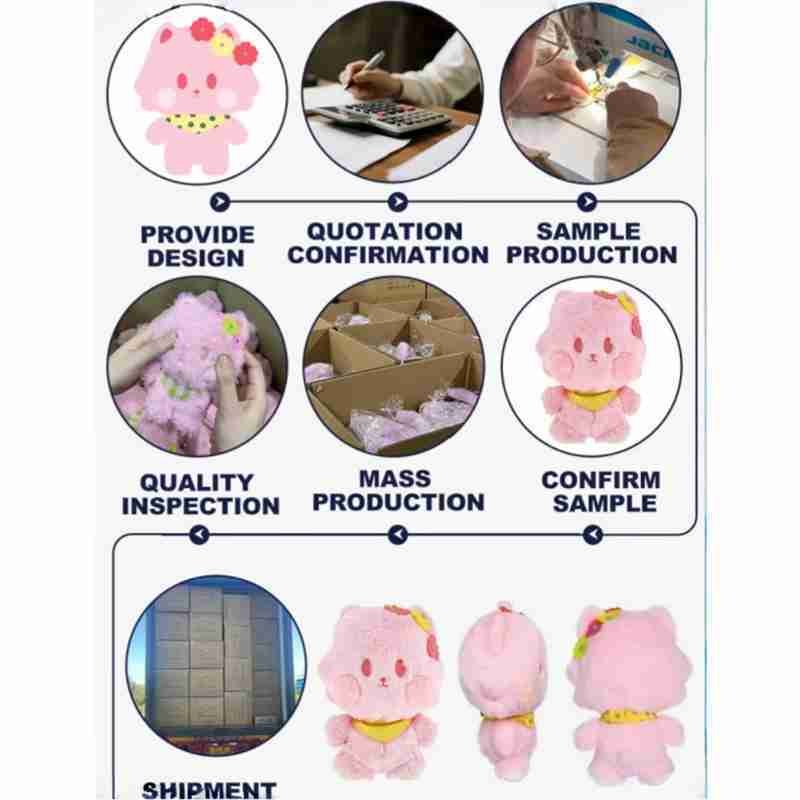
A practical OEM flow often includes:
- file and spec review
- V1 sample for shape and overall direction
- revision round for face details, branding, and trims
- PPS or golden sample before bulk
- mass production based on the locked version
This process does not usually slow the project down. In many cases, it reduces bigger delays later by lowering rework, interpretation gaps, and packaging mismatch before quantity increases. A stronger OEM route starts with a sample, then moves into bulk with a clearer standard.

What Actually Slows OEM Plush Orders Down
Most OEM plush toy delays do not come from one major error. They usually come from several smaller items staying open for too long. Common examples include unfinished artwork notes, late material changes, unclear label placement, unconfirmed packaging format, and repeated revisions without a fixed approval order.
This is why faster OEM progress usually depends on faster clarification.
The most common delay triggers are:
- incomplete artwork notes that create repeated interpretation during sampling
- late trim changes that affect appearance, attachment method, and timing
- open packaging decisions that delay barcode setup, carton planning, and final packing
- unclear revision priorities that create change without real progress
- missing milestone control that causes sample, bulk, and shipment steps to overlap badly
A stronger custom plush project usually runs better when the team agrees early on:
- what must be locked first
- what can stay flexible a little longer
- who approves each stage
- when sample, PPS, and bulk decisions are frozen
Better OEM flow often comes from clearer milestones, cleaner version control, and earlier packaging alignment.
Quote OEM Plush More Accurately
A more accurate OEM plush toy quote starts with measurable details, not only a visual mockup. The clearer the project is on size, fabric type, trim count, logo method, packaging style, and quantity plan, the easier it becomes to build a realistic cost from the beginning.
The same plush character can lead to very different pricing depending on the route. It may become a retail plush toy, gift plush, plush keychain, mascot plush, boxed plush set, or branded promotional plush. Each version changes material use, labor steps, accessory sourcing, packing method, and outer carton planning.
The most useful quotation inputs usually include:
size for fabric use, filling volume, and carton space
fabric choice for softness, cost, and face clarity
branding method for embroidery, print, label, or patch complexity
trim and accessories for added sourcing and sewing work
packaging format for inserts, gift box, barcode flow, and shipment logic
quantity plan for unit cost and production scheduling
A better OEM quote often comes from comparing routes clearly before fixing one version too early.

PPS and BOM Keep Orders Stable
In OEM plush toy work, stronger bulk consistency usually starts before production begins. The most useful control comes from three linked tools: PPS sample, BOM record, and workmanship notes. Together, they turn an approved plush sample into something that can be followed more clearly during real production.
Each tool protects a different layer:
PPS sample: locks the approved plush reference before bulk starts
BOM: fixes fabric, filling, trims, labels, and accessory details
workmanship notes: define face placement, stitching method, reinforcement, and finishing rules
This matters because custom stuffed animals, mascot plush, branded plush, and retail plush toys are sensitive to small changes. Even slight drift in pile direction, eye spacing, stuffing feel, trim position, or label placement can change the final look faster than many teams expect.
A more stable OEM plush order usually depends on whether the approved sample was translated into a clear production spec, not just approved visually. That is what helps protect bulk consistency, packaging accuracy, and future reorder stability.
Low-Quantity Trials and Reorders
A stronger OEM plush toy program is often built step by step, rather than moving directly from one approved sample into a large order. Many teams start with a low-quantity trial run, then place repeat orders after confirming product performance, packaging fit, and channel response.
This staged route is especially useful for custom stuffed animals, mascot plush, branded plush, retail plush, and promotional plush when the project involves:
new artwork or character design
updated branding or logo placement
new packaging formats such as gift box or retail display
multi-SKU variations
gift shop, event, or e-commerce testing
A practical reorder flow often includes:
sample approval
small trial batch
feedback on appearance, packing, and sell-through
spec adjustment if needed
repeat order with clearer standards
This approach helps reduce risk while improving bulk consistency, packaging alignment, and reorder stability, making future production easier to manage.


Complex Plush Needs Early Planning
Not every OEM plush toy project uses a simple plush body with basic embroidery. Some designs include mixed fabrics, long ears, tails, hats, clothing, bags, zipper parts, plastic accessories, or attached props. These details can create a stronger product, but they usually need earlier structure planning.
The main challenge is not only cost. It is build stability. A plush design may look clear in artwork, but once different fabrics stretch differently, props add weight, or small accessories compete with the face area, the final result can change quickly.
A better OEM build review usually checks:
body structure for balance, silhouette, and stuffing control
mixed materials for sewing behavior and final surface effect
attached props for safety, packability, and visual focus
functional parts such as zippers, pockets, or straps
face-to-body ratio to keep the character recognizable after assembly
For custom stuffed animals, mascot plush, branded plush, and retail plush toys, a stronger route is usually to lock the structure first, then refine decorative details after the build direction is stable.
Labels and Pack-Out Work Together
In OEM plush toy projects, packaging details usually work better when they are planned alongside the plush build, not after the plush body is already approved. A smoother process often includes woven labels, care labels, barcode stickers, warning cards, insert cards, SKU placement, carton marks, and retail packaging while the plush sample is still being finalized.
This matters because many delays do not come from sewing. They come from disconnect between the plush and the pack-out plan. A plush may be ready, but the barcode format is still open, the hangtag no longer fits the approved label area, or the insert tray does not match the final shape.
A cleaner OEM pack-out flow usually checks:
- label placement for brand consistency
- barcode and SKU logic for warehouse and channel control
- warning and care cards for product information
- carton marks for receiving and distribution
- retail pack format for shape protection and display
When plush build and packaging move together, the project is usually easier to approve, easier to pack, and easier to repeat later.


Who This OEM Plush Service Fits Best
This OEM plush toy setup works especially well for teams that already have a clear direction and now need stronger execution, repeat-order stability, and better packaging coordination. It is a practical fit when the goal is not only to complete one plush sample, but to move from approved concept into stable bulk production.
It is often useful for:
- brand merchandise teams
- licensed character plush programs
- retail plush collections
- gift-shop plush lines
- importers and distributors
- event and campaign plush projects
- multi-SKU plush launches
- seasonal reorder programs
It becomes even more valuable when the project includes:
- existing artwork or brand guide that needs factory-ready interpretation
- repeat-order plans that need spec and version control
- retail packaging with labels, barcode, and pack-out coordination
- multi-SKU planning that needs clearer mapping and consistency checks
For custom stuffed animals, mascot plush, branded plush, and retail plush toys, this kind of OEM support helps connect sampling, packaging, QC, shipment coordination, and reorder follow-up into one more stable working flow.
OEM File Checklist Before Sampling
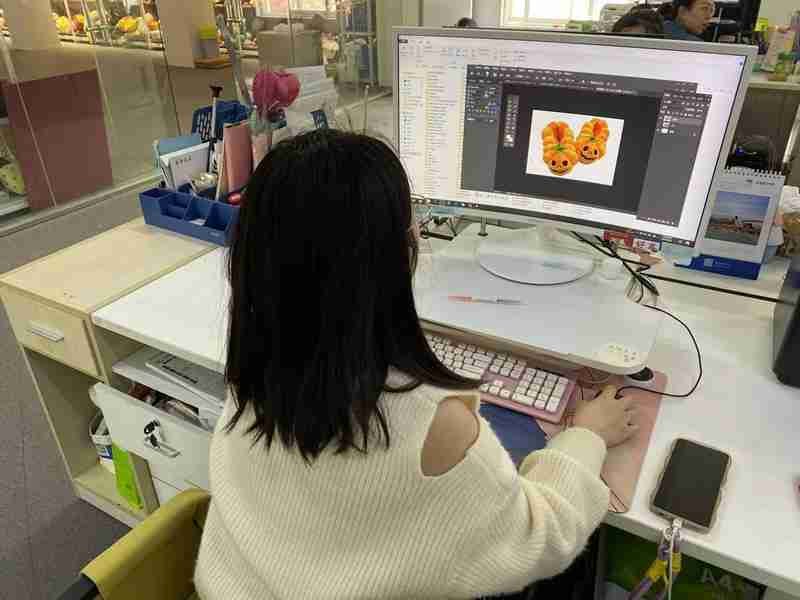
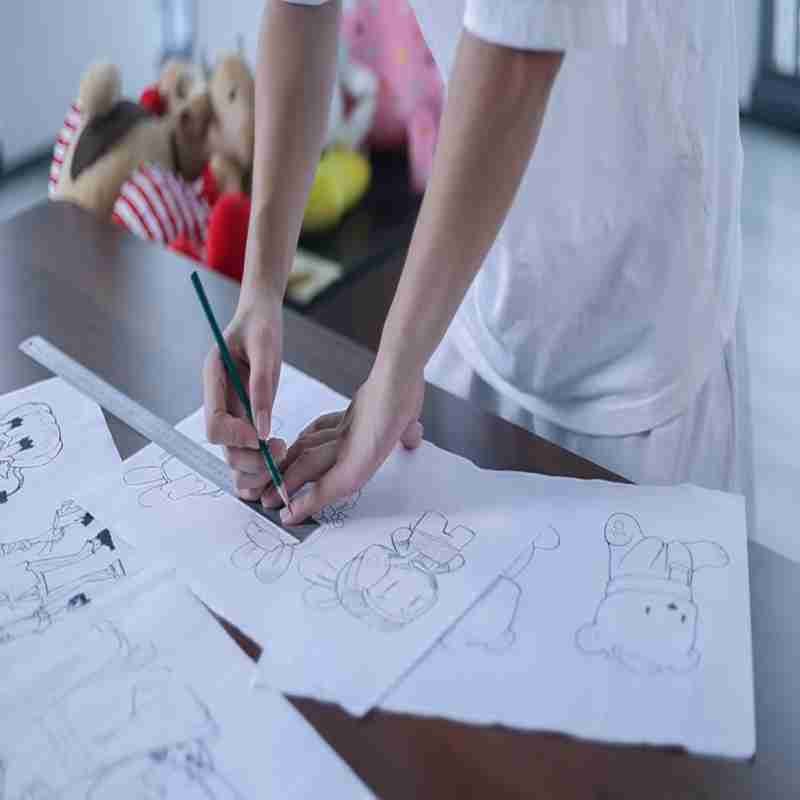
A smoother OEM plush toy project usually starts with a clearer file handoff. You do not need a large technical pack, but you do need enough information to reduce guesswork before sampling, quotation, and plush development begin.
A practical OEM file checklist often includes:
front, side, and back views to show plush shape and body proportion
size target to support costing, filling, fabric use, and packing logic
artwork file to plan embroidery, print, or appliqué placement
label and hangtag files to align branding details early
barcode or SKU information for retail and warehouse handling
packaging direction to make quote logic and pack-out planning clearer
If some details are still open, the project can still move forward. The key is to mark clearly what is already fixed and what still needs discussion.
For custom stuffed animals, branded plush, mascot plush, retail plush toys, and licensed plush programs, stronger starting files usually mean fewer revisions, cleaner sampling, and a more accurate OEM quote from the beginning.

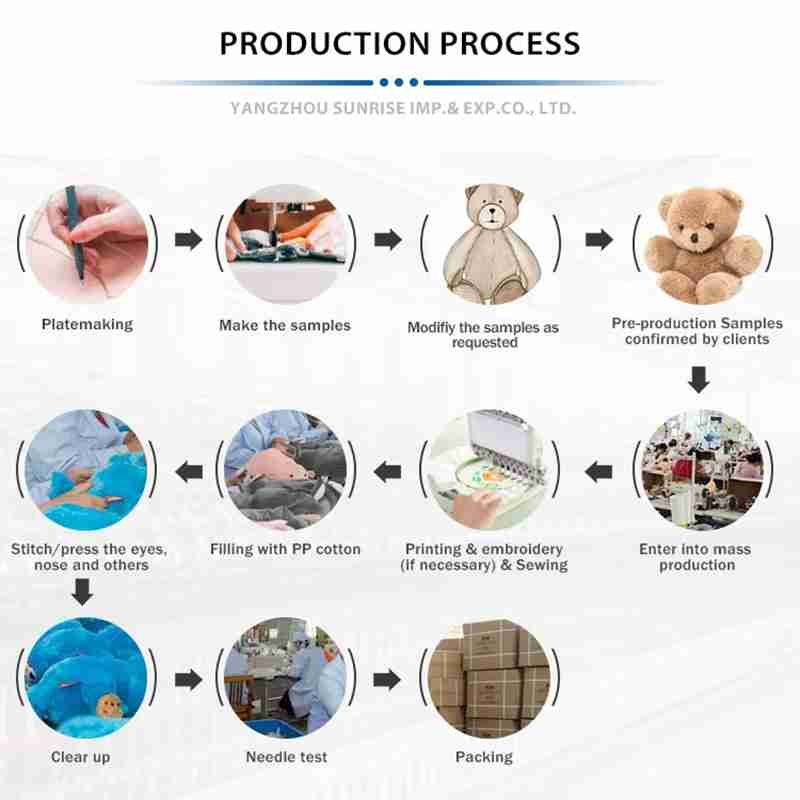
How OEM Plush Reduces Risk
The strongest OEM plush toy projects reduce risk before bulk production starts, not after problems appear on the line. This usually happens during the pre-production stage, when the team checks whether the approved sample can really move into stable output.
A practical pre-bulk review often includes:
PPS sample approval
fabric batch and trim readiness
filling and accessory confirmation
face placement and stitch standards
reinforcement points and attachment method
barcode, carton marks, and insert setup
key production update checkpoints
This matters because many OEM issues do not begin in sewing. They begin in the gap between the approved plush sample and the actual production line. If that handoff is weak, drift often appears later in appearance, trim position, labeling, packaging, or shipment flow.
For custom stuffed animals, mascot plush, branded plush, licensed plush, retail plush toys, and gift-shop plush, stronger pre-bulk control usually helps reduce rework, improve bulk consistency, and make later repeat orders easier to manage.
Our Plush Toys Range
A selection of plush toy categories we commonly manufacture for OEM and brand clients.
Our factory manufactures a wide range of custom plush toys for OEM and brand clients across different industries.
Rather than fixed products, these categories represent the types of plush projects we commonly develop and produce, from character-based designs to large-scale promotional and retail plush.
Each category reflects our experience in custom development, process control, and stable mass production, allowing partners to quickly identify whether their project fits our manufacturing capabilities.
Custom Character Plush
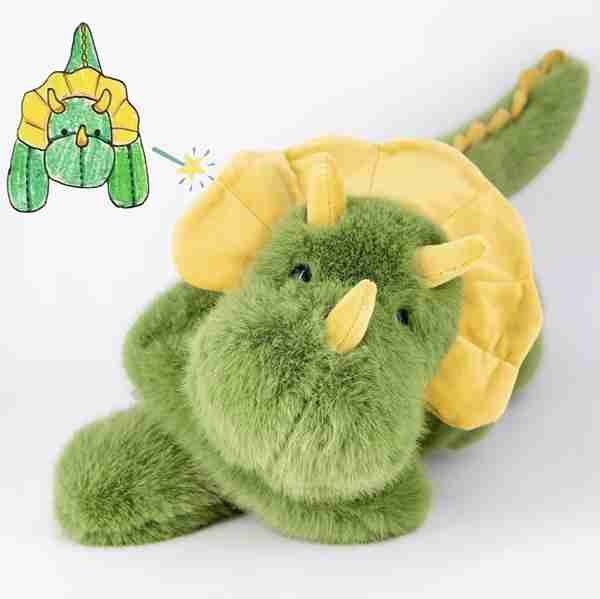
Custom-made plush toys based on IP characters, mascots, and original artwork, developed for OEM and licensed production.
Yours Animal Plush Toys
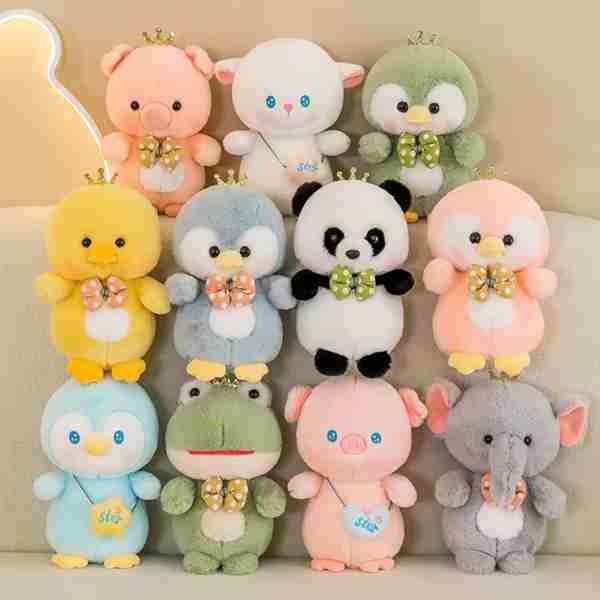
Classic animal plush toys produced for retail and wholesale distribution, with custom materials and design variations.
Retail Plush Collections
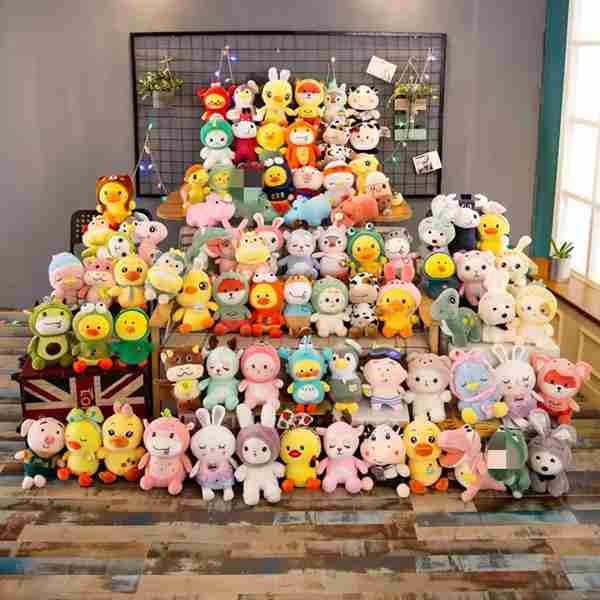
Plush toy series developed for retail stores and gift shops, focusing on consistent quality and repeatable production.
custom Giant Plush Toys
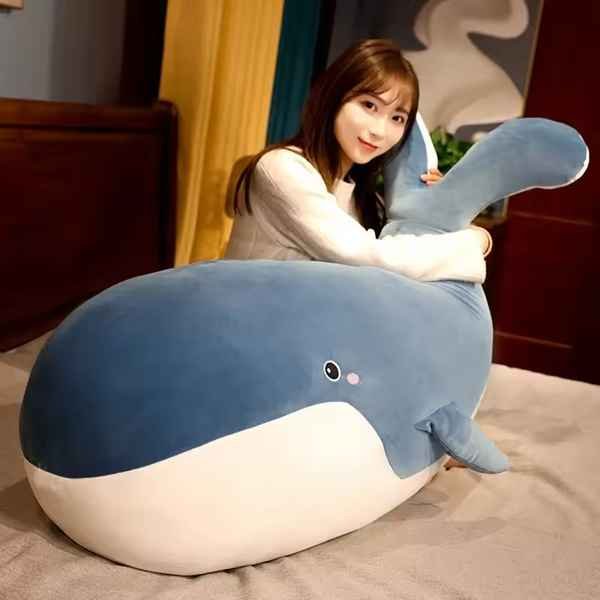
Large-scale plush toys requiring reinforced structure, controlled stuffing, and durability, commonly produced for events and display.
Promotional Plush Toys
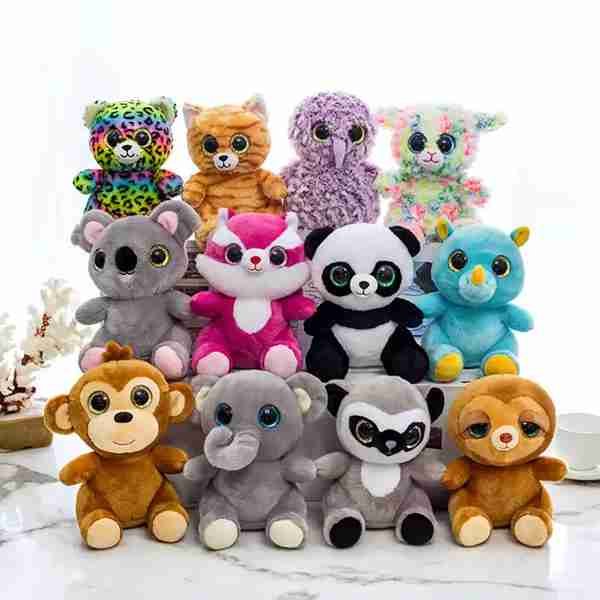
Plush toys designed for marketing campaigns, giveaways, and brand promotions, optimized for bulk orders and event use.
Custom Plush Mascots
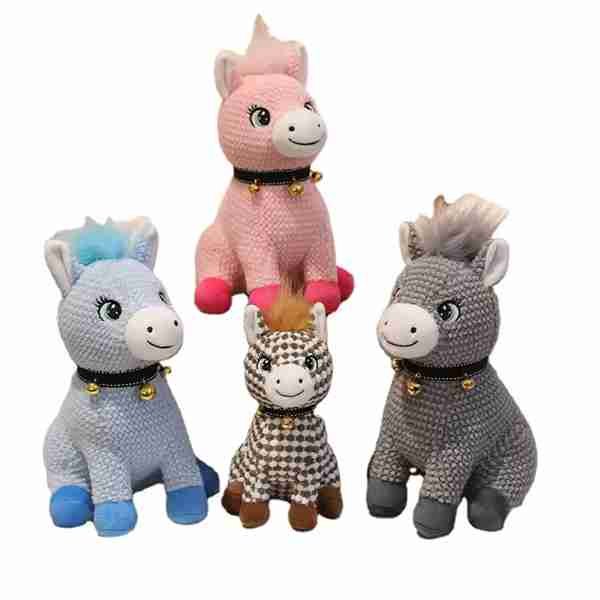
Wearable or display plush mascots developed for brand identity, exhibitions, and promotional use, with custom sizing and structure.
Seasonal & Holiday Plush
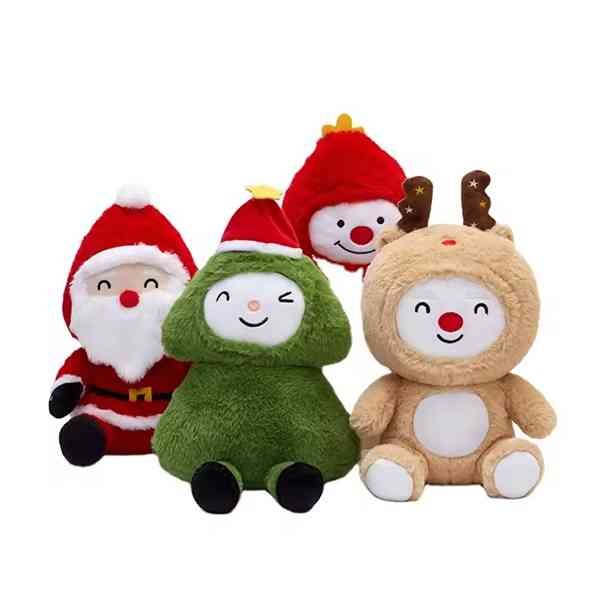
Plush toys developed for seasonal campaigns and holiday collections, such as Christmas, Halloween, and special events.
Plush Keychains & Mini Plush
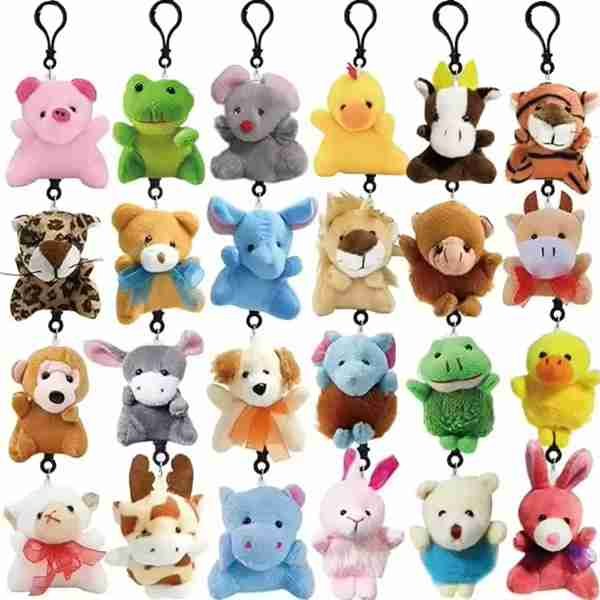
Small-size plush products designed for promotional bundles, accessories, and gift sets, suitable for large-volume production.
OEM Exclusive Plush Projects
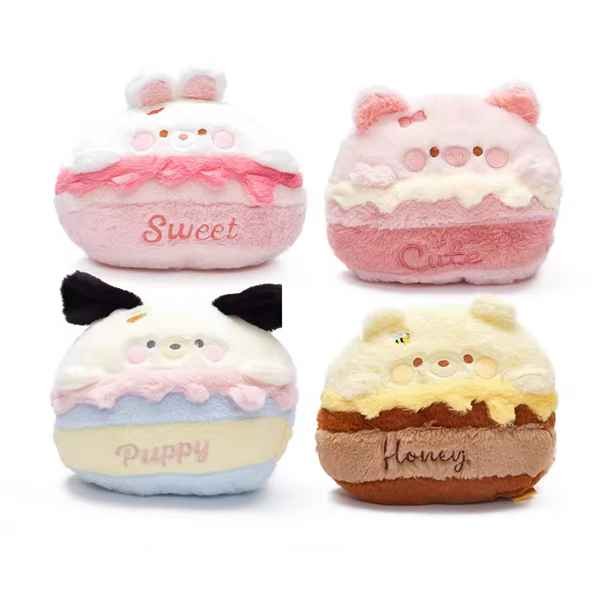
Fully customized plush projects developed under OEM or private-label agreements, from sample development to mass production.
Educational & Story Plush
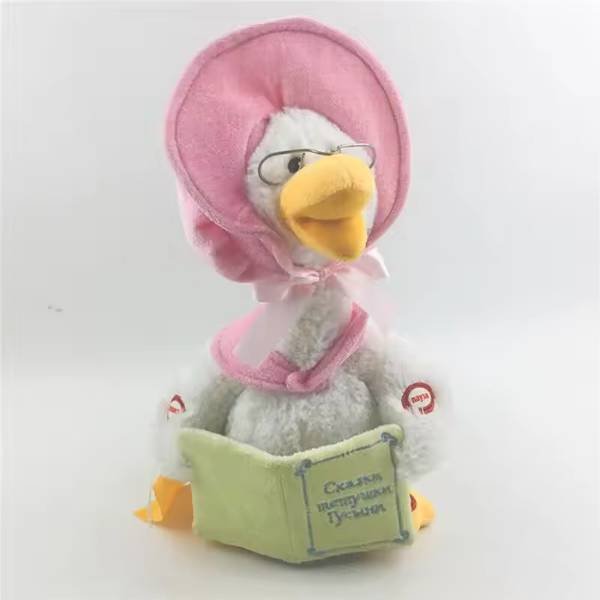
Plush toys designed for educational brands, books, and storytelling projects, with emphasis on safety and consistency.
Custom Soft Doll Plush
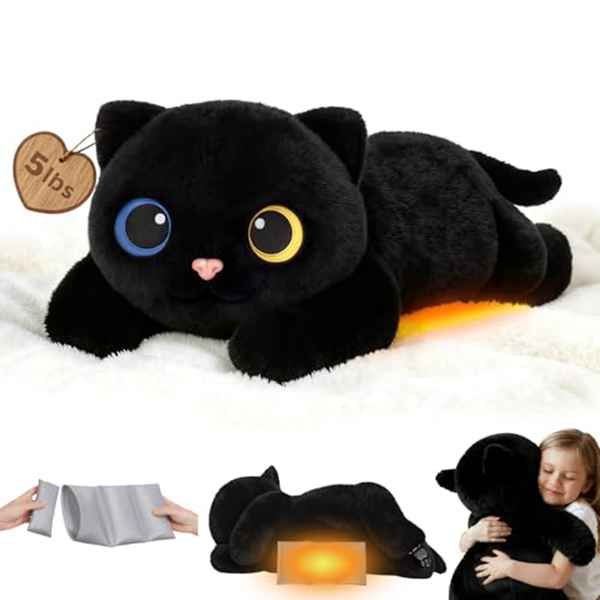
Human-style plush dolls developed for retail and branded collections, focusing on facial details and sewing accuracy.
Custom Plush Sets & Series
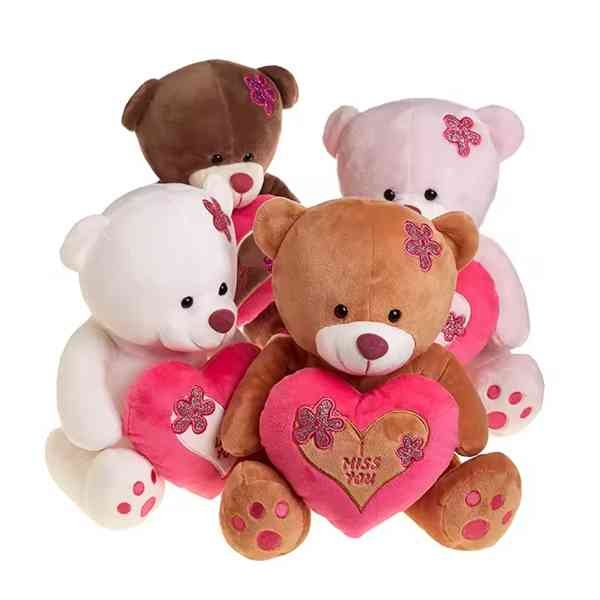
Multiple-design plush sets produced as series collections, requiring color control and batch consistency.
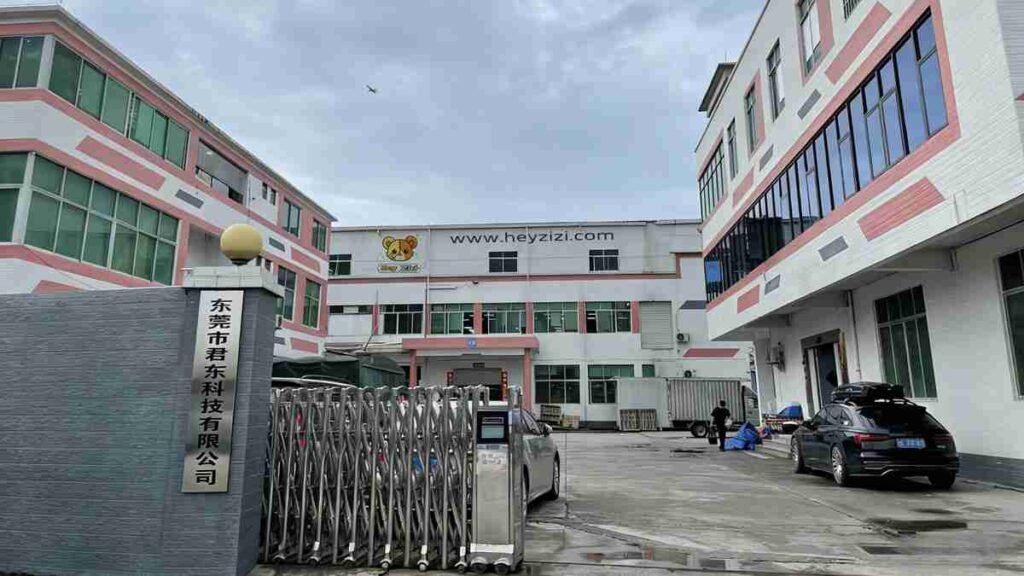
Inside Our Plush Toy Factory
Our Production Capabilities
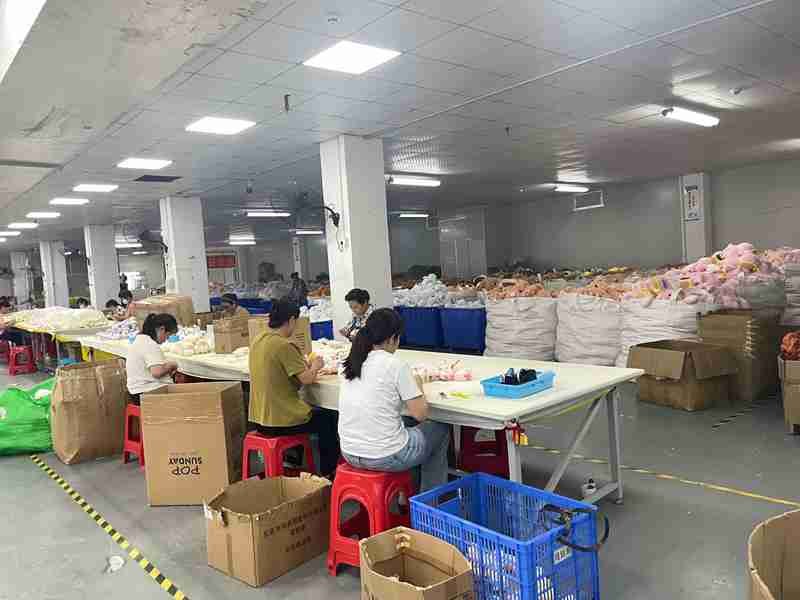
We believe transparency builds trust. By showing real production environments, partners can better understand how plush toys are manufactured in our factory, rather than relying on descriptions alone.
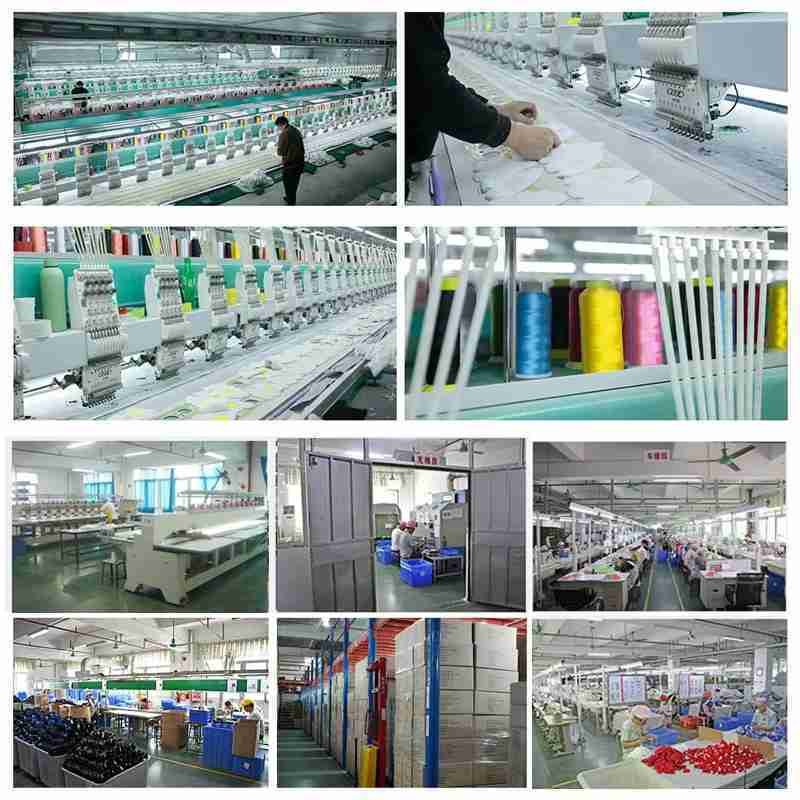
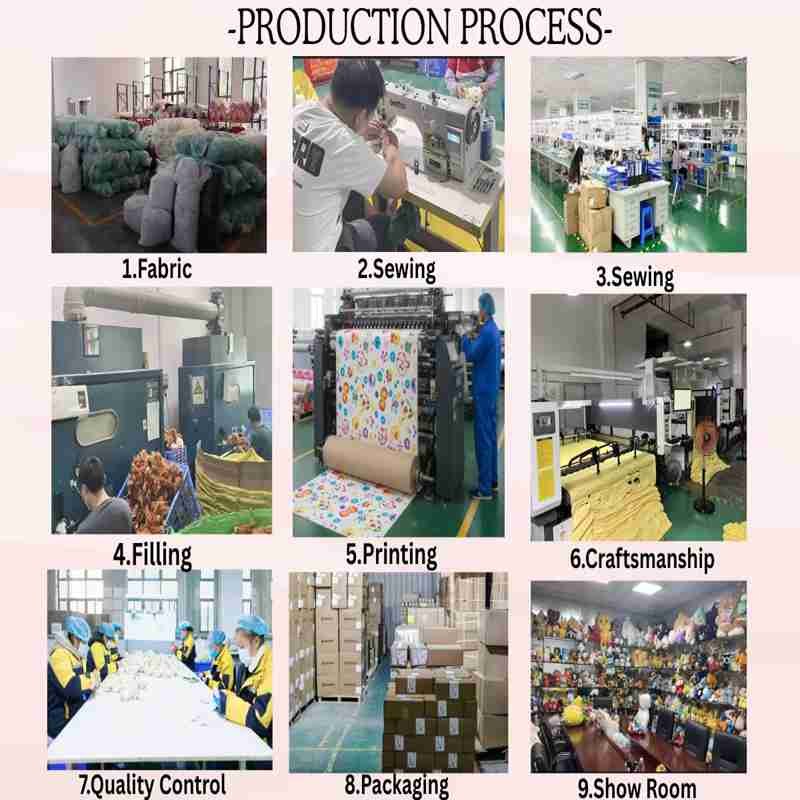
Our factory videos and photos present actual sewing lines, stuffing operations, in-line quality inspections, needle detection, and packing processes. These visuals reflect our daily manufacturing workflow, helping them evaluate our production capability, process control, and working standards with confidence.
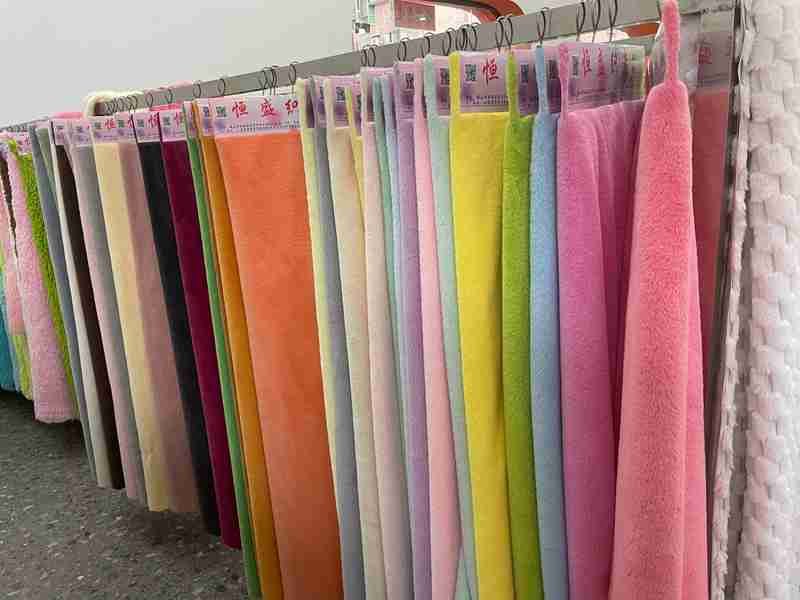
Selecting Raw Materials
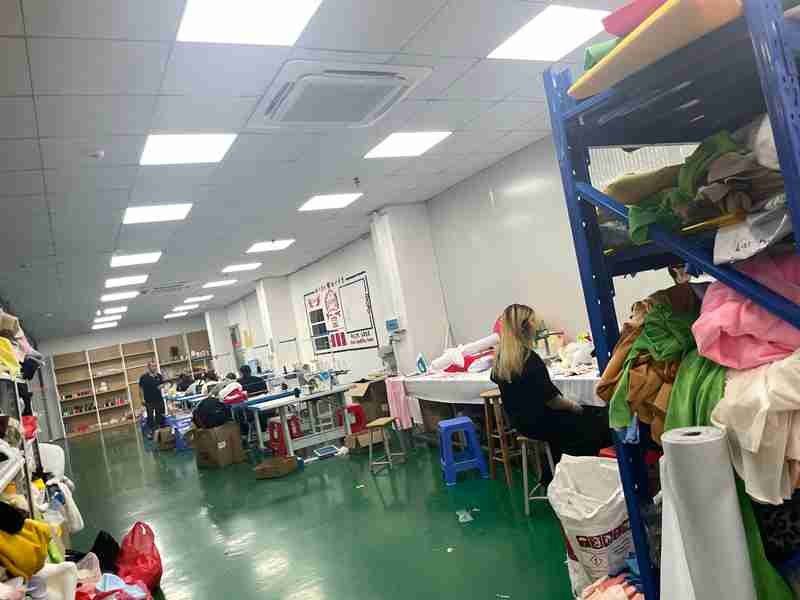
Partner Sample Production Room
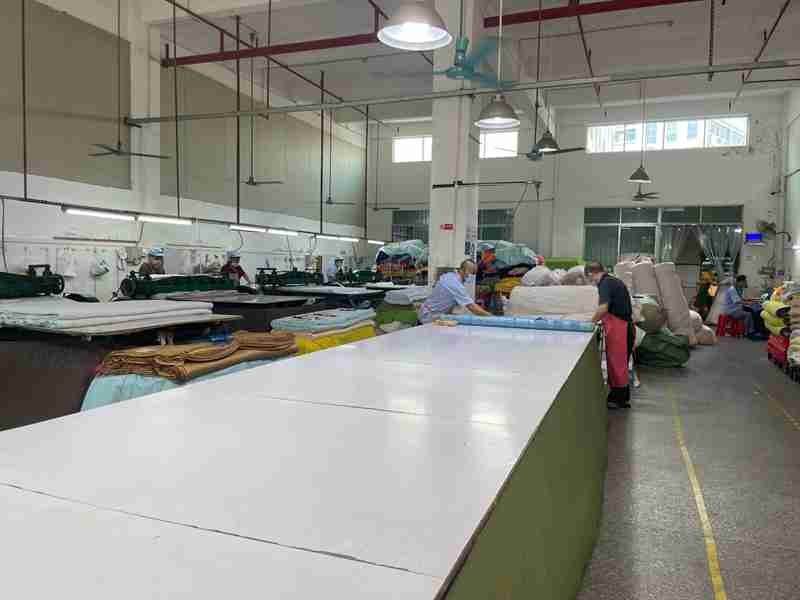
Selecting Raw Materials
Mechanical laser cutting
Batch computer embroidery
Sewing Lines in Operation
In-Line Quality Inspection
Stuffing Process Control
Hand Stitching & Closure Finishing
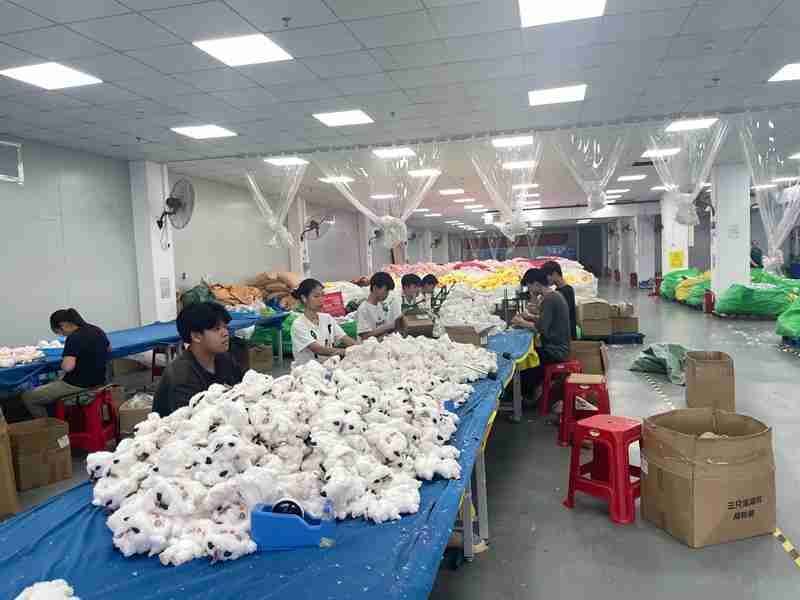
Shape Adjustment & Surface Finishing
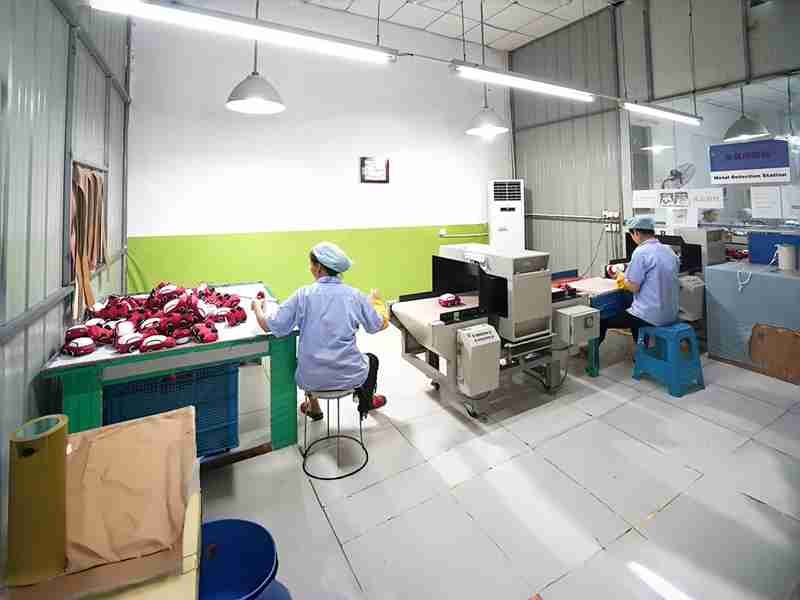
Needle Detection & Metal Safety Inspection
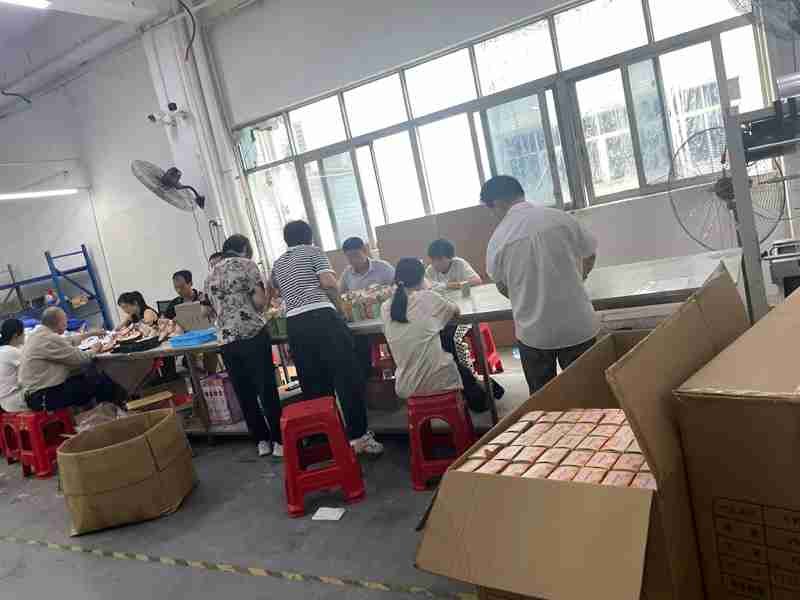
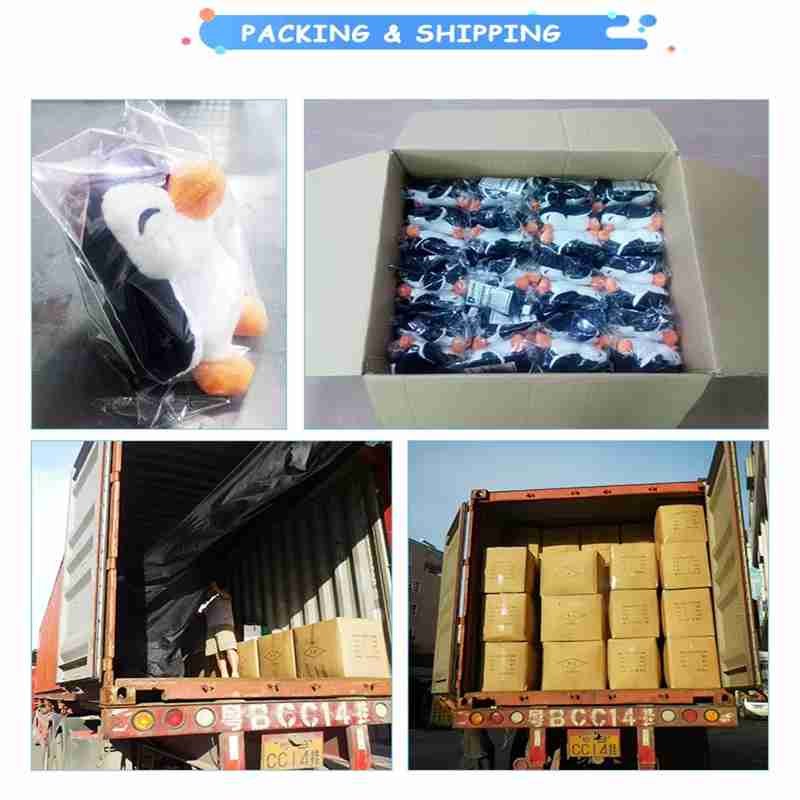
Packing & Carton Preparation
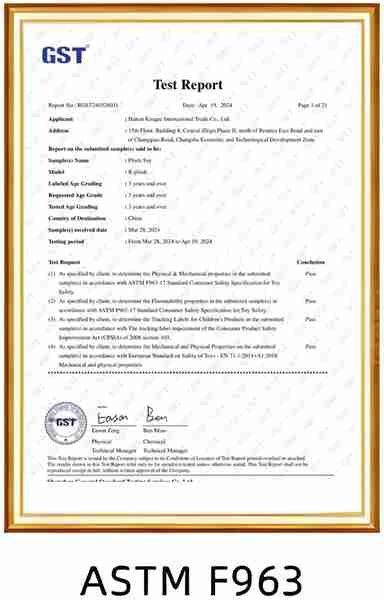
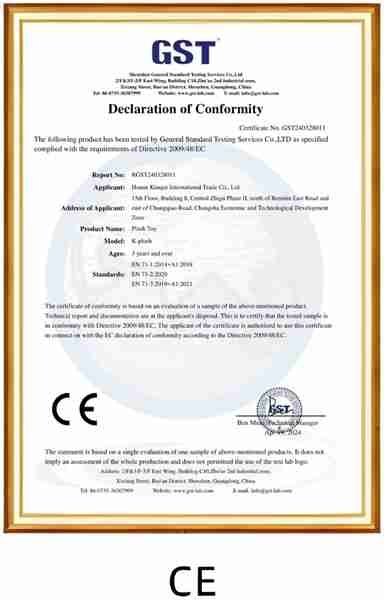
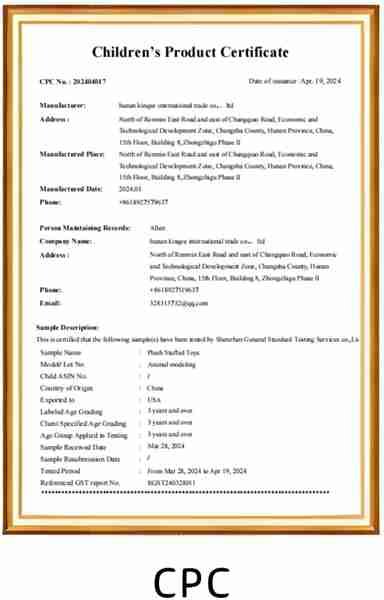
Cooperating Brands Trusted
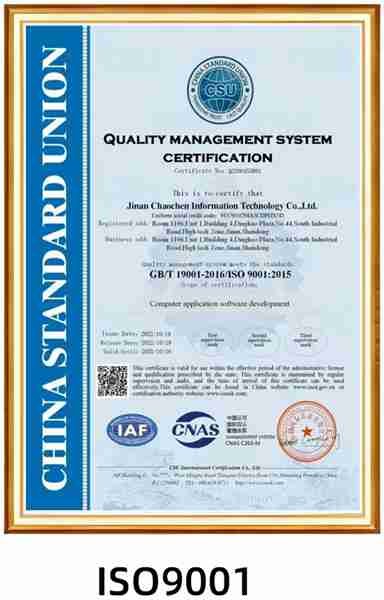
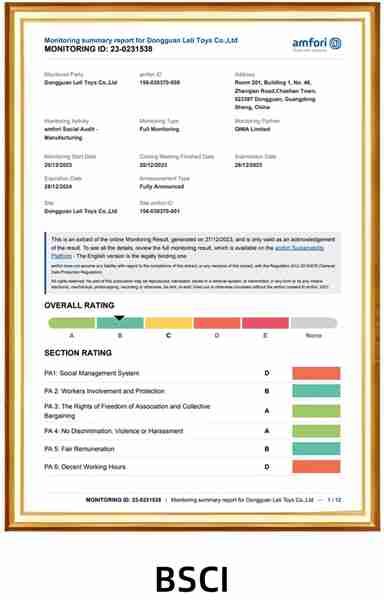
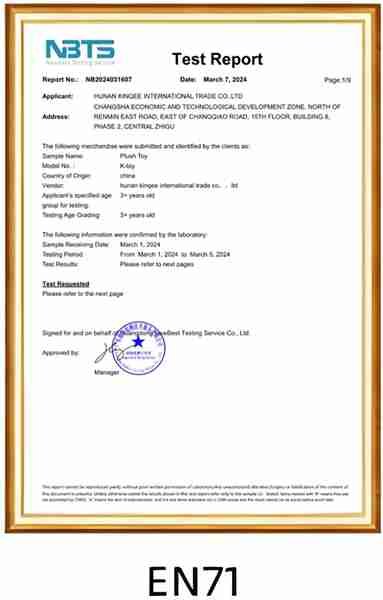
We cooperate with brands across gift, retail, publishing, and promotional industries. Many of our partnerships are long-term and built on consistent quality, clear processes, and reliable delivery.
Rather than focusing on volume, we focus on stable cooperation and repeatable manufacturing results.




Our Story-From 2000 To Today
2000 – Jundong established in Guangdong
2005 – Began international export operations
2010 – Expanded to EU, US, and Middle East markets
2015 – Launched in-house design and sampling center
2020 – Upgraded automation and ERP system
2025 – Servicing 800+ global clients












Make a Sample Before Mass Production
Before moving into mass production, sample development allows verification of structure, materials, workmanship, and quality standards.
If you are planning a custom plush project or evaluating a reliable plush toy factory, we welcome you to discuss your requirements with our team.
- info@heyzizi.com
- (+86)13717153084
Common Questions About OEM Plush Toy
Do I need a complete professional design file before starting an OEM plush project?
No. A complete professional file helps speed up evaluation and pricing, but it is not required to begin an OEM plush project. In real sourcing work, many programs do not begin with a polished technical pack. Some start with a rough hand sketch, a front-view character draft, a sample photo, a reference image board, or a partially finished artwork file. The key is not whether the first file looks perfect. The key is whether the core direction is clear enough for the factory to judge shape, size, material direction, face method, trim logic, and brand detail placement.
What usually helps most at the start is a simple but usable information set. That may include front/side/back views, target size, artwork file, logo location, packaging idea, and any known label or barcode requirements. If some of these are still open, that is still workable. In OEM work, it is often more useful to mark clearly what is already fixed and what is still flexible than to wait until every detail is perfect. This reduces misinterpretation and makes the next step more efficient.
This is also where experienced project support matters. A factory that only waits for finished files may not help much in the early stage. A stronger team can review what you already have, identify missing technical points, and help organize the project into a more executable direction before sampling begins. Heyzizi’s file specifically shows support for project brief review, feasibility check, artwork handling, sample coordination, spec-sheet setup, and version control, which is exactly why even an early concept can still move forward in a more controlled way.
Why do most OEM plush projects start with a sample instead of going straight to bulk?
Because a plush toy is a soft three-dimensional product, and many critical details cannot be judged correctly from a flat file alone. A drawing may already look final, but the real plush can still change after cutting, sewing, stuffing, shaping, and finishing. That is why a sample stage is not extra bureaucracy. It is the most practical way to confirm whether the approved look can actually become a stable product.
A sample is especially important in OEM work because the project often starts from client-supplied artwork, reference products, private label instructions, or retail pack-out requirements. On paper, the concept may already feel clear. In real form, questions appear very quickly. Will the face placement still look balanced after stuffing? Will a long-pile fabric reduce embroidery clarity? Will the accessory sit correctly once the toy is packed? Will the approved label area still work after seam allowance is applied? These are not small issues. They directly affect sample approval, pricing confidence, and later bulk consistency.
A controlled sampling path also creates a better bridge into production. In your file, the recommended path is clearly structured as V1 prototype → tracked revisions → technique sample if needed → packaging sample → PPS → golden sample sealing. This is extremely valuable because it turns the sample into a production reference, not just a visual checkpoint. In other words, a good sample stage is not only about making one piece look right. It is about reducing risk before the order becomes expensive to change.
What usually changes the price of an OEM plush order the most?
The biggest price drivers are usually size, fabric family, trim complexity, branding method, packaging structure, and quantity plan. Many partners hope for a fast unit price based on one artwork image, but OEM plush costing works best when the factory can see the real build logic behind the visual design. A simple-looking character can still produce very different costs depending on how it is specified.
For example, size affects not only fabric use, but also fill volume, labor time, and carton efficiency. Fabric type changes both material cost and workmanship difficulty. Short plush, long plush, velboa, and contrast-texture fabrics can create very different sewing behavior and final appearance. Branding method also matters more than many teams expect. Embroidery, print, appliqué, woven labels, patches, and multiple tag systems all add their own process logic. The same is true for trims and accessories such as chains, ribbons, zipper pulls, hanging parts, and props. Every added component affects sourcing, attachment work, and inspection attention.
Packaging is another major price factor that is often underestimated. A polybag, gift bag, insert tray, color box, blind box system, or vacuum pack can completely change unit cost, master carton structure, and shipping efficiency. Quantity also matters, but not only because “more is cheaper.” It affects scheduling logic, unit-cost absorption, and how practical it is to maintain stable output. That is why a more useful quote usually comes from a better RFQ, not just a faster reply. Heyzizi’s file specifically notes support for spec-sheet setup, BOM, packaging instructions, barcode positions, and option-based project planning, which is exactly the kind of structure that helps pricing become more accurate earlier.
What protects OEM bulk quality after the sample is approved?
OEM bulk quality is protected by a control package, not by the approved sample alone. The sample is essential, but it does not control the line by itself. What actually keeps the order more stable is whether the sample has been translated into PPS approval, BOM, workmanship notes, packaging SOP, version control, and change history before bulk begins.
This matters because plush products are highly sensitive to small variation. A slight shift in pile direction, eye spacing, stitch density, fill pressure, trim angle, or label position can change the visual result more quickly than many teams expect. These changes often do not look dramatic in isolation, but they accumulate. That is why experienced OEM teams do not rely on “the workers remember how the sample looked.” They rely on a shared execution pack that both factory staff and the buying team can reference.
In your file, this execution pack is already very clear. It includes PPS preparation and approval, material readiness checks, workmanship standards for face placement, stitch density, and reinforcement, BOM for fabrics, trims, fillings, labels, and hardware, plus packaging SOP, carton marks, and version linkage to the latest approved standard. That combination is powerful because it protects not only the first bulk run, but also later reorders. In practice, this is one of the clearest differences between a team that can make plush and a team that can hold a specification across batches.
Can packaging, labels, barcodes, and warehouse markings really be prepared together with the plush product?
Yes, and in most OEM plush projects, they should be prepared together. Treating product and pack-out as separate tracks is one of the most common reasons projects feel smooth in sampling but become messy before shipment. When labels, barcodes, SKU mapping, insert cards, carton marks, and retail pack format are planned in parallel with the plush, the project is easier to quote, easier to approve, and easier to ship.
This is especially important for private label programs, retail-ready plush, gift-shop assortments, and multi-SKU orders. A plush item may already be approved visually, but the project can still stall if the barcode format is unresolved, the care label file is missing, the carton mark template is incomplete, or the insert tray no longer fits the final shape. These are not packaging afterthoughts. They are execution risks. Good OEM teams surface them early, while sample and PPS work are still in progress.
Your file shows a strong real-world system for this. It includes unit barcode planning, carton labels with carton number / SKU / quantity / G/N / dimensions, batch traceability logic, SKU mapping tables, photo proof for label position, carton mark templates, packaging sampling, insert trays, gift boxes, blind-box display systems, and pre-shipment photo checks. That matters because accurate labeling is not just a warehouse issue. It protects receiving, stocking, retail presentation, and reorder clarity at the same time.
Can one approved OEM plush style expand into multiple SKUs or a full collection?
Yes, and in many commercial plush programs, that is one of the smartest ways to build long-term value from the first approved style. A well-developed OEM plush project does not have to stop at one item. Once the first style has stable structure, material logic, and branding standards, it can often extend into new sizes, colorways, pillow forms, keychain forms, gift sets, wearable items, or limited seasonal versions.
The key is to decide early which parts of the project should remain shared and which parts can change by SKU. Shared elements often include the main character language, face identity, fabric family, logo system, and collection packaging tone. Changing elements may include size, color, expression, accessories, barcode identity, or retail pack format. When this distinction is made clearly, the collection feels coordinated instead of random. When it is not made clearly, SKU expansion often turns into several disconnected projects with repeated sampling cost and inconsistent results.
This is especially useful for plush lines sold through retail, gift shops, museum stores, tourism merchandise, event programs, and branded merchandise collections. A single approved style can become the foundation for different price tiers and different use cases. For example, the main plush can remain the hero item, while a keychain version becomes the entry item, and a pillow or gift set becomes the premium version. That kind of collection logic usually makes ordering, packaging, and reordering much easier to manage over time.
Your file already shows strong support for this kind of expansion. It includes Series Development (expressions, colorways, seasonal, occupation themes), same-character multi-form systems, gift bundles, blind-box systems, and a very broad plush SKU library that can translate one character into multiple product forms. That makes the first approved plush more than one item. It becomes a commercial base for a wider line.
Can a smaller trial order be arranged before a larger run?
Yes, and for many new OEM plush launches, a smaller trial order is the safer commercial step between sample approval and a larger commitment. A sample shows whether the product can be made correctly. A trial order shows whether the product still works in real use, real packing, real channel flow, and real internal review after it leaves the sample stage. That is why many experienced teams use a smaller first batch to reduce pressure before scaling.
This is especially useful when the project includes new artwork, new branding, fresh retail packaging, several SKUs, or a channel that has not tested the plush before. A trial order gives the team a chance to verify more than appearance. It helps confirm packaging performance, barcode and warehouse flow, shelf presentation, gifting response, carton practicality, and internal sign-off from merchandising or sales teams. In many cases, the trial order is what reveals which SKU should be pushed first and which detail still needs adjustment before the larger reorder.
A useful trial-order mindset is to treat it as a bridge, not as a half-version of the real order. It should still follow the approved sample, controlled packaging setup, SKU identity, and shipment logic. That way, the trial batch becomes the most valuable learning stage before wider rollout. Your file already supports this route through sample-to-bulk transition planning, small-batch logic, packaging confirmation, barcode/SKU handling, and reorder preparation, making trial orders practical rather than improvised.
What helps OEM plush reorders stay more consistent over time?
The strongest OEM reorders are built on records, not memory. If the first order leaves behind a clear control system, later batches are much easier to manage. The most useful foundations are usually golden sample, BOM, workmanship notes, packaging files, SKU mapping, barcode rules, and version-change history. Without those, reorders often drift in small ways that are hard to correct once the line is moving.
Reorders usually do not fail dramatically. They weaken quietly. Fabric handfeel changes slightly. Filling becomes looser. An embroidered eye sits a little lower. A hangtag hole shifts. A carton label format changes. Each difference looks minor in isolation, but together they reduce brand consistency and make channel handling harder. This is why strong OEM reorder control should include not only the plush body, but also the full execution environment around it.
A practical reorder control set usually includes:
| Reorder Control Item | What It Protects |
|---|---|
| golden sample | visual reference standard |
| BOM | material identity and trim continuity |
| workmanship notes | face, stitch, reinforcement consistency |
| packaging files | retail and shipping repeatability |
| SKU or barcode records | warehouse and channel accuracy |
| change log | prevents silent drift across batches |
Your file already shows a very strong base for this. It includes Golden Sample Sealing, BOM and Packaging SOP, V1/V2/PPS version linkage, barcode or SKU control, sample photo proof, and change tracking for controlled updates. That matters because consistency over time is one of the clearest reasons partners stay with the same plush factory.
How many sample rounds are usually normal in OEM plush development?
For most OEM plush projects, more than one sample round is normal, and that usually means the project is being managed carefully rather than poorly. Plush is a soft, three-dimensional product. Even when artwork looks finished, the real object may still need adjustment after sewing, stuffing, and finishing. Shape, face balance, filling feel, accessory position, and packaging fit often cannot be fully judged in a single round. That is why a realistic sample path is usually V1 for shape and structure, V2 for detail correction, and then PPS or a final approval sample before bulk starts.
The number of rounds depends on the project type. A simple plush with limited decoration may move faster. A character plush with embroidered face details, mixed fabrics, props, labels, retail packaging, or multi-SKU extension plans usually needs more review. In those cases, extra rounds are not waste. They are often what prevents expensive mistakes later. A rushed “one-sample approval” may look faster on paper, but if the body proportion, eye spacing, or trim placement is still not stable, the project can lose much more time after bulk preparation has already started.
The useful way to think about sample rounds is not “how many rounds will there be?” but “what does each round need to confirm?” A practical sequence looks like this:
| Sample Round | Main Goal |
|---|---|
| V1 | confirm silhouette, size logic, core structure |
| V2 | refine face, filling, technique details, branding placement |
| PPS / Final | lock production standard before mass output |
Heyzizi’s own workflow already supports Pattern Prototype (V1), Revision Samples (V2/V3), Technique Samples, Color/Fabric Confirmation, PPS, Golden Sample Sealing, and Sample Review Notes, which is exactly the kind of system that makes revisions more controlled and less emotional.
What usually slows an OEM plush project down the most?
Most OEM plush delays come from unresolved details, not from the sewing line itself. In many projects, the visible schedule looks reasonable, but hidden open items keep slowing the real execution. The most common ones are unfinished artwork notes, late trim changes, open packaging decisions, unclear revision priorities, and weak milestone control. When these stay unresolved for too long, even a capable factory will spend more time confirming and re-confirming than actually progressing the project.
One of the biggest causes is incomplete translation between artwork and production. A drawing may look complete, but the factory still needs to know what is embroidered and what is printed, which fabric must stay fixed, where the label goes, what the barcode format is, how the product will be packed, and which version is the approval standard. If these decisions are made too late, the team starts revisiting the same points in multiple stages: sample, pack-out, PPS, and shipment. That creates the feeling that “everything is taking too long,” even when the real issue is decision timing.
A practical way to reduce this is to divide the project into clear sign-off gates. For example:
| Stage | What Should Be Locked |
|---|---|
| Before V1 | artwork direction, size, basic materials |
| Before V2 / PPS | face method, trim position, labels, packaging direction |
| Before bulk | BOM, PPS, workmanship notes, carton marks, barcode logic |
Your file already shows strong support for this kind of control through milestone planning, version control, risk-check reviews, sample review notes, packaging setup, and defined update checkpoints during production. That matters because a plush project moves faster when not every decision is left open at the same time.
