 Skip to content
Packaging & Shipping for Custom Plush Toys: Anti-Deformation Packing, Carton Marks, and Shipping Modes
A plush toy can look perfect at the sampling table and still arrive “wrong” to the customer. Not because the sewing was bad—because the packing and shipping system wasn’t designed like a real production spec. If you’ve ever opened a carton and found flattened bodies, creased faces, bent ears, or fur that looks “tired,” you already know the truth: in plush, logistics can create defects. That’s why experienced procurement teams don’t treat packaging as decoration. They treat it as the last manufacturing process that decides whether your brand gets repeat orders or return rates.
The gap usually shows up when a brand scales from “a few cartons” to “multi-SKU bulk.” Suddenly, small choices become expensive: vacuum packing saves freight but increases shape risk; a weak carton saves cents but causes crushing; missing carton numbers slow receiving; a barcode on glossy lamination fails scanning; a retail-ready set needs extra approvals and adds lead time. Even worse, everyone assumes someone else is “handling it”—the factory assumes the will provide templates, the importer assumes the factory knows the warehouse rules, and the 3PL assumes the cartons will match the packing list. That’s where delays, chargebacks, and panic relabeling happen.
To ship custom plush safely, define anti-deformation packing as a quality standard: choose the right packing type (polybag, vacuum, inserts, gift box), set measurable pass/fail rules for shape recovery, and use strong cartons with correct carton marks (PO, SKU, qty/ctn, carton no., weights, dimensions). For bulk orders, place barcodes/SKU labels on flat surfaces (tags, polybags, cartons), then pick a shipping mode (express/air/sea) that fits timeline, budget, and shape risk.
Heyzizi (Guangdong, China) builds plush programs for custom, private label, and OEM/ODM . This guide is written for teams who want fewer surprises, faster receiving, and plush that arrives looking like the approved sample.
What Packaging Prevents Deformation Best?
| Plush type / risk | Best packing baseline | Add-on protection | Avoid if you care about shape |
|---|---|---|---|
| Mini plush (small body) | Polybag + flat tag | Light insert / header card | Heavy vacuum + tight folds |
| Standard plush (mid size) | Polybag + carton dividers | Face protector / belly card | Weak cartons / overstacking |
| Large plush (high crush risk) | Large polybag + strong carton | Void fill + orientation rules | Undersized cartons / tight compression |
| Premium retail plush | Retail box + inner tray | Dust bag + tissue + hangtag | “Loose in carton” shipping |
Carton Mark Template (Copy-Ready Block)
- SHIP TO: [Warehouse / 3PL Name + Address]
- PO NO.: [PO12345]
- SKU / ITEM: [HZY-CHAR-30CM-BLU-V1]
- QTY / CTN: [12 PCS]
- CTN NO.: [1/20]
- G.W. / N.W.: [__ / __ KG]
- MEAS: [__ × __ × __ CM]
- ORIGIN: [MADE IN CHINA]
- HANDLING: [KEEP DRY / THIS SIDE UP if needed]
What is “anti-deformation packing” for plush, and why do care so much?
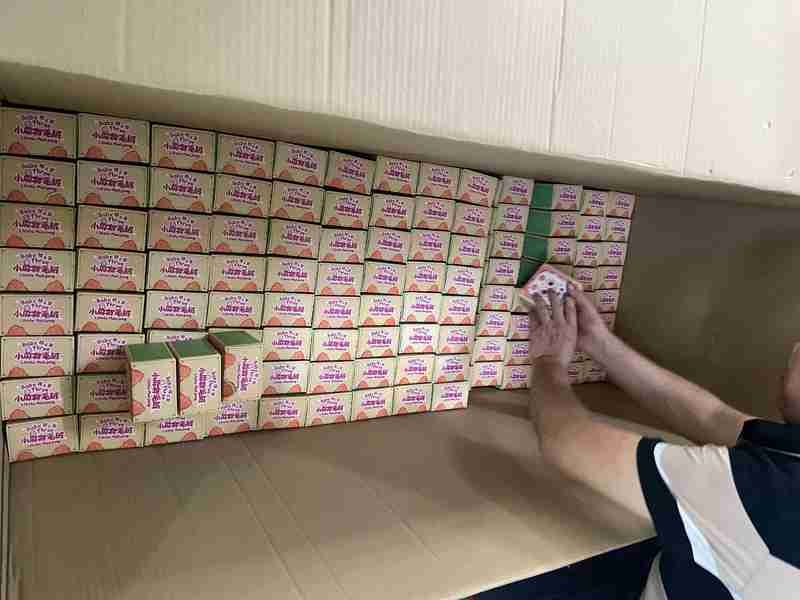
Anti-deformation packing means packaging designed to protect plush shape during compression, stacking, and transit—then recover fast on arrival. care because deformation becomes returns, bad reviews, chargebacks, and delayed launches. The right approach defines “acceptable deformation,” chooses the right packing type (polybag/vacuum/inserts/box), uses cartons strong enough for stacking, and sets approval rules so bulk matches sample.
Anti-deformation packing is not “extra.” It’s a decision about how your plush survives three forces: compression, time under pressure, and rebound expectations. Plush is soft by design, so it’s easy to assume it will “bounce back.” Sometimes it does. Sometimes it doesn’t—especially when the product has structured parts (embroidered faces, appliqué, ears, noses, accessories), or when the stuffing density is tuned for a premium feel rather than maximum resilience.
Let’s break down the most common deformation types you’ll actually see in bulk shipments:
- Flattening: body looks thinner than the sample, especially on belly and sides.
- Creasing: visible fold lines on face panels, belly, or limbs after tight packing.
- Face distortion: embroidered eyes look pulled, printed faces show wrinkling, noses shift.
- Ear bending: ears arrive folded, with stubborn angles that don’t relax quickly.
- “Tired fur” look: pile direction is crushed; plush looks older than it is.
So, what packaging prevents plush deformation during shipping? The best answer is not one material—it’s a system:
- Limit harmful compression If you reduce the compression load the plush experiences, you reduce permanent deformation. That sounds obvious, but in practice it means choosing cartons that are not undersized, avoiding overstuffing, and using dividers or inserts so plush don’t become “soft bricks” under stacking weight.
- Control how the plush is folded (or not folded) Random folding creates random creases. A factory-grade packing SOP defines where folds can happen, and where they cannot (face zones, embroidered zones, accessory zones). For plush with face embroidery or structured snouts, the SOP often requires face protection and controlled orientation.
- Support shape with inserts (only where needed) Inserts don’t have to be fancy. A simple belly card, face protector, or inner tray can prevent “dent points.” For large plush, inserts plus void fill can stop the body from collapsing into carton corners.
- Define recovery expectations This is the part most skip. If you don’t define what “acceptable” is, every arrival becomes an argument. A practical approach is to define:
- “Allowed compression time” (how long it can stay packed)
- “Recovery time” (how long after opening it should look normal)
- “Pass/Fail photos” (what’s acceptable vs not)
- “Key measurement points” (e.g., head width, body thickness, ear angle range)
Now the “why” from a procurement angle: deformation is not only cosmetic. It causes operational cost. You get customer complaints, returns, relabeling delays, warehouse holds, and internal time spent “fixing” plush by hand (steaming, brushing, reshaping). If you’re shipping to retail distribution centers, damaged or inconsistent packaging can also trigger non-compliance fees or rejected deliveries.
Finally, who should define the standard? In a clean workflow, the brand defines the appearance target and the channel rules (retail-ready vs bulk). The importer/3PL defines receiving requirements (carton labels, carton marks, carton stacking limits). The manufacturer defines what’s technically realistic and writes the SOP. When those roles are clear, anti-deformation packing becomes repeatable, and your bulk shipments stop feeling like a gamble.
Which type of plush packaging is best: polybag vs vacuum packing vs carton inserts vs gift box?
The “best” plush packaging depends on your channel and shape risk: polybag is flexible and common; vacuum can reduce freight but increases deformation risk; carton inserts protect shape and speed receiving; gift/retail boxes look premium but add cost and approvals. For large plush, carton strength and orientation rules matter more than the bag type. Choose packaging as a balance of cost, protection, and retail readiness.
often ask for “the best packaging,” but packaging is a trade: unit cost, freight cost, damage risk, warehouse speed, and customer unboxing expectations. Let’s go through each packing type like a procurement checklist, not a marketing list.
1) Polybag (OPP/PE)
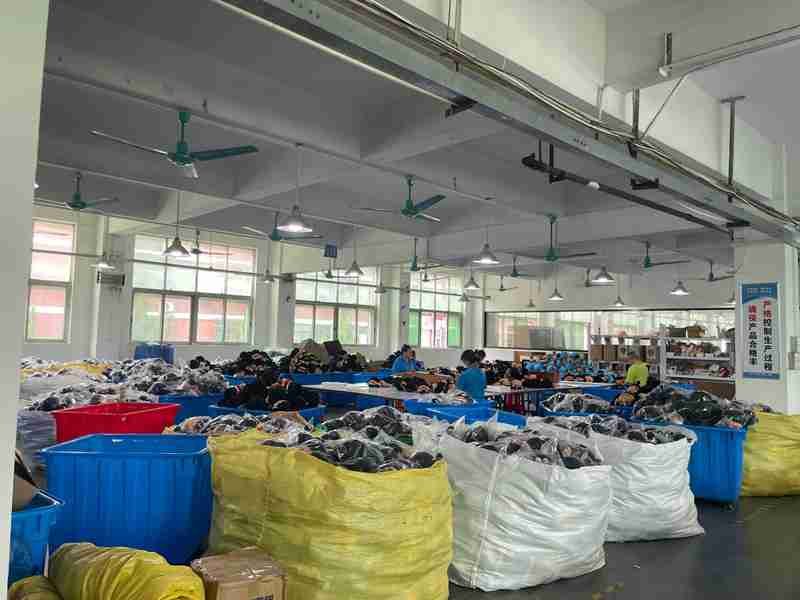
Polybag is the workhorse of plush shipping. It protects against dust and light moisture, keeps units separated, and supports barcode labels easily. It also plays nicely with multi-SKU programs because you can put SKU + barcode labels on a flat surface without risking scan failures on plush pile.
Where polybag fails is when cartons are weak or overloaded. Polybag does not protect shape by itself—it only separates and shields. If the carton stacks badly, plush still gets crushed.
2) Vacuum packing
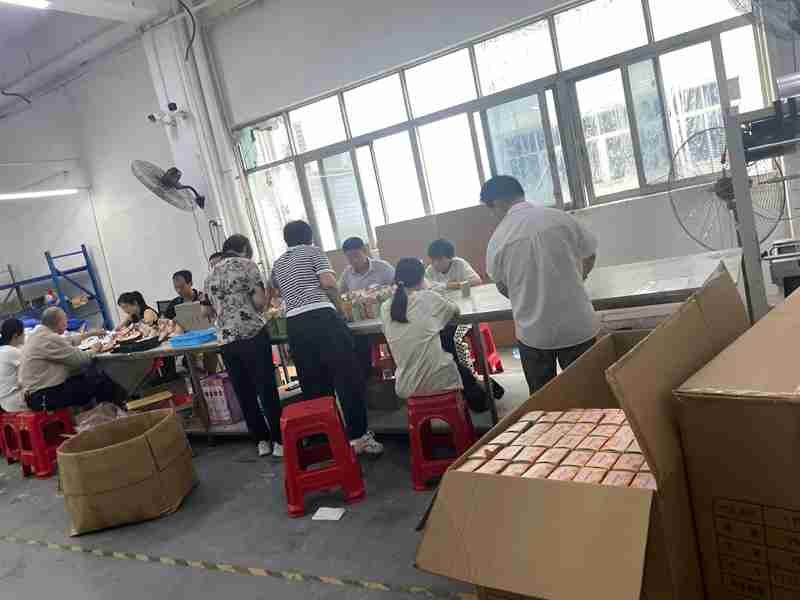
Vacuum is a freight tool. It can reduce carton volume and sometimes reduces shipping cost. But vacuum is the most misunderstood option in plush. It increases compression time and intensity, which increases the risk of:
- permanent creasing
- face panel distortion
- flattened stuffing structure
- crushed pile direction
Vacuum can work for certain plush structures and fabrics, especially if you accept a recovery period and the plush has strong rebound. But if your product is premium gift-grade, or if you sell in channels where customers expect “perfect out of the box,” vacuum often creates complaints.
3) Carton inserts (dividers, belly cards, face protectors, inner trays)
Inserts are protection tools. They reduce point pressure, support shape, and prevent random crushing inside a carton. inserts can also improve receiving and sorting because items stay organized.
If you have embroidered faces, printed face panels, or attached accessories, inserts can be the difference between “arrives like sample” and “arrives tired.” Inserts add unit cost and labor, but they often pay back by reducing returns and rework.
4) Gift box / retail-ready packaging
Retail-ready packaging answers a different question: “How does it look on shelf or in unboxing?” It usually includes a retail box, inner tray, hangtag/header card, barcode placement, and sometimes tissue/dust bag. This format supports premium pricing and better presentation. It also requires more approvals: dielines, print proofs, barcode proofing, and packaging testing.
Now embed the key subtopics you requested:
What’s included in retail-ready packaging for plush?
A practical retail-ready set often includes:
- Hangtag or header card (branding + SKU + barcode)
- Retail box (color box or window box)
- Inner tray or stabilizer (prevents shifting)
- Warning/age labels if required by channel
- Barcode label placement that scans reliably
- Master carton compliance (carton marks + carton labels + packing list alignment)
How to pack large plush to avoid crushing?
Large plush is a special case. The plush itself becomes the cushioning—but also becomes the victim. The most common large plush failures are undersized cartons, tight compression, and weak carton grade. A strong approach includes:
- Correct carton size (don’t force the plush into corners)
- Stronger carton construction (stacking resistance)
- Orientation rules (which side faces up, where face sits)
- Void fill to prevent rolling and corner collapse
- Layer rules so heavy items never sit on faces or structured parts
Large plush often triggers freight surcharges due to carton dimensions. So you’re balancing shape protection against shipping mode realities. A good factory will show you options: slightly smaller plush compression with safer fold zones, or a carton redesign that reduces “dimensional penalties” without crushing.
How do accessories and packaging affect cost?
Accessories (bows, plastic eyes, clothing) and packaging (boxes, inserts, extra labels) increase cost in three ways: unit materials, labor steps, and freight volume. A box upgrade may add $0.30–$1.50+ per unit depending on size/printing, but it can also increase carton volume and raise freight. Procurement decisions should look at total landed cost, not only unit packaging cost.
How do you set “shape protection” targets: handfeel, rebound, and appearance standards?

Set shape protection targets by defining pass/fail rules: what deformation is acceptable, which zones must stay perfect (face, embroidery, accessories), how long the plush can stay packed, and how fast it must recover after opening. Use packing samples to run simple tests (drop, stack, compression-time). Align stuffing density and fabric choice with rebound expectations so bulk arrivals match the approved sample.
If your team wants fewer disputes and fewer “surprise defects,” treat packing like a spec you can approve—just like fabric, stitching, and face quality. The problem is not that plush deforms; the problem is that nobody defines what “acceptable” means.
Here’s a practical way to set shape protection targets that works for procurement:
Step 1: Define “critical zones” vs “forgiving zones”
Not every area matters equally. In most plush products, the face zone is critical. If a face arrives wrinkled, your product looks wrong immediately. Other critical zones include embroidered logos, printed panels, attached accessories, and any structured area customers touch first. Forgiving zones can be the back or lower body where minor compression is less visible.
Once you define zones, you can write rules like:
- Face must be crease-free on arrival (or within X minutes of opening).
- Ears must hold intended angle without permanent folds.
- Embroidery must not pucker due to packing pressure.
Step 2: Define recovery time and handling instructions
Many brands secretly rely on “manual fixing”—brushing, steaming, reshaping. That’s fine if you plan it, but it’s expensive if you don’t. Decide what you want:
- “Ready-to-sell immediately” (higher protection cost)
- “Recovers after X hours” (lower protection cost, but needs instructions)
A smart compromise is to define recovery time plus a simple “arrival refresh” instruction for warehouse teams.
Step 3: Approve a packing sample like you approve a plush sample
A packing sample is not just a photo. It’s a packed unit in its real bag/box, then packed into a real carton using the real SOP. That’s when you discover the truth: does the hangtag crease? does the face press against a hard insert? does the plush shift in transit?
Step 4: Run simple tests that actually predict problems
You don’t need a full lab to catch most shipping damage. A practical set:
- Drop test (carton corners + flat drops) to check internal shifting
- Stack test to simulate carton compression in storage
- Compression time test to see if creases become stubborn over time
- Humidity risk check if your route includes damp seasons (keep dry planning)
Step 5: Align stuffing and fabric with your rebound target
This is where critical thinking helps: the “softest handfeel” is not always the “best shipping outcome.” Higher stuffing density can improve rebound, but can also make the plush feel firm. Lower density feels softer but can flatten more easily. Longer pile looks premium but can show crushing more. Shorter pile may look cleaner after shipping.
So your brand has choices:
- Premium softness with higher protection packaging
- Balanced softness with moderate inserts and strong cartons
- High resilience with simpler packaging
There’s no single “correct” answer. The right answer is the one that fits your channel and customer expectation. Retail gift channels usually demand better arrival appearance. Promo and wholesale may accept a short recovery window if the landed cost is better.
At Heyzizi, we typically help write a short Packing Approval SOP that includes: photos of acceptable condition, packing steps, carton rules, and sign-off points. This keeps bulk consistent and makes reorders easier because you’re not reinventing standards every time.
What carton marks and carton labels should be included ?
Carton marks are the warehouse “language” that prevents receiving errors. Include Ship To, PO, SKU/Item, Qty/ctn, Carton No. (1/10), G.W./N.W., Dimensions, and Origin. Use handling marks only when needed (keep dry, this side up). For multi-SKU or multi-PO programs, carton labels add flexibility while printed carton marks keep consistency. Always align carton marks with packing lists.
Carton marks feel boring—until you ship a multi-SKU order and a warehouse can’t receive it quickly. Then carton marks become a business problem. In plush, carton marks sit at the intersection of packaging, shipping, and operations. They decide whether your goods flow smoothly or get stuck in “receiving limbo.”
What belongs on master carton marks?
The goal is simple: a warehouse worker should be able to identify what’s inside without opening the carton, and confirm it matches the paperwork. The most common required fields are:
- SHIP TO: the destination warehouse/3PL
- PO NO.: ties cartons to a purchase order
- SKU/ITEM: identifies what’s inside
- QTY/CTN: prevents count mistakes
- CTN NO.: carton sequence, like 1/10 (critical for missing-carton checks)
- G.W./N.W.: supports freight verification
- MEAS: carton dimensions for storage and transport planning
- ORIGIN: required by many receiving systems and customers
If your customer uses strict receiving SOPs, they may require additional fields like style code, vendor code, or carton ID labels.
Handling marks: when do they matter?
Handling marks are useful when the risk is real, not as decoration. For plush, the most practical ones are:
- KEEP DRY: for routes with moisture risk
- THIS SIDE UP: when orientation protects faces or inserts
- DO NOT STACK / STACK LIMIT: when cartons are vulnerable (rare, but sometimes needed for premium box packaging)
Overusing handling marks can reduce compliance because warehouses ignore excessive labeling. Use the minimum that protects your product.
Carton marks vs carton labels: which is better for multi-PO and multi-SKU?
Think of carton marks as stable structure; carton labels as flexible data.
- Printed carton marks are great when the fields don’t change much across shipments. They look clean and consistent.
- Carton labels are best when you ship multiple POs, mixed SKUs, or frequent changes. Labels let you update PO, SKU, carton number, and quantities without reprinting cartons.
Many programs use both: a basic printed mark block plus a variable label on top/side.
Templates and examples you can actually use
You already saw the copy-ready template above (Table B). Here’s a second example for a multi-SKU program where cartons contain one SKU per carton:
Example (Single SKU per Carton)
- PO NO.: PO2026-018
- SKU: HZY-BEAR-45CM-CREAM-V2
- QTY/CTN: 6 PCS
- CTN NO.: 03/40
- MEAS: 70×55×50 CM
- G.W./N.W.: 10.8/9.6 KG
- ORIGIN: MADE IN CHINA
And for mixed cartons (only if your customer allows it), you’d add a carton content label that lists SKU breakdown and quantities—because “mixed” without clear labeling is a receiving nightmare.
The critical rule: carton marks must match documents
Carton marks must align with the packing list, commercial invoice, and any warehouse-specific inbound requirements. When they don’t match, the receiving team stops, opens cartons, and your delivery window gets threatened. This is where a ready factory helps: they treat carton marks and packing lists as a controlled system with sign-offs, not “something done at the end.”
Barcode/SKU labeling for plush: placement rules, scan-fail reasons, and warehouse-friendly layout
For plush, the safest rule is simple: put UPC/EAN barcodes and SKU labels on flat, stable surfaces—hangtags, polybag labels, and carton labels—not on plush pile. Scanning fails when labels sit on curves, glossy glare, low contrast, or missing quiet zones. A warehouse-friendly layout also needs human-readable SKU text, consistent label placement across SKUs, and a proofing step (physical scan test) before bulk packing.
Barcode/SKU labeling is one of those things everyone thinks is “basic” until it breaks a launch. When a barcode doesn’t scan, the warehouse doesn’t politely wait. They pause receiving, relabel, or reject cartons depending on the contract. That’s why teams treat labeling as an operational standard, not a last-minute sticker.
Let’s start with the main rule: don’t put barcodes on plush fabric. Plush pile creates fuzzy edges that scanners interpret as “noise.” Even if it scans in your office, it may fail on a faster warehouse scanner under harsh lighting.
Where should the SKU label go—polybag vs hangtag vs carton label?
A practical setup usually has three layers:
- Unit-level (primary): Hangtag or polybag label
- Hangtag works best when you need a clean flat surface, and you want a retail-ready look.
- Polybag label works best when you’re shipping bulk to 3PL and want durable, protected labels.
- For premium retail box packaging, the barcode typically goes on the box or on a dedicated barcode label zone.
- Inner-pack level (optional): Inner pack label If your 3PL breaks master cartons into inner packs, inner labels reduce sorting labor and reduce “open-carton guessing.”
- Carton-level: Carton label + carton marks Even when unit labels are perfect, cartons still need a clear PO + SKU + QTY + carton number system. Carton labels are how warehouses confirm inbound accuracy without opening anything.
What causes scan failure (the real-world list)
Most scan failures come from predictable issues:
- Curves & folds: label is on an edge or bends around corners
- Gloss glare: shiny lamination reflects scanner light
- Low contrast: colored background behind the barcode
- Too small: barcode shrunk to “fit” a mini hangtag
- Quiet-zone problems: not enough blank space around barcode
- Busy design: patterns and artwork behind the barcode block
SKU naming that prevents reorder chaos
SKU naming seems boring until you reorder and can’t match “V1 blue bear” to “blue bear 2026.” A stable SKU naming rule often includes:
- Product family (BEAR / CAT / CHARACTER)
- Size (30CM / 45CM)
- Colorway (BLU / CRM)
- Version (V1 / V2)
- Optional: packaging code (BOX / BAG)
Example: HZY-BEAR-45CM-CRM-V2-BOX
This helps every team: factory packing, warehouse picking, customer service, and reorders.
Retail-ready barcode workflow: who provides UPC/EAN and how to proof
In most programs, the brand owns UPC/EAN numbers (or GS1 assignments), while the factory owns label placement and production consistency. The best workflow is:
- Brand provides barcode list + SKU mapping
- Factory creates label proof (PDF) with size and placement
- Brand approves copy + numbers
- Factory prints a physical proof (real label/tag)
- Warehouse-style scan test (simple handheld scanner is enough)
Here’s a fast checklist you can copy into your RFQ:
Barcode/SKU Proof Checklist
| Check item | Pass standard | Who confirms |
|---|---|---|
| Barcode surface | Flat (tag/label/box), not plush pile | Factory + |
| Quiet zone | Clear blank margin around code | Factory |
| Contrast | Dark code on light background | Factory |
| Human-readable SKU | Printed near barcode | |
| Placement consistency | Same location across SKUs | Factory |
| Physical scan test | Scans 10/10 on real samples | /3PL |
When this system is built once, it becomes reusable. Your next reorder doesn’t start from zero—it starts from an approved labeling SOP.
Which shipping mode is best: express vs air freight vs sea freight (LCL/FCL) vs rail?
The best shipping mode depends on timeline, landed cost, carton size limits, and deformation risk. Express is fastest for samples and urgent small batches. Air freight balances speed and cost for mid-volume launches. Sea freight (LCL/FCL) is best for large bulk cost control but needs more buffer time. Rail can be a middle option on some routes. For plush, mode choice must match carton engineering—fast shipping won’t help if cartons crush your product.
Usually ask “Which shipping mode is cheapest?” A better question is: “Which mode fits my launch timeline without creating damage risk or hidden fees?” Plush is light but bulky, so you’re paying for space as much as weight. That makes mode selection a classic trade-off between speed vs volumetric cost vs handling risk.
Express (Courier)
Best for: samples, urgent approvals, small replenishment.
Pros:
- Fast transit, simpler tracking
- Lower paperwork complexity (often) Cons:
- Expensive for bulky cartons
- Dimensional weight pricing can be shocking
- Carton size limits apply (oversize surcharges)
Use express when you need speed more than cost control—especially to keep product development moving.
Air freight
Best for: mid-volume shipments that can’t wait for sea.
Pros:
- Much faster than sea
- Better for launch dates and seasonal deliveries Cons:
- Still expensive on volumetric weight
- More sensitive to carton dimensions
- Requires good packing because air shipments often involve multiple handling steps
If your plush is retail-ready (boxes, inserts), air freight can be safe—if cartons are strong and labels are correct.
Sea freight: LCL vs FCL
Best for: cost control on bulk production.
- LCL (Less-than-Container Load) fits smaller bulk volumes.
- FCL (Full Container Load) fits larger volumes and can reduce per-unit freight.
Pros:
- Usually the best landed cost for large orders
- FCL reduces handling compared with multiple LCL consolidations Cons:
- Longer lead times, needs buffer
- More risk of delays due to port congestion and peak seasons
- Requires stronger carton engineering for stacking and longer time under compression
Shape risk note: Sea freight adds time under pressure. If your plush is tightly packed or vacuum packed, long dwell time can increase stubborn creases. That’s why “sea friendly” plush packing often means stronger cartons, controlled folding, and inserts for critical zones.
Best for: specific lanes where rail is available and stable.
Pros:
- Sometimes faster than sea, cheaper than air
- Route-dependent, availability varies
- Handling and transfer points still matter
Large plush shipping: the oversize trap
Large plush triggers a hidden problem: carton dimensions can push you into oversize charges or even force a different shipping plan. You might think you’re saving money by compressing plush into smaller cartons, but if that compression destroys shape, you lose money later through returns and brand damage.
A smarter approach is:
- Choose a shipping mode first based on launch needs
- Engineer cartons to match that mode’s limits
- Decide compression level only after you’ve defined acceptable deformation and recovery
Shipping Mode Comparison
| Mode | Best for | Cost level | Speed | Deformation risk if packing is weak |
|---|---|---|---|---|
| Express | Samples, urgent | High | Fastest | Medium (many handling steps) |
| Air | Launch batches | High–Mid | Fast | Medium |
| Sea (LCL) | Smaller bulk | Mid | Slow | Higher (more consolidations) |
| Sea (FCL) | Large bulk | Lowest | Slow | Medium (less handling) |
| Rail | Some routes | Mid | Mid | Medium |
A ready factory doesn’t push one mode. They ask: “What’s your launch date, what’s your acceptable landed cost, and what’s your shape tolerance?” Then they recommend packing + carton design that fits the mode—not the other way around.
Incoterms guide: EXW vs FOB vs CIF vs DDP—who pays what, and when does risk transfer?
Incoterms define who pays and who controls logistics steps. EXW gives the responsibility early; FOB is common for importers who manage freight; CIF includes ocean freight to port but not destination charges; DDP delivers to your door with duties handled (varies by agreement). Risk transfers at different points, so confirm packing responsibility, documents, and “destination fees” in writing to avoid surprise costs and delays.
Incoterms aren’t just shipping vocabulary—they decide who’s responsible when something goes wrong. Many “shipping disputes” are actually incoterm misunderstandings.
Quick meanings (in language)
- EXW (Ex Works): You control pickup from the factory. You (or your forwarder) manage almost everything after the goods are ready.
- FOB (Free On Board): Factory delivers goods to the port and loads them; you control main freight from there.
- CIF (Cost, Insurance, Freight): Factory arranges ocean freight and insurance to the destination port; you handle destination charges, customs, and delivery onward.
- DDP (Delivered Duty Paid): Goods delivered to your specified address with duties/taxes handled as agreed. DDP can feel simple, but you must clarify what’s included.
Which incoterm is best for small brands vs experienced importers?
- If you’re a small brand without a logistics team, DDP can reduce coordination—if the terms are clear.
- If you have a forwarder and want more control, FOB is often the most transparent for bulk.
- EXW can work when you have strong logistics partners, but it adds responsibility early.
- CIF can look attractive, but sometimes forget destination charges and get surprised.
Hidden fees: what to confirm in writing
A professional asks these questions upfront:
- Are destination charges included or not?
- Are there any remote area fees for final delivery?
- Who pays demurrage/detention if the port holds the container?
- What happens if customs needs extra documents?
- Do you include insurance and at what coverage?
Packaging responsibility under Incoterms (the part forget)
Incoterms don’t automatically guarantee that your packing meets your warehouse’s rules. That’s why you should define packing standards separately:
- Who approves packing SOP (photos + pass/fail standards)?
- Who pays for upgrades like stronger cartons, inserts, retail boxes?
- Who provides carton mark templates and barcode placement rules?
- Who signs off on packing list vs carton marks alignment?
A clean workflow is:
- provides carton mark template + label map
- Factory confirms feasibility and cost impact
- Both sides approve a packing SOP
- Incoterm decides who books freight and handles customs
Incoterms “Who Does What” (simplified)
| Step | EXW | FOB | CIF | DDP |
|---|---|---|---|---|
| Factory packing to spec | Factory (as agreed) | Factory (as agreed) | Factory (as agreed) | Factory (as agreed) |
| Export clearance | /Forwarder | Factory/Forwarder | Factory/Forwarder | Factory/Forwarder |
| Main freight | Factory | Factory | ||
| Destination port charges | Factory (as agreed) | |||
| Import duties/taxes | Factory/Forwarder (as agreed) | |||
| Final delivery to door | Factory/Forwarder |
Practical tip: Incoterms don’t replace a packing agreement. If your plush must arrive “retail-ready and crease-free,” write those requirements into a packing SOP and confirm cost/time impact before production.
How long does plush shipping take and what delays happen most in real projects ?
Shipping time depends on mode and season: express is days, air is usually about 1–2 weeks door-to-door, sea is several weeks, and rail varies by lane. Delays usually come from peak season capacity, customs holds, missing paperwork, label errors, and last-minute retail-ready packaging changes. The best way to stay on schedule is to plan buffers, lock label templates early, and confirm carton marks and packing lists before shipment.
“How long will shipping take?” is one of the most searched questions because it’s also the hardest to answer without context. Still, you can plan realistically if you separate shipping into stages:
- Factory-ready date (when goods are packed and approved)
- Export + handover time (paperwork, pickup, port/airport handling)
- Transit time (the actual movement)
- Customs + destination handling
- Final delivery to your warehouse/3PL
Typical ranges (real planning, not wishful thinking)
- Express: often a few days to about a week depending on lane and customs
- Air freight: commonly around 1–2 weeks door-to-door (varies by route and clearance)
- Sea freight: typically several weeks port-to-port, plus local handling on both sides
- Rail: variable; treat as a route-specific option rather than a universal solution
What delays happen most (and why they’re predictable)
1) Peak season capacity
If you’re shipping close to major retail seasons, capacity tightens and prices rise. Even if your factory finishes on time, bookings may be harder.
2) Customs holds
Customs delays often happen due to missing documents, inconsistent values, or unclear product descriptions. For plush, labeling and compliance documentation can matter.
3) Label errors and carton mark mismatches
This is the big avoidable one. When carton marks don’t match the packing list, warehouses and forwarders spend time verifying. When barcodes are wrong, you face relabeling at destination.
4) Retail-ready packaging adds steps
Retail-ready isn’t only a box. It’s a chain of approvals: dielines, print proofs, barcode placements, warning labels, inner trays, inserts. Each additional component can add lead time and create “dependency delays” if one supplier is late.
Build a safe timeline (buffer rules that actually work)
A strong schedule uses buffers, not optimism:
- Add buffer for packaging approvals (especially retail-ready)
- Add buffer for shipping booking during peak season
- Add buffer for destination receiving if your 3PL is busy
- Lock SKU/barcode mapping early so you never relabel at the last minute
Timeline Planning Checklist
| Stage | What to lock early | Why it prevents delays |
|---|---|---|
| Packaging design | Dielines + inserts + carton specs | Avoid last-minute redesign |
| Labeling | SKU list + barcode list + placement map | Prevent relabeling |
| Carton marks | PO/SKU/QTY/CTN NO. template | Prevent receiving holds |
| Shipping mode | Express/air/sea decision | Drives carton engineering |
| Pre-shipment | Photos + packing list check | Catch errors before departure |
If you treat packaging and labeling as part of the schedule (not something after production), shipping becomes predictable. That’s what procurement teams mean when they say a supplier is “easy to work with.”
How is shipping price calculated for plush (carton size vs weight), and how can you reduce cost without crushing products?
Plush shipping cost is driven by volumetric weight (space) more than actual weight. Packaging and accessories raise cost through unit materials, labor steps, and freight volume. Reducing cost safely means optimizing carton dimensions and packing efficiency without over-compressing plush. Use a “cost vs protection” decision table: upgrade protection for face/structured zones, choose stronger cartons for stacking, and avoid savings that create deformation-related returns.
Plush is the classic product that surprises on freight invoices. Why? Because carriers charge for space, not just kilograms. That’s why you’ll hear forwarders talk about dimensional weight or volumetric weight.
What is volumetric weight (and why plush get surprised)?
In simple terms, a big carton that weighs little can still be billed like a heavy carton because it occupies valuable transport capacity. Plush, especially large plush or retail boxes, increases carton volume fast.
How do accessories and packaging affect cost (unit + labor + freight)?
This is one of the most useful “procurement math” questions because it prevents false savings.
1) Unit materials cost
- Retail boxes, inner trays, inserts, header cards, tissue/dust bags
- Extra labels (polybag labels, inner labels, carton labels)
- Accessories (bows, plastic parts, clothing, hangtag string fasteners)
2) Labor cost (hidden)
- Each add-on adds a step: apply hangtag, attach header card, insert tray, sticker barcode, check placement
- More steps mean more QC checkpoints and more time
3) Freight cost
- Retail boxes increase volume dramatically
- Inserts can increase carton size
- Large plush and strong cartons can push you into oversize charges
The cost mistake to avoid: “Unit cost only”
If you only look at factory unit pricing, you might choose a packaging upgrade that adds $0.60/unit but raises freight by $1.20/unit and increases receiving labor. The right lens is landed cost.
Carton optimization without crushing products
Carton optimization is not “make it smaller no matter what.” It’s:
- Choose carton sizes that pack efficiently
- Use dividers or layer rules so plush doesn’t become a compression block
- Upgrade carton strength when stacking risk is real
- Keep critical zones protected even if you compress non-critical zones
Cost vs Protection vs Retail-Readiness
| Option | Unit cost impact | Freight impact | Shape protection | Best for |
|---|---|---|---|---|
| Simple polybag | Low | Low | Low–Mid | Promo / basic wholesale |
| Polybag + dividers | Low–Mid | Low | Mid–High | Bulk programs |
| Vacuum packing | Low | Lower freight | Risky | Only when rebound is proven |
| Retail box + tray | High | Higher freight | High | Premium retail |
| Strong carton upgrade | Mid | Slight | High | Large plush / long transit |
Practical procurement move: ask for “3-level quote”
When you request a quote, ask for three packaging levels:
- Basic bulk (lowest cost)
- Balanced protection (recommended for stable arrivals)
- Retail-ready (premium presentation)
This makes decision-making easier and shows you the true trade-offs. A ready manufacturer should be able to explain where each dollar goes and what risk it reduces.
What should a ready factory provide for packaging & shipping (SOP, QC, photos, packing list)?
A ready factory should provide a repeatable system: packing SOP, carton spec sheet, label placement map, carton mark templates, packing list alignment, and pre-shipment photo proof. QC should include final shaping and packaging checks before sealing cartons. Reliable communication means proactive updates, clear exception reporting, and sign-offs at sample and pre-shipment stages—so bulk shipments match what you approved.
This section is where separate “a factory that can sew” from “a factory that can deliver programs.” Packaging and shipping aren’t just logistics—they’re execution discipline.
What documents reduce risk?
A serious supplier should be able to support:
- Packing SOP: step-by-step packing method, fold zones, inserts, sealing rules
- Carton spec sheet: carton dimensions, carton strength, max stacking recommendation
- Label map: where unit barcode/SKU labels go; where carton labels go
- Carton mark template: copy-ready block aligned with your 3PL rules
- Packing list: tied to carton numbers (1/10), SKUs, and quantities
If you’ve ever had a warehouse ask “Which carton is missing?” you understand why carton number discipline matters.
What production checks prevent shipping damage?
A lot of damage happens before shipping even starts:
- Plush packed while still compressed from handling
- Face panels not brushed/adjusted
- Dust or loose threads trapped in packaging
- Incorrect folding that creates creases
- Sealing done too tight (especially for large plush)
A factory-level shipping QC step often includes:
- Final shaping (hands-on adjustment)
- Steam/brush where appropriate (especially for fur direction)
- Accessory check (nothing sharp or hard pressing against face)
- Packing confirmation (correct insert, correct tag, correct label)
- Carton integrity check (no weak corners, proper tape method)
Packing approval workflow: what gets signed off at sample vs pre-shipment?
To reduce “sample good, bulk different,” use staged sign-offs:
- Sample stage approval: packing method concept, label placement, carton mark template
- Pre-shipment approval: real packed units, real carton photos, packing list screenshot, random scan test results
What communication style predicts a reliable shipping partner?
don’t want “updates.” They want useful updates:
- Progress by milestone (materials ready, packing materials ready, packing started, packing finished)
- Photos that prove compliance (barcode placement, carton marks, stacked cartons)
- Exceptions reported early (“Carton size changed because… here’s cost impact”)
- Clear next action needed from (“Approve label proof by Friday to keep schedule”)
That communication style reduces decision fatigue and prevents late surprises.
Packing & Shipping Sign-Off SOP (Simple Version)
| Stage | What you approve | Proof you should receive |
|---|---|---|
| Packaging plan | Packing method + insert list | Photos + written SOP |
| Label plan | Barcode/SKU placement map | PDF proof + dimensions |
| Carton plan | Carton spec + marks template | Carton drawing + template |
| Pre-shipment | Bulk packing compliance | Photos + packing list + scan check |
This is the kind of structure that makes reorders smooth. Once it’s documented, your next project moves faster because you’re not re-deciding basics.
What is the history of plush packaging (and why modern eCommerce changed packing rules)?
Plush packaging evolved from loose bulk packing to polybags, vacuum options, and now retail-ready kits driven by eCommerce. Online expect the plush to look perfect immediately, which raises standards for shape protection, labeling, and unboxing. Modern trends also push recyclable materials and low-plastic options. For brands, the best approach is to design packaging for the real sales channel—not copy a one-size-fits-all method.
If you’ve been in plush long enough, you’ve seen the shift: older wholesale channels tolerated “recoverable” plush. eCommerce doesn’t. Today, the first customer interaction is often an unboxing video, a star rating, or a return request.
History in plain terms
- Loose bulk packing: plush shipped in cartons with minimal protection, relying on rebound and manual fluffing.
- Polybags became standard: better hygiene, easier sorting, fewer dust issues.
- Vacuum packing gained popularity: freight optimization for bulky products, especially when channels tolerated recovery time.
- Retail-ready kits grew: premium brands and eCommerce pushed packaging to become part of the product experience.
Why eCommerce changed the rules
ECommerce compresses your timeline of judgment. A customer opens the package and decides in seconds:
- Does it look like the listing photos?
- Does it feel premium?
- Is it giftable?
- Is it damaged?
Even slight deformation can trigger a return because customers don’t want to “fix” a plush they just bought. That’s why anti-deformation packing moved from “nice to have” to “brand protection.”
The new reality: packaging is marketing + operations
Retail-ready packaging used to be mainly for physical stores. Now it’s also for:
- Marketplace performance (lower return rate)
- Brand storytelling (hangtags, QR, inserts)
- Warehouse speed (clear barcodes, SKU logic)
- Compliance needs (warning labels, tracking rules by channel)
Trends growing now (what ask for)
- Recyclable materials: paper-based inserts, less plastic
- Low-plastic options: alternatives to heavy polybags where feasible
- Smarter carton labeling: consistent carton ID systems, clearer carton marks
- Standardized tests: asking for simple compression/stack simulations at sample stage
Where anti-deformation packing is heading
The best future packaging is not “more packaging.” It’s smarter packaging:
- Inserts used only where they prevent real damage
- Carton engineering optimized for stacking
- Clear SOPs that keep bulk consistent
- Data-driven decisions: “This packing method reduced deformation complaints by X%” (tracked internally over programs)
For brands, the best strategy is to start with your channel requirement. A plush sold as a premium gift should not ship like a promo plush. Packaging should match the promise you make to the customer.
If you want plush that arrives looking like your approved sample—not flattened, not creased, not relabeled at the warehouse—send us your product size, SKU count, target market, and preferred shipping mode. Heyzizi will propose a practical packaging + shipping SOP, carton mark template, and labeling plan for your custom, private label, or OEM/ODM program.
Email: info@heyzizi.com
FAQs — Packaging & Shipping for Custom Plush Toys

What packaging prevents plush deformation during shipping?
If your goal is “arrives looking like the approved sample,” treat packaging as a shape-control system, not just a bag. The most reliable setup usually combines (1) controlled folding rules, (2) targeted support, and (3) strong cartons. For many plush styles, a polybag + carton divider/layer rule is already a big improvement because it prevents plush from becoming a single compressed block. If the plush has a detailed face, embroidery, or structured accessories, add a face protector or a simple belly card so pressure doesn’t land on the most visible zone.
The key is to define a measurable standard: allowed compression time, recovery time, and pass/fail photos. Without those, “deformation” becomes subjective and every shipment feels like a debate. Also, don’t ignore the carton. A weak carton can crush even the best internal packing. We recommend agreeing on a carton spec (strength grade + dimensions) and a simple SOP that tells packers where the face sits and where folds are allowed.
Procurement mini-checklist
- Confirm packing method (polybag / inserts / box)
- Define critical zones (face, ears, logo)
- Approve carton strength + stack rules
- Set recovery expectation (immediate vs hours)
If you share your plush size, face type (embroidered/printed), and sales channel, Heyzizi can propose a packing SOP that balances cost vs protection and reduces returns. Email: info@heyzizi.com
Should we vacuum pack plush toys, or will it damage the shape?
Vacuum packing can be useful, but it’s not a default “smart choice” for plush. Vacuum helps when freight is dominated by volume and your plush structure has strong rebound. The risk is that vacuum increases compression intensity and time under pressure, which can cause stubborn creases, flattened pile direction, and face distortion—especially on plush with embroidered faces, appliqué, or plastic accessories that create pressure points.
A practical way to decide is to test vacuum at sample stage using a simple method: vacuum-pack a unit, keep it packed for a realistic period (think “time in carton + transit + warehouse dwell”), then open it and evaluate recovery using a pass/fail standard. If the plush needs heavy steaming or manual reshaping, vacuum may save freight but raise labor cost and return risk later.
In many programs, the better compromise is optimized cartons + dividers rather than aggressive vacuum. You get freight savings from better packing efficiency without forcing the plush into a “compressed memory” state.
When vacuum can work
- Small plush with simple shapes
- Short pile fabrics with good rebound
- Channels that accept some recovery time
When vacuum often backfires
- Premium gift plush
- Long pile fur styles
- Face/ear shapes that must look perfect immediately
Want a “safe vacuum vs non-vacuum” recommendation for your item? Send us size, fabric, stuffing density target, and channel. info@heyzizi.com
How do you pack large plush to avoid crushing and oversize shipping fees?
Large plush fails in two common ways: it gets crushed because cartons are weak or overfilled, or it becomes too expensive because cartons trigger oversize charges. The solution is not “compress harder.” The solution is to design a carton + orientation + void-fill system that protects shape while controlling dimensions.
For large plush, we usually recommend:
- Right-size cartons so the plush isn’t forced into corners (corner pressure creates permanent dents).
- A stronger carton grade (large cartons face higher stacking loads).
- Orientation rules: define where the face sits, where ears rest, and which direction is “up.”
- Void fill or positioning blocks to stop rolling and corner collapse.
- Layer rules: never stack heavy units on top of faces or structured parts.
Oversize cost is real, so we approach it like procurement math: we compare two options—slightly larger cartons with lower damage risk vs smaller cartons with higher shape risk and potential returns. Often, the “cheaper carton” becomes expensive after you factor in rework, customer complaints, and replacement shipments.
Quick decision tip: If your plush must look premium on arrival, prioritize shape protection first, then optimize carton dimensions without crossing into harmful compression.
If you share your plush dimensions and target market, Heyzizi can propose carton sizes that balance landed cost and appearance standards. info@heyzizi.com
What carton strength and carton design specs do we need for plush shipping?
Carton quality is the silent deal-breaker in plush shipping. Plush is light, so assume “any carton is fine,” but plush cartons often get crushed because they’re large and face heavy stacking pressure in transit and warehouses. The best approach is to define carton specs like a real manufacturing component: carton grade, dimensions, taping method, and stacking limits.
A ready carton spec usually includes:
- Carton dimensions (optimized for pallet/stack efficiency)
- Strength grade suitable for long transit and stacking
- Corner protection strategy for large cartons
- Divider/layer rules inside the carton
- Taping standard (tape width, “H-tape” pattern, reinforcement)
Also, carton design should match your shipping mode. Sea shipments involve longer dwell time under load, so cartons need better stacking resistance. Air and express shipments involve more handling steps, so corner integrity matters.
Table — Carton design priorities by shipping mode
| Mode | Biggest carton risk | What to improve first |
|---|---|---|
| Express | Drops + frequent handling | Corners + tape method |
| Air | Multi-step handling | Carton rigidity + labeling |
| Sea (LCL) | Consolidation pressure | Strength grade + dividers |
| Sea (FCL) | Stacking over time | Strength grade + pallet plan |
If you tell us your destination, shipping mode, and carton size target, we can recommend a carton spec that reduces crushing and receiving problems. info@heyzizi.com
What carton marks and carton labels are “must-have” for receiving?
Carton marks aren’t decoration—they’re how warehouses prevent mistakes. The “must-have” fields are the ones that let a receiving team confirm cartons without opening them and match them to paperwork. For most plush orders, the standard carton mark set includes: Ship To, PO number, SKU/Item, Qty per carton, Carton number (1/XX), Gross/Net weight, Dimensions, and Origin. If you’re shipping multi-SKU programs, a carton label system becomes even more important because labels allow variable information changes without reprinting cartons.
Where many programs fail is carton numbering and document alignment. A warehouse wants to know: “Do I have all cartons?” If your cartons are numbered 1/40, 2/40…, it’s instantly clear what’s missing. If carton marks don’t match the packing list, receiving slows down, cartons get opened, and you lose time.
Copy-ready carton mark checklist
- PO NO. matches packing list
- SKU matches barcode mapping
- CTN NO. uses 1/XX format
- QTY/CTN is consistent
- MEAS + G.W./N.W. included
- Optional handling marks only when needed (KEEP DRY, THIS SIDE UP)
If you share your 3PL rules or inbound template, Heyzizi can format carton marks and labels so your shipments flow smoothly.
Where should we place UPC/EAN barcodes and SKU labels for plush?
The safest rule: place barcodes on flat, stable surfaces—not on plush pile. The best options are hangtags, polybag labels, retail boxes, and carton labels. Plush fabric creates scan noise, and curved areas distort barcodes. Even if it scans once, warehouses require consistent success at speed.
A strong labeling plan also includes:
- Human-readable SKU text near the barcode
- Consistent placement across SKUs (so pickers don’t search)
- Quiet-zone compliance (blank margins around the code)
- A physical scan test before bulk (not just PDF proof)
If you use retail-ready packaging, barcode placement should be built into the dieline and confirmed during print proofing. If you ship bulk to 3PL, polybag labels are often the most durable and stable for scanning.
Common scan-fail causes
| Problem | What it looks like | Fix |
|---|---|---|
| Curved surface | Scan works sometimes | Move to flat tag/label |
| Gloss glare | Scanner “misses” | Matte label or reposition |
| Low contrast | Code blends in | Black on white zone |
| Too small | Frequent misreads | Increase barcode size |
| No quiet zone | Edges too close | Add blank margins |
Want us to set up a clean SKU + barcode workflow for your program? Send your SKU list and channel requirements.
What’s included in retail-ready packaging for plush ?
Retail-ready packaging means your plush arrives ready for shelves or direct-to-consumer unboxing with minimal extra work. A typical retail-ready set can include hangtags, header cards, warning/age labels (if required by channel), UPC/EAN barcode placement, retail box (window box/color box), inner tray or stabilizer, and sometimes tissue/dust bag depending on positioning. What matters most is the approval order—because the wrong sequence causes delays.
Approve first (to avoid rework):
- Barcode/SKU mapping (wrong mapping causes expensive relabeling)
- Packaging dielines and key text zones (logo, warnings, country-of-origin)
- Physical packaging proof (size, fit, closure strength)
- Packed sample in a real carton (checks deformation + presentation)
Retail-ready packaging affects cost in three layers: materials, assembly labor, and freight volume. That doesn’t mean it’s “too expensive.” It means you need a landed-cost view. Many brands find retail-ready is worth it because it reduces returns, improves unboxing, and supports higher pricing.
If you tell us your channel (retail, Amazon, DTC, promo), we can recommend a retail-ready package that fits your budget and avoids slow approvals. info@heyzizi.com
How do accessories and packaging affect cost the most in custom plush?
Accessories and packaging can quietly become the biggest cost driver because they add materials + labor + risk at the same time. Cost usually rises fastest when you add parts that require careful positioning, extra sewing steps, or additional QC—think clothing sets, hard accessories, complex hangtags, retail boxes with trays, or multiple labels.
Here’s how the cost impact typically stacks up:
- Materials: boxes, trays, inserts, extra labels, accessory materials
- Labor: attaching accessories, applying labels, assembling boxes, inserting trays
- QC time: checking placement accuracy, accessory security, barcode correctness
- Freight: retail boxes and trays increase volume and raise dimensional freight cost
The mistake is focusing only on unit price. A $0.60 packaging upgrade can raise freight and handling costs if it increases carton size or adds fragile components that need stronger cartons. A smart procurement approach is to request “3-level packaging pricing” so you can choose based on risk and channel: basic bulk, balanced protection, and retail-ready.
If you send us your target selling price, channel, and accessory list, Heyzizi can recommend where to spend for impact and where to simplify without hurting the look.
How long does shipping take for plush (samples vs bulk), and how do we avoid delays?
Shipping time depends on your mode and season, but delays usually come from preventable issues: packaging approvals, label mistakes, missing paperwork, and late changes. The simplest way to avoid delays is to treat packaging and labeling as part of the timeline—not something added after production.
A realistic planning approach separates:
- Sample shipping (fast, but still needs correct paperwork/labels)
- Bulk shipping (needs buffer for booking, customs, and receiving)
Delays most often happen when:
- Retail-ready packaging components are approved late (dielines, print proofs, barcode zones)
- Carton marks don’t match the packing list (warehouse holds)
- Barcodes are wrong or placed on curved/glossy surfaces (relabeling at destination)
- Peak season capacity reduces booking options
Simple timeline safety rules
- Lock SKU + barcode mapping early
- Approve a packed-in-carton sample before mass packing
- Confirm carton marks and packing list alignment before shipping
- Add buffer for peak seasons and destination receiving capacity
If you share your launch date, destination, and channel, Heyzizi can propose a workable schedule and highlight the steps that usually cause delays—so you can avoid them.
Which Incoterm is best for plush : EXW vs FOB vs CIF vs DDP?
There isn’t one “best” Incoterm—there’s a best match for your team’s experience and how much control you want. EXW gives you responsibility early (you arrange pickup and most logistics). FOB is popular for who work with a forwarder and want control after loading at port. CIF includes ocean freight to the destination port, but destination charges and customs are usually still on the . DDP can feel easiest because it’s door-delivered with duties handled as agreed, but it must be clearly defined to avoid surprise exclusions.
The important part for plush is this: Incoterms don’t automatically guarantee your packaging meets warehouse rules. You still need a separate agreement on packing SOP, carton specs, label placement, carton marks, and proof photos.
Questions to confirm in writing
- Who pays for packaging upgrades (stronger cartons, inserts, retail boxes)?
- Who handles destination charges, remote area fees, demurrage/detention?
- What documents are included (packing list, invoice, carton marks alignment)?
- What happens if customs requests extra info?
If you tell us your destination and whether you have a forwarder, Heyzizi can recommend an Incoterm structure that keeps cost transparent and reduces operational headaches.
How can we reduce shipping cost without crushing plush or increasing returns?
The fastest way to “save money” is to compress plush hard and shrink carton size. The fastest way to lose money is to do the same thing and trigger deformation, complaints, and replacements. Real savings come from smart carton optimization, not harmful compression.
Practical cost-saving moves that protect appearance:
- Optimize carton dimensions for better utilization (less empty air)
- Use dividers/layer rules to prevent pressure points
- Upgrade carton strength when cartons are large (prevents crushing losses)
- Protect only critical zones with minimal inserts (face, ears, embroidery)
- Choose shipping mode based on launch needs, then engineer cartons to match that mode
A good question: “What’s the landed cost difference between basic packing and balanced protection?” Balanced protection often wins because it reduces hidden costs like rework, relabeling, and returns.
Safe savings vs risky savings
| Savings approach | Risk level | Why |
|---|---|---|
| Carton size optimization + dividers | Low | Reduces void without crushing |
| Stronger cartons for large plush | Low | Prevents stacking damage |
| Aggressive vacuum compression | Medium–High | Increases crease risk |
| Loose packing in weak cartons | High | Crushing + receiving chaos |
If you share your target landed cost and acceptable recovery time, Heyzizi can recommend the cheapest packing plan that still protects your brand reputation.
What pre-shipment proof can Heyzizi provide for packaging and shipping compliance?
Pre-shipment proof is how you avoid the “sample good, bulk different” problem. A ready factory should be able to provide clear evidence that packing, labeling, and carton marks match what you approved—before goods leave the factory.
Useful pre-shipment proof includes:
- Photos of unit packaging (hangtag/polybag label placement)
- Photos of packed cartons showing carton marks, carton numbers (1/XX), and labels
- A packing list that matches carton numbers and SKU quantities
- Random scan test results (especially for UPC/EAN)
- Carton measurements and weights (helps forwarder billing accuracy)
If your program is retail-ready, proof should also include:
- Packaging assembly photos (box + tray + insert)
- Close-ups of barcode zones and warning text
- A packed-in-carton set showing how retail boxes survive transit
This proof isn’t just “nice.” It prevents costly destination rework and protects your delivery window. If you tell us your 3PL inbound rules, we can build a proof checklist that fits your warehouse workflow.
Can you support mixed SKUs, carton-level sorting, and warehouse-friendly packing lists?
Yes—this is where many small programs struggle, because mixed SKUs are easy to make messy. The key is to decide early whether cartons are single-SKU or mixed-SKU, and then build the documentation to match. Many 3PLs prefer single-SKU cartons because it speeds receiving and reduces picking errors. Mixed cartons can work too, but only if every carton has a clear carton label with SKU breakdown and your packing list is structured by carton number.
Warehouse-friendly packing usually includes:
- Carton numbers (1/XX) that tie directly to the packing list
- Clear SKU codes that match barcode mapping
- Carton labels placed consistently (same side, same height)
- Optional inner-pack labeling when cartons are broken down at 3PL
Mixed orders are also where carton marks and labeling must be clean—otherwise receiving becomes slow and costly. If you share your 3PL preferences (single-SKU vs mixed), we can recommend the packing style that reduces handling fees and keeps reorders easy.
What information does Heyzizi need to quote packaging and shipping accurately?
Accurate quoting is easier than most expect—if the right inputs are provided upfront. The biggest pricing mistakes happen when only share a product photo and quantity, but not the packaging or channel requirements. For plush, packaging decisions can change both unit cost and freight cost, so we quote best when we know your real target.
What to send for an accurate quote
- Plush size (height/length/width), weight target, and stuffing density preference
- Fabric type (short pile/long pile), face type (embroidered/printed)
- Accessories list (plastic parts, clothing, hangtags, inserts)
- Packaging level: bulk, balanced protection, or retail-ready
- Barcode needs (UPC/EAN), SKU list, and label placement rules
- Shipping mode preference (express/air/sea) and destination country/zip
- Any 3PL inbound rules (carton labels, carton marks, carton limits)
If you email this info, Heyzizi can return a quote that’s closer to the true landed cost—and we can propose options that protect shape without unnecessary spend.
Packaging Level Options
| Level | What’s included | Best for |
|---|---|---|
| Basic Bulk | Polybag + standard carton | Promo, simple wholesale |
| Balanced Protection | Polybag + dividers + critical-zone protection | Most bulk programs |
| Retail-Ready | Hangtag + barcode zone + retail box + tray/inserts | Premium retail / DTC |
“Arrival Quality” Pass/Fail Examples (define before bulk)
| Zone | Pass example | Fail example |
|---|---|---|
| Face | Smooth, no crease lines | Wrinkles / puckering |
| Ears | Natural angle, recovers fast | Permanent sharp folds |
| Fur | Brushed direction looks fresh | Flattened “tired” pile |
| Accessories | No pressure dents | Dents, marks, shifting |