Custom Blind Box Plush Manufacturer in Guangdong
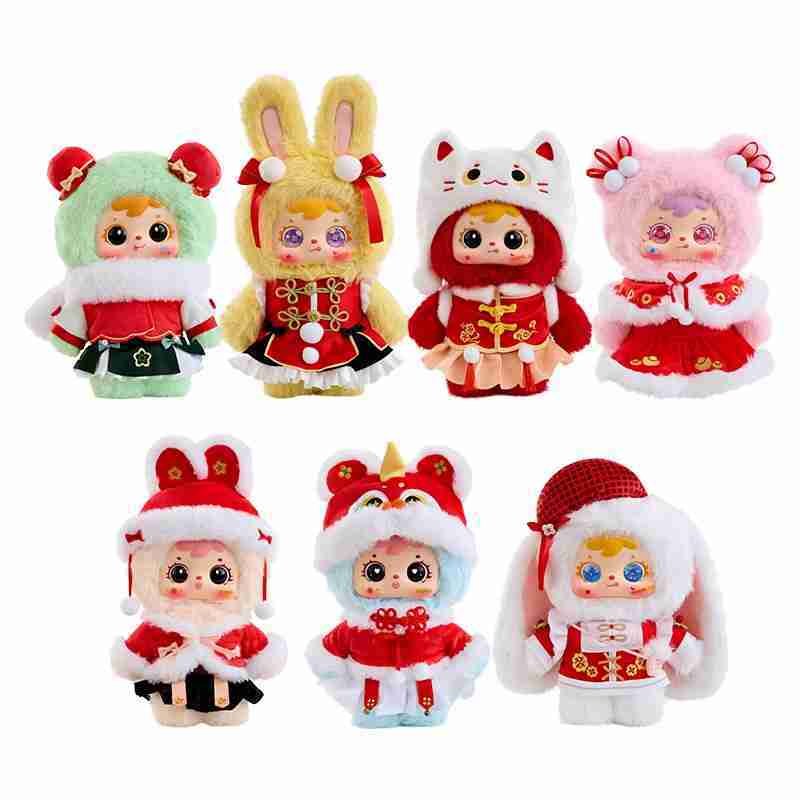
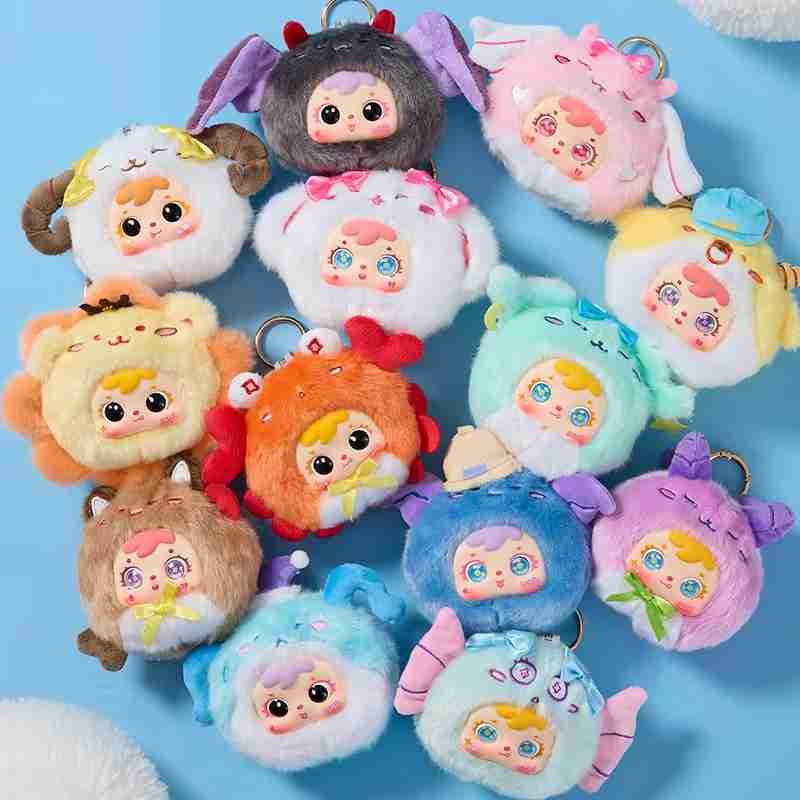
Custom blind box plush is not “just plush.” It is a repeatable product system: series planning, rarity ratio control, consistent hand-feel, packaging security, and stable bulk output. A reliable factory should help you lock a spec sheet (size tolerance, fabric GSM, stuffing weight, embroidery density), prove it with pilot runs, and protect your launch with QC checkpoints and carton-safe packaging. Heyzizi in Guangdong supports blind box programs from concept to bulk with controlled sampling and repeatability.
Blind Box Collectible Strategy, Pre-Production
Treat a blind box as a program, not a single SKU. The fastest launches are built on a stable series framework. Start with four decisions that procurement and marketing can both live with:
(1) Series architecture
- Wave 1: usually 6–12 characters, so the set feels complete
- Wave 2: add variants (seasonal colorways, accessories, special finishes)
- Keep shared parts stable (base body shape, fabric system, core embroidery files)
(2) Collectible rules
Define what makes a chase piece “worth chasing.” It can be a special accessory, limited fabric, special label, or special packaging insert. Do not rely only on color. Color-only chase often feels cheap and gets copied.
(3) Consistency targets
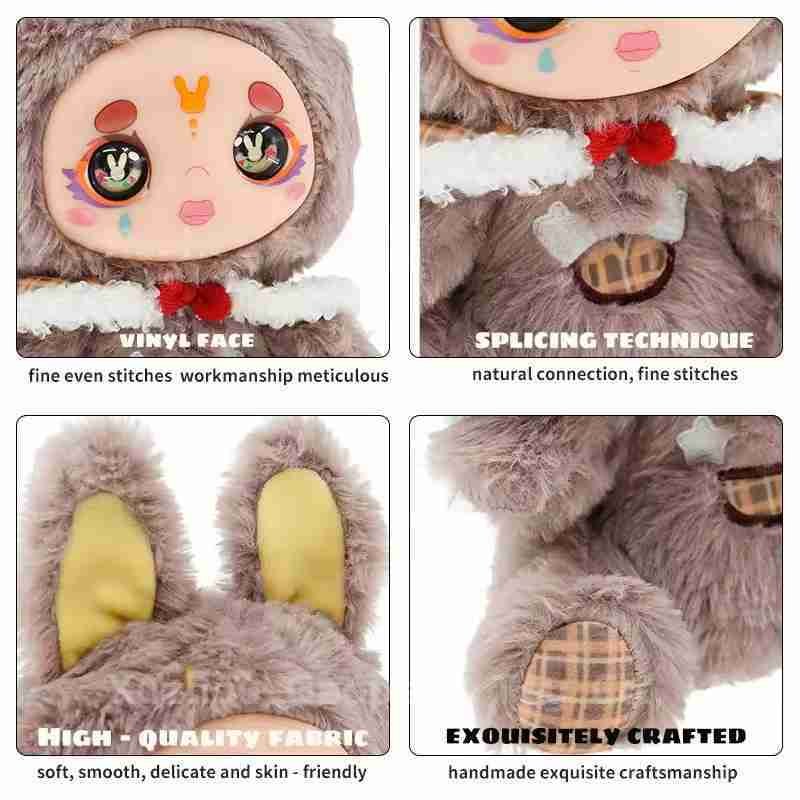
For plush collectibles, the “identity” sits in small details: eye spacing, mouth curve, cheek placement, proportion, and hand-feel weight. If these drift, collectors notice fast. Put these into a locked spec early.
(4) Launch practicality
A good program is refill-friendly. Plan: inner box size, master carton counts, barcode placement, and a re-order path for hot sellers. If you cannot replenish quickly, your series loses momentum.
Bulk-Repeatable Plush Spec From Artwork
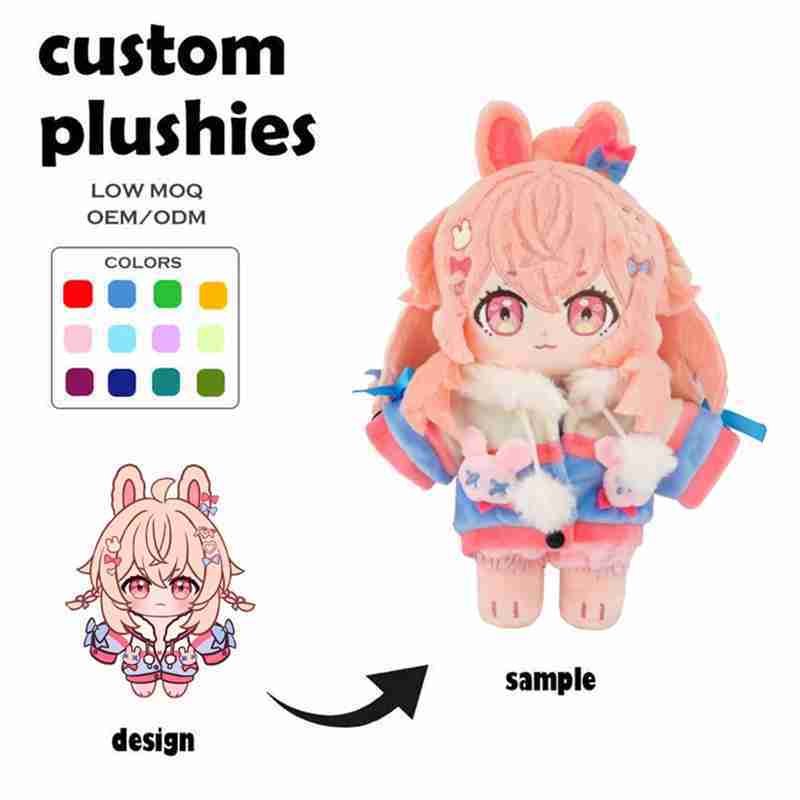
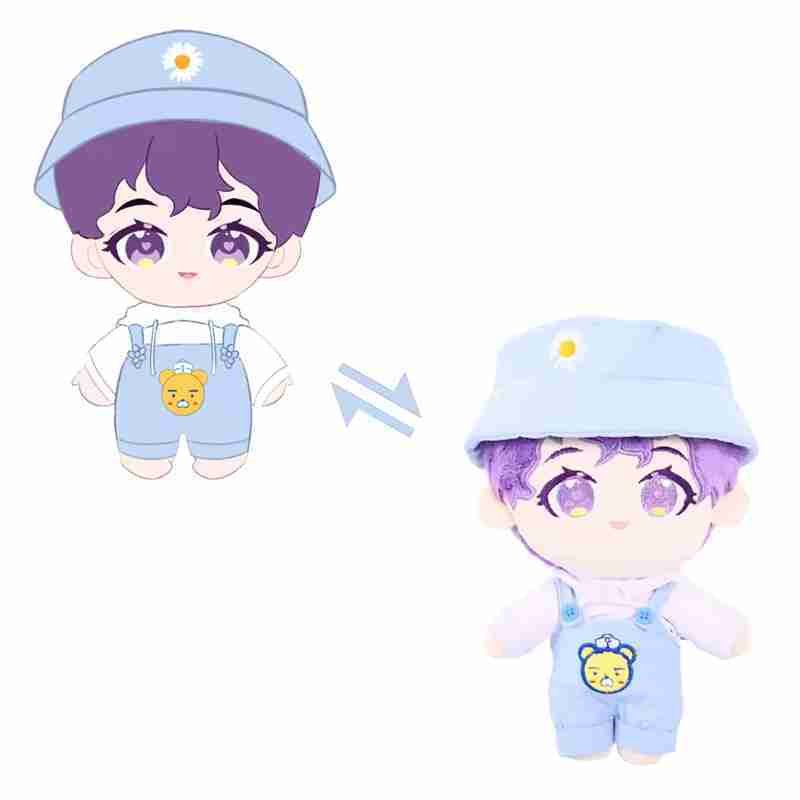
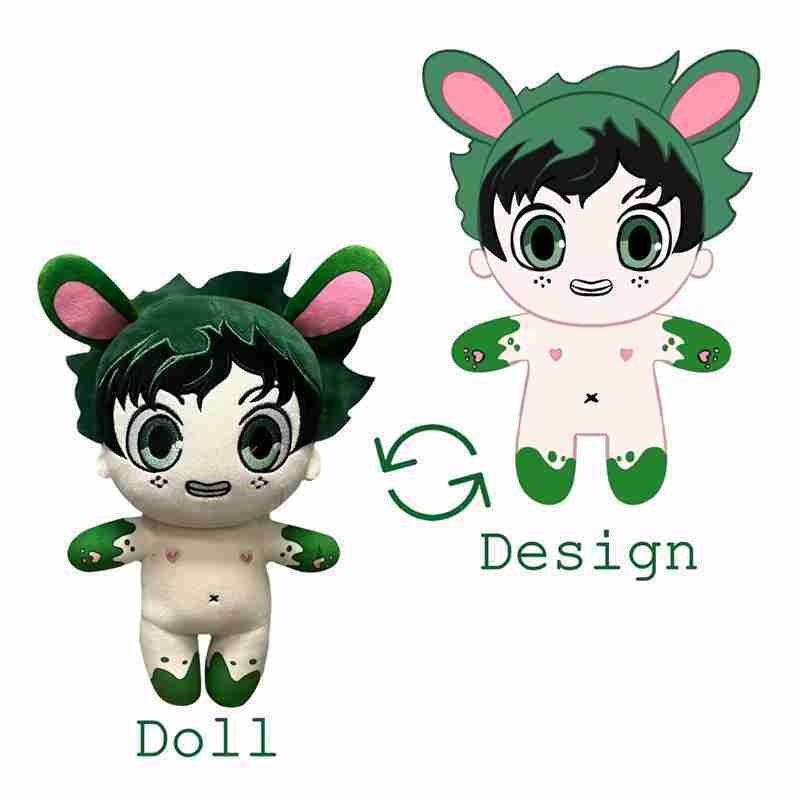
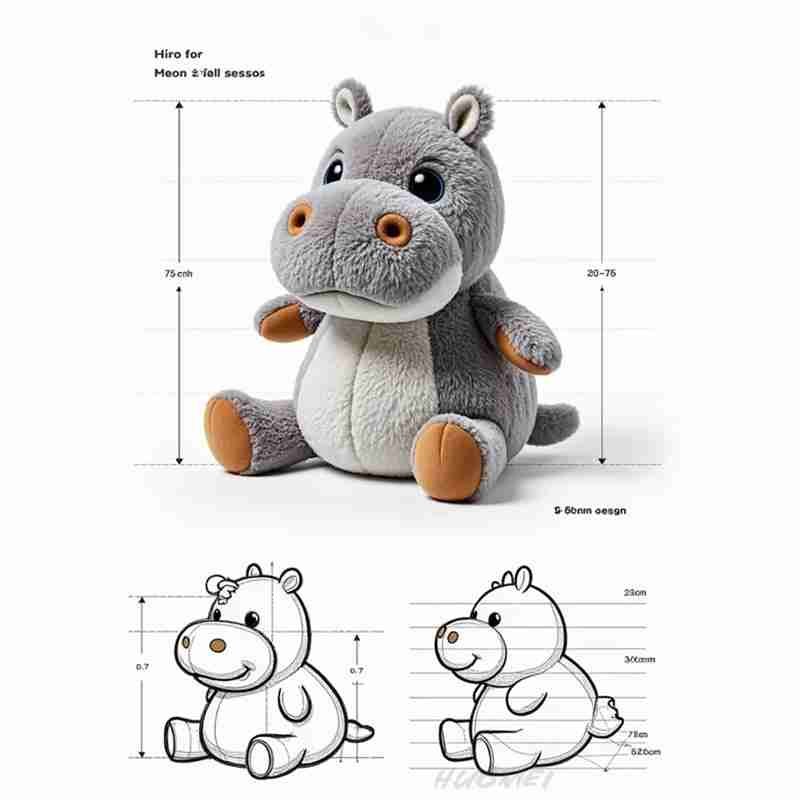
Your illustrator delivers emotion. Production delivers physics. A blind box program needs both. The key document is a Plush Spec Sheet that sits between design and sewing.
Below is a practical structure we recommend. If a supplier cannot fill this, the bulk risk rises.
Blind Box Plush Spec Sheet:
| Spec Item | What to Lock | Why It Matters in Blind Boxes |
|---|---|---|
| Finished Size | height or width and tolerance | collectors compare across SKUs |
| Face Geometry | eye spacing, mouth position, brow angle | Expression drift kills trust |
| Fabric System | outer fabric name, GSM, pile length | hand-feel must match across the wave |
| Stuffing | type and net weight range | Weight affects perceived value |
| Embroidery | stitch type, density and thread code | keeps details crisp in bulk |
| Accessories | material and attachment method | prevents drop-off complaints |
| Labels/Hangtags | size, placement and barcode rules | retail and fulfillment stability |
| Packaging | inner box spec and tamper rules | stops pre-open and swaps |
How we use it in sampling:
- Spec confirmation call (15–30 minutes): confirm non-negotiables
- First sample: focus on geometry and hand-feel, not packaging art
- Revision sample: lock embroidery, seams, accessories
- Golden sample: becomes reference for QC and bulk sign-off
Small detail that improves repeatability:
For blind box plush, we recommend a “Face Map” page: a scaled front view with measured points (eye center distance, mouth corner distance, cheek patch position). This reduces operator interpretation.
Plan Chase Pieces, Keep Production Stable
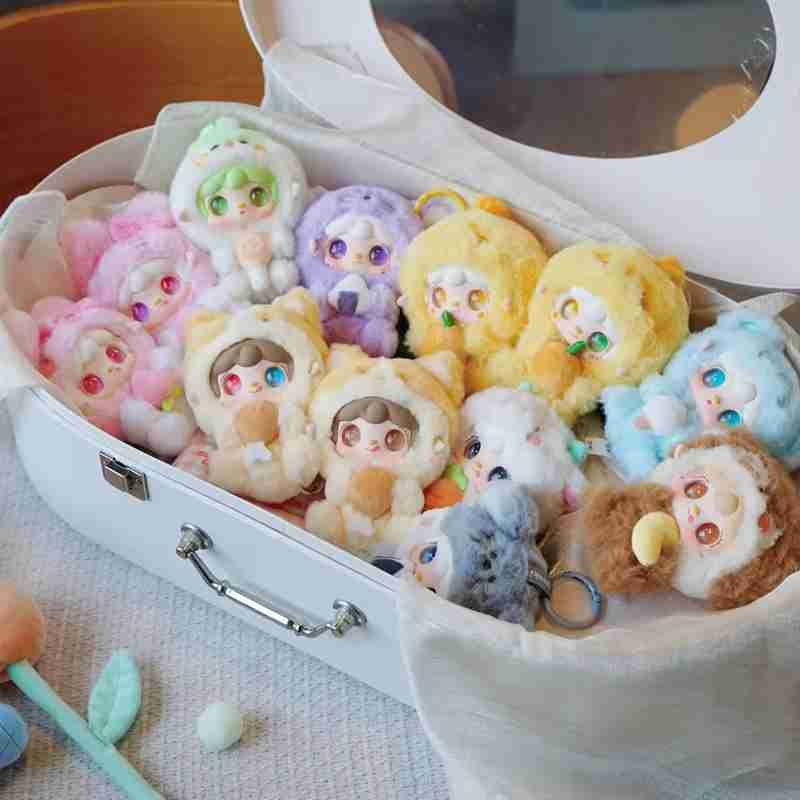
Collectors love chase pieces. Operations teams hate surprises. You can satisfy both with a controlled rarity plan that the factory can execute.
Step 1: Choose a rarity model that matches your scale
-
Small programs: 3 tiers (Common / Rare / Secret)
-
Larger programs: 4 tiers (add Ultra Rare)
Too many tiers increase packing mistakes and slow output.
Step 2: Define ratios by case, not by “overall wish”
Rarity must be measurable at the shipment unit. Example: per master carton or per inner case.
Example rarity plan table:
| Tier | Ratio (by case) | Common execution risk | Control method |
|---|---|---|---|
| Common | 10/12 | none | standard BOM |
| Rare | 2/12 | missing accessory | accessory kitting |
| Secret | 1/72 | wrong packing | locked “secret case” label |
| Ultra Rare | 1/144 | leakage | separate line and sealed bags |
Step 3: Make chase pieces “component-based,” not “operator memory-based”
Chase items should be driven by BOM differences that are easy to check: special accessory, special label, special hangtag, special inner bag, or special embroidery thread code. If it depends on an operator remembering a story, bulk will drift.
Step 4: Prevent leakage and pre-open issues
Add two layers:
-
Opaque inner bag (not see-through)
-
Tamper-evident seal (sticker or tear strip)
Then link the seal lot code to carton marks.
Step 5: Track packing with a simple audit rule
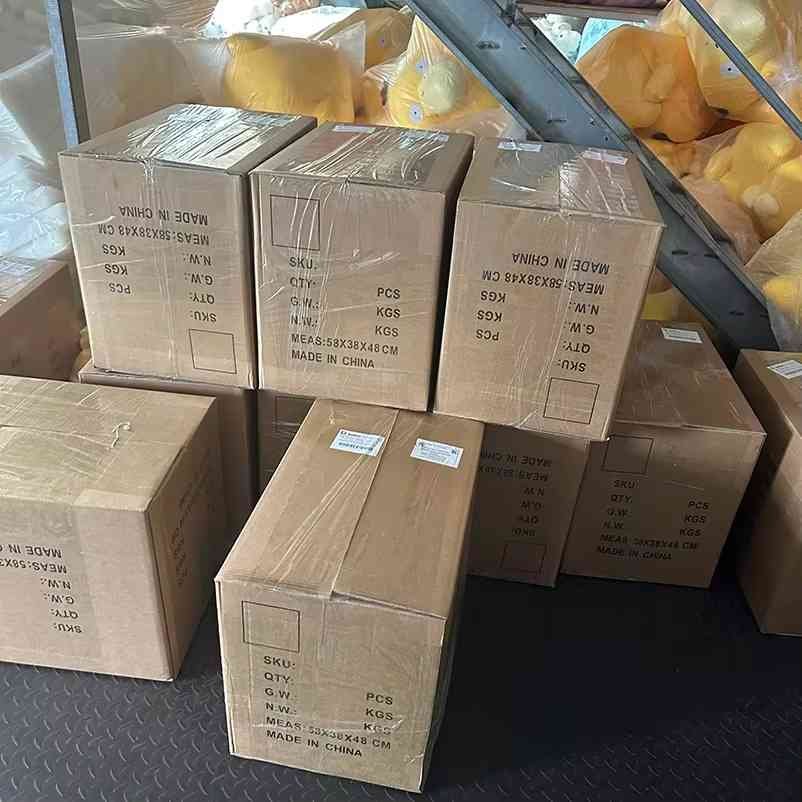
We recommend a carton-level audit: open 1 carton per batch and verify distribution matches the plan.
Material System to Lock Touch Value
“Soft” is not a spec. Blind box plush needs measurable control of softness and firmness.
(1) Outer fabric choices that scale
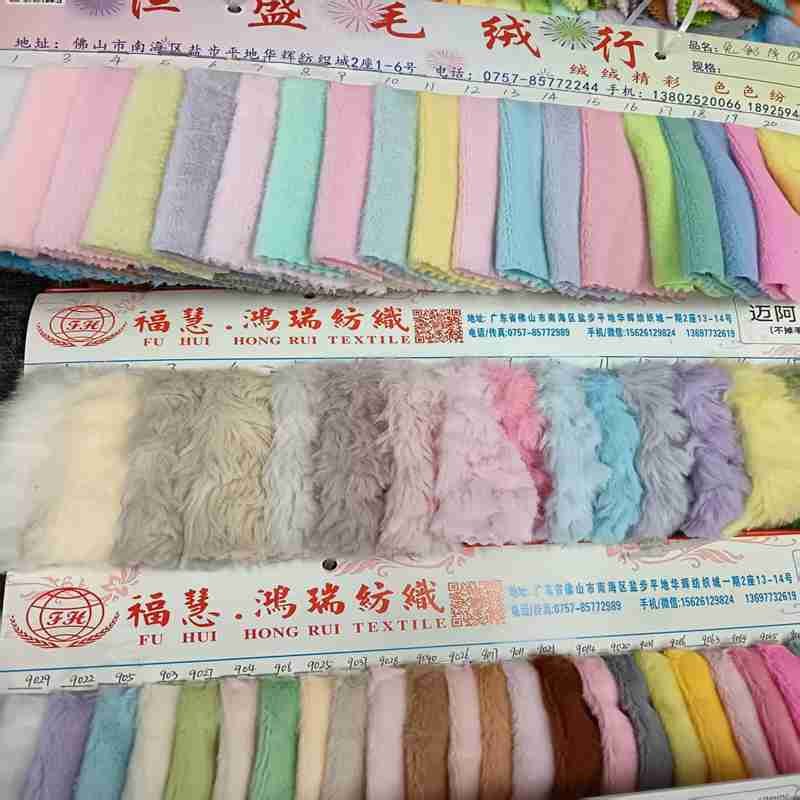
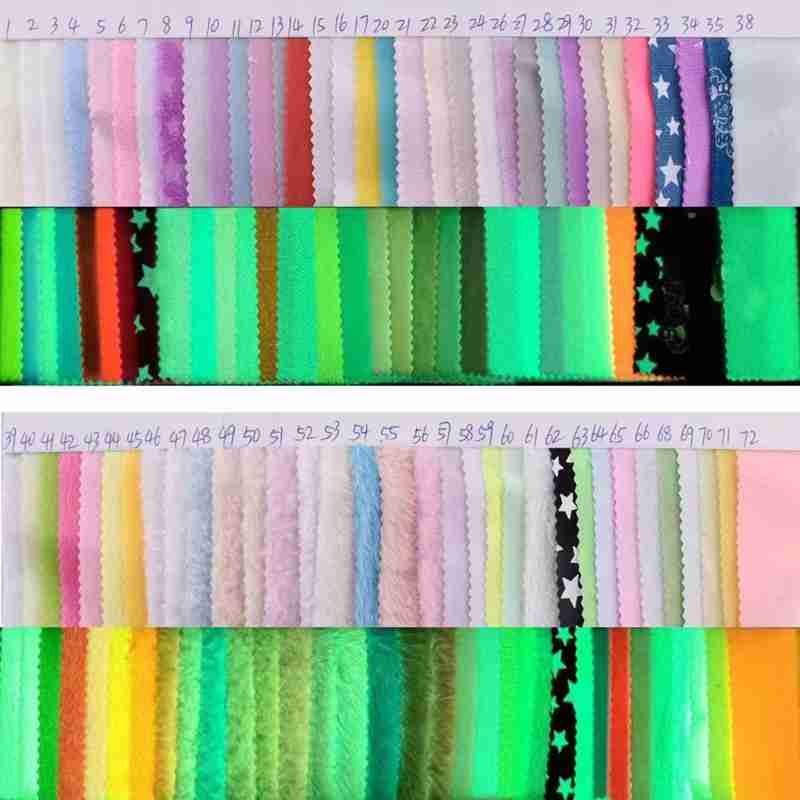
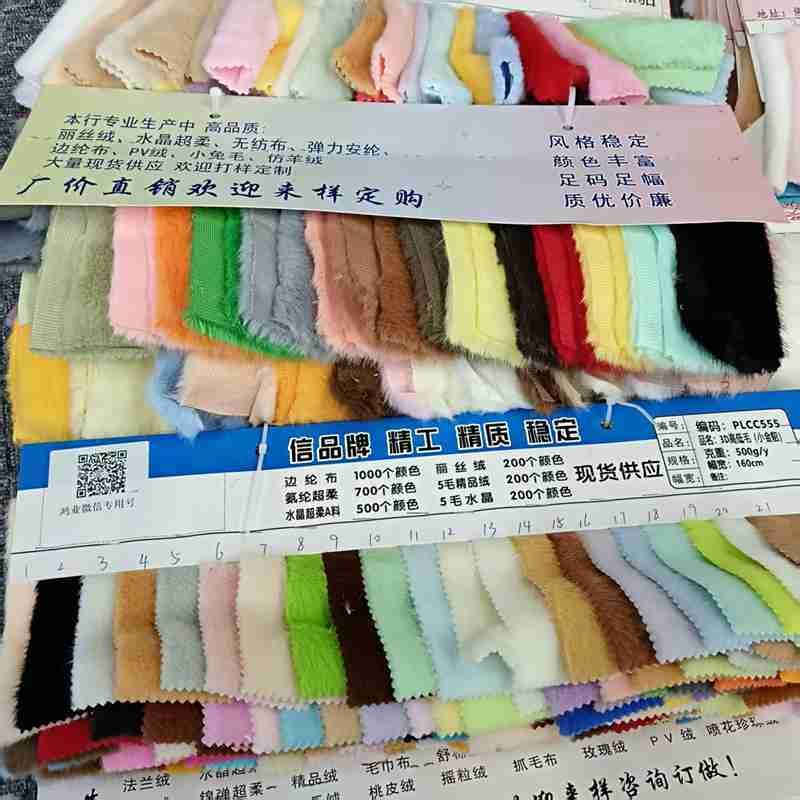
Common blind box fabrics include short plush, minky, faux fur, and velboa. The risk is variation in pile direction, dye lot, and stretch. A stable program uses:
- locked fabric supplier or approved equivalency list
- clear GSM and pile length targets
- dye-lot management for color consistency
(2) Stuffing and weight targets (collector trust signal)
Collectors often associate weight with value. A lightweight plush can feel cheap, even if the sewing is good. Define:
- stuffing type (PP cotton, down-like fiber, memory foam blend)
- net stuffing weight range (e.g., 70g ± 5g per unit)
- special weighting option (pellets with inner bag protection)
(3) Hand-feel QC that operators can follow
We recommend a simple 3-step check:
- squeeze test at three zones (head, belly, base)
- weight check (random sampling)
- seam tension scan (look for over-stretch and thin spots)
Expression Protection: Pattern and Embroidery Rules
If your series has characters with different expressions, you need consistent control tools.
Why does face drift happen:
- stretchy fabric pulls during sewing
- seam allowance varies across operators
- embroidery hoop tension differs
- stuffing volume changes face curvature
Controls that work in production:
Pattern locking
Lock seam allowance values on critical face panels. For high-risk faces, add internal stabilization (thin backing) on embroidery zones.
Embroidery control
Use fixed embroidery placement marks on pattern pieces. Lock thread codes. For fine details, specify the density range and underlay type.
3. Stuffing sequence
Define stuffing order: face first, then body zones. If operators stuff randomly, facial curvature changes.
4. Face Map QC
Create a measurement page with key points:
eye center distance
eye height from baseline
mouth corner distance
nose height position
QC can be measured quickly with a transparent ruler template.
Blind Box Packaging to Prevent Swaps
Blind box packaging has four jobs: protect, hide, prove, and move.
(1) Protect (structure)
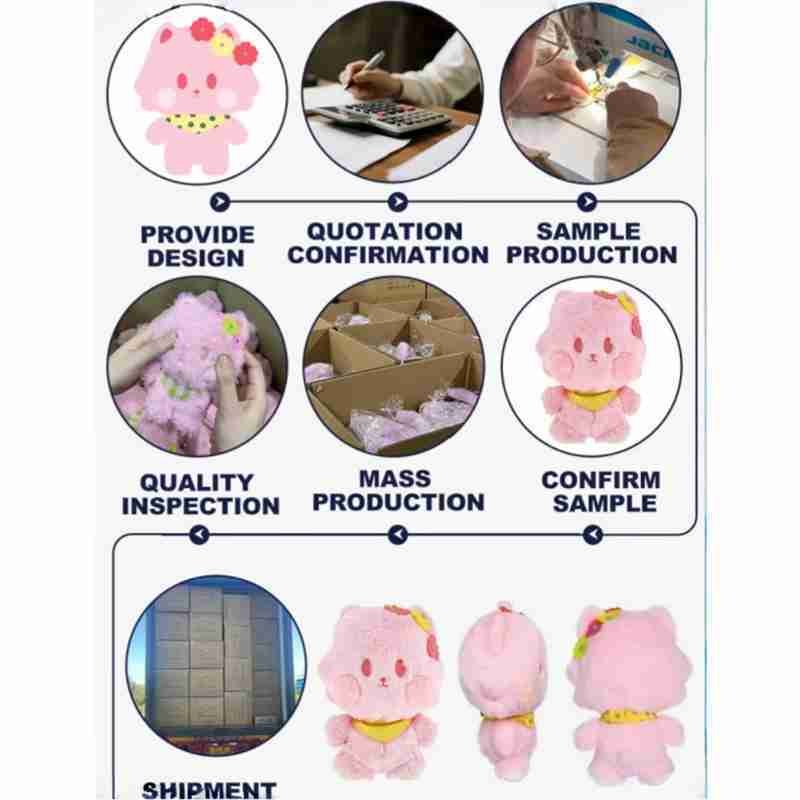
Select the inner box board grade that matches your channel. For DTC shipping, box crush resistance matters. For retail pallets, corner strength matters. Use inner supports if the plush has accessories that can deform.
(2) Hide (mystery protection)
Use an opaque polybag or paper bag inside. Avoid semi-transparent bags. If collectors can see the silhouette, your mystery value drops.
(3) Prove (anti-tamper)
Add a tamper feature that is cheap but effective:
seal sticker with lot code
tear strip bag
void label (leaves “VOID” when removed)
Do not rely on standard tape. It is easy to replace.
(4) Move (fulfillment efficiency)
Plan: barcode placement, carton counts, and scan-friendly surfaces. A clean pack-out rule reduces warehouse mistakes.
Sampling to Bulk Path Protects Launch
A controlled path saves time, even if it looks slower on paper.
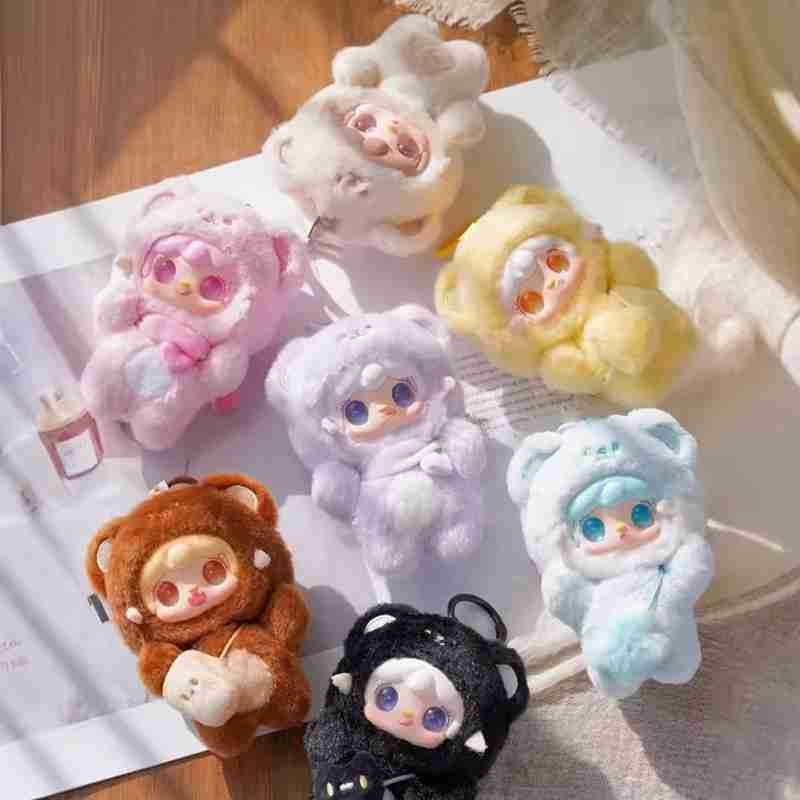
Phase A: Sampling (prove the design)
Goal: get the character right. Lock size, face, embroidery, and hand-feel.
- Sample 1: geometry and expression
- Sample 2: materials, embroidery details, accessory attachment
- Golden sample: your final reference
Phase B: Pilot run (prove repeatability)
Goal: prove the factory can repeat the golden sample under batch conditions.
Pilot size depends on program risk. For blind boxes, even 200–500 pcs can reveal drift: embroidery alignment, stuffing variance, accessory loss, and packing errors.
Pilot checks we recommend:
- 1st-piece approval per line
- hourly face drift check (quick measurement)
- stuffing weight sampling
- packaging tamper check
- carton drop test (channel-based)
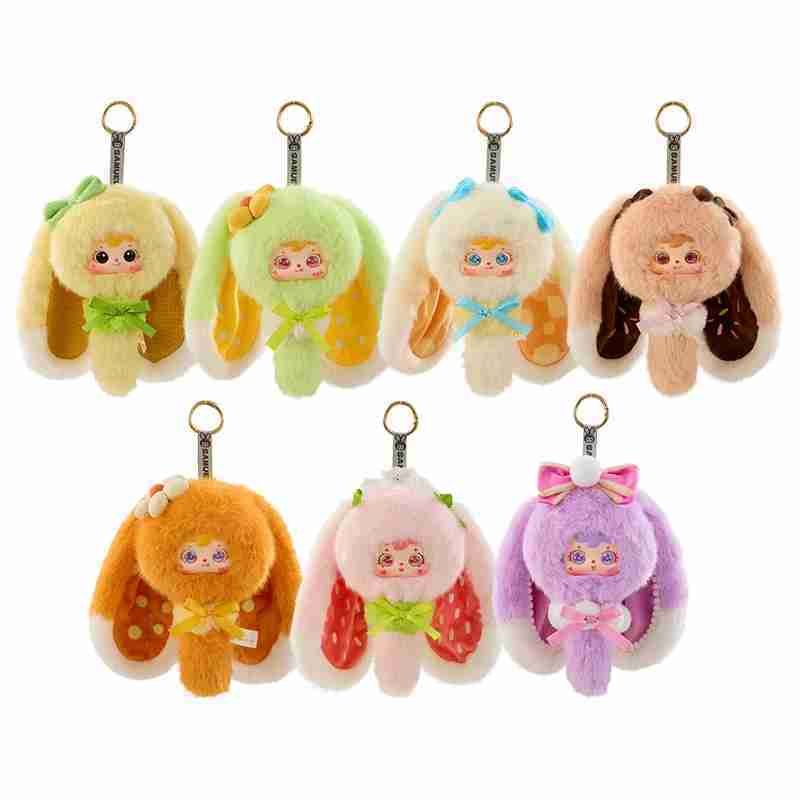
Phase C: Bulk run (prove stability over time)
Bulk should follow locked BOM and process rules:
- same fabric lot strategy
- locked embroidery file versions
- fixed packing SOP with audit records
Blind Box QC Checklist: Timing and Method
For blind box programs, we recommend a QC map that follows the production flow.
QC checkpoint table:
| Stage | What to check | Method | Why it matters |
|---|---|---|---|
| Incoming | fabric GSM, pile direction, color lot | spec match and swatch | prevents series mismatch |
| Cutting | pattern accuracy | first-cut check | stops size drift |
| Embroidery | placement and density | first-piece approval | protects face details |
| Sewing | seam allowance and tension | random sampling | reduces distortion |
| Stuffing | net weight range | weigh sample | keeps hand-feel |
| Accessory | pull test | manual force check | prevents drop-off |
| Packing | opaque bag and seal | visual audit | stops pre-open |
| Carton | count, marks, and drop test | SOP audit | shipping stability |
What makes blind box QC different
- You must control distribution and packing accuracy, not only product appearance
- Packaging tamper integrity is part of product quality
- face drift is a “millimeter-level” issue, so QC needs tools (Face Map ruler)


Budget Blind Box Plush Without Surprises
Blind box plush pricing is not only about size. The biggest cost drivers are fabric system, embroidery coverage, accessories, packaging layers, and rarity execution. When you budget with these drivers, you avoid last-minute redesigns and missed launch dates. Below is a practical cost logic table you can use for internal approvals.
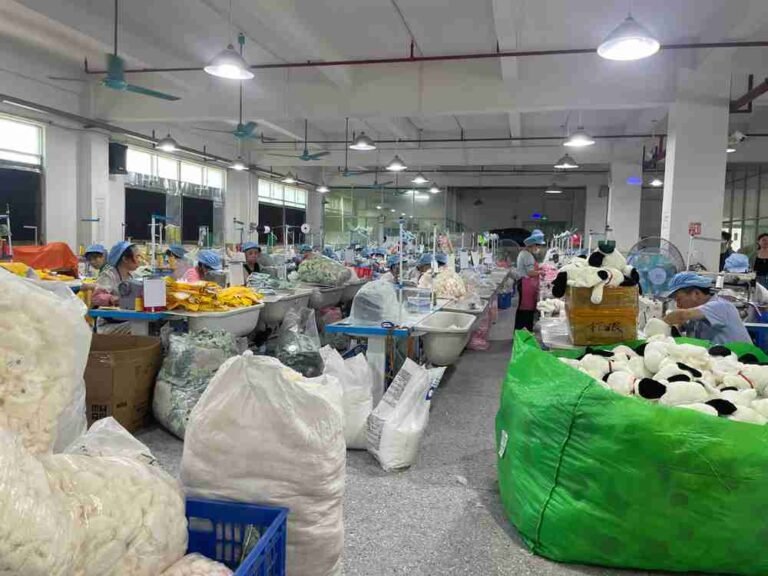
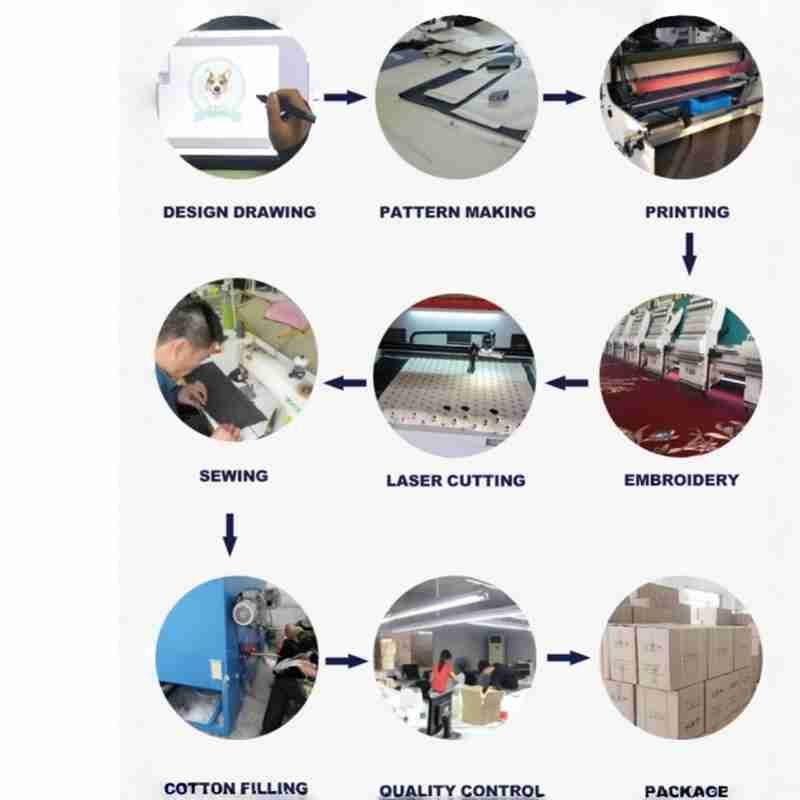
Procurement needs a budgeting model that matches how factories actually cost a blind box program.
Cost driver table:
| Driver | Low cost | Mid cost | Higher cost | Notes |
|---|---|---|---|---|
| Fabric | short plush | minky or velboa | long pile or special fur | affects hand-feel and yield |
| Embroidery | small face | full face and details | large area and gradients | stitch count drives time |
| Accessories | none | 1–2 simple | multiple and mixed materials | needs kitting control |
| Packaging | inner box only | opaque bag and seal | void label and serial card | trust and anti-swap |
| Rarity | 2 tiers | 3 tiers | 4 tiers | increases packing complexity |
MOQ logic that reduces risk
For a series, MOQs often work better with “shared components.” Example: if 8 SKUs share the same base body and only accessories differ, you can consolidate material purchasing and keep MOQs realistic.
Lead time logic that keeps launches stable
Lead time depends on:
How many SKUs are in wave 1
How many rounds of sampling
custom packaging printing time
fabric dye-lot booking
A realistic plan builds buffer for packaging and final QC.
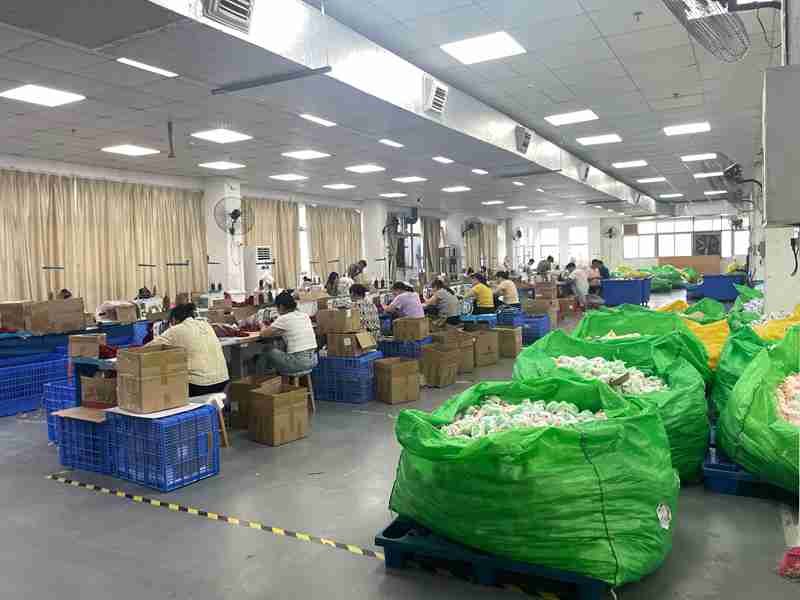
Pack-Out Rules That Prevent Deformation
Carton engineering is a quiet profit lever.
(1) Carton count logic
Blind boxes often ship in fixed counts (24, 48, 72, 96). Pick counts that match your warehouse shelves and picking flow.
(2) Deformation control
Plush can flatten under long transit. Controls:
- avoid over-tight packing
- use inner separators for accessories
- add moisture protection if sea freight
- carton strength matched to stacking height
(3) Carton marks that reduce mistakes
Mark cartons with:
- series name and wave number
- SKU range (if mixed)
- rarity case ID (if secrets are controlled by cases)
- gross/net weight
- orientation arrows, fragile marks if needed
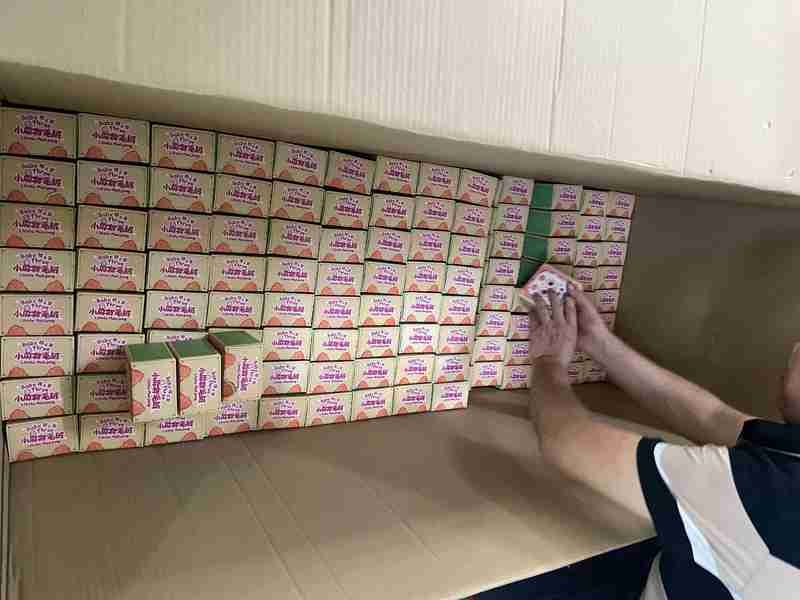
Compliance and Safety for Collectible Plush
Blind box plush often sells across regions. Safety issues can trigger returns, platform penalties, or forced recalls. Reduce risk with material selection, accessory control, and clear labeling. If your plush targets kids, requirements tighten. Even for collectible audiences, you still need sensible controls on small parts, needle safety, and packaging warnings.
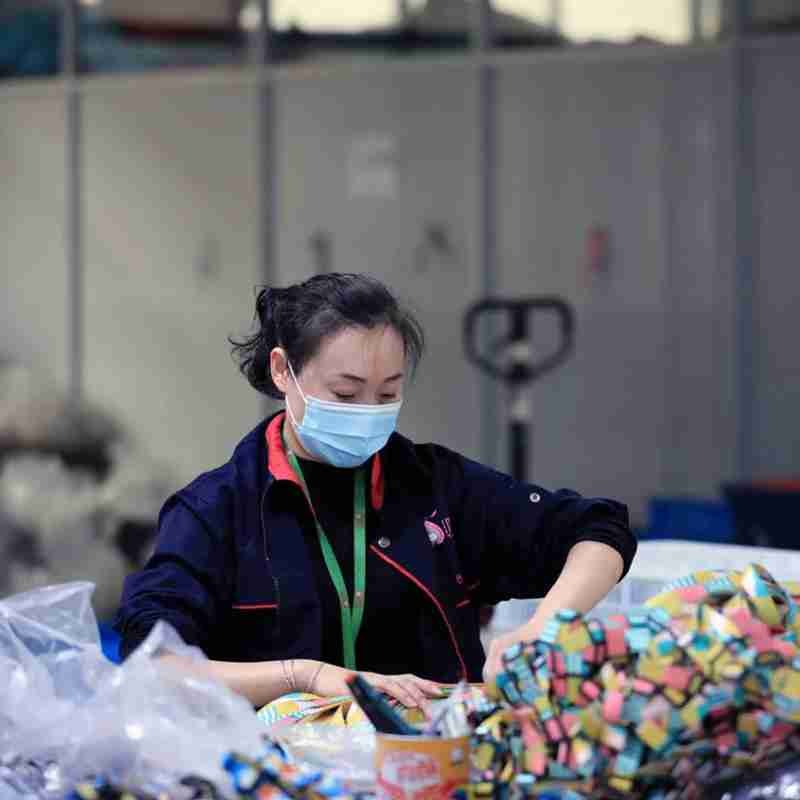
Compliance is easiest when built into design, not added later.
Key risk points in blind box plush
- small parts (eyes, key rings, magnets)
- loose accessories
- sharp edges in metal parts
- stuffing leakage
- packaging suffocation risk for polybags
Design controls that help across markets
- choose safer attachment methods for eyes or nose (embroidered, or locked safety parts)
- avoid loose magnets unless you have a strong compliance reason and correct labeling
- for metal parts, specify rounded edges and pull-test standards
- add polybag warning text if required by your region
Documentation controls
Keep a simple compliance folder per series: BOM, material specs, label artwork, test plans (if needed), and batch records. This helps if marketplaces request evidence.
Request a Custom Sample First?
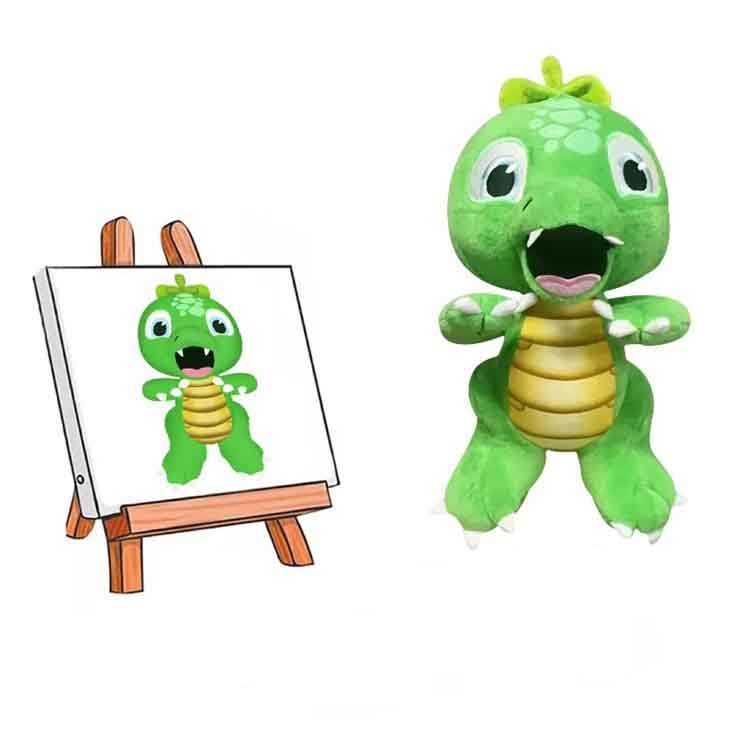
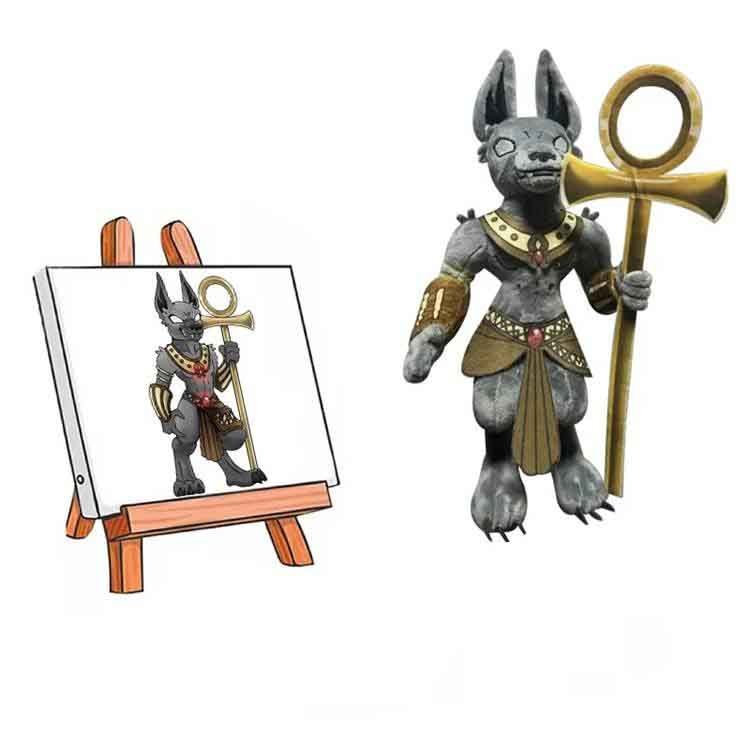
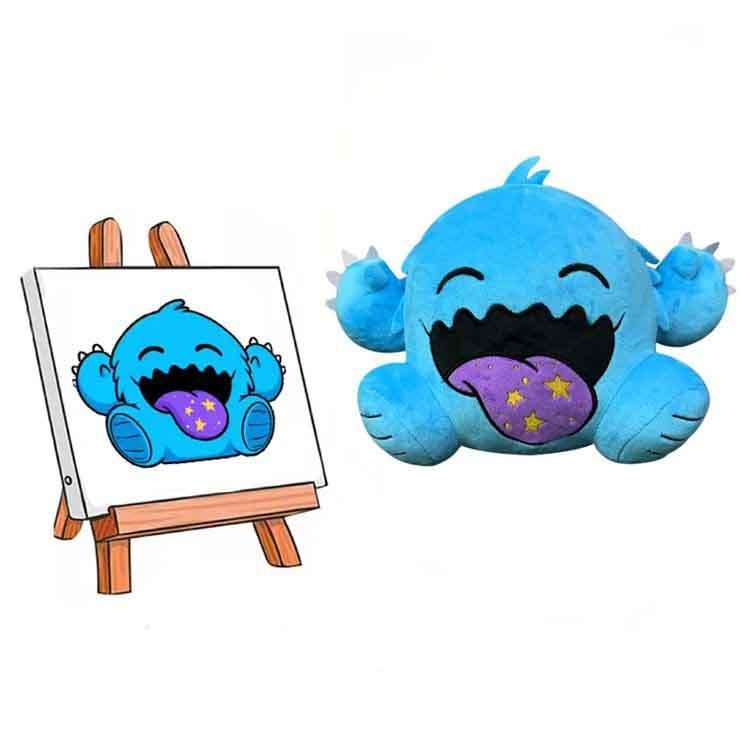
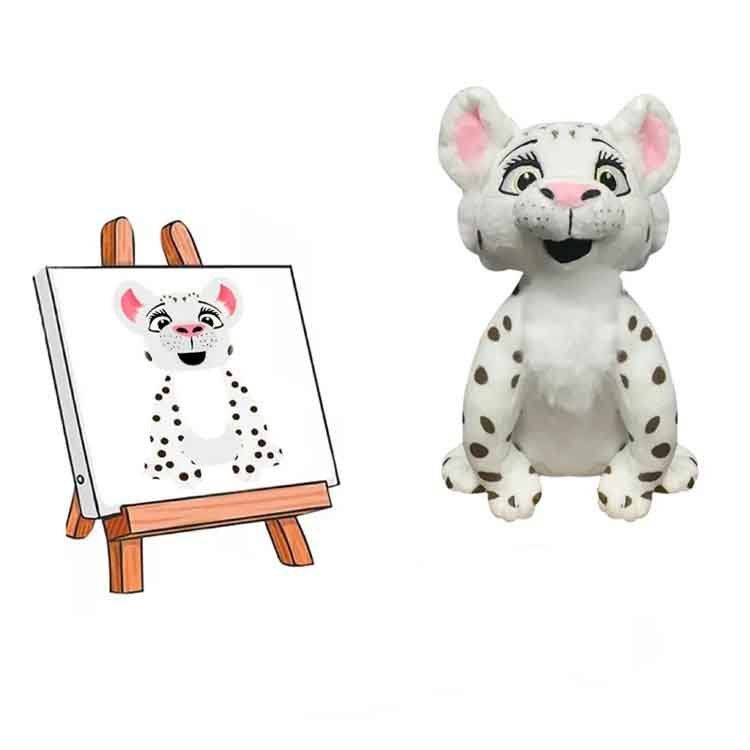
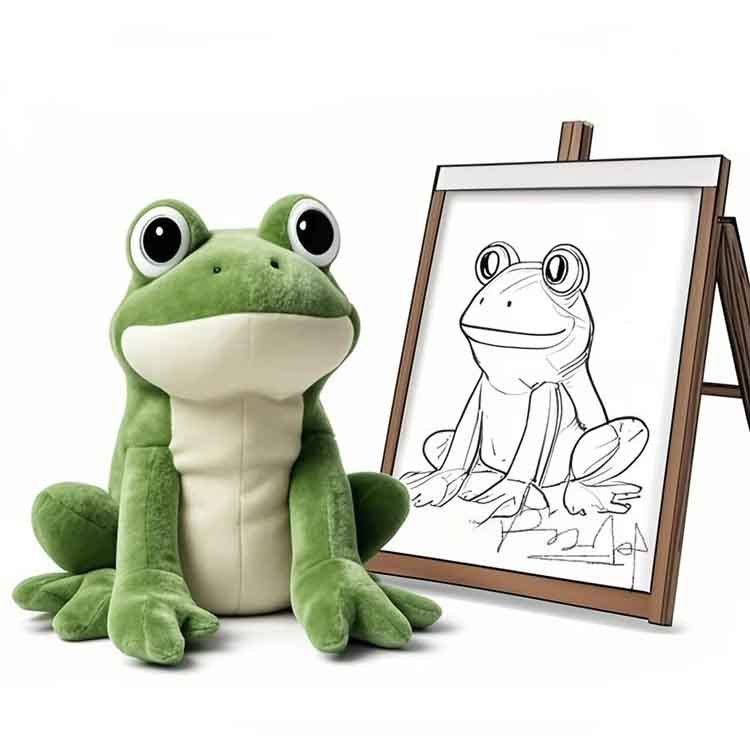
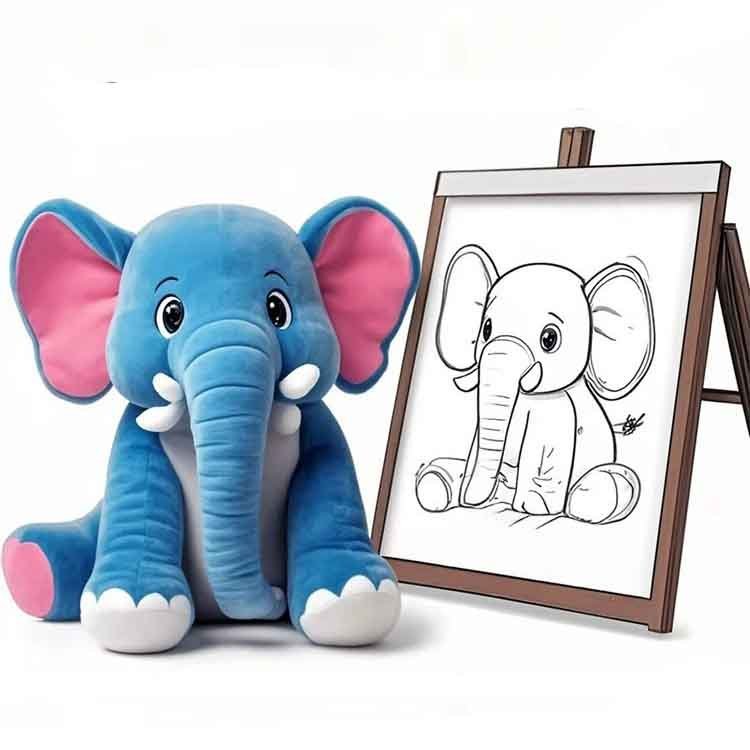
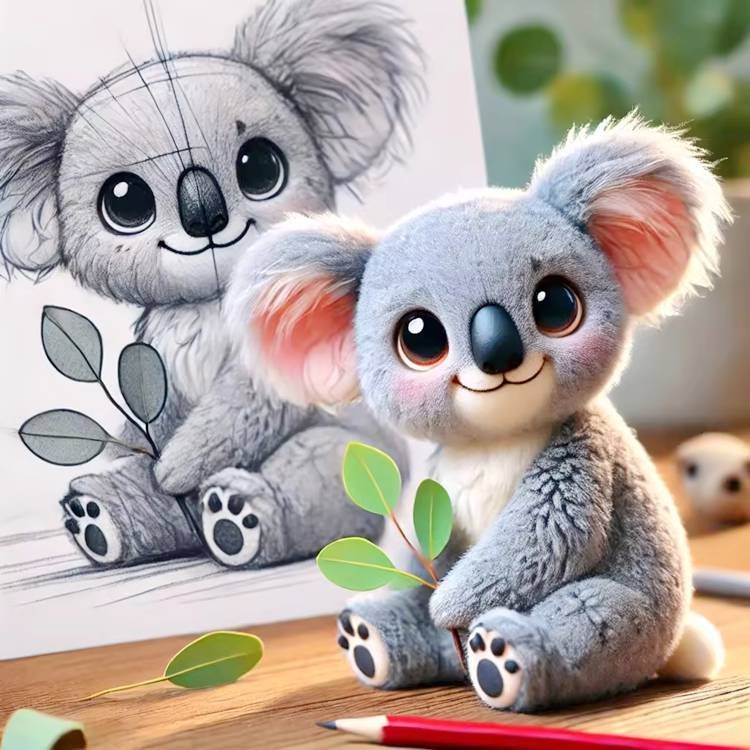
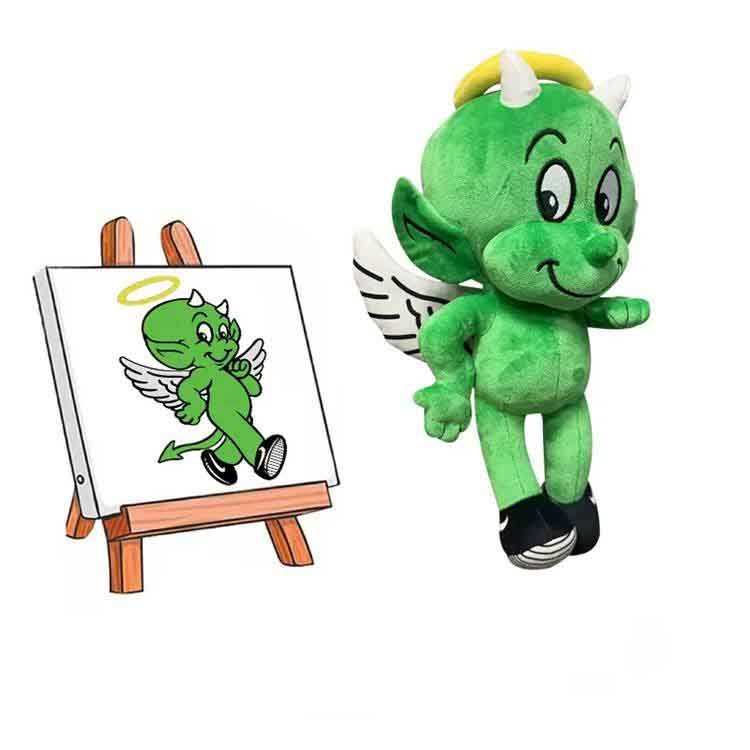
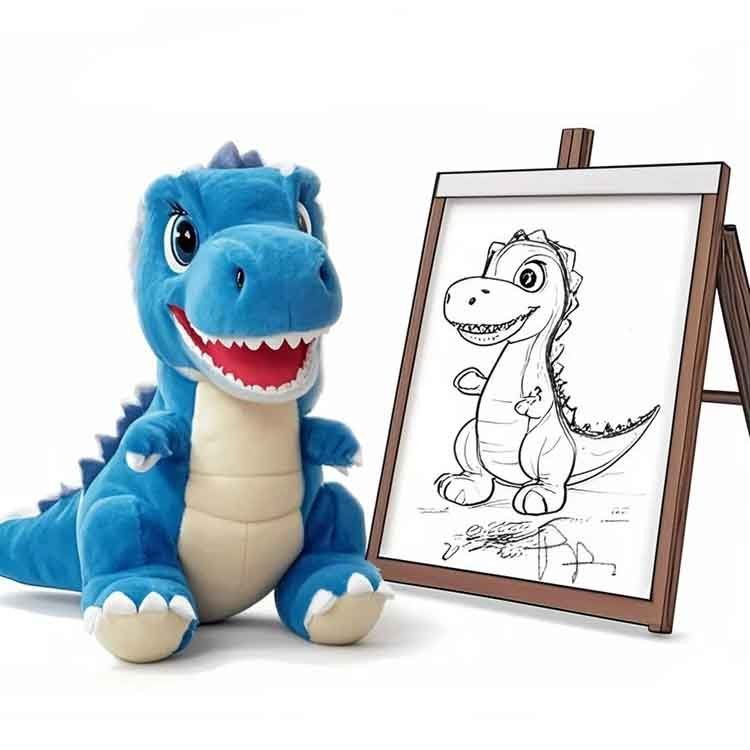
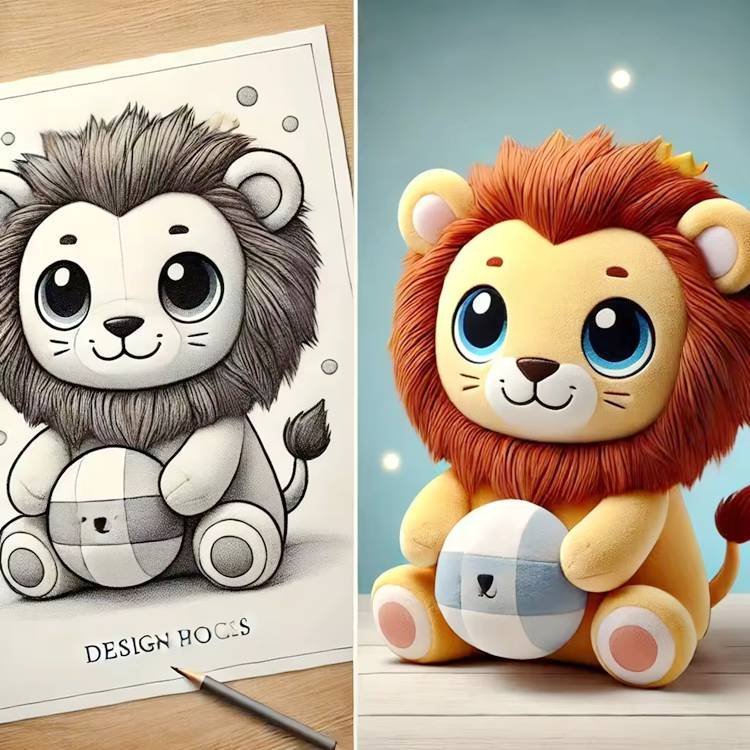
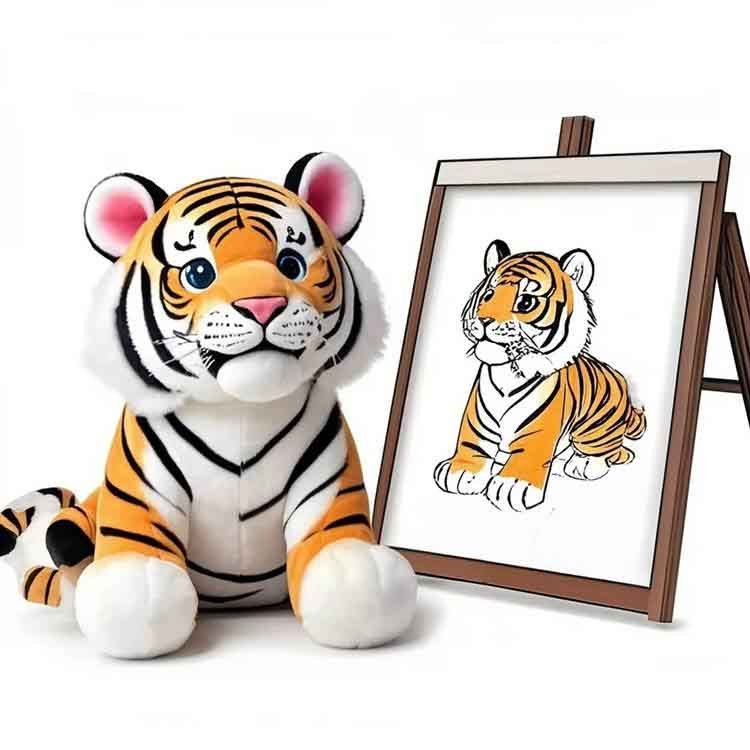
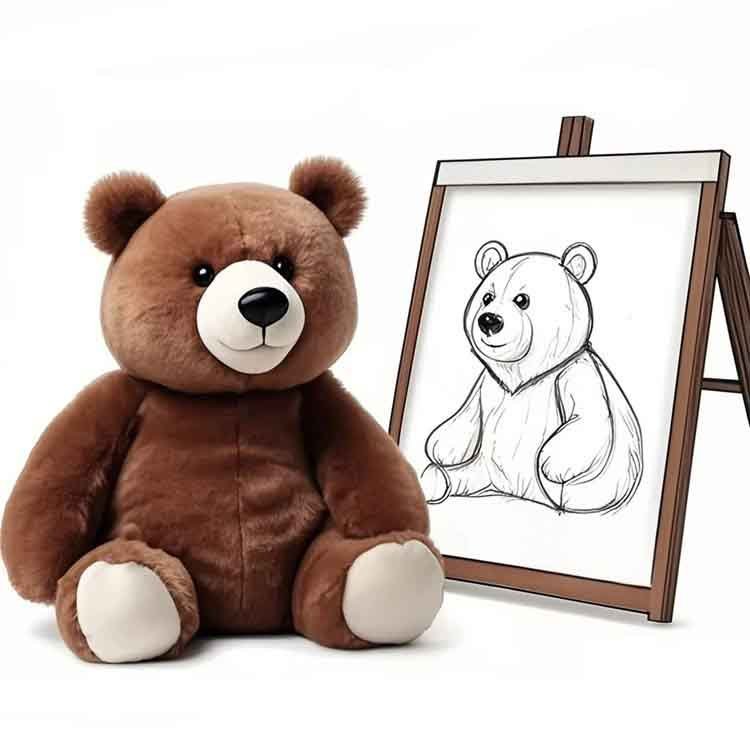
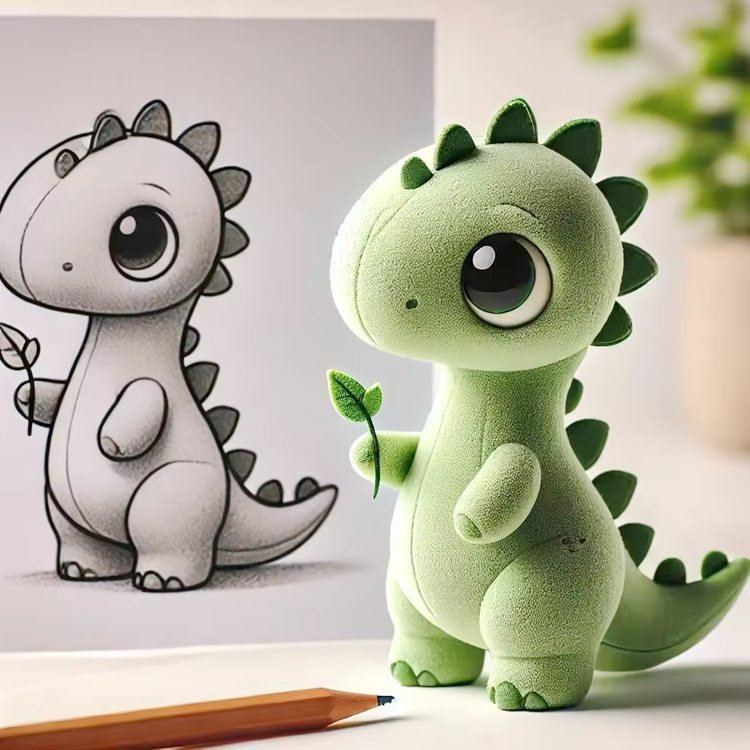
If you have artwork, logo files, or even just an idea, please share your project details—size, target fabric, color reference, and customization requirements. We’ll recommend suitable materials and provide a clear sampling plan to bring your custom plush toy design to life.
What Makes Our Custom Plush Production Reliable for B2B
Trust is built through predictable execution—clear approvals, documented specs, quality checkpoints, and packing confirmation. We focus on making your plush project easier to manage and safer to scale.
For B2B customers, “reliable” plush production is not about making one nice sample—it’s about delivering repeatable bulk quality, stable lead times, and clear project control from artwork review to shipment. What makes our custom plush program dependable is the way we manage the details that most often cause problems in mass production: face accuracy, proportion stability, embroidery/printing consistency, stuffing weight and firmness control, and secure attachment for keychains, clothing, and accessories.
We build reliability through a structured workflow: we confirm a practical spec checklist before sampling, document revision notes, and lock the final approval sample as a golden standard for production. During manufacturing, we apply multi-stage QC checkpoints (not just a final check) to prevent drift early, especially in character-critical zones like the face and silhouette. Before shipment, we also verify packaging and labeling—including hangtags, barcode/SKU labels, care/warning labels, and carton marks—so your receiving and retail handling are smoother and your products arrive with less risk of deformation.
Process Proof
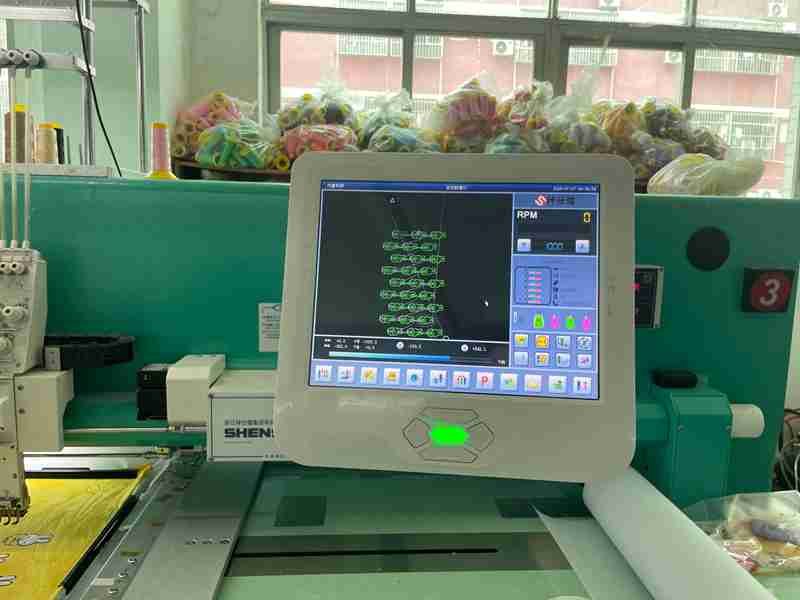
- Clear sampling-to-production approvals (prototype → revisions → final approval sample)
- Spec confirmation before bulk production (size, materials, logo placement, packaging)
- Revision notes that keep decisions traceable
- Golden standard concept for repeat orders
Quality Proof
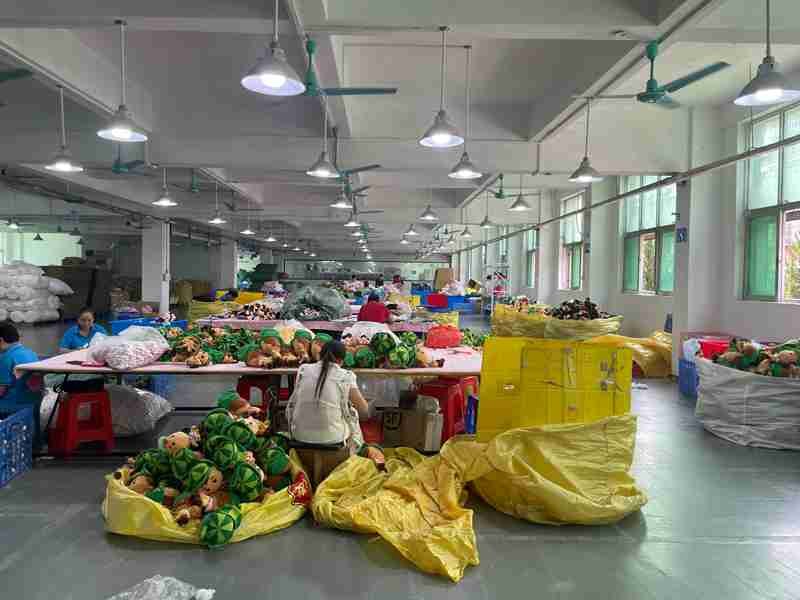
- Multi-stage QC checkpoints across sewing, embroidery/printing, stuffing, finishing
- Needle control / needle detection option for finished plush (when required)
- Inspection focus on character-critical areas (face and silhouette) for IP plush
Delivery Proof
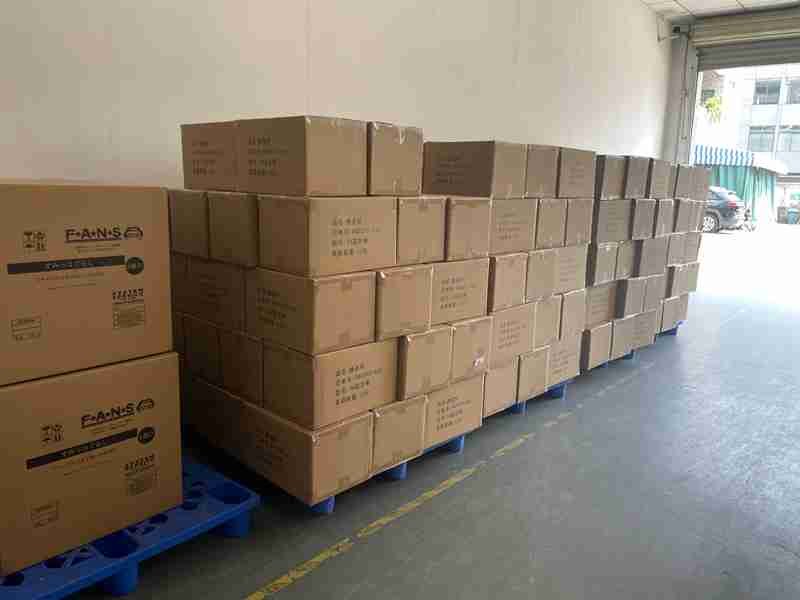
Packaging and labeling confirmation before shipment (photo proof + checklist)
Barcode and carton mark support (when required) (SKU/PO/qty/destination)
Packing suggestions to reduce deformation during transit (anti-crush, face protection)
Frequently Asked Questions
Can you control rarity ratios (common/rare/secret) in bulk shipments?
Yes—rarity ratio control is reliable when it is executed by case-level packing rules + BOM differences + audit records, not by “operator memory.”
A workable rarity plan must be measurable. Instead of saying “make 10% rare,” define it as “per inner case / per master carton.” For example, a 12-piece inner case could be 10 common + 2 rare, while a secret can be 1 per 72 with a dedicated “secret case” label. The factory should build this into the production system: separate accessory kitting, separate inner bag or label code for chase units, and a packing SOP that requires sign-off.
To reduce mistakes, we recommend “component-based rarity.” Chase versions should differ in obvious, checkable elements: a special accessory, a unique woven label, a different embroidery thread code, or a unique inner-bag seal. If the only difference is color with no code, leakage and packing errors go up.
Practical audit method: open 1 carton per batch and verify distribution against the plan; record the result. This creates traceability if a marketplace questions your randomness or if collectors complain.
What’s the best way to prevent sample-to-bulk drift for collectible blind box plush?
The safest method is Spec Sheet → Golden Sample → Pilot Run → Bulk under QC checkpoints, with Face Map measurements to control millimeter-level expression details.
Blind box plush is judged more strictly than normal plush. Collectors compare photos side-by-side, and a 2–3 mm shift in eye spacing can change the “emotion.” Drift often comes from three sources: fabric stretch, inconsistent seam allowance, and embroidery placement tension. To prevent it, you need engineering controls, not promises.
We recommend building a Plush Spec Sheet that locks: finished size tolerance, fabric GSM/pile, stuffing net weight range, embroidery density, accessory attachment methods, and packaging layers. Then you approve a Golden Sample that becomes the inspection reference.
Next, run a pilot run (often 200–500 pcs) before full bulk. The pilot exposes real drift: embroidery alignment, stuffing variance, accessory drop-off, and packing errors. During pilot, apply a “Face Map” QC tool—a simple measurement template for eye center distance, mouth corner distance, and key facial points. This makes face checks objective and fast.
Finally, bulk runs under a QC map: incoming fabric lot checks, first-piece approvals per line, stuffing weight sampling, accessory pull tests, and packing audits. This is how you protect your launch schedule while reducing returns.
What is a realistic MOQ for a blind box plush series with multiple characters?
A realistic MOQ is achieved by designing the series around shared components (base body + common fabrics) and treating variants as BOM differences, not fully separate builds.
MOQ questions get confusing because buyers think per character, while factories think per material and workflow. If you design 8 characters that all use different fabrics and different embroidery formats, your MOQ and lead time will increase sharply. But if those 8 characters share the same base body pattern, the same fabric system, and the same stuffing spec, then differences can be built through accessories, small embroidery variations, or labels—this makes MOQ practical.
We recommend splitting your series into:
- Base body (shared pattern + shared fabric)
- Face system (shared embroidery file structure + limited thread codes)
- Variant parts (accessories, props, labels, special fabrics for chase)
This structure also supports better reorder speed: you can replenish hot sellers without rebuilding the entire supply chain.
Before locking MOQ, clarify your channel: retail cartons often prefer fixed case counts (24/48/72). If you align MOQ to case counts, your fulfillment becomes cleaner.
How do you design anti-tamper packaging to stop pre-open and swaps?
The most reliable low-cost method is opaque inner bag + tamper-evident seal + carton-lot linkage, plus optional serial inserts for premium launches.
Blind box buyers care about mystery. If the inner bag is translucent or easy to reseal, refunds and bad reviews rise fast. We recommend a layered approach:
Layer 1: Opaque inner bag
Use a fully opaque material so silhouettes cannot be recognized.
Layer 2: Tamper-evident seal
A seal sticker with lot code, a tear-strip bag, or a void label. The point is that it cannot be replaced quietly.
Layer 3: Carton-lot linkage
The seal lot code should match carton marks or batch labels. If a problem occurs, you can trace the affected shipment range.
For premium series, add a collectible insert card (not always needed) with a simple numbering system or anti-swap indicator. This is useful when the resale value is high.
What are the biggest cost drivers in custom blind box plush manufacturing?
The main cost drivers are embroidery stitch count, fabric system, accessory complexity, and packaging layers, not only plush size.
Many teams budget by height (e.g., 10 cm vs 15 cm). In blind boxes, unit cost often moves more with details than with size. A small plush with heavy embroidery and multiple accessories can cost more than a larger, simple plush.
Key drivers you can control:
- Embroidery area and stitch density: more stitches = more machine time
- Fabric type and yield: long pile or special fur increases material usage and cutting waste
- Accessory kitting: multiple parts require sorting and add assembly time
- Anti-tamper packaging: seals, special bags, inserts add cost but reduce refunds
- Rarity execution: more tiers increase packing complexity and error risk
For smoother approvals, create a cost tier plan early (standard vs premium packaging, common vs chase enhancement). This lets you launch Wave 1 efficiently and upgrade later.
How do you keep hand-feel consistent across different characters in the same series?
Consistent hand-feel comes from locking a material system and controlling stuffing weight ranges, with quick QC checks on firmness and weight.
Collectors judge value with their hands. If one character feels dense and another feels hollow, the set feels inconsistent. The fix is measurable: specify outer fabric GSM/pile, stuffing type, and a net stuffing weight range per SKU.
We recommend a “3-zone hand-feel check”: head, belly, base. Combine it with random weigh checks. This turns softness into an operational rule. If you use weighted pellets, always isolate pellets in an inner bag and lock seam reinforcement to prevent leakage over time.
Hand-feel consistency also depends on stuffing sequence. If operators stuff randomly, face curvature and body firmness shift. A simple SOP—face first, then body—improves repeatability.
Can you make blind box plush for different channels (retail vs DTC) with different packaging specs?
Yes—retail and DTC require different priorities, so we recommend a channel-based packaging BOM from the start.
Retail often values shelf display and barcode scanning. DTC values shipping survival and anti-tamper performance. If you force one packaging spec for all channels, you either overpay or face damage/returns.
A practical approach: keep the plush spec identical, but offer two packaging tiers:
- Retail tier: standard inner box, clean barcode placement
- DTC tier: stronger box board, additional seal, better carton protection
This keeps manufacturing stable while letting fulfillment meet channel needs.
What should we send in an RFQ to get an accurate quote fast?
A fast, accurate quote needs your series structure, target size/weight, materials direction, face method, accessories, packaging layers, and rarity model.
To avoid endless back-and-forth, send a compact RFQ pack:
- 2–3 reference images per character (front view preferred)
- target finished size + tolerance expectations
- target hand-feel (soft vs firm) and target weight feel
- face approach: embroidery-only vs plastic parts
- accessory list (rings, straps, props)
- packaging requirement: opaque bag, seal type, box size
- rarity plan: tiers and ratios by case
- target market and channel (retail/DTC), launch timing
If you don’t have everything, start with the top 5 items: size, fabric preference, embroidery coverage, packaging tier, and quantity estimate. We can fill the rest during sampling.
How do you reduce the risk of accessory drop-off (rings, straps, props) in blind box plush?
Accessory security improves when you specify attachment methods, require pull tests, and design accessories for kitting consistency.
Accessory complaints are common in blind box plush because small parts get pulled, twisted, or caught during unboxing. The solution starts at design: choose stable attachment methods (stitched webbing loops, reinforced seams, hidden anchors) instead of weak glue-only methods.
Then enforce pull test standards during pilot and bulk. Even a simple manual pull test with a defined force habit can reduce failures. For high-risk parts, add reinforcement patches and lock stitch routes.
Finally, manage accessories as kits: pre-counted accessory bundles reduce missing-part issues during packing. This is a big operational win when you have rarity tiers.
What is a smart first step: one character sample, or the whole series at once?
The smartest path is usually one “reference SKU” first, then expand to the full series after the spec and process are stable.
Sampling the entire series at once sounds fast, but it often multiplies revisions and delays. A better approach is to choose one character that represents your core complexity (typical face, typical accessories, typical fabric). Use it to lock the spec sheet, embroidery rules, and packaging layers. Once this reference SKU is stable, the remaining characters become controlled variations.
This also improves budgeting: you can validate the cost drivers early and avoid surprise rework on all SKUs. For rarity programs, it helps you build the packing SOP using one stable unit, then scale with fewer errors.
Do we need a pilot run for blind box plush, or can we go straight to bulk?
A pilot run is the fastest way to reduce bulk risk when you have multiple SKUs, rarity tiers, or anti-tamper packaging—because it proves repeatability, not just appearance.
Going straight to bulk can work for very simple plush with no accessories and standard packaging. But blind box programs add complexity: accessory kitting, controlled rarity, sealed inner bags, and strict face consistency. These issues rarely show up in a single sample. They show up when multiple lines and multiple operators repeat the product.
A pilot run (often 200–500 pcs) tests:
- Face drift under real sewing tension
- Stuffing weight variation across operators
- Accessory drop-off and kitting mistakes
- Packing accuracy for rarity models
- Seal integrity and carton handling damage
Pilot data gives your procurement team a true “go/no-go” gate. It also helps you build a clean SOP: first-piece approval rules, audit frequency, and rework triggers. For marketplaces, having pilot records strengthens your operational credibility.
How do you keep embroidery details crisp on small blind box plush?
Crisp embroidery on small plush requires controlling stitch density, using appropriate underlay, and simplifying micro details that won’t survive mass production.
Small plush faces look simple, but embroidery is demanding. If density is too low, details look broken; too high, the fabric puckers and the face distorts. We recommend:
- lock stitch density range (not one fixed number only)
- specify underlay type to support stretch fabrics
- use placement marks on pattern pieces to reduce misalignment
- avoid ultra-thin line art that turns into noise in bulk
For procurement, ask the factory to show an embroidery test panel on the actual fabric. This proves clarity before full sampling.
Start Your Custom Plush Project Today
If You Can imagine it,We Will Create it!
Whether you are a brand, creator, retailer, or agency, our Guangdong plush factory is ready to support your OEM/ODM development. Send us your design, concept, or reference image — our team will reply with a free development proposal and quotation.
1. Tell Us What You Need
Tell us your requirements and share your artwork or reference images.
2.Get a Solution & Quote
We’ll suggest the best solution based on your requirements, and provide a detailed quote within 12 hours.
3.Approve for Mass Production
We will start mass production after getting your approval.
For all inquiries, please feel free to reach out at
- info@heyzizi.com
- (+86)13717153084
Ready to Grow Your Plush Product Line?
Brands and businesses from over 80 countries have chosen Jundong as their trusted plush manufacturing partner. Now it’s your turn. Work with us for reliable custom plush production, clear sampling support, and stable delivery for long-term programs.