Custom Mascot Plush Toys
Character plush, mascot plush, stuffed animals, plush keychains—developed and produced in Guangdong, China.
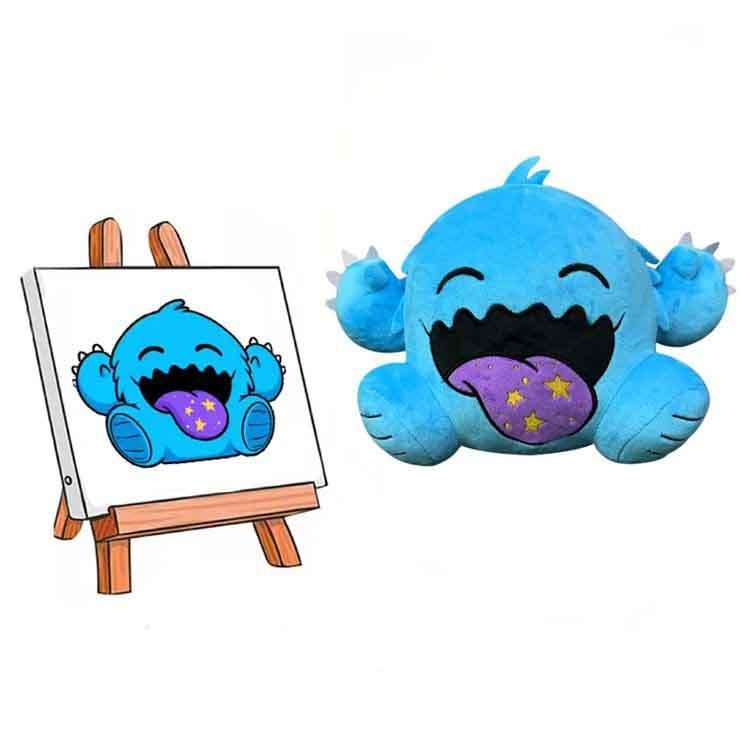
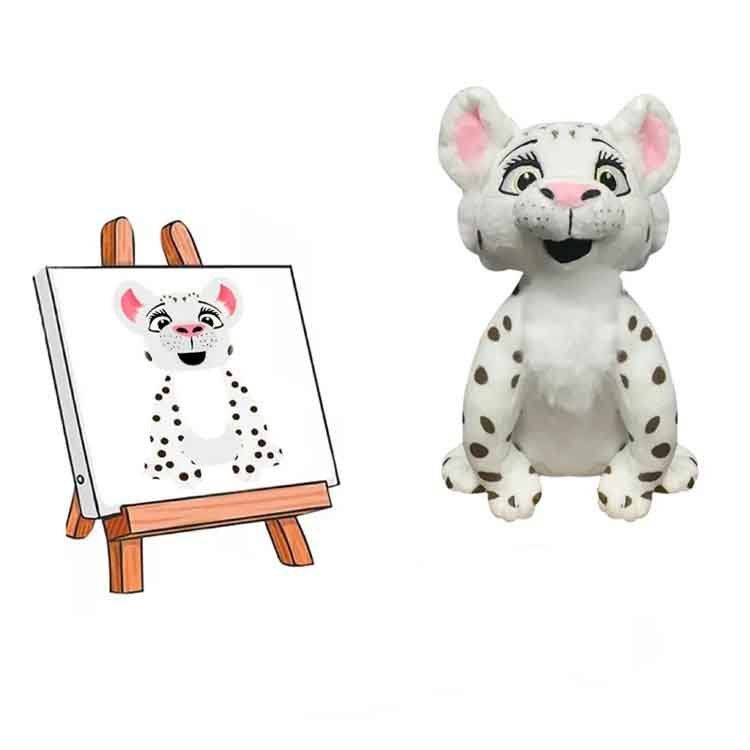
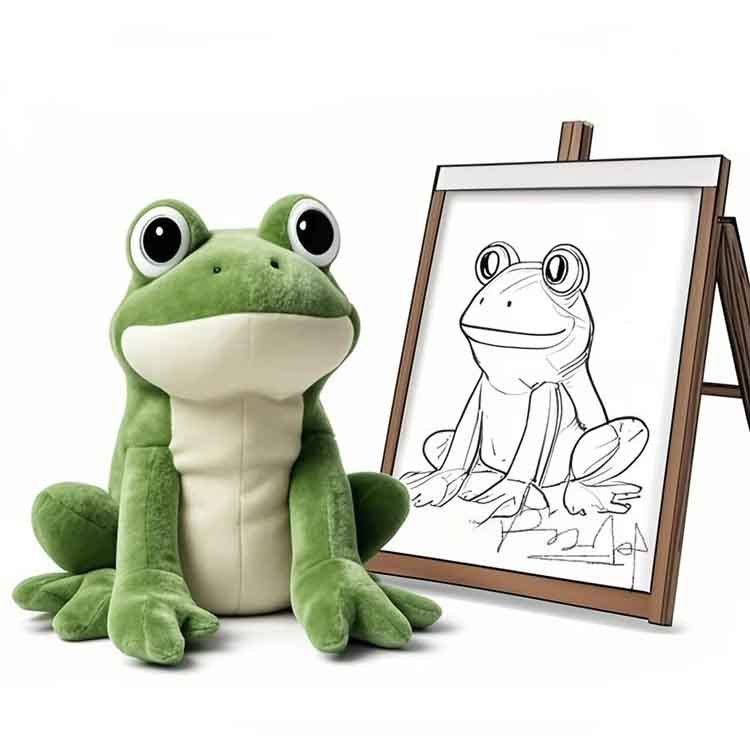
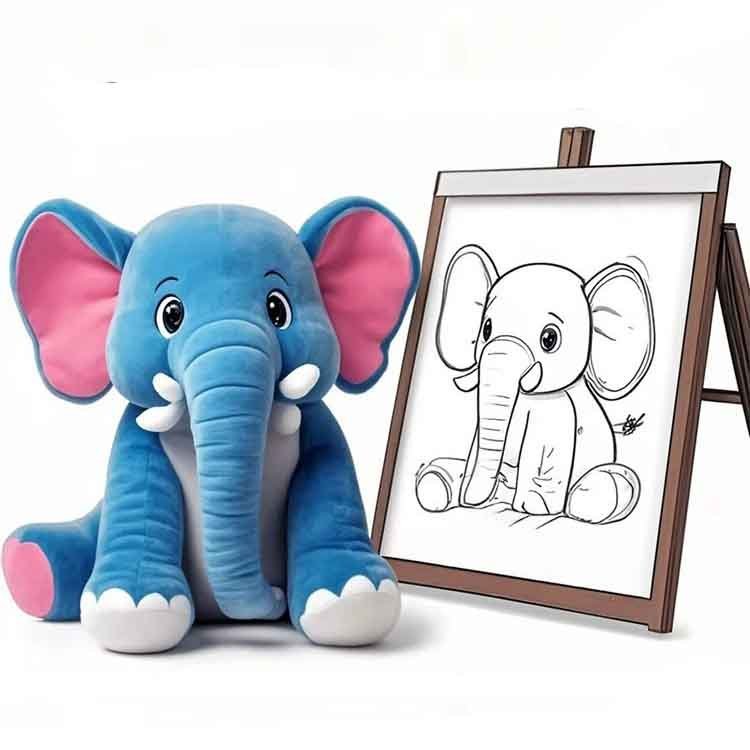
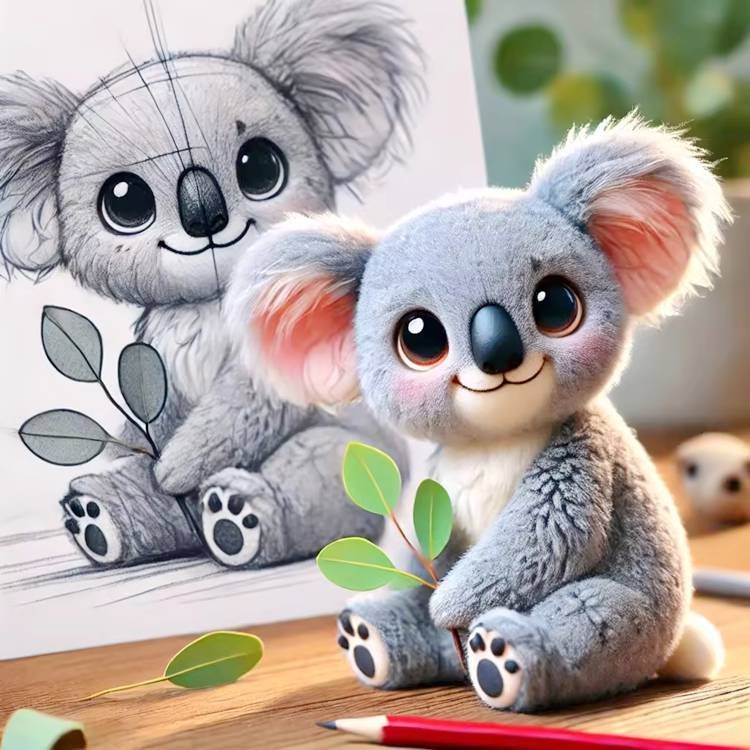
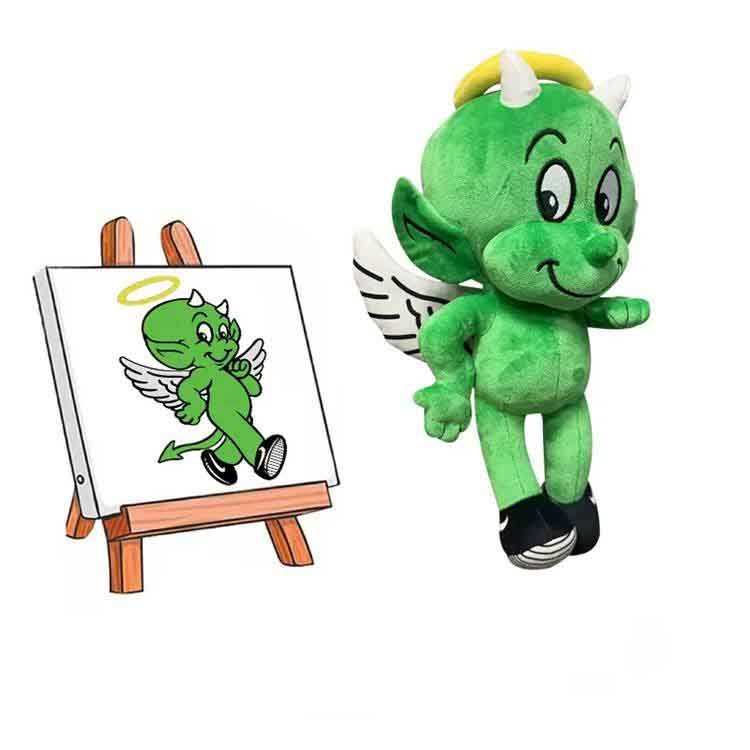
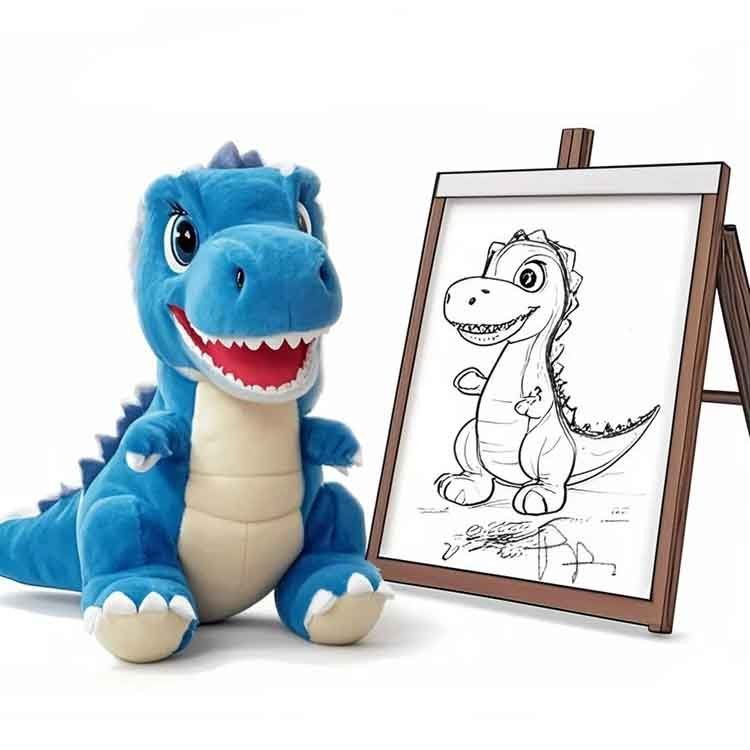
Custom Mascot Plush Toys turn your brand character into a production-ready plush—built for promotions, events, and retail. We support full customization from artwork review to sampling, embroidery/printing, durable construction, and packaging that protects shape in shipping. Our workflow focuses on spec clarity, sample-to-bulk consistency, and QC checkpoints that reduce rework and delivery risk. Share your reference images and target market needs, and we’ll propose a clear development route, option-tier quotation, and a practical timeline for your mascot plush program.
Mascot Plush Built for Brand Programs, Not One-Off Samples
A mascot plush is not “just cute.” In real brand programs, it becomes a repeatable SKU that must survive approvals, scale into bulk production, and stay consistent across reorders.
The hard part is rarely the first sample. The hard part is keeping face consistency, color matching, hand feel, and accessory security stable when you run multiple lots, multiple sizes, or multiple versions for events and campaigns.
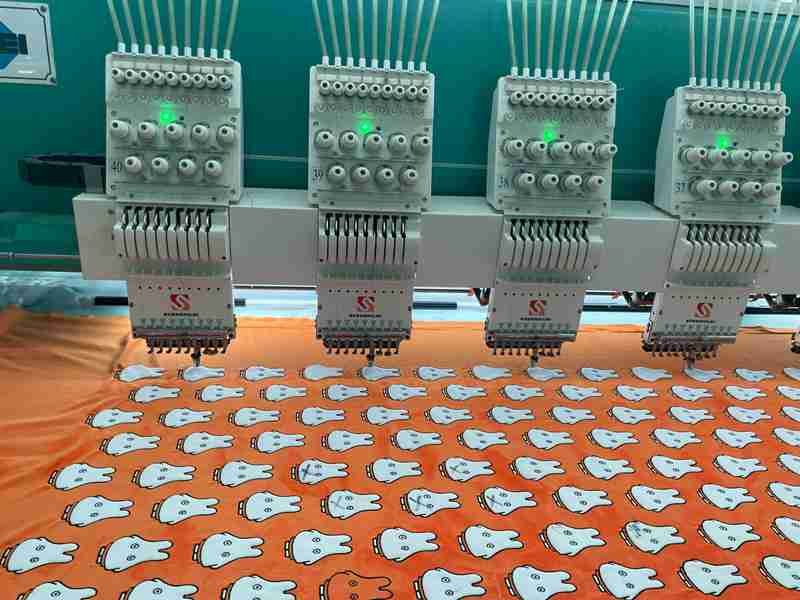
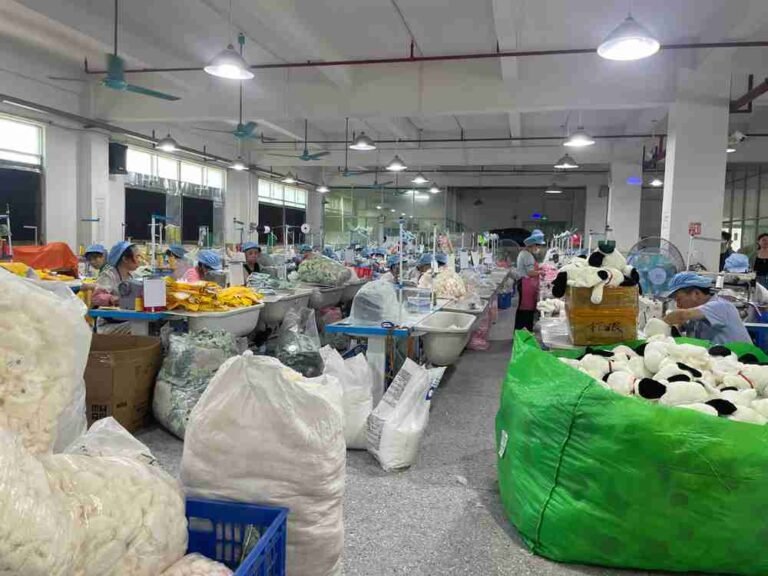
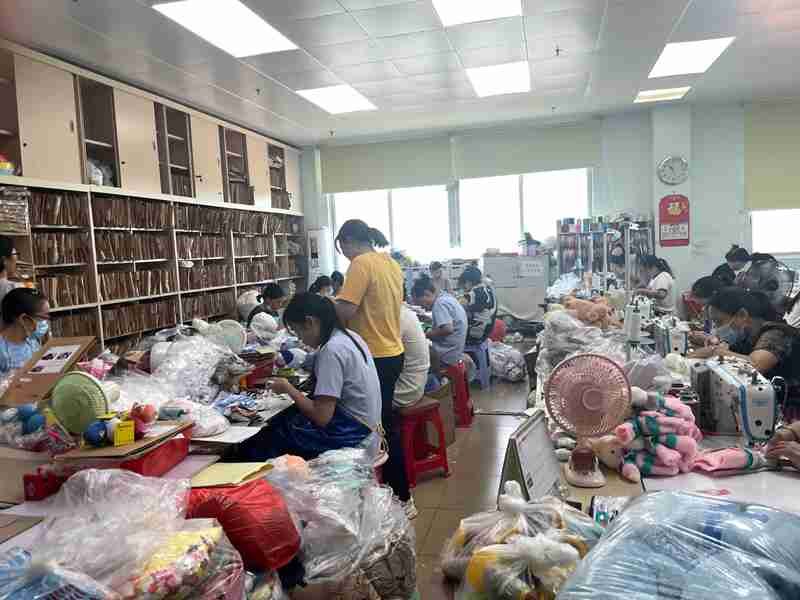
Heyzizi develops and manufactures custom mascot plush toys for brands, teams, schools, and licensing programs—from concept/artwork review to sampling, mass production, QC, and shipment readiness. Our factory setup supports OEM/ODM execution with multi-process in-house integration, including sewing, filling, and final assembly, plus structured scheduling to keep multi-SKU projects on track.
To move faster on your RFQ, share your target size, use case (gift, retail, event), and branding method (embroidery, printing, woven labels, or hangtags). We’ll reply with a practical development path, a clear sample plan, and key build options aligned with bulk production consistency.
Mascot Plush Sizes, Forms & SKU Map
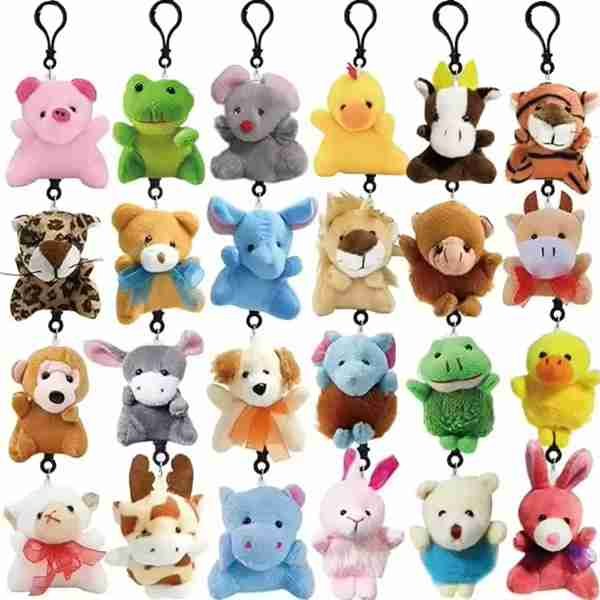
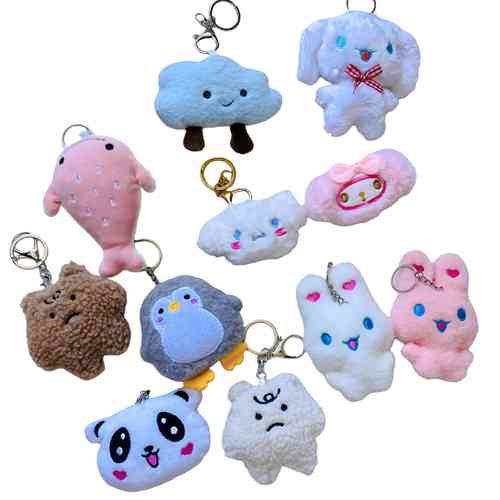
Mascot plush can mean different products depending on how it will be used: a handheld doll for events, a keychain charm as a retail add-on, a desk buddy for corporate gifting, or a collectible series for new launches. When a supplier treats everything as “one plush toy,” quotes become inconsistent and revisions multiply.
A simple way to prevent that is to define a SKU map early—your size range, form factor, and attachment method (keychain, clip, loop, magnet, no attachment). Heyzizi supports mascot plush programs across many scenarios, including corporate logo mascots, event commemoratives, sports/team mascots, campus mascots, finance/insurance gifting, gaming/anime character plush, and F&B mascot merchandise.
RFQ Checklist That Gets You Accurate Pricing Fast
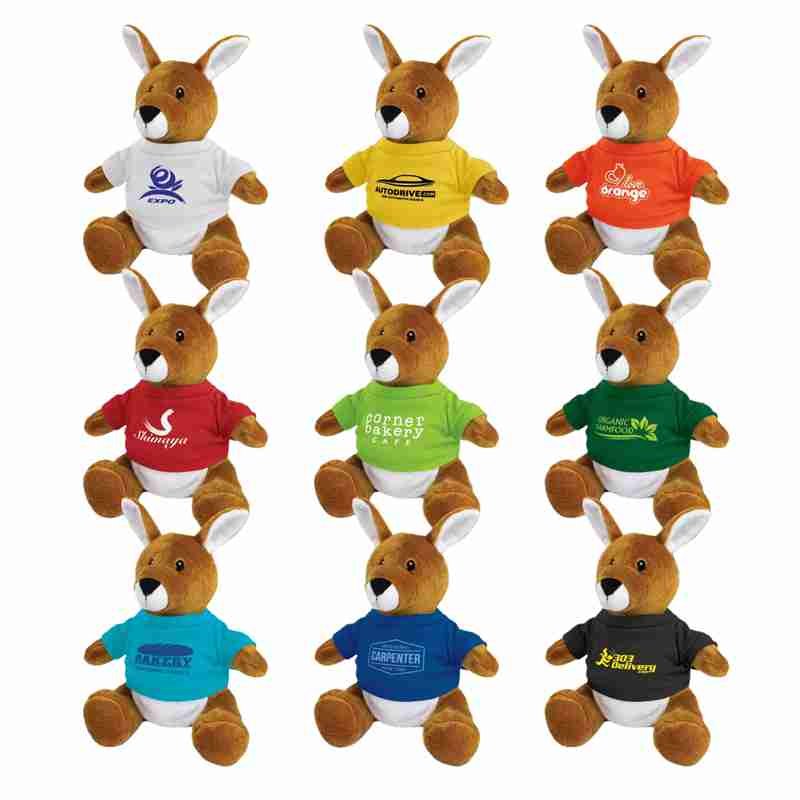
Most delays in mascot plush projects come from incomplete RFQs—the size isn’t locked, the face method is undecided, packaging is missing, or the target market compliance plan isn’t considered. That triggers re-quoting, extra sample rounds, and timeline drift.
RFQ Checklist for Mascot Plush
Product Definition
- Target size (cm) + tolerance range
- Form factor: doll / charm / pillow / wearable / set
- Target hand feel: soft/medium / firm (and whether weighted)
- Face method: embroidery, printing, applique, or mixed
Brand & Appearance
- Pantone codes or physical swatches for main colors
- Logo placement: chest/foot/tag/packaging
- Label set: woven label, care label, hangtag, warning card
Accessories & Risk Areas
Hardware type: keyring/ball chain/lobster clasp
Any small parts: eyes, buckles, magnets, sound module
Strength needs: attachment pull, seam reinforcement.
Packaging & Distribution
Unit pack: OPP bag, color box, gift box, blind box system
Barcode labeling, carton marks, and packing layout
Quantity Plan
- Trial order quantity + target reorder quantity.
- Deadline window and preferred shipment mode
If you want a faster start, send this checklist with your artwork/reference images. We’ll reply with a clear sample route, timeline, and the main cost drivers for your program.
Manufacturing-Ready Face Specs & Sampling Logic
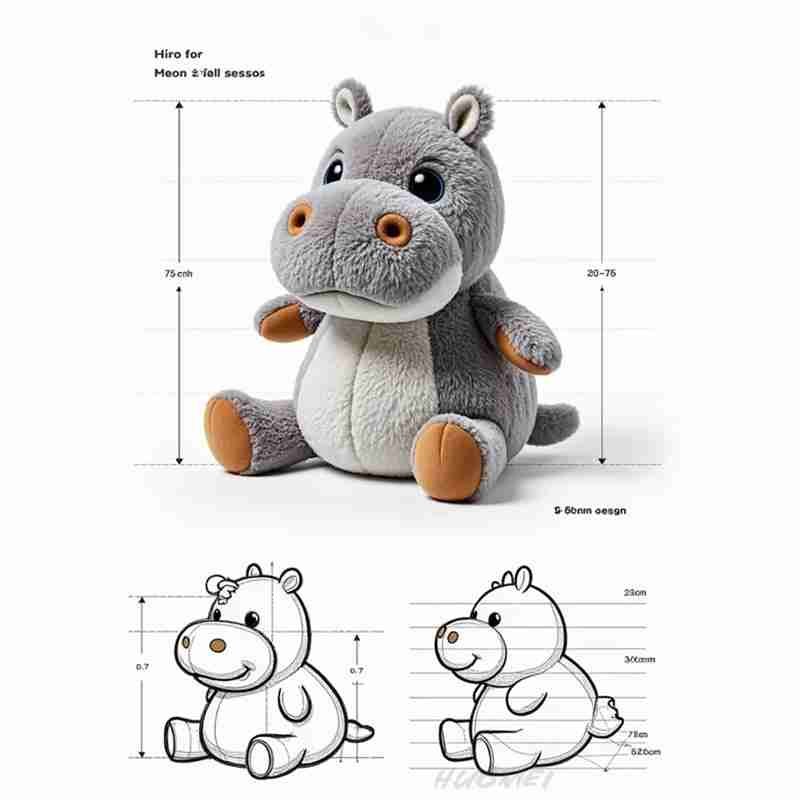
Mascot plush success depends on details that most mood boards never show: eye spacing, mouth curve, embroidery edge clarity, print deviation control, and symmetry limits. If these points aren’t specified, two “approved-looking” samples can still differ when produced by different operators or different production lots.
The goal is to turn a cute concept into a measurable specification that can be repeated. This section explains how to set face standards and structure rules so your approved sample becomes a reliable production reference, not a one-time result.
Face Placement Templates

- Eye placement template and nose placement template reduce operator drift.
- Define face symmetry deviation limits to protect likeness.
Embroidery Or Print Control
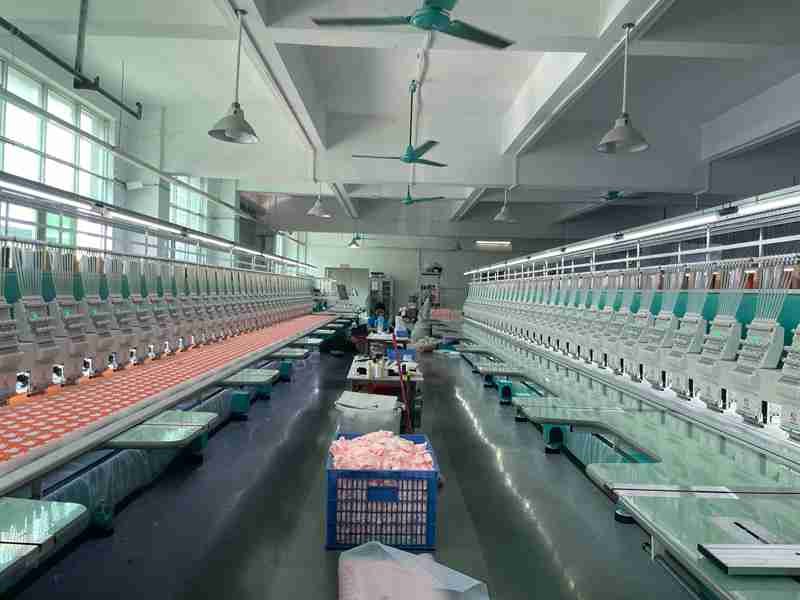
- Set embroidery density & edge clarity for outlines and small details.
- Set print color deviation control if printing is used.
Pattern & Structure Logic
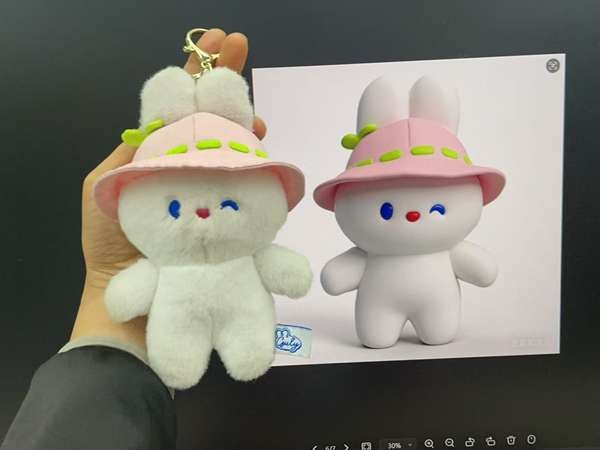
Split complex shapes into panels that keep seam stress predictable.
Define seam allowances and turning openings early to reduce shape distortion.
Materials, Filling, Hardware & Sourcing Map
In mascot plush projects, materials directly affect unit cost, lead time, and defect risk. “Soft plush” isn’t one fabric—pile length, GSM, shedding control, and color-matching stability can vary a lot between options. Even with the same character artwork, the final product can feel premium or low-end depending on the fabric choice, the filling plan, and how you reinforce stress zones.
Heyzizi supports one-stop sourcing of materials and trims for plush programs. That includes plush fabric selection, linings and reinforcements, multiple filling options, weighted inserts, hardware attachments (keyrings, chains, clips), zipper systems when needed, webbing/lanyards, and complete label sets. With a clear materials system, sampling is faster and bulk output stays more consistent.
Sourcing Map Table
| Component | Buyer Choice | Factory Control Point |
|---|---|---|
| Plush fabric | minky / teddy / long pile | shedding & color match |
| Filling | PP cotton / recycled/mixed | weight & evenness |
| Attachment | ring/chain/loop | pull test & sharp edge check |
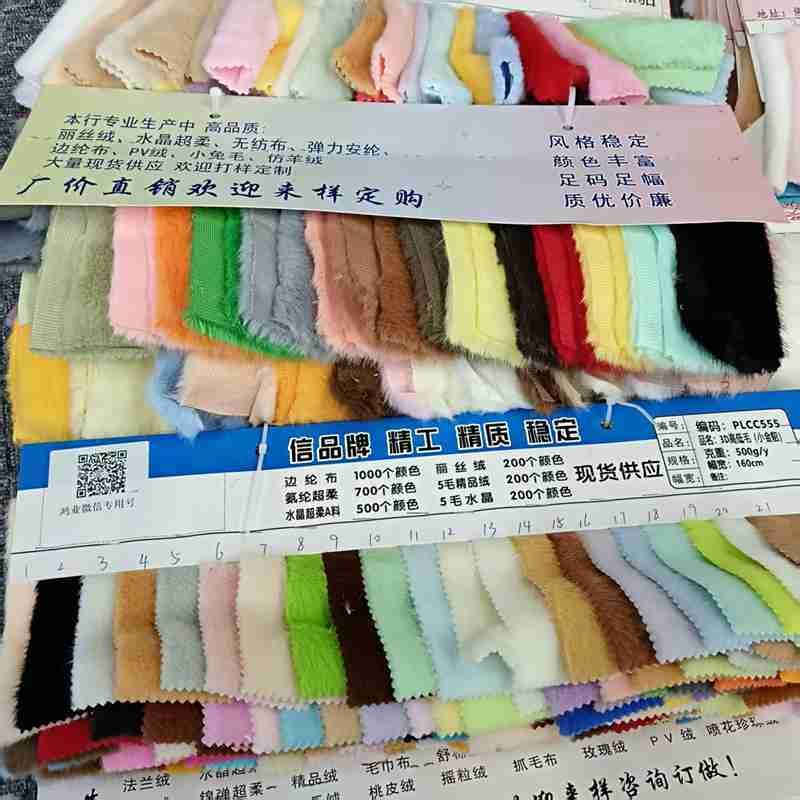
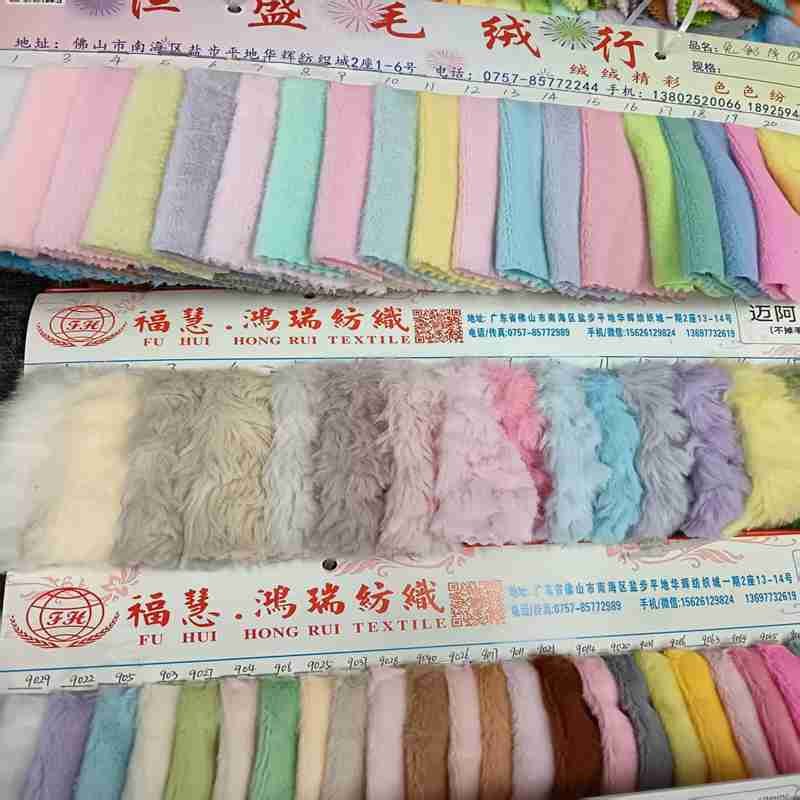
Fabric Spec
Fabric GSM & pile length spec
Color matching by Pantone / swatch
Shedding and pilling checks
Filling & Hand Feel
Filling weight spec and evenness (no voids, no hard spots)
Recovery standard (shape bounce-back)
Weighted Option
Weighted position and weight spec
Leak-proof sealing for weight bags
Hardware & Attachment
Keyring/lobster clasp/ball chain sourcing
Pull strength testing plan for attachment points
Embroidery, Printing, Labels & Retail Packaging
Mascot plush is a brand touchpoint. Your decoration choices shape not only how it looks, but also unit-to-unit consistency, defect rate, and how the character reads in photos and on shelves. Teams often choose embroidery vs. printing mainly by cost, then run into problems when face details shift across operators or production lots.
Branding also includes the details that quietly signal quality: woven labels, care labels, header cards, warning cards, and a retail-ready packaging format that fits your channel and protects the plush during handling and shipping.
Branding Option Table
| Branding Item | Best Use | Notes |
|---|---|---|
| Woven label | subtle brand ID | stable placement spec |
| Hangtag/header card | retail display | barcode-ready |
| Gift box | premium gifting | protects shape |
- Face Zone
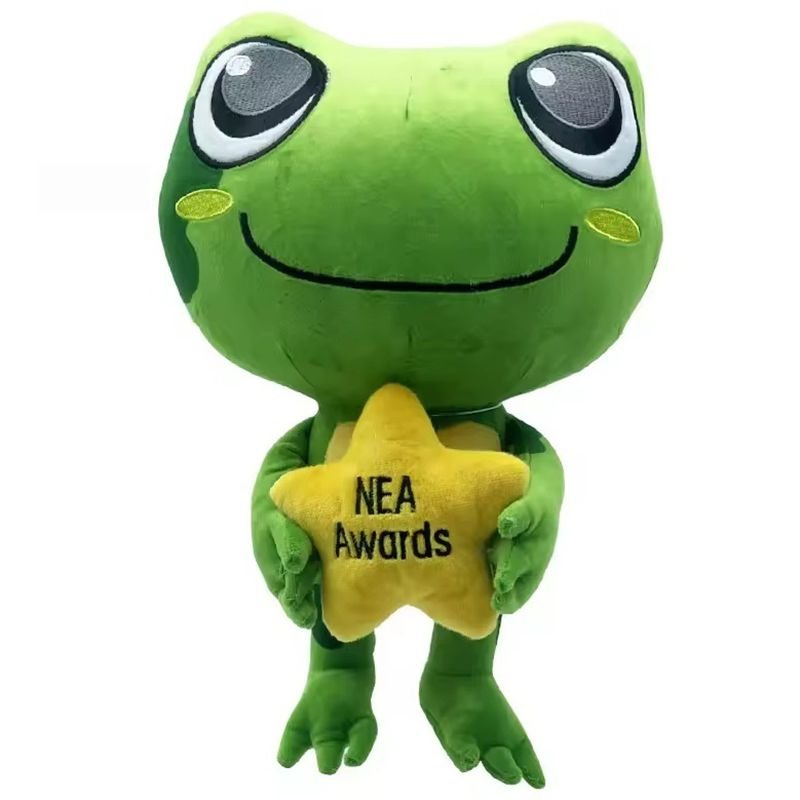
Prefer embroidery for outlines and small details when durability matters.
Use printing for gradients only with defined print deviation control.
- Body Zone
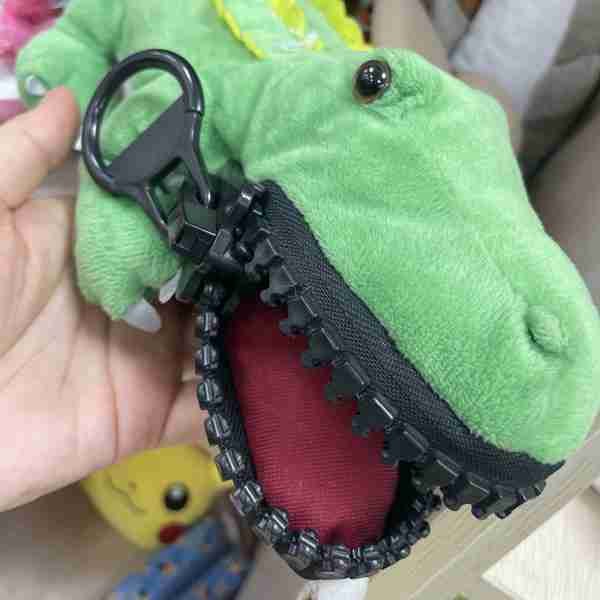
- Applique works well for bold shapes, but needs edge planning.
- If adding pockets or zippers for “functional mascot,” confirm zipper pull design early.
- Branding Package
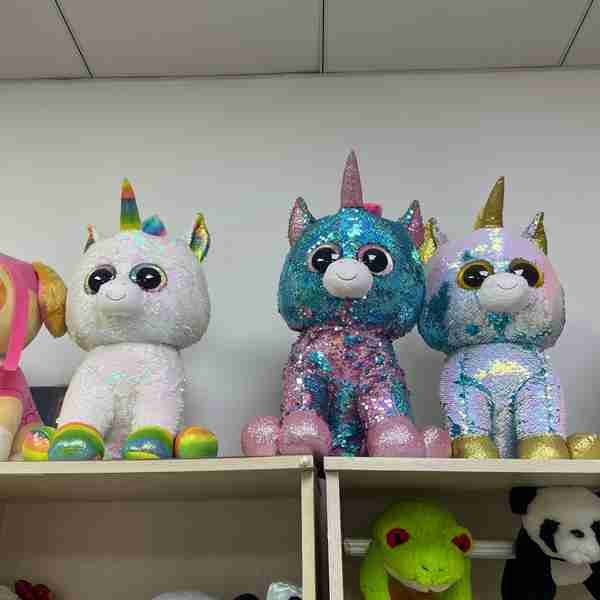
- Woven label placement (side seam or back), care label language set, and warning card for small parts where relevant.
- For retail: color box / insert tray / blind box display packaging.
Quality Control That Protects “Character Consistency” in Bulk
a staged system (IQC → FAI → IPQC → FQC → OQC)
For mascot plush, quality is not only “no defects.” Quality means the character looks the same across a carton, across a shipment, and across reorders. That requires defined checkpoints and measurable standards: face symmetry limits, embroidery clarity, filling evenness, and accessory security. When you ask “Can you do QC?”, our answer is a staged system (IQC → FAI → IPQC → FQC → OQC) plus targeted tests for stress zones.
Heyzizi runs full-process quality management with 80 QC inspectors, covering incoming, first-article, in-process, final, and outgoing stages, with AQL sampling support when required.
QC stages you can reference in procurement docs:
| Stage: What | at Gets Checked? Typical | l Records |
|---|---|---|
| IQC | fabric GSM, color match, trims | material inspection log |
| FAI | first unit vs spec pack | first article photos |
| IPQC | face placement, seam quality | patrol reports |
| FQC | appearance, size, weight | Final inspection report |
| OQC | pack-out, labels, cartons | outgoing checklist |


Compliance Planning: Age Grades & Safer Builds
Compliance for mascot plush is less about paperwork and more about design choices made early: small parts, cord/loop length, hardware edges, and attachment strength. If you wait until the end, you may need a redesign after testing, which can break your timeline and budget. You don’t need a lab report on day one, but you might need a compliance-aware build plan: what risks exist, what materials and parts reduce risk, and how to document choices for audits.
Compliance Planning Table
| Risk Area | Safer Choice | Factory Control |
|---|---|---|
| Small parts | embroidery/applique | detachment checks |
| Hardware | rounded edges | Sharp edge check |
| Attachment | sewn loop + reinforcement | pull strength test |
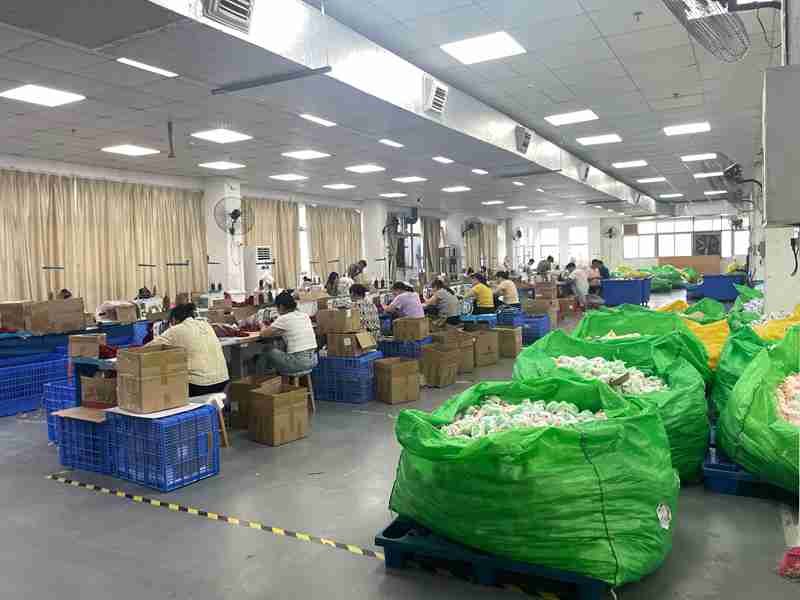
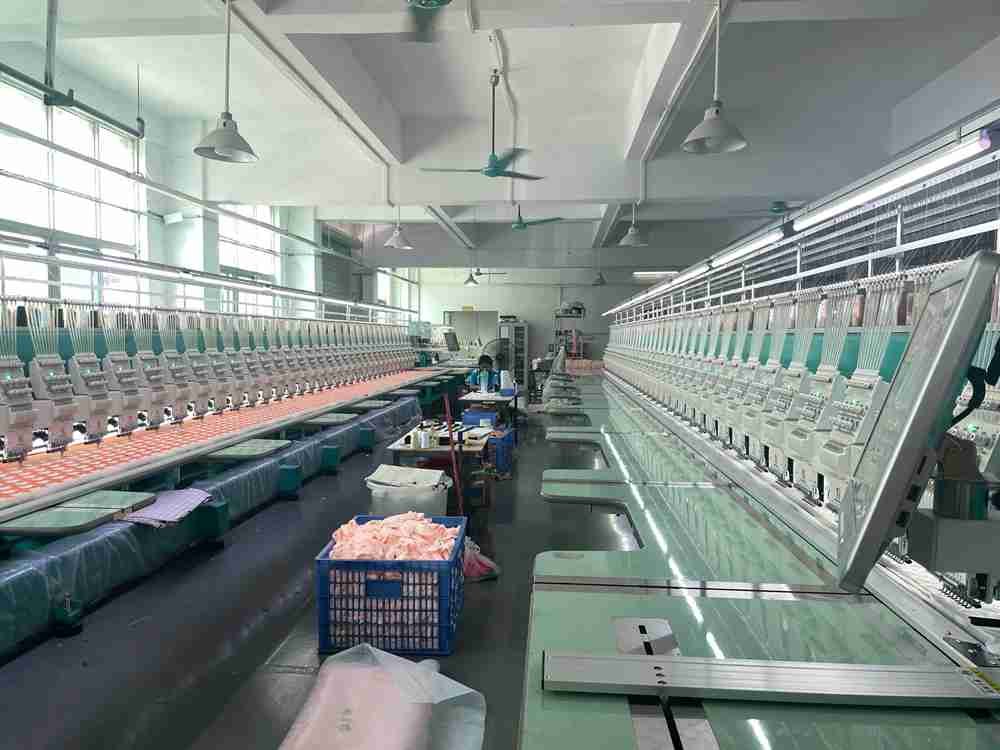
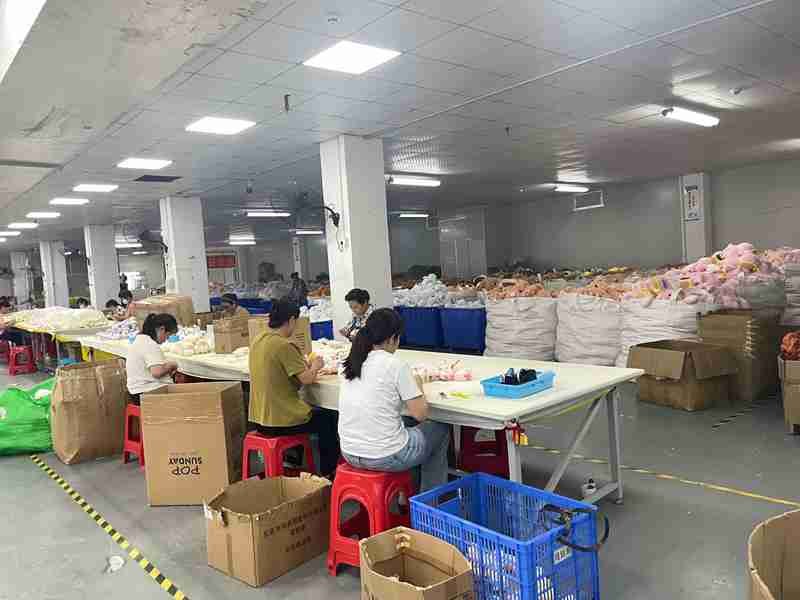
Packaging for Shape, Returns & Unboxing
Shipping and unboxing are part of product quality. Mascot plush can deform, flatten, or arrive with wrinkles if pack-out rules are not planned. For brand programs, the cost of a return or negative review can exceed the cost difference between packaging options. The best packaging is not always the most expensive—it’s the one that fits your distribution: event kits, retail shelves, online parcel shipping, or bulk warehouse delivery.
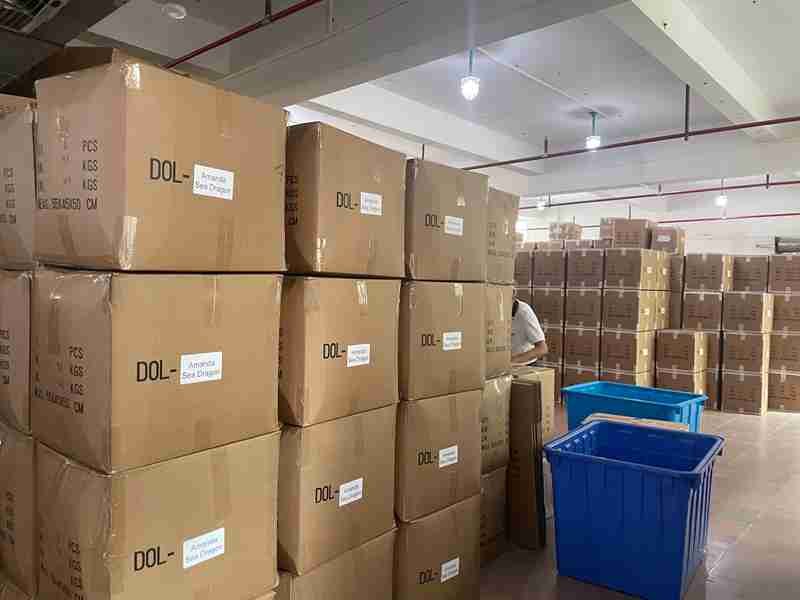
Heyzizi supports packaging and shipment readiness with unit polybags (OPP/PE/ziplock), dust bags, gift bags, color boxes, gift boxes, insert trays, blind box display systems, carton packing plans (dividers/anti-compression supports), vacuum packing where suitable, and customized carton marks and labels.
For programs that need smooth receiving and distribution, we can also support barcode labeling/tagging and carton label rules.
Packaging Decision Table
| Distribution | Suggested Unit Pack | Carton Plan |
|---|---|---|
| Retail shelf | color box + insert tray | dividers + shape supports |
| Event kit | polybag + header card | fast pick/pack layout |
| E-commerce | polybag + protective outer | drop-resistant carton |
Milestones, Version Control & Production Visibility
You don’t fear manufacturing—you fear uncertainty. The fastest way to build trust is not promises, but a visible project system: milestones, version control, and production updates. Mascot plush projects often include multiple revisions (face tweak, color adjustment, accessory change) and multiple SKUs for a series. Without version control, teams get confused: which sample is approved, which BOM is final, and what is being produced right now.
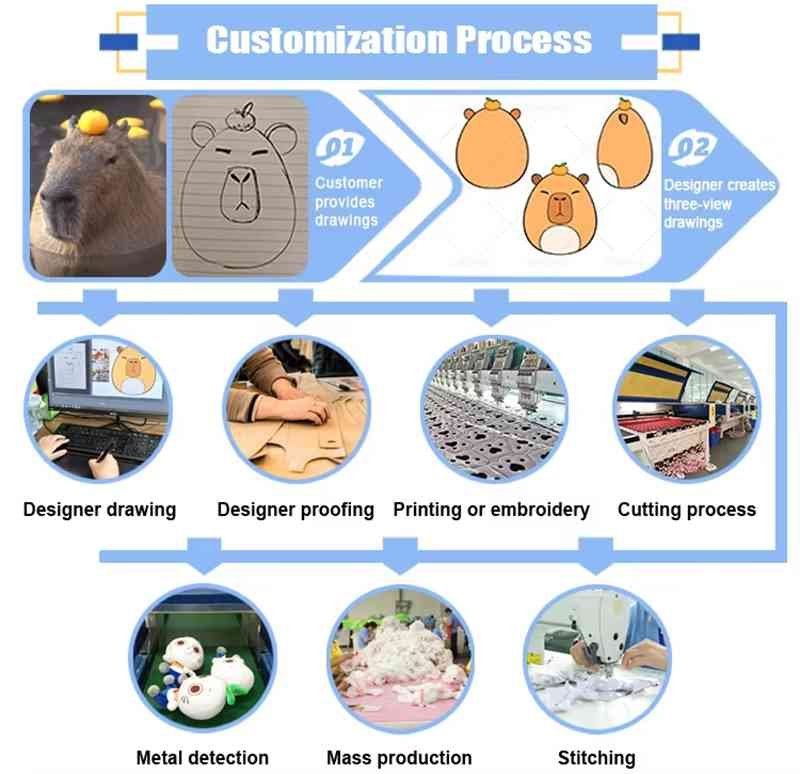
Heyzizi provides dedicated export sales support and project communication, including milestone timelines (sample → production → shipment), version control (sample revisions, golden sample, BOM), production updates (photos/videos/reports), and risk alerts for materials, lead time, and structure issues.
Low-Risk MOQ & Cost Driver Planning
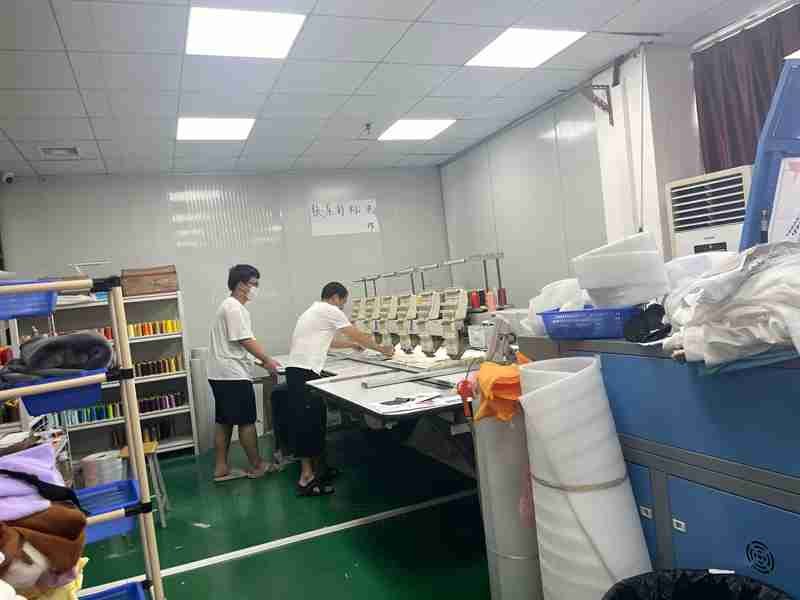
MOQ questions are rarely about “the lowest number.” They are about risk control: how to validate the character, materials, and workmanship before committing to a bigger campaign. A smart starting plan is a trial order that reveals real problems: face drift, color variance, attachment weakness, packing deformation, and rework rate. Pricing also depends on what you lock early: face method, fabric system, accessory type, packaging format, and SKU complexity.
Common cost drivers for mascot plush:
| Driver | What Increases Cost | How to Control It |
|---|---|---|
| Complex shape | many panels, 3D parts | simplify hidden seams |
| Face detail | dense embroidery, multi-color | define line thickness |
| Accessories | metal charms, custom pullers | choose standard hardware |
| Packaging | gift box + insert trays | match to channel |
| Multi-SKU | many sizes/colorways | lock a reference SKU first |
Trial Order Strategy (Step List)
- Lock one reference SKU (size + face + materials + attachment).
- Approve a golden sample and basic BOM. Heyzizi Plush Factory Introduct…
- Run a trial quantity sized to expose defects (not just to “test price”).
- Add pack-out rules: unit bag, carton marks, dividers where needed. Heyzizi Plush Factory Introduct…
- After feedback, scale into bulk with locked specs and stable sourcing.
If you need a direct quote, it’s fine to email the checklist and artwork to info@heyzizi.com. Use one message with size, quantity, face method, and packaging preference so we can quote without repeated follow-ups.
Sampling Timeline & Lead Time Table
Launch dates don’t fail because plush is hard. They fail because timelines are treated as a single number instead of a managed sequence: feasibility review, sample round(s), pre-production lock, bulk scheduling, and pack-out readiness. For custom mascot plush toys, the biggest time risk is rework from unclear specs—face details, material choices, accessories, and packaging rules. A realistic schedule is not “fast.” It is repeatable and trackable, with checkpoints that prevent late-stage surprises.
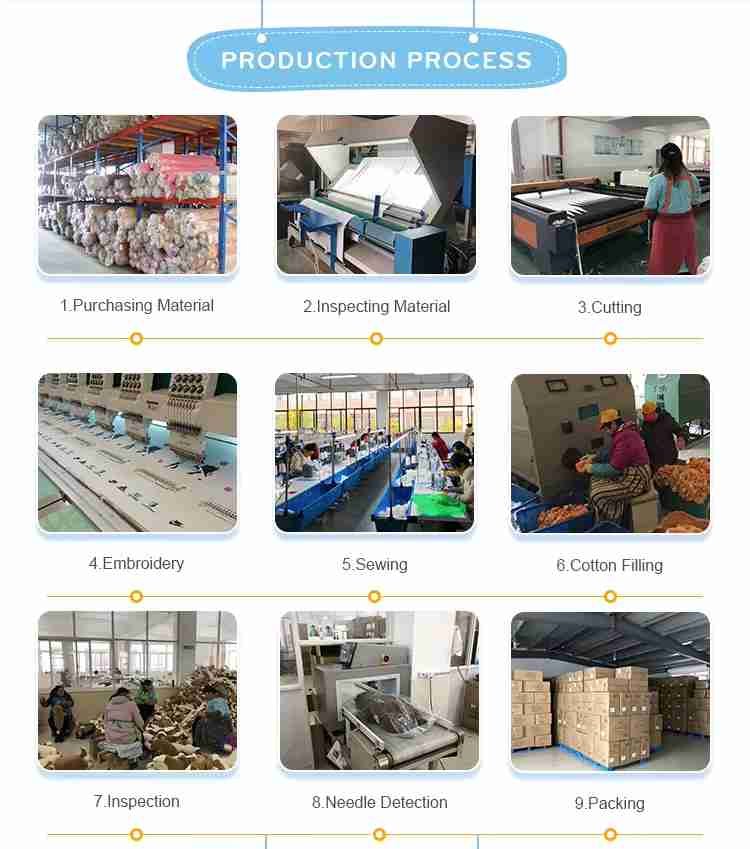
A practical mascot plush project timeline has five controllable stages. Each stage has a buyer action that keeps the project moving, and a factory output that proves progress.
| Stage | Buyer Input Needed | Factory Output You Should Expect | Typical Time Driver |
|---|---|---|---|
| Feasibility Review | artwork + size + use case | risk notes + quote scope | unclear accessories/packaging |
| Sample Round 1 | confirm face method + material direction | first sample + issue list | face detail density, color match |
| Sample Revision | consolidated feedback (one list) | revised sample + update notes | late changes across departments |
| Pre-Production Lock | approve golden sample + BOM | production spec + QC plan | missing tolerances, missing labels |
| Mass Production + Packing | confirm pack-out rules | bulk progress + inspection records + pack photos | packaging complexity & carton plan |
- Lead Time Reality Check
- Face method changes timeline: dense embroidery usually needs more tuning than a simple print.
- Accessories add sourcing time: keyrings, lobster clasps, custom pulls.
- Packaging can be a critical path: color box, insert tray, blind box displays.
- Multi-SKU series needs scheduling logic: lock one reference SKU first, then expand.
- Stable Timeline: What to Send
- Target launch date (non-movable)
- SKU map (sizes + attachments)
- Face method preference (embroidery/print/applique)
- Packaging level (bag/box/gift box)
Real-World Failure Cases and Prevention Checklist
Most “supplier problems” are actually scope problems: the customer didn’t lock what matters, so the factory produced exactly what was loosely described. Mascot plush is especially sensitive because it includes character likeness and emotional perception—small shifts in eyes, mouth, or fill can change how the mascot feels.
Mistake → Fix Map
| Common Mistake | What Happens in Bulk | Prevention Fix (What to Lock) |
|---|---|---|
| Only “cute reference photos,” no specs | face drift, inconsistent expression | face placement template + symmetry limit |
| No material system defined | hand feel varies, color mismatch | fabric GSM + pile length + swatch match |
| Accessories chosen late | delay + attachment failures | hardware type + pull-strength test |
| Packaging not planned | deformation, scuffing, returns | channel-based pack-out rules |
| Multi-SKU launched at once | confusion, wrong versions produced | lock reference SKU + version control |
Early Warning Checklist
- Confirm face method and a measurable face spec.
- Confirm a material set (fabric + filling + trims).
- Approve a golden sample and record what “acceptable” means.
- Define QC checkpoints and the top 5 defect risks (face, seams, fill, attachment, pack-out).
- Validate packaging with the real shipping channel (retail vs e-commerce vs event kits).
If you want a quick “risk-reduction review,” send your artwork, target size, and channel. We’ll reply with a practical fix list and a sampling route. If email is easier, use info@heyzizi.com—one message with your checklist answers is enough.
Request a Custom Sample First?
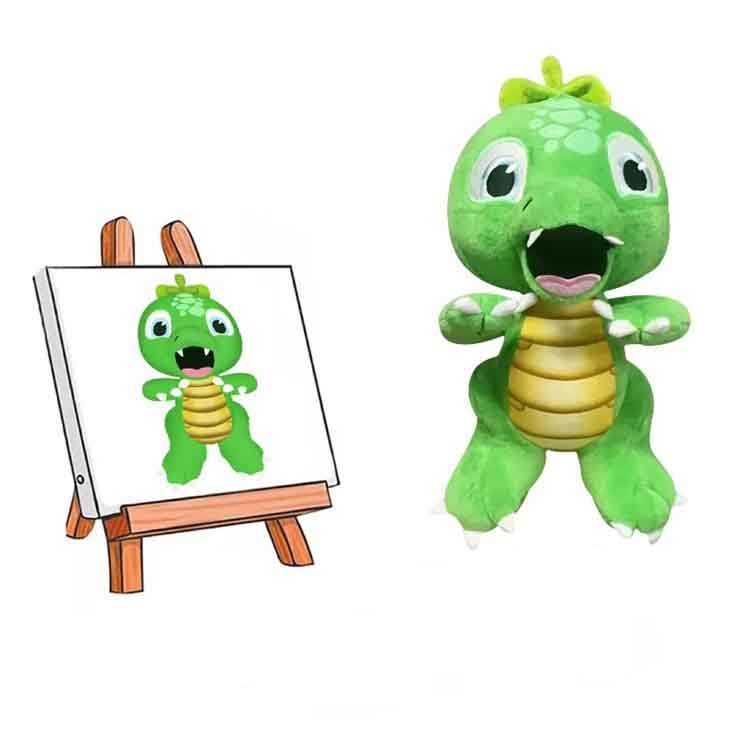
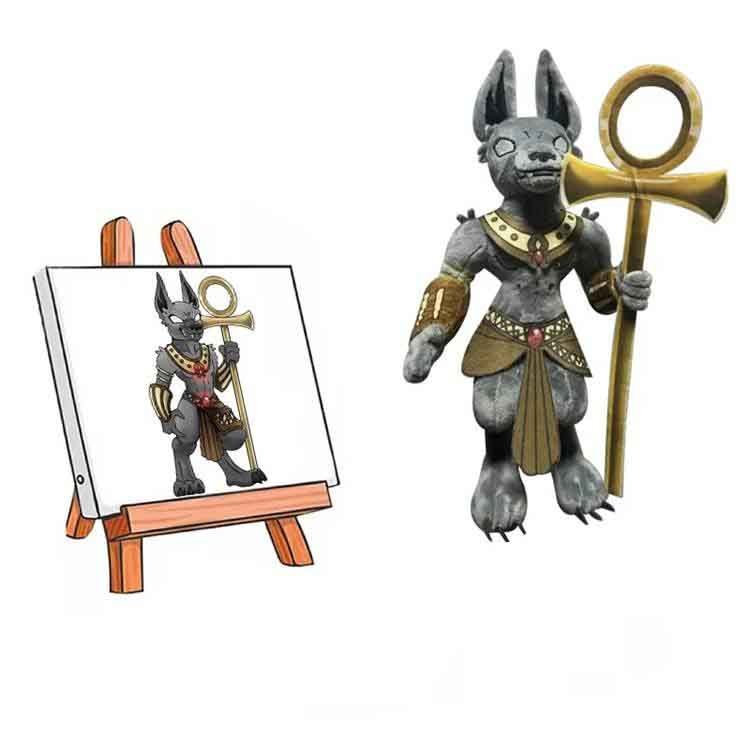
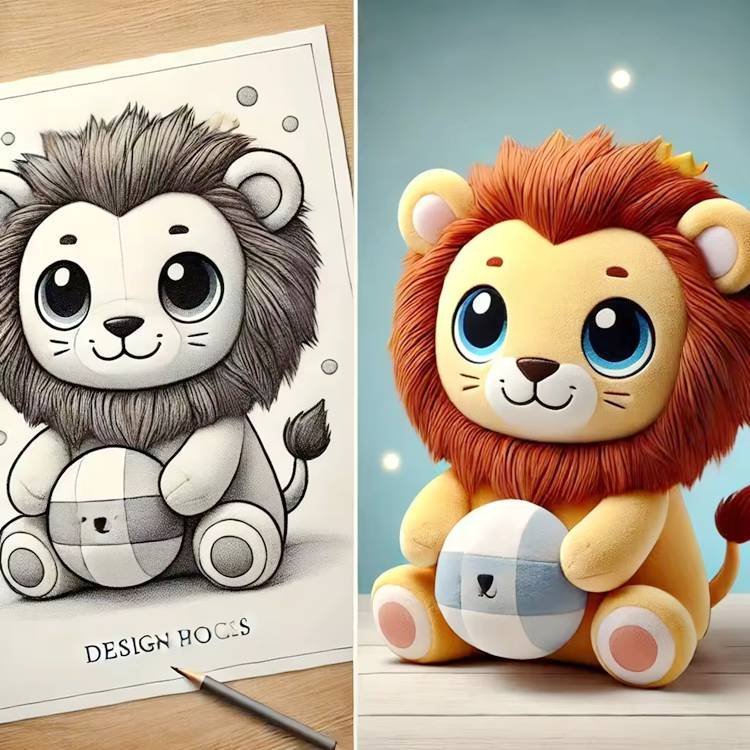
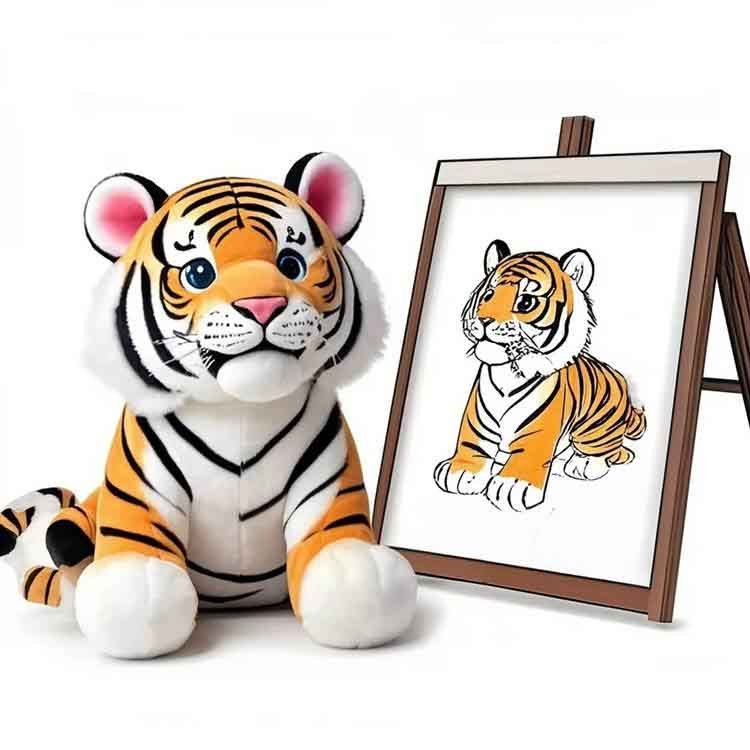
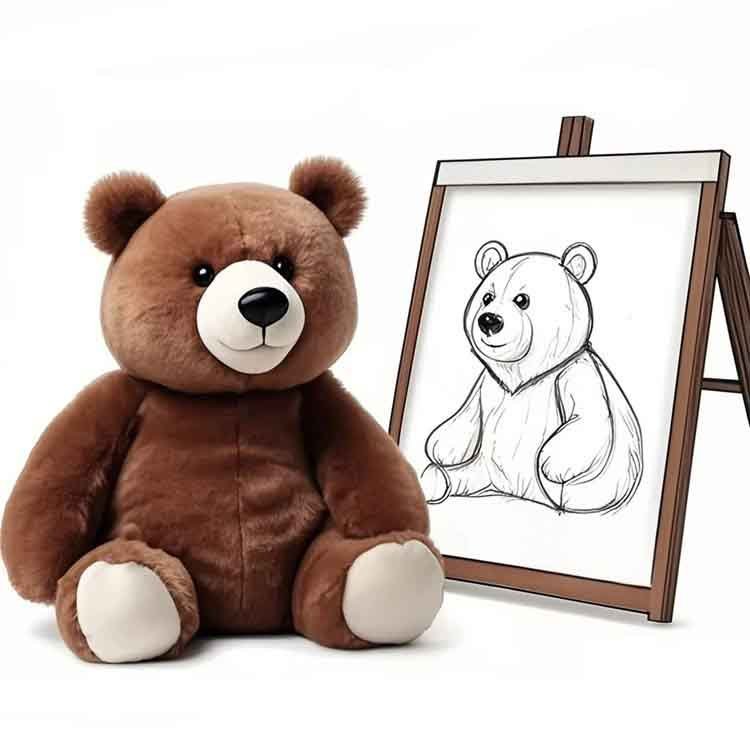
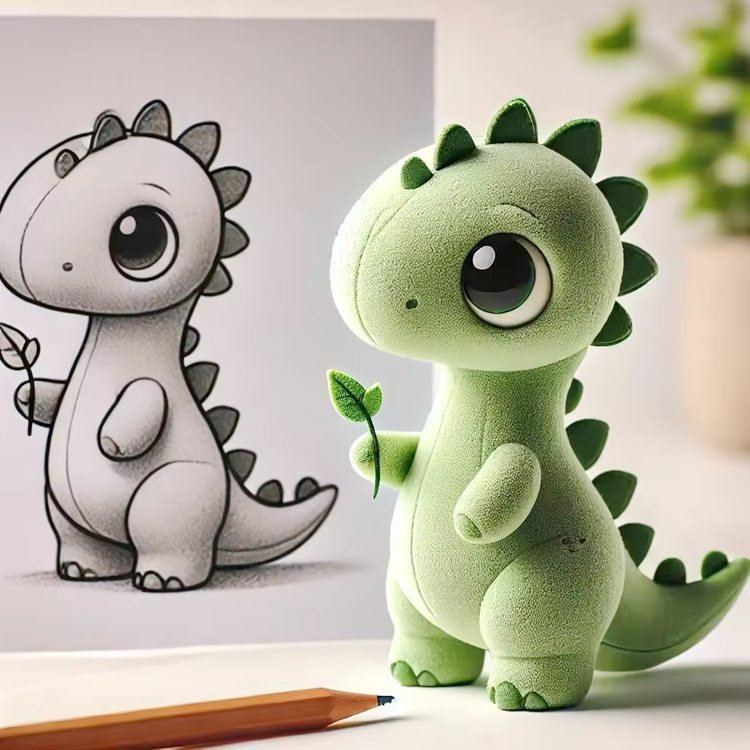
If you have artwork, logo files, or even just an idea, please share your project details—size, target fabric, color reference, and customization requirements. We’ll recommend suitable materials and provide a clear sampling plan to bring your custom plush toy design to life.
What Makes Our Custom Plush Production Reliable for B2B
Trust is built through predictable execution—clear approvals, documented specs, quality checkpoints, and packing confirmation. We focus on making your plush project easier to manage and safer to scale.
For B2B customers, “reliable” plush production is not about making one nice sample—it’s about delivering repeatable bulk quality, stable lead times, and clear project control from artwork review to shipment. What makes our custom plush program dependable is the way we manage the details that most often cause problems in mass production: face accuracy, proportion stability, embroidery/printing consistency, stuffing weight and firmness control, and secure attachment for keychains, clothing, and accessories.
We build reliability through a structured workflow: we confirm a practical spec checklist before sampling, document revision notes, and lock the final approval sample as a golden standard for production. During manufacturing, we apply multi-stage QC checkpoints (not just a final check) to prevent drift early, especially in character-critical zones like the face and silhouette. Before shipment, we also verify packaging and labeling—including hangtags, barcode/SKU labels, care/warning labels, and carton marks—so your receiving and retail handling are smoother and your products arrive with less risk of deformation.
Process Proof
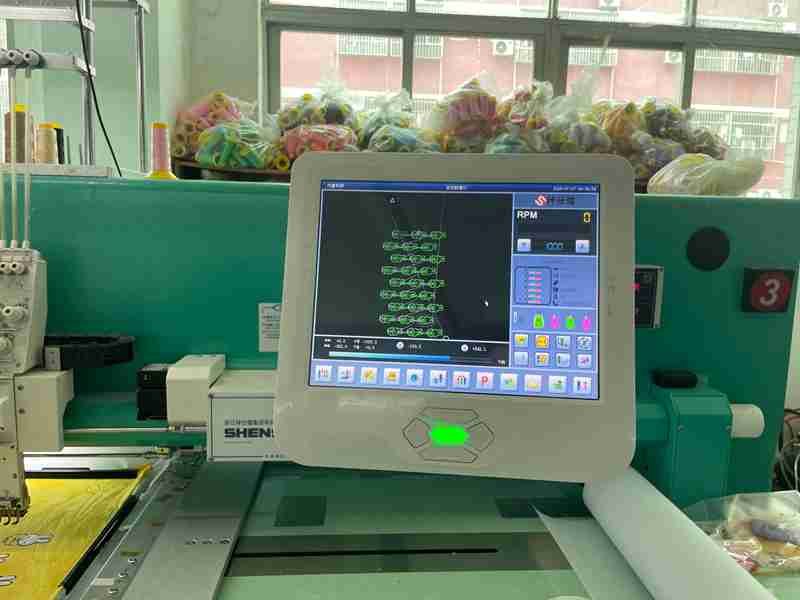
- Clear sampling-to-production approvals (prototype → revisions → final approval sample)
- Spec confirmation before bulk production (size, materials, logo placement, packaging)
- Revision notes that keep decisions traceable
- Golden standard concept for repeat orders
Quality Proof
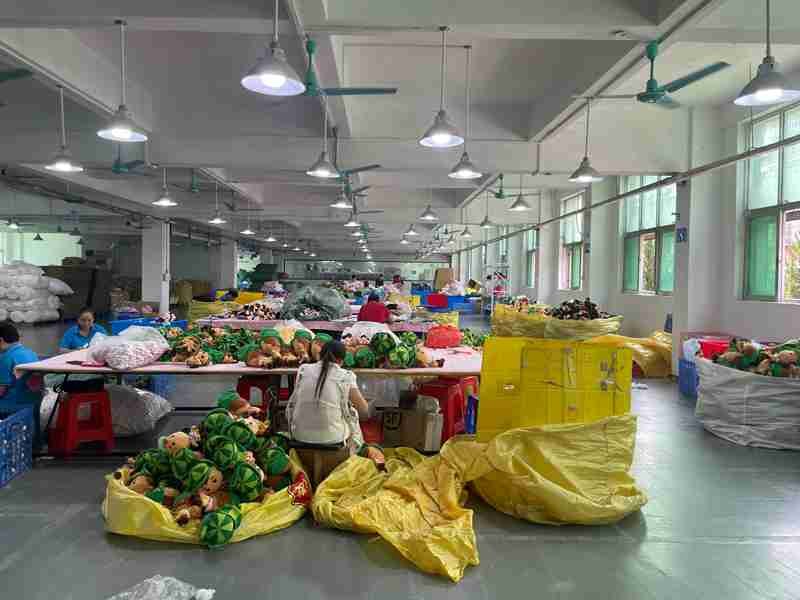
- Multi-stage QC checkpoints across sewing, embroidery/printing, stuffing, finishing
- Needle control / needle detection option for finished plush (when required)
- Inspection focus on character-critical areas (face and silhouette) for IP plush
Delivery Proof
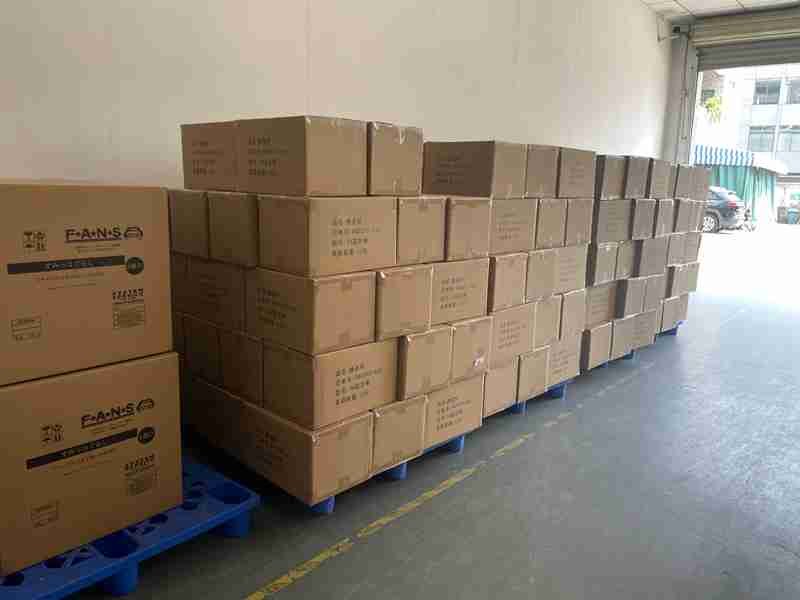
Packaging and labeling confirmation before shipment (photo proof + checklist)
Barcode and carton mark support (when required) (SKU/PO/qty/destination)
Packing suggestions to reduce deformation during transit (anti-crush, face protection)
Frequently Asked Questions
What information do you need to quote a custom mascot plush accurately?
A complete quote requires a locked scope: size, face method, materials, attachment, and packaging level. If any one of these is missing, the unit price and lead time will change later, which creates approval delays. Start with a SKU map (size range + form factor), then confirm the face technique (usually embroidery, print, or applique) because face work drives labor minutes and defect risk. Next, define a material set: plush fabric type, pile length feel, and filling weight target (soft/medium/firm). If your mascot includes a keychain or accessory, specify the hardware type (keyring, lobster clasp, ball chain) and the attachment method (sewn loop, reinforced webbing, internal patch).
Packaging must be quoted as part of the product system. A polybag is not interchangeable with a color box + insert tray, and retail labeling needs barcode-ready layouts and carton marks. If you plan multi-region distribution, include language requirements for care labels and any warning card needs.
To reduce re-quoting, send one message containing: dimensions, quantity (trial + reorder), reference images, target market, and packaging preference. We then return a quote that separates product cost vs packaging cost, plus a sampling route aligned to bulk production.
How do you prevent “approved sample vs bulk drift” for mascot plush?
We prevent drift by converting the approved sample into a measurable production reference: spec pack + checkpoints + records. The most common drift is not “major defects,” but subtle changes: eye spacing, mouth curve, embroidery edge clarity, filling tightness, and accessory placement. The fix is to lock a golden sample plus a simple spec pack that includes face placement templates, acceptable tolerance ranges, and material notes (fabric + filling).
During production, quality is controlled through staged checks: incoming material checks, first-article confirmation, in-process patrols, and final/outgoing inspections. The key is not the label of the stage, but what is measured: face symmetry, embroidery density, filling evenness, and attachment security. Our QC staffing and full-process inspection structure are designed to catch drift early rather than at the carton stage.
For reorders, we keep continuity by referencing the same golden sample, the same material set, and the same inspection checklist. If you run a series launch, we also recommend locking one reference SKU first (one size + one face method + one attachment) before expanding to colorways or other sizes.
What affects MOQ for custom mascot plush toys?
MOQ is driven by component stability and setup efficiency, not by a single factory rule. For mascot plush, MOQ changes when your project includes custom-dyed fabrics, custom hardware, complex packaging, or multiple SKUs. If you select a commonly available plush fabric and standard filling, MOQ is easier to keep low. If you require a unique color that must be dyed to match a specific Pantone, MOQ can rise because the upstream supplier has minimum dye lots.
Hardware and packaging can also increase MOQ. A standard keyring is easier than a fully custom metal charm. A polybag is easier than a gift box + insert tray, which may have printing and die-cut minimums. Multi-SKU projects often require a higher total quantity to run efficiently, even if each SKU is smaller.
A risk-reduction approach is to start with one reference SKU and a pilot quantity that validates face consistency, attachment strength, and pack-out rules. Once the spec is locked, scaling is smoother and reorders become more predictable. If you tell us your channel (retail vs event kits vs e-commerce), we can propose MOQ options that match real distribution and help you avoid overbuying the wrong packaging format.
Which face technique is best for mascot plush—embroidery or printing?
For procurement, the best choice is the one that keeps “character likeness” consistent at scale: embroidery for durability, printing for gradients, applique for bold shapes. If your mascot face relies on clean outlines and small details that must survive handling, embroidery is often the safer route. It also reduces the risk of fading and abrasion compared with surface printing. However, embroidery must be controlled with a density and edge-clarity standard, otherwise fine lines can look thick or uneven across operators.
Printing works well for soft gradients and photographic artwork, but it needs stricter control for color deviation and wash/abrasion performance. Printing is also sensitive to fabric pile and texture, which can distort edges if the pile is long. Applique is a strong option for large color blocks and layered looks, but it requires planning for stitch lines and edge finishing to avoid fraying.
A practical selection method is to split the face into zones: embroidery for outlines and high-wear edges, printing for gradient fills, applique for large shapes. This “hybrid face plan” often gives the best balance of cost, repeatability, and shelf appearance.
Can you support retail-ready packaging and labeling (barcodes, carton marks)?
Yes—retail readiness is treated as part of the production scope: unit packaging, label set, and carton marking rules are locked before mass production. For retail, packaging must protect shape and also support scanning and receiving. That usually means you choose a packaging level (polybag, header card, color box, gift box), then confirm where barcodes and product information should sit. Carton marks matter for warehouse receiving because they reduce mis-shipments and speed check-in.
We support packaging options such as unit bags, header cards, color boxes, insert trays, and gift boxes, plus carton planning with dividers or supports when needed. We also align label sets such as woven labels, care labels, hangtags, and warning cards where relevant.
If you are comparing suppliers, ask this: can they quote packaging and labeling as a single controlled system, rather than as “later add-ons”? When packaging is decided late, timelines slip and costs become unpredictable. When it’s decided early, you get smoother approvals and fewer last-minute reworks.
How do you manage attachments for mascot keychain plush to avoid failures?
Keychain plush succeeds or fails at the attachment point, so we design it as a stress zone with reinforcement and pull-strength checks. Procurement teams should not approve keychain plush based only on appearance. The real risk is detachment during shipping, retail handling, or consumer use. A reliable design includes a sewn loop or webbing anchor that is stitched into a reinforced internal layer, not just stitched onto surface fabric.
Hardware selection matters. A standard keyring, ball chain, or lobster clasp can be sourced consistently, but each needs a different attachment method and different pull-risk profile. Sharp edge checks are also necessary for metal parts to avoid fabric cutting and safety complaints.
When you request a quote, specify: hardware type, target pull strength expectation, and whether you want a decorative charm. We can then propose a suitable reinforcement map and testing plan. This is especially useful for program distribution where returns and brand complaints cost more than the unit price difference.
What QC checkpoints do you run for mascot plush programs?
Our QC is organized by checkpoints that protect character consistency and shipment stability: incoming, first-article, in-process, final, and outgoing. For mascot plush, the most important checks are not only measurements, but “likeness” checks: face placement, symmetry, embroidery edge clarity, filling evenness, and accessory security. Incoming checks confirm fabric color match and trims. First-article checks confirm the first unit matches the approved reference. In-process checks catch drift early before it becomes a carton-level problem. Final and outgoing checks confirm appearance, labeling, and pack-out rules.
We maintain full-process quality structure with dedicated inspectors, designed to support stable bulk outcomes rather than relying on end-of-line fixes.
If you need AQL sampling, that can be aligned with your QA plan. The key is agreeing in advance on what counts as a “major” vs “minor” issue for your brand program, and documenting that in the checklist used on the line.
How should we plan a pilot order before scaling to bulk?
A pilot order should be sized to expose real risks—face drift, attachment weakness, and packaging deformation—before you scale. Many teams treat the first order as a price test, but the smarter use is a controlled validation run. Start by locking one reference SKU (size, face method, fabric, filling, attachment). Approve the golden sample and a simple BOM. Then choose a pilot quantity that can reveal operator variation and packing issues, especially if you will distribute through multiple channels.
Pilot success criteria should be defined in advance: acceptable face tolerance, embroidery clarity, filling feel, and attachment security. Packaging should be tested with the actual shipping route (parcel shipping vs pallet vs event kitting). If deformation is a risk, test insert trays or carton supports early rather than after complaints.
After pilot feedback, scaling is straightforward: lock specs, lock sourcing, and replicate the same checklist. This approach often reduces the total project time because it avoids “bulk rework,” which is the most expensive form of delay.
What packaging level should we choose for retail vs e-commerce vs event kits?
Choose packaging by distribution channel and deformation risk, not by aesthetics alone. Retail needs shelf presence and shape protection, so a color box + insert tray is common for characters with defined structure. E-commerce needs drop resistance and surface protection, so a unit bag plus protective outer packaging is more cost-effective than a fragile display box. Event kits prioritize speed of pick-and-pack, so polybags with header cards and consistent labeling often work best.
Use this decision table:
| Channel | Primary Goal | Recommended Pack |
|---|---|---|
| Retail | shelf display + shape | box + insert |
| E-commerce | drop resistance | bag + protective outer |
| Event kits | fast kitting | bag + header card |
Also consider receiving and sorting. If warehouses are involved, carton marks and barcode placement should be standardized early. Packaging changes late in the project often cause the biggest schedule slips, because printing and die-cuts can have upstream minimums.
How do you handle multi-SKU mascot series (sizes, colorways, editions) without confusion?
We reduce multi-SKU risk by locking a reference SKU, then scaling with version control and repeatable checklists. Multi-SKU launches fail when teams change too many variables at once: size, color, accessories, and packaging. The result is version confusion—wrong files, wrong labels, or mixed cartons. A stable method is to lock one reference: one size, one face method, one fabric set, one attachment, and one packaging level. That becomes the baseline for cost, quality, and scheduling.
Once the baseline is approved, we expand to other SKUs using a controlled change list: what changes and what stays the same. For example, “size changes, but face method and embroidery thread colors stay consistent.” Packaging and labeling are also locked by SKU, so carton marks and barcodes do not drift.
Procurement teams benefit because approvals become predictable: each SKU change is reviewed against the baseline, and the impact on lead time and cost is clear. This structure is especially helpful for reorders because the baseline spec remains the anchor even when seasonal editions are added.
Can you break down the quote into product cost vs packaging cost (and why it matters)?
Yes—an actionable quote should separate product cost and packaging cost so procurement can control scope without re-quoting surprises. Many “cheap” quotes look low only because packaging, labeling, inserts, and carton rules are excluded and added later as extras. We recommend quote structure like this:
| Quote Section | What It Includes | Typical Cost Driver |
|---|---|---|
| Product Unit Cost | fabric + filling + sewing + face work + assembly | face complexity, panel count |
| Packaging Unit Cost | polybag/box/insert + hangtag/labels | printing, die-cut, inserts |
| Carton & Marking | carton grade, dividers, carton marks | deformation protection level |
| Testing/Extras (if any) | special tests, custom hardware | custom parts & requirements |
Packaging should be quoted with the product because it changes labor and damage risk. A polybag may be fine for bulk event kits, but retail often needs color box + insert tray to protect shape and shelf display. Packaging choices also influence lead time because printing and die-cuts may have minimums.
If you’re comparing suppliers, ask each vendor to quote using the same four lines above. That keeps bids comparable and helps you decide where to save money safely (e.g., simplify inserts) without hurting product consistency.
What are the main cost drivers for mascot plush (fabric vs workmanship vs packaging)?
Mascot plush pricing is usually driven more by workmanship minutes and packaging level than by fabric alone. Fabric matters when you choose premium plush, custom colors, or strict hand-feel targets—but labor dominates when the character has complex shapes or detailed faces.
Use this buyer guide:
| Driver Category | What Raises Cost | How Buyers Control It |
|---|---|---|
| Fabric System | premium plush, special textures, strict color match | pick stable fabric type + swatch match |
| Face Work | dense embroidery, multi-color details | simplify outlines; standardize thread colors |
| Structure Complexity | many panels, 3D parts, limbs | reduce hidden seams; simplify under-body |
| Accessories | custom hardware, multiple attachments | choose standard hardware options |
| Packaging Level | box + insert tray, gift box | match packaging to channel |
For cost transparency, the best method is to lock one reference SKU and request a quote with two packaging options (e.g., polybag vs color box). That shows the real cost impact without changing the product scope.
Start Your Custom Plush Project Today
If You Can imagine it,We Will Create it!
Whether you are a brand, creator, retailer, or agency, our Guangdong plush factory is ready to support your OEM/ODM development. Send us your design, concept, or reference image — our team will reply with a free development proposal and quotation.
1. Tell Us What You Need
Tell us your requirements and share your artwork or reference images.
2.Get a Solution & Quote
We’ll suggest the best solution based on your requirements, and provide a detailed quote within 12 hours.
3.Approve for Mass Production
We will start mass production after getting your approval.
For all inquiries, please feel free to reach out at
- info@heyzizi.com
- (+86)13717153084
Ready to Grow Your Plush Product Line?
Brands and businesses from over 80 countries have chosen Jundong as their trusted plush manufacturing partner. Now it’s your turn. Work with us for reliable custom plush production, clear sampling support, and stable delivery for long-term programs.
Custom Mascot Plush Toys
Character plush, mascot plush, stuffed animals, plush keychains—developed and produced in Guangdong, China.
Custom Mascot Plush Toys turn your brand character into a production-ready plush—built for promotions, events, and retail. We support full customization from artwork review to sampling, embroidery/printing, durable construction, and packaging that protects shape in shipping. Our workflow focuses on spec clarity, sample-to-bulk consistency, and QC checkpoints that reduce rework and delivery risk. Share your reference images and target market needs, and we’ll propose a clear development route, option-tier quotation, and a practical timeline for your mascot plush program.
Mascot Plush Built for Brand Programs, Not One-Off Samples
A mascot plush is not “just cute.” In real brand programs, it becomes a repeatable SKU that must survive approvals, scale into bulk production, and stay consistent across reorders.
The hard part is rarely the first sample. The hard part is keeping face consistency, color matching, hand feel, and accessory security stable when you run multiple lots, multiple sizes, or multiple versions for events and campaigns.
Heyzizi develops and manufactures custom mascot plush toys for brands, teams, schools, and licensing programs—from concept/artwork review to sampling, mass production, QC, and shipment readiness. Our factory setup supports OEM/ODM execution with multi-process in-house integration, including sewing, filling, and final assembly, plus structured scheduling to keep multi-SKU projects on track.
To move faster on your RFQ, share your target size, use case (gift, retail, event), and branding method (embroidery, printing, woven labels, or hangtags). We’ll reply with a practical development path, a clear sample plan, and key build options aligned with bulk production consistency.
Mascot Plush Sizes, Forms & SKU Map
Mascot plush can mean different products depending on how it will be used: a handheld doll for events, a keychain charm as a retail add-on, a desk buddy for corporate gifting, or a collectible series for new launches. When a supplier treats everything as “one plush toy,” quotes become inconsistent and revisions multiply.
A simple way to prevent that is to define a SKU map early—your size range, form factor, and attachment method (keychain, clip, loop, magnet, no attachment). Heyzizi supports mascot plush programs across many scenarios, including corporate logo mascots, event commemoratives, sports/team mascots, campus mascots, finance/insurance gifting, gaming/anime character plush, and F&B mascot merchandise.
RFQ Checklist That Gets You Accurate Pricing Fast
Most delays in mascot plush projects come from incomplete RFQs—the size isn’t locked, the face method is undecided, packaging is missing, or the target market compliance plan isn’t considered. That triggers re-quoting, extra sample rounds, and timeline drift.
RFQ Checklist for Mascot Plush
Product Definition
- Target size (cm) + tolerance range
- Form factor: doll / charm / pillow / wearable / set
- Target hand feel: soft/medium / firm (and whether weighted)
- Face method: embroidery, printing, applique, or mixed
Brand & Appearance
- Pantone codes or physical swatches for main colors
- Logo placement: chest/foot/tag/packaging
- Label set: woven label, care label, hangtag, warning card
Accessories & Risk Areas
Hardware type: keyring/ball chain/lobster clasp
Any small parts: eyes, buckles, magnets, sound module
Strength needs: attachment pull, seam reinforcement.
Packaging & Distribution
Unit pack: OPP bag, color box, gift box, blind box system
Barcode labeling, carton marks, and packing layout
Quantity Plan
- Trial order quantity + target reorder quantity.
- Deadline window and preferred shipment mode
If you want a faster start, send this checklist with your artwork/reference images. We’ll reply with a clear sample route, timeline, and the main cost drivers for your program.
Manufacturing-Ready Face Specs & Sampling Logic
Mascot plush success depends on details that most mood boards never show: eye spacing, mouth curve, embroidery edge clarity, print deviation control, and symmetry limits. If these points aren’t specified, two “approved-looking” samples can still differ when produced by different operators or different production lots.
The goal is to turn a cute concept into a measurable specification that can be repeated. This section explains how to set face standards and structure rules so your approved sample becomes a reliable production reference, not a one-time result.
Face Placement Templates
- Eye placement template and nose placement template reduce operator drift.
- Define face symmetry deviation limits to protect likeness.
Embroidery Or Print Control
- Set embroidery density & edge clarity for outlines and small details.
- Set print color deviation control if printing is used.
Pattern & Structure Logic
Split complex shapes into panels that keep seam stress predictable.
Define seam allowances and turning openings early to reduce shape distortion.
Materials, Filling, Hardware & Sourcing Map
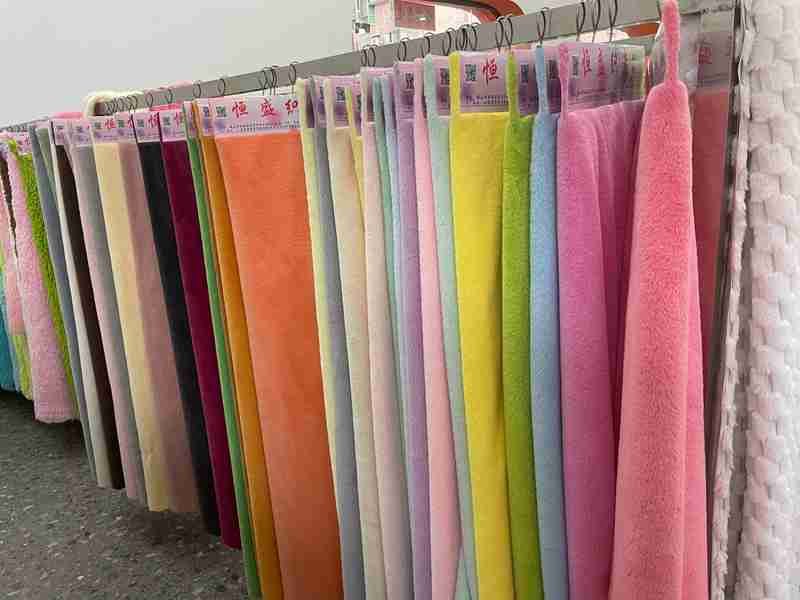
In mascot plush projects, materials directly affect unit cost, lead time, and defect risk. “Soft plush” isn’t one fabric—pile length, GSM, shedding control, and color-matching stability can vary a lot between options. Even with the same character artwork, the final product can feel premium or low-end depending on the fabric choice, the filling plan, and how you reinforce stress zones.
Heyzizi supports one-stop sourcing of materials and trims for plush programs. That includes plush fabric selection, linings and reinforcements, multiple filling options, weighted inserts, hardware attachments (keyrings, chains, clips), zipper systems when needed, webbing/lanyards, and complete label sets. With a clear materials system, sampling is faster and bulk output stays more consistent.
Sourcing Map Table
| Component | Buyer Choice | Factory Control Point |
|---|---|---|
| Plush fabric | minky / teddy / long pile | shedding & color match |
| Filling | PP cotton / recycled/mixed | weight & evenness |
| Attachment | ring/chain/loop | pull test & sharp edge check |
Fabric Spec
Fabric GSM & pile length spec
Color matching by Pantone / swatch
Shedding and pilling checks
Filling & Hand Feel
Filling weight spec and evenness (no voids, no hard spots)
Recovery standard (shape bounce-back)
Weighted Option
Weighted position and weight spec
Leak-proof sealing for weight bags
Hardware & Attachment
Keyring/lobster clasp/ball chain sourcing
Pull strength testing plan for attachment points
Embroidery, Printing, Labels & Retail Packaging
Mascot plush is a brand touchpoint. Your decoration choices shape not only how it looks, but also unit-to-unit consistency, defect rate, and how the character reads in photos and on shelves. Teams often choose embroidery vs. printing mainly by cost, then run into problems when face details shift across operators or production lots.
Branding also includes the details that quietly signal quality: woven labels, care labels, header cards, warning cards, and a retail-ready packaging format that fits your channel and protects the plush during handling and shipping.
Branding Option Table
| Branding Item | Best Use | Notes |
|---|---|---|
| Woven label | subtle brand ID | stable placement spec |
| Hangtag/header card | retail display | barcode-ready |
| Gift box | premium gifting | protects shape |
- Face Zone
Prefer embroidery for outlines and small details when durability matters.
Use printing for gradients only with defined print deviation control.
- Body Zone
- Applique works well for bold shapes, but needs edge planning.
- If adding pockets or zippers for “functional mascot,” confirm zipper pull design early.
- Branding Package
- Woven label placement (side seam or back), care label language set, and warning card for small parts where relevant.
- For retail: color box / insert tray / blind box display packaging.
Quality Control That Protects “Character Consistency” in Bulk
a staged system (IQC → FAI → IPQC → FQC → OQC)
For mascot plush, quality is not only “no defects.” Quality means the character looks the same across a carton, across a shipment, and across reorders. That requires defined checkpoints and measurable standards: face symmetry limits, embroidery clarity, filling evenness, and accessory security. When you ask “Can you do QC?”, our answer is a staged system (IQC → FAI → IPQC → FQC → OQC) plus targeted tests for stress zones.
Heyzizi runs full-process quality management with 80 QC inspectors, covering incoming, first-article, in-process, final, and outgoing stages, with AQL sampling support when required.
QC stages you can reference in procurement docs:
| Stage: What | at Gets Checked? Typical | l Records |
|---|---|---|
| IQC | fabric GSM, color match, trims | material inspection log |
| FAI | first unit vs spec pack | first article photos |
| IPQC | face placement, seam quality | patrol reports |
| FQC | appearance, size, weight | Final inspection report |
| OQC | pack-out, labels, cartons | outgoing checklist |
Compliance Planning: Age Grades & Safer Builds
Compliance for mascot plush is less about paperwork and more about design choices made early: small parts, cord/loop length, hardware edges, and attachment strength. If you wait until the end, you may need a redesign after testing, which can break your timeline and budget. You don’t need a lab report on day one, but you might need a compliance-aware build plan: what risks exist, what materials and parts reduce risk, and how to document choices for audits.
Compliance Planning Table
| Risk Area | Safer Choice | Factory Control |
|---|---|---|
| Small parts | embroidery/applique | detachment checks |
| Hardware | rounded edges | Sharp edge check |
| Attachment | sewn loop + reinforcement | pull strength test |
Packaging for Shape, Returns & Unboxing
Shipping and unboxing are part of product quality. Mascot plush can deform, flatten, or arrive with wrinkles if pack-out rules are not planned. For brand programs, the cost of a return or negative review can exceed the cost difference between packaging options. The best packaging is not always the most expensive—it’s the one that fits your distribution: event kits, retail shelves, online parcel shipping, or bulk warehouse delivery.
Heyzizi supports packaging and shipment readiness with unit polybags (OPP/PE/ziplock), dust bags, gift bags, color boxes, gift boxes, insert trays, blind box display systems, carton packing plans (dividers/anti-compression supports), vacuum packing where suitable, and customized carton marks and labels.
For programs that need smooth receiving and distribution, we can also support barcode labeling/tagging and carton label rules.
Packaging Decision Table
| Distribution | Suggested Unit Pack | Carton Plan |
|---|---|---|
| Retail shelf | color box + insert tray | dividers + shape supports |
| Event kit | polybag + header card | fast pick/pack layout |
| E-commerce | polybag + protective outer | drop-resistant carton |
Milestones, Version Control & Production Visibility
You don’t fear manufacturing—you fear uncertainty. The fastest way to build trust is not promises, but a visible project system: milestones, version control, and production updates. Mascot plush projects often include multiple revisions (face tweak, color adjustment, accessory change) and multiple SKUs for a series. Without version control, teams get confused: which sample is approved, which BOM is final, and what is being produced right now.
Heyzizi provides dedicated export sales support and project communication, including milestone timelines (sample → production → shipment), version control (sample revisions, golden sample, BOM), production updates (photos/videos/reports), and risk alerts for materials, lead time, and structure issues.
Low-Risk MOQ & Cost Driver Planning
MOQ questions are rarely about “the lowest number.” They are about risk control: how to validate the character, materials, and workmanship before committing to a bigger campaign. A smart starting plan is a trial order that reveals real problems: face drift, color variance, attachment weakness, packing deformation, and rework rate. Pricing also depends on what you lock early: face method, fabric system, accessory type, packaging format, and SKU complexity.
Common cost drivers for mascot plush:
| Driver | What Increases Cost | How to Control It |
|---|---|---|
| Complex shape | many panels, 3D parts | simplify hidden seams |
| Face detail | dense embroidery, multi-color | define line thickness |
| Accessories | metal charms, custom pullers | choose standard hardware |
| Packaging | gift box + insert trays | match to channel |
| Multi-SKU | many sizes/colorways | lock a reference SKU first |
Trial Order Strategy (Step List)
- Lock one reference SKU (size + face + materials + attachment).
- Approve a golden sample and basic BOM. Heyzizi Plush Factory Introduct…
- Run a trial quantity sized to expose defects (not just to “test price”).
- Add pack-out rules: unit bag, carton marks, dividers where needed. Heyzizi Plush Factory Introduct…
- After feedback, scale into bulk with locked specs and stable sourcing.
If you need a direct quote, it’s fine to email the checklist and artwork to info@heyzizi.com. Use one message with size, quantity, face method, and packaging preference so we can quote without repeated follow-ups.
Sampling Timeline & Lead Time Table
Launch dates don’t fail because plush is hard. They fail because timelines are treated as a single number instead of a managed sequence: feasibility review, sample round(s), pre-production lock, bulk scheduling, and pack-out readiness. For custom mascot plush toys, the biggest time risk is rework from unclear specs—face details, material choices, accessories, and packaging rules. A realistic schedule is not “fast.” It is repeatable and trackable, with checkpoints that prevent late-stage surprises.
A practical mascot plush project timeline has five controllable stages. Each stage has a buyer action that keeps the project moving, and a factory output that proves progress.
| Stage | Buyer Input Needed | Factory Output You Should Expect | Typical Time Driver |
|---|---|---|---|
| Feasibility Review | artwork + size + use case | risk notes + quote scope | unclear accessories/packaging |
| Sample Round 1 | confirm face method + material direction | first sample + issue list | face detail density, color match |
| Sample Revision | consolidated feedback (one list) | revised sample + update notes | late changes across departments |
| Pre-Production Lock | approve golden sample + BOM | production spec + QC plan | missing tolerances, missing labels |
| Mass Production + Packing | confirm pack-out rules | bulk progress + inspection records + pack photos | packaging complexity & carton plan |
- Lead Time Reality Check
- Face method changes timeline: dense embroidery usually needs more tuning than a simple print.
- Accessories add sourcing time: keyrings, lobster clasps, custom pulls.
- Packaging can be a critical path: color box, insert tray, blind box displays.
- Multi-SKU series needs scheduling logic: lock one reference SKU first, then expand.
- Stable Timeline: What to Send
- Target launch date (non-movable)
- SKU map (sizes + attachments)
- Face method preference (embroidery/print/applique)
- Packaging level (bag/box/gift box)
Real-World Failure Cases and Prevention Checklist
Most “supplier problems” are actually scope problems: the customer didn’t lock what matters, so the factory produced exactly what was loosely described. Mascot plush is especially sensitive because it includes character likeness and emotional perception—small shifts in eyes, mouth, or fill can change how the mascot feels.
Mistake → Fix Map
| Common Mistake | What Happens in Bulk | Prevention Fix (What to Lock) |
|---|---|---|
| Only “cute reference photos,” no specs | face drift, inconsistent expression | face placement template + symmetry limit |
| No material system defined | hand feel varies, color mismatch | fabric GSM + pile length + swatch match |
| Accessories chosen late | delay + attachment failures | hardware type + pull-strength test |
| Packaging not planned | deformation, scuffing, returns | channel-based pack-out rules |
| Multi-SKU launched at once | confusion, wrong versions produced | lock reference SKU + version control |
Early Warning Checklist
- Confirm face method and a measurable face spec.
- Confirm a material set (fabric + filling + trims).
- Approve a golden sample and record what “acceptable” means.
- Define QC checkpoints and the top 5 defect risks (face, seams, fill, attachment, pack-out).
- Validate packaging with the real shipping channel (retail vs e-commerce vs event kits).
If you want a quick “risk-reduction review,” send your artwork, target size, and channel. We’ll reply with a practical fix list and a sampling route. If email is easier, use info@heyzizi.com—one message with your checklist answers is enough.
Request a Custom Sample First?
If you have artwork, logo files, or even just an idea, please share your project details—size, target fabric, color reference, and customization requirements. We’ll recommend suitable materials and provide a clear sampling plan to bring your custom plush toy design to life.
What Makes Our Custom Plush Production Reliable for B2B
Trust is built through predictable execution—clear approvals, documented specs, quality checkpoints, and packing confirmation. We focus on making your plush project easier to manage and safer to scale.
For B2B customers, “reliable” plush production is not about making one nice sample—it’s about delivering repeatable bulk quality, stable lead times, and clear project control from artwork review to shipment. What makes our custom plush program dependable is the way we manage the details that most often cause problems in mass production: face accuracy, proportion stability, embroidery/printing consistency, stuffing weight and firmness control, and secure attachment for keychains, clothing, and accessories.
We build reliability through a structured workflow: we confirm a practical spec checklist before sampling, document revision notes, and lock the final approval sample as a golden standard for production. During manufacturing, we apply multi-stage QC checkpoints (not just a final check) to prevent drift early, especially in character-critical zones like the face and silhouette. Before shipment, we also verify packaging and labeling—including hangtags, barcode/SKU labels, care/warning labels, and carton marks—so your receiving and retail handling are smoother and your products arrive with less risk of deformation.
Process Proof
- Clear sampling-to-production approvals (prototype → revisions → final approval sample)
- Spec confirmation before bulk production (size, materials, logo placement, packaging)
- Revision notes that keep decisions traceable
- Golden standard concept for repeat orders
Quality Proof
- Multi-stage QC checkpoints across sewing, embroidery/printing, stuffing, finishing
- Needle control / needle detection option for finished plush (when required)
- Inspection focus on character-critical areas (face and silhouette) for IP plush
Delivery Proof
Packaging and labeling confirmation before shipment (photo proof + checklist)
Barcode and carton mark support (when required) (SKU/PO/qty/destination)
Packing suggestions to reduce deformation during transit (anti-crush, face protection)
Frequently Asked Questions
What information do you need to quote a custom mascot plush accurately?
A complete quote requires a locked scope: size, face method, materials, attachment, and packaging level. If any one of these is missing, the unit price and lead time will change later, which creates approval delays. Start with a SKU map (size range + form factor), then confirm the face technique (usually embroidery, print, or applique) because face work drives labor minutes and defect risk. Next, define a material set: plush fabric type, pile length feel, and filling weight target (soft/medium/firm). If your mascot includes a keychain or accessory, specify the hardware type (keyring, lobster clasp, ball chain) and the attachment method (sewn loop, reinforced webbing, internal patch).
Packaging must be quoted as part of the product system. A polybag is not interchangeable with a color box + insert tray, and retail labeling needs barcode-ready layouts and carton marks. If you plan multi-region distribution, include language requirements for care labels and any warning card needs.
To reduce re-quoting, send one message containing: dimensions, quantity (trial + reorder), reference images, target market, and packaging preference. We then return a quote that separates product cost vs packaging cost, plus a sampling route aligned to bulk production.
How do you prevent “approved sample vs bulk drift” for mascot plush?
We prevent drift by converting the approved sample into a measurable production reference: spec pack + checkpoints + records. The most common drift is not “major defects,” but subtle changes: eye spacing, mouth curve, embroidery edge clarity, filling tightness, and accessory placement. The fix is to lock a golden sample plus a simple spec pack that includes face placement templates, acceptable tolerance ranges, and material notes (fabric + filling).
During production, quality is controlled through staged checks: incoming material checks, first-article confirmation, in-process patrols, and final/outgoing inspections. The key is not the label of the stage, but what is measured: face symmetry, embroidery density, filling evenness, and attachment security. Our QC staffing and full-process inspection structure are designed to catch drift early rather than at the carton stage.
For reorders, we keep continuity by referencing the same golden sample, the same material set, and the same inspection checklist. If you run a series launch, we also recommend locking one reference SKU first (one size + one face method + one attachment) before expanding to colorways or other sizes.
What affects MOQ for custom mascot plush toys?
MOQ is driven by component stability and setup efficiency, not by a single factory rule. For mascot plush, MOQ changes when your project includes custom-dyed fabrics, custom hardware, complex packaging, or multiple SKUs. If you select a commonly available plush fabric and standard filling, MOQ is easier to keep low. If you require a unique color that must be dyed to match a specific Pantone, MOQ can rise because the upstream supplier has minimum dye lots.
Hardware and packaging can also increase MOQ. A standard keyring is easier than a fully custom metal charm. A polybag is easier than a gift box + insert tray, which may have printing and die-cut minimums. Multi-SKU projects often require a higher total quantity to run efficiently, even if each SKU is smaller.
A risk-reduction approach is to start with one reference SKU and a pilot quantity that validates face consistency, attachment strength, and pack-out rules. Once the spec is locked, scaling is smoother and reorders become more predictable. If you tell us your channel (retail vs event kits vs e-commerce), we can propose MOQ options that match real distribution and help you avoid overbuying the wrong packaging format.
Which face technique is best for mascot plush—embroidery or printing?
For procurement, the best choice is the one that keeps “character likeness” consistent at scale: embroidery for durability, printing for gradients, applique for bold shapes. If your mascot face relies on clean outlines and small details that must survive handling, embroidery is often the safer route. It also reduces the risk of fading and abrasion compared with surface printing. However, embroidery must be controlled with a density and edge-clarity standard, otherwise fine lines can look thick or uneven across operators.
Printing works well for soft gradients and photographic artwork, but it needs stricter control for color deviation and wash/abrasion performance. Printing is also sensitive to fabric pile and texture, which can distort edges if the pile is long. Applique is a strong option for large color blocks and layered looks, but it requires planning for stitch lines and edge finishing to avoid fraying.
A practical selection method is to split the face into zones: embroidery for outlines and high-wear edges, printing for gradient fills, applique for large shapes. This “hybrid face plan” often gives the best balance of cost, repeatability, and shelf appearance.
Can you support retail-ready packaging and labeling (barcodes, carton marks)?
Yes—retail readiness is treated as part of the production scope: unit packaging, label set, and carton marking rules are locked before mass production. For retail, packaging must protect shape and also support scanning and receiving. That usually means you choose a packaging level (polybag, header card, color box, gift box), then confirm where barcodes and product information should sit. Carton marks matter for warehouse receiving because they reduce mis-shipments and speed check-in.
We support packaging options such as unit bags, header cards, color boxes, insert trays, and gift boxes, plus carton planning with dividers or supports when needed. We also align label sets such as woven labels, care labels, hangtags, and warning cards where relevant.
If you are comparing suppliers, ask this: can they quote packaging and labeling as a single controlled system, rather than as “later add-ons”? When packaging is decided late, timelines slip and costs become unpredictable. When it’s decided early, you get smoother approvals and fewer last-minute reworks.
How do you manage attachments for mascot keychain plush to avoid failures?
Keychain plush succeeds or fails at the attachment point, so we design it as a stress zone with reinforcement and pull-strength checks. Procurement teams should not approve keychain plush based only on appearance. The real risk is detachment during shipping, retail handling, or consumer use. A reliable design includes a sewn loop or webbing anchor that is stitched into a reinforced internal layer, not just stitched onto surface fabric.
Hardware selection matters. A standard keyring, ball chain, or lobster clasp can be sourced consistently, but each needs a different attachment method and different pull-risk profile. Sharp edge checks are also necessary for metal parts to avoid fabric cutting and safety complaints.
When you request a quote, specify: hardware type, target pull strength expectation, and whether you want a decorative charm. We can then propose a suitable reinforcement map and testing plan. This is especially useful for program distribution where returns and brand complaints cost more than the unit price difference.
What QC checkpoints do you run for mascot plush programs?
Our QC is organized by checkpoints that protect character consistency and shipment stability: incoming, first-article, in-process, final, and outgoing. For mascot plush, the most important checks are not only measurements, but “likeness” checks: face placement, symmetry, embroidery edge clarity, filling evenness, and accessory security. Incoming checks confirm fabric color match and trims. First-article checks confirm the first unit matches the approved reference. In-process checks catch drift early before it becomes a carton-level problem. Final and outgoing checks confirm appearance, labeling, and pack-out rules.
We maintain full-process quality structure with dedicated inspectors, designed to support stable bulk outcomes rather than relying on end-of-line fixes.
If you need AQL sampling, that can be aligned with your QA plan. The key is agreeing in advance on what counts as a “major” vs “minor” issue for your brand program, and documenting that in the checklist used on the line.
How should we plan a pilot order before scaling to bulk?
A pilot order should be sized to expose real risks—face drift, attachment weakness, and packaging deformation—before you scale. Many teams treat the first order as a price test, but the smarter use is a controlled validation run. Start by locking one reference SKU (size, face method, fabric, filling, attachment). Approve the golden sample and a simple BOM. Then choose a pilot quantity that can reveal operator variation and packing issues, especially if you will distribute through multiple channels.
Pilot success criteria should be defined in advance: acceptable face tolerance, embroidery clarity, filling feel, and attachment security. Packaging should be tested with the actual shipping route (parcel shipping vs pallet vs event kitting). If deformation is a risk, test insert trays or carton supports early rather than after complaints.
After pilot feedback, scaling is straightforward: lock specs, lock sourcing, and replicate the same checklist. This approach often reduces the total project time because it avoids “bulk rework,” which is the most expensive form of delay.
What packaging level should we choose for retail vs e-commerce vs event kits?
Choose packaging by distribution channel and deformation risk, not by aesthetics alone. Retail needs shelf presence and shape protection, so a color box + insert tray is common for characters with defined structure. E-commerce needs drop resistance and surface protection, so a unit bag plus protective outer packaging is more cost-effective than a fragile display box. Event kits prioritize speed of pick-and-pack, so polybags with header cards and consistent labeling often work best.
Use this decision table:
| Channel | Primary Goal | Recommended Pack |
|---|---|---|
| Retail | shelf display + shape | box + insert |
| E-commerce | drop resistance | bag + protective outer |
| Event kits | fast kitting | bag + header card |
Also consider receiving and sorting. If warehouses are involved, carton marks and barcode placement should be standardized early. Packaging changes late in the project often cause the biggest schedule slips, because printing and die-cuts can have upstream minimums.
How do you handle multi-SKU mascot series (sizes, colorways, editions) without confusion?
We reduce multi-SKU risk by locking a reference SKU, then scaling with version control and repeatable checklists. Multi-SKU launches fail when teams change too many variables at once: size, color, accessories, and packaging. The result is version confusion—wrong files, wrong labels, or mixed cartons. A stable method is to lock one reference: one size, one face method, one fabric set, one attachment, and one packaging level. That becomes the baseline for cost, quality, and scheduling.
Once the baseline is approved, we expand to other SKUs using a controlled change list: what changes and what stays the same. For example, “size changes, but face method and embroidery thread colors stay consistent.” Packaging and labeling are also locked by SKU, so carton marks and barcodes do not drift.
Procurement teams benefit because approvals become predictable: each SKU change is reviewed against the baseline, and the impact on lead time and cost is clear. This structure is especially helpful for reorders because the baseline spec remains the anchor even when seasonal editions are added.
Can you break down the quote into product cost vs packaging cost (and why it matters)?
Yes—an actionable quote should separate product cost and packaging cost so procurement can control scope without re-quoting surprises. Many “cheap” quotes look low only because packaging, labeling, inserts, and carton rules are excluded and added later as extras. We recommend quote structure like this:
| Quote Section | What It Includes | Typical Cost Driver |
|---|---|---|
| Product Unit Cost | fabric + filling + sewing + face work + assembly | face complexity, panel count |
| Packaging Unit Cost | polybag/box/insert + hangtag/labels | printing, die-cut, inserts |
| Carton & Marking | carton grade, dividers, carton marks | deformation protection level |
| Testing/Extras (if any) | special tests, custom hardware | custom parts & requirements |
Packaging should be quoted with the product because it changes labor and damage risk. A polybag may be fine for bulk event kits, but retail often needs color box + insert tray to protect shape and shelf display. Packaging choices also influence lead time because printing and die-cuts may have minimums.
If you’re comparing suppliers, ask each vendor to quote using the same four lines above. That keeps bids comparable and helps you decide where to save money safely (e.g., simplify inserts) without hurting product consistency.
What are the main cost drivers for mascot plush (fabric vs workmanship vs packaging)?
Mascot plush pricing is usually driven more by workmanship minutes and packaging level than by fabric alone. Fabric matters when you choose premium plush, custom colors, or strict hand-feel targets—but labor dominates when the character has complex shapes or detailed faces.
Use this buyer guide:
| Driver Category | What Raises Cost | How Buyers Control It |
|---|---|---|
| Fabric System | premium plush, special textures, strict color match | pick stable fabric type + swatch match |
| Face Work | dense embroidery, multi-color details | simplify outlines; standardize thread colors |
| Structure Complexity | many panels, 3D parts, limbs | reduce hidden seams; simplify under-body |
| Accessories | custom hardware, multiple attachments | choose standard hardware options |
| Packaging Level | box + insert tray, gift box | match packaging to channel |
For cost transparency, the best method is to lock one reference SKU and request a quote with two packaging options (e.g., polybag vs color box). That shows the real cost impact without changing the product scope.
Start Your Custom Plush Project Today
If You Can imagine it,We Will Create it!
Whether you are a brand, creator, retailer, or agency, our Guangdong plush factory is ready to support your OEM/ODM development. Send us your design, concept, or reference image — our team will reply with a free development proposal and quotation.
1. Tell Us What You Need
Tell us your requirements and share your artwork or reference images.
2.Get a Solution & Quote
We’ll suggest the best solution based on your requirements, and provide a detailed quote within 12 hours.
3.Approve for Mass Production
We will start mass production after getting your approval.
For all inquiries, please feel free to reach out at
- info@heyzizi.com
- (+86)13717153084
Ready to Grow Your Plush Product Line?
Brands and businesses from over 80 countries have chosen Jundong as their trusted plush manufacturing partner. Now it’s your turn. Work with us for reliable custom plush production, clear sampling support, and stable delivery for long-term programs.