Custom Plush Backpacks
Custom plush backpacks look cute, but the real win is when they wear well, carry comfortably, and stay consistent in bulk. A backpack is not just a plush shell. It’s a full system: pattern structure, load paths, strap anchors, zipper choice, lining, and padding. If those details are weak, the bag sags, seams split, or the face shifts after daily use. We build plush backpacks with a controlled development route: clear artwork translation, reinforcement mapping at stress points, and a repeatable “golden sample” standard for production. Tell us your target size, capacity, age group, and branding needs, and we’ll propose a build that looks photo-ready and performs in real life.
Custom Plush Backpacks: Cute, Engineered, Reliable
A plush backpack is judged in two seconds: the face, the texture, the “aww.” But the returns happen weeks later—when zippers jam, straps fray, seams split, or the shape collapses and the character looks “tired.” That’s why a serious plush backpack supplier has to think like a soft-toy maker and a bag factory at the same time. At Heyzizi, we build plush backpacks with repeatable patterns, reinforced load paths, and bulk-stable materials, so your product stays cute and stays reliable.
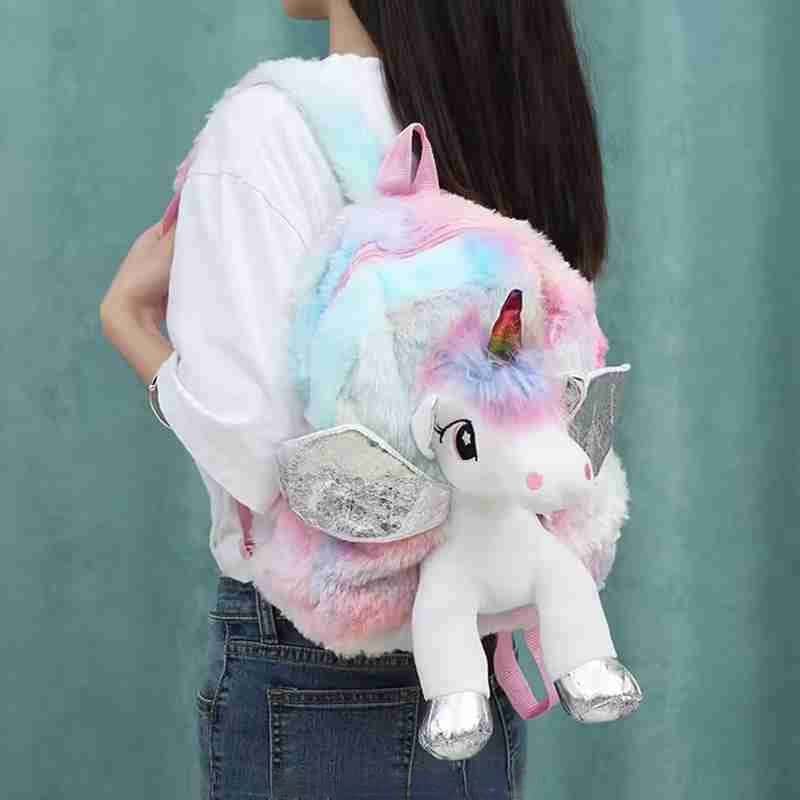
If you’re sourcing a custom plush backpack, you’re not only buying a toy-like appearance. You’re buying a wearable product that gets pulled, dragged, stuffed, opened 30–100 times a week, and thrown into cars, lockers, and classrooms. The difference between a “viral gift” and a “refund magnet” is usually hidden in construction details that most listings never show: strap-anchor reinforcement, zipper-end finishing, panel stretch control, and shape retention.
We are based in Guangdong and support brands that need OEM/ODM, private label, and fast sampling. Our development approach is practical: we start from your target customer and channel, then lock a backpack-ready spec that a factory can repeat in bulk. That means we define:
- Function first: intended user (kids, teens, adults), weight range, carry time, and cleaning habits.
- Structure: where the backpack gets its “spine” (foam, board, lining system), and how the character panels avoid stretching out of expression.
- Comfort and safety: strap width, shoulder fit, and skin-contact material choices.
- Brand execution: logo method, hangtag, care label, and packaging that fits e-commerce or retail.
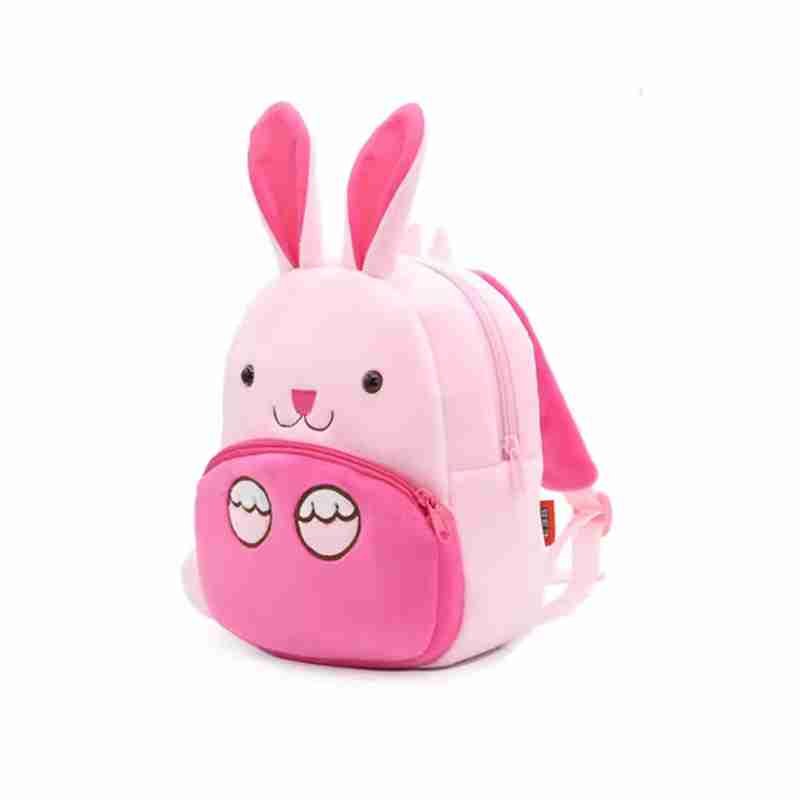
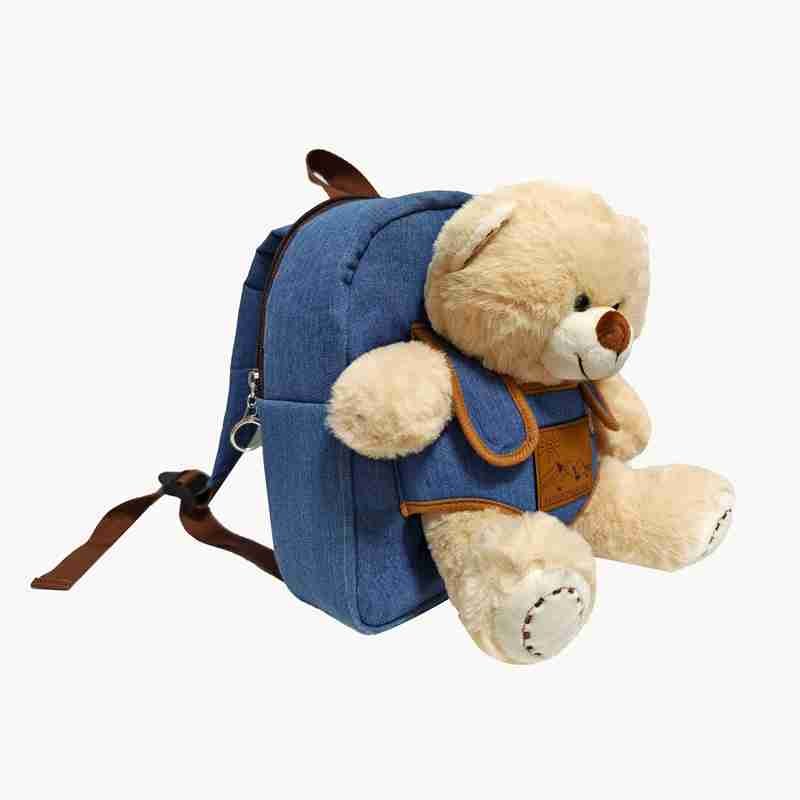
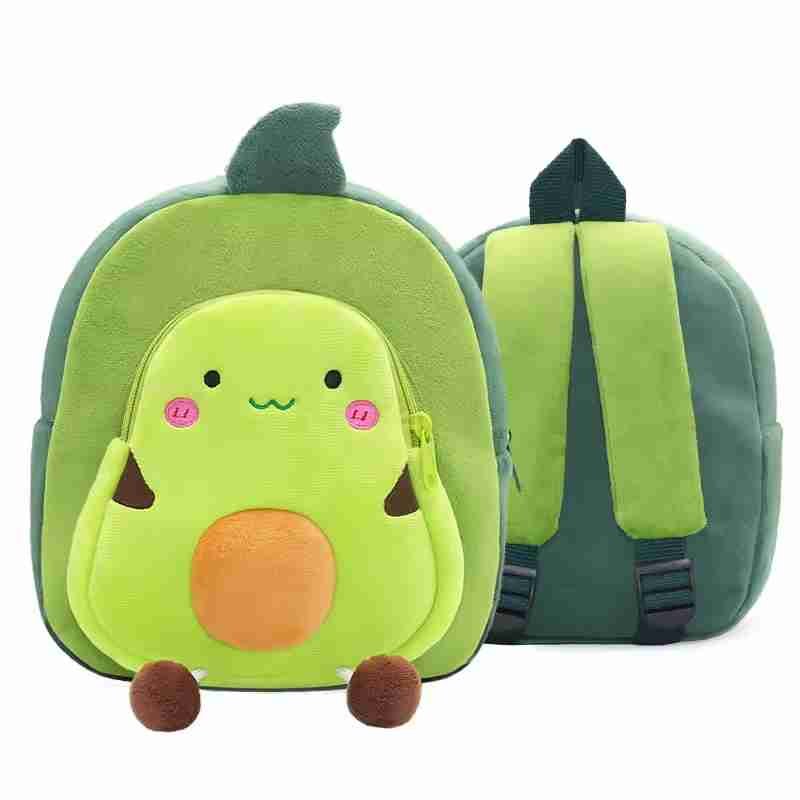
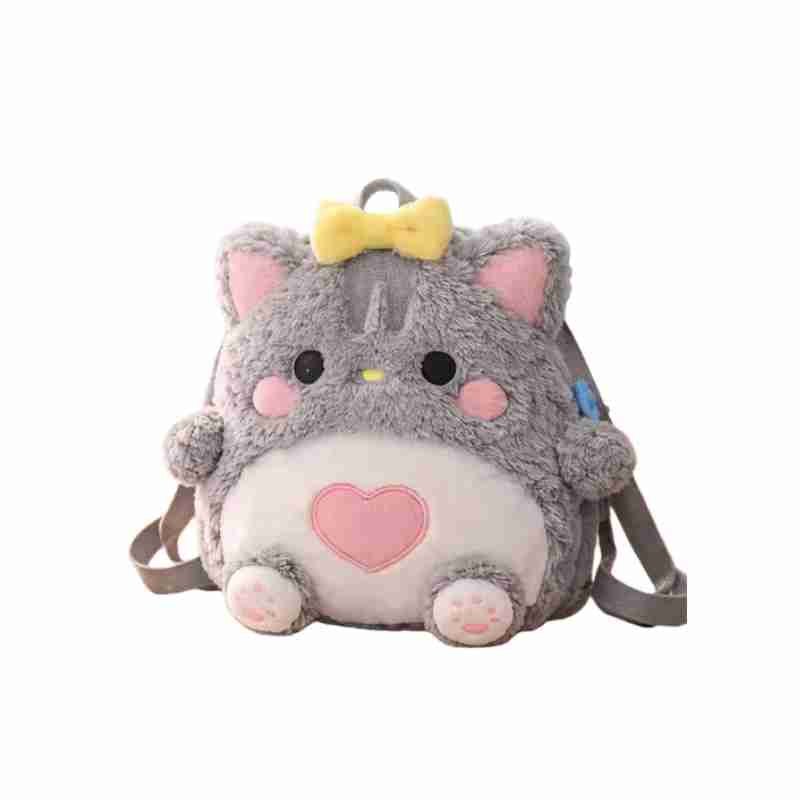
Most Common Plush Backpack Types
When people say “custom plush backpack,” they usually mean one of a few product families. Choosing the right family early protects cost, timeline, and user reviews.
(1) Kids Everyday Plush Backpack
Focus: comfort, lightweight feel, easy cleaning, simple access
Must-have: wide straps, smooth zipper, safe trims, wipe-friendly lining
Common risk: cute outside, but poor carry comfort or unrealistic capacity
(2) Character Plush Backpack
Focus: face accuracy, expression stability, logo placement, premium finish
Must-have: symmetry rules, controlled plush stretch, stable color matching
Common risk: the first sample looks right, but the bulk faces slowly drift
(3) Mini Plush Backpack
Focus: style, proportion, photo-ready silhouette
Must-have: clean stitching, neat lining, stable base so it doesn’t slump
Common risk: tight zipper curves on small sizes can cause zipper sticking
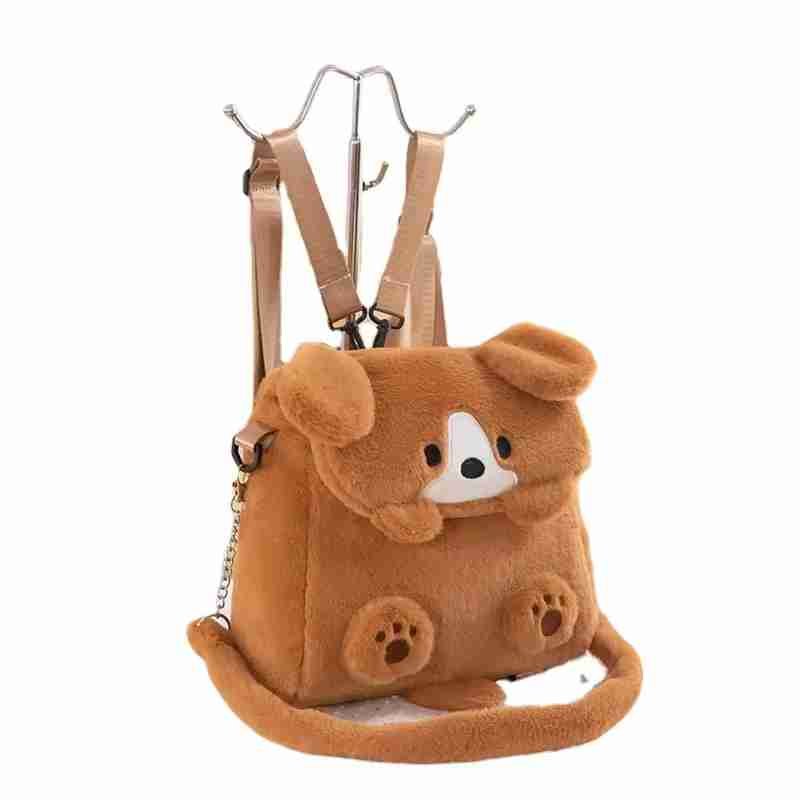
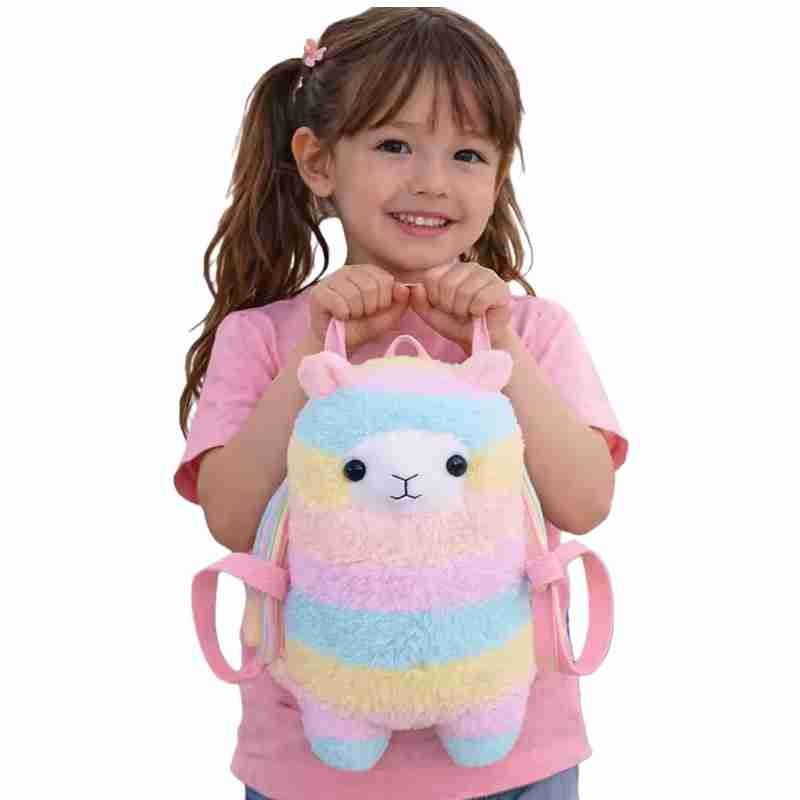
Plush Backpack Size and Layout Rules
A plush backpack is a soft product. Soft products collapse unless you design structure and zones intentionally. The safest way is to plan from three questions: Who carries it? What must fit? How will it be cleaned?
Step 1: Lock the user and carry time
Kids: shorter torso length, lighter load, more spills
Teens or adults: longer straps, phone or keys needs, more daily wear
Define target carry time: 15 minutes (event) vs 2–6 hours (school or travel). Carry time changes the strap width and padding choices.
Step 2: Define “must-fit” items
Use a “must-fit” list. Example:
- water bottle or small bottle
- snacks or small pouch
- phone (adult) or small toy (kids)
- tissue or wipes
- small inner zipper pocket for keys or cards
Now choose 3–5 zones only. Too many zones increases labor and drift risk.
Step 3: Prevent collapse with a simple structure system
A practical structure system can include:
- foam padding in back panel
- optional lightweight board in base
- stable lining that supports pockets
- controlled plush stretch on character panels
Step 4: “No-regret” layout rules
- Keep heavy items near the back panel (comfort)
- Don’t put tight curved zippers on thick plush without testing
- Isolate “wet items” (wipes or bottle) from face panels when possible
- Avoid crumb-trap corners inside food or snack pockets
- Use reinforcement where pull happens: zipper ends, strap anchors, handle roots
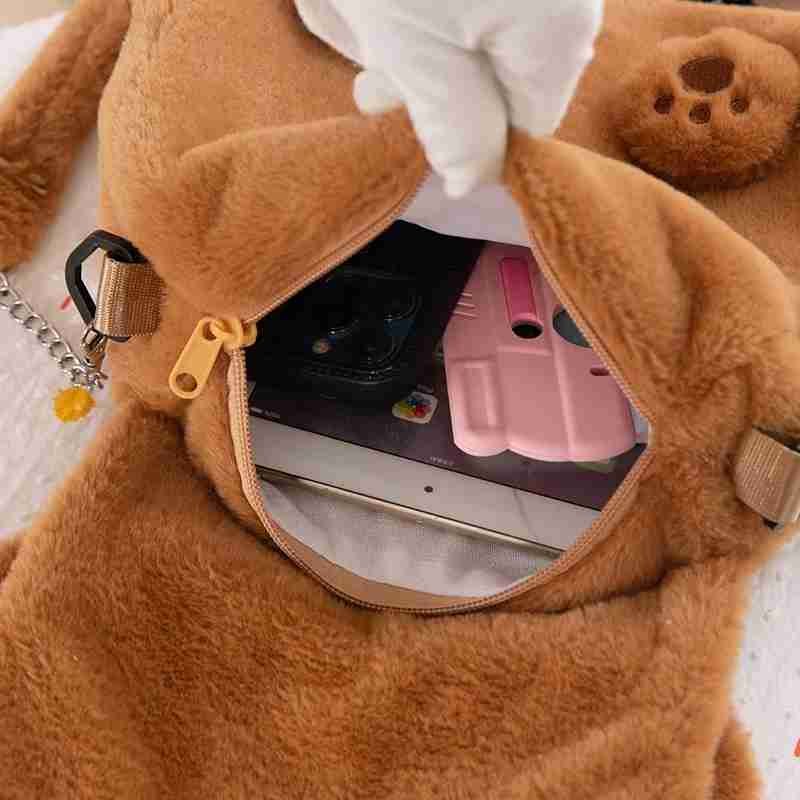
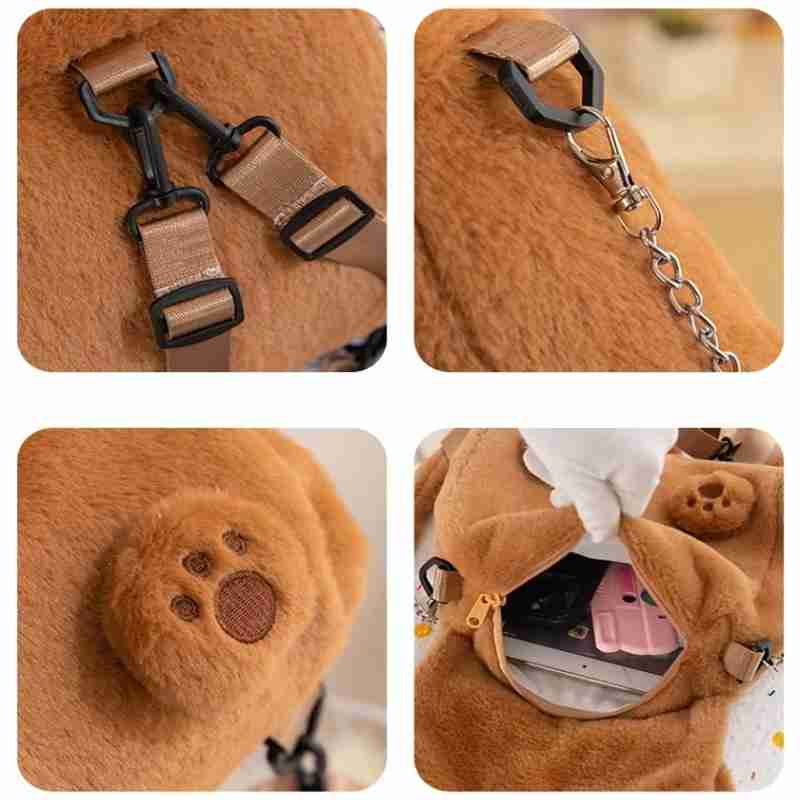
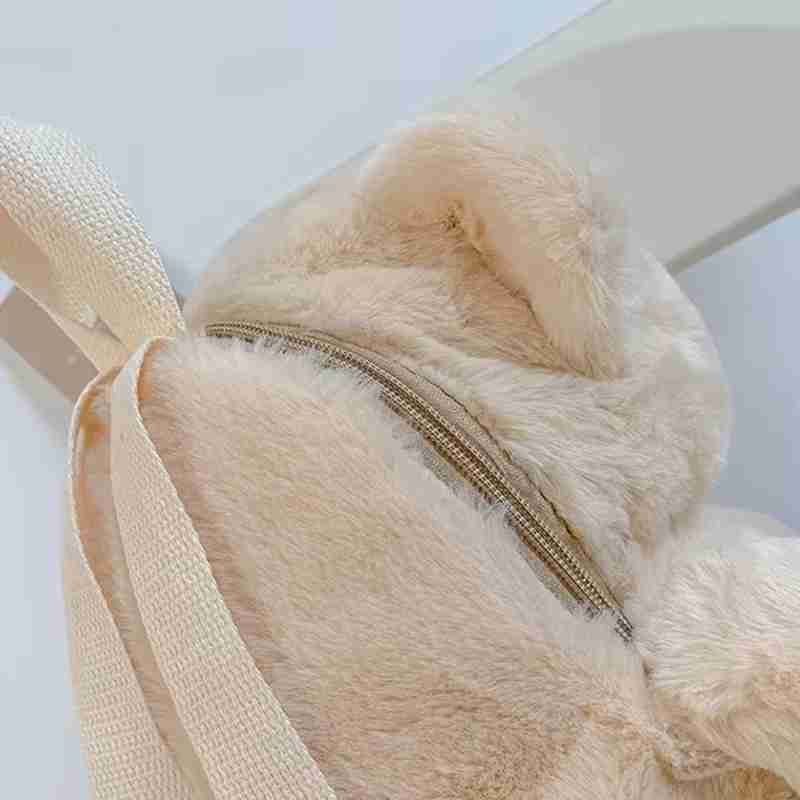
Plush Backpack Materials: Soft, Clean, Low-Shed
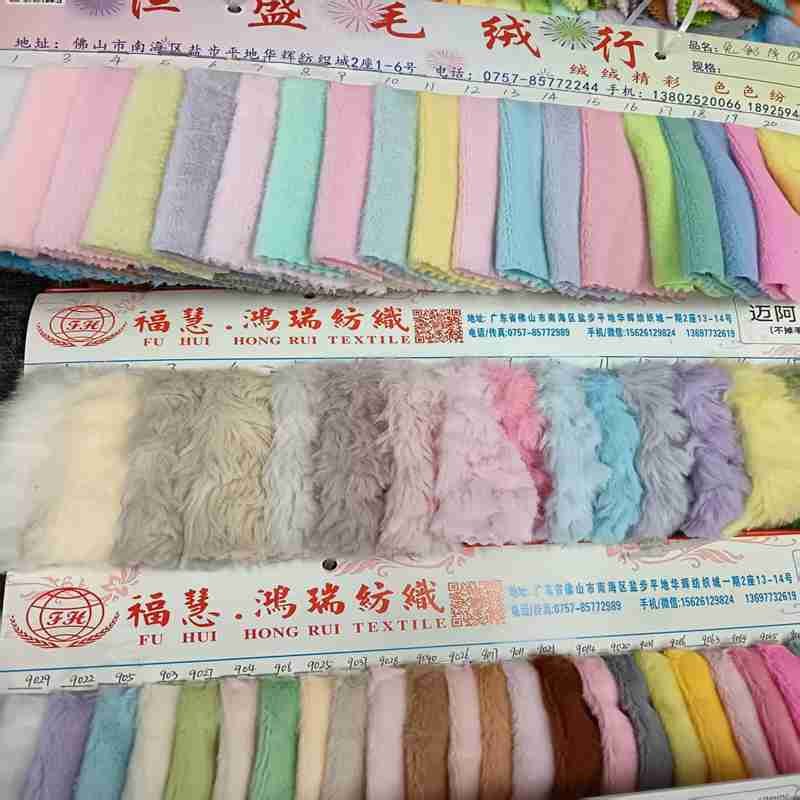
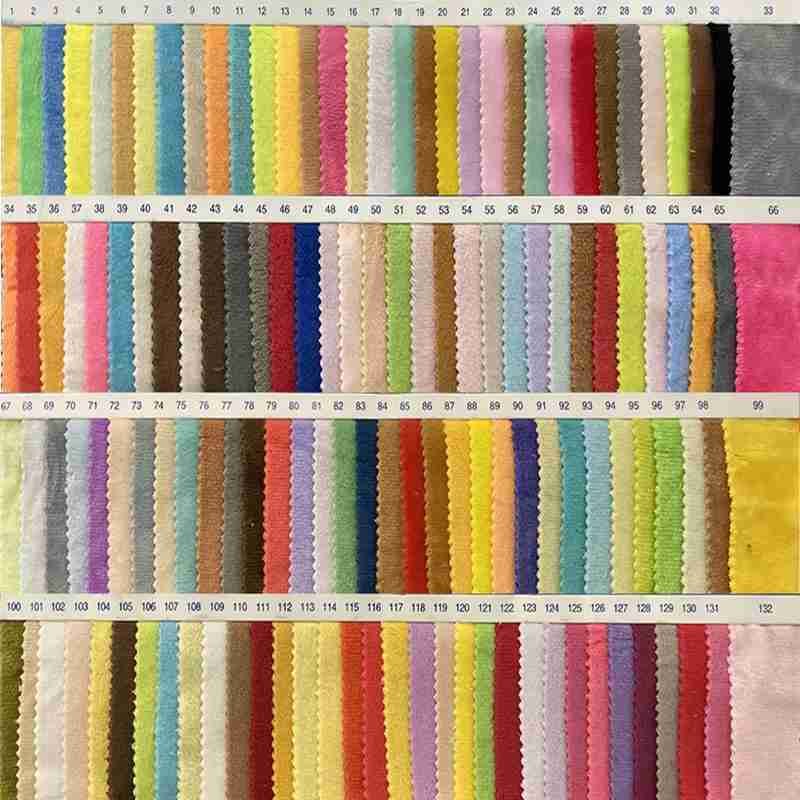
A custom plush backpack is a material system, not one fabric. Most problems start when the plush looks great in photos, but later it sheds, pills, holds stains, or stretches and makes the face look “off.” The safest approach is to choose materials by zone and by contact area.
Outer plush: pick based on real use. For daily kids items, choose low-shed, stable pile plush with good rebound. Very long pile can look premium, but it may shed more and blur seams. For mini fashion backpacks, you can use more “visual” plush, but you still need clean edges so it doesn’t look messy after two weeks. For character items, avoid overly stretchy plush that can cause eye spacing drift and smile deformation in bulk. Approve outer plush with rub shedding, pilling, wipe or friction colorfastness, and stretch direction checks.
Lining: lining controls cleanliness and helps pockets stay neat. A good lining is easy to wipe, supports pocket walls, and stays stable across dye lots.
Padding and structure: plush collapses by nature, so add internal stability: back-panel foam for comfort, a base support layer for shape, and pocket support to keep zippers aligned.
Trims and skin-contact zones: straps and back panels should feel smooth, avoid scratchy materials, and hold up to daily friction.
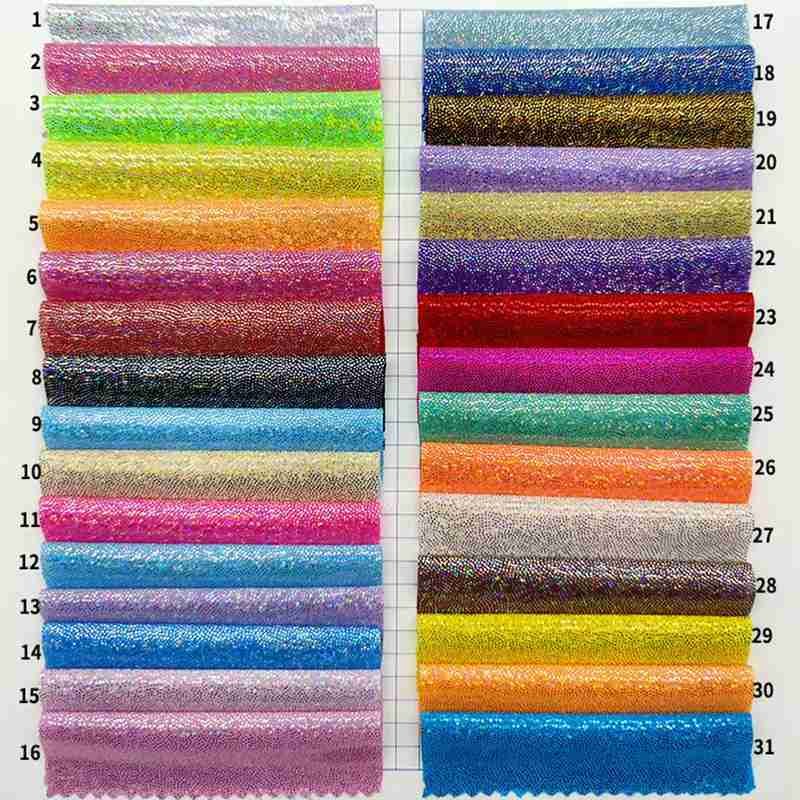
Plush Backpack Symmetry & Expression Lock
“Expression protection” is a manufacturing discipline. A sample can look perfect, then bulk output drifts if pattern tolerances are loose or plush stretch is uncontrolled. Our approach uses three controls to keep faces consistent.
(1) Face geometry rules
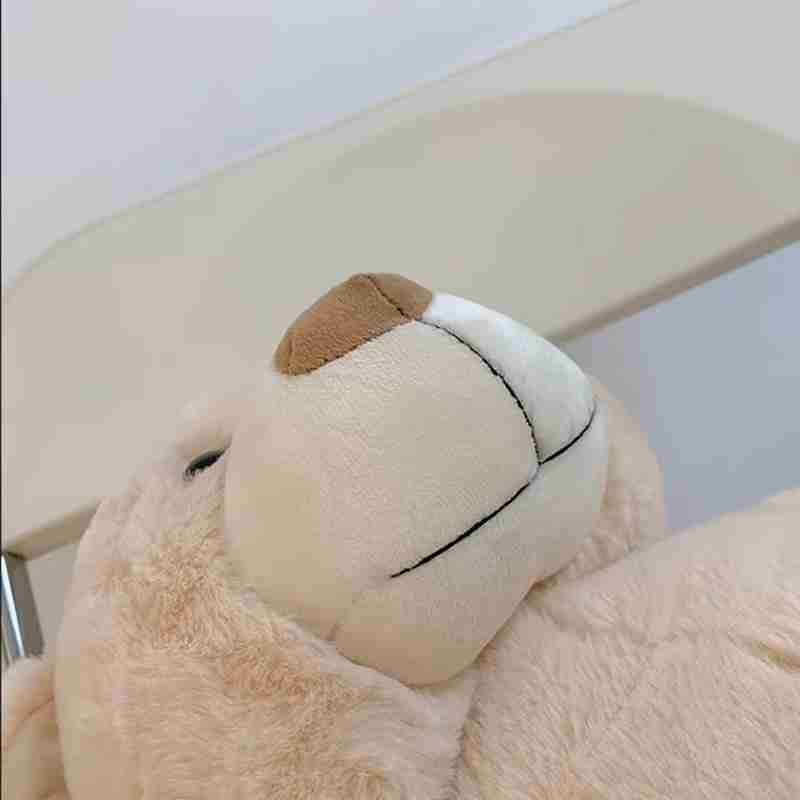
We define face landmarks with measurable specs: eye-to-eye distance, eye height from base seam, mouth curve alignment, and nose position. This creates a repeatable standard for sewing and QC, so the “correct look” is not based on personal judgment.
( 2) Panel tension and stretch direction control
Plush behaves differently by direction. If the face panel stretches horizontally, eyes can shift wider. If it stretches vertically, the expression can look longer or tired. We lock grain direction, control seam allowances, and add internal stabilizers in high-risk zones.
(3) Stitch route and embroidery placement control
Even with the same pattern, a different sewing order can distort panels. We define the sewing order, key notches, and tension guidance for critical curves. For embroidery or appliqué, we control backing, stitch density, and placement marks, then run a left-right symmetry check before bulk.
Plush Backpack Durability: Anchors, Zippers, Load Paths
To engineer a plush backpack, we start with one idea: load paths. When the bag is lifted or worn, force travels through the straps into the body. If strap anchors are weak, seams tear. If zipper ends are weak, they burst. If base corners are unprotected, abrasion ruins the plush and fabric fast.
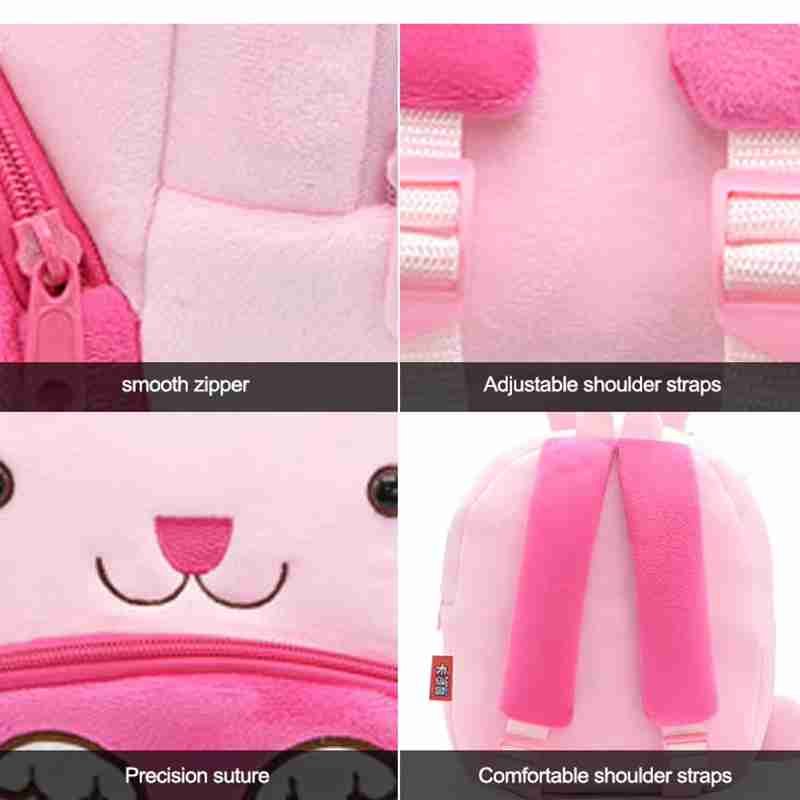
(1) Strap anchor reinforcement
We treat strap anchors like high-stress points: an internal reinforcement patch, box-X stitch or bar-tack plan, controlled seam allowance, and a defined webbing insertion depth. During production, QC checks the same anchor zones every time, using close-up photos and pull-feel checks to prevent “looks fine but fails later.”
(2) Zipper grade and zipper-end rules
Zippers fail from tension, misalignment, or plush lint. We match zipper grade to use, test curve radius (mini styles need extra care), and lock zipper-end reinforcement so the end stop doesn’t blow out. A smooth lining and clean tape finishing also help prevent snagging.
(3) Handle roots and base corners
Top handles get yanked, base corners get scraped. We reinforce handle roots with backing and stable stitch routes, and protect base corners with binding or wear patches. When needed, an internal base board helps shape stability without crushing comfort.
(4) Smart reinforcement
Too much reinforcement makes a plush backpack rigid and costly. We select reinforcement by target load and user type, so durability improves without turning the bag into a hard box.
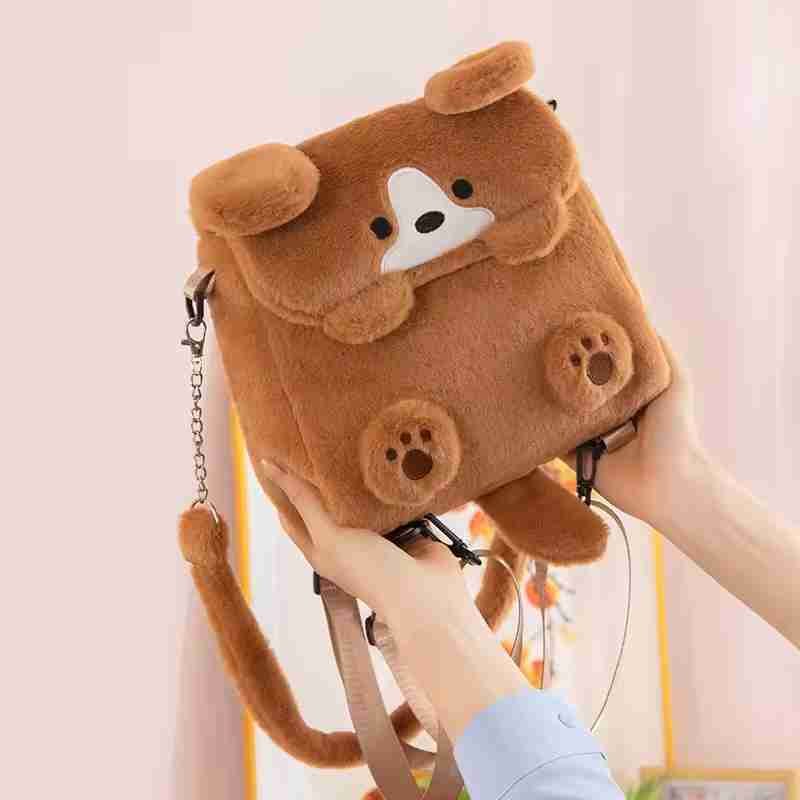
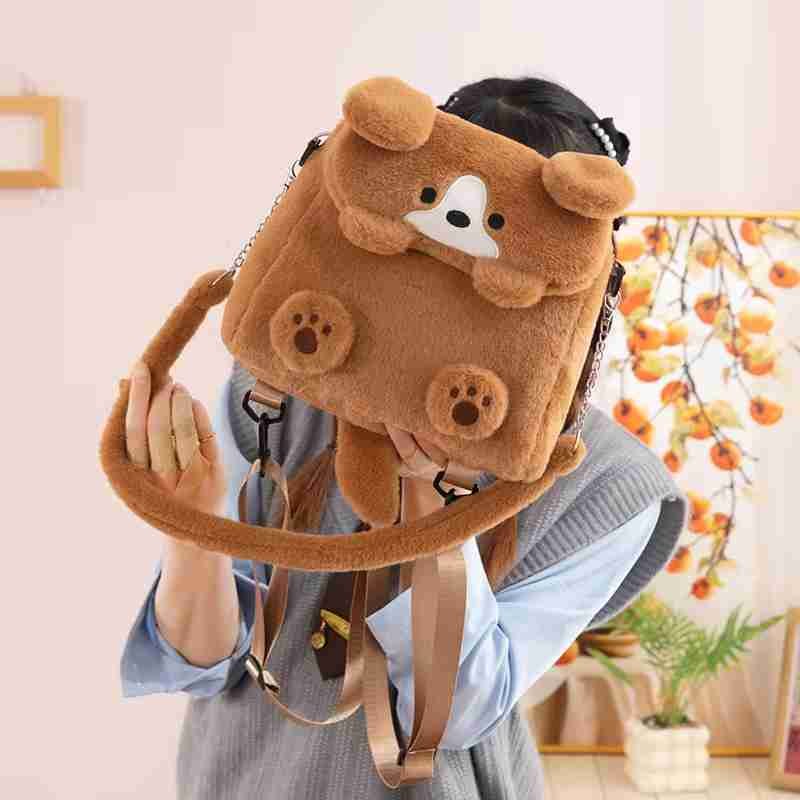
Custom Plush Backpack Add-Ons & Branding Options
A custom plush backpack can be built at three customization levels: stock-based customization, semi-custom, and full OEM/ODM development. Clear choices early reduce sampling loops and prevent quote changes.
Level A: Stock-based customization
Best for quick launches and limited budgets. Typical changes:
Logo label/patch swap
Color adjustments using existing material stock
Packaging customization (hangtags, inserts)
Small accessory changes (zipper pull, keychain)
This level is great when you need speed, but you trade off uniqueness.
Level B: Semi-custom
You keep a proven backpack structure (dimensions, strap architecture) and customize the character and surface:
New face embroidery/applique
Custom plush colors
Pocket layout changes (2–3 zones)
Improved lining or wipeable zones
This is the most common path for brands that want differentiation without high risk.
Level C: Full OEM/ODM development
A new pattern set, new tooling for embroidery placement, and a locked bulk process. Best for long-term IP programs.
New silhouette and proportions
New internal structure system
Custom molded accessories (optional)
This produces the strongest “ownable” product, but requires more approvals.
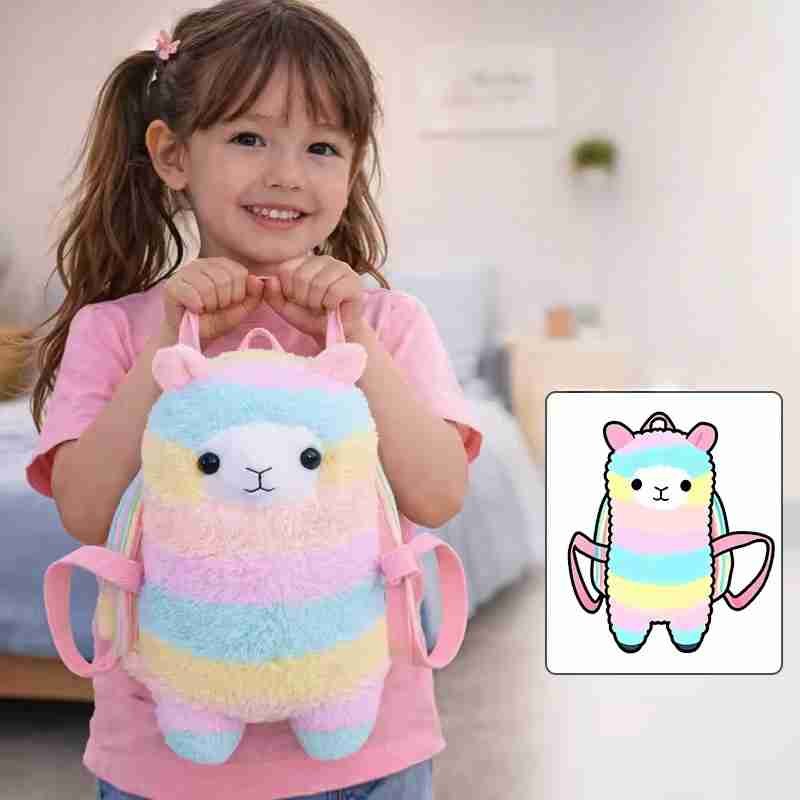
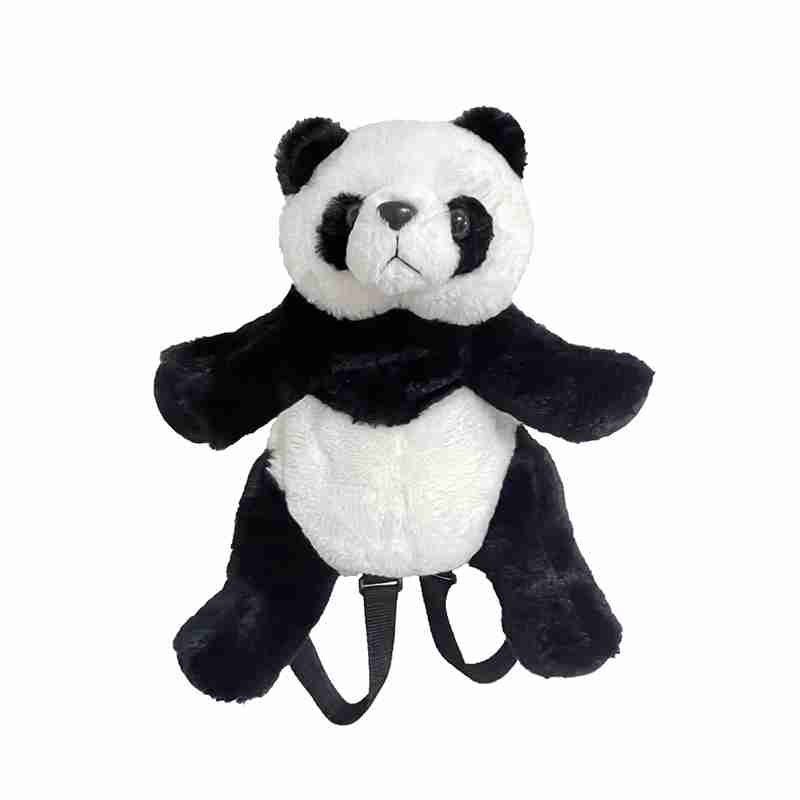
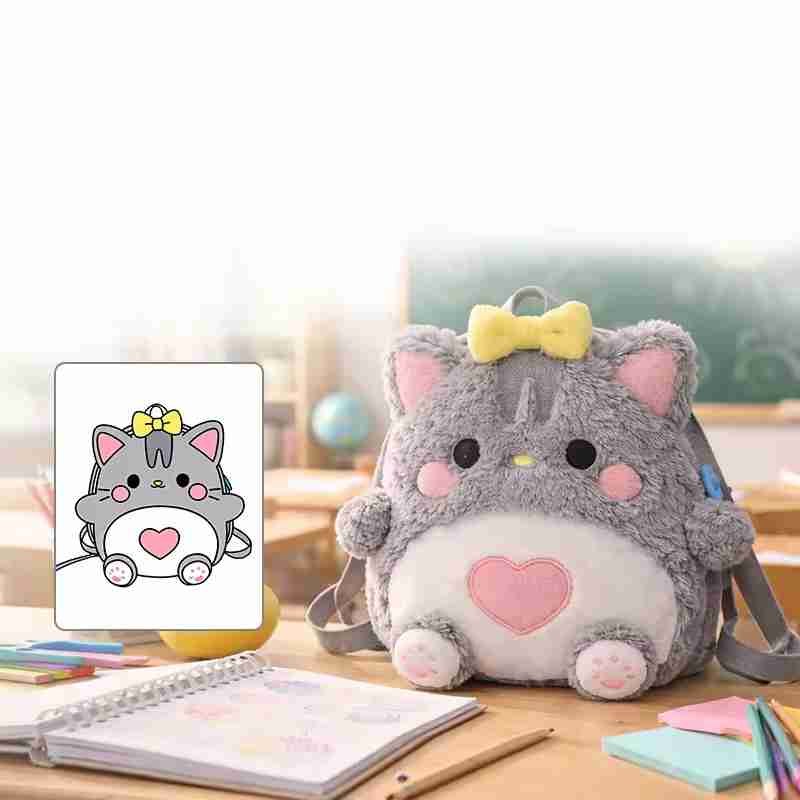
Custom Plush Backpack: Artwork to Bulk Production
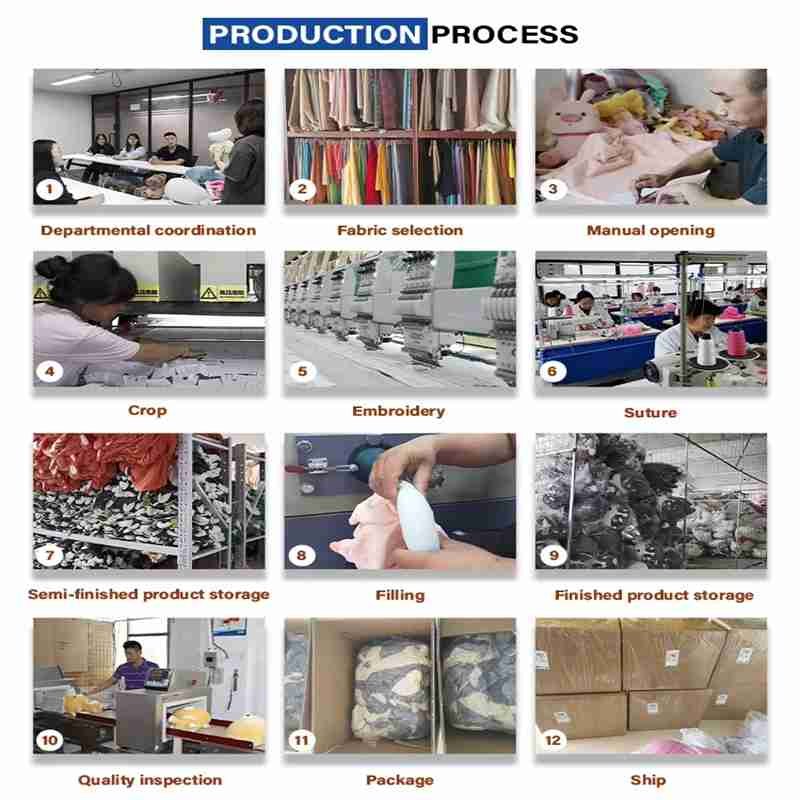
A reliable plush backpack program uses a staged sampling and approval route. Each stage has a purpose—skipping steps often increases total time because problems show up later in bulk.
Step 1: Pre-RFQ alignment
Send: artwork, target user, must-have list, size range, logo method, and estimated order volume. We confirm feasibility and suggest a baseline structure. This is where we flag risks early: tight zipper curves on thick plush, face embroidery drift, cleaning needs, and strap comfort.
Step 2: Prototype sample
Goal: confirm silhouette, facial expression, and basic layout.
Outputs: initial pattern draft, material suggestions, internal structure draft.
Step 3: Functional sample
Goal: test what typically causes complaints and returns.
Tests include:
Zipper smoothness (lint and plush-fiber risk)
Strap anchor pull strength and stitching stability
Wipeability and stain behavior
Pocket fit with real items
Shape retention after stuffing and carrying
Step 4: PP sample
Goal: lock measurements, placements, and process rules.
This is where we finalize:
Face landmark tolerance ranges
Pocket dimensions and zone map
Reinforcement map
Packaging method and labeling
Step 5: Bulk production with QC gates
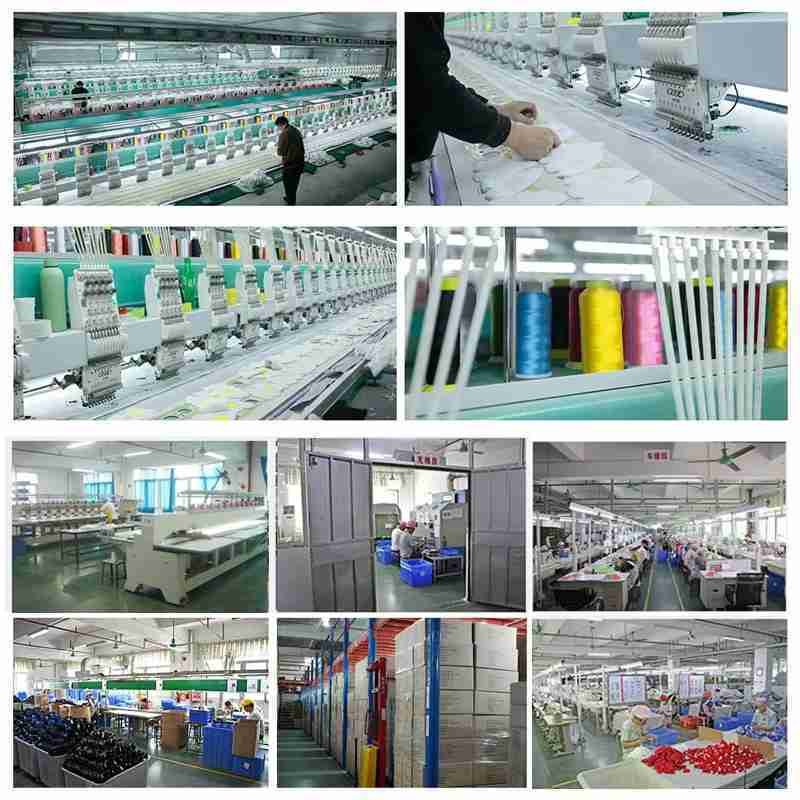
We recommend QC at three points: incoming, in-process, and final. For plush backpacks, in-process checks matter most because they catch misplacement early (straps, embroidery, pockets) before it becomes a bulk-wide issue.
Plush Backpack Packaging Compliance
Your plush backpack can be well-made and still fail in the market if packaging arrives wrinkled, labels are missing, or compliance expectations aren’t met for your channel. This guide focuses on practical execution: pack-out rules, label systems, and factory controls, such as needle-detection options. It’s written for B2B teams who need products to move through warehouses, retailers, and e-commerce fulfillment with fewer surprises.
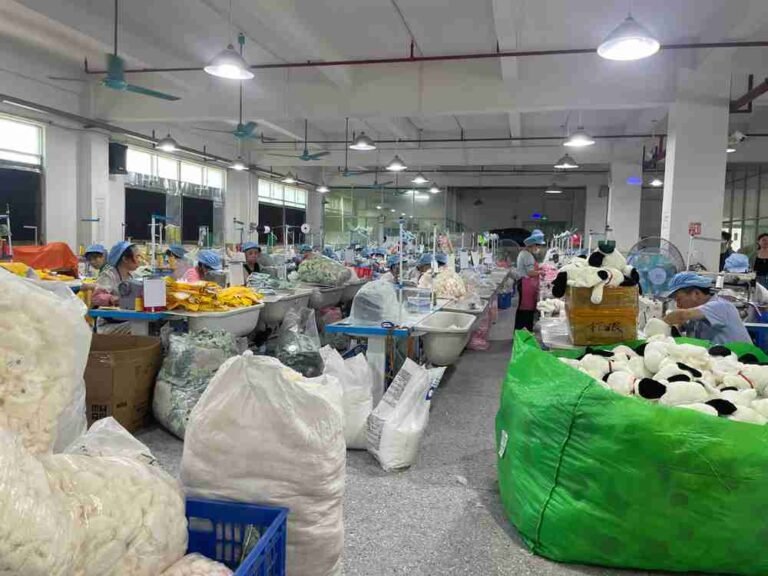
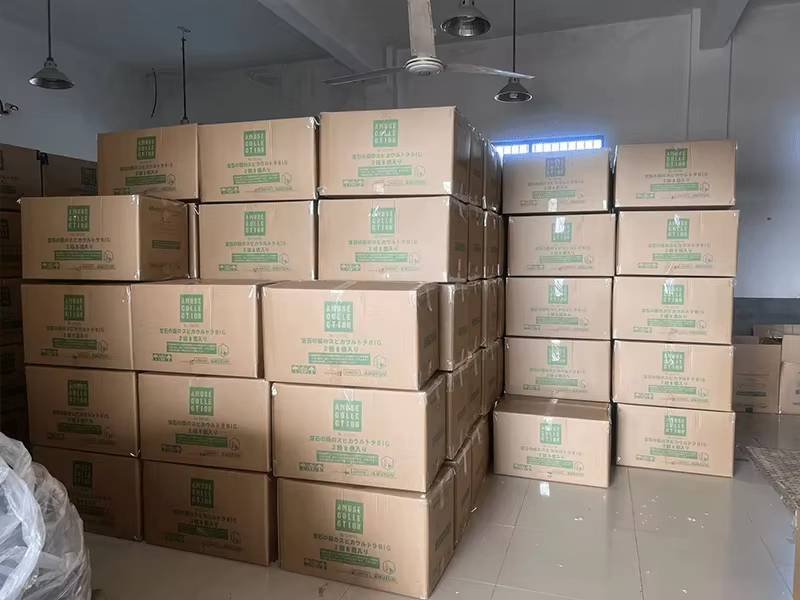
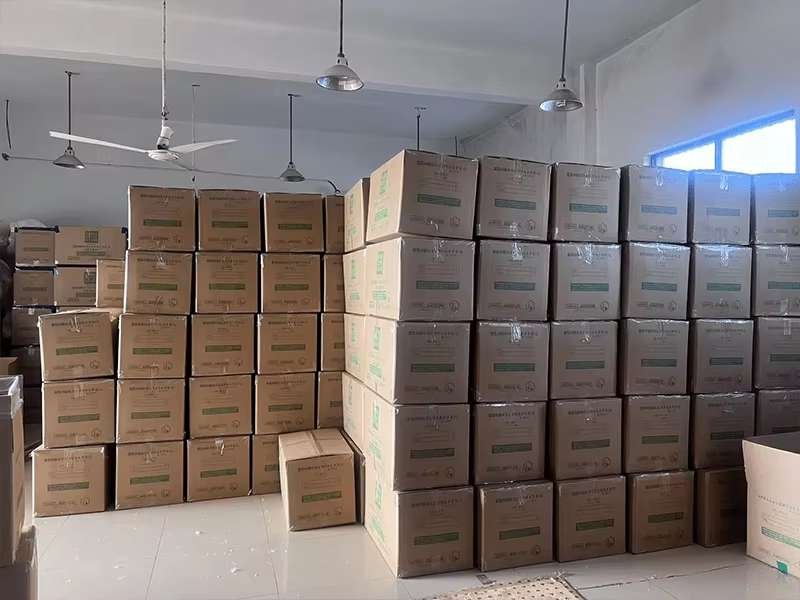
Packaging and compliance are not afterthoughts. They shape customer perception and operational success.
(1) Packaging type: choose by channel
E-commerce: protect against scuffing and deformation, clean unboxing, reduced shipping volume.
Retail: hang-ready presentation, barcode/price label space, premium shelf look.
Gift programs: insert cards, thank-you notes, themed packaging when needed.
A practical approach is to define a pack-out map: how the bag is folded, where stuffing goes, where hangtags attach, and how accessories are packed so they don’t dent the plush face.
(2) Label system
A clear label system reduces warehouse confusion and unnecessary returns. Common labels include:
Brand main label (woven or printed)
Care label (wash symbols, materials)
Tracking label or batch code (optional)
Barcode label (retail and e-commerce)
(3) Safety and compliance considerations
For plush backpacks, common safety topics include small parts, sharp edges, and age grading. If the product is for children, avoid detachable sharp accessories and confirm trim quality. Many programs also request needle control options such as needle detection or strict needle management to reduce risk.
(4) Shipping durability: deformation control
Plush products can deform in transit. We recommend:
Light internal stuffing in key areas
Avoid crushing the face panel
Carton marking (Do Not Crush) when needed
A consistent folding method across bulk production
Plush Backpack QC Checkpoints
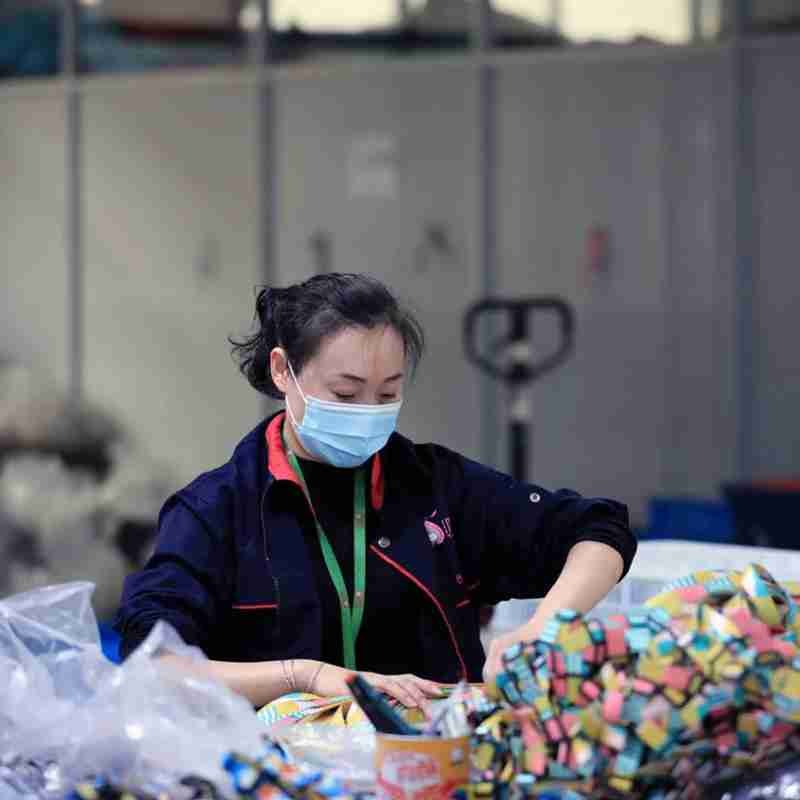
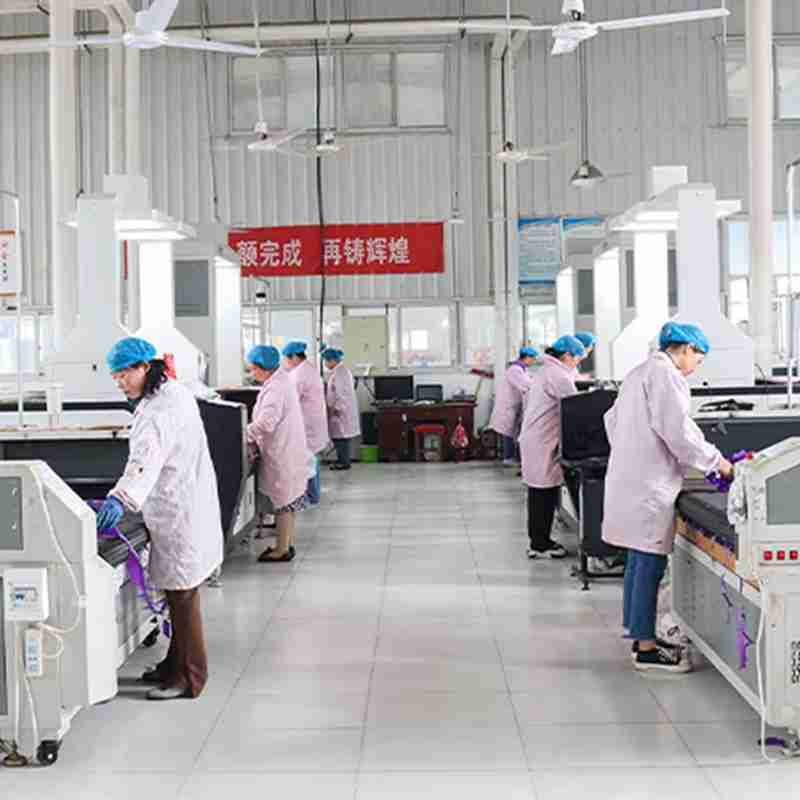
For custom plush backpacks, the most expensive problems are repeatable problems. That’s why QC should start before sewing begins.
(1) Incoming inspection
We check material batches before production to prevent bulk drift:
Plush pile direction and stretch behavior
Color tone consistency (shade control)
Lining handfeel and wipeability
Zipper and hardware basic function
Embroidery thread quality and backing materials
Incoming checks help prevent “half the cartons look different” complaints.
(2) In-process inspection
In-process QC is where you catch placement defects early:
Strap anchor placement (left and right symmetry)
Strap insertion depth and stitch type (box X, bar tack)
Pocket alignment and zone map execution
Face landmark measurement checks during embroidery.
Zipper-end finishing and zipper smoothness test
This step prevents discovering a structural issue after thousands of units are already sewn.
(3) Final inspection
Final QC verifies:
Overall symmetry and shape retention
Function tests: open and close cycles, strap pull check
Clean finishing: no loose threads, no sharp edges
Pack-out consistency: tags, labels, folding method, stuffing placement
(4) QC evidence you can request
For e-commerce or retail, ask for a QC photo pack: strap anchors, zipper ends, internal lining, face symmetry checkpoints. Photo evidence makes “quality” measurable.
Custom Plush Backpack Quote Guide
The fastest way to a clean quote is not “more messages.” It’s sending the right information once. Plush backpacks have mixed cost drivers: plush fabric, embroidery workload, reinforcement labor, zippers/hardware, lining upgrades, and packaging execution. This guide shows a buyer-friendly RFQ checklist and explains how price is built—so you can compare suppliers fairly and avoid surprise changes after sampling.
A good quote is built on a locked specification. For an apples-to-apples supplier comparison, align on these inputs.
RFQ Checklist:
Target user: kids, teens, adults; expected load
Size: height, width, depth; target capacity or a must-fit list
Backpack type: everyday, mascot, mini, utility zones
Outer plush: pile length preference, color count
Face method: embroidery, applique, mixed
Zipper: size, curve complexity, zipper pull requirement
Straps: width, padding, adjuster hardware
Lining: standard or wipeable zones
Labels: woven label, care label, barcode needs
Packaging: e-commerce polybag, retail hangtag, gift box
Order quantity and reorder expectation
Target ship date and destination requirements
Price drivers that matter most
Embroidery area and stitch density (major driver)
Number of pattern panels (complex shapes increase labor)
Reinforcement map (strap anchors, zipper ends, base)
Plush grade and custom dye colors (may increase MOQ)
Packaging kit labor (hangtags, inserts, assembly time)
Lead time logic
Sampling moves faster when you:
Confirm the backpack type early
Approve the plush swatch quickly
Lock face placement with measurement points
Keep pocket zones to 3–5
If you want a structured quote plan, email info@heyzizi.com with your artwork and must-fit list. We’ll reply with a recommended spec path and sampling steps.
Choosing a Plush Backpack Factory
When evaluating a factory, focus on evidence, not promises.
(1) Capability fit (plush and backpack)
Ask whether the supplier can prove both sides: plush expression control and backpack stress-zone reinforcement. A plush-only supplier may not engineer straps well. A bag-only supplier may struggle with plush face repeatability.
(2) Repeatability proof (anti-drift system)
Request:
Measurement-point sheet for face landmarks
Reinforcement map photo examples
In-process QC checkpoints
Sample-to-bulk drift prevention steps
(3) Material system control
Ask how they prevent color mismatch, plush shedding complaints, and lining changes. A reliable supplier will explain batch control, incoming checks, and swatch approvals.
(4) Packaging execution
If you sell online, ask how they prevent deformation and what the pack-out map looks like. A factory that can’t standardize pack-out often leads to “arrived crushed” reviews.
Request a Custom Sample First?
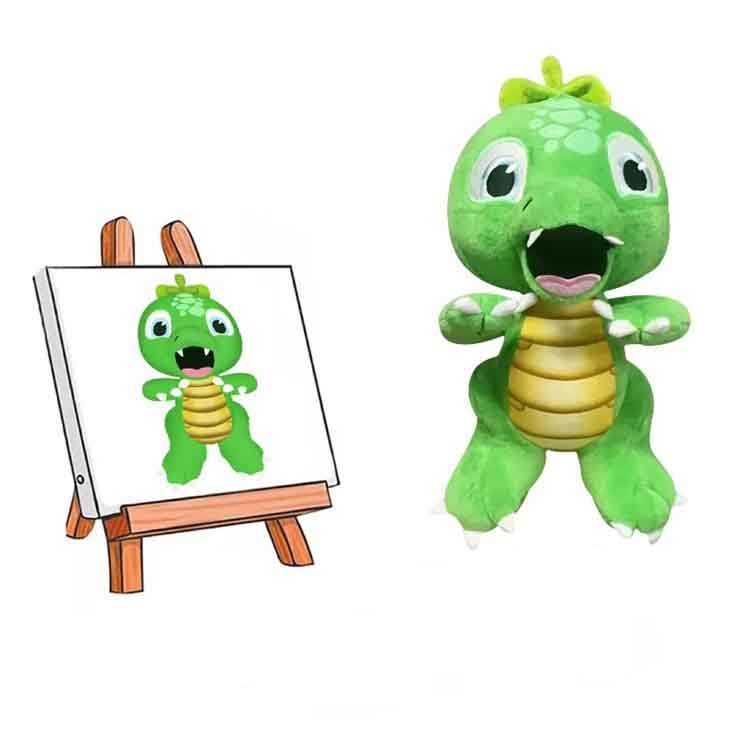
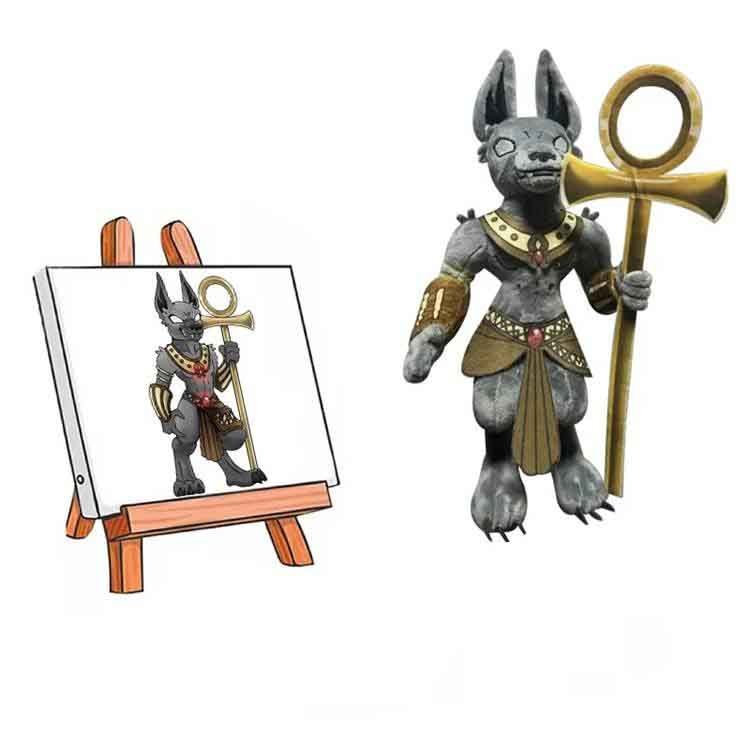
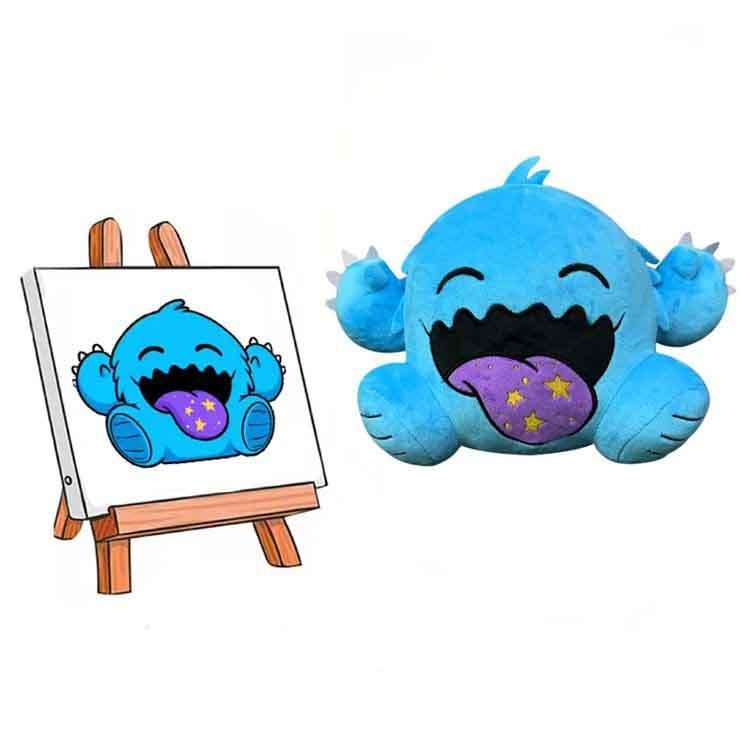
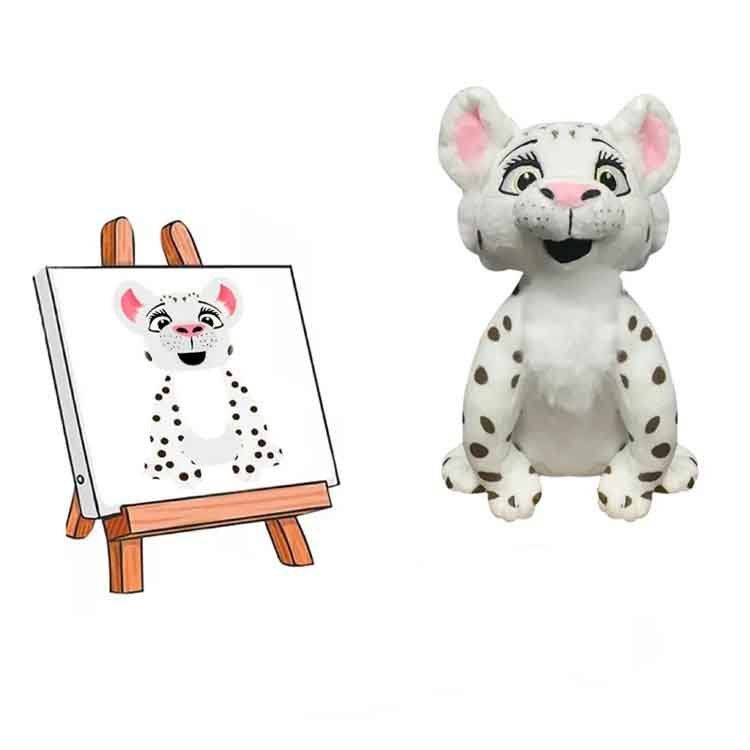
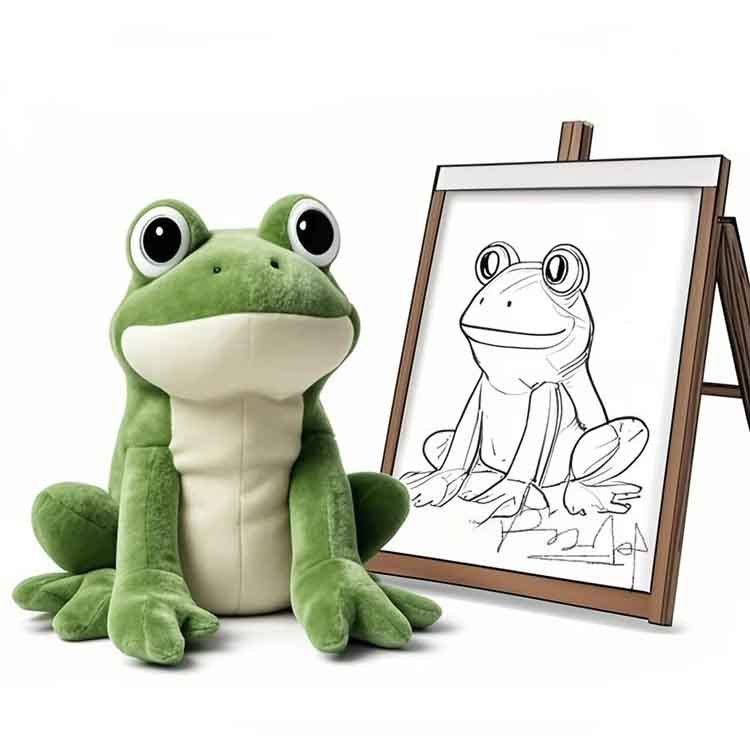
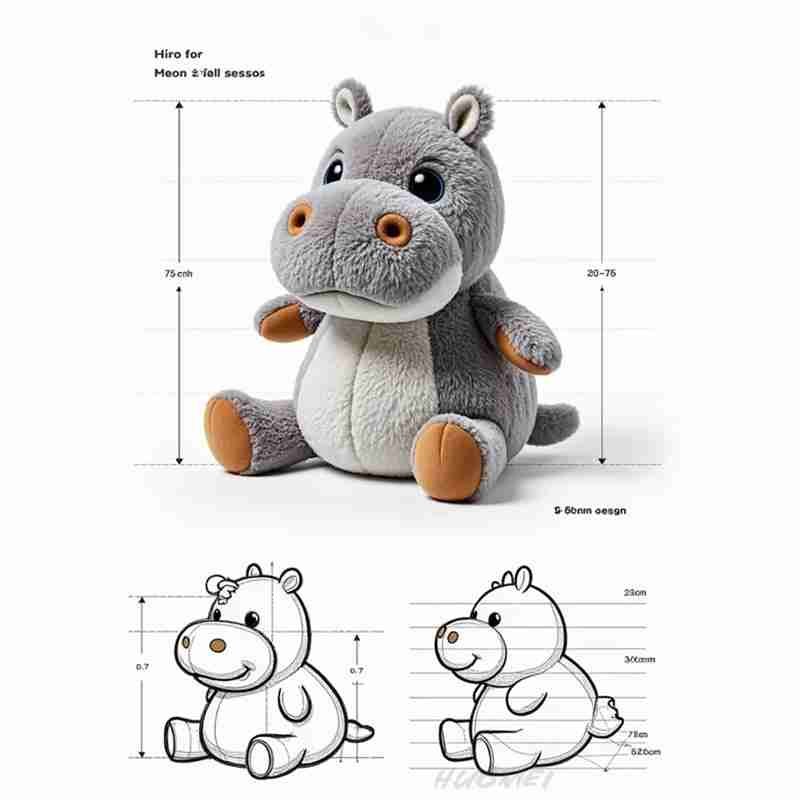
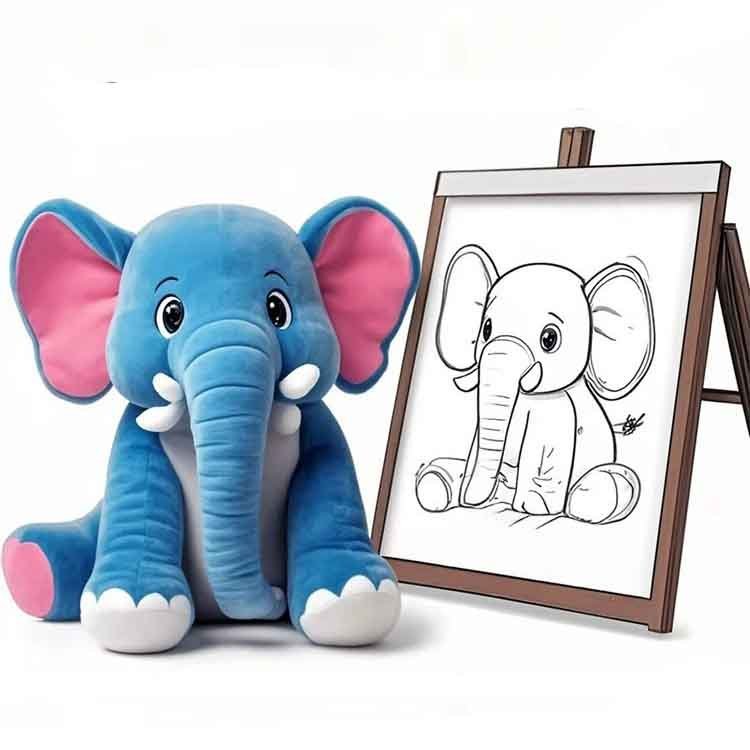
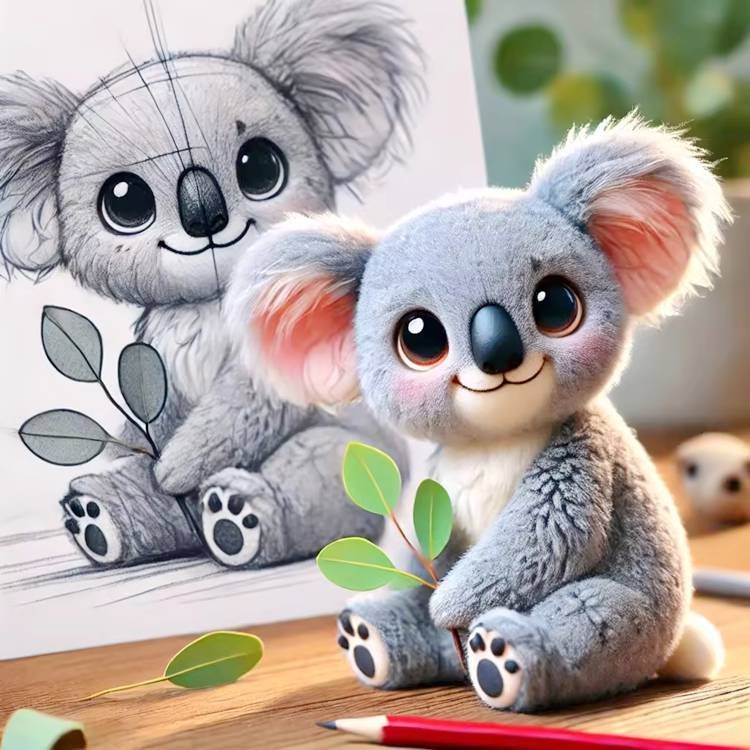
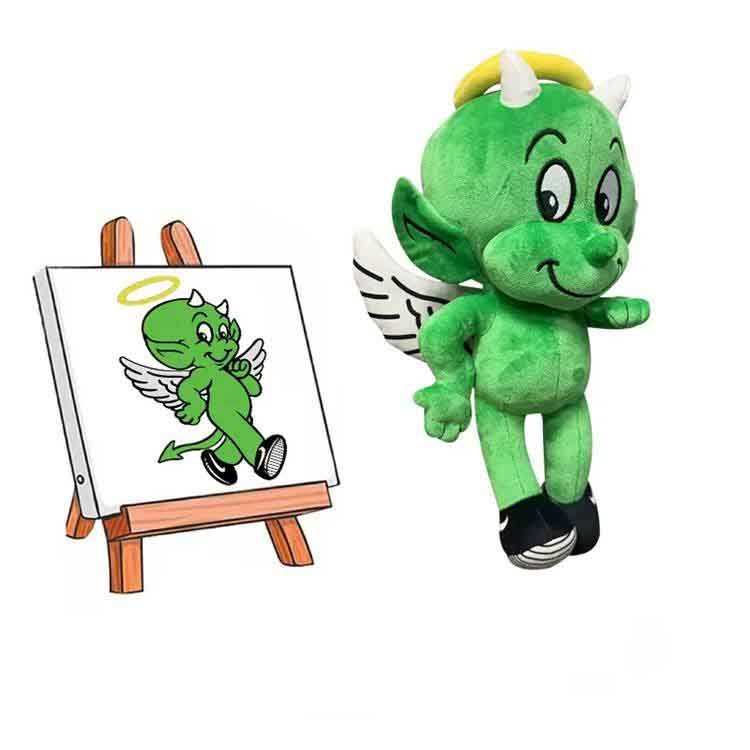
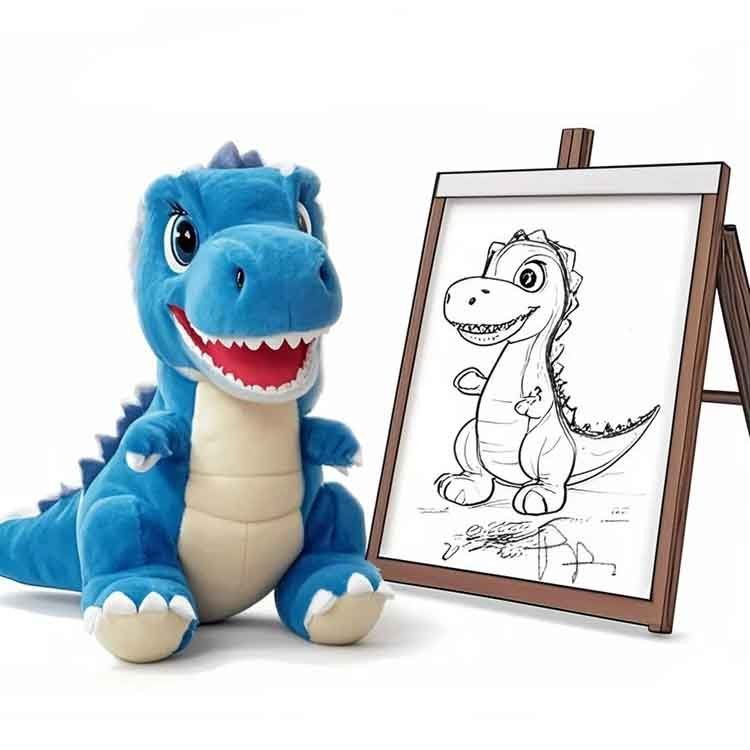
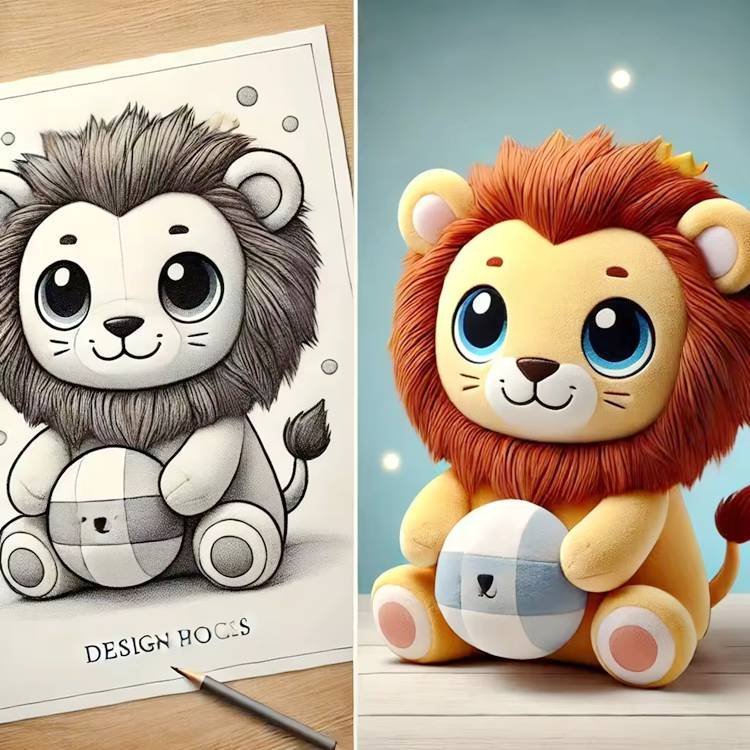
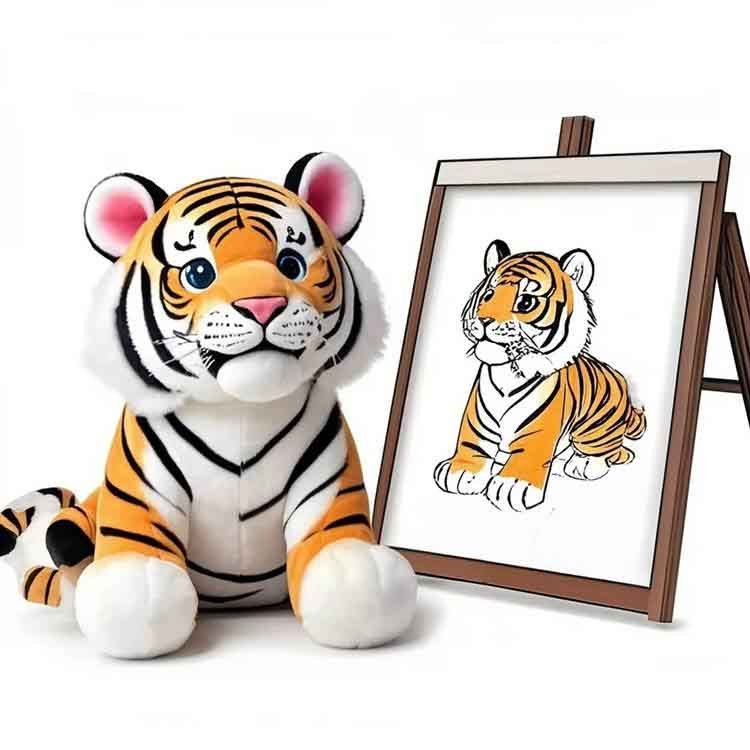
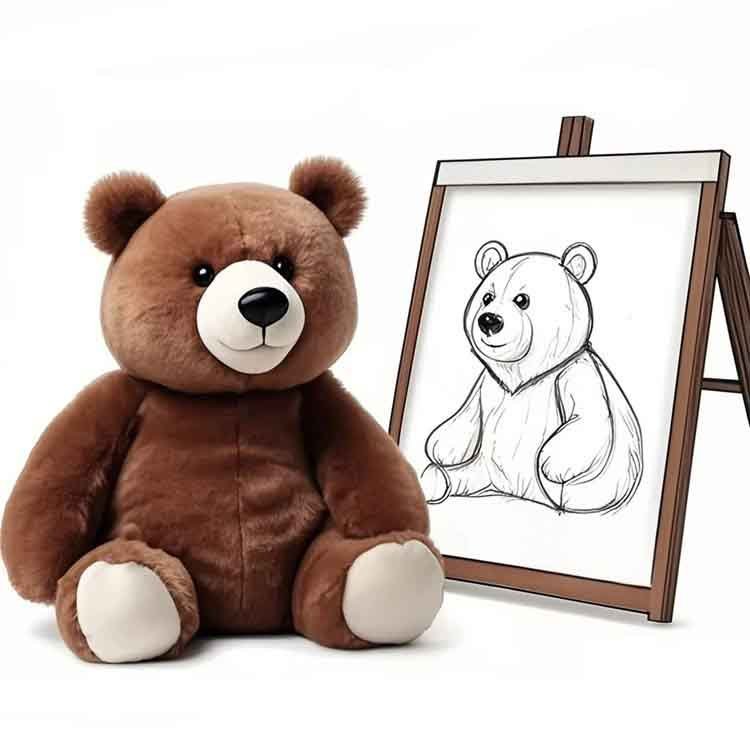
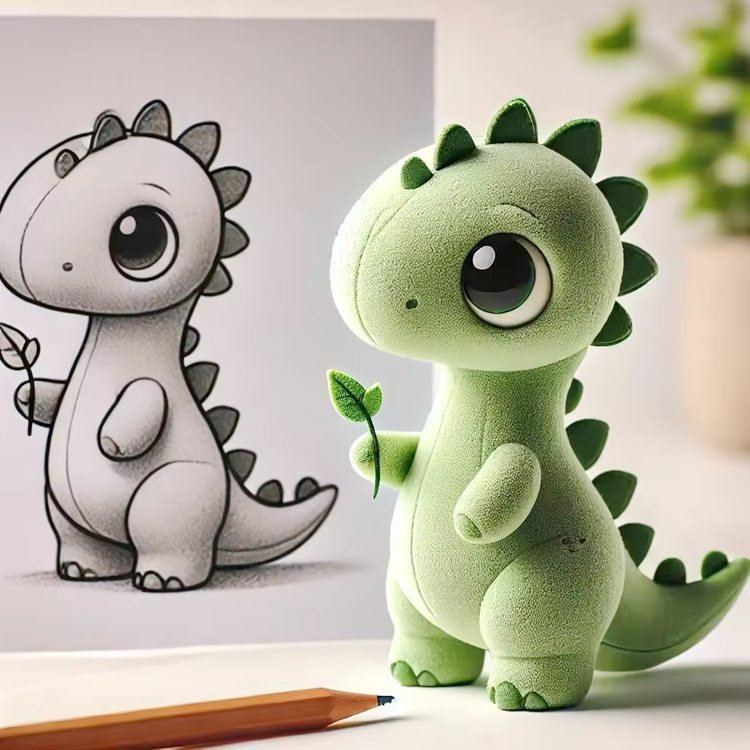
If you have artwork, logo files, or even just an idea, please share your project details—size, target fabric, color reference, and customization requirements. We’ll recommend suitable materials and provide a clear sampling plan to bring your custom plush toy design to life.
What Makes Our Custom Plush Production Reliable for B2B
Trust is built through predictable execution—clear approvals, documented specs, quality checkpoints, and packing confirmation. We focus on making your plush project easier to manage and safer to scale.
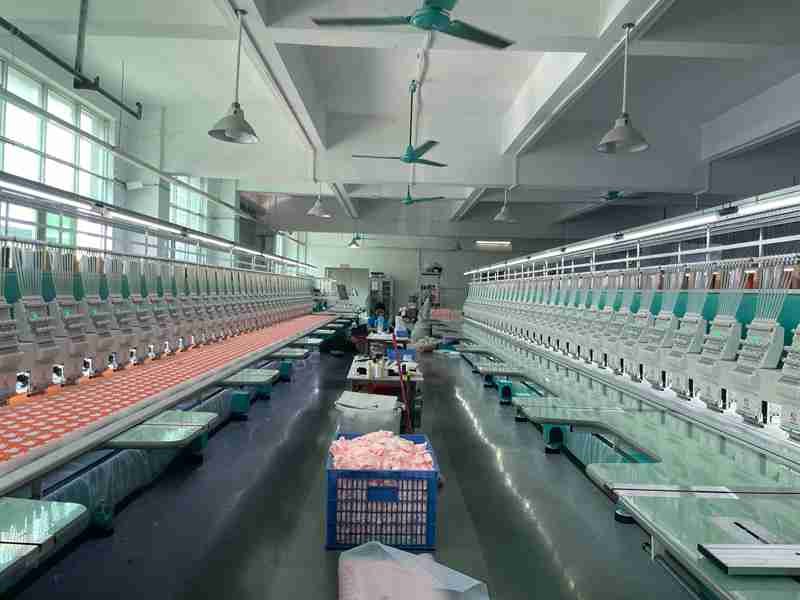
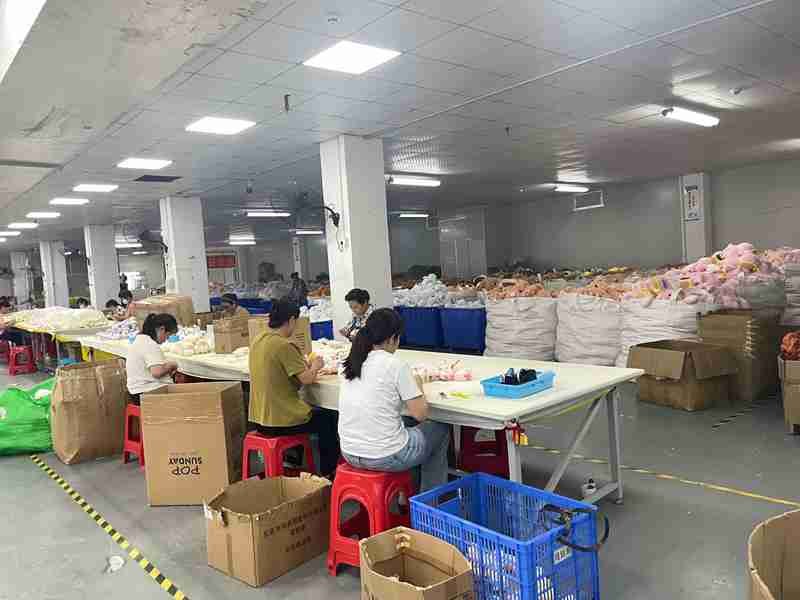
For B2B customers, “reliable” plush production is not about making one nice sample—it’s about delivering repeatable bulk quality, stable lead times, and clear project control from artwork review to shipment. What makes our custom plush program dependable is the way we manage the details that most often cause problems in mass production: face accuracy, proportion stability, embroidery/printing consistency, stuffing weight and firmness control, and secure attachment for keychains, clothing, and accessories.
We build reliability through a structured workflow: we confirm a practical spec checklist before sampling, document revision notes, and lock the final approval sample as a golden standard for production. During manufacturing, we apply multi-stage QC checkpoints (not just a final check) to prevent drift early, especially in character-critical zones like the face and silhouette. Before shipment, we also verify packaging and labeling—including hangtags, barcode/SKU labels, care/warning labels, and carton marks—so your receiving and retail handling are smoother and your products arrive with less risk of deformation.
Process Proof
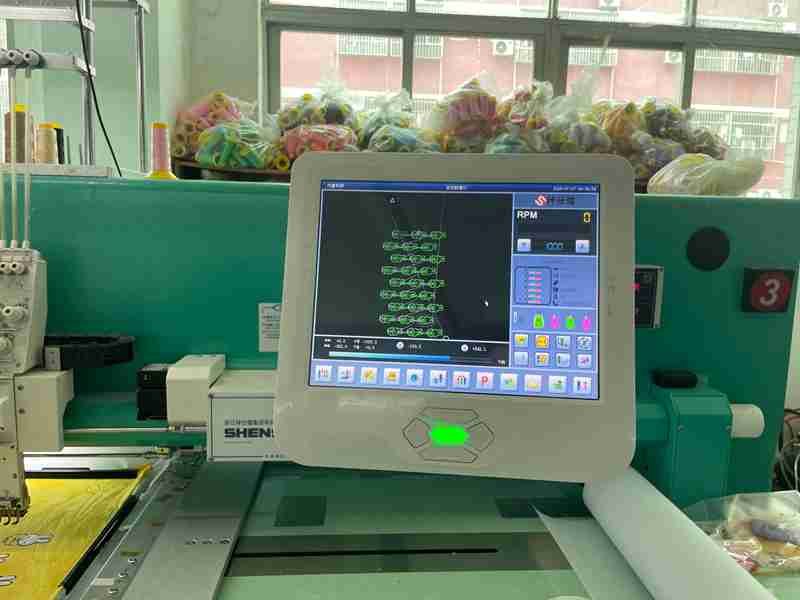
- Clear sampling-to-production approvals (prototype → revisions → final approval sample)
- Spec confirmation before bulk production (size, materials, logo placement, packaging)
- Revision notes that keep decisions traceable
- Golden standard concept for repeat orders
Quality Proof
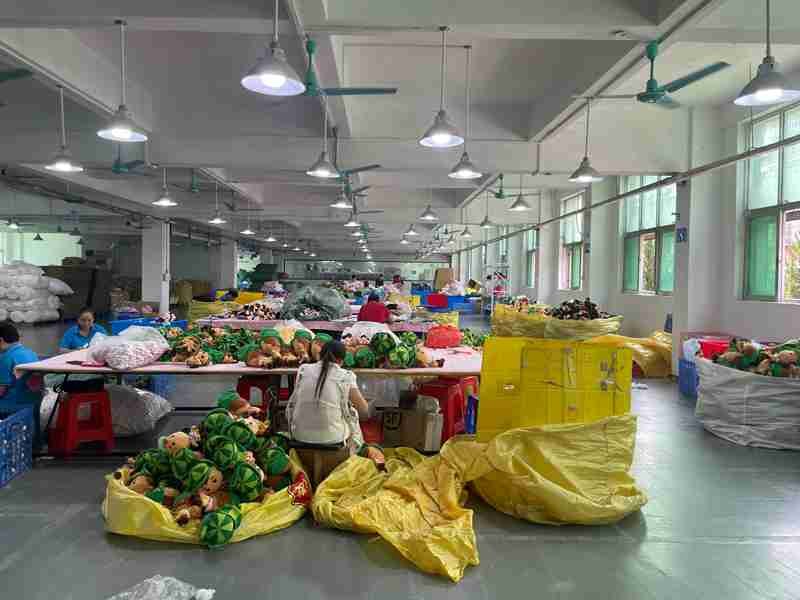
- Multi-stage QC checkpoints across sewing, embroidery/printing, stuffing, finishing
- Needle control / needle detection option for finished plush (when required)
- Inspection focus on character-critical areas (face and silhouette) for IP plush
Delivery Proof
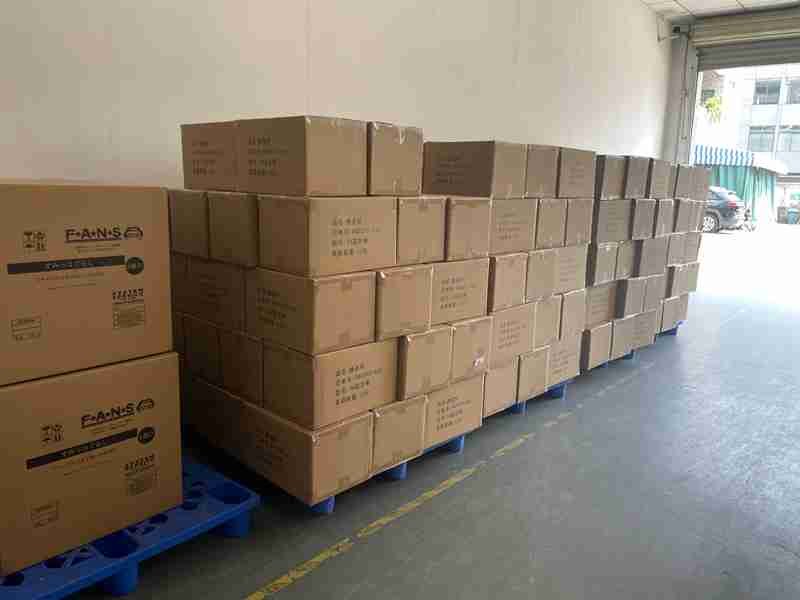
Packaging and labeling confirmation before shipment (photo proof + checklist)
Barcode and carton mark support (when required) (SKU/PO/qty/destination)
Packing suggestions to reduce deformation during transit (anti-crush, face protection)
Frequently Asked Questions
What information do you need to quote a custom plush backpack accurately?
To quote accurately and fast, we need a factory-ready input set: your artwork, target user, size/capacity, branding method, and packaging channel—otherwise pricing will change after sampling.
A plush backpack is a mixed product: plush appearance and backpack engineering, so a clean RFQ must describe both. Please share: (1) character artwork (PDF, high-res PNG), (2) target user (kids, teens, adults) and carry scenario (school, travel, theme park), (3) target size (H, W, D) plus a “must-fit list” (bottle, wipes, iPad, snacks), (4) face method (embroidery, applique, mixed), (5) zipper type and whether there is a tight curve, (6) strap requirements (width, padding, adjusters), (7) lining preference (standard vs wipeable zones), (8) logo method (woven label , patch , embroidery), (9) packaging channel (e-commerce polybag, retail hangtag, gift box), and (10) quantity and target ship date.
Why so detailed? Because these inputs determine your reinforcement map (strap anchors, zipper ends), labor steps, and material system. If you want apples-to-apples supplier comparison, this checklist prevents “hidden cost surprises.” If you’d like, you can send this as a single message to info@heyzizi.com, and we’ll reply with a structured quote range (Good/Better/Best) and a sampling plan.
How do you prevent “sample looks perfect, bulk looks different” for plush backpacks?
We prevent bulk drift by locking measurement tolerances, plush grain direction, and in-process QC photo points, not by relying on final inspection.
Plush backpacks drift in four places: face expression, strap symmetry, pocket dimensions, and color tone. If you only check at final inspection, you discover problems after hundreds or thousands of units are already sewn. Our drift-control method is built like a repeatable system:
We create a face “landmark sheet” with measurable points (eye spacing, eye height, mouth angle, nose position).
We lock plush grain direction so stretch does not “move” facial features in bulk.
We define seam allowance and stitch route for critical curves (zippers, cheeks, rounded panels).
We create a reinforcement map (strap anchors, zipper ends, handle roots, base corners) and require in-process verification.
We use QC photo checkpoints: a fixed set of photos and measurements that must match the approved sample.
For procurement, the practical question is: “Can the supplier show me the anti-drift documents?” If they can’t show measurement points and in-process checkpoints, they are mostly hoping the bulk stays consistent. A supplier that can show these controls is usually safer for reorders, too.
Which plush backpack materials are best for kids vs adults?
The best materials depend on use intensity and cleaning behavior—kids need low-shed, wipe-friendly systems, while adults can prioritize texture and styling with controlled structure.
For kids, the biggest complaint triggers are shedding, stains, and discomfort. We typically recommend short/medium pile low-shed plush for the exterior, plus a lining that is easier to wipe (at least at the bottom and high-contact pocket walls). Skin-contact zones (strap underside and back panel) should feel smooth, not scratchy. Reinforcement matters too: kids yank straps, so strap anchors must be treated as stress zones with patches and strong stitch patterns.
For adults, styling often drives purchase: premium plush look, character accuracy, and clean silhouette. Adults also carry heavier items (phone, keys, cosmetics), so zipper grade and strap comfort remain important. Many adult programs benefit from a slightly more structured base so the bag doesn’t slump.
The “best” approach is to build a material system: outer plush + lining + padding + trims. If a factory only talks about “plush softness,” you risk hidden failures later. Ask for swatches and request basic tests: rub-shedding behavior, colorfastness (wipe + friction), and pilling resistance. Those three checks prevent most review problems.
What size should a custom plush backpack be, and how do you plan capacity?
Choose size by user height + must-fit list, then limit interior to 3–5 functional zones to reduce returns and production drift.
Sizing is where many plush backpacks fail: the bag looks adorable but can’t fit daily items, or it fits items but collapses and becomes uncomfortable. We recommend starting with the user: kids need shorter torso fit and lighter loads, while teens/adults need longer straps and pockets that match phones/keys. Next, build a “must-fit list” with real objects: bottle size, lunch/snack box dimensions, tablet size, and whether wipes are needed.
Once capacity is defined, zone planning must stay disciplined. Too many pockets add labor and increase the risk of misalignment in bulk. A strong layout usually includes: a main compartment, a small inner zipper pocket, a front easy-access pocket, and optionally a bottle sleeve or hidden back pocket (adult/travel).
Structure is tied to size. Plush collapses, so a stable back panel foam and optional base support can keep the silhouette clean. The best size is not “biggest”—it’s the size that keeps the product usable, comfortable, and photo-accurate over time.
What reinforcement details should a buyer check before approving a sample?
Before approval, check the strap anchors, zipper ends, handle roots, and base corners—these stress zones decide durability more than the plush face does.
A plush backpack is pulled and lifted constantly. The most common failure is strap tearing at the anchor point. In a good sample, you should see an internal reinforcement patch, strong stitch patterns (often box-X and/or bar-tacks), and consistent webbing insertion depth. Next, check zipper ends: the end-stop area must be reinforced, and the zipper should run smoothly without snagging plush. Tight curves are a common risk—mini plush backpacks need extra curve testing.
Handle roots and base corners are also important. Top handles get yanked; base corners get scraped in daily use. These areas should have backing and clean finishing.
As a procurement step, request a “stress-zone photo pack” during sampling. If a supplier avoids close-up photos of anchors and zipper ends, you may be buying an unknown risk. A confident factory can show these details clearly because they control them.
How do you test zipper performance on plush backpacks to avoid jamming complaints?
We test zipper performance by combining curve-radius checks, plush snag risk checks, and zipper-end reinforcement rules, because plush introduces lint and friction that normal bags don’t.
Zippers jam for three reasons: misalignment, excessive curve tension, and plush fibers snagging the chain. Mini plush backpacks are the highest risk because small radii create more friction. During sampling, we recommend a “real-use zipper test”: open/close cycles, testing with the bag partially filled, and checking whether the plush pile catches the slider. A smooth lining near the zipper tape helps reduce snagging.
We also lock zipper grade by user type: kids’ products benefit from smooth, reliable zipper choices and easy-grip pulls; adult programs may prioritize premium pulls but must still avoid sharp edges. The zipper-end area is where separation happens, so reinforcement there is critical.
For procurement, the key is to ask for a zipper test confirmation before PP approval. A supplier who can describe the test method and show zipper-end finishing close-ups is usually safer for bulk.
Is a plush backpack treated as a toy or a functional bag in manufacturing and compliance?
A plush backpack should be treated as a functional bag with plush aesthetics, and your compliance approach should match your target age and sales market.
Many brands assume plush backpacks follow toy logic, but they are typically used as bags: they carry items, involve zippers and straps, and face wear and tear. That means your development process must include bag engineering (stress zones, reinforcement, zipper durability), not only plush appearance.
Compliance is market-specific, so procurement should define: target age grade, whether the product is marketed to children, and which markets you sell into. For children’s products, you should be careful with small detachable parts, sharp edges on pulls, and material comfort against the skin. For retail channels, labeling and barcode requirements matter; for e-commerce, packaging and deformation control matter more.
The practical takeaway: define your target use case and market at the RFQ stage. A factory that asks these questions early usually has stronger risk control.
How do you control plush shedding and pilling for backpacks that get daily friction?
We control shedding and pilling by selecting the right pile structure, testing rub behavior, and designing seams so that long fibers don’t tear out under abrasion.
Backpacks face more friction than plush toys: straps rub clothing, corners scrape surfaces, and zippers create localized abrasion. To reduce shedding, we recommend plush with stable pile anchoring and avoid ultra-long pile for high-frequency kids’ products unless it is proven to be low-shedding. During sampling, simple rub tests and friction checks reveal whether fibers loosen easily.
Pilling is influenced by fiber type, density, and how the plush is cut and sewn. Clean seam finishing and controlled stitch tension prevent fibers from being pulled out at seams. For daily-use items, consider where abrasion will happen and plan reinforcement or binding at base corners.
Procurement should request: plush swatches, basic rub test feedback, and a recommended cleaning method. If a supplier can’t explain why a plush is low-shed, they may be guessing. A factory that chooses plush by performance metrics protects your reviews.
What packaging prevents plush backpacks from arriving crushed or misshapen?
The best packaging is a pack-out system: controlled folding, strategic stuffing, and channel-matched protection—not just “a bag.”
Plush backpacks deform easily because the surface is soft. If you ship them flat in thin polybags, you may save freight but lose reviews because customers open a “sad-looking” backpack. A better approach is to create a pack-out map: where to place light stuffing (face, ears, rounded panels), how to fold straps to avoid creasing, and how to keep zippers from denting the plush.
For e-commerce, a clean polybag plus shape support is common, but you must standardize stuffing and folding. For retail, hangtags and display readiness matter; for gift programs, inserts and boxes may be worth the extra cost.
Procurement should ask: “Can you show the packing method as photos or a diagram?” A factory that can document pack-out is usually better at delivering consistent bulk presentation.
What are the most common reasons plush backpack projects get delayed, and how do we avoid them?
Delays usually come from unclear specs, late material approvals, and repeated face adjustments—so the fastest path is to lock type + swatch + measurement points early.
In real projects, delays rarely come from sewing alone. The biggest time sinks are: (1) changing the backpack type midstream (mini → daily or daily → mascot), (2) slow plush color approvals, (3) multiple face revisions without measurable standards, and (4) packaging changes after the PP sample.
To avoid this, lock three things early: the backpack “family” (everyday, mascot, mini, utility zones), the plush swatch and color direction, and the face landmark sheet with measurable points. Also keep pocket zones disciplined (3–5 zones). Too many pockets create labor and alignment drift risk.
Procurement should treat sampling as a staged gate process: prototype for look, functional sample for stress/usability, PP sample to lock tolerances and pack-out. If you follow this structure, your schedule becomes predictable, and the factory can plan production without constant changes.
How is the price of a custom plush backpack built (and what causes re-quotes)?
The unit price is mainly driven by embroidery labor, pattern complexity, reinforcement steps, and pack-out labor, and re-quotes usually happen when any of these specs change after sampling.
A plush backpack price is not “plush + zipper.” It’s a full cost stack: materials, labor, yield loss, and packaging execution. The biggest driver is usually the embroidery area and stitch density—a cute face can be cheap or expensive depending on how dense and large the embroidery is. Next is construction complexity: more panels, more pockets, more curved seams, and more hidden bindings add labor minutes per unit. Reinforcement is another major factor: strap anchors and zipper ends require patches and strong stitch patterns; skipping them may reduce price but increases returns.
Re-quotes typically come from late changes: changing pile length, adding pockets, upgrading lining to wipeable, switching from woven label to patch, or moving from polybag to gift box kit. The safest procurement method is to ask for Good/Better/Best options upfront: one baseline spec, one upgraded durability spec, and one premium packaging spec. That lets you choose value vs. cost without restarting the quote.
What lead time is realistic for custom plush backpacks (samples and bulk)?
A realistic timeline is predictable when you lock type + plush swatch + face measurements early; delays usually come from late approvals and repeated face changes, not from sewing speed.
For most programs, you should think in stages rather than one deadline. Stage 1 is specification alignment (artwork, size, must-fit list, logo method, channel packaging). Stage 2 is the prototype sample for silhouette and expression. Stage 3 is the functional sample for stress points (strap anchors, zipper curves, wipeability). Stage 4 is the PP sample to lock tolerances and pack-out. Bulk can then run with fewer surprises.
If you want a faster schedule, avoid common delay triggers: too many pocket changes, switching plush colors late, and “just make it cuter” feedback without measurable targets. Instead, approve one plush swatch quickly, and approve one face landmark sheet (eye spacing, mouth angle).
For procurement planning, always allocate buffer for packaging confirmation and labeling/barcode setup if retail is involved. That’s where many teams underestimate time.
Start Your Custom Plush Project Today
If You Can imagine it,We Will Create it!
Whether you are a brand, creator, retailer, or agency, our Guangdong plush factory is ready to support your OEM/ODM development. Send us your design, concept, or reference image — our team will reply with a free development proposal and quotation.
1. Tell Us What You Need
Tell us your requirements and share your artwork or reference images.
2.Get a Solution & Quote
We’ll suggest the best solution based on your requirements, and provide a detailed quote within 12 hours.
3.Approve for Mass Production
We will start mass production after getting your approval.
For all inquiries, please feel free to reach out at
- info@heyzizi.com
- (+86)13717153084
Ready to Grow Your Plush Product Line?
Brands and businesses from over 80 countries have chosen Jundong as their trusted plush manufacturing partner. Now it’s your turn. Work with us for reliable custom plush production, clear sampling support, and stable delivery for long-term programs.