Custom Plush Throw Pillows Manufacturer in Guangdong
Custom plush throw pillows are a home & living product where buyers judge value by hand-feel, shape recovery, and seam cleanliness—not just artwork. A reliable factory should lock a material system (fabric GSM/pile, filling type, inner structure), protect consistency with a multi-stage QC map, and reduce risk with clear sampling → approval → bulk milestones. Heyzizi in Guangdong supports plush pillows, cushions, body pillows, and related home plush items with one-stop materials sourcing and process control.
Plush Throw Pillow Types by Channel
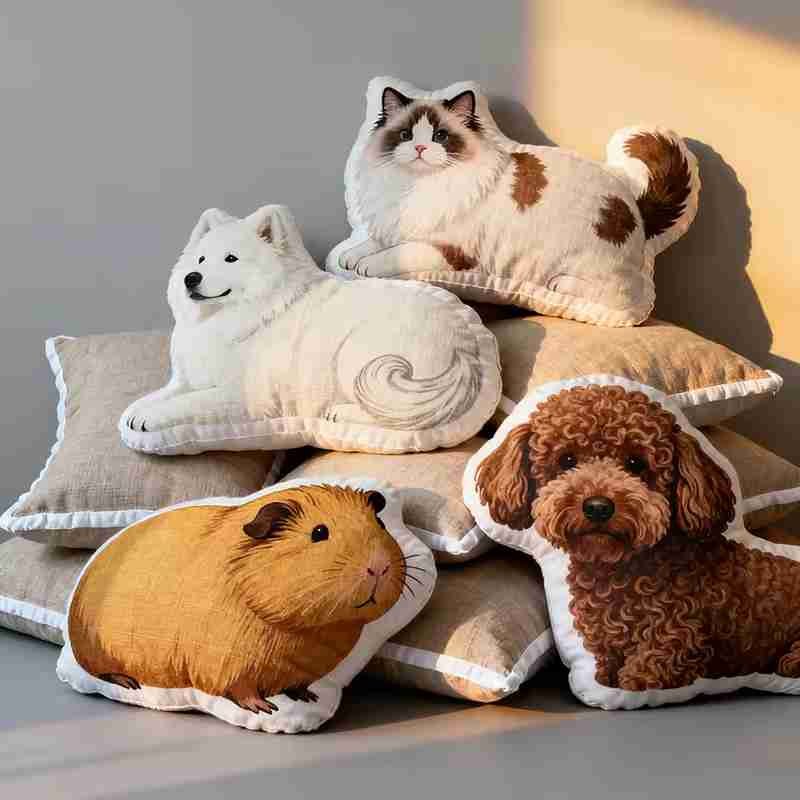
“Plush throw pillow” sounds simple, but the format decisions change everything: unit cost, carton efficiency, return rate, and repeat orders. A sofa pillow for retail needs clean edges and barcode-ready labeling. A character pillow for DTC needs stronger shape recovery and safer packing. Before sampling, it helps to choose the pillow type, size, family, and whether your product is a removable-cover style or a fully sealed plush cushion.
If you want stable bulk output and fewer complaints, start by selecting a pillow format that matches how the item will be used, stored, and shipped. We produce plush home items such as plush pillows, cushions, body pillows, U-shaped neck pillows, nap pillows, and pillow-blanket combos—so you can build a full home lineup from one character or theme.
Below is a practical decision table that procurement teams can use to pick a format quickly:
| Format | Common sizes | Best for | Key risk to manage | Factory control point |
|---|---|---|---|---|
| Square Throw Pillow | 40×40, 45×45, 50×50 cm | retail and gifts | corner shape collapse | inner structure and seam control |
| Rectangular Cushion | 30×50, 35×55 cm | sofa or bed sets | uneven stuffing | weight range and zone stuffing |
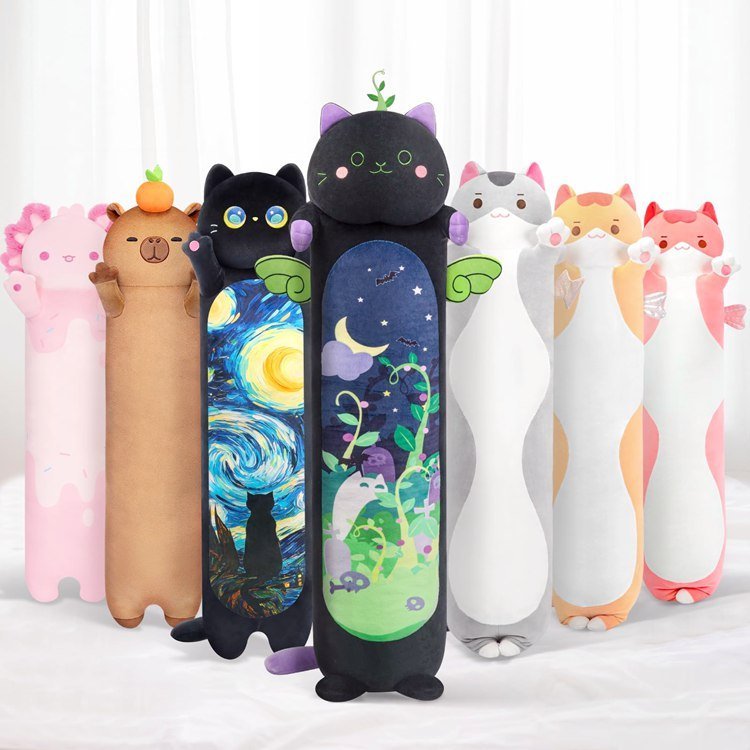
| Body Pillow or Bolster | 20×80, 25×100 cm | hug pillows, character lineups | deformation in transit | anti-compression packing |
| U-shaped Neck Pillow | travel and promo | travel kits | seam stress at curves | reinforcement mapping |
| Pillow-Blanket Combo | folded pillow size | premium gifting | zipper failure or misfold | zipper spec and fold SOP |
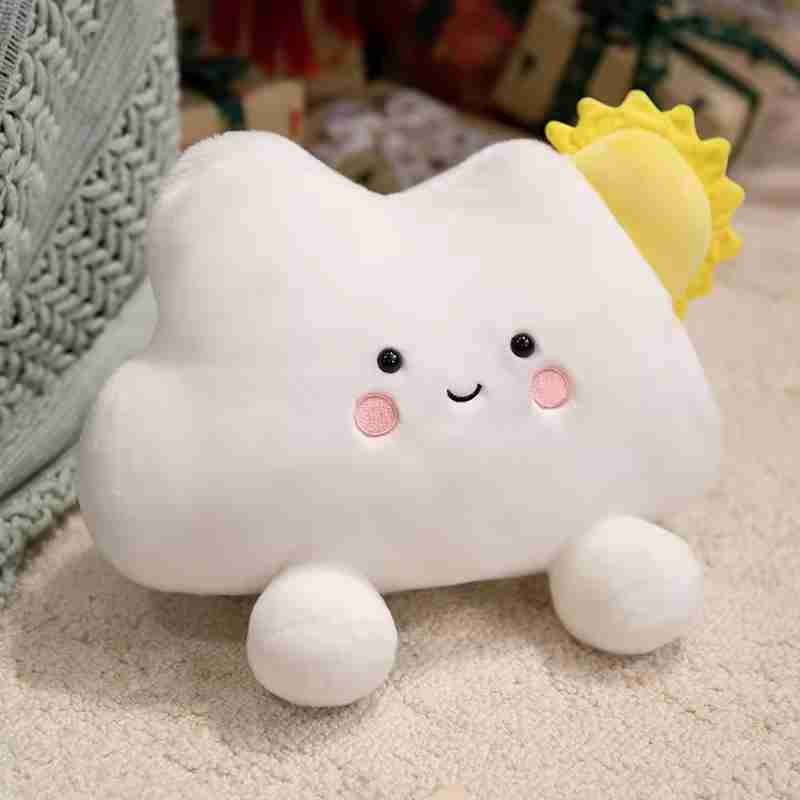
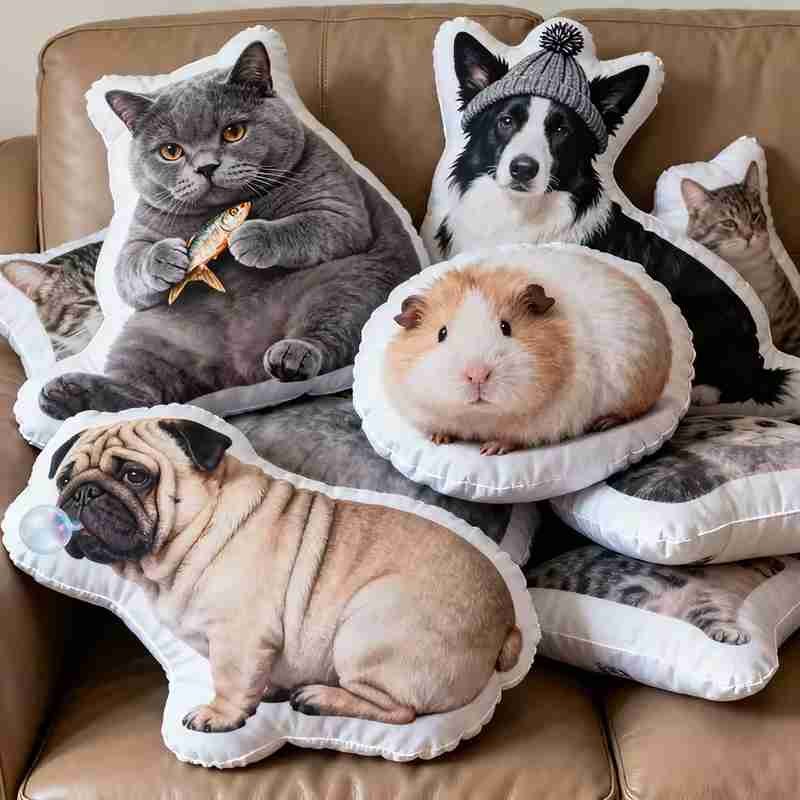
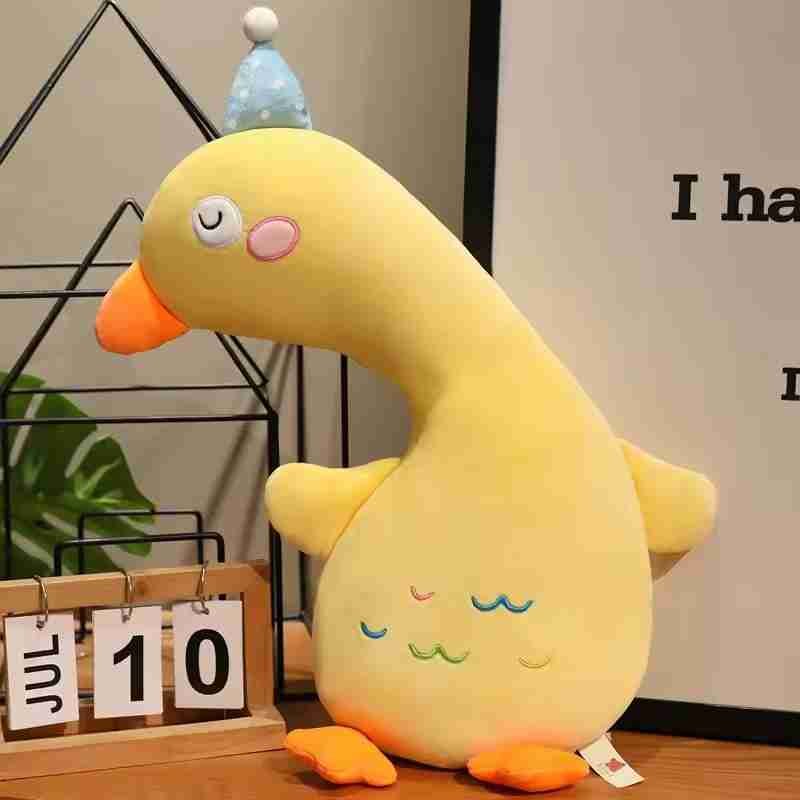
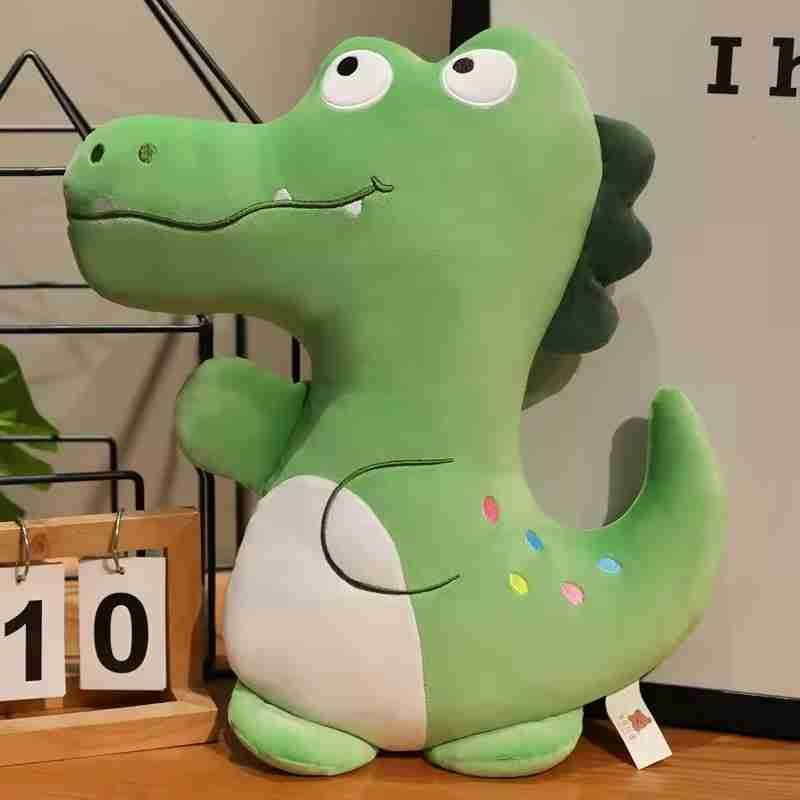
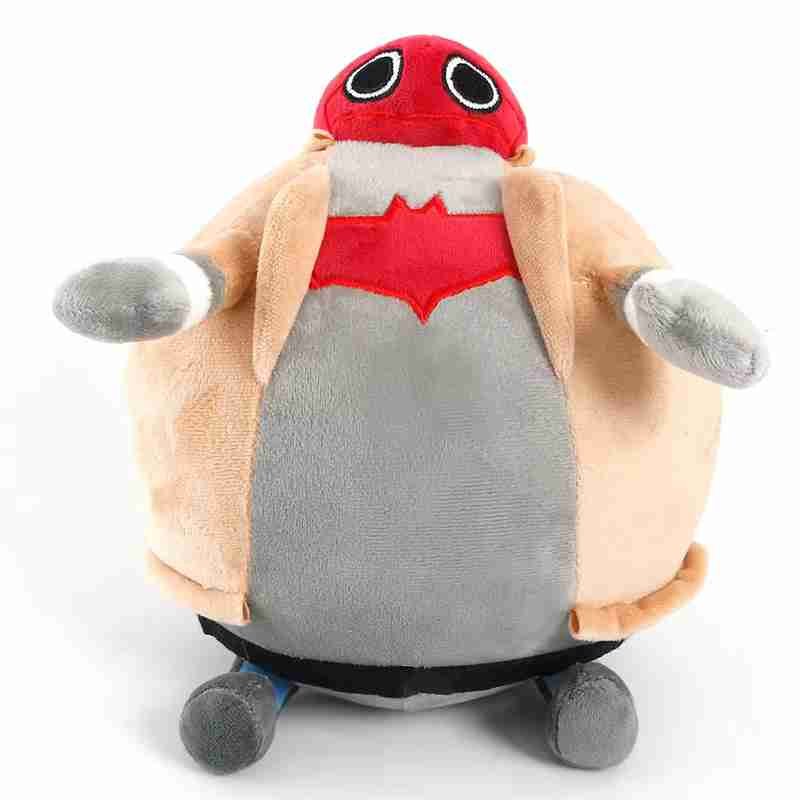
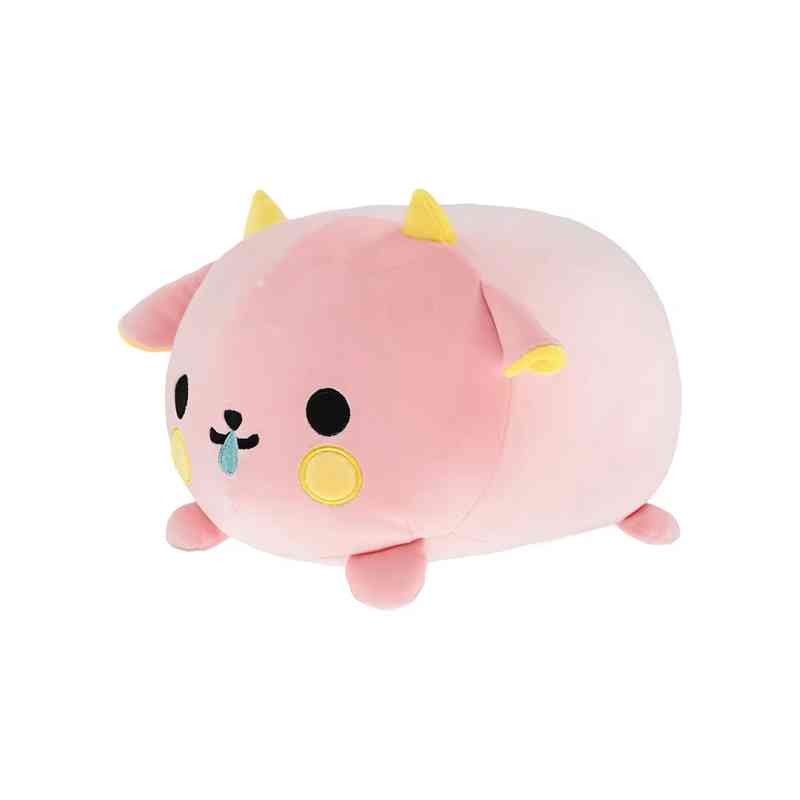
Hand-Feel Control: Softness Stays Repeatable
“Soft” needs numbers. To keep your plush pillows consistent across production batches and reorders, we recommend locking a Material System Sheet before final sampling approval.
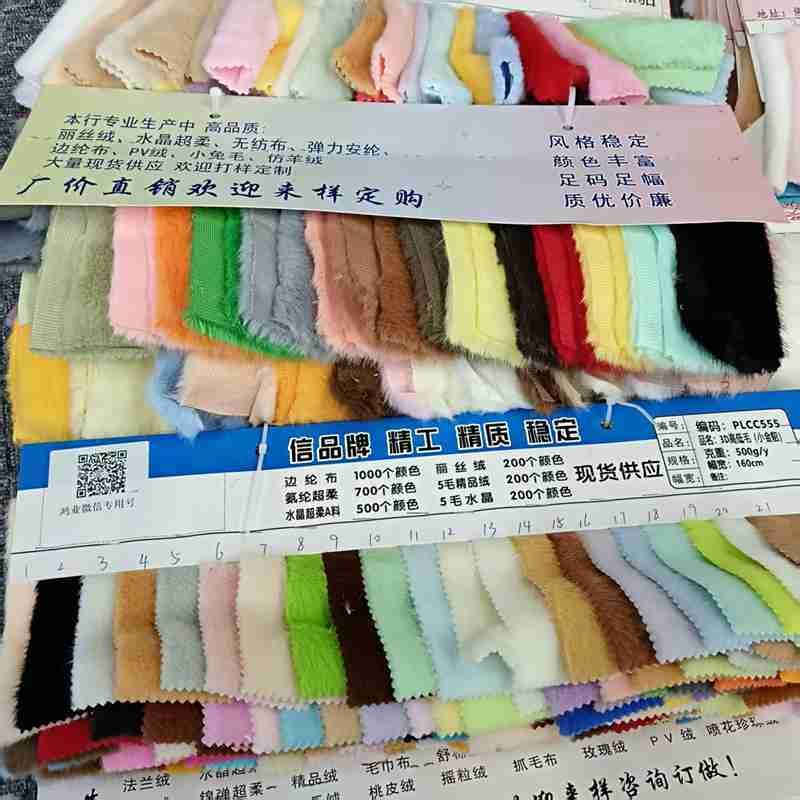
(1) Outer plush fabric (touch and visual).
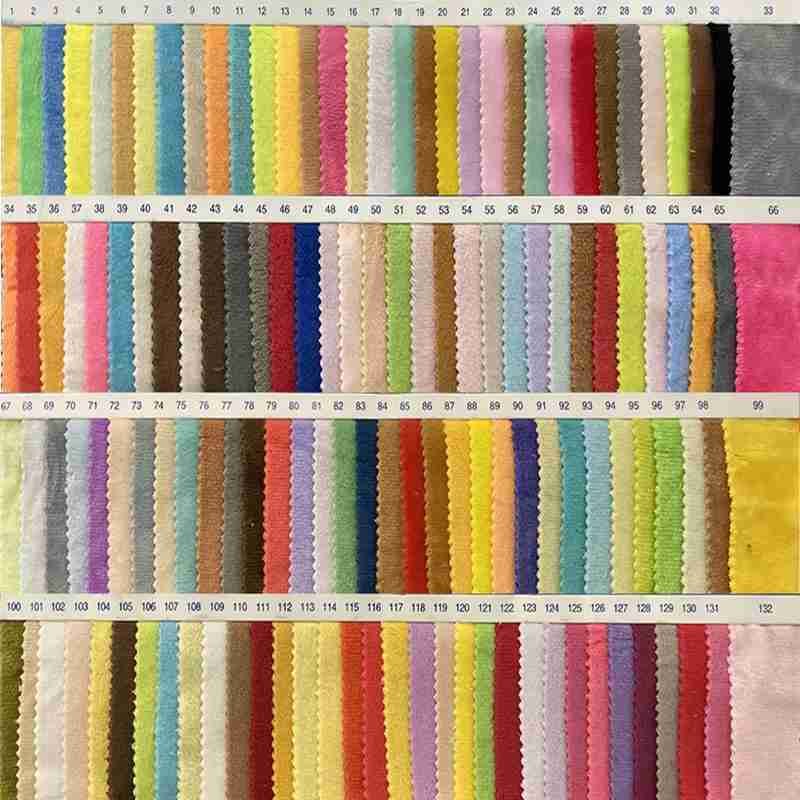
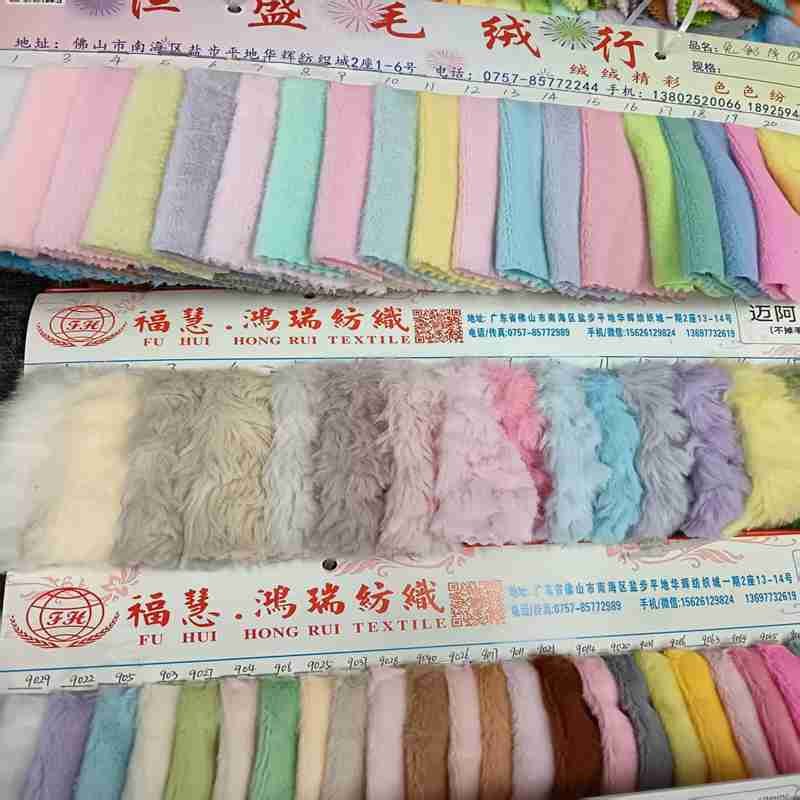
We select fabrics by texture, pile length, GSM, and durability. For throw pillows, two hidden risks matter: pile direction consistency (the same pillow looks different under light) and seam creep (fabric stretches and edges lose shape). A stable program uses an approved fabric shortlist rather than “any similar fabric.”
(2) Filling (value perception and recovery)
We support filling options like standard PP, high-resilience, memory core, and even weighted beads where needed. For pillows, the core decision is: do you want a “huggy fluffy” feel or a “supportive sofa cushion” feel? These require different fiber density and structure. To make it repeatable, define a target net filling weight range and a quick squeeze test at multiple zones.
(3) Trims & label system (retail readiness)
A throw pillow’s quality impression also depends on labels and finishing: woven label, care label, hangtag, and header card. We support a full label system and barcode or SKU labeling for retail and warehouse control.
Shape Recovery: Corners Stay Puffy
Throw pillows get crushed. If your pillow collapses or corners go flat, customers read it as “low quality,” even if the stitching is fine. To reduce this risk, we recommend treating pillow structure as a design decision, not a production afterthought.
Structure option comparison
| Structure type | Feel | Shape recovery | Cost level | Best use |
|---|---|---|---|---|
| Fully stuffed plush | very soft | medium | low–mid | character pillows, gifts |
| Insert and plush cover | customizable | high | mid | retail throws, reorders |
| Core and wrap (firm core and soft layer) | supportive | high | mid–high | sofa support cushions |
| Segmented chambers | even | high | higher | premium, large sizes |
| Weighted base (optional) | stable | high | mid | display pillows, door stop style |
Corner control (the hidden conversion factor). Corners determine whether a pillow looks “full.” If you use a square throw pillow, define corner targets early: sharp corners vs rounded corners. We can implement corner reinforcement rules in the pattern and sewing route, then validate with a simple “corner thickness check” and seam tension scan during QC.
Recovery target (how the pillow bounces back) A buyer-friendly way to define recovery is a “press-and-return” expectation: after a fixed press, the pillow should return to a target thickness range. You can set this as a QC check on random samples.
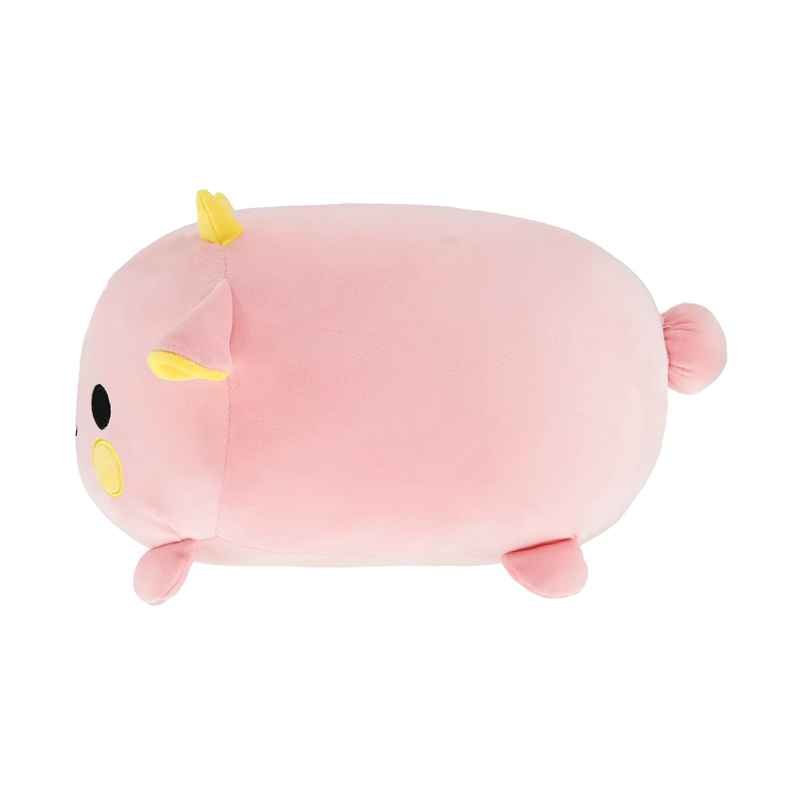
Shipping reality: Large pillows can be shipping-expensive. If vacuum packing is allowed for your market, we can plan safe pack-out rules that reduce carton volume while protecting seams and pile direction. If vacuum packing is not allowed, we control carton stacking limits and choose a structure that resists permanent flattening.
Plush Pillow Branding and Packaging
A plush pillow can be a gift item, a retail shelf product, or a DTC hero SKU. Each channel needs a slightly different packaging and labeling strategy, but the best approach is to keep the product spec stable and adapt the brand layer around it.
(1) Logo & decoration methods
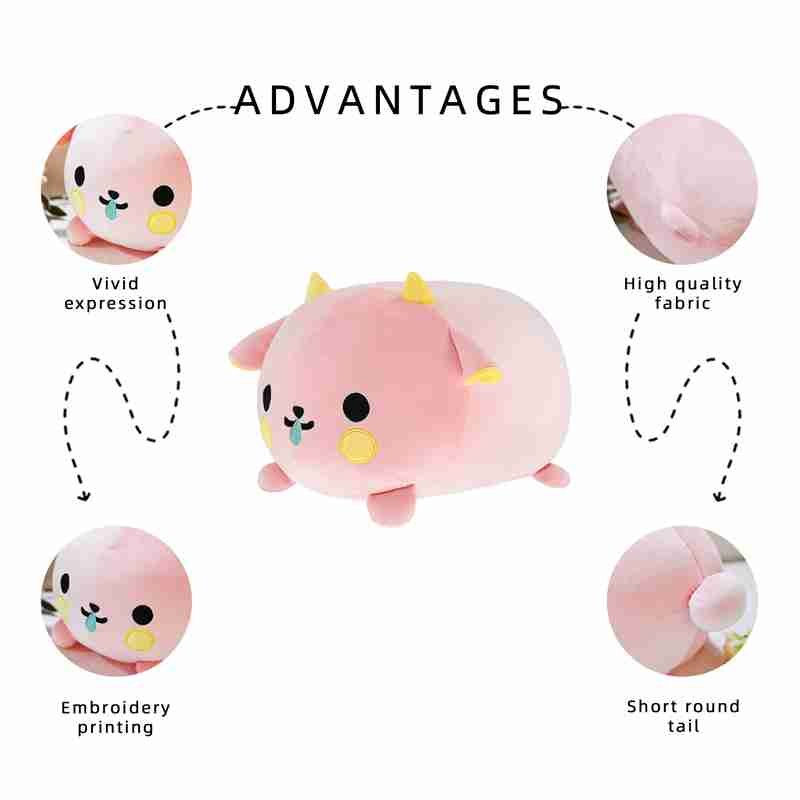
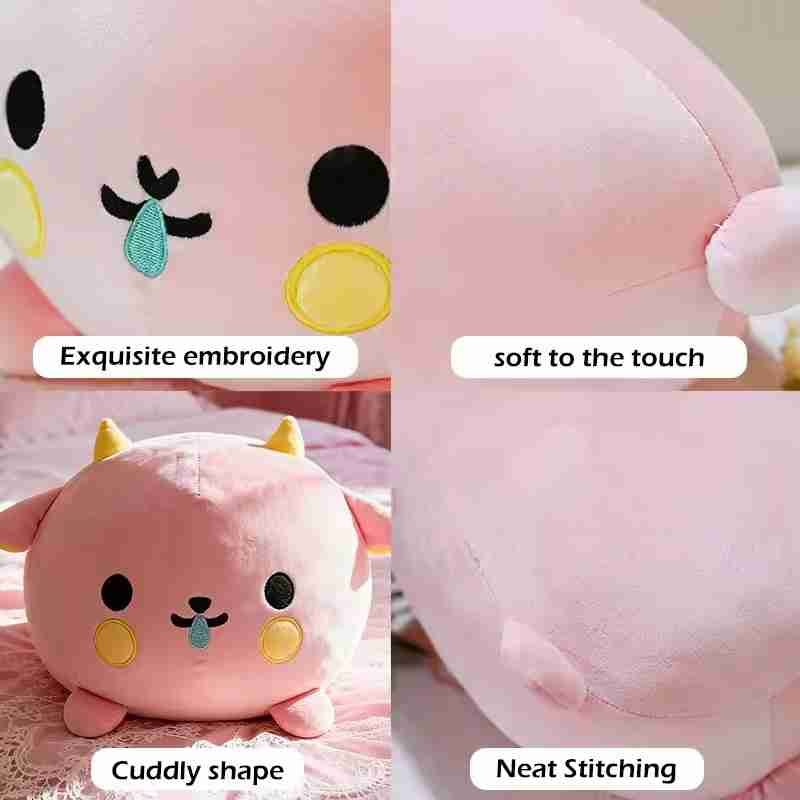
For pillows, buyers often prefer subtle branding: small embroidery, an appliqué patch, or a woven label. We support embroidery, appliqué, and printing logo methods. The decision should match washability and hand-feel. A heavy logo patch can distort the surface on small pillows; a woven label is cleaner and more stable.
(2) Label system (reduces disputes)
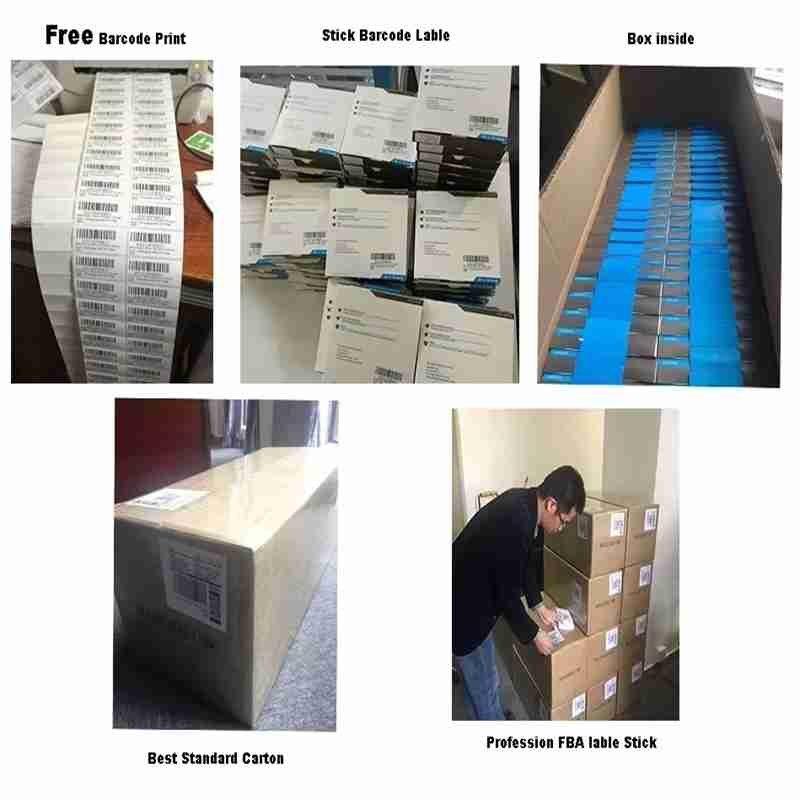
A complete label system supports compliance and reduces returns: woven label, care label, content label, plus hangtags if needed. For procurement, the value is operational: clear materials labeling, consistent placement, and better scan flow.
(3) Packaging options (retail vs gifting vs DTC)
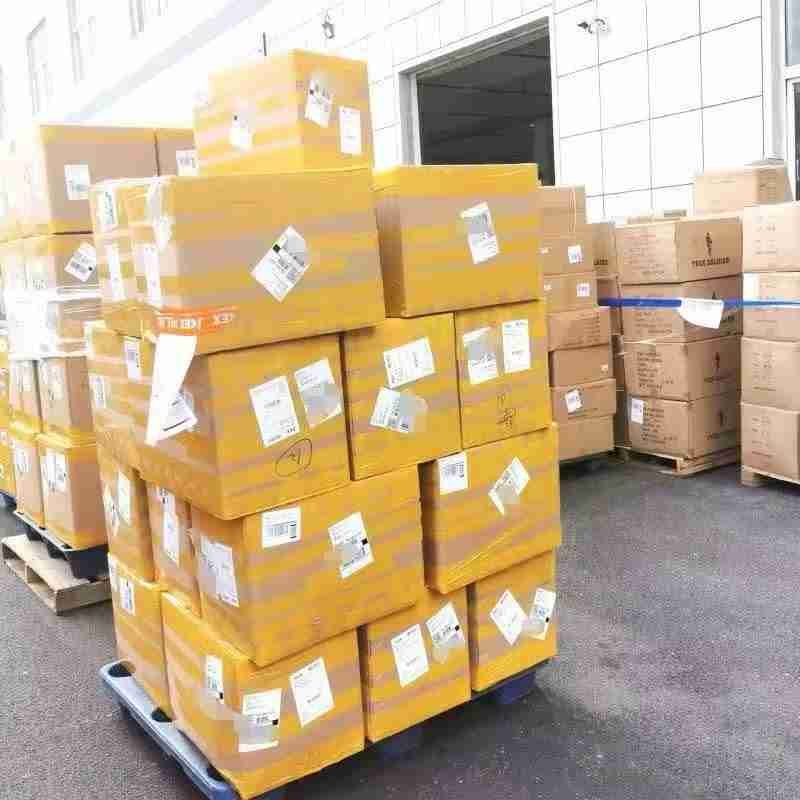
We support branded packaging such as color boxes, gift boxes, and display boxes. For throw pillows, the “right” packaging depends on whether you want shelf display, an unboxing experience, or shipping protection. A DTC pillow may need stronger carton rules; a retail pillow may need cleaner display packaging.
Plush Pillow Fabrics by Channel
When comparing plush throw pillows across channels (gift shops, IP merch, lifestyle retail, e-commerce bundles, hotel programs), the cover fabric is often the first pass or fail factor. In production, cover selection is a material system decision: pile type, base knit, dye or print method, friction and pilling behavior, and seam performance.
(1) Start from touch and friction, not only “soft.”
For daily hugging, common complaints are pilling, “matted fur,” and color dulling. A stable short pile (such as minky-like short plush or crystal velboa) usually stays cleaner than a very long pile. Long pile can look premium in photos, but it is more sensitive to brushing direction and can hide print details.
(2) Match fabric to decoration.
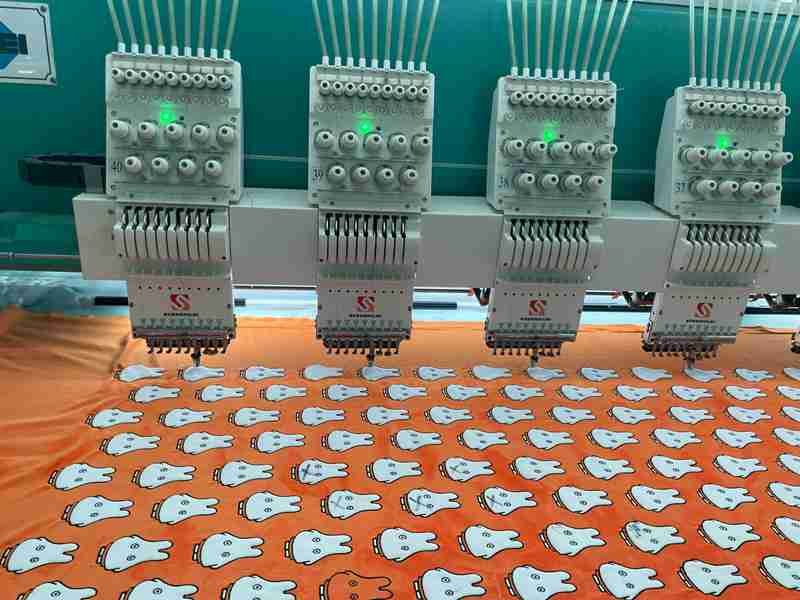
Embroidery needs stability to prevent puckering.
All-over printing needs a smooth face for sharp linework.
Appliqué or patchwork needs clean-cut edges and seam tolerance.
(3) Plan care early.
If “easy to clean” matters, consider a removable cover and insert, or a spot-clean-friendly fabric.
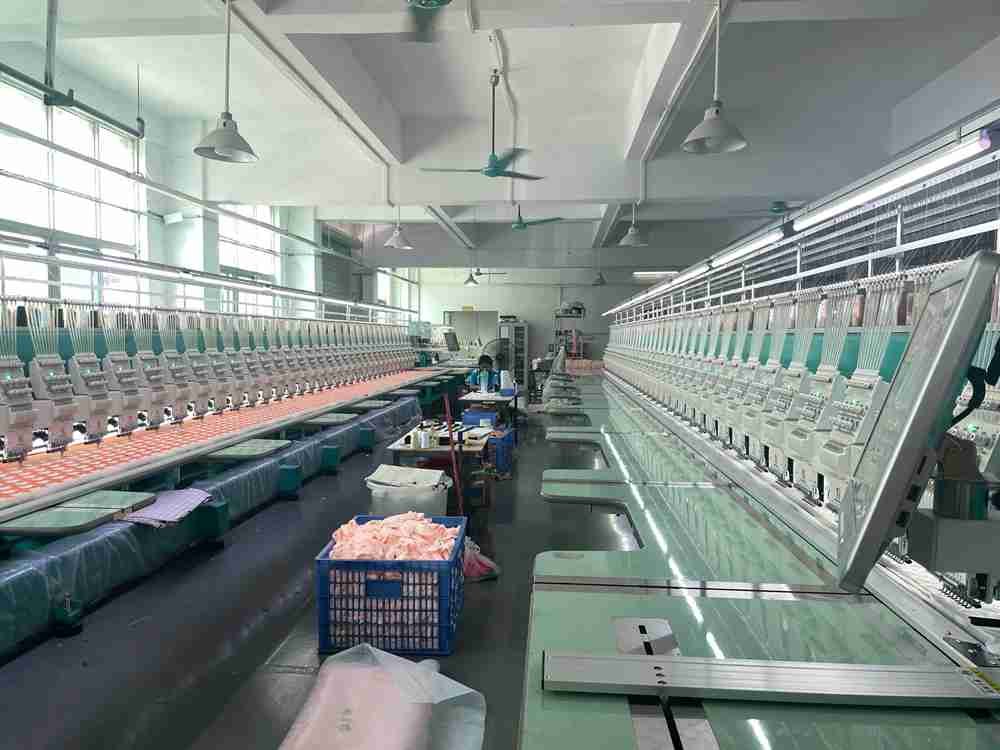
(4) Lock color control for bulk.
Use lab dips or print proofs with a defined acceptance range before cutting.
Pillow Insert Engineering: Stays Fluffy
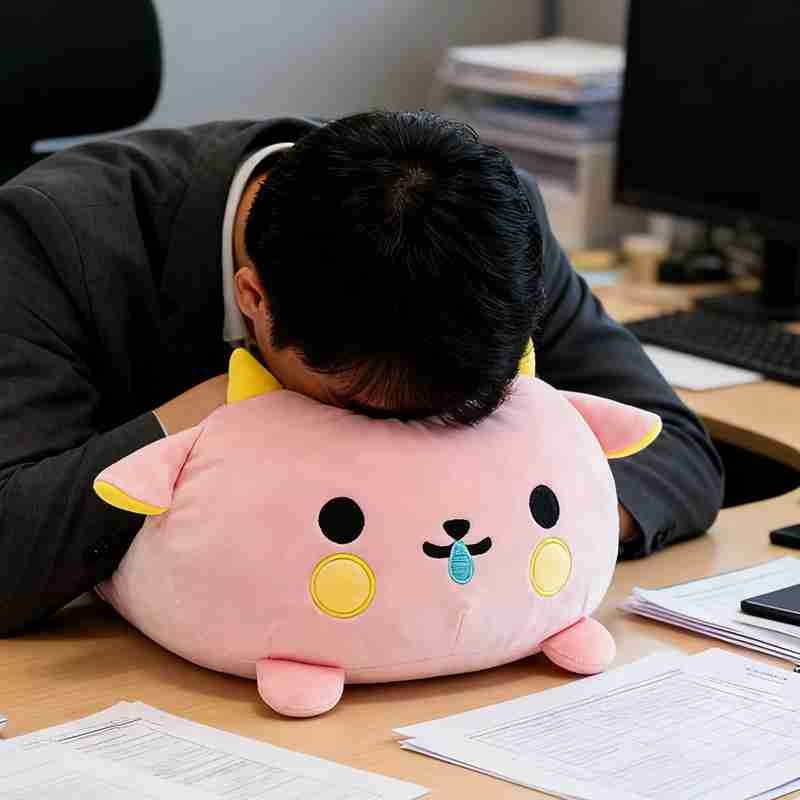
A strong plush throw pillow program usually offers one of three comfort profiles: decor-firm, cuddle-soft, or premium-structured. Each profile maps to a different insert plan.
(1) Standard PP cotton filling.
This is the workhorse option for cost control and stable bulk production. The key is not “PP cotton” as a name—it’s fiber grade, fill weight, and distribution method. If the fill is under-loaded, the pillows look flat in cartons and never recover. If overloaded, seams stress, and the pillow feels hard. We recommend locking a target finished thickness range and using a consistent stuffing method so the “hand feel” stays stable.
(2) Down-like filling for softer drape.
This works well for cuddle pillows and “sink-in” comfort. It can feel premium, but it is more sensitive to migration (fiber shifting) and may need a better inner liner fabric to keep loft stable over time.
(3) Memory foam core.
When your design must hold a specific silhouette—like a character head with clean edges, a geometric shape, or a pillow that should not slump—memory foam (or other shaped foam) can be used as a core. This is also useful for reducing customer complaints about “losing shape.” The trade-off is cost and packing: foam may need a packing plan that prevents permanent creasing.
(4) Weighted pellet zones.
For certain styles, a light base weight improves “sits nicely” behavior on couches. Weighting must be done safely: pellets should be enclosed in inner bags, and the seam strength around the weight zone should be reinforced.
Plush Pillow Branding and Gift Packaging
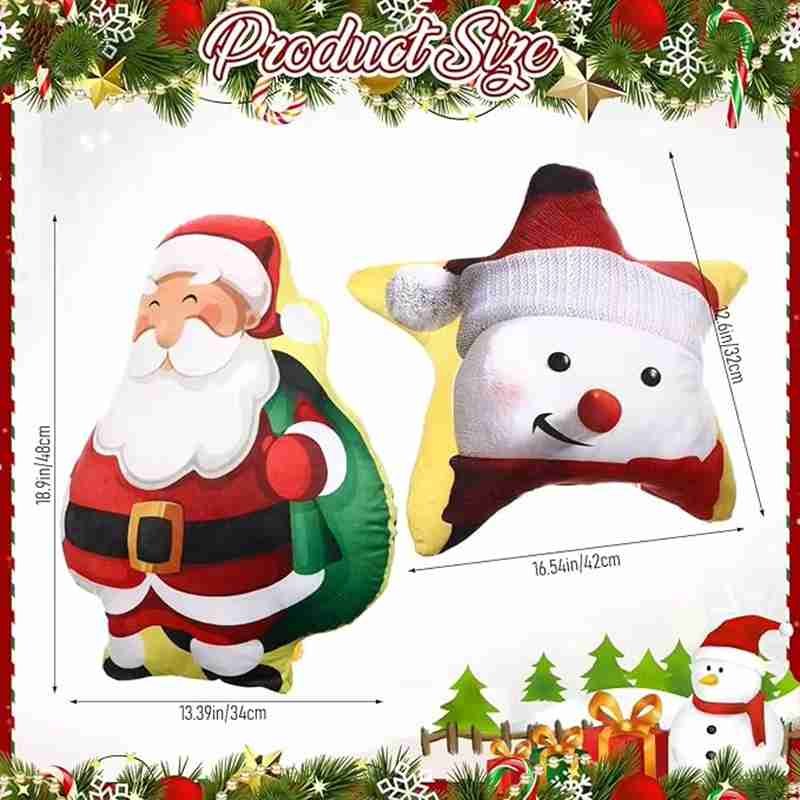
(1) Embroidery: premium feel, but manages distortion.
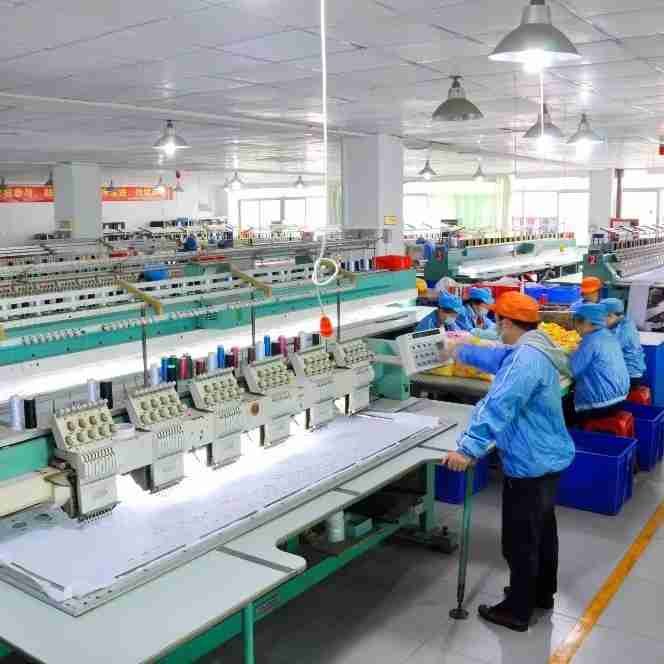
Embroidery looks high-value on plush, but plush pile can hide stitches, and stretchy covers can pucker. The solution is to define embroidery as a “system”: stitch density, backing, hooping rules, and placement tolerance. For character pillows, we often recommend embroidery for eyes and mouth if you want a stable facial expression across batches.
(2) Printing: best for complex art, but choose the right face fabric.
All-over patterns, gradients, and detailed illustrations are often better printed than stitched. Printing becomes risky when the fabric face is too textured or when the pile direction changes the perceived color. If print clarity matters, use a smoother face fabric and confirm print proofs against your target lighting assumptions.
(3) Appliqué or patchwork: strong merch look, needs seam planning.
Patches and appliqué can create “3D merch value,” but they add seam layers. You must plan the seam routes, keep edges clean, and avoid hard edges that irritate skin if the pillow is hugged.
(4) Labels & compliance basics.
For B2B programs, you usually need: brand label, care label, material composition, origin marking, and sometimes safety messaging (especially if the pillow is part of a kids’ line). Build the label file early so sampling doesn’t stall later.
(5) Gift packaging and shipping protection.
Plush pillows are volume-heavy. Packing is a trade-off between freight efficiency and “arrives fluffy.” Options include a polybag and insert card, or a gift box for a premium. If you use compression packing, add a recovery instruction card and test that the pile does not stay permanently creased.

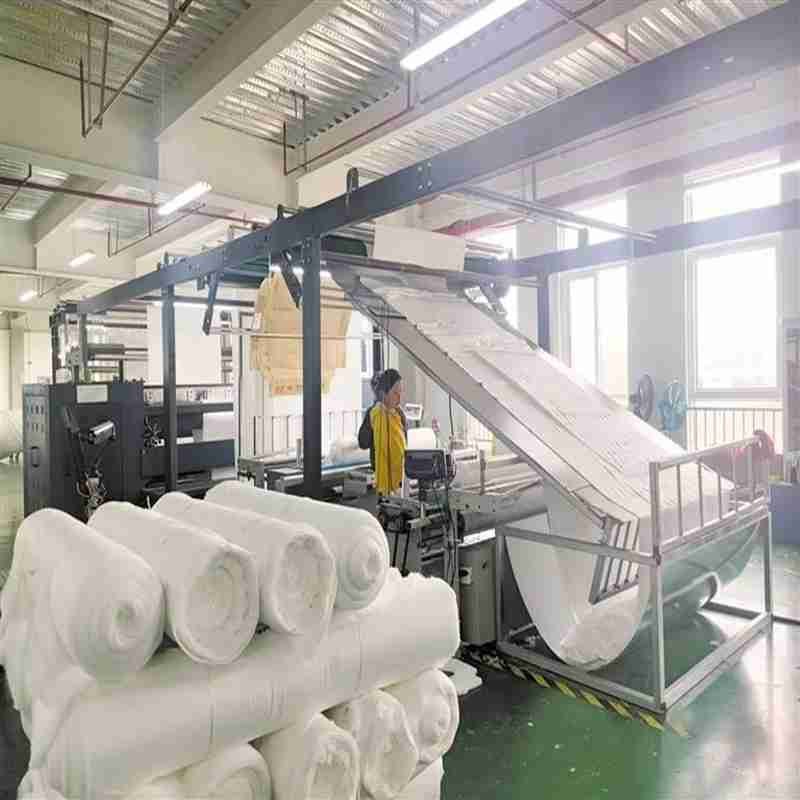
Plush Pillows: RFQ to Mass Production
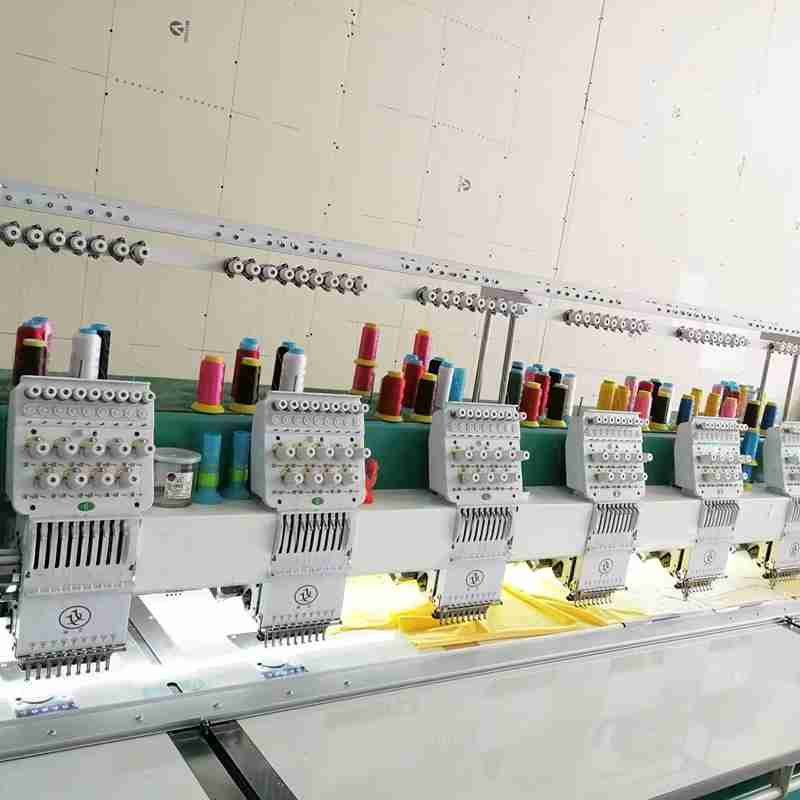
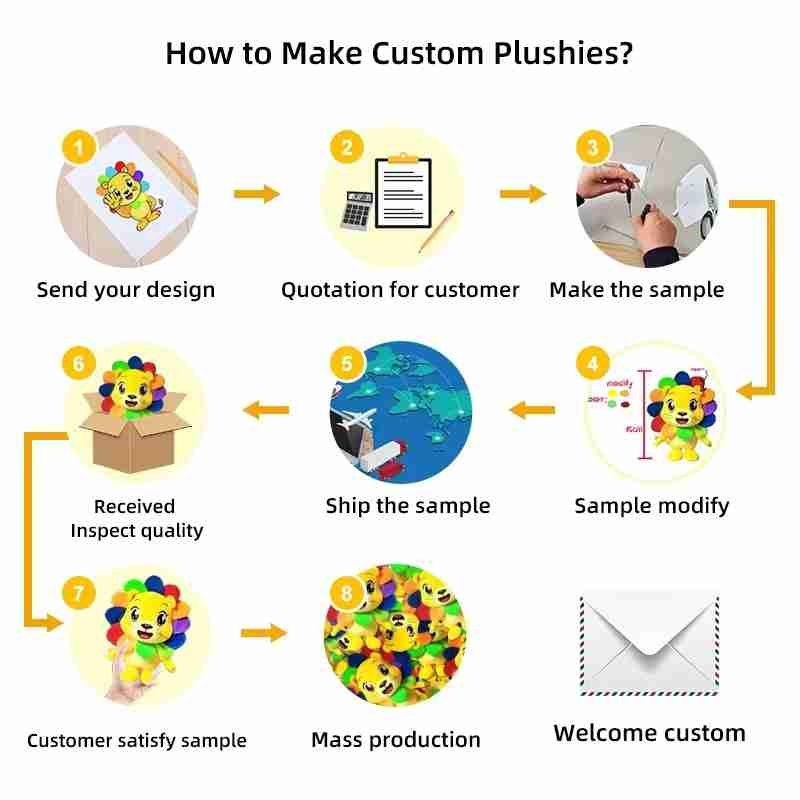
Here is a practical, B2B-friendly workflow you can mirror when sourcing custom plush throw pillows:
Step 1 — RFQ clarity pack.
Provide: target size, usage scenario, target handfeel (soft or firm), cover fabric direction, decoration method, packaging type, and channel constraints. If you sell online, add a requirement for “arrives fluffy” and define whether you accept compressed packing.
Step 2 — Feasibility and cost breakdown.
Before making a sample, confirm: cover fabric availability, print/embroidery feasibility, insert fill plan, and any risk points (sharp corners, complex shapes, removable cover zipper specs). A feasibility review saves time and prevents “sample looks good, bulk fails.”
Step 3 — Sample build with measurable standards.
We convert your requirements into factory-executable specifications, not only visual references.
Key sample records should include: cover material code, insert weight, finished thickness target, seam allowance, stitch type, embroidery/print file version, and packing method used during shipment.
Step 4 — “Golden sample” lock and pre-production alignment.
Once you approve the sample, lock it as a golden reference. Then run a pre-production alignment: confirm fabric roll direction rules, cutting layout, insert weight tolerance, and decoration placement tolerance. This is where you stop drifting before it starts.
Step 5 — In-line QC and final checks.
Plush is easy to make once, but hard to keep consistent. That’s why quality control must cover incoming materials, in-process, and packing.
Recommended checkpoints for pillows:
- Cover fabric shade or pile direction checks
- Insert weight tolerance per size
- Seam strength in stress zones (corners, zipper ends)
- Visual symmetry checks (especially for character faces)
- Compression packing simulation + recovery check
Step 6 — Packing rules for clean arrival.
Define carton marks, polybag thickness, insert cards, and vacuum/compression limits. Pillows are sensitive to “looks flat on arrival,” so packing is part of product quality, not an afterthought.
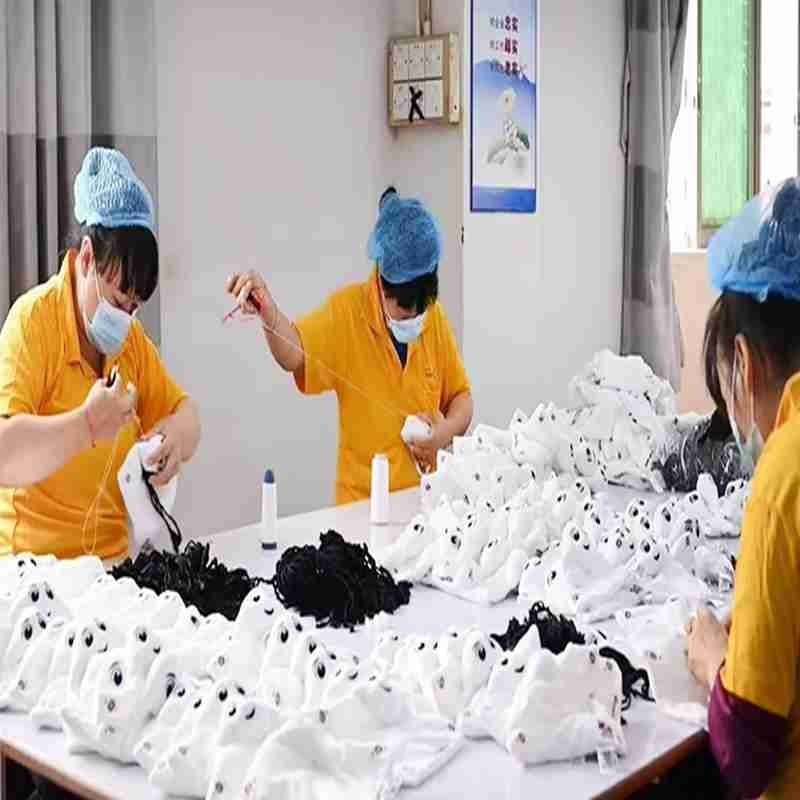
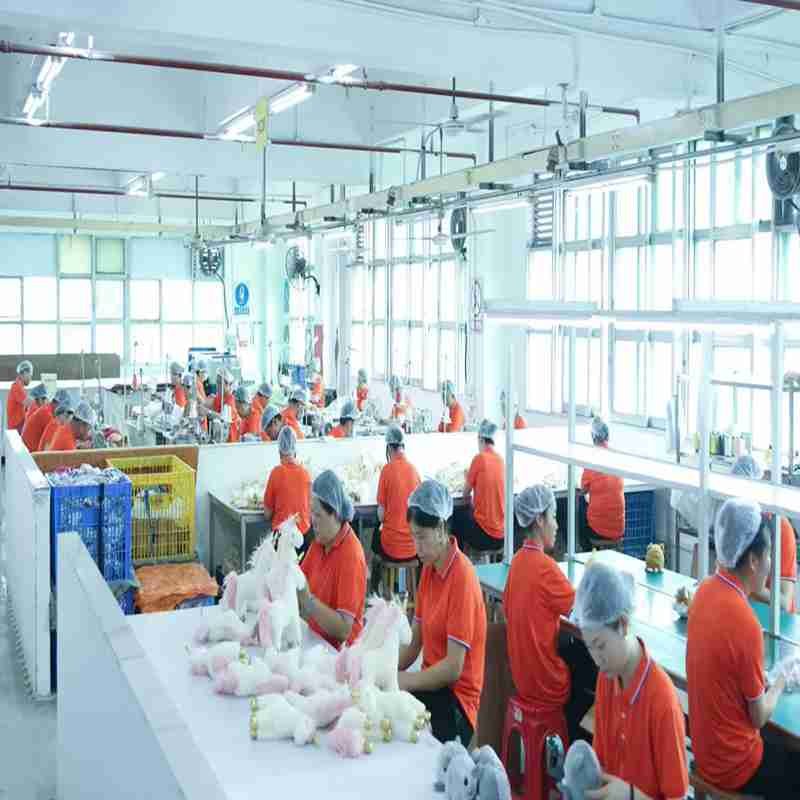
Production Planning: Predictable Bulk Lead Times
Plush throw pillows look “easy” until you scale to bulk: multiple sizes, multiple colorways, inserts vs sewn-closed builds, and packaging that must arrive shelf-ready. The difference between a smooth launch and a delayed one is not luck—it’s milestone planning, version control, and early decisions on what can change (and what must not). We manage pillow projects with a clear timeline from sample to shipment, plus progress updates and risk alerts so you can plan marketing drops, warehouse receiving, and reorders with confidence.
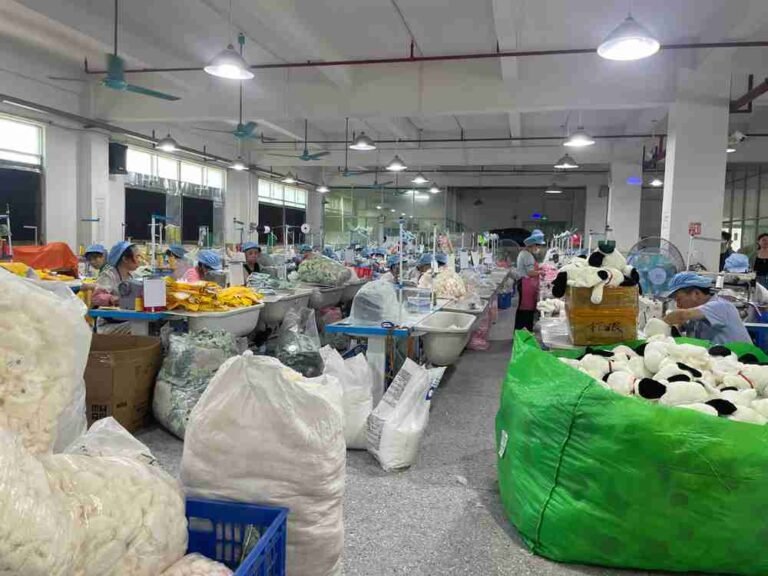
This step prevents most approved sample vs bulk drift:
Locked spec (no change after approval): cover fabric code, insert structure, size tolerance, embroidery or print file version, seam allowance rules, packing method.
Flexible spec (change only with recorded impact): hangtag artwork, carton print, seasonal color updates, bundle configuration.
We use version control for sample revisions and BOM so production always follows the correct file and avoids mixing old and new specs.
Build a milestone timeline
Use checkpoints that trigger decisions:
RFQ confirmation: size, hand-feel level (soft, medium, firm), cover type, insert type, branding method, packaging
Sample rounds: confirm hand-feel and shape recovery
Golden sample lock: becomes the bulk reference
Pre-production alignment: cutting direction, insert weight tolerance, logo placement tolerance
Bulk production: inline QC and packing checks
Shipment readiness: packing proof, carton marks, batch ID, pre-shipment photos if needed
Keep SKUs stable
Control cost by limiting SKUs: one core size (45×45 cm) plus one premium size (50×50 cm), limited color waves, and standardized inserts (only covers change).
Anti-Deformation Packaging: Arrive Fluffy
Throw pillows are volume-heavy, so the best packaging plan balances freight efficiency with shape protection.
(1) Unit packaging
Common options: OPP or PE polybag, ziplock bag, dust bag, plus hangtag or backer card when needed.
For retail, clean presentation and barcode placement matter.
For DTC, surface protection and carton stability matter more.
(2) Set packaging
Pillows can be packed as 2-pack or 3-pack sets or gift bundles. The key control point is set accuracy: the correct mix goes into the correct carton with clear labels.
(3) Carton plan
A carton plan should define:
Single-layer vs multi-layer packing
Dividers or individual bagging
Corner protectors or cushioning material
Anti-compression supports for large items.
Vacuum or compression packing can reduce shipping volume, but it must be tested for shape recovery and crease risk.
(4) Carton marks and receiving
Carton marks should match warehouse needs: carton sequence, gross and net weight, dimensions, handling marks, and printed cartons if required. Packing-proof photos (unit, set, master carton) and batch ID help reduce receiving errors.
Plush Pillow Testing: Lock Quality Standards
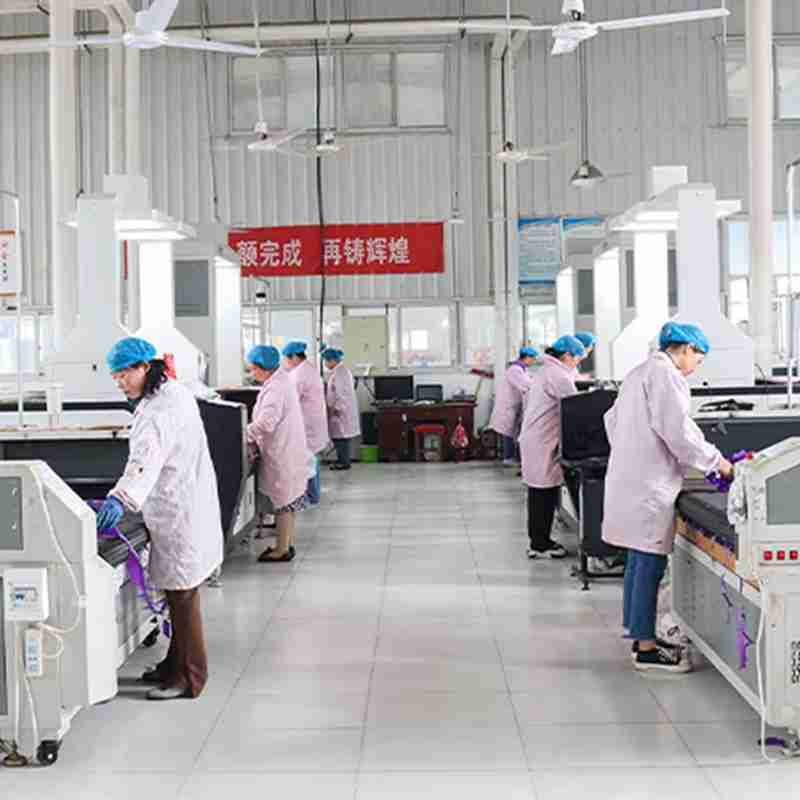
Throw pillows sit in homes, get hugged, and sometimes end up in kids’ rooms. That means quality is not only “looks good.” It’s durability, shedding control, pilling control, color matching, and safe accessory choices when applicable. A good supplier should translate quality into clear standards: fabric GSM/pile specs, hand-feel levels, recovery targets, accessory pull tests, and inspection stages (incoming → in-process → final → outgoing). Below is a practical checklist you can use to reduce recalls and customer complaints.
Instead of vague promises, turn pillow quality into measurable controls. Here are the standards that matter most for custom plush throw pillows:
(1) Fabric durability and appearance retention
Fabric GSM and pile length spec
Color matching standard (Pantone or approved swatches)
Shedding control (brush or pull checks)
Pilling control standard
Abrasion resistance check
Post-wash appearance retention when needed
These factors drive “still looks new” feedback.
(2) Hand-feel and shape recovery
Filling weight spec and evenness (no voids or hard spots)
Hand-feel levels (soft, medium, firm)
Recovery standard
For online sales, add a simple compression simulation: confirm it recovers after shipping-like pressure.
(3) Safety and accessory security
If the pillow includes zipper pulls, patches, buttons, or loops, define:
Small-parts detachment checks
Sharp-edge checks for hardware or pulls.
Cord or loop length checks for kids’ items
For kids’ programs, use more conservative parts and stricter pull-test rules.
(4) Inspection stages for bulk consistency
Use a clear flow: IQC, FAI, IPQC, FQC, OQC, with AQL sampling when applicable. This helps prevent “sample OK, bulk drifts later.”
Decision FAQ: RFQ Checklist for Procurement
(1) Copy-paste RFQ checklist
Send these 12 items to reduce sampling cycles:
Pillow type: square, rectangle, body pillow, combo
Target size and tolerance
Hand-feel: soft, medium, firm
Cover fabric preference (or “recommend 2–3 options”)
Decoration: embroidery, print, patch, woven label
Insert: sewn-closed, removable cover and insert, core and wrap.
Filling weight range (or “recommended by size”)
Color standard: Pantone or swatches, acceptance rule
Packaging: unit pack and carton plan
Labeling: barcode, batch ID, warning label if needed
Order quantity and reorder plan.
Shipping mode and arrival goal (arrive fluffy, no compression)
(2) Fast decision matrix
Insert type: sewn-closed costs less; removable cover reduces returns.
Cover fabric: standard short plush costs less; stable, smooth face lowers pilling and improves print.
Branding: woven label is low risk; controlled embroidery or patch lifts value.
Packing: multi-layer cartons save space; dividers and anti-compression protect shape.
(3) Key decision FAQs
Removable covers help if “easy to clean” matters.
Prevent flat arrival with anti-compression cartons and a recovery check.
Focus tests on shedding, pilling, abrasion, recovery, filling evenness, and color match.
Multiple colorways stay stable with swatch or Pantone standards before cutting.
Woven labels and controlled embroidery are stable; printing needs a smooth face and approved proofs.
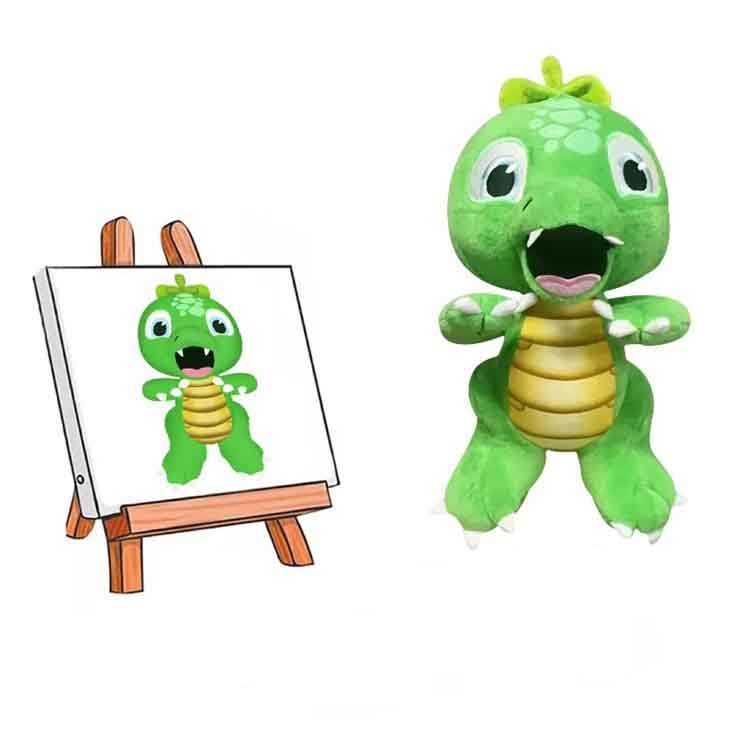
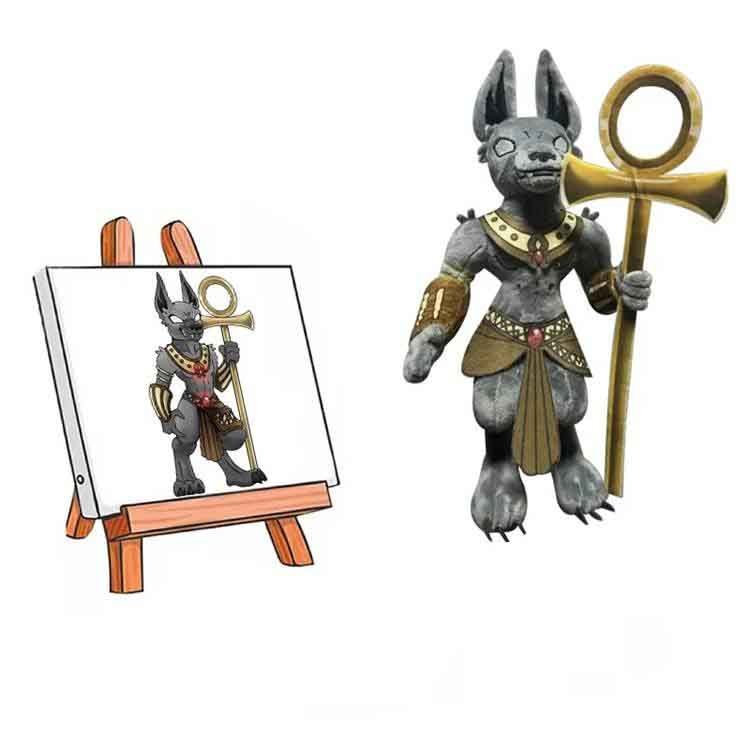
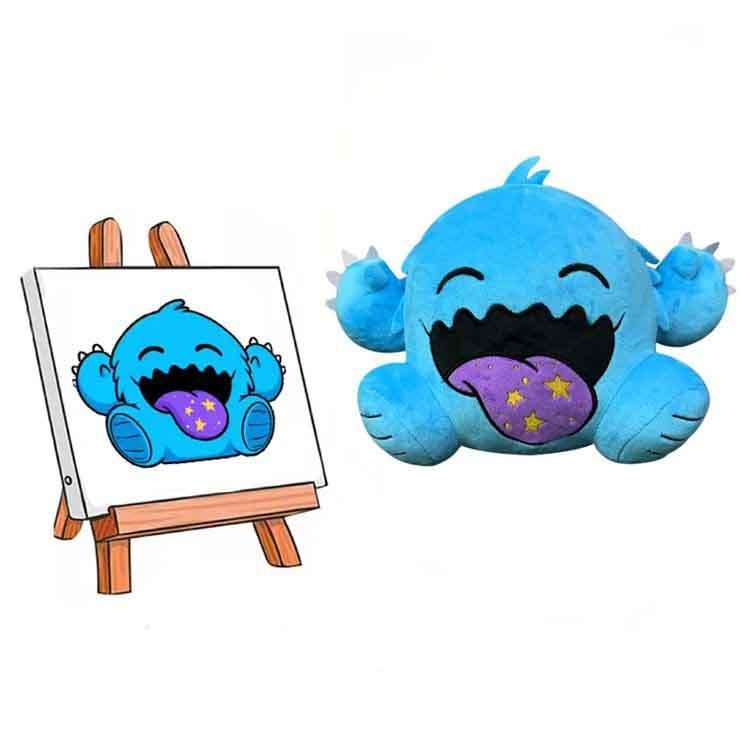
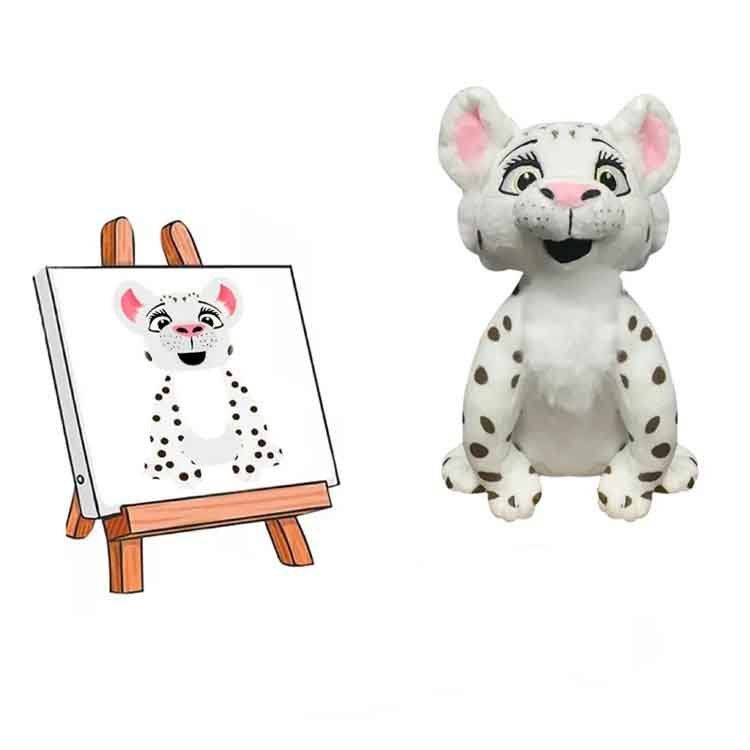
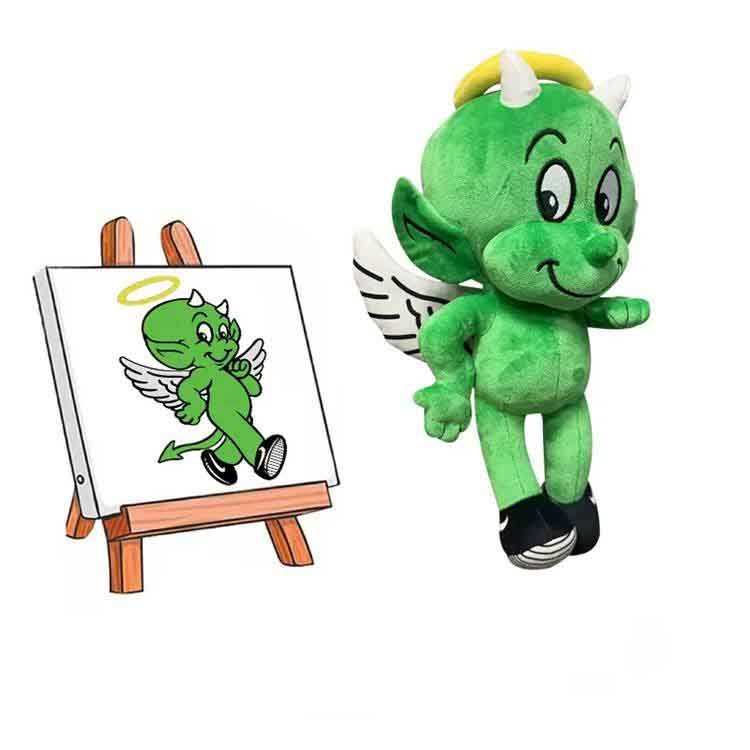
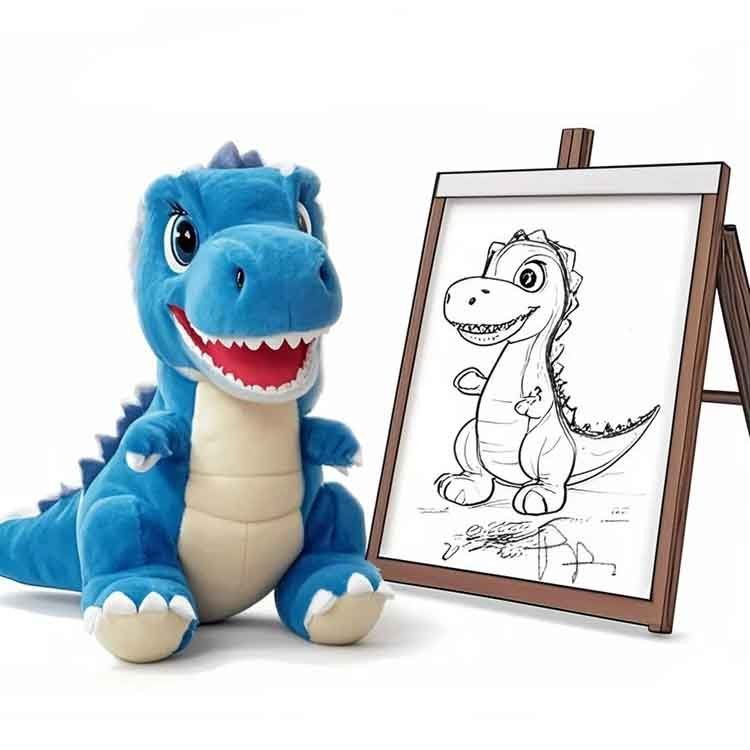
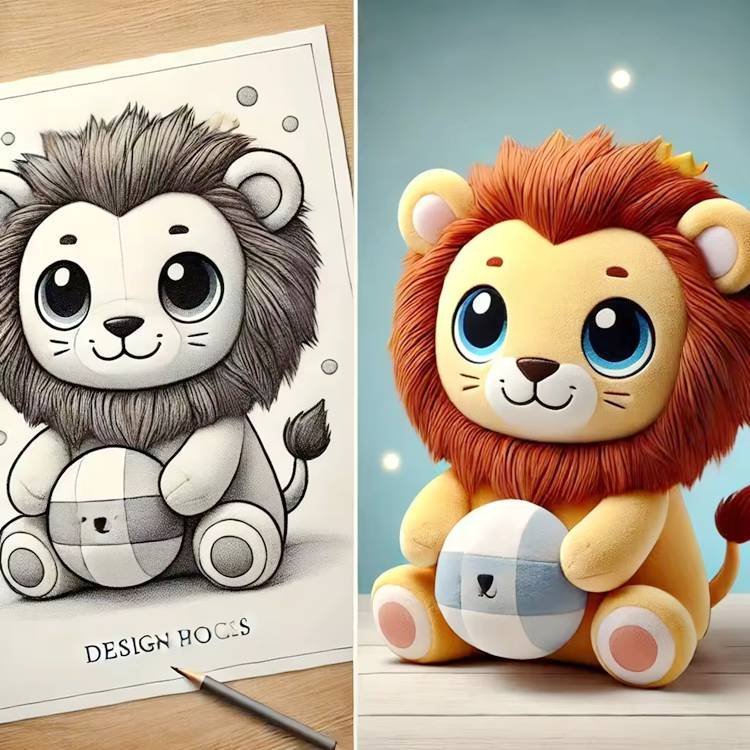
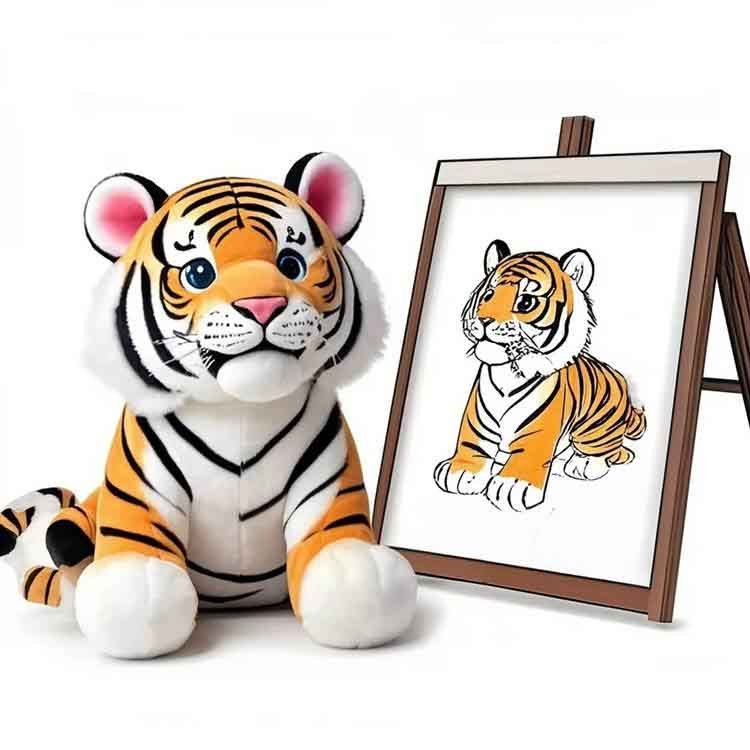
Request a Custom Sample First?
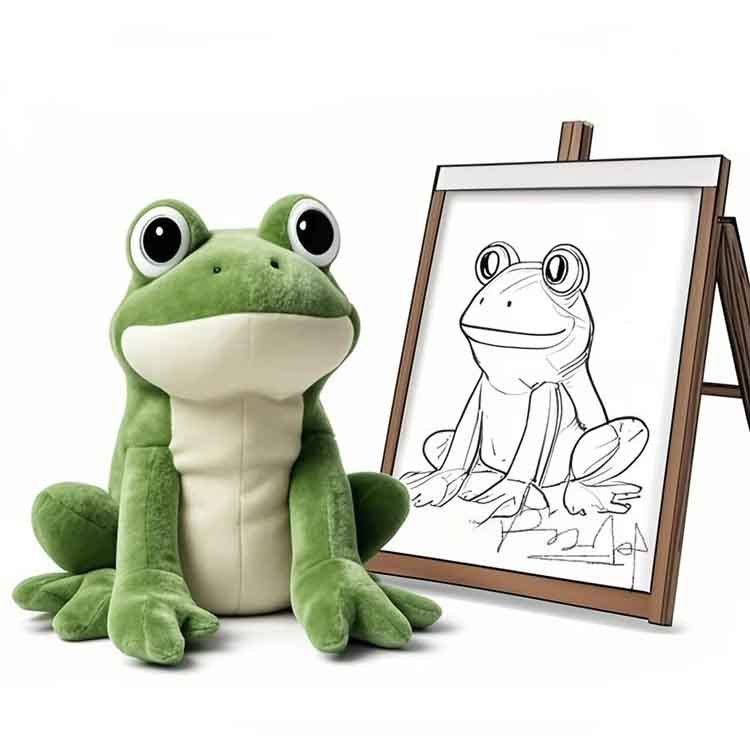
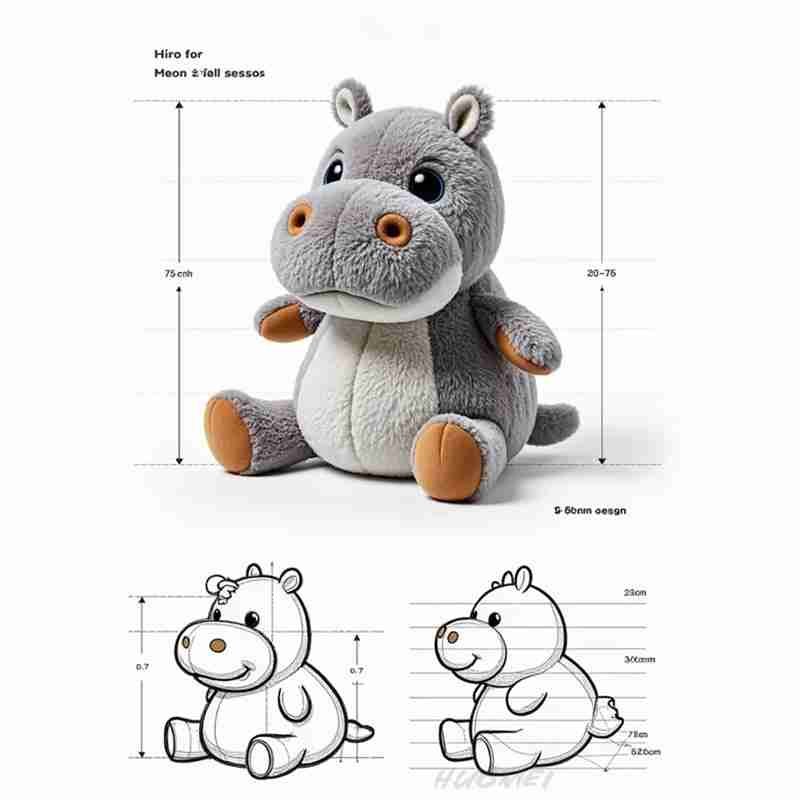
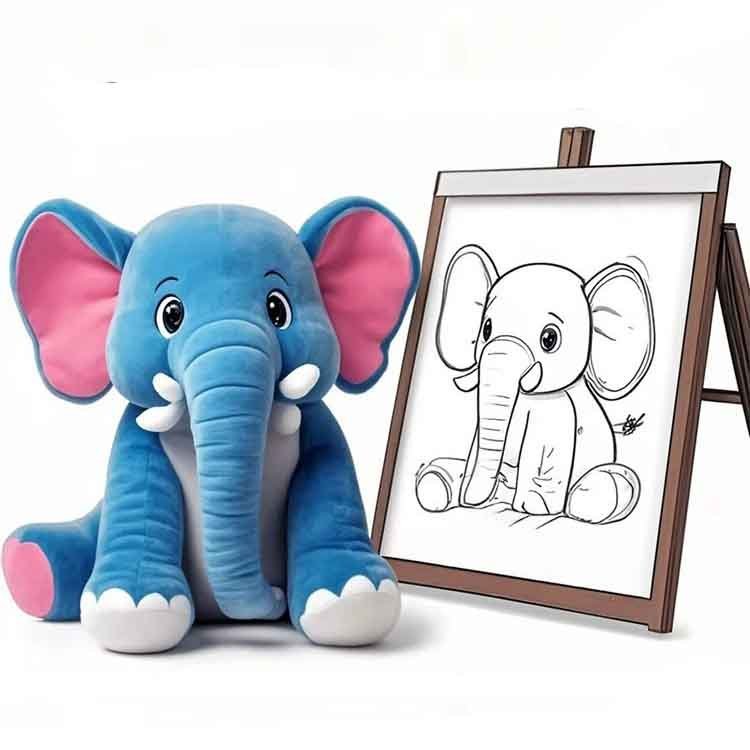
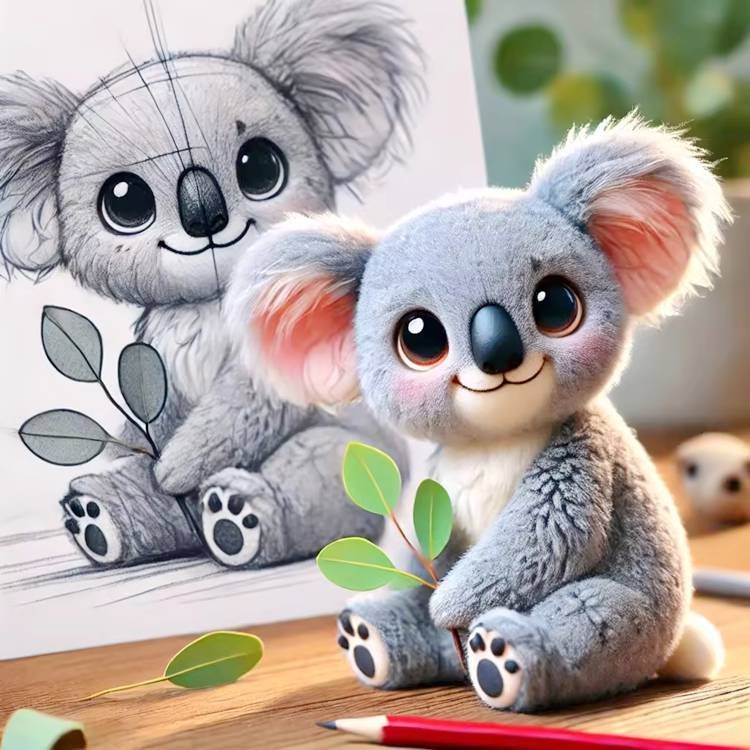
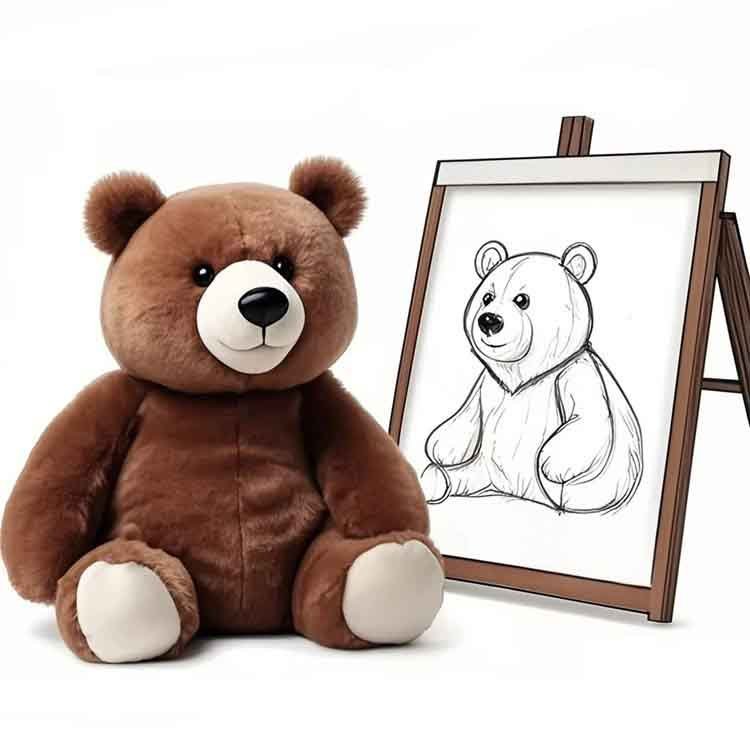
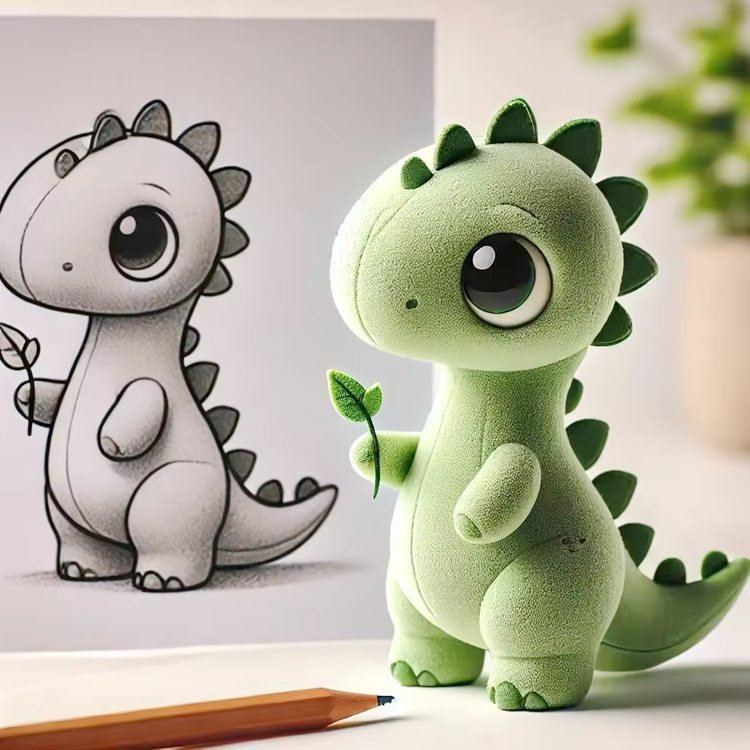
If you have artwork, logo files, or even just an idea, please share your project details—size, target fabric, color reference, and customization requirements. We’ll recommend suitable materials and provide a clear sampling plan to bring your custom plush toy design to life.
What Makes Our Custom Plush Production Reliable for B2B
Trust is built through predictable execution—clear approvals, documented specs, quality checkpoints, and packing confirmation. We focus on making your plush project easier to manage and safer to scale.
For B2B customers, “reliable” plush production is not about making one nice sample—it’s about delivering repeatable bulk quality, stable lead times, and clear project control from artwork review to shipment. What makes our custom plush program dependable is the way we manage the details that most often cause problems in mass production: face accuracy, proportion stability, embroidery/printing consistency, stuffing weight and firmness control, and secure attachment for keychains, clothing, and accessories.
We build reliability through a structured workflow: we confirm a practical spec checklist before sampling, document revision notes, and lock the final approval sample as a golden standard for production. During manufacturing, we apply multi-stage QC checkpoints (not just a final check) to prevent drift early, especially in character-critical zones like the face and silhouette. Before shipment, we also verify packaging and labeling—including hangtags, barcode/SKU labels, care/warning labels, and carton marks—so your receiving and retail handling are smoother and your products arrive with less risk of deformation.
Process Proof
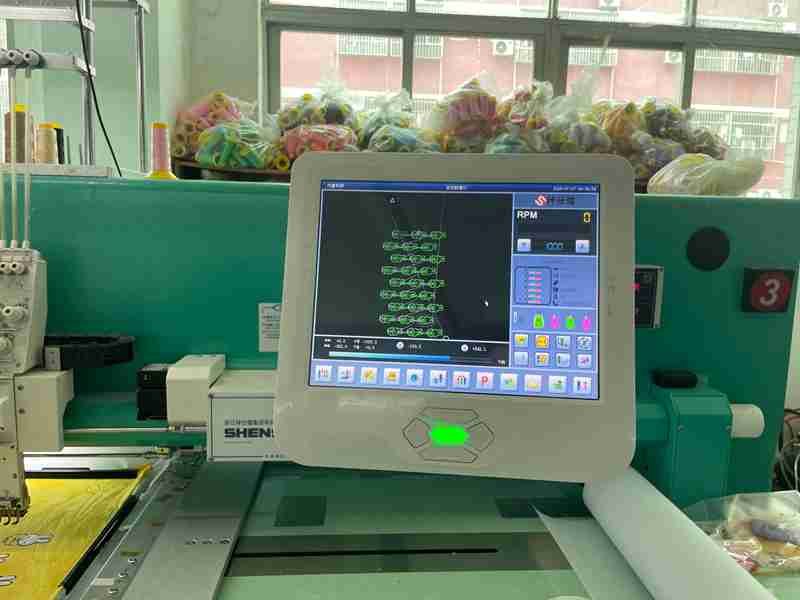
- Clear sampling-to-production approvals (prototype → revisions → final approval sample)
- Spec confirmation before bulk production (size, materials, logo placement, packaging)
- Revision notes that keep decisions traceable
- Golden standard concept for repeat orders
Quality Proof

- Multi-stage QC checkpoints across sewing, embroidery/printing, stuffing, finishing
- Needle control / needle detection option for finished plush (when required)
- Inspection focus on character-critical areas (face and silhouette) for IP plush
Delivery Proof
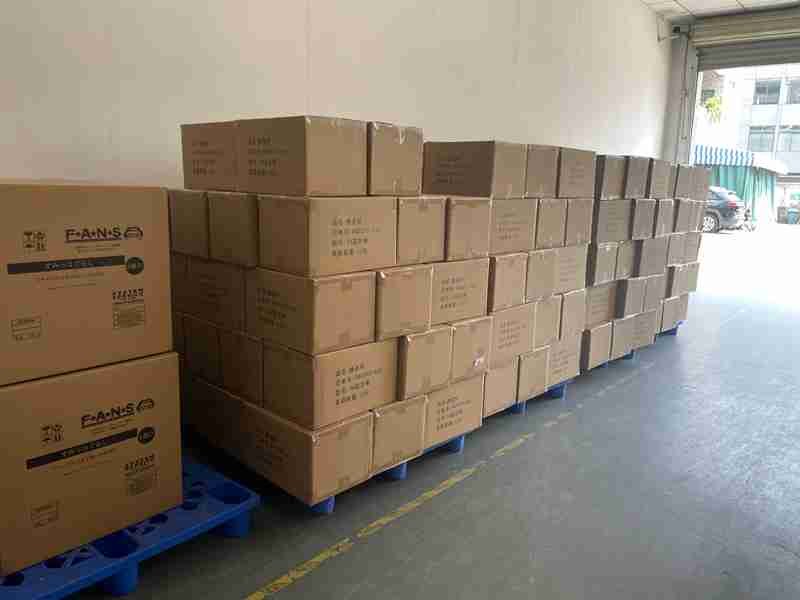
Packaging and labeling confirmation before shipment (photo proof + checklist)
Barcode and carton mark support (when required) (SKU/PO/qty/destination)
Packing suggestions to reduce deformation during transit (anti-crush, face protection)
Frequently Asked Questions
What’s the best structure for custom plush throw pillows: sewn-closed or removable cover and insert?
If your channel is e-commerce, hospitality, or repeat orders, a removable cover and insert is usually the best long-term choice because it reduces returns and supports easy cleaning and replacement; sewn-closed is faster and lower cost for promotional or gift runs.
For procurement, the decision is not only about cost. It’s about how your customers use the pillow and how you handle after-sales. A sewn-closed pillow is simpler and can ship faster, but when customers want to wash it, the shape and surface can degrade faster. A removable cover lets you control two systems separately: the cover fabric (appearance) and the insert (feel and recovery). This makes bulk quality more repeatable and reordering easier.
Use this fast decision table:
| Your priority | Better choice | Why |
|---|---|---|
| Lowest unit cost | Sewn-closed | fewer parts, speedier line |
| “Easy to clean” claim | Removable cover and insert | cleaning without shape damage |
| Better reviews over time | Removable | insert stays stable |
| Simple gifting | Sewn-closed | minimal packaging complexity |
If you want a hybrid, we can do a removable cover with a hidden zipper and an insert that holds shape under compression.
How do we prevent pillows arriving flat, creased, or “not fluffy” after shipping?
The most reliable method is a defined anti-compression packing plan (dividers or supports and stacking limits) and a simple recovery standard tested before bulk shipment, instead of over-compressing to save freight.
The highest hidden cost in pillows is not unit price—it’s a poor first impression on arrival, which drives returns and negative reviews. To prevent “flat on arrival,” define three packaging rules:
- Compression limit: decide whether vacuum or compression is allowed and set a maximum time and pressure level.
- Carton structure: use dividers or anti-compression supports for large pillows; avoid uncontrolled multi-layer stacking.
- Recovery check: run a shipping-like compression simulation and confirm the pillow returns to a target thickness range within a set time.
Quick packaging choices:
| Shipping goal | Packing approach | Best for |
|---|---|---|
| Lowest damage rate | dividers and supports | large sizes, premium |
| Best freight savings | controlled compression | stable short pile and structured insert |
| Fast warehouse receiving | clear carton marks and batch IDs | programs with multiple SKUs |
If your team wants, share the pillow size and shipping mode; we can propose a packing plan that balances cost and arrival quality.
What fill type is best for plush throw pillows: PP cotton, down-like, or foam core?
PP cotton is the most stable and cost-effective for bulk; down-like is softer but needs better migration control; foam core is best when you must lock a specific silhouette and want stronger shape retention.
Procurement should match the fill type to your product positioning. For “daily cuddle” pillows, PP cotton with a locked fill weight range and even distribution usually gives the best cost-to-performance ratio. For “sink-in soft” positioning, down-like fill can feel premium, but it can shift—so you need a better inner liner and a controlled stuffing method. For pillows with strong shape requirements (clean edges, character head shapes), foam core or “core and wrap” construction reduces complaints about slumping.
How do you control hand-feel consistency across bulk and reorders?
Consistent hand-feel comes from locking a material system sheet (cover code, fill type, fill weight range and insert structure) and using version control for every change, so bulk doesn’t drift when materials or operators change.
Hand-feel drift is common when teams approve a sample visually but do not lock measurable standards. We recommend three controls:
- Fill weight tolerance by size (not one number for all sizes).
- A simple 3-zone squeeze test (center/edge/corner) with a pass/fail feel guideline.
- Version-controlled BOM (approved substitutions must be recorded, not ad hoc).
This becomes especially important for reorder programs: your Wave 2 should match Wave 1. If needed, we maintain a “golden sample” reference and recorded specs so a reorder after months can still match.
How do we manage color accuracy on plush fabrics (pile direction and dye lot drift)?
Plush color control requires both a color standard (Pantone or swatches) and a pile-direction rule, because the same fabric can look different under light; dye lots should be managed by batch, especially for reorders.
Plush fabrics reflect light differently depending on pile direction. That’s why pillows can look “off-color” even when the dye is correct. A safer method is: approve a physical swatch, define viewing conditions, and lock a pile-direction cutting rule. For programs with strict brand colors, add a pre-cut verification step and keep a color archive for reorders.
Quick guide:
| Risk | Control method |
|---|---|
| Looks different in photos vs home | approve under defined lighting |
| Shade drift by batch | Manage dye lot per production batch |
| Reorder mismatch | Keep the swatch and the lot record archive |
What’s the best branding method on plush pillows: embroidery vs printing vs patch?
Embroidery is safest for long-term durability and premium perception; printing is best for complex artwork if you choose a smooth face fabric; patch or appliqué creates strong merch value but needs seam planning to avoid irritation and distortion.
For procurement, the correct answer depends on your artwork and fabric. Embroidery holds up well, but you must control density and backing so the cover doesn’t pucker. Printing gives better gradients and illustrations, but plush pile can reduce sharpness—so smoother face fabrics work better. Patches add 3D value, but they introduce extra layers and edge management.
What are typical MOQ and what information do you need to quote accurately?
MOQ depends on size, material choice, and packaging complexity; the fastest, most accurate quote comes from a complete RFQ pack (size, fabric direction, insert type, branding, packaging, quantity, ship mode).
MOQ is rarely one fixed number. For pillows, it changes depending on whether you need custom-dyed fabric, custom boxes, or removable covers with specific zippers. To avoid price re-quotes, send a structured RFQ. If you want a quick start, even 2–3 reference photos and target size and quantity range can help us propose a cost-efficient build path and options (standard vs upgrade).
(If you want, send the RFQ checklist to info@heyzizi.com for a fast feasibility and quote direction.)
How do you prevent seam bursting and corner collapse on square pillows?
Control seam failures by locking seam allowance rules, reinforcing stress zones (corners/zipper ends), and matching fill load to fabric stretch—because most bursts come from over-stuffing or unstable seams, not random defects.
Square pillows fail at corners first. Corner collapse usually means the structure is under-supported or the fill distribution is uneven. We recommend: defined seam allowance, consistent stitch type, corner reinforcement mapping, and a fill weight range that does not overstress seams. For removable covers, also control zipper-end reinforcement and zipper tape flatness.
What are the real cost drivers for custom plush throw pillows (so we can budget correctly)?
The biggest cost drivers are cover fabric type or GSM, insert structure, size volume (shipping), and packaging complexity—not just the sewing time.
If you want accurate budgeting, treat pillows as “materials and volume and packing” rather than only a factory labor item. Fabric changes often move cost more than stitching changes. Insert architecture matters too: removable cover and insert adds components (zipper, insert liner), but can reduce returns and improve reorder stability. Size is a shipping driver—larger pillows inflate carton volume quickly. Packaging also matters: custom gift boxes can add cost and extend lead time.
Use this quick cost-impact table:
| Cost driver | Low-cost direction | Higher-cost direction | Why it changes cost |
|---|---|---|---|
| Cover fabric | standard short plush | premium long pile or specialty | fabric price and yield |
| Insert structure | sewn-closed | removable cover and insert | extra parts and operations |
| Branding | woven label | large embroidery or patches | stitch time and backing |
| Packaging | polybag | gift box and tray | materials and assembly |
| Size | 40×40cm | 50×50 or body pillow | shipping volume |
If you share your target channel and budget tier, we can propose a Standard vs Upgrade configuration that keeps the look while controlling cost.
What is the best way to set size tolerance and “fullness” targets for pillows?
Define size control with two metrics—finished dimensions tolerance and thickness or fullness range—because a pillow can meet size but still feel flat.
For procurement, the common mistake is specifying only length or width and ignoring thickness. A 45×45 pillow that’s thin reads low quality. We recommend setting:
- Finished size tolerance (e.g., ±1–2 cm depending on size), and
- Thickness or fullness range at rest, plus a simple recovery expectation after pressing.
A practical way to do this is to approve a reference sample and record three measurements: center thickness, edge thickness, and corner thickness. Then set acceptable ranges for bulk inspection. This prevents drift when operators stuff differently.
How many sample rounds are normal, and how do we reduce revisions?
Most pillow projects can be stabilized in 1–2 sample rounds if the RFQ includes clear decisions on fabric, insert type, hand-feel level, and packaging.
Revisions usually come from missing targets: you approve the look, then change softness; or you approve softness, then change structure; or packaging crushes the sample, and everyone thinks the factory failed. The fastest path is to lock “what cannot change” before sampling: cover fabric shortlist, insert architecture, fill weight direction, and decoration method. Then use photos and measurements during sample review—don’t rely only on subjective comments like “a bit softer.”
If timing is tight, we can propose a “fast-track” route: first sample focuses on structure and feel; second sample focuses on final branding and packaging. This reduces wasted time on perfect packaging before the product is stable.
What labels do we need for plush throw pillows (care/composition/origin), and when should we prepare them?
Prepare labels before final sampling, because label content affects production layout and prevents late-stage delays—especially for retail programs.
A basic label set often includes: brand label, care label, composition or filling content, origin marking, and barcode tags if required. Even if pillows are not toys, some markets still expect clear care instructions and fiber content. If your pillow has a removable cover, label placement must account for cover or insert separation.
The best practice is to share your target market(s) and channel early, then lock label templates in the sample stage. That way, bulk production doesn’t pause for compliance copy revisions.
Start Your Custom Plush Project Today
If You Can imagine it,We Will Create it!
Whether you are a brand, creator, retailer, or agency, our Guangdong plush factory is ready to support your OEM/ODM development. Send us your design, concept, or reference image — our team will reply with a free development proposal and quotation.
1. Tell Us What You Need
Tell us your requirements and share your artwork or reference images.
2.Get a Solution & Quote
We’ll suggest the best solution based on your requirements, and provide a detailed quote within 12 hours.
3.Approve for Mass Production
We will start mass production after getting your approval.
For all inquiries, please feel free to reach out at
- info@heyzizi.com
- (+86)13717153084
Ready to Grow Your Plush Product Line?
Brands and businesses from over 80 countries have chosen Jundong as their trusted plush manufacturing partner. Now it’s your turn. Work with us for reliable custom plush production, clear sampling support, and stable delivery for long-term programs.