
Custom Plush Toys Manufacturer
20+ Years of Plush Experience
From concept review and sampling to finished plush production, we help turn plush ideas into bulk-ready products.
Custom Plush Factory in China for Brands, Retail, Promotions, and IP Projects
20+ years
plush experience
18,000㎡
factory space
600+
Professional Staff
80+
QC inspectors
100%
Quality Inspection
Getting a plush sample made is one thing.
Getting it quoted clearly, developed correctly, produced consistently, and packed for shipment is something else.
Heyzizi helps turn plush ideas into bulk-ready products with stronger control over sampling, materials, construction, QC, packaging, and delivery preparation. That matters when your project needs more than a good-looking sample. It matters when it needs to move forward with fewer surprises. We support Plush + Add-On development, making it easier to extend one concept into more product types.

| Our Current Setup | Why It Matters |
|---|---|
| Factory Scale: 18,000㎡ | Helps production, inspection, and packing stay more connected |
| Team Size: 600+ Team Members | Supports broader coordination across development and production |
| QC Support: 80 QC Inspectors | Adds stronger control across materials, process, finished goods, and packing |
| Sampling Support: In-House Sampling Room | Helps turn concepts into more workable sample standards |
| Standard MOQ: 500 pcs per design | Standard custom orders start from 500 pcs per design |
| Flexible Mindestbestellmenge | With production planning and lead time confirmed according to design complexity, materials, quantity, and packaging requirements. |
Certified quality and safety support
We support plush projects for markets that may require CE, EN71, ASTM, and related safety review.
Confidential project support
We’re pleased to arrange an NDA before you share artwork, product details, or confidential project files.









Best Fit for These Plush Projects
A better fit for partners who want to clarify the real project details before sampling and bulk production move forward.
Not every plush project starts with a finished production file. Some begin with a clear brand concept. Some begin with a sketch, a reference image, or a character that still needs to be developed into a real product.
Our factory is a better fit for partners who want to sort out the practical side early, before the project moves too far. That usually means reviewing things like MOQ, structure, materials, packaging, timing, and bulk consistency while there is still room to make better decisions.
It is especially relevant for projects such as:
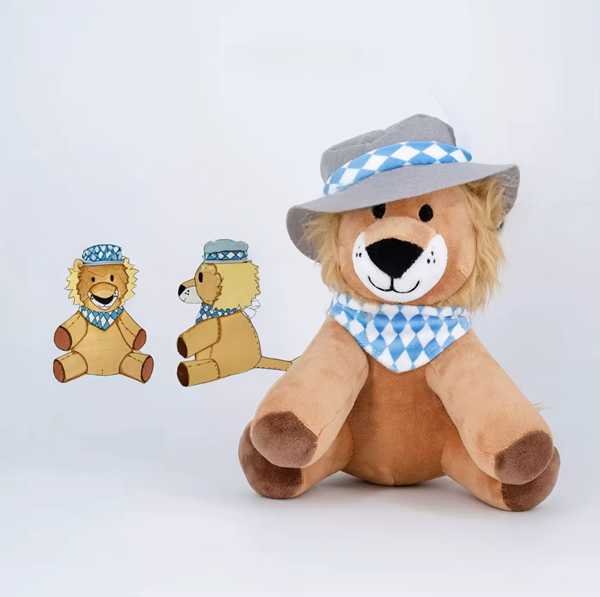


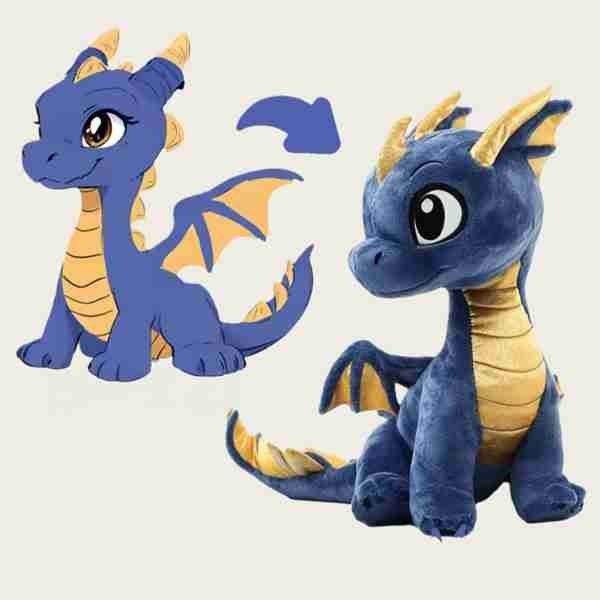

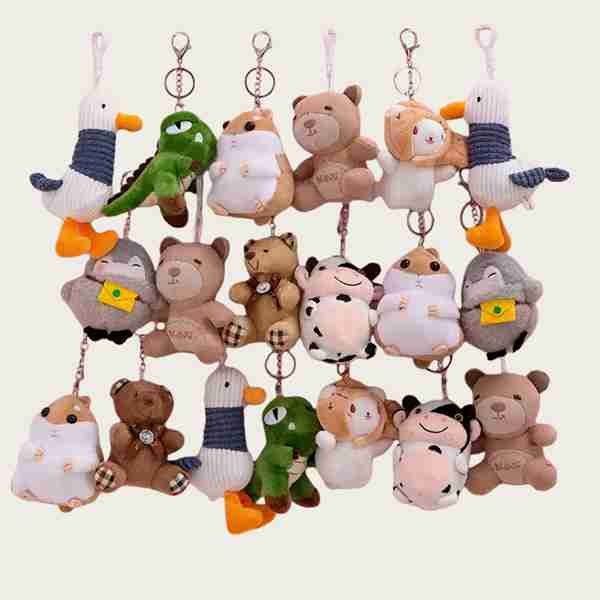


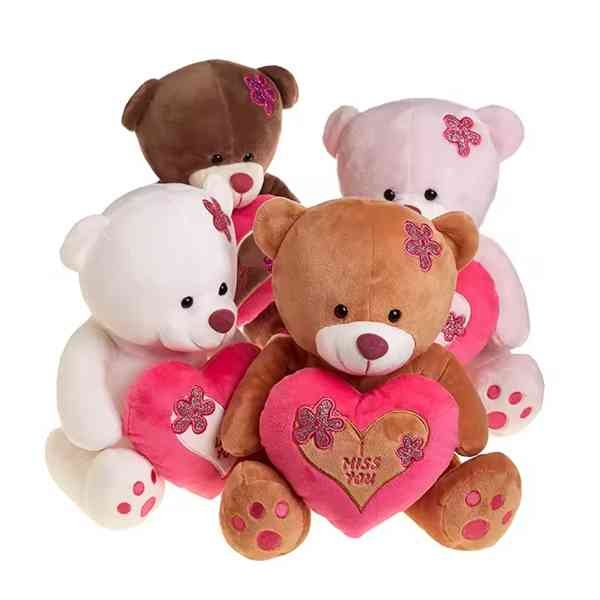


Some Partners come with finished artwork. Others come with a sketch, a reference image, or an early concept that still needs development. Both can work. What matters is getting the right details clearer at the right stage, so the quote is more useful, the sample is easier to review, and the next step makes more sense.
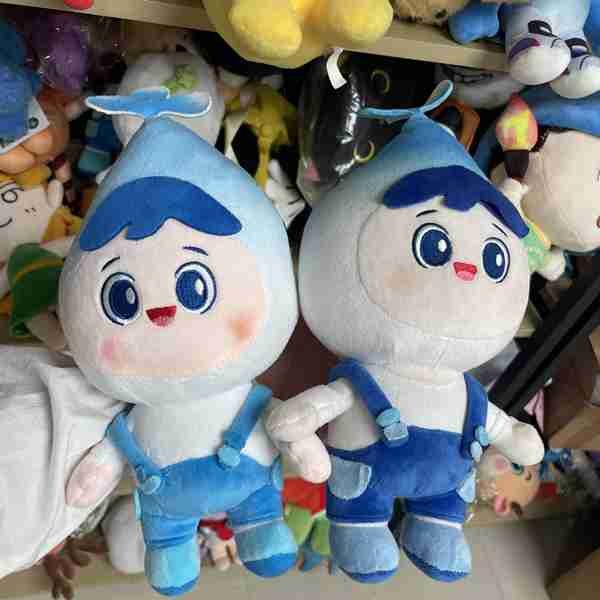
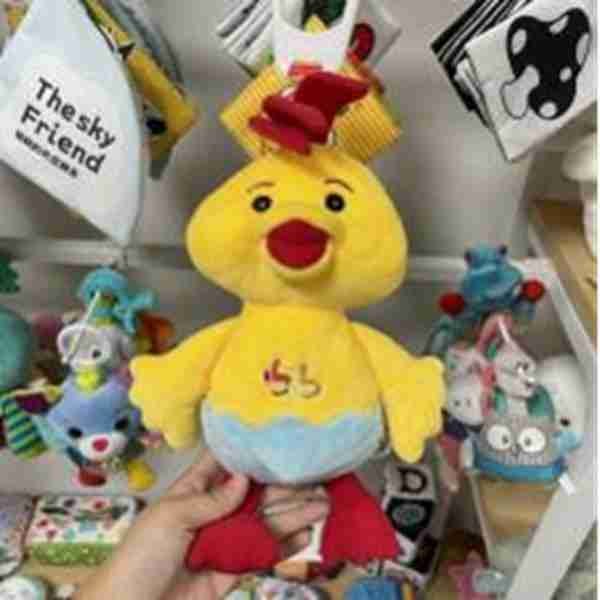
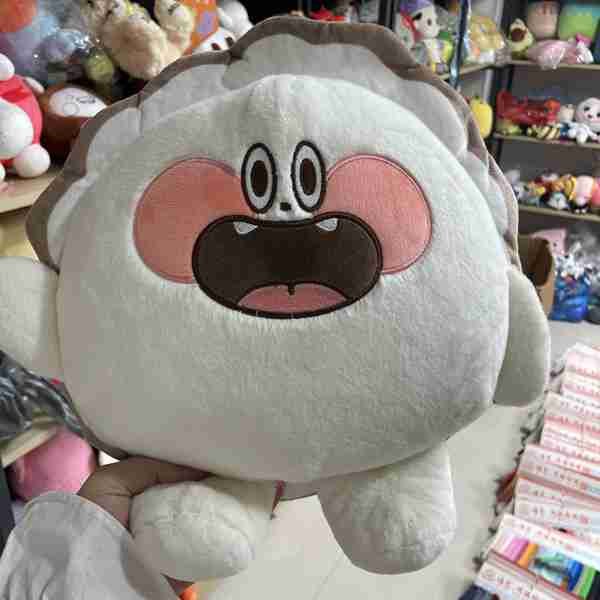
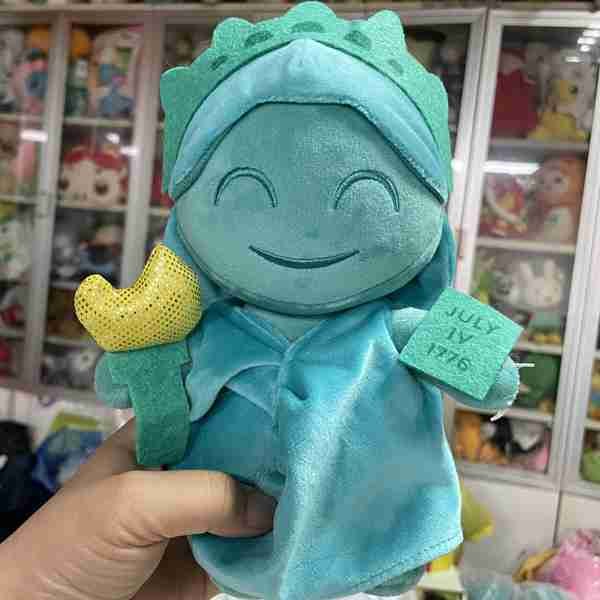
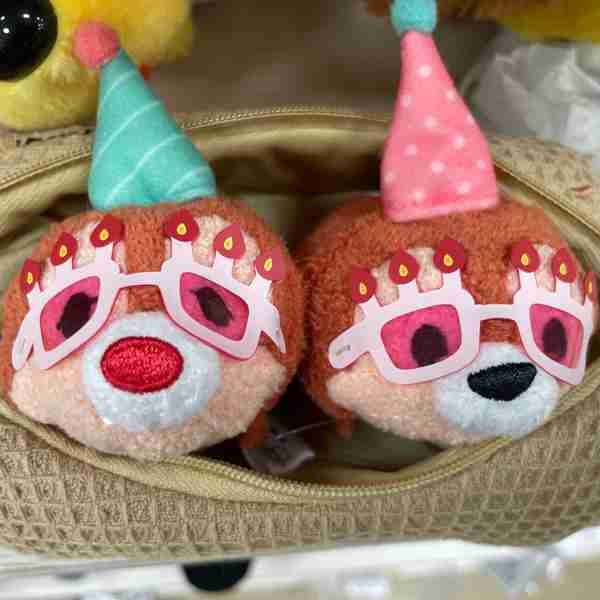
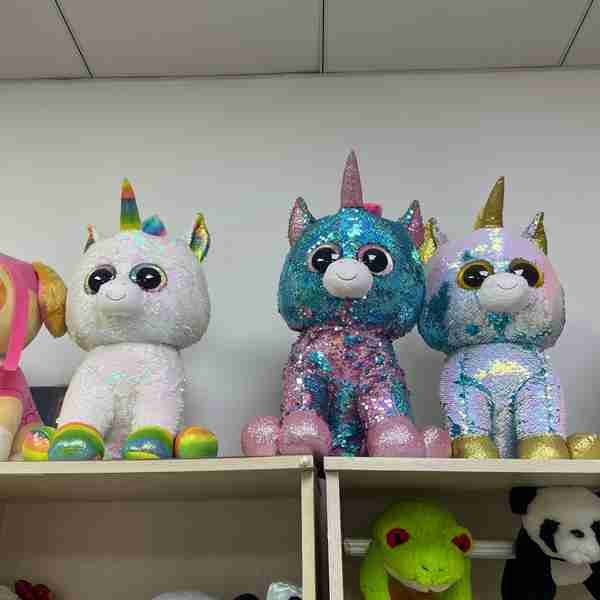
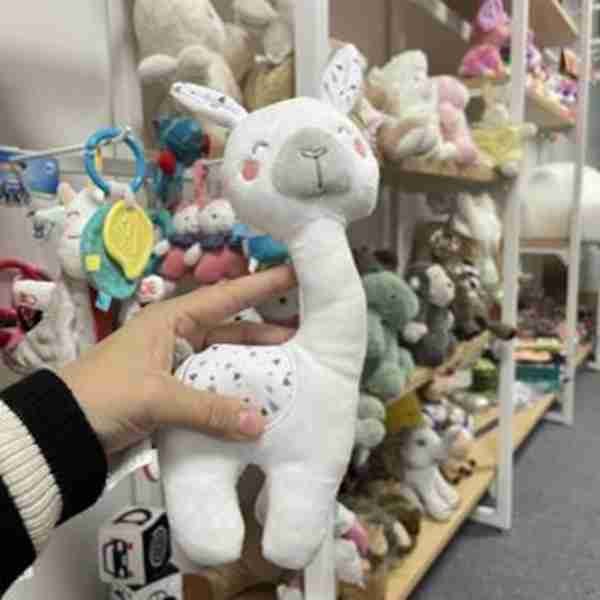
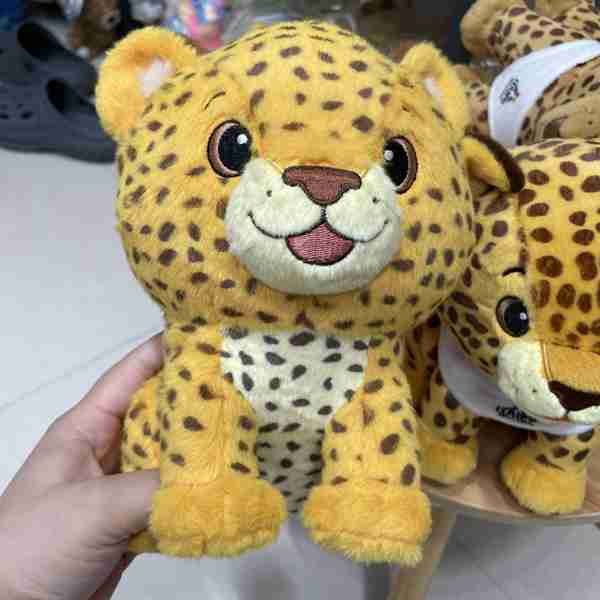
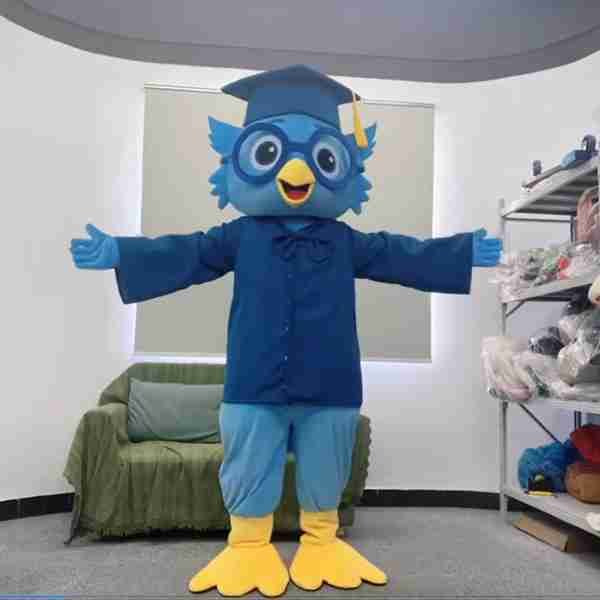
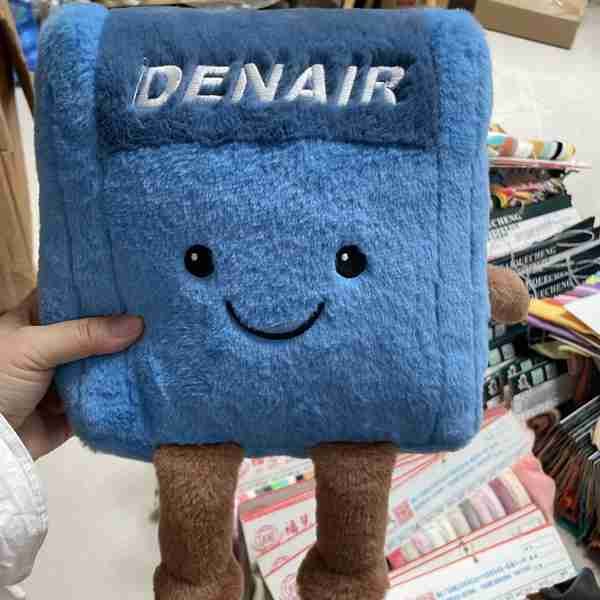
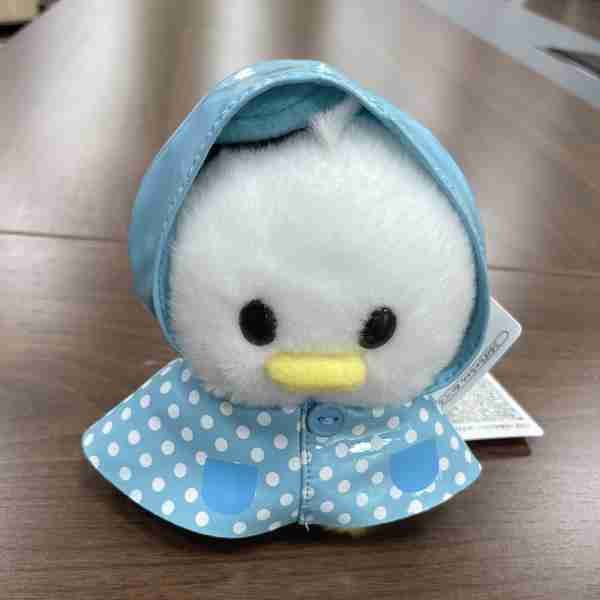
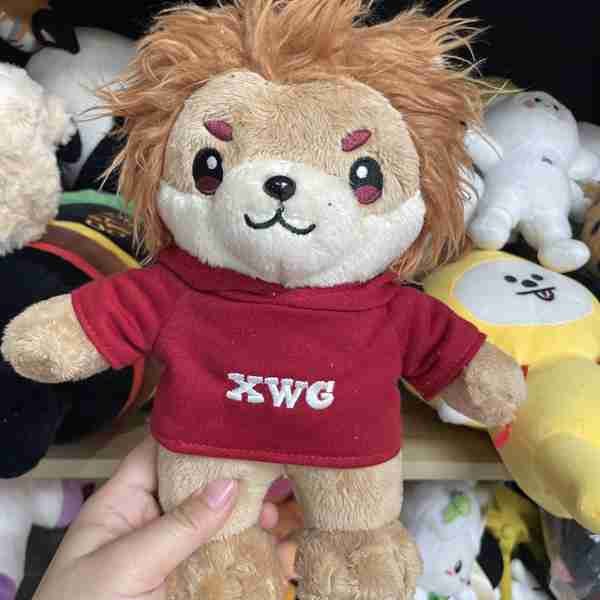
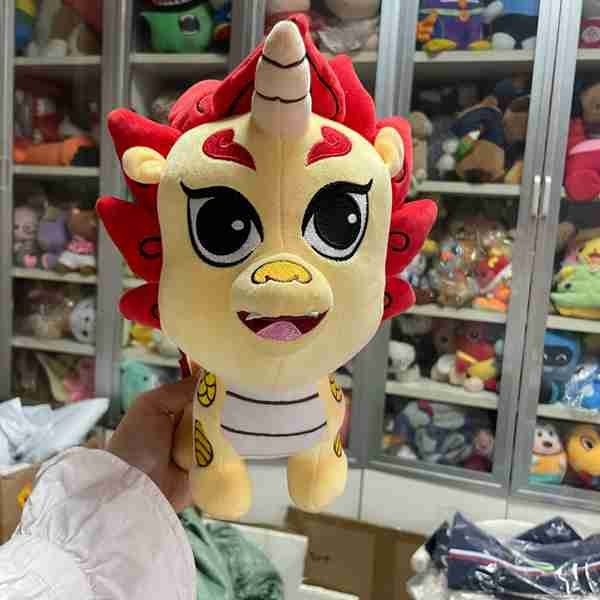
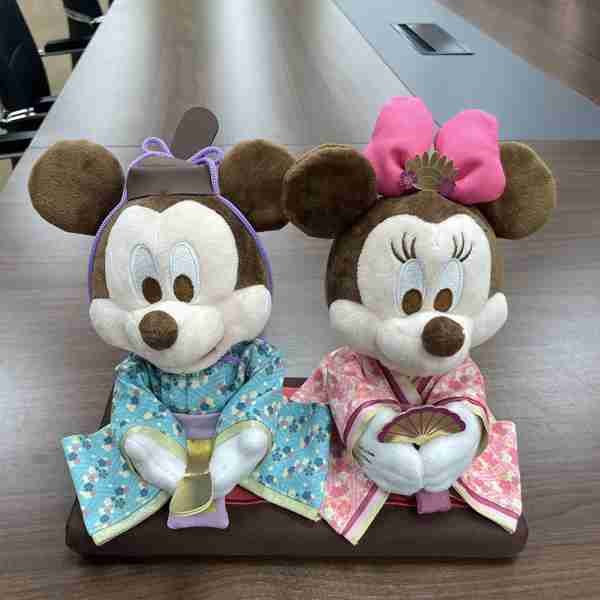
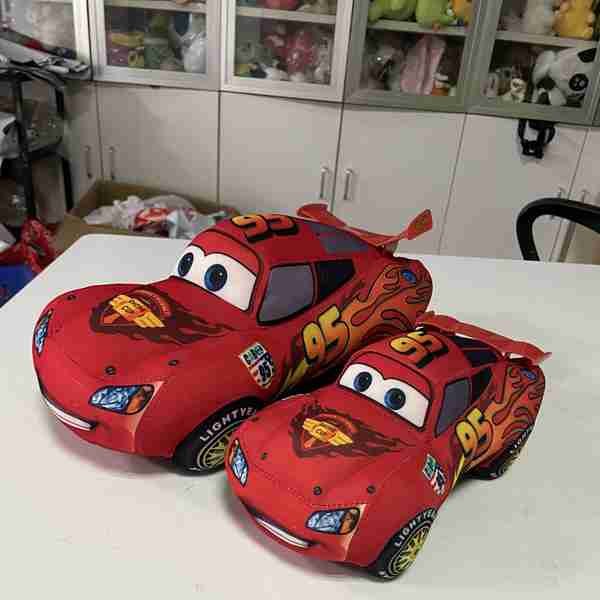
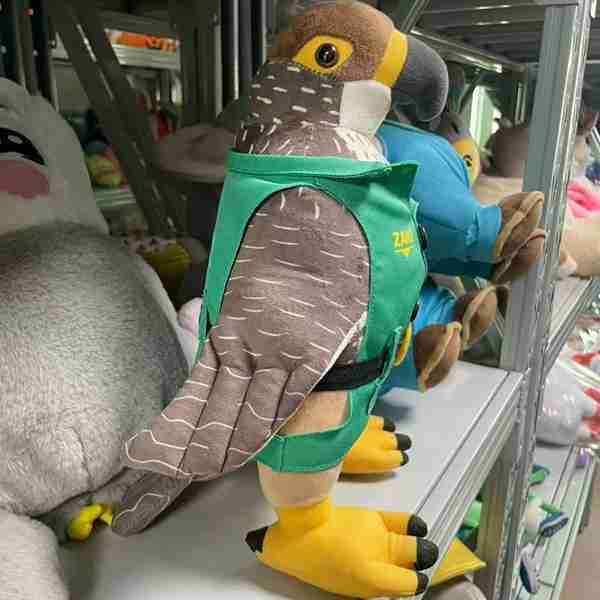
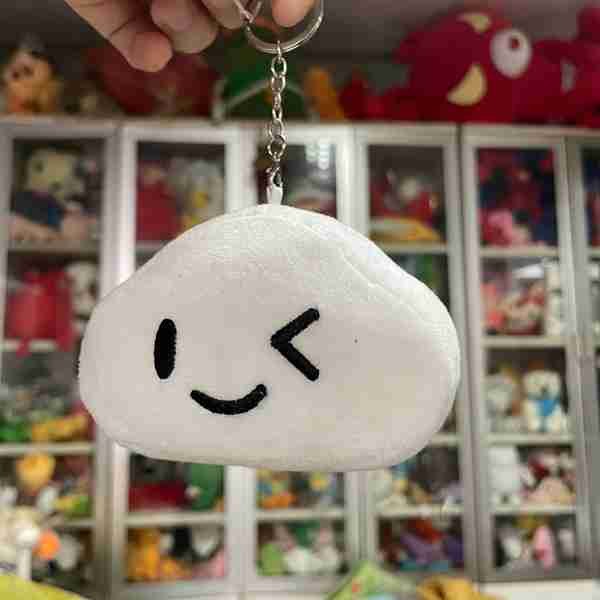
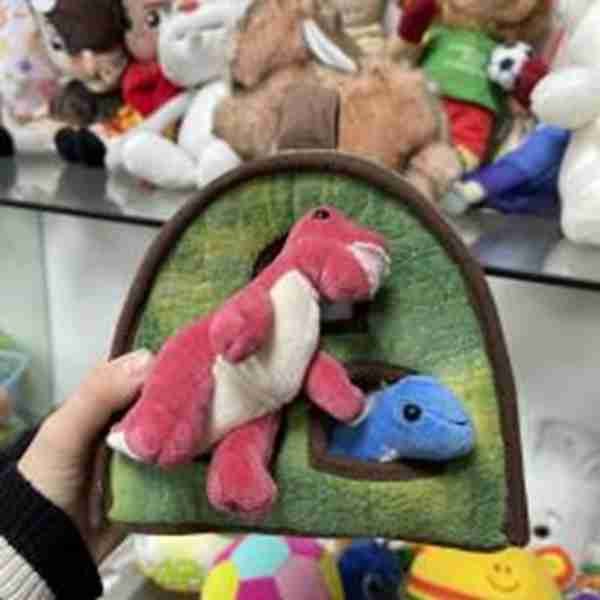
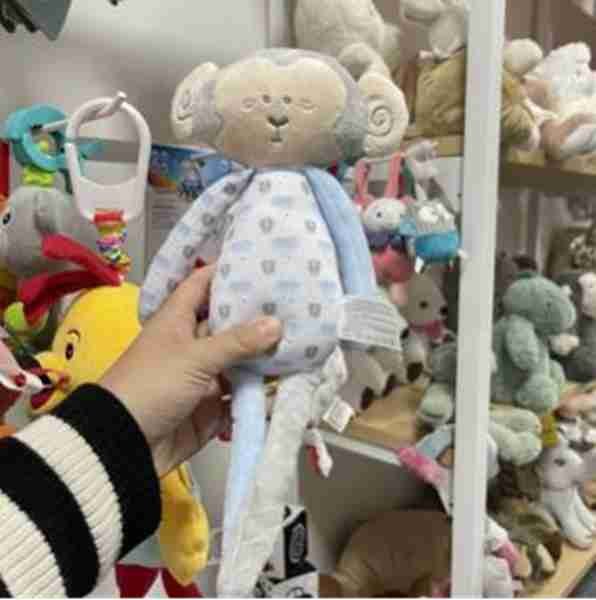
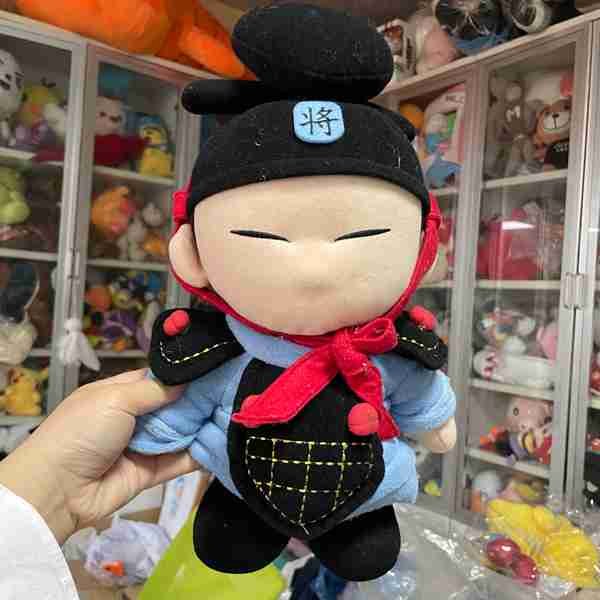
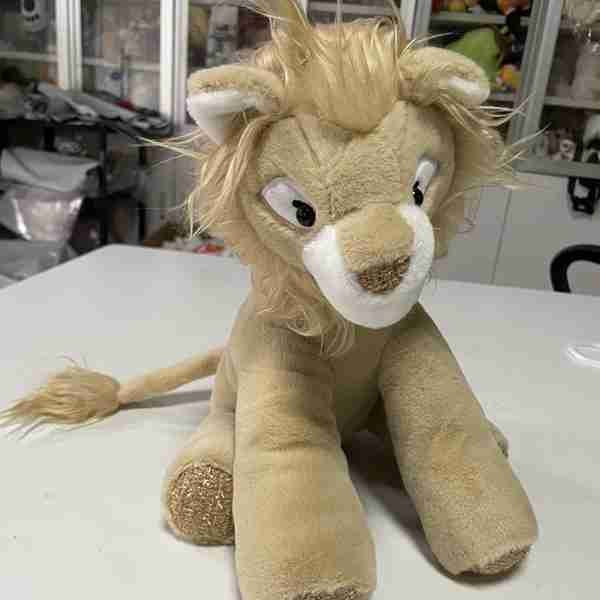
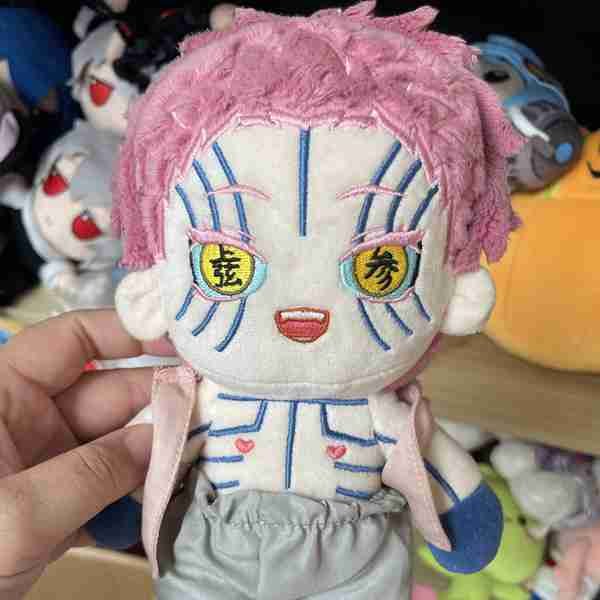
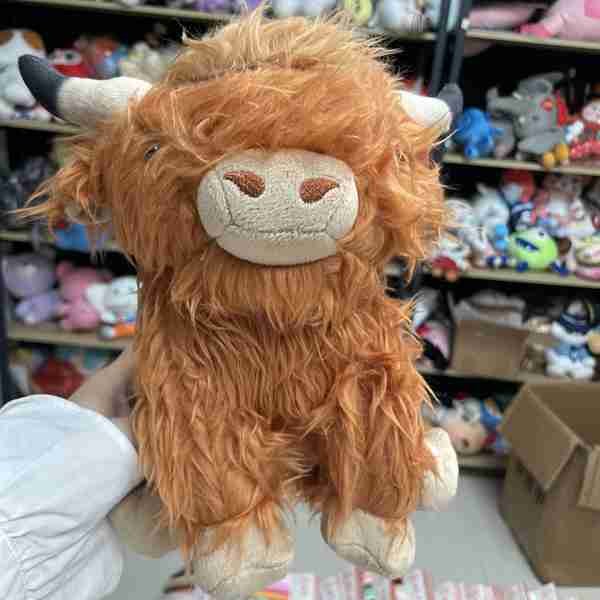
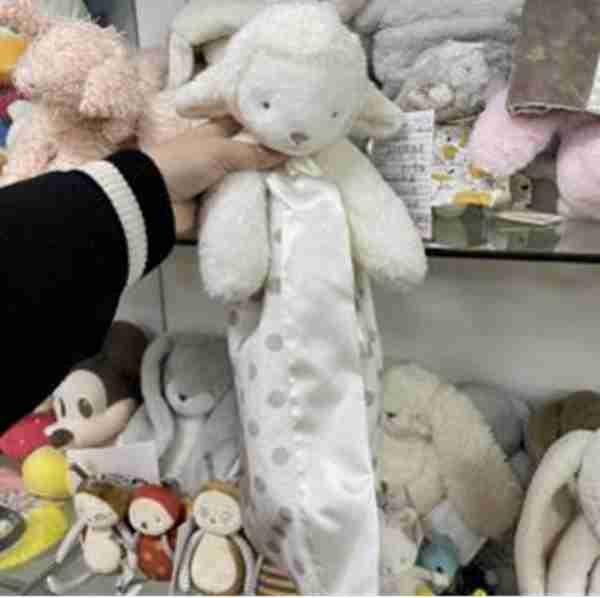
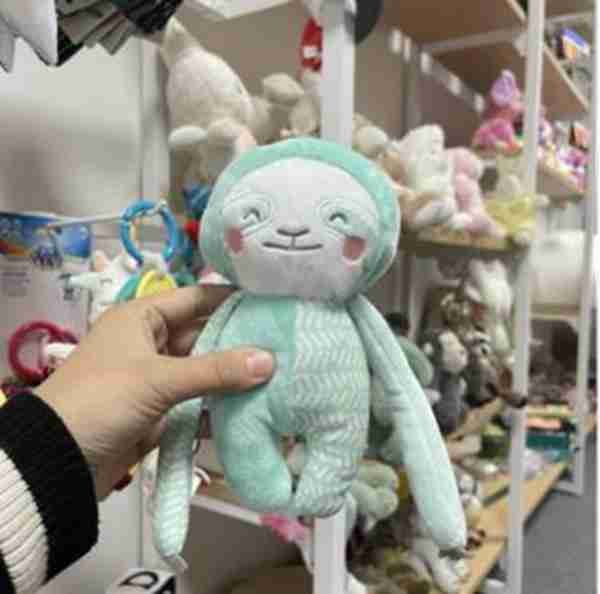
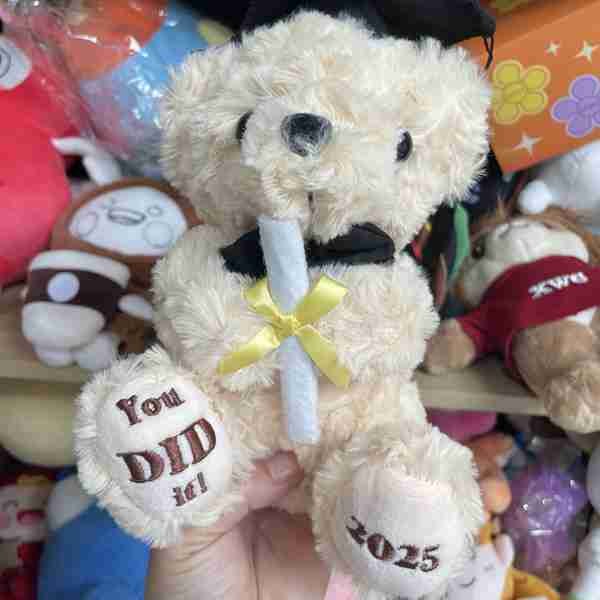
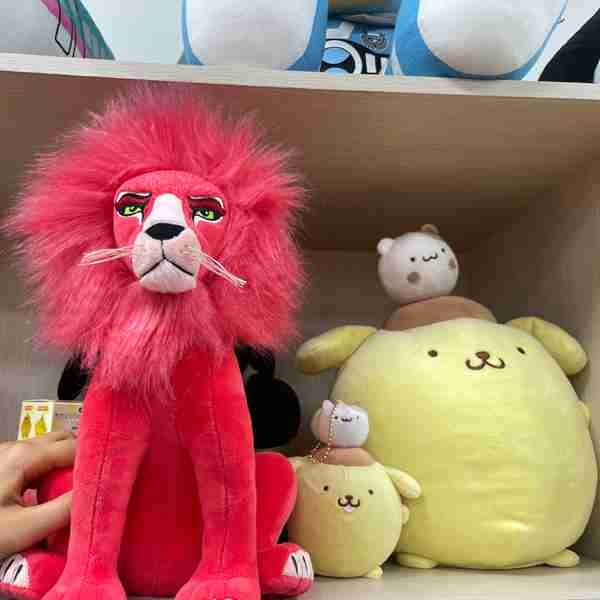
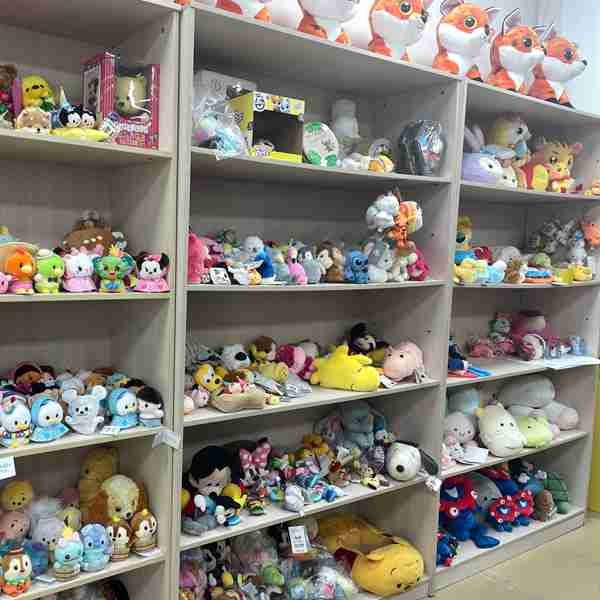
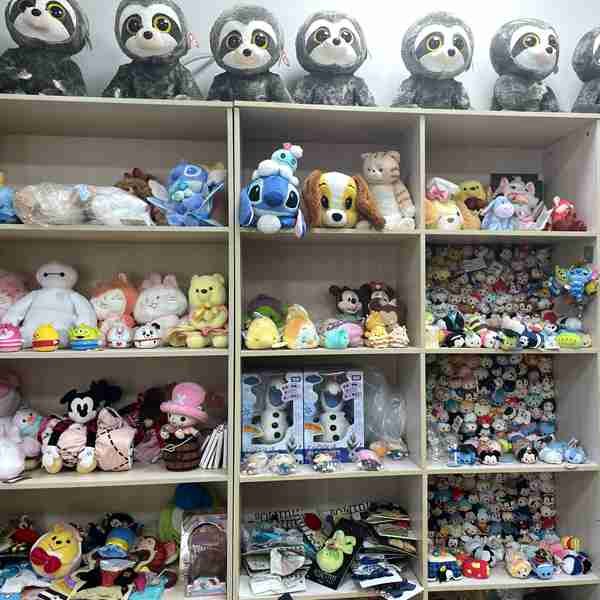
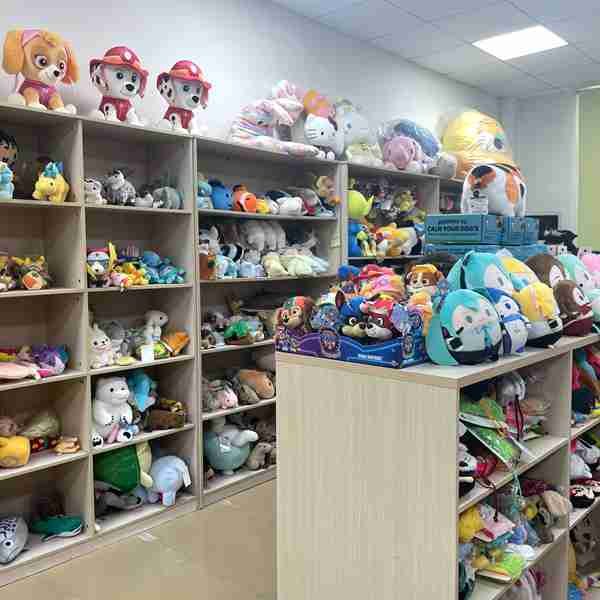
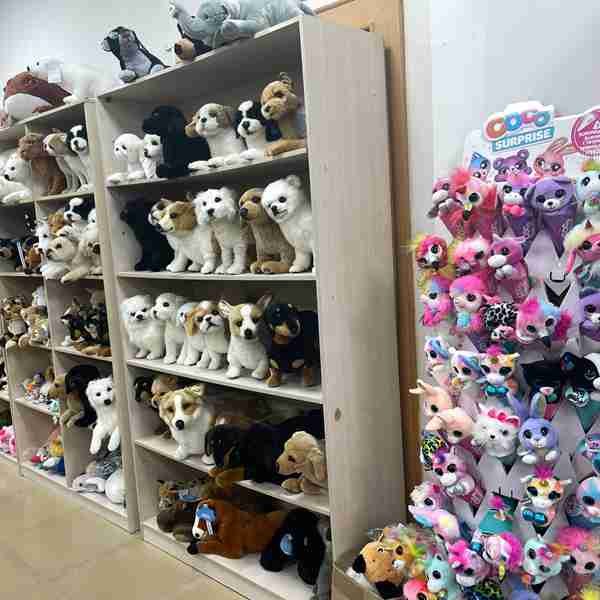
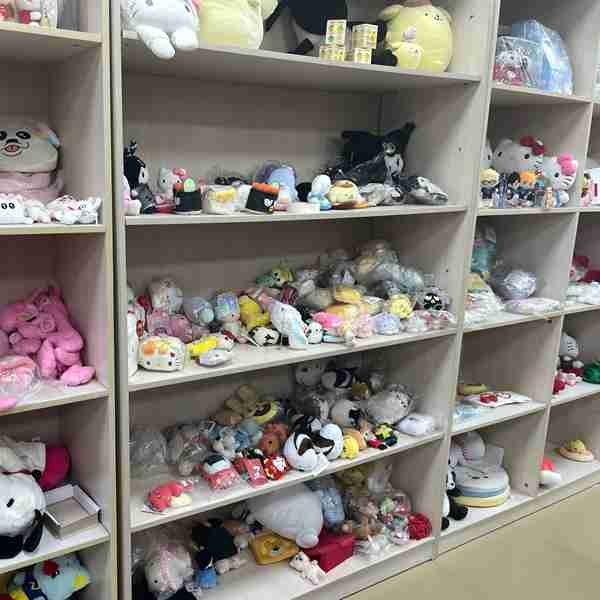
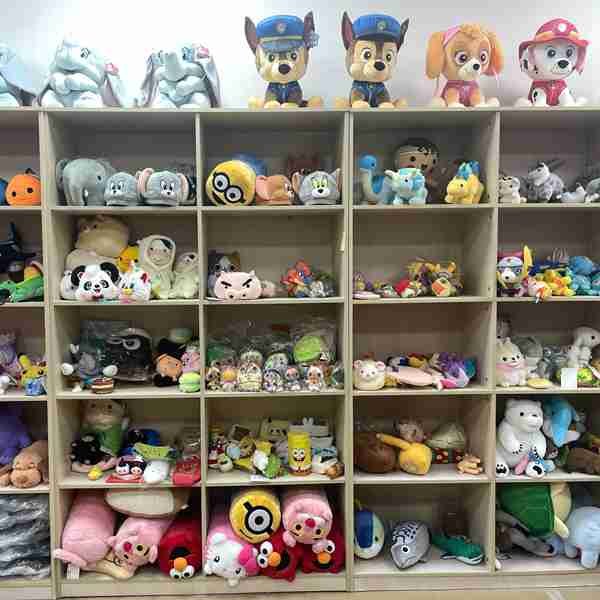
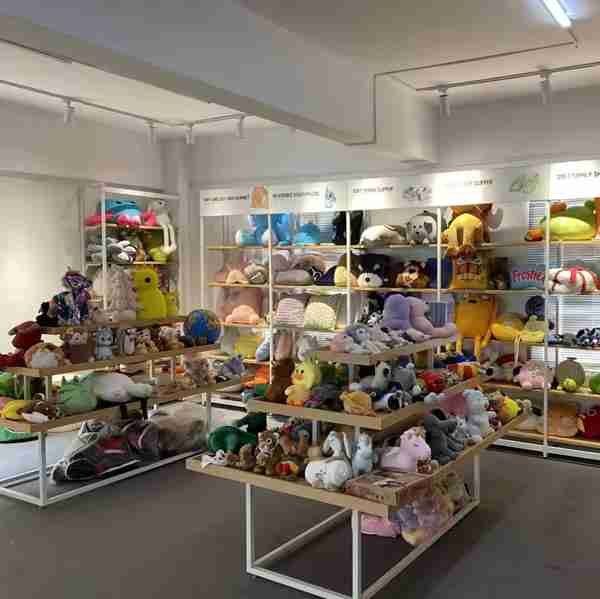
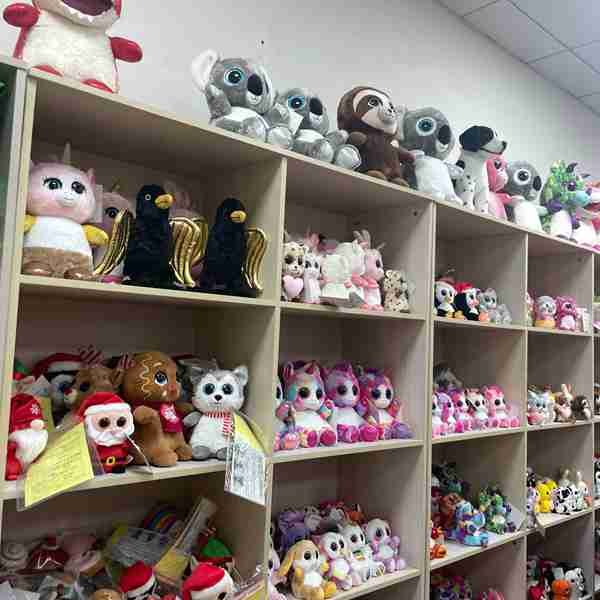
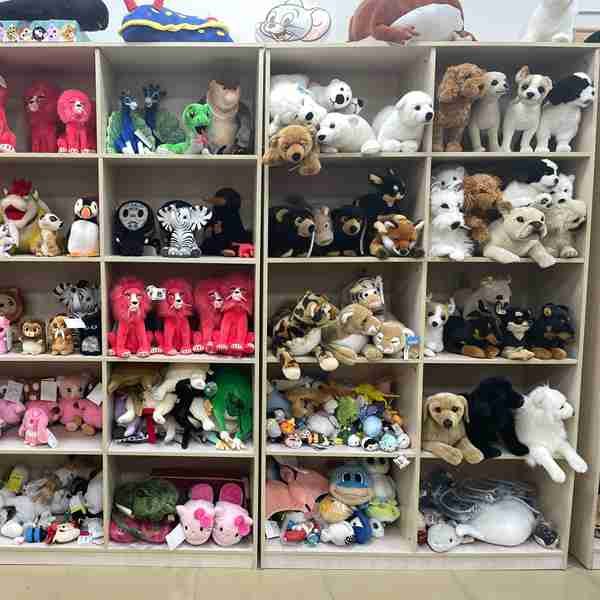
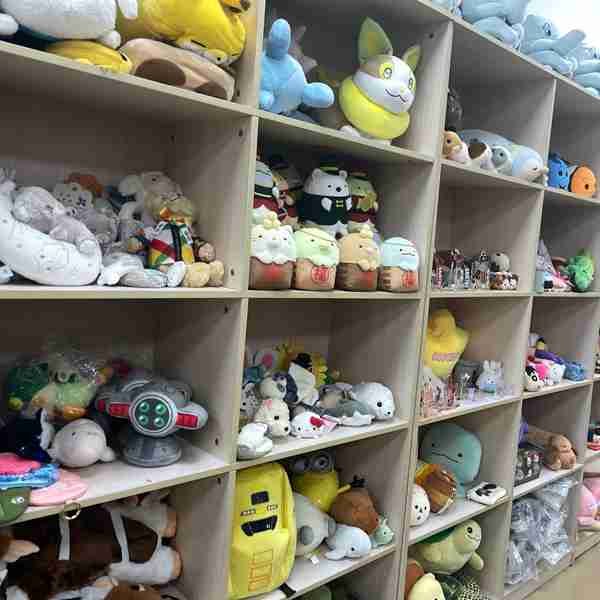
A Small Selection of Plush Toys We’ve Produced
Over the years, we have developed and produced thousands of plush toy styles for different brands, projects, and markets. It is not possible to show everything here, so this section includes only a small selection of plush toys that we are permitted to display with client approval.
What You Can Build Beyond a Standard Plush Toy
Many plush projects do not stop at one toy. A partner may start with one character plush, then extend the same concept into keychains, pillows, pouches, bags, gift sets, or other soft goods that fit the same theme. That is why product range matters. A factory that only handles one plush item may still leave the partner to solve the rest elsewhere.
Heyzizi supports a wider plush development range by combining plush fabrics with components such as zippers, webbings, buckles, linings, fillings, hangtags, and labels, making it easier to build a more complete product line under one theme.
Plush Doll Outfits Accessories

Dress-up sets, seasonal looks, character styling
Plush Keychains & Charms

Event gifts, checkout items, lower-ticket add-ons
Plush Pillows & Soft Goods
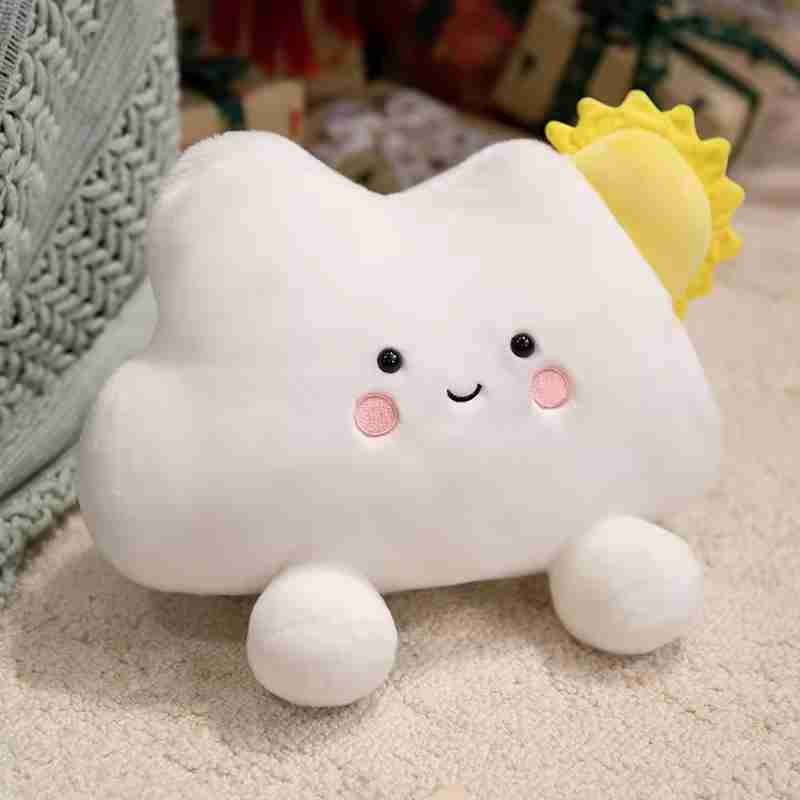
Seasonal collections, home related products, gift programs
Plush Pouches, Bags, and Coin Purse

Character merchandise, practical add-ons, retail spin-offs
Plush Packaging and Gift Sets

Bundles, launch kits, themed collections, membership gifts
Plush Toys with Integrated Functions

Recordable, light-up, soothing, or interactive concepts
Key Details to Confirm Before Quoting
When these basics are clearer early on, the project usually moves faster and the quote becomes much more useful.
A useful quote starts with the right project details. Before pricing, sampling, or timeline planning can be reviewed properly, a few basics usually need to be clear enough to evaluate.
That normally includes size, structure, fabrics, accessories, quantity, target market, packaging, and delivery timing. The clearer these points are, the easier it becomes to judge feasibility, pricing direction, and next-step planning.
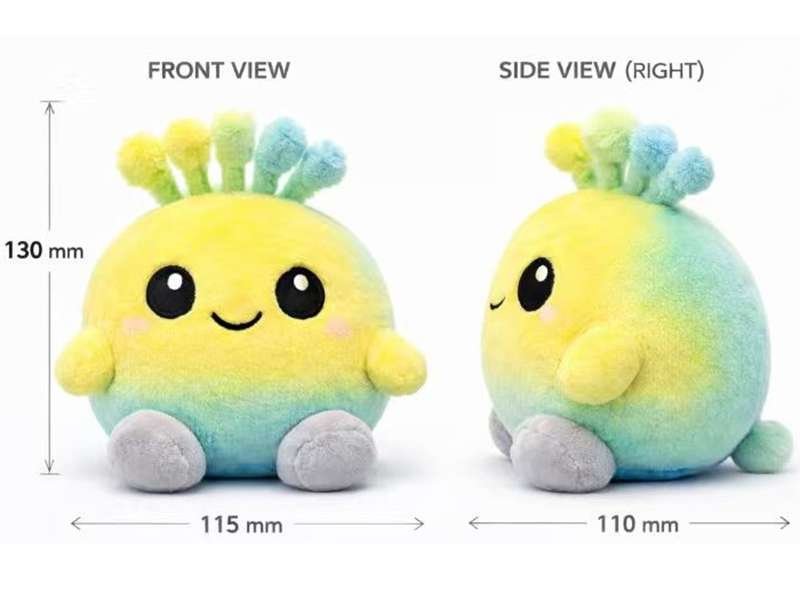
Size
Affects materials, filling, sewing difficulty, and carton planning

Structure
Influences pattern logic, production difficulty, and bulk stability

Fabric
Changes handfeel, appearance, durability, and cost

Accessories
Affects safety, attachment method, and assembly work

Quantity
Influences MOQ logic, pricing, and material planning
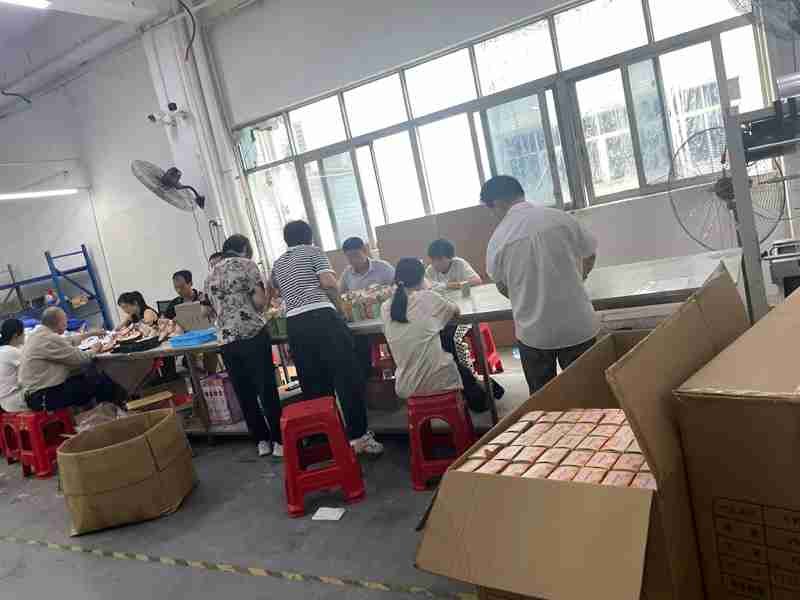
Target Market
May affect labels, packaging, or product standards

Packaging
Changes presentation, packing method, and shipping setup

Delivery Timing
Helps determine whether the schedule is realistic
Even if you are not deeply familiar with plush development, that is not a problem. Based on the toy’s shape, intended use, and project direction, we can help suggest a more practical path for materials, structure, and production planning.
From Concept Review to Bulk Delivery
A plush project moves faster when each step is clear before the next one begins.
Some people come with finished artwork. Others start with a sketch, reference image, moodboard, or only a rough concept. In both cases, the goal is the same: turn the idea into something that can be reviewed clearly, sampled properly, confirmed with fewer loose ends, and produced with better consistency.
Five Steps from Idea to Shipment
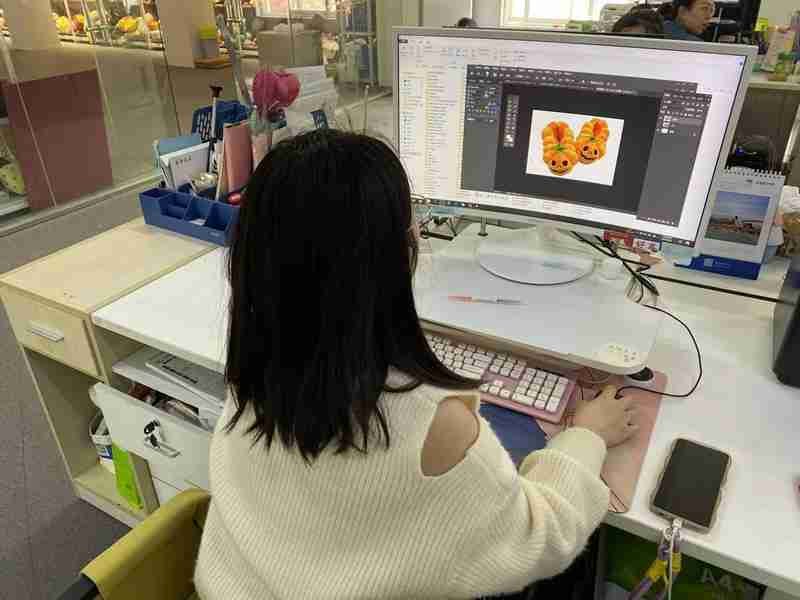
Step 1 — Design Review & Quotation
- Share artwork, sketches, or reference photos
- Confirm size, shape, and intended use
- Review materials, accessories, and packaging needs
- Check target market and delivery timing
- Build a clearer quote and sampling plan
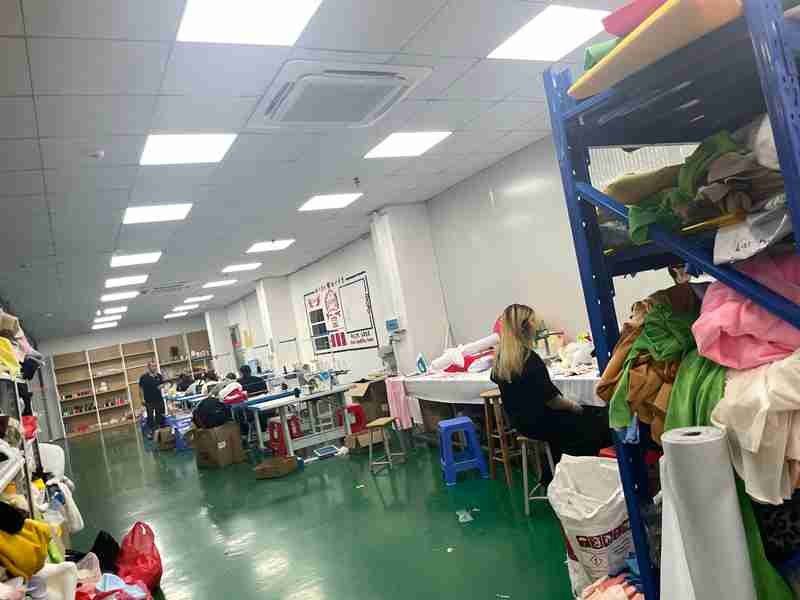
Step 2 — Pattern Making & Material Selection
- Turn the design into a workable plush structure
- Review proportions and sewing feasibility
- Confirm fabric, filling, and trim direction
- Compare embroidery, printing, and accessory options
- Improve sample readiness before development starts


Step 3 — Prototype Sampling
- Make the concept into a real plush sample
- Check shape, face, and proportions
- Review fabric feel and visual effect
- Confirm accessories and detail placement
- Identify needed changes before approval
Step 4 — Sample Review & Production Confirmation
- Review the approved sample more carefully
- Lock materials, filling, and accessories
- Confirm labels, hangtags, and packaging details
- Finalize production requirements before bulk
- Reduce confusion before mass production starts
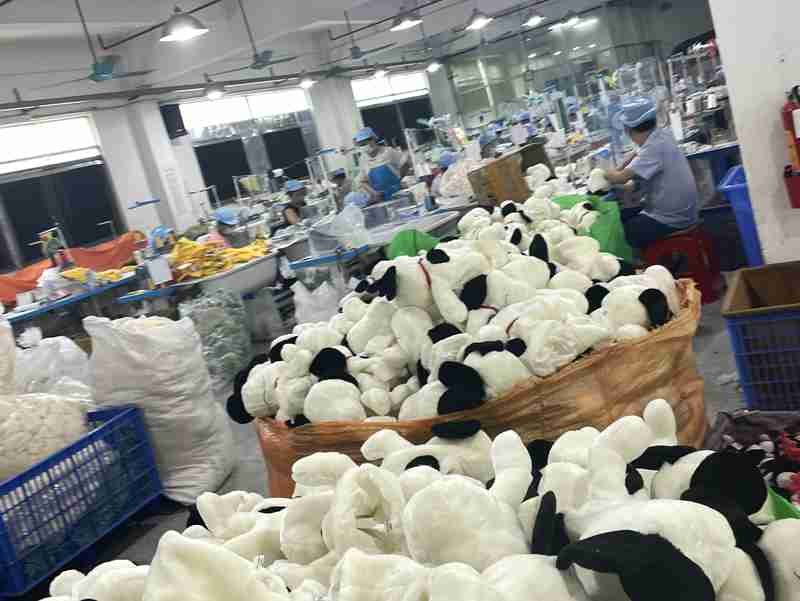
Step 5 — Bulk Production, QC & Shipment
- Start bulk production from the confirmed version
- Check consistency across shape and stitching
- Review accessories, labels, and appearance
- Complete needle detection and packing checks
- Prepare goods for smoother delivery
Start your project with confidence!
Make a Sample of Your Plush Toys First?
Before mass production, a sample allows you to verify structure, materials, workmanship, and overall quality.
Our sampling process helps identify details early, reduce risks, and ensure your plush toys meet technical and quality expectations before moving forward.
Client Testimonials
800+ brand Clients Trust heyzizi

Brands We’ve Worked With
We work with brands across gift, retail, publishing, and promotional industries on custom plush projects that require consistent quality and controlled production. From character plush to larger-volume programs, long-term cooperation usually depends on clear process control, practical communication, and reliable delivery.










Frequently Asked Questions
What information do you need before quoting a custom plush toy project?
A usable quote usually needs at least four core inputs: design reference, target size, target quantity, and target market. If these four points are already clear, most custom plush projects can move into a more practical pricing review without wasting time on guesses.
For a stronger first quotation, the most useful information usually includes:
| What to share | Why it matters |
|---|---|
| Artwork, sketch, or reference image | Defines the character, shape, and style direction |
| Target size | Affects fabric usage, filling, sewing complexity, and carton planning |
| Target quantity | Helps review MOQ, material planning, and unit pricing |
| Target market | May affect labels, testing, safety review, and packaging |
| Intended use | Retail, gift, promotion, or children’s use may require different decisions |
| Accessories or functions | Sound modules, bags, clothing, or special trims affect cost and feasibility |
| Packaging needs | Retail boxes, polybags, hangtags, or barcode needs change final setup |
As a general rule, who can provide one design reference, one target size, one target quantity, and one target destination market will usually receive a more useful initial quote than a buyer who sends only a picture and requests a price.
What is your usual MOQ for custom plush toys?
Standard custom orders start from 500 pcs per design, with production planning and lead time confirmed according to design complexity, materials, quantity, and packaging requirements.
MOQ affects more than order acceptance. It also influences:
- material purchasing efficiency
- production setup
- unit pricing
- sampling-to-bulk practicality
- overall cost balance
A smaller quantity may still require nearly the same production logic as a larger run, especially when custom fabrics, embroidery, labels, or retail packaging are involved. That is why lower quantities usually lead to higher unit prices.
| Quantity level | Typical meaning |
|---|---|
| Flexible Mindestbestellmenge | With production planning and lead time confirmed according to design complexity, materials, quantity, and packaging requirements. |
| 500 pcs | A more standard working level for many custom plush projects |
| Higher quantities | Usually improve cost efficiency and pricing competitiveness |
The more useful question is not only “What is the MOQ?” but also “What quantity makes this project commercially practical?”
Can you sign an NDA before I share my plush design?
Of course. Confidential plush projects can be reviewed under NDA when needed, especially before detailed design files, character artwork, or product specifications are shared. This matters most when the project involves original IP, unreleased concepts, licensed characters, or launch information that should not circulate too early.
An NDA is especially useful when the project includes:
- original character design
- brand-owned artwork
- licensed or unreleased concepts
- new product development plans
- sensitive packaging or launch details
From a sourcing perspective, the value of an NDA is not paperwork alone. It helps both sides move into a more serious project review with clearer expectations around confidentiality, file sharing, and discussion scope.
That usually lowers the hesitation that comes before sending sketches, design files, dimensions, or product plans.
Can you work from a sketch, reference image, or rough concept?
Certainly. A custom plush project can absolutely start from a sketch, reference image, or rough concept, as long as the visual direction is clear enough to review. Many plush developments begin before the artwork is fully finalized. What matters first is whether the design can be translated into plush form in a workable way.
The early concept stage is usually used to review:
| What gets reviewed early | Why it matters |
|---|---|
| Overall shape | Helps judge whether the design can translate well into plush form |
| Face style | Affects recognition, embroidery planning, and character feel |
| Target size | Influences structure, filling, and cost |
| Fabric direction | Changes texture, handfeel, and visual effect |
| Accessory ideas | May affect safety, durability, and production practicality |
In many cases, an early concept is enough to begin a useful first discussion. Early review often helps reduce later revisions because some details that look attractive in a drawing may need adjustment once turned into a real plush product.
How long does a custom plush toy project usually take?
A realistic custom plush timeline is usually around 7–14 days for the first sample, 30–45 days for bulk production after sample approval, and about 6–10 weeks total for a straightforward project if revisions stay limited. For more complex plush designs, multiple sample rounds, custom accessories, or retail packaging requirements, the full timeline can extend further.
For many standard custom plush projects, buyers can use this working timeline as a practical reference:
| Project Stage | Typical Time Range |
|---|---|
| First sample | 7–14 days |
| Sample revision | 5–10 days per round |
| Bulk production after approval | 30–45 days |
| Simple projects, end to end | 6–10 weeks |
| More complex projects | 10–16 weeks or longer |
A simpler plush toy with clear artwork, standard fabric, and limited revisions usually moves faster. A more detailed character plush with stricter face accuracy, mixed materials, sound modules, custom packaging, or more approval rounds usually needs more time. That is why two plush projects of similar size can still have very different schedules.
If you are comparing supplier timelines, it helps to separate sample lead time from bulk lead time. Some suppliers quote very fast sampling, such as 3–10 days, or bulk production in 15–35 days for simpler orders, while others quote a much longer full project cycle because they include multiple development rounds, freight, and final delivery in the same timeline. Happy Worker, for example, frames the full design-to-delivery cycle at about 24–28 weeks, while other plush suppliers publish sample timing around 7–14 days and bulk timing around 20–45 days after approval.
For buyers, the most useful timeline is not the shortest promise on the page. It is the one that is realistic enough to support both sample quality and bulk execution. If the artwork, target size, quantity, packaging direction, and market requirements are already clear, it becomes much easier to give a more dependable schedule.
Which parts of a custom plush toy usually affect the price most?
The biggest price changes in a custom plush project usually come from structure, materials, detail level, accessories, packaging, and quantity working together. Plush pricing is rarely decided by one factor alone. Two toys that look similar in size can still have very different costs once production details are reviewed closely.
The main cost drivers usually include:
| Cost factor | Why it changes the price |
|---|---|
| Size | Larger size usually needs more fabric, filling, and packing space |
| Structure complexity | More pattern pieces and sewing points usually increase labor time |
| Fabric type | Premium, custom, or mixed fabrics usually cost more |
| Face detail method | Complex embroidery, printing, or layered details add production difficulty |
| Accessories | Bags, clothing, trims, sound modules, and other add-ons increase assembly work |
| Packaging requirements | Custom boxes, labels, hangtags, and retail-ready presentation add extra cost |
| Order quantity | Lower quantity usually means higher unit cost |
A simple design with standard fabric, fewer sewn panels, and basic packaging is usually much easier to price competitively than a design with many panels, mixed materials, shaped accessories, or more elaborate presentation.
Why is sampling recommended before mass production?
Sampling is recommended because it confirms whether the design works in real plush form before full production begins. A strong sample does more than show appearance. It helps review structure, face details, material feel, accessories, proportions, labels, and sometimes packaging direction as well.
Sampling is especially useful for checking:
- whether the shape feels right in real handling
- whether the face reads correctly in plush form
- whether fabrics and trims support the intended look
- whether accessories feel practical and safe
- whether the design is ready for bulk execution
Without a sample stage, many important product decisions remain theoretical. That increases the risk of moving into production before the most sensitive problems become visible.
How do you keep bulk production consistent with the approved sample?
Bulk consistency improves when the most sensitive details are locked clearly before production starts. A good-looking sample is not enough by itself. The real challenge is whether the shape, face, materials, accessories, and packaging can stay close enough to the approved version during repeated production.
The key areas that usually need tighter control are:
- face placement
- eye and nose spacing
- fabric direction
- shape after filling
- accessory attachment
- label and packaging setup
A more reliable production process usually includes checks at more than one stage:
| Stage | What Is Usually Checked |
|---|---|
| Materials | Color, texture, and basic consistency |
| In Process | Sewing, filling, face position, accessories |
| Finished Goods | Shape, appearance, details, function |
| Packing | Labels, packaging, carton setup, count |
sample-to-bulk consistency is one of the clearest signs of whether a factory can support repeatable custom work, not just one successful sample.
Can you support safety and compliance requirements for different markets?
Certainly. We support plush toy projects for markets that may require CE, EN71, ASTM, and related safety review. Safety and compliance expectations can vary by market, age group, product use, and sales channel, so these points are much easier to manage when they are reviewed early.
The most common areas to review usually include:
| Area | Why it matters |
|---|---|
| Target market | Different countries and channels may have different requirements |
| Labels and care tags | Content, placement, and language may need to match market needs |
| Materials and trims | Fabric, filling, and accessories may affect testing and acceptance |
| Accessory safety | Small parts and decorative details may need closer review |
| Packaging information | Retail or export packaging may require different product details |
The earlier these requirements are shared, the easier it becomes to reduce delay, avoid unnecessary revision, and prepare the plush product for a smoother launch.
Can you also support packaging, labels, hangtags, and barcode needs?
Of course. Packaging, labels, hangtags, and barcode needs can be reviewed together with the plush product, and that usually leads to a cleaner final setup. For many buyers, the plush toy is only one part of the deliverable. Retail presentation, label accuracy, and shipment setup often matter just as much.
The most common related needs usually include:
- hangtags
- woven labels
- care labels
- barcode setup
- polybags or retail packs
- carton marks
A practical rule is that these details are easier to manage when they are reviewed before sampling is fully locked, not after the bulk order is already moving.
How do you control stuffing softness and shape stability?
Stuffing softness and shape stability are controlled by balancing filling method, structure, fabric behavior, and size expectations—not by simply adding more or less stuffing. Partners usually notice this when a plush looks fine in a photo but feels too loose, too stiff, or badly proportioned in real handling.
The main control points usually include:
| Control point | What it affects |
|---|---|
| Filling level | Softness, support, and overall handfeel |
| Internal shape balance | Whether the plush holds its intended form |
| Fabric type | How the surface reacts after filling |
| Size and proportion | Whether the plush feels right in handling |
| Sewing structure | How well the body keeps a stable silhouette |
The most useful target is not “softest possible” or “firmest possible.” It is finding the right feel and shape stability for the intended use, whether that is retail, gift presentation, display, or children’s use.
These questions cover common concerns about plush toy sampling, production, quality control, and bulk consistency. If you would like to explore your project in more detail, feel free to contact us.

Let’s Talk About Your Plush Project
From concept review to bulk production, we help make plush projects clearer to evaluate, sample, and move forward. Share your artwork, reference images, target size, quantity, and market for practical feedback on sampling, materials, and production.