Custom Weighted Plush Toys
Custom weighted plush succeeds when weight feel, leak-prevention, and reorder consistency are controlled by documents—not guesses. Heyzizi builds each program with a versioned spec sheet, BOM, and workmanship notes and packaging SOP, then verifies execution through IQC, FAI, IPQC, FQC, OQC checkpoints, labeling and carton-mark rules, and packing photo proof. This reduces “approved sample vs bulk drift,” speeds internal approvals, and supports mixed-SKU or multi-warehouse shipments with clear traceability.
Custom Weighted Plush: Safe, Stable, Bulk-Ready
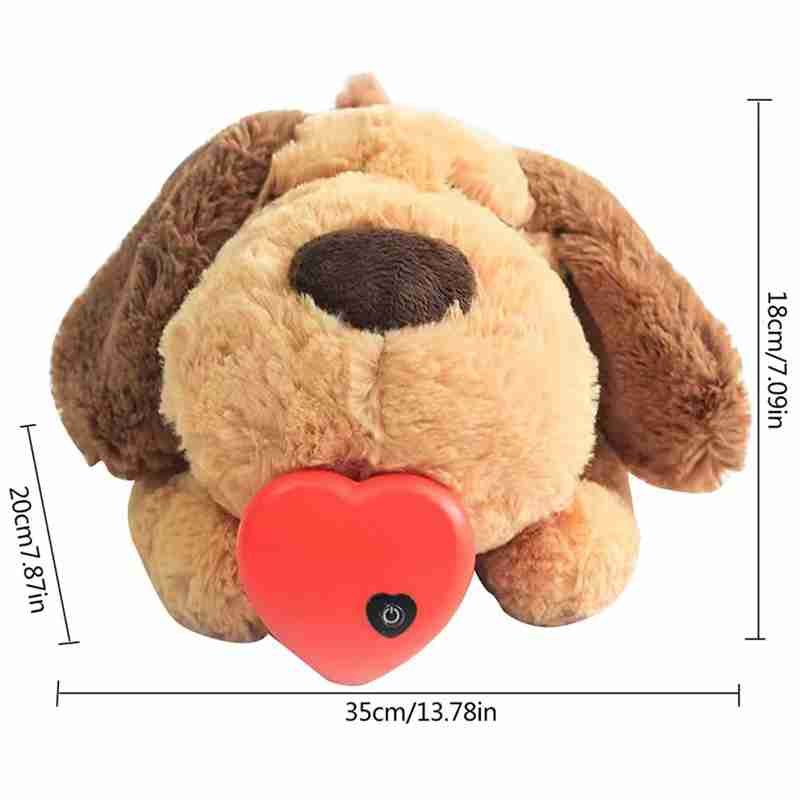
If you’re sourcing weighted plush toys, the biggest risk is not the first sample—it’s the bulk repeatability and the weight safety system behind it. A weighted plush can look perfect in photos, but fail later due to leaking beads, uneven weight distribution, seam creep, or washing-related deformation. Heyzizi approaches weighted plush like a “system product,” not a soft toy with extra filler. We combine in-house sampling, material, and weighted pack solutions, along with full-process QC, so your approved sample can be reproduced at scale with a stable hand-feel, stable net weight, and controlled risk for accessories and seams. Our teams translate your concept into factory-executable specs and a workable schedule.
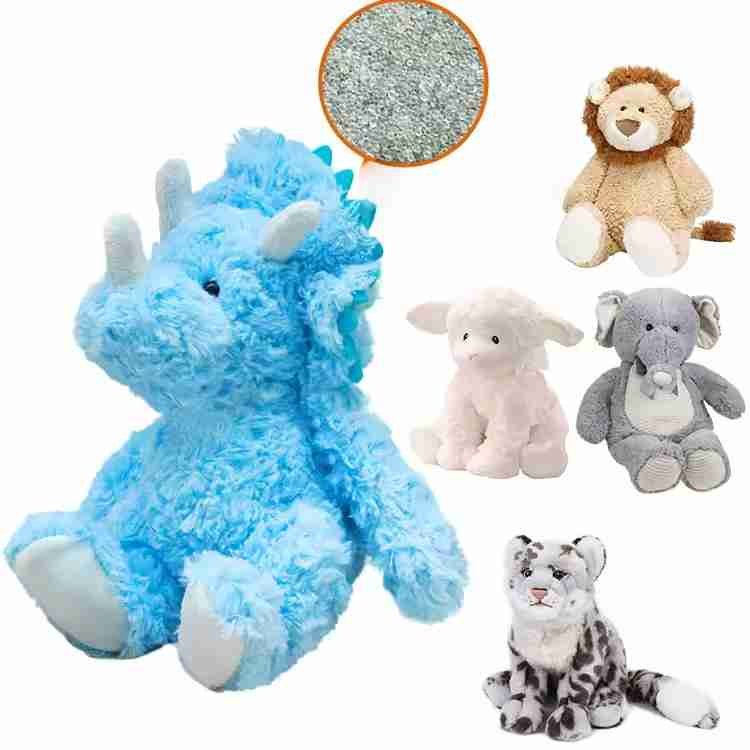
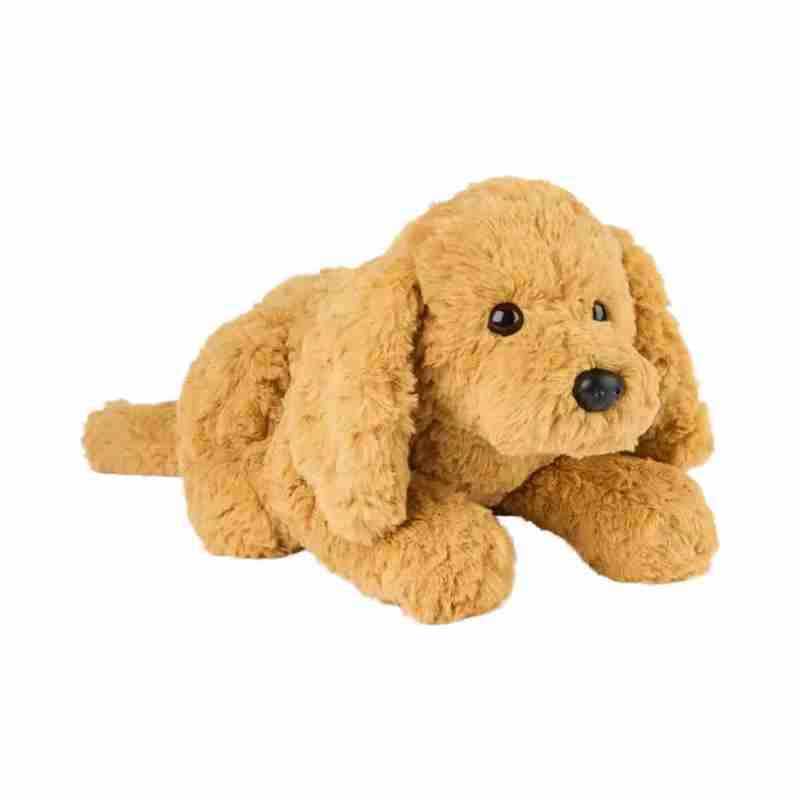
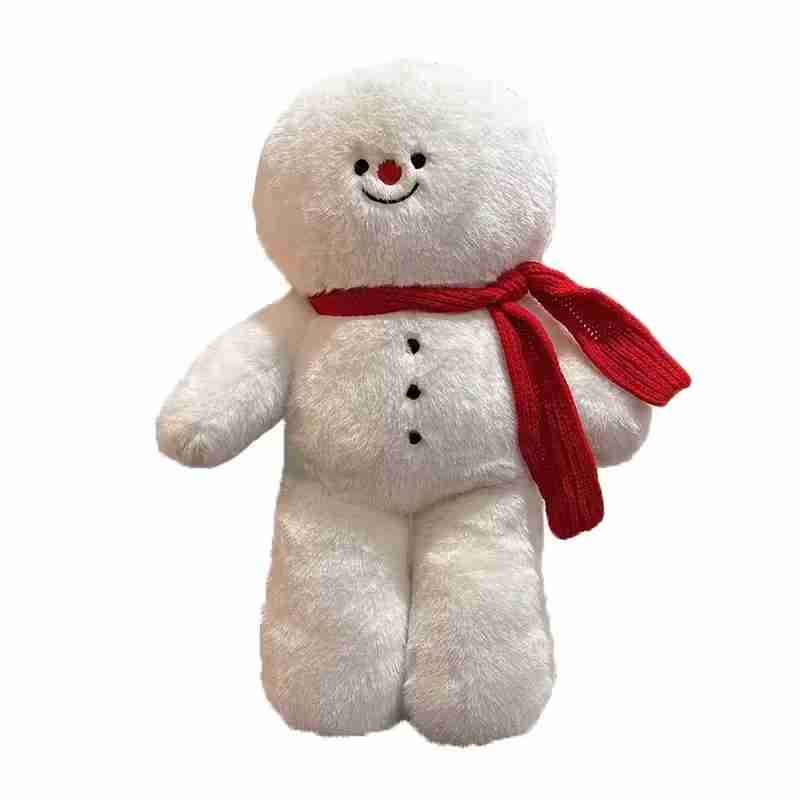
Weighted plush programs usually serve one of three buyer intents: (1) retail calming or comfort products, (2) IP merch with premium hand-feel, or (3) pet comfort plush that needs controlled weight and tougher construction. Each intent requires different decisions on weight range, weight pack design, outer fabric durability, stitch route, and packaging logic.
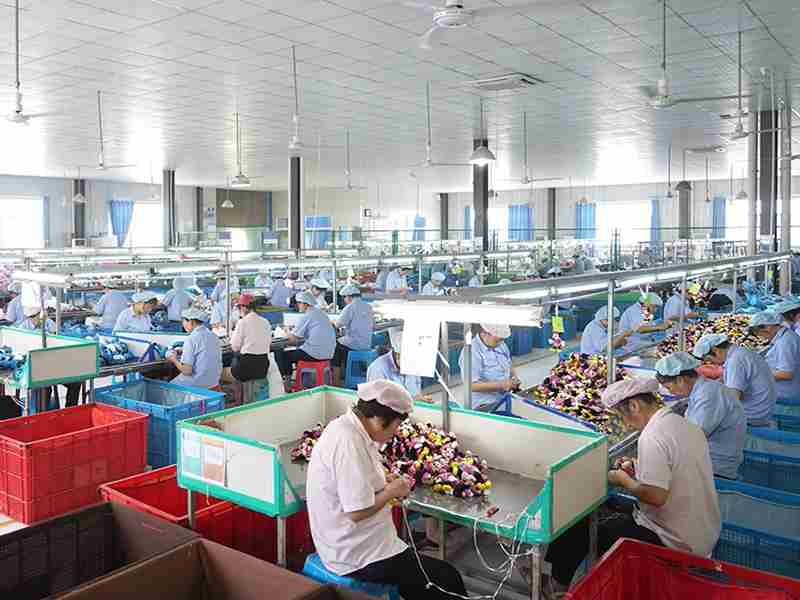
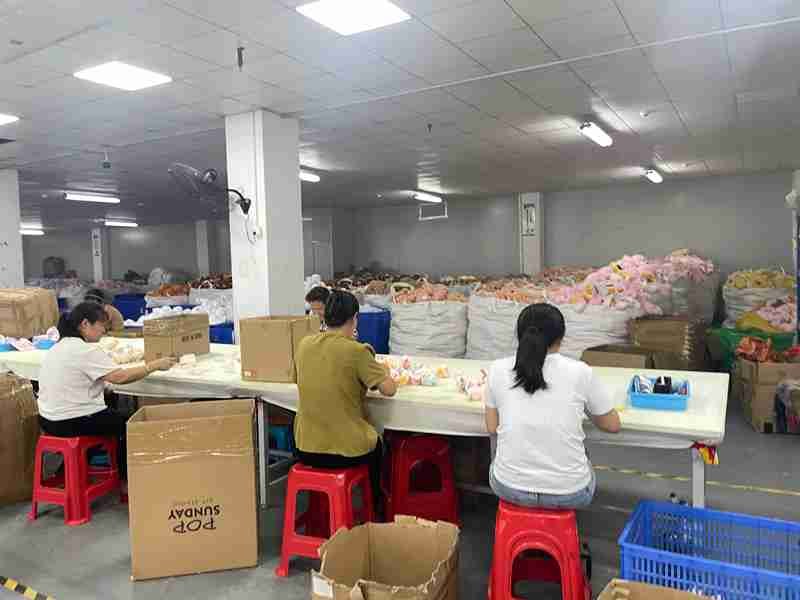
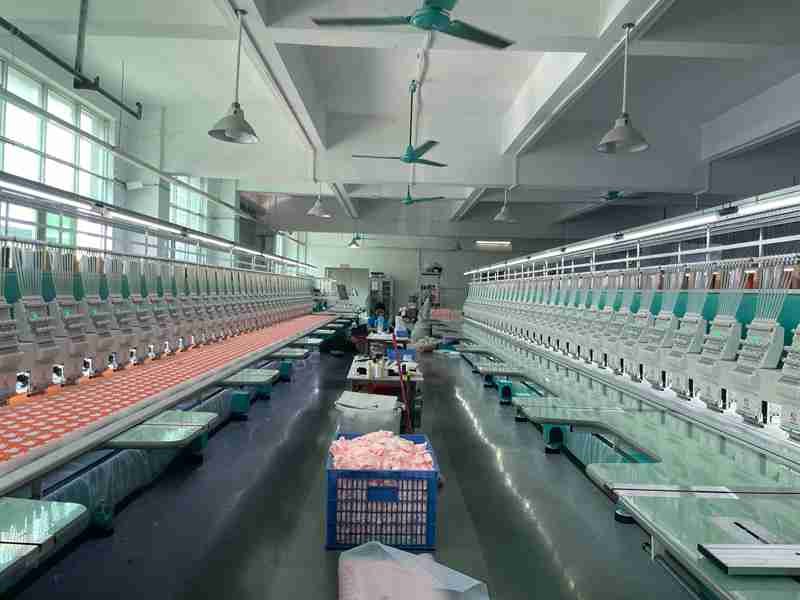
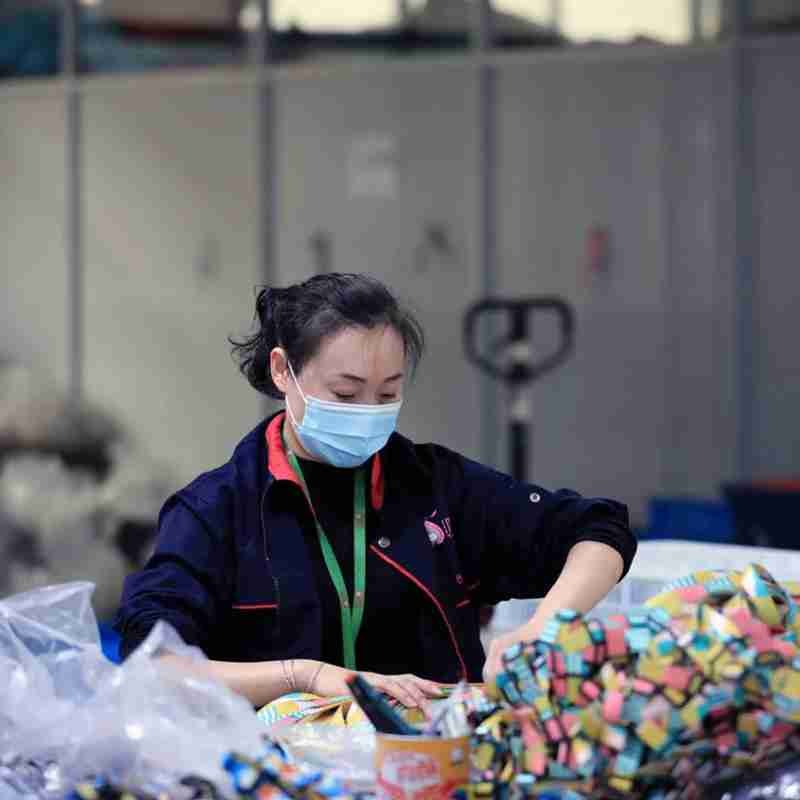
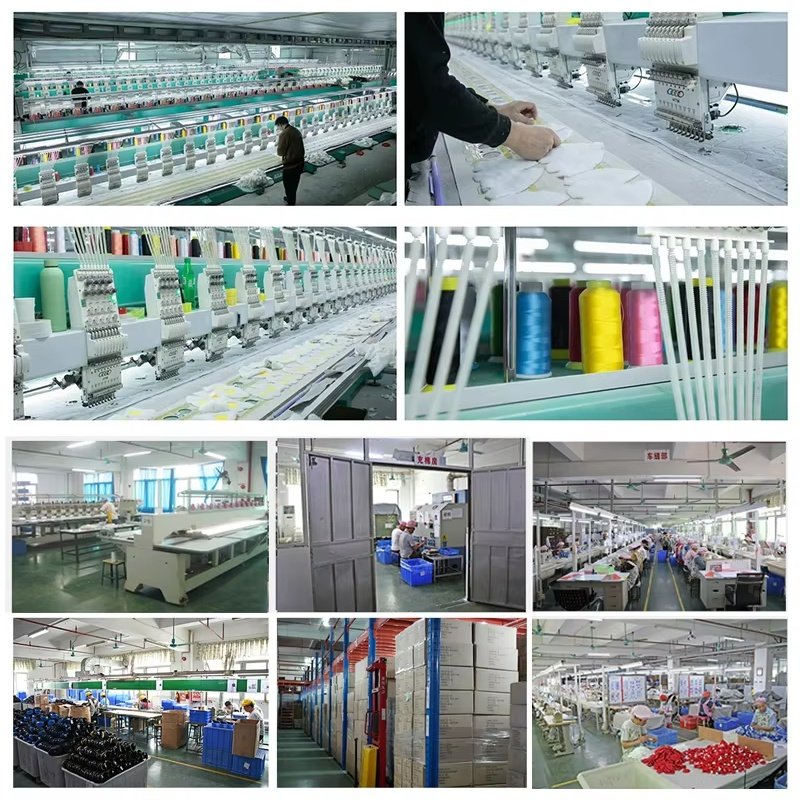
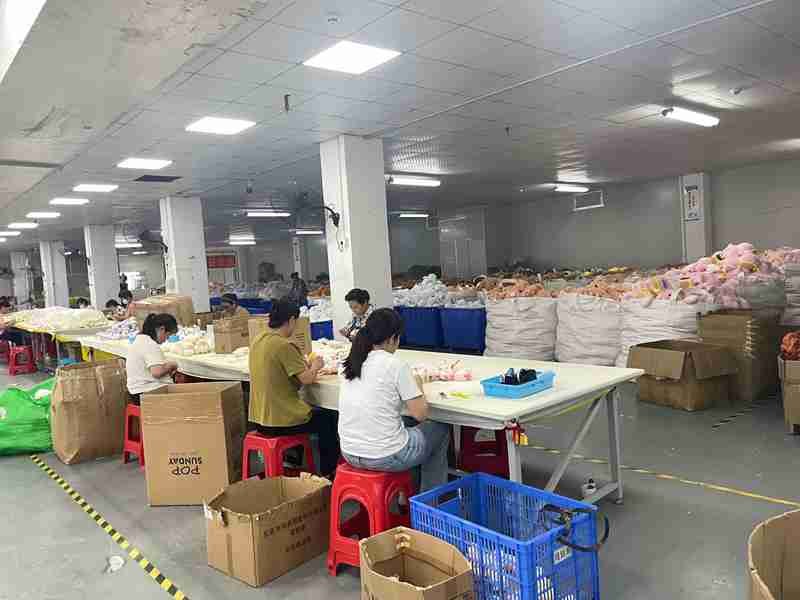
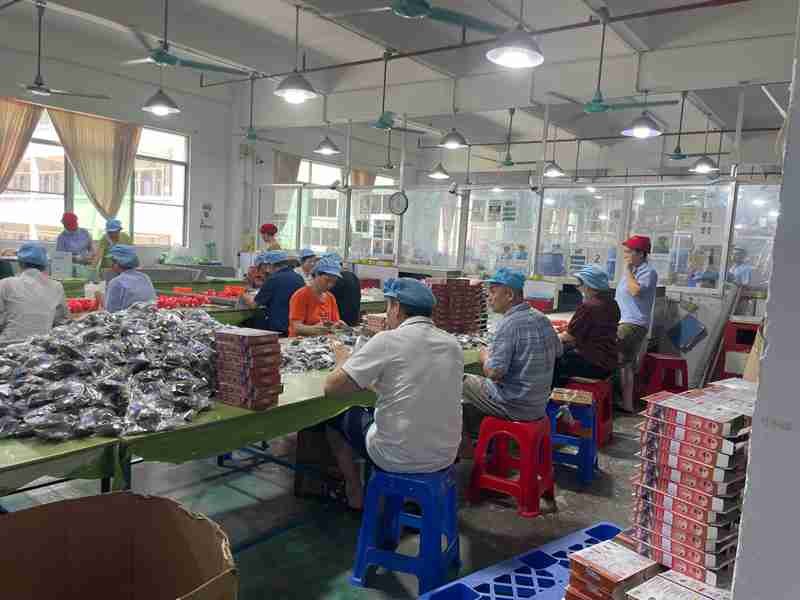
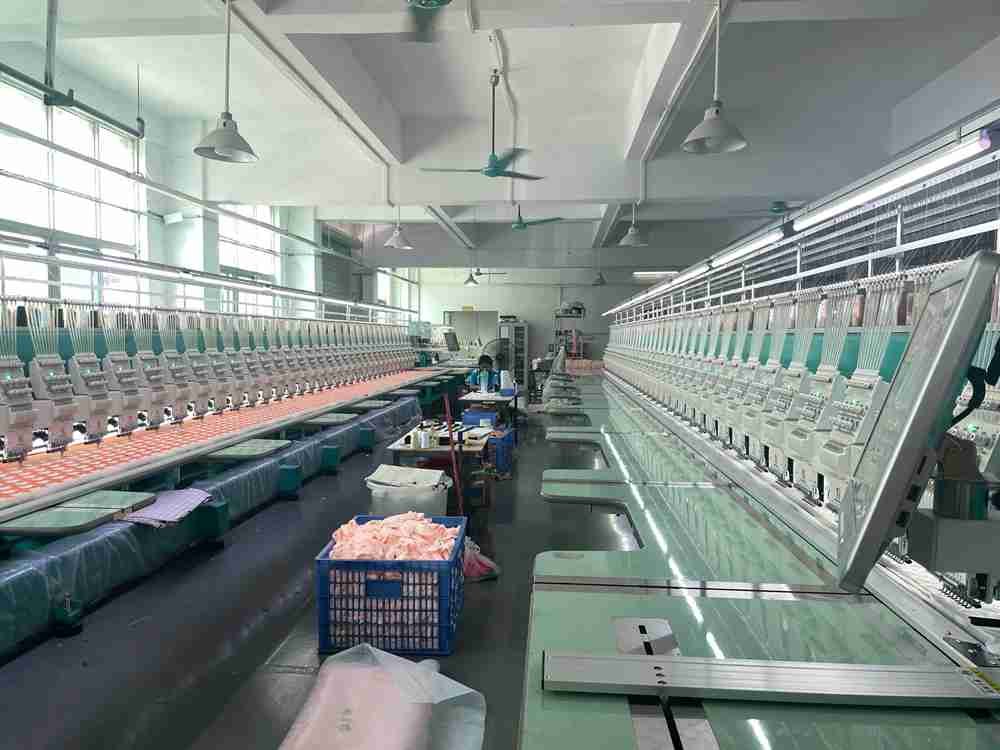
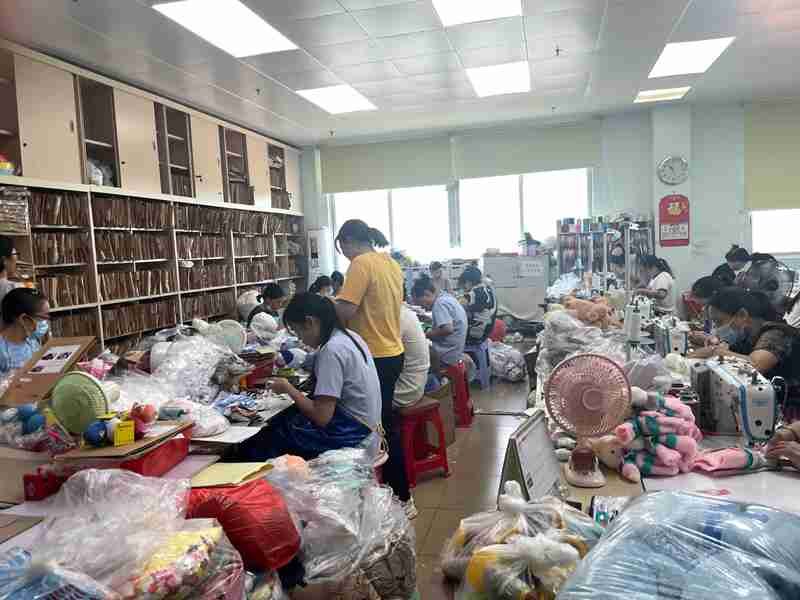
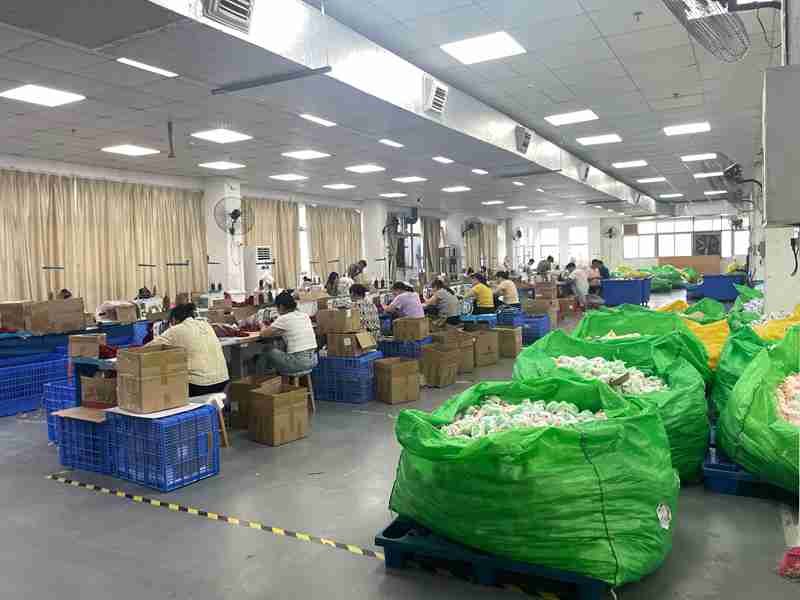
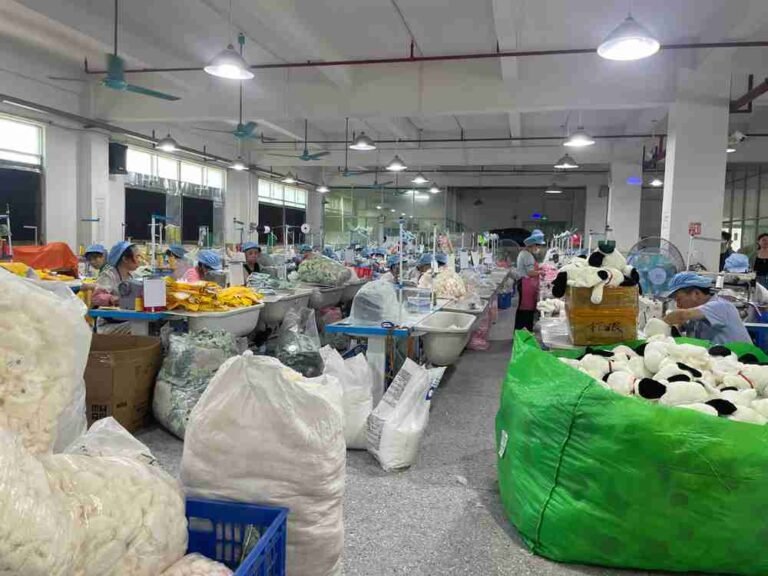
Heyzizi is set up for bulk consistency: 600+ staff, around 18,000㎡ factory scale, and internal coordination across key steps like cutting, sewing, embroidery, or printing-related processes, stuffing, and assembly—so sampling is not a one-off, and production is not outsourced to uncontrolled workshops.
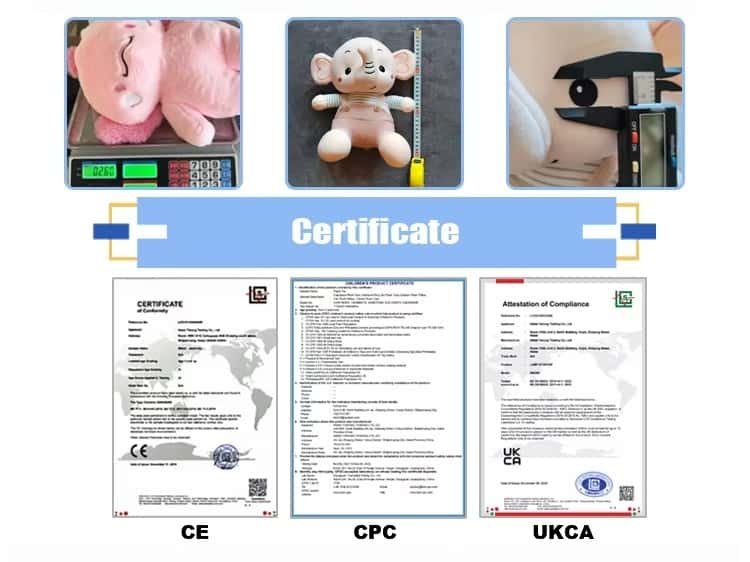
For quality, we run full-process QA with 80 QC inspectors plus checkpoints from IQC / FAI / IPQC / FQC / OQC, with added focus on weight consistency, appearance consistency, and pull strength testing for attachment points and safety-related parts.
To help procurement move faster, this guide is structured for “RFQ readiness”: you’ll find decision tables, step-by-step build logic, and risk-control checklists you can copy into your internal specs. When you’re ready, share target size, target weight range, and sales channel requirements—then we’ll propose a realistic build route that matches your cost, safety, and lead-time goals.
Weighted Plush Build Map: No Leaks, No Deform
Below is the practical construction logic we recommend for most weighted plush programs:
(1) Inner Weight Pack (sealed pouch)
- Weight material is enclosed in a sealed inner pouch (often double-layer or welded + stitched).
- The pouch is fixed to the internal structure so it cannot slide to one side.
- For higher weights, we add secondary containment to lower leakage risk.
(2) Load Path & Reinforcement
- We map “load points” where weight creates stress: base seam, side seam junctions, and handle/attachment zones.
- Reinforcement options include double stitch, bar-tack at stress corners, and internal fabric backing.
- If the plush has accessories (keychain, straps, hanging loop), we treat the attachment as a pull-test item.
(3) Weight Distribution Layout
- The feel is controlled by how weight is spread: belly-only, lower-body, limbs, or segmented pockets.
- Segmented layouts reduce hard “lumps” and keep the plush from tipping.
- For comfort products, we avoid sharp edges by shaping the pack footprint.
(4) Bulk Consistency Controls
- We set a weight tolerance band (example: ±3% or a gram-level range) and control it by pre-weighing packs.
- QC checks include size/weight/appearance consistency and pull strength testing.
- Inspection is applied across IQC/FAI/IPQC/FQC/OQC, so problems are found early, not at shipment.
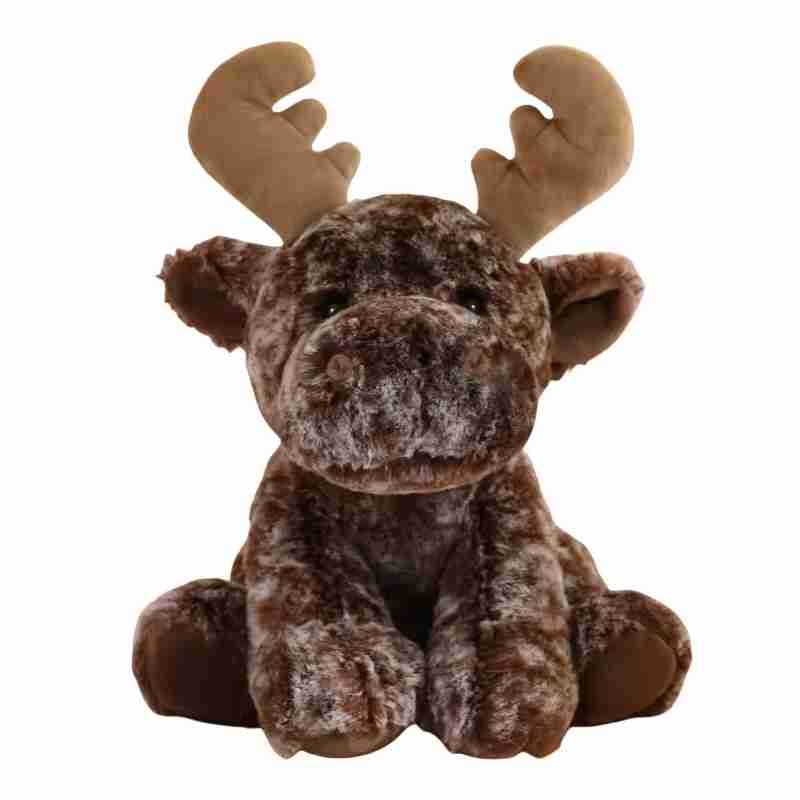
Weighted Materials and Sealing Options
“Weighted plush” is not one material choice. The same target weight can feel completely different depending on bead size, density, pack shape, and sealing method. Procurement teams often only ask “glass beads or steel beads,” but real bulk performance also depends on how those materials are sealed and contained, and how they behave after repeated handling. Heyzizi supports filling materials options plus weighted materials & sealing solutions, so we can match your product positioning—soft comfort, premium feel, or durability-first—without guessing.
Use the table below to make faster RFQ decisions. For most retail weighted plush, glass beads inside a sealed pouch are common due to a balanced feel. For premium or higher-density requirements, steel beads can reduce volume for the same weight, but it changes sound and “drop feel,” so pack design matters more.
| Option | Typical Feel | Bulk Risk Focus | Best For |
|---|---|---|---|
| Glass Beads | Smooth, quiet, balanced | leakage control, pack seam quality | Comfort Plush, retail calming |
| Steel Beads | Dense, compact weight | sound or impact feel, stronger containment | premium feel, smaller size, and weight |
| Mixed Fill (fiber and beads) | softer surface and weighted core | weight migration if not fixed | plush pillows, belly-weight designs |
| Sealed Pouch (double-layer) | consistent weight location | pouch integrity and fixation | most programs |
| Secondary Containment | lower leak risk | cost and assembly steps | heavier SKUs or higher safety focus |
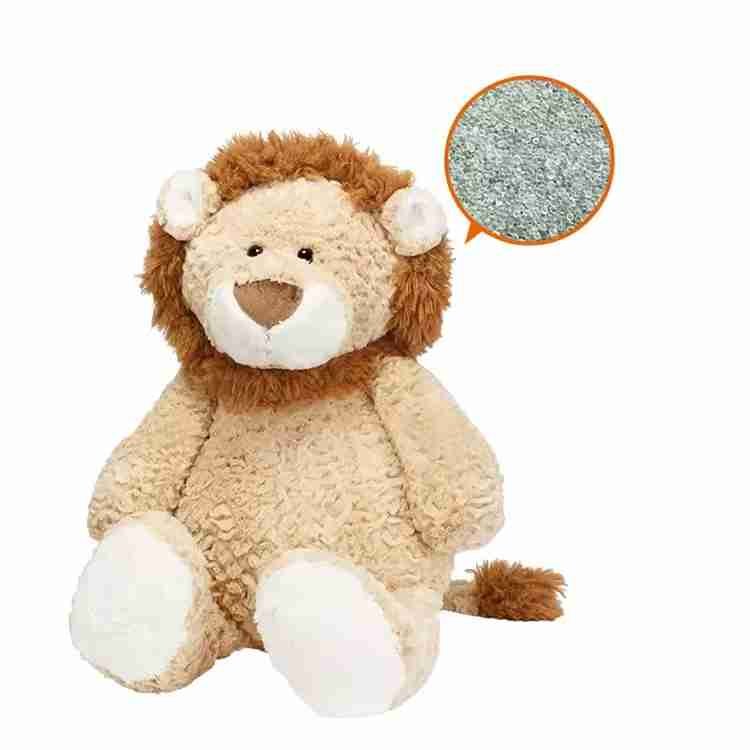
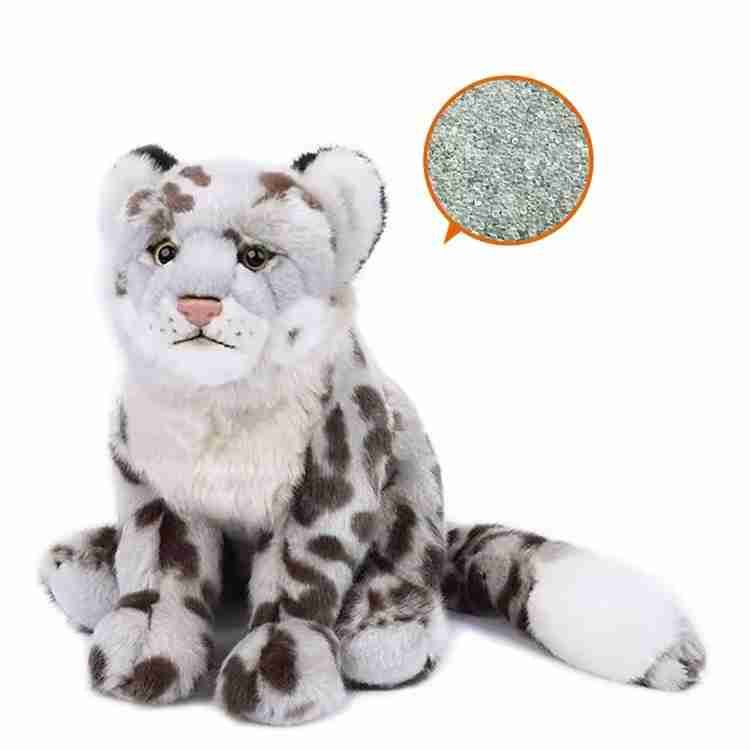
Weighted Plush Sampling and Version Control
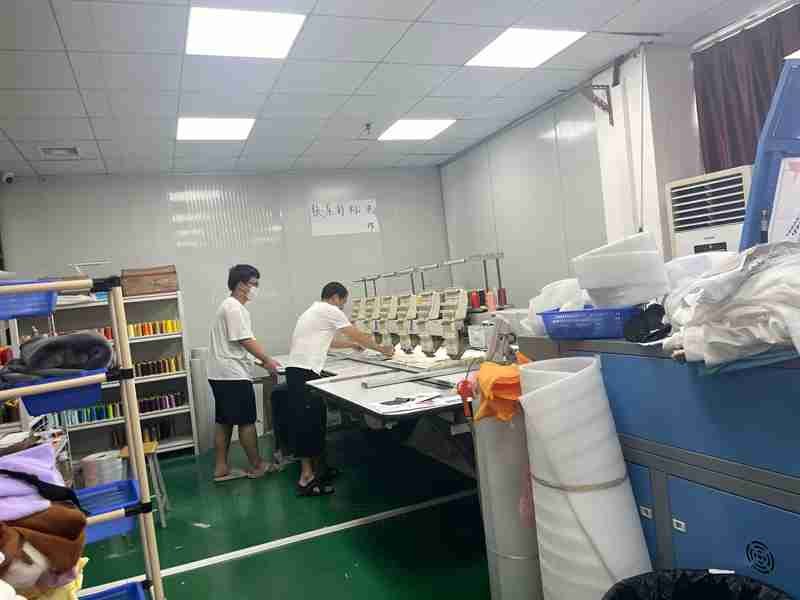
Weighted plush sampling should not end at “looks good.” The sample stage must lock the hidden specs that decide bulk results: net weight tolerance, pack fixation points, stitch density, and the “do-not-change” list for fabrics and trims. Heyzizi runs sampling with an in-house pattern & sampling room so prototypes are a stable foundation for bulk production—not a one-off result. We support sample review notes, revision lists, and photo or video approvals, so you can confirm changes clearly and reduce rework.
Here is the workflow we recommend for procurement teams managing weighted plush programs:
Step 1 — RFQ Inputs That Reduce Back-and-Forth
- Size (H, W, D), target net weight range, intended channel (retail, promo, pet), age grade, logo method
- Packaging requirement (polybag, box, header card), barcode labeling needs
Step 2 — Engineering Sample (not only appearance)
- Confirm weight pack design (material, sealing, fixation)
- Confirm stress zones and reinforcement
- Confirm washing or deformation expectations (if applicable)
Step 3 — Version Control & Approval Evidence
- We keep a revision list and share photos/videos for confirmation.
- For bulk alignment, we lock a “golden reference” logic (approved sample + BOM + process notes) so repeat orders stay stable.
Step 4 — Pre-Production QC Gate
- IQC checks for fabrics and weighted materials
- FAI confirms first unit matches locked specs
- IPQC monitors stitch routes, pack placement, and net weight
- FQC/OQC verifies weight tolerance and final packing readiness
Weighted Plush Safety: Seams, Parts, Labels
Weighted plush adds a new safety layer: the extra mass increases seam stress, and the contained fill must not leak under normal handling. Many claims start from predictable issues—small parts detachment, unsafe loop or cord lengths, sharp hardware edges, and weak seams that open after drops or repeated squeezing. Compliance is not “passing once.” It comes from consistent build choices: secure attachment design, zone reinforcement, sealed weight pouches, and clear labeling and traceability. This section explains how we structure these decisions to speed approvals and reduce downstream risk.
Safety control starts with product definition: intended market, age grade, and channel requirements. For weighted plush, the most common risk areas are clear and manageable if you treat them as “must-control items.”
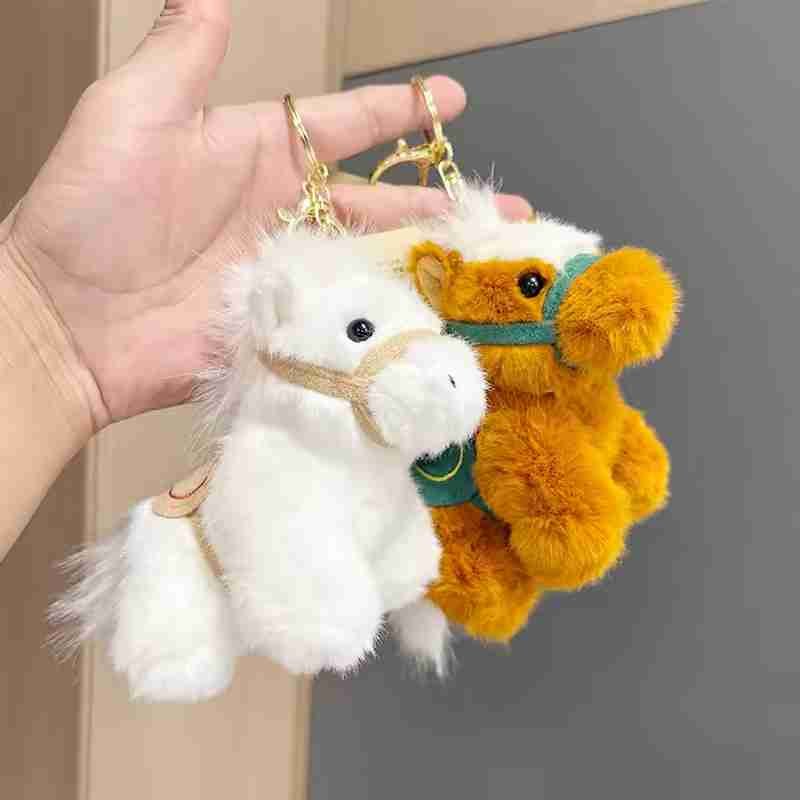
(1) Accessory & Small Parts Control
- If using safety eyes, noses, buckles, or metal charms, we treat them as pull-test items and confirm secure installation methods.
- We add checks for small parts detachment and confirm accessory selection aligns with your target age grade.
(2) Loop/Cord Length Safety (Kids-focused programs)
- If your product includes a hanging loop, strap, or cord, we include a cord/loop length safety check for children’s items.
- This is often overlooked in early sampling and becomes a late-stage compliance issue.
(3) Weight Pouch Sealing & Containment
- Weighted plush requires a defined weight bag sealing standard (leak-proof) and a clear placement spec, so weight does not migrate and create seam overload.
- For heavier SKUs, we recommend secondary containment plus stronger fixation points.
(4) Sharp Edge Risk
- If any hardware is used, we include a sharp edge check for hardware and pull parts.
Weighted Plush QC: Tolerance, Evenness, Pull Tests
Quality for weighted plush is not only “clean sewing.” Buyers care about net weight stability, consistent hand-feel, and the absence of hidden defects like hard lumps, empty spots, or migrating weight. These defects often appear only in bulk, after packing compression, or after a long shipment. That’s why our QC system is built around checkpoints and measurable criteria: filling weight specs, filling evenness, hand-feel levels, weighted position & weight specs, and defined accessory security tests. We apply these checks through staged inspection: IQC, FAI, IPQC, FQC, and OQC, so issues are caught early instead of at final shipment.
For weighted plush programs, we recommend defining a “QC control map” that includes both appearance and performance items.
(1) Weight & Filling Controls
- Filling Weight Spec and Filling Evenness to prevent voids and hard spots.
- Hand Feel Level (Soft/Medium/Firm) so bulk does not drift from the approved sample’s touch.
- Weighted Position & Weight Spec to keep balance stable (no tipping, no “one-side heavy”).
- Weight Bag Sealing Standard (Leak-Proof) to reduce leakage risk in shipping and use.
(2) Accessory Security & Safety Tests
- Safety eye pull test, nose/buckle pull test, and metal charm pull test when applicable.
- Small parts detachment check and sharp edge check for hardware.
(3) Stage-Gate Inspection (IQC→OQC)
- IQC: verify fabric specs, weight materials, pouch materials
- FAI: confirm first unit matches locked build map
- IPQC: monitor pack placement, stitch routes, seam allowances
- FQC/OQC: confirm final weight tolerance and packing readiness
Weighted Plush Packing: Anti-Compression and Labels
A packaging plan for weighted plush should start from three facts: product size, net weight, and sales channel (e-commerce vs retail). Then we choose protective packing that keeps the plush looking like the approved sample.
(1) Unit Packaging Options (Retail/E-commerce-ready)
- Unit Polybag (OPP/PE/Ziplock) for basic protection
- Dust bag/gift bag for premium feel
- Color box / gift box / insert tray for display integrity
(2) Carton Packing Plan (Anti-compression is key)
- Use dividers and anti-compression supports when the weight is high or the shape must stay structured.
- Define layering rules so the heaviest items do not crush lighter units.
(3) Vacuum Packing (Only if Suitable)
- Vacuum packing can reduce shipping costs but may cause deformation in some styles. We evaluate “shape recovery” and advise vacuum only for suitable designs.
(4) Labeling & Carton Marks for Receiving
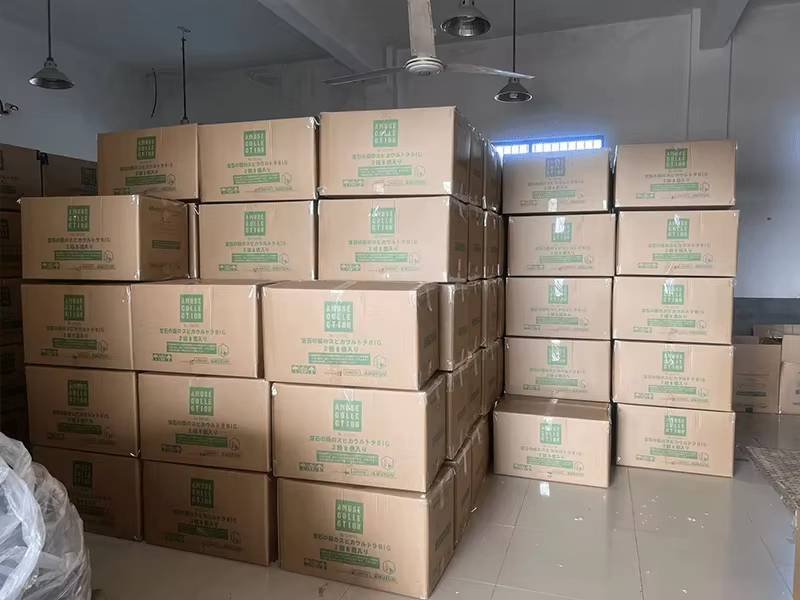
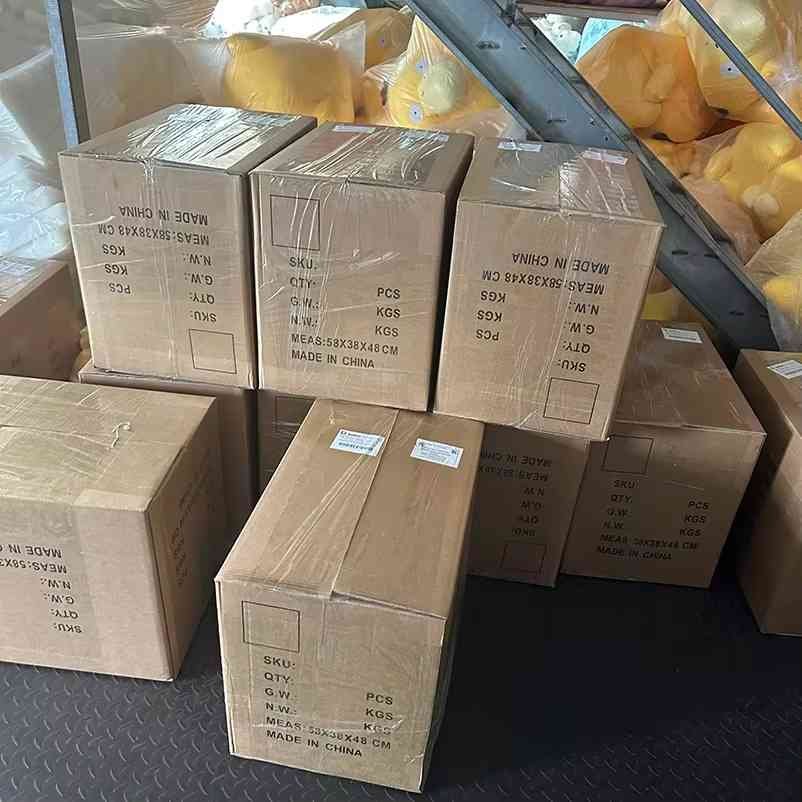
- We support barcode labeling/tagging and custom carton marks & labels so your warehouse team can receive and pick faster.
- Carton info can include carton no., G/N weight, size, and shipping marks.
(5) Packing Proof & Pre-Shipment Photos (Reduce Mistakes)
- Packing proof photos: unit pack, set pack, master carton; plus carton marking close-ups when needed.
MOQ, Cost, Lead Time, and Accuracy Drivers
Below is a practical way to understand pricing and MOQ for weighted plush. In most cases, the “unit price” is driven by material system, labor time, and risk-control steps.
(1) Cost Drivers (Weighted Plush Specific)
Net weight range and weight distribution (belly-only vs segmented pockets)
Weight material choice (glass vs steel) and bead size
Sealed pouch standard (single layer vs double layer, secondary containment)
Reinforcement map (base seams, junctions, attachment points)
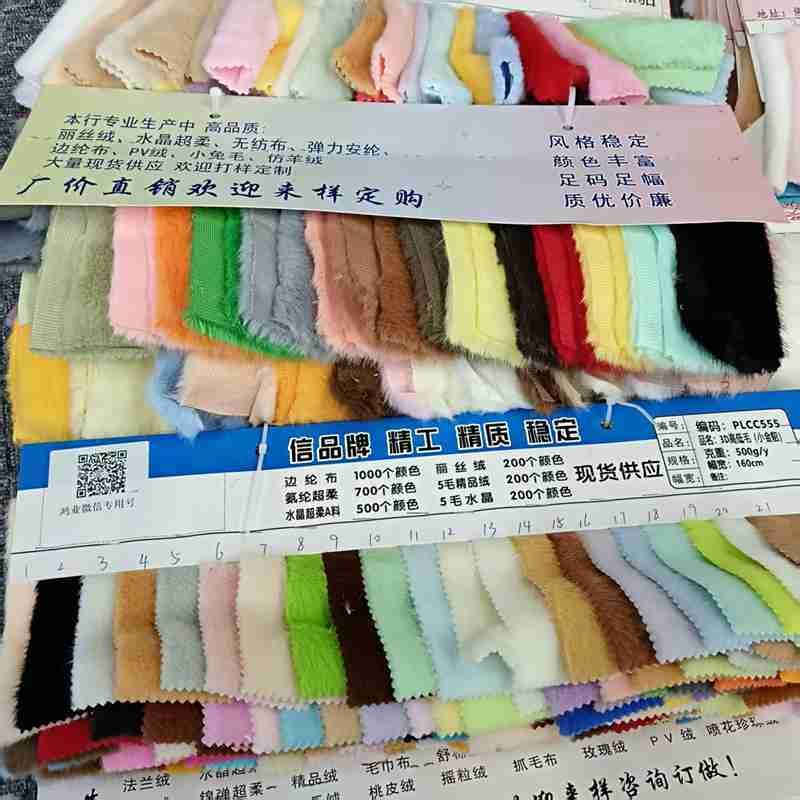
Outer fabric spec (GSM, pile length, color matching)
Branding & labeling (labels, hangtags, warning cards, barcode/SKU)
Packaging method (box/insert/dividers/anti-compression supports)
(2) MOQ Logic (How to Reduce First-Order Risk)
A smart first order is a pilot run: confirm weight tolerance, hand-feel, and packing rules before scaling.
If your program needs multiple SKUs, we can structure development by “reference SKU first,” then extend into variants—this improves consistency and reduces re-sampling loops.
(3) Lead Time Planning (Milestone-Based)
We support a project milestone timeline from sample → production → shipment, with production updates and risk alerts if materials or structure issues appear.
Weighted Plush Private Label Essentials
A weighted plush that sells well usually fails or succeeds at the “retail readiness” layer: labeling, barcode accuracy, warning cards, and packaging that protects the product’s shape on shelves and in e-commerce fulfillment. Many suppliers can sew a plush, but fewer can execute a clean private-label system that matches your channel’s receiving rules. Heyzizi supports branded packaging (box/header/gift box), barcode labeling/tagging, and custom carton marks & labels, so your weighted plush arrives with clear SKU identity and fewer warehouse disputes. We also support packaging photos for confirmation, which reduces misunderstandings between your buying team, warehouse, and marketing team.
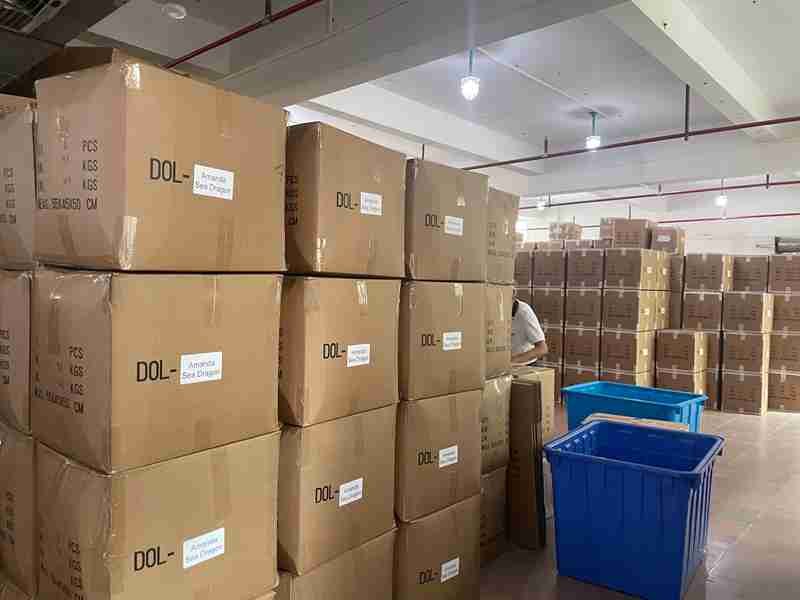
Private label execution is not “just add a logo.” It’s a chain of details that prevents costly receiving errors and returns.
(1) What we can support (retail + warehouse aligned)
- Branded packaging: color box, header card, gift box, insert tray.
- Barcode labeling/tagging: barcode stickers or tag placements to match your SKU system.
- Custom carton marks & labels: carton labels that include carton No., G/N weight, size, and shipping marks.
(2) Weighted plush-specific retail details
- Weight declaration logic: Decide whether you label net weight on unit packaging, and ensure your marketing claims align with production tolerance (avoid claim disputes).
- Warning card strategy: If your channel requires warnings (small parts, age grade, care instructions), integrate them early so packaging doesn’t change late.
- Shape-protection packaging: Weighted plush often needs insert support or anti-compression carton rules so the product does not arrive flattened.
(3) Proof to avoid “wrong label / wrong carton mark” mistakes
We can provide packaging photos (unit, set, carton marking) so your team can confirm the execution before shipment.
Weighted Plush Reorders: BOM and Records
Reorders become stable only when you can “rebuild the same product” with documented references. Here’s what we maintain and how it protects your program:
(1) Golden Sample Sealing & Storage
- The approved weighted plush is sealed and labeled as the physical benchmark.
- This reference is used for comparison checks in reorders.
(2) BOM Record
- Fabrics, linings, reinforcement materials, fillings, weight materials, and hardware are recorded.
- For weighted plush, this prevents silent substitutions that change feel or safety.
(3) Process Notes
- Stitch density, reinforcement points, and face placement are recorded—these are the hidden drivers of tactile consistency.
(4) Color Reference & Batch Tracking Support
- We maintain color references and can support batch tracking logic.
(5) Reorder Benchmark Checks
- Each reorder is compared against prior shipments and the golden sample to confirm alignment.
Weighted Plush Failures: Causes and Fixes
Most “supplier problems” are actually process problems. Weighted plush magnifies these issues because customers can feel and compare weight, balance, and firmness instantly. The good news: the majority of failures are predictable. They come from unclear weight pack standards, missing reinforcement mapping, informal material substitutions, or packaging rules that ignore compression. This guide is written like a practical troubleshooting guide. It helps you spot early signals during sampling and tells you what prevention action should be built into the spec sheet, QC checkpoints, and packaging SOP. When you can name the risk clearly, you can manage it—and your first order becomes a controlled validation step, not a gamble. (We support version control and reorder files to keep these controls stable over time.)
| Symptom | Likely Root Cause | Prevention (Spec + QC + Packing) |
|---|---|---|
| Beads leaking | weak pouch sealing / no secondary containment | leak-proof sealing standard + heavier SKUs use secondary containment; IPQC check pouch edges |
| One-side heavy / tipping | weight pack not fixed / layout unclear | define weight position spec + fixation points; FAI verify balance |
| Hard lumps / empty spots | filling unevenness / wrong pack footprint | define filling evenness + hand-feel level; FQC tactile check |
| Seam splitting at base | reinforcement map missing / stitch density drift | lock reinforcement points + stitch density; IPQC seam check |
| Flattened shape on arrival | carton packing ignores compression | carton plan with dividers/anti-compression; packing photos for proof |
| Batch 2 feels different | BOM drift / material substitution | maintain BOM + golden sample + records; reorder benchmark checks |
How we “bake prevention into the workflow”
- Lock the system at PPS and golden sample (don’t ship bulk without it).
- Use version control and change logs so changes are explicit.
- Add inspection proof when needed: photos of pouch edges, reinforcement seams, packing and carton marks.
Weighted Plush SKU Library and Hand-Feel
“Weighted plush” is not one product type. It’s a family of structures defined by three controllable variables: weight placement, weight pouch sealing, and hand-feel (soft/medium/firm). If these aren’t specified early, sampling becomes guesswork, and bulk consistency becomes hard. Heyzizi treats weighted plush as a system: we define weighted position & weight specs and apply a leak-proof weight bag sealing standard to reduce returns and claim risk. We also align filling evenness rules (no voids, no hard spots) so the plush feels consistent across units. This module gives you a practical SKU library you can map to your channel (kids, adults, pets) and your use case (calm toy, desk buddy, sleep companion, door stopper-style base).
| SKU Type | Weight Placement | Best For | Risk Control Must-Haves |
|---|---|---|---|
| Base-Weighted “Sit-Stable” | weight concentrated in the base | desk display, shelf pose | weight position spec + balance check |
| Belly-Weighted “Hug Feel” | weight in belly/core | calming hug, cuddle | filling evenness + hand-feel level |
| Full-Body Distributed | multiple weight zones | premium feel, larger sizes | multi-zone fixation + tolerance plan |
| Segmented “Anti-Lump” | weight in segmented pockets | avoid hard lumps | pouch footprint rules + tactile QC |
| Removable Weight Pouch (Optional) | pouch insert pocket | easy cleaning or regional rules | closure security + warning/label plan |
| Long Body Pillow Type | distributed + center control | sleep companion | anti-compression packing plan |

Why Heyzizi for Weighted Plush Reorders
Brands don’t choose a factory because the first sample looks good. You choose a factory because bulk stays aligned and reorders feel the same. Heyzizi’s advantage is an execution system you can verify: documentation (spec sheet/BOM/packaging instructions), version control (V1/V2/PPS/golden sample) with change logs, retail & warehouse labeling (barcode placement, carton labels, carton mark templates, SKU mapping), and full-process QA with traceability support. We also support photo/video assets at key milestones so your team can approve details faster and reduce internal back-and-forth. If you want a weighted plush line that scales beyond one drop, this is the type of operational fit that matters.
What You Get (Clear, Verifiable Deliverables):
- Execution Pack: BOM + workmanship notes + technique sheet + packaging SOP + version control + change log
- Retail-ready labeling: unit barcode placement plan, carton labels, batch/traceability label logic, SKU mapping tables, label photo proof
- Packaging & shipment readiness: dividers/anti-compression packing plan, vacuum packing (if suitable), carton info and shipping marks, pre-shipment photos & checks
- QC governance: IQC→OQC stages + AQL support + third-party inspection coordination + CAPA + batch records
- Reorder stability: golden sample + BOM/process records + color/batch tracking + benchmarking against previous shipments
Risk-Reduction Pilot:
- Start with one reference SKU to validate weight system, sealing standard, and packaging rules.
- Then expand into multi-SKU line extension under the same document governance.
If you want us to review your SKU list and propose a structure + packaging route, email info@heyzizi.com with your target size, target net weight, and channel (kids/adult/pet). (Use this only when you’re ready to move into sampling.)
Request a Custom Sample First?
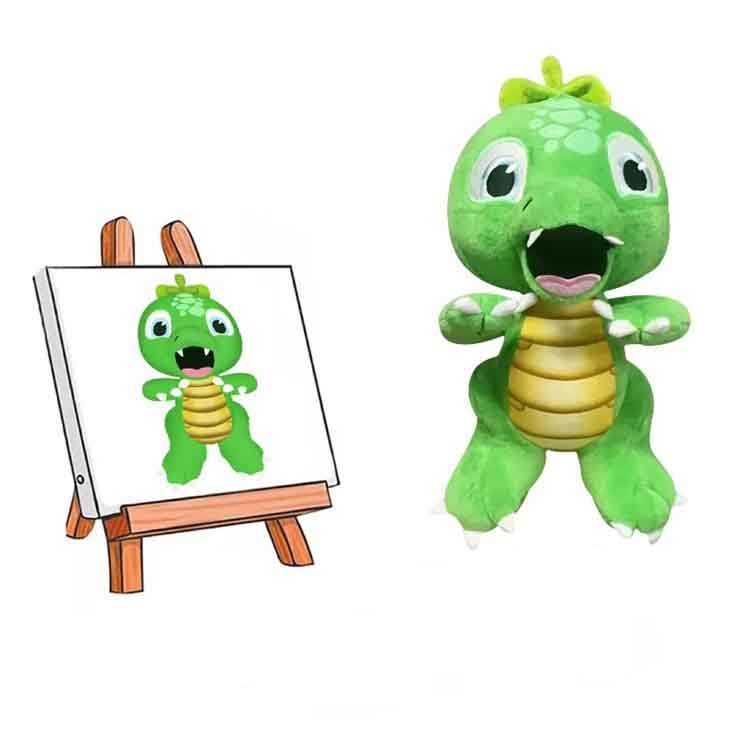
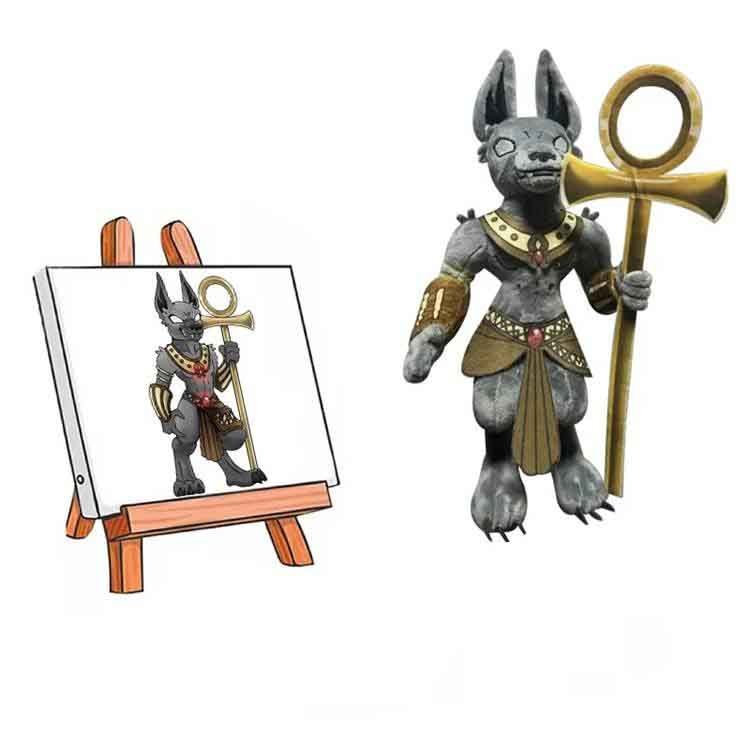
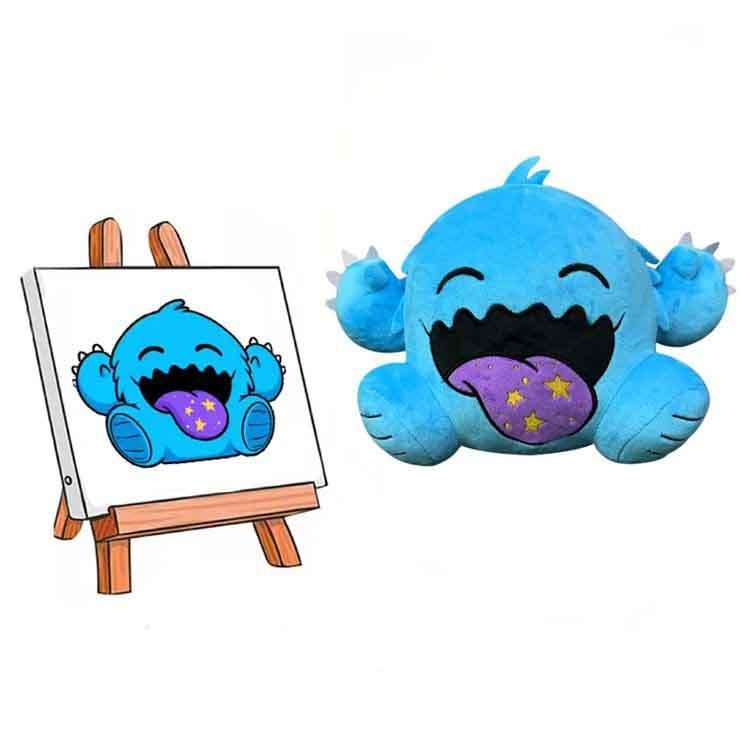
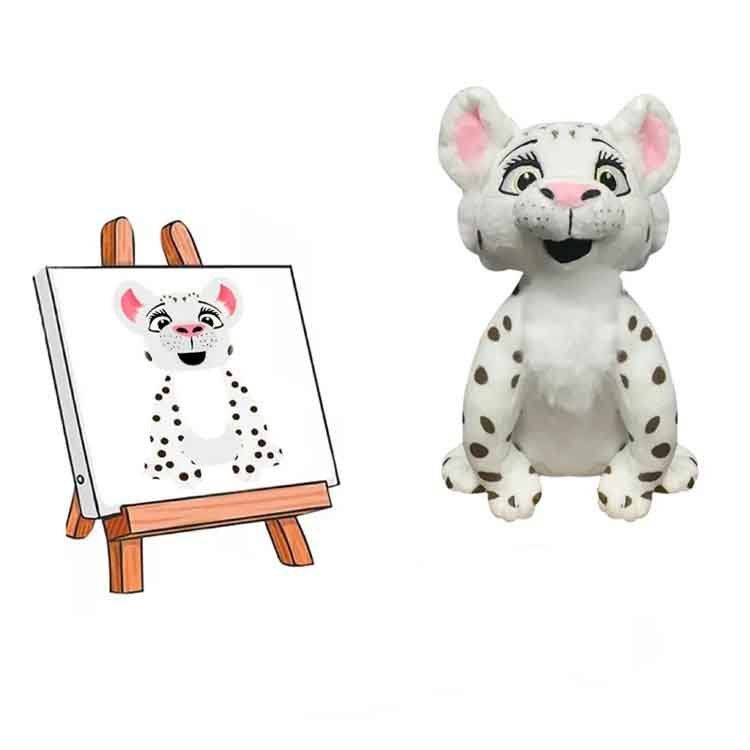
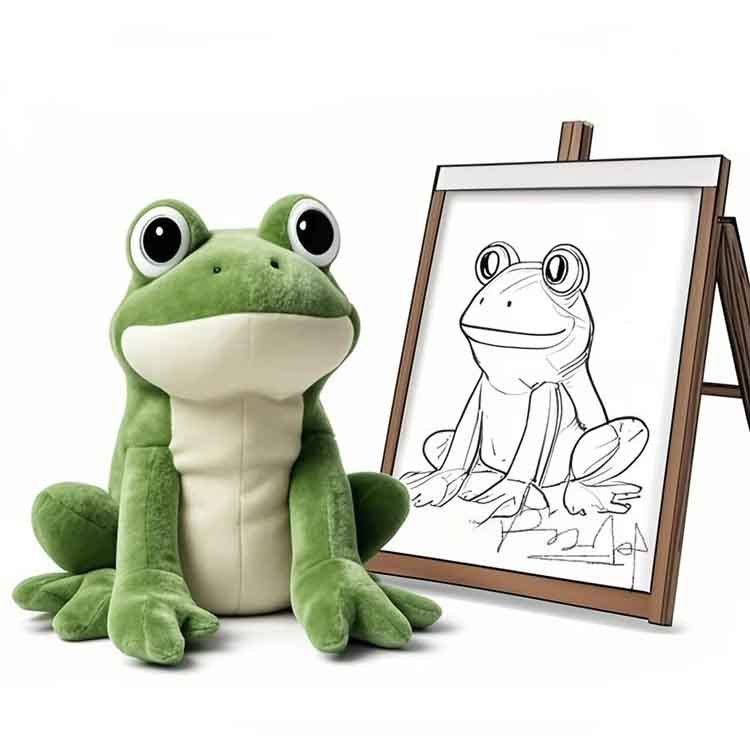
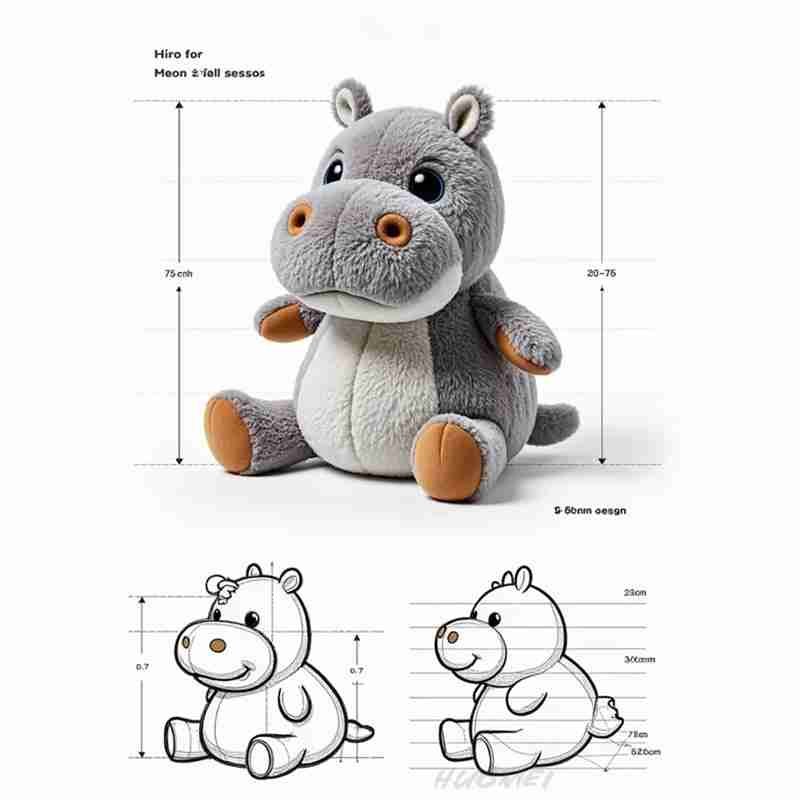
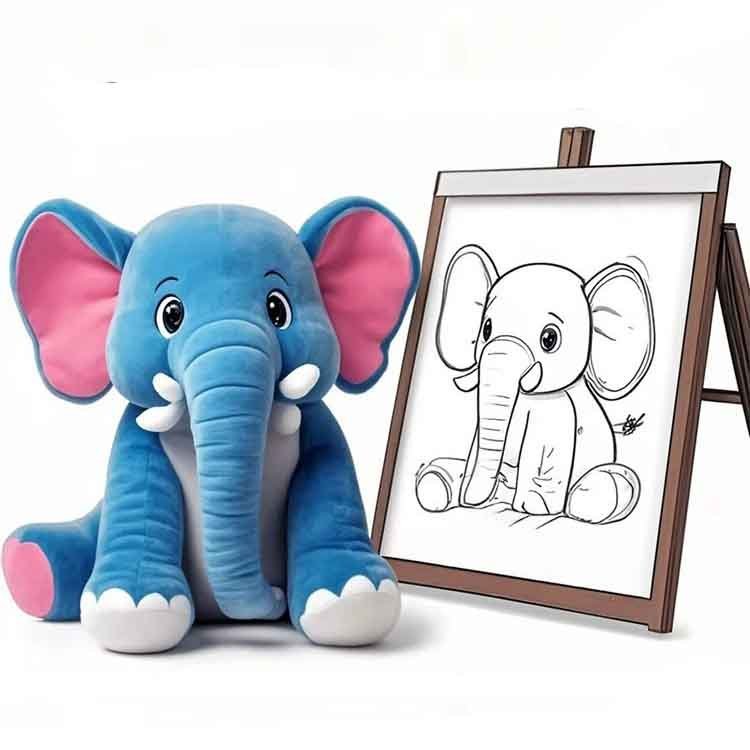
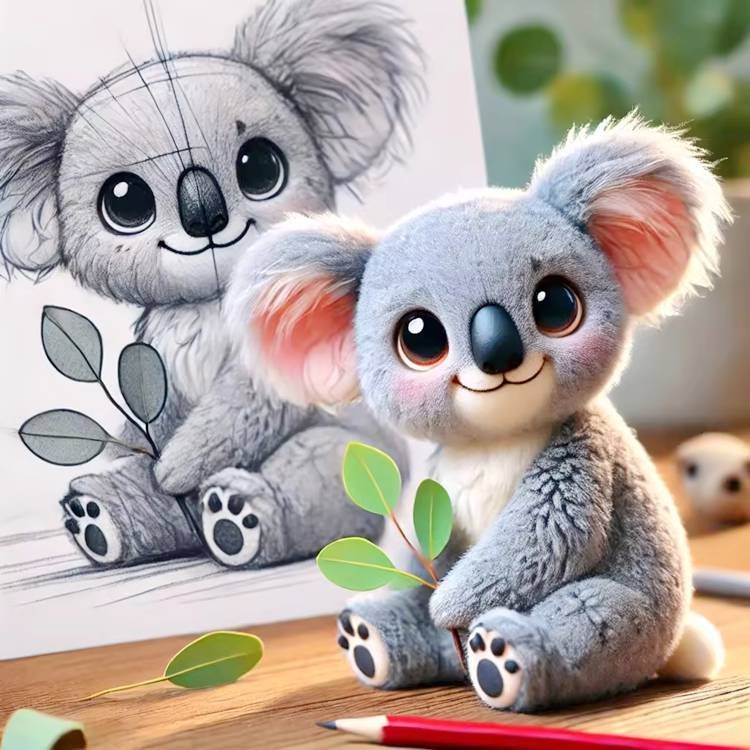
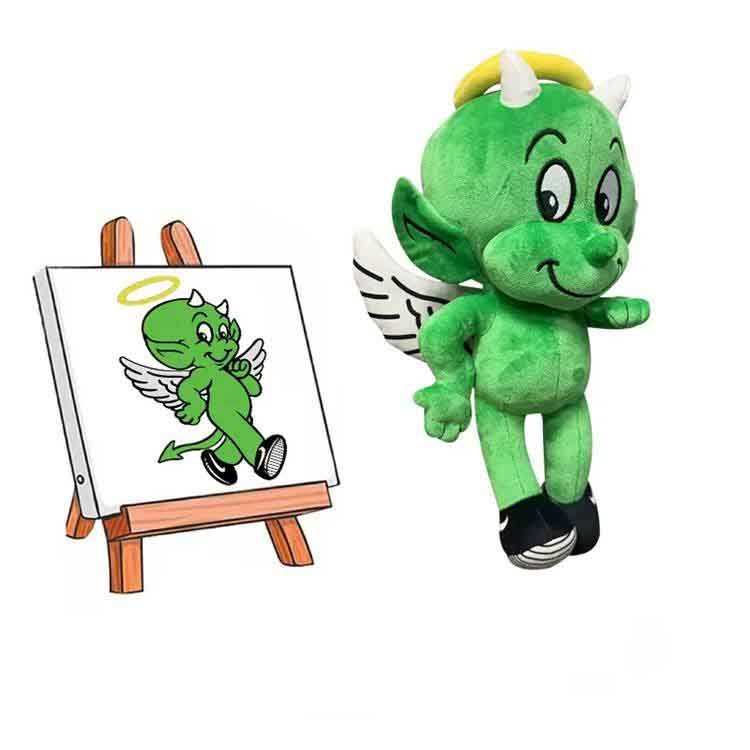
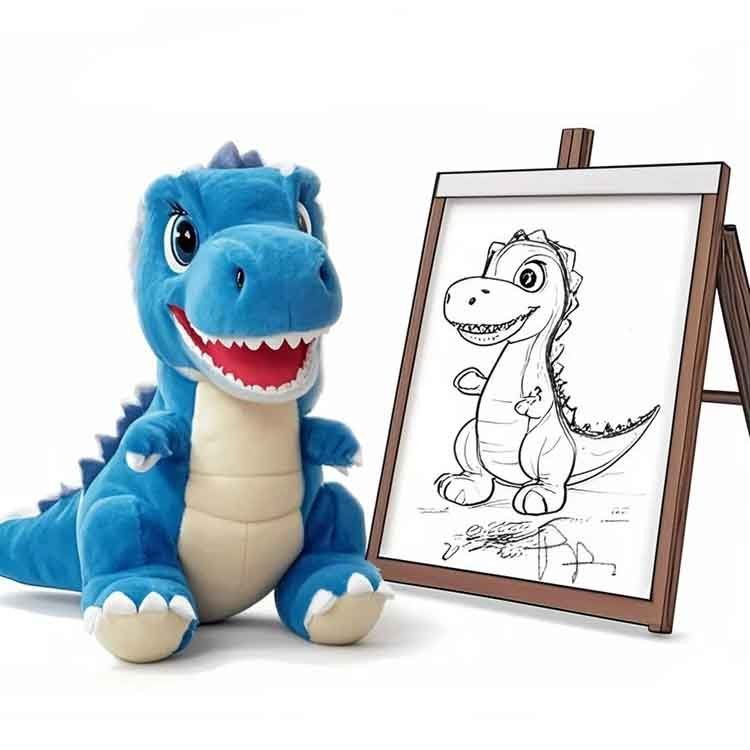
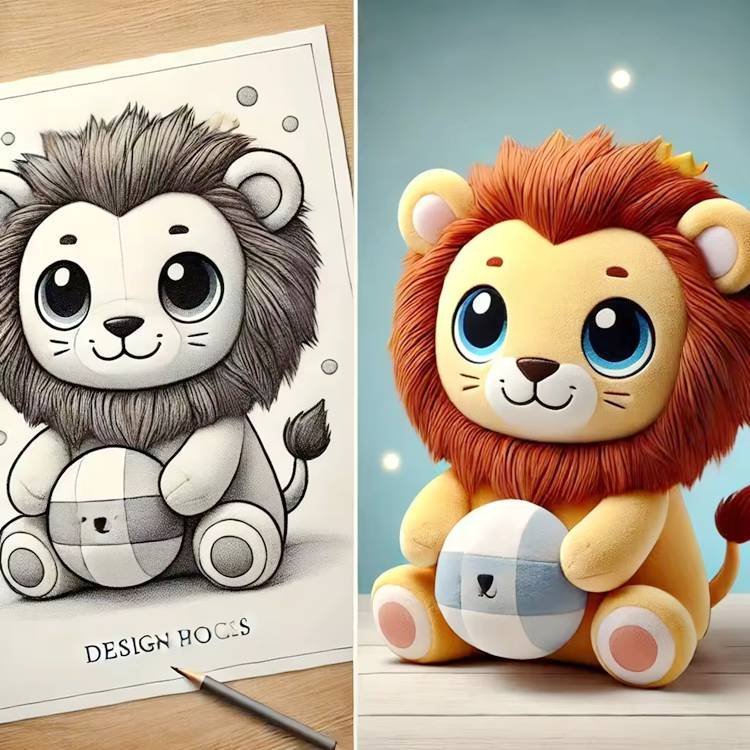
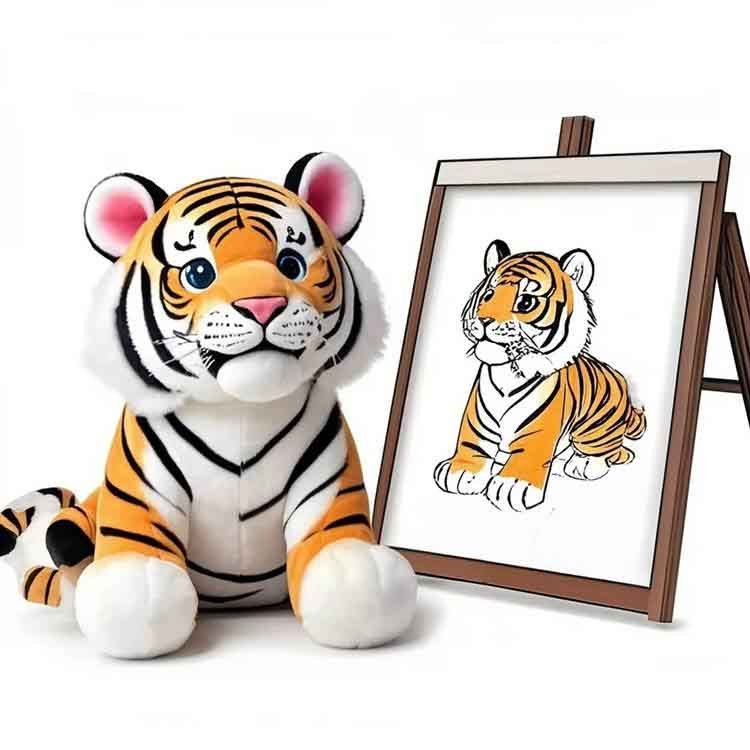
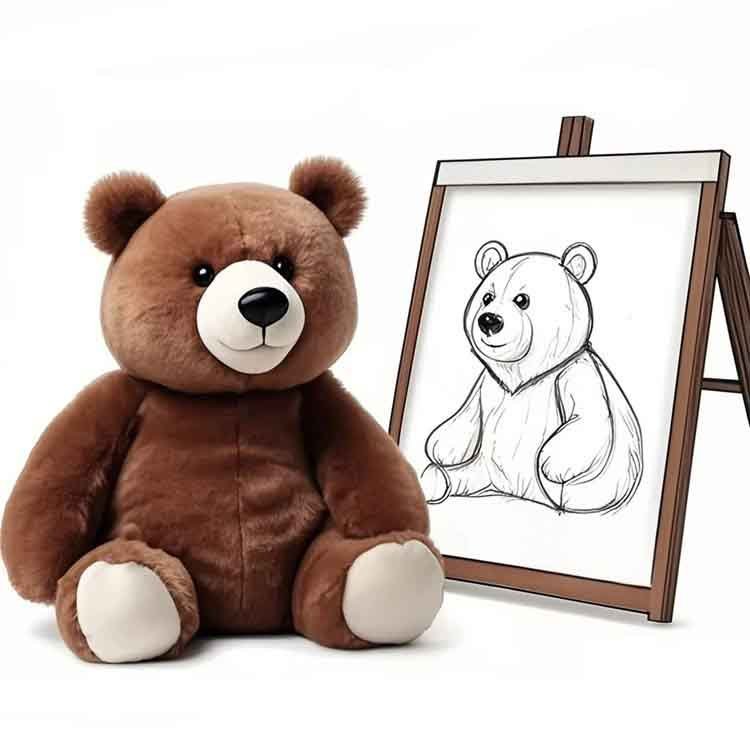
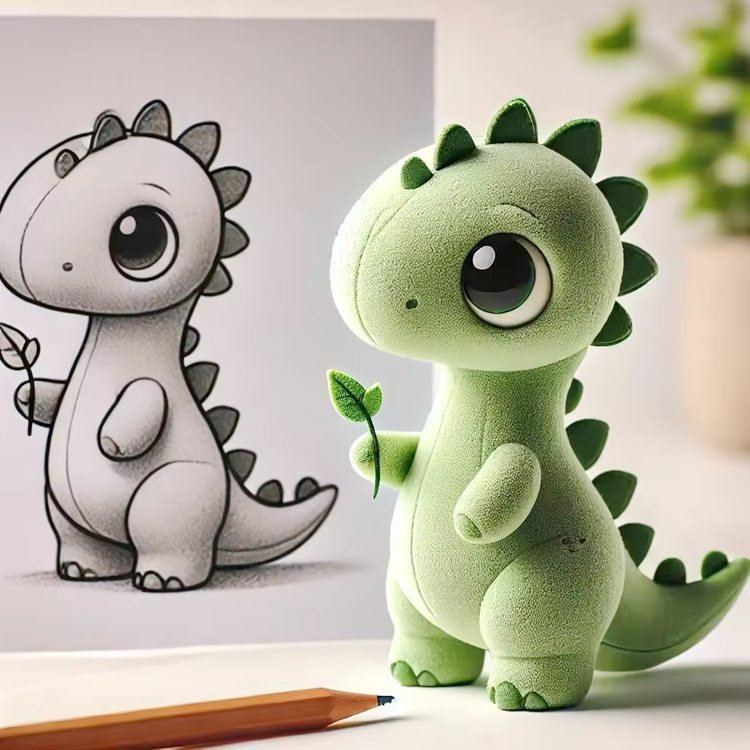
If you have artwork, logo files, or even just an idea, please share your project details—size, target fabric, color reference, and customization requirements. We’ll recommend suitable materials and provide a clear sampling plan to bring your custom plush toy design to life.
What Makes Our Custom Plush Production Reliable for B2B
Trust is built through predictable execution—clear approvals, documented specs, quality checkpoints, and packing confirmation. We focus on making your plush project easier to manage and safer to scale.
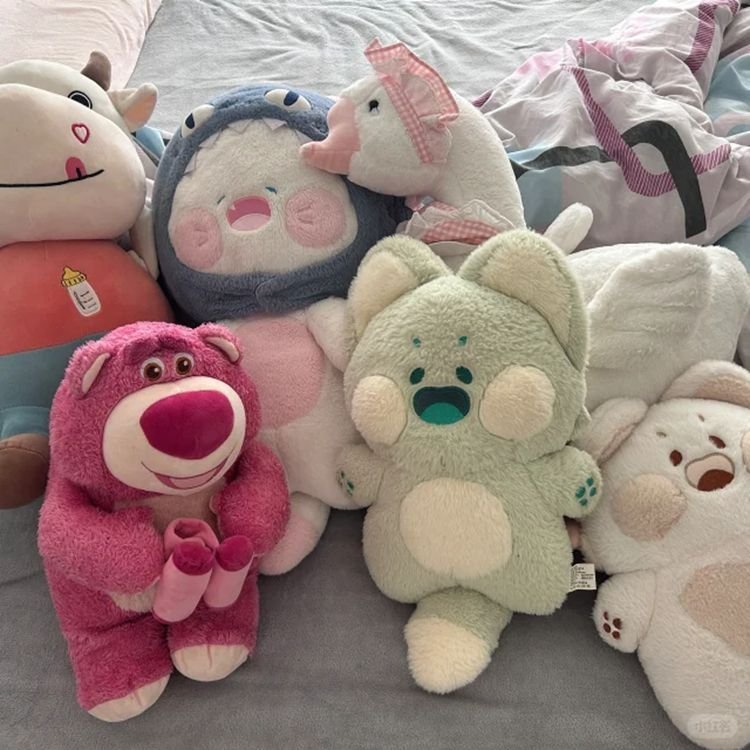
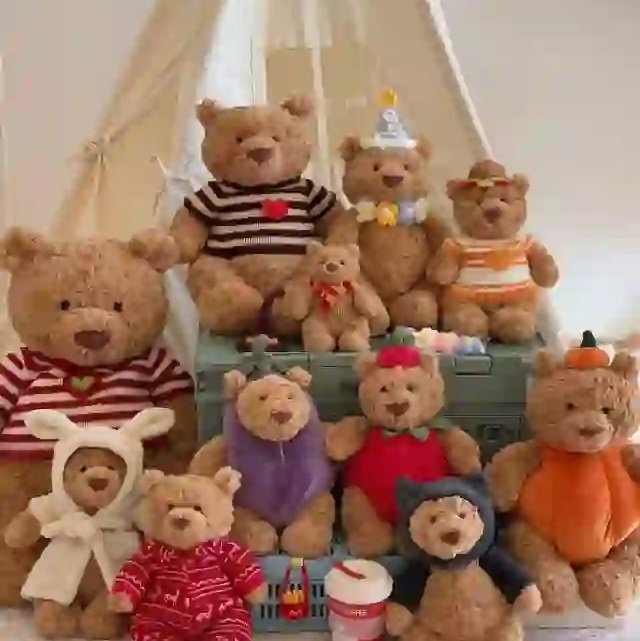
For B2B customers, “reliable” plush production is not about making one nice sample—it’s about delivering repeatable bulk quality, stable lead times, and clear project control from artwork review to shipment. What makes our custom plush program dependable is the way we manage the details that most often cause problems in mass production: face accuracy, proportion stability, embroidery/printing consistency, stuffing weight and firmness control, and secure attachment for keychains, clothing, and accessories.
We build reliability through a structured workflow: we confirm a practical spec checklist before sampling, document revision notes, and lock the final approval sample as a golden standard for production. During manufacturing, we apply multi-stage QC checkpoints (not just a final check) to prevent drift early, especially in character-critical zones like the face and silhouette. Before shipment, we also verify packaging and labeling—including hangtags, barcode/SKU labels, care/warning labels, and carton marks—so your receiving and retail handling are smoother and your products arrive with less risk of deformation.
Process Proof
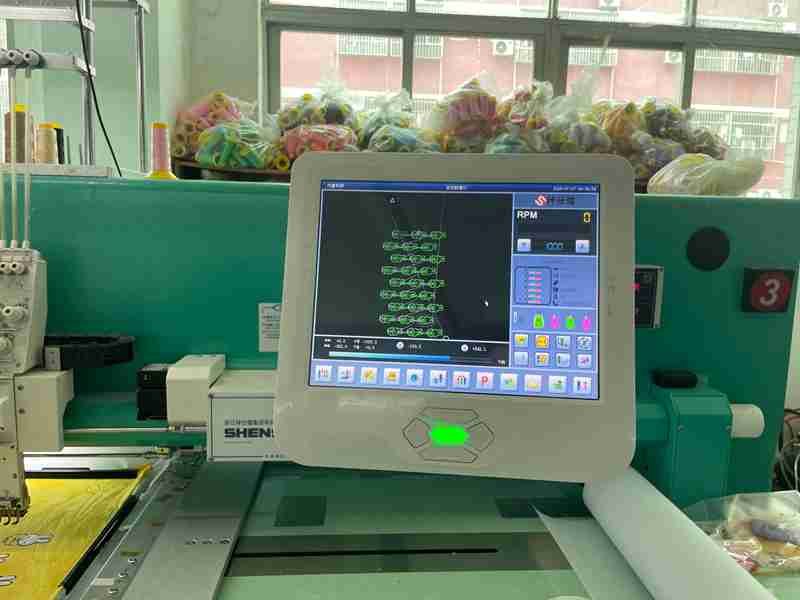
- Clear sampling-to-production approvals (prototype → revisions → final approval sample)
- Spec confirmation before bulk production (size, materials, logo placement, packaging)
- Revision notes that keep decisions traceable
- Golden standard concept for repeat orders
Quality Proof

- Multi-stage QC checkpoints across sewing, embroidery/printing, stuffing, finishing
- Needle control / needle detection option for finished plush (when required)
- Inspection focus on character-critical areas (face and silhouette) for IP plush
Delivery Proof
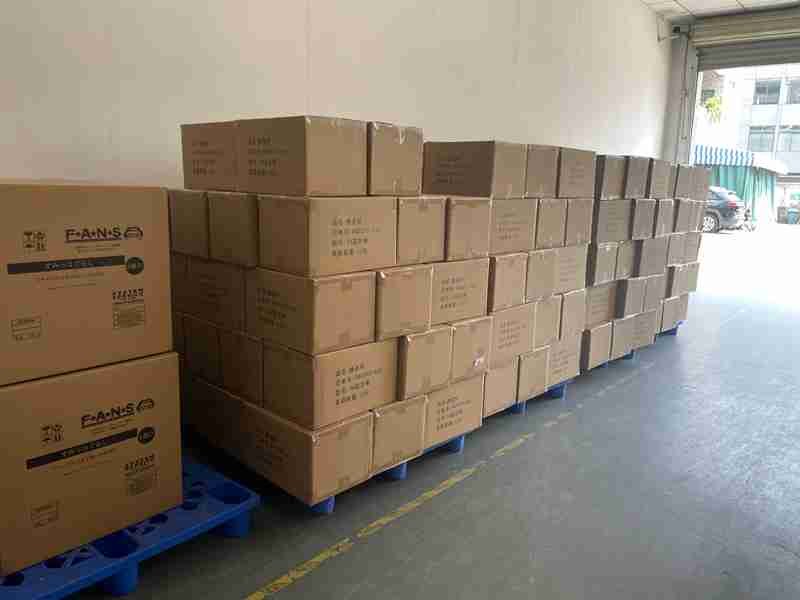
Packaging and labeling confirmation before shipment (photo proof + checklist)
Barcode and carton mark support (when required) (SKU/PO/qty/destination)
Packing suggestions to reduce deformation during transit (anti-crush, face protection)
Frequently Asked Questions
What weight tolerance is realistic for weighted plush in bulk?
A realistic plan is to define a target net weight, a weight placement spec, and a tolerance band that matches your size and weight system, then verify it at FAI + FQC before bulk shipment.
In practice, “tight tolerance” without a defined system creates disputes. The right way is to document: (1) how many weight zones you use, (2) the weight amount per zone, (3) how the pouch is fixed, and (4) how the unit is checked during production. Heyzizi supports stage-based QC (IQC/FAI/IPQC/FQC/OQC) so weight and balance checks are not left to the end.
If your brand sells “calming weighted plush,” buyers will compare two units by hand. That’s why we also lock hand-feel level and filling evenness (no voids/hard spots), not just the number on a scale.
How do you prevent beads/leaks inside weighted plush?
You prevent leakage by defining a leak-proof weight bag sealing standard, verifying pouch edges during IPQC, and using controlled containment for heavier SKUs.
Leakage usually comes from two issues: weak sealing edges or pouch movement that stresses the seam. The fix is to document sealing requirements (material, seam method, edge quality checks) and to specify fixation so the pouch doesn’t shift inside the body. Weight placement must be written clearly because “where the weight sits” changes stress points.
During production, pouch sealing is not a one-time decision; it needs a checkpoint. That’s why an IPQC stage is useful—spot-check sealing edges and the internal containment before the body is fully closed.
Can you support barcode/SKU labeling and carton marks for warehouse receiving?
Yes—Heyzizi supports unit barcode labeling/placement planning, carton labels, SKU mapping tables, carton mark templates, and photo proof for label position confirmation.
This matters because receiving errors are expensive. A correct labeling system should answer: which barcode goes where, how multi-design orders map to SKUs, and how cartons are marked for distribution workflows. We can align unit packaging (polybag/box/header card) with barcode placement and align outer cartons with carton number, SKU, quantity, G/N, dimensions, and handling marks as needed.
To reduce mistakes, we can provide photo proof for unit label placement and carton marking before shipment.
Do you support third-party inspections and AQL sampling?
Yes—Heyzizi supports AQL sampling (if required) and coordination with third-party inspections, backed by full-process QA and record keeping.
For many brands, third-party inspection is part of vendor onboarding or channel rules. The key is to align the inspection scope with your real risk points: weight accuracy, pouch sealing edges, attachment pull strength (if applicable), appearance consistency, and carton marking/labeling. Heyzizi’s QC structure (IQC/FAI/IPQC/FQC/OQC) makes it easier to provide evidence and prepare the shipment for inspection readiness.
If issues appear, having defect classification and CAPA improves the speed of resolution and prevents the same defect from repeating on the next batch.
How do we manage mixed orders (multiple designs/SKUs) without packing and labeling errors?
Mixed orders work smoothly when you use a SKU mapping table, lock barcode placement rules, define carton pack-out logic, and require photo proof for labeling and carton marks before shipment.
The highest hidden cost in mixed orders is warehouse confusion: wrong SKU in the right carton, right SKU with the wrong barcode, or cartons missing key fields. The prevention method is simple and repeatable. First, build a SKU mapping table that links design name, internal code, UPC/EAN, size, net weight, and packing units per carton. Second, standardize barcode placement (where it goes on polybag/box) so it remains scannable without damaging plush fabric. Third, define carton pack-out rules (carton number format, mixed vs single SKU cartons, and whether dividers are required).
Heyzizi supports carton labeling fields and carton mark templates aligned with warehouse receiving, and can provide photo proof for unit labels and carton marks for final confirmation.
For procurement, put these requirements into your PO: “No shipment unless the SKU mapping table + label photo proof + carton mark photo proof are confirmed.”
Mixed Order Control Table
| Tool | Prevents | Owner |
|---|---|---|
| SKU mapping | wrong SKU mix | buyer + factory |
| Barcode rule | scan failures | factory |
| Carton marks | receiving disputes | factory |
| Photo proof | last-minute errors | both |
What should we write into a PO to prevent “approved sample vs bulk deviation”?
A strong PO references the latest version-controlled execution pack and defines measurable acceptance criteria for size/weight/appearance, labeling/pack-out, and inspection stages.
Most disputes happen because the PO only says “make as sample.” A procurement-ready PO should cite: (1) approved sample ID (PPS/golden sample), (2) spec sheet tolerances (size + net weight), (3) workmanship rules (face placement, reinforcement points, pouch sealing), (4) labeling rules (barcode placement, SKU mapping), and (5) carton mark fields. Then specify inspection readiness: which defects are critical vs major vs minor, and whether AQL or third-party inspection is required.
Heyzizi’s documentation system supports change logs; this matters because if a change is approved mid-project, the PO should reference the updated version stamp and effective date to avoid mixing old vs new requirements.
If you want fewer emails and faster alignment, require an “execution pack” deliverable before bulk start: BOM + workmanship notes + packaging SOP + version control + change log.
What packaging options are most common for weighted plush (retail vs e-commerce)?
The right packaging depends on whether you optimize for shelf presentation (retail) or compression resistance + scan efficiency (e-commerce/warehouse), and weighted plush often needs stronger pack-out rules.
Retail programs usually choose color boxes, header cards, or gift-ready sets because presentation drives conversion. E-commerce programs prioritize scan-ready labeling, protective polybags, and cartons engineered for stacking strength. Weighted plush adds a unique risk: the weight can deform the product if cartons are over-filled or lack internal supports, so define layers, dividers, and “do not compress” handling logic where needed.
Procurement should confirm: unit pack type, whether inserts are required, barcode placement, and carton mark fields. Align these early, because packaging choices affect lead time and cost (printing time, insert sourcing, carton dimensions). If you run multiple regions, keep packaging modular—same plush, different language cards—to reduce complexity.
For execution, require packaging photo proof (unit + carton marks) before shipment, especially for mixed orders.
Packaging Selection Table
| Channel | Unit Pack | Best Focus | Notes |
|---|---|---|---|
| Retail | Color box / header card | shelf look | branding + warnings |
| E-com | polybag + label | scan + protection | carton strength |
| Gifting | gift box + insert | premium unboxing | higher cost |
How do you handle defects and corrective actions if something goes wrong?
A professional supplier should classify defects, isolate affected batches via traceability, execute CAPA, and update the execution pack so the same defect does not repeat.
Even well-run programs can see issues: a stitch drift in one line, a pouch sealing edge inconsistency, or labeling mistakes. The difference is response quality. The correct workflow is: (1) define defect categories (critical/major/minor), (2) identify root cause (material lot, operator, process step), (3) implement corrective action (training, tooling, spec adjustment), and (4) verify effectiveness in the next inspection cycle. CAPA should be documented and shared as a short report with photos, defect rate, root cause, and prevention action.
Traceability matters because procurement needs to know whether the issue is isolated or systemic. With batch records, you can isolate impacted cartons/production dates and decide whether to rework, replace, or ship with concessions.
Finally, update the execution pack (workmanship notes, packaging SOP, or process checks) so the fix becomes permanent—not a one-time patch.
What do you need from us to start sampling fast (without endless back-and-forth)?
Sampling moves fastest when you submit a complete “RFQ-to-sample” package: size + tolerance, target net weight, face method, artwork files, labeling/pack-out rules, and compliance market notes—then we lock it into a versioned spec + BOM + packaging SOP set.
Most delays happen because the factory receives partial inputs and must guess. For custom weighted plush, the “missing pieces” are usually weight placement and packaging rules. If your plush is meant to sit upright, you must say so; it changes balance and weight zone placement. If your channel requires UPC/EAN, barcode placement must be defined early to prevent rework on printed packaging or polybags.
We recommend you send: (1) target dimensions and acceptable tolerance, (2) target net weight and whether weight is base/belly/distributed, (3) hand-feel target (soft/medium/firm), (4) artwork in vector or high-res, (5) face method (embroidery/print/appliqué), (6) packaging type (polybag/box/header card) and carton marks, (7) SKU list and pack-out rules for mixed orders, and (8) compliance market + age grading notes if applicable.
Once this is clear, we create a single execution pack (spec, BOM, workmanship notes, packaging SOP, version control, change log) so the sample and bulk follow the same standard.
Starter Checklist Table
| Item | Why it matters |
|---|---|
| Target net weight | defines feel + shipping + balance |
| Weight placement | prevents “same weight, different feel.” |
| Barcode placement | avoids relabel work & warehouse rejects |
| Carton marks | receiving speed & traceability |
How do you protect our IP (custom character design) and avoid “look-alike” leakage?
IP protection is strongest when you use “control points” in production: versioned documents, restricted artwork distribution, controlled sampling, and traceable batch records—so the design is not casually re-shared and any deviation is detectable.
Procurement teams often ask for NDA first, but operational controls matter more day-to-day. The practical approach is to: keep artwork files under named versions, limit access to only the teams that need it (pattern, embroidery/printing, QC), and ensure the production line is referencing the same approved documents. That’s where version control and change logs reduce confusion and prevent “old file reused” or “wrong art applied.”
For physical leakage risk, maintain a clear record of what was produced (batch, date, quantity, carton marks). Traceability makes it harder for unauthorized overrun to hide and easier to investigate if problems appear in the market.
If IP sensitivity is high, we recommend starting with a single reference SKU pilot, then scaling after you confirm process discipline (documentation, labeling, QC evidence). This is a procurement-safe way to qualify a supplier before you commit to a full line.
Can you support multi-size series (S/M/L) and keep feel consistent across sizes?
Yes—multi-size stability requires a graded pattern approach, size-specific weight maps, and separate acceptance criteria per size, all tied to version-controlled specs and QC checkpoints.
Buyers often assume one weight number can be scaled up and down, but that causes an inconsistent feel: a “heavy” small plush may feel like a rock, while a “light” large plush may feel empty. The correct approach is to define a series strategy: Lite / Standard / Heavy or a consistent “feel target,” then assign size-specific weight ranges and placement zones.
From a manufacturing view, you also need graded patterns and consistent filling rules. For procurement, ask your supplier to provide: (1) a size table with tolerances, (2) a weight table by size, (3) weight placement notes by size, and (4) the QC stage where each item is verified (FAI for first unit, FQC for finished goods).
Finally, tie the entire series to a single execution pack with clear version stamps so changes in one size do not unintentionally leak into others.
Size Series Planning Table
| Size | Weight Strategy | Key Risk | Control Tool |
|---|---|---|---|
| S | avoid over-density | “too hard” feel | lighter map + softer fill |
| M | baseline feel | drift in balance | standard map + QC |
| L | prevent “empty” feel | weight too low | distributed zones |
How do you plan shipping to reduce cost without crushing plush shape?
The best practice is to co-design carton dimensions + pack-out rules + handling marks based on your shipping mode (air/sea/express) and warehouse needs, then verify with packing photo proof.
Shipping cost is driven by both actual weight and volumetric weight. Procurement teams often push for compression to reduce CBM, but weighted plush has shape and face-area risks. A smarter approach is to decide, SKU by SKU, whether light compression is acceptable. If the plush is meant for display with a stable silhouette, prioritize shape-protect packaging (dividers, layered packing). If it is a soft cuddle product with flexible form, you may allow limited compression—only if it doesn’t create permanent creases or distort embroidered faces.
Define carton rules early: units per carton, layer arrangement, whether to use dividers, and whether carton strength must be upgraded for stacking. Align carton marks (do not compress, keep dry, up arrows) for logistics handling. Heyzizi supports carton mark alignment and packing proof photos so your logistics team can validate real packing and reduce damage claims.
For multi-warehouse programs, keep carton labels consistent with your SKU mapping and receiving process to avoid costly relabeling.
Shipping Mode Decision Table
| Mode | Best For | Packaging Priority |
|---|---|---|
| Sea | bulk programs | stack strength + stable shape |
| Air | urgent launches | scan-ready + fast handling |
| Express | small batches | protective unit packs |
Start Your Custom Plush Project Today
If You Can imagine it,We Will Create it!
Whether you are a brand, creator, retailer, or agency, our Guangdong plush factory is ready to support your OEM/ODM development. Send us your design, concept, or reference image — our team will reply with a free development proposal and quotation.
1. Tell Us What You Need
Tell us your requirements and share your artwork or reference images.
2.Get a Solution & Quote
We’ll suggest the best solution based on your requirements, and provide a detailed quote within 12 hours.
3.Approve for Mass Production
We will start mass production after getting your approval.
For all inquiries, please feel free to reach out at
- info@heyzizi.com
- (+86)13717153084
Ready to Grow Your Plush Product Line?
Brands and businesses from over 80 countries have chosen Jundong as their trusted plush manufacturing partner. Now it’s your turn. Work with us for reliable custom plush production, clear sampling support, and stable delivery for long-term programs.