 Skip to content
Private Label Plush Toys
Looking for a reliable private label plush toy partner to turn your ideas into retail-ready products? We help brands, retailers, and importers develop custom plush toys with full private label support, including logo labels, custom packaging, fabric selection, size control, and character development. From stuffed animals and mascot plush to promotional toys and licensed products, our team supports fast sampling, clear revisions, and stable bulk production. Whether you are launching a new plush line or expanding an existing collection, we help you build consistent, brand-ready plush toys for long-term growth.


Branded Plush, Not Generic
Private label plush stands out when people can recognize your story, colors, character style, and packaging look right away. That is what separates an ordinary soft toy from a plush line that fits retail displays, gift shops, event programs, subscription boxes, book tie-ins, mascot collections, and branded merchandise.
A memorable plush range is rarely built by placing a logo on a basic bear. It usually starts with a clear silhouette, expressive embroidery, custom clothing, signature fabrics, branded labels, and packaging that fits the selling scene. These details shape first impressions and help people remember the product.
At Heyzizi, a project can begin from a sketch, mood board, 2D drawing, mascot file, or rough idea. The aim is not only to make something cute, but to build plush products that are distinct, consistent, easy to extend, and ready for real commercial use.
Stronger plush lines often include:
- Recognizable character silhouette
- Consistent brand colors
- Custom outfits or accessories
- Branded labels or hang tags
- Gift box or polybag planning
Choose Your Private Label Route
Not every plush program should begin the same way. Some brands already have finished character artwork and color standards. Some only have a sketch, mood board, and target budget. Others need a quick first batch for an event, then a more polished version for retail or long-term brand use.
A practical starting route helps reduce delays, control revisions, and match the project to current goals.
Common starting routes include:
- Artwork-led — best for licensed characters, brand-ready designs, and approved visual systems
- Sample-led — best for improving an existing plush, adjusting shape, fabric, size, or details
- Concept-led — best for mascots, creator ideas, new product launches, and early-stage development
The right route depends on what matters most now: speed, appearance, budget control, or future collection expansion.
Before sampling, it helps to align on:
- Size
- Age grade
- Fabric choice
- Decoration method
- Logo position
- Packaging style
- Sales channel


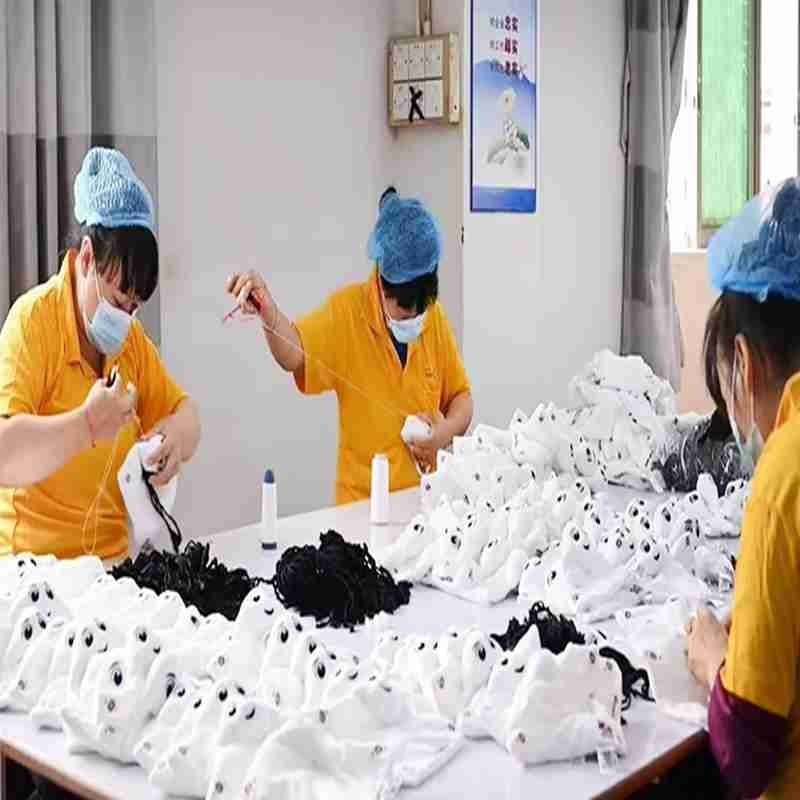
What Protects Repeat Order Consistency
A strong first prototype does not always guarantee a stable next run. In plush development, problems often appear after approval, when the repeat batch starts to shift in face shape, stuffing feel, fabric color, accessory position, or sewing tension. That is where brand confidence can weaken.
Real consistency usually comes from clear records, not guesswork. Useful controls include:
- Size tolerance
- Approved fabric reference
- Embroidery file version
- Stuffing standard
- Trim list
- Label placement record
- Packaging instructions
When these details are fixed early, the plush project becomes easier to repeat, expand, and manage across future production runs.
At Heyzizi, repeatability is supported through in-house sampling, organized production follow-up, and checks across materials, sewing, finished goods, and packing. This matters even more when one character may later extend into plush keychains, pillows, bags, gift sets, or seasonal versions.
The real target is not only sample approval. It is stable sample-to-bulk consistency.
Small Branding Details People Notice
A plush item can be well made and still feel ordinary if the branding details are too weak. In private label plush, premium perception often comes from small visual touches, not only from fabric or construction. These can include woven labels, hang tags, custom ribbons, zipper pulls, story cards, care labels, insert cards, and shelf-ready packaging.
These details do more than decorate. They make a plush line feel more complete, more distinctive, and easier to place in gift shops, bookstores, museum stores, lifestyle collections, holiday sets, and launch kits.
A simple plush in a plain polybag may feel basic. The same plush with a branded label, matching hang tag, and coordinated insert card feels more polished and more memorable.
Useful branding details include:
- Woven label — adds brand identity
- Hang tag — supports story and retail display
- Insert card — connects the plush to a character or campaign
- Custom bag or box — improves presentation
- Accessory trim — supports themed or seasonal versions


Low MOQ Needs a Real Plan
A low opening quantity can help a new plush concept move forward faster, but a small run works best with a clear purpose. Many first runs are used for event sales, creator trials, soft retail launch, gift-with-purchase programs, backer rewards, or internal brand review. The goal is not simply to produce less. The goal is to test what matters most.
A useful first run can help confirm:
- Which size performs better
- Whether the face looks strong in photos
- How the packaging feels
- Whether accessories justify the added cost
- Which version has better reorder potential
At Heyzizi, projects can start from 50 pcs, which works well for new plush ideas, niche character collections, and pilot launches that need a practical first step.
Before starting, it helps to align on:
- Size
- Finish level
- Packaging style
- Use case
- Next-step plan
Strong Characters Go Beyond One Plush
One of the best parts of private label plush is that a strong character does not need to stay in one format. Once the face style, color palette, embroidery look, and signature details are stable, the same character can expand into plush keychains, mini plush, pillows, plush bags, ornaments, gift sets, travel accessories, and seasonal versions.
This matters because different products fit different selling situations. A full-size plush may suit gift shops and store shelves. A keychain may work better near checkout. A plush pillow or pouch can fit lifestyle bundles, campaign gifts, or limited editions.
Common extension options include:
- Plush keychain — easy add-on item
- Mini plush — good for sets and gift packs
- Plush pillow — stronger display and home use
- Plush bag or pouch — adds function
- Seasonal edition — supports holiday launches

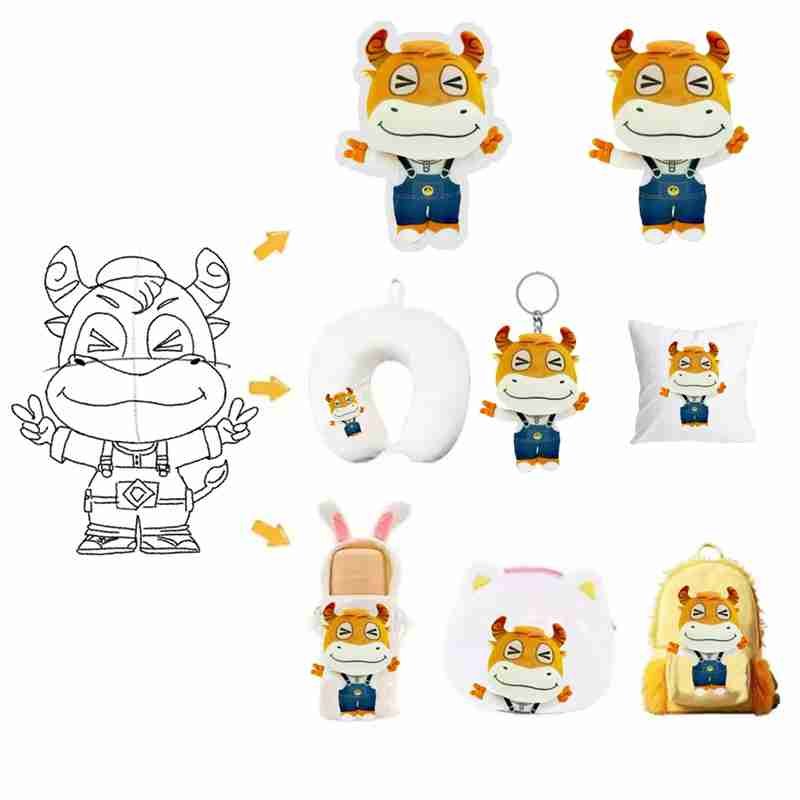

Turning Character Art Into Plush
A plush project often begins with artwork that looks great on screen but becomes harder in fabric. Thin arms may fall soft, printed shading may lose clarity, and tiny face details may not translate well into embroidery or applique. The real job is not to copy the drawing exactly. It is to decide what must stay, what should be simplified, and what needs structure support.
That is why early conversion work matters. Before sampling, it helps to lock:
- Front and side shape
- Key proportions
- Face details
- Fabric mapping
- Trim placement
- Decoration method
These choices help reduce proportion drift, texture mistakes, color blocking issues, and accessory rework.
At Heyzizi, this stage is supported by in-house pattern development and sampling, helping turn a sketch, mascot file, or digital character into a plush that is easier to repeat in future production.
A good plush conversion keeps the original character feeling, while making the design work in real fabric, real structure, and real use.
Materials Change Plush More Than Expected
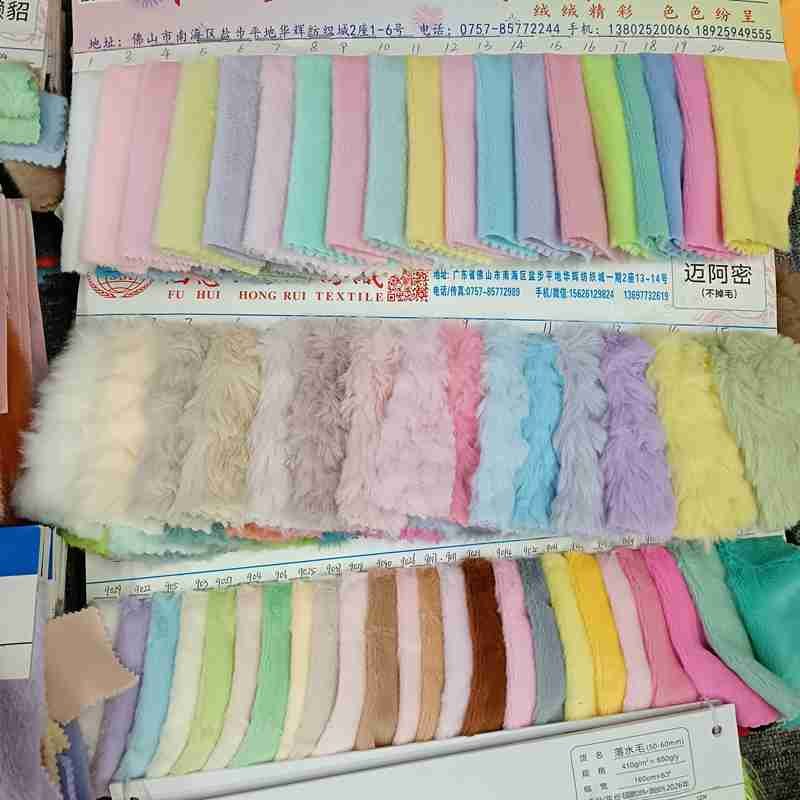
Two plush items can follow the same drawing and still feel very different in hand. That difference often comes from fabric texture, pile length, filling density, face method, seam control, and trim choice. These details shape whether the plush feels soft and giftable, firm and display-friendly, or light enough for promotions and add-on use.
Face treatment changes the result quickly. Embroidery usually gives a cleaner look and holds up well with repeated handling. Print or applique can show more layered visual detail when the character needs special shapes or color areas. Filling matters too. A plush with too much fill may feel stiff. Too little fill can weaken the shape.
Key choices that affect the result:
- Short pile or long pile fabric
- Embroidery, print, or applique
- Soft fill or firmer fill
- Accessory weight
- Reinforcement for shaped parts
Good plush development depends on choosing the right material and construction mix, not only following the artwork.



Packaging Should Fit How It Sells
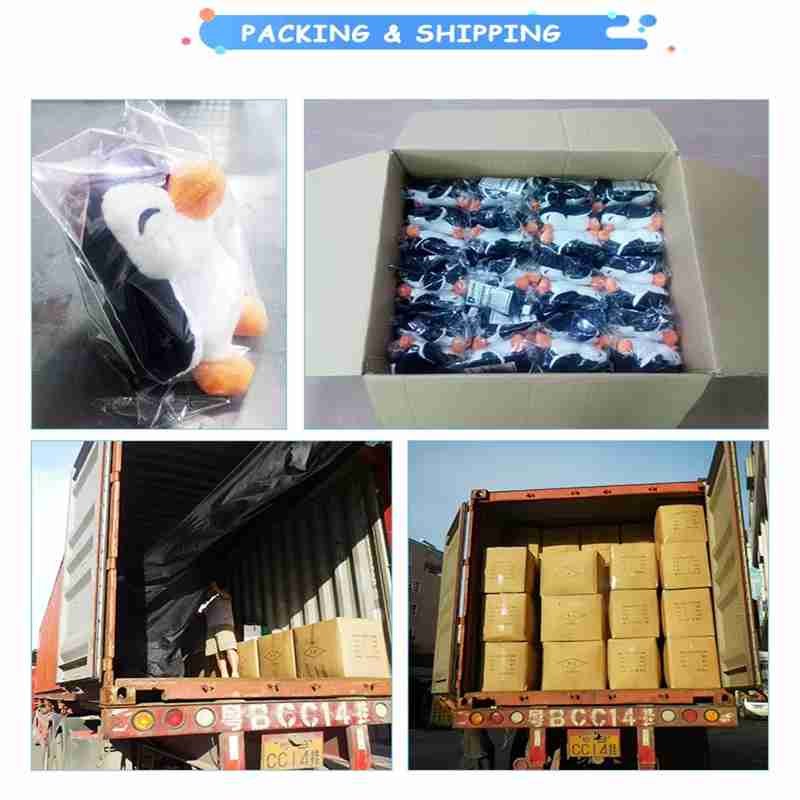
Packaging is often decided late, but it affects both presentation and delivery performance. A plush for a gift shop may need a hang tag, story card, barcode area, and clean shelf display. An event plush may only need simple protection and fast distribution. A plush for online sales may need better unboxing, stronger shape protection, and a cleaner arrival look.
A practical packaging plan should match the selling scene from the start. It helps to consider:
- Sales channel
- Shape protection
- Storage method
- Carton count
- Barcode placement
- Opening experience
Different channels usually need different priorities:
- Gift shop or bookstore — shelf neatness, story, barcode space
- Event or giveaway — fast packing, basic protection
- Online store — unboxing feel, recovery after shipping
- Set or bundle — better separation and visual coordination
Good plush packaging should do more than protect the product. It should also support display, handling, and the way the item is actually sold.
Structured Checks Speed Sample Approval
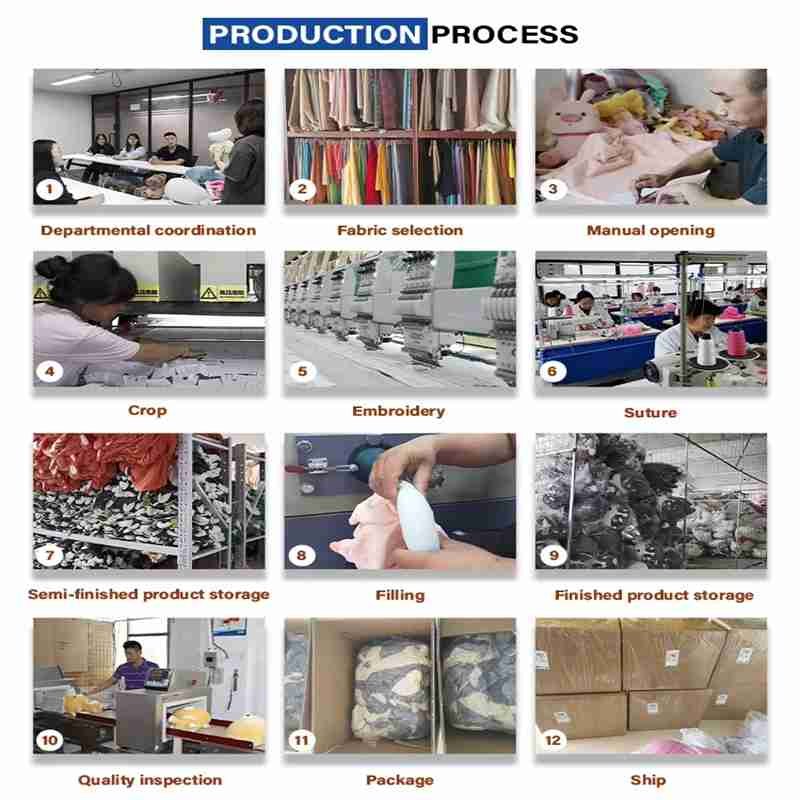
Many plush samples get delayed not because the design is hard, but because the review process lacks order. Teams often comment on shape, face, fabric, trims, and packaging all at once, then repeat the same cycle in the next round. A better approach is to review step by step: shape first, face second, fabric third, details fourth, packaging last.
This makes revisions clearer and helps solve the biggest issue first.
A practical sample review flow:
- Shape — head-to-body ratio, limb length, posture
- Face — expression, eye position, nose size, overall character feel
- Fabric — texture, pile length, color match
- Details — clothing, embroidery, trims, label position
- Packaging — hang tag, insert card, bag or box format
In early sampling, the goal is not to perfect every small detail. The main job is to confirm silhouette, proportions, face feeling, and character identity first.
What Builds Reorder Confidence
A reorder only feels comfortable when the next run is unlikely to bring unwanted changes. That goes beyond using the same artwork again. It means the plush should come back with a similar face look, fabric appearance, filling balance, accessory position, and packing setup. When any of these shift, repeat production can become frustrating even if the first sample looked right.
Reorder confidence usually comes from preparation, not verbal reassurance. Before the first run ends, it helps to lock:
- Approved sample reference
- Fabric notes
- Color references
- Embroidery version
- Trim list
- Fill standard
- Label position
- Carton marks
- Packing method
When these details are clearly recorded, future runs become easier to predict. This is especially useful for holiday restocks, shop replenishment, campaign repeats, and regional relaunches.
The real value of a well-prepared reorder process is simple: less guesswork, fewer unwanted differences, and a smoother return for a design that needs to run again.
Our Plush Toys Range
A selection of plush toy categories we commonly manufacture for OEM and brand clients.
Our factory manufactures a wide range of custom plush toys for OEM and brand clients across different industries.
Rather than fixed products, these categories represent the types of plush projects we commonly develop and produce, from character-based designs to large-scale promotional and retail plush.
Each category reflects our experience in custom development, process control, and stable mass production, allowing they to quickly identify whether their project fits our manufacturing capabilities.
Custom Baby Cloth Book

Custom Baby Cloth Books Designed For Early Learning, Sensory Play, And Original Development For OEM And Private Label Production.
Custom Character Plush
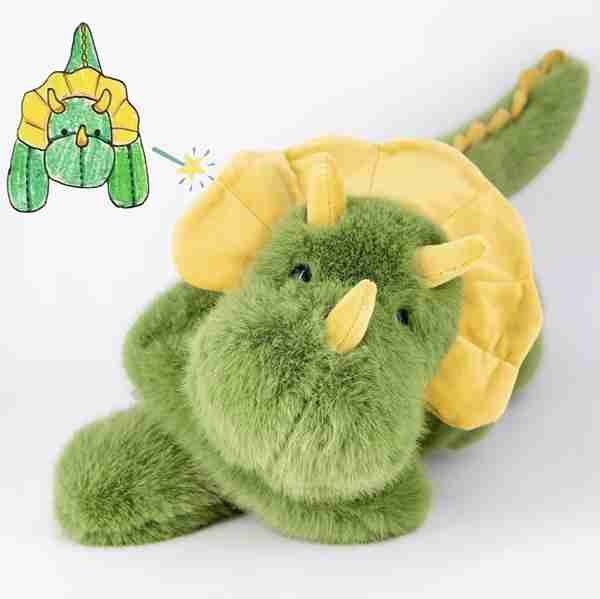
Custom-made plush toys based on IP characters, mascots, and original artwork, developed for OEM and licensed production.
Yours Animal Plush Toys
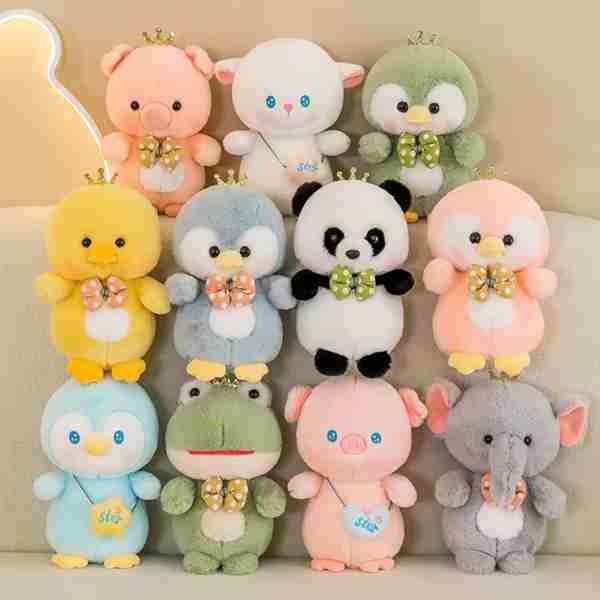
Classic animal plush toys produced for retail and wholesale distribution, with custom materials and design variations.
Retail Plush Collections
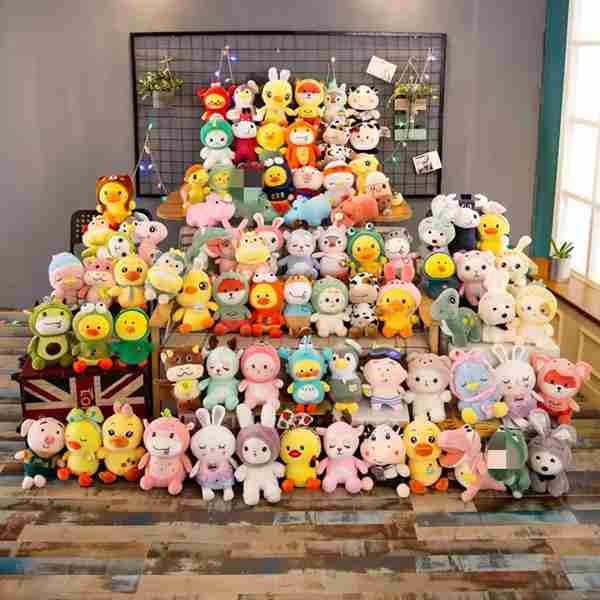
Plush toy series developed for retail stores and gift shops, focusing on consistent quality and repeatable production.
custom Giant Plush Toys
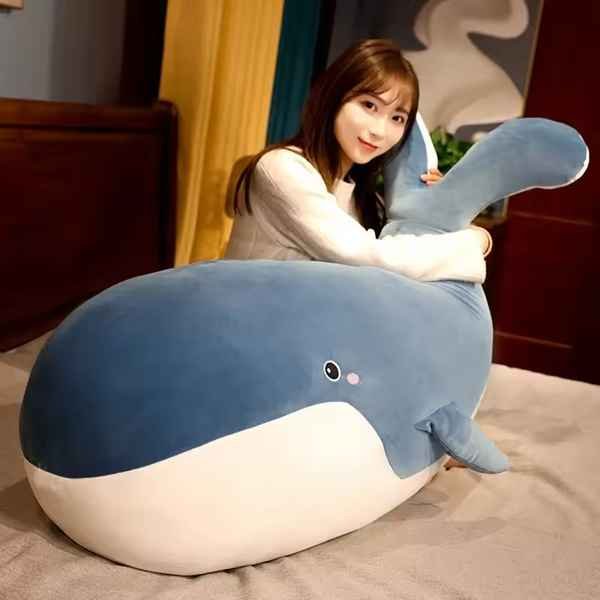
Large-scale plush toys requiring reinforced structure, controlled stuffing, and durability, commonly produced for events and display.
Promotional Plush Toys
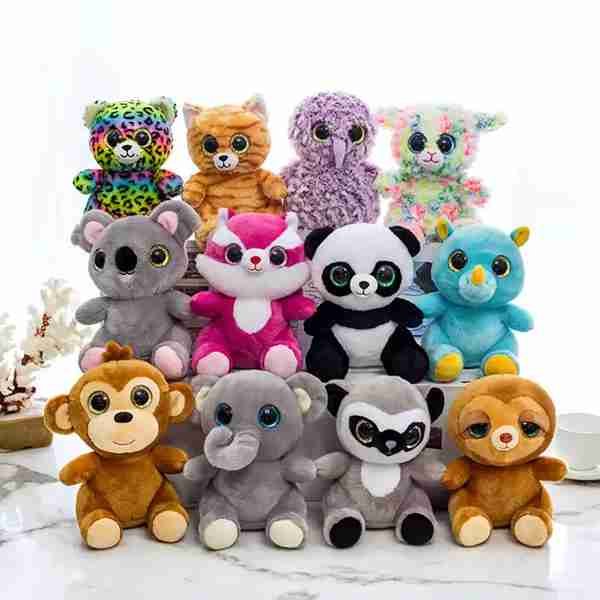
Plush toys designed for marketing campaigns, giveaways, and brand promotions, optimized for bulk orders and event use.
Custom Plush Mascots
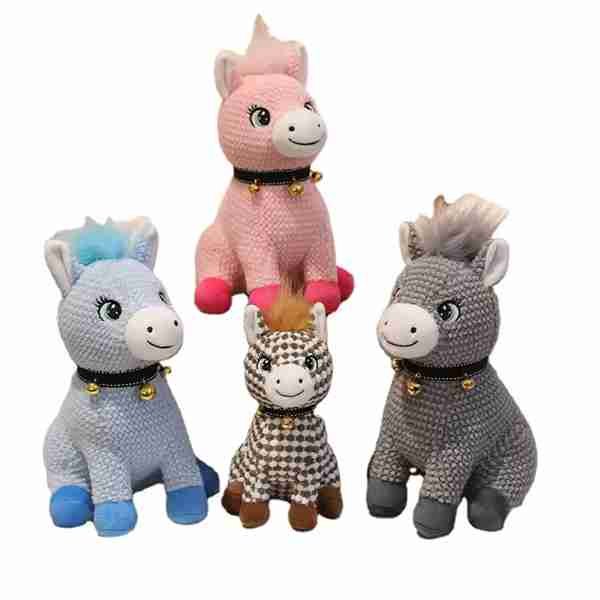
Wearable or display plush mascots developed for brand identity, exhibitions, and promotional use, with custom sizing and structure.
Seasonal & Holiday Plush
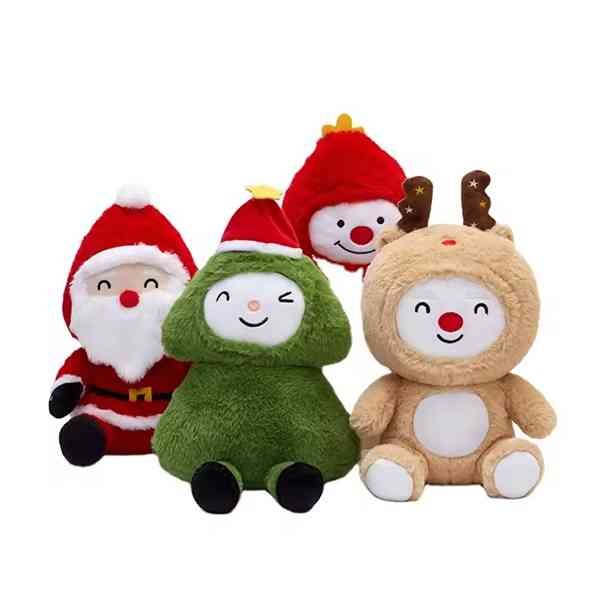
Plush toys developed for seasonal campaigns and holiday collections, such as Christmas, Halloween, and special events.
Plush Keychains & Mini Plush
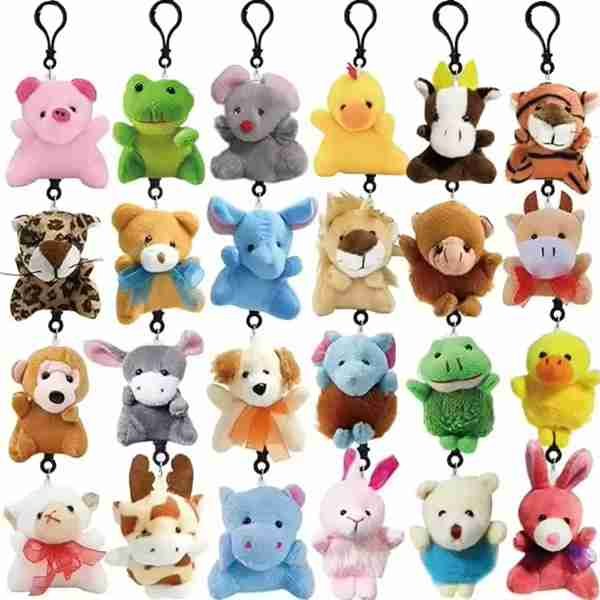
Small-size plush products designed for promotional bundles, accessories, and gift sets, suitable for large-volume production.
OEM Exclusive Plush Projects
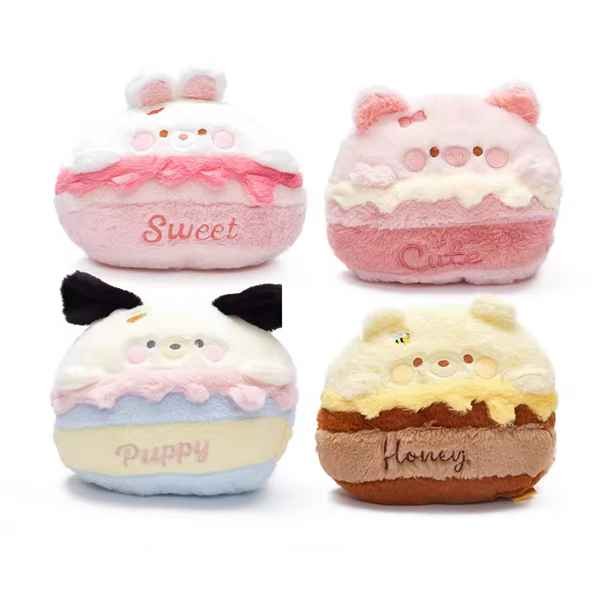
Fully customized plush projects developed under OEM or private-label agreements, from sample development to mass production.
Custom Soft Doll Plush
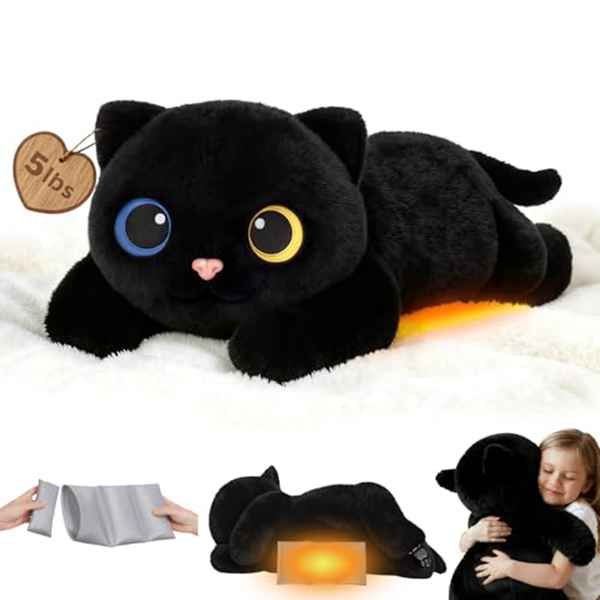
Human-style plush dolls developed for retail and branded collections, focusing on facial details and sewing accuracy.
Custom Plush Sets & Series
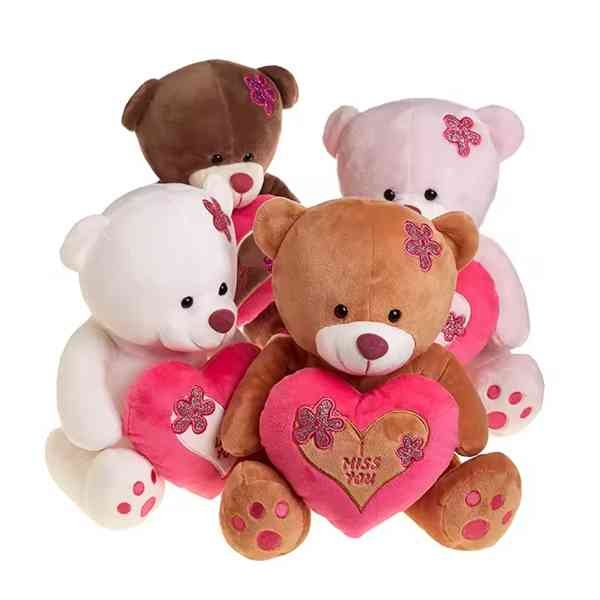
Multiple-design plush sets produced as series collections, requiring color control and batch consistency.
Inside Our Plush Toy Factory
Our Production Capabilities
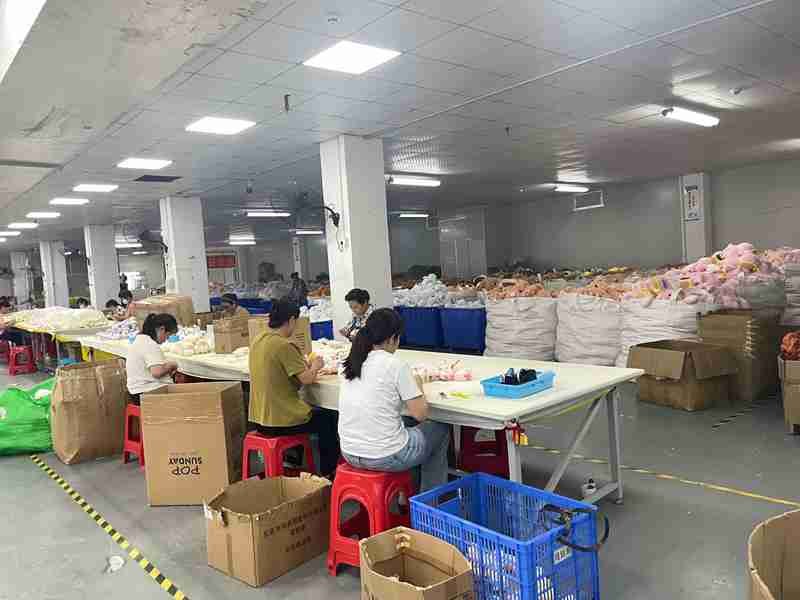
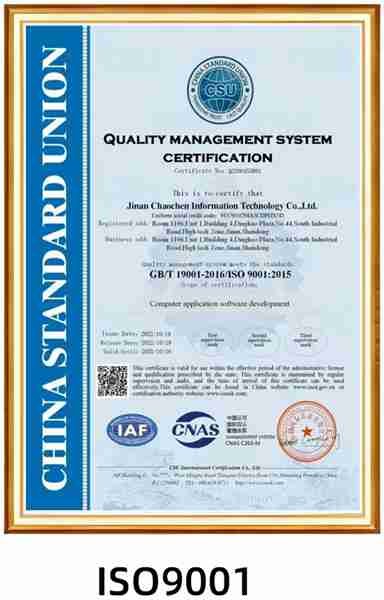
We believe transparency builds trust. By showing real production environments, partners can better understand how plush toys are manufactured in our factory, rather than relying on descriptions alone.
Our factory videos and photos present actual sewing lines, stuffing operations, in-line quality inspections, needle detection, and packing processes. These visuals reflect our daily manufacturing workflow, helping they evaluate our production capability, process control, and working standards with confidence.
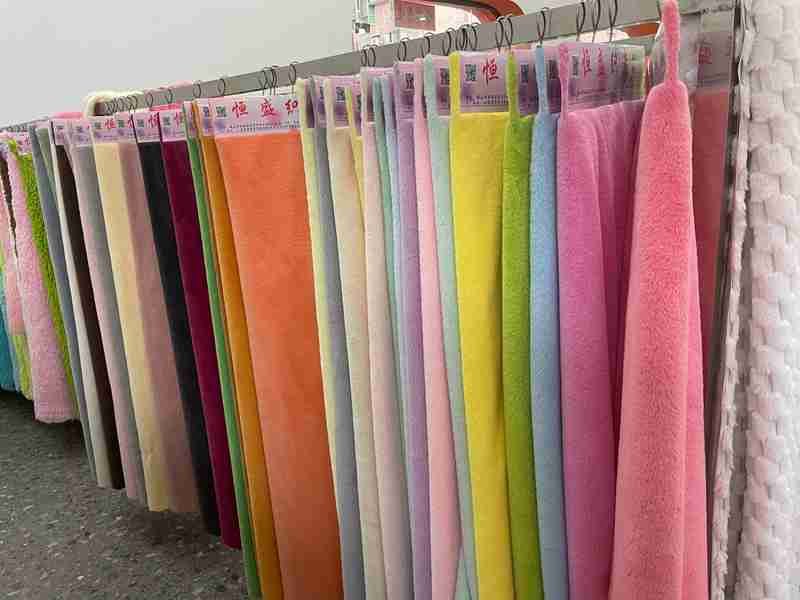
Selecting Raw Materials
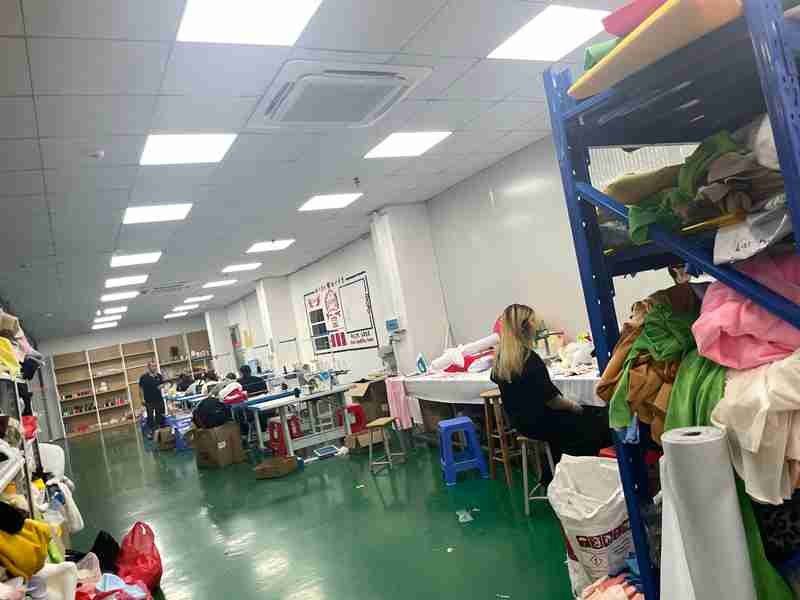
Partner Sample Production Room
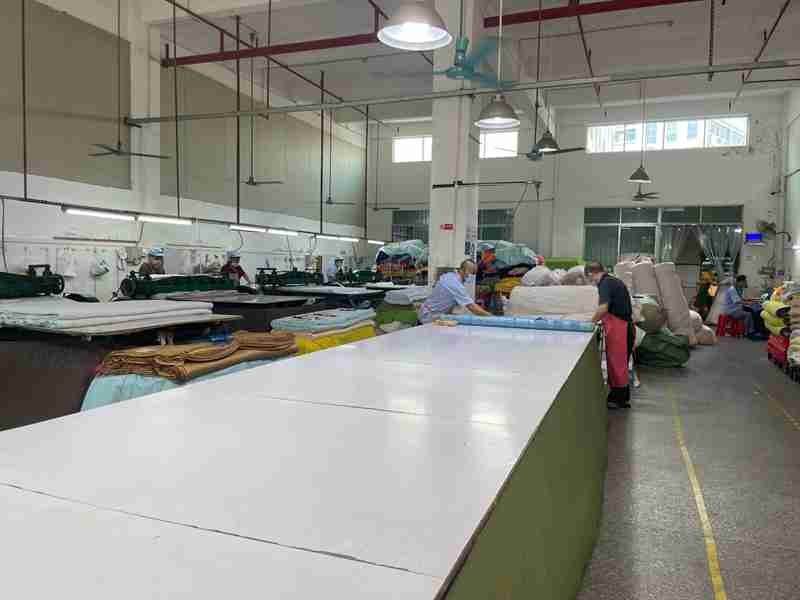
Selecting Raw Materials
Mechanical laser cutting
Batch computer embroidery
Sewing Lines in Operation
In-Line Quality Inspection
Stuffing Process Control
Hand Stitching & Closure Finishing
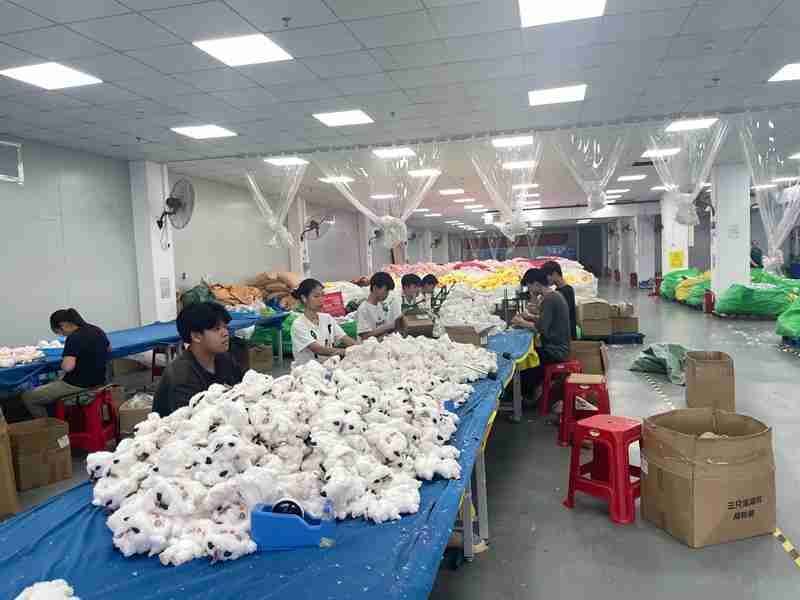
Shape Adjustment & Surface Finishing
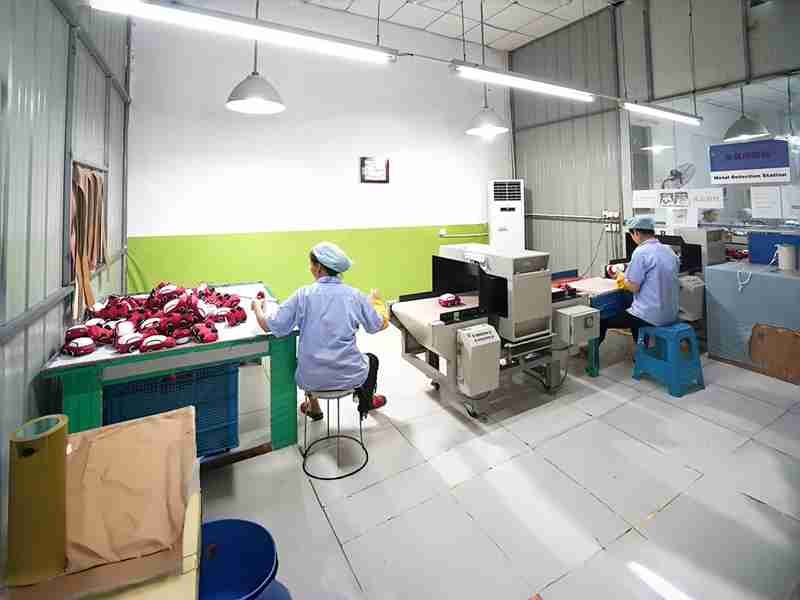
Needle Detection & Metal Safety Inspection
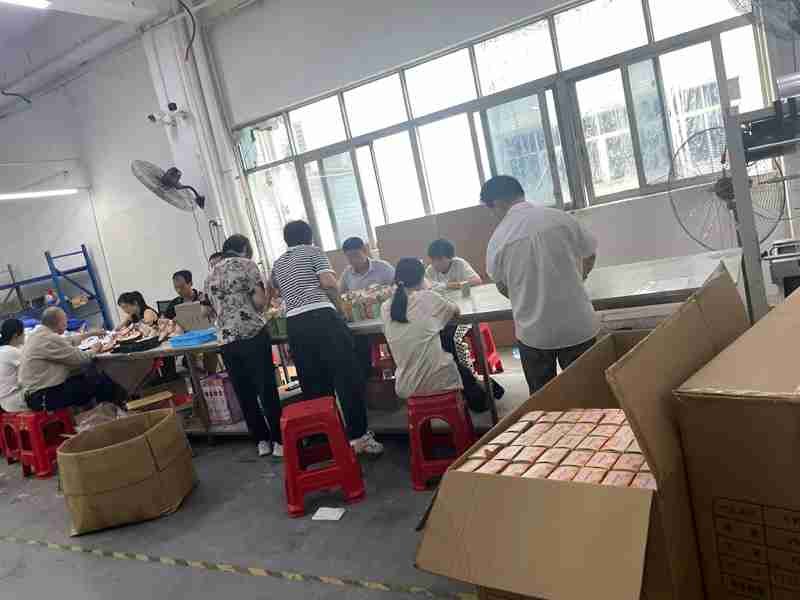
Packing & Carton Preparation
Cooperating Brands Trusted
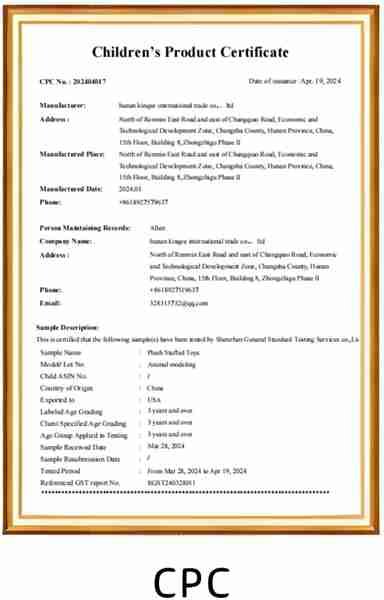
We cooperate with brands across gift, retail, publishing, and promotional industries. Many of our partnerships are long-term and built on consistent quality, clear processes, and reliable delivery.
Rather than focusing on volume, we focus on stable cooperation and repeatable manufacturing results.






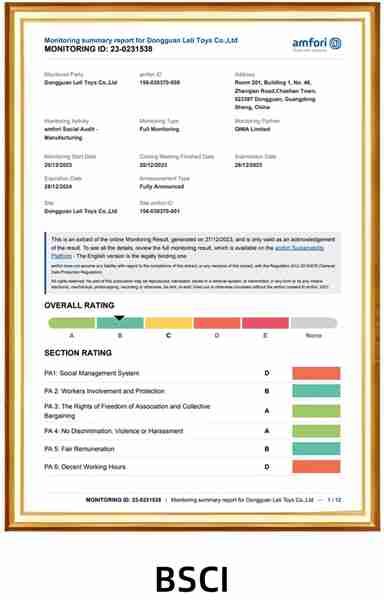
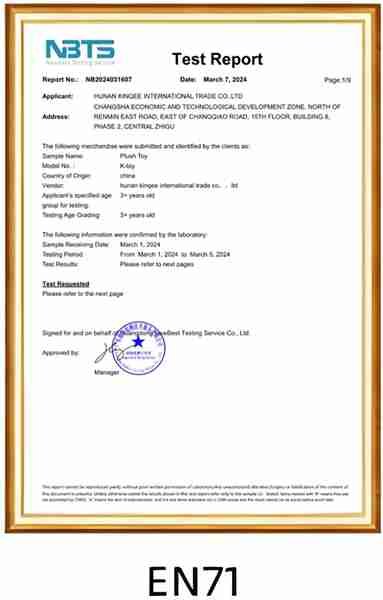
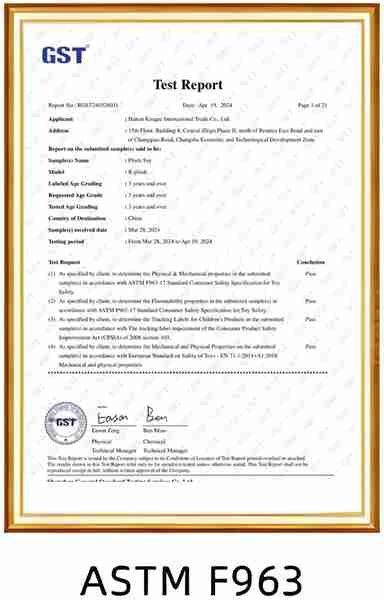
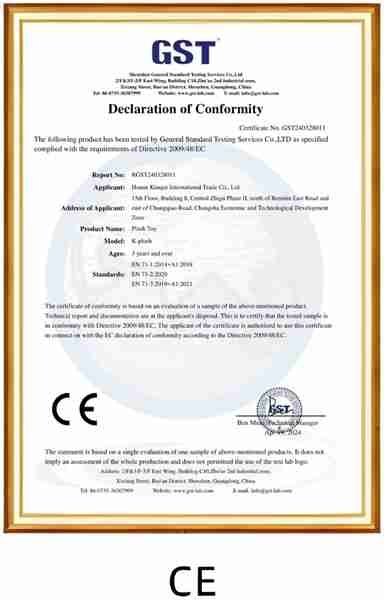

Our Story-From 2000 To Today
2000 – Jundong established in Guangdong
2005 – Began international export operations
2010 – Expanded to EU, US, and Middle East markets
2015 – Launched in-house design and sampling center
2020 – Upgraded automation and ERP system
2025 – Servicing 800+ global clients














Make a Sample Before Mass Production
Before moving into mass production, sample development allows verification of structure, materials, workmanship, and quality standards.
If you are planning a custom plush project or evaluating a reliable plush toy factory, we welcome you to discuss your requirements with our team.
- info@heyzizi.com
- (+86)13717153084
Common Questions About Private Label Plush Toys
What do you need to start a private label plush project?
The fastest way to start a private label plush project is to provide a clear visual reference, target size, intended use, and branding direction. A full tech pack helps, but it is not always necessary. Many plush programs begin with a sketch, mascot artwork, character sheet, mood board, reference photo, or a rough concept with notes.
What matters most at the beginning is whether the plush development team can understand the character identity, product purpose, and desired finish level. A gift shop plush may need shelf-ready presentation, story cards, and hang tags. A campaign plush may need simpler packaging and tighter cost control. A character plush for a creator brand or book line may need stronger face accuracy and cleaner color matching.
A practical starting brief usually includes artwork, size target, use scene, branding details, and estimated quantity. Even if some parts are still open, a project can move forward smoothly once the key visual features, plush style, and packaging direction are clear.
Can I start with a low MOQ for private label plush?
Yes, a low MOQ can be a practical way to launch a new plush design, but it works best when the first run has a clear purpose. A small plush order is most useful when it tests something specific, such as character appeal, size preference, packaging feel, price acceptance, event suitability, or retail display response.
At Heyzizi, Our standard MOQ is usually 500 pcs per design. For simple styles, 200–300 pcs can also be arranged for production. Since the quantity is smaller, raw material purchasing costs are higher, while the full production process still stays the same, so the unit price will be higher. In general, the larger the order quantity, the lower the unit cost. Once the order reaches 500 pcs or more, our pricing becomes much more competitive. We can stay flexible and work with different quantity needs based on your project. This is useful for creator merchandise, mascot ideas, seasonal trials, boutique retail concepts, and early character launches. The value of a low MOQ is not only the smaller quantity. It is the chance to collect useful feedback before expanding.
A strong first run often helps compare one size versus two sizes, simple packing versus gift packing, or a basic version versus a more detailed version. Small quantity does not automatically reduce uncertainty. If face style, material direction, or trim details are still unclear, confusion can remain. Low MOQ works best when it supports a real launch decision and a clearer next step.
How long does a private label plush sample usually take?
A private label plush sample usually takes around 7 to 15 days, depending on design complexity, material selection, and how clearly the project is defined before sampling begins. Very simple plush styles may move faster, while character plush with outfits, layered accessories, applique parts, or multiple color zones usually needs more time.
Sampling is not only about sewing. It also includes pattern development, fabric matching, face method selection, stuffing control, trim preparation, and silhouette adjustment. In many cases, the biggest factor is not production speed alone, but how complete the inputs are. A project with clear front view, side view, size target, and color direction usually moves more smoothly than one where expression, proportion, or structural details are still open.
The main timing factors often include character complexity, custom outfits, fabric confirmation, face technique, and revision rounds. A good sample process is not just about speed. It is about using the first sample to confirm shape, character feeling, and key details in the right order.
What branding details can be added to private label plush?
Private label plush can include much more than a logo. Strong branding usually comes from small details that make the plush line feel finished, distinctive, and easier to place in retail, gift, or event settings. Common branding options include woven labels, printed care labels, hang tags, story cards, custom ribbons, branded outfits, zipper pulls, belly bands, insert cards, and gift boxes.
These details matter because plush products are judged in layers. The character creates first attention. The fabric and face quality build trust. Branding details then shape whether the plush feels collectible, giftable, shelf-ready, or part of a larger collection. A simple character plush can feel much stronger when the tag, label, and packaging all work together.
Branding can sit on the product itself, on attached printed items, inside the packaging, or across a full collection color system. The best upgrade is not always the most expensive. It is the one that fits the selling scene and strengthens recognition without making the product feel overdesigned.
What usually affects the price of a private label plush the most?
The biggest cost drivers in private label plush are usually size, construction complexity, fabric type, face method, accessories, packaging, and order quantity. Many teams assume price mostly depends on plush size, but a smaller plush with layered clothing, difficult embroidery, applique work, shaped accessories, and custom gift packaging can cost more than a larger but simpler item.
A useful way to read plush pricing is by layers. The base layer includes main fabric, filling, sewing time, and basic structure. The detail layer includes face decoration, color blocking, trims, outfits, labels, and attached parts. The presentation layer includes polybags, insert cards, gift boxes, and packing work. Once these layers become more complex, the total cost rises quickly.
This is why the best pricing discussion is not only about finding the lowest number. It is more useful to identify which plush features create the most value, which details protect character recognition, and which parts can be simplified without weakening the final result. That usually leads to a better balance.
Can I use an existing plush sample as a reference for a new version?
Yes, an existing plush sample can be a very useful reference for either a close match or an upgraded next version. Many plush projects begin with a physical sample that already exists. It may be an older style that needs improvement, a market reference, or an earlier version with weak points in face expression, stuffing balance, handfeel, seam quality, accessory placement, or packaging presentation.
A physical plush sample helps because it turns abstract comments into visible decisions. It becomes easier to discuss whether the head should be rounder, whether the body should feel softer, or whether the embroidery should look cleaner. At the same time, a sample should not be copied blindly. A plush that looks acceptable in photos may still have issues in proportion, shape stability, seam strength, compression recovery, or trim cost.
The most effective starting point is to define what should stay, what should change, and what should be upgraded. Clear direction usually works much better than simply asking for something similar.
How can I reduce bulk-order drift after sample approval?
The best way to reduce plush bulk drift is to turn the approved sample into a repeatable working standard before production starts. Many teams worry that the approved plush looks right, but the later run shifts in face shape, fabric tone, stuffing feel, embroidery quality, accessory position, or packing result. That concern is very common in plush development because small visual or handfeel changes can affect the final impression quickly.
The strongest protection comes from recording the details that matter most. These usually include the approved sample reference, key measurements, fabric notes, color references, embroidery file version, trim list, fill standard, label placement, and packing instructions. Once these points are clearly fixed, the next run depends less on memory and more on a stable system.
It also helps to identify the true priority points for each character. On some plush items, eye spacing or nose size matters most. On others, ear angle, body balance, or stuffing firmness defines the look. When these critical details are locked early, repeat runs are much easier to control.
How should plush packaging be chosen for different selling scenes?
The right plush packaging depends on where and how the product will be sold, not only how it will be shipped. A plush for a gift shop, bookstore, museum store, event program, online launch, or set bundle should not all use the same packaging method. Good plush packaging should protect the product and support presentation at the same time.
For gift shop or bookstore plush, shelf neatness, story connection, barcode area, and a tidy outer look often matter a lot. For event plush or giveaway use, fast packing and easy distribution may be more important than decorative presentation. For an online plush launch, unboxing feel, insert presentation, and shape recovery after shipping become more important. For bundles or gift sets, internal organization and visual coordination usually matter more.
A plain pack can make a good plush feel underdeveloped, while an oversized gift box may add cost without helping the real use scene. The strongest plush packaging choice is usually the one that matches the sales channel, protects the plush well enough, and supports the intended opening experience.
Can one plush character be extended into more product types?
Yes, a strong plush character can often be extended into keychains, mini plush, pillows, plush bags, ornaments, pouches, and gift sets. This is one of the best ways to turn a single character design into a fuller collection. Once the face language, color palette, silhouette, and recognition points are stable, it becomes much easier to adapt that identity into different plush formats without losing consistency.
This matters because not every product needs the same size, price level, or use purpose. A full-size plush may work well as the hero item for display and gifting. A mini plush or keychain can create a lighter entry option. A plush pillow or pouch adds more practical use. A gift set can raise presentation value and support seasonal drops or themed launches.
The best approach is usually to stabilize the main plush version first. Once the core character looks right in fabric, extension becomes more efficient. At that stage, the design starts to feel less like a one-off plush item and more like a recognizable plush collection.
What makes a private label plush easier to reorder later?
A private label plush becomes much easier to reorder when the first run is built as a reusable system, not just a one-time launch. The real test often comes later, when the design needs to return for holiday restock, retail refill, repeat campaign use, or a regional relaunch. Reordering feels more stable when the plush is likely to come back with similar face feeling, similar fabric appearance, similar filling balance, similar accessory placement, and similar packing method.
What makes this possible is not a broad promise, but clear preparation. Before the first run closes, it helps to lock the approved sample reference, measurements, face file version, fabric notes, trim list, fill standard, label placement, carton marks, and packing instructions. These details reduce guesswork and make repeat runs easier to predict.
From a project planning side, the main value is simple: fewer unexpected changes, stronger consistency, and a smoother path when a plush design needs to return again. That is what usually makes reordering feel safer.
