 Skip to content
Custom Baby Cloth Book Manufacturer
Looking for a custom baby cloth book manufacturer with strong sampling,
reliable bulk consistency, and flexible plush development? Heyzizi creates baby cloth books, soft activity books, sensory fabric books, crinkle books, mirror books, stroller toys, and other plush baby products with support for design refinement, material selection, branding, packing, and export delivery.


Baby Cloth Book: Function Over Cuteness
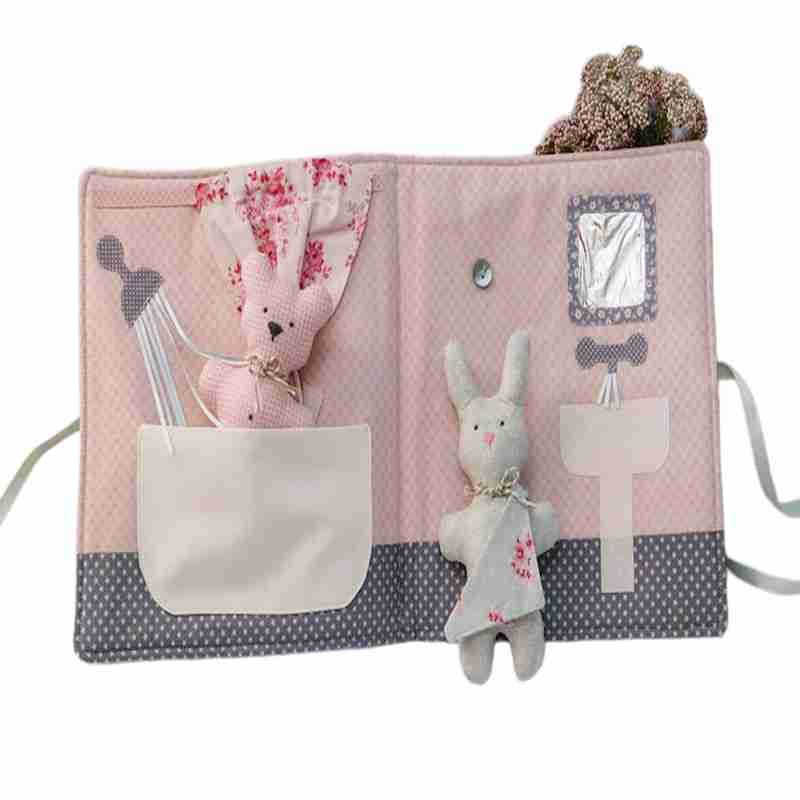
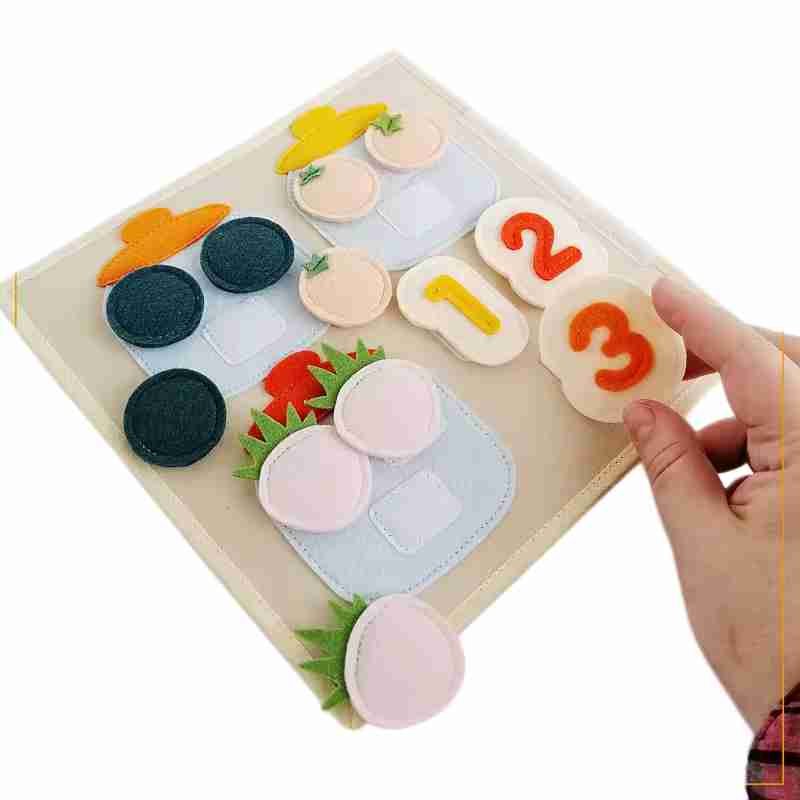
A baby cloth book should engage beyond visual appeal, keeping infants interested through repeated use. High-quality versions combine soft touch fabrics, safe interactive elements, easy handling, and clearly defined play experiences. Examples include securely framed mirrors, flaps designed for small hands, gentle crinkle areas, and plush sections that encourage grasping without adding bulk.
For gift programs, nursery collections, boutique baby lines, and character-themed releases, the key is durability under real-world use. A book that only looks cute may quickly lose appeal after repeated openings, travel, or washing. In contrast, a cloth book that supports touch, peek, lift, squeeze, and recognition maintains engagement over time.
Development should begin with intended use behavior rather than decoration. Define what the child is meant to do with each page first; then structure, color, print, and trim choices become easier to align. This approach ensures the finished product feels complete, functional, and appealing, providing lasting value for both playtime and gifting programs.
Plush Toy: Early Product Planning
Many soft baby concepts fail early when treated like a small plush toy with pages added later. A cloth book should be approached as a sequence-based soft product, where cover texture, page-turn resistance, edge softness, accessory attachment, thickness, and visual rhythm all work together.
Early-stage planning benefits from defining five practical elements before sampling:
- Age fit: infant, stroller, nursery gifting, or early recognition play
- Interaction style: mirror, crinkle, squeaker, teether, flap, pull tab, plush insert
- Book size: easy to grasp, pack, and store without being oversized
- Cleaning approach: surface wipe, gentle wash, removable parts, drying considerations
- Visual language: animal theme, neutral nursery look, branded character, seasonal gift
With these decisions in place, the team can focus on hand feel, page structure, seam placement, and attachment logic rather than correcting avoidable issues. Heyzizi’s workflow supports this process with design, sampling, and pattern development in-house, helping ideas evolve efficiently into durable, repeatable products that retain quality across multiple iterations and distribution channels.

Baby Cloth Book: Lasting Play Value
A baby cloth book remains engaging longer when it shows careful attention to small details. Key qualities parents, gift planners, and nursery coordinators notice include edges that are smooth, pages that turn easily without stiffness, plush elements that lie flat, and visual patterns that feel gentle without being dull.
Top-performing cloth books balance four main attributes:
- Softness: inviting to touch, not floppy or weak
- Structure: keeps shape while remaining flexible
- Interaction: intuitive features like flaps, crinkles, or pull tabs
- Editing: avoids random or overloaded design elements
These factors also improve usability across different programs. A thoughtfully designed book photographs well, travels safely in packaging, and reduces complaints about confusing layouts or uneven proportions.
Heyzizi integrates cloth books with broader baby collections, including plush toys, teether attachments, stroller hangers, and gift sets. Aligning the book with complementary soft goods creates cohesive sets, simplifies collection planning, and enhances perceived value across nursery-themed product lines.
Soft, Safe, Washable Materials
Material selection determines almost every aspect of a baby cloth book. It influences hand feel, page thickness, edge softness, noise feedback, washing performance, and how clearly artwork appears after sewing. A book that feels good in an early sample can become problematic if fabrics stretch, pill, trap lint, or dry poorly.
Effective material planning treats components as a system, not isolated fabrics. Outer plush or velour surfaces, inner support layers, crinkle inserts, mirror frames, binding tape, filling areas, labels, and hanging tabs all need to work together. A nursery-gifting book may favor softer, calmer textures, while a stroller-use concept may need lighter weight, faster drying, and sharper edges. Teether-combo books demand tighter material control to ensure durability and safety.
Key early checks include:
- Surface feel: soft, non-irritating, visually calm
- Structure support: pages maintain shape without stiffness
- Care behavior: easy to wipe, gentle wash, fast drying
- Trim compatibility: mirrors, flaps, labels, loops, and tabs remain neat
Strong projects choose a balanced material mix that maintains function and appearance after repeated use, handling, and packaging.


Interactive Features: Structure Over Guesswork
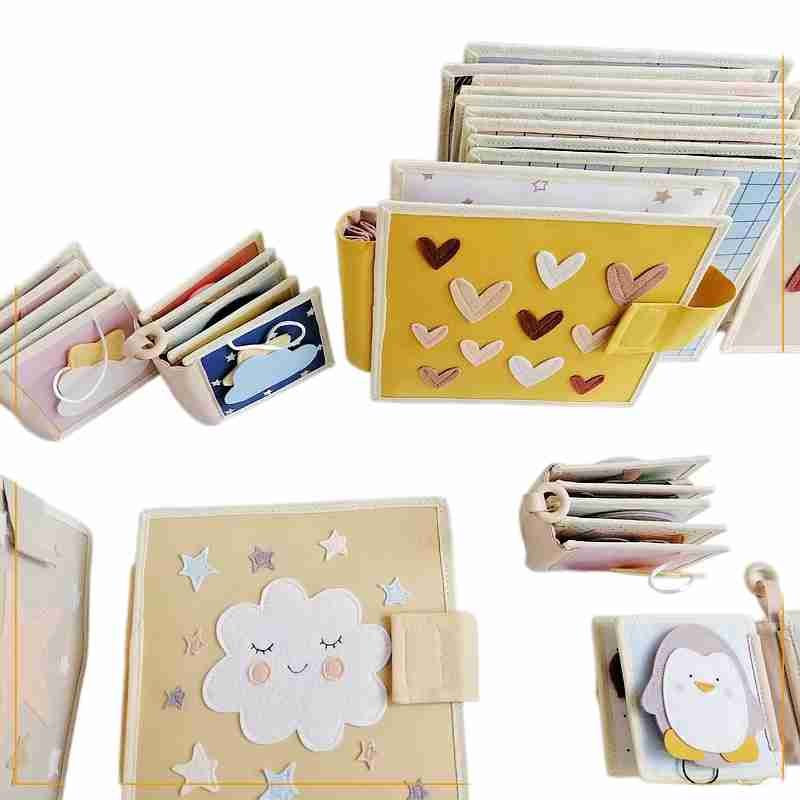
Interactive features make a cloth book engaging, but they often introduce early challenges. A mirror can wrinkle at the edge, a crinkle insert may stiffen a page, a flap might be awkward for small hands, and a teether can complicate material and attachment planning. These are construction decisions, not decorative choices.
Effective planning defines actions for each page. One spread might encourage lift-and-find play, another may highlight texture contrast, while a mirror spread supports visual recognition. With actions defined, seam placement, reinforcement zones, opening size, and component layout become easier to manage.
A planning table can help control interaction quality:
- Mirror: edge finish, frame softness, reflection size
- Crinkle insert: sound level, wrinkle control, page stiffness
- Flap/lift-up part: finger access, opening direction, seam strength
- Teether combo: material discipline, attachment strength, shape balance
By aligning interaction, materials, and structure early, the finished cloth book feels natural and enjoyable rather than forced or crowded, supporting play and learning in a small, well-constructed package.
Book Design Varies by Channel
A baby cloth book that works well in one context may not translate directly to another. Gift-focused designs often favor warmer colors, softer textures, and a slightly fuller feel. Boutique shelf concepts benefit from tidier silhouettes, cleaner trim, and strong visual cohesion. Travel- or stroller-oriented books require lighter weight, easier handling, and practical attachments. Character-driven collections focus on face consistency, branding details, and compatibility with companion plush, rattles, or hanging toys.
Cloth books are surprisingly flexible. They can integrate into broader baby assortments rather than remain standalone items. Existing product experience, including baby soothing plush, stroller hanging plush, soft books, educational plush, gift-oriented accessories, labels, and branded packing components, supports building a cohesive collection around one book concept.
Channel-focused planning helps guide decisions on size, trim, branding, packaging, and cost. Examples include:
- Gift programs: presentation, visual softness, bundle potential
- Retail shelves: clean finishing, clear visuals, pack-friendly shapes
- Travel or stroller use: lightweight, practical attachments, easy handling
- Character collections: style consistency, recognizable features, line extensions
Clear channel direction prevents samples from looking appealing but feeling commercially mismatched later.


Sketch to Sewable Baby Book
A baby cloth book often begins as an incomplete reference: a hand sketch, a mood board, an old sample, a mascot sheet, or screenshots with notes like “softer” or “more baby-friendly.” These are valuable starting points, but the challenge arises when visuals are not converted into a practical sewing plan.
A workable development path requires defining page logic, size logic, interaction placement, fabric direction, and construction decisions. The cover may need one softness, while inner pages balance flexibility and support. Elements such as plush pockets, mirror windows, or teether corners require precise seam planning, not just appealing artwork.
A structured internal workflow improves conversion from concept to sewable book. With coordinated design, development, in-house patterning, and sampling, sketches and mood boards become actionable specifications suitable for repeatable production.
A practical conversion framework:
- Sketch or idea board: book concept and theme direction
- Visual references: page-by-page content plan
- Loose comments: measurable size, fabric, and trim notes
- Sample feedback: revised structure and sewing instructions
Sampling Prevents Bulk Issues Early
A sample is only valuable if it reveals potential bulk issues early. Checking appearance alone is not enough. Without proper review, problems often appear later: uneven page thickness, twisted plush inserts, stiff bindings, misaligned labels, or a packed book that loses its approved shape.
For baby cloth books, sampling should evaluate more than looks. It should confirm hand feel, page balance, turning ease, edge softness, component stability, and performance under light compression, handling, and gentle cleaning. Typically, one round checks the visual concept, while another verifies structural repeatability.
Structured sampling is crucial. Coordinated pattern work, version tracking, milestone planning, and pre-production style checks ensure the finished product meets design intent.
Key sample review areas include:
- Look: color, face feel, feature balance
- Structure: page thickness, opening comfort, edge performance
- Attachments: mirrors, tabs, plush inserts, loops
- Practical use: handling, packing, basic care response
A good sample removes uncertainty and ensures a cloth book performs consistently in bulk production.



Flexibel MOQ Requires Controlled Structure
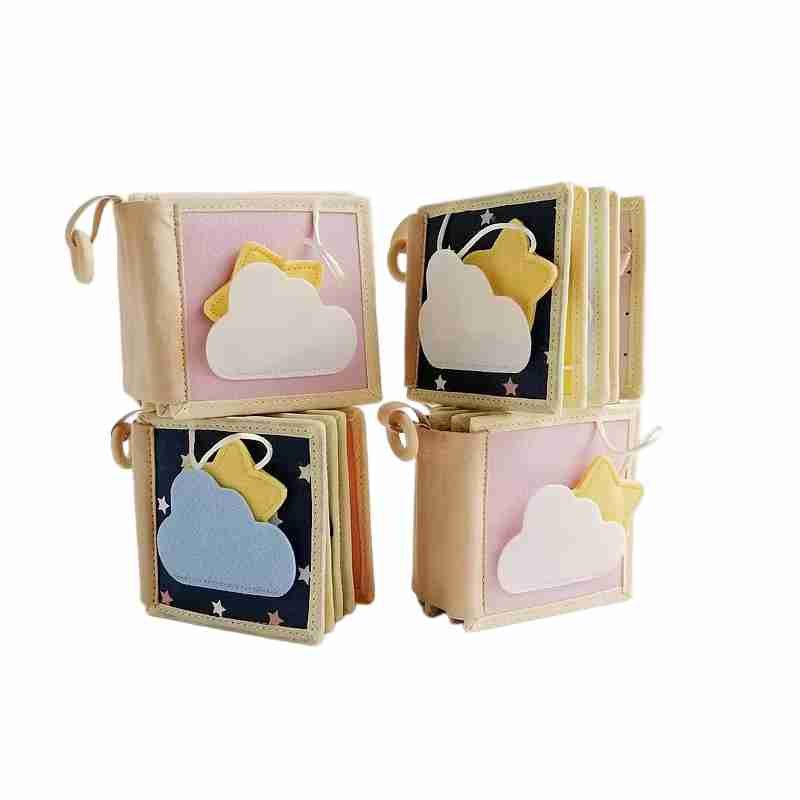
A flexible starting quantity can be appealing, but it only adds value when the cloth book’s structure is already stable. If the design is unclear, small runs may reproduce the same issues: uneven pages, misaligned trim, inconsistent stuffing, misplaced labels, or details that worked in a sample but fail in production.
Low MOQ works best once core elements are confirmed: page count, material selection, interactive components, trim placement, and intended distribution channel. With these locked, smaller quantities support launch testing, gift programs, boutique collections, or cautious first runs.
This aligns with your factory profile. Even with a large setup, Our standard MOQ for custom plush hand puppets is 500 pcs per design. The final MOQ depends on fabric, mouth structure, embroidery, accessories, packaging, and other customization requirements. Since the quantity is smaller, raw material purchasing costs are higher, while the full production process still stays the same, so the unit price will be higher. In general, the larger the order quantity, the lower the unit cost. Once the order reaches 500 pcs or more, our pricing becomes much more competitive. We can stay flexible and work with different quantity needs based on your project.
thanks to 600+ employees, 18,000㎡ of production space, and 80 QC inspectors, but this advantage depends on clear internal coordination and repeatable processes.
Practical guidance for flexible MOQ:
- New concept test: theme and structure confirmed
- Gift program: packaging and timing defined
- Character extension: style rules established
- First cooperation: approval points documented
Quantity matters, but clarity comes first for reliable results.
Book Size, Pages, Play Features
A baby cloth book performs best when size, page count, and interactive features are balanced. Issues often arise when one grows faster than the others. A book can become too large for small hands, too thick for packing, or overloaded with features for its intended age. Conversely, a book that is too small or too simple may look neat but feel underdeveloped in use.
The first step is defining the intended experience: calm touch-and-look, quick stroller play, gift presentation, or a fuller activity book with flaps, mirrors, crinkles, and plush inserts. Once this rhythm is clear, structure, thickness, and feature placement decisions become easier.
Typical planning guidance:
- Travel or stroller use: lighter format, fewer pages, easy-to-grip details
- Gift-focused concept: fuller feel, balanced pages, gentle feature mix
- Retail shelf line: clean layout, clear silhouette, readable spreads
- Activity-led version: more pages, carefully edited features, thickness control
By aligning these three variables, the cloth book feels cohesive, functional, and enjoyable rather than patched together, supporting repeated handling and lasting play value.


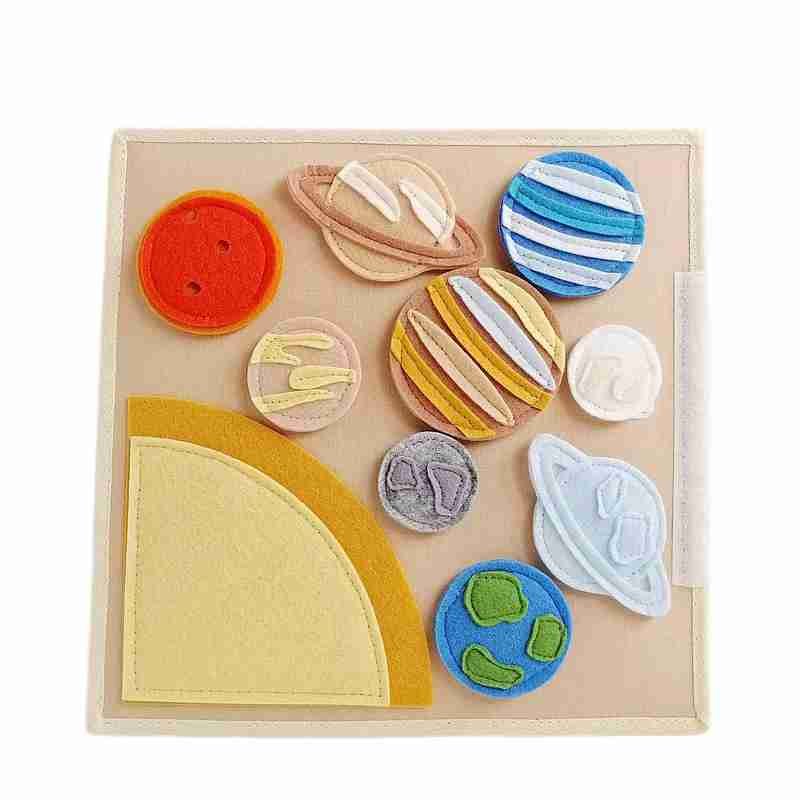
Branding Without Cheapening the Book
Branding on a baby cloth book should feel integrated and natural rather than forced. Identity works best when it is subtle and distributed across the product instead of dominating every visible surface. Options like a woven label, small hangtag, logo patch, custom printed story card, or matching storage bag often feel more elegant than oversized marks that disrupt the visual flow.
For baby-focused soft goods, maintaining warmth, gentleness, and play value is crucial. Logos that are too loud can diminish the giftable, soft appeal that makes the book attractive. Thoughtful branding helps the book feel more complete, ownable, and cohesive within a broader collection.
Existing development scope supports this approach, including hangtags, woven labels, care labels, header/backer cards, branded storage bags, and packaging components, allowing identity to be expressed across multiple touchpoints rather than one area alone.
Practical branding guidance:
- Book body: small, calm identity touch
- Label or tag: clear logo and care info
- Packaging: storytelling and visual ownership
- Collection add-ons: repeated style cues across matching items
Well-executed branding enhances recognition without overpowering the book’s soft, playful design.
Packaging Shapes the Product Experience
Packaging for a baby cloth book should be considered early in development. Leaving it to the end can cause issues: books feel compressed, mirrors bend, pages spread awkwardly, hanging methods do not align with display plans, or the unboxing experience is underwhelming.
For soft baby products, packaging shapes first impression, gift readiness, shelf appeal, brand tone, and delivery stability. Header cards support lightweight retail displays, backer cards enhance handling and presentation, while soft branded bags or simple gift boxes reinforce a premium, reusable feel. Care labels, hangtags, insert cards, and outer packing details also contribute to storage, shipping safety, and repeat-order consistency.
Your development scope already covers header or backer cards, woven and care labels, branded storage bags, gift box inserts, packing coordination, and warehouse handling, allowing packaging to be part of the process rather than an afterthought.
Practical planning examples:
- Header or backer card: display, hanging, basic info
- Gift box or insert: protection, enhanced presentation
- Storage bag: premium feel, reusable value
- Outer packing control: clean arrival, consistent handling
Early packaging integration ensures the book feels complete from first look to delivery.


Baby Cloth Books for Gifts & Retail
Not every baby cloth book performs equally well across all channels. Some concepts shine as gifts but feel weak on retail shelves. Others hang well for display yet lack presence for premium presentation. Certain designs work best when paired with complementary items like plush toys, rattles, stroller accessories, or nursery sets.
Category-based planning helps define how a cloth book fits within a collection. A book can act as a main soft item, a supporting bundle piece, or a character extension product. A simple animal-themed storybook with a mirror and crinkle may suit baby gifting. An educational version with clear shapes, flaps, or color cues works well for boutique or retail collections. Branded mascot editions pair naturally with mini plush, hanging toys, or soft accessories.
Existing product scope, including baby soothing plush, stroller hanging items, soft books, educational plush, gift-oriented plush, and multi-SKU extensions, allows cloth books to serve as a central hub product.
Planning guidance:
- Baby gift line: softer story-led, calm colors, touch features
- Retail assortment: clear structure, readable spreads, pack-friendly
- Character collection: recognizable style, extendable into plush
- Bundle or set concept: paired with rattles, charms, or gift accessories
The strongest projects define what items the book sits alongside for a cohesive collection.
Our Plush Toys Range
A selection of plush toy categories we commonly manufacture for OEM and brand clients.
Our factory manufactures a wide range of custom plush toys for OEM and brand clients across different industries.
Rather than fixed products, these categories represent the types of plush projects we commonly develop and produce, from character-based designs to large-scale promotional and retail plush.
Each category reflects our experience in custom development, process control, and stable mass production, allowing pantners to quickly identify whether their project fits our manufacturing capabilities.
Custom Baby Cloth Book

Custom Baby Cloth Books Designed For Early Learning, Sensory Play, And Original Development For OEM And Private Label Production.
Custom Character Plush
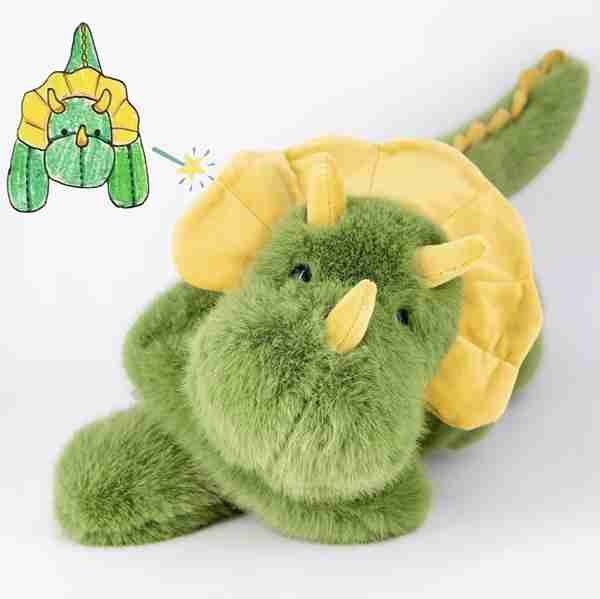
Custom-made plush toys based on IP characters, mascots, and original artwork, developed for OEM and licensed production.
Yours Animal Plush Toys
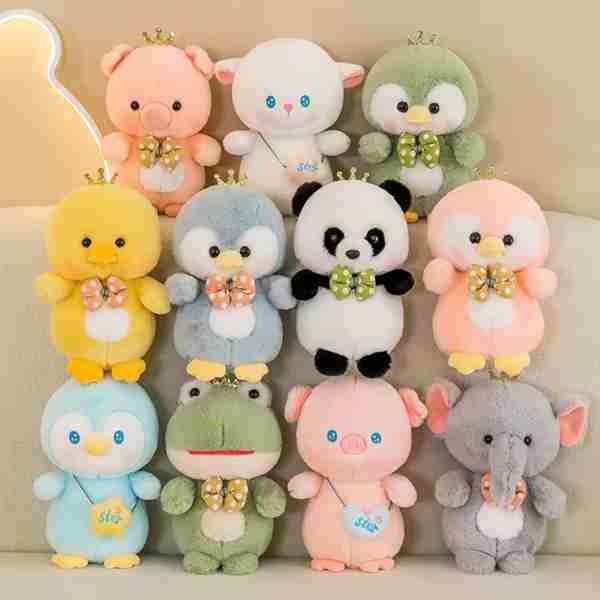
Classic animal plush toys produced for retail and wholesale distribution, with custom materials and design variations.
Retail Plush Collections
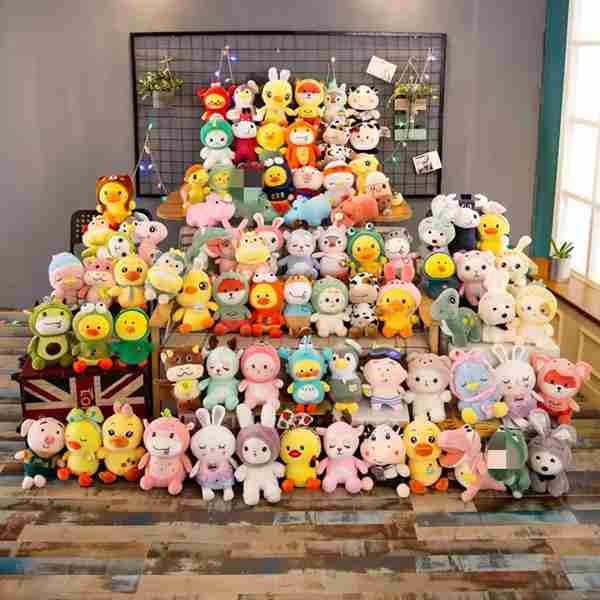
Plush toy series developed for retail stores and gift shops, focusing on consistent quality and repeatable production.
custom Giant Plush Toys
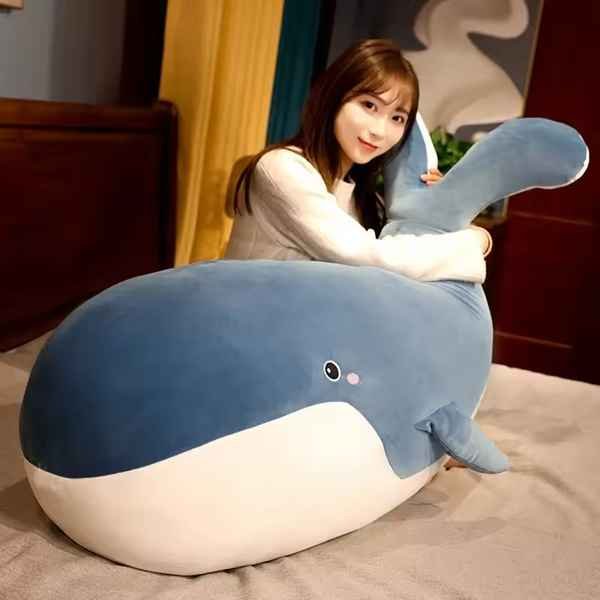
Large-scale plush toys requiring reinforced structure, controlled stuffing, and durability, commonly produced for events and display.
Promotional Plush Toys
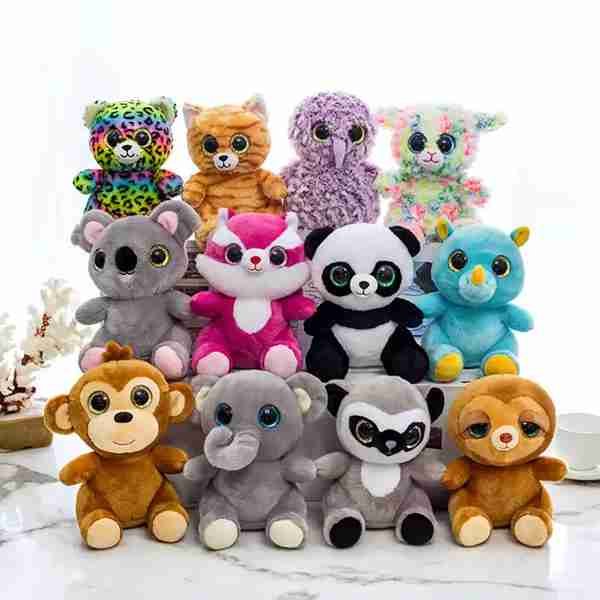
Plush toys designed for marketing campaigns, giveaways, and brand promotions, optimized for bulk orders and event use.
Custom Plush Mascots
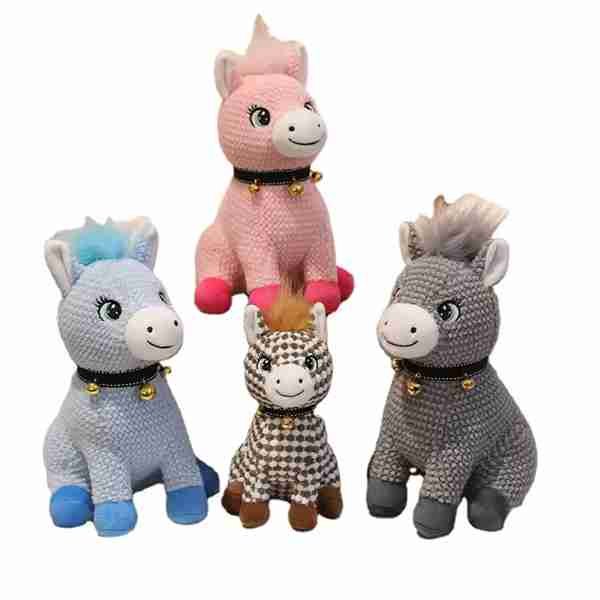
Wearable or display plush mascots developed for brand identity, exhibitions, and promotional use, with custom sizing and structure.
Seasonal & Holiday Plush
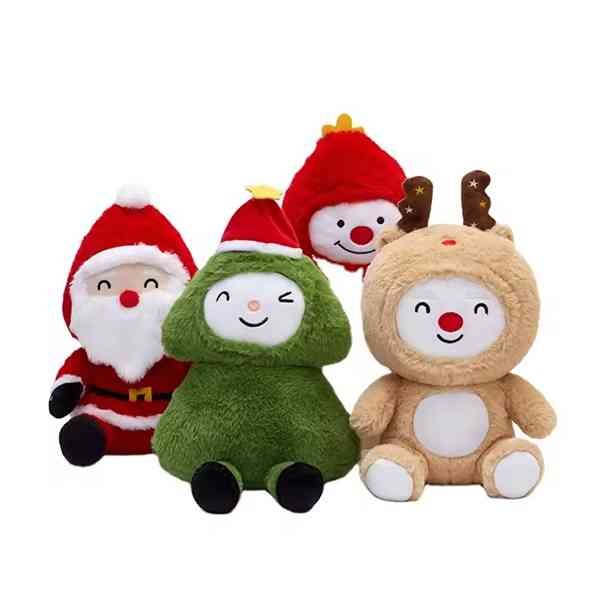
Plush toys developed for seasonal campaigns and holiday collections, such as Christmas, Halloween, and special events.
Plush Keychains & Mini Plush
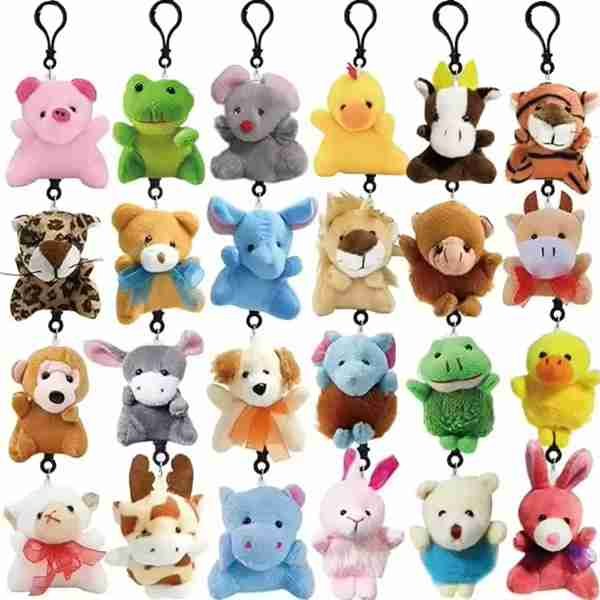
Small-size plush products designed for promotional bundles, accessories, and gift sets, suitable for large-volume production.
OEM Exclusive Plush Projects
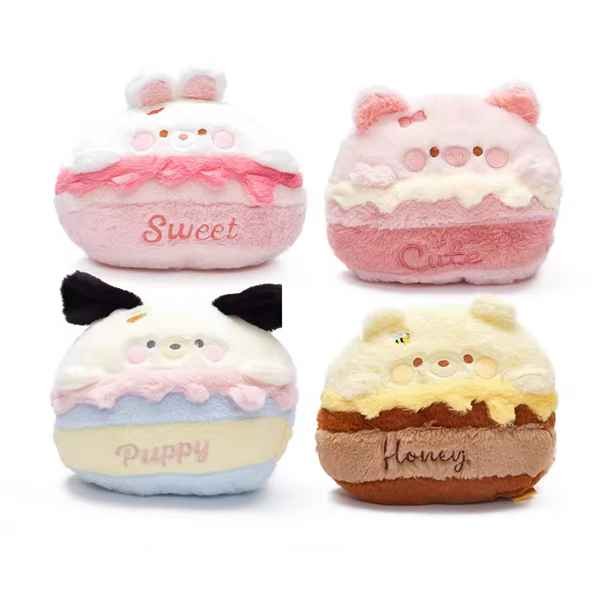
Fully customized plush projects developed under OEM or private-label agreements, from sample development to mass production.
Custom Soft Doll Plush
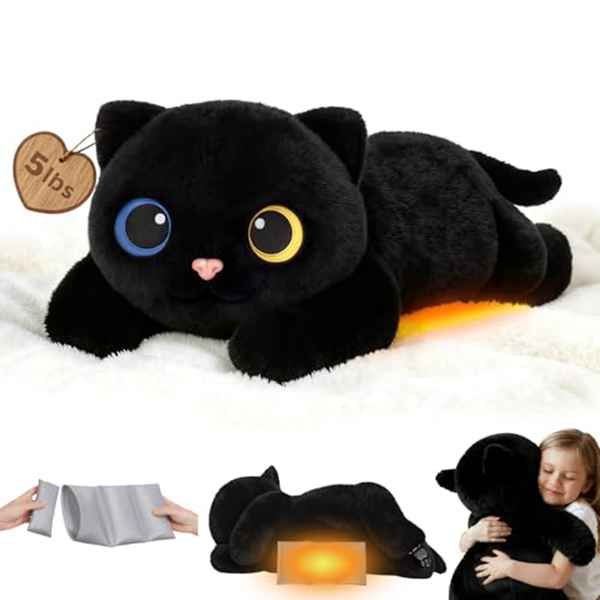
Human-style plush dolls developed for retail and branded collections, focusing on facial details and sewing accuracy.
Custom Plush Sets & Series
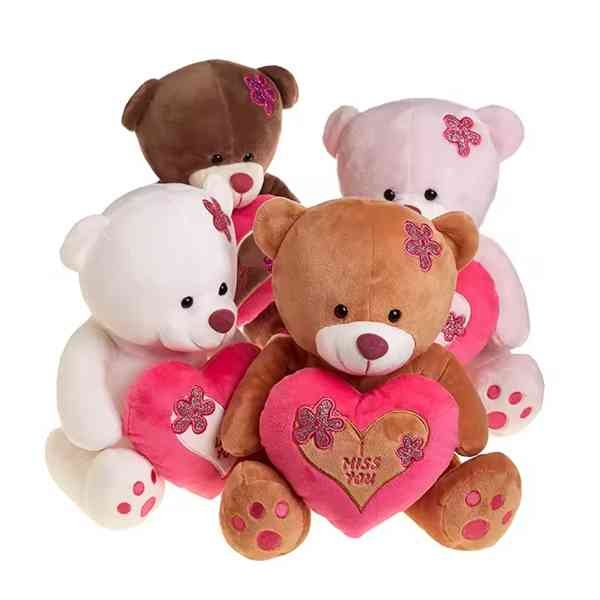
Multiple-design plush sets produced as series collections, requiring color control and batch consistency.
Inside Our Plush Toy Factory
Our Production Capabilities
We believe transparency builds trust. By showing real production environments, you can better understand how plush toys are manufactured in our factory, rather than relying on descriptions alone.
Our factory videos and photos present actual sewing lines, stuffing operations, in-line quality inspections, needle detection, and packing processes. These visuals reflect our daily manufacturing workflow, helping you evaluate our production capability, process control, and working standards with confidence.
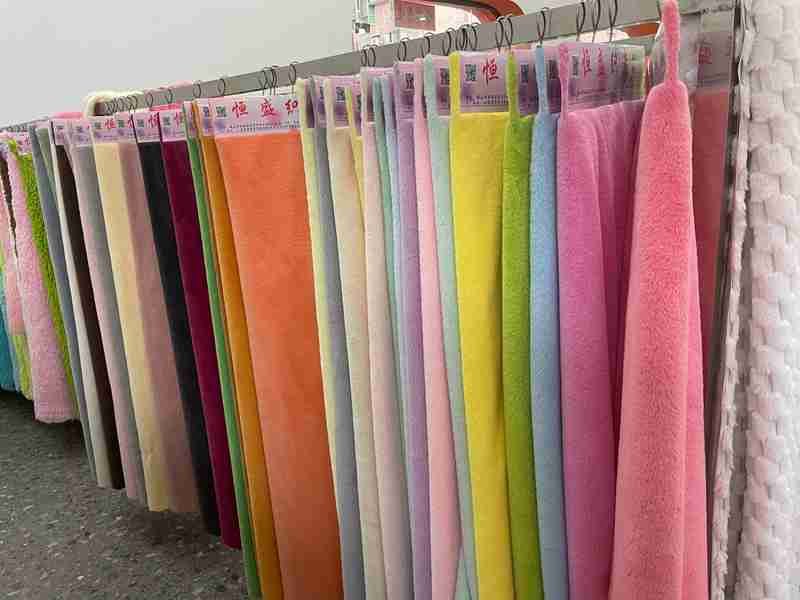
Selecting Raw Materials
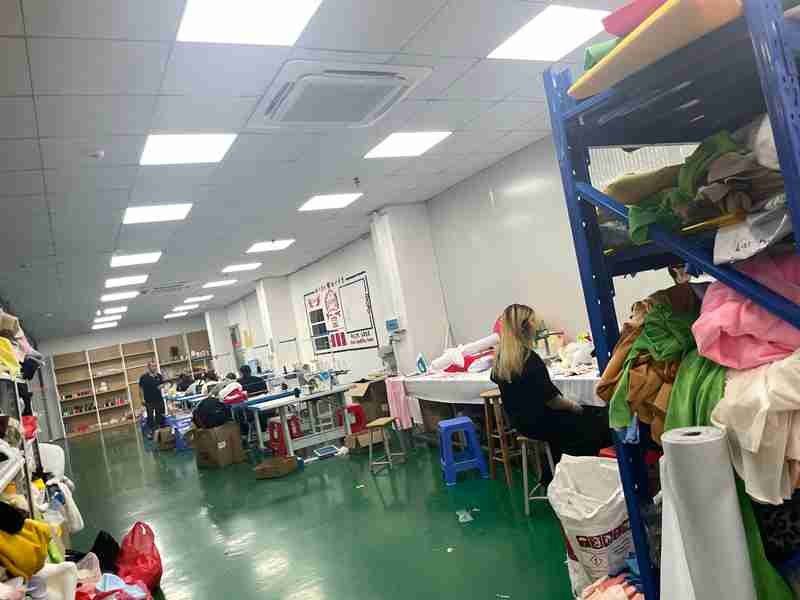
Sample Production Room
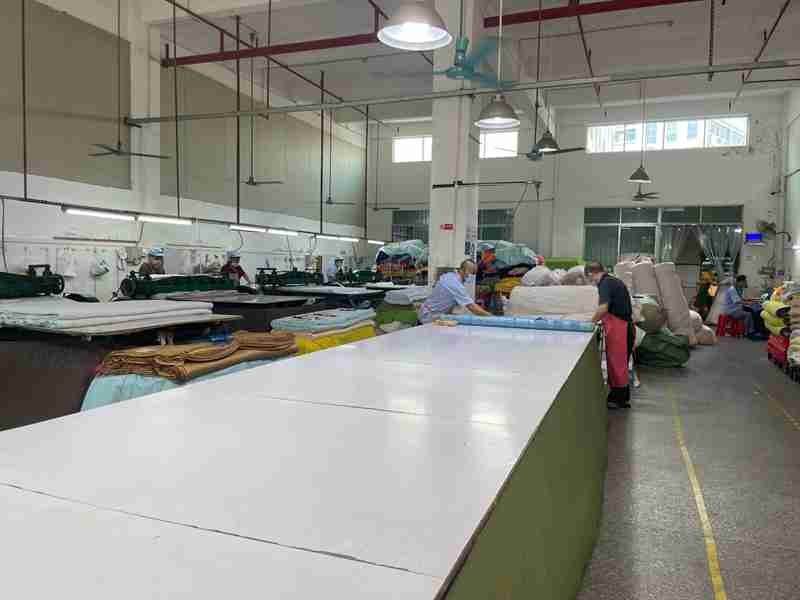
Selecting Raw Materials
Mechanical laser cutting
Batch computer embroidery
Sewing Lines in Operation
In-Line Quality Inspection
Stuffing Process Control
Hand Stitching & Closure Finishing
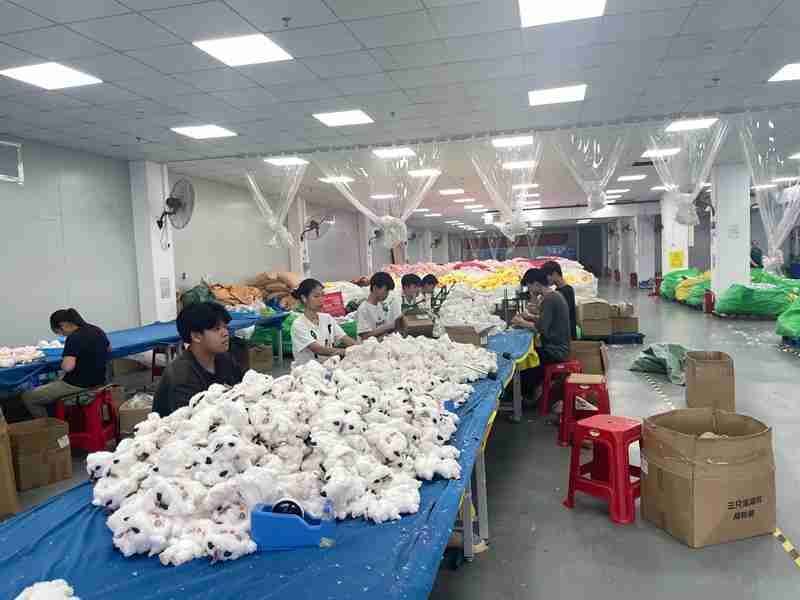
Shape Adjustment & Surface Finishing

Needle Detection & Metal Safety Inspection
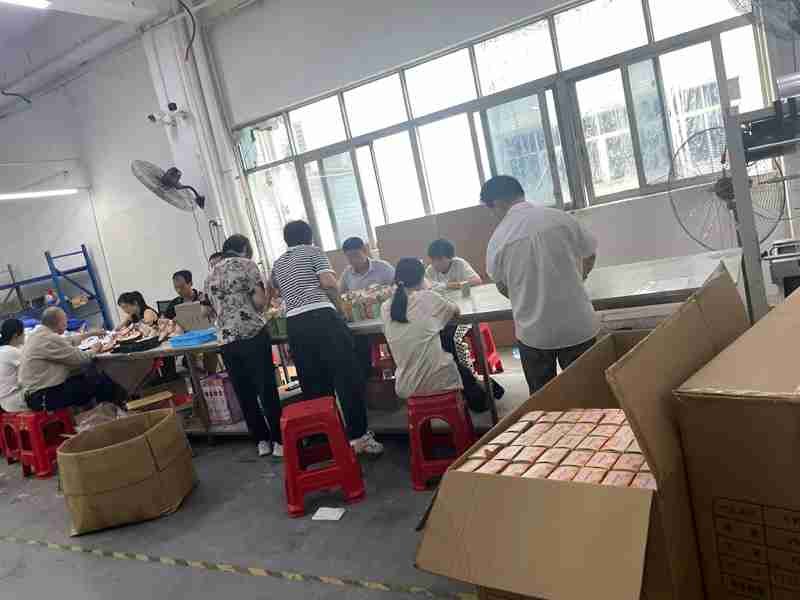
Packing & Carton Preparation
Cooperating Brands Trusted
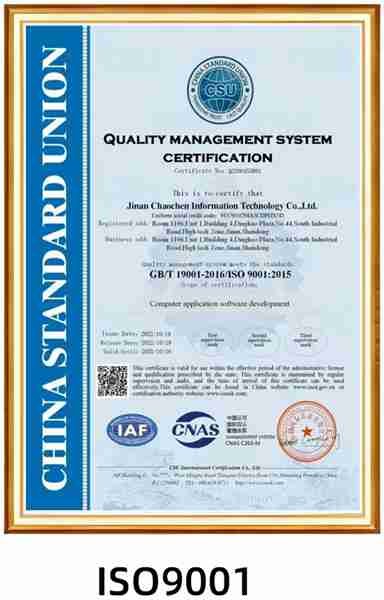
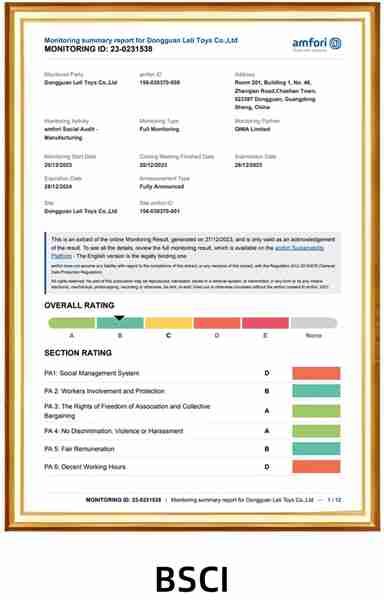
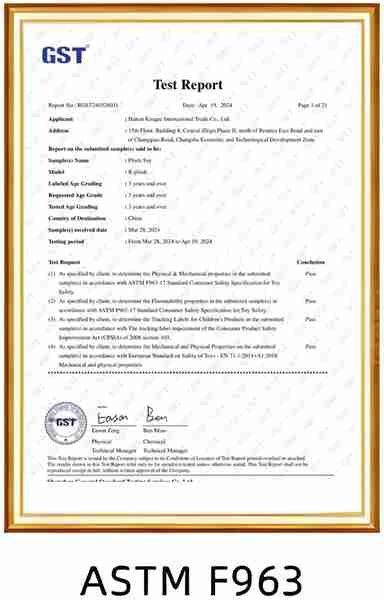
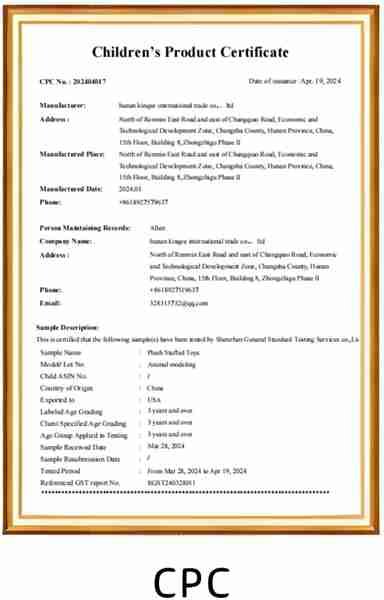
We cooperate with brands across gift, retail, publishing, and promotional industries. Many of our partnerships are long-term and built on consistent quality, clear processes, and reliable delivery.
Rather than focusing on volume, we focus on stable cooperation and repeatable manufacturing results.






























Our Story-From 2000 To Today
2000 – Jundong established in Guangdong
2005 – Began international export operations
2010 – Expanded to EU, US, and Middle East markets
2015 – Launched in-house design and sampling center
2020 – Upgraded automation and ERP system
2025 – Servicing 800+ global B2B clients






























Make a Sample Before Mass Production
Before moving into mass production, sample development allows verification of structure, materials, workmanship, and quality standards.
If you are planning a custom plush project or evaluating a reliable plush toy factory, we welcome you to discuss your requirements with our team.
- info@heyzizi.com
- (+86)13717153084
Common Questions About Custom Baby Cloth Book
What information should we prepare before asking for a baby cloth book sample?
A baby cloth book project moves more smoothly when the team prepares a clear concept brief rather than a polished design file. Useful starting information includes theme or story direction, target age and interaction style, approximate size and page count, preferred interactive features (mirror, flap, crinkle, teether, plush insert), and any visual references that convey the desired mood or feel. Sketches, mood boards, old sample photos, nursery references, mascot sheets, or fabric preferences can all help communicate intent.
A brief works best when it clearly shows what is fixed versus what needs further development. This reduces ambiguity in the sample phase and minimizes back-and-forth. It is especially effective if the brief answers practical questions about:
- Theme or story direction: defines look and page flow
- Target use: gift, stroller play, retail display, activity focus
- Book setup: size, pages, interactive elements
- Visual references: avoids vague “cuter” or “softer” notes
- Brand or packaging needs: woven labels, hangtags, boxes, insert cards
How do we decide the right size and spread count for a custom baby cloth book?
Determining the correct size and number of interactive sections depends primarily on the intended use, rather than simply trying to add features. Overall dimensions influence hand comfort, weight, thickness, handling ease, and packaging requirements.
For a product intended for stroller use, fewer interactive units and a lighter structure allow easy flipping and handling. Gift-focused versions may benefit from a slightly fuller format that feels substantial in hand. Retail-ready editions should maintain tidy proportions for display efficiency and storage. Activity-heavy concepts can support more sections, but only if distribution of features and thickness is controlled carefully.
Guiding questions include:
- How will children interact: mainly look, touch, flip, or squeeze?
- Does the format need to fit a gift box, hanging display, or stroller attachment?
- Are interactive elements evenly distributed, or concentrated in one area?
More units do not automatically increase value. Often, a shorter, well-edited cloth book with fewer spreads provides a smoother rhythm, balancing engagement without creating excessive bulk or visual overload. Confirming intended usage first ensures alignment between size, spread count, and interactive complexity.
Can a baby cloth book include mirror, crinkle paper, teether parts, flaps, and plush accessories in one project?
Yes, but only if the interactive features are carefully curated rather than combined all at once. Every feature competes for limited space. Overcrowding can make the book feel thick, stiff, noisy, or visually busy.
Better design considers each unit individually:
- Mirror sections: support self-recognition interactions
- Crinkle inserts: provide sound feedback without stiffening the structure
- Flaps: must be easy for small hands to lift
- Teether components: add tactile value but require secure attachment and material planning
- Plush or mini character inserts: must be positioned stably without obstructing flipping or handling
A balanced sensory book usually includes one primary interaction, one supporting tactile element, and one or two accent features per spread. This maintains comfortable handling, clear play logic, and repeatable construction. With experience in soft books, educational plush, soothing items, teether-plush combos, and hook-and-loop structures, teams can develop engaging interaction combinations without overcrowding.
How many sample rounds are usually needed before moving to production?
Custom baby cloth books typically require multiple meaningful sample rounds, as appearance approval does not guarantee functional readiness. A first prototype may resemble the intended concept but still leave open questions: Are interactive elements easy to manipulate? Do plush inserts sit flat? Are mirrors safely framed? Do flaps lift smoothly? Does the finished bundle maintain shape under packaging or gentle handling?
A structured sample approach often includes:
- V1 concept prototype: confirm overall style, balance, and visual direction
- V2 or revision prototype: correct structure, refine material choices, adjust trim positions and interactions
- PPS or pre-production prototype: finalize specifications for full production
Each stage should generate review notes, revision priorities, and approval records. This approach ensures potential issues are resolved before bulk production. In-house pattern development, material verification, and sample documentation help each round address critical structural concerns, maintaining consistency and reproducibility throughout manufacturing.
Is flexibel MOQ really useful for custom baby cloth books, and when does it make sense?
A low MOQ only provides value when the product concept is already stable enough to benefit from a smaller opening quantity. Simply reducing numbers does not reduce development risks if the structure, materials, or interactive features are still unsettled. Small production runs under unclear conditions can just produce a smaller batch of unresolved problems, such as inconsistent spreads, shifting trims, uneven plush placement, or unstable attachments.
Flexibel MOQ becomes useful once key elements are locked: theme, number of interactive units, core materials, feature placement, and packaging direction. At this point, a small batch can support gift launches, niche retail testing, seasonal collections, or cautious first orders.
Practical guidance for low MOQ:
- New launch test: concept and structure fully defined
- Gift or event programs: packaging and timing clearly set
- Character extensions: style rules established
- First collaboration: approval notes and version history confirmed
Even small runs should be supported by internal systems for sampling, inspection, version control, and repeatability, ensuring quality and functional consistency throughout the batch.
How do we control bulk consistency for baby cloth books after the sample is approved?
Consistency is achieved when the approved prototype is tied to clear execution documents instead of relying solely on visual references. A confirmed sample alone cannot guarantee stable results. Variations can occur in spread thickness, plush alignment, mirror edges, trim positioning, or packing quality if specifications are loose.
A reliable control system includes:
- Approved reference: versioned prototype, images, revision status
- Material standards: fabrics, fillings, trims, labels, inserts
- Construction notes: stitch density, edge reinforcement, attachment points
- Packing rules: unit and set packing, carton marks, barcode placement
- Change tracking: what changed, why, and batch source
Integrating the prototype with spec sheets, BOM, packaging instructions, version control, and pre-production checks ensures bulk production reproduces the sample’s quality. This structured approach minimizes drift, maintains durability, and supports smooth reorders. Regular checks during production confirm adherence, preserving visual, tactile, and functional consistency across all units.
What branding options work best on a baby cloth book without making it look too commercial?
Branding should feel subtle and integrated rather than loud. Identity is most effective when it enhances the product without interfering with softness, warmth, or play value. Options include woven labels, neat hangtags, care labels, small logo patches, story cards, or soft branded bags. Oversized logos or heavy markings can disrupt visual balance and reduce the product’s gentle, giftable appeal.
Practical branding placement:
- Book body: small, calm identity touch
- Woven or care labels: logo, care instructions, regulatory info
- Hangtags or insert cards: storytelling and product information
- Outer packaging: strengthens visual ownership and premium feel
- Collection items: repeated style cues to reinforce brand cohesion
This approach ensures the book maintains a pleasant look and feel while still communicating brand identity across multiple touchpoints. Distributed branding preserves elegance and aligns the book with complementary products in a larger collection.
Can one baby cloth book concept grow into a full collection or gift set?
Yes, a single cloth book often serves best as the center of a broader collection rather than a standalone item. Pairing it with plush rattles, stroller hangers, comfort toys, mini plush charms, or nursery accessories enhances overall appeal. Some concepts are naturally stronger as collection anchors because they provide visual and tactile continuity.
Examples of extensions:
- Animal-themed cloth book: matching rattles, hanging toys, mini charms
- Character-led book: mascot plush, gift sets, storage pouches
- Sensory-focused book: tactile toys, comforters, activity add-ons
- Gift-focused book: branded boxes, insert cards, soft bag bundles
The strongest collections usually begin with a core item that already “knows” what companions it needs. This foundation makes it easier to expand into themed sets, seasonal bundles, or multi-SKU lines while maintaining cohesion, usability, and consistent quality.
What packaging styles work best for retail, gifting, and export delivery?
Packaging should be planned based on how the product will be displayed, handled, and shipped, not solely on aesthetics. Gift packaging often emphasizes presentation and premium feel. Hanging cards suit retail displays, while soft branded bags offer elegance and reusability. Export cartons must protect the book’s structure during transit.
Key considerations:
- Header or backer cards: retail display, hanging, basic product information
- Gift boxes or insert trays: gift programs, protected presentation, premium appearance
- Soft branded bags: premium tactile feel, reusable, bundle-friendly
- Polybag and carton control: export handling, storage, compression prevention
Early packaging planning ensures the book maintains structural integrity, visual rhythm, mirror and trim protection, and consistent unboxing experience. Packaging should be integrated with the product from the start to support retail, gifting, and shipment performance, avoiding last-minute compromises that could reduce perceived value.
How can we ensure a baby cloth book integrates well with gift, retail, or character collections?
Not every baby cloth book concept performs equally across different channels. A design that works beautifully as a gift may feel weak on retail shelves. Conversely, a retail-friendly format may lack presence for premium gifting. Certain concepts achieve the best effect when paired with complementary items, such as plush rattles, stroller toys, mini plush accessories, or nursery sets.
Category-based planning ensures the book fits its intended collection role. A cloth book can act as a main soft item, a supporting bundle piece, or a character extension product. For example:
- Gift-oriented book: softer story-driven design with calm colors and gentle tactile features
- Retail-focused book: clean structure, easy-to-read spreads, compact format suitable for shelving
- Character collection: recognizable face or style, extendable into matching plush toys
- Bundle or set concept: integrated with rattles, charms, stroller toys, or other soft gift pieces
The strongest projects start with a clear understanding of which companion items the book will sit beside. This approach helps maintain visual cohesion, consistent tactile experience, and structural reliability, allowing the book to serve as a central anchor for a broader collection, seasonal bundle, or multi-SKU extension while maximizing engagement and usability.