 Skip to content
Custom Plush Toy Packaging Options
From hangtags and gift boxes to barcode labeling, carton marks, and shipment-ready packing plans.
Looking for custom plush toy packaging options that do more than wrap the product? Heyzizi supports hangtags, woven labels, care labels, header cards, backer cards, color boxes, gift boxes, insert trays, blind box display systems, branded storage bags, barcode labeling, carton marking, and shipment-ready packing plans for plush toys, mascots, gift programs, retail lines, and character collections.

Plush Packaging Should Do More
A plush package is not just a wrapper—it is the first interaction your audience has with your product. Packaging can protect the plush, highlight the brand, enhance shelf presence, and reduce damage during storage or transit. The right packaging choice considers presentation, protection, handling, and brand recognition all together. Many brands overlook how a poorly designed polybag, gift box, or hangtag can compromise customer perception or even the plush’s shape.
Using integrated solutions such as unit polybags, header cards, woven labels, and gift boxes with insert trays, a plush toy can be displayed attractively, remain protected during shipping, and carry your brand story consistently. Early planning ensures that the packaging supports retail display, promotional gifts, and collector items, reducing costly revisions and protecting both the plush and the brand image.
Scene Defines Packaging Logic
Not all packaging is created equal. The intended use—retail shelf, gift set, collector display, or event giveaway—determines material, structure, and visual design. A plush for retail needs hangtags, barcode labels, and display-ready polybags, while a gift set may prioritize custom color boxes, insert trays, and premium finishing. Collector editions can include blind boxes or window boxes with protective inserts, emphasizing display appeal.
By aligning packaging with the selling scenario, brands reduce product handling issues, preserve plush shape, and create a better first impression. Planning early also ensures barcode or SKU labeling, carton marks, and shipment-ready solutions integrate seamlessly without last-minute changes.



People Notice Packaging First
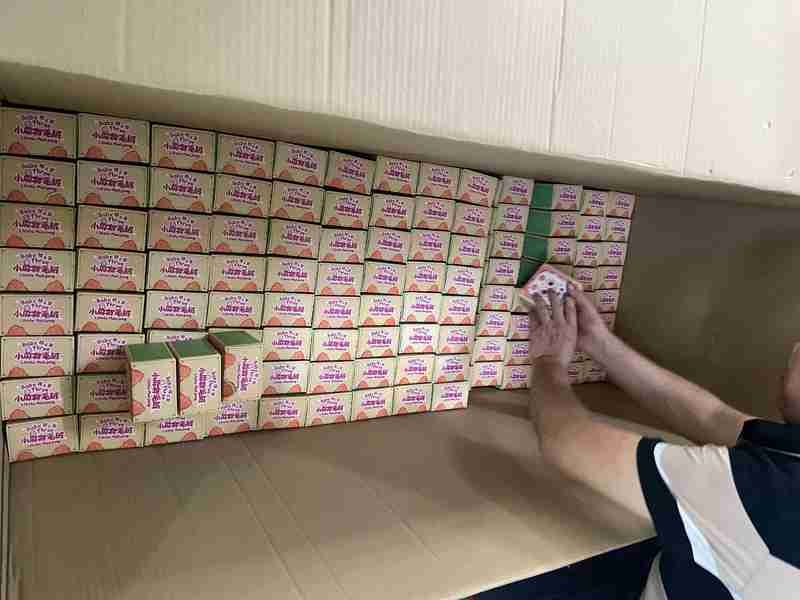
In many cases, customers notice the packaging before they touch the plush toy. Well-designed packaging communicates quality, brand, and purpose instantly. Poor packaging may suggest low quality, even if the plush inside is premium. Hangtags, backer cards, gift boxes, and clear inserts guide perception, protect the plush, and reinforce brand messaging.
A thoughtful packaging strategy ensures that the plush stands out on shelves or online images, survives handling, and aligns with branding. Using branded storage bags, reinforced inserts, and visually cohesive design, the product tells its story before the first touch, enhancing partner trust and perceived value.
Small Labels, Big Meaning
Hangtags, woven labels, and care labels are more than regulatory necessities—they communicate your brand story, reinforce quality, and provide critical product information. A well-placed hangtag or woven label can improve shelf presence, enhance collector appeal, and make handling easier for retail staff. Care labels ensure safe use and compliance with international regulations, while contributing subtly to brand professionalism.
When planning these elements, consider material choice, printing clarity, attachment method, and readability. Consistency across a plush series or collection creates a unified brand impression. Early integration of hangtags, labels, and printed instructions also reduces sample revisions and prevents costly mistakes during bulk production.



Cards Improve Shelf Display
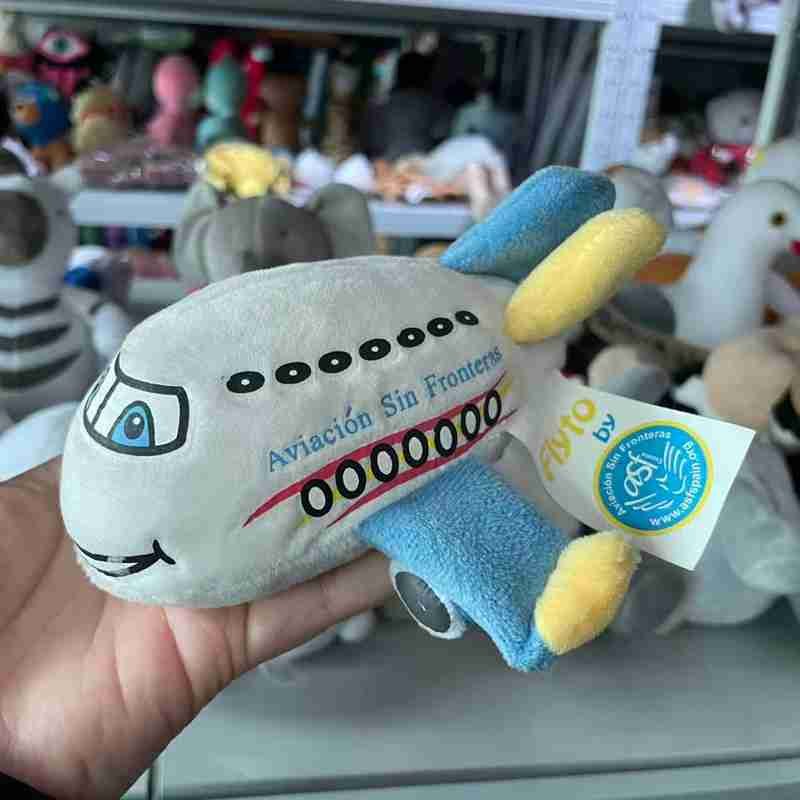
Header cards, backer cards, and hang-hole packaging simplify retail display and improve visibility. These packaging forms allow plush toys to be hung on pegs or hooks, maximizing shelf space while keeping the product upright and aesthetically appealing. Backer cards can include branding, instructions, or promotional messaging, giving extra touchpoints with customers without increasing packaging size significantly.
Engineering considerations include card thickness, hanging hole reinforcement, plastic or polybag compatibility, and alignment with barcode or label placement. Early coordination prevents bending, tearing, or skewed display, ensuring both presentation and product integrity remain intact.
Boxes Improve Product Presentation
Color boxes, window boxes, and gift boxes turn a plush toy into a ready-to-gift experience. These packaging formats protect the plush during shipping, enhance perceived value, and support branding through consistent graphics and finishes. Window boxes allow consumers to see the plush without opening the packaging, while insert trays inside gift boxes maintain plush shape and prevent deformation.
Key planning points include box material, insert design, window cut-out placement, closure method, and compatibility with shipping cartons. Thoughtful packaging ensures that the plush looks premium from the moment it arrives in-store or in the customer’s hands, reducing complaints and boosting repeat purchase potential.



Insert Support Protects Shape
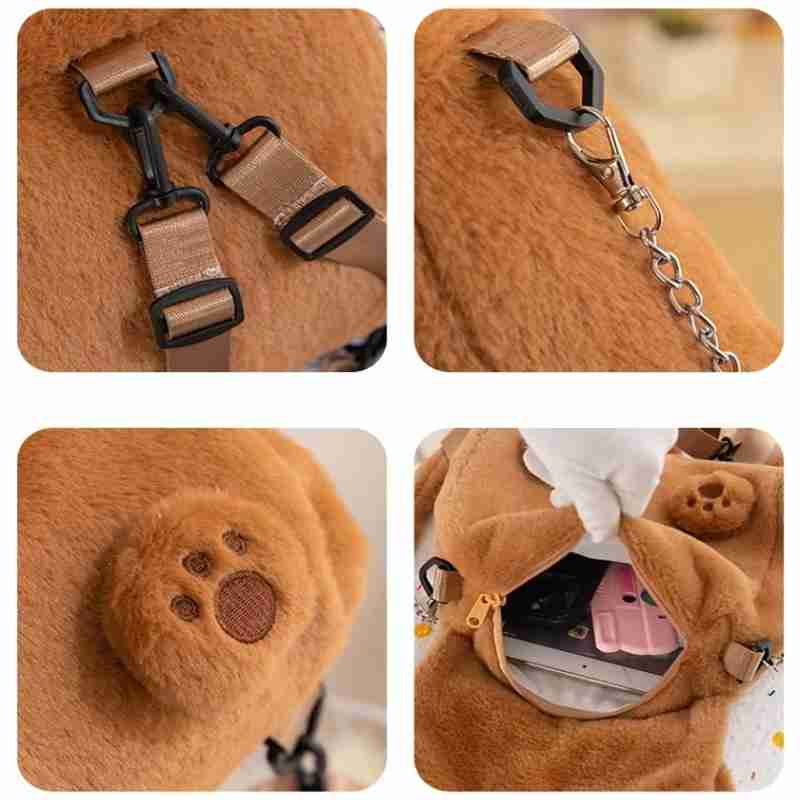
A plush can look perfect in the sample stage and still arrive looking tired if the inner packing, insert tray, or support structure does not match its shape. Good insert support helps protect head shape, ear angle, limb position, accessory details, and front-facing posture during storage, shelf display, and shipment. This matters even more for large-head plush, collector plush, costume plush, and gift-box plush. The right inner support keeps the plush looking cleaner, more stable, and better presented when the box is opened.
A practical insert review often checks:
| Inner support choice | What it protects |
|---|---|
| Shaped insert tray | front-facing posture, head angle, accessory neatness |
| Base support point | sitting balance, lower-body stability |
| Anti-compression support | ears, hats, limbs, protruding parts |
| Presentation spacing | cleaner window view, less crowding, better unboxing feel |
Blind Box Series Planning
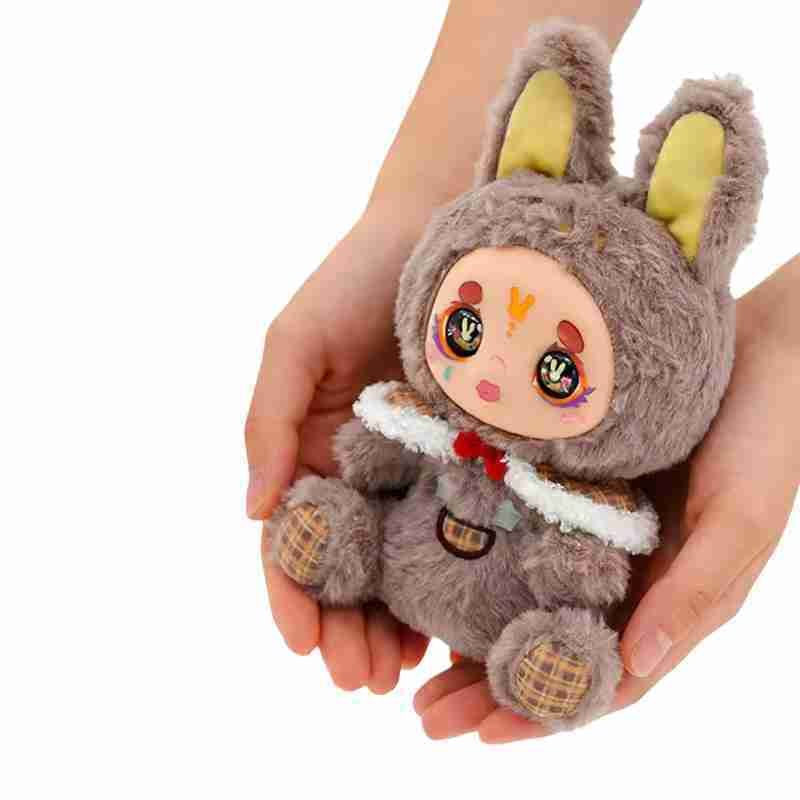
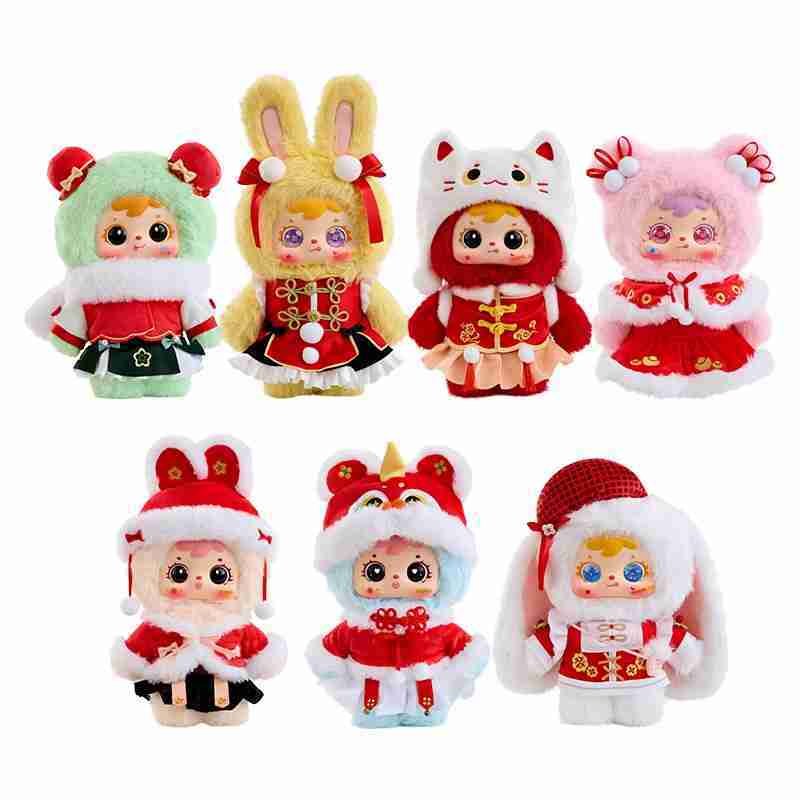
Packaging becomes more demanding once a plush program moves from one toy to a full series. Blind box plush, character collections, seasonal plush sets, and multi-SKU assortments need more than attractive box art. They need a packaging system that keeps visual consistency, makes each SKU easier to separate, reduces packing mistakes, and still creates a strong first impression on shelf.
A practical review usually starts with these points:
| Focus | What matters |
|---|---|
| Collection look | color rhythm, logo position, box consistency |
| SKU control | barcode labels, carton marks, mapping accuracy |
| Display effect | stacking, assortment clarity, shelf presence |
| Packing flow | set rules, carton grouping, traceability |


Branded Dust Bag Options
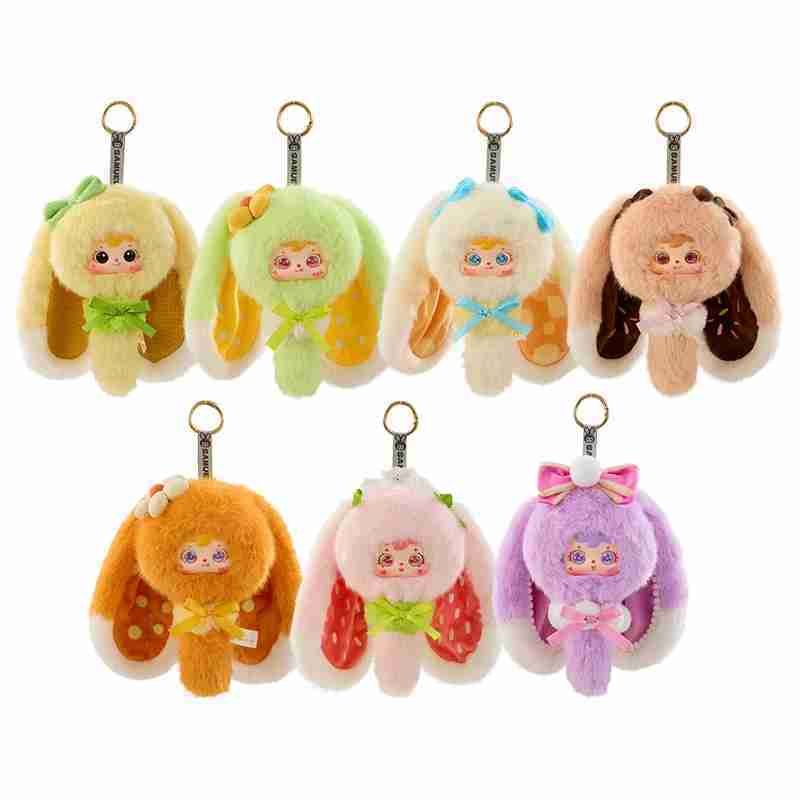
Not every plush needs a rigid box. In many cases, branded storage bags, dust bags, and soft-pack packaging create a warmer presentation while reducing bulk and making storage easier after opening. These formats work especially well for gift plush, plush accessories, nursery items, travel-friendly plush, premium soft toys, and collector pieces where the opening feel matters as much as shelf display.
Soft-pack options can do more than many teams expect. A drawstring bag, logo-printed dust bag, or reusable plush pouch can make the product feel more personal, more gift-ready, and easier to keep clean between uses. It can also lower volume pressure compared with a rigid gift box when the plush shape allows it.
| Soft-pack choice | What it improves |
|---|---|
| Drawstring storage bag | reusable value, softer gift feel, easier storage |
| Dust bag | surface protection, cleaner finish |
| Flexible branded pouch | lower bulk, lighter pack-out, casual premium look |
| Tag and bag combination | stronger identity without a box |
Barcode and SKU Control
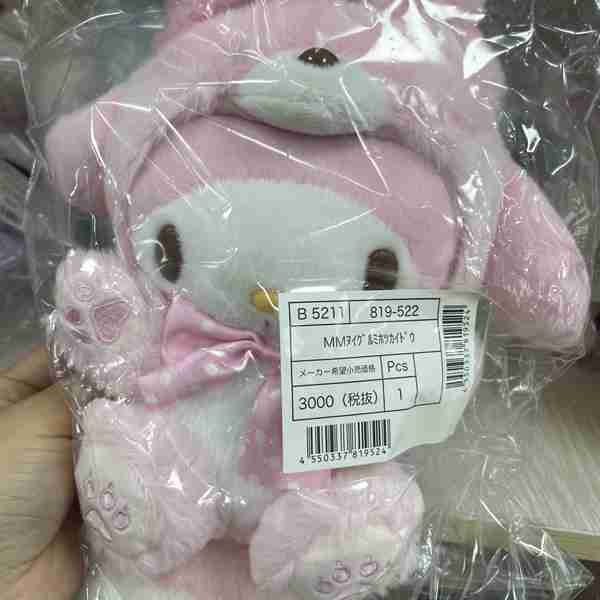
A plush package can look beautiful and still create avoidable problems if the barcode labels, SKU names, carton labels, and warehouse marks are not clear. These details affect receiving speed, scan accuracy, stock separation, carton sorting, replenishment, and repeat shipment control, especially for plush keychains, blind box plush, mascot collections, seasonal plush sets, and multi-SKU programs.
A practical labeling system should make the product easier to handle after packing, not harder.
| Labeling need | What should stay clear |
|---|---|
| Barcode placement | easy to scan, visible, not blocked by seams or folds |
| SKU logic | size, color, character, set code, blind-box code |
| Carton labels | faster receiving, sorting, and mixed-carton identification |
| Traceability | batch tracking, reorder comparison, shipment control |





Carton Packing Needs Planning
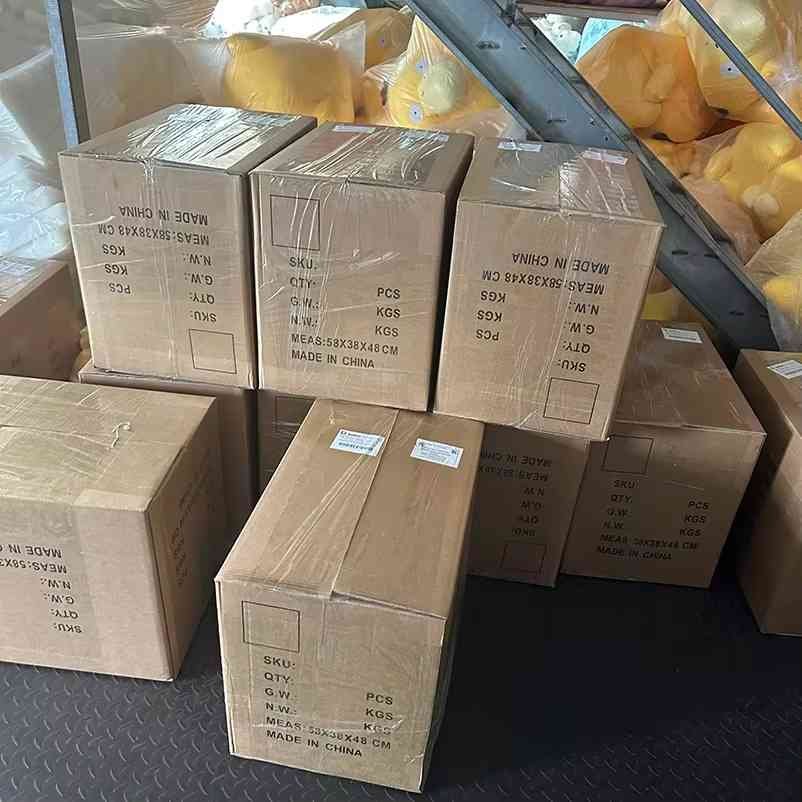
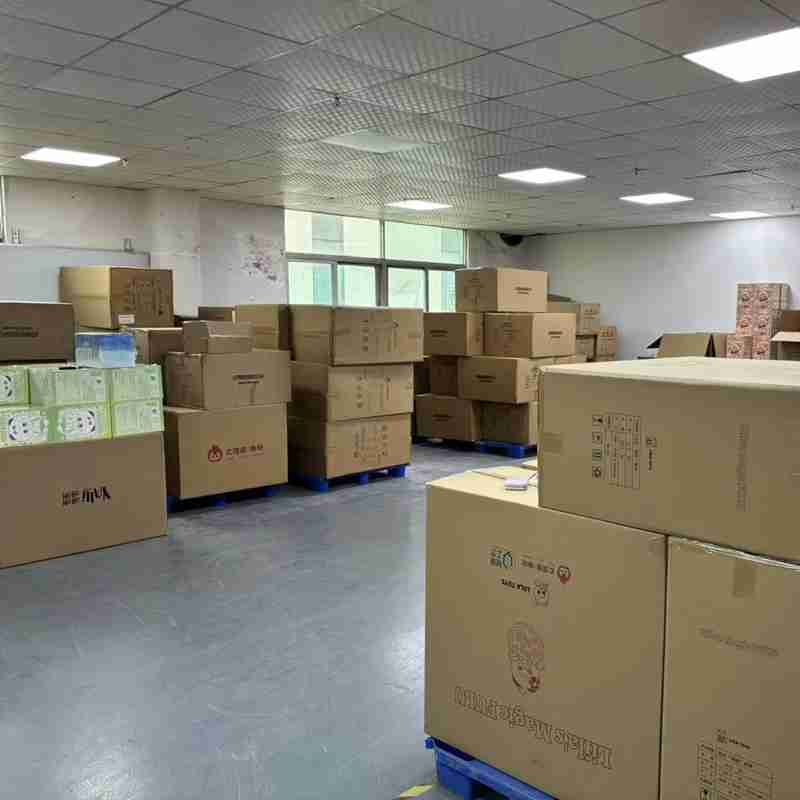
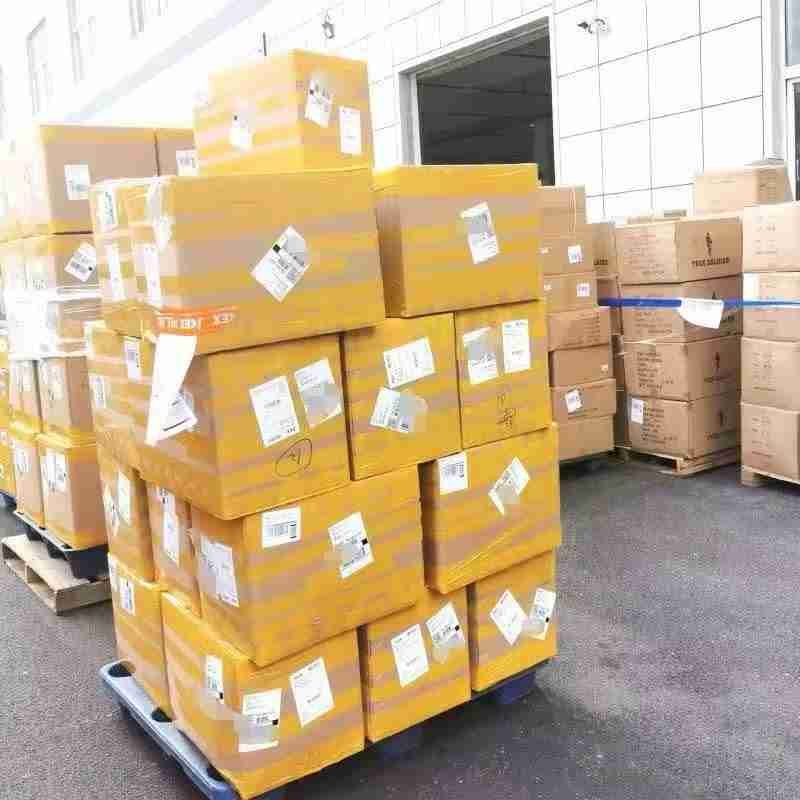
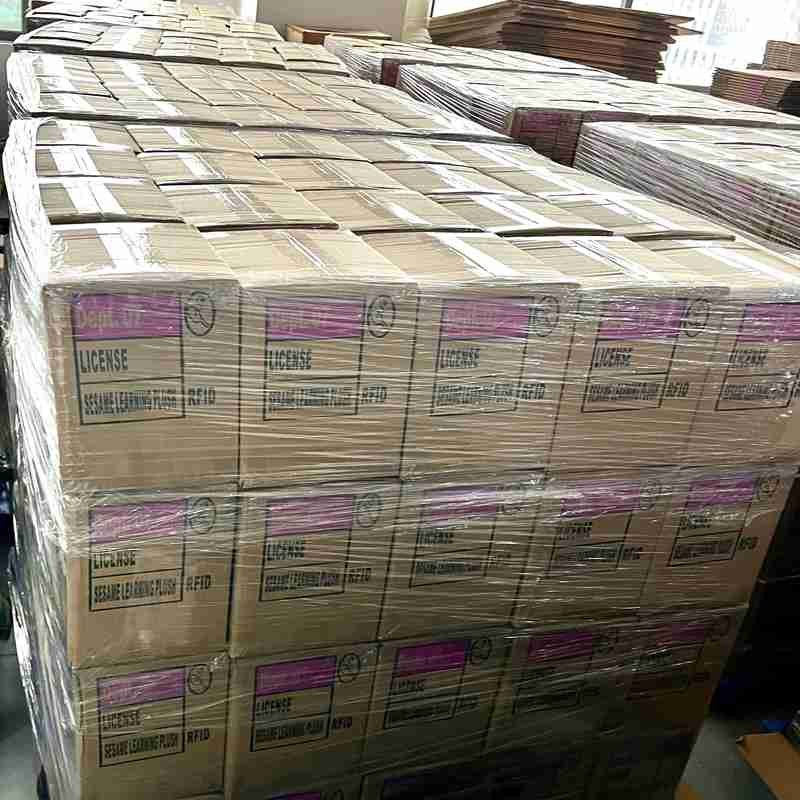
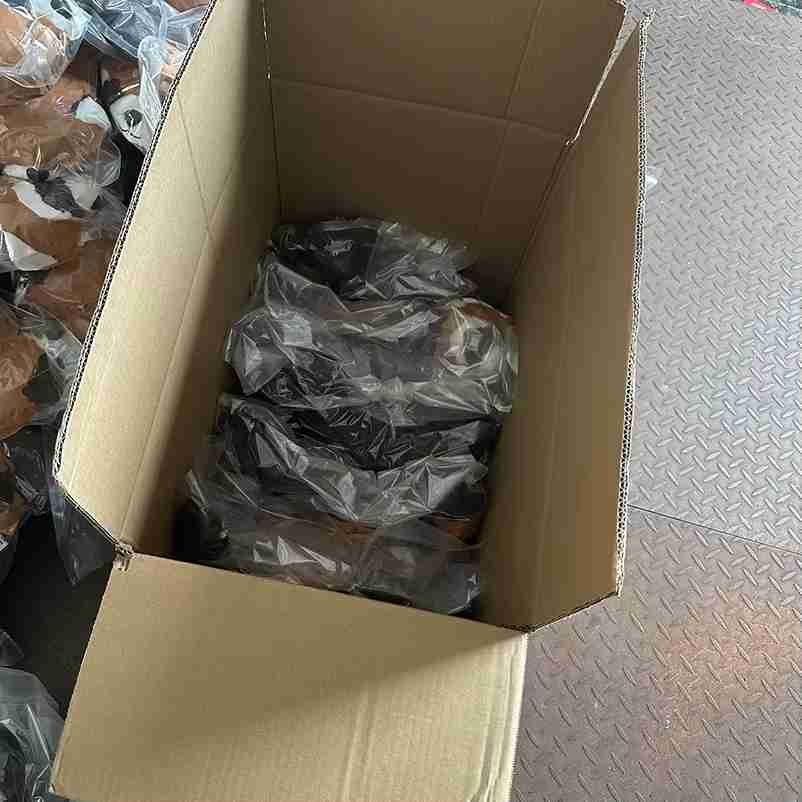
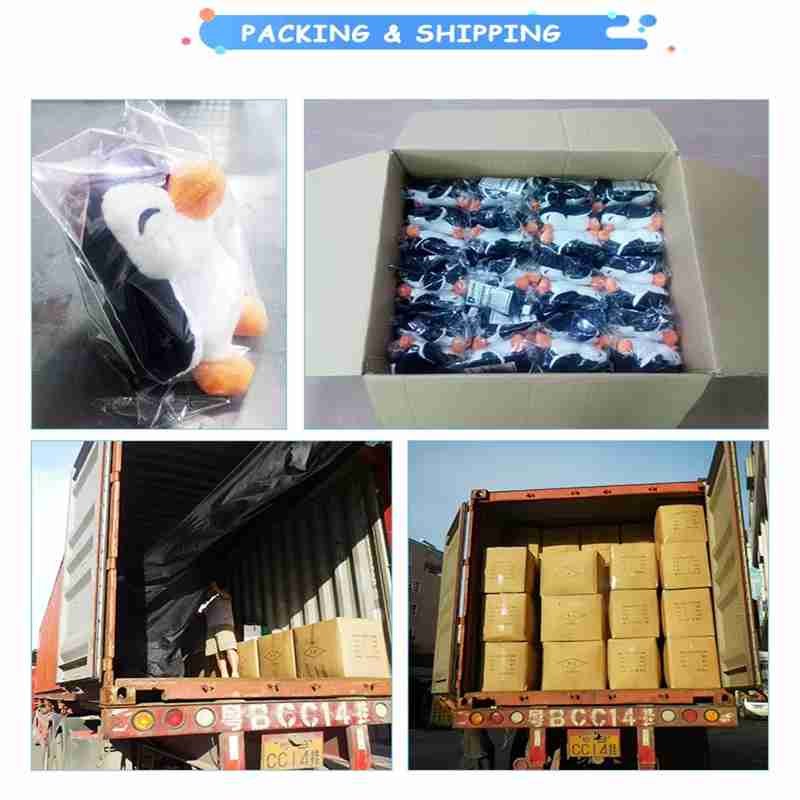
A plush packaging plan does not end with the inner box. The master carton, divider setup, anti-compression support, shipping marks, carton labels, and packing list all affect whether the plush arrives clean, easy to identify, and close to the approved shape. That is why carton packing should be treated as part of product protection, not only as outer transport.
This matters even more for gift plush, collector plush, plush keychains, blind box plush, mascot plush, and multi-SKU shipments. A plush can look right in sampling and shelf packaging, then still lose presentation if the export carton is too loose, too tight, badly grouped, or poorly marked.
| Carton factor | What it helps protect |
|---|---|
| Unit count per carton | steadier packing pressure and easier handling |
| Divider or support use | less crushing, cleaner grouping, lower friction |
| Shipping marks | faster receiving and fewer warehouse mistakes |
| Load readiness | better stacking, cleaner container loading, lower damage risk |
Packaging Protects or Damages
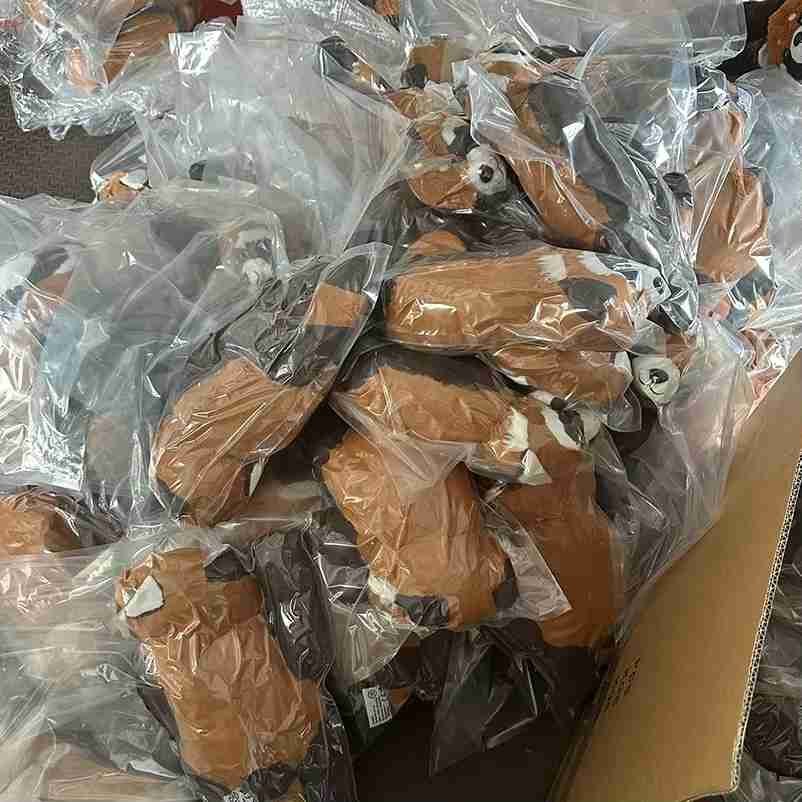
Packaging should protect a plush toy, not slowly deform it. A polybag can fold an ear the wrong way. A gift box can press the muzzle down. A window box can show the weakest angle. A rigid insert can hold the body neatly while stressing a tail, wing, or hanging charm. The damage is often subtle: flattened pile, bent ears, compressed limbs, shifted posture, wrinkle marks, or a tired look after shipping.
This matters even more for mascot plush, plush keychains, collector plush, gift-box plush, and large-head character toys. That is why plush packaging should be checked for pressure, recovery, friction, and display angle, not only neat appearance. Some plush styles handle tight packing well. Others need shaped support, anti-compression inserts, softer contact points, dividers, or more internal space. Good packaging keeps the plush looking like itself after storage, shelf handling, and transit. Poor packaging may look tidy at packing stage and still weaken presentation by the time the box is opened.



Balance Cost, Feel, Impact
A plush packaging plan should not become expensive for the wrong reasons. The strongest result usually comes from knowing which part of the pack is creating the real value. Sometimes that is the gift box and opening experience. Sometimes it is a clean hangtag, a neat branded bag, or a well-shaped insert tray that protects the plush and improves first impression. Problems usually begin when cost grows through unnecessary layers, not clearer purpose.
A rigid box can look premium, but it does not always improve a small plush, plush keychain, or soft gift item enough to justify the added bulk. A simple polybag or dust bag can work well when the plush already has strong visual appeal and only needs cleaner protection, lighter shipping, and easier storage.
| Packaging priority | Better budget focus |
|---|---|
| Gift feel | box, insert, cleaner opening |
| Retail display | card, label, viewing angle |
| Shipping efficiency | lighter pack, better grouping |
| Brand feel | logo print, tag, reusable bag |
Eco Packaging, Retail Ready
Eco-minded plush packaging works best when it is treated as a practical product decision, not just a message on the outside. In many plush programs, that means reducing unnecessary layers, simplifying material combinations, improving reusability, and choosing lighter paper-based or lower-bulk pack formats where the plush shape allows it. The goal is not to strip the pack down. The goal is to keep it clean, lighter, easier to handle, and still ready for shelf display, gifting, and shipment.
For some plush lines, that may mean a kraft-style header card, a cleaner hangtag, and a clear barcode area. For others, it may mean replacing a heavy rigid box with a folding carton and insert. In some cases, a branded dust bag or reusable soft pouch creates better long-term value than a one-time heavy box.
A practical review should still protect:
- display visibility
- brand clarity
- basic shape protection
- carton efficiency
- easy handling after packing


Our Plush Toys Range
A selection of plush toy categories we commonly manufacture for OEM and brand clients.
Our factory manufactures a wide range of custom plush toys for OEM and brand clients across different industries.
Rather than fixed products, these categories represent the types of plush projects we commonly develop and produce, from character-based designs to large-scale promotional and retail plush.
Each category reflects our experience in custom development, process control, and stable mass production, allowing buyers to quickly identify whether their project fits our manufacturing capabilities.
Custom Baby Cloth Book

Custom Baby Cloth Books Designed For Early Learning, Sensory Play, And Original Development For OEM And Private Label Production.
Custom Character Plush
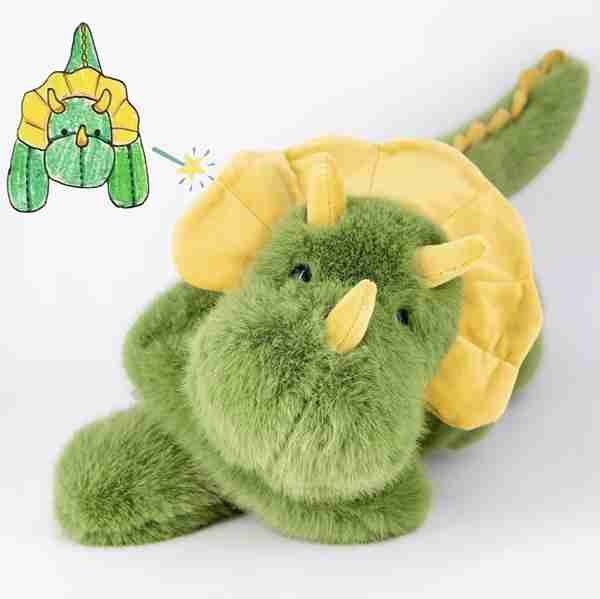
Custom-made plush toys based on IP characters, mascots, and original artwork, developed for OEM and licensed production.
Yours Animal Plush Toys
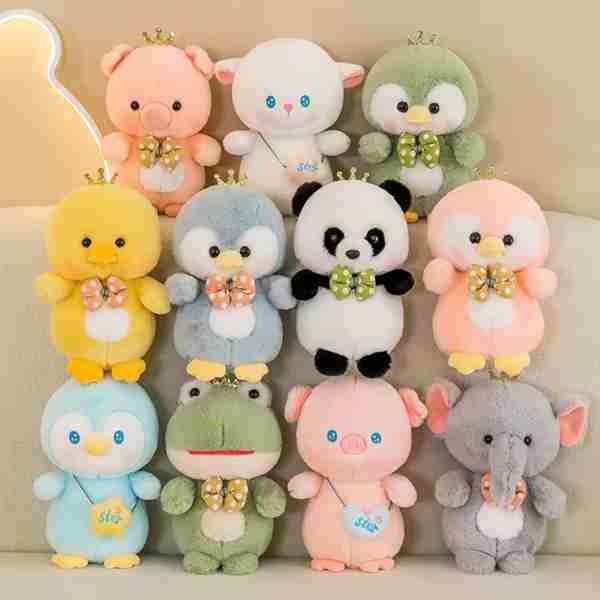
Classic animal plush toys produced for retail and wholesale distribution, with custom materials and design variations.
Retail Plush Collections
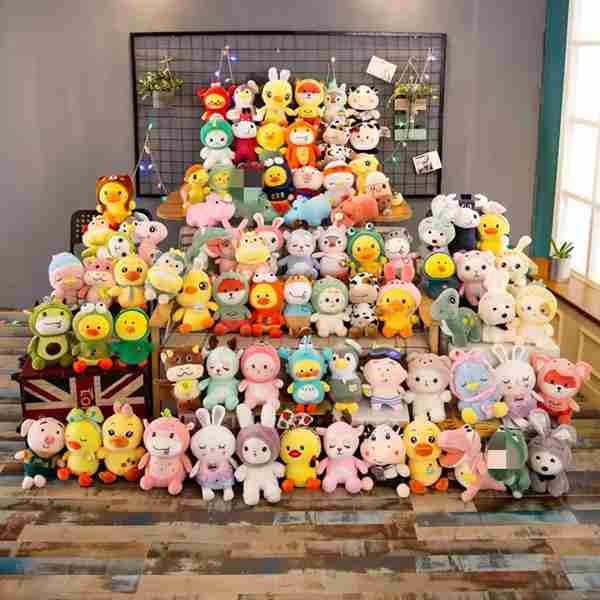
Plush toy series developed for retail stores and gift shops, focusing on consistent quality and repeatable production.
custom Giant Plush Toys
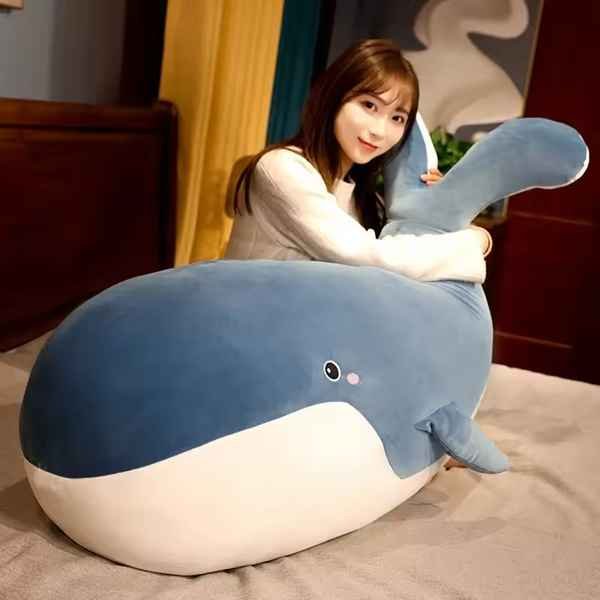
Large-scale plush toys requiring reinforced structure, controlled stuffing, and durability, commonly produced for events and display.
Promotional Plush Toys
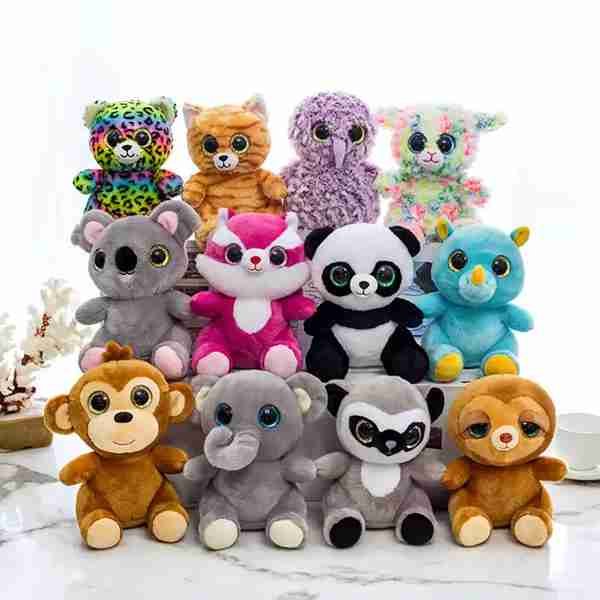
Plush toys designed for marketing campaigns, giveaways, and brand promotions, optimized for bulk orders and event use.
Custom Plush Mascots
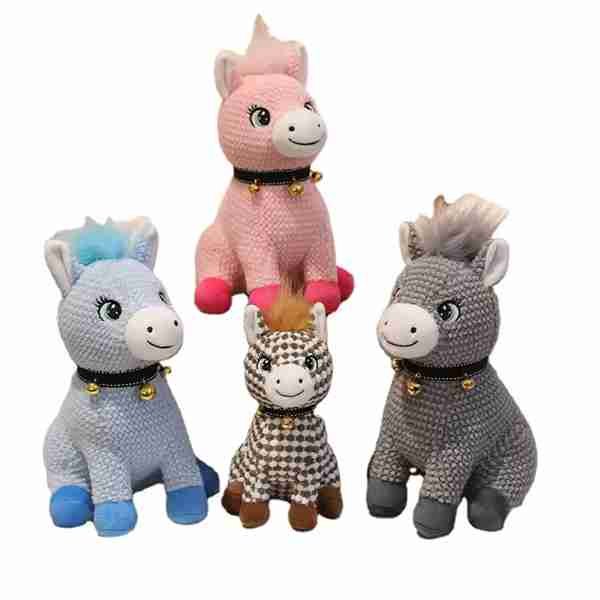
Wearable or display plush mascots developed for brand identity, exhibitions, and promotional use, with custom sizing and structure.
Seasonal & Holiday Plush
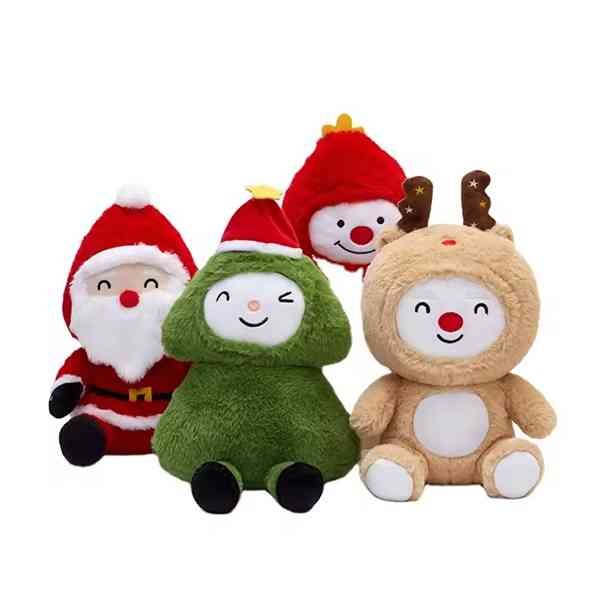
Plush toys developed for seasonal campaigns and holiday collections, such as Christmas, Halloween, and special events.
Plush Keychains & Mini Plush
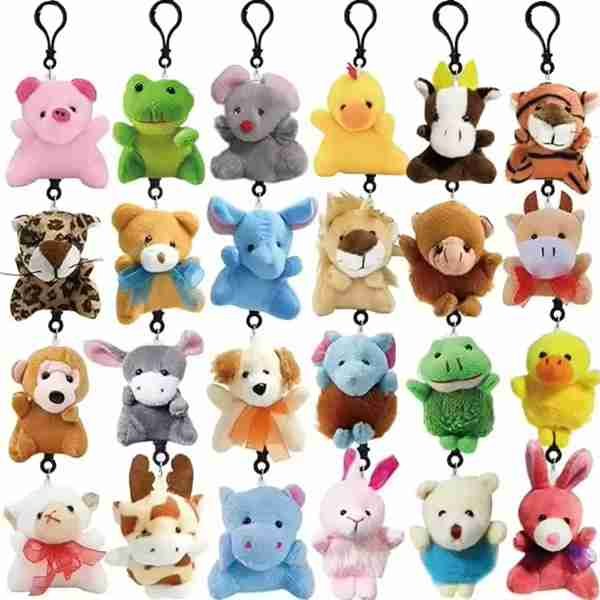
Small-size plush products designed for promotional bundles, accessories, and gift sets, suitable for large-volume production.
OEM Exclusive Plush Projects
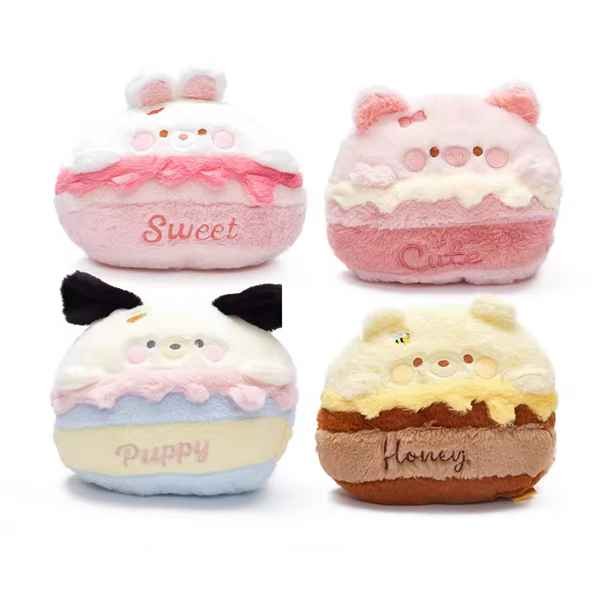
Fully customized plush projects developed under OEM or private-label agreements, from sample development to mass production.
Custom Soft Doll Plush
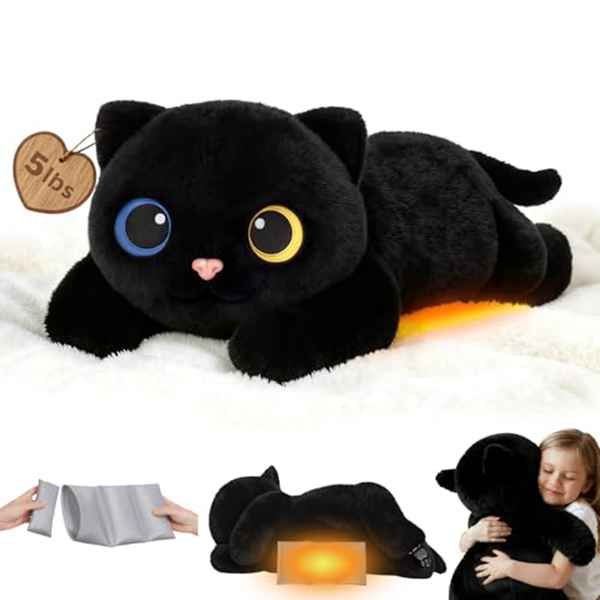
Human-style plush dolls developed for retail and branded collections, focusing on facial details and sewing accuracy.
Custom Plush Sets & Series
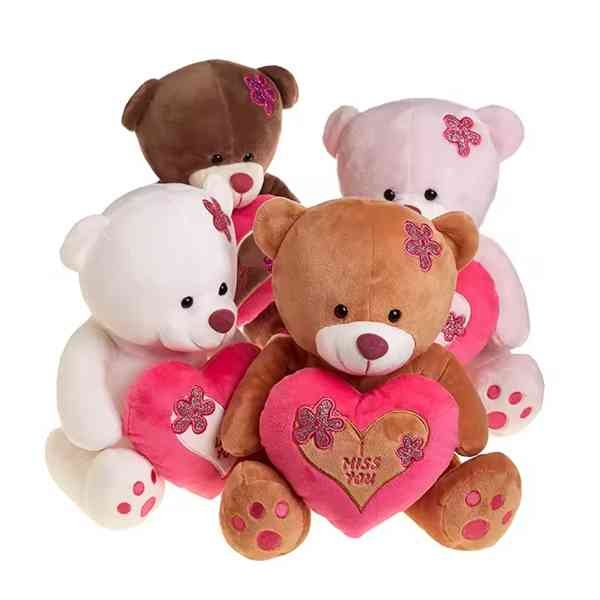
Multiple-design plush sets produced as series collections, requiring color control and batch consistency.
Inside Our Plush Toy Factory
Our Production Capabilities
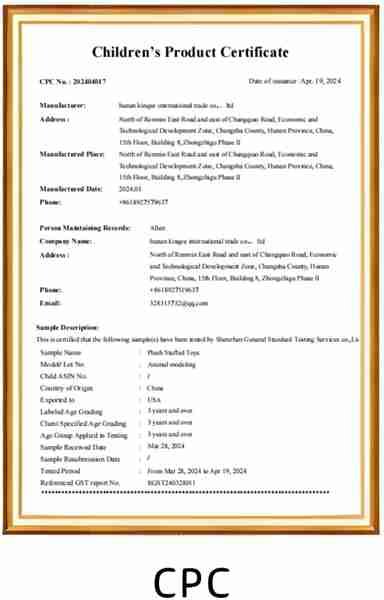
We believe transparency builds trust. By showing real production environments, buyers can better understand how plush toys are manufactured in our factory, rather than relying on descriptions alone.
Our factory videos and photos present actual sewing lines, stuffing operations, in-line quality inspections, needle detection, and packing processes. These visuals reflect our daily manufacturing workflow, helping buyers evaluate our production capability, process control, and working standards with confidence.
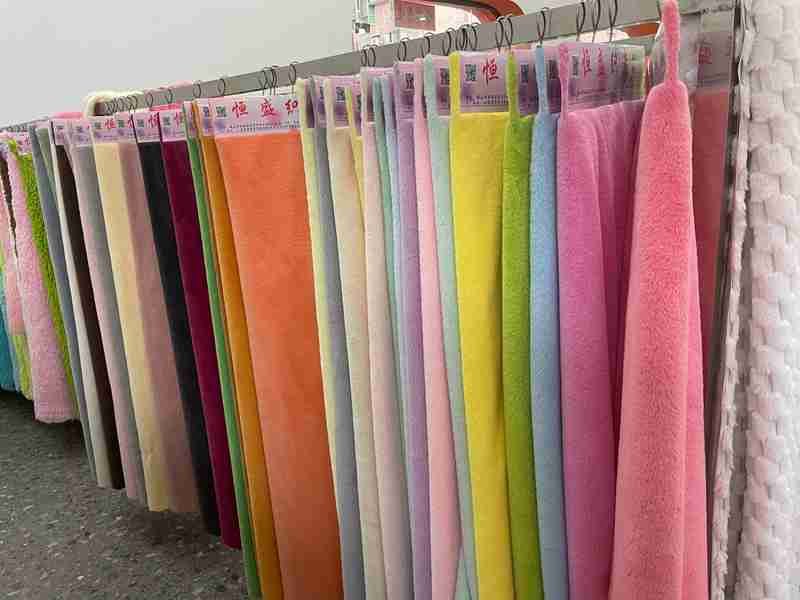
Selecting Raw Materials
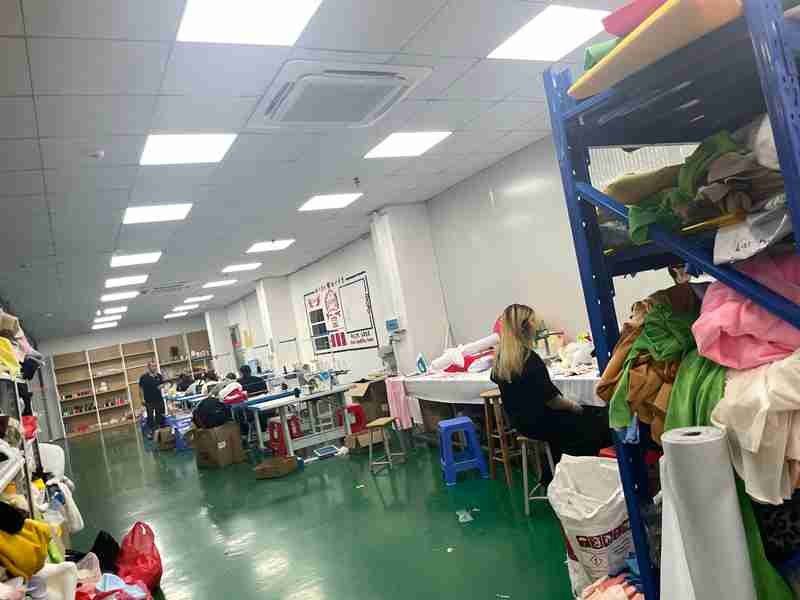
Customer Sample Production Room
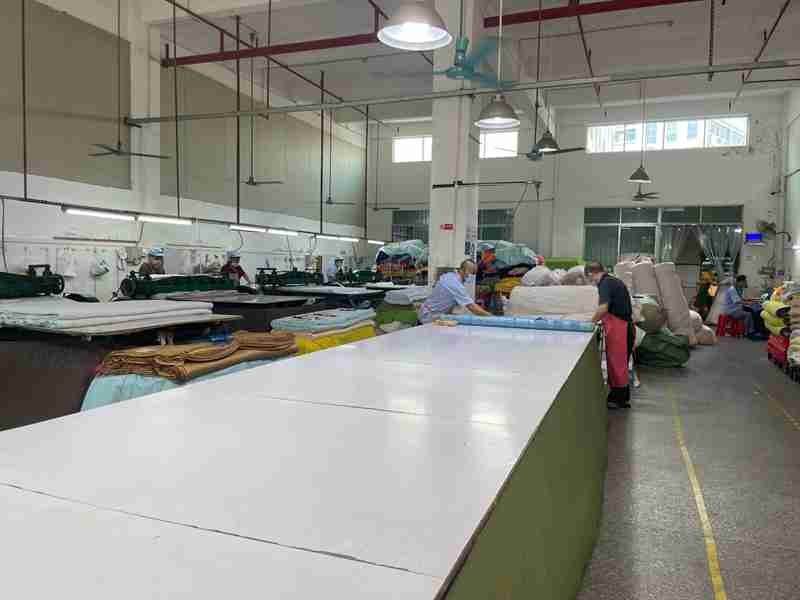
Selecting Raw Materials
Mechanical laser cutting
Batch computer embroidery
Sewing Lines in Operation
In-Line Quality Inspection
Stuffing Process Control
Hand Stitching & Closure Finishing
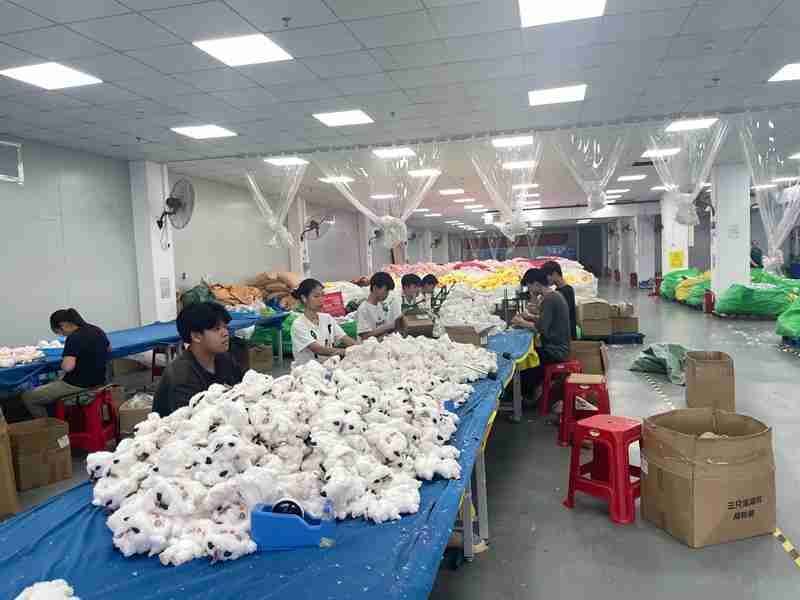
Shape Adjustment & Surface Finishing

Needle Detection & Metal Safety Inspection
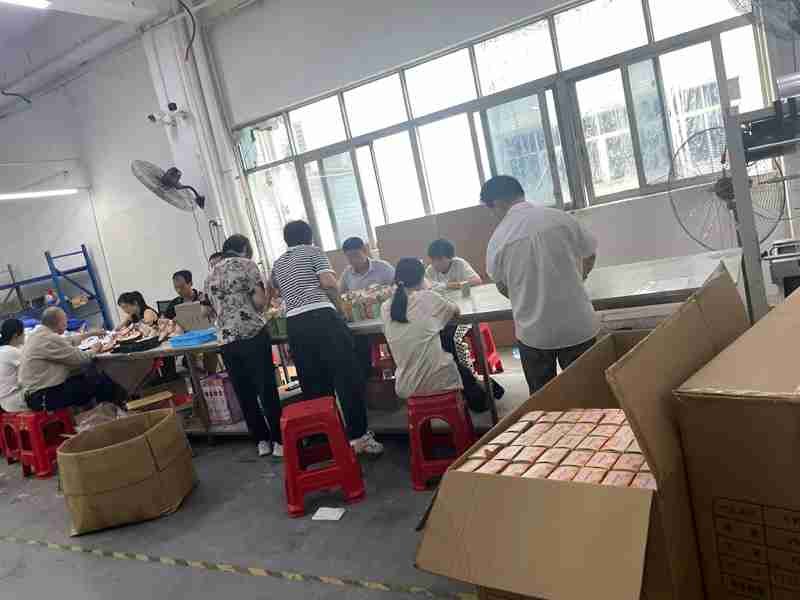
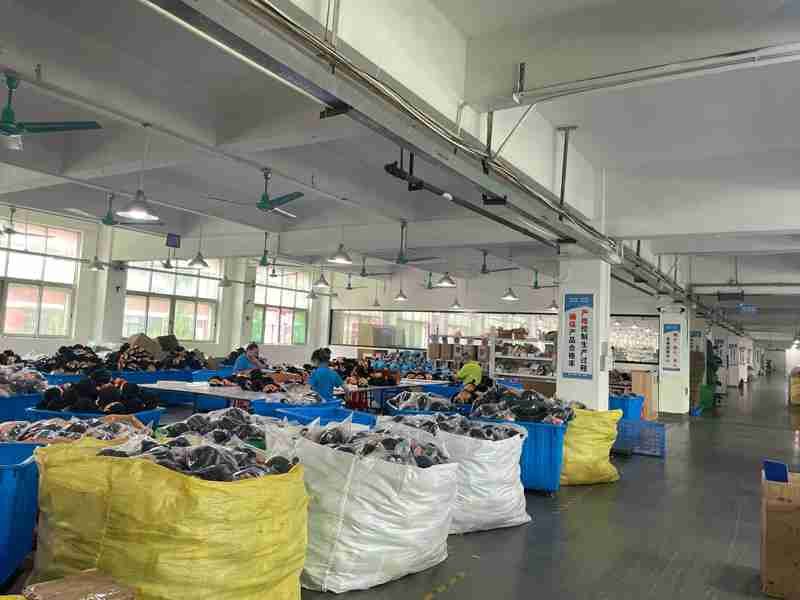
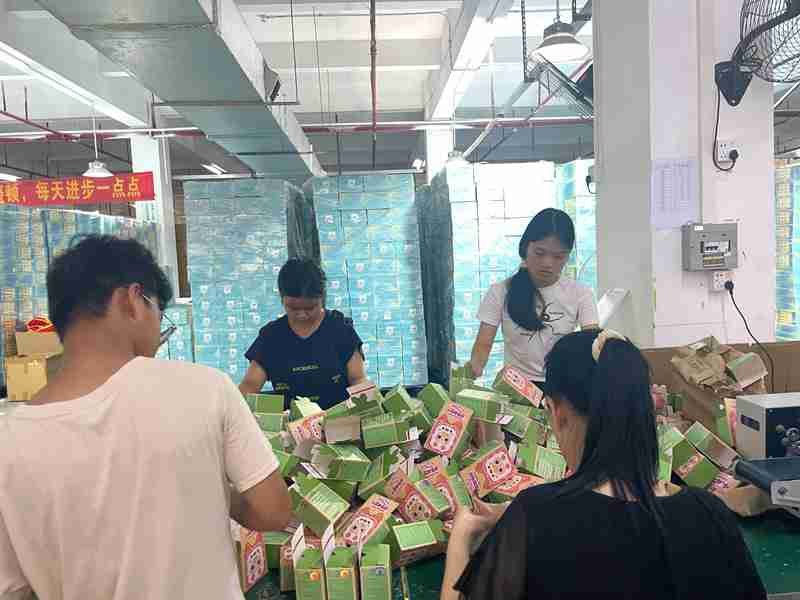
Packing & Carton Preparation
Cooperating Brands Trusted
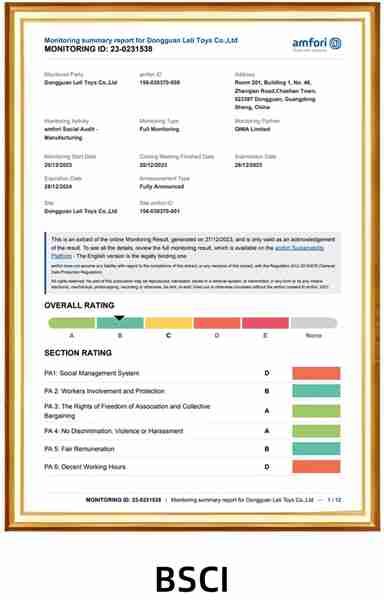
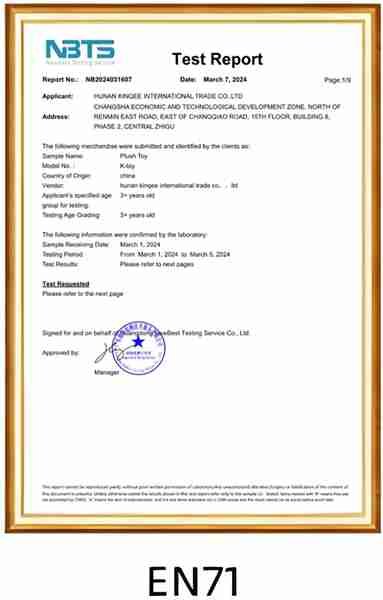
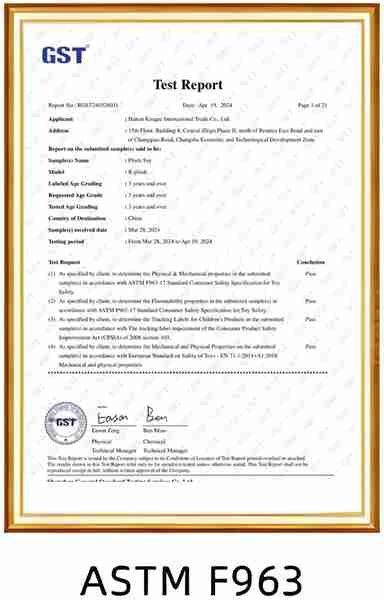
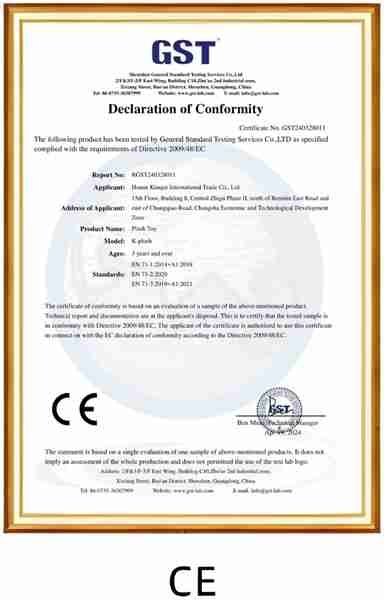
We cooperate with brands across gift, retail, publishing, and promotional industries. Many of our partnerships are long-term and built on consistent quality, clear processes, and reliable delivery.
Rather than focusing on volume, we focus on stable cooperation and repeatable manufacturing results.
















Our Story-From 2000 To Today
2000 – Jundong established in Guangdong
2005 – Began international export operations
2010 – Expanded to EU, US, and Middle East markets
2015 – Launched in-house design and sampling center
2020 – Upgraded automation and ERP system
2025 – Servicing 800+ global B2B clients



















Make a Sample Before Mass Production
Before moving into mass production, sample development allows verification of structure, materials, workmanship, and quality standards.
If you are planning a custom plush project or evaluating a reliable plush toy factory, we welcome you to discuss your requirements with our team.
- info@heyzizi.com
- (+86)13717153084
Questions About Custom Plush Toy Packaging Options
What packaging option is usually best for a custom plush toy?
The best custom plush toy packaging depends on how the plush will be displayed, gifted, stored, and shipped, not on box style alone. A header card often works well for retail hanging. A gift box with insert suits holiday launches or premium presentation. A dust bag or branded storage bag may feel warmer and lighter for softer gift concepts. A blind box makes more sense when the plush is part of a collectible series.
A practical way to choose is to match the packaging to the selling scene:
| Packaging goal | Better direction |
|---|---|
| Retail peg display | header card, backer card, polybag |
| Gift-ready presentation | color box, window box, gift box |
| Collector series | blind box, display box, SKU-coded system |
| Softer premium feel | branded bag, dust bag, hangtag |
| Shipping efficiency | lighter unit pack + stronger carton plan |
The strongest packaging is usually the one that helps the plush look right, arrive well, and fit the channel without adding avoidable cost or unnecessary layers.
When should packaging be planned—before sampling, after the plush sample, or near production?
Packaging should be considered early, then finalized after the plush shape, selling direction, and size are clear enough to support the right pack logic. Many teams wait too long. By then, the sample is ready, launch timing is close, and the packaging direction is still vague. That often causes extra revisions because the plush may need insert support, barcode space, a front-facing view angle, or a shelf format that was not discussed early enough.
A more practical timing flow looks like this:
| Stage | Better packaging task |
|---|---|
| Early concept | choose pack direction |
| After plush sample | confirm fit, insert size, view angle, label zones |
| Before bulk | lock barcode, carton marks, packing rules |
| Before reorder | review any size or label changes |
The earlier the basic pack route is identified, the easier it becomes to keep gift box fit, carton grouping, unit packing, and shipment readiness aligned. Packaging works best when it is treated as part of the plush plan, not as a late add-on.
Do we really need hangtags, woven labels, and care labels on plush products?
Yes. In many plush programs, hangtags, woven labels, and care labels do much more than most teams expect. They are not small extras. A hangtag can carry brand identity, character name, collection story, barcode support, or warning text. A woven label helps keep the brand visible on the plush itself. A care label gives cleaning guidance, material details, and handling clarity.
These pieces often support three jobs at once:
| Label element | Main value |
|---|---|
| Hangtag | branding, barcode, story, warning text |
| Woven label | long-term brand recognition |
| Care label | cleaning and handling information |
A gift plush, retail plush, and collector plush may all need these elements in different ways. A premium boxed plush may need a quieter woven label and a more refined hangtag. A shelf-ready retail item may need clearer barcode placement. A series plush may use the hangtag for character identity and assortment logic.
The best label system usually feels intentional, consistent, and useful, not crowded or decorative for its own sake.
What is the difference between a header card, backer card, color box, gift box, and blind box?
These packaging types may look similar in a planning sheet, but they solve different jobs. A header card is usually lighter and better for retail hanging. A backer card gives flatter support and more space for product or brand information. A color box provides more printed identity. A gift box gives a stronger opening experience. A blind box is better for collectible plush, series programs, and multi-SKU assortments.
A practical comparison looks like this:
| Packaging type | Better for |
|---|---|
| Header card | hanging retail, lighter pack, barcode use |
| Backer card | flatter display support, info area |
| Color box | stronger printed presence |
| Gift box | premium opening feel |
| Blind box | collectible series and coded assortments |
The right choice depends on what the packaging must do. A plush keychain, boxed mascot, collector plush, and gift plush set should not all use the same packaging logic. Good packaging becomes clearer when the team decides the real job first: display, gifting, series identity, or shipment efficiency.
Can packaging really help reduce returns, complaints, or damaged arrivals?
Yes. Good plush toy packaging often reduces soft damage, presentation loss, and receiving mistakes before they turn into complaints. A plush can be made well and still arrive with flattened pile, bent ears, shifted posture, rubbed print, damaged tags, or mixed-up cartons if the packaging logic is weak.
A useful protection view often includes:
| Packaging task | What it helps prevent |
|---|---|
| Insert or support | deformed heads, bent ears, posture drift |
| Surface isolation | pile flattening, rubbing, print wear |
| Clear barcode or SKU logic | receiving errors, carton mix-ups |
| Carton grouping and marks | slower sorting, shipment confusion |
This matters even more for gift box plush, collector plush, mascot plush, and multi-SKU plush programs. A good insert, clear barcode label, clean carton mark, and stable grouping rule help the plush arrive closer to the approved sample and make the receiving process smoother.
In many plush launches, the first real judgment happens when the package is opened. Packaging helps shape that moment more than many teams expect.
How do we choose between a gift box and a soft branded bag?
The better choice depends on whether the plush needs stronger presentation structure or a softer, lighter opening experience. A gift box usually creates a more formal look, stronger display framing, and better shape protection. A soft branded bag often feels warmer, lighter, and easier to store after opening.
A quick comparison helps:
| Packaging direction | Usually stronger for |
|---|---|
| Gift box | premium gifting, shape protection, shelf presentation |
| Soft branded bag | softer premium feel, reusable value, lower bulk |
| Gift box + insert | collector plush, character gifts, pose-sensitive plush |
| Bag + hangtag | accessory plush, lighter gift lines, travel-friendly items |
A plush with a large head, delicate ears, costume details, or collector styling often benefits from a box and insert because the structure needs more protection. A pillow plush, mini plush, or softer gift plush may feel more natural in a dust bag or drawstring bag.
The best choice is usually the one that fits the plush form, the opening mood, and the selling channel at the same time.
What should be confirmed before blind box or multi-SKU plush packaging starts?
Before blind box packaging or multi-SKU plush packaging begins, the team should lock not only the visual identity, but also the SKU logic, barcode plan, carton grouping, and assortment rules. That is where many series projects become messy. The box art may feel unified, but the packing and warehouse logic is still unclear.
A stronger review usually confirms:
| Series control area | What should be clear |
|---|---|
| SKU structure | character, version, size, set code |
| Barcode system | item, box, carton, display logic |
| Carton grouping | fixed ratios, mixed assortments, case format |
| Display consistency | box rhythm, logo placement, shelf unity |
| Traceability | batch link, carton ID, reorder comparison |
This matters for blind box plush, character series, color variants, holiday sets, and mixed-carton programs. A good-looking series can still create picking errors and stock confusion if the coding logic is weak.
The strongest series packaging usually feels playful in front and disciplined in the background. That balance makes the assortment easier to display, sort, and replenish.
How do barcode labels, carton marks, and SKU mapping help warehouse control?
They help the warehouse move faster, make fewer mistakes, and keep multi-SKU plush shipments easier to receive, sort, and trace. Once a plush line includes different colors, characters, sizes, blind box codes, or mixed assortments, visual recognition alone is no longer enough.
A stronger control structure usually connects four layers:
| Control layer | What it helps with |
|---|---|
| Barcode label | scan flow, shelf readiness, item ID |
| SKU mapping | code-to-product consistency |
| Carton mark / label | case sorting, receiving speed, shipment clarity |
| Batch logic | traceability, reorder review, issue tracking |
This is especially useful for blind box plush, plush keychains, collector lines, mascot series, and gift assortments. Without this structure, cartons become slower to verify, warehouse handling becomes more manual, and shipment errors become more likely.
A smoother system is usually the one that makes the plush easier to handle after packing, not only easier to admire before shipping. Clear barcode placement, carton labels, and batch tracking keep the line more stable across storage, delivery, and repeat runs.
Can packaging be made more eco-minded without making the product look too simple?
Yes. Eco-minded plush packaging can still feel branded, shelf-ready, and well considered when the structure is simplified intelligently. The goal is not to remove every layer. It is to keep the pack cleaner, lighter, and easier to handle while still protecting the plush and keeping the product presentable.
A practical comparison looks like this:
| Eco-minded direction | What still needs to stay strong |
|---|---|
| Simpler paper card / carton | branding, visibility, barcode area |
| Reduced material layers | protection, opening feel, product stability |
| Reusable soft bag | identity, reuse value, surface protection |
| Lighter shipment pack | carton efficiency, easier handling |
For some plush lines, that may mean a kraft-style card, a lighter carton, or a branded dust bag instead of a heavier rigid box. For others, it may mean reducing bulk in the shipment pack while keeping the shelf-facing part clean and readable.
The best eco-minded route usually feels intentional and retail-ready, not stripped down or unfinished. Good packaging can reduce waste and still protect brand feel, barcode logic, and display clarity.
What are the most common early warning signs that a plush packaging plan needs adjustment?
The clearest warning sign is usually not that the packaging looks bad. It is that the packaging and the plush are starting to work against each other. A box may look neat but force the plush into the wrong pose. A polybag may flatten the ears. A card may block the best viewing angle. A branded bag may feel premium but still leave barcode placement unresolved.
A quick warning checklist often looks like this:
| Early warning sign | What it often means |
|---|---|
| Plush pose changes after packing | insert or size logic is off |
| Barcode / label zone still unclear late | warehouse handling may suffer |
| Display angle feels weak | packaging hides the product |
| Carton grouping not defined | shipment mistakes may increase |
| Too many late changes | pack direction was not locked early |
Another warning sign appears when packaging discussion stays too visual and not practical enough. If the team only talks about artwork, color, and logo position, but not about insert support, SKU logic, carton grouping, warning text, and shipment pressure, the packaging plan may already be drifting away from real execution.
The earlier these signs are caught, the easier the packaging plan usually is to correct.
