 Skip to content
Plush Toys for Brands
Plush Toys for Brands: Custom Mascots, Merch, Gifts, and Retail Plush That People Remember
Plush toys for brands can do more than look cute. They can turn mascots, characters, product ideas, and campaign concepts into retail plush, event giveaways, promotional gifts, plush keychains, collectible merch, and long-term brand assets. A stronger plush program begins with a clear use scene, a style that fits the brand, and development decisions that support cleaner sampling, smoother packaging, and more stable repeat orders. The right plush does not just represent the brand once. It helps the brand stay visible, memorable, and easier to extend into future launches.


Kept Plush Beats Giveaways
A brand plush succeeds when it does more than display a logo. It needs to give people a reason to keep it, notice it, photograph it, place it on a desk, carry it, or talk about it later. That is where many brand plush projects quietly separate. Some become long-stay objects with real recall value. Others become short-life giveaways because they were built around distribution alone, not around emotional stickiness.
A plush toy tends to stay longer when it combines three things well: recognizable identity, usable scale, and pleasant physical presence. If it looks like the brand, feels well made, and fits a real context—desk display, bag charm, gift set, store shelf, event handout, membership gift—it is much more likely to survive beyond the campaign day.
Heyzizi’s own setup already supports this kind of development because the team can move from concept support to sampling to bulk execution, while also working across plush toys, charms, pillows, storage forms, gift-oriented plush, and other accessory-linked plush formats.
| Brand plush outcome | What usually makes the difference |
|---|---|
| Kept and remembered | Strong character identity, better touch, better display value |
| Shared or photographed | Distinct look, visual charm, social appeal |
| Reordered later | Clear fit with gifting, retail, or campaign use |
| Forgotten quickly | Weak identity, generic shape, poor use context |
Match Plush to Brand
Not every brand should begin with the same plush strategy. Some brands already have a strong mascot. Some are better represented by a hero product turned into a soft character. Some need a campaign-only plush built around a launch theme, holiday story, or limited promotion. Others may benefit more from a collectible character line that can grow over time. The right direction depends less on “what looks cute” and more on what the brand is already known for.
A mascot plush often works well when the brand already has a recognized figure. A product plush can be stronger when the shape of the product itself is iconic. A campaign plush is useful when the brand wants a short, timely, high-attention object for one specific activation. A character plush collection is often better when the brand wants repeat use, stronger merch logic, or future series expansion.
| Brand plush direction | Best fit |
|---|---|
| Mascot plush | Recognized brand figure or symbol |
| Product plush | Distinct product shape with emotional potential |
| Character plush | Story-driven identity with expansion potential |
| Campaign plush | Seasonal launch, event, or limited promotion |
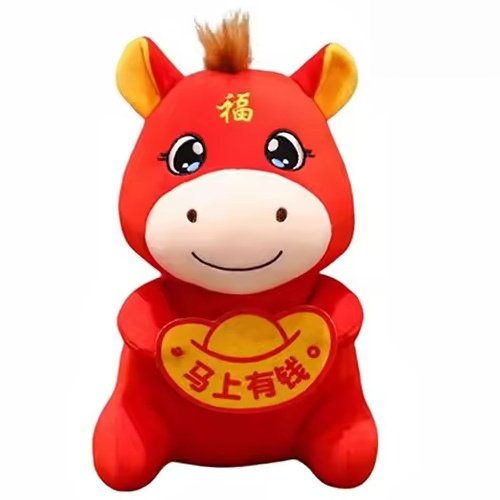

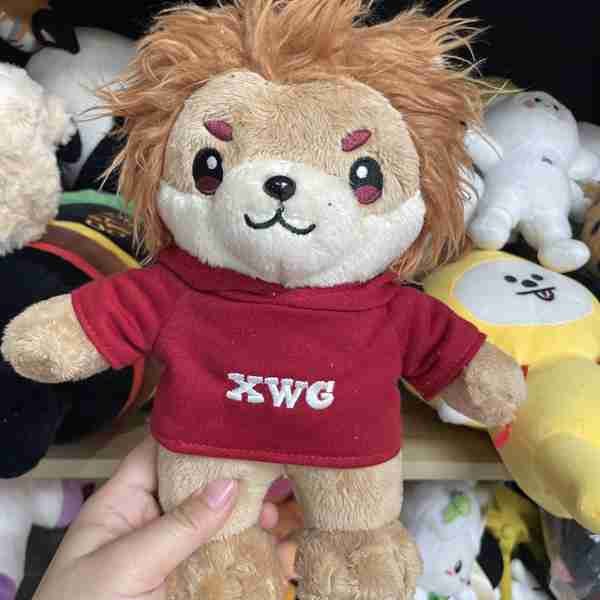

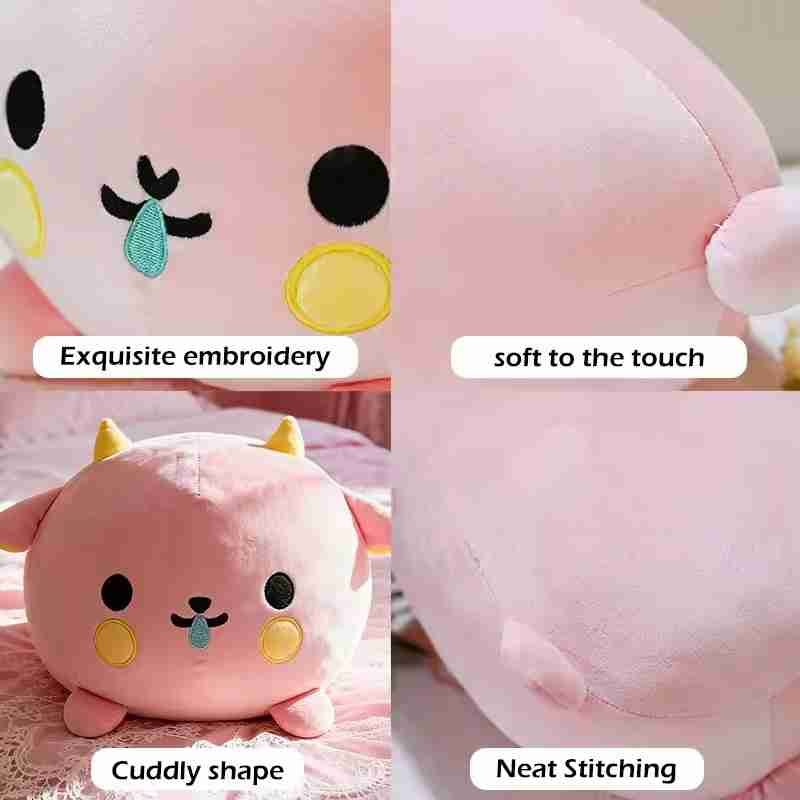
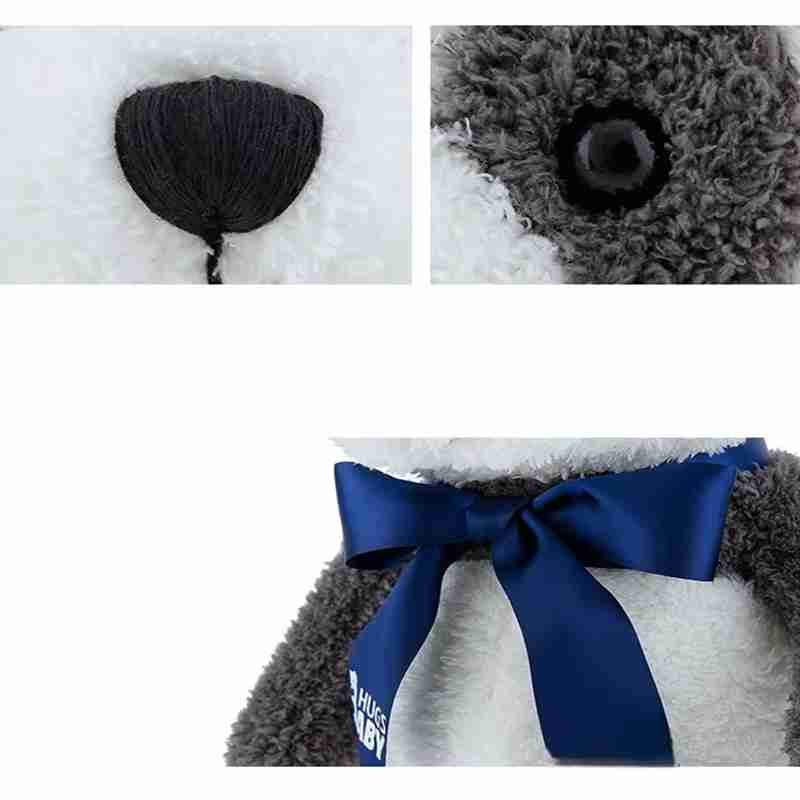
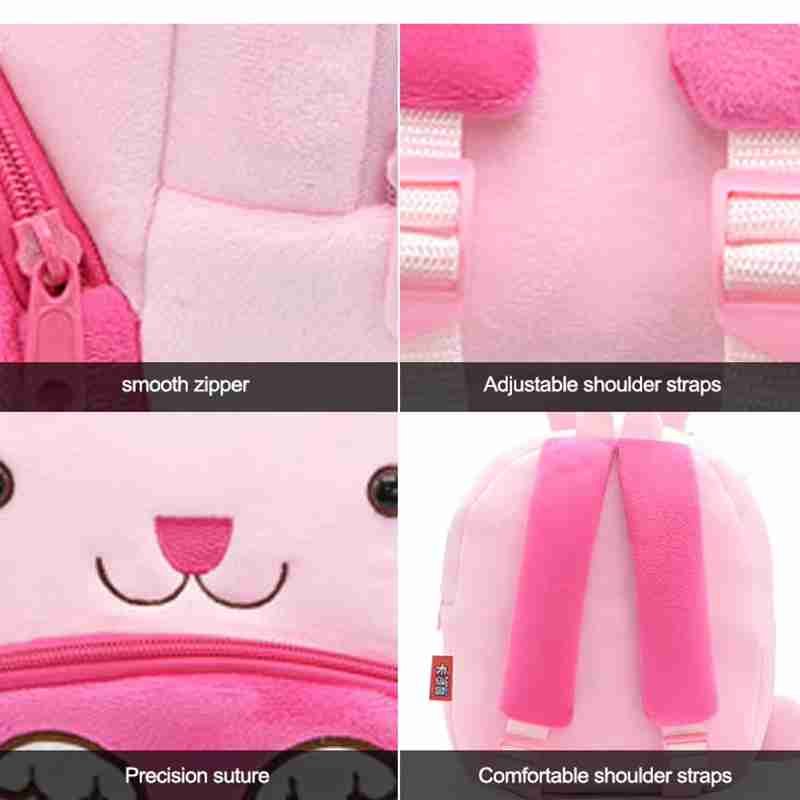

Match Plush to Brand
A plush toy feels on-brand when its shape language, color choices, expression style, accessory details, and presentation logic all connect back to the identity people already associate with the brand. This is where many brand plush ideas go off track. The toy may be cute, but it could belong to almost anyone. That weakens recall.
A stronger brand plush does not need to look stiff or over-corporate. It simply needs to carry recognizable signals in a way that still feels natural. Those signals may come from a mascot silhouette, signature color system, product-inspired detail, costume element, packaging cue, or repeated visual motif. The goal is not to print the brand everywhere. The goal is to make the plush feel like it could only belong to this brand.
| On-brand plush signal | What it helps reinforce |
|---|---|
| Distinct silhouette | Faster visual recognition |
| Signature colors | Stronger brand association |
| Characteristic expression | Brand tone and personality |
| Accessory or outfit cue | Story value and identity depth |
| Packaging alignment | Completes the branded experience |
One Plush, Different Jobs
A plush toy can look similar across different brand uses, yet the job behind it may be completely different. A retail plush needs shelf presence, repeat appeal, and packaging logic. A gift plush needs emotional impact and smooth handover value. A campaign plush needs fast recognition and photo-friendly charm. A PR plush often needs a strong first impression, story fit, and enough distinctiveness to be remembered after the event.
This is where many brand plush projects lose clarity. The team may approve one cute design, but the plush underperforms because the real job was never defined. A desk giveaway does not need the same structure as a store item. A media send-out does not need the same logic as a long-running collectible line.
Heyzizi’s broader plush scope already covers classic plush, charms, pillows, gift-oriented plush, and accessory-linked formats, which makes it practical to shape the plush around the brand use instead of forcing one solution onto every brief.
| Plush role | What it should do well |
|---|---|
| Merch plush | Extend identity and invite repeat interest |
| Gift plush | Feel warm, memorable, and easy to present |
| Retail plush | Stand out on shelf and justify purchase |
| PR plush | Create talk value and visual recall |


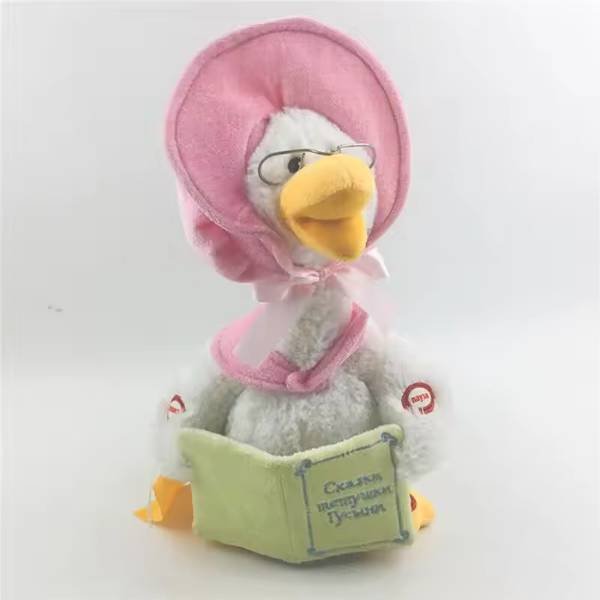

Plush Builds Emotional Memory
Many promo items carry a logo. Fewer create attachment. That is where plush works differently. A plush toy is touched, held, displayed, photographed, gifted, and sometimes even named. This gives it a different kind of memory value. Instead of only reminding people which brand gave it, a plush can help people remember how the brand felt.
This makes plush especially useful for brands that want to feel warmer, more human, more giftable, or more story-driven. A mug, pen, or notebook may stay useful. A plush can stay emotionally visible. It can soften a brand that feels too formal, deepen a mascot that already exists, or turn a short campaign into an object people keep beyond the event itself.
| Brand memory type | What usually creates it |
|---|---|
| Logo memory | Repetition, visibility, branding exposure |
| Emotional memory | Touch, affection, display, gifting, familiarity |
| Story memory | Character, campaign theme, brand world |
| Social memory | Photos, sharing, desk presence, conversation value |
Desk Plush Isn’t Retail
A plush that works beautifully as a desk gift may still struggle as a retail item. The reasons are practical. A desk plush can succeed through charm, softness, and personal delight. A retail plush must do more. It needs shelf visibility, clear perceived value, repeat pick-up appeal, packaging readiness, and enough distinction to compete with nearby products.
This is where brand teams often need a second layer of judgment. A plush created for internal gifting or event distribution may feel perfect in a direct handoff setting, yet look underpowered once it stands alone on a shelf. Retail-facing plush usually needs stronger silhouette clarity, cleaner packaging logic, better tag and label presentation, and a more obvious “why this is worth taking home” signal.
Heyzizi’s product capabilities already include plush combined with hangtags, labels, packaging-linked forms, and multiple plush product types, which is useful here because retail suitability often depends on more than the plush body itself.
| Plush context | What usually matters most |
|---|---|
| Desk or gift plush | Warmth, charm, touch, personal appeal |
| Retail plush | Shelf presence, packaging, perceived value, distinction |
| Event giveaway plush | Fast recognition and low-friction handoff |
| Collectible plush | Identity depth and repeat desirability |


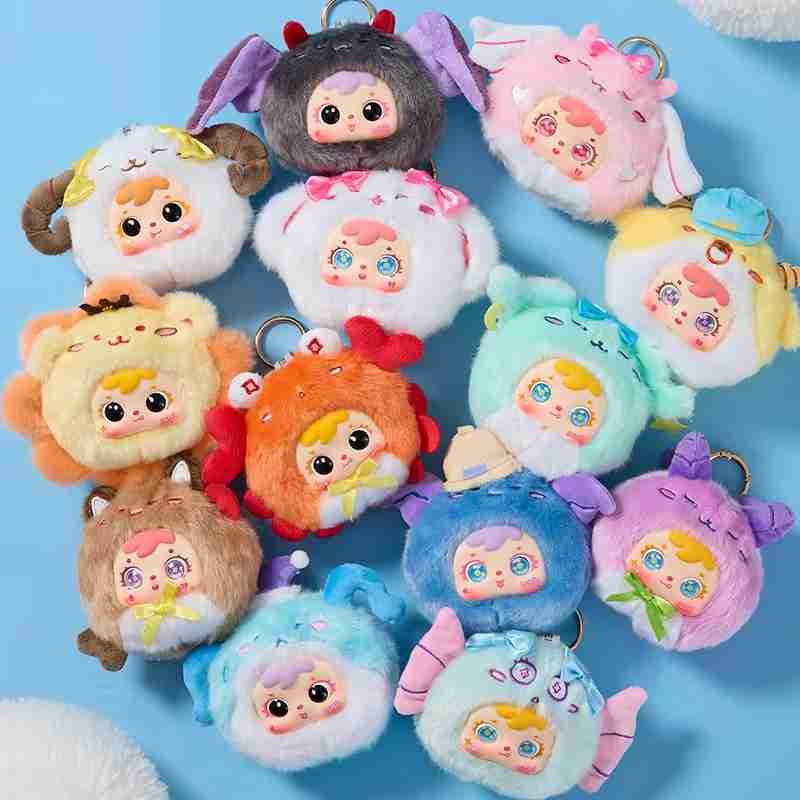

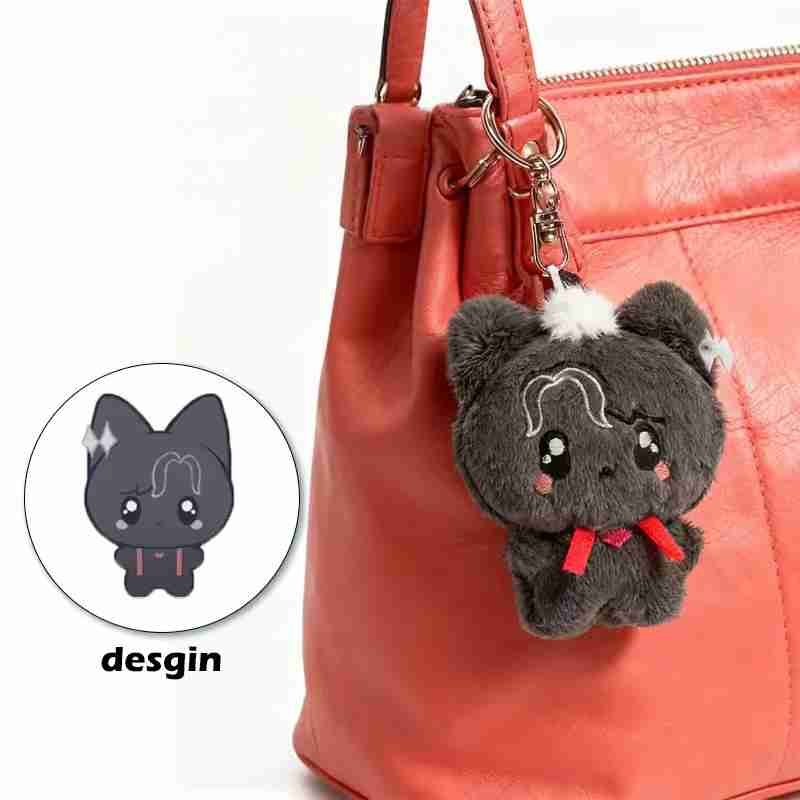

Turn Character into Plush
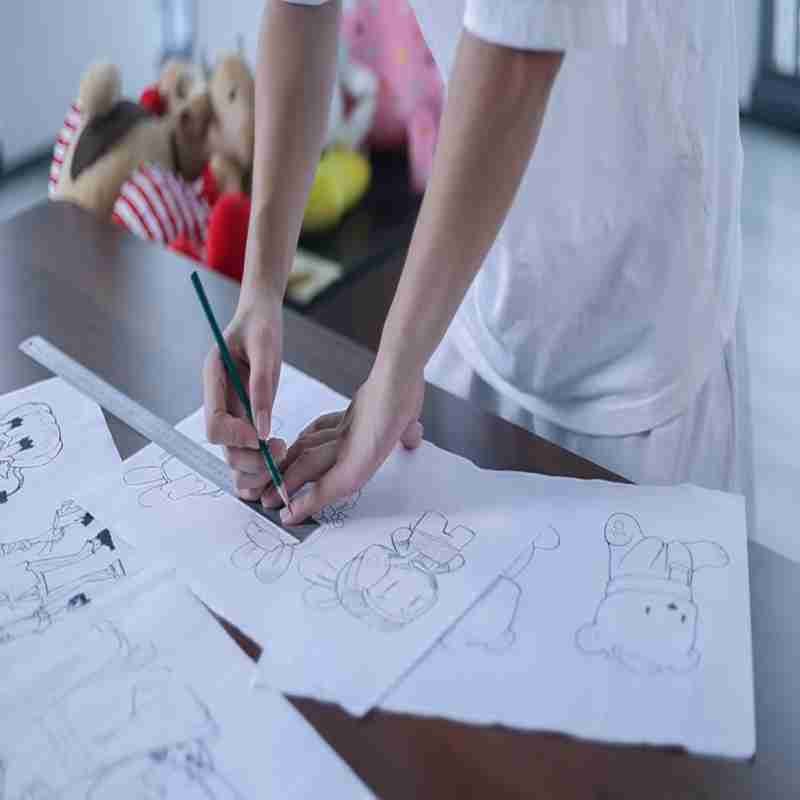
A brand character does not stay recognizable in plush form by copying the front view alone. Recognition usually survives when the plush keeps the core silhouette, face rhythm, color balance, and one or two unforgettable details that people already connect with the brand. If those signals disappear, the plush may still look cute, but it stops feeling specific.
This is where brand character conversion often goes wrong. Teams focus on adding softness, but soften away the identity. A sharp mascot becomes generic. A funny expression becomes flat. A signature accessory becomes too small to matter. A branded plush should simplify where needed, but it should never simplify away the parts that make the character belong to the brand.
A practical conversion usually protects these elements first:
| Character element | What should stay strong in plush form |
|---|---|
| Outline or silhouette | Fast recognition from a distance |
| Face balance | Familiar emotional tone |
| Hero detail | The one feature people remember most |
| Color system | Instant brand association |
| Accessory cue | Extra layer of brand identity |
Plush for Brand Campaigns
Not every brand plush needs to become a permanent line. Some of the strongest plush programs are built for a specific moment: a product launch, a seasonal campaign, a membership reward, a holiday gift, a conference giveaway, or a limited in-store event. These plush projects work best when the plush is designed to serve the timing, not just the brand identity.
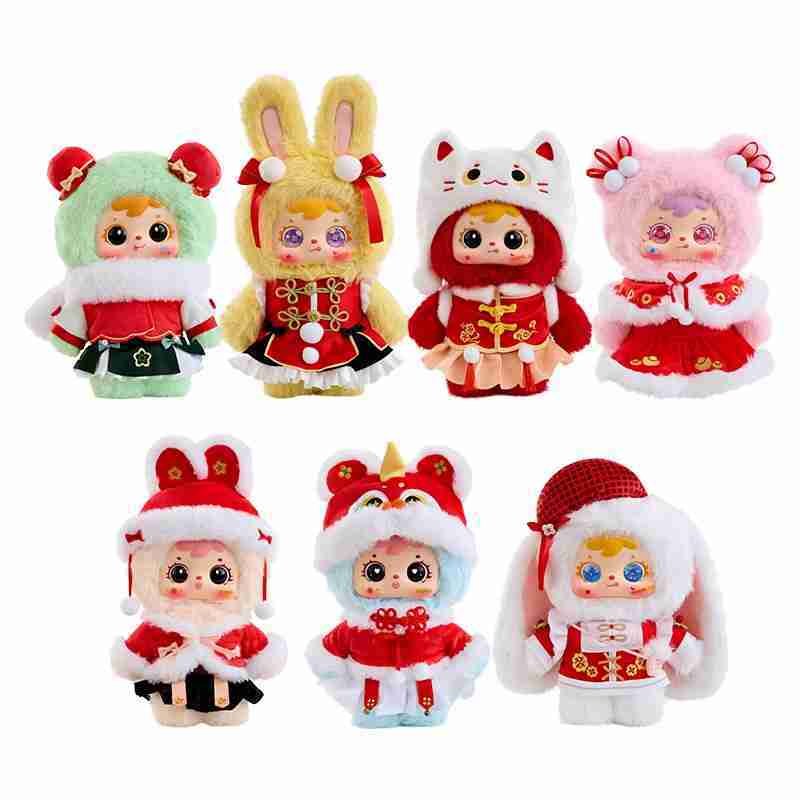
A launch plush may need strong first-look impact. A membership plush may need higher keep value. A holiday plush may need festive cues without losing brand language. An event plush may need to photograph well, pack efficiently, and hand out easily. The plush can still feel branded, but the success standard changes with the occasion.
| Brand moment | Plush priority |
|---|---|
| Launch | Fast recognition and shareable look |
| Membership gift | Keep value and emotional reward |
| Holiday campaign | Seasonal mood with brand consistency |
| Event giveaway | Easy handoff and visual recall |
| Limited promotion | Strong novelty with clear identity |



Plush Grows Into Series
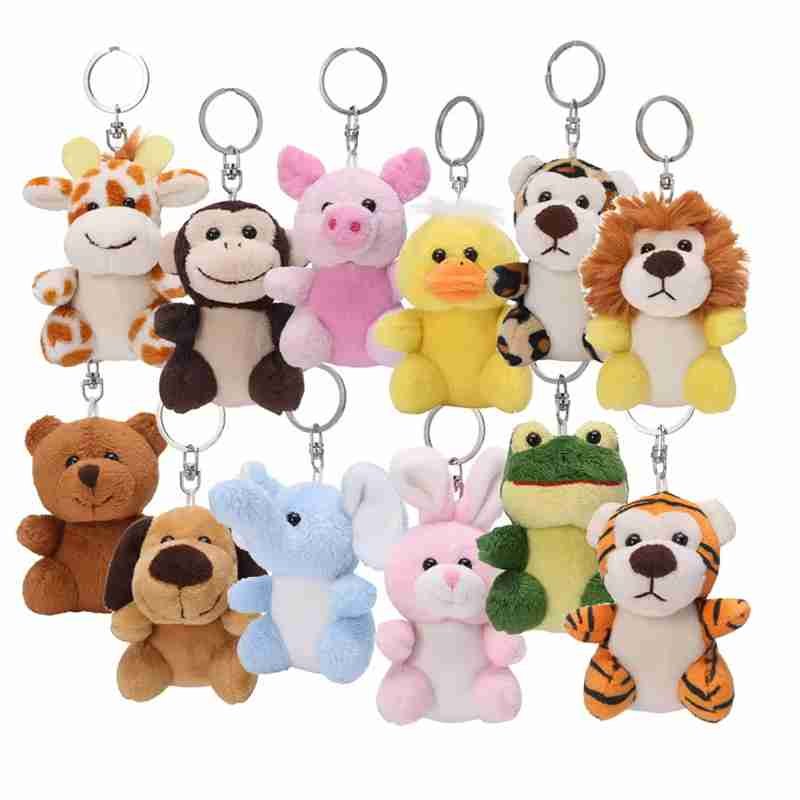
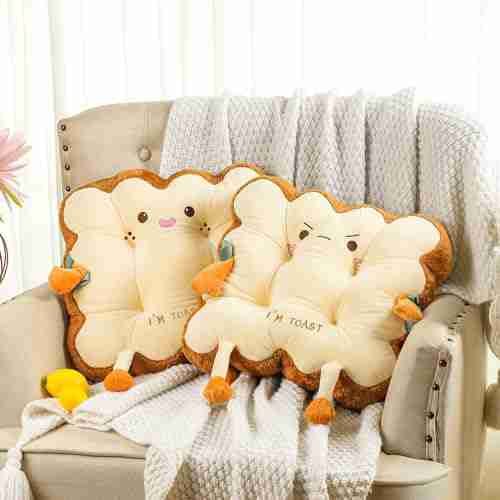
A single plush can create attention. A plush series can create return interest. This is where brand plush programs often become more strategic. Once one mascot, character, or product-inspired plush proves it can hold attention, the next step may not be “make more of the same.” It may be to build a collection logic—different sizes, expressions, outfits, companion characters, seasonal editions, charms, pillows, or bundle sets.
A strong series does not feel random. It needs a shared visual language, a clear role for each SKU, and enough variation to keep the collection interesting without losing identity. That is where many brand series either grow well or become messy.
| Series direction | What it can add |
|---|---|
| Size ladder | Wider price and use options |
| Expression set | More collectibility and personality |
| Seasonal editions | Campaign freshness without rebuilding from zero |
| Charms and plush and pillow | Multi-format brand presence |
| Bundle sets | Higher perceived value and gifting potential |
Details Make Plush Complete
A brand plush rarely feels complete through the plush body alone. Much of the finished impression comes from the surrounding details: hangtags, woven labels, care labels, header cards, gift boxes, backer cards, or small packaging inserts that help explain what the plush is, who it belongs to, and why it feels more intentional than a generic soft toy. These details do not need to be loud. They need to feel aligned.
This is where many brand plush projects quietly level up. A simple plush can look much more considered when the hangtag language matches the brand voice, the label placement feels clean, the packaging shape fits the plush size, and the presentation supports gifting, retail display, or campaign storytelling. Small details also help the plush travel better through real use contexts: mailers, store shelves, event tables, welcome kits, or membership boxes.
Heyzizi already works across plush products linked with hangtags, labels, packaging forms, and accessory-related details, which makes this layer a natural part of development instead of a last-minute add-on.
| Detail layer | What it helps strengthen |
|---|---|
| Hangtag | Brand story, identity cue, gift value |
| Woven or care label | Finish quality and product completeness |
| Header card or backer card | Retail clarity and display readiness |
| Gift box or insert | Presentation and perceived value |
| Packaging graphic cue | Stronger brand consistency |



Our Plush Toys Range
A selection of plush toy categories we commonly manufacture for OEM and brand clients.
Our factory manufactures a wide range of custom plush toys for OEM and brand clients across different industries.
Rather than fixed products, these categories represent the types of plush projects we commonly develop and produce, from character-based designs to large-scale promotional and retail plush.
Each category reflects our experience in custom development, process control, and stable mass production, allowing buyers to quickly identify whether their project fits our manufacturing capabilities.
Custom Baby Cloth Book

Custom Baby Cloth Books Designed For Early Learning, Sensory Play, And Original Development For OEM And Private Label Production.
Custom Character Plush
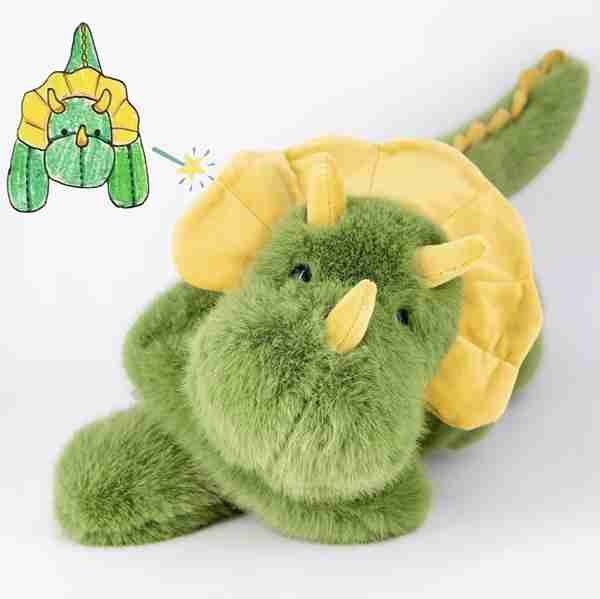
Custom-made plush toys based on IP characters, mascots, and original artwork, developed for OEM and licensed production.
Yours Animal Plush Toys
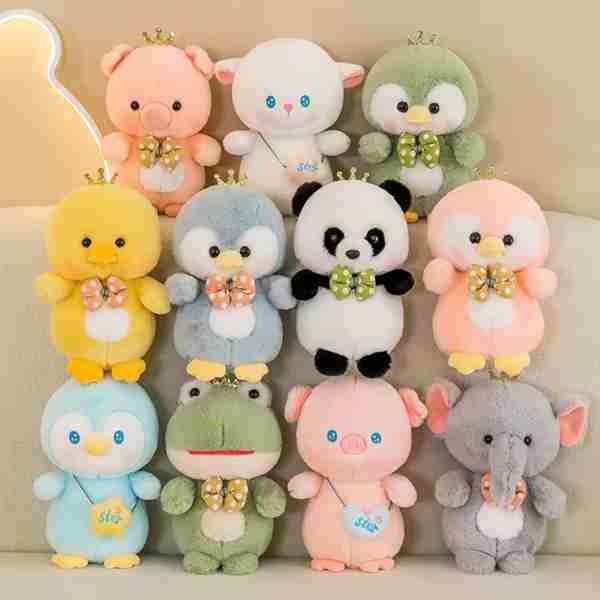
Classic animal plush toys produced for retail and wholesale distribution, with custom materials and design variations.
Retail Plush Collections
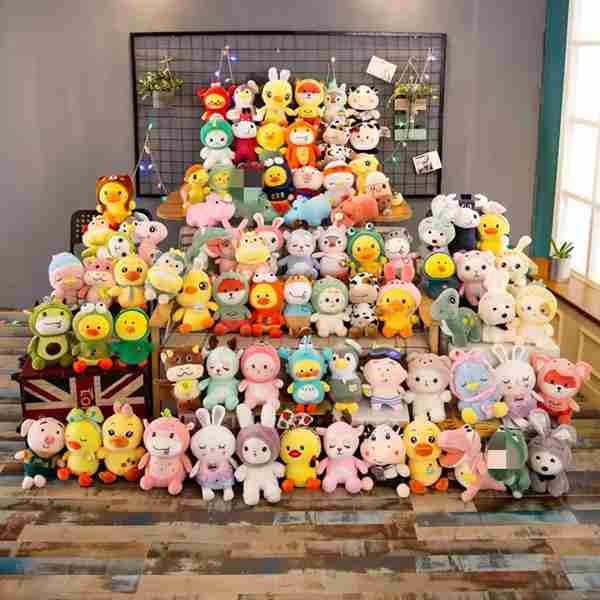
Plush toy series developed for retail stores and gift shops, focusing on consistent quality and repeatable production.
custom Giant Plush Toys
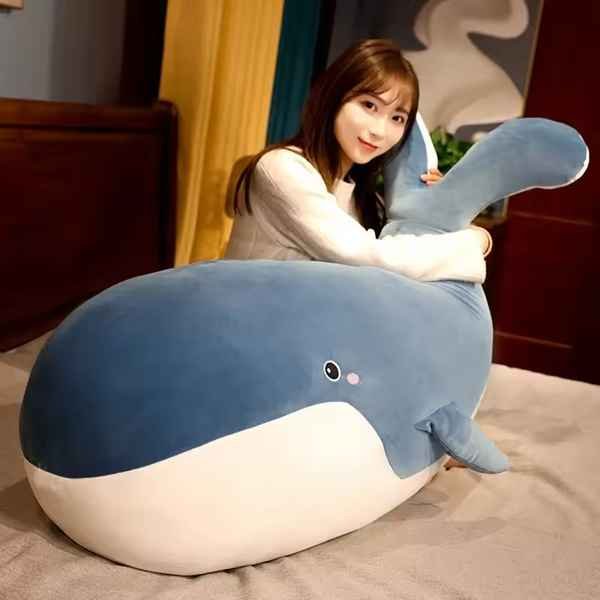
Large-scale plush toys requiring reinforced structure, controlled stuffing, and durability, commonly produced for events and display.
Promotional Plush Toys
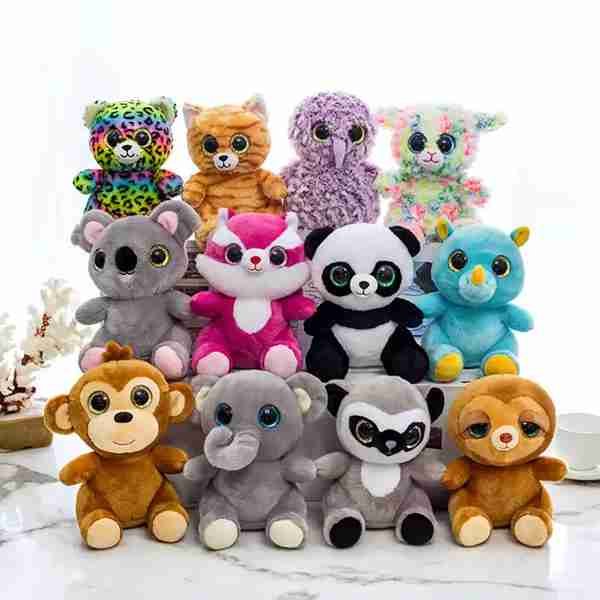
Plush toys designed for marketing campaigns, giveaways, and brand promotions, optimized for bulk orders and event use.
Custom Plush Mascots
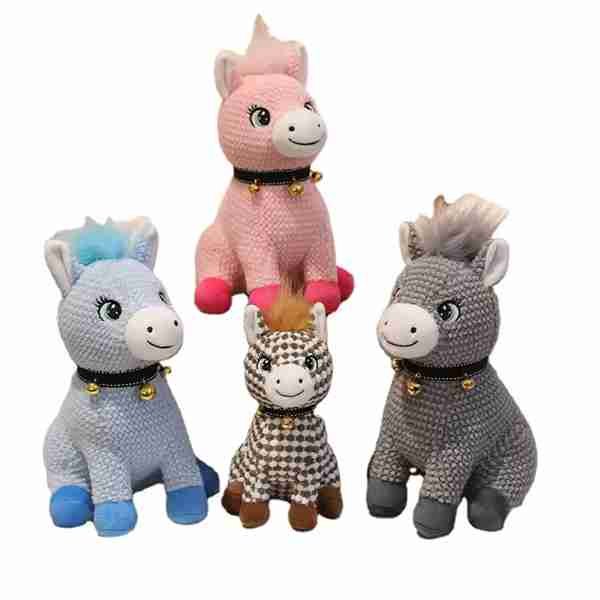
Wearable or display plush mascots developed for brand identity, exhibitions, and promotional use, with custom sizing and structure.
Seasonal & Holiday Plush
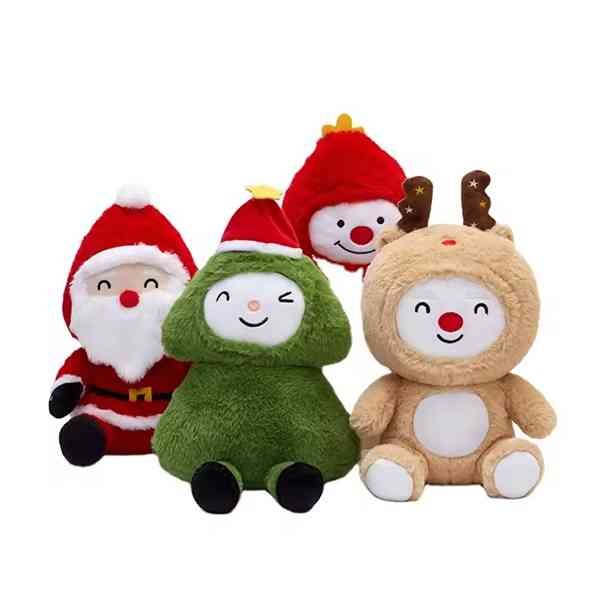
Plush toys developed for seasonal campaigns and holiday collections, such as Christmas, Halloween, and special events.
Plush Keychains & Mini Plush
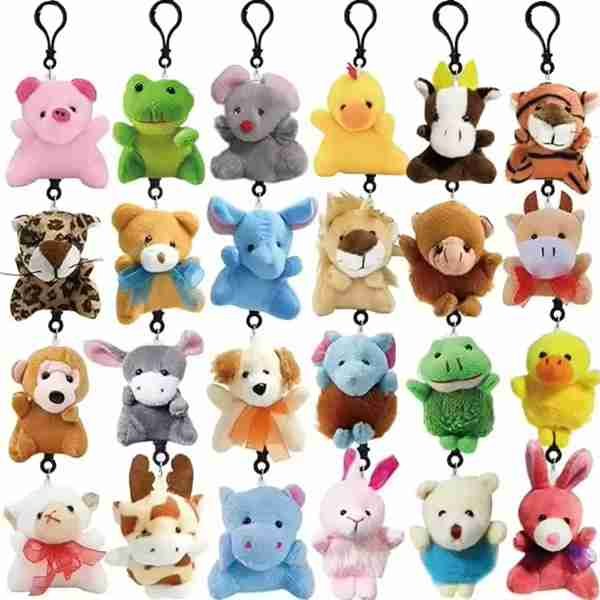
Small-size plush products designed for promotional bundles, accessories, and gift sets, suitable for large-volume production.
OEM Exclusive Plush Projects
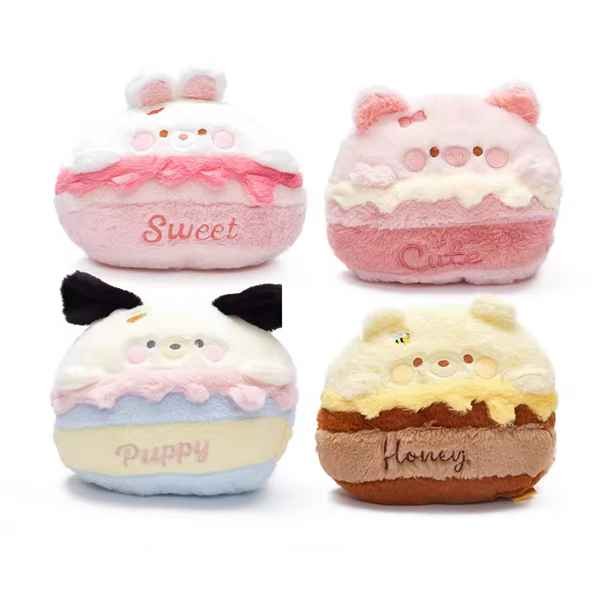
Fully customized plush projects developed under OEM or private-label agreements, from sample development to mass production.
Custom Soft Doll Plush
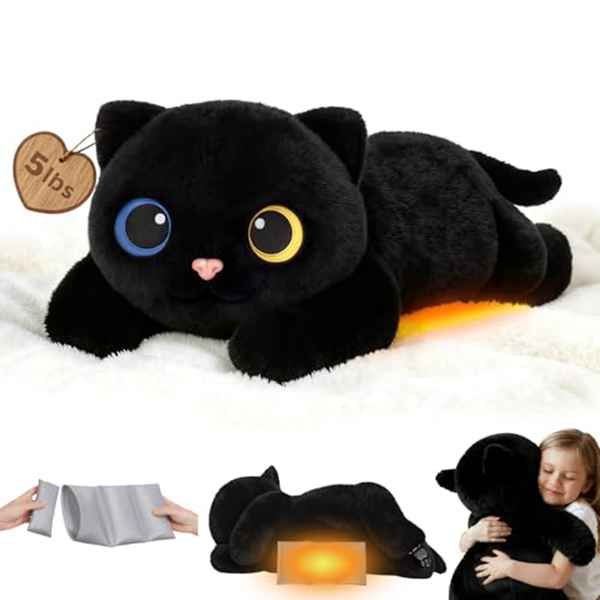
Human-style plush dolls developed for retail and branded collections, focusing on facial details and sewing accuracy.
Custom Plush Sets & Series
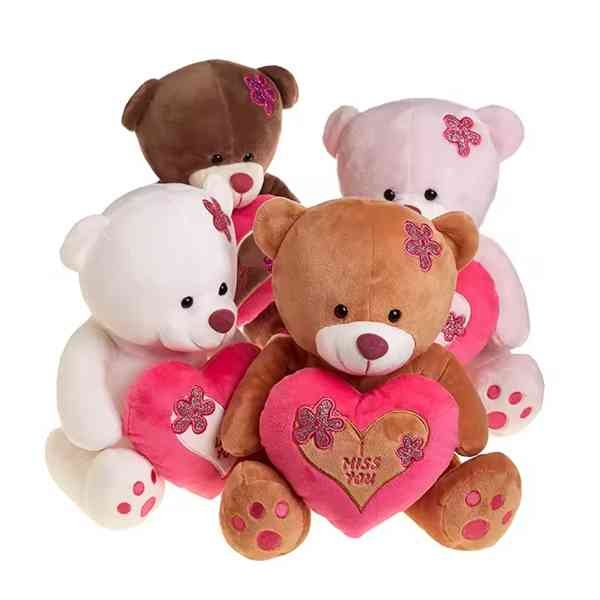
Multiple-design plush sets produced as series collections, requiring color control and batch consistency.
Inside Our Plush Toy Factory
Our Production Capabilities
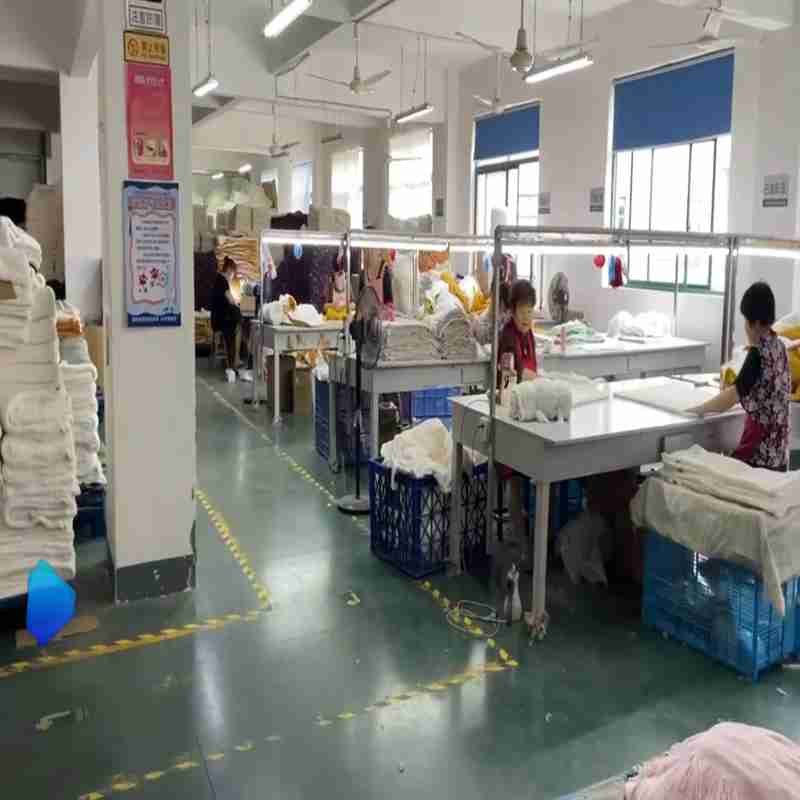
We believe transparency builds trust. By showing real production environments, buyers can better understand how plush toys are manufactured in our factory, rather than relying on descriptions alone.
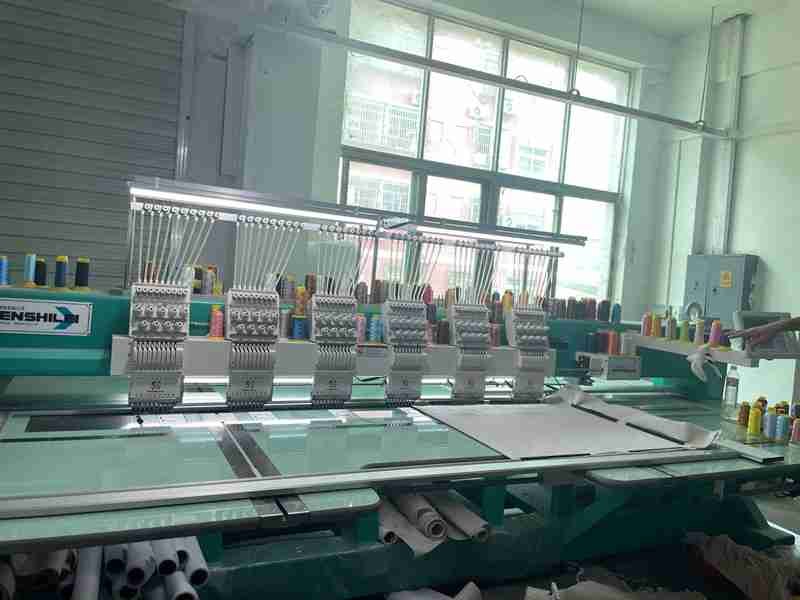
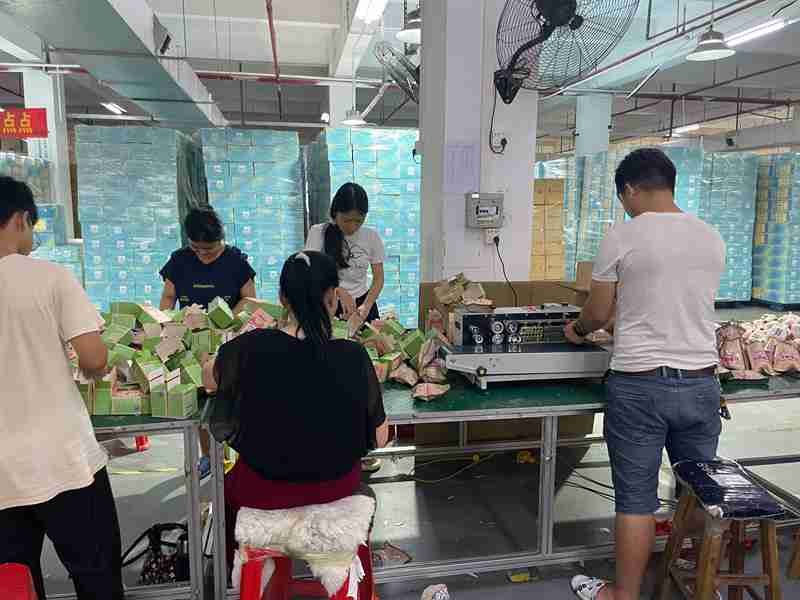
Our factory videos and photos present actual sewing lines, stuffing operations, in-line quality inspections, needle detection, and packing processes. These visuals reflect our daily manufacturing workflow, helping buyers evaluate our production capability, process control, and working standards with confidence.
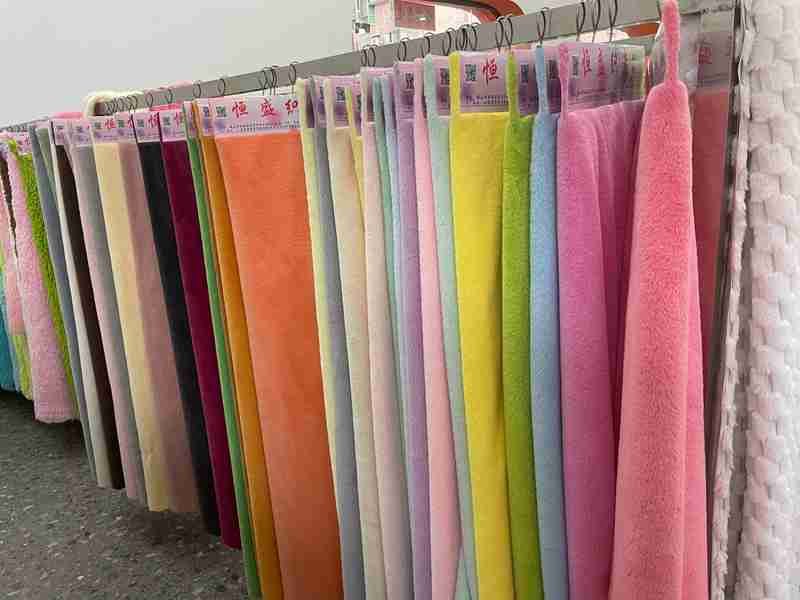
Selecting Raw Materials
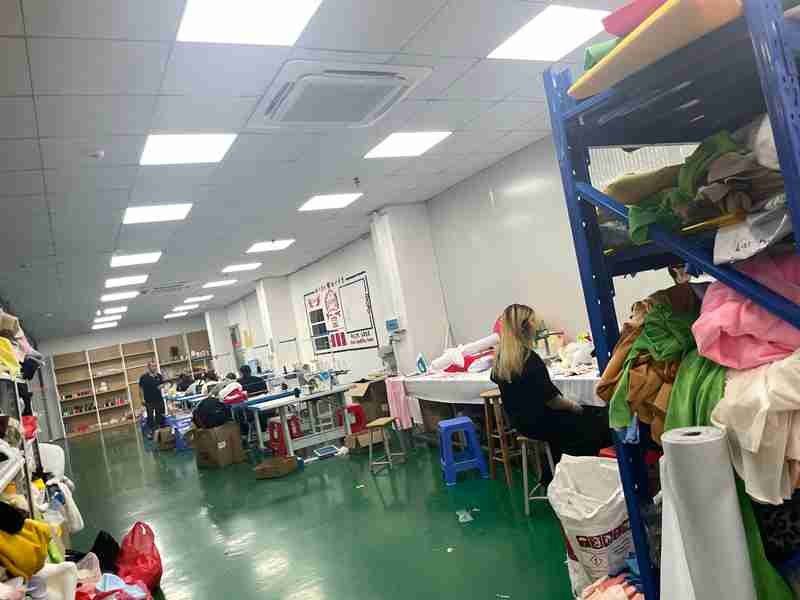
Customer Sample Production Room
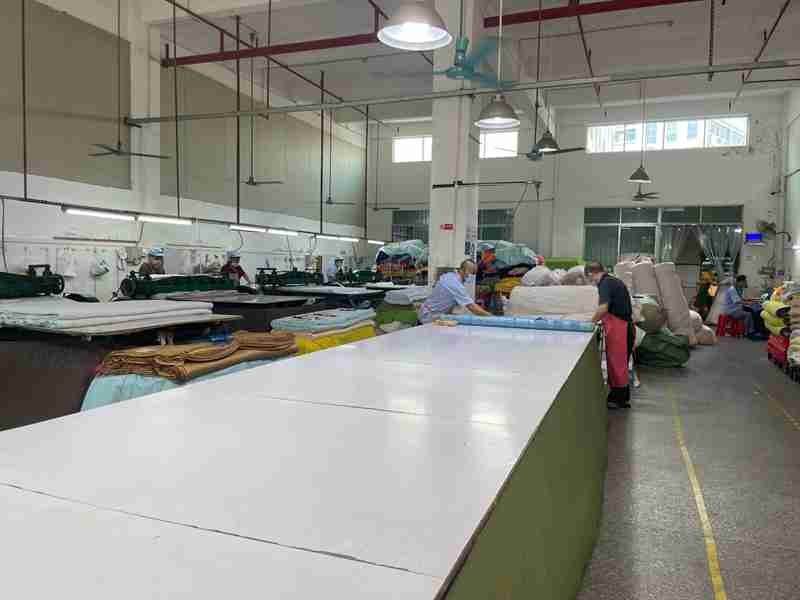
Selecting Raw Materials
Mechanical laser cutting
Batch computer embroidery
Sewing Lines in Operation
In-Line Quality Inspection
Stuffing Process Control
Hand Stitching & Closure Finishing
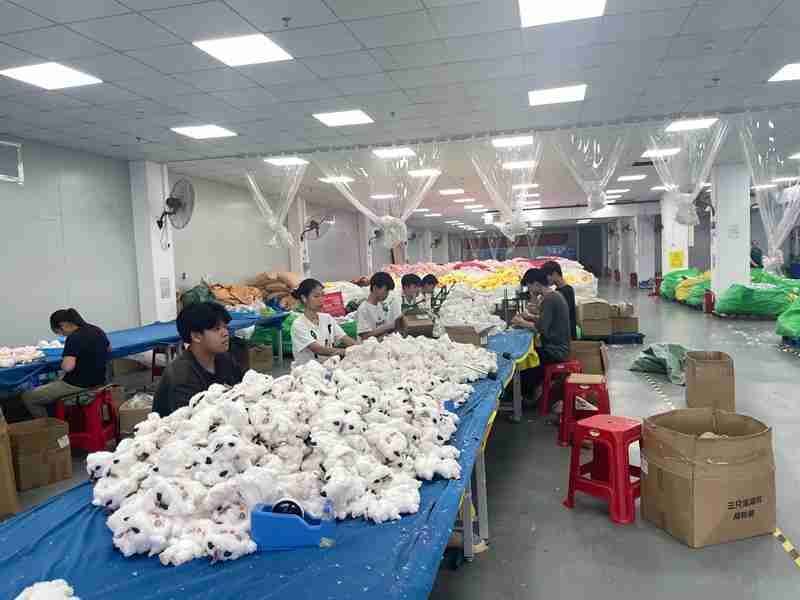
Shape Adjustment & Surface Finishing

Needle Detection & Metal Safety Inspection
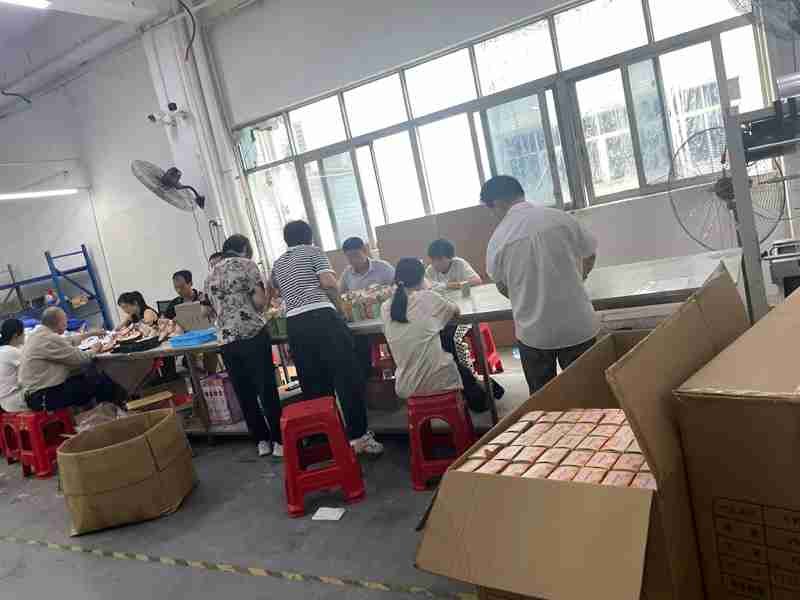
Packing & Carton Preparation
Cooperating Brands Trusted
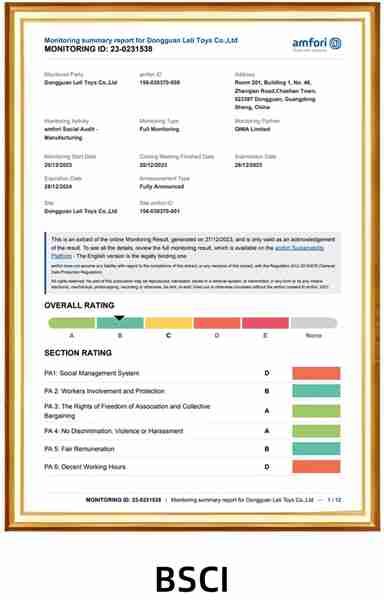
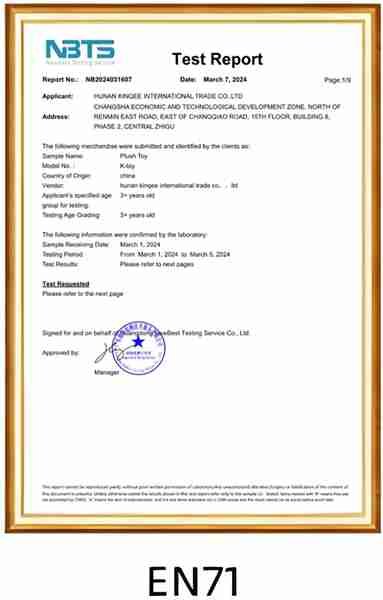
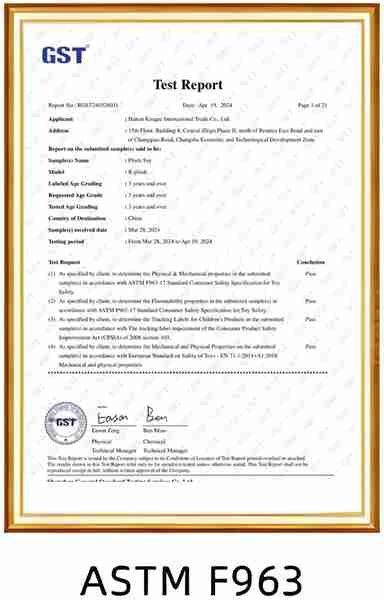
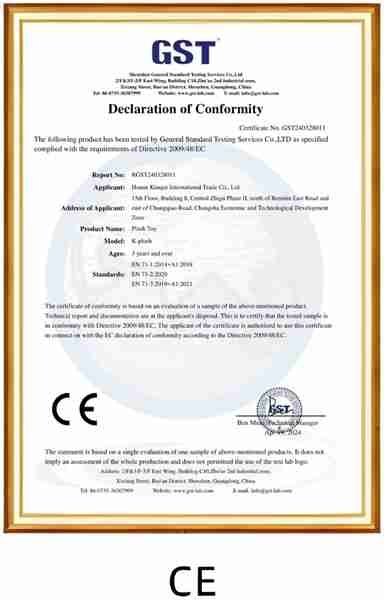
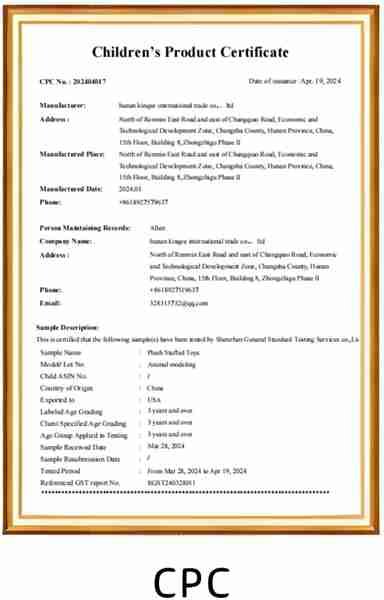
We cooperate with brands across gift, retail, publishing, and promotional industries. Many of our partnerships are long-term and built on consistent quality, clear processes, and reliable delivery.
Rather than focusing on volume, we focus on stable cooperation and repeatable manufacturing results.

















Our Story-From 2000 To Today
2000 – Jundong established in Guangdong
2005 – Began international export operations
2010 – Expanded to EU, US, and Middle East markets
2015 – Launched in-house design and sampling center
2020 – Upgraded automation and ERP system
2025 – Servicing 800+ global B2B clients




















Make a Sample Before Mass Production
Before moving into mass production, sample development allows verification of structure, materials, workmanship, and quality standards.
If you are planning a custom plush project or evaluating a reliable plush toy factory, we welcome you to discuss your requirements with our team.
- info@heyzizi.com
- (+86)13717153084
FAQs About Plush Toys for Brands
Why do brands create plush toys instead of using ordinary promotional items?
Brands create plush toys because plush can carry identity, emotion, display value, and recall in a way that ordinary promotional items often cannot.
This is one of the most important starting questions. Many promotional products can display a logo, but far fewer can become something people actually keep, photograph, place on a desk, attach to a bag, gift to someone else, or remember emotionally. Plush works differently because it is not only seen. It is also touched, held, displayed, and sometimes collected.
That difference matters for brands that want stronger emotional memory, not just visual exposure. A pen, mug, or notebook may stay useful, but a plush can stay personally visible in a different way. It can soften a brand image, give a mascot more life, turn a launch into something more memorable, or create a physical object that helps people feel the tone of the brand—not just recognize the name.
A practical way to compare the roles looks like this:
| Branded item type | What it usually does best |
|---|---|
| Standard promo item | Utility, repetition, visibility |
| Brand plush | Emotional recall, display value, storytelling, collectibility |
This is why plush is especially effective for mascot programs, brand storytelling, launch gifts, loyalty rewards, event giveaways, store merch, and collectible lines. The goal is usually not only to hand something out. It is to make the brand feel more memorable after the handoff.
What kind of brands are the best fit for custom plush toys?
The best fit for custom plush toys is usually a brand that already has something visually memorable to translate—such as a mascot, character, iconic product shape, campaign theme, or emotional tone worth turning into a physical object.
Not every brand needs plush in the same way, but many kinds of brands can use plush effectively when the idea connects to something already recognizable. A strong plush direction may come from a mascot, a hero product, a character used in marketing, a limited campaign story, or a brand personality that feels warm, playful, collectible, family-friendly, nostalgic, or giftable.
Brands often get stronger results when the plush connects to one of these assets:
| Brand asset | Plush opportunity |
|---|---|
| Mascot | Strong recognition and repeat use |
| Iconic product | Product-shaped plush with novelty value |
| Campaign theme | Limited plush for launches or promotions |
| Character universe | Collection-building potential |
| Warm or playful identity | Strong emotional fit |
This is why plush often works well for food and beverage brands, lifestyle brands, retail brands, entertainment projects, museums, schools, tourism programs, event marketing, membership clubs, and organizations with strong visual identity. The better the brand already is at being remembered visually or emotionally, the more natural plush becomes.
How can a brand avoid creating a plush toy that feels generic?
A brand can avoid creating a generic plush toy by protecting the specific signals that make the brand recognizable—rather than relying on cuteness alone.
This is one of the most practical brand-plush concerns. Many plush ideas begin with something visually pleasing, but if the toy could belong to almost anyone, the brand memory stays weak. A stronger plush usually keeps several identity signals working together: silhouette, color system, expression style, accessory details, packaging cues, and the role the plush is meant to play.
A useful test is simple: if the logo were removed for a moment, would the plush still feel connected to the brand?
A practical way to strengthen uniqueness is:
| Brand signal | What it helps prevent |
|---|---|
| Distinct silhouette | Generic shape memory |
| Signature colors | Weak brand association |
| Recognizable expression | Flat personality |
| Accessory or outfit cue | Loss of story depth |
| Packaging alignment | Generic presentation feel |
This is why stronger brand plush usually begins with a sharper design brief, not just a softer toy concept. The plush should feel like a natural extension of the brand world, not a cute object with branding added later.
Should brand plush be made mainly for gifts, retail, events, or long-term merch?
Brand plush should be planned according to the job it needs to do, because gift plush, retail plush, event plush, and long-term merch plush each succeed by different standards.
This is a critical decision question because many projects underperform not due to bad execution, but because one plush format was asked to do too many conflicting jobs. A plush made for direct gifting may succeed through warmth and personal delight. A plush built for retail needs stronger shelf presence, packaging logic, and clearer perceived value. An event plush may need easy distribution and fast recognition. A long-term merch plush often needs stronger identity depth and series potential.
A helpful comparison looks like this:
| Plush use path | What usually matters most |
|---|---|
| Gift plush | Warmth, keep value, easy emotional appeal |
| Retail plush | Shelf visibility, packaging, purchase logic |
| Event plush | Easy handoff, quick recognition, photogenic value |
| Long-term merch plush | Strong identity, repeat interest, expansion potential |
This is why many strong brand plush programs start by choosing the right use path first, then shaping the plush around that role. The same brand may even need more than one plush direction across different channels.
Can a brand plush become more than a one-time giveaway?
Yes, a brand plush can become much more than a one-time giveaway when it is planned with reuse, reorder, expansion, and channel fit in mind from the beginning.
This is one of the biggest value questions in branded plush. A plush may begin as a launch item, a loyalty gift, or a small event object, but it does not need to stay trapped in that first role. A strong plush can later become a retail item, limited edition, membership gift, bundle add-on, seasonal version, mini charm, or part of a wider collectible line.
What makes that possible is not luck. It is usually the result of planning early for:
| Future-use layer | What it makes easier later |
|---|---|
| Reorder readiness | Repeat use without rebuilding from zero |
| Character consistency | Easier series expansion |
| Packaging flexibility | Use across gift, retail, and campaign settings |
| Version discipline | Cleaner long-term management |
| SKU extension logic | Charms, pillows, editions, bundles later |
This is why the strongest brand plush ideas often feel more strategic over time. The plush is not only a giveaway. It becomes a reusable brand object that can move through different contexts without losing identity.
How can a brand character be turned into a plush toy without losing recognizability?
A brand character stays recognizable in plush form when the project protects the few visual signals people remember fastest—especially silhouette, face balance, key color blocks, and one or two signature details.
This is one of the most common brand-plush concerns. A character may look strong in flat artwork, on packaging, or in digital media, yet become less recognizable once it is softened into plush form. The reason is simple: plush is a three-dimensional, tactile format. Some details can be simplified safely, while others must stay dominant. If the wrong parts are softened, removed, or resized, the plush may still look appealing but stop feeling specific to the brand.
A useful conversion process usually protects these elements first:
| Character cue | Why it matters in plush form |
|---|---|
| Silhouette | Helps fast recognition from a distance |
| Face rhythm | Preserves the familiar emotional tone |
| Signature color blocks | Keeps brand association strong |
| Hero detail | Protects the “most remembered” feature |
| Accessory or outfit cue | Adds identity depth and story value |
This is why character-to-plush work should not be treated like simple copying. It is a translation process. The plush may need softer proportions, but it should still feel unmistakably tied to the original figure.
Heyzizi’s setup already includes product development, design refinement, in-house pattern and sampling work, which is especially useful for this stage because recognizable plush rarely comes from one-step imitation. It comes from controlled adjustment.
A better brand plush does not try to keep every tiny detail. It keeps the details that carry the identity.
What makes a brand plush good for retail, not just for gifting?
A brand plush becomes stronger for retail when it offers more than warm feeling alone—it also needs shelf presence, clear perceived value, packaging readiness, and enough distinction to compete visually with other products.
This is an important brand decision. A plush created for gifting may succeed through softness, friendliness, and instant emotional appeal. But retail asks different questions. Will someone notice it without a personal handoff? Will it still feel worth taking home when placed next to other products? Does the packaging help or weaken the presentation? Is the silhouette strong enough to stand out from a distance?
A practical retail check often includes:
| Retail factor | Why it matters |
|---|---|
| Shelf visibility | Helps the plush stand out in display space |
| Perceived value | Supports why it deserves purchase attention |
| Packaging logic | Adds clarity, protection, and finish |
| Character distinction | Prevents it from blending into generic plush |
| Repeat pick-up appeal | Helps create more than one-time curiosity |
This is why a plush that works beautifully as a desk gift may still need adjustment before it becomes a strong store item. Retail plush usually needs stronger presentation structure, not just a charming body.
Heyzizi’s plush capabilities already include work linked with hangtags, labels, packaging forms, and varied plush formats, which is useful because retail readiness depends on the full presentation system, not only on the toy itself.
A plush becomes more retail-ready when it can attract attention before anyone has explained why it matters.
How can a brand build a multi-SKU plush collection instead of just one plush item?
A brand builds a stronger multi-SKU plush collection by creating one shared visual language first, then extending it through size, expression, format, seasonality, or bundle logic without losing the core identity.
This is where a single successful plush can become much more valuable. One mascot or character may start as a main plush, then grow into charms, mini plush, pillows, seasonal editions, costume variants, paired characters, or boxed sets. But a series does not become stronger by adding random variation. It becomes stronger when every new SKU feels connected to the same brand world.
A practical collection structure often grows through layers like these:
| Collection layer | What it adds |
|---|---|
| Size ladder | Different price and display options |
| Expression set | More personality and collectibility |
| Format expansion | Plush, charm, pillow, bundle, gift set |
| Seasonal editions | Freshness without rebuilding identity |
| Character companions | Bigger brand world and repeat interest |
This is why the first plush should not be planned too narrowly. When the initial identity system is clear, later extension becomes easier and cleaner.
Heyzizi’s plush scope already includes mini plush, standard plush, large plush, charms, pillows, sets, and accessory-linked formats, which makes series planning especially practical for brands that want more than one isolated item.
A collection feels stronger when each SKU adds something new without making the brand character feel diluted.
What details make a brand plush feel more complete and premium?
A brand plush often feels more complete and premium when the surrounding details—such as hangtags, woven labels, care labels, packaging, inserts, and presentation cues—are designed to support the plush rather than added as an afterthought.
This is one of the easiest areas to underestimate. Many teams focus almost entirely on the plush body, but the finished impression often changes dramatically once the small surrounding layers are considered. A neat woven label can improve finish quality. A well-written hangtag can add story value. A clean care label can make the toy feel more finished. A matching backer card or gift box can increase perceived worth and make the plush feel more intentional.
A practical detail system often includes:
| Detail layer | What it improves |
|---|---|
| Hangtag | Story, identity, gift readiness |
| Woven / care label | Finish quality and completeness |
| Backer / header card | Retail clarity and display support |
| Gift box / insert | Presentation and value perception |
| Matching visual cues | Stronger brand coherence |
This is why many plush projects feel more premium not because the toy body became more complicated, but because the details around it stopped feeling generic.
Heyzizi already works with plush linked to hangtags, labels, packaging forms, and accessory-linked details, which makes this part highly practical for branded plush planning.
A stronger plush finish often comes from the details people notice second—not only the toy they notice first.
What should a brand team check before approving a plush project?
Before approving a plush project, a brand team should check not only whether the plush looks appealing, but whether it still feels on-brand, suits the intended use, holds enough keep value, presents well, and can be repeated or expanded later.
This is one of the most helpful final-check questions because many brand teams do not approve plush based on cuteness alone. They usually carry several concerns at once: brand fit, merchandising potential, gifting value, retail suitability, presentation quality, timeline logic, and whether the plush can live beyond one isolated use.
A practical pre-approval check often looks like this:
| Approval angle | What the team is really judging |
|---|---|
| Brand fit | Does the plush still feel like us? |
| Use fit | Is it right for gift, retail, event, or merch use? |
| Keep value | Will people actually want to keep it? |
| Presentation | Do packaging and details feel complete? |
| Repeatability | Can it be reordered or extended later? |
| Timing | Does it still make sense inside the project window? |
This is why plush approval becomes easier when teams review the plush as a full use-case object—not just as a standalone toy sample.
Heyzizi’s development-to-delivery coordination is especially helpful here because brand-plush approval often gets smoother when concept, sample, packaging, and later execution are considered together.
A plush is easier to approve when the team is not only asking “Do we like it?” but also “Will it still work after we launch it?”
