 Skip to content
Custom Promotional Plush Toys Manufacturing for Brand Campaigns
Turn your logo, mascot, event theme, or brand character into custom promotional plush toys made for campaigns, giveaways, retail gifts, school events, sports teams, and corporate programs.
- Custom Development From Your Idea: We can work from logos, sketches, mascots, character artwork, campaign themes, or reference samples.
- Made for Brand Promotion: Suitable for trade shows, retail gifts, corporate events, school programs, sports teams, membership gifts, and seasonal campaigns.
- Flexible MOQ Planning: Standard MOQ is usually 500 pcs per design. For simple styles, 200–300 pcs may be arranged with adjusted unit pricing.
- Sampling Before Bulk Orders: We check shape, fabric, logo placement, embroidery, filling, stitching, and packaging before mass production.
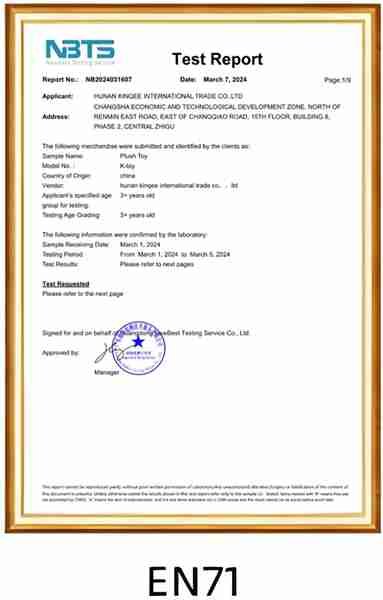
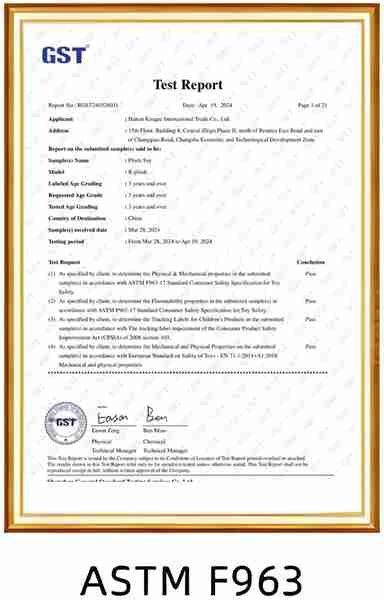
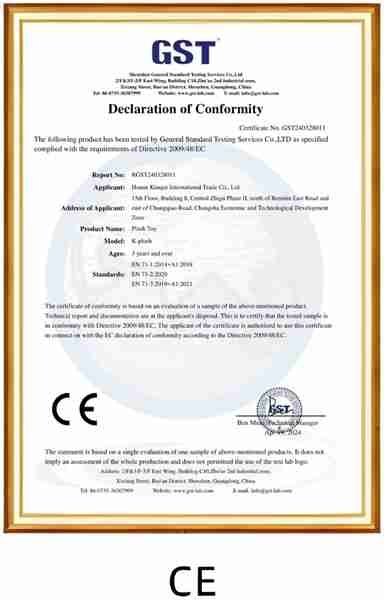
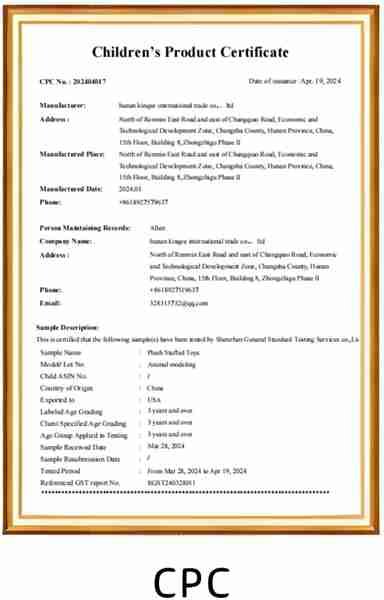
- Safety-Focused Production: We can support CE, ASTM, EN71-related project needs based on target market and product use.
- Branded Packing Support: Hangtags, barcode labels, SKU stickers, polybags, gift boxes, carton marks, and mixed packing can be arranged.
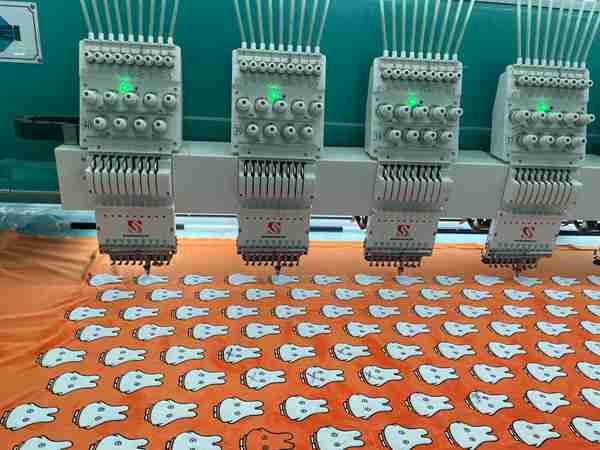


Custom Promotional Plush Toys Built Around Your Brand
A promotional plush toy should do more than carry a logo. It should help people remember your brand after the campaign ends.
Heyzizi helps brands, event teams, retailers, schools, sports teams, and gift companies turn mascots, characters, logos, and campaign ideas into custom plush toys made for real commercial use. From a simple logo plush bear to a fully custom mascot plush, each project starts with your audience, use case, budget, quantity, and delivery plan.
Promotional plush toys work well because they feel personal. People keep them on desks, shelves, bags, beds, cars, or retail displays. That gives your brand more staying power than many short-life giveaway items.
You can use custom promotional plush toys for:
- Trade show giveaways
- Corporate event gifts
- School and university programs
- Sports team mascots
- Retail gift-with-purchase campaigns
- Holiday and seasonal promotions
- Brand anniversary gifts
- Theme park and event merchandise
- Membership reward programs
- IP character and mascot campaigns
A good plush promotion is not only cute. It has the right shape, fabric, logo position, size, safety plan, packing method, and bulk consistency. That is where factory development matters.
Quick Project Fit
| Project Need | Better Plush Direction |
|---|---|
| Fast brand giveaway | Stock-style plush with logo T-shirt or hangtag |
| Mascot promotion | Fully custom mascot plush |
| Large event handout | Mini plush keychain or small plush toy |
| Retail campaign | Plush with branded hangtag, barcode, and gift box |
| School or children’s activity | Soft plush with safety-focused structure |
| Premium brand gift | Custom character plush with refined fabric and packing |
Best Promotional Plush Ideas for Campaigns, Events, and Retail Gifts
Different campaigns need different plush formats. A small trade show giveaway, a sports mascot launch, and a retail gift set should not use the same product structure.
For high-volume events, mini plush toys and plush keychains are easier to pack, carry, and distribute. For brand mascot projects, a custom character plush gives stronger recognition. For retail gifts, packaging, hangtags, barcode labels, and display value become part of the product plan.
Heyzizi can help match the plush format to your campaign use, price target, sales channel, and audience age group.
Mascot Plush Toys

Custom mascot plush toys fit brand characters, sports teams, schools, company campaigns, and IP promotion programs with strong recognition value.
Plush Keychains
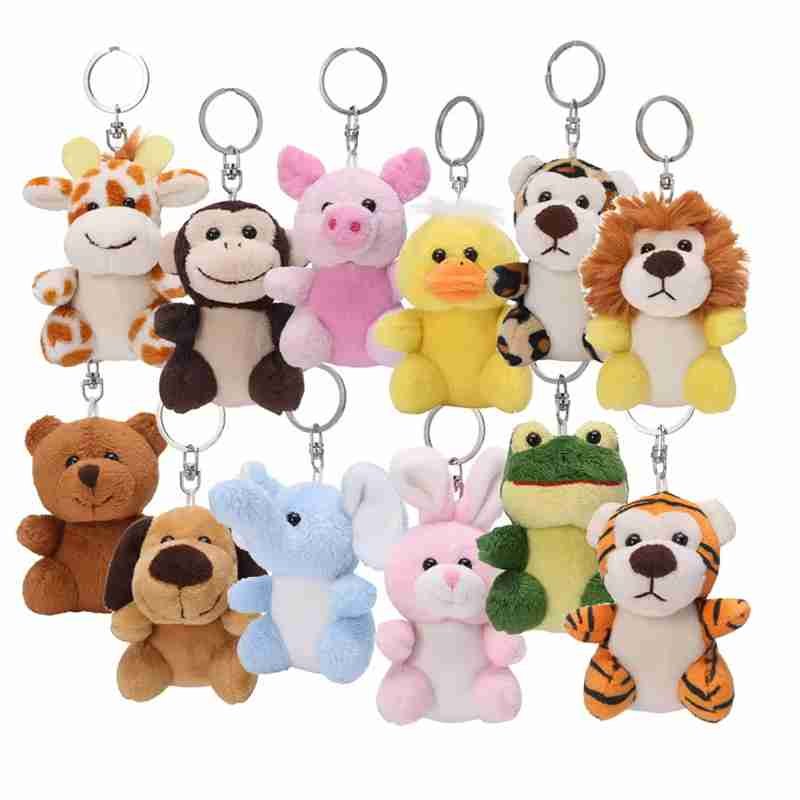
Plush keychains are ideal for trade shows, events, travel gifts, retail add-ons, and compact promotional giveaways.
Logo T-Shirt Plush

Logo T-shirt plush toys work well for corporate giveaways, quick campaign gifts, team events, and simple brand exposure.
Holiday Plush Toys
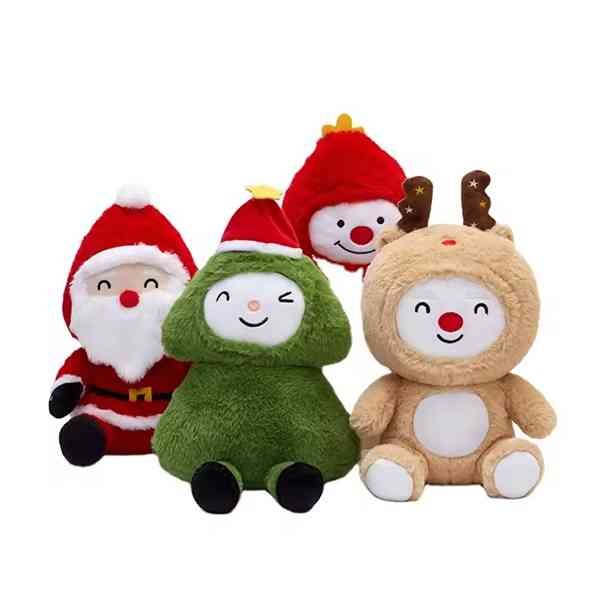
Holiday plush toys are suitable for Christmas, Easter, Valentine’s Day, Halloween, seasonal retail displays, and festive promotional campaigns.
Plush Gift Sets

Plush gift sets are a strong fit for premium campaigns, VIP gifts, brand collaborations, retail bundles, and special event packs.
Plush Bag Charms

Plush bag charms are great for fashion brands, kids’ brands, lifestyle campaigns, retail accessories, and playful brand collections.
Mini Plush Toys
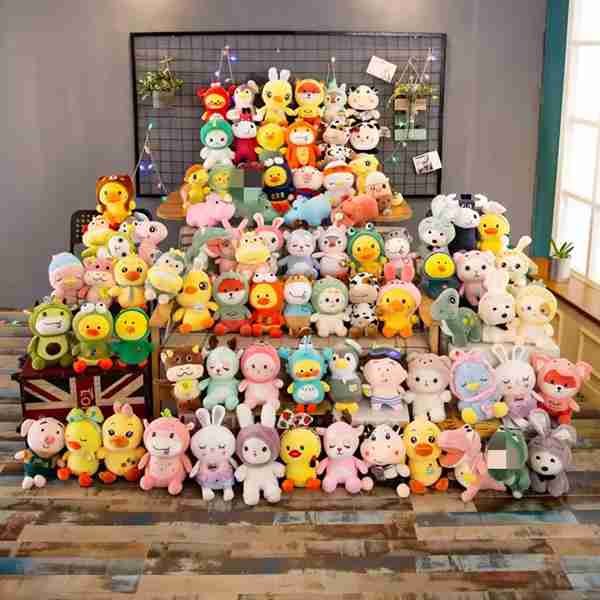
Mini plush toys suit large-volume promotions, event handouts, school activities, retail campaigns, and easy-to-carry gift programs.
Plush Pillows

Plush pillows fit travel gifts, airline programs, home products, retail promotions, membership gifts, and comfort-focused brand campaigns.
Plush Pouches or Bags

Plush pouches or bags add daily use value for brand gifts, kids’ products, retail programs, and functional promotional items.
Character Plush Sets

Character plush sets support IP promotions, collectible series, retail programs, themed campaigns, and multi-character brand storytelling.
Different promotional plush campaigns need different product planning. For wide distribution, compact plush toys with simple shapes, fewer trims, and cost-friendly structures are easier to produce in larger quantities. For mascot plush, face shape, color accuracy, expression, and signature details should stay close to the original character.
For retail, gift-with-purchase, children’s activities, or social media campaigns, packing and safety details matter more. Hangtags, barcodes, SKU labels, soft fabrics, secure stitching, safe filling, and photo-friendly character design can help the plush product look better, ship better, and create stronger brand interaction.
From Logo, Mascot, or Sketch to a Production-Ready Plush Sample
A strong plush sample is not a one-time handmade piece. It should become a stable base for bulk production.
Heyzizi supports custom plush development from brand logos, mascot drawings, character artwork, sketches, product ideas, and reference samples. The work covers shape review, size planning, fabric direction, pattern development, embroidery details, logo placement, accessory planning, and sample adjustment.
This matters most when your plush toy needs to represent a brand character. A small change in eye position, mouth curve, fabric pile, body proportion, or stuffing level can change the whole feeling of the toy.
Custom plush development starts with clear project information. You can send a logo, mascot artwork, sketch, reference photo, target size, order quantity, and intended use. From there, the plush direction can be confirmed, including product type, fabric, logo method, accessories, packing style, and target sales channel.
After the direction is confirmed, the first plush sample can move into pattern making, cutting, sewing, embroidery, filling, shaping, and hand finishing. During sample review, details such as facial expression, body proportion, logo visibility, fabric handfeel, stitching quality, filling softness, and overall character look should be checked carefully.
Many plush details can be customized, including character shape, facial expression, body posture, plush fabric, filling firmness, embroidery, printing, logo placement, clothing, accessories, hangtags, labels, gift boxes, polybags, carton marks, and SKU labels. For faster sampling, clear files, Pantone colors, size, quantity, use case, safety needs, and packing requests help reduce repeated revisions.


Logo, Fabric, Size, and Packaging Options for Promotional Plush Toys
Promotional plush toys are easier to quote and sample when the main custom details are clear from the beginning.
For brand campaigns, logo placement should feel natural on the plush product. Some logos work better as embroidery. Some work better on a T-shirt, scarf, hangtag, woven label, printed patch, or packaging label. The right choice depends on fabric texture, logo detail, product size, viewing angle, and budget.
Fabric also affects the final result. Short plush can make small details cleaner. Minky feels smooth and soft. PV plush gives a fuller animal-like look. Fleece can work for simple soft shapes. Velboa is useful when a flatter surface is needed.
Plush Format

Choose the right plush format based on campaign use, including mascot plush, animal plush, mini plush, keychains, pillows, or bag charms for different gift and retail needs.
Logo Method

Logos can be added through embroidery, printed T-shirts, woven labels, hangtags, patches, or packaging stickers to match brand style, budget, and display needs.
Fabric Direction

Fabric choice affects plush handfeel, appearance, structure, and cost. Options include short plush, minky, PV plush, fleece, velboa, and mixed fabric designs.
Size Range

Plush size can be planned for mini giveaways, hand-held gifts, standard retail items, or larger display plush, depending on budget, packing, and campaign purpose.
Accessories

Accessories such as T-shirts, scarves, hats, ribbons, small bags, zippers, buckles, or sound boxes can make custom plush toys more branded and functional.
Filling

Filling can be adjusted for soft touch, firmer support, better shaping, or display stability, helping each plush design meet comfort and structural needs.
Packing

Packing options include polybags, hangtags, gift boxes, display boxes, barcodes, SKU stickers, and carton marks for retail, event, shipment, and inventory control.
Logo placement should match plush size, fabric texture, and campaign purpose. Small plush toys usually work better with simple logos, hangtags, or packaging labels, while fluffy fabrics often need embroidery for cleaner and more stable branding. For event slogans or promotional messages, a plush T-shirt can make the logo easier to see.
Size planning also affects cost, freight, display value, and detail accuracy. Mini plush toys are suitable for mass handouts, while 15–30 cm plush toys fit brand gifts, school events, and mascot promotions. Larger plush toys work better for premium gifts, retail shelves, photos, and detailed character designs.
MOQ, Sampling, Cost, and Bulk Order Planning
Promotional plush projects are easier to manage when quantity, sample schedule, target price, and delivery window are discussed early.
Heyzizi’s standard MOQ is usually 500 pcs per design. For simpler styles, 200–300 pcs can also be arranged based on structure, material availability, and project needs. Smaller runs still require pattern development, sample work, fabric sourcing, cutting, sewing, filling, finishing, inspection, and packing, so the unit price is usually higher. Once the order reaches 500 pcs or above, pricing becomes more competitive.
For campaign projects, the best plan is not always the lowest price. A better plan balances product size, fabric, logo method, packaging, safety needs, shipping volume, and deadline.
Typical Project Timeline
| Project Stage | Typical Time Range |
|---|---|
| First sample | 7–14 days |
| Sample revision | 5–10 days per round |
| Bulk production after approval | 30–45 days |
| Straightforward project cycle | Around 6–10 weeks |
| Complex project cycle | 10–16 weeks or longer |
More detailed mascot plush toys, mixed fabrics, sound modules, removable accessories, retail gift boxes, or multiple approval rounds may need more time. Clear artwork, confirmed size, standard fabric, and limited revisions can help the project move faster.
Custom promotional plush toy cost depends on size, shape complexity, fabric type, logo method, accessories, packaging, order quantity, and safety testing needs. Larger sizes use more fabric, filling, and carton space, while detailed characters require more pattern work, sewing steps, embroidery time, and finishing control.
For a faster and more accurate quote, prepare product type, target size, quantity, artwork, logo file, fabric preference, packing method, target country, delivery deadline, and testing requirements. A simple brief can start early communication, while confirmed campaign details help reduce later quote changes.


Safety-Ready Production for Global Brand Campaigns
Promotional plush toys often reach children, families, schools, retail stores, sports fans, and event visitors. Safety planning should start before sampling, not after bulk production.
Heyzizi supports safety-focused plush production for brand campaigns, retail gifts, school events, and children-facing projects. The work may include material review, secure stitching, embroidery planning, accessory safety checks, filling control, needle detection, packing checks, and testing preparation based on the target market.
For projects entering the United States, Europe, the United Kingdom, Australia, or other regulated markets, clients should confirm safety requirements early. This helps avoid late-stage changes in eyes, noses, trims, labels, fabric, filling, or packaging.
Fabric
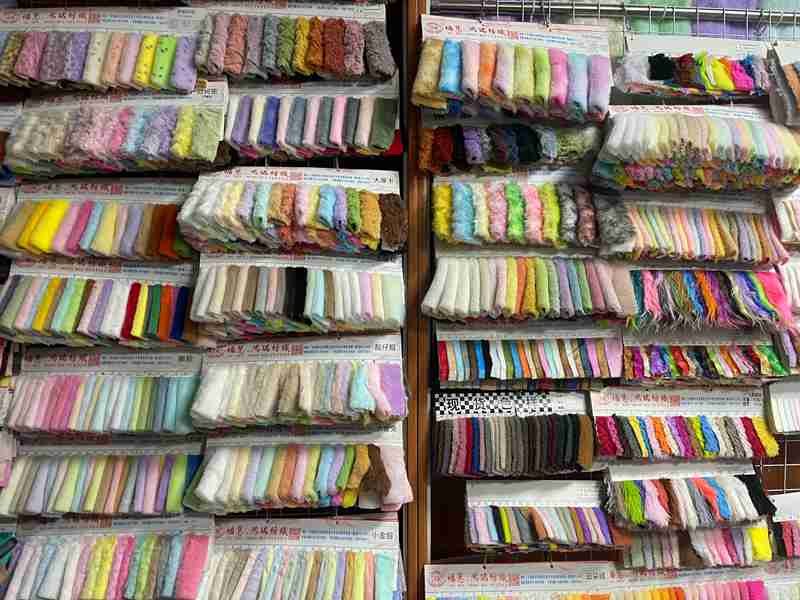
Fabric safety should review softness, shedding, color fastness, skin contact suitability, and handfeel to support safe, comfortable promotional plush toys for events and retail gifts.
Filling

Filling quality affects plush softness, shape stability, density, safety, and long-term appearance, especially for mascot plush, pillows, mini toys, and gift products.
Eyes and Nose

Eyes and nose details can use embroidery or securely attached parts, helping reduce loose component risk while keeping the plush character expressive and recognizable.
Small Parts

Buttons, bells, tags, zippers, buckles, and keyrings should be checked carefully to reduce pulling, choking, scratching, or detachment risks during real use.
Stitching

Stitching checks focus on seam strength, stress points, opening risk, and finishing quality to keep custom plush toys stable during handling, packing, and delivery.
Labels

Age grade labels, warning labels, care labels, and importer information help meet retail, event, and country-specific plush toy compliance requirements.
Packing

Polybag warnings, barcodes, carton marks, and retail labels support safer handling, easier inventory control, smoother shipment, and better shelf presentation.
Testing
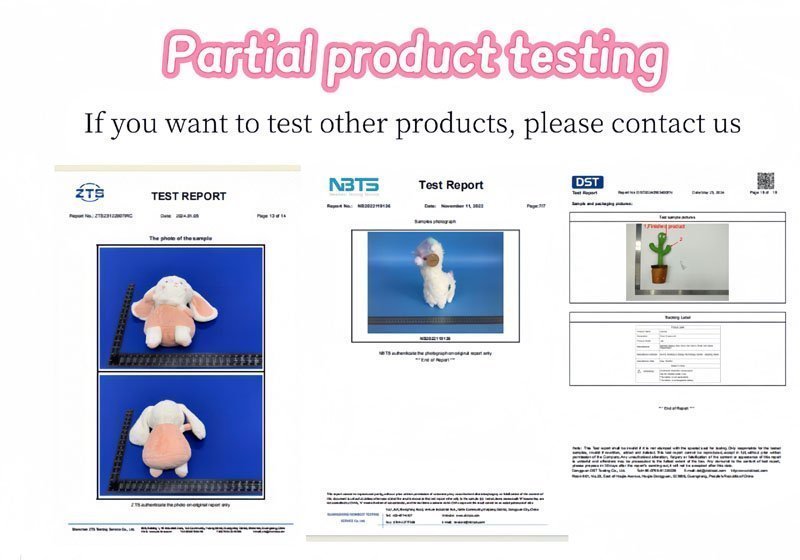
Testing may include CE, EN71, ASTM, CPSIA, or country-specific requirements, depending on target destination, age group, sales channel, and product structure.
Accessories

Hats, scarves, bags, ribbons, and sound modules should match the plush design while staying secure, comfortable, and suitable for the target use scenario.
Safer promotional plush toys start with smart design choices. For children’s plush gifts, embroidered eyes and noses are often safer than hard plastic parts. For event giveaways, fewer loose accessories can reduce risk and make bulk production smoother. Mascot plush toys should keep clear facial expression while avoiding weak attachment points.
For retail-ready plush toys, safety labels, warning labels, barcodes, care labels, and packing details should match the sales channel and target country. Plush keychains need extra checks on the metal ring, chain, and connection loop because these parts handle pulling force during daily use.
Branded Packing and Event-Ready Delivery Support
A promotional plush toy is not finished when the toy is sewn. It still needs to arrive in the right packing format for your warehouse, retail shelf, event table, school program, or campaign kit.
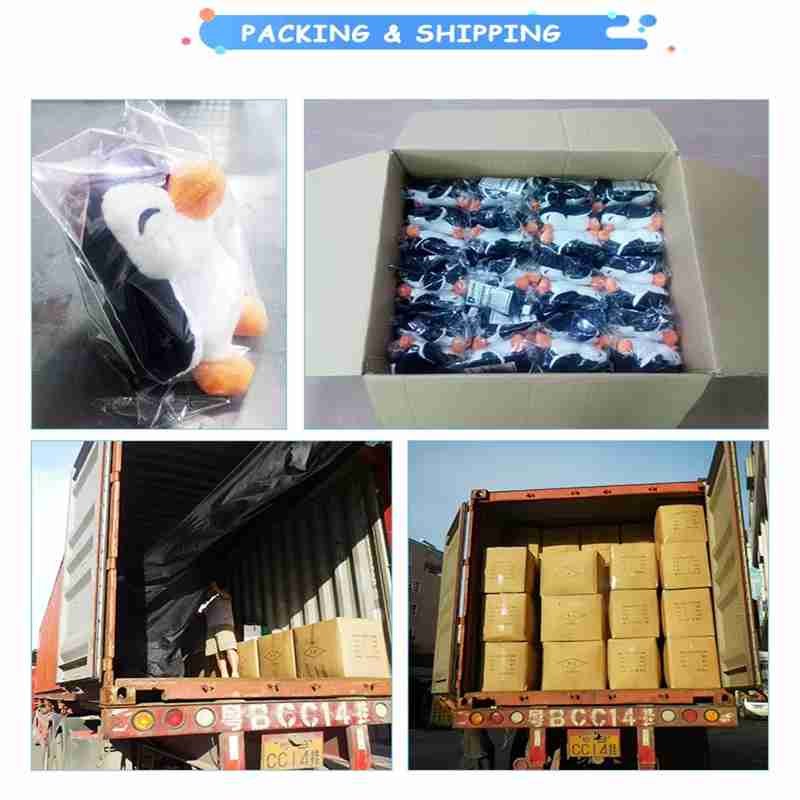
Heyzizi supports branded packing and delivery preparation for custom promotional plush toys. For simple event giveaways, individual polybags and carton marks may be enough. For retail gifts or gift-with-purchase programs, hangtags, barcode labels, SKU stickers, display boxes, gift boxes, and inner carton sorting may be needed.
Good packing helps teams distribute faster, reduce warehouse confusion, protect product appearance, and keep campaign launches on schedule.
Packing Options for Promotional Plush Projects
| Packing Need | Available Options |
|---|---|
| Basic Protection | Individual polybag, dust bag, inner carton |
| Brand Presentation | Hangtag, woven label, printed card, belly band |
| Retail Sales | Barcode label, SKU sticker, display box, gift box |
| Event Distribution | Batch labels, sorted cartons, mixed-color packing |
| E-Commerce | Product label, FBA-style label, carton mark, protective packing |
| Gift Programs | Branded box, insert card, ribbon, campaign message card |
| Multi-SKU Orders | Assortment packing, color sorting, character sorting, carton list |
Plush toy packing should be confirmed early because it affects cost, labeling, carton sorting, shipment, and final presentation. Brands may need event handout packing, retail-ready gift boxes, individual polybags, barcodes, SKU labels, campaign labels, warning labels, care labels, or mixed-color carton plans.
Different uses need different packing logic. Trade show plush keychains need compact packing for fast distribution. Retail gift-with-purchase plush toys may need hangtags, barcodes, and gift boxes. School, sports team, and brand collaboration projects can use cartons sorted by color, mascot version, class, batch, QR code, or limited-edition message.


How We Control Quality From Sample to Repeat Orders
Heyzizi focuses on sample-to-bulk control through material checking, in-process inspection, finished product review, packing checks, and production file management. With 80 QC inspectors involved across incoming materials, production, finished goods, and packing stages, each order is reviewed through practical checkpoints before shipment.
This matters for brand campaigns because quality problems are visible. Uneven eyes, weak seams, poor embroidery, wrong logo position, thin filling, color variation, or messy packing can affect the campaign result and brand impression.
Approved Sample
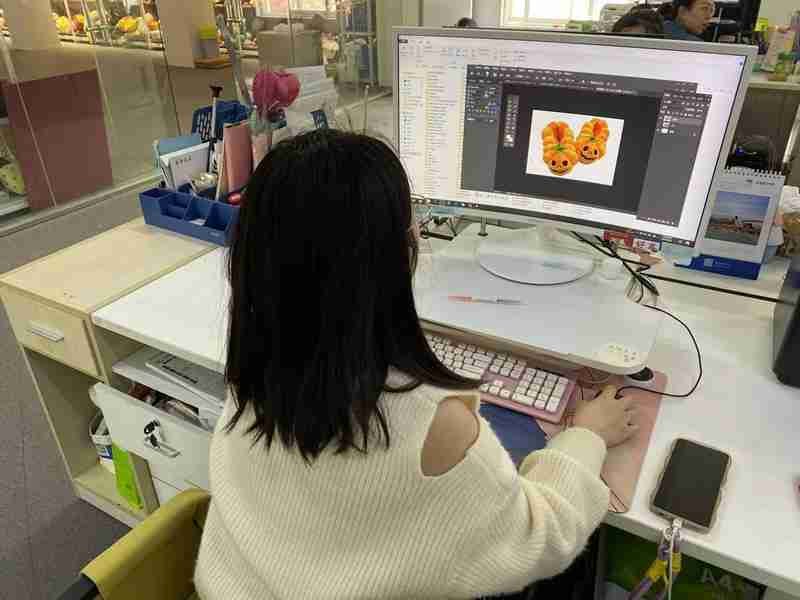
Approved sample review confirms plush shape, size, fabric, facial expression, logo position, accessories, and overall look before bulk production begins.
Incoming Materials

Incoming material checks cover fabric color, handfeel, trims, filling, labels, and packing materials to reduce mismatch before production starts.
Cutting

Cutting review checks pattern accuracy, size consistency, fabric direction, and part matching to keep plush shape stable during sewing.
Embroidery / Printing
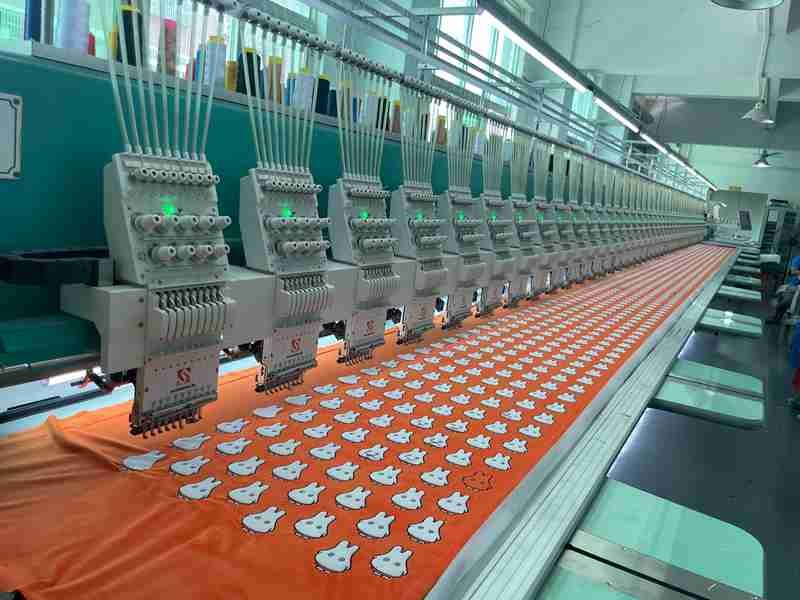
Embroidery and printing checks focus on logo clarity, thread color, position alignment, durability, and clean brand detail presentation.
Sewing

Sewing inspection reviews seam strength, shape control, stress points, assembly order, curve accuracy, and clean finishing for stable plush structure.
Filling
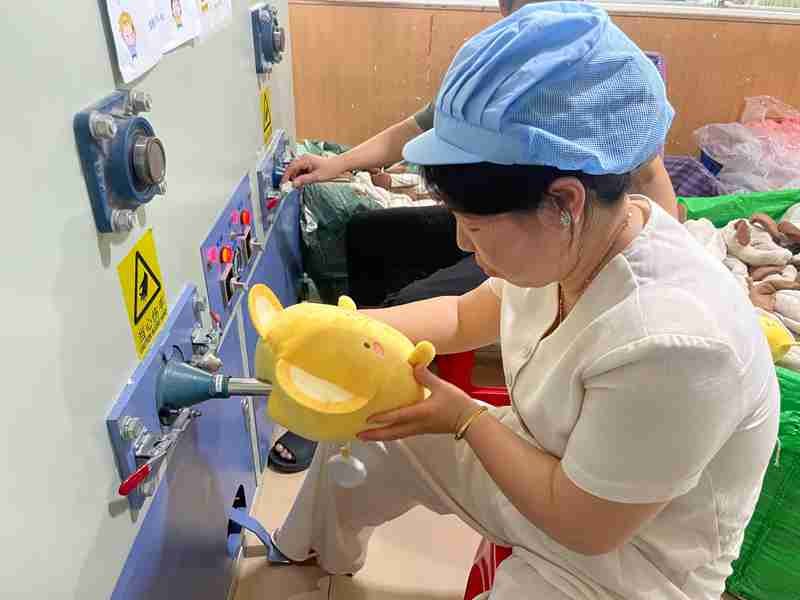
Filling checks cover softness, fullness, weight feel, body balance, shaping support, and comfort to keep each plush toy consistent.
Final Appearance

Final appearance review checks face expression, symmetry, stains, loose threads, deformation, color consistency, and overall character recognition.
Packing

Packing inspection confirms hangtags, barcodes, SKU labels, polybags, carton marks, assortment plans, and retail-ready packing details.
Shipment Readiness

Shipment readiness checks quantity, carton list, packing photos, label accuracy, export preparation, and delivery details before goods leave the factory.
Repeat order consistency matters for long-term promotional plush campaigns. Clear production records help keep the same size, pattern, fabric direction, embroidery file, logo position, filling level, packing method, and carton marks across annual campaigns, school mascot programs, retail gift series, sports merchandise, and holiday plush collections.
To reduce repeat order risk, keep approved sample photos, pattern references, size records, fabric colors, logo files, accessory details, packing instructions, barcode files, carton mark templates, and pre-shipment inspection records. For project review, send artwork, quantity, target size, packing needs, and delivery plan to info@heyzizi.com.
Our Plush Toys Range
A selection of plush toy categories we commonly manufacture for OEM and brand clients.
Our factory manufactures a wide range of custom plush toys for OEM and brand clients across different industries.
Rather than fixed products, these categories represent the types of plush projects we commonly develop and produce, from character-based designs to large-scale promotional and retail plush.
Each category reflects our experience in custom development, process control, and stable mass production, allowing buyers to quickly identify whether their project fits our manufacturing capabilities.
Custom Baby Cloth Book

Custom baby cloth books designed for early learning, sensory play, and original development for OEM and private label production.
Custom Character Plush
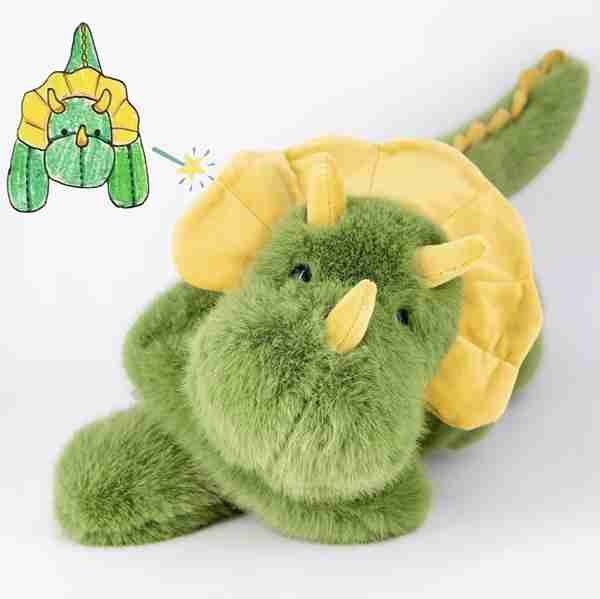
Custom-made plush toys based on IP characters, mascots, and original artwork, developed for OEM and licensed production.
Yours Animal Plush Toys
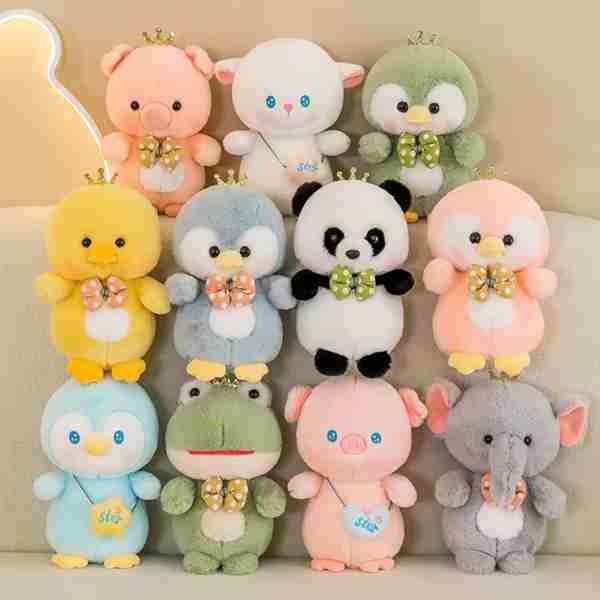
Classic animal plush toys produced for retail and wholesale distribution, with custom materials and design variations.
Retail Plush Collections
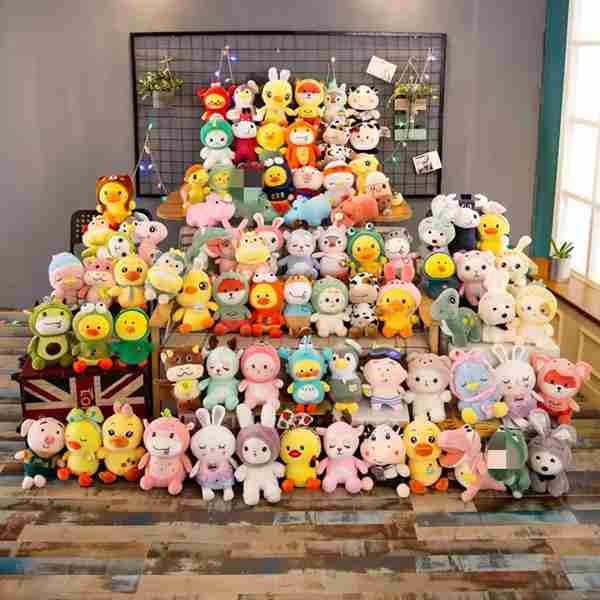
Plush toy series developed for retail stores and gift shops, focusing on consistent quality and repeatable production.
custom Giant Plush Toys
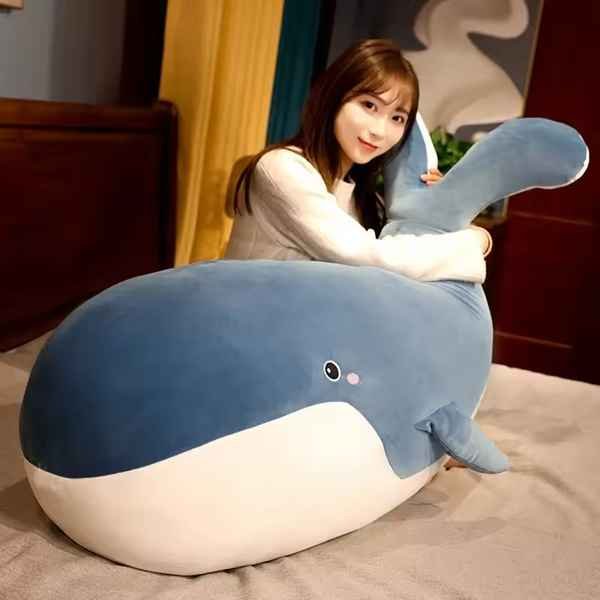
Large-scale plush toys requiring reinforced structure, controlled stuffing, and durability, commonly produced for events and display.
Promotional Plush Toys
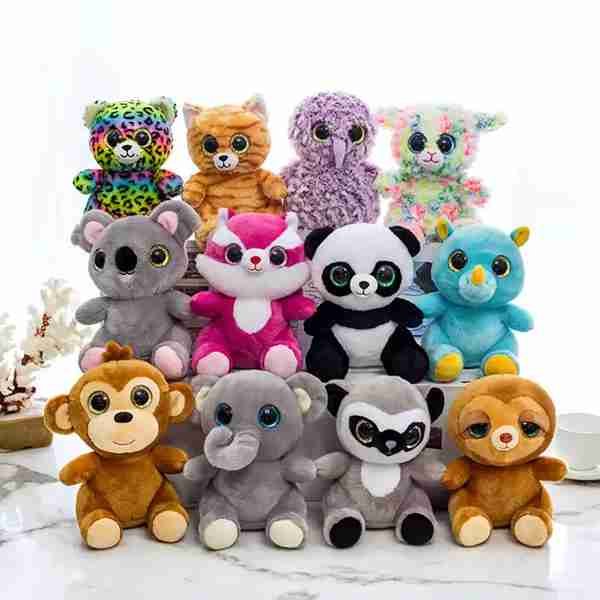
Plush toys designed for marketing campaigns, giveaways, and brand promotions, optimized for bulk orders and event use.
Custom Plush Mascots
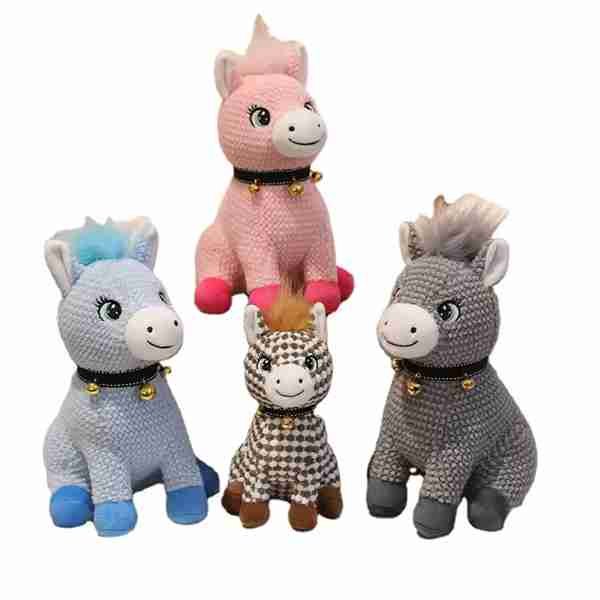
Wearable or display plush mascots developed for brand identity, exhibitions, and promotional use, with custom sizing and structure.
Seasonal & Holiday Plush
Plush toys developed for seasonal campaigns and holiday collections, such as Christmas, Halloween, and special events.
Plush Keychains & Mini Plush
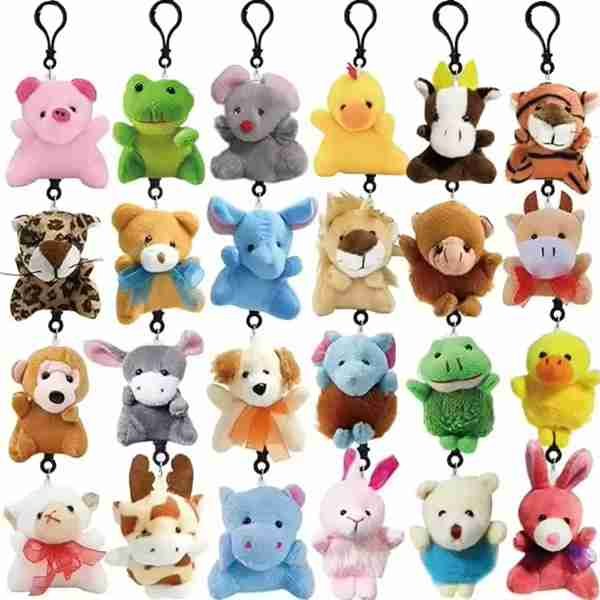
Small-size plush products designed for promotional bundles, accessories, and gift sets, suitable for large-volume production.
OEM Exclusive Plush Projects
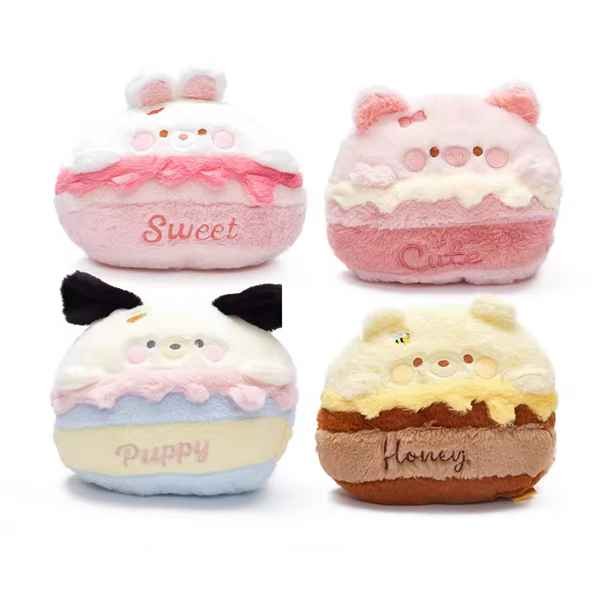
Fully customized plush projects developed under OEM or private-label agreements, from sample development to mass production.
Custom Soft Doll Plush
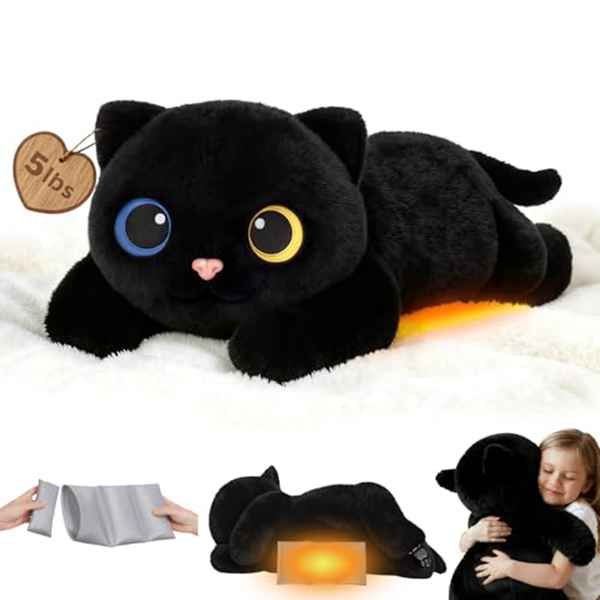
Human-style plush dolls developed for retail and branded collections, focusing on facial details and sewing accuracy.
Custom Plush Sets & Series
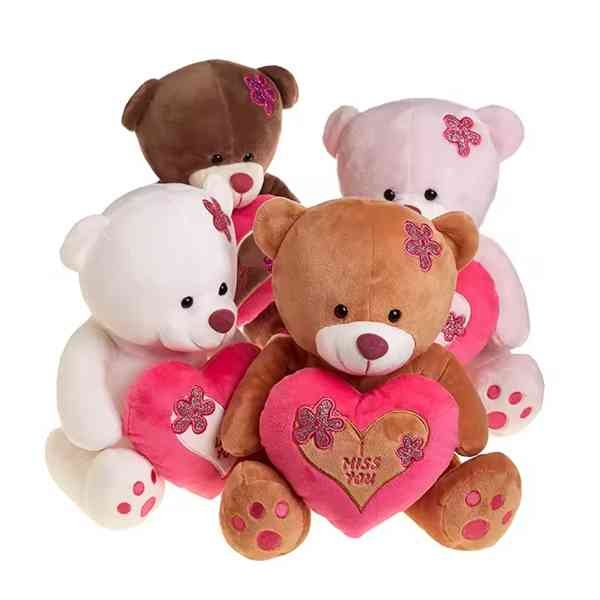
Multiple-design plush sets produced as series collections, requiring color control and batch consistency.
Inside Our Plush Toy Factory
Our Production Capabilities
We believe transparency builds trust. By showing real production environments, buyers can better understand how plush toys are manufactured in our factory, rather than relying on descriptions alone.
Our factory videos and photos present actual sewing lines, stuffing operations, in-line quality inspections, needle detection, and packing processes. These visuals reflect our daily manufacturing workflow, helping buyers evaluate our production capability, process control, and working standards with confidence.
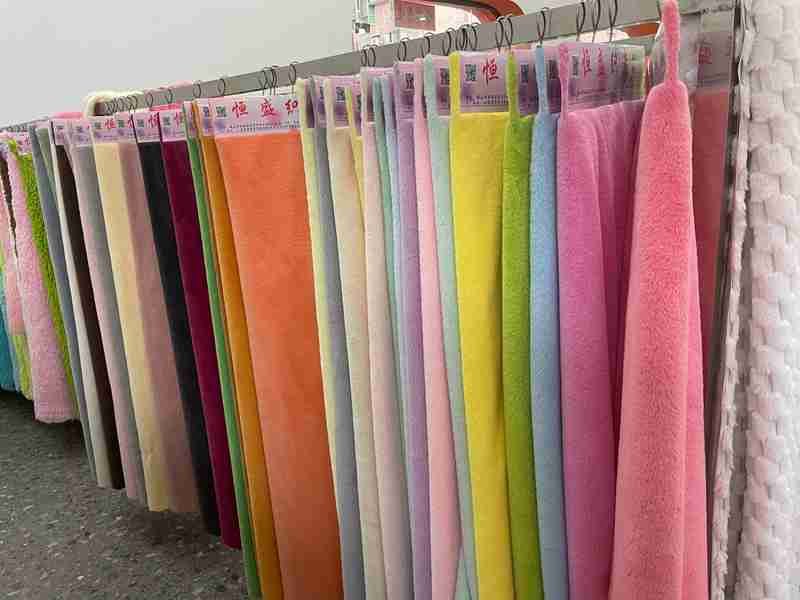
Selecting raw materials
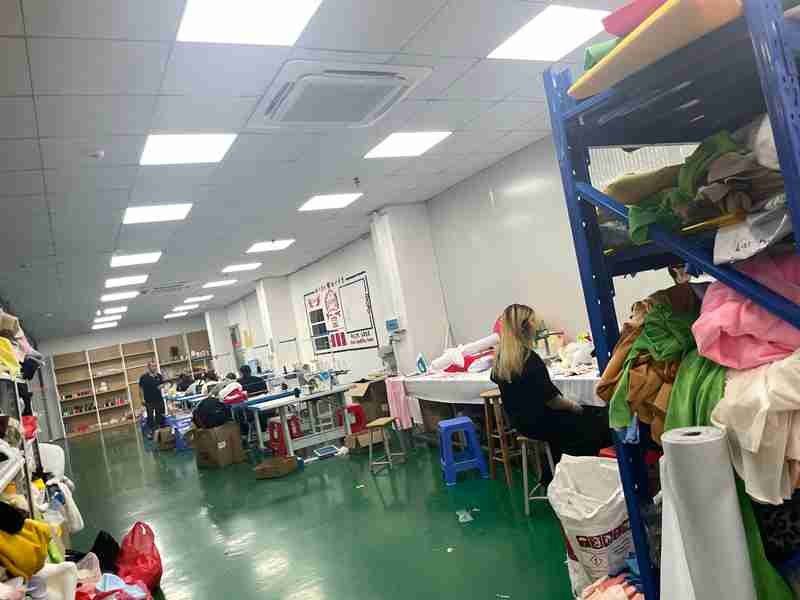
Customer sample production room
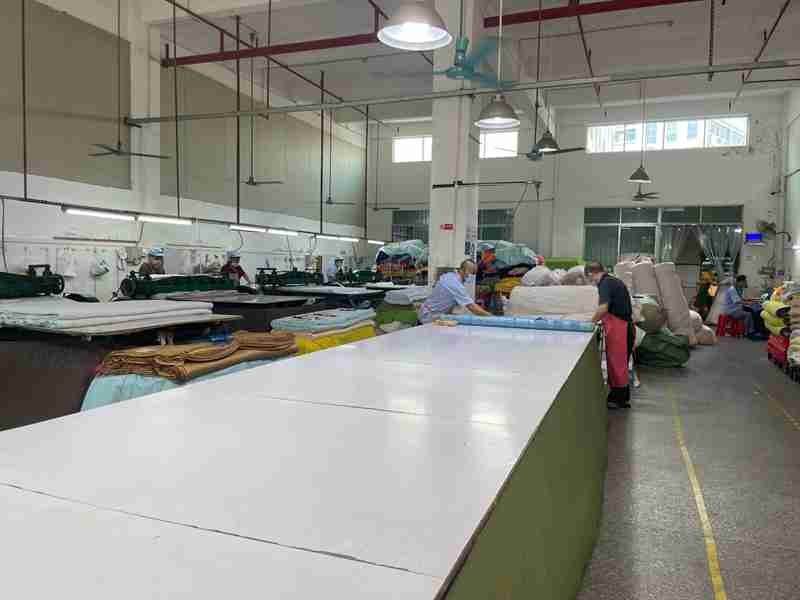
Selecting raw materials
Mechanical laser cutting
Batch computer embroidery
Sewing lines in operation
In-line quality inspection
Stuffing process control
Hand stitching & closure finishing
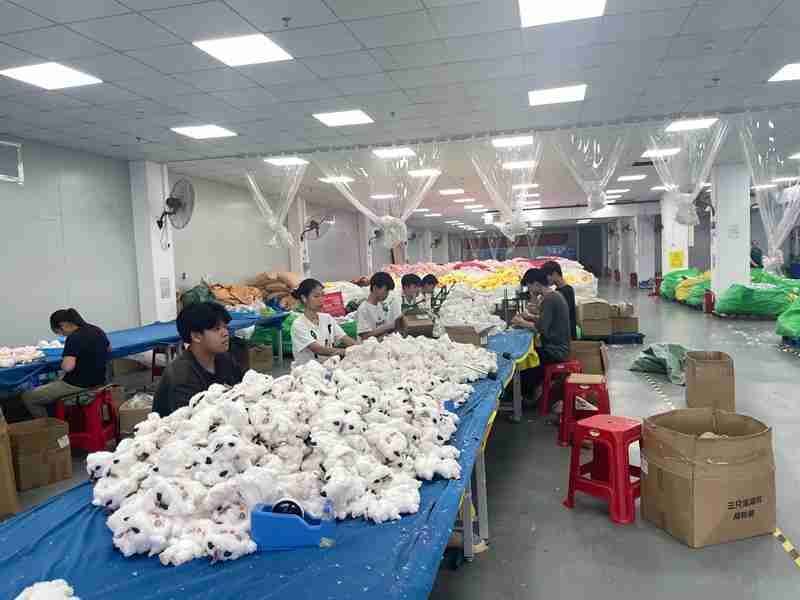
Shape adjustment & surface finishing
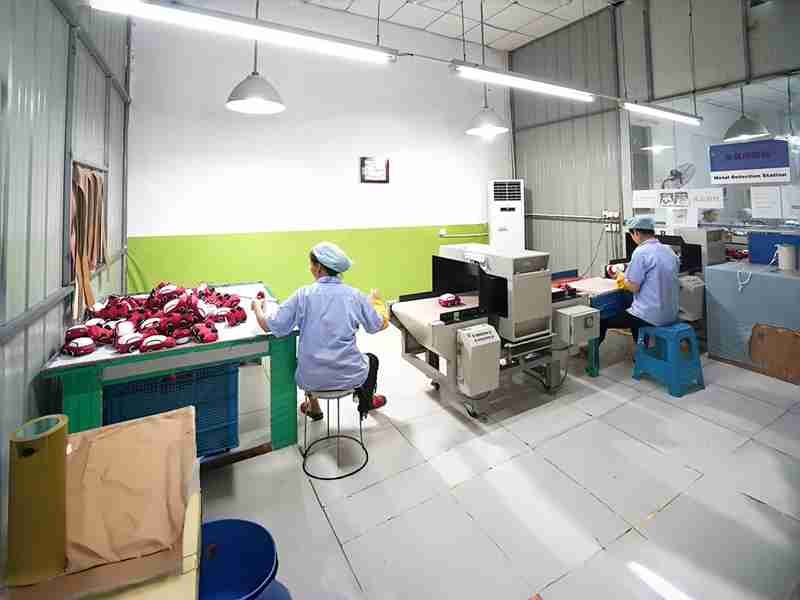
Needle detection & metal safety inspection
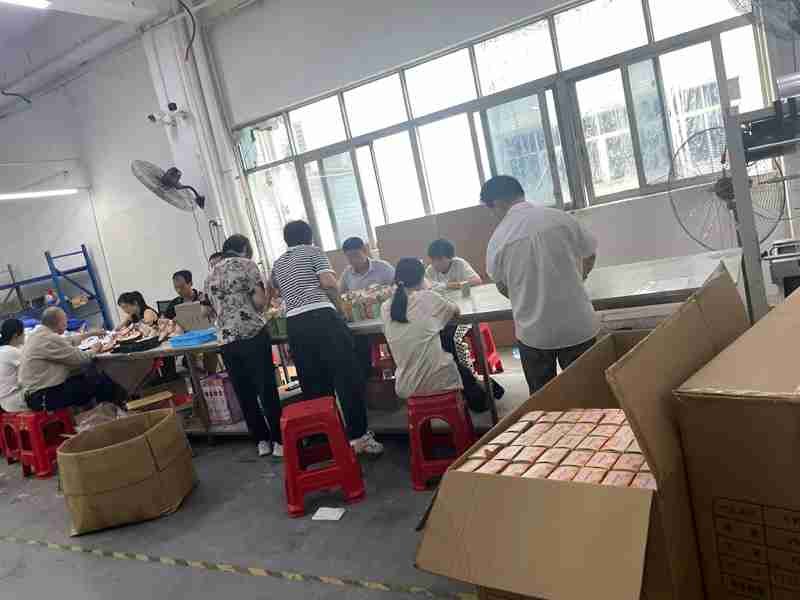
Packing & carton preparation
Client Testimonials
800+ brand Clients Trust heyzizi
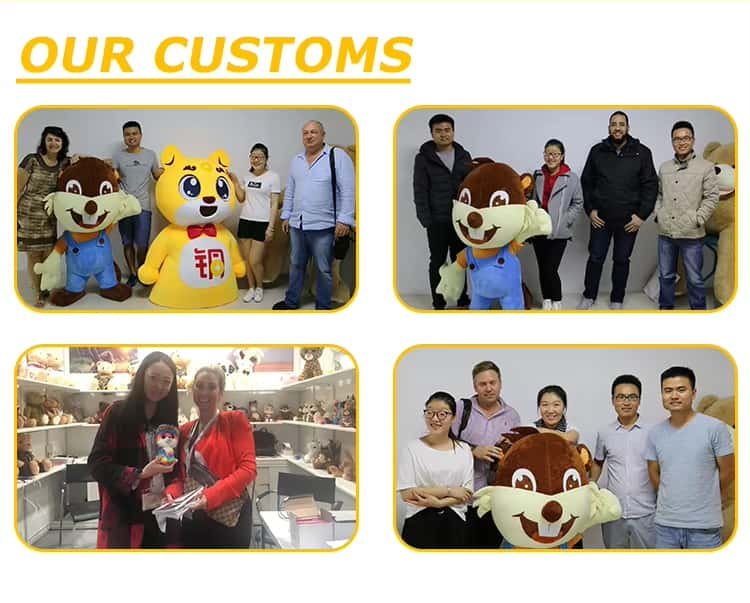
Cooperating Brands Trusted
We cooperate with brands across gift, retail, publishing, and promotional industries. Many of our partnerships are long-term and built on consistent quality, clear processes, and reliable delivery.
Rather than focusing on volume, we focus on stable cooperation and repeatable manufacturing results.



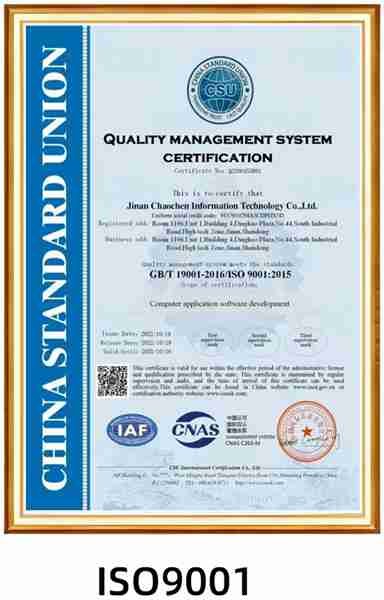
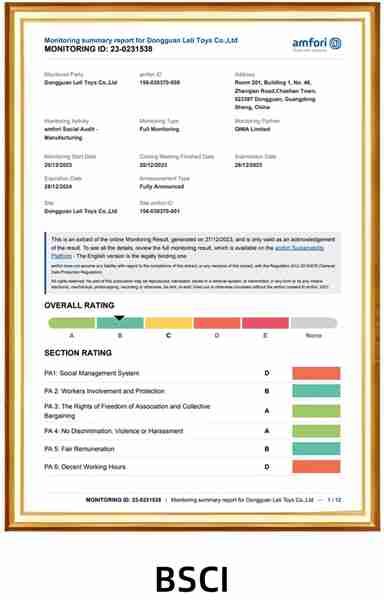
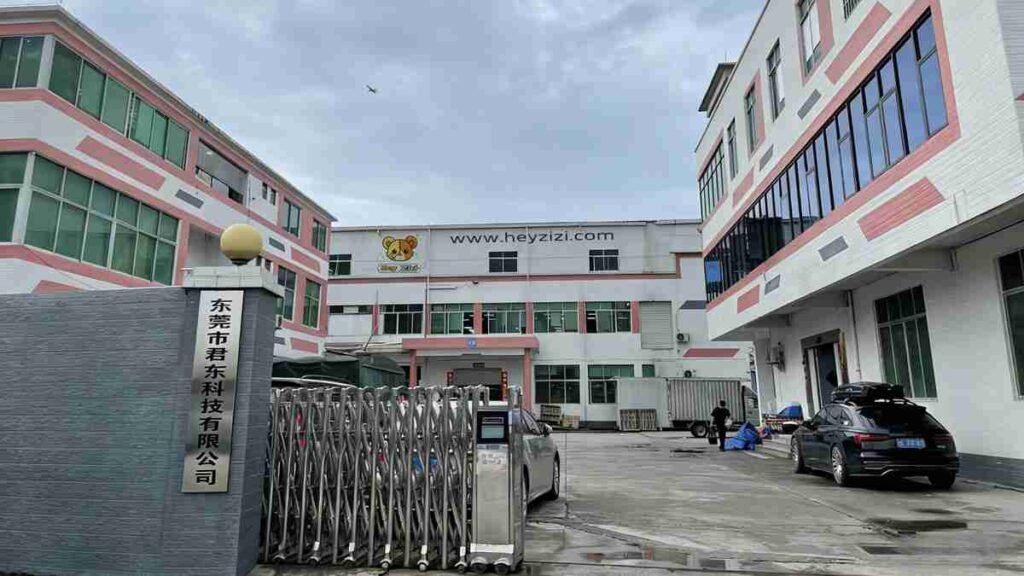
Our Story-From 2000 To Today
2000 – Jundong established in Guangdong
2005 – Began international export operations
2010 – Expanded to EU, US, and Middle East markets
2015 – Launched in-house design and sampling center
2020 – Upgraded automation and ERP system
2025 – Servicing 800+ global B2B clients







Make a Sample Before Mass Production
Before moving into mass production, sample development allows verification of structure, materials, workmanship, and quality standards.
If you are planning a custom plush project or evaluating a reliable plush toy factory, we welcome you to discuss your requirements with our team.
- info@heyzizi.com
- (+86)13717153084
FAQs About Custom Promotional Plush Toys Manufacturing
What types of promotional plush toys are best for brand campaigns?
Certainly, the best promotional plush toy depends on how the product will be used, who will receive it, and how long the brand wants it to stay visible.
For large event giveaways, mini plush toys, plush keychains, and small stuffed animals are usually practical choices. They are easier to pack, ship, carry, and hand out at trade shows, school programs, sports events, retail openings, and brand roadshows. These formats also help control unit cost when the order quantity is high.
For mascot campaigns, a fully custom mascot plush is usually a better choice. It can turn a company character, school mascot, sports team symbol, or IP figure into a physical product people can keep. In this case, shape, face expression, color matching, and body proportion matter more than simply adding a logo.
For retail gift-with-purchase programs, plush toys with hangtags, barcode labels, custom gift boxes, or branded packaging often work better. The product needs to look giftable, organized, and ready for shelf or warehouse handling.
For premium brand gifts, plush pillows, larger mascot plush toys, character gift sets, or limited-edition plush collections can create stronger perceived value. These are useful for VIP campaigns, membership rewards, holiday gifts, and brand collaborations.
A simple way to decide is this:
| Campaign Goal | Better Plush Choice |
|---|---|
| Mass giveaway | Mini plush or plush keychain |
| Brand mascot promotion | Fully custom mascot plush |
| Retail gift program | Plush with hangtag, barcode, and gift box |
| Children’s event | Soft plush with safety-focused structure |
| Premium gift | Larger plush or plush gift set |
| Social media campaign | Photo-friendly character plush |
The most successful promotional plush toys usually match the campaign goal first, then the budget. A low-cost plush that does not represent the brand well may be forgotten quickly. A well-planned plush toy can stay with the receiver much longer and keep the brand visible after the event ends.
Can you make promotional plush toys from our logo, mascot, or character artwork?
Absolutely, custom promotional plush toys can be developed from a logo, mascot drawing, character artwork, sketch, brand guide, or reference sample.
The key is to turn a flat visual idea into a plush structure that can be produced in bulk. A 2D logo or mascot illustration may look perfect on screen, but plush production needs extra decisions. The body shape, fabric pile, face expression, embroidery size, seam position, stuffing level, and accessory structure all affect how the final toy looks and feels.
For a logo-based project, the plush can be designed in several ways. The logo may appear on a plush T-shirt, scarf, hangtag, woven label, printed patch, belly band, packaging sticker, or embroidery area. If the logo has many thin lines or small letters, a hangtag or T-shirt print may be clearer than direct embroidery on fluffy fabric.
For a mascot or character project, the process is more detailed. The face shape, eyes, mouth, ears, arms, legs, colors, clothing, and signature details need to be reviewed before sampling. Some character features may need slight adjustment so they can be sewn, stuffed, and repeated in bulk production without losing the original personality.
For better sample results, partners can prepare:
- Front, side, and back views if available
- Logo file in AI, PDF, SVG, or high-resolution PNG format
- Pantone color references if color accuracy matters
- Target size
- Order quantity
- Use case, such as event giveaway, retail gift, or mascot campaign
- Preferred fabric or handfeel
- Packaging request
- Target market and safety needs
A clear file does not mean the design cannot change. It simply gives the factory a stronger starting point. During sample review, shape, expression, size, logo visibility, fabric feel, and production feasibility can still be adjusted.
The best result is not just a plush toy that looks close to the artwork. The best result is a plush toy that looks like your brand, feels good in hand, and can be repeated steadily in bulk orders.
What is the MOQ for custom promotional plush toys?
Sure, the standard MOQ for custom promotional plush toys is usually 500 pcs per design. For simple styles, 200–300 pcs may also be arranged depending on the product structure, fabric availability, logo method, and project schedule.
MOQ is not only a number. It is connected with how plush toys are made. Even for a smaller order, the project still needs artwork review, pattern development, material sourcing, sample making, cutting, sewing, embroidery or printing, filling, finishing, inspection, packing, and export preparation. These steps do not disappear when the quantity is smaller. That is why the unit price for 200–300 pcs is usually higher than the unit price for 500 pcs or more.
For promotional plush toys, 500 pcs per design is often a practical starting point because it balances development cost and bulk production efficiency. Once the quantity increases, material purchasing, labor arrangement, printing or embroidery setup, and packing preparation become more efficient. This usually helps lower the unit cost.
Simple plush keychains, logo T-shirt plush toys, or small animal plush styles may be easier to arrange at a lower trial quantity. Fully custom mascot plush toys, complex character plush, mixed-fabric designs, plush with many accessories, or retail gift-box projects usually work better with a stronger quantity plan.
Here is a simple reference:
| Quantity Range | Project Meaning |
|---|---|
| 200–300 pcs | Possible for simple trial projects, unit price higher |
| 500 pcs | Standard starting point for many custom plush designs |
| 1,000–3,000 pcs | Better for campaign orders and cost control |
| 5,000 pcs+ | Better for national campaigns, retail programs, or large events |
For new brand campaigns, a practical approach is to start with one main style and one clear size. After the first batch proves market response, the plush line can expand into keychains, larger plush toys, pillows, holiday versions, or character series.
If your project has several designs, the MOQ may need to be reviewed by style, size, material, and color. A mixed order may be possible, but it depends on whether the designs can share fabric, embroidery setup, packing method, or production workflow.
How long does sampling and bulk production usually take?
Definitely, most custom promotional plush projects need around 7–14 days for the first sample and about 30–45 days for bulk production after sample approval. The full project timeline is usually around 6–10 weeks for straightforward designs, and longer for complex mascot plush or retail gift programs.
Sampling time depends on how clear the artwork is and how complex the plush structure will be. A simple logo plush toy, mini plush keychain, or stock-style plush with branded clothing can move faster. A custom mascot plush with special body shape, detailed embroidery, multiple fabrics, clothing, accessories, or gift packaging will need more development time.
The first sample is used to check shape, size, fabric, color, embroidery, logo placement, filling, stitching, accessories, and overall look. If the sample is approved quickly, the project can move into bulk production faster. If the sample needs several rounds of adjustment, the total timeline will extend.
A practical timeline often looks like this:
| Stage | Typical Time |
|---|---|
| Artwork and project review | 1–3 days |
| First sample | 7–14 days |
| Sample revision | 5–10 days per round |
| Bulk material preparation | Starts after sample approval |
| Bulk production | 30–45 days |
| Packing and final inspection | Included in production schedule or arranged before shipment |
| Shipping | Depends on air, sea, courier, and destination |
For events, retail launches, school seasons, sports campaigns, and holiday promotions, partners should plan earlier than the event date. Plush toys are soft products, but they involve many steps. Pattern making, embroidery files, fabric sourcing, filling, sewing, inspection, packaging, and shipping all need time.
For urgent campaigns, clients can reduce time pressure by choosing a simpler plush shape, standard fabric, limited accessories, clear logo placement, and simpler packing. Complex changes during sampling are the biggest reason for delays.
A useful rule is simple: if the launch date is fixed, confirm the plush direction as early as possible. The more decisions are locked before sampling, the easier it is to protect the delivery schedule.
What affects the price of custom promotional plush toys?
Of course, the price of custom promotional plush toys is mainly affected by size, fabric, shape complexity, logo method, accessories, packaging, quantity, safety requirements, and delivery plan.
Many buyers first ask for the lowest unit price. That is understandable, especially for large promotional campaigns. But for plush toys, a very low price often means the design may need to be simplified. The best cost plan is usually not about cutting every detail. It is about keeping the details that matter most to the brand and simplifying the parts that do not affect campaign value.
Size is one of the biggest price factors. A larger plush toy uses more fabric, filling, labor, and packing space. It also increases shipping volume. If the project needs a high-volume giveaway, a smaller plush or keychain may be more cost-friendly.
Fabric also matters. Short plush, minky, PV plush, fleece, velboa, and mixed fabrics have different costs and visual effects. A premium handfeel can improve perceived value, but it should match the campaign budget and target audience.
Shape complexity affects pattern work and sewing time. A simple animal plush is easier to produce than a detailed mascot with special ears, tail, clothing, shoes, accessories, and embroidery.
Logo method also changes pricing. Embroidery gives a clean and durable result, but detailed embroidery takes more time. Logo T-shirts, hangtags, woven labels, printed patches, and packaging stickers may be better options depending on visibility and budget.
Packaging can also change the total cost. A polybag is simple. A gift box, display box, barcode label, SKU sticker, insert card, or multi-SKU carton sorting adds value but also adds material and labor.
Main Price Factors
| Price Factor | Cost Impact |
|---|---|
| Size | Larger size increases fabric, filling, packing, and freight volume |
| Fabric | Different plush fabrics have different material costs |
| Shape | Complex characters need more pattern and sewing work |
| Logo | Embroidery, printing, labels, and hangtags vary in cost |
| Accessories | Clothing, bags, hats, scarves, sound boxes, and keyrings add cost |
| Packaging | Gift boxes, barcodes, SKU labels, and carton sorting affect budget |
| Quantity | Higher quantity usually lowers unit cost |
| Testing | Market-specific safety testing may add extra cost |
For a better quote, send the artwork, size, quantity, target price range, packing needs, and delivery deadline together. This helps the factory suggest the right balance between design quality and campaign budget.
Can promotional plush toys include embroidered logos, hangtags, or custom packaging?
Absolutely, promotional plush toys can include embroidered logos, printed clothing, hangtags, woven labels, barcode labels, SKU stickers, gift boxes, display boxes, and other branded packing details.
For brand campaigns, logo placement should be planned around the plush shape, fabric texture, size, and viewing angle. A logo that looks clear on paper may not always work well on fluffy fabric. If the logo has small letters, thin lines, or complex color gradients, it may look better on a plush T-shirt, hangtag, printed card, woven label, or gift box instead of direct embroidery.
Embroidery is a strong choice for simple logos, character details, eyes, mouth lines, badges, and premium-looking brand marks. It is durable and clean, but it works best when the design is not too small or overly detailed. Printed clothing is useful for event slogans, campaign names, sponsor logos, school names, team names, or corporate messages.
Hangtags and packaging are also valuable for promotional plush toys. They can carry the campaign story, QR code, product information, age label, barcode, care instruction, retail price sticker, or limited-edition message. For retail gift-with-purchase projects, this often makes the plush feel more complete and shelf-ready.
Common Branding Options
| Branding Method | Best Use |
|---|---|
| Embroidery | Simple logos, eyes, mouth, badges, small character details |
| Printed T-Shirt | Event slogans, sponsor logos, school names, campaign messages |
| Woven Label | Soft brand detail, side seam label, private label feel |
| Hangtag | Brand story, barcode, QR code, product message |
| Printed Patch | Bigger logo area on flatter fabric zones |
| Gift Box | Retail gift, premium campaign, influencer kit |
| Barcode / SKU Label | Retail, warehouse, e-commerce, multi-SKU orders |
For a cleaner result, brand elements should not compete with the plush character. The face, body shape, and key character features should stay clear. The logo should support the product, not make it look forced.
A good branding plan helps the plush toy feel like part of a campaign, not a random giveaway item with a logo added at the last minute.
Can you support safety standards for children’s events or retail markets?
Definitely, safety can be planned from the sampling stage for children’s events, school programs, family-facing campaigns, and retail plush toys.
Promotional plush toys often reach many different users. Some are handed out at school events. Some are used in children’s brand campaigns. Some are sold or gifted through retail channels. In these cases, safety details should be reviewed before bulk production begins.
The main safety areas include fabric, filling, stitching, small parts, accessories, labels, and packaging. For younger audiences, embroidered eyes and noses are often a safer choice than hard plastic parts. For plush keychains, the metal ring and connection loop need stronger review because they may be pulled during daily use. For retail plush toys, labels, warning information, barcode placement, and packaging requirements may also need to match the target market.
Depending on the market and product use, partners may need to consider CE, EN71, ASTM, CPSIA, or other local requirements. The exact requirement depends on where the product will be sold or distributed, the user age group, and whether the plush is treated as a toy, gift, promotional item, or retail product.
Safety Areas to Review Early
| Area | Key Checks |
|---|---|
| Fabric | Softness, shedding, color fastness, skin contact suitability |
| Filling | Clean filling, stable shape, proper softness |
| Eyes / Nose | Embroidery or secure attachment |
| Small Parts | Buttons, bells, tags, chains, zippers, buckles |
| Seams | Strength, opening risk, stress points |
| Accessories | Clothing, scarves, hats, bags, ribbons, sound modules |
| Labels | Age grade, warning label, care label, importer details |
| Packaging | Polybag warning, barcode, retail label, carton mark |
| Testing | CE, EN71, ASTM, CPSIA, or market-specific tests |
For safer planning, they should share the target market, age group, sales channel, and intended use at the beginning. A plush toy for a corporate desk gift may not need the same structure as a plush toy for a children’s event. A retail plush toy may need more complete labels and packing than a simple internal event giveaway.
Safety does not mean the design must become boring. It means the design should be cute, brand-friendly, and suitable for real users.
What should we prepare before requesting a quote?
Of course, a faster and more accurate quote usually starts with clear project details: artwork, size, quantity, logo method, packaging needs, target market, and delivery date.
A custom plush quote is different from a standard catalog item quote. The price depends on how the toy is shaped, what fabric is used, where the logo appears, how many pieces are needed, how it will be packed, and whether safety testing or special labels are required.
If your project is still at an early idea stage, you do not need perfect files. A logo, rough sketch, reference plush photo, campaign description, or mascot image is enough to start a feasibility review. If your project already has a fixed launch date or retail program, more complete files will help reduce changes later.
Quote Checklist
| Information | Why It Helps |
|---|---|
| Artwork or Reference Image | Helps review shape, structure, and difficulty |
| Target Size | Affects fabric use, filling, packing, and freight |
| Quantity | Helps estimate unit price and production plan |
| Logo File | Helps choose embroidery, printing, label, or packaging method |
| Fabric Preference | Helps match handfeel, look, and budget |
| Product Use | Event giveaway, retail gift, school program, mascot campaign |
| Target Market | Helps review safety, labels, and packing needs |
| Packaging Need | Polybag, hangtag, barcode, gift box, carton mark |
| Delivery Date | Helps plan sample, bulk production, and shipping |
| Budget Range | Helps suggest the right size, fabric, and structure |
For mascot plush toys, front, side, and back views are very helpful. For logo plush toys, a vector logo file is better. For retail projects, barcode label, SKU plan, packaging artwork, and carton marking rules should be shared early.
A good quote is not only about price. It should help you understand what can be made, what may need adjustment, what affects cost, and what timeline is realistic.
If you only have a rough idea, start with the main goal: who will receive the plush, where it will be used, how many pieces are needed, and when it must arrive. From there, the product direction can be shaped step by step.
Can you make different sizes or a full campaign plush series?
Certainly, one promotional plush idea can often be developed into different sizes, product formats, or a complete campaign series.
This is useful for brands that want more than one giveaway item. For example, a mascot can be made as a mini plush keychain for mass distribution, a 20 cm plush toy for standard gifts, a larger plush for VIP programs, and a plush pillow for retail or membership rewards. The same character can also be developed into holiday versions, sports versions, school versions, or limited-edition campaign styles.
A plush series can help brands create stronger visual consistency across events, retail channels, and seasonal campaigns. Instead of starting from zero each time, the approved character direction, fabric references, embroidery files, logo placement, and packaging style can be reused or adjusted for new projects.
Common Plush Series Options
| Series Type | Example Use |
|---|---|
| Size Series | 10 cm keychain, 20 cm gift plush, 35 cm premium plush |
| Character Series | Different mascots, animals, team characters, IP roles |
| Color Series | Brand colors, school colors, team colors, seasonal colors |
| Holiday Series | Christmas, Easter, Valentine’s Day, Halloween, New Year |
| Product Series | Plush toy, keychain, pillow, bag charm, pouch |
| Retail Series | Barcode labels, hangtags, gift boxes, display-ready packing |
| Event Series | Different versions for cities, teams, classes, or campaign batches |
For a full campaign series, planning should be more structured. Buyers should confirm which products share the same fabric, which characters need separate patterns, whether sizes use the same embroidery files, and whether packaging will be unified or different by SKU.
The first design is often the most time-consuming because the character direction needs to be built. Once the base character is approved, future versions can usually move faster, especially when fabric, logo style, and packing standards stay similar.
A campaign plush series is a smart choice for brands that want long-term recognition. It helps create a family of products instead of one single giveaway item.
How do you control bulk quality after sample approval?
Absolutely, bulk quality control starts with the approved sample and continues through material checking, cutting, embroidery, sewing, filling, finishing, packing, and final inspection.
For custom promotional plush toys, the approved sample is the main reference for bulk production. It records the shape, size, fabric, color, logo position, embroidery details, stuffing level, accessories, and packaging method. If these details are not controlled, the bulk order may look different from the approved sample.
The most common quality risks include uneven face expression, loose stitching, wrong fabric color, weak accessory attachment, unclear embroidery, thin filling, wrong logo position, size variation, mixed packing, missing labels, or incorrect carton marks. These issues may look small in the factory, but they can become very visible during a brand campaign or retail launch.
Bulk Quality Control Points
| Stage | What Gets Checked |
|---|---|
| Before Production | Approved sample, size chart, fabric reference, logo file, packing instruction |
| Material Incoming | Fabric color, handfeel, filling, trims, labels, packaging materials |
| Cutting | Pattern accuracy, fabric direction, size consistency |
| Embroidery / Printing | Logo clarity, color, position, alignment |
| Sewing | Seam strength, shape, symmetry, stress points |
| Filling | Fullness, softness, weight feel, body balance |
| Finishing | Loose threads, stains, deformation, face expression |
| Packing | Hangtags, barcodes, SKU labels, polybags, gift boxes, carton marks |
| Final Check | Quantity, assortment, carton list, shipment readiness |
For repeat orders, keeping clear production records is very helpful. Pattern files, embroidery files, fabric references, packing instructions, barcode files, carton marks, and approved sample photos can reduce differences between first orders and future orders.
They can also help reduce risk by approving the sample carefully before bulk production. Check the face, body shape, logo, fabric, accessories, filling, and packaging at the same time. If the plush toy will be used for a major event or retail program, it is better to confirm all visible details before the order moves forward.
Good quality control does not depend on one final inspection only. It comes from checking the right details at the right production stages.
