 Skip to content
Custom Educational & Story-Based Plush Toys Factory
Turn children’s book characters, classroom mascots, learning themes, and story ideas into custom plush toys for publishers, schools, museums, education brands, and children’s product programs.
- Retail-Ready Plush Development: Built for gift shops, online stores, brand launches, IP collections, and retail product lines.
- From Idea to Finished Plush: Support from artwork review, pattern making, fabric selection, sampling, revision, production, packing, and shipment.
- Private Label & Packaging Support: Woven labels, hangtags, care labels, barcode stickers, warning labels, gift boxes, retail boxes, and carton marks.
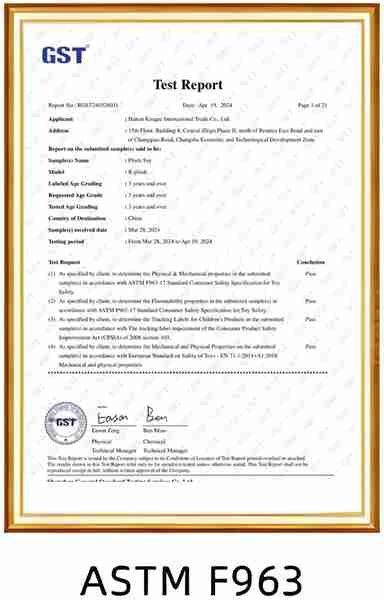
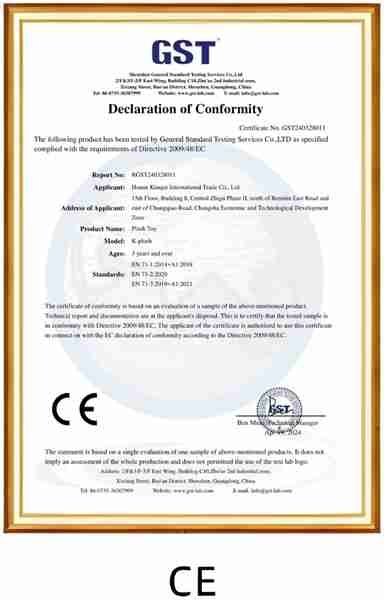
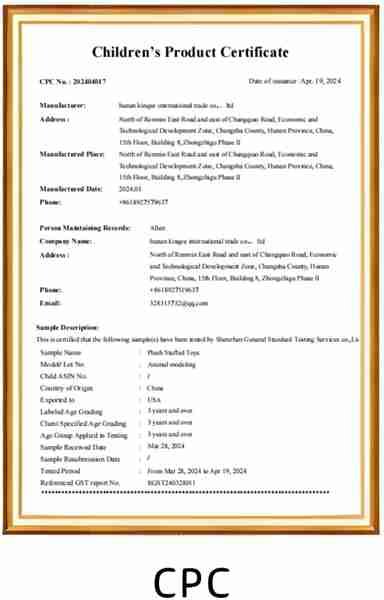
- Safety & Compliance Support: Project review for EN71, ASTM F963, CPSIA, CE-related needs, small parts risk, needle control, and age-grade planning.
- Sample-to-Bulk Quality Control: Control plush shape, fabric color, embroidery details, stuffing feel, size tolerance, labels, packaging, and final inspection.
- Flexible MOQ for Retail Projects: Standard MOQ is usually 500 pcs per design. Simple styles may support 200–300 pcs based on structure and material needs.
Story Characters Turned Into Plush Products
A story character becomes more memorable when children can hold it, hug it, act with it, and bring it into daily play. For publishers, education brands, museums, schools, and children’s IP teams, a plush toy can extend the life of a story beyond the page, screen, or classroom.
Heyzizi helps turn children’s book characters, story animals, learning mascots, classroom heroes, and illustrated IP into custom plush products. The process starts with character review. Shape, body proportion, facial expression, color, fabric texture, pose, accessories, and safety details all need to work in soft material.
A flat illustration may look perfect in a book, but plush production needs different thinking. Thin arms may need more support. A tiny hat may need a safer structure. Sharp shapes may need softer lines. A printed face may be better changed to embroidery. A character with complex clothing may need simplified seams so bulk production stays stable.
The result is not just a cute sample. It is a plush product that children can recognize and brands can reproduce.
We can develop custom plush characters for children’s books, storybook animals, classroom mascots, reading buddy plush toys, educational brand characters, museum stories, and school spirit programs. These plush designs help turn learning content, reading activities, and brand stories into soft, child-friendly products.
We also support emotion learning characters, alphabet plush, number plush, shape characters, animated IP designs, and game-style children’s characters. Each project can be reviewed for appearance, size, fabric choice, safety details, sampling, and bulk production needs.
| Character Detail | Plush Development Focus |
|---|---|
| Face and expression | Eye position, smile, embroidery, character emotion |
| Body shape | Proportion, sitting or standing balance, stuffing support |
| Color style | Fabric color, pile direction, visual consistency |
| Clothing or accessories | Sewing method, safety, durability, bulk repeatability |
| Story identity | Character recognition, pose, child-friendly feeling |
| Sales use | Book bundle, classroom tool, gift item, retail product |

Educational Plush Toys for Learning Programs
Educational plush toys work best when they support a real learning moment. They can help children read, speak, count, identify emotions, remember animals, join classroom activities, or connect with a story character.
For education brands, schools, kindergartens, literacy programs, museums, and children’s product teams, plush toys can become more than merchandise. They can be reading buddies, classroom rewards, storytelling companions, soft teaching props, activity kit items, or character-based learning tools.
Heyzizi supports custom educational plush toys for early learning, reading programs, language learning, social-emotional learning, animal education, STEM themes, school campaigns, and museum education projects. Product planning can include the plush toy itself, learning cards, story cards, printed instructions, private label tags, and packaging for classroom or retail use.
A good educational plush toy should be easy for children to recognize and easy for teachers, parents, or program teams to use. Size, softness, age group, washable needs, durability, packaging, and safety details all affect how the product performs in real learning settings.
Educational plush toys can support reading programs, classroom mascot projects, nature and science themes, social-emotional learning, alphabet and number recognition, storytelling practice, school rewards, museum gift shops, and children’s learning campaigns. They help turn teaching content into soft, memorable products that children can hold, use, and connect with.
Heyzizi can also develop plush puppets, reading buddy plush, emotion plush dolls, animal learning plush, and soft learning kits with activity cards. Each design can be reviewed for character style, size, fabric, safety details, packaging, and bulk project needs.
Reading engagement

Story character plush and reading buddy plush help children connect with books, improve reading interest, and support literacy programs.
Early learning

Alphabet plush, number plush, and shape plush are useful for early learning, preschool programs, recognition games, and soft teaching kits.
Emotional learning

Emotion dolls, comfort plush, and character sets help children recognize feelings, express emotions, and build social-emotional learning habits.
Museum programs

Cultural character plush, animal plush, and gift sets help museums turn stories, exhibits, and education themes into child-friendly souvenirs.
Animal education

Animal plush collections with habitat cards support nature themes, science activities, zoo programs, and children’s animal learning projects.
Classroom interaction

Mascot plush, hand puppets, and finger puppets make classroom interaction easier for teachers, speaking practice, storytelling, and group activities.
School events

Mascot plush, mini plush, and reward plush work well for school events, reading challenges, graduation gifts, and campus campaigns.
Sensory Play
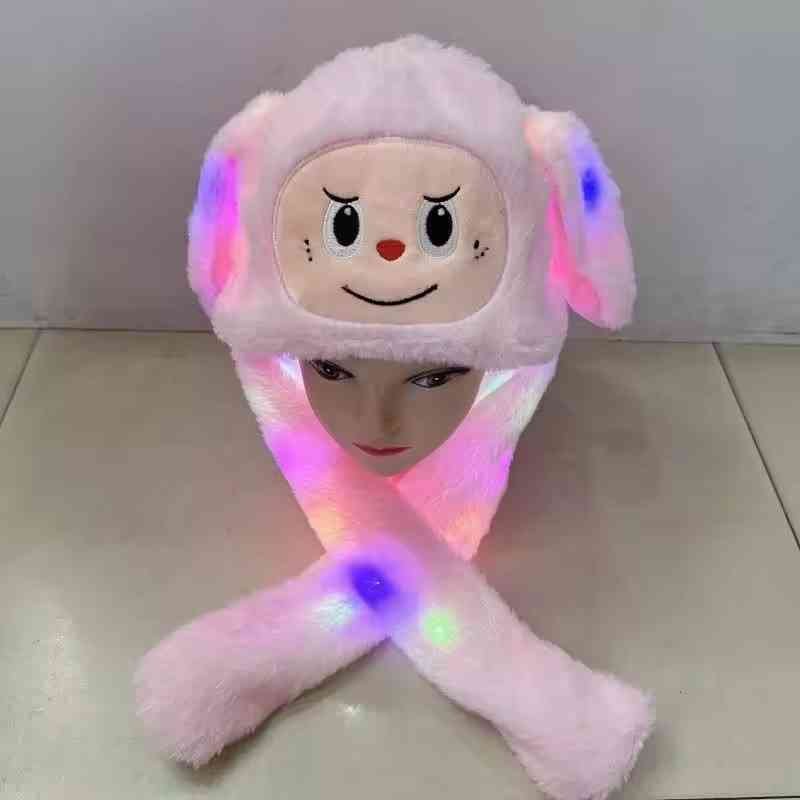
Texture plush, sound plush, and soft activity toys help children touch, listen, focus, and interact during early learning programs.
Book Character Plush for Publishers and Authors
A book character plush can help readers build a stronger emotional connection with a story. It gives publishers, authors, illustrators, and children’s content teams a product that can be sold with books, used at reading events, included in gift sets, or offered through online stores.
Heyzizi supports book character plush development from artwork review to sample making and bulk production. Characters can come from picture books, chapter books, educational stories, comic-style children’s content, activity books, reading programs, or licensed story IP.
The key is preserving the feeling of the original character. Children should recognize the plush as the same friend they saw in the book. That means the face, body shape, colors, clothing, pose, and small story details need careful review. At the same time, the plush must be safe, soft, durable, and practical for production.
Book character plush projects often work well with extra brand elements. These may include story cards, author cards, book-and-plush gift boxes, hangtags, ISBN-related retail stickers, barcode labels, limited edition labels, or display packaging for bookstores and museum shops.
| Item | Why It Matters |
|---|---|
| Character artwork | Main shape, color, and story personality |
| Book audience age | Safety level, size, fabric, small parts |
| Sales channel | Bookstore, school, online store, museum shop |
| Packaging style | Polybag, hangtag, gift box, display carton |
| Story card | Helps connect plush with book content |
| Quantity plan | Supports MOQ, cost, and production planning |
| Repeat order needs | Keeps future batches closer to the first order |
Book plush projects can include picture book character plush, story animal plush, children’s author merchandise, publisher gift sets, book-and-plush bundles, bookstore retail plush, and limited edition character plush.
They are also suitable for reading campaigns, library events, school reading programs, literacy rewards, and children’s book promotions that need soft, memorable products.

Plush Puppets, Mascots, and Classroom Tools
Some educational plush products need to do more than sit on a shelf. They need to move, interact, teach, reward, comfort, and help children join the story.
Plush puppets, finger puppets, classroom mascots, animal teaching props, and story-based plush sets can help teachers, parents, museum educators, and activity leaders create hands-on learning moments. A plush puppet can support storytelling. A classroom mascot can encourage participation. A soft animal character can make science lessons easier to remember. A comfort plush can help children connect with emotional learning themes.
Heyzizi can develop several interactive plush formats based on your project use. A hand puppet may need a comfortable inner space and expressive face. A finger puppet set may need small but clear characters. A classroom mascot may need durable seams and a friendly expression. A learning kit may need plush toys packed together with cards, labels, or instructions.
For the projects, usability matters. The product should be easy to hold, easy to recognize, easy to pack, and suitable for repeated classroom or event use.

| Product Format | Key Development Focus |
|---|---|
| Hand puppet | Hand space, mouth shape, face expression, seam strength |
| Finger puppet | Small size, clear character identity, simple structure |
| Classroom mascot | Durability, washable planning, friendly look |
| Storytelling plush | Character accuracy, pose, soft handfeel |
| Emotion plush | Face expression, color logic, child recognition |
| Animal learning set | Series consistency, card matching, SKU sorting |
| Reward plush | Cost control, safe details, simple packaging |
Interactive plush formats include hand puppets, finger puppets, classroom mascots, storytelling plush, animal learning sets, emotion dolls, soft teaching props, and activity kit items. They support reading rewards, school mascot gifts, classroom engagement, speaking practice, and hands-on early education programs.
Child-Safe Design Review Before Sampling
Educational and story-based plush toys are often made for children, so safety planning needs to start before the first sample is made. A cute character can still create production risks if the eyes, buttons, accessories, seams, stuffing, or labels are not reviewed early.
Heyzizi reviews plush projects based on age group, product structure, material choice, face method, accessory attachment, stuffing, stitching, and packaging information. For markets that may require EN71, ASTM F963, CPSIA, CE-related review, or retailer-specific testing, the product direction should be planned before bulk production.
A baby plush may need embroidered eyes, fewer accessories, softer seams, and safer fabric. A classroom mascot for older children may allow more detail, but still needs strong sewing and clean finishing. A finger puppet set needs small-size safety review. A book character plush with clothing or accessories needs careful attachment planning.
This early review helps reduce redesign, testing risk, and production delay. It also helps the product feel more reliable for schools, publishers, children’s brands, and retail channels.

Eye And Face Method
Review whether the face uses embroidery, applique, printing, or plastic parts to match safety needs and character appearance.

Target Age Group
Confirm the target age group before sampling, such as baby, toddler, preschool, school-age child, teen, or adult collectible user.

Small Parts Review
Check buttons, beads, bells, clips, magnets, and keyrings carefully, especially for plush toys made for younger children.

Sewing Strength
Test sewn areas such as limbs, ears, tails, wings, clothing, and accessories to reduce pulling and detachment risks.

Filling Quality
Review stuffing softness, recovery, weight, and even distribution, so the plush feels comfortable and keeps a stable shape.

Fabric Choice
Check pile height, handfeel, shedding risk, and color stability to match use age, softness needs, and cleaning expectations.

Label Needs
Plan care labels, warning labels, material labels, and age information early to support retail, school, and export requirements.
Testing Plan
Confirm target region, sales channel, retailer rules, and safety test needs before bulk orders, packing, and shipment planning.
Child-safe plush planning should match the product type and target age group. Baby plush needs embroidered details, soft seams, and no removable small parts, while preschool plush should focus on strong stitching, safe accessories, and clear care or warning labels.
For book character plush, hand puppets, finger puppets, classroom mascots, and gift set plush, safety review may include face accuracy, fabric comfort, inner seams, attachment strength, repeated handling durability, packaging cards, box details, labels, and age-grade information.
Story Cards, Learning Cards, Labels, and Packaging
A story-based plush toy often works better when the plush, card, label, and packaging tell the same story. For educational brands, publishers, schools, museums, and children’s product teams, these small details help the product feel complete, organized, and ready for real use.
Heyzizi can support plush toys with story cards, learning cards, hangtags, care labels, barcode stickers, warning labels, gift boxes, classroom kit packaging, and carton marks. These details help the product move smoothly from production to warehouse, retail shelf, school program, bookstore, museum shop, or online order.
A book character plush may need a story card that introduces the character. A classroom mascot plush may need an activity card for teachers. An animal learning plush set may need matching fact cards. A reading buddy plush may need a hangtag with a short reading message. A retail plush gift set may need barcode labels, warning labels, SKU stickers, and display-ready packaging.
Packaging is not only about appearance. It affects product value, safety information, storage, shipping volume, retail scanning, and customer experience.

| Project Type | Useful Packaging Direction |
|---|---|
| Book character plush | Story card, hangtag, book-and-plush gift box |
| Reading program plush | Activity card, teacher note, simple polybag |
| Classroom mascot | Care label, storage bag, instruction card |
| Animal learning set | Fact cards, multi-piece box, SKU sorting |
| Museum gift shop plush | Hangtag, story card, barcode, display carton |
| Retail plush gift set | Gift box, warning label, barcode, carton marks |
| Online store plush | Polybag, SKU sticker, barcode, protective carton |
Educational plush packaging can include cards, labels, barcodes, gift boxes, classroom kits, and carton marks for easier retail, storage, sorting, and repeat orders.
Multi-Character Plush Sets and Product Line Extensions
A strong story or learning theme can grow into a full plush product line. One character may become a hero plush. A group of characters may become a classroom set, reading set, animal learning collection, emotion plush series, or book-and-plush gift program.
Heyzizi supports multi-character plush projects for publishers, schools, children’s brands, museums, education programs, and IP teams. Product line planning can include different characters, sizes, colors, expressions, outfits, accessories, cards, packaging, and SKU labels.
This is helpful when a brand wants to build more than one product from the same story world. A children’s book series may need the main character, side characters, animal friends, and mini plush versions. A school program may need a mascot plush, small reward plush, and classroom puppet. An early learning brand may develop alphabet plush, number plush, shape plush, or emotion plush sets.
For multi-SKU orders, clear planning matters. Each plush character needs its own size, fabric, embroidery file, label file, barcode, packing rule, and carton mark. This keeps production, warehouse sorting, and repeat orders easier to manage.
A story-based plush line can grow from one main character into side character plush, mini plush keychains, hand puppets, finger puppet sets, plush pillows, pouches, backpacks, animal learning sets, emotion plush sets, alphabet plush sets, and number plush sets.
These product extensions help brands, publishers, schools, museums, and gift programs create richer character collections. Storybook gift boxes, seasonal editions, and limited edition plush can also support retail launches, reading campaigns, event gifts, and long-term collection value.
One Story Character

A single story character can become standard plush, mini plush, puppet, or gift box item for books, events, and retail programs.
Classroom Mascot
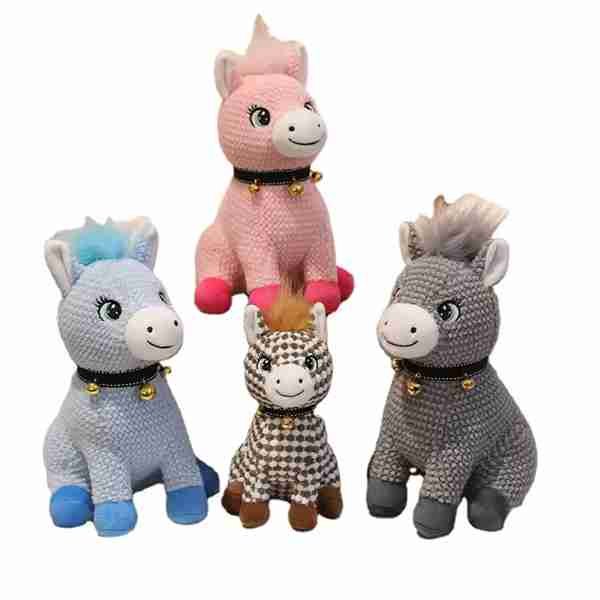
Classroom mascots can extend into large mascot plush, small reward plush, and teacher puppets for lessons, games, and student engagement.
Animal Education Theme

Animal education themes work well as plush animal sets, fact cards, and habitat packaging for science, museum, and nature programs.
Museum Education Project

Museum education projects can use cultural plush, story cards, and retail gift packaging to turn exhibits into child-friendly souvenirs.
Brand IP Program

Brand IP programs can extend into plush toys, keychains, pillows, bags, and seasonal versions for campaigns, retail, and fan collections.
Emotion Learning Program

Emotion learning programs can include emotion dolls, activity cards, and classroom boxes to support social-emotional learning and group activities.
Children’s Book Series

A children’s book series can grow into main character plush, side characters, and book bundles for reading campaigns and publisher gifts.
Reading Reward Plush

Reading reward plushes can be used as small gifts, classroom prizes, library rewards, and book campaign items to encourage children to keep reading.
MOQ, Sampling, and Bulk Production Planning
Educational and story-based plush projects need clear planning before production starts. MOQ, sample development, packaging, safety review, and bulk timing are all connected.
Heyzizi’s standard MOQ is usually 500 pcs per design. For simple styles, 200–300 pcs may be discussed based on structure, fabric, size, and packaging needs. Smaller quantities can work for pilot education programs, first book launches, school events, limited museum shop products, or new character testing. Since pattern making, sampling, cutting, sewing, filling, finishing, inspection, and packing still require full production steps, smaller quantities usually have a higher unit price.
Sampling begins after artwork, size, quantity, material direction, and product use are reviewed. A simple character plush may move faster than a complex hand puppet, multi-character set, plush with clothing, or plush gift box program. If safety testing, story cards, barcodes, or special packaging are needed, they should be discussed early.
Bulk production becomes smoother when the approved sample, fabric reference, embroidery file, label artwork, packaging files, and carton rules are confirmed before production.

| Project Type | Planning Direction |
|---|---|
| Simple character plush | 200–300 pcs may be possible |
| Standard custom plush | 500 pcs per design is practical |
| Book character plush | Confirm artwork, story card, packaging early |
| Classroom mascot | Check durability, label, storage, quantity |
| Puppet set | Confirm size, hand space, SKU sorting |
| Learning plush set | Plan cards, box, barcode, multi-SKU packing |
| Retail gift set | Confirm gift box, warning label, carton marks |
Prepare artwork, product type, size, quantity, age group, sales channel, fabric direction, color needs, handfeel preference, face method, labels, cards, packaging, safety testing, shipment plan, and repeat-order details before sampling to make pricing, production, packing, and delivery clearer.
Why Education Brands Work With Heyzizi
Educational plush projects need more than a supplier that can make a soft toy. They need a production partner that understands character value, child-friendly structure, learning use, packaging details, safety planning, and bulk consistency.
Heyzizi works with custom plush projects from idea review to sample, production, inspection, packaging, and shipment. For children’s brands, publishers, schools, museums, and education programs, this means the plush toy can be planned around real project needs: reading use, classroom use, retail sales, gift sets, campaign launches, or repeat orders.
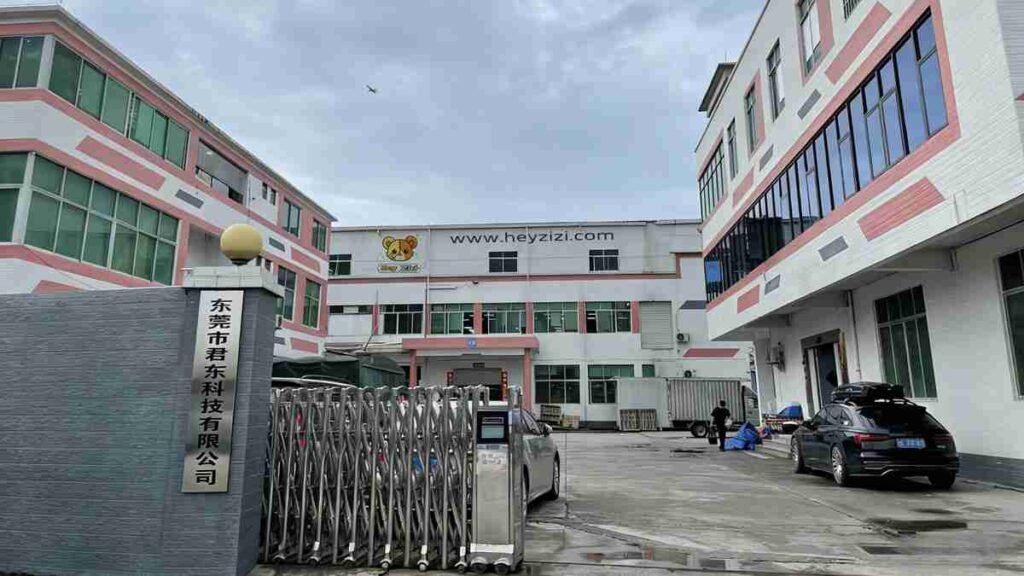
With a Guangdong-based factory, 600+ employees, about 18,000㎡ factory space, in-house sampling support, and 80 QC inspectors, Heyzizi can help organize educational and story-based plush projects with clearer production control. The product range also supports more than standard plush toys, including plush keychains, pillows, pouches, plush bags, puppets, and gift-related plush products.
For partners, the value is practical: fewer unclear steps, better sample review, safer design choices, more organized packaging details, and more stable quality from sample to shipment.
Education and story-based plush projects often need more than a cute sample. They require character review from 2D artwork to 3D plush, fabric selection, stuffing direction, embroidery details, structure planning, and child-safe detail checks before sampling.
For larger programs, support may also include story cards, learning cards, packaging, private labels, barcodes, warning labels, carton marks, multi-character orders, multi-SKU control, sample-to-bulk QC, repeat-order records, book bundles, school programs, and retail gift sets.
| Partner Need | Heyzizi Support |
|---|---|
| Turn a story character into plush | Artwork review, pattern work, sample development |
| Build an educational product set | Plush, cards, packaging, SKU planning |
| Prepare child-friendly design | Age group, small parts, embroidery, seam review |
| Support retail or school delivery | Labels, barcodes, carton marks, packing rules |
| Control bulk quality | QC checks from material to final packing |
| Develop a product line | Multi-character sets, sizes, accessories, gift boxes |
| Plan repeat orders | Approved sample records and production references |

Our Plush Toys Range
A selection of plush toy categories we commonly manufacture for OEM and brand clients.
Our factory manufactures a wide range of custom plush toys for OEM and brand clients across different industries.
Rather than fixed products, these categories represent the types of plush projects we commonly develop and produce, from character-based designs to large-scale promotional and retail plush.
Each category reflects our experience in custom development, process control, and stable mass production, allowing partners to quickly identify whether their project fits our manufacturing capabilities.
Custom Baby Cloth Book

Custom baby cloth books designed for early learning, sensory play, and original development for OEM and private label production.
Custom Character Plush
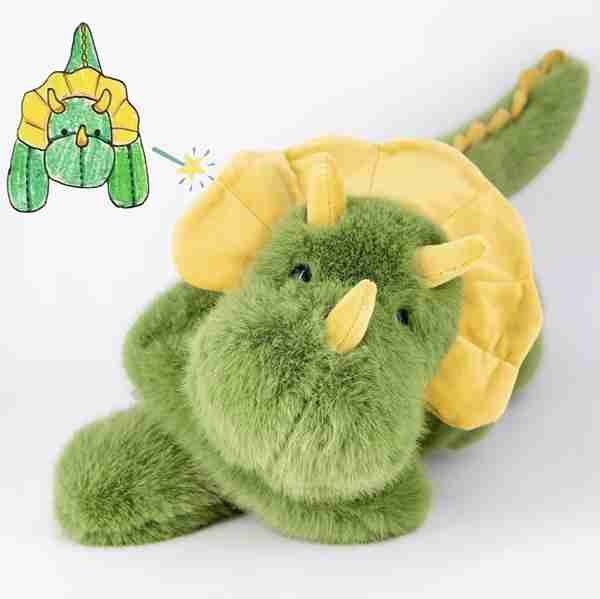
Custom-made plush toys based on IP characters, mascots, and original artwork, developed for OEM and licensed production.
Yours Animal Plush Toys
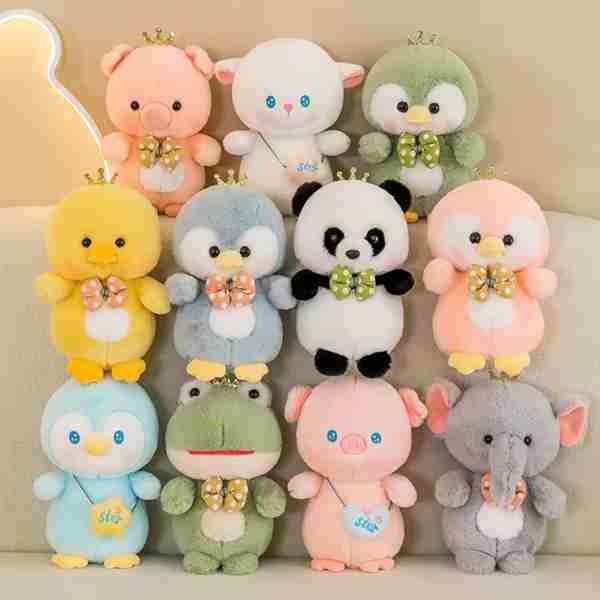
Classic animal plush toys produced for retail and wholesale distribution, with custom materials and design variations.
Retail Plush Collections
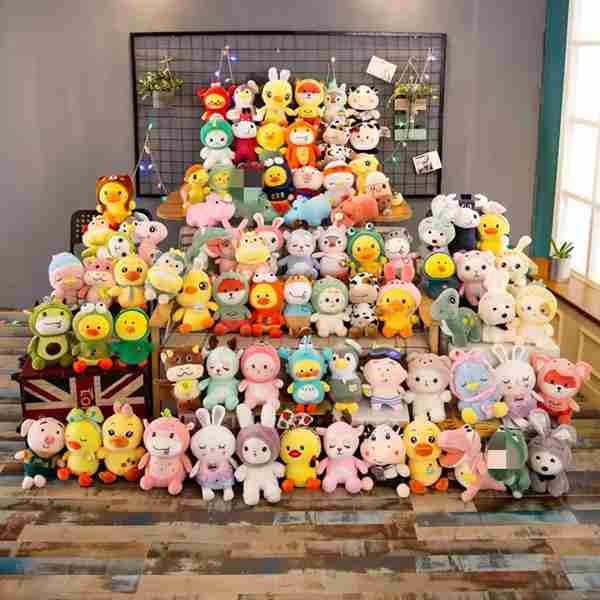
Plush toy series developed for retail stores and gift shops, focusing on consistent quality and repeatable production.
custom Giant Plush Toys
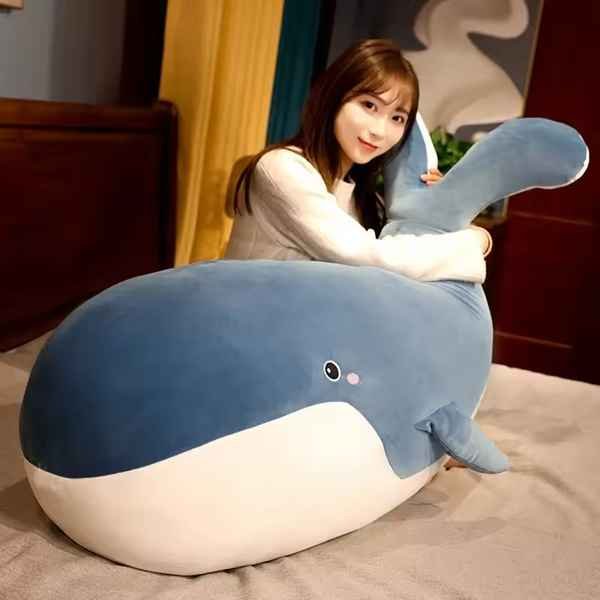
Large-scale plush toys requiring reinforced structure, controlled stuffing, and durability, commonly produced for events and display.
Promotional Plush Toys
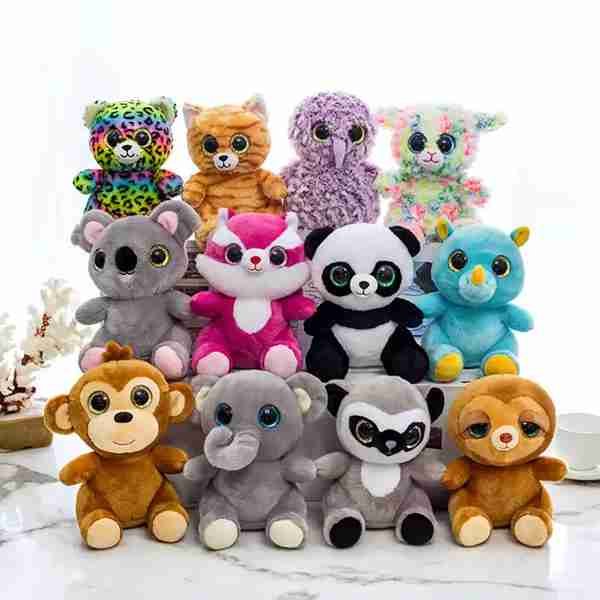
Plush toys designed for marketing campaigns, giveaways, and brand promotions, optimized for bulk orders and event use.
Custom Plush Mascots
Wearable or display plush mascots developed for brand identity, exhibitions, and promotional use, with custom sizing and structure.
Seasonal & Holiday Plush
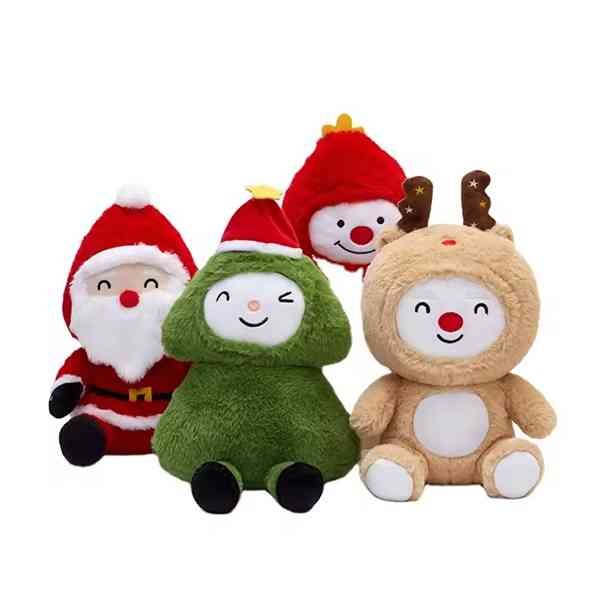
Plush toys developed for seasonal campaigns and holiday collections, such as Christmas, Halloween, and special events.
Plush Keychains & Mini Plush
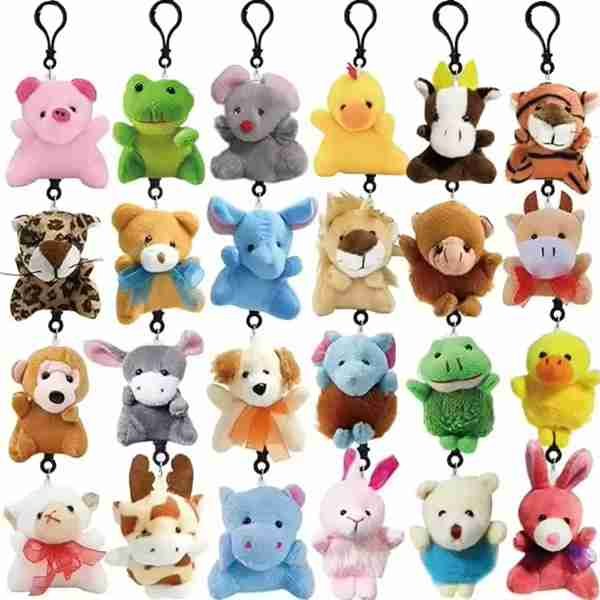
Small-size plush products designed for promotional bundles, accessories, and gift sets, suitable for large-volume production.
OEM Exclusive Plush Projects
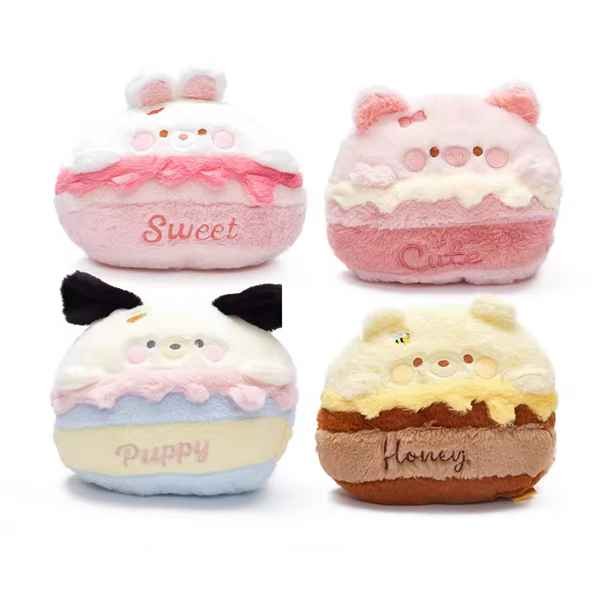
Fully customized plush projects developed under OEM or private-label agreements, from sample development to mass production.
Custom Soft Doll Plush
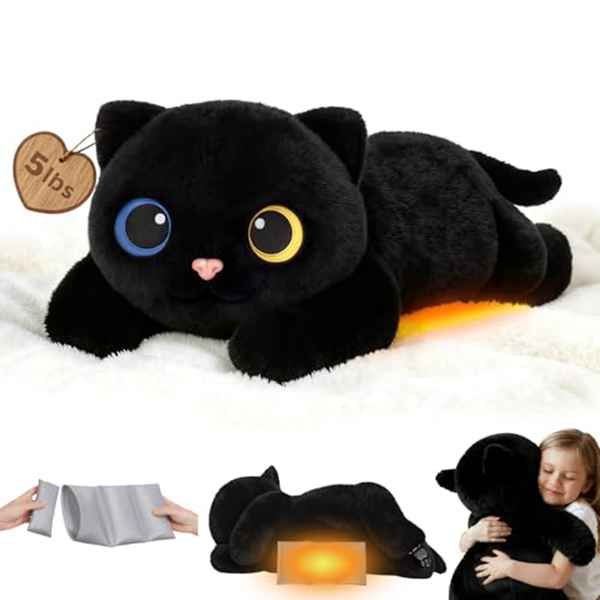
Human-style plush dolls developed for retail and branded collections, focusing on facial details and sewing accuracy.
Custom Plush Sets & Series
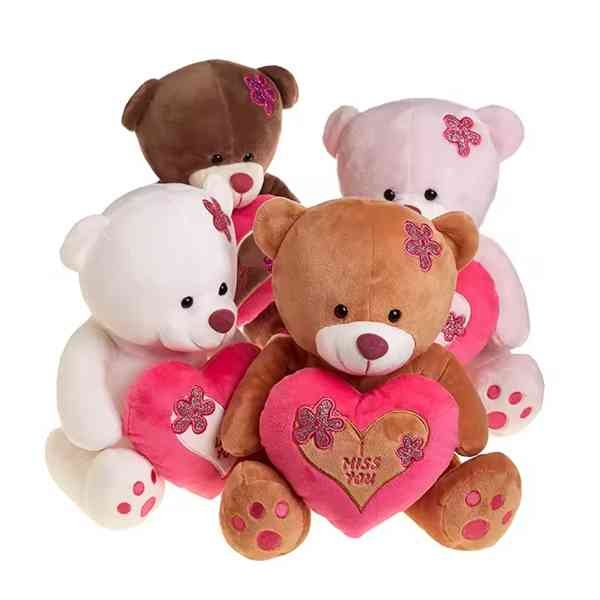
Multiple-design plush sets produced as series collections, requiring color control and batch consistency.
Inside Our Plush Toy Factory
Our Production Capabilities
We believe transparency builds trust. By showing real production environments, partners can better understand how plush toys are manufactured in our factory, rather than relying on descriptions alone.
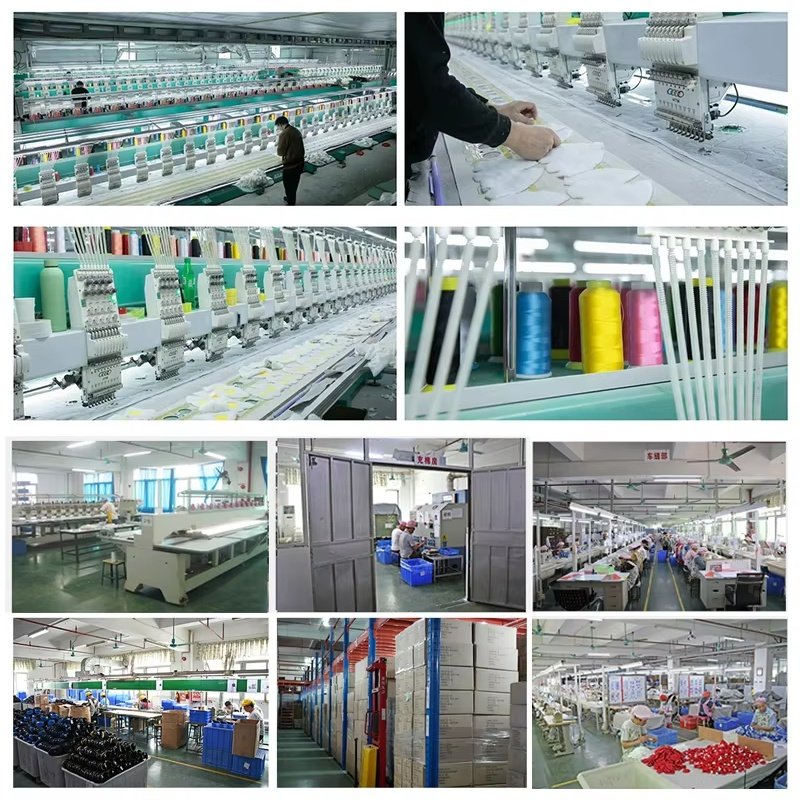
Our factory videos and photos present actual sewing lines, stuffing operations, in-line quality inspections, needle detection, and packing processes. These visuals reflect our daily manufacturing workflow, helping partners evaluate our production capability, process control, and working standards with confidence.
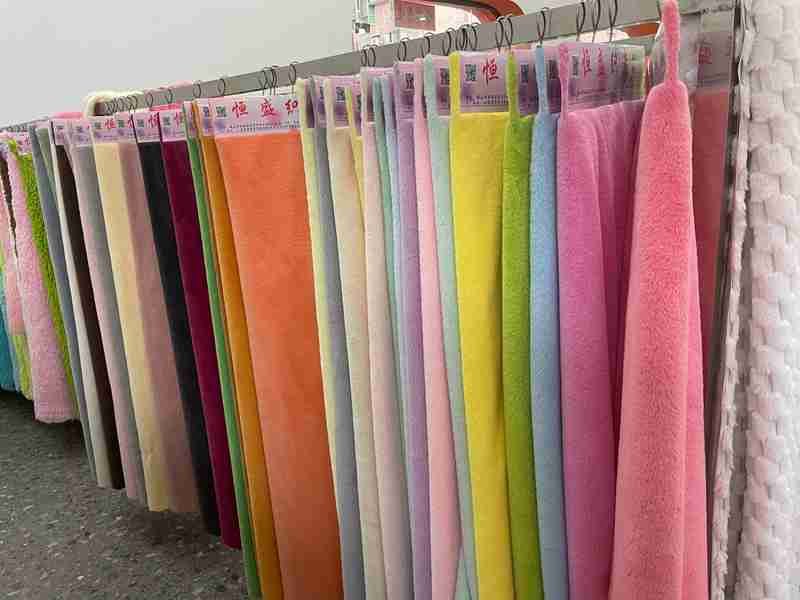
Selecting raw materials
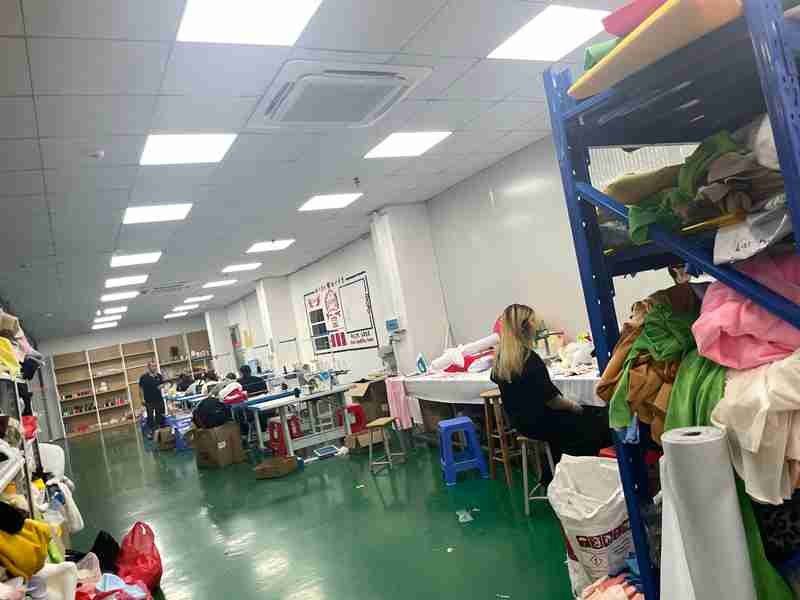
Customer sample production room
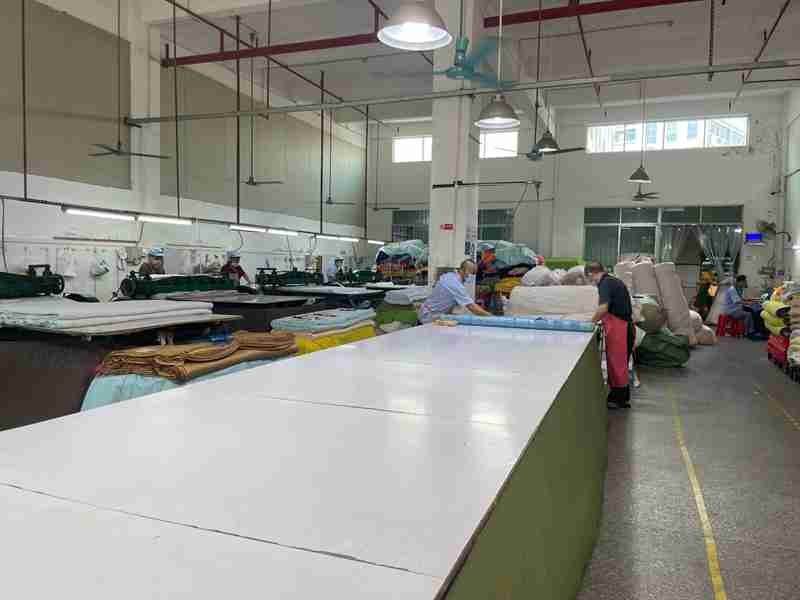
Selecting raw materials
Mechanical laser cutting
Batch computer embroidery
Sewing lines in operation
In-line quality inspection
Stuffing process control
Hand stitching & closure finishing
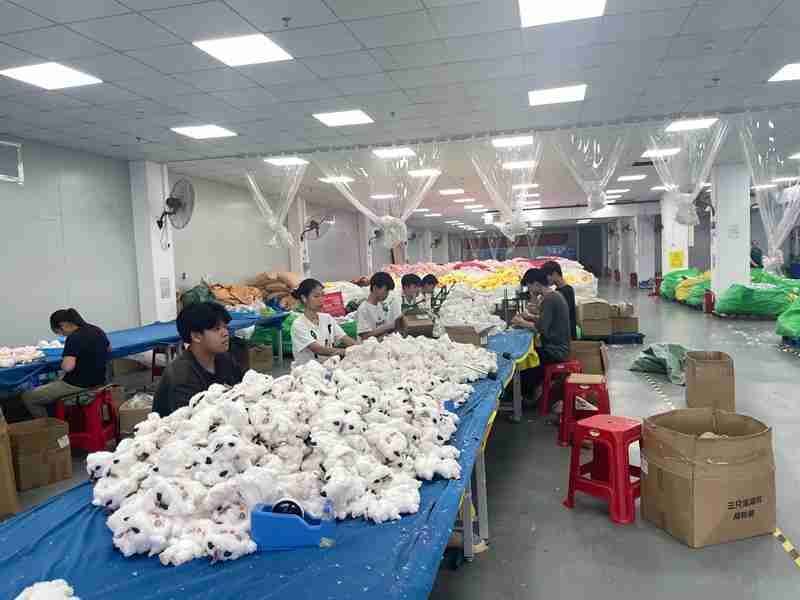
Shape adjustment & surface finishing
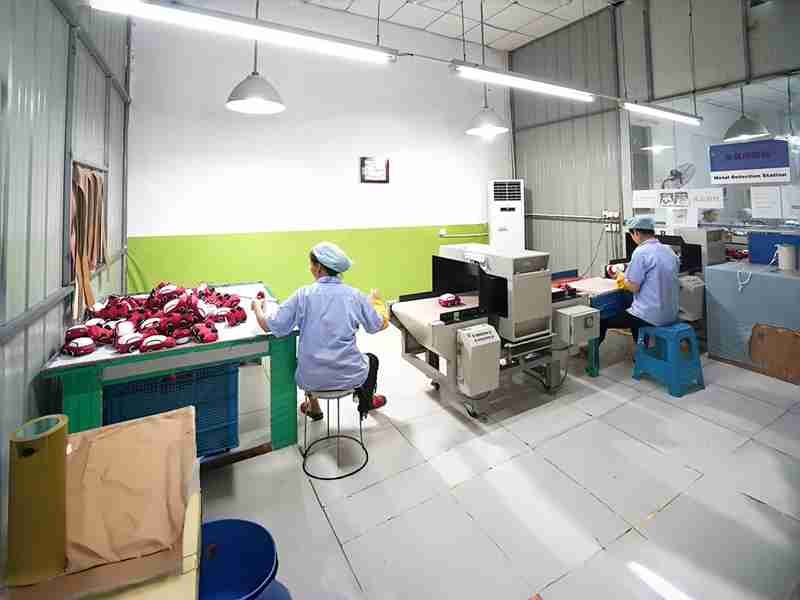
Needle detection & metal safety inspection
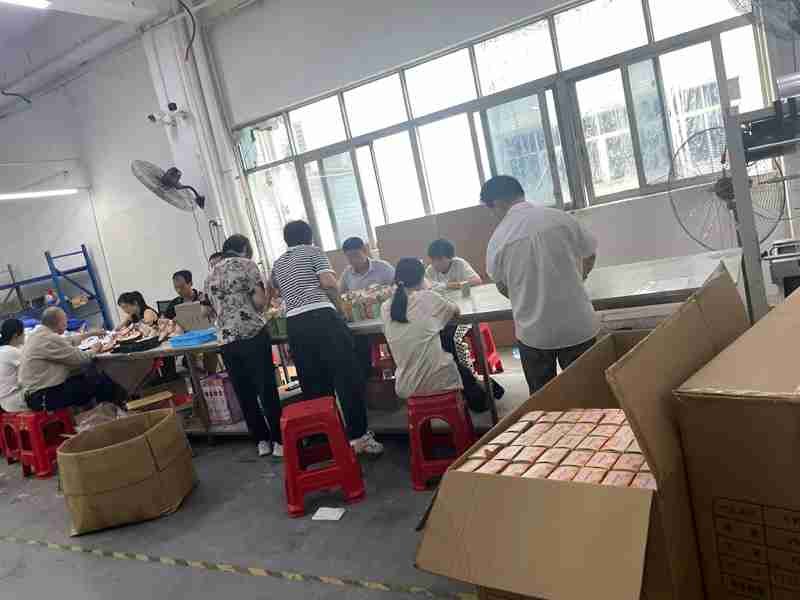
Packing & carton preparation
Cooperating Brands Trusted
We cooperate with brands across gift, retail, publishing, and promotional industries. Many of our partnerships are long-term and built on consistent quality, clear processes, and reliable delivery.
Rather than focusing on volume, we focus on stable cooperation and repeatable manufacturing results.
















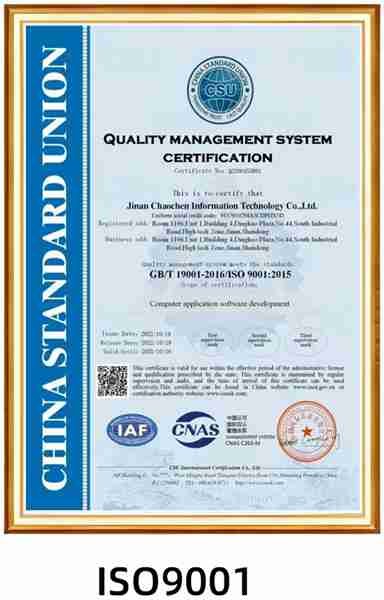
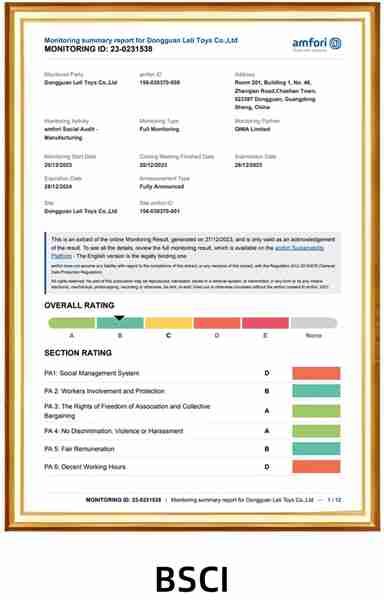
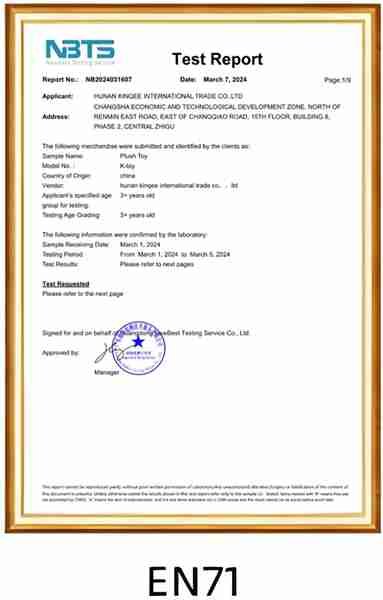
Our Story-From 2000 To Today
2000 – Jundong established in Guangdong
2005 – Began international export operations
2010 – Expanded to EU, US, and Middle East markets
2015 – Launched in-house design and sampling center
2020 – Upgraded automation and ERP system
2025 – Servicing 800+ global B2B clients

















Make a Sample Before Mass Production
Before moving into mass production, sample development allows verification of structure, materials, workmanship, and quality standards.
If you are planning a custom plush project or evaluating a reliable plush toy factory, we welcome you to discuss your requirements with our team.
- info@heyzizi.com
- (+86)13717153084
FAQs About Custom Educational & Story-Based Plush Toys
Can you turn our children’s book character or story illustration into a plush toy?
Certainly, a children’s book character, classroom mascot, story animal, or illustrated learning character can be developed into a custom plush toy when the design is reviewed for shape, fabric, safety, and bulk production.
Many educational plush projects begin with a 2D illustration. The character may look perfect in a book, but soft toy production needs a different kind of thinking. A thin arm may need more structure. A small hat may need a safer attachment method. A printed face may work better as embroidery. A sharp shape may need to be softened so it feels child-friendly. The plush still needs to keep the character’s personality, but it also needs to be safe, soft, stable, and repeatable in bulk.
For book character plush, the most valuable part is recognition. Children should look at the plush and feel, “This is the character from the story.” That means the face shape, eye position, body proportion, color, outfit, accessories, and pose must be reviewed carefully. If the plush is part of a book-and-plush gift set, reading program, bookstore item, school event, or museum education product, packaging and labels should be planned early too.
Heyzizi can review character artwork, sketches, AI images, brand mascot files, 3D references, or existing samples. Once the plush sample is approved, the details can be recorded for bulk production and future repeat orders.
Helpful files to send
| File or Detail | Why It Helps |
|---|---|
| Front character artwork | Main face, body shape, and color reference |
| Side or back view | Helps define body depth and detail placement |
| Book page reference | Helps keep the plush close to the story style |
| Target size | Affects pattern, filling, cost, and packaging |
| Target age group | Affects safety, materials, and small parts |
| Packaging idea | Helps plan card, label, barcode, or gift box |
What types of educational plush toys can be customized for schools, publishers, and learning brands?
Absolutely, educational plush toys can be customized as reading buddy plush, classroom mascots, book character plush, hand puppets, finger puppets, animal learning sets, emotion dolls, alphabet plush, number plush, and plush gift sets.
Different education projects need different plush formats. A publisher may need a book character plush to sell with a children’s book. A school may need a mascot plush for events and student rewards. A literacy program may need a reading buddy plush that helps children feel more comfortable during reading practice. A museum may need animal plush or cultural character plush for its children’s gift shop. An early learning brand may need alphabet plush, number plush, shape plush, or emotion plush sets.
For classroom use, interaction matters. Plush hand puppets and finger puppets can help teachers tell stories, guide group activities, encourage speaking practice, or make lessons more playful. For retail use, packaging matters more. A plush toy may need a hangtag, story card, learning card, barcode sticker, warning label, gift box, or display carton.
Educational plush products can also be designed as product families. One story character can become a standard plush, mini plush, puppet, keychain, pillow, pouch, or book-and-plush gift set. This gives brands more price levels and sales options without losing character consistency.
Common educational plush product types
| Product Type | Common Use |
|---|---|
| Reading buddy plush | Literacy programs, libraries, school reading events |
| Book character plush | Publishers, authors, bookstores, gift sets |
| Classroom mascot | Teacher use, school rewards, student engagement |
| Plush hand puppet | Storytelling, speaking practice, classroom activity |
| Finger puppet set | Small-group learning, story reenactment |
| Animal learning plush | Nature, science, museum education |
| Emotion plush dolls | Social-emotional learning programs |
| Alphabet or number plush | Early learning and preschool programs |
| Book-and-plush gift set | Retail, online sale, publisher merchandise |
What is the best plush format for a story-based learning project?
Of course, the best plush format depends on how the product will be used: reading, teaching, gifting, retail sale, classroom interaction, or brand merchandising.
If the project is connected to a children’s book, a standard book character plush is usually the strongest starting point. It gives the story a physical character children can hold. This works well for publishers, authors, bookstores, library programs, and online book-and-plush bundles.
If the product will be used by teachers or trainers, a plush hand puppet may be more useful. A puppet can “talk,” act, ask questions, and guide classroom activities. For younger children, finger puppet sets can work well for storytelling and role play because they are small, lightweight, and easy to use in groups.
If the project is for early learning, a plush set may be better than one single toy. Animal sets, emotion dolls, number plush, alphabet plush, or shape plush can help children recognize patterns, categories, feelings, and vocabulary. If the project is for a school, club, or campaign, a classroom mascot plush or reward plush may be the right choice.
If the plush will be sold in stores, online shops, museum gift shops, or school stores, packaging and price level also matter. A larger plush can be a main product. A mini plush or keychain can be an add-on item. A gift box can support higher perceived value.
Format selection guide
| Project Need | Suitable Plush Format |
|---|---|
| Sell with a book | Book character plush, gift box set |
| Support reading practice | Reading buddy plush |
| Help teachers tell stories | Hand puppet, finger puppet set |
| Teach animals or science | Animal plush set with learning cards |
| Teach emotions | Emotion plush dolls |
| School event reward | Mini mascot plush, plush keychain |
| Museum gift shop | Cultural character plush, animal plush, story card |
| Retail product line | Standard plush, mini plush, pillow, gift set |
How do you keep a story character recognizable when turning it into plush?
Definitely, character recognition is controlled through face shape, eye position, body proportion, fabric color, embroidery details, pose, and approved sample standards.
The most common concern from publishers, authors, IP teams, and education brands is simple: “Will the plush still look like our character?” That concern is very reasonable. A character can change a lot when it moves from a flat illustration into a soft 3D product. Lines become seams. Colors become fabric. A small smile becomes embroidery. Thin shapes need filling. Clothes and accessories need construction.
To keep the character recognizable, the artwork needs to be translated carefully. The face is usually the most sensitive part. Eye spacing, eyebrow angle, mouth curve, cheek shape, nose size, and embroidery thread color can change the whole personality. Body proportion matters too. If the head becomes too large, the character may look younger. If the body becomes too narrow, it may not stand or sit well. If the fabric pile is too long, small details may disappear.
Heyzizi reviews the character from both visual and production angles. The approved sample becomes the key reference for bulk production. Fabric, embroidery, pattern, stuffing, accessory position, labels, and packaging details should be recorded so future batches remain closer to the original approved design.
Character accuracy checklist
| Detail | What to Check |
|---|---|
| Face shape | Roundness, cheeks, nose, chin, expression |
| Eyes | Size, spacing, position, embroidery or applique |
| Mouth | Smile curve, thread color, expression feeling |
| Body proportion | Head-to-body ratio, limb length, balance |
| Fabric | Color, pile height, texture, softness |
| Outfit | Seams, layers, attachment method, durability |
| Accessories | Size, safety, placement, repeatability |
| Sample approval | Final reference for bulk order and repeat order |
What safety points should be checked for children’s educational plush toys?
Sure, children’s educational plush toys should be reviewed for age group, small parts, fabric, embroidery, seam strength, stuffing, labels, and target market testing needs before bulk production.
Educational plush products are often used by children in schools, homes, libraries, museums, learning centers, and retail settings. That means safety planning should start early. A plush toy for babies has different requirements from a plush toy for school-age children. A classroom mascot has different risks from a finger puppet set. A book character plush with buttons, glasses, hats, bells, or keyrings needs extra review.
Key safety choices often begin with the face. Embroidered eyes are usually safer for younger children than plastic eyes. Small detachable accessories should be avoided or firmly secured. Seams on limbs, ears, tails, wings, and clothing should be strong enough for repeated handling. Filling should be clean, even, and suitable for the expected softness. Fabric should be comfortable and chosen with the target age group in mind.
For markets such as the United States, European Union, United Kingdom, Canada, Australia, or other regulated channels, testing needs may relate to standards or requirements such as ASTM F963, CPSIA, EN71, CE-related review, or retailer-specific rules. The exact need depends on the product, age group, market, and sales channel.
Safety review checklist
| Safety Area | What to Review |
|---|---|
| Age group | Baby, toddler, preschool, school-age, adult collectible |
| Face details | Embroidery, applique, printing, plastic parts |
| Small parts | Buttons, beads, clips, bells, magnets, keyrings |
| Stitching | Limbs, ears, tails, wings, clothing, accessories |
| Filling | Cleanliness, softness, recovery, even distribution |
| Fabric | Handfeel, pile height, shedding risk, color stability |
| Labels | Care label, warning label, age information |
| Testing | Target market, retailer rules, third-party lab needs |
Can plush toys be packed with story cards, learning cards, or books?
Certainly, custom plush toys can be packed with story cards, learning cards, activity cards, book inserts, hangtags, gift boxes, classroom kit boxes, or book-and-plush bundle packaging.
For educational and story-based plush projects, packaging often carries part of the teaching value. A plush toy alone can be lovable, but a plush toy with a story card or learning card can become easier to use in schools, bookstores, museums, reading programs, and retail channels. The card can introduce the character, explain the story, show a simple activity, include vocabulary, share animal facts, guide classroom discussion, or connect the plush toy with a children’s book.
For publishers, a book-and-plush gift set can make a story character feel more real. The plush supports emotional connection, while the book keeps the reading experience at the center. For schools and literacy programs, a reading buddy plush can be packed with a reading challenge card, teacher note, classroom activity card, or student reward message. For museums, an animal plush or cultural character plush can include a fact card, story card, or exhibit-related learning card. For early education brands, a plush set can include alphabet cards, number cards, emotion cards, or matching game cards.
Packaging choices depend on the sales channel. A simple polybag with a hangtag may work for school events. A gift box may fit bookstores, online stores, or holiday sets. A classroom kit box may be better for multi-piece learning products. Retail-ready products may also need barcode stickers, SKU labels, warning labels, care labels, and carton marks.
Packing Options for Story-Based Plush Projects
| Project Type | Useful Packing Options |
|---|---|
| Book character plush | Story card, hangtag, book-and-plush gift box |
| Reading buddy plush | Reading challenge card, teacher note, polybag |
| Animal learning plush | Fact card, habitat card, multi-piece box |
| Emotion plush set | Emotion card, activity card, classroom kit box |
| Museum shop plush | Story card, barcode, display carton |
| Online retail plush | Polybag, SKU sticker, barcode label, gift box |
| School program plush | Bulk packing, reward card, class set sorting |
A good packaging plan helps the product arrive ready for selling, teaching, gifting, scanning, storing, and reordering.
What MOQ should we expect for custom educational plush toys?
Of course, most custom educational plush toy projects are easier to plan from 500 pcs per design, while simple styles may be discussed from 200–300 pcs depending on structure, fabric, and packaging.
MOQ is connected to far more than quantity. A custom educational plush toy may require artwork review, pattern making, sample development, fabric purchasing, embroidery setup, cutting, sewing, stuffing, finishing, label preparation, packaging, inspection, and carton sorting. Even a small order needs these steps, which is why smaller quantities usually have a higher unit price.
For simple educational plush toys, 200–300 pcs may work for pilot reading programs, first book launches, school campaigns, museum gift shop trials, or small seasonal projects. This can help a brand test character appeal before scaling up. However, if the plush has complex clothing, multiple fabrics, hand puppet structure, finger puppet sets, story cards, gift boxes, or multi-SKU packing, 500 pcs per design is usually more practical.
For larger programs, the cost becomes easier to manage. When the order reaches 500 pcs or more, fabric use, cutting, sewing, label preparation, and packaging can be arranged more efficiently. For multi-character projects, each character should be treated as its own SKU. For example, 1,500 pcs divided across five characters means 300 pcs per character, not one large single-style order.
MOQ Planning Guide
| Project Type | Practical Quantity Direction |
|---|---|
| Simple character plush | 200–300 pcs may be discussed |
| Standard educational plush | 500 pcs per design is practical |
| Book character plush | 500 pcs works better for retail planning |
| Hand puppet or finger puppet set | Depends on size, sewing structure, SKU count |
| Multi-character learning set | Plan quantity by character and set format |
| Gift box plush set | Confirm box, cards, labels, and order quantity together |
| Repeat order item | Keep approved sample and production records |
For the best quote, send artwork, target size, expected quantity, age group, packaging idea, and target sales market before sampling begins.
How do you control quality from approved sample to bulk production?
Definitely, bulk quality is controlled by turning the approved plush sample into a working standard for fabric, color, pattern, embroidery, stuffing, labels, packaging, and final inspection.
For educational and story-based plush toys, consistency matters because the character must remain recognizable. Children, parents, teachers, readers, and retail buyers all expect the plush to match the approved look. A small change in eye position, smile curve, body shape, fabric color, or stuffing level can make the character feel different.
Heyzizi uses the approved sample as the main reference before bulk production. The fabric type, color, pile height, embroidery file, thread color, body proportion, accessory placement, label position, story card, barcode, and packaging method should match the confirmed details. For repeat orders, these records help future batches stay closer to the original version.
Quality checks are done across production stages. Material checks help reduce fabric and color issues. Cutting and sewing checks help keep the shape stable. Embroidery checks protect the face and logo details. Stuffing checks control softness, weight, and body support. Finishing checks remove loose threads, stains, wrinkles, and shape problems. Packaging checks help prevent wrong cards, wrong labels, mixed SKUs, or carton mark mistakes.
Sample-to-Bulk Quality Control
| Stage | What Gets Checked |
|---|---|
| Before production | Approved sample, artwork, fabric, embroidery, labels |
| Material stage | Fabric color, handfeel, pile direction, batch consistency |
| Cutting stage | Pattern shape, size tolerance, fabric direction |
| Sewing stage | Seam strength, limb position, clothing, accessories |
| Embroidery stage | Eye position, mouth shape, logo, thread color |
| Stuffing stage | Softness, weight, balance, body support |
| Finishing stage | Loose threads, stains, brushing, surface defects |
| Packaging stage | Story card, learning card, hangtag, barcode, carton mark |
| Final inspection | Random checks before shipment |
For educational partners, stable quality supports safer classroom use, better retail feedback, smoother repeat orders, and stronger trust in the character product line.
Can one story character become a full plush product line?
Absolutely, one strong story character can be developed into a full plush product line with different sizes, formats, cards, packaging styles, and seasonal versions.
This is a smart direction for publishers, children’s brands, education programs, schools, museums, and IP owners. Instead of producing one plush toy, the same character can support several sales and learning situations. A main story character can become a standard plush, mini plush, plush keychain, hand puppet, finger puppet, pillow, pouch, backpack, gift box set, or reading reward item.
A children’s book character may start as a 25cm plush sold with the book. Later, the same character can become a 10cm mini plush for school reading rewards, a hand puppet for teachers, a pillow for online sales, and a holiday gift box for seasonal campaigns. An animal learning character can become part of a full animal collection with fact cards. An emotion character can become a set of plush dolls for social-emotional learning.
The key is to keep the character consistent across the line. The face, color, expression, fabric feel, and story identity should still feel connected, even when the product format changes. Each SKU should also have clear size, fabric reference, embroidery file, label file, barcode, packaging rule, and carton mark.
Product Line Extension Ideas
| Starting Character | Possible Extensions |
|---|---|
| Book hero | Standard plush, mini plush, gift box, reading buddy |
| Animal character | Animal set, keychain, fact card bundle, museum gift |
| Classroom mascot | Large mascot, reward plush, hand puppet, school store item |
| Emotion character | Emotion doll set, activity card set, classroom kit |
| Alphabet character | Letter plush set, number plush, early learning box |
| Museum character | Story plush, postcard set, retail gift box |
| Holiday story character | Seasonal plush, ornament plush, limited edition set |
A well-planned character line gives buyers more price levels, more sales channels, and better repeat-order potential.
Why should education brands work with a plush toy factory instead of a product platform?
Exactly, education brands often need a plush toy factory when the project involves original characters, child-safe design choices, learning cards, story packaging, sample revisions, bulk quality control, and repeat-order planning.
A product platform may be convenient for simple ready-made items. But story-based and educational plush projects often require deeper development. The character must be reviewed from a flat illustration into a 3D plush form. The product may need safer face details, stronger seams, learning cards, teacher instructions, story cards, barcode labels, gift boxes, or classroom kit packaging. These details are difficult to manage through a basic product selection process.
Working directly with a plush toy factory gives the buyer more control before production begins. The design can be reviewed for shape, fabric, filling, embroidery, age group, small parts, packaging, and testing direction. The sample can be revised before bulk approval. Once approved, the sample becomes the reference for production.
This matters for schools, publishers, museums, literacy programs, children’s brands, and IP owners because the plush toy is often part of a larger learning or story experience. If the plush does not match the character, the story connection becomes weaker. If packaging is not planned well, retail or classroom use becomes harder. If bulk quality drifts, repeat orders become risky.
Factory Support Is Better When You Need
- Original story character plush development
- Book character plush or reading buddy plush
- Plush hand puppets or classroom mascot plush
- Child-safe design review before sampling
- Story cards, learning cards, and activity cards
- Private label, barcode, warning label, and packaging support
- Multi-character plush set planning
- Sample-to-bulk quality control
- Repeat-order records
- Direct production-side communication
For education brands, the value is not just making a plush toy. It is turning a story, lesson, or character into a product that children can recognize, use, remember, and enjoy again.
