 Skip to content

Compliance & Safety for Custom Plush Toys: What to Plan for Market, Age Grade, Small Parts, and EN71/ASTM Basics
Compliance is one of those topics that feels “boring” right up until it becomes expensive. A plush that looks perfect in photos can still fail in the real world because of one small detail: an eye that can detach, a seam that opens after pulling, a label that claims the wrong age grade, or a market requirement you didn’t plan for until cartons were already booked.
Here’s the part many brands learn the hard way: compliance isn’t a final inspection problem. It’s a product planning problem. Your market choice (US vs EU vs UK), your age grade, and your “small parts approach” quietly decide your materials, face method, accessory design, labeling, packaging, test plan, timeline, and even your reorder stability. If you decide these late, you usually pay twice—once in rushed redesign and once in delayed launch.
That doesn’t mean compliance needs to slow you down. It means you need a workflow that makes it predictable: pick your market early, lock age grade logic, design small parts the smart way, and build a QC plan that protects bulk consistency. When you do this, you don’t just “pass a test.” You build a plush program that your retailer, importer, and customers can trust—and one that’s easier to scale across multiple SKUs.
To plan compliance for custom plush toys, decide your sales market (US/EU/UK) and age grade before sampling, then design around a clear small-parts approach (embroidered details or secured components) and a documented test/QC workflow. EN71 supports EU/UK toy safety planning, while ASTM F963 is the core US toy safety specification and is commonly referenced by CPSC guidance. The fastest path is a compliance-ready tech pack, a golden sample, and strict change control to reduce recall risk.
What does “compliance & safety” mean for custom plush, and who is responsible (brand vs importer vs manufacturer vs lab)?
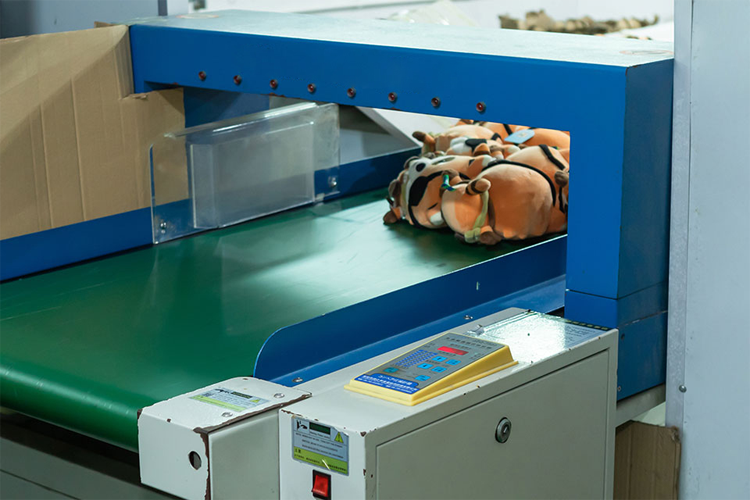
Compliance means your plush is designed, labeled, tested, and documented to match the rules for the market and age group you sell to. Responsibility is shared: the brand/importer typically owns the compliance claim and paperwork, the factory controls build consistency and component traceability, and the lab verifies test results. Misalignment here is a common cause of delays and recalls—so the best programs assign owners for market selection, age grade, labeling, and change control from day one.
Let’s make this real. Most compliance stress comes from one of two situations:
- The product was designed for “general cute,” then someone asks, “Wait—are we selling in the US or EU?”
- The product was quoted with plastic parts and accessories, then late-stage feedback says, “This needs to be safe for under 3.”
Both situations are fixable, but they cost time and money because the decisions that matter most were made late.
What counts as a “toy” vs “children’s product” vs “pet toy,” and why classification changes everything?
In procurement, classification is the first domino. If the plush is marketed or intended for children’s play, you’re usually in toy/children’s product territory. If it’s explicitly for pets (pet plush, chew toy), your safety focus shifts to durability, seam security, and material choices that reduce break-off hazards. The tricky part is that branding and listing language can pull a product into a stricter bucket than you expected. The safest move is to define your intended use clearly in your product brief and packaging copy before sampling.
Who is responsible for what: brand owner, importer, distributor, manufacturer, test lab?
Think of responsibilities as three layers:
- Brand / Importer (Compliance Owner): decides market, age grade, warning approach, and owns the documentation trail (test reports, certificates, labeling proofs, and records). For US children’s products, CPSC guidance highlights compliance obligations like tracking label requirements for children’s products.
- Factory (Build + Traceability Owner): ensures the plush is made consistently to the approved spec—same materials, same attachments, same stitch patterns, same packaging method. This is where “good sample, messy bulk” either gets prevented or allowed to happen.
- Test Lab (Verification Owner): runs third-party testing where required and provides the formal report. For ASTM F963, CPSC publishes guidance on which sections typically apply.
Here’s the mindset shift: a lab can tell you if the final sample passed, but it cannot run your production line. If you want low recall risk, you need production controls, not just a test report.
What can a factory check in-house vs what must be verified by a third-party lab?
Factories can do strong internal checks that reduce failure risk before you ever pay a lab:
- Attachment security checks (pull/torque-style internal checks for eyes, noses, ribbons, keychains)
- Seam strength checks (stress areas like ears, limbs, tail base)
- Sharp point/edge screening (for any hard accessories)
- Label and packaging proof checks (correct age grade, warning placement, barcode placement consistency)
Labs step in for standardized verification under the relevant frameworks. The best workflow is: factory pre-check → compliance-ready sample → lab test → lock spec → bulk with QC checkpoints.
How do recalls happen, and which gaps trigger the biggest problems?
Recalls rarely happen because a brand didn’t “try.” They happen because the program had one or more gaps:
- Age grade mismatch (product design doesn’t match the claimed age)
- Small parts risk (detachable eyes, buttons, magnets, keychains, squeakers)
- Documentation mismatch (what’s produced isn’t what was tested)
- Change without re-approval (fabric/part swaps after testing)
If you want a calmer program, set one rule: no changes after the approved sample without written change control. It’s simple, and it saves you from the most common “how did this happen?” moments.
Which market are you selling into (US vs EU vs UK), and why should market choice be decided before sampling?
Choose your target market before sampling because market rules drive design, labels, and the test plan. For EU/UK toy safety planning, EN71 includes mechanical/physical requirements (EN71-1). For the US, ASTM F963 is the main toy safety specification, and CPSC guidance helps identify applicable sections and testing triggers. Multi-market selling works best when you standardize the strictest shared requirements and localize only labels and documents.
The fastest way to waste money is to sample first and decide the market later. Why? Because “small” changes by market aren’t small in manufacturing.
Which standards map to which markets: EN71 (EU/UK) vs ASTM F963 (US)?
At a high level:
- EU/UK: EN71 is widely referenced for toy safety planning, and EN71-1 covers mechanical and physical properties testing methods and requirements. )
- US: ASTM F963 is the core toy safety specification. The standard’s scope covers toys intended for children under 14, and CPSC guidance clarifies which parts typically apply and where third-party testing is required in certain cases.
- Also US: children’s products often need traceability/tracking labels, as explained in CPSC business guidance.
You don’t need to memorize the full standards to plan well. You need to decide early which market your compliance pack is built for.
How to manage compliance for multi-market sales (one product, multiple destinations)
Multi-market is common for brands (DTC + distributors + retail). The mistake is trying to “customize everything” per market. The better approach is:
- Standardize the build to meet the toughest shared safety expectations (attachments, seams, stuffing access, small parts strategy).
- Localize the labeling and documents (warning language, traceability requirements, market-specific paperwork).
- Maintain a single “source of truth” for materials and parts (BOM), then attach different label artwork sets per market.
This reduces factory confusion and prevents a classic error: “EU label applied to US cartons” or “US tracking info missing on the item.”
When do labeling rules force design and packaging choices?
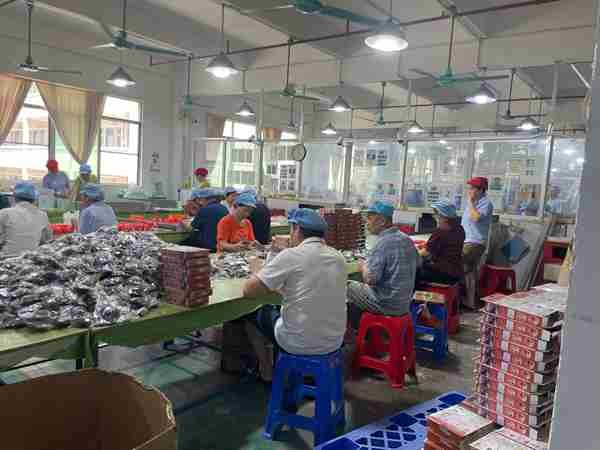
Labeling isn’t just a sticker problem. It drives:
- Where you can place required information (sewn label vs hangtag vs packaging)
- Whether you need a tracking label style mark for children’s products in the US (often on product or packaging, depending on practical constraints)
- How you handle warnings for small parts when relevant, especially when a product may pose risk to under-3 children in EU contexts
If the product is tiny (keychain plush, mini plush), you may need a plan for how to keep labels legible and durable without ruining the look.
How do multi-market requirements change price, lead time, and workload?
Multi-market doesn’t only add lab costs. It adds:
- extra artwork rounds (warning layout, barcode rules, traceability marks)
- more QA steps (correct labels per destination)
- higher packaging complexity (separate SKUs per market sometimes)
That said, well-planned multi-market programs can still be fast. The difference is discipline: lock the build spec early, then manage labeling as a controlled “branch.”
Table — Multi-market planning shortcut
| What to standardize | What to localize |
|---|---|
| Materials + parts (BOM) | Warning language/layout |
| Attachment method + seam rules | Certificates and documents |
| Small parts strategy | Tracking/traceability mark format |
| QC checkpoints | Packaging text by market |
What is “age grade planning,” and how do you choose the right age grade (0+, 12M+, 3+, 8+, 14+)?
Age grade planning matches your plush design to the real user’s abilities and risk profile. The biggest breakpoint is under 36 months, because products that may be dangerous to that group require clear warnings in EU guidance contexts, and “3+” isn’t a casual label. Good age grading reduces risk by controlling small parts, seam security, cords/loops, and how the plush is expected to be used—before you spend on sampling and testing.
Age grade is often treated like a marketing line. In compliance planning, it’s a design decision.
What does “intended for under 36 months” trigger, and why is 3+ not just a marketing label?
In EU guidance contexts, toys that might be dangerous for children under 36 months require warnings such as “Not suitable for children under 36 months,” paired with risk indication. That’s why the under-3 category has special attention: small parts, long cords, detachable components, and stuffing access risks are treated with much higher sensitivity.
The key point: you can’t “label your way out” of a risky build. If your plush visually attracts toddlers (cute face, small size, soft body) but includes detachable plastic parts or fragile attachments, you’re inviting compliance and reputational risk.
Kids plush safety: what design choices reduce risk by age group (0–36M vs 3+ vs 8+)?
Here are practical build choices that reduce risk, by age group:
For 0–36 months (highest caution):
- Avoid detachable hard parts (choose embroidered/appliqué faces instead of plastic eyes/noses)
- Simplify accessories (no loose buttons, no metal keychains, avoid magnets)
- Increase attachment security (reinforced stitching patterns, deeper seam captures)
- Control seams in stress zones (ears, limbs, tail base)
For 3+ (still cautious, but more flexibility):
- Some components may be allowed with correct design and warnings (market-dependent), but you still want strong attachment design and durability checks.
- Keep cords/loops limited and purposeful.
- Maintain labeling clarity to avoid retailer returns.
For 8+ and up:
- More design flexibility, but don’t assume “older age” means no safety planning. Hard accessories and novelty features still need durability control.
Which references do brands use for age determination, and how do you document rationale?
Smart brands document age grading like a short decision memo:
- Target user age and why
- Foreseeable misuse (“Will a younger child handle it?”)
- Design features that match that age (no small parts for toddler range)
- Market alignment (EU/UK/US channel expectations)
EU guidance has been updated over time on under-3 vs over-3 classification approaches, which is why documentation matters—especially if a retailer or partner asks, “Why is this 3+?”
How does age grade change materials, construction, packaging warnings, and test scope?
Age grade drives your whole system:
- Materials: softer, more stable fabrics; avoid brittle plastics for toddler items
- Construction: seam allowance, reinforcement, stitch density in stress areas
- Packaging: warning placement, label durability, traceability marks when needed
- Test scope: you don’t want to over-test, but you do want the right tests for the intended user group
Table — Age grade planning, simplified
| Age grade target | Typical safest face approach | Typical accessory stance |
|---|---|---|
| 0–36M | Embroidery / appliqué | Avoid detachable hard parts |
| 3+ | Mixed possible | Limit and secure components |
| 8+ | Flexible | Still control durability |
If you tell us your market (US/EU/UK), age grade target, and whether you want a kids plush or pet plush program, Heyzizi can reply with a compliance-ready development route: recommended build choices, small-parts strategy, labeling plan, and what to lock before lab testing.
Contact: info@heyzizi.com
Small parts and choking risk: what is the “small-part approach,” and how do you design plush to pass?
A “small-part approach” means you design your plush so nothing detachable can become a choking hazard for the age group and markets you target. For under-3 audiences, EU guidance expects strict control and clear warnings where a toy may be dangerous. For programs, the safest route is often embroidered/appliqué faces, reinforced attachments, and documented in-line checks so bulk production matches what was tested.
Small parts are rarely a surprise. Most brands can point to the exact item that creates the risk: plastic eyes, a button, a keychain clip, a magnet, a squeaker, a hanging loop, or a decorative pendant. The challenge is that these parts are also what makes products “sell” in photos. That’s why a smart small-parts strategy does two jobs at the same time: it protects safety and keeps the character look intact.
What is considered a “small part,” and when is it restricted vs allowed with warnings?
The simplest rule is: if a part can detach and fit into a small-parts gauge, it becomes a choking risk for young children. Under-3 expectations are stricter because toddlers mouth objects. EU guidance around the Toy Safety Directive points out that toys that might be dangerous for children under 36 months must carry an under-3 warning with a brief indication of the specific risk. That means you should plan the build first, not rely on labeling to “fix” a risky construction.
In the US, the framework differs, but the practical approach is similar: treat detachable parts on young-kid products as a high-risk design choice, and build a test plan early. ASTM F963 is the core toy safety specification for toys intended for children under 14, with different age limits across requirements.
Which plush features are highest risk: plastic eyes/noses, buttons, keychains, magnets, squeakers, ribbons, hangtags?
Here’s a reality check from bulk production: the biggest failures usually come from attachment offers—anything stitched or snapped onto the plush body.
- Plastic eyes/noses: if the backing isn’t seated correctly or fabric pile thickness varies, results drift.
- Buttons/decor toggles: can loosen after handling if stitch lock is weak.
- Keychains and clips: hard parts plus metal edges add durability and injury concerns.
- Magnets: high-risk category because ingestion can be serious; many brands avoid magnets for kid products unless they have a very controlled strategy.
- Squeakers: add internal parts; seam strength and internal containment matter.
- Ribbons/loops: can trigger hazard concerns depending on length and use.
- Hangtags: usually packaging, but can become a risk if the product is used by toddlers without supervision.
What safer alternatives work best: embroidered faces, stitched appliqué, captive components, internal reinforcements?
Want a “clean, low-risk” default that still looks premium. The safest design swaps are usually:
- Embroidery eyes/mouth on short-pile face panels (keeps expression readable)
- Appliqué for shapes (stars, blush, brows) with edge stitching
- “Captive” designs: parts that can’t detach without ripping the base fabric
- Hidden reinforcement patches under stress areas (eyes, nose zone, ear bases)
This is not only about passing tests. It’s about keeping bulk repeatability stable. A sample can be built by a senior operator with extra care. Bulk needs a design that stays safe even when production shifts run at speed.
How to reduce recall risk from detachment: pull-test planning, seam/attachment strength, and in-line QC controls
If you want fewer surprises, treat small parts like a system:
- Pre-check the attachment method during sampling (not after).
- Add a simple in-line check: “eyes/nose/ornament pull check” at a defined station.
- Lock the build details: stitch type, stitch density, reinforcement patch size, backing style.
Small-part risk map
| Feature | Risk level for kid plush | Lower-risk alternative |
|---|---|---|
| Plastic eyes/nose | High | Embroidery / appliqué |
| Buttons/toggles | Medium–High | Embroidered detail / stitched patch |
| Metal keychain | Medium–High | Fabric loop + removable clip sold separately |
| Magnets | High | Stitch detail / printed detail |
| Squeaker | Medium | No internal part / fully contained module |
If you share your target market + age grade + accessory list, Heyzizi can suggest a small-parts strategy that fits your brand look and your compliance plan.
Email: info@heyzizi.com
EN71 basics for plush (EU/UK): what parts matter most for stuffed toys, and what fails most often?
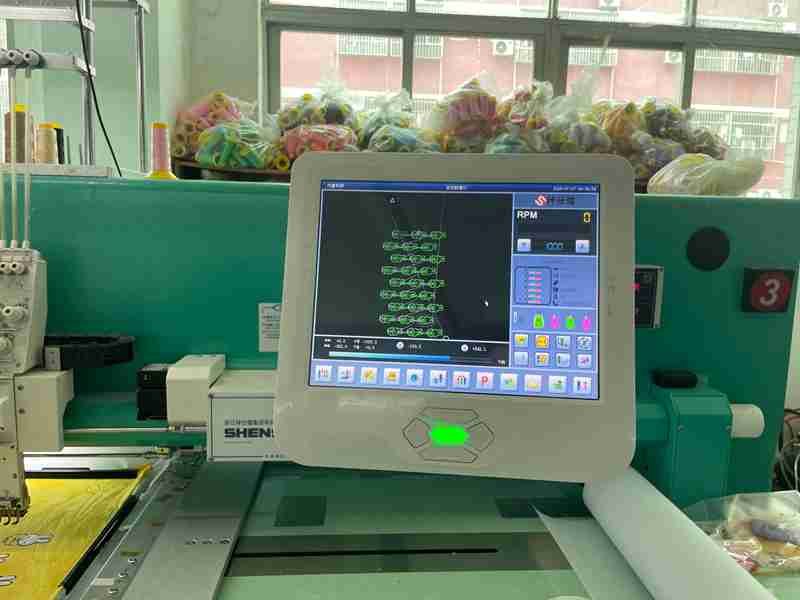
For EU/UK toy safety planning, EN71-1 covers mechanical and physical properties and is tied to Toy Safety Directive conformity. Plush programs often fail on seams, attachments, and stuffing access—areas that change with fabric pile and bulk stitching variation. EU Q&A notes seam test expectations for soft-filled toys with fibrous materials under EN71-1 editions. Plan EN71 at the sampling stage so your tested sample matches bulk build conditions.
We hear “EN71” and think it’s one single test. In practice, EU/UK safety planning is a chain: your product brief sets the age grade, your build choices reduce hazards, your labels match your claims, and your final tested sample is documented so bulk production does not drift.
What does EN71-1 cover at a high level (mechanical/physical), and why plush fails on seams and attachments?
EN71-1 specifies requirements and test methods for mechanical and physical properties of toys. For plush, mechanical/physical is where most “real life” problems show up: seams open, eyes loosen, stuffing becomes accessible, or decorative parts detach after pulling or rough play.
Plush is deceptively complex because it’s soft. Soft products deform under force, and that deformation transfers stress into seams and attachments. A cute ear becomes a lever. A tail becomes a handle. Kids pull on the most “fun” part of the character, not the strongest part.
This is why should treat seam and attachment control as a design topic, not only a QC topic. If the pattern uses minimal seam allowance to keep a slim look, the risk goes up. If the fabric pile is long, operators can accidentally catch less base fabric in the seam. That creates hidden seam weakness that may not show in photos.
EN71 risk hotspots: stuffing access, cords/loops, labels, squeakers, and packaging-related hazards
From a program perspective, the repeated hotspots are:
- Stuffing access: once stuffing is accessible, a small-parts concern can follow (fibrous fill, small internal modules).
- Cords and loops: even decorative strings can create questions depending on length and use scenario.
- Labels: labeling should match age grade intent and warnings where relevant; EU guidance highlights under-3 warning practice for toys that may be dangerous to children under 36 months.
- Squeakers and internal modules: need containment and seam control.
- Packaging: some hazards sit in packaging (bags, ties, staples). If your packaging plan is “decide later,” you may end up redesigning late.
How to plan test-ready sampling: component control, material traceability, and pre-check lists
The fastest EU/UK route is to build your sample as if it is already “pre-production.”
That means:
- A component list (eyes/nose type, squeaker model, fabric codes, thread type)
- A build note sheet (seam allowance, reinforcement points, attachment method)
- A photo set (angles, close-ups of stress zones)
- A packaging note (bag type, tag type, warning placement plan)
EU Q&A on soft-filled toys notes that seam test expectations have been extended to soft-filled toys with fibrous materials in EN71-1:2011, assessed with a larger probe than ordinary seam test—details like this are why you want a factory that treats seam control seriously during sampling.
How to reduce recall risk under EU/UK-style expectations: documentation discipline + change control
EN71 planning is not “do a test once.” Recalls and retailer rejections often happen when the bulk run quietly changes:
- fabric supplier changed
- pile length changed
- embroidery density changed
- accessories changed
- packing method changed
A simple way to keep stability “Golden Sample Pack” for compliance: BOM + build notes + key photos + label art. Any change triggers a quick internal review before production continues. That’s how you avoid the painful situation where a lab tested Sample A, but you shipped Bulk B.
ASTM F963 basics: what is it, which age limits apply, and what does it typically require for plush?
ASTM F963 is the consumer safety specification for toy safety and covers toys intended for children under 14, with different age limits across requirements. CPSC business guidance notes that testing/certification requirements apply to products intended primarily for children 12 or younger, even though F963’s scope is under 14. For plush, focus usually lands on durability, attachments, seams, and labeling/traceability planning.
US toy compliance can feel confusing because multiple numbers: under 14, under 12, “children’s product,” “toy.” Here’s the simplest way to think about it as a brand owner: ASTM F963 frames toy safety expectations broadly, and CPSC rules determine what triggers mandatory third-party testing and certification for children’s products.
What does ASTM F963 cover and who must consider it?
ASTM’s own description states the specification covers requirements and contains test methods for toys intended for use by children under 14 years of age, with different age limits across requirements to reflect hazard nature and a child’s ability to cope.
At the same time, CPSC guidance clarifies a key procurement reality: while ASTM F963 includes products intended for children under 14 within its scope, CPSC’s testing and certification requirements apply to products designed or intended primarily for children 12 or younger. This matters for brands because it changes which products must have third-party test reports and formal compliance documentation.
US plush safety risk hotspots: durability “use-and-abuse,” seams, projections, and component security
A plush toy looks simple until you consider what kids actually do: drag it, swing it, chew it, yank the arms, press the face, step on it, throw it. That “use-and-abuse” reality is why US planning often emphasizes durability. The more your plush has hard accessories (clips, rings, plastic parts), the more you want a conservative design approach.
Common risk hotspots:
- Face parts: eye and nose security; embroidery placement drift
- Seam zones: arm/leg joints, ear bases, tails, backpack straps on plush backpacks
- Projections: hard parts that stick out (keychain clips, hard shells)
- Internal modules: squeakers or battery modules (if present) require stronger containment and can pull the product into extra rules
If your plush includes button cell or coin cell batteries, US regulators have specific attention on secure battery compartments and related hazards, and Federal Register notices reference ASTM F963-23 definitions and scope language in that context. Many brands avoid battery features for younger kid plush unless the program is built around a very controlled approach.
How do factories and brands use an applicability checklist to avoid paying for irrelevant tests?
A common mistake is “test everything.” That burns budget and time. A smarter approach is an applicability checklist:
- What is the intended age?
- Is it a toy or a decorative item?
- Does it contain small parts or magnets?
- Does it contain electronics or batteries?
- What packaging hazards exist (bags, ties)?
- What labels and traceability marks are required?
CPSC toy safety guidance provides practical direction on how ASTM F963 relates to federal requirements. Using that approach, you can build a targeted test plan that matches your actual risk profile.
How to reduce recall risk in US programs: traceability, labeling accuracy, and consistent bulk QC
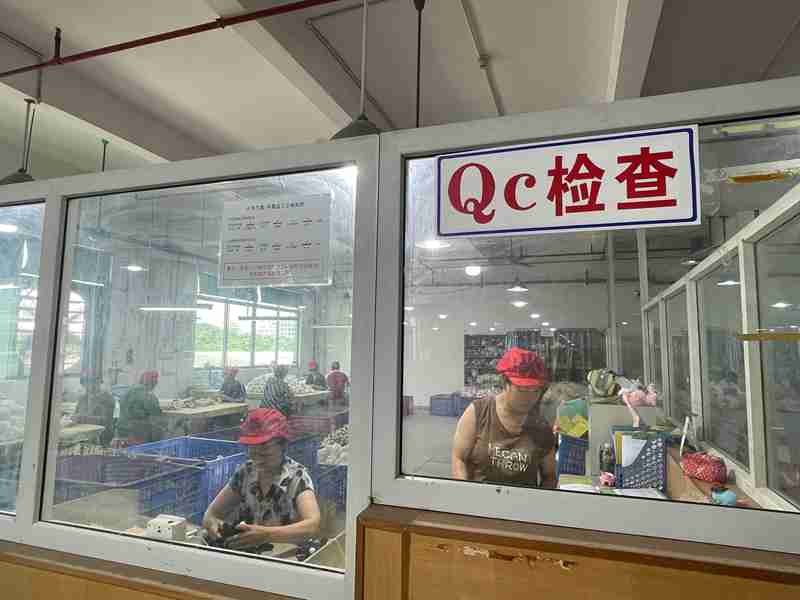
US programs often stumble on “paperwork meets production” issues:
- wrong age claim on hangtag
- missing tracking marks for children’s products
- label artwork approved, but bulk packaging used an older file
CPSC tracking label business guidance explains that children’s products must bear distinguishing marks (tracking labels) that are visible and legible, among other conditions. The fix is not complicated: lock label artwork versions, define placement rules, and add a packaging/label audit step before cartons are sealed.
What is the best compliance workflow from sample to bulk and how long does it take?
The best workflow is: decide market + age grade, build a compliance-ready prototype, test the right sample (often the golden sample or PP sample), then lock BOM/labels with change control. Lab timelines vary, but delays usually come from late design changes, missing documents, or re-testing after accessory swaps. Multi-market selling works best with one locked BOM and separate label/document sets per destination, backed by QC checkpoints.
Coutomers usually ask, “How long does compliance take?” A better question is, “How many times will we change the product after it’s tested?” Most timeline pain comes from late changes.
When should you test: prototype vs golden sample vs pre-production sample ?
Testing too early creates false confidence. If you test a rough prototype, then change fabric, accessories, or seam construction, the report no longer represents what you ship. Testing too late slows launch.
For plush, a practical pattern is:
- Prototype: validate the look and the basic build direction (face method, silhouette, accessory plan).
- Golden sample: lock what matters—materials, attachments, construction notes, label approach.
- PP sample: match bulk production conditions and packing method; this is often the best sample to connect to formal testing because it reflects production reality.
This approach supports repeatability. It also makes internal communication easier: everyone knows which sample is the “truth.”
How long do lab cycles, retests, and doc updates typically take—and what causes the biggest delays?
Exact timing depends on the lab, the test scope, and seasonality. What you can control is delay drivers:
- Accessory swaps after the sample is submitted
- Material substitutions due to supplier availability
- Label artwork revisions that trigger reprint and reproof
- Multi-market confusion (different warnings, different label sets, different SKU mapping)
If you want speed, keep one discipline: once the test sample is submitted, changes are treated as a formal change request, not a casual message in chat.
How to manage compliance for multi-market sales in one workflow
Multi-market can be smooth if you treat your program like a shared platform:
- One BOM for materials and parts (same eyes, same seams, same fill, same fabric codes)
- One build spec (reinforcement, stitch plan, seam allowance, stuffing density range)
- Multiple label/document sets per destination (warning language, tracking label format, importer details)
This also helps your warehouse team. A single product can still have multiple SKUs based on packaging language, but the physical plush stays stable.
How to reduce recall risk with change control: what happens when materials/accessories change after approval?
Most recalls start with “we changed something small.” Change control is the quiet hero of compliance.
A simple change control loop looks like this:
- Identify the change (material, accessory, label, packaging)
- Assess impact (safety risk, age grade claim, testing impact, label impact)
- Decide action (OK with records, needs internal checks, needs re-test)
- Update files (BOM, artwork versions, QC checklist)
- Verify in production (first-article check + photo record)
Table — Sample-to-bulk compliance SOP (fast version)
| Stage | What you lock | What you verify |
|---|---|---|
| Prototype | Look + basic method | Big risks (small parts plan) |
| Golden sample | BOM + build notes + label approach | Photos + measurement points |
| PP sample | Production conditions | Packaging + label version check |
| Bulk | No untracked changes | In-line QC + final audit |
If you want, send your market targets and age grade, and we’ll map your project into this workflow with a realistic checklist for sampling, labeling, and QC checkpoints.
Email: info@heyzizi.com
What information does a factory need to build a compliance-ready quote?
A compliance-ready quote needs more than a photo. It needs your target market (US/EU/UK), age grade, a basic component BOM, and your packaging + labeling plan (including tracking labels for US children’s products when applicable). CPSC guidance explains tracking labels and common labeling requirements for children’s products. When you provide these upfront, you get fewer quote revisions, fewer late “surprises,” and a faster path to a sample that still matches bulk reality.
Pricing a plush is not only “materials + labor.” In real programs, compliance decisions shift the build, and the build shifts the cost. That’s why the best RFQs read more like a mini project brief than a casual message.
Let’s say two brands ask for the “same” 20 cm plush doll. One says “3+ EU/UK,” the other says “kids gift in the US, 12M+.” Even if the artwork is identical, the safer build choices for younger ages and stricter labeling/traceability planning can change:
- face method (embroidered vs plastic parts)
- attachment method (extra reinforcement, different stitch patterns)
- label approach (sewn label vs hangtag vs packaging)
- packaging (bag thickness, warning placement, SKU/traceability rules)
If you want a quote that stays stable through sampling and bulk, give the factory the details that usually cause rework.
What is a “compliance tech pack”: market targets, age grade claim, component BOM, label artwork, packaging spec
A compliance tech pack is a small set of files and decisions that stop your project from wobbling mid-stream. It doesn’t need to be fancy. It needs to be clear.
Here’s a practical checklist.
Compliance Tech Pack (what to send before quoting)
| Item | What to include | Why it changes price/timeline |
|---|---|---|
| Target market | US / EU / UK (or multi-market) | Drives test plan + labeling rules |
| Age grade | 12M+, 3+, 8+, etc. + reason | Drives small parts strategy + warnings |
| Product type | Kids plush / collectible / pet plush | “Pet toy” needs durability logic, no brittle parts |
| Artwork + size | 2D art, dimensions, target weight feel | Affects pattern complexity + fabric choice |
| Component BOM | eyes/nose type, keychain, ribbon, squeaker, tags | Components are the top compliance + cost levers |
| Fabric + filling | preferred fabric, pile length, filling type | Affects seam control and bulk consistency |
| Label plan | sewn label, hangtag, packaging label | US children’s products may need tracking info |
| Packaging plan | polybag/box, warning placement, carton rules | Avoids late packaging rework |
| SKU strategy | number of variants, colorways, barcodes | Prevents warehouse errors + relabel costs |
| Timeline + quantity | sample qty, trial order qty, bulk forecast | Affects material sourcing and setup logic |
If you don’t have all of this, that’s normal. The point is to share what you do know so the quote doesn’t get rebuilt three times.
Pet plush safety: what materials and builds work best (no small parts, chew risk logic, durable seams)
Pet plush is a different safety mindset. It’s less about age-grade warnings and more about “What breaks when chewed, tugged, shaken, or soaked?”
For pet plush programs, many brands choose:
- embroidered eyes or stitched face panels (no detachable hard parts)
- simpler accessories (skip ribbons, plastic parts, keychains)
- short-pile fabrics on high-contact zones (face, belly) to reduce shedding/pilling
- reinforced seams at stress points (limbs, tails, handles)
- internal structure choices that reduce “easy tear starts”
And here’s the honest part: no plush is “indestructible.” Pet lines sell better when you position them as safer builds with controlled risk, not as “chew-proof forever.” In , that truth reduces returns and negative reviews.
Which choices move price the most: small-part swaps, embroidery vs plastic parts, packaging warnings, traceability labels
If you want to control cost without gambling on safety, focus on the highest-impact choices:
- Face method: embroidery vs plastic parts
- Accessory count: keychains, ribbons, squeakers, magnets
- Labeling complexity: multi-market language sets, tracking label placement in US children’s products when practicable
- Packaging upgrade: retail box, insert cards, extra sealing, extra label steps
- SKU count: more SKUs = more packaging variants and higher error risk
How to compare manufacturers fairly: test-plan support, QC controls, documentation readiness, and responsiveness
Two factories can offer the same MOQ and sample lead time, but still feel totally different to work with. A fair comparison looks like this:
- Do they ask for market + age grade upfront (or do they just quote blindly)?
- Do they propose safer alternatives that keep your character look?
- Can they provide a clear Golden Sample Pack (BOM + build notes + label files)?
- Do they have a defined QC flow for attachment security and packaging checks?
That’s what “-ready” looks like: not slogans, but predictable deliverables.
How do you reduce compliance risk in bulk production?
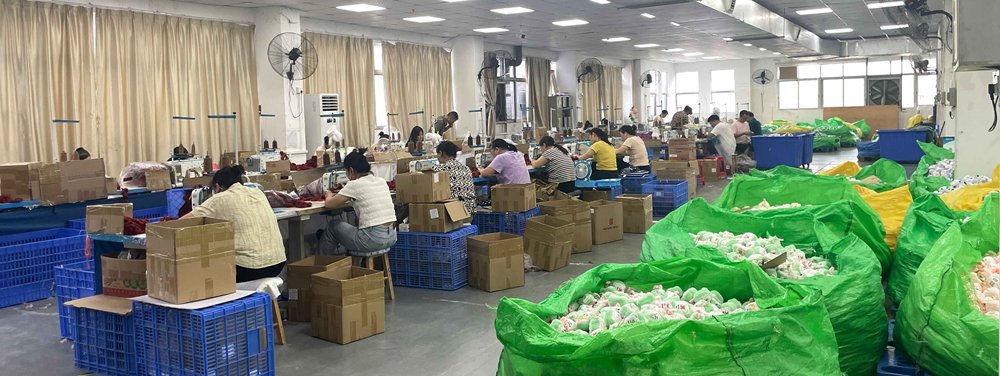
Bulk compliance risk drops when you control three things: (1) attachments and seams, (2) labeling/traceability accuracy, and (3) change control. In the US, CPSC explains that children’s products must carry tracking labels (and often on product and packaging when practicable). In EU contexts, warnings like “Not suitable for children under 36 months” are required for toys that may be dangerous to that group. A strong QC plan keeps bulk matching what was tested and approved.
Here’s a tough truth: most compliance failures don’t happen in the lab. They happen on a busy production line when small variations stack up.
- different fabric pile thickness → weaker seam capture
- different operator style → different stitch density
- missing reinforcement patch → attachment pulls out
- old label file reused → wrong age grade / missing tracking info
- mixed cartons by destination → wrong warnings on the wrong shipment
If you want fewer “emergency calls,” you need a bulk plan that is boring on purpose.
What should be checked in-line vs final inspection to keep safety consistent across batches?
Think in layers.
In-line checkpoints (stop problems early):
- attachment security checks (eyes, noses, ornaments, keychains)
- seam checks at stress zones (limb joints, ear bases, tail base)
- stuffing access checks (no gaps, no weak points)
- fabric shedding / pilling quick checks on high-contact areas
- embroidery/print alignment checks on face panels (expression consistency)
Final checks (stop shipment mistakes):
- label accuracy vs the approved artwork version
- barcode/UPC placement and scan tests on packaging
- warning language and age-grade statements by destination
- carton marks, carton labels, and packing list matching the PO
- random carton drop/stacking review if shipping long distance
A lot of brands think QC equals “final inspection.” But final-only QC is like proofreading after printing 10,000 books. It catches issues, but it’s late.
How to reduce recall risk in plush programs: top defect triggers, stop-ship rules, and corrective-action loops
Recalls and retailer rejections often trace back to a small list of triggers:
- detachable parts (eyes/nose/ornaments)
- seam openings and exposed stuffing
- wrong or missing warnings
- missing or incorrect tracking information on children’s products in the US
- “tested sample vs shipped bulk” mismatch
A practical way to manage this is to agree on stop-ship rules. This sounds strict, but it’s what professional programs do.
Stop-ship examples (simple and clear):
- any detachable hard part found in random pull checks
- any seam gap that exposes stuffing
- any wrong label version in packaging line checks
- any destination mix-up (EU cartons labeled as US, etc.)
Then you need a CAPA loop that fits real lead times.
Which defects trigger the most issues: loose eyes, exposed stuffing, wrong warnings, mixed materials, label errors
These are “high pain per unit” issues. One bad unit can ruin a retailer relationship.
- Loose eyes / nose: even if failure rate is low, the perceived risk is huge
- Exposed stuffing: immediately looks unsafe and low quality
- Wrong warnings: retailers treat it as non-negotiable
- Mixed materials: results don’t match test documents
- Label errors: tracking/traceability gaps complicate investigations and can trigger compliance questions
CPSC labeling guidance summarizes common labeling requirements, including tracking labels and small parts warnings where applicable.
How to build a practical CAPA loop without killing lead time (root cause + prevention + verification)
CAPA only works if it’s fast enough to be used. Here’s a slim version that still protects you.
Table — “Fast CAPA” for plush bulk programs
| Step | What happens | What you save |
|---|---|---|
| Contain | stop the line for the defect area | prevents spread |
| Identify | which station/operator/material batch | speeds root cause |
| Fix | adjust stitch method, reinforcement, tooling | reduces repeats |
| Prevent | update SOP + training + QC frequency | stabilizes bulk |
| Verify | recheck with the same test method | proves effectiveness |
Recall risk, from another angle
A recall isn’t only a cost. It’s reputation. That’s why the best brands prefer a factory that says: “Here’s how we keep bulk aligned with the approved sample,” rather than “We guarantee quality.”
If you want, we can build your bulk QC checklist around your exact product type (kids plush, collectible plush, pet plush) and your market targets.
Email: info@heyzizi.com
What is the “best” way to start if you’re new to EN71/ASTM: a simple safety guide
The best start is to define market + age grade + product type, then send one clear email that lists your components and packaging plan. For US programs, review tracking label expectations for children’s products early. For EU contexts, under-3 warnings are required for toys that may be dangerous to children under 36 months. A short checklist prevents over-testing, reduces revisions, and gets you to a compliant, retail-ready plush faster.
If you’re new to EN71/ASTM, you don’t need a law degree. You need a clean launch method.
Here’s the method we recommend, because it makes projects smoother on both sides: start with a safety-first product brief, then let the factory propose build decisions that match your brand look.
What should you ask a factory in the first email to avoid compliance surprises (market, age grade, components, packaging)?
If your first message is “Can you make this plush?” you’ll get a price that changes later.
Instead, send a message that answers the questions your future self will ask anyway:
- Where are you selling? (US/EU/UK, or multi-market)
- What age grade are you targeting? (and whether you want under-3 suitability or not)
- Is it a kids plush, collectible, or pet plush?
- What face method do you prefer? (embroidery, print, plastic parts)
- What accessories are included? (keychain, ribbon, squeaker, magnets—list them)
- What packaging do you need? (polybag, color box, hangtag, insert card)
- How many SKUs? (colorways, sizes, languages)
- Timeline and volumes (sample quantity, trial order, bulk forecast)
This single email reduces 60% of the back-and-forth.
What documents should you request before placing a PO (test plan, BOM, labeling proof, QC plan, change control)?
Before a PO, ask for these deliverables:
- Component BOM (fabric codes, filling, eyes/nose type, accessories)
- Label artwork proof (warnings, tracking info plan, SKU/barcode mapping)
- Test plan outline (which market standards you’re targeting and why)
- QC checkpoint list (in-line checks + final checks)
- Change control rule (what happens if any material/accessory changes)
For US children’s products, tracking labels are a known requirement, and CPSC provides guidance on what they are and the conditions (visible/legible, and on product/packaging when practicable).
For EU toy safety guidance, toys that may be dangerous for children under 36 months should carry an under-3 warning plus a brief indication of the specific risk.
How to reduce recall risk from day one: launch checklist + internal review rhythm
A lot of teams think recall prevention starts after a failure. It starts at launch.
Set a simple rhythm:
- one person owns market + age grade decisions
- one person owns label file control (versioning)
- every change is written and reviewed (no “quick swaps”)
This sounds formal, but it actually makes projects feel lighter because fewer surprises appear late.
Fastest path to a compliant plush program (without over-testing): standardize components + lock the golden sample
Over-testing is real. It wastes budget and time. Under-testing is also real. It creates risk.
The best balance looks like this:
- standardize face methods and accessories across SKUs
- avoid high-risk parts in kids lines (magnets, detachable hard parts)
- lock the Golden Sample Pack (BOM + build notes + label files + key photos)
- test the sample that matches bulk build conditions
- keep change control simple and consistent
Subject: Custom Plush Compliance Planning — Market + Age Grade + Components
Body (short):
- Target market(s):
- Target age grade:
- Product type: kids / collectible / pet
- Size + target weight feel:
- Face method: embroidery / print / plastic parts
- Accessories list:
- Packaging needs: polybag / box / hangtag / insert
- SKU count + barcode plan:
- Sample qty + target bulk qty + timeline:
- Please propose safer alternatives if any component is high risk.
Send this to info@heyzizi.com and we’ll respond with a practical compliance-ready development route.
Start Your Compliance Plan
If you want your plush program to move fast without late compliance surprises, email Heyzizi your market, age grade, artwork, size, and accessory list. We’ll reply with:
- a compliance-ready quote structure (what drives price, what drives lead time)
- a small-parts strategy that fits your character look
- a multi-market plan (what stays the same, what changes)
- a sample-to-bulk SOP (Golden sample → PP sample → bulk QC)
Contact: info@heyzizi.com
Compliance & Safety — FAQs (Custom Plush)

Which standard do I need—EN71 or ASTM F963—and can one plush program cover both?
If you sell plush in multiple regions, the first decision is market scope, not “which lab is cheapest.” For EU/UK toy safety planning, EN 71-1 focuses on mechanical and physical properties and is used for conformity routes under EU toy safety frameworks. For the US, ASTM F963 is the toy safety specification covering toys intended for children under 14, and CPSC guidance explains that testing/certification requirements apply to products intended primarily for children 12 or younger.
Can one plush design “cover both”? Often yes—if you plan it early. The smart approach is to standardize the build around the strictest shared safety expectations: no detachable small parts for younger ages, reinforced seams, controlled accessories, and clear labeling logic. Then you localize the packaging/labels and compliance documents by destination.
Where brands get burned is testing Sample A, then shipping Bulk B. So the real question isn’t “Can one test cover both?” It’s “Can we lock a single Golden Sample Pack (BOM + build notes + label files) and keep production consistent?”
Procurement takeaway (quick):
- Decide US / EU / UK before sampling
- Lock age grade + small-parts strategy early
- Keep one stable BOM, localize labels per market
- Ask your factory for a change-control rule before PO
If you share your target markets, we’ll recommend a single build strategy that stays stable across destinations. Email info@heyzizi.com.
How do I choose the right age grade, and what documentation makes retailers feel safe?
Age grade is not a vibe—it’s a safety and liability decision that influences design, accessories, labels, and testing. In EU guidance contexts, toys that might be dangerous for children under 36 months should carry a warning like “Not suitable for children under 36 months” together with a brief indication of the specific risk. In the US, CPSC publishes age determination guidance to help link toy characteristics to children’s skills and behaviors.
What documentation helps most in ? Something simple and real, like a one-page “Age Grade Rationale” that answers:
- Who is the intended user?
- What foreseeable misuse could happen (younger sibling, rough handling)?
- Which design choices reduce risk (embroidered face, no detachable parts)?
- Which labels/warnings are used and why?
- What changes require re-approval?
Retailers and importers love this because it shows you didn’t slap “3+” on a product to avoid redesign. Also, it speeds up internal approvals—your team won’t re-litigate the same questions every time you add a new SKU.
Mini checklist (what to lock before sampling):
- Target market(s) + channel (DTC, retail, distributor)
- Age grade + the “why” (2–3 sentences)
- Accessory list (eyes, keychains, ribbons, squeakers, magnets)
- Face method (embroidery vs plastic parts)
- Packaging plan (where warnings live)
Send your artwork + target age + market to info@heyzizi.com, and we’ll suggest build options that match your risk tolerance and brand look.
Are embroidered eyes always “safer” than plastic eyes—and what does that mean for cost and face accuracy?
In most kids-focused plush programs, embroidery or appliqué faces are a lower-risk default because they reduce the chance of a detachable small part. But “safer” doesn’t mean “automatic pass,” and it doesn’t mean plastic eyes are always impossible. The real issue is whether the face method matches your age grade, market, and bulk repeatability plan.
Embroidery wins on:
- fewer detachable components
- consistent look if stitch density and placement are controlled
- better performance for under-3 risk avoidance strategies
Plastic eyes can still work (especially for older age grades or collector plush), but they raise the bar for process control:
- correct backing installation every time
- stable fabric thickness/pile (so the seat depth doesn’t drift)
- pull-resistance mindset in production checks
- stricter change control (no “similar eye” substitutions)
Cost-wise, embroidery can be cheaper or more expensive depending on stitch count, thread colors, and machine time. Plastic parts add component cost and extra labor steps. The deciding factor is usually defect risk cost: one detachment issue can cost more than saving a few cents per unit.
Fast comparison table
| Face method | Safety risk (kids) | Look control | Bulk repeatability |
|---|---|---|---|
| Embroidery | Lower | High (if digitized well) | High |
| Appliqué + embroidery | Lower | Very high | Medium–High |
| Plastic eyes/nose | Higher | High | Medium (needs tight process) |
Want the best of both worlds—high face accuracy and low risk? Send your face reference and target age grade. We’ll recommend a face build that stays consistent in bulk. info@heyzizi.com
What accessories create the biggest compliance risk (magnets, squeakers, keychains), and when should I avoid them?
Accessories are the fastest way to turn a “simple plush” into a complex compliance project. The highest-risk items are usually the ones that can detach, be swallowed, or create injury hazards. For EU contexts, guidance emphasizes under-3 warnings where toys may be dangerous to children under 36 months and requires indicating the specific risk. That’s why accessories need to be planned at the same time as age grade—not later.
High-risk accessories (kid plush):
- Magnets (ingestion hazards are taken very seriously; many brands avoid them for kids lines)
- Metal keychains/clips (hard edges + detachment risk)
- Squeakers/internal modules (containment and seam strength become critical)
- Buttons/charms (small parts + repeated handling loosening stitches)
- Long cords/loops (can trigger hazard concerns depending on design and length)
For pet plush, the risks shift: chewing, tearing, and ingesting pieces. The safest pet builds usually avoid brittle plastics, skip metal, and use reinforced seams.
Best practice (-friendly):
- Decide: accessories “built-in” vs “packaged separately”
- Use a documented attachment method (reinforcement patch, stitch type, seam capture)
- Add a production checkpoint: “Accessory security check” per batch
- Create a “no substitution” list for critical parts
If you tell us which accessory is non-negotiable, we’ll propose a safer construction route and a QC check that keeps bulk stable. info@heyzizi.com
What are CPSC tracking labels, and where should they go on plush and packaging?
If your plush is a children’s product in the US, tracking labels are a big deal because they support traceability in case of quality issues or recalls. CPSC business guidance states tracking labels must be visible and legible and permanently affixed to the product and its packaging, to the extent practicable, and the required information must be ascertainable from those marks.
For plush, “practicable” matters because the product is soft and small. A typical, workable approach is:
- On-product: a sewn-in label (side seam or back seam) that includes the tracking information (or links to it via code, depending on your compliance plan).
- On packaging: printed or sticker label on the polybag/box/carton label that matches the SKU and destination requirements.
What causes problems in real life is inconsistency:
- label exists on some units but not others
- packaging used an older artwork file
- mixed cartons for different destinations or language sets
Packaging control tip: add one final “Label & Tracking Audit” before carton sealing: scan barcodes, check warning language, verify the label version code.
If you’re unsure what to include on the tracking label or where to place it for your specific plush size, email us your market + age grade + packaging type. We’ll suggest a placement that’s clean, brand-friendly, and practical in production. info@heyzizi.com
How do I manage compliance for multi-market sales without doubling my SKUs and costs?
Multi-market sounds scary until you split the job into two layers: (1) build standardization and (2) label/document localization. The build layer is what your factory produces; the localization layer is what your warehouse and packaging line controls.
Core references differ by market (EN71 for EU/UK planning, ASTM F963 for US toy safety scope, and CPSC guidance for what triggers testing/certification and labeling practices). (Law Resource) But you don’t need a different plush body for each country if you design to a conservative baseline and control paperwork.
Best practice table — Multi-market structure
| Keep the same (standardize) | Change by market (localize) |
|---|---|
| BOM (materials + parts) | Warning language/layout |
| Face method + attachments | Tracking label format (US children’s products) |
| Seam rules + reinforcement points | Certificates/test reports set |
| QC checkpoints | Packaging copy, importer address |
| Golden sample version | SKU/barcode mapping per destination |
This approach lowers risk because the physical product stays consistent, and the “market differences” live in controlled files and packaging processes.
What to ask your factory (quick):
- Can you keep one locked BOM and manage multiple label artworks?
- Do you have a packaging audit step to prevent destination mix-ups?
- What’s your change-control rule if any material/accessory changes?
If you share your destination list (US/EU/UK), we’ll propose a “one build, multiple label sets” plan that keeps costs predictable. info@heyzizi.com
When do I need to retest—and what changes are most likely to trigger failures or delays?
Retesting is usually triggered by one thing: the product you’re shipping is no longer the product you tested. That sounds obvious, but it happens constantly in sourcing when teams swap materials late to save time.
Common changes that often trigger risk review (and sometimes retest):
- fabric supplier change, pile length change, backing change
- stuffing change (type, density range)
- face method change (embroidery ↔ plastic parts)
- accessory change (eyes/nose model, keychain supplier, magnet, squeaker)
- seam allowance / construction method change
- label/warning placement change that affects claims (age grade, warnings)
In EU guidance contexts, toys that may be dangerous for children under 36 months should carry specific warnings, so changes that affect small parts or profile can quickly impact the labeling and compliance logic. In the US, CPSC guidance clarifies applicability of testing/certification for children’s products and points to labeling/traceability expectations.
The solution is simple:
- What changed?
- Does it impact hazard profile or claims?
- Do we need internal verification or lab retest?
- Update BOM + artwork version + QC checklist
- Record it so the next reorder doesn’t drift
If you want fewer delays, we can help you define “critical-to-compliance” parts that are non-substitutable without approval. Email info@heyzizi.com.
Pet plush vs kids plush: what materials and builds work best, and how should I position safety honestly?
Pet plush and kids plush look similar, but they fail differently. Kids plush compliance focuses on age-grade risk, small parts, labeling, and market rules. Pet plush safety is more about what happens when a dog chews, shakes, and pulls—because the hazard is “break-off + ingestion,” not “toy regulations.”
Pet plush build choices that usually work best:
- embroidered/appliqué face (avoid detachable hard eyes/nose)
- short-pile fabrics in high-contact areas (face/belly) to reduce shedding
- reinforced seams at limb joints, tail bases, handles
- simplified accessories (avoid metal, avoid brittle plastics)
- internal containment strategy if you use squeakers (so the module doesn’t escape easily)
But here’s the part that protects your brand: don’t market pet plush as “indestructible.” No plush is indestructible. A better, trust-building positioning is:
- “Built with reinforced seams and low-break-off design”
- “Designed to reduce loose parts and improve durability”
- “Always supervise aggressive chewers”
For kids plush, if your target market is US/EU/UK and the product is intended primarily for children, you’ll need to align with the correct compliance path (ASTM F963 scope and CPSC requirements for US; EN71 planning for EU/UK).
If you tell us whether your line is kids, collector, or pet, we’ll recommend materials and construction that match real-world use and keep your reviews means fewer nasty surprises. info@heyzizi.com
“Stop-Ship” Triggers for Plush Programs
| Trigger | Why it matters | Action |
|---|---|---|
| Detachable hard part found in checks | Small-part risk escalates quickly | Stop line + inspect batch |
| Seam gap exposes stuffing | Immediate safety + quality red flag | Stop-ship affected cartons |
| Wrong warning/age grade printed | Retailers treat it as non-negotiable | Quarantine + rework labels |
| Missing/incorrect tracking info (US kids) | Traceability and compliance risk | Hold shipment until corrected |
| Material/accessory substituted without approval | Tested sample ≠ bulk shipment | Change-control review |