 Skip to content
Custom Stuffed Animals
Custom stuffed animals succeed when a concept is converted into a repeatable manufacturing spec—materials, face method, pattern tolerances, and QC checkpoints stay consistent from sample to bulk. This guide explains how we build brand-ready stuffed animals with controlled embroidery/appliqué options, clear sampling stages, and documented pack-out rules that reduce deformation and sample-to-bulk drift.
Use the checklists and comparison tables here to assess MOQ, lead time, compliance planning, packaging labels and carton marks, and long-term reorder stability for retail, promotional, or IP licensing programs.
Guangdong Stuffed Animals: Bulk and Retail Ready
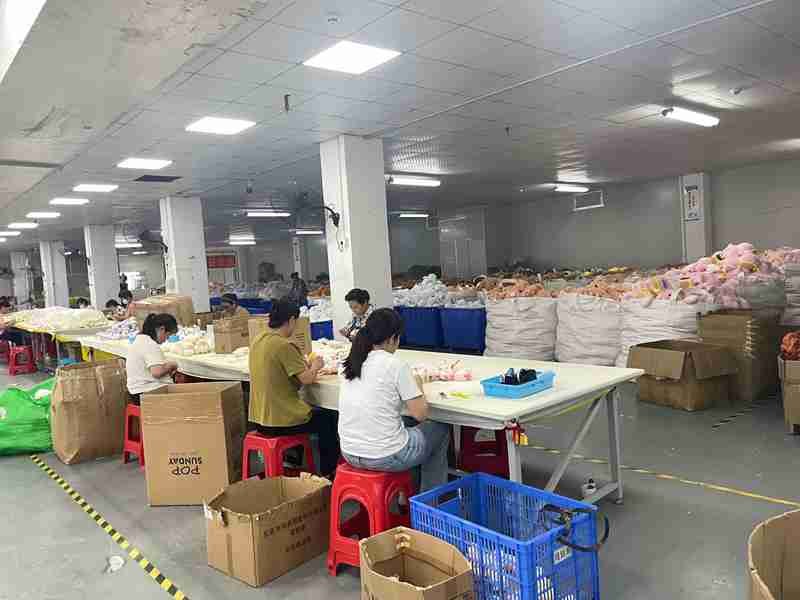
If you are sourcing custom stuffed animals for a brand launch, a retail program, a promotional campaign, or a creator merchandise drop, the real risk is rarely “making one sample.” The hard part is keeping the bulk output consistent with what got approved, then shipping it in a way that arrives clean, organized, and ready for receiving. At Heyzizi, we operate as a Guangdong-based plush export supplier with in-house teams and a scalable manufacturing setup—so projects don’t depend on luck or a single operator’s skill. We build your plush project around spec clarity, pattern repeatability, QC checkpoints, and pack-out discipline. That’s how reduce rework, reduce disputes, and increase reorder confidence.
Our standard MOQ for custom stuffed animals is 500 pcs per design. The actual MOQ is confirmed after reviewing the design, materials, accessories, packaging, and SKU structure. Since the quantity is smaller, raw material purchasing costs are higher, while the full production process still stays the same, so the unit price will be higher. In general, the larger the order quantity, the lower the unit cost. Once the order reaches 1000 pcs or more, our pricing becomes much more competitive. We can stay flexible and work with different quantity needs based on your project.
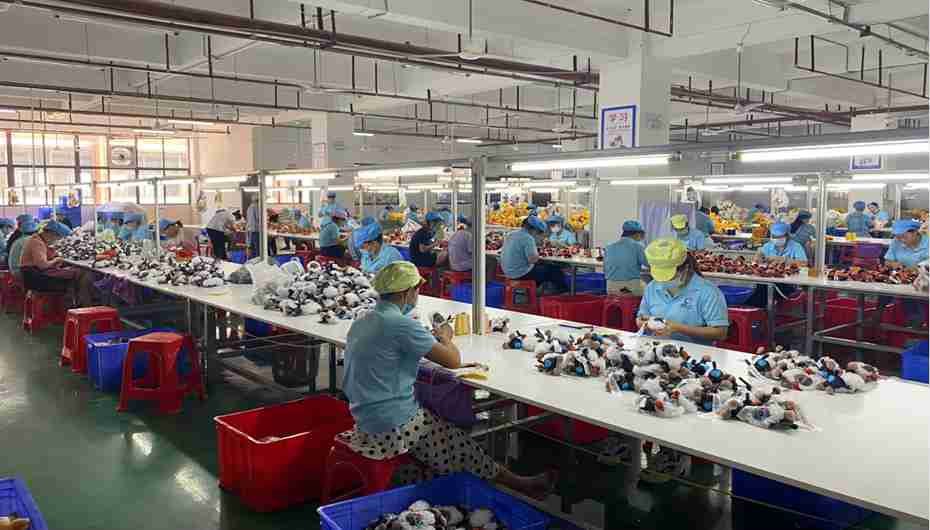
We run with dedicated roles—International Sales, Product Development, Product Design, and an in-house pattern & sampling room—so prototypes are not one-offs; they become a stable foundation for bulk production.
| What You Need | How We Support | What You Can Ask For |
|---|---|---|
| Bulk consistency | Pattern + process standards + QC stages | QC checklist, inspection photos |
| Retail readiness | Labels, hangtags, barcode/SKU, display packaging | Packaging recommendation table |
| Fast sampling | In-house pattern & sampling workflow | Sample timeline + revision plan |
| Reorder stability | Version control + BOM + golden sample | Reorder file + comparison photos |
Stuffed Animal Types We Build — From Mini Charms to Giant Plush
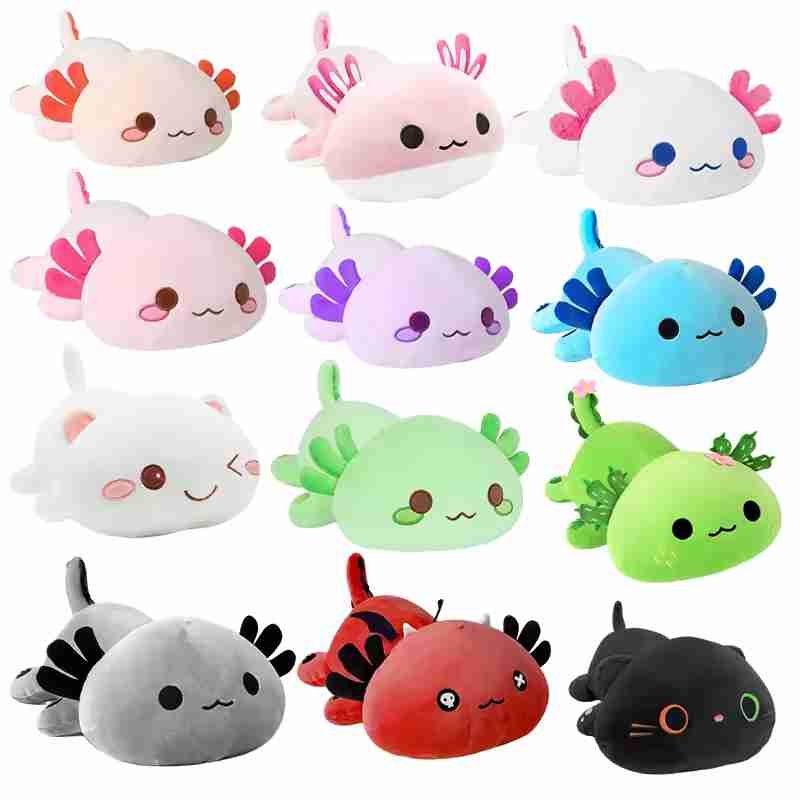
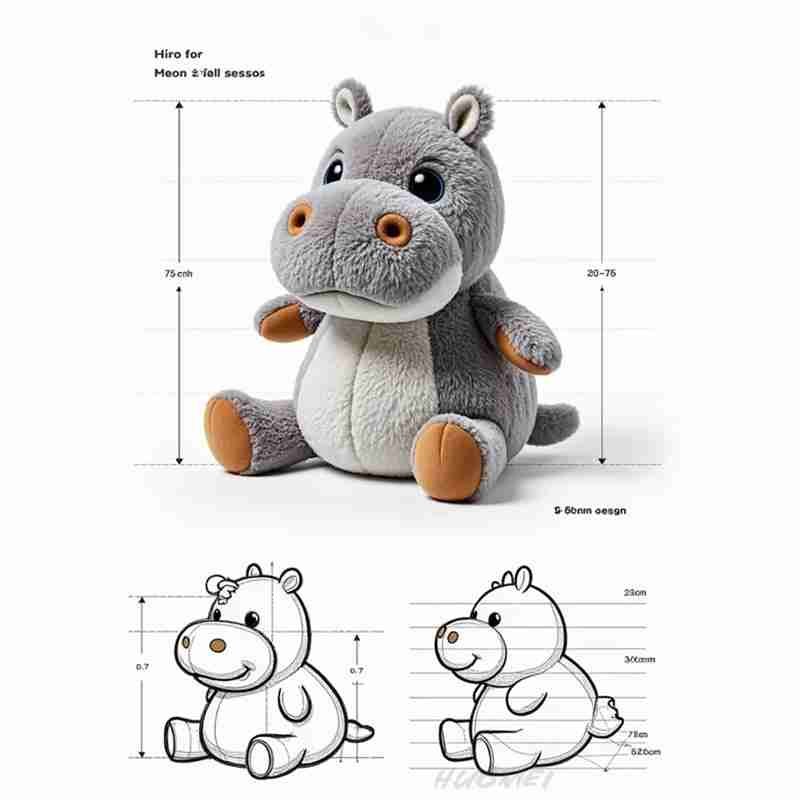
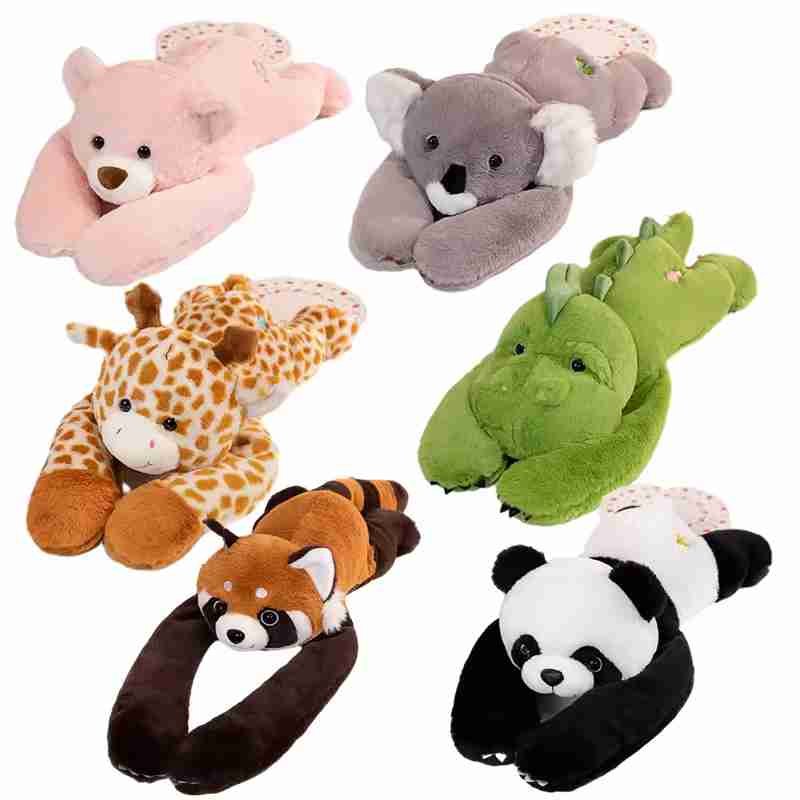
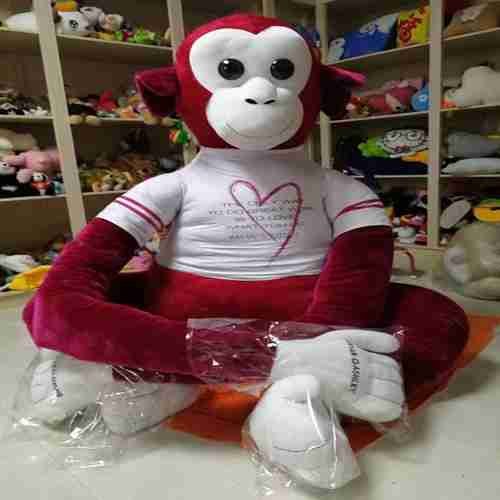
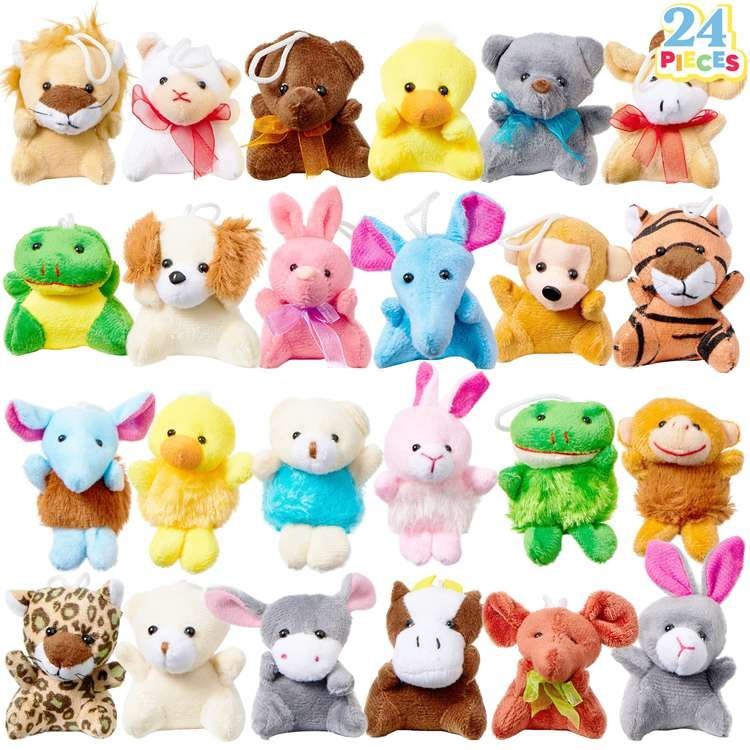
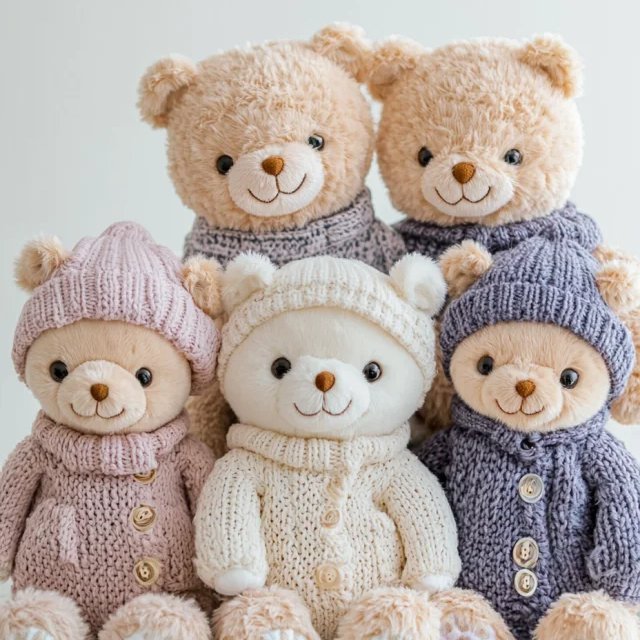
At Heyzizi, we support a broad range of stuffed animal builds: standing, sitting, lying, soft sculpted plush (no skeleton), poseable plush with armature, and jointed plush. We also produce various size tiers: Mini (3–10 cm), Standard (15–30 cm), Large (40–80 cm), and Giant (1m+).
From a manufacturing angle, each tier has different “risk points.” Mini plush requires tighter tolerance control on face alignment and seam allowance; large plush requires deformation control, base stability, and carton packing rules. If your program includes a multi-SKU set (for example, S/M/L family set), we plan size scaling rules so proportions remain consistent.
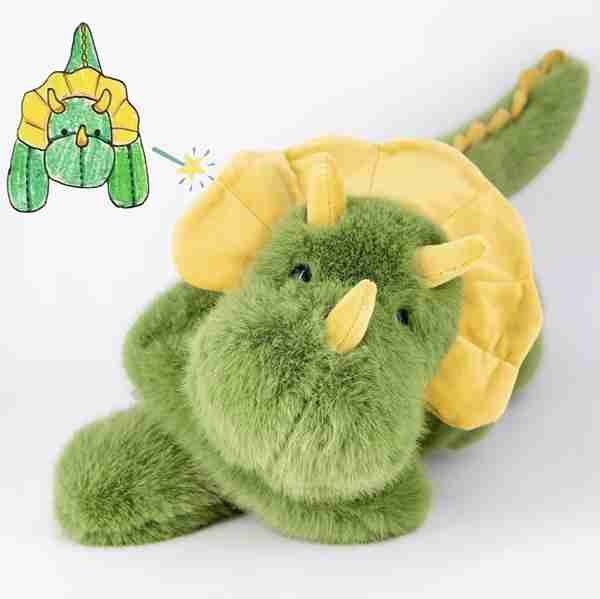
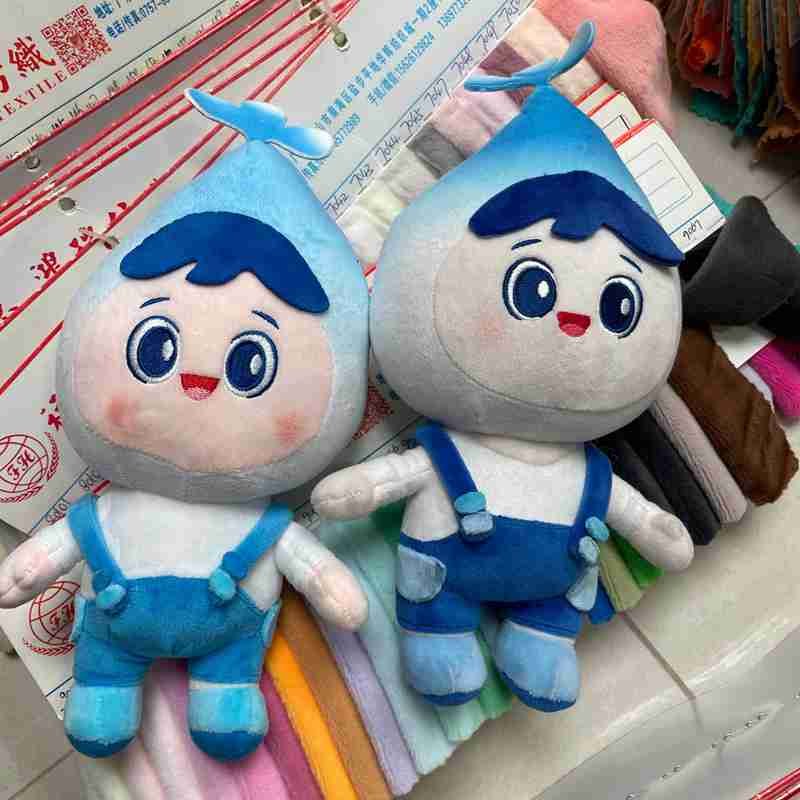
We also support character and IP builds such as anime/game character plush, brand mascot plush, corporate character plush, human plush dolls (chibi/realistic), outfit-change plush, and character sets.
To reduce mistakes in early discussions, we suggest you decide these 6 parameters before RFQ: target size, target weight feel, face technique (embroidery/print/safety eyes), accessory list (tags, keyrings, clothes), packaging type, and target compliance market. Those choices define the correct construction route and the true cost drivers.
| Program Goal | Recommended Size | Build Priority | Notes |
|---|---|---|---|
| Event giveaway | 10–18 cm | cost control + fast sewing | avoid fragile add-ons |
| Retail plush line | 15–30 cm | face consistency + labeling | plan barcode/SKU early |
| Collector drop | 20–35 cm | detail accuracy + strict QC | seal golden sample |
| Giant hug plush | 80 cm–1m+ | deformation control + packing | carton support matters |
Artwork Intake Checklist for Executable Specs
Most delays in custom stuffed animal projects come from missing inputs. When there’s only a cute picture and a size guess, sampling becomes trial-and-error: face alignment changes each revision, fabrics are swapped late, and packaging is decided after bulk is already planned. Our goal is to make your project executable early. Heyzizi’s workflow is built to convert requirements into a clear specification and schedule—handled by teams familiar with RFQ logic, sampling coordination, and production file preparation.
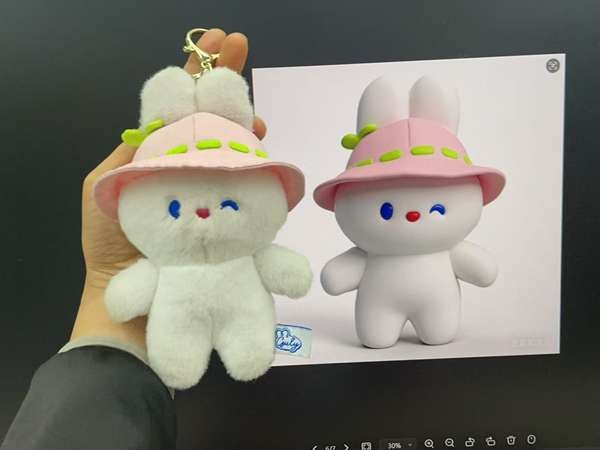
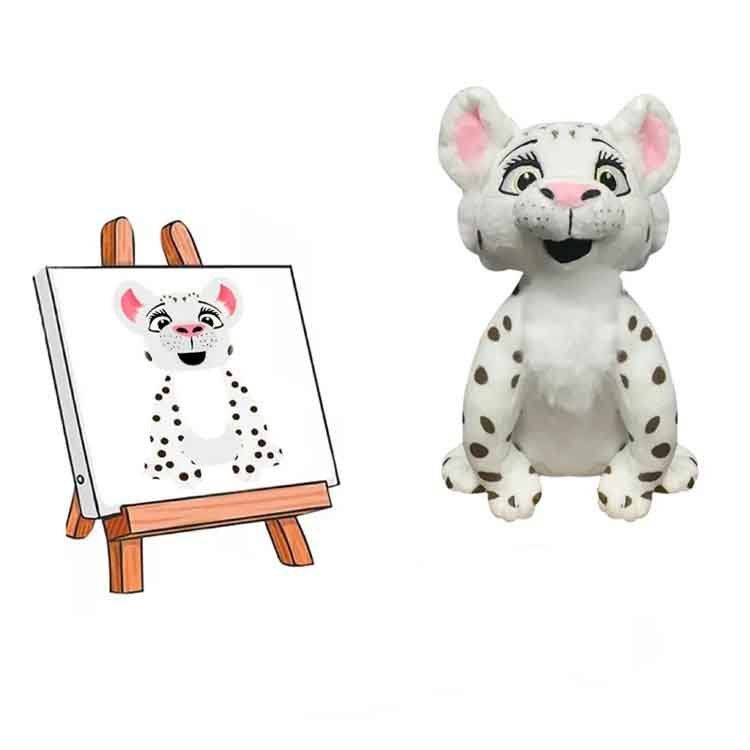
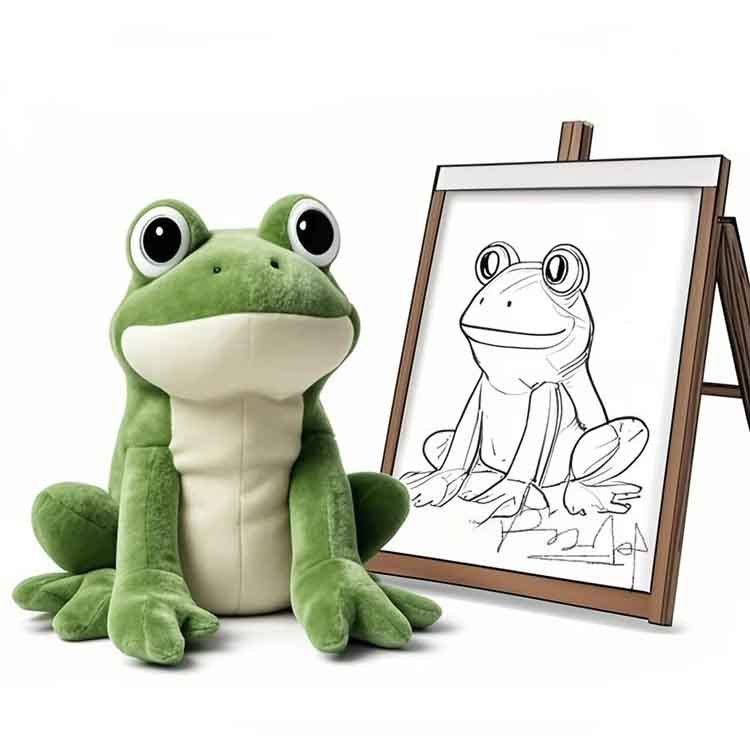
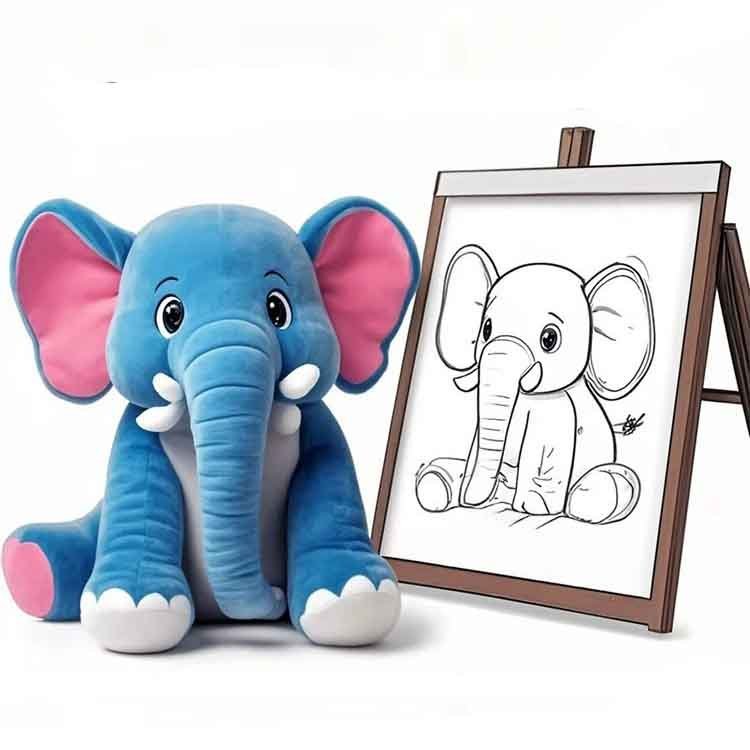
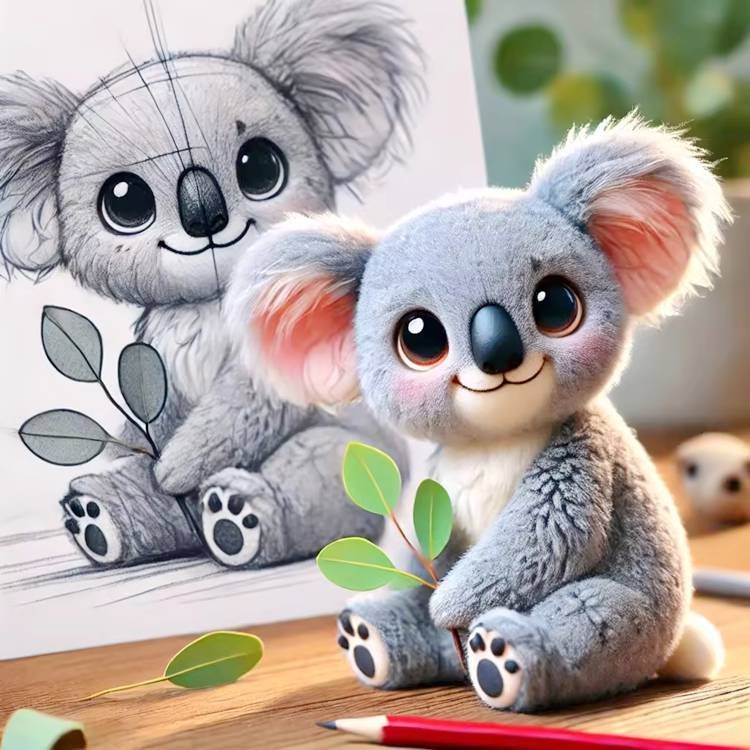
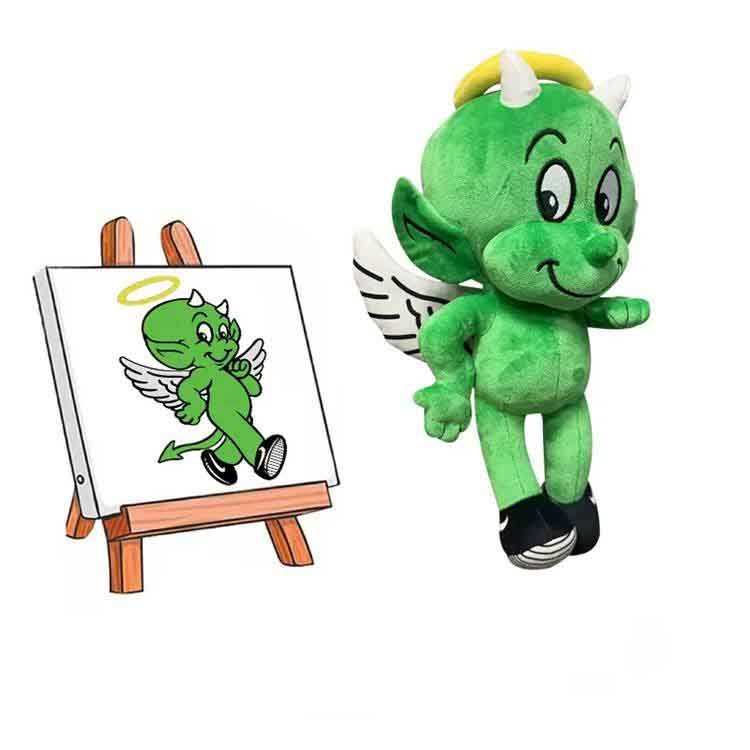
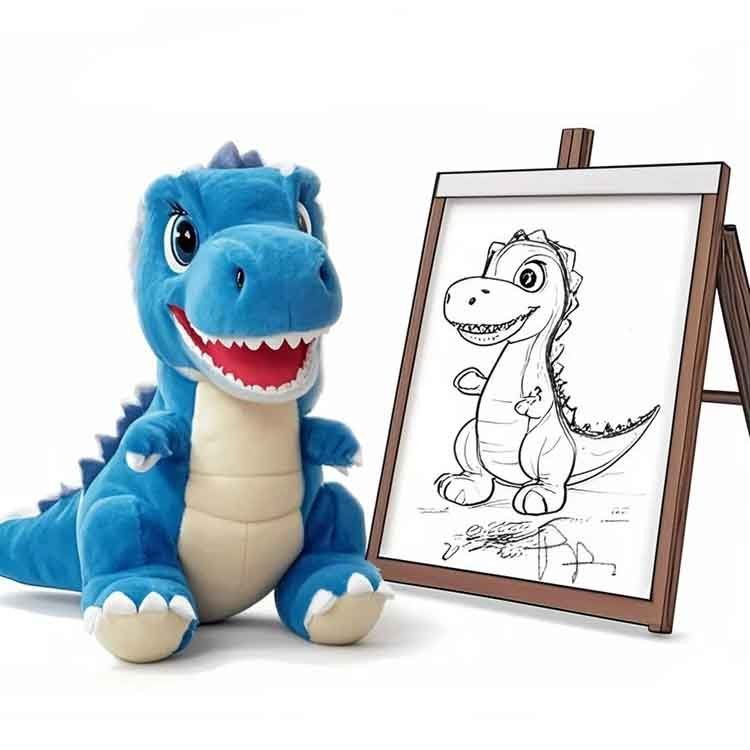
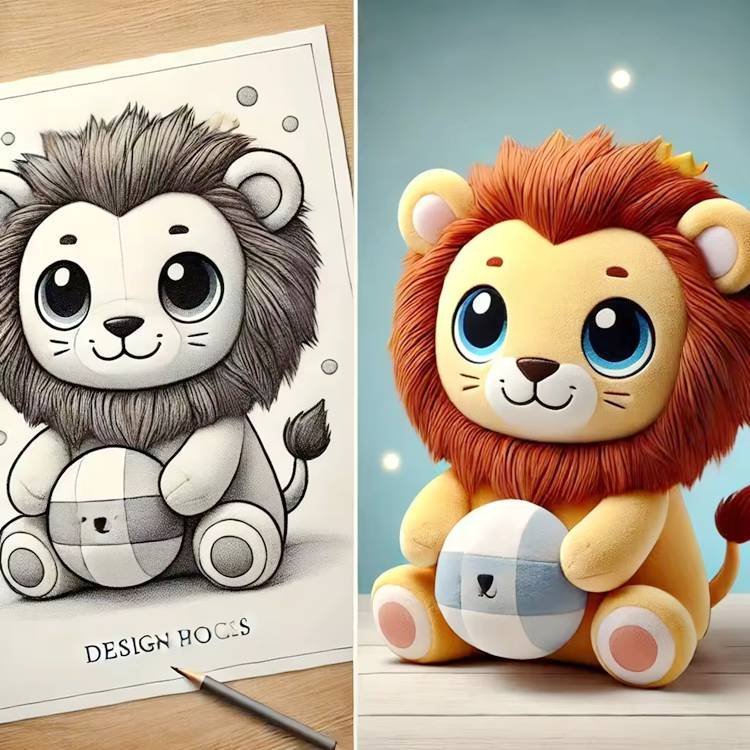
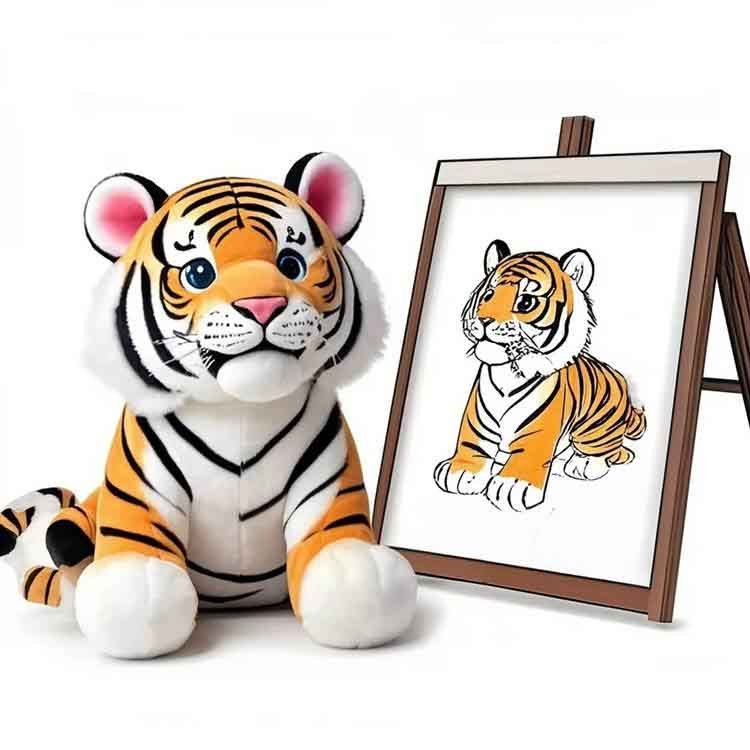
To start efficiently, you can send any of these: flat artwork, 3-view drawings, reference photos, or a competitor sample you want to match. We then structure the project into a spec pack: target dimensions, tolerance, face placement rules, seam layout, fabric map, accessory BOM, labeling/packaging requirements, and testing market assumptions.
If your character has multiple SKUs (e.g., different outfits or expressions), we recommend defining one “base body” SKU first, then building variants off the same foundation. This reduces revision loops and keeps proportions consistent across the line.
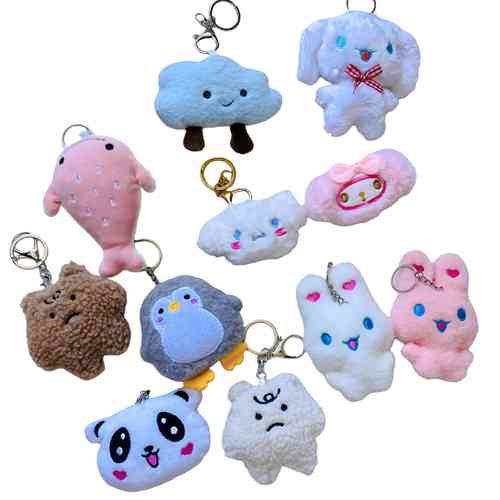
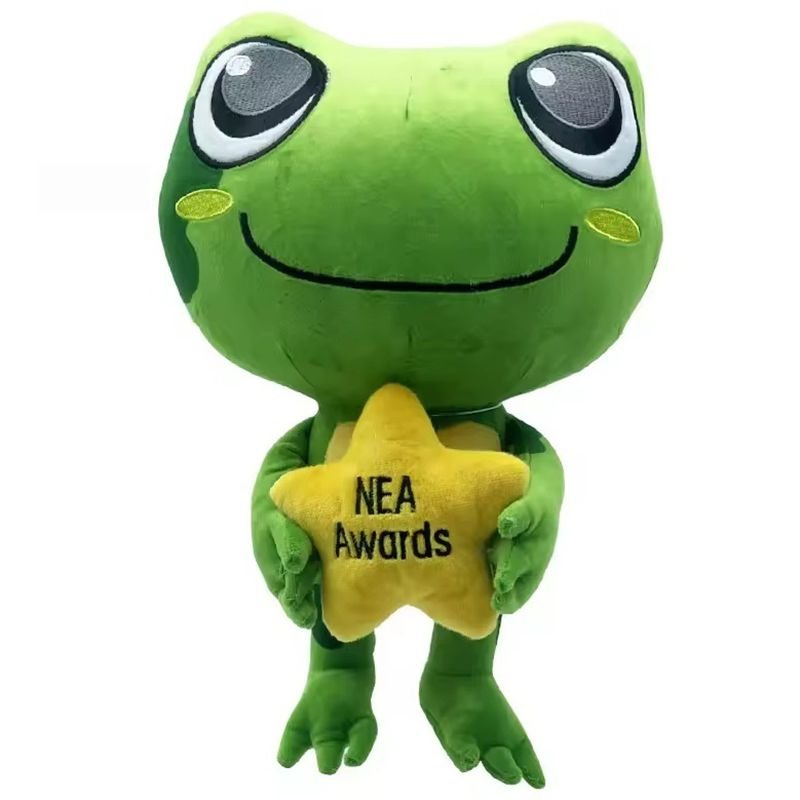
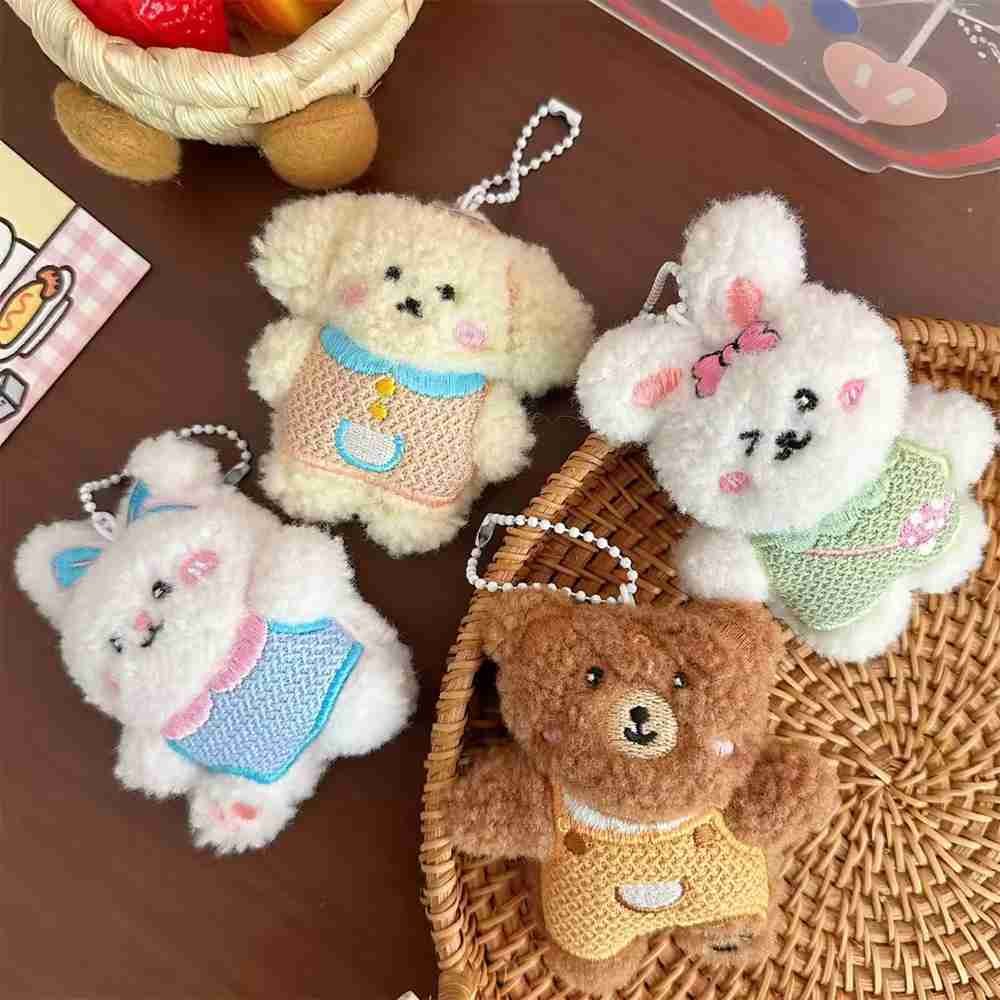
Below is the Artwork → Spec Pack checklist we use internally. If you follow it, you get faster quoting, fewer follow-ups, and a clearer sampling path.
| Item | What to Provide | Why It Matters |
|---|---|---|
| Size & pose | cm + standing/sitting/lying | impacts pattern + stability |
| Face style | embroidery/print/safety eyes | affects cost + compliance |
| Fabric feel | soft/long pile/short pile | controls hand-feel + fuzz |
| Accessories | keyring, clothes, tags | pull strength + durability |
| Market | US/EU/UK/JP etc. | compliance planning |
| Packaging | polybag/box/display | reduces deformation + improves receiving |
Stuffed Animal Fabrics: Feel, Durability, Cost
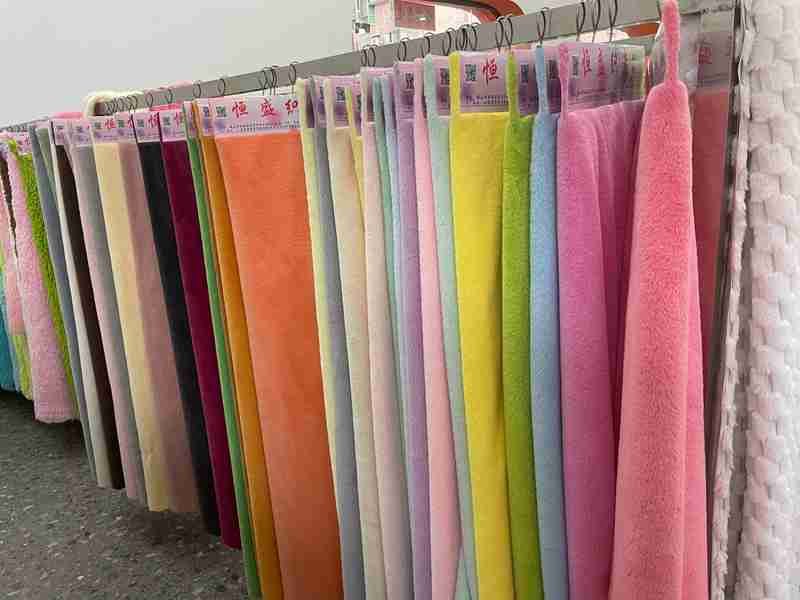
For stuffed animals, common fabric families include super-soft short pile (smooth touch), long pile (fluffy look), textured fabrics (visual character), and specialty fabrics (e.g., “velvet feel” or sherpa-like). The correct choice depends on your character design: a minimalist face with embroidery works well on smooth short pile, while a furry monster character can use longer pile—but longer pile may cover fine stitching and requires more face trimming control.
We recommend deciding fabric by these criteria:
| Fabric Goal | Best Fit | Watch-outs | Typical Use |
|---|---|---|---|
| Clean face detail | short pile super-soft | shows stitch mistakes | character plush, mascots |
| Extra fluffy look | long pile | hides face, needs trimming | animals, monsters |
| Premium gift feel | velvet-like | marks show easily | gift sets, display |
| High durability | dense short pile | higher cost | retail programs |


Face Engineering — Keep Expressions Consistent in Bulk
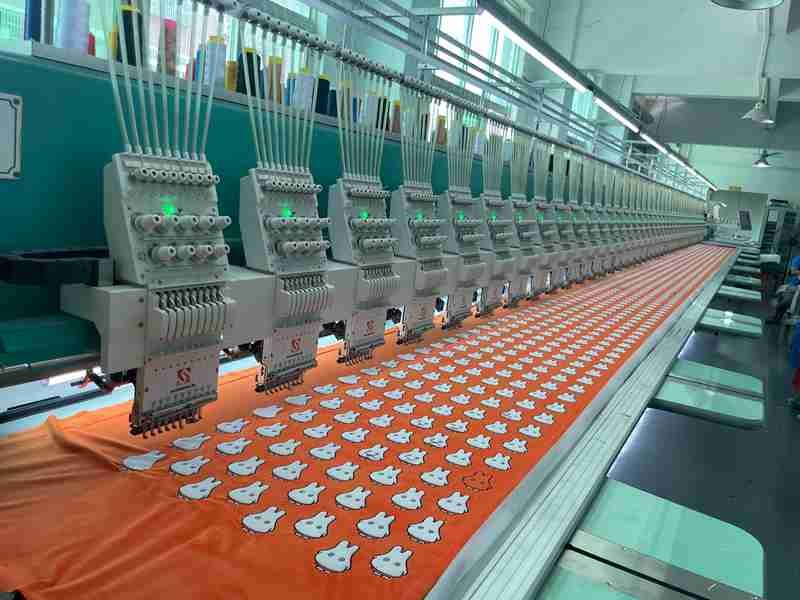
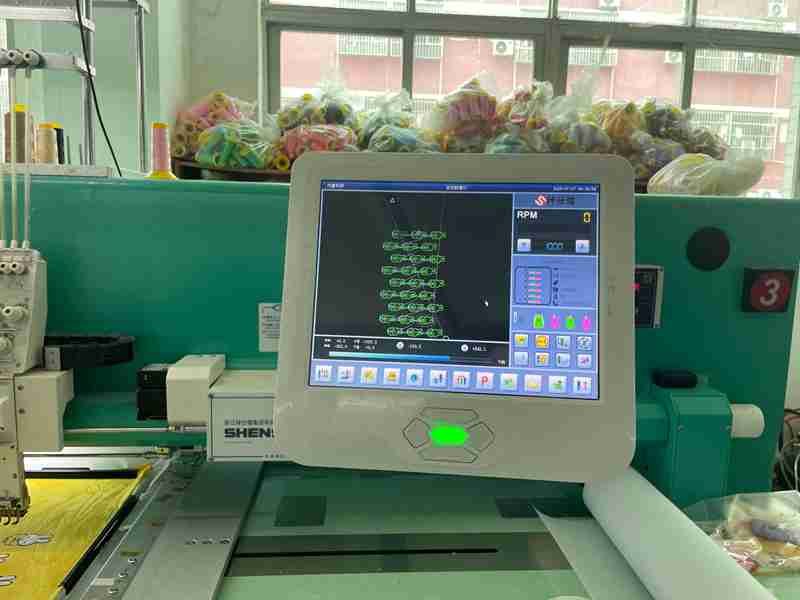
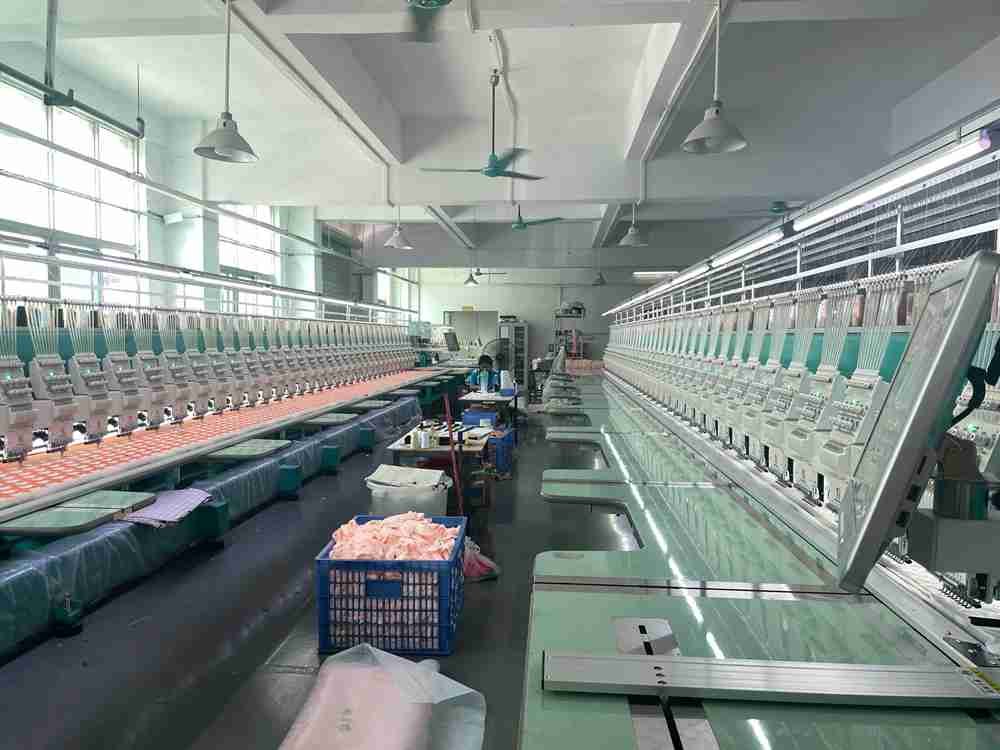
In stuffed animals, the face is the product. A small shift in eye spacing or mouth curve can change the character’s emotion and perceived quality. That’s why we treat face construction as engineering, not decoration. During sampling, we define face placement rules, stitch direction, and tolerance limits. We also help you choose the right face method: embroidered eyes, printed eyes, plastic safety eyes, acrylic glossy eyes, or even replaceable eye patches—each option has trade-offs in cost, durability, and compliance.
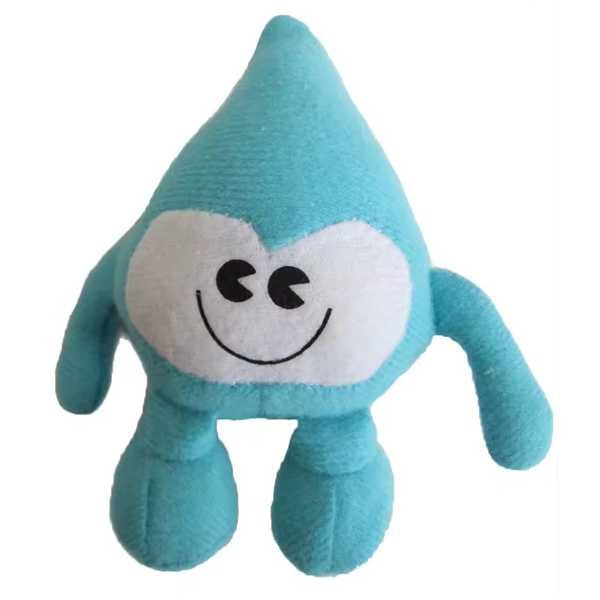
To reduce bulk drift, we typically lock these variables at golden sample stage: eye spacing and angle, mouth curve length, embroidery thread color codes, and face panel seam allowance. If your character will be produced in multiple colors, we define how face contrast changes with fabric color.
| Method | Strengths | Risks | Best For |
|---|---|---|---|
| Embroidery | durable, premium, stable | needs clean digitizing | most retail plush |
| Printing | fine gradients | color drift, scuff risk | detailed art styles |
| Safety eyes | strong 3D look | compliance + pull safety | collectors, older age |
| Appliqué | layered depth | edge lifting if poor stitch | logos, special faces |
Stuffed Animals Reduce Recall and Import Risk
For stuffed animals, compliance planning typically touches small parts, seams, labeling, age grading, and chemical requirements depending on the destination market. Our approach is practical: define the target market and age grade early, choose safe construction routes, and document the build so you can run tests with fewer surprises. This module gives a structured, procurement-friendly compliance workflow to reduce recall risk and avoid shipment holds.
If your stuffed animals are intended for kids or baby-related use, construction choices matter: avoid detachable hazards, prioritize durable seams, and choose face methods aligned to your age grade. If the product is for collectors or older, you may have more flexibility, but you still need consistent labeling, material declarations, and clean workmanship.
| Risk Area | What to Decide Early | Typical Fix if Late |
|---|---|---|
| Small parts | eyes/nose/accessories | redesign face, remove parts |
| Seam strength | stitch type and reinforcement | rework patterns, delays |
| Labeling | care/content/traceability | relabel, re-pack |
| Packaging | warnings and suffocation info | reprint packaging |
Hand-Feel Control — Standard, Soft Hug, High-Resilience, Weighted
We support standard PP cotton filling, high-resilience filling, “soft hug-feel” filling, weighted pellet filling, partial weighting (base/hands/feet), and memory foam core for pillow-type builds.
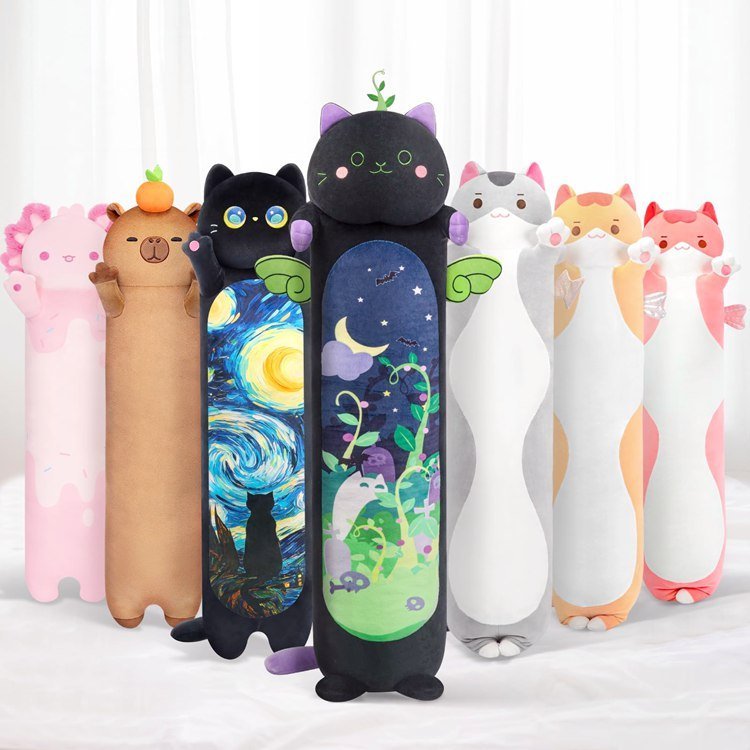
For a retail plush line, often prefer consistent fullness with a clean silhouette—so we plan fill zones: head fullness for expression, belly softness for hug feel, and base weight for sitting stability. For weighted plush, we design secure pellet pockets and select appropriate inner bags to reduce migration. For long-body pillow plush, we control “bend feel” so the product remains comfortable and does not form hard lumps.
If your stuffed animal has attachments (keychain loop, strap, or wearable parts), we coordinate stuffing pressure and reinforcement so stress points are not overloaded. We also align stuffing decisions with packaging: vacuum packing may reduce carton cost but must be evaluated for recovery performance.
QC System: 80 Inspectors, Multi-Stage Checks
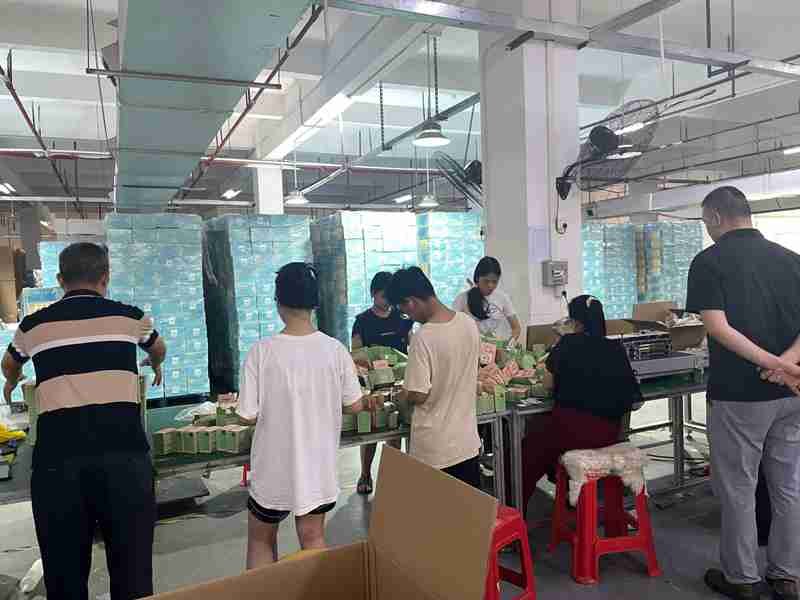
The most expensive failures happen after arrival: mixed versions, face misalignment, uneven stuffing, dirty surfaces, weak seams, or accessory detachment. A credible supplier must show a QC structure that is more than “final inspection.” At Heyzizi, quality is controlled throughout the process with documented standards and inspection stages designed to keep bulk output aligned with the approved sample. We run with 80 QC inspectors and apply multi-stage inspections across incoming materials, in-process control, finished goods, and packing/shipping stages.

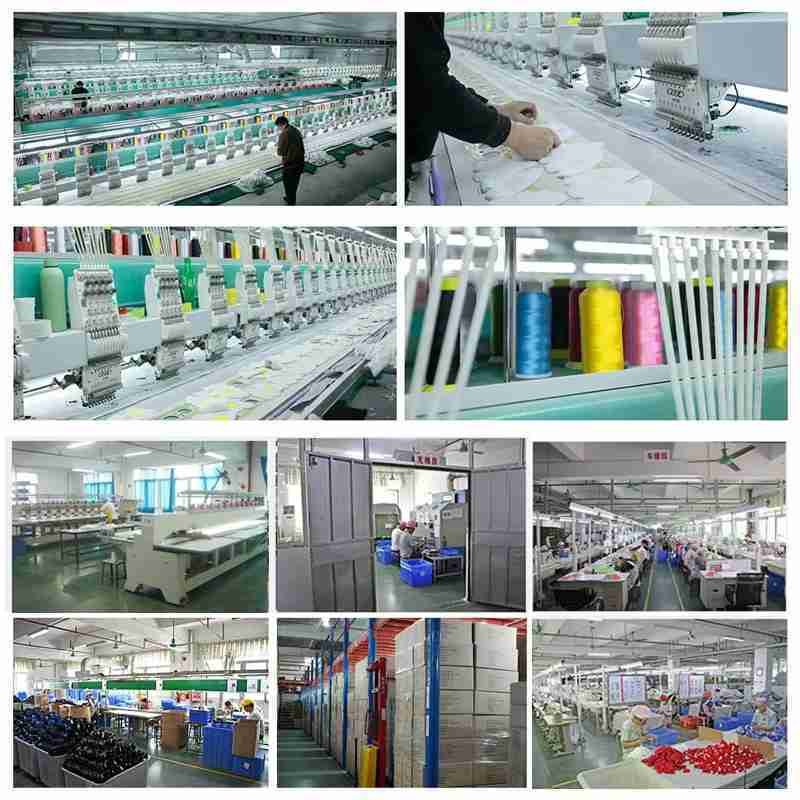
Our QC workflow typically includes staged checks such as IQC / FAI / IPQC / FQC / OQC.
We focus on what creates real complaints:
Appearance checks: face alignment, stitching quality, print clarity, and cleanliness.
Structure checks: seam strength and stress point reinforcement.
Filling checks: weight control, hand-feel uniformity, deformation control.
Attachment checks: pull strength for charms, straps, and hardware.
the key is not only “we do QC,” but “what can you request to verify QC happened.” Depending on your program, you can request QC checklists, inspection photos, measurement records, or batch identification for receiving. When third-party inspection is required, we can support cooperation with clear packing and batch info.
If your product is high-risk (many accessories, tight facial tolerances, collector standards), we recommend extra pre-production confirmation and a stricter golden sample lock before mass run.
| Stage | What We Check | Evidence You Can Request |
|---|---|---|
| IQC | fabric, trims, color | incoming photos, lot record |
| IPQC | face, seams, stuffing | in-line photos, defect notes |
| FQC | final appearance | measurement + appearance report |
| OQC | packing + labels | carton mark + packing proof |
Sampling That Scales — From Prototype to Golden Sample to Bulk
A sample is only valuable if it can be reproduced. Many pantners receive a beautiful prototype, approve it, and then face bulk inconsistencies because the prototype was effectively “handmade art,” not a controlled production standard.
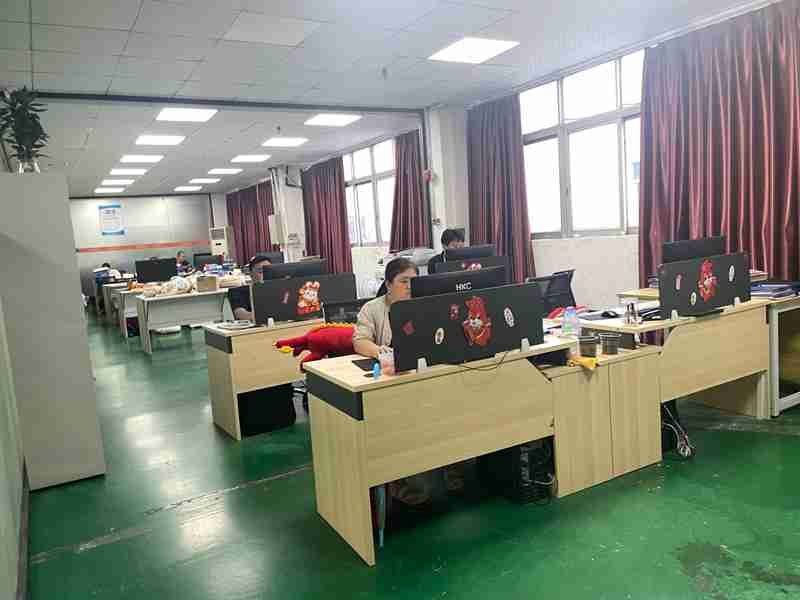
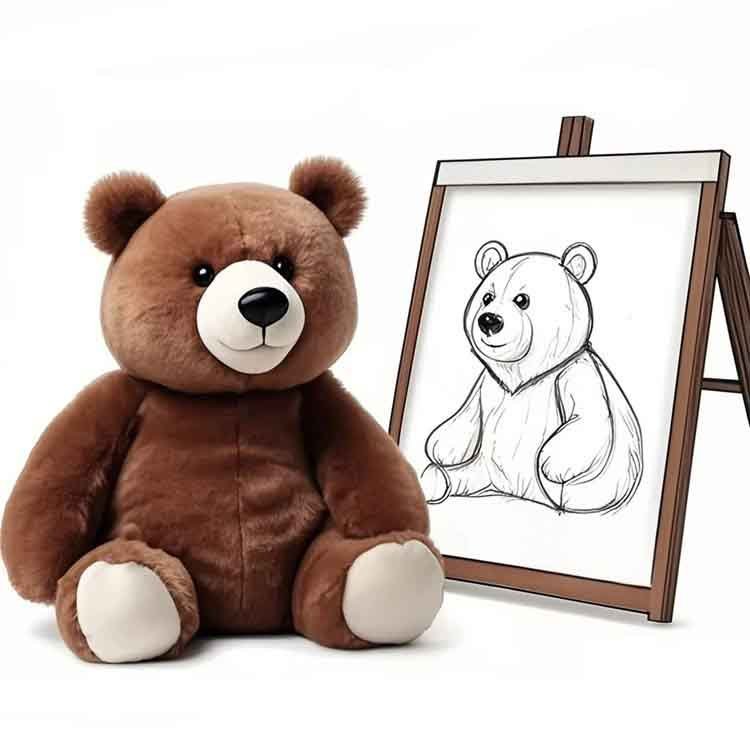
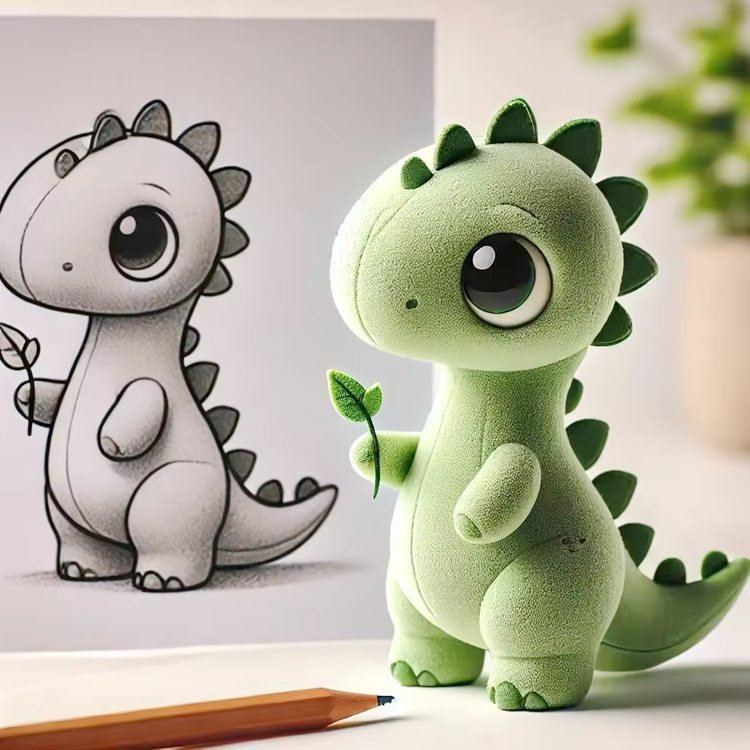
Heyzizi avoids this by building sampling around a repeatable foundation: in-house pattern development, sewing method standards, and documented revisions. Our organization includes teams that translate your requirements into executable specifications and a workable schedule, and an in-house pattern & sampling room so the sample becomes the blueprint for production—not a one-off.
We can provide photo/video updates at key milestones as the project moves forward. We also recommend starting bulk production only after the approved sample is officially locked, so there is no version mixing between sampling and mass production.

Private Label Stuffed Animals: Labels to Packaging
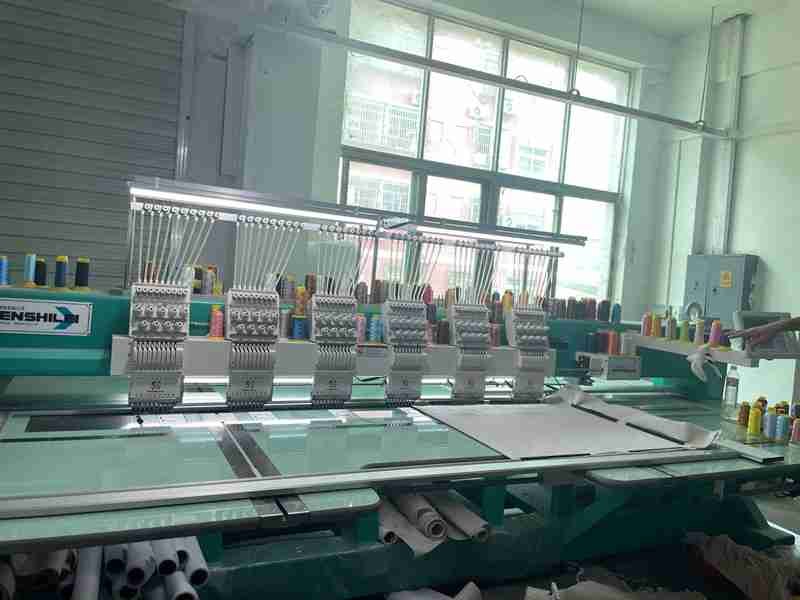
We support logo methods such as embroidery, appliqué, and printing, plus labeling systems: woven label, care label, content label, hangtags, header cards, manuals, warning cards, and branded packaging (color box, gift box, display box).
For retail programs, barcode/SKU labeling is often a “hidden make-or-break.” We recommend setting barcode rules during sampling, not after bulk begins. We can also align carton marks and outer labels to your warehouse needs, which reduces receiving errors and speeds distribution.
If you are planning a series launch (seasonal colors, limited editions, blind box), we suggest locking a standardized label layout and packaging family so new SKUs can be added without redesigning everything each time.


Anti-Deformation Packaging: Rules, Marks, Proofs
Many plush shipments fail quietly: the products arrive, but cartons are messy, labels are unclear, plush shapes are compressed, and receiving teams waste time sorting. That friction increases your total cost even if the unit price was low. For stuffed animals, packaging is also part of quality: it protects shape, keeps surfaces clean, and ensures each unit is ready for retail or fulfillment. Heyzizi supports packaging and shipment readiness as a structured system—unit polybag options, dust bags, gift packaging, carton packing plans, carton marks, and pre-shipment proof photos—so your shipment arrives organized and ready for receiving.

We support unit packing options such as OPP/PE/ziplock polybags, dust bags/gift bags, color boxes/gift boxes/insert trays, blind box display packaging systems, and carton packing plans with dividers and anti-compression supports.
For suitable items, vacuum packing can be considered, but we evaluate recovery performance and surface risk first.
For outer cartons, we align carton info—carton number, gross/net weight, size, shipping marks—and can provide packing proof photos (unit pack, set pack, master carton) and pre-shipment checks on request.
| Packaging Type | Best Use | Protection Level | Cost Level |
|---|---|---|---|
| Polybag | e-commerce, bulk | medium | low |
| Color box | retail shelf | high | medium |
| Gift box and tray | premium gifting | very high | high |
| Vacuum packing | freight saving (select items) | depends | low–medium |
Version Control for Stable Reorders
Bulk inconsistency often comes from one root cause: uncontrolled changes. A patner requests a minor change—eye size, fabric, label placement—and the supplier executes it partially, mixes old/new specs, or fails to update BOM and packaging SOP. The result is confusion, disputes, and loss of reorder confidence. Heyzizi treats change as a controlled process: change request format, BOM updates, version numbering, and batch linkage to keep the correct spec on the line.
We support milestone planning (sample → production → shipment), production updates (photos/videos/reports), and risk alerts around materials, lead time, and structure issues.
For changes, we apply a traceable workflow: define what changed and why, document cost/lead-time impact, update BOM and packaging SOP with version IDs, and confirm major changes (face/material/size/packaging).
For reorders, we build a reorder file (BOM/process/golden sample) and consistency benchmarking, plus issue root-cause analysis and improvement plans if any defects occur.
For procurement teams, this matters because a stuffed animal program is rarely a one-time order. Most success comes from stable reorders—same feel, same face, same packaging, and predictable receiving. We can also help you plan multi-SKU pricing tables and replenishment programs when your line expands.
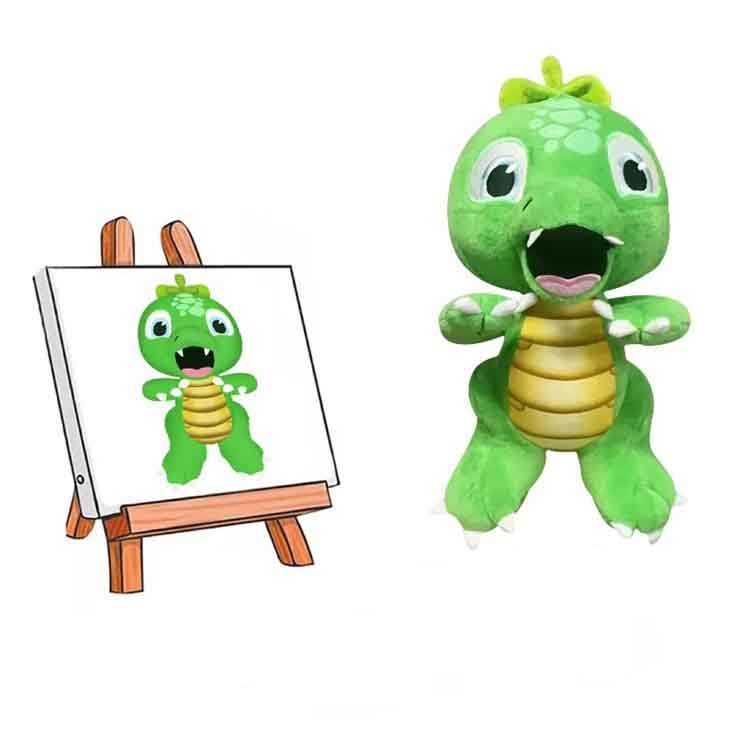
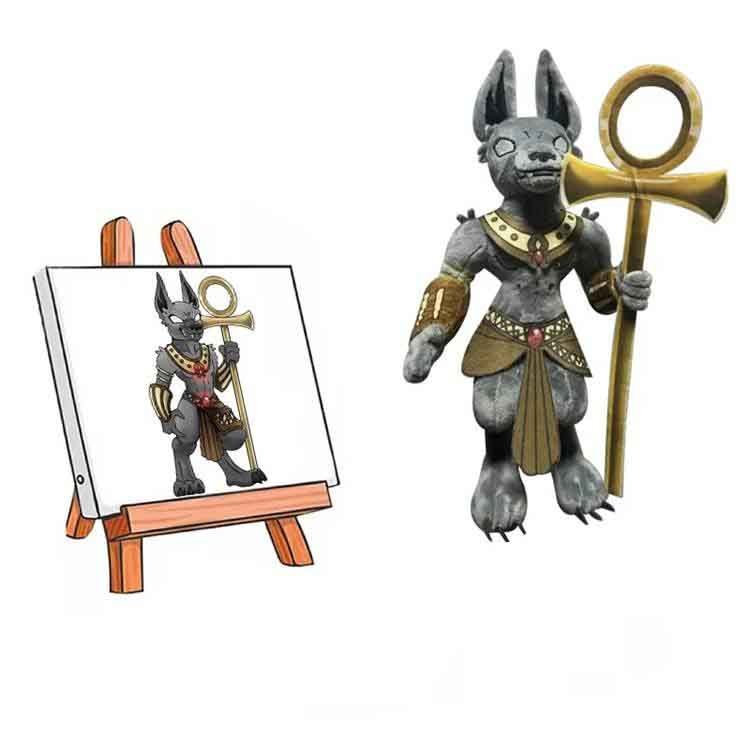
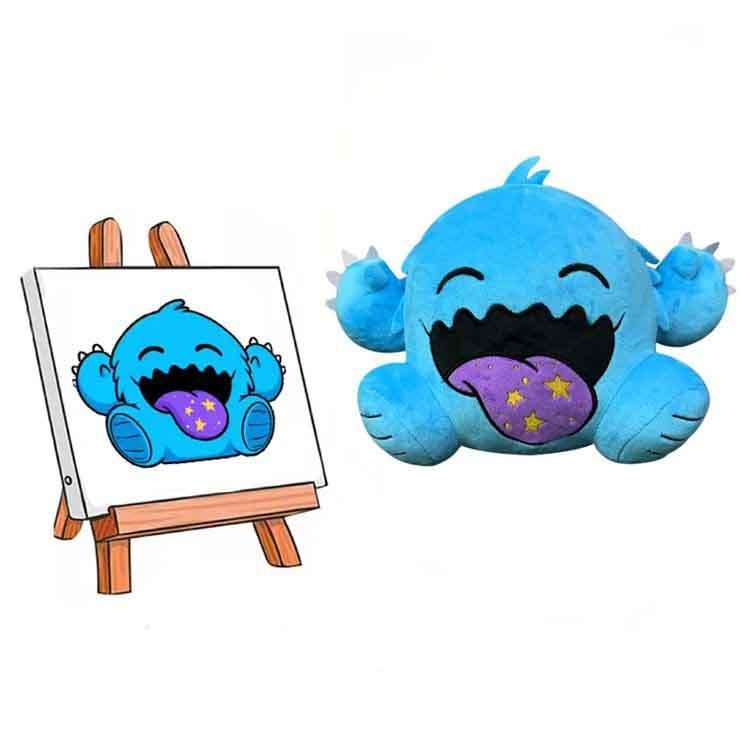
Request a Custom Sample First?
If you have artwork, logo files, or even just an idea, please share your project details—size, target fabric, color reference, and customization requirements. We’ll recommend suitable materials and provide a clear sampling plan to bring your custom plush toy design to life.
What Makes Our Custom Plush Production Reliable
Trust is built through predictable execution—clear approvals, documented specs, quality checkpoints, and packing confirmation. We focus on making your plush project easier to manage and safer to scale.
“reliable” plush production is not about making one nice sample—it’s about delivering repeatable bulk quality, stable lead times, and clear project control from artwork review to shipment. What makes our custom plush program dependable is the way we manage the details that most often cause problems in mass production: face accuracy, proportion stability, embroidery/printing consistency, stuffing weight and firmness control, and secure attachment for keychains, clothing, and accessories.
We build reliability through a structured workflow: we confirm a practical spec checklist before sampling, document revision notes, and lock the final approval sample as a golden standard for production. During manufacturing, we apply multi-stage QC checkpoints (not just a final check) to prevent drift early, especially in character-critical zones like the face and silhouette. Before shipment, we also verify packaging and labeling—including hangtags, barcode/SKU labels, care/warning labels, and carton marks—so your receiving and retail handling are smoother and your products arrive with less risk of deformation.
Process Proof

- Clear sampling-to-production approvals (prototype → revisions → final approval sample)
- Spec confirmation before bulk production (size, materials, logo placement, packaging)
- Revision notes that keep decisions traceable
- Golden standard concept for repeat orders
Quality Proof

- Multi-stage QC checkpoints across sewing, embroidery/printing, stuffing, finishing
- Needle control / needle detection option for finished plush (when required)
- Inspection focus on character-critical areas (face and silhouette) for IP plush
Delivery Proof

Packaging and labeling confirmation before shipment (photo proof + checklist)
Barcode and carton mark support (when required) (SKU/PO/qty/destination)
Packing suggestions to reduce deformation during transit (anti-crush, face protection)
Frequently Asked Questions
What information do you need to quote custom stuffed animals accurately?
The fastest accurate quote comes from a complete RFQ pack: size/pose, face method, fabric feel, accessory list, target market, and packaging—missing items almost always create price changes later.
To quote custom stuffed animals correctly, we need inputs that affect materials, labor, and risk. Start with the reference SKU (one core design) and define the target size (cm), pose (standing/sitting/lying), and whether you need a “soft hug” feel or a firmer silhouette. Next, confirm the face approach—embroidery, printing, safety eyes, or mixed methods—because it changes both unit cost and defect control. Then list accessories (keychain ring, clothes, hangtag, woven label), and confirm target market (US/EU/UK, age grade) because compliance may restrict small parts and labeling. Finally, define packaging (polybag, color box, gift box) and carton marking needs if you ship to multiple warehouses.
If you want a faster start, send artwork plus this checklist. When large files are easier via email, you can share to info@heyzizi.com.
RFQ Checklist Table
| Item | Example | Why It Changes Cost |
|---|---|---|
| Size & pose | 20cm sitting | pattern + sewing time |
| Face method | embroidery eyes | digitizing + density |
| Fabric feel | short pile ultra-soft | fabric cost + yield |
| Accessories | keychain + hangtag | hardware + labor |
| Target market | US, 3+ | compliance + labeling |
| Packaging | color box | print + packing time |
What affects MOQ for custom stuffed animals, and how can we lower it?
MOQ is driven by fabric availability, custom components, and process setup—you can lower MOQ by standardizing fabrics, using shared trims, and starting with one reference SKU.
MOQ is not a single fixed number. For plush, the most common MOQ drivers are:
(1) custom-dyed fabric or rare pile types
(2) fully custom packaging (printed boxes, unique inserts)
(3) many SKUs with different materials
(4) complex face methods that require special setup. If you want a lower MOQ, the most effective strategy is to reduce unique components: choose stock fabric families, limit embroidery thread colors, use shared labels/hangtags across SKUs, and launch in stages (hero plush first, variants later).
For procurement, the right question is, “What is the MOQ for this exact BOM?” If you change one component (fabric or box), MOQ changes. We recommend creating a tier approach: a low-MOQ pilot (risk reduction) and a volume tier for the best unit price.
Our standard MOQ for custom stuffed animals is 500 pcs per design. The actual MOQ is confirmed after reviewing the design, materials, accessories, packaging, and SKU structure. Since the quantity is smaller, raw material purchasing costs are higher, while the full production process still stays the same, so the unit price will be higher. In general, the larger the order quantity, the lower the unit cost. Once the order reaches 1000 pcs or more, our pricing becomes much more competitive. We can stay flexible and work with different quantity needs based on your project.
MOQ Levers Table
| MOQ Driver | Raises MOQ | How to Lower |
|---|---|---|
| Custom fabric | yes | stock fabric family |
| Printed gift box | yes | polybag first, box later |
| Many SKUs | yes | start with 1 reference SKU |
| Complex accessories | yes | simplify hardware or share parts |
How do you prevent sample-to-bulk deviation for stuffed animals?
Bulk consistency is protected by locking a golden sample, using version-controlled BOM, and running staged QC focused on face placement, seams, and stuffing feel.
Sample-to-bulk drift usually comes from uncontrolled variables: different fabric lots, different operators interpreting the face placement, or stuffing density changes. The strongest prevention method is documentation plus checkpoints. First, we seal a golden sample as the reference. Then we lock the core BOM (fabric family, key trims, face method) and record face placement rules (eye spacing, mouth centerline) with a simple tolerance map. During bulk, staged QC checks the same high-risk points repeatedly rather than waiting until the end.
For procurement teams, ask for two things: (1) the version ID for the bulk build file, and (2) what evidence can be provided (photos, measurement records, packing proof). That reduces disputes and makes reorders easier.
Consistency Control Table
| Risk Point | Control Tool | What to Verify |
|---|---|---|
| Face alignment | tolerance map | eye spacing consistency |
| Seams | stitch standard | split/loose stitches |
| Stuffing feel | weight range | fullness + symmetry |
| Packaging | carton rule | deformation rate |
Can you match a competitor sample or our existing plush?
Matching is feasible when you define what “match” means—size, hand-feel, fabric family, and face look—and accept that exact duplication may require material equivalence, not identical sourcing.
Yes, we can develop based on a competitor reference or your existing plush, but procurement should clarify priority: is the goal to match silhouette, softness, weight, or face style? A “perfect match” often depends on fabric availability and fill behavior. If the original uses a proprietary fabric, we recommend matching by functional equivalence: similar pile length, density, backing stability, and color appearance under standard lighting.
During sampling, we compare in four dimensions: visual shape, face detail, hand-feel, and durability. We also document the selected BOM so reorders remain stable. If you ship us a reference, we can structure it into a spec pack and set measurable targets, which reduces revision cycles.
Matching Priority Table
| Match Target | How We Measure | Notes |
|---|---|---|
| Size & silhouette | cm + photo grid | easiest to control |
| Hand-feel | weight + compression | needs fill zoning |
| Face look | placement map | tolerance is critical |
| Fabric look | pile + density | may use equivalent |
How do you handle small parts and safety risks (eyes, nose, accessories)?
Safety risk is reduced by choosing age-appropriate face methods (embroidered faces for younger age grades) and engineering attachments with reinforcement and inspection checkpoints.
Small parts are a top recall trigger. The safest build route for younger age grades is typically an embroidered face (eyes/nose/mouth), avoiding detachable hard parts. For older collectors, safety eyes or 3D components may be acceptable depending on market rules—then the focus becomes secure installation and verification.
Accessories (keychains, clips, clothing pieces) must be treated as stress points. We recommend defining an anchor spec: reinforcement backing, stitch pattern, and a pull-check method during in-process QC. Also plan labeling and warning cards early so packaging doesn’t become a late-stage delay.
Safety Risk Table
| Component | Lower-Risk Choice | Extra Controls |
|---|---|---|
| Eyes | embroidery | placement tolerance |
| Nose | embroidery/appliqué | edge stitching |
| Keychain | reinforced loop | pull-check checkpoint |
| Clothing | stitched positioning | alignment photo standard |
How do you control color consistency across fabric lots and reorders?
Color consistency is controlled by locking a fabric family, using a physical color reference, and tracking lot info—plus, it also requires pile direction control to avoid “same color, different look.”
Plush fabric color is more complex than flat textiles’. Even with the same dye lot, pile direction can make a plush look darker or lighter. The safest approach is to approve a physical color reference (swatch or approved sample), define acceptable variation, and keep records of fabric lot IDs.
During production, we mark pile direction for cutting and keep face panels consistent. For reorders, the retained reference plus lot tracking reduces disputes and keeps your brand line stable. If you plan seasonal variants, we recommend maintaining a stable base fabric family and changing only controlled accent colors.
Color Control Table
| Control Item | What It Prevents | Benefit |
|---|---|---|
| Physical swatch | “color misunderstanding” | faster approval |
| Lot tracking | reorder drift | stable replenishment |
| Pile direction mark | different face look | fewer complaints |
What are the main cost drivers for custom stuffed animals (beyond unit price)?
Plush cost is mainly driven by fabric yield, embroidery density, accessory BOM, and pack-out complexity—not just size.
“bigger = more expensive,” but the real drivers are more specific. First, fabric yield: patterns with many small parts, curves, or long pile fabrics often increase cutting waste. Second, face cost: embroidery stitch count (density + area) can add more cost than an extra few centimeters of body size. Third, accessories: keychains, clothing layers, magnets, or multiple labels add labor and hardware. Fourth, packaging: custom printed boxes, trays, and barcode labeling add time and materials, and can change carton size (freight).
For procurement, the best approach is to request a cost breakdown by component so you can reduce cost intelligently (simplify accessories, control embroidery density, standardize packaging) without sacrificing the brand look.
Cost Driver Table
| Driver | Raises Cost | How to Optimize |
|---|---|---|
| Fabric yield | more waste | simplify panels |
| Embroidery density | more stitches | reduce fill area |
| Accessories BOM | hardware + labor | share components |
| Packaging complexity | print + packing time | phased packaging |
How do you set a “golden sample” and what must be locked before bulk?
A golden sample should lock the full bulk-ready system: face placement, fabric family, stuffing feel, accessory anchors, and packaging SOP.
A golden sample is not only “a nice sample.” It is the reference for production, QC, and reorders. Before bulk, we recommend locking: (1) face placement rules (eye spacing, mouth center), (2) fabric family and pile direction, (3) stuffing zones and target weight range, (4) accessory anchor construction (reinforcement + stitch pattern), and (5) packaging SOP (unit pack, labels, carton marks).
Procurement should treat any change after golden sample as a version change with cost and schedule impact. This prevents “silent changes” that create disputes. When your team approves golden sample, also approve the label layout and packaging method to reduce late rework.
Golden Sample Lock List (Table)
| Area | Lock Item | Why |
|---|---|---|
| Face | tolerance map | consistency |
| Fabric | family + pile | visual match |
| Stuffing | zones + weight | feel stability |
| Accessories | anchor spec | durability |
| Packaging | SOP + marks | receiving speed |
Can you do weighted stuffed animals, and what are the risks to manage?
Yes—weighted plush needs controlled pellet pockets, secure inner bags, and a defined weight distribution to avoid leakage, migration, or seam stress.
Weighted stuffed animals are popular for calming products and premium gifting, but they add engineering requirements. The key risks are pellet migration (weight shifts), leakage from inner bags, and stress on seams at the base. A safe approach is to design fixed pellet pockets (base/hands/feet) with inner containment bags, then layer stuffing above for comfort.
For procurement, define weight target (grams), where the weight should sit, and whether the product must pass squeezing/handling without hard lumps. Packaging also matters: heavy items compress cartons differently and may need extra support. If your product targets a younger age grade, confirm compliance planning early and avoid detachable hard parts.
Weighted Plush Planning Table
| Decision | Options | Procurement Impact |
|---|---|---|
| Weight target | 200g / 500g / 1kg | freight + feel |
| Pocket layout | base-only / multi-zone | stability |
| Inner bag | standard / reinforced | leakage risk |
| Packaging | box / carton support | deformation |
Can you support custom packaging like display boxes, blind boxes, and gift sets?
Yes—custom packaging is doable, but it must be planned with dielines, drop protection, and pack-out rules to prevent damage and carton inefficiency.
Display boxes and blind box systems add strong retail value, but they also add variables: print color control, die-cut tolerance, insert trays, and packing sequence. For blind boxes, you may need series numbering and pack-out verification to prevent wrong variants in the wrong boxes. For gift sets, tray design matters for deformation control.
Procurement should confirm packaging scope early: box type, insert material, printing finish, barcode placement, and carton efficiency targets. If you want to reduce risk, start with a polybag pilot first, then upgrade packaging after demand validation.
Can you do custom-dyed fabrics or exact Pantone matching for stuffed animals?
Yes—Pantone matching is achievable, but plush color perception depends on pile direction, lighting, and fabric family, so we manage it with physical swatches and tolerances.
Custom-dyed plush fabrics can match Pantone targets, but procurement should plan for real-world plush variables. Long pile fabrics reflect light differently, and pile direction can make the same dye appear darker or lighter. The most reliable workflow is: confirm the fabric family first (pile length, density, backing), then approve a physical lab dip or swatch under a defined light condition (D65 or consistent office lighting).
We also recommend setting an acceptable tolerance (visual range) rather than demanding “zero difference,” because production lots and different lighting environments can create perceived shifts. For reorders, we retain the approved reference and lot tracking so the brand line remains stable.
Color Matching Control Table
| Control | What You Approve | Why It Matters |
|---|---|---|
| Fabric family | pile + density | defines color behavior |
| Swatch/lab dip | physical reference | avoids screen mismatch |
| Pile direction rule | cutting orientation | consistent face look |
| Tolerance | acceptable range | fewer disputes |
How is embroidery priced (stitch count), and how can we optimize it without losing quality?
Embroidery cost tracks stitch count, coverage area, and color changes; you can optimize by reducing fill, using outlines, and locking thread codes.
Embroidery is one of the most common hidden costs in plush. Pricing is influenced by stitch count (density × area), the number of color stops, and placement complexity (curved surfaces). If your character face is large and fully filled, cost rises quickly.
To optimize without losing brand expression: use embroidered outlines with selective fill, simplify gradients into fewer blocks, and avoid excessive micro-details that won’t read at normal viewing distance. Also lock thread codes and placement maps so reorders stay stable.
Procurement should request a face method recommendation: embroidery, printing, or hybrid—based on durability needs and cost targets.
Embroidery Optimization Table
| Approach | Cost Impact | Visual Impact |
|---|---|---|
| Outline + limited fill | lower | clean premium look |
| Full fill dense | higher | bold but costly |
| Hybrid (print + stitch) | medium | detail + stability |
| Reduce color stops | lower | simpler shading |
Start Your Custom Plush Project Today
If You Can imagine it,We Will Create it!
Whether you are a brand, creator, retailer, or agency, our Guangdong plush factory is ready to support your OEM/ODM development. Send us your design, concept, or reference image — our team will reply with a free development proposal and quotation.
1. Tell Us What You Need
Tell us your requirements and share your artwork or reference images.
2.Get a Solution & Quote
We’ll suggest the best solution based on your requirements, and provide a detailed quote within 12 hours.
3.Approve for Mass Production
We will start mass production after getting your approval.
For all inquiries, please feel free to reach out at
- info@heyzizi.com
- (+86)13717153084
Ready to Grow Your Plush Product Line?
Brands and businesses from over 80 countries have chosen Jundong as their trusted plush manufacturing partner. Now it’s your turn. Work with us for reliable custom plush production, clear sampling support, and stable delivery for long-term programs.