 Skip to content
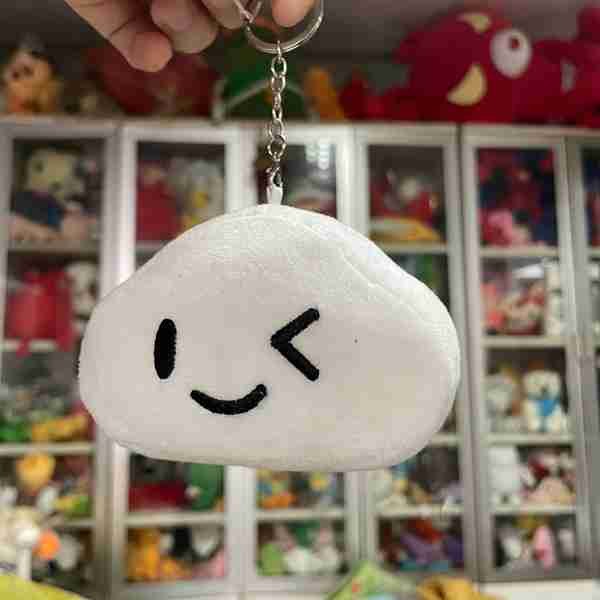
Custom Plush Keychains
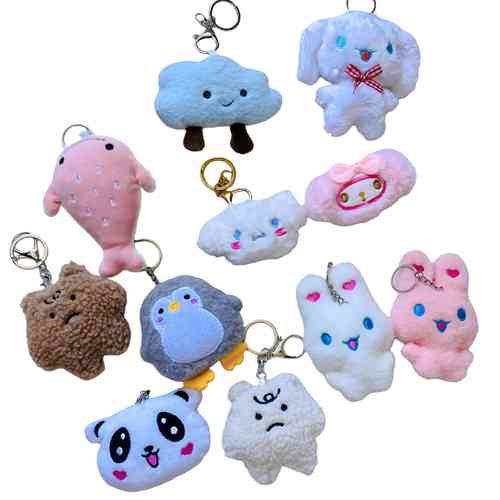
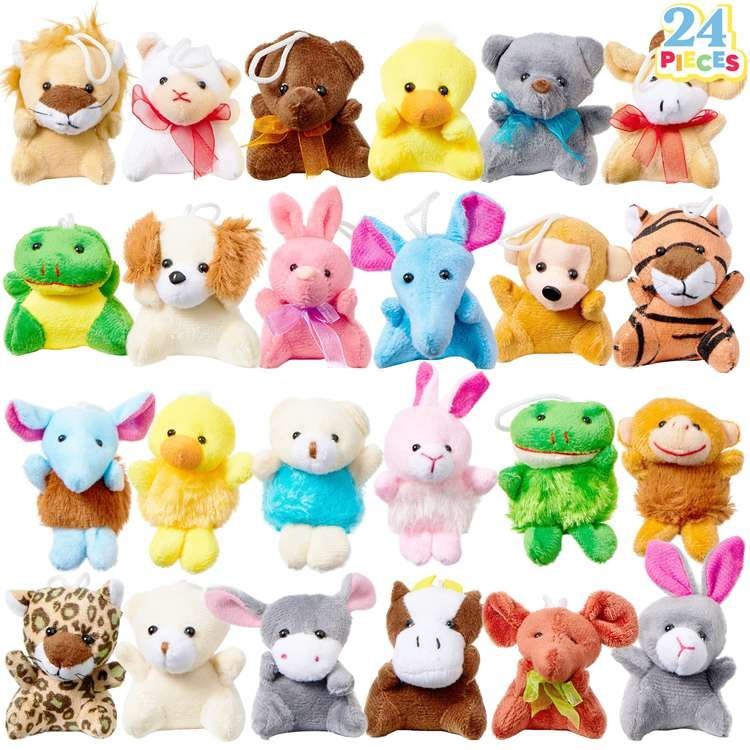
Custom Plush Keychains are compact, high-frequency brand items—perfect for retail hooks, events, blind boxes, and e-commerce bundles. We make keychains production-ready with clear specs, durable attachment reinforcement, and face options like embroidery, printing, or appliqué. Our process controls sample-to-bulk consistency, multi-SKU packing accuracy, and packaging that prevents deformation in transit. Share your reference images, target size, SKUs, and market requirements, and we’ll propose an option-tier quote plus a milestone timeline that keeps cost and lead time predictable.
OEM/ODM Plush Keychains: Safe, Retail, Stable
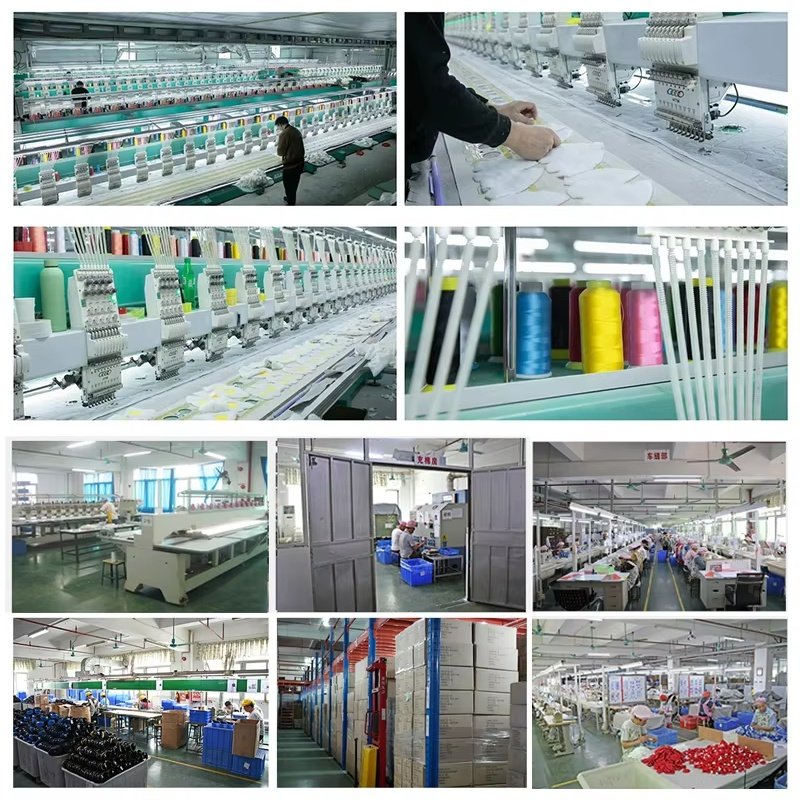
Plush keychains look small, but the failure cost is big. A weak anchor stitch, a sharp-edged clasp, or a rushed packing method can turn a “cute” product into returns, complaints, and brand damage. Heyzizi is a Guangdong, China plush factory partner focused on OEM/ODM custom plush development with a production mindset: clear specs, controlled attachments, and repeatable bulk output. We don’t treat keychains as “mini plush.” We treat them as a stress-tested wearable accessory that needs stable hardware, secure anchor engineering, and clean retail packing. If your program is for events, merch drops, blind boxes, stadium stores, or brand swag, this is built to help procurement move faster with fewer surprises.
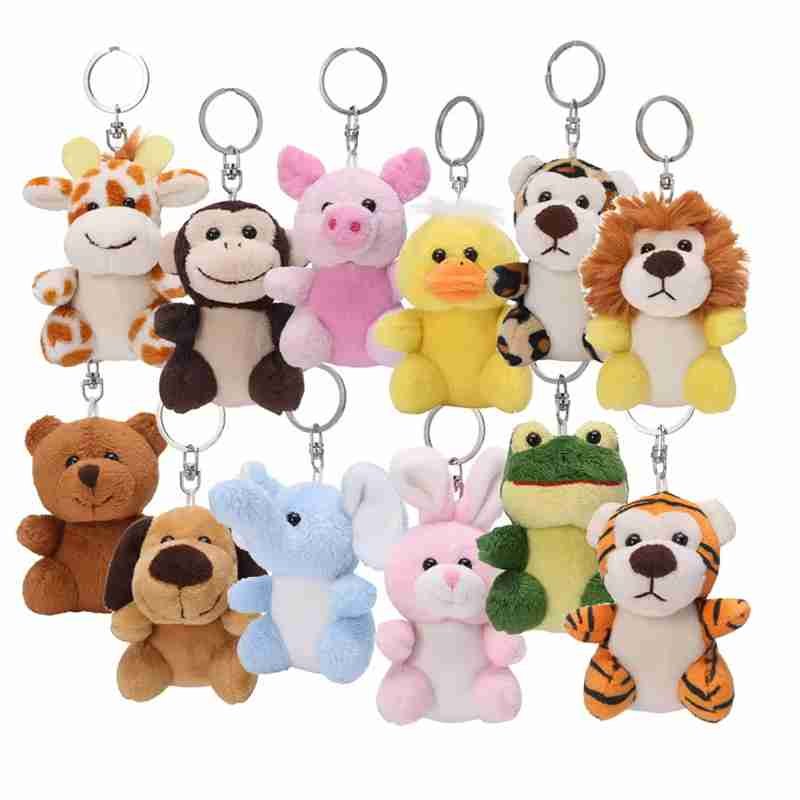
What you get with Heyzizi full-chain execution:
- One-stop sourcing for plush fabrics, filling, trims, and keychain hardware (key rings, lobster clasps, ball chains), so the quote matches real production.
- Attachment engineering for anti-drop performance: webbing loops, internal reinforcement, double-stitch patterns, and spot pull checks designed for bulk consistency.
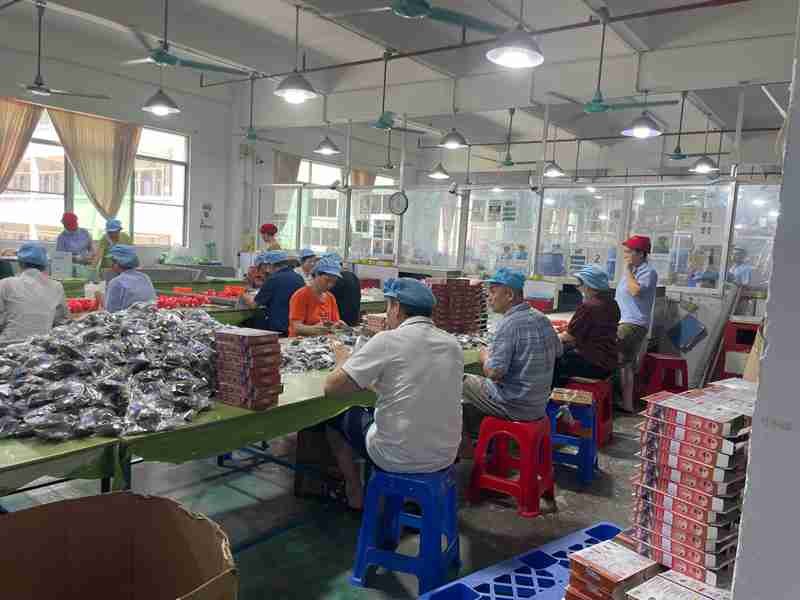
- Retail-ready packaging options: unit polybags, color boxes, insert trays, blind box display systems, carton marks, and packing proof photos before shipment.
- Milestone timeline and version control: sample revisions, golden sample, BOM, and progress updates to keep projects aligned across teams.
- Reorder files to protect repeatability: the same materials, the same process notes, the same inspection reference for future drops.
Attachment Engineering for Pull Safety
Most keychain failures don’t start in the plush body—they start at the anchor. A plush becomes a return when the loop tears, stitches open, or hardware cuts into fabric after repeated swinging. That’s why we treat the attachment as a defined stress zone and build it like a small load path system. We begin with the right hardware, then design the anchor stack: outer fabric, reinforcement tape, webbing loop base, and a locked stitch pattern. Clear inspection points keep bulk consistent.
Our attachment engineering module includes the following :
- Attachment types recommendation: lobster clasp, key ring, ball chain, carabiner.
- Anchor point engineering: webbing loop, D-ring base, internal reinforcement tape.
- Reinforcement stitching: double stitch, triangle reinforcement for stress points.
- Hardware edge checks to reduce fabric scratching and cut risk.
- Pull-strength spot checks and inspection checkpoints aligned to bulk workflow.
- Comfort-oriented alternatives for lighter weight and better carrying feel.
| Anchor Option | Best For | Risk It Reduces | Notes |
|---|---|---|---|
| Webbing loop + internal tape | key ring or clasp | loop tearing | stable and cost-effective |
| D-ring base + reinforcement | clasp-heavy programs | twisting or drift | more stable alignment |
| Reinforced tab + ball chain | blind box | tab ripping | compact packing friendly |
Keychain Hardware for Each Sales Channel
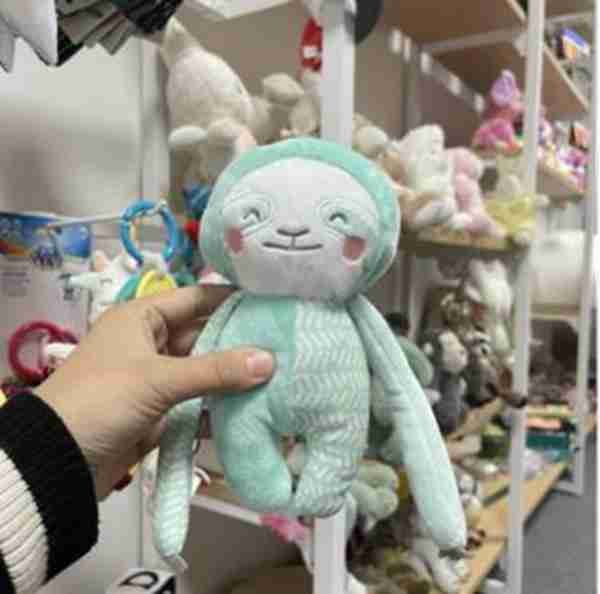
“Keychain” is not one product. Different channels stress the attachment in different ways. Event giveaways get pulled hard and tossed into bags. Retail stores care about display hooks and barcode scanning. Blind box programs need compact packing and stable batch appearance. Choosing the wrong hardware can create avoidable failures: rings that twist fabric loops, clasps with sharp edges, chains that snag stitching. We guide they to pick the hardware type first, then design the anchor structure around it—so the plush stays secure and comfortable in daily use.
Common hardware options we support:
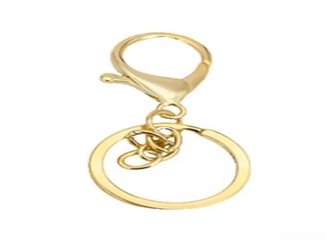
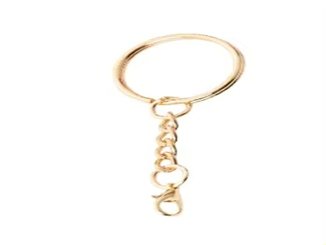
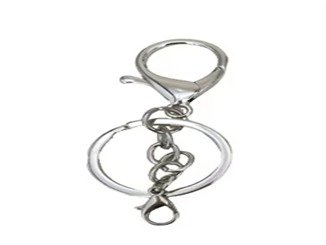
- Key Ring: classic, strong, good for retail racks; needs a durable loop and anti-twist stitching.
- Lobster Clasp: easy to clip on bags; requires edge checks and stable clasp spring quality.
- Ball Chain: lightweight, compact for blind boxes; needs a reinforced tab to avoid tearing.
- Carabiner-style clip (when required): larger look, higher visibility; needs stronger anchors and packaging planning.
Plush Keychain Color Consistency Matters
Our color control is built around method, targets, and tracking, not vague “match as close as possible.” We apply:
- Pantone / swatch / sample-based color matching, depending on what you can provide and what your fabric allows.
- Color deviation targets (standard vs tighter control), so the expectation is defined before production starts.
- Batch tracking for key fabrics and prints, so later reorders reference the same approved standard.
- Visual checks under consistent lighting conditions, avoiding “daylight vs factory light” confusion.
- Reorder color referencing tied to approval records, not memory.
| Control Item | Standard Option | Tighter Option | When It’s Used |
|---|---|---|---|
| Color Reference | swatch / approved sample | Pantone and swatch | brand-critical programs |
| Lighting | standard viewing | fixed lighting setup | multi-batch reorders |
| Batch Tracking | key fabric only | fabric and print and thread | series drops |


Materials & Decoration: Durable Feel, Auditable Quote
Plush keychains may be chosen for hand feel, but reorders depend on consistency. If materials change, the character no longer feels the same. If face decoration shifts, the likeness drifts. If packaging isn’t defined early, total cost becomes unpredictable. Heyzizi manages plush keychains as a controlled system: fabric, filling, trims, face method, hardware, label set, and a clear packing standard. This keeps quotes auditable and output stable across launches and repeat production.
One-stop materials & components :
- Plush fabric selection: pile length, GSM, texture, wear performance
- Filling options: standard PP, high-resilience, memory core, weighted beads (when suitable)
- Hardware options: key rings, lobster clasps, ball chains, buckles, zippers
- Label system: woven labels, care labels, hangtags, header cards
- Alternative material suggestions for cost and lead-time control
Quote Line What It Covers What Drives Changes Product Unit Cost fabric and filling and sewing and face work face complexity, panel count Hardware & Attachment hardware type and anchor reinforcement clasp choice, reinforcement level Packaging Unit Cost bag/box/insert and label set print/die-cut, insert structure Carton & Marks carton grade and shipping marks anti-compression needs
Embroidery
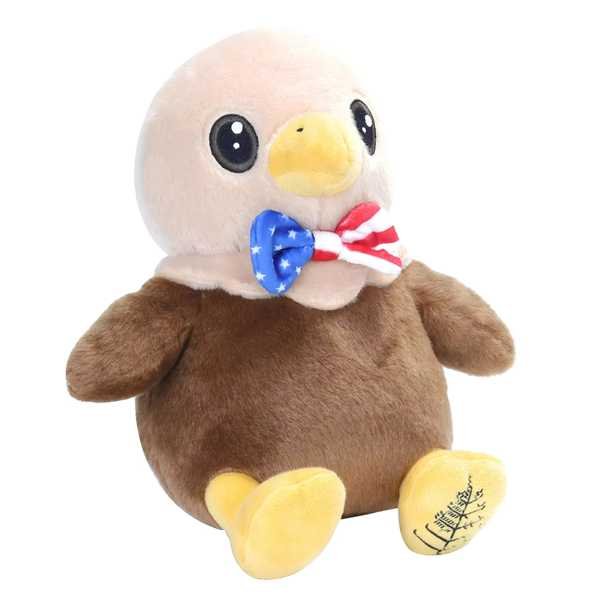
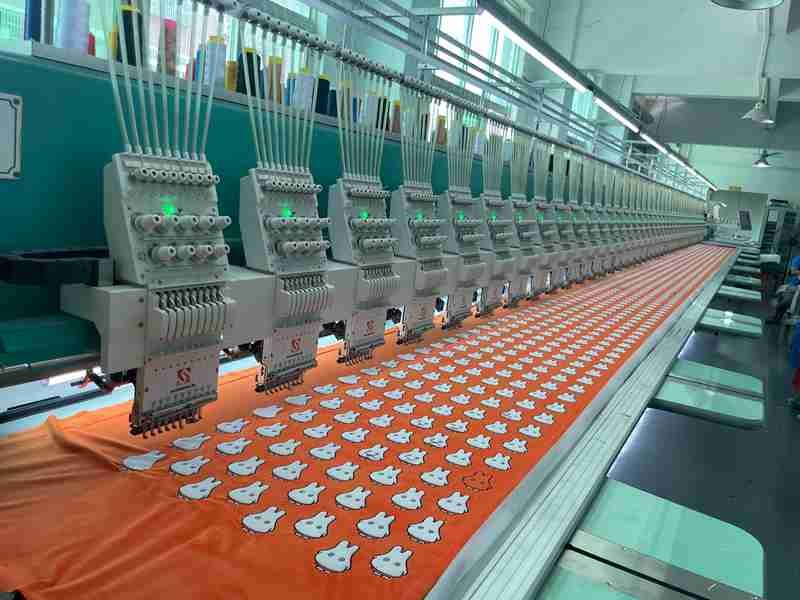
- clean outlines, abrasion-friendly, stable for long-term programs
Printing
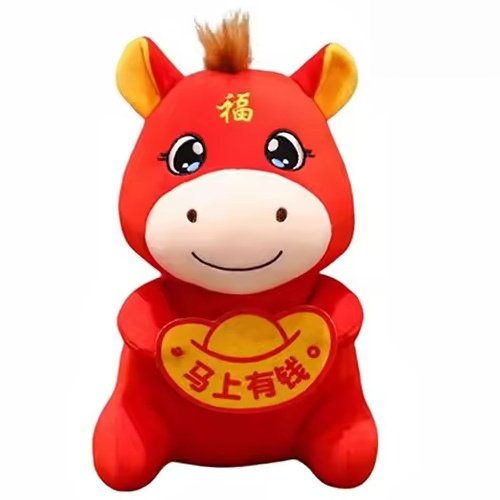
- gradients and complex art, needs color control and pile suitability
Applique
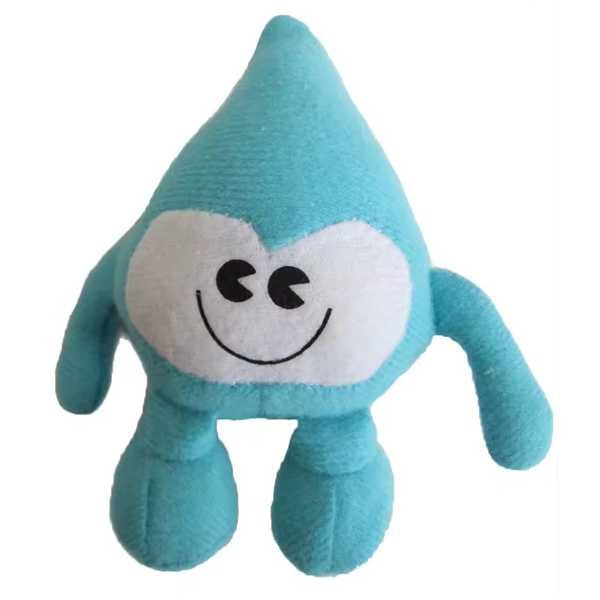
bold shapes, layered look, needs edge finishing planning
Retail and Blind Box Packaging Control
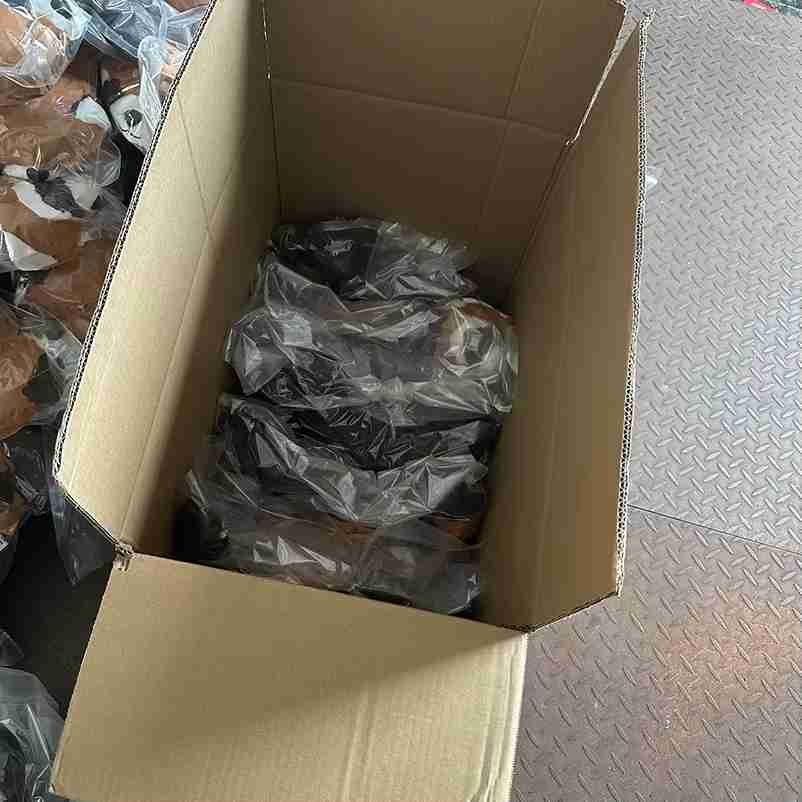
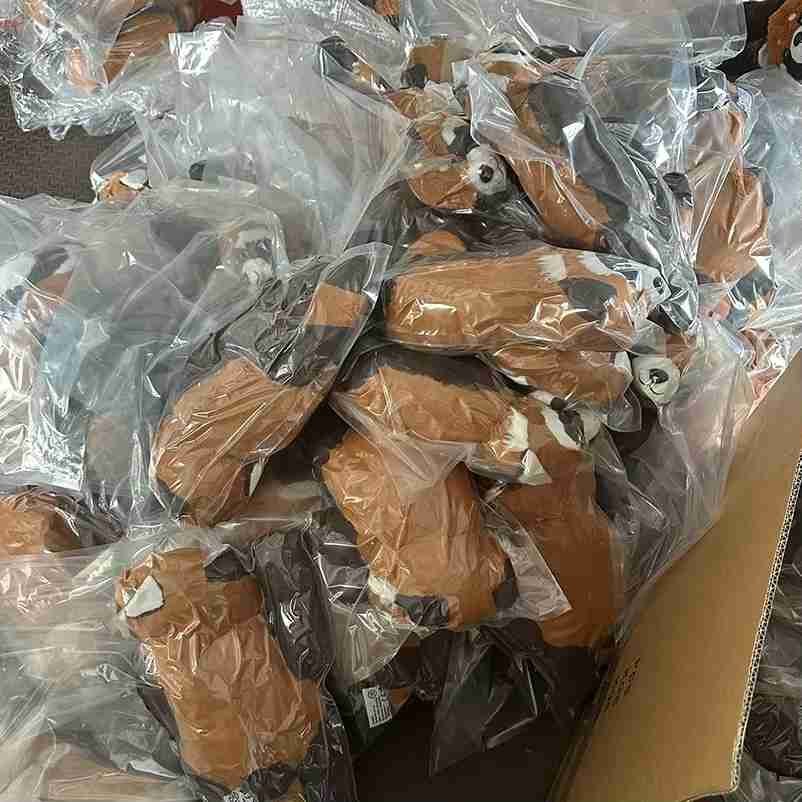
Packaging is often treated as an afterthought for keychains, but it becomes the reason shipments are delayed or products arrive deformed. For retail and blind box programs, packaging is part of the product. It protects the plush from compression, prevents hardware scratching, keeps accessories together, and helps stores scan and shelve units fast. If you run multiple SKUs, packaging also helps avoid mix-ups at receiving.
We support a full packaging and shipment readiness system:
- Unit polybags (OPP/PE/ziplock) for basic protection
- Dust bag / gift bag options for premium presentation
- Color box / gift box / insert tray for retail-ready display and anti-compression
- Blind box display packaging system for collectible programs
- Carton packing plan: dividers / anti-compression supports
- Custom carton marks & carton labels, plus pre-shipment photos and loading checks
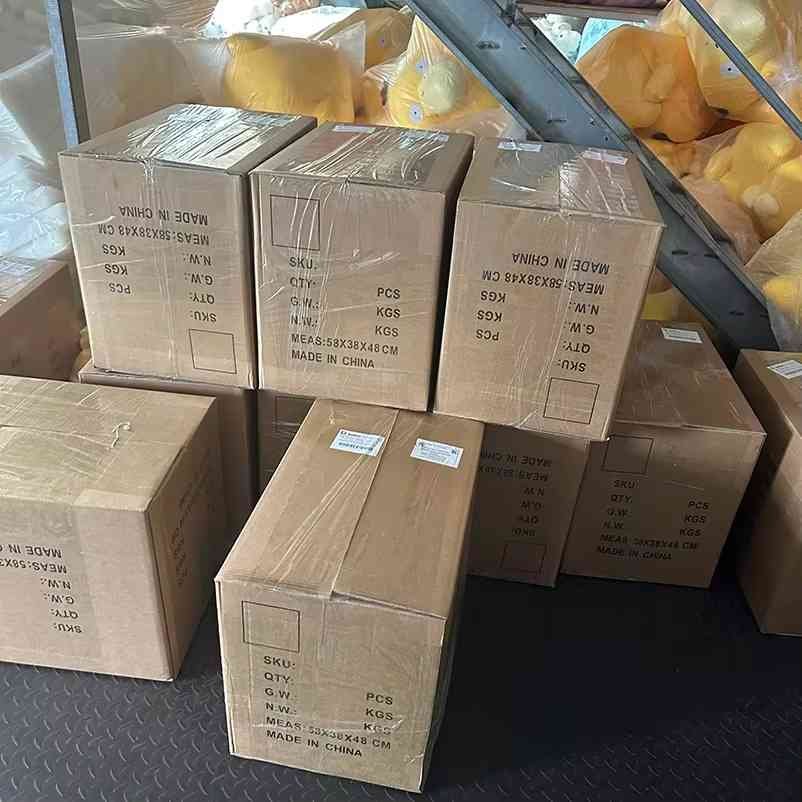
Size and Hand Feel Without Flat Shapes
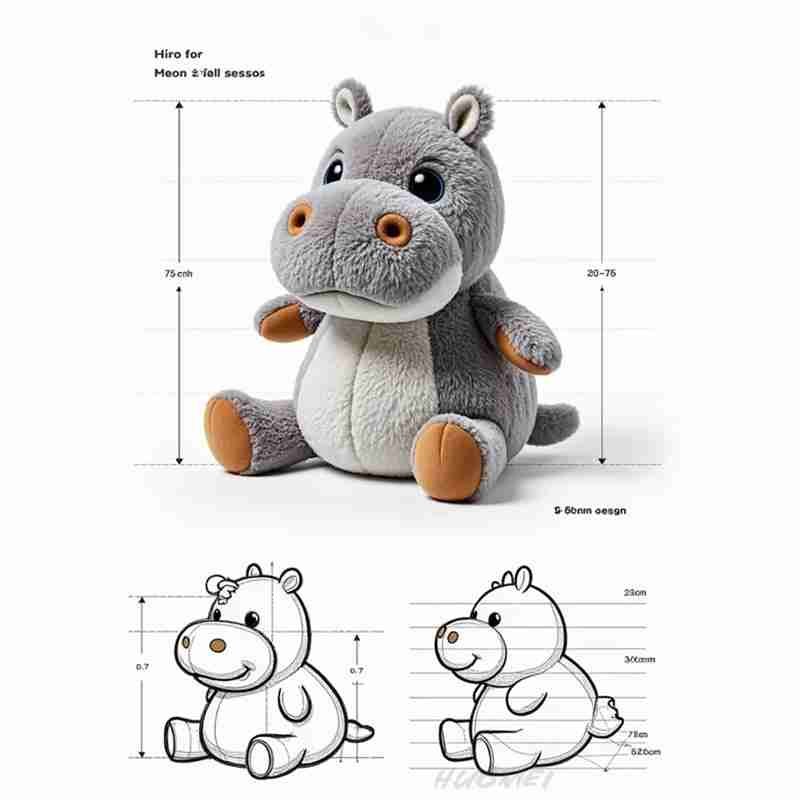
Keychains live in motion. They swing, rub against bags, get squeezed in pockets, and sit on retail hooks for months. So “hand feel” is not only softness; it includes firmness, recovery, and shape retention after compression. Partners often approve a sample that looks great, then bulk arrives with inconsistent firmness because filling weight and evenness were never specified. For plush keychains, that inconsistency is highly visible: a small body becomes flat quickly, faces wrinkle, and details distort. We recommend treating size and filling as a written spec—target weight, feel level, and recovery expectations—so each unit stays consistent across operators and reorders.
We manage size and feel using measurable specs and checkpoints:
- Filling weight spec to reduce “random firmness” across bulk.
- Filling evenness targets (no voids, no hard spots), which is critical for small bodies.
- Hand feel level (soft / medium / firm) selected per channel (kids merch vs premium collectible).
- Resilience / recovery standard to avoid long-term flattening.
- If weighted features are needed, we define weighted position & weight spec and sealing standard to prevent leakage.
Plush Keychain Sampling for Fast Approval
Fast sampling is not only speed. It’s also control. Many projects lose time because feedback is fragmented, tech details are missing, or packaging and hardware are decided too late. For plush keychains, we recommend a structured sampling route: pattern prototype, revision samples, technique samples (embroidery/print/appliqué), hardware and attachment samples, packaging sampling, and then a pre-production sample before the golden sample is sealed. When these steps are documented, bulk production is smoother and reorders stay consistent.
Our sampling services include the following milestones:
- Pattern Prototype (V1 sample)
- Revision samples (V2/V3…)
- Color swatches & fabric sample confirmation
- Technique samples: embroidery / print / appliqué
- Hardware & attachment samples (keychain hardware, anchor structures)
- Packaging sampling (box/header card/gift box/insert)
- Pre-Production Sample (PPS)
- Golden Sample sealing and review notes list

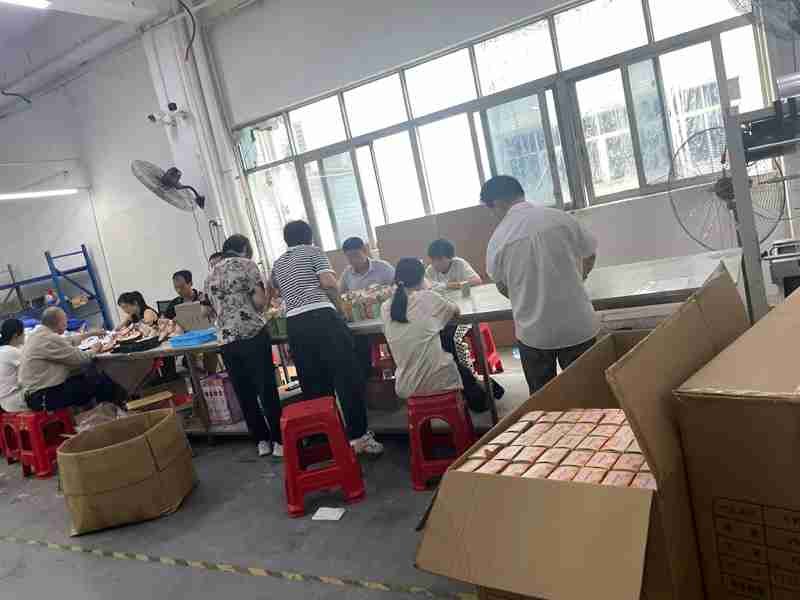

Plush Keychain Safety: Parts and Edge Checks
Keychains combine plush softness with metal hardware, which creates special risks: sharp edges, detachment of small parts, and anchor failure. These problems may not show up in a quick photo inspection, but they show up after handling, shipping vibration, and daily swinging. For procurement, the practical goal is simple: reduce return risk and protect brand trust. We do this with defined inspection stages, measurable face placement specs, accessory security checks, and hardware edge inspections.
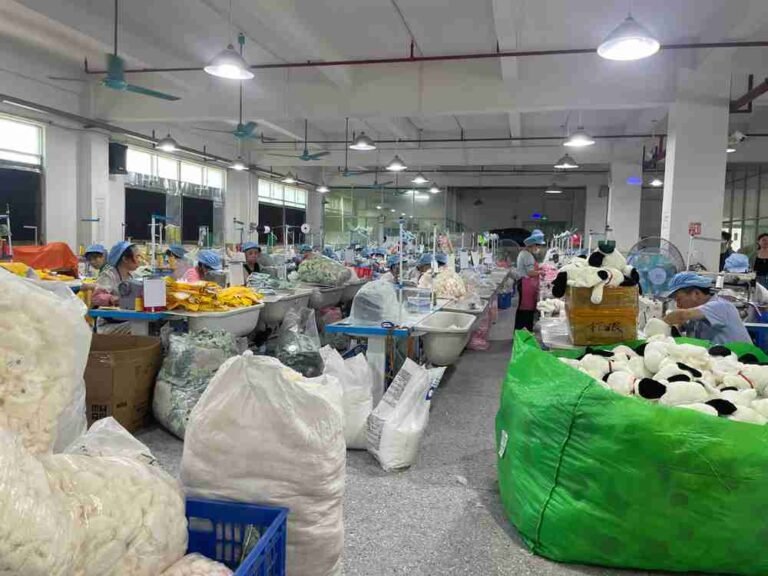

We apply a structured inspection plan and safety checks:
- Sharp edge check for hardware and zipper pulls to reduce scratching and fabric cutting.
- Small parts detachment check and metal part pull test for charms and attachments.
- If applicable: nose/buckle pull tests and safety eye pull tests.
- Face consistency controls: eye/nose placement templates, embroidery density and edge clarity, symmetry deviation limits.
- Durability checks: shedding control, pilling control, abrasion resistance, fabric GSM and pile length specs.
| Stage | What It Catches | Why It Matters |
|---|---|---|
| IQC incoming | material/hardware issues | prevents batch drift |
| FAI first article | first-unit errors | locks baseline |
| IPQC in-process | operator drift | keeps bulk stable |
| FQC/OQC final/outgoing | defects before ship | reduces claims |
Plush Keychain Labels and Barcode Control
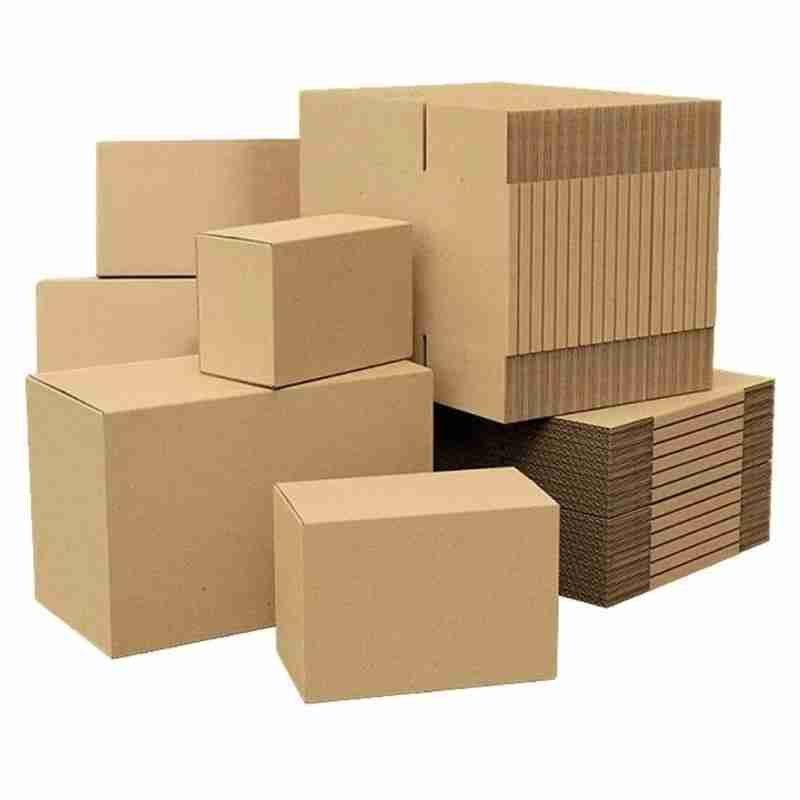
Warehouses and stores need to receive, scan, and shelve products without confusion. Small items move fast and get mixed easily—especially when you run multiple characters, multiple colorways, or limited editions. Many partners treat labels as a last-minute add-on, which can lead to delays, incorrect sticker placement, or missing traceability data.
We manage labeling as a defined system from the start: unit barcode, internal SKU ID, batch traceability, and carton labels. This reduces receiving friction, supports multi-channel distribution, and makes reorders easier because the same SKU logic stays consistent across future runs.
We support a practical Labeling & Barcode System that can scale from promo drops to retail programs:
- Unit barcode sticker for scan-and-shelve workflows
- Barcode card (hang card style) when you need peg display or visual merchandising
- Carton barcode label aligned to warehouse receiving needs
- Internal SKU ID label for factory and packing identification
- Batch/traceability label for tracking and recall risk reduction
- Warning label and care/content label when applicable
Plush Keychain Project Control: Timeline and Versions
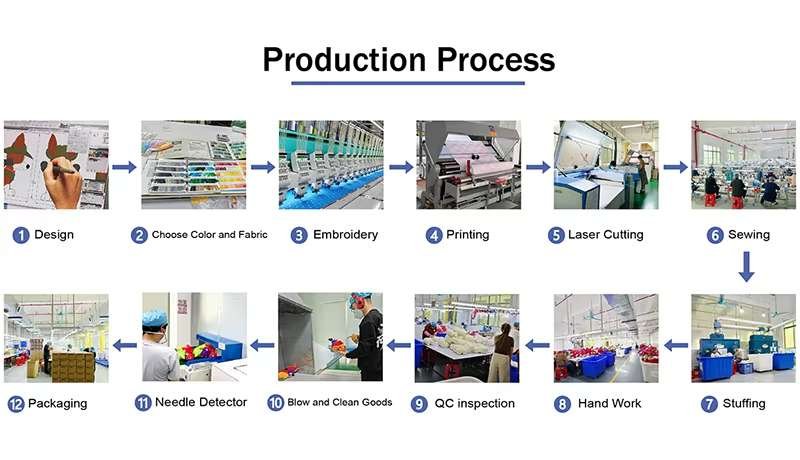
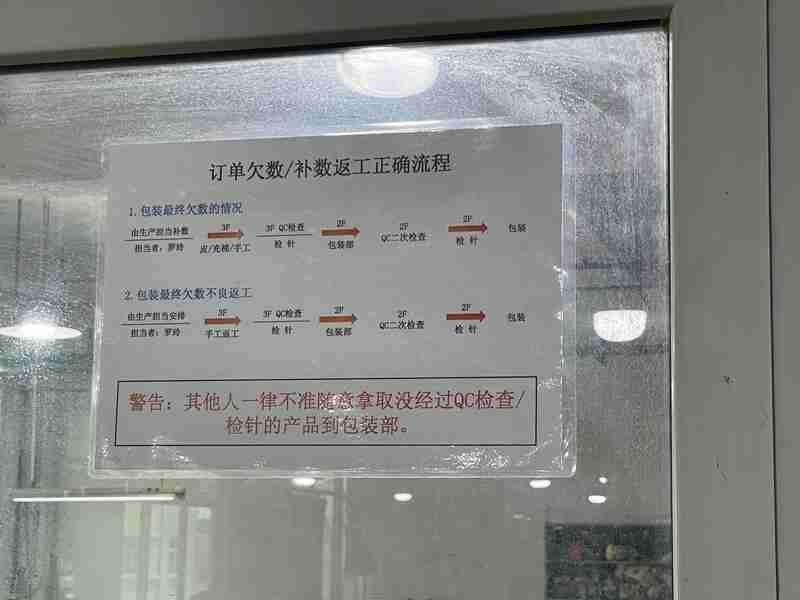
Keychain projects move fast, and that speed can create chaos without a clear management rhythm. The most common reasons timelines slip are not technical—they are coordination gaps: unclear decision dates, untracked sample versions, packaging decisions delayed, and last-minute changes that were never assessed for impact. We reduce these issues by running keychain programs with a milestone timeline, version control, and consistent production updates. Partners get a practical view of what’s happening, what is needed from their side, and what risks might affect lead time. This helps procurement stay aligned with marketing calendars, merch drops, and warehouse booking windows.
Our project support includes a concrete set of controls:
- Milestone timeline (Sample → Production → Shipment) so both sides know decision dates
- Version control for sample revisions, golden sample, and BOM so the right spec runs on the line
- Production updates using photos/videos/reports to reduce guessing and back-and-forth
- Risk alerts for material readiness, lead time pressure, or structure concerns before they become delays
Stage partner Action Our Output Risk We Flag Early RFQ review confirm target channel spec notes and quote scope missing packaging tier Sampling consolidate feedback V1→V2 versions tracked likeness drift Pre-production approve golden sample BOM and process notes material batch risk Bulk and packing confirm labels/SKU packing proof and carton rules mix-up risk
Change Control: Spec, Cost, Lead Time
Changes happen in keychain projects—face tweaks, size adjustments, packaging upgrades, hardware switches. The real risk is not the change itself. The risk is making changes without tracking versions, so bulk production uses mixed standards and shipments contain inconsistent units. We treat changes as a controlled process: each change has a clear request format, a defined impact on cost and lead time, updated BOM/process/packing SOP, and a version tag that ties back to the production batch. This prevents “old vs new” confusion and protects brand consistency—especially when you run multiple SKUs at the same time.
Our change control system includes:
- A standard change request format (what changed / why / impact)
- Updating BOM, process notes, and packing SOP with version numbers
- Clear explanation of price and lead time impact for each change
- Re-confirmation workflow for major changes (face/material/size/packaging)
- Batch linking to ensure the production line uses the correct version and avoids mixing
Shipping Prep: Proofs, Marks, Easy Receiving
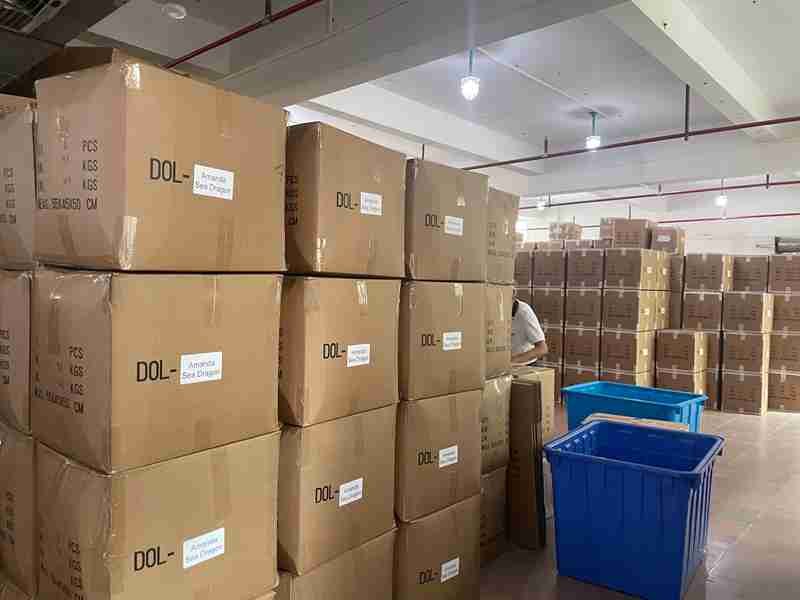
Even when the product is correct, shipments can still fail at the receiving stage: mixed SKUs in one carton, missing sequence numbers, unclear carton marks, or units packed in a way that causes deformation. For plush keychains, proper packing proof is a procurement tool. It reduces disputes because both sides can see the approved packing standard before the container is sealed. We support a shipping prep flow that includes packing proof photos, carton marking templates, and carton packing rules. This is especially useful for multi-SKU programs, blind boxes, and distributors that require strict carton identification and consistent packing structure.
Our shipping prep support includes:
- Packing proof photos for unit pack, set pack, and master carton
- Carton marks and labels aligned to your warehouse requirements
- Carton packing rules (layers, dividers, anti-compression supports)
- Batch/lot identification for receiving traceability
- Optional pre-shipment visual confirmation when needed
Carton marking essentials
| Mark Field | Why It Matters | Prevents |
|---|---|---|
| Carton sequence | fastang | miscounts |
| SKU list | multi-SKU clarity | mix-ups |
| G/N weight and size | logistics handling | damage claims |
| Handling marks | safe stacking | deformation |
Request a Custom Sample First?
If you have artwork, logo files, or even just an idea, please share your project details—size, target fabric, color reference, and customization requirements. We’ll recommend suitable materials and provide a clear sampling plan to bring your custom plush toy design to life.
What Makes Our Custom Plush Production Reliable for partner
Trust is built through predictable execution—clear approvals, documented specs, quality checkpoints, and packing confirmation. We focus on making your plush project easier to manage and safer to scale.
“Reliable” plush production is not about making one nice sample—it’s about delivering repeatable bulk quality, stable lead times, and clear project control from artwork review to shipment. What makes our custom plush program dependable is the way we manage the details that most often cause problems in mass production: face accuracy, proportion stability, embroidery or printing consistency, stuffing weight and firmness control, and secure attachment for keychains, clothing, and accessories.
We build reliability through a structured workflow: we confirm a practical spec checklist before sampling, document revision notes, and lock the final approval sample as a golden standard for production. During manufacturing, we apply multi-stage QC checkpoints (not just a final check) to prevent drift early, especially in character-critical zones like the face and silhouette. Before shipment, we also verify packaging and labeling—including hangtags, barcode/SKU labels, care/warning labels, and carton marks—so your receiving and retail handling are smoother and your products arrive with less risk of deformation.
Process Proof
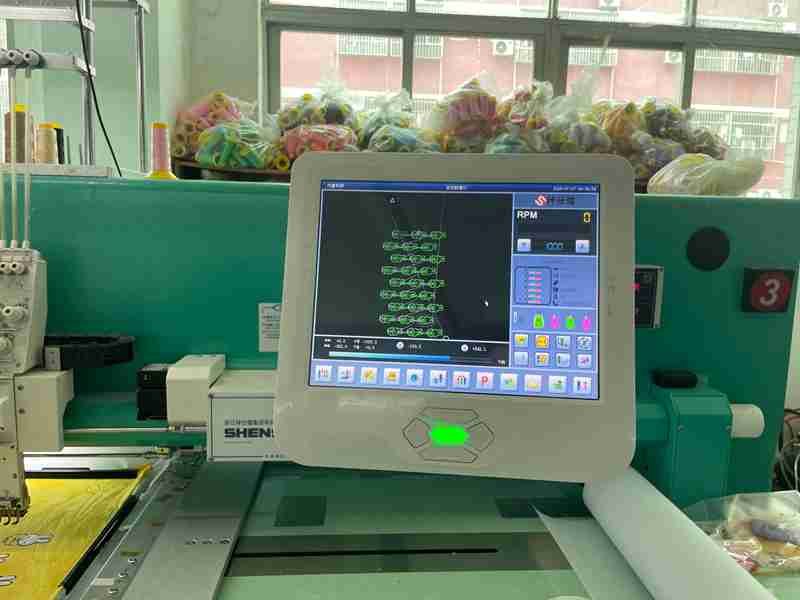
- Clear sampling-to-production approvals (prototype → revisions → final approval sample)
- Spec confirmation before bulk production (size, materials, logo placement, packaging)
- Revision notes that keep decisions traceable
- Golden standard concept for repeat orders
Quality Proof
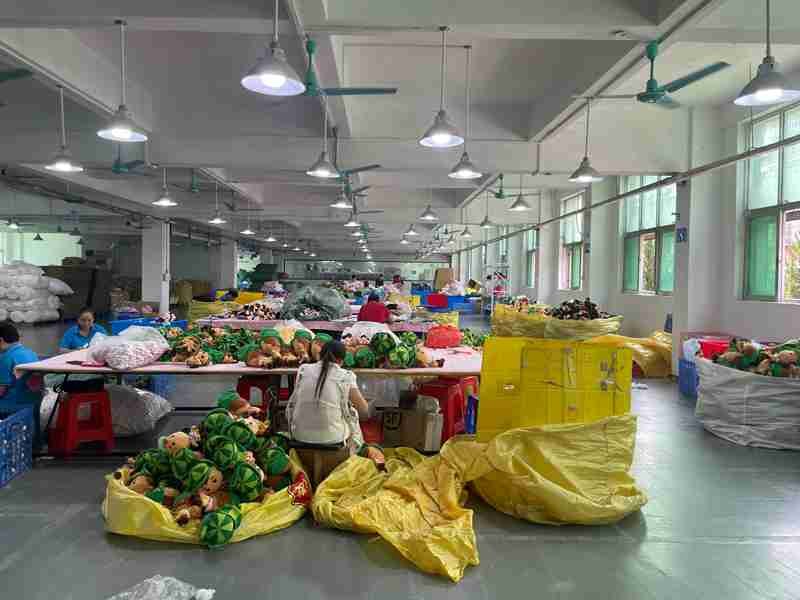
- Multi-stage QC checkpoints across sewing, embroidery/printing, stuffing, finishing
- Needle control / needle detection option for finished plush (when required)
- Inspection focus on character-critical areas (face and silhouette) for IP plush
Delivery Proof
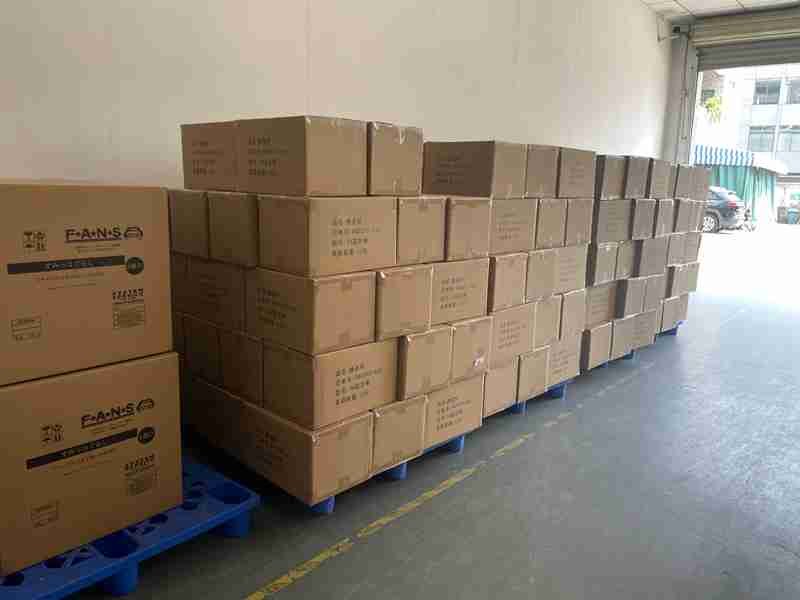
Packaging and labeling confirmation before shipment (photo proof + checklist)
Barcode and carton mark support (when required) (SKU/PO/qty/destination)
Packing suggestions to reduce deformation during transit (anti-crush, face protection)
Frequently Asked Questions
How can we verify a partner’s quote is “complete” and not missing hidden costs?
A complete quote must clearly separate materials, face technique, hardware, packaging, and labeling, and it must state assumptions so you can spot hidden add-ons before approval.
Procurement problems usually start when a quotes only a unit price and leaves “small” items undefined—like keychain hardware grade, barcode labels, insert trays, or carton marking. Those items show up later as “extra charges,” or worse, they get silently downgraded. Ask for a quote that matches a fixed structure: product spec → cost blocks → option tiers. Then require each block to list what’s included and what’s excluded.
Use this audit table to compare partners:
| Cost Block | Must Be Named | Typical Hidden Add-On |
|---|---|---|
| Materials | fabric type, pile, GSM, backing, filling | fabric downgrade, filling change |
| Face Technique | embroidery area, print method, appliqué layers | reduced stitch density |
| Hardware | ring/clasp type, plating, thickness | thin ring, weak clasp |
| Packaging | polybag/header card/box+insert | insert “not included” |
| Labeling | unit barcode, carton label, batch label | missing traceability |
| Cartons | dividers, carton marks fields | mixed SKUs, repacking |
What are the most common “low quote traps” for plush keychains, and how do we detect them?
Most low quotes rely on silent downgrades in fabric, stitch density, attachment reinforcement, or “excluded” packaging or labels—you detect them by locking measurable specs and asking for proof points.
Plush keychains are small, so cheap shortcuts show quickly: flat shapes, wrinkled faces, ring tabs tearing, and scratched fabrics from sharp hardware edges. The safest way to detect a trap is to require measurable commitments, not promises. Ask for (1) fabric identification, (2) face technique parameters, (3) hardware grade and thickness, (4) attachment structure details, and (5) packaging or labeling scope in writing.
Use this “trap detection” checklist:
- Fabric: name and pile length or GSM + color matching method.
- Embroidery: confirm stitch density and edge clarity expectations.
- Hardware: confirm ring or clasp thickness and plating; ask about sharp edge checks.
- Attachment: ask where reinforcement is placed (tab, webbing, box stitch, bartack).
- Packaging or labels: confirm unit barcode, carton label, and whether inserts are included.
Which attachment structure is safest for plush keychains, and what tests should we request?
The safest attachment uses a reinforced anchor path—stitched tab/webbing loop integrated into internal seams—plus pull checks for metal parts and small components.
A plush keychain fails most often at the attachment point, not at the plush body. You want the force to travel through a reinforced seam, not through a single stitch line. Ask the client to explain the anchor construction: is it a webbing loop caught into seam allowance, a reinforced tab with box stitch, or a decorative loop stitched only on the surface?
Request these checks:
- Metal part pull check for the keychain ring/clasp and any charms.
- Small parts security for eyes/nose or decorative accessories.
- Sharp edge check to prevent hardware cutting fabric.
- In-process inspection points so reinforcement doesn’t get skipped during bulk.
What labeling and barcode setup is best for multi-SKU keychain programs?
Multi-SKU programs should combine unit barcode + internal SKU ID + carton sequence + batch label to prevent mix-ups and speed receiving.
Mix-ups happen when SKU identity exists only in someone’s spreadsheet. In real operations, you need identity at four levels: unit, inner pack (if any), carton, and batch. For keychains, unit labels must be placed consistently so scanning doesn’t require repacking. If you sell on hooks, a barcode card can replace a unit sticker, but the SKU ID still needs to be traceable.
Use this structure:
- Unit level: barcode sticker or barcode card + visible SKU code.
- Carton level: carton label includes SKU list, quantities, carton sequence (1/10, 2/10…), G/N, dimensions.
- Batch level: batch/lot label so any issue can be traced and isolated without recalling everything.
What packaging prevents deformation for plush keychains during shipping and long shelf display?
The best anti-deformation packaging uses the right tier (polybag vs header card vs box+insert) plus carton supports like dividers and consistent packing rules.
Plush keychains deform when they’re compressed in cartons or hung for long periods with no structure support. If your program is purely promotional, a good polybag may be enough. But for retail and blind-box programs, a box + insert tray protects shape, keeps accessories in place, and prevents metal hardware from scratching fabric.
You also need carton-level control: dividers or layered packing prevent crushing, and carton sequence labels make receiving smoother. Ask the partner to provide packing proof photos (unit pack, carton interior, carton marks). That proof is not bureaucracy—it is a quality control tool that prevents disputes.
If budget is sensitive, request two packaging tiers in the quote: Standard (polybag/header) and Upgraded (box+insert). The incremental packaging cost is often lower than the cost of returns, damaged display, or brand complaints.
What documents must be locked before bulk production to avoid “sample-to-bulk drift”?
Lock a spec sheet, BOM, golden sample reference, and packaging/labeling instructions with version control before bulk starts.
Sample-to-bulk drift happens when the approved sample exists, but the production line runs from memory or partial notes. Procurement can prevent this by requiring a document set that functions as a single source of truth. At minimum, your file pack should include: size tolerances, weight target, fabric identification, face technique mapping, hardware specification, and attachment reinforcement.
Add packaging documents: unit pack method, barcode placement, carton mark fields, and packing rules (dividers/layers). If the program includes multiple SKUs, include a SKU mapping table and carton sequence rules. Then require change management: any change after golden sample must be recorded with a version number and updated BOM.
What’s the best way to request samples so revisions don’t become endless?
Limit revisions by defining a staged sample plan: V1 structure, V2 likeness, technique confirmation, hardware/packaging sampling, then PPS before bulk.
Endless revisions happen when teams review different things at different times. For keychains, separate decisions into stages. V1 focuses on pattern, proportions, and basic attachment feasibility. V2 focuses on face likeness and finishing details (embroidery edge clarity, symmetry, thread color). Then confirm technique: embroidery vs print vs appliqué. After that, lock hardware type and attachment method, and sample packaging if retail-ready requirements exist.
To keep review cycles short, ask they to send a structured photo set each round: front/side/back, face close-ups, attachment close-ups, and packaging mock (if applicable). Consolidate internal feedback into one list and label each item “must change” vs “nice to have.”
What should we request as “proof” before shipment to reduce disputes?
Procurement tip: request a defect-prevention checklist, not just a “QC promise.” The best partners can show what they inspect, when, and what happens when a defect is found (rework route, isolation, and update to process notes).
- Packing accuracy for multi-SKU shipments (carton sequence + SKU list).
- Metal part pull checks and sharp edge checks.
- Attachment reinforcement (where and how it’s stitched).
- Face consistency (placement templates, symmetry tolerance).
Ask they to describe how they control:
Final inspection catches visible defects, but it doesn’t prevent the root causes: wrong fabric batch, inconsistent filling, missed reinforcement steps, or sharp hardware edges. Keychain programs should focus on early-stage checkpoints: incoming fabric/hardware verification, first-article approval for face placement and attachment construction, in-process audits to ensure reinforcement is executed, and outgoing checks tied to labeling/packing rules.
How do we control packaging print lead time so it doesn’t delay shipment?
Ask they to show technique samples and clarify what is included in the quote (density, patch layers, print method).
- If you need bold shapes, choose appliqué for major blocks and embroidery for outlines.
- If the art requires gradients, combine printing + embroidery outline for durability.
- If your keychain will be handled daily or sold retail, start with embroidery for critical facial lines.
Procurement decision rule:
Embroidery holds up well to rubbing and daily swing, which is why it’s common in retail keychains. The cost driver is embroidery area and complexity; reducing unnecessary embroidery coverage can lower cost without hurting likeness. Printing works for detailed art, color gradients, or photo-like designs, but it requires good surface stability and may need protection decisions (packaging and abrasion expectations). Appliqué adds layered fabric shapes that look premium and hide seam transitions, but it increases labor and requires careful edge finishing to prevent fraying.
Embroidery vs printing vs appliqué—what is the best choice for plush keychains?
Fabric also affects packing risk: long pile can compress and “sleep,” making products look flat if cartons lack dividers. Ask your partner to recommend a fabric system that fits your face technique and packaging tier, then lock it in the spec sheet.
- Collectibles: prioritize detail and batch consistency; confirm a color matching method and keep records for reorders.
- Retail hooks: choose fabric that balances softness and detail clarity; avoid extreme long pile unless face is appliqué.
- Promo / giveaways: choose stable, easy-sourced fabric with moderate pile.
For procurement, use “channel-fit” logic:
Different plush fabrics behave differently at small scale. Short-pile minky can show cleaner embroidery edges and resist pilling better, while long-pile faux fur hides seams but can swallow facial details and make embroidery look fuzzy if density isn’t tuned. Some fabrics have longer sourcing or dyeing cycles, especially if you require strict Pantone matching or tight batch consistency.
How should we quote multi-SKU plush keychains fairly (and avoid SKU mix-up costs)?
Procurement tip: request two quotes—pilot vs scale. A good partner will explain what costs are one-time and what scales down in repeat orders.
- Use a “reference SKU” and allow small variants in color or tag printing.
- Limit face technique combinations (avoid mixing embroidery + appliqué + print in the first run).
- Choose a simple packaging tier for the pilot (polybag or header card), then upgrade later.
- Standardize hardware (one key ring or lobster clasp spec).
- Keep one base fabric across multiple SKUs (change colors via dye lots only if needed).
To reduce first-order cost without creating bulk risk, use a risk-reduction approach:
For plush keychains, the “small size” doesn’t mean small complexity. Fixed work includes pattern making, face technique setup (especially embroidery programs), attachment structure validation, and packing rules. Materials also have minimums: certain fabrics, thread colors, and packaging prints require production-ready quantities. When your order is split into many SKUs, cost rises because cutting, packing, and labeling become more complex—even if total quantity is the same.
What’s the cleanest way to start—should we send everything by email or use a structured RFQ?
If your program is high-risk (kids merch, retail chains), require batch records and photo proof during packing. These controls reduce your business exposure dramatically.
Procurement should request a defect handling SOP: how defects are identified, who decides rework vs scrap, how reworked goods are re-inspected, and how corrections are applied to prevent recurrence. This SOP is more valuable than a generic “quality guarantee,” because it shows the partner’s operational maturity.
When traceability is missing, every defect becomes a full-shipment argument. For keychains, ask for batch labels and carton sequence numbers, and ensure carton labels include SKU list and quantities. That way, if an issue is tied to a specific material batch or a specific production day, you can isolate only the affected cartons or SKUs.
Start Your Custom Plush Project Today
If You Can imagine it,We Will Create it!
Whether you are a brand, creator, retailer, or agency, our Guangdong plush factory is ready to support your OEM/ODM development. Send us your design, concept, or reference image — our team will reply with a free development proposal and quotation.
1. Tell Us What You Need
Tell us your requirements and share your artwork or reference images.
2.Get a Solution & Quote
We’ll suggest the best solution based on your requirements, and provide a detailed quote within 12 hours.
3.Approve for Mass Production
We will start mass production after getting your approval.
For all inquiries, please feel free to reach out at
- info@heyzizi.com
- (+86)13717153084
Ready to Grow Your Plush Product Line?
Brands and businesses from over 80 countries have chosen Jundong as their trusted plush manufacturing partner. Now it’s your turn. Work with us for reliable custom plush production, clear sampling support, and stable delivery for long-term programs.