 Skip to content
Custom Plush Bag Charms
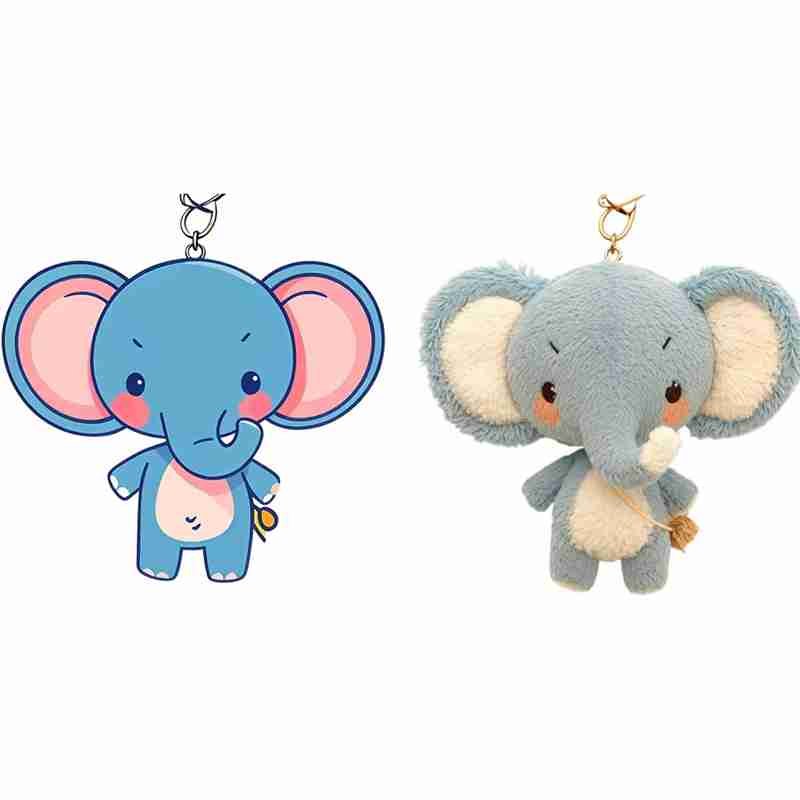
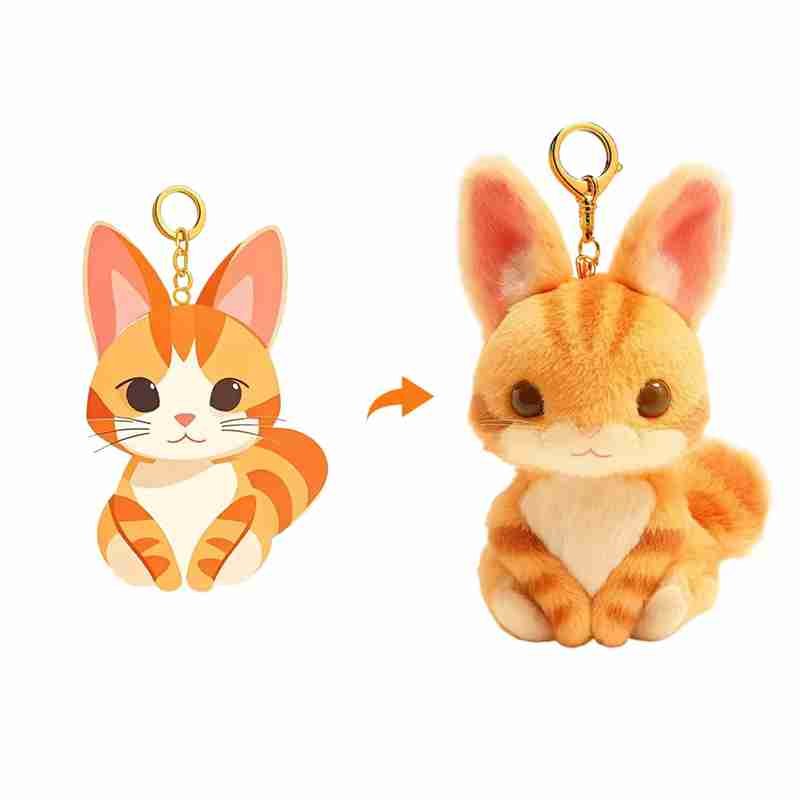
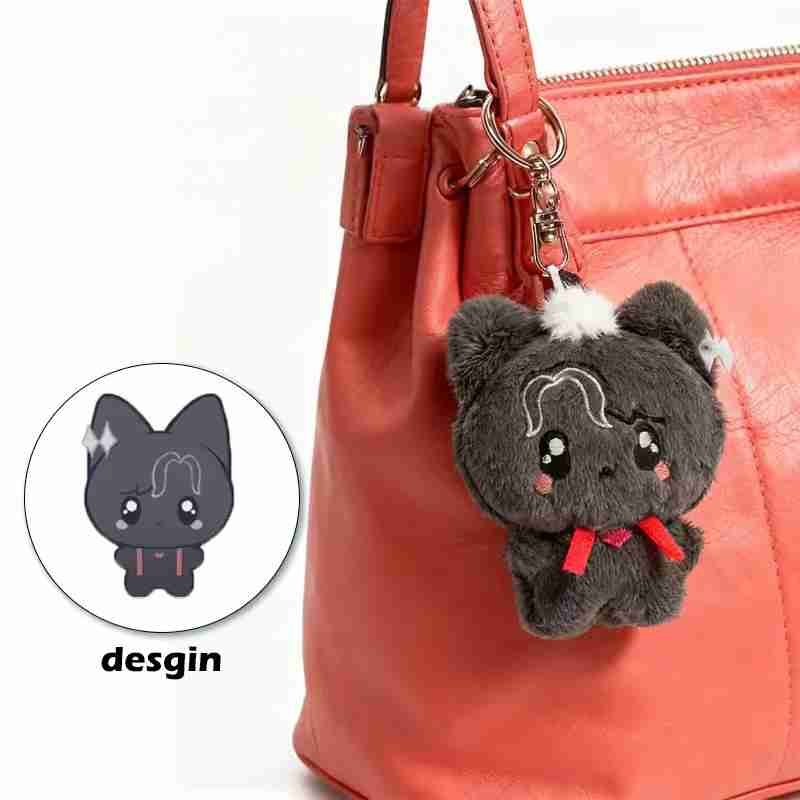
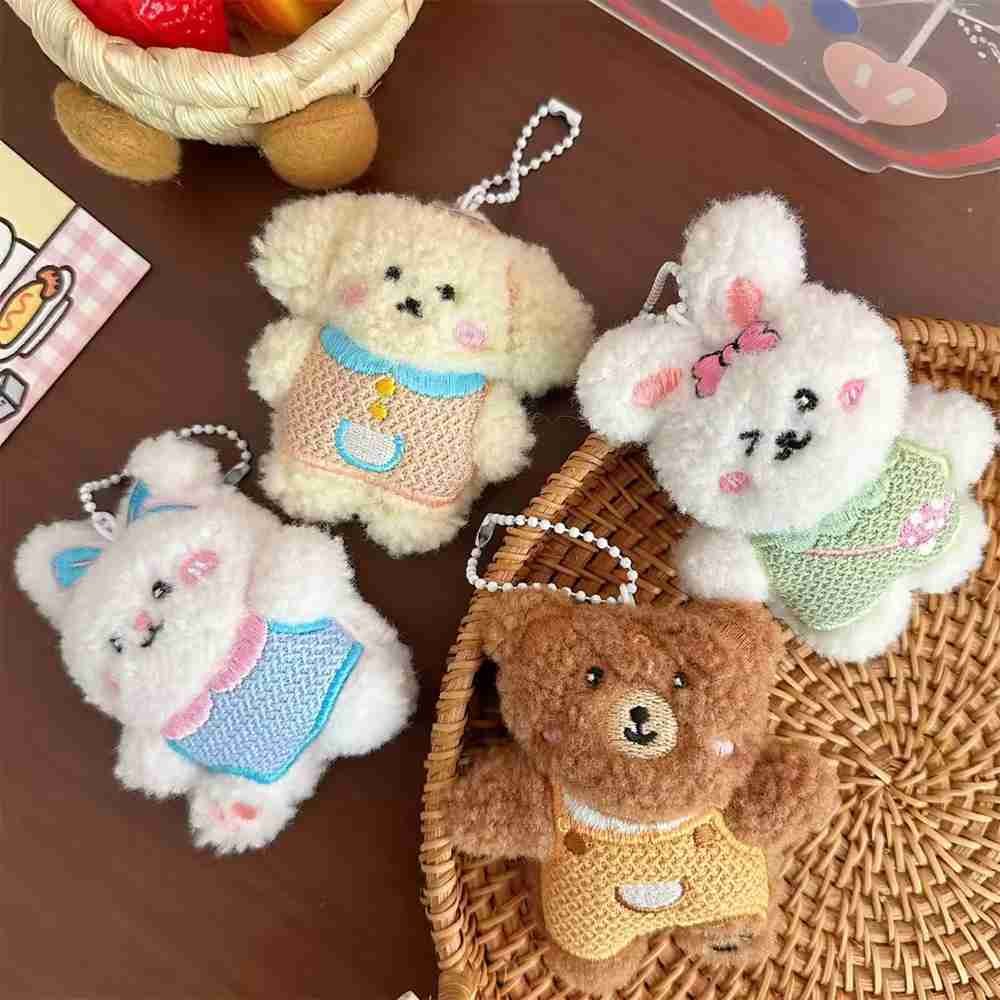
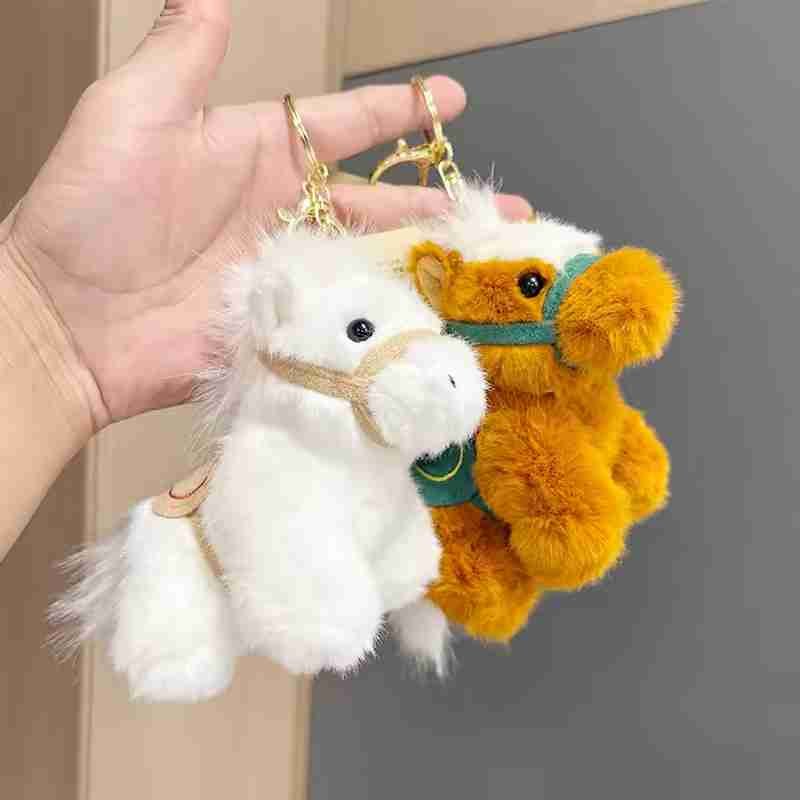
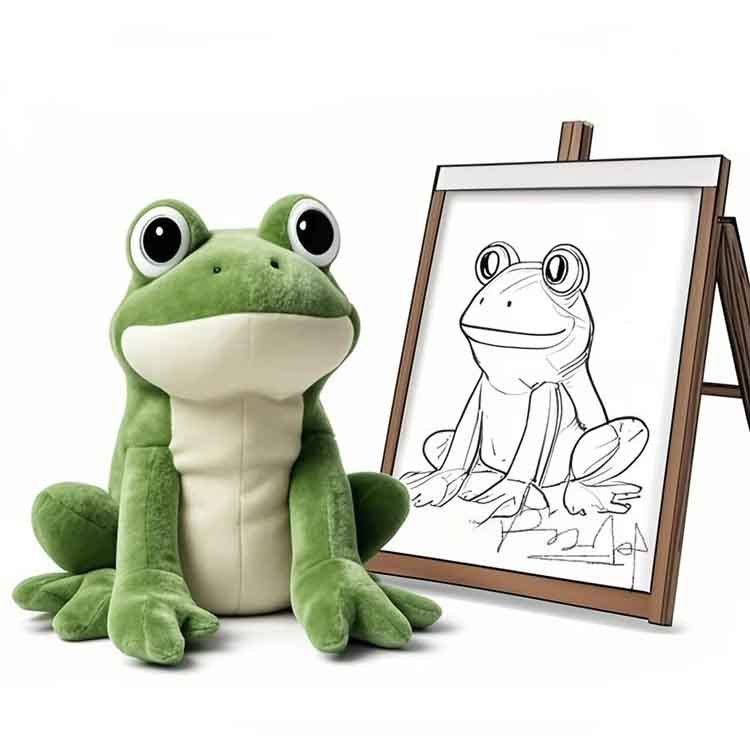
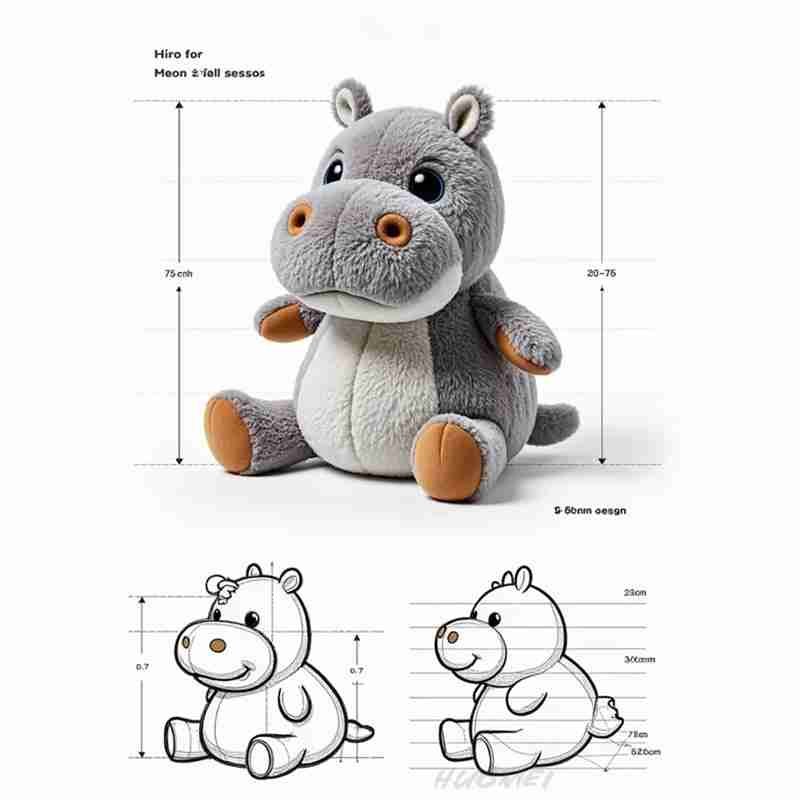
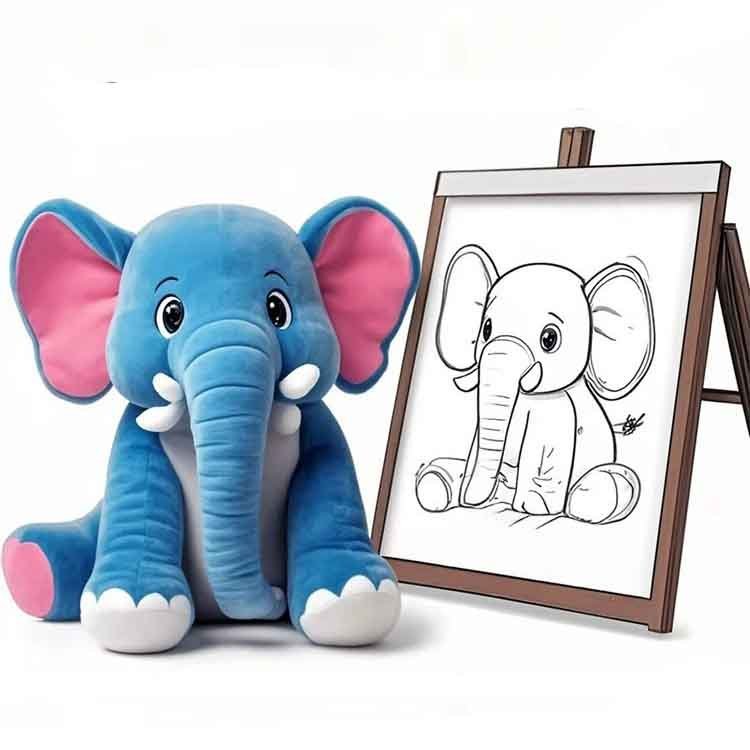
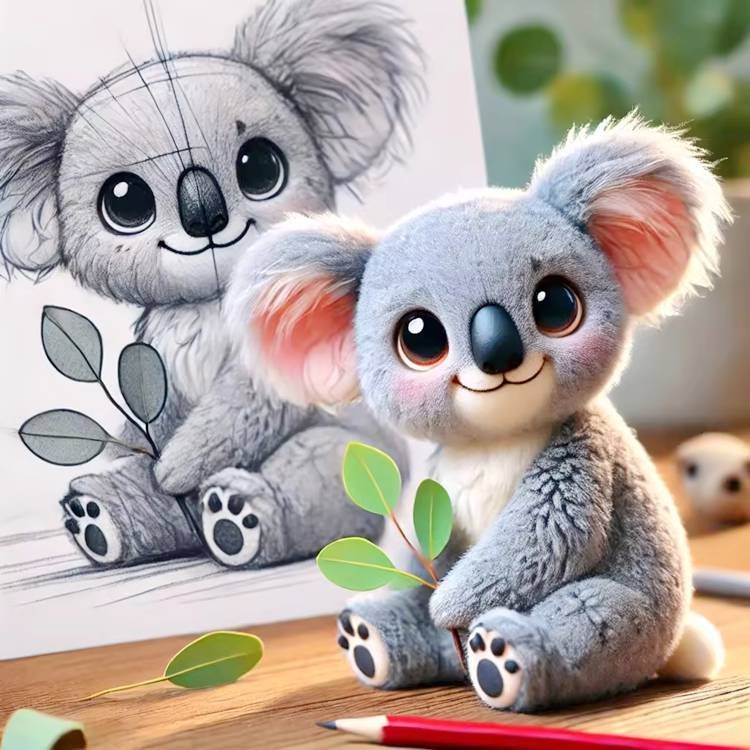
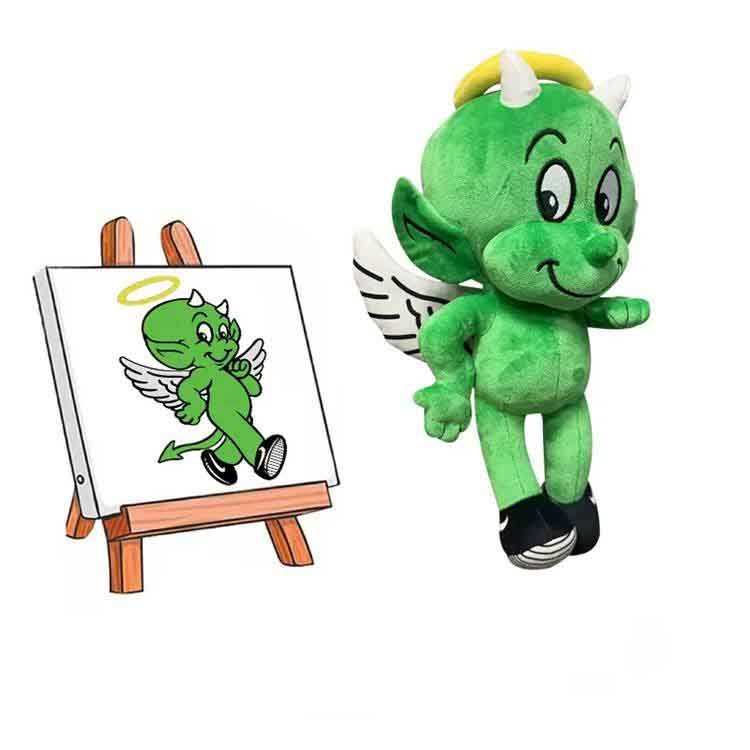
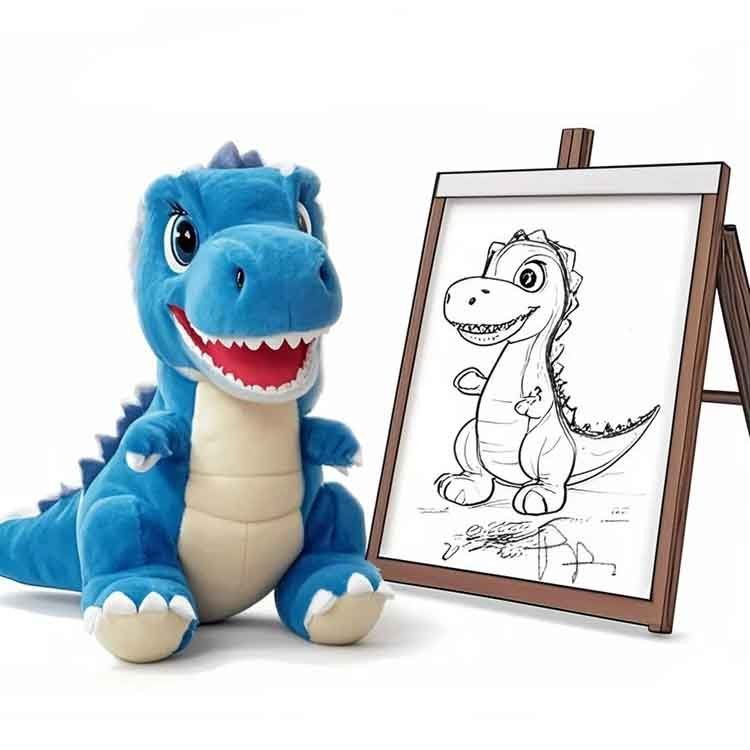
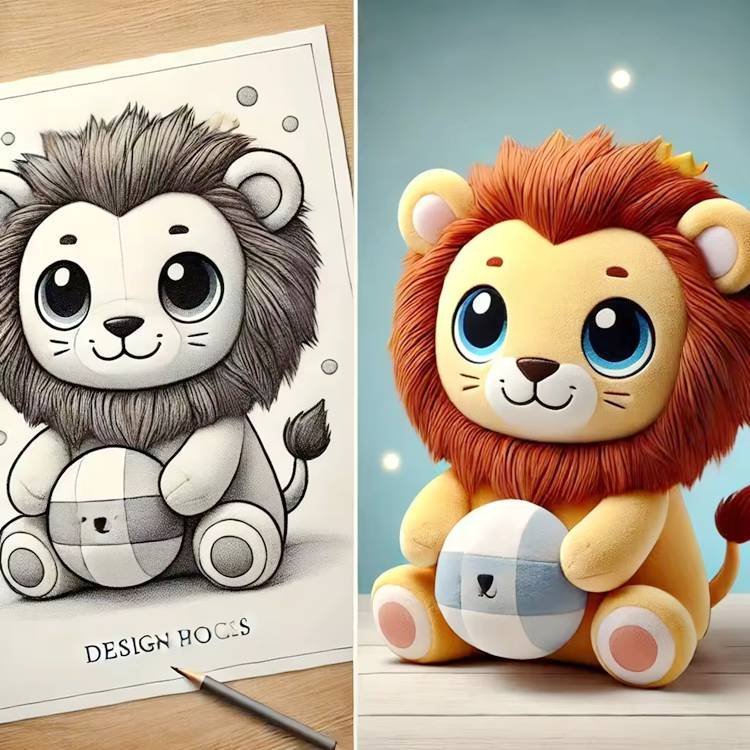
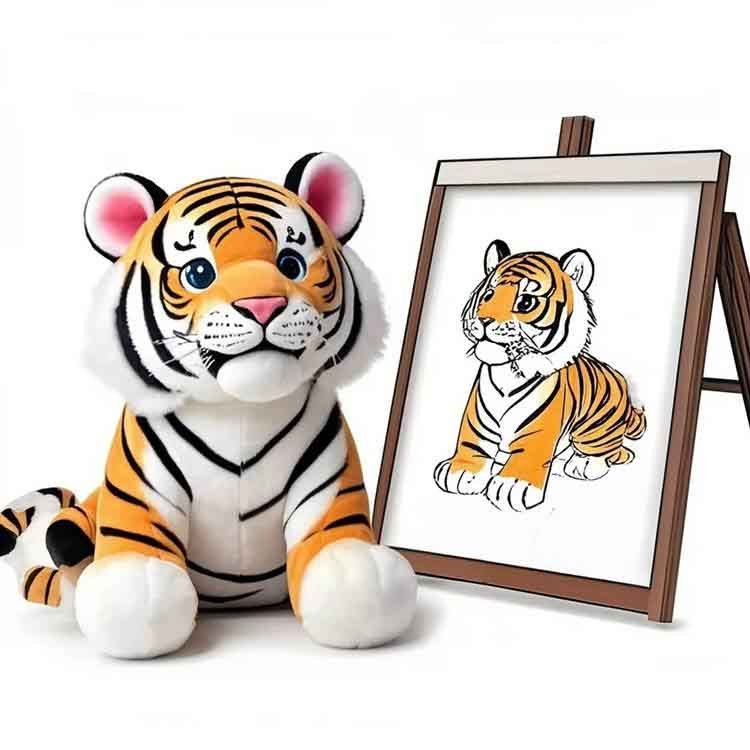
Custom plush bag charms are small products with big brand impact—perfect for retail add-ons, gifting, and limited drops. Heyzizi manufactures OEM/ODM plush bag charms with controlled patterns, secure attachment engineering, and consistent decoration so bulk output matches the approved sample. We support fabric and filling selection, embroidery or printing, label and barcode layout, and packing rules that protect shape in transit. Share your reference artwork, target size, attachment type, and sales channel, and we’ll propose build options, a sampling plan, and a practical timeline for repeatable production.
Custom Plush Bag Charms: Stable Bulk Quality
Plush bag charms look small, but they create big brand exposure. They get handled every day, rubbed against clothing, tossed into bags, and pulled by keys or straps. That means partner care less about “cute photos” and more about durability, stitch stability, color consistency, and repeatable bulk quality. This guide shows how we build custom plush bag charms that hold shape, keep details crisp, and stay production-consistent from sample to bulk and reorders.
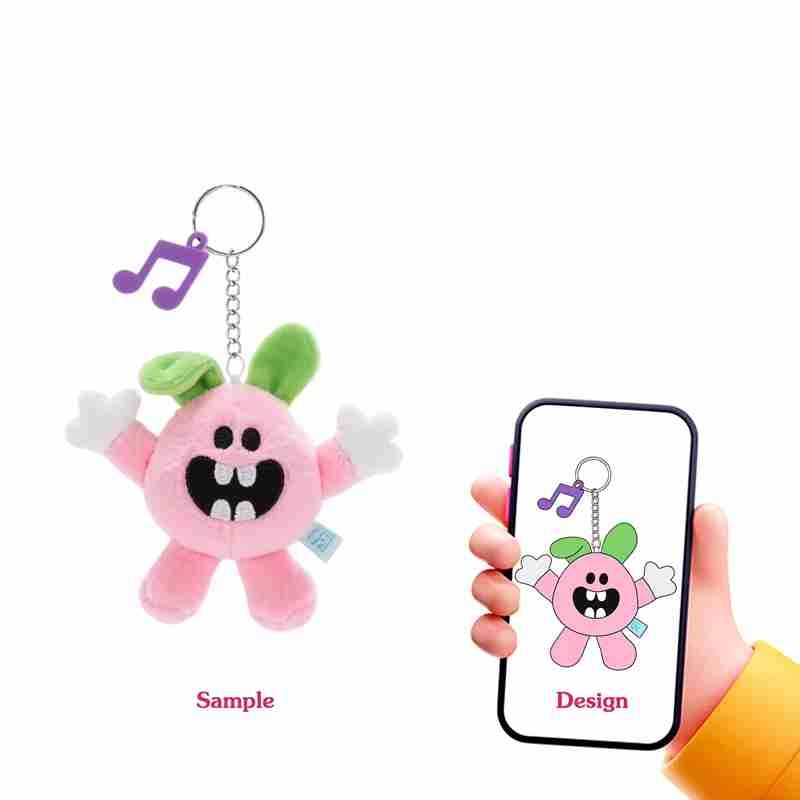
A plush bag charm is a “micro product” with “macro risk.” The most common failures are not the plush body itself, but the attachment system, stress seams, and surface wear in high-touch zones. When those fail in the field, the charm quickly turns into a refund, a complaint, or unwanted social media attention.
success comes from a controlled development route:
A clear reference sample that becomes the final golden standard
A locked material system (plush fabric, backing, thread, stuffing, accessories)
A defined reinforcement map (where to add bartacks, edge binding, hidden straps)
A repeatable QC checklist that reflects real use, not visual checks only
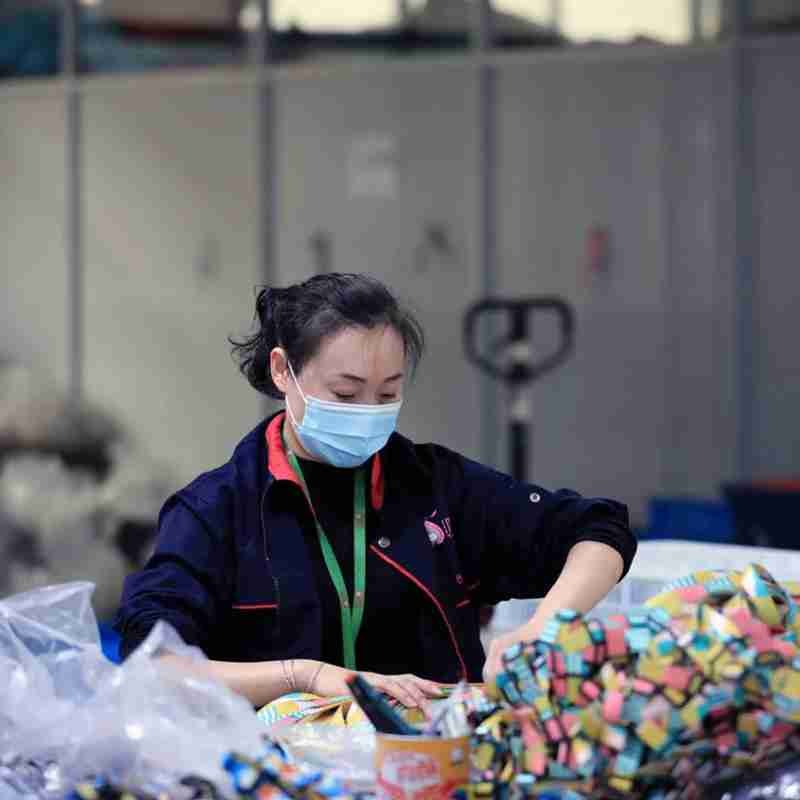
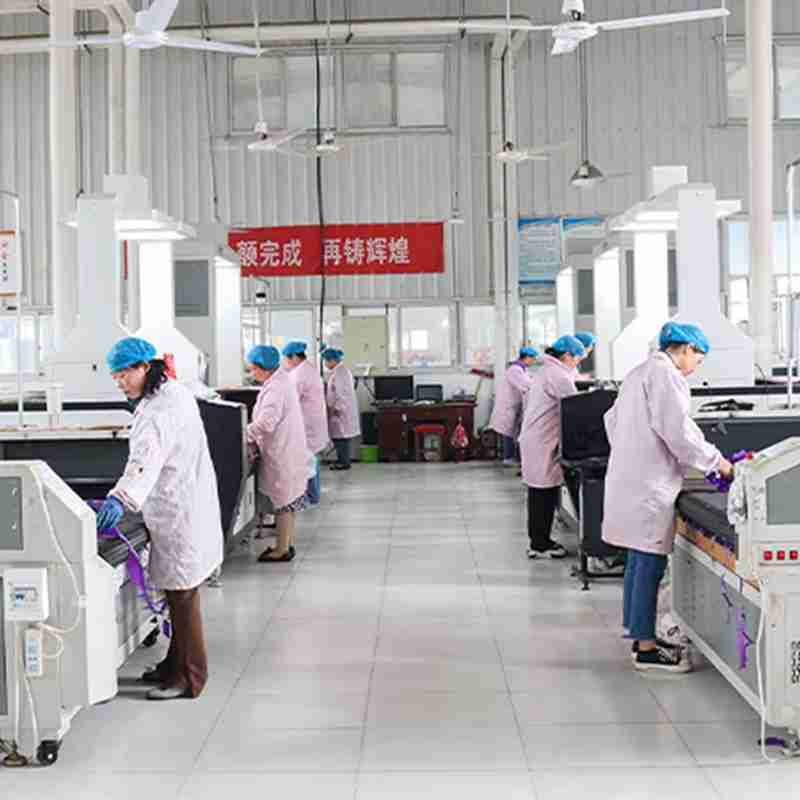
Our setup is built for repeatability. We operate as a Guangdong-based plush manufacturing team with a structured workflow from coordination and design support to sampling execution, bulk production, QC, and packing. The goal is simple: reduce approved sample versus bulk drift and keep reorders stable.
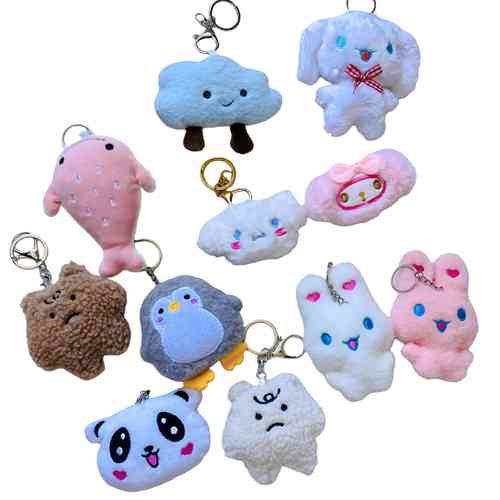
Charm Styles and Sizes for Keychains
A practical charm program is built around a few repeatable formats. Below are the styles that convert well in orders, plus how they affect cost and lead time.
Common plush bag charm formats
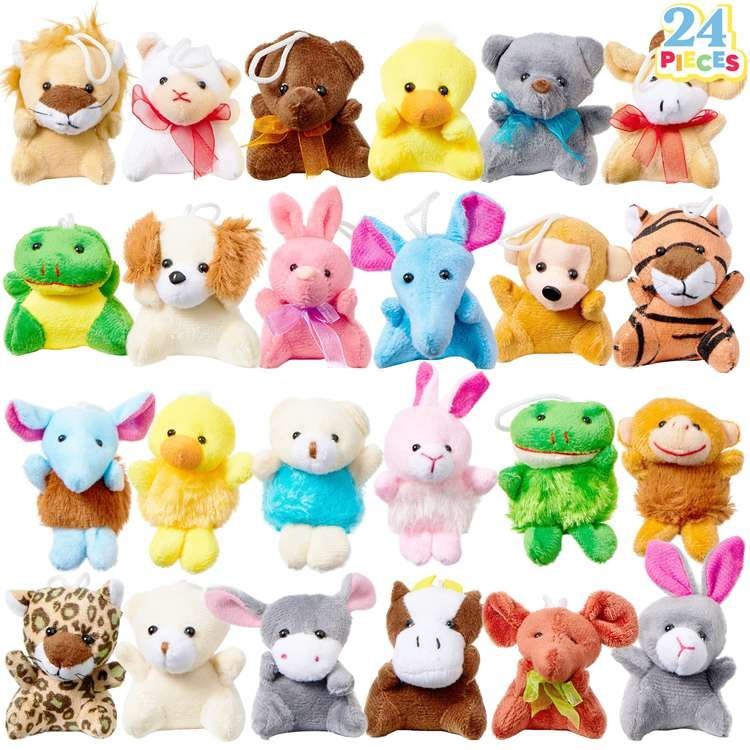
Mini Mascot Charm
Best for brand mascots, sports teams, IP characters. Typically needs embroidered face and a stable anchor strap.
Flat Plush Charm
Lower cost, easier packing, lighter shipping. Good for giveaways and bulk promos.
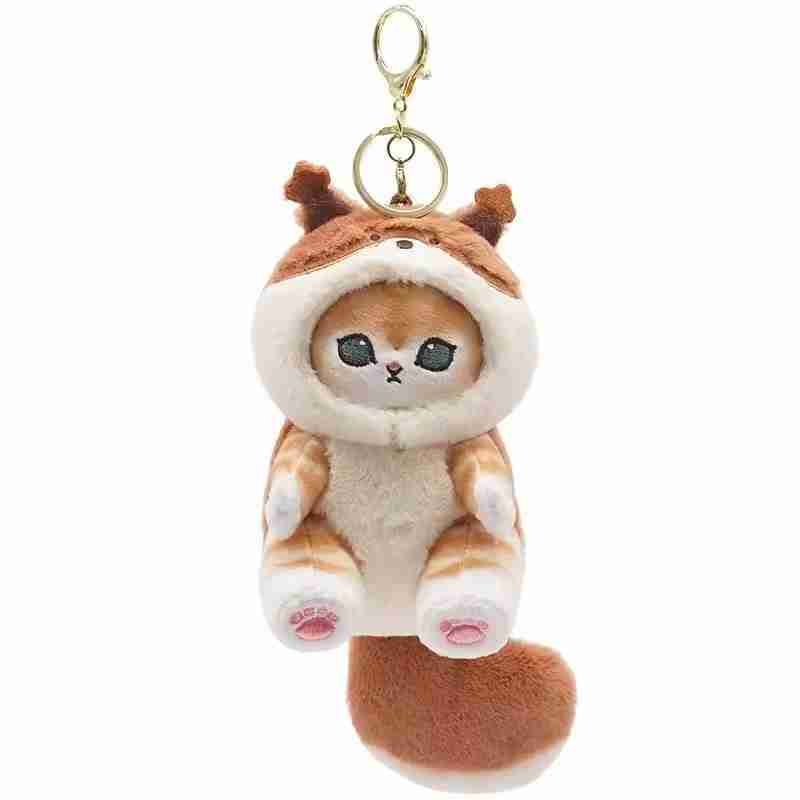
3D Sculpted Charm
Highest perceived value. Requires tighter control of stuffing density and seam symmetry.
Plush and Acrylic Combo Charm
Adds logo tag and premium feel. Needs scratch-resistant acrylic and correct ring spacing.
Function Charm
Higher complexity but strong conversion for retail. Needs zipper quality and lining spec.
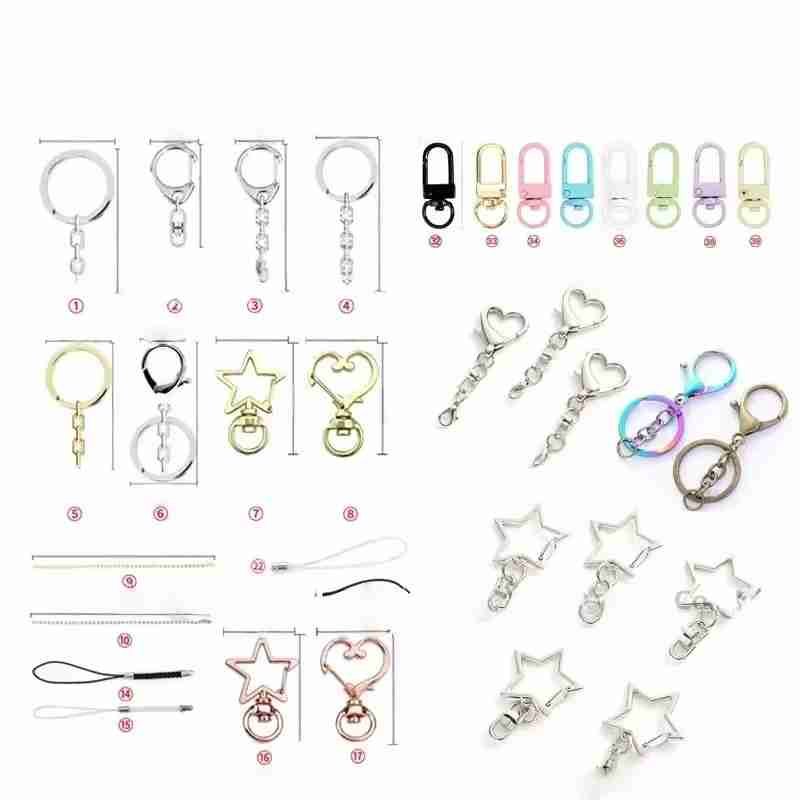
Attachment formats partners request most
- Keyring and lobster clasp: universal, easy to attach to bags
- Phone strap loop: lightweight trend option
- Carabiner style: outdoor and streetwear vibe
- Custom metal logo plate and ring: premium branding
Use this decision table to pick quickly:
| Channel | Recommended Format | Why It Works | Risk to Control |
|---|---|---|---|
| Gift with purchase | Flat or mini | cost-control, fast production | color drift |
| Retail | 3D or function | premium feel, higher ASP | deformation |
| Blind box | mini mascot | repeat collecting | batch consistency |
| Collaborations | plush and acrylic | brand signature | scratch + ring strength |
Plush Fabric Performance: Handfeel, Pilling, Color
Softness alone is not a fabric standard. For bag charms, the surface faces daily friction: clothing, bag panels, zippers, hands, and sometimes cosmetics or hand sanitizer. If the wrong plush is chosen, the charm can show pilling, matting, and “patchy shine,” making it look old fast.
Common plush options and when to use them
- Short pile plush (minky-like or velboa-like): clean look, good for embroidered faces, easier to keep shape
- Long pile plush (shaggy or faux fur): high visual impact, but needs pile-direction control and trimming discipline
- Textured plush or boucle-like: trendy, hides minor dust, but needs stable backing to prevent distortion
- Printed plush: good for gradients or patterns, but requires attention to color fastness and print rub resistance
Process controls that reduce surface issues
- Confirm pile direction for all panels before cutting
- Apply reinforcement backing for embroidery zones (eyes, mouth, logo)
- Define seam allowance and turning points to prevent “bald edges”
- Run a simple friction simulation: hand rub and fabric-to-fabric rub, then review pile recovery
What we do differently: we advise fabric based on your channel and usage. A giveaway charm and a retail premium charm should not use the same surface grade. We help you choose a fabric that hits the right price without risking fast wear complaints.


Hardware and Anchor Engineering for Pull Strength
If a charm detaches, the partner doesn’t care how soft the plush was. Detachment is the highest-impact failure. That’s why we treat the attachment as a system, not a single part: hardware and strap, internal anchor and stitch reinforcement.
Hardware options
- Zinc alloy lobster clasp and split ring: versatile, mid-cost, strong everyday option
- Stainless ring and premium swivel: higher cost, better corrosion resistance
- Carabiner style: good for outdoor or streetwear, but requires a larger anchor strap
- Phone strap loop: trend-friendly, lower load, not ideal for heavy charms
- Custom logo metal tag: branding value, needs edge smoothing to avoid fabric wear
Anchor design principles
- Use a hidden webbing or strap loop that runs inside the charm body, not just stitched on the surface.
- Add multi-row stitching and bartacks in stress directions (vertical and diagonal).
- Define a pull target for internal QC based on charm weight and typical usage.
- Prevent “fabric cut-through” by using backing or a small internal patch at the anchor zone.
Quick decision table:
| Charm Weight or Use | Best Attachment | Anchor Upgrade Needed |
|---|---|---|
| Light promo, low pull | phone loop | basic internal patch |
| Daily carry-on bags | lobster and ring | hidden strap and bartacks |
| Heavy 3D charm or pouch | premium swivel | full-length internal strap |
| Outdoor or carabiner | carabiner | wider strap and double patch |
Packaging impact on hardware: If you pack too tightly, rings can press and deform plush edges. We design packing cavities or protective sleeves when needed to keep the surface clean and shape intact.

Small Charm Branding: Embroidery, Print, Labels
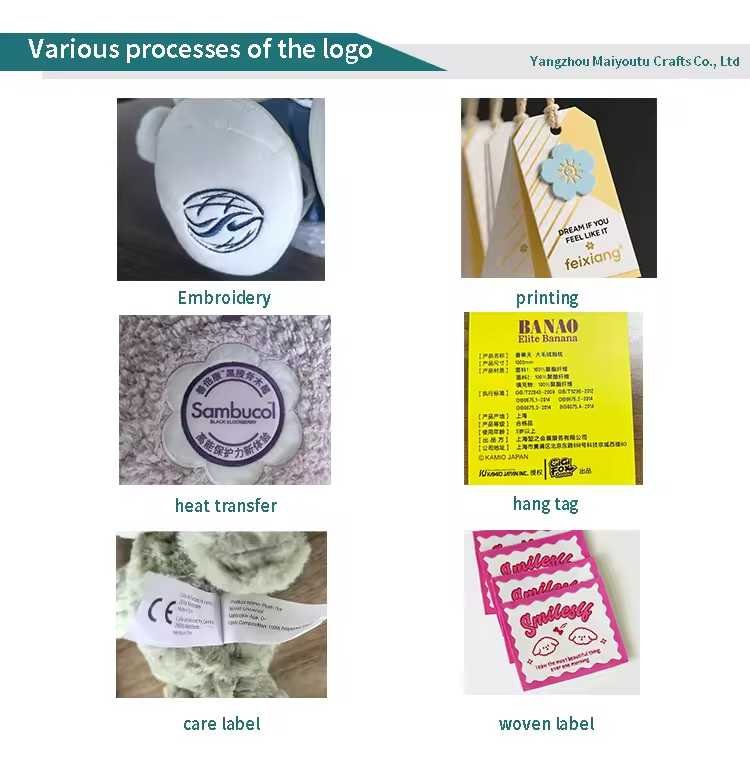
Small plush charms demand “high-resolution thinking.” If the face or logo is blurred, misaligned, or too dense, the product looks cheap—even if the fabric is premium. The right method depends on (1) the detail level, (2) surface pile type, (3) expected wear, and (4) unit cost target.
Method comparison table:
| Branding Method | Best For | Pros | Risks to Control | Recommended Specs to Lock |
|---|---|---|---|---|
| Embroidery (flat) | eyes, mouth, simple logos | durable, premium look | distortion on stretchy plush | stitch density, backing, thread color |
| Embroidery (3D or puff) | bold icons, raised letters | strong presence | snag risk, thickness | foam thickness, edge outline |
| Printing (heat transfer or digital) | gradients, photo-style art | great detail, fast | rub-off on high friction | rub test, ink type, color fastness |
| Woven label | brand name, care info | crisp text, stable | label edge fray | edge folding, stitch route |
| Metal tag or plate | premium branding | high-end feel | scratches, sharp edges | edge smoothing, plating, tag position |
What works best for plush bag charms
- For faces: embroidery is usually the safest choice for long-term use.
- For logos: use a woven label or small metal tag to keep text readable on plush.
- For complex art: printing works, but only when you define a wear expectation and protect it with correct placement (avoid high-rub zones).


Plush Charm Sampling: Files, Timeline, Revisions
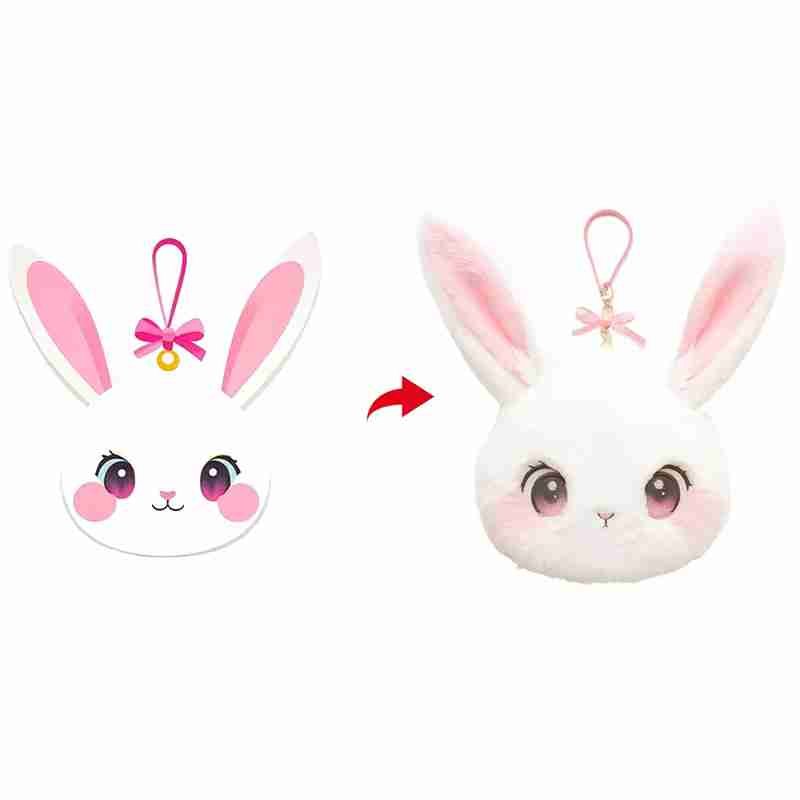
A good sample is not just “looks right.” It must be reproducible. For plush bag charms, the common risk is that a hand-finished prototype looks fine, but bulk output drifts in face alignment, stitch density, stuffing fullness, and hardware anchoring. Our approach is to lock a golden sample and convert it into clear production specs.
Step-by-step sampling workflow
Artwork and use-case review
brand mascot, retail or promotional use, daily carry or light use
Feasibility and structure proposal
size tier, fabric grade, attachment format, reinforcement map
Pre-sample spec confirmation
face method (embroidery or print), color standard (Pantone or swatches), and hardware selection
Sample V1 build
pattern, stitch route, anchor strap structure
Review with a checklist.
logo readability, seam symmetry, pull behavior, deformation risk
Controlled revisions (V2 and V3)
change only what impacts function or brand; avoid changing many variables at once
Golden sample lock and BOM draft
materials, thread, hardware, and packing method
Bulk readiness confirmation
QC checkpoints, carton marks, barcode positions when required


Charm QC System Beyond Visual Checks
In bulk production, defects don’t appear randomly. They cluster around stress zones and process transitions. For plush bag charms, the highest-risk zones are:
- anchor strap seam (pull direction failure)
- face embroidery zone (distortion, thread loops)
- edge turning points (bald edges, weak seams)
- hardware connection (ring gap, clasp failure)
- packing compression points (flat heads, crease marks)
QC checkpoints:
1. Incoming inspection
pile direction consistency, color match vs swatch
hardware plating check, ring closure check
2. In-line inspection
anchor strap stitching route and bartack integrity
seam allowance and turning point reinforcement
embroidery density & alignment verification
3. Final inspection
dimension tolerance, face readability, pull behavior
cleanliness, loose threads, accessory security
4. Packing inspection
deformation prevention, protective sleeves for hardware, barcode placement
Charm Packing: Shape Protection and Carton Marks
Charms face two shipping risks: compression and contamination. Compression flattens heads and folds edges; contamination stains plush surfaces or scratches metal tags. The best packing method depends on your channel and unit value.
Packing options:
1. Individual polybag and hardware sleeve
Best for general bulk shipments and clean surfaces
2. Blister or insert card packing
Best for retail display and barcode scanning
3. Inner box or gift box
Best for premium collaborations or high-value sets
4. Partitioned cartons
Best for multi-SKU bulk shipments to reduce tangling and deformation
Receiving and SKU logic
- Each unit: SKU label, barcode, and color code (if needed)
- Each carton: carton mark with SKU mix, quantity, gross or net weight
- Prevent mixed confusion: put a simple packing list outside the master carton
- For program rollouts: add “Do not compress” handling marks if necessary

Charm Compliance: Small Parts and Materials
Compliance is not a checkbox at the end. For plush charms, the risk profile depends on how the product is positioned and where it will be distributed.
Start with one decision: “Who is the end user?”
- General accessory (teen or adult): focus on material declarations, metal plating safety, and durability.
- Kids-oriented charm: treat it like a children’s product: small-parts control, pull strength, labeling, and stricter material rules.
- Pet-themed charm: not always regulated the same as toys, but field risk is real: biting, chewing, saliva exposure—choose safer constructions and avoid easy-to-detach parts.
Compliance planning checklist:
| Topic | What to Define Early | Why It Matters |
|---|---|---|
| Age grading | adult, teen and kids | drives testing depth & small-parts rules |
| Small parts | ring size, clasp type, decorations | reduces choking hazard & recall risk |
| Materials | plush fabric, stuffing, threads, inks | avoids restricted substances issues |
| Metal & plating | nickel and lead risk approach, edge finishing | prevents complaints and market rejection |
| Labels | fiber content, warnings, origin, care | supports retail and compliance audits |
Charm-specific safety engineering
- Use an internal anchor strap for the attachment system, not surface-only stitching.
- Avoid tiny add-ons that can detach (mini buttons, glued gems). Prefer stitched or embedded elements.
- For kids-oriented designs, define a pull-strength target and run random pull checks during production.
- Use rounded edges on metal tags and keep tags away from high-friction plush surfaces to reduce wear.
Charm MOQ and Price Driver Breakdown
A reliable quote starts with a stable structure. When a charm design is still changing, prices swing and lead time slips. The best approach is to lock a reference SKU and decide which elements are “must-have” vs “nice-to-have.”
Our standard MOQ for custom plush bag charms is 500 pcs per design. Custom hardware, special fabrics, branded cards, boxes, or other components may require a higher MOQ. Since the quantity is smaller, raw material purchasing costs are higher, while the full production process still stays the same, so the unit price will be higher. In general, the larger the order quantity, the lower the unit cost. Once the order reaches 1000 pcs or more, our pricing becomes much more competitive. We can stay flexible and work with different quantity needs based on your project.
MOQ logic:
Fabric MOQ: Special plush colors or custom-dyed fabric require planning.Hardware MOQ: custom metal tags or special clasps usually need higher quantities.Packaging MOQ: printed cards and boxes have print minimums.
- Fabric MOQ: Special plush colors or custom-dyed fabric require planning.
- Hardware MOQ: custom metal tags or special clasps usually need higher quantities.
- Packaging MOQ: printed cards and boxes have print minimums.
Smart cost-saving options:
Keep the plush body premium, reduce cost with a simpler logo method: woven label beats over-dense embroidery.Build a 2-tier line: Core SKU (standard hardware and polybag) and Premium SKU (metal tag and retail card).Use a “pilot order” to validate structure, then scale bulk once specs are locked.
- Keep the plush body premium, reduce cost with a simpler logo method: woven label beats over-dense embroidery.
- Build a 2-tier line: Core SKU (standard hardware and polybag) and Premium SKU (metal tag and retail card).
- Use a “pilot order” to validate structure, then scale bulk once specs are locked.
Main cost drivers:
| Cost Driver | What Increases Cost | How to Control It Without Looking Cheap |
|---|---|---|
| Sewing labor | complex shapes, many parts, tiny seams | simplify panel count; keep seams longer, fewer turning points |
| Embroidery stitches | dense faces, large logos, multi-color | convert logo to label or tag; keep face embroidery crisp but efficient |
| Hardware set | premium swivel, custom metal tag | standardize hardware across SKUs; upgrade only hero items |
| Stuffing & inner support | shaped heads, structured bodies | Use targeted support only in deformation zones |
| Packaging | retail cards, blisters, gift boxes | Choose channel-appropriate packing; avoid premium packing for promo |
Lead Time Planning from Sample to Bulk
Plush charm timelines usually slip for one reason: teams plan for “sample making,” but miss the hidden steps such as material confirmation, hardware sourcing, packaging printing, and controlled revision cycles. This guide explains how to build a realistic sample-to-bulk schedule, where delays typically occur, and how to use a pilot-then-scale approach or staged shipments to hit launch dates without sacrificing consistency.
A dependable lead time plan is built around checkpoints, not optimism. For plush bag charms, the schedule is affected by four variables: complexity, material availability, branding method, and packaging type.
Typical timeline structure:
| Stage | Output | Common Delay Cause | Control Method |
|---|---|---|---|
| Feasibility review | structure and method plan | unclear artwork, missing size | submit file pack and size tier |
| v1 sample | physical charm | changing too many variables | revision discipline |
| v2 or v3 revision | golden sample | late material change | lock fabric & hardware early |
| Pre-production | BOM and QC points | packaging not confirmed | confirm barcode or card design |
| Bulk production | consistent output | drift at stress zones | in-line QC and anchor checks |
| Packing & shipment | retail-ready cartons | compression damage | anti-deformation packing |
Why Heyzizi: Built for Bulk Consistency
We position our capability around one outcome: repeatability. A charm program succeeds when the first shipment and the reorder feel identical.
What partners get from our system
- Cross-team coordination: sales and design and sampling room align early to avoid misinterpretation of specs.
- Manufacturable artwork translation: we convert your concept into a face map (embroidery, print, label) and a reinforcement map (anchor strap and stress zones).
- QC built for charm risks: attachment zones, embroidery alignment, seam turning points, and packing deformation are checked at defined points—not only at the end.
- Packing readiness: we treat packing as part of product engineering, especially for multi-SKU programs with barcodes and carton marks.
Reality-based differentiation
- We recommend pilot-first when the charm has new structures or heavy attachments. That reduces recall risk.
- We standardize hardware sets where possible to stabilize cost and lead time.
- We lock a “golden sample” and prepare production-friendly specs so reorders don’t drift.
Capability snapshot:
- Dedicated teams for development, design, sampling, and QC to support structured production control.
- Production and inspection routines aimed at reducing sample-to-bulk deviation and supporting stable delivery.
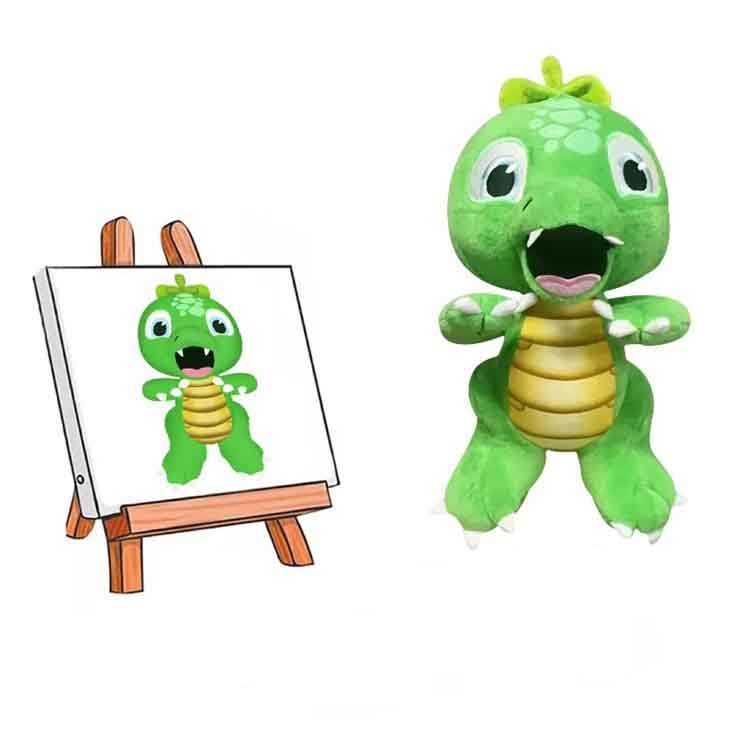
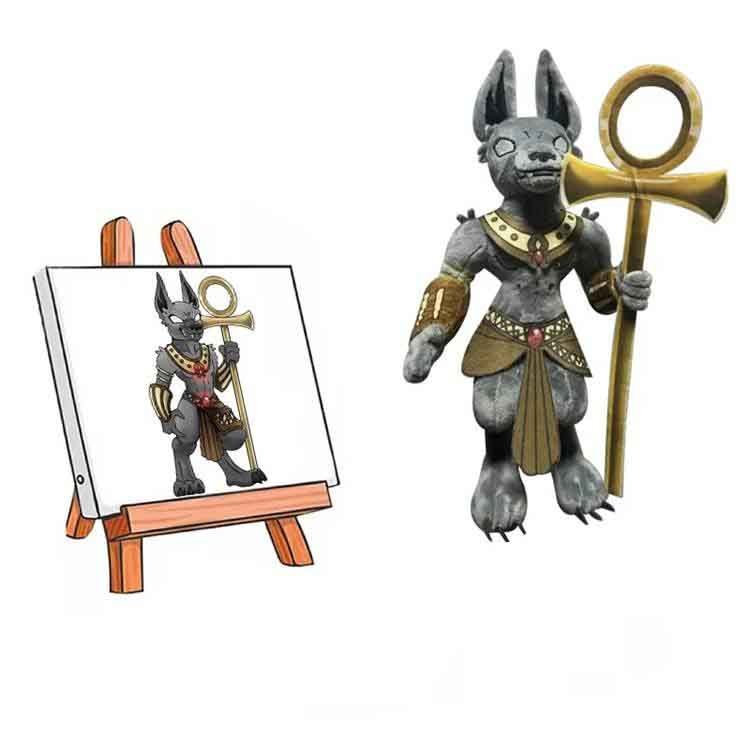
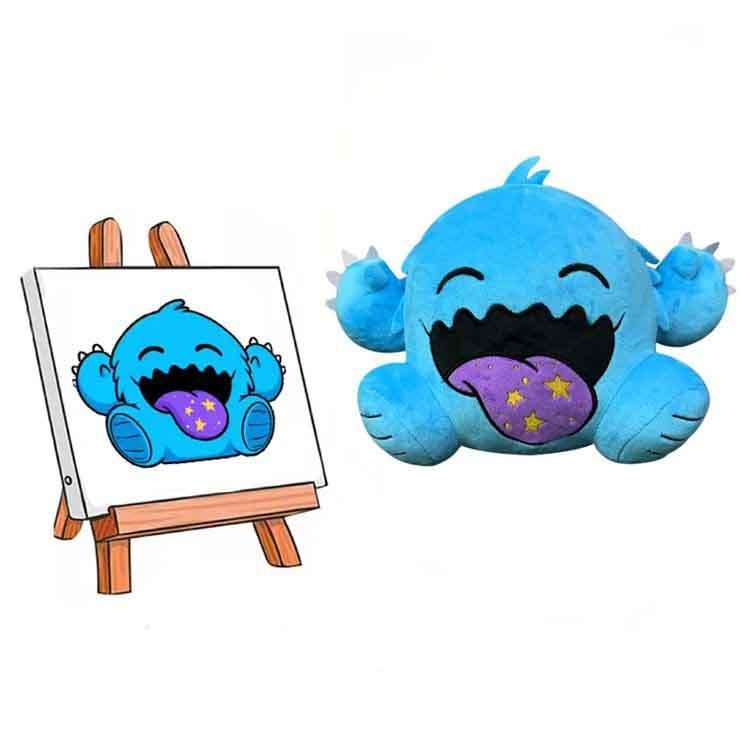
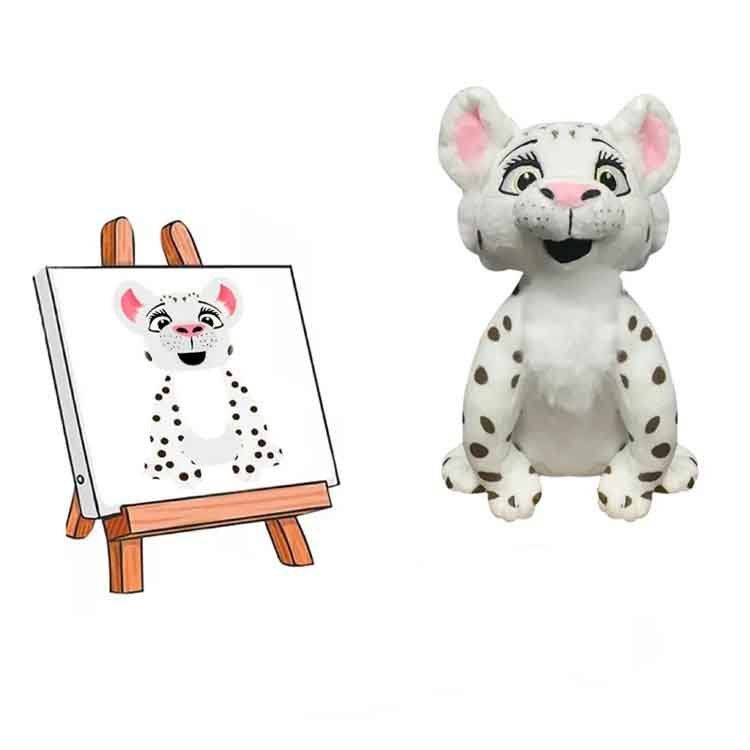
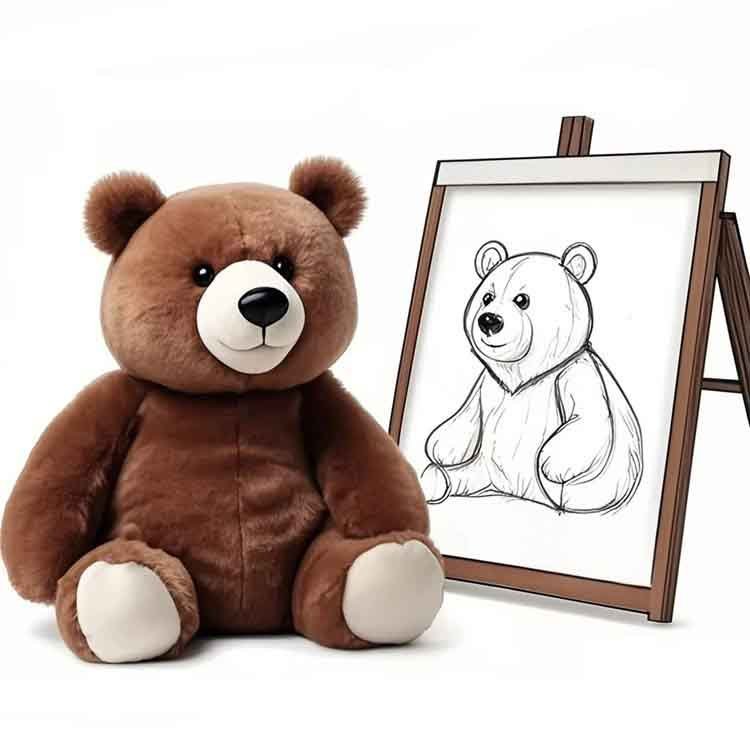
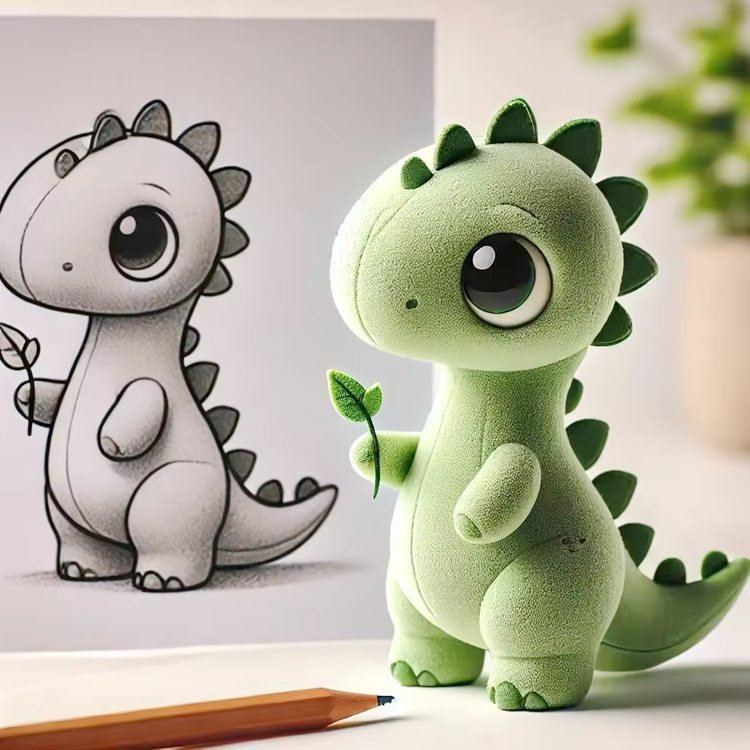
Request a Custom Sample First?
If you have artwork, logo files, or even just an idea, please share your project details—size, target fabric, color reference, and customization requirements. We’ll recommend suitable materials and provide a clear sampling plan to bring your custom plush toy design to life.
What Makes Our Custom Plush Production Reliable
Trust is built through predictable execution—clear approvals, documented specs, quality checkpoints, and packing confirmation. We focus on making your plush project easier to manage and safer to scale.
“reliable” plush production is not about making one nice sample—it’s about delivering repeatable bulk quality, stable lead times, and clear project control from artwork review to shipment. What makes our custom plush program dependable is the way we manage the details that most often cause problems in mass production: face accuracy, proportion stability, embroidery/printing consistency, stuffing weight and firmness control, and secure attachment for keychains, clothing, and accessories.
We build reliability through a structured workflow: we confirm a practical spec checklist before sampling, document revision notes, and lock the final approval sample as a golden standard for production. During manufacturing, we apply multi-stage QC checkpoints (not just a final check) to prevent drift early, especially in character-critical zones like the face and silhouette. Before shipment, we also verify packaging and labeling—including hangtags, barcode/SKU labels, care/warning labels, and carton marks—so your receiving and retail handling are smoother and your products arrive with less risk of deformation.
Process Proof

- Clear sampling-to-production approvals (prototype → revisions → final approval sample)
- Spec confirmation before bulk production (size, materials, logo placement, packaging)
- Revision notes that keep decisions traceable
- Golden standard concept for repeat orders
Quality Proof

- Multi-stage QC checkpoints across sewing, embroidery/printing, stuffing, finishing
- Needle control / needle detection option for finished plush (when required)
- Inspection focus on character-critical areas (face and silhouette) for IP plush
Delivery Proof

Packaging and labeling confirmation before shipment (photo proof + checklist)
Barcode and carton mark support (when required) (SKU/PO/qty/destination)
Packing suggestions to reduce deformation during transit (anti-crush, face protection)
Frequently Asked Questions
What is the safest attachment system for daily-use plush bag charms?
The safest setup is hardware + a hidden internal anchor strap + bartack reinforcement, because surface-only stitching often fails under repeated pulling and friction.
For daily-carry charms, the real failure point is the load path: how force travels from the clasp into the plush body. A reliable design uses a webbing/strap loop that runs inside the charm and is stitched into multiple seams, not just the outer fabric. At the anchor zone, add multi-row stitching plus bartacks aligned to the pull direction (vertical + diagonal). This spreads stress and prevents “fabric cut-through.”
Procurement should lock three things in the spec:
- Hardware model (keyring size, lobster clasp type, plating finish)
- Anchor structure (strap width, internal patch/backing, stitch route)
- Pull check method (random pull checks during production)
A practical tip: if the charm includes a metal logo tag, keep it from rubbing the plush by controlling the connector ring length and tag position. Also, define an acceptable “swing range” so metal parts don’t hit the face panel.
ask for an anchor cross-section explanation (photo or diagram). “Strong stitching” is not a spec; anchor architecture is.
How do you prevent “approved sample vs bulk drift” and keep reorders consistent?
Prevent drift by locking a golden sample and converting it into a BOM + tolerances + QC checkpoints, then using the same controls for bulk and reorders.
Most drift comes from silent substitutions: fabric grade changes, thread color shifts, embroidery density differences, stuffing “feel” changes, or hardware model swaps. The fix is to treat the approved sample as a controlled system.
Lock these items in writing: fabric pile length range, GSM, backing for embroidery, thread codes, hardware model/finish, anchor strap spec, stuffing density target, and packing method. Add measurable tolerances (example: body size ±3–5 mm; face alignment centered within a defined zone). Then define charm-specific QC points: anchor seam inspection, face readability check at distance, and packing deformation check.
For reorders, maintain a “repeatability pack”: the BOM, color standard (Pantone or physical swatch), embroidery settings, and hardware reference. If a market requires label changes, change labels/packaging, not the charm structure.
This is also why a pilot order is useful: it validates that the locked spec can survive real production, not just one handcrafted prototype.
What drives MOQ and pricing for custom plush bag charms?
Price and MOQ are mainly driven by labor minutes, embroidery stitch count, hardware sets, and printed packaging, not just fabric.
Here is a procurement-friendly breakdown:
| Driver | Raises Cost When… | Cost Control That Keeps Quality |
|---|---|---|
| Sewing labor | many small panels, tight corners | simplify panel count; fewer turning points |
| Embroidery | high stitch density, many colors | use woven label for text logos; keep face efficient |
| Hardware | custom tags, premium swivels | standardize hardware across SKUs; upgrade hero items |
| Packaging | retail cards/boxes, custom print | Use a core pack for bulk; retail pack only where needed |
MOQ usually increases when you require custom-dyed plush colors, custom metal tags, or printed cards/boxes with print minimums. A smart purchasing strategy is to build a 2-tier range: Core SKU (standard hardware + polybag) and Premium SKU (metal tag + retail card). This protects the margin while keeping the supply chain stable.
Our standard MOQ for custom plush bag charms is 500 pcs per design. Custom hardware, special fabrics, branded cards, boxes, or other components may require a higher MOQ. Since the quantity is smaller, raw material purchasing costs are higher, while the full production process still stays the same, so the unit price will be higher. In general, the larger the order quantity, the lower the unit cost. Once the order reaches 1000 pcs or more, our pricing becomes much more competitive. We can stay flexible and work with different quantity needs based on your project.
If budgets are tight, prioritize durability, spend on the anchor system, and the face readability zone. Cutting costs there tends to create returns and complaint risk.
Embroidery or printing—what works best on small plush charms?
For long-term durability, embroidery is best for faces and simple icons, while woven labels or metal tags are best for small text logos.
Printing can look great for gradients, but friction is the real test. On plush, prints can fade or edge-lift if placed on high-rub zones or fold lines. Embroidery is more stable, but it must be engineered: choose the correct backing, define stitch density, and control pile type. On long-pile plush, dense embroidery may “sink,” so a short-pile face panel often produces the cleanest results.
For procurement decisions, match the method to the channel:
- Retail / daily carry: embroidery face + label/tag logo
- Promo / large quantity: simplified embroidery or label, minimal print
- Collab premium: embroidery + metal tag, with edge rounding and plating control
Also lock a readability rule: can the face be recognized at 1 meter? If not, reduce micro details, increase contrast, or shift details to a label/tag.
How do we choose plush fabric to reduce pilling and “old look” after use?
Choose fabric by wear intensity, then lock pile length, GSM, and pile direction rules to control pilling, matting, and patchy shine.
A common mistake is only for softness. Bag charms face daily abrasion, so surface performance matters more than the first-touch feel. For frequent carry, short-pile plush with stable backing usually performs best, especially when combined with an embroidery face zone. Long-pile faux fur can look premium, but it needs strict pile-direction control and trimming discipline to avoid uneven shine and messy seams.
Procurement should request the fabric pile length range (mm), weight (GSM), backing stability, color standard (Pantone/swatch), and a channel-based “wear expectation.” If you expect retail daily use, specify anti-pilling priority and avoid low-grade plush that pills quickly.
We also recommend a quick internal review method: rub simulation (hand rub + fabric-to-fabric rub), then check pile recovery and face clarity. The goal is to select a fabric that stays clean-looking, not just “feels nice” on day one.
What packing method prevents deformation and tangling in multi-SKU shipments?
For multi-SKU programs, the most reliable method is individual bagging + hardware sleeve + carton separators, supported by clear barcode and carton mark logic.
Charms deform when cartons are too tight and metal parts press into plush surfaces. They tangle when multiple units share space without separators. For bulk distribution, separators reduce pressure points and speed receiving. For retail, a card insert or blister can control shape and protect branding surfaces.
Use this packing decision table:
| Program Type | Best Packing | Why |
|---|---|---|
| Multi-SKU bulk | bag + sleeve + separators | prevents tangling + dents |
| Retail display | card/blister | scan-ready + shape control |
| Premium set | inner box | clean presentation |
Procurement should lock: unit label format, barcode placement, carton marks (SKU mix, qty, G/N weight), and a simple packing list on the master carton. If you expect rough logistics, add “do not compress” handling marks and define carton stacking rules.
How long does sampling-to-bulk usually take, and where do delays happen?
Timelines stay realistic when you plan for materials + packaging + revision cycles, not only “sample making.”
Most delays come from three areas: custom hardware sourcing, printed packaging proofing, and uncontrolled revisions. A stable plan is: feasibility review → v1 sample → revision (v2/v3) → golden sample lock → pre-production confirmation → bulk → packing/shipment.
To protect launch dates, many procurement teams use pilot → scale. Pilot validates anchor strength, face readability, and packing method. Once the golden sample is locked, bulk becomes faster and more consistent. If your rollout is time-sensitive, staged shipment can ship the first approved batch while the rest follows the locked spec.
Procurement should request a checkpoint timeline, plus a list of “things that must be confirmed early”: fabric grade, embroidery/label method, hardware set, and packaging format. Those choices drive both lead time and cost.
Do plush bag charms need compliance planning (small parts, metals, labels)?
If charms are distributed across markets or positioned for kids, compliance planning should start before sampling—especially for small parts, metal plating, and labeling.
The key is end-user definition: adult accessory vs kids-oriented product vs general gift. If kids-oriented, treat it with higher caution: reduce detachable decorations, define pull-strength checks, and avoid sharp-edged metal tags. For multi-market distribution, keep the charm structure stable and manage differences via labels and packaging where possible.
Procurement should lock a “safe material set”: plush fabric, stuffing, threads, inks, and metal finishing approach. Also define small parts risk management: ring size, clasp type, and how accessories are secured (stitched vs glued). Even when testing is not mandated, many brands still use internal standards to reduce recall risk.
What QC checkpoints matter most for plush charms, and what reports should ask for?
The most valuable QC focuses on charm risk zones: anchor seams, embroidery alignment, turning points, and packing deformation, supported by clear sampling and photo evidence.
Ask to define inspection at four stages: incoming materials (fabric color/pile direction; hardware finish), in-line checks (anchor strap stitching + bartacks; face zone alignment), final inspection (dimensions + readability + cleanliness), and packing inspection (sleeves, separators, barcode placement). If you run multi-SKU programs, request carton mark verification and mixed-SKU checks.
Request simple, repeatable evidence: photos of anchor zone, bartack close-ups, face alignment references, and packing method photos. That only promises “we check quality” without showing checkpoints is hard to audit.
What should we include in an RFQ to get accurate quotes and fewer revisions?
Accurate quotes require a complete RFQ pack: size tier, quantity plan, market/age grading, branding method, hardware set, and packing type—these decide cost, feasibility, and lead time.
Provide AI/PDF artwork (front/back), target size in cm, expected usage (daily carry vs promo), Pantone/swatch references, logo placement, and packaging requirements (polybag/retail card/box). If you have multi-SKU plans, include barcode rules and carton marks needs.
A strong procurement workflow is to start with one reference SKU. Once feasibility and the golden sample are locked, scaling into a collection is faster and more stable. This also reduces price swings caused by late changes to hardware or packaging.
When you’re ready to share files for feasibility review, you can send the RFQ pack to info@heyzizi.com. Keep it focused: one SKU first, then expand.
What is the best way to communicate requirements to avoid back-and-forth emails?
Small logos embroidered into plush can become unclear or inconsistent. A safer private label approach is to use woven labels or metal tags for text, and embroidery for simple brand icons. Lock logo placement measurements and approve proofs for labels/prints. For premium presentation, protect tags in packing and keep them away from high-friction zones.
Answer summary: Yes—private label is safest when branding is engineered for small areas using labels/tags and controlled embroidery, with clear placement rules and packing protection.
Can you support private label and brand presentation without increasing risk?
Procurement should ask suppliers to show defect controls for each zone, including in-line checks and packing inspections.
Prevention is easier when you map defects to zones: anchor seam risk is solved by hidden strap architecture and bartacks; face alignment is solved by centerline rules and embroidery backing; deformation is solved by stuffing spec plus packing; pilling is solved by fabric grade selection and pile-direction control.
Answer summary: The most common defects are detachment, face misalignment, deformation, and surface pilling—each needs a specific prevention method, not generic inspection.
Start Your Custom Plush Project Today
If You Can imagine it,We Will Create it!
Whether you are a brand, creator, retailer, or agency, our Guangdong plush factory is ready to support your OEM/ODM development. Send us your design, concept, or reference image — our team will reply with a free development proposal and quotation.
1. Tell Us What You Need
Tell us your requirements and share your artwork or reference images.
2.Get a Solution & Quote
We’ll suggest the best solution based on your requirements, and provide a detailed quote within 12 hours.
3.Approve for Mass Production
We will start mass production after getting your approval.