 Skip to content
Custom Collectible Plush
Custom collectible plush succeeds when you control three things: collectability, bulk consistency, and retail-ready execution. That means locking a repeatable build (fabric system, embroidery or printing files, pattern rules), protecting “on-character” details with PP sample spec lock, and shipping with clean, scuff-safe packing and clear labeling. For brands and creators, the safest path is a risk-reduction pilot (one hero SKU, controlled variants), then scale with the same locked specs for reorders. If you share your target size, quantity, and market, we can propose a build plan that reduces returns and protects your brand.
Custom Collectible Plush Factory, Bulk-Ready
If you’re building a collectible plush program, you already know the hard part isn’t “making a plush.” The hard part is making a plush that feels collectible: the face looks right, the texture feels premium, the shape holds after shipping, and every unit in bulk matches the approved sample. This guide is designed For those who need a real production partner—someone who can translate design intent into a locked specification, run disciplined QC, and deliver reorders that don’t drift.
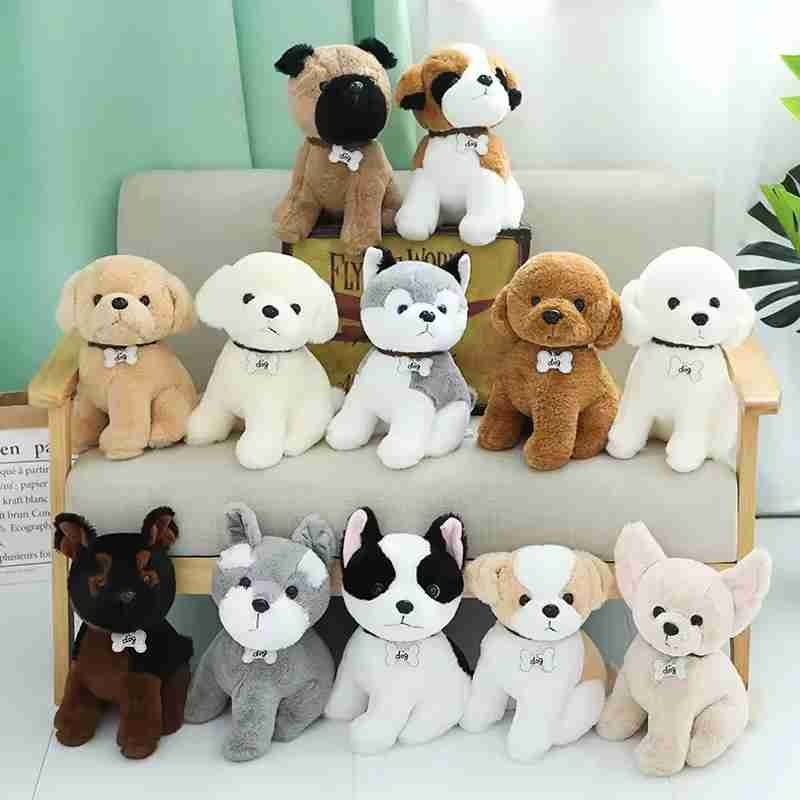
Collectible plush is not the same as standard promotional plush. Collectors pay for accuracy, finish quality, and consistency, so production must control three risks at once.
Likeness risk: collectors notice millimeters. Eye spacing, eyebrow angle, mouth curve, and head-to-body ratio must match the approved character. To prevent drift, lock a face specification that includes embroidery files, stitch density, placement tolerances, and clear photo references for every production run.
Handfeel risk: premium feel comes from a controlled system, not one fabric name. Pile direction, fiber density, softness, rebound, liner choice, and stuffing grade all affect how the plush feels in hand. Define the material set and stuffing standard so every unit squeezes the same, without hollow or hard zones.
Packaging and shipping risk: collector value drops when items arrive crushed. Use anti-deformation design and pack-out rules: protect face zones, control carton density, and prevent permanent creasing during transit.
Collectible Plush RFQ Checklist
A collectible plush RFQ should include the inputs that control likeness, handfeel, cost, and delivery risk. If you only share an image, the quote stays vague, and sampling usually takes extra rounds. Use this checklist to speed up approvals.
RFQ Inputs
(1) Product Basics
Plush type (collectible, limited drop, retail); size (cm/in), sitting or standing; target quantity (pilot and bulk); target markets (US, EU, UK, AU, JP) for compliance and labeling.
(2) Design and Likeness
Artwork files (AI, PDF, PSD); color references (Pantone if needed); face method (embroidery, print, mixed); required views (front, side, back); accessories (clothing, props, hangtag style).
(3) Material and Handfeel
Fabric preference (short pile, long pile, minky, mochi feel); anti-pilling expectation; filling grade for shape control; weighting yes or no, target grams, and placement.
(4) Packaging and Receiving
Packaging type (polybag, gift box, window box, collector box); barcode and inserts; carton marks and packing ratio.
(5) Quality and Consistency
Sample approval method; PP sample lock; defect policy (AQL if used).


Collectible Plush Types by Audience
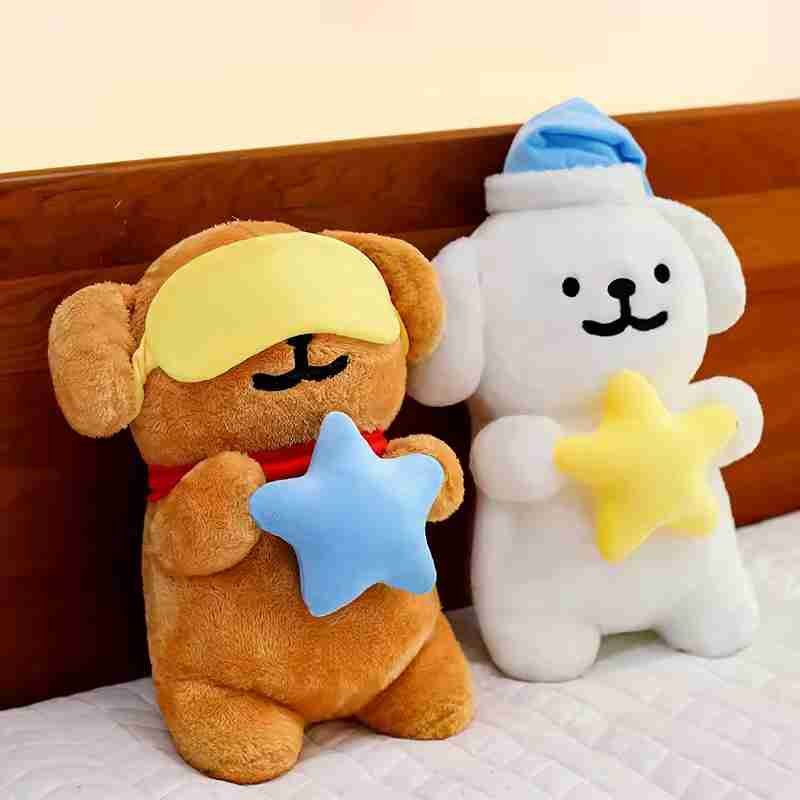
To choose the right collectible plush, start with how will use it: display, carry, gift, or resell. Then match the build.
Collectible Plush Types:
(1) Premium Character Collectible
- Best for: licensed IP, flagship releases, retail “hero” SKUs
- Build focus: face accuracy, premium fabric, stable shape, premium packaging
(2) Limited Drop / Creator Merch Collectible
- Best for: influencers, event exclusives, short-run series
- Build focus: fast sampling, controlled revisions, clear “spec lock” to avoid drift
(3) Blind Box / Series Collectible
- Best for: multi-style collections, series 1/2/3 plans
- Build focus: consistent size/shape system, batch color control, packaging with SKU discipline
(4) Mini Collectible / Bag Charm Collectible
- Best for: add-on sales, retail accessories, capsule collections
- Build focus: durable attachment, seam discipline, anti-fray finishing
(5) Weighted / Poseable Collectible
- Best for: premium gifting, comfort collectibles, desk companions
- Build focus: weight distribution, safe inner bags, deformation control during shipping
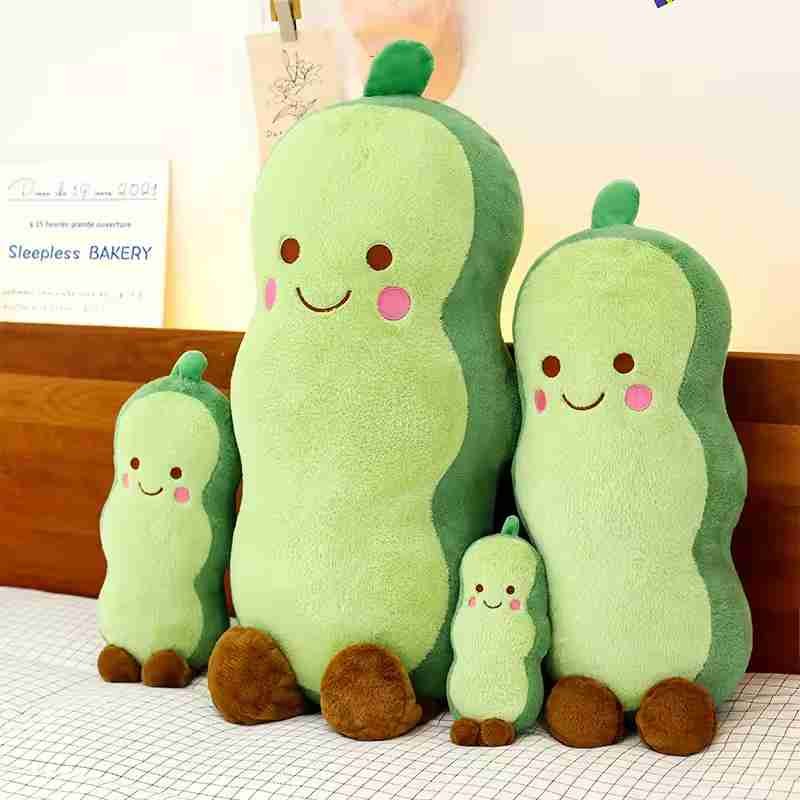
Prevent Bulk Drift in Expression
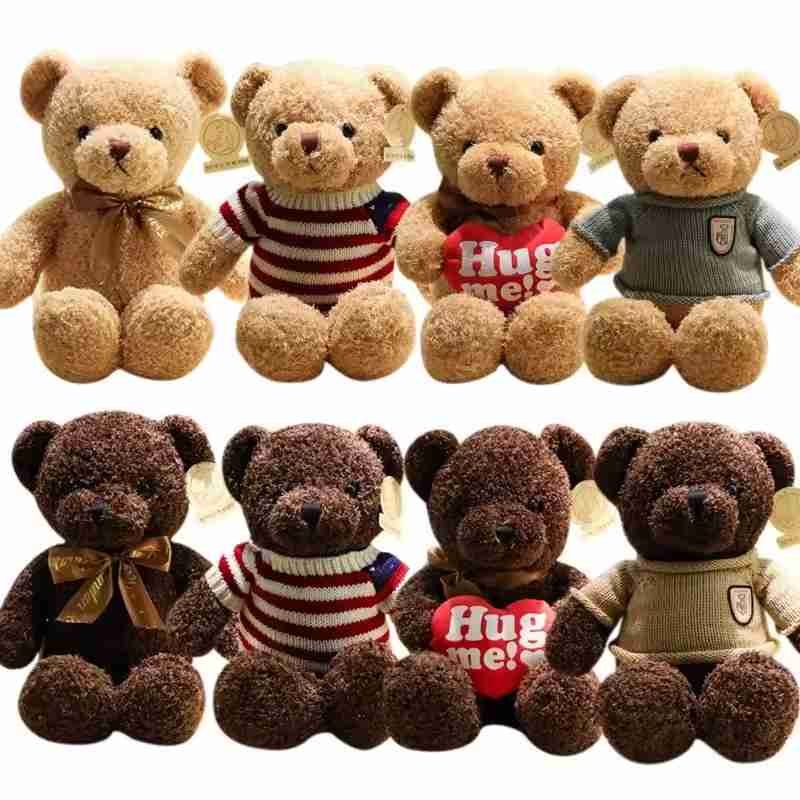
When teams ask a collectible plush to match artwork, they need two outcomes at once: expression accuracy and repeatable bulk production. The safest approach is an expression lock system that turns the face into measurable standards, not visual judgment.
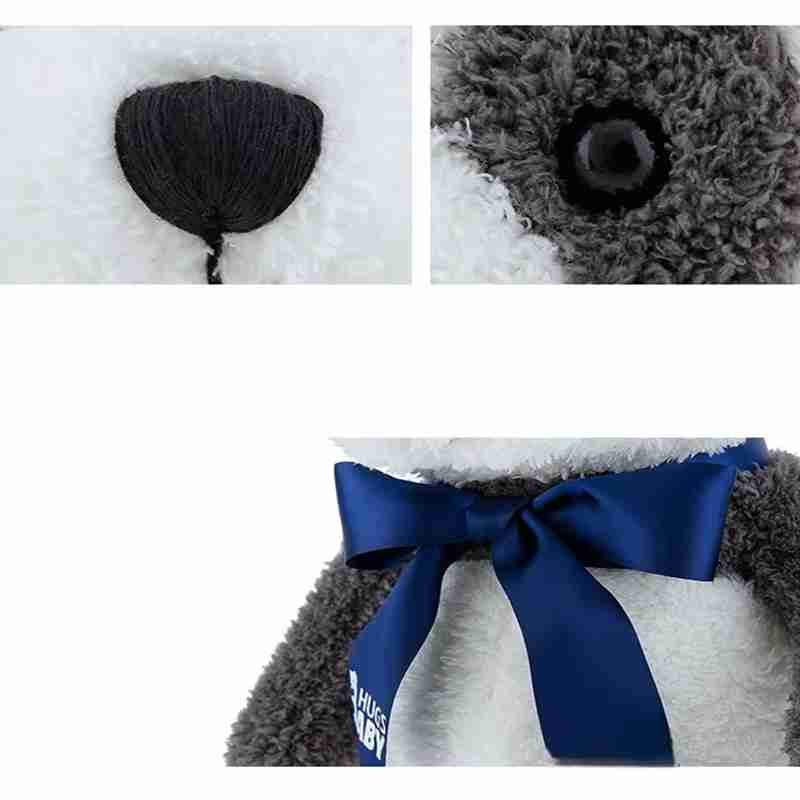
We define a face map with critical points such as eye spacing, eye height, eyebrow angle, and mouth curve, then lock a photo reference set (front, 45-degree, side). For embroidery, we control file version, stitch density, underlay, thread color codes, and placement templates so operators place the face consistently.
Bulk drift often comes from panel stretch, so we lock fabric grain direction, seam allowance, stitch route, backing in face zones, and stuffing density near the face. Finally, QC checks focus on tight tolerances where collectors notice most: eyes within 1–2 mm, mouth within 2–3 mm, plus the PP sample lock before bulk.
Premium Plush Materials and Handfeel Control
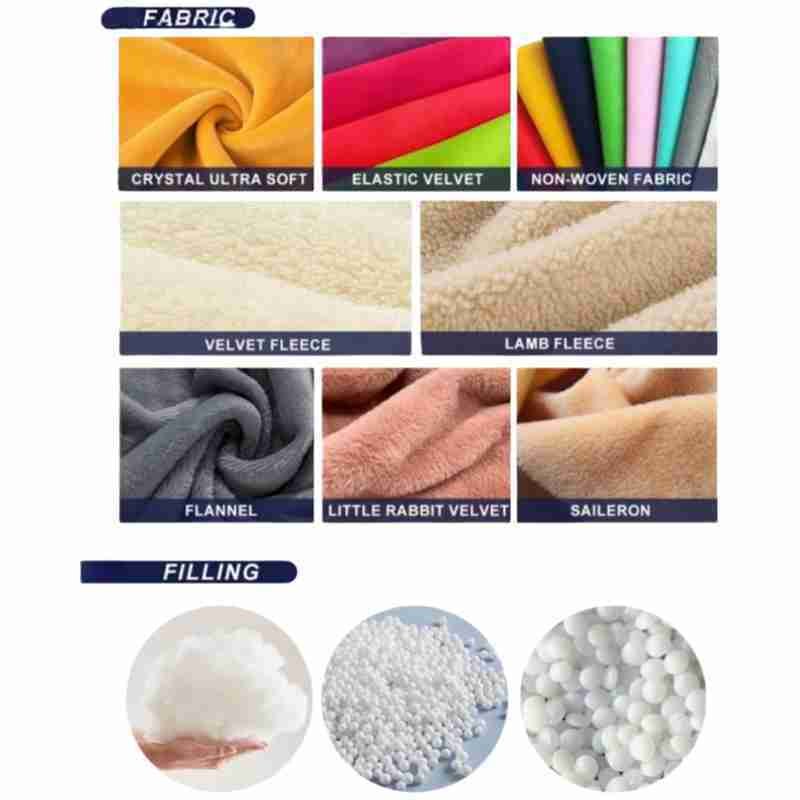
A collectible plush must satisfy three material goals: premium touch, visual consistency, and mass-production stability. To protect collector expectations, we define fabrics by function, then lock a repeatable “material system” that production can follow.
Collectors typically prefer short pile plush for crisp facial embroidery, long pile plush for a premium fur look (with strict shedding control), and minky-style fabrics for a smooth luxury handfeel. Specialty textures like faux fur or sherpa can work, but only after pilling and shedding checks.
Most complaints come from predictable risks: pile direction mismatch, batch-to-batch color shading, pilling after handling, shedding in long pile, stiff seams that break the “premium squeeze,” and inconsistent stuffing that creates a hard head or hollow body.
To keep bulk stable, we lock: outer plush pile height and density, grain direction, backing placement for face and posture zones, optional lining for cleanliness, stuffing grade and target weight per size, plus thread and trim color codes with supplier traceability. For cost control, premium fabric is prioritized on high-touch areas (face, hands, belly) while keeping lower-touch panels stable and color-matched.

Choose Plush Face Method: Embroidery vs Print
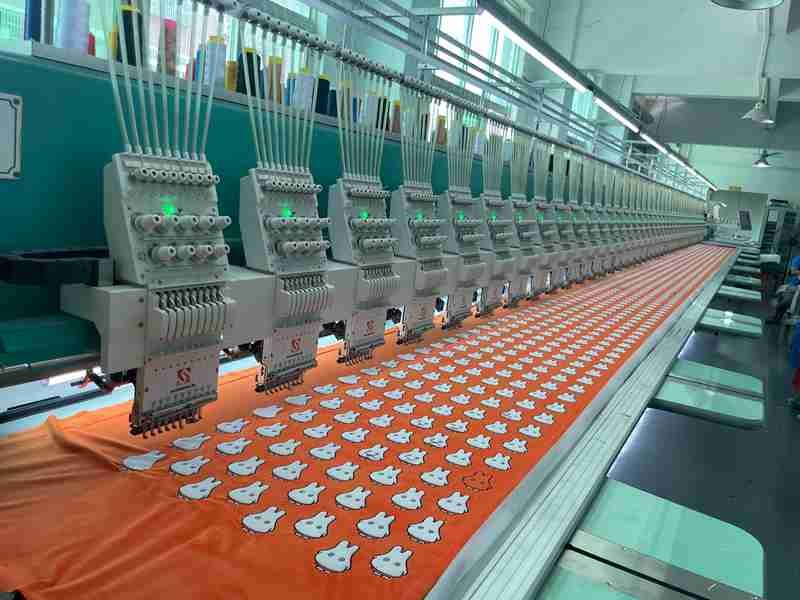
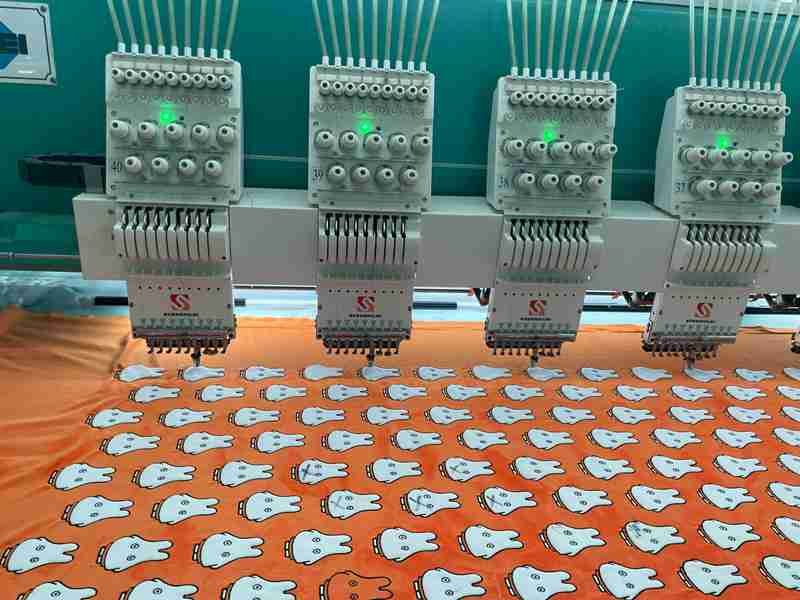
A collectible plush face usually uses one of three build systems. The best choice depends on artwork style, expected handling, and how strict the likeness standard is.
Option A: Full Embroidery
Best for simple cartoon faces, high-contrast lines, and a premium stitched look. It holds up well and keeps a “collectible” feel. Risks include puckering or sinking if density and underlay are not controlled, and small placement drift can change expression. Lock stitch density, underlay, thread color codes, and placement templates.
Option B: Full Print
Best for gradients, painterly shading, and complex illustration. It can match artwork color transitions and keeps the surface smooth. Risks include abrasion fade, wash wear, and registration drift. Define print method, ink feel, abrasion expectations, and color tolerance.
Option C: Mixed Details
Often used for premium collectibles: embroidery for eyes and outlines, print for blush, highlights, or gradients. It balances likeness and durability. Main risk is alignment mismatch, so map layers, set alignment marks, and approve face photos from front and 45 degrees.
Shape Stability After Shipping for Collectibles
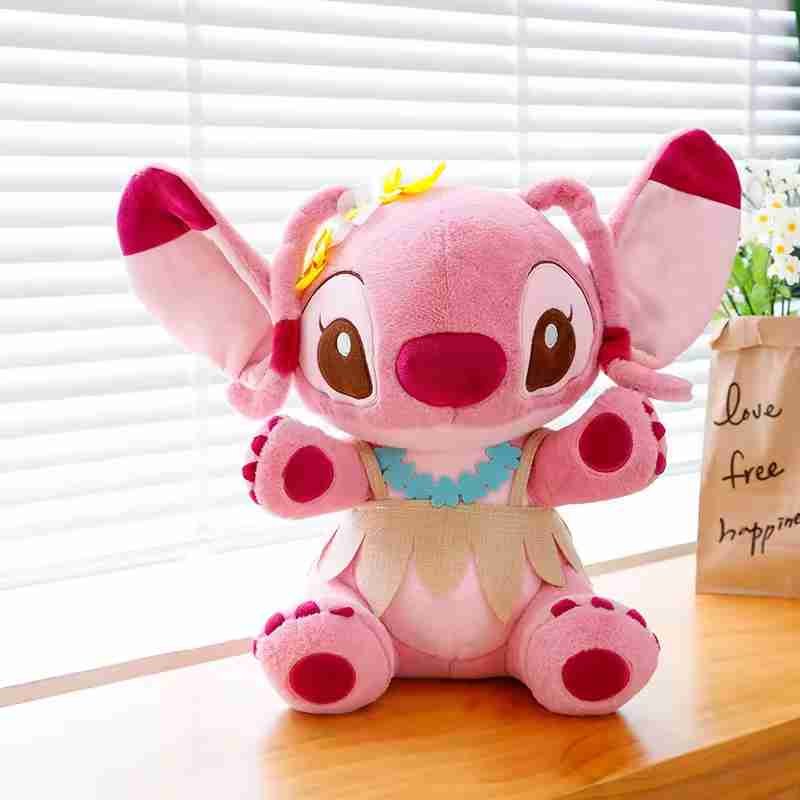
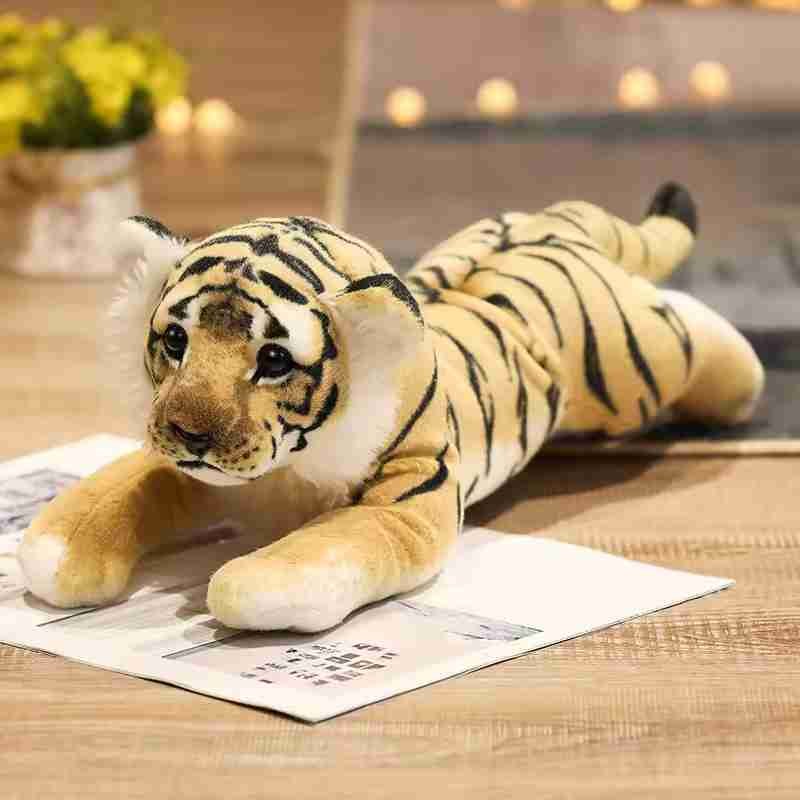
For collectible plush, shape is a performance target. Define the required display behavior: stand, sit, pose, or display. Then build an internal system that reliably delivers that behavior in bulk.
Size changes the engineering. A 10 cm plush and a 35 cm plush are not a simple scale-up. Larger sizes increase seam tension, create “hollow zones” (often head and neck), make asymmetry easier to notice, and raise shipping deformation risk. This is why a size-specific structure plan matters.
Common anti-deformation methods include a structural liner with controlled stuffing to prevent face collapse, zone-based foam or support panels for posture control, weighted base or micro-pellet weighting (lock weight in grams, location, and inner pouch security), and poseable wire or skeleton only when suitable for the target market and safety expectations.
Deformation usually starts at the face panel, ears or horns, neck joint, and base corners. Lock stuffing weight per size, define stabilization zones, approve a packed-to-unpacked recovery check, and set carton orientation and pieces-per-carton rules.
Collectible Plush Safety Compliance by Market
Compliance varies by market, channel, and intended user. A collectible plush sold as an adult collectible has different risk controls than a plush sold through child-accessible retail. The safest approach is to confirm target markets and age grade early, then lock build and documentation around those decisions.
Start by defining: age grade (adult collectible or child-accessible), sales channel (DTC, retail, distributors), target markets (US, EU, UK, AU, JP), and any small parts such as plastic eyes, buttons, or detachable props. For broader market access, many programs choose embroidered faces and stitched, non-detachable trims.
Key risk areas are small-part detachment, sharp edges on accessories, material chemical limits for fabrics, prints, and coatings, and labeling accuracy (origin, fiber content, warnings where required). Packaging also matters: it must protect shape and prevent contamination during transit and warehouse handling.
A practical factory request list: version-controlled BOM, material traceability notes, attachment-strength checks for trims, label layout confirmation before bulk, and pack-out plus carton mark rules for retail receiving.


Collector Packaging That Protects Shape
For collectible plush, packaging is not “extra.” Packaging is part of the product. It protects shape, supports retail execution, and creates the unboxing moment that drives reviews and social sharing. The wrong packaging causes deformation, scuffed fur, missing accessories, or warehouse confusion. This guide gives a practical packaging ladder and shows how to choose a pack-out system that fits your market, budget, and logistics.
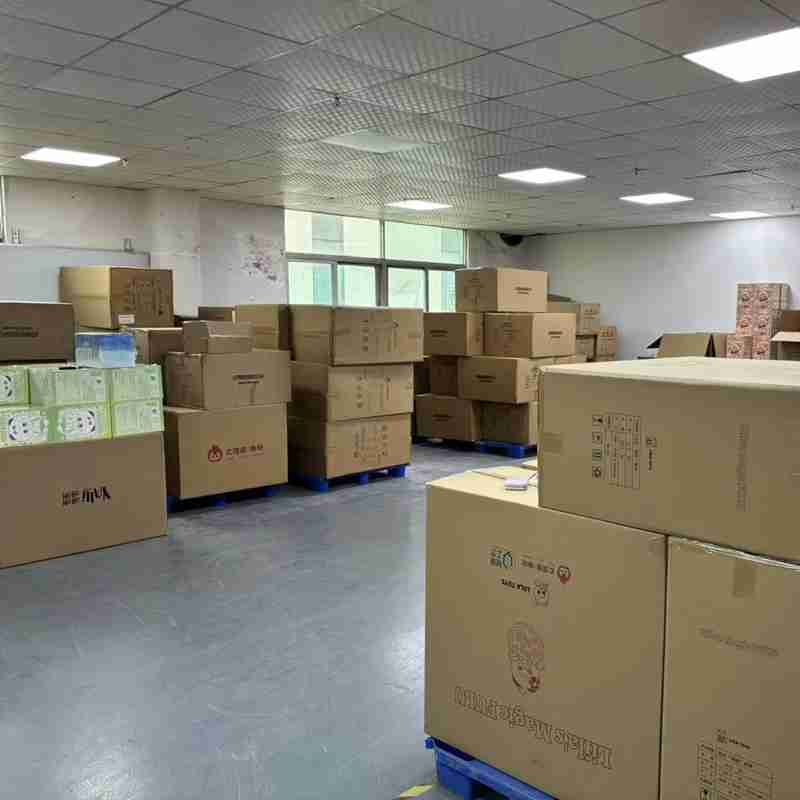
Collectors evaluate packaging the same way they evaluate the plush: cleanliness, clarity, and premium cues. At the same time, packaging must stay operationally stable, with clear labels and carton marks that prevent receiving mistakes.
Packaging ladder (3 levels)
| Level | Packaging Type | Best For | Key Features |
|---|---|---|---|
| Basic | Polybag and hangtag | Fast drops, DTC | Low cost, simple handling |
| Retail Ready | Header card or window box | Gift shops, retail display | Display-friendly, barcode-ready |
| Collector Premium | Collector box with insert and tissue | Premium releases | Strong unboxing value and protection |
Shape protection rules
Use shape-support inserts for heads and ears when needed. Add tissue or protective layers to reduce surface rub. Avoid over-compression in cartons, and standardize packing orientation (face-up for delicate faces). Accessories should be bagged and labeled to prevent loss.
SKU and receiving control
Define a fixed location for SKU labels, barcode or UPC placement, carton marks (style, color, quantity), and consistent packing ratios. A clean pack-out system reduces chargebacks and supports smoother reorders.
Sustainability approach
Use recyclable outer cartons, reduce unnecessary plastic, and keep protection where structure needs it most.
Collectible Plush Consistency Process Control
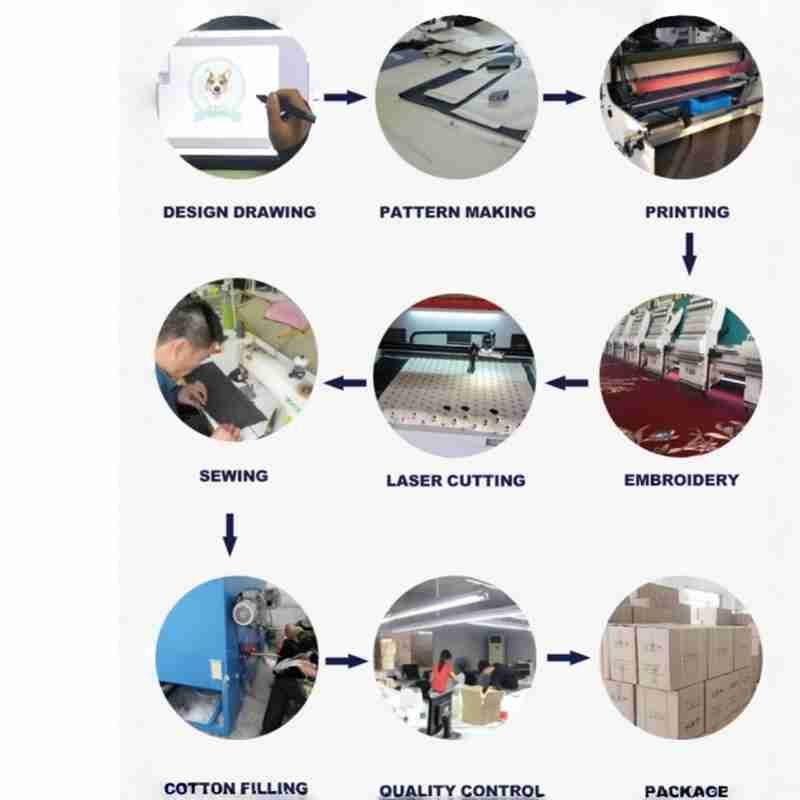
A collectible plush program needs a controlled chain: design intent → manufacturable spec → controlled sampling → PP lock → bulk with QC gates → stable reorders. We start by confirming size, plush type (premium, series, mini, weighted), face method, packaging level, and target markets, then flag the main risks: expression drift, fabric shading, and shipping deformation. Next, pattern engineering converts artwork into repeatable panels, with a measurable face map and placement references. We then lock the material system BOM (outer plush, backing, lining if used, stuffing, trims, packaging) including pile direction and color references.
Sampling follows a stop-rule approach: V1 sample for likeness and handfeel, then controlled revisions only. The PP sample becomes the bulk standard, locking embroidery files, fill grams, key dimensions, label positions, and packing method.
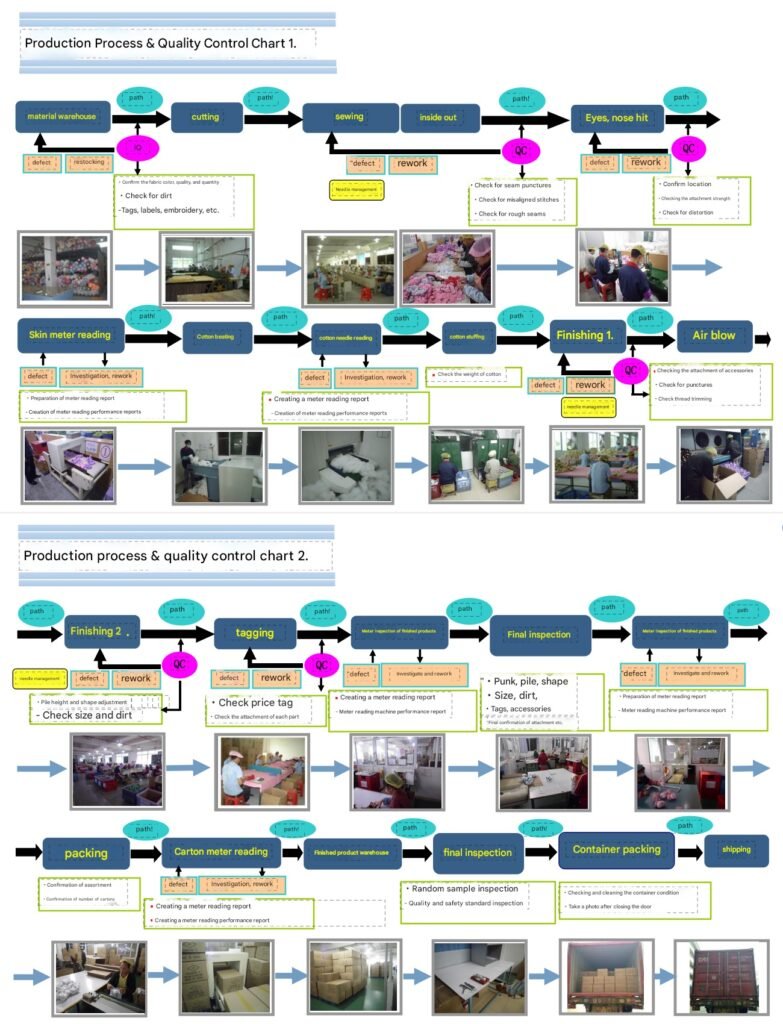
QC runs as one system: incoming checks for shade and pile direction; in-process checks for face placement and stuffing zones; final checks for symmetry, shape stability, and accessory security; then a packing audit for orientation, inserts, SKU labels, and carton marks. Reorders stay stable by keeping a golden sample, key supplier control, and a quick pre-production check each batch.
Collectible Plush MOQ, Lead Time, Cost Ladder
You do not just need a number—they need a cost logic they can defend internally. Collectible plush pricing is shaped by detail complexity, material grade, face method, accessories, packaging, and QC discipline. If you chase the lowest quote without defining specs, you’ll pay later in drift, delays, and returns. This guide gives a procurement-friendly breakdown and a “price ladder” so you can choose the right level for your market.
Our standard MOQ for custom collectible plush is 500 pcs per design. Special fabrics, accessories, collector packaging, and multi-SKU requirements may increase the minimum quantity. Since the quantity is smaller, raw material purchasing costs are higher, while the full production process still stays the same, so the unit price will be higher. In general, the larger the order quantity, the lower the unit cost. Once the order reaches 500 pcs or more, our pricing becomes much more competitive. We can stay flexible and work with different quantity needs based on your project.
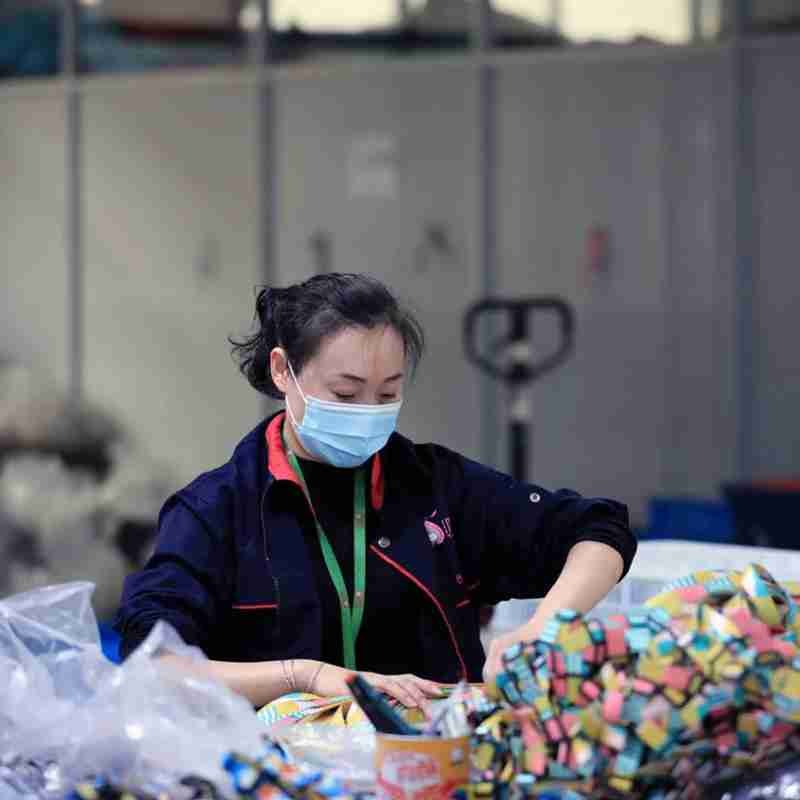
A collectible plush budget should be planned as a system, not one line item. Lead time has two parts: sampling and bulk. Sampling speed depends on artwork clarity and how many revisions are allowed. Bulk speed depends on material readiness, order volume, and packaging printing. Series releases also need extra time for SKU mapping and carton mark discipline. The fastest projects lock size, face method, and packaging level early.
Unit cost moves most on five drivers: face detail density, fabric grade, accessory complexity, packaging level, and QC intensity. Cost can be controlled without losing the collectible feel by keeping key face lines sharp while simplifying layers, using premium fabric on high touch zones only, integrating accessories into the pattern, and applying tight tolerances mainly on the face and critical points.
A practical price ladder has three levels: Value Collectible (simple build, polybag and hangtag), Premium Collectible (expression lock, retail ready box), Collector Edition (highest detail, anti deformation packing, collector box with insert). For accurate quoting: size, quantity range, face method, packaging level, target markets, and age grade.
Private Label Sampling to Bulk Playbook
A collectible plush program stays smooth when decisions follow a clear order. Start by defining the collectible target: premium hero plush, series collectible, mini charm, or weighted desk companion. Identify the must-not-fail point, usually face accuracy and shape on arrival.
Next, lock three early decisions to protect timeline: size and stand or sit behavior, face method (embroidery, print, or mixed), and packaging level (basic, retail, collector). With these fixed, sampling becomes controlled instead of endless revisions. Build the first sample to confirm likeness, handfeel, and behavior. Revise only what changes outcomes, such as face alignment, fill zones, and key seam strength. Then approve a pre-production sample as the bulk standard, locking files, BOM, fill grams, and packaging rules.
For private label execution, keep branding stable: woven labels or clean prints, fixed placement, and consistent insert layout across SKUs. In bulk and reorders, use incoming, in-process, final, and packing checks, and keep a golden sample with reference photos.
If you share these, we can respond with a clear sampling timeline and a spec lock plan. When you’re ready, email info@heyzizi.com with “Collectible Plush RFQ” in the subject.
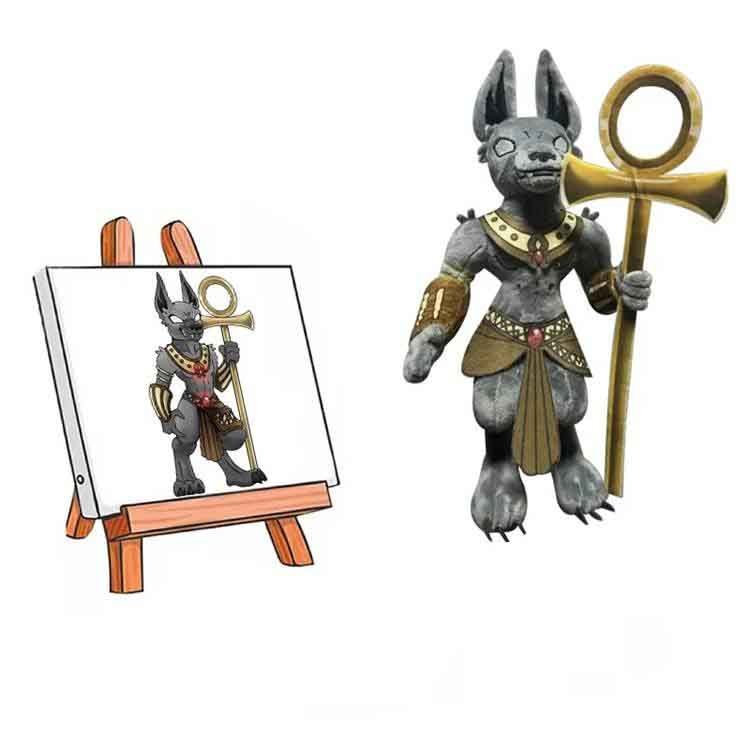
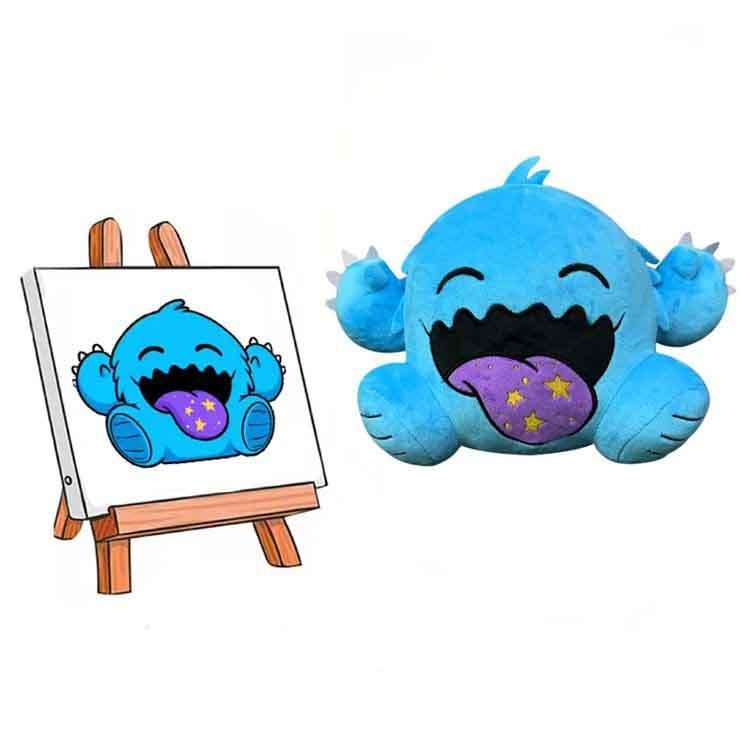
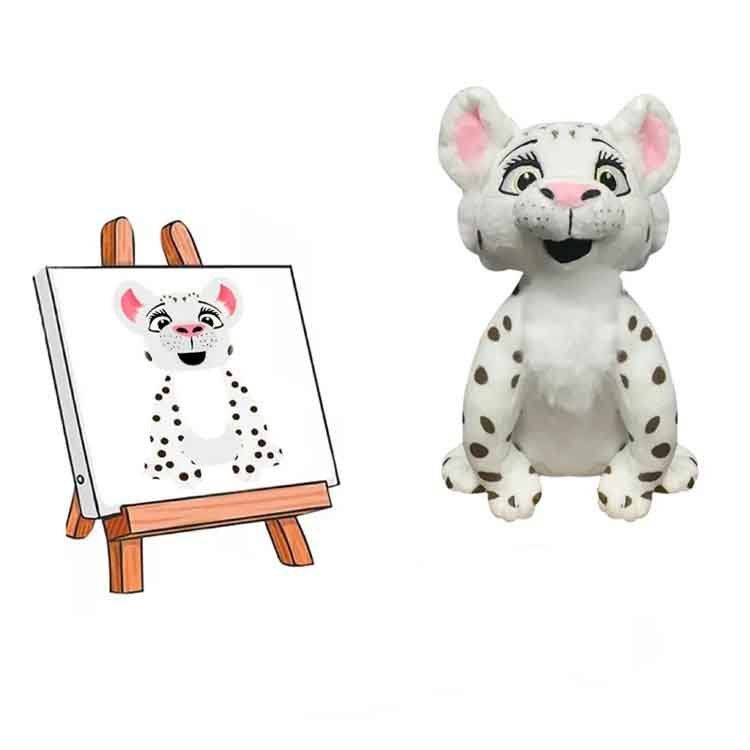
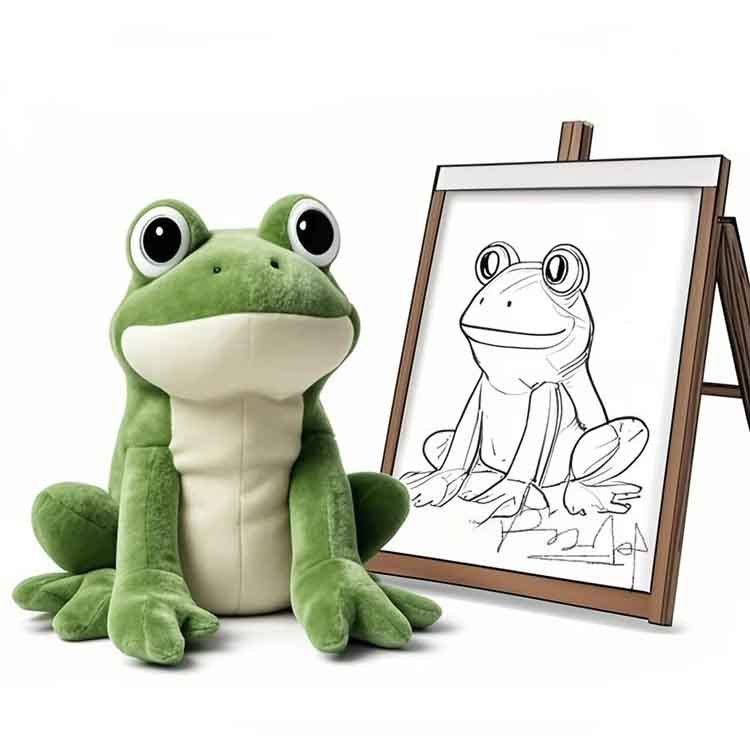
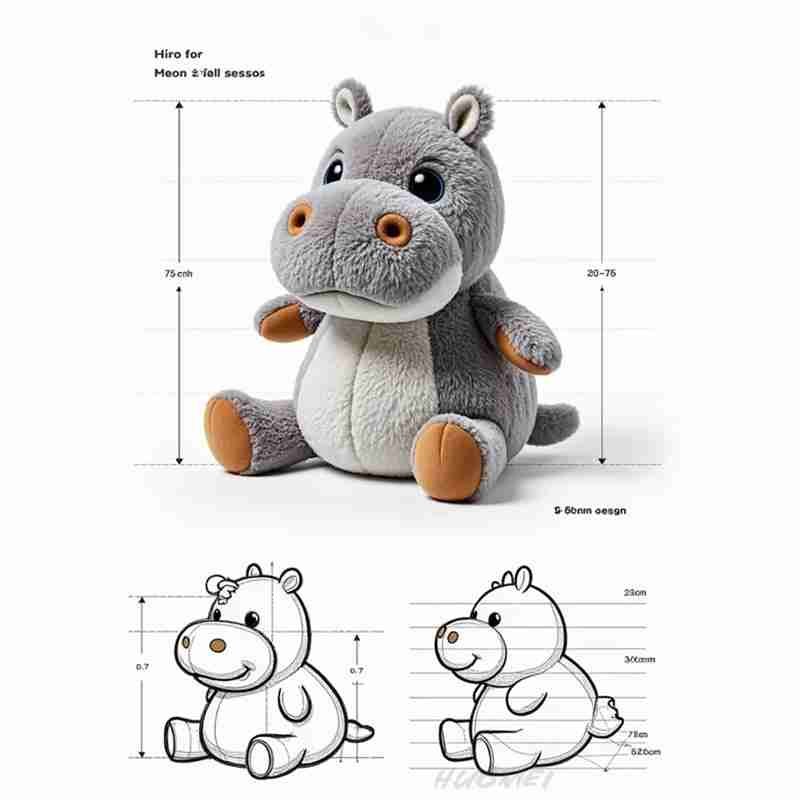
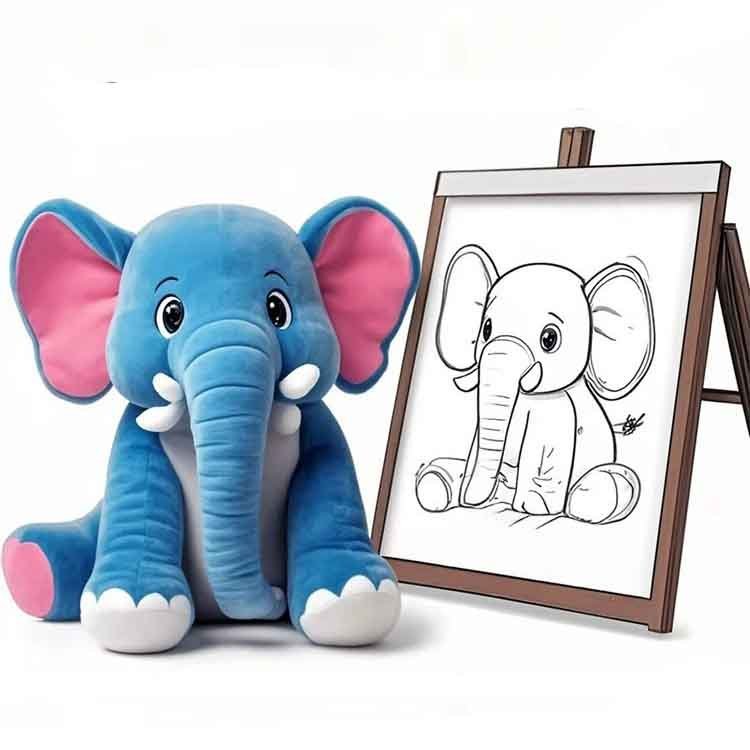
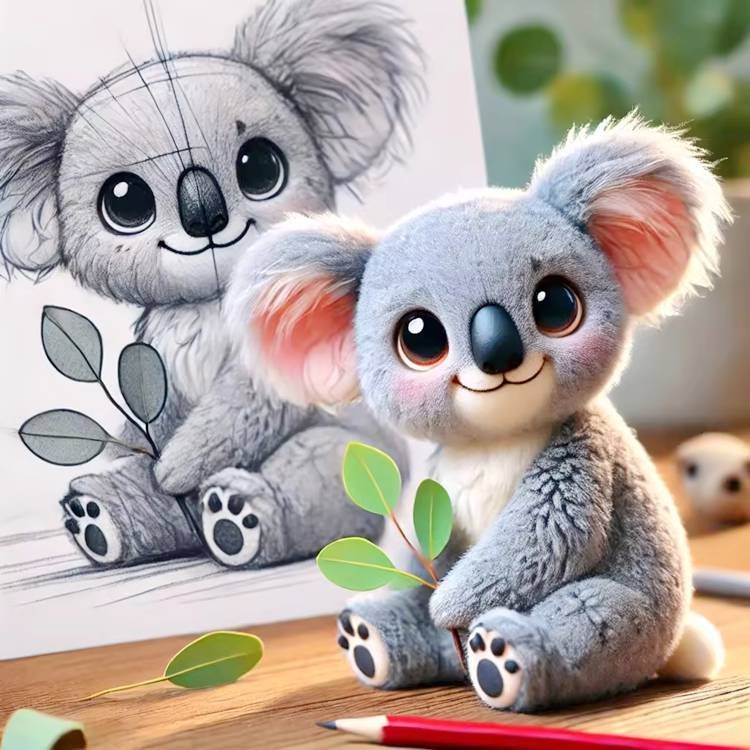
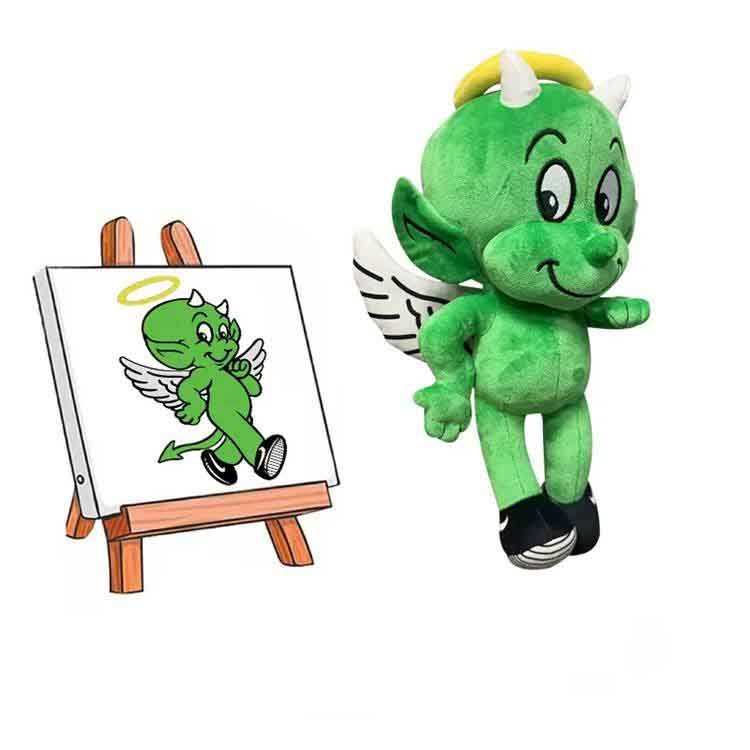
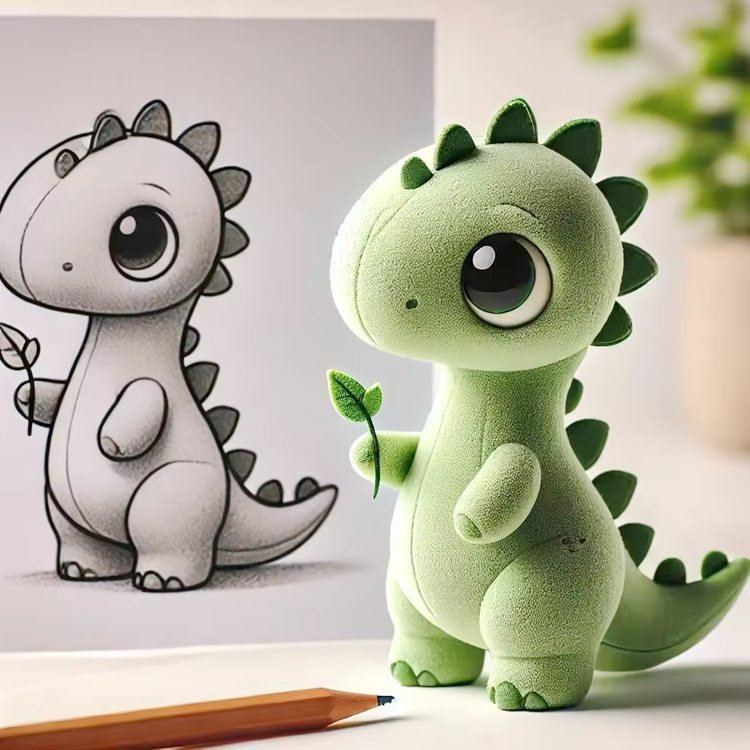
Request a Custom Sample First?
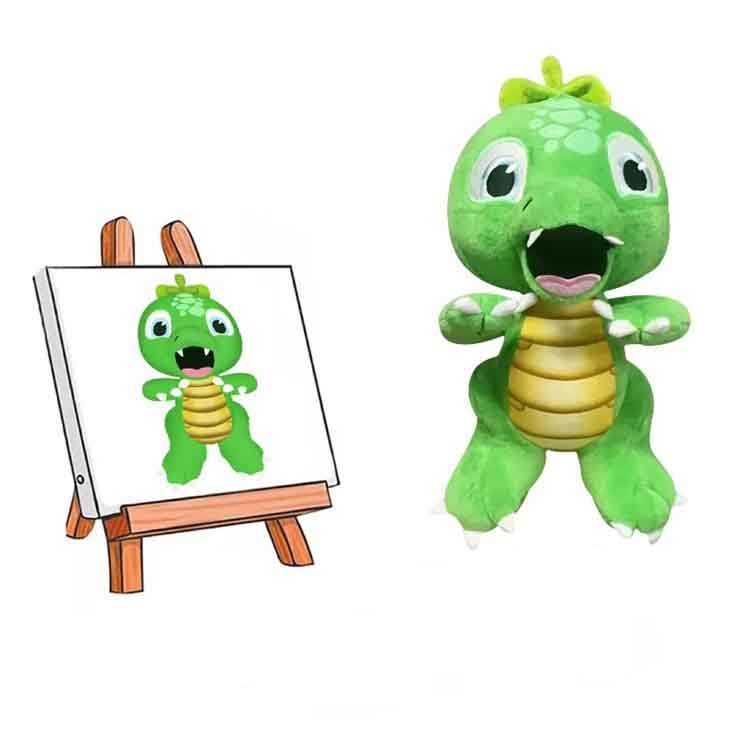
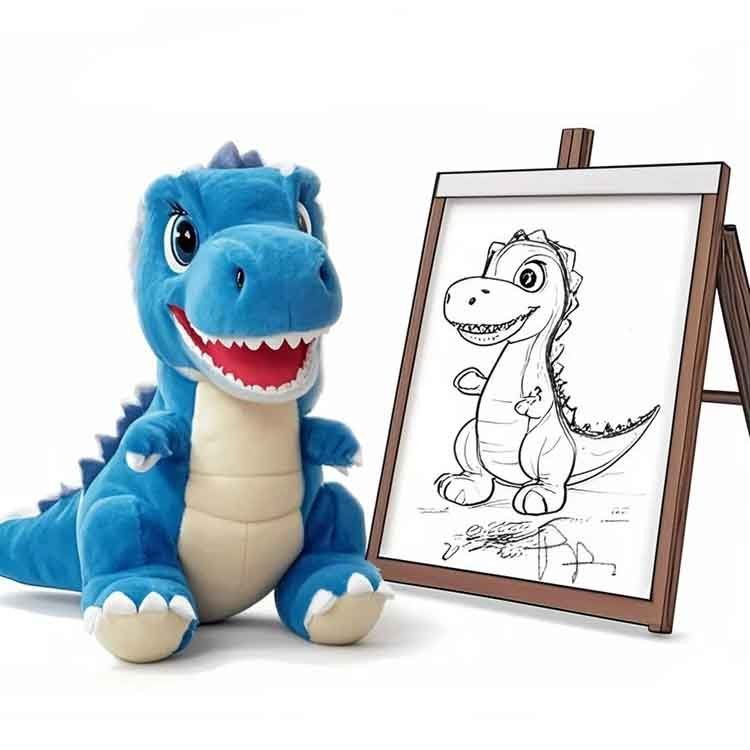
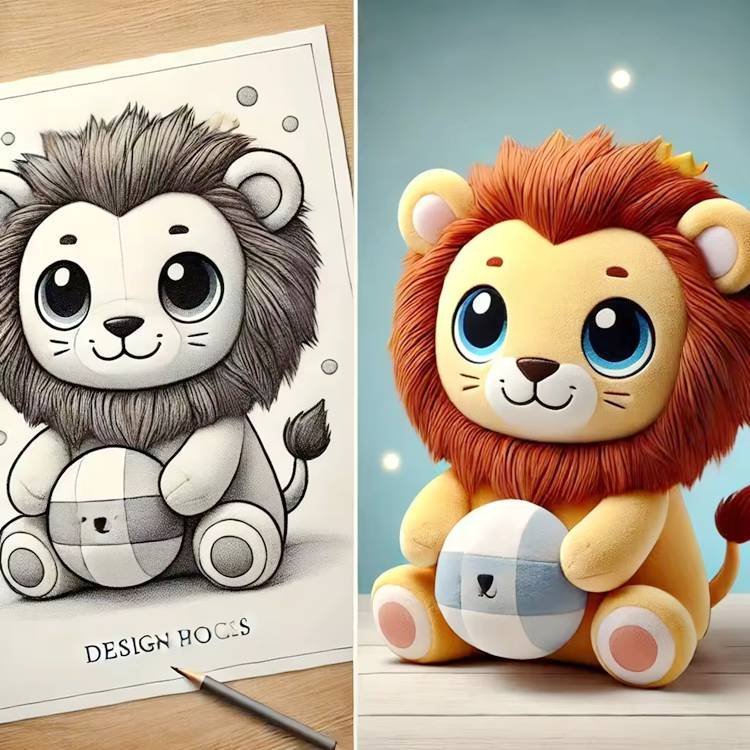
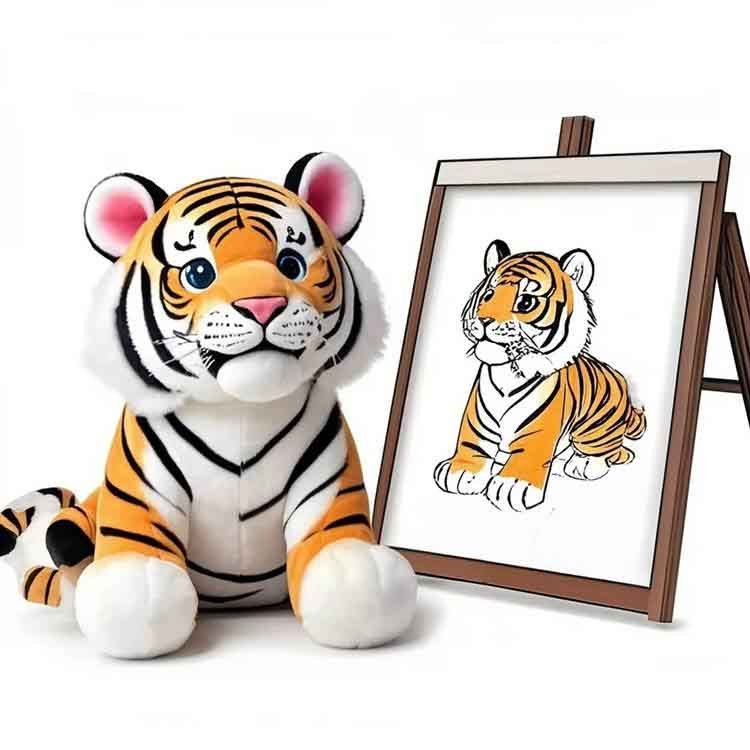
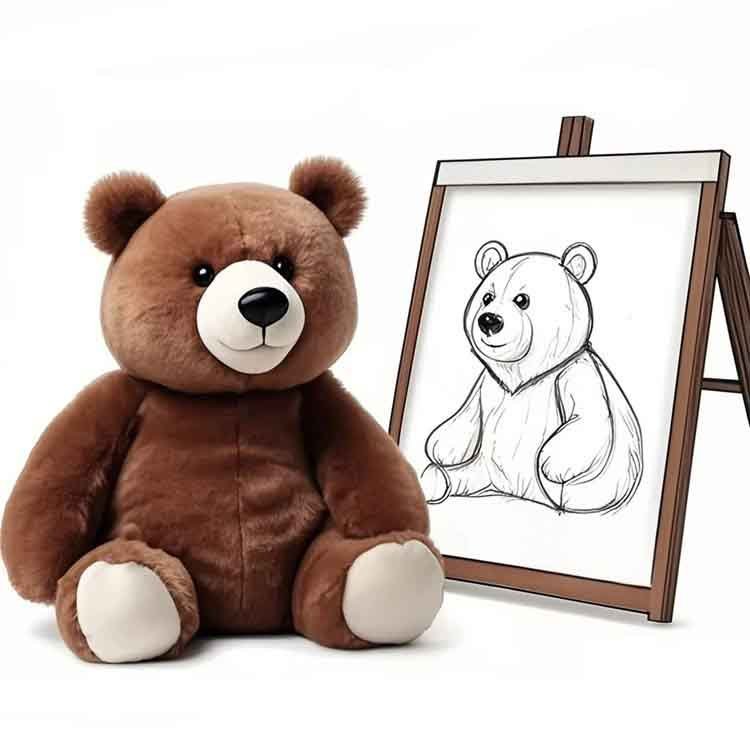
If you have artwork, logo files, or even just an idea, please share your project details—size, target fabric, color reference, and customization requirements. We’ll recommend suitable materials and provide a clear sampling plan to bring your custom plush toy design to life.
What Makes Our Custom Plush Production Reliable
Trust is built through predictable execution—clear approvals, documented specs, quality checkpoints, and packing confirmation. We focus on making your plush project easier to manage and safer to scale.
“reliable” plush production is not about making one nice sample—it’s about delivering repeatable bulk quality, stable lead times, and clear project control from artwork review to shipment. What makes our custom plush program dependable is the way we manage the details that most often cause problems in mass production: face accuracy, proportion stability, embroidery/printing consistency, stuffing weight and firmness control, and secure attachment for keychains, clothing, and accessories.
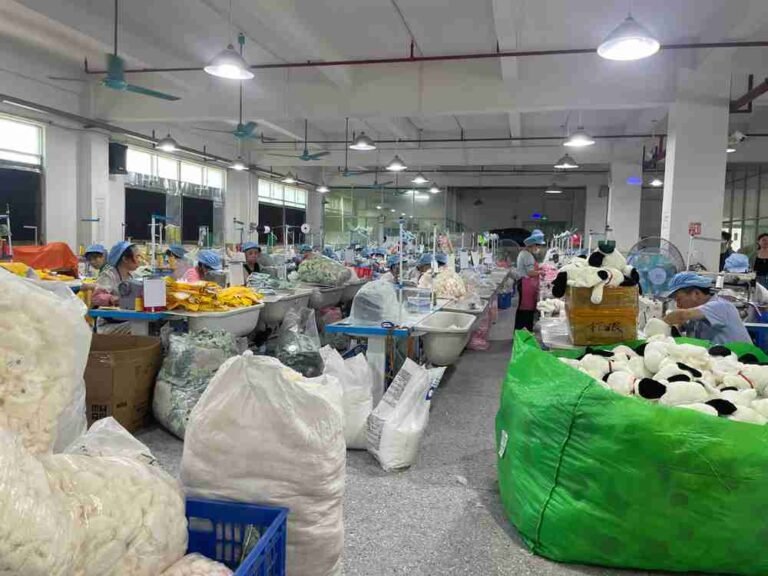
We build reliability through a structured workflow: we confirm a practical spec checklist before sampling, document revision notes, and lock the final approval sample as a golden standard for production. During manufacturing, we apply multi-stage QC checkpoints (not just a final check) to prevent drift early, especially in character-critical zones like the face and silhouette. Before shipment, we also verify packaging and labeling—including hangtags, barcode/SKU labels, care/warning labels, and carton marks—so your receiving and retail handling are smoother and your products arrive with less risk of deformation.
Process Proof
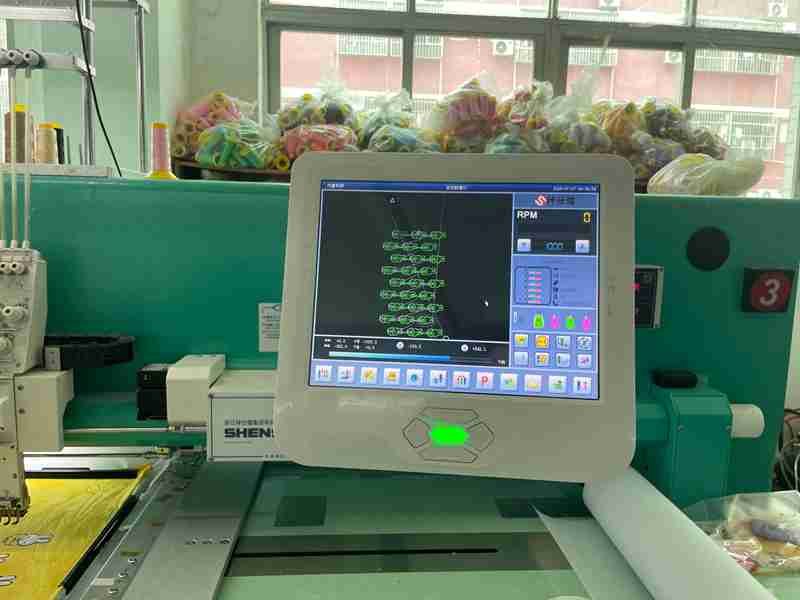
- Clear sampling-to-production approvals (prototype → revisions → final approval sample)
- Spec confirmation before bulk production (size, materials, logo placement, packaging)
- Revision notes that keep decisions traceable
- Golden standard concept for repeat orders
Quality Proof

- Multi-stage QC checkpoints across sewing, embroidery/printing, stuffing, finishing
- Needle control / needle detection option for finished plush (when required)
- Inspection focus on character-critical areas (face and silhouette) for IP plush
Delivery Proof
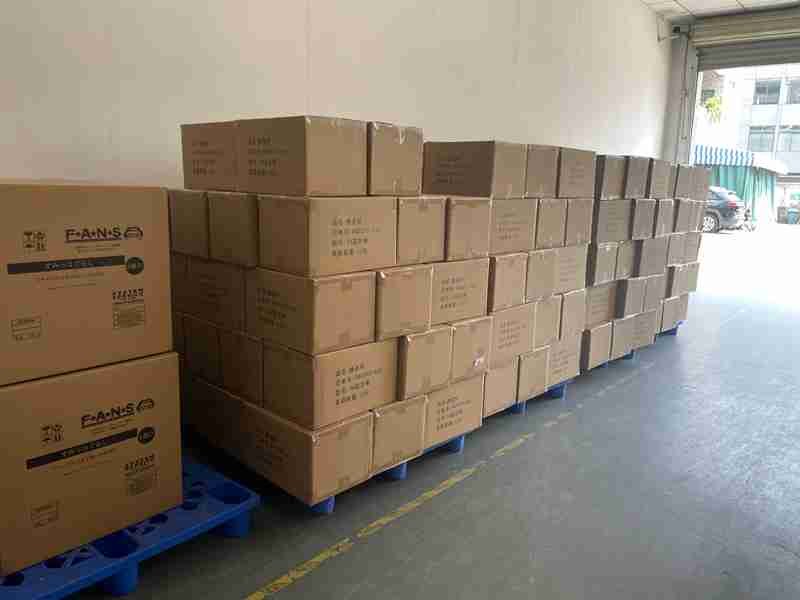
Packaging and labeling confirmation before shipment (photo proof + checklist)
Barcode and carton mark support (when required) (SKU/PO/qty/destination)
Packing suggestions to reduce deformation during transit (anti-crush, face protection)
Frequently Asked Questions
What makes a plush truly “collectible-grade” for retail or drops?
A plush is collectible-grade when it delivers consistent likeness, premium handfeel, ship-safe shape, and repeatable reorders—not just a cute design.
Collectors judge a plush with a stricter standard than promo items. The face must be stable across units, the fur must feel premium without shedding or pilling, and the product must arrive clean and well-shaped after compression. That requires a controlled manufacturing program, not “craft luck.” In practice, we define a measurable expression lock (eye spacing, eyebrow angle, mouth curve), lock the material system (outer plush + backing + stuffing + trims), and confirm a PP sample as the bulk reference.
From a procurement view, “collectible-grade” also means operational readiness: correct barcode/label placement, consistent carton marks, and packaging that protects value in transit. If a supplier can’t explain how they prevent “sample looks right, bulk drifts,” it’s not collectible-grade.
A simple evaluation checklist: do they provide a face map, stuffing gram control, in-process checks for embroidery placement, and a packing audit for orientation/inserts? If yes, you’ll see fewer returns and better reviews. If not, the cheapest quote becomes the most expensive outcome.
What MOQ should we expect for custom collectible plush, and how can we keep MOQ low?
MOQ depends on fabric/print minimums and complexity, but you can keep MOQ low by using a stable base build and limiting high-minimum components.
In real factories, “MOQ” is not one number—it’s a combination of constraints: custom dyed fabrics, printed fabrics, special trims, and custom packaging often have their own minimum order requirements. If your program needs low MOQ (creator drops, test launches, small retail pilots), the smartest approach is to build a “repeatable base”: one core size and pattern, one proven fabric family, and a face method that doesn’t require high setup changes each run. Then you upgrade selectively: premium packaging for limited editions, or small accessories that don’t change the core pattern.
Here is a practical MOQ strategy table:
| MOQ Driver | What Raises MOQ | MOQ-Friendly Alternative |
|---|---|---|
| Custom dye | new color runs | choose stock colors / color-family match |
| All-over print | print setup + minimums | place prints only on key panels |
| Collector box | custom box minimums | ladder: basic first, premium later |
| Too many variants | SKU complexity | launch 1–2 variants, then expand |
Our standard MOQ is usually 500 pcs per design. For simple styles, 200–300 pcs can also be arranged for production. Since the quantity is smaller, raw material purchasing costs are higher, while the full production process still stays the same, so the unit price will be higher. In general, the larger the order quantity, the lower the unit cost. Once the order reaches 500 pcs or more, our pricing becomes much more competitive. We can stay flexible and work with different quantity needs based on your project.
If you tell us your target quantity and channel, we can propose a low-MOQ build route that still feels collectible. This is usually faster and safer than forcing a complex spec into a tiny first run.
How long does sampling and bulk production take for collectible plush?
Sampling speed depends on art clarity and revision discipline, while bulk lead time depends on materials + packaging complexity + QC gates.
For collectible plush, the fastest programs are not the ones that “rush”—they’re the ones that decide early: size, face method, and packaging level. Sampling usually takes longer when the artwork is incomplete (no side/back references, unclear colors), or when the team keeps changing non-critical details. The most efficient sampling sequence is: first sample to confirm likeness/handfeel/behavior, one controlled revision, then PP sample lock for bulk.
Bulk lead time is influenced by: fabric sourcing (stock vs custom), embroidery/print setup, accessories, and whether you need retail packaging like window boxes or collector boxes. A friendly way to plan is to split timeline into blocks:
| Stage | What Happens | Typical Delay Cause |
|---|---|---|
| Feasibility | spec check + risk list | missing size/market info |
| Sampling | pattern + face method proof | too many revisions |
| PP lock | final bulk standard | late packaging changes |
| Bulk | cut/sew/fill/QC/pack | material delays, QC rework |
If you need a launch date, share your target timeline and channel. We can recommend a build route that protects collectible quality without adding unnecessary steps.
Embroidery vs print vs mixed face—how do we choose for our artwork and market?
Choose face method by matching art style + durability needs + likeness tolerance, and lock alignment rules to avoid expression drift.
Full embroidery is the safest for durability and a premium stitched feel, especially for mascot-style faces with clear lines. Print excels when your artwork needs gradients or painterly details. Mixed method is common for premium collectibles because it combines sharp embroidered eyes/brows with printed blush/highlights.
From a procurement standpoint, the risk is not the method—it’s the missing spec. You should require: embroidery density and underlay settings, thread color references, print color tolerance, and most importantly a placement template and “45-degree face proof” photos at approval stage.
Here’s a quick decision table:
| Artwork Style | Best Method | Why | QC Focus |
|---|---|---|---|
| Clean line art | Embroidery | crisp + durable | placement + stitch tension |
| Complex gradient | matches original | abrasion + color tolerance | |
| Premium collectible | Mixed | best likeness | alignment between layers |
If you want fewer revisions, decide the face method before sampling begins. Changing face method late often forces pattern and packaging changes too.
How do you prevent “sample looks perfect but bulk looks different”?
Prevent bulk drift by locking a PP sample, controlling files/BOM/fill grams, and using QC gates that specifically target face and shape.
Bulk drift usually comes from predictable sources: embroidery file changes (version mismatch), fabric shading changes (different dye lots), inconsistent pile direction, different stuffing weights by operator, and uncontrolled stretch in head panels. A collectible program should not rely on “final inspection only.” It needs process control: incoming checks for shade and pile, in-process checks for face placement vs template, stuffing grams verification, and packing audits to protect shape.
We also recommend a spec lock package that procurement can keep on file for reorders: face map measurements, embroidery/print files with revision numbers, BOM and approved color references, fill grams per size and zone, and packaging rules (orientation, inserts, carton marks).
If a supplier cannot show you how they lock and audit these items, you should expect drift on reorders. In collectible categories, one drift event can cost more than the savings from a lower quote.
What quality standard should we use (AQL, defect policy) for collectible plush?
For collectible plush, set a defect policy that is strict on face/shape/cleanliness, and define what counts as “major vs minor” defects for your channel.
AQL can be useful, but collectible programs often need something more targeted. Collectors will forgive a tiny interior stitch mark but will not forgive crooked eyes, facial asymmetry, dirty fur, or crushed shapes. So the smartest QC spec is “strict where it matters.”
We recommend defining defect categories in your language:
| Area | Major Defect Examples | Minor Defect Examples |
|---|---|---|
| Face | misaligned eyes, wrong expression | tiny thread ends not visible |
| Shape | head collapse, leaning stand | slight seam waviness on back |
| Cleanliness | stains, odor, glue marks | light lint removable |
| Accessories | loose attachment, missing part | slight tag angle |
This helps procurement teams align with factory QC and reduces arguments during inspection. It also creates a consistent standard for reorders and for third-party inspections if needed.
What packaging options reduce deformation and improve unboxing reviews?
The best packaging combines shape protection (inserts + orientation rules) with retail/SKU clarity (labels + carton marks) and a premium unboxing layer when needed.
A collector box looks great, but the bigger win is deformation control. For face-sensitive plush, packing orientation matters: face-up, controlled compression, and optional head/ear supports. Tissue or inner wraps prevent fur scuffing. Accessories should be bagged and labeled to avoid missing parts claims.
For retail and series programs, SKU discipline is non-negotiable: barcode placement, label location, and carton marks must be consistent to prevent warehouse errors and chargebacks.
A practical approach is a packaging ladder: basic for standard orders, retail-ready for stores, collector premium for limited drops. This reduces cost while letting you offer premium editions without redesigning the plush itself.
What private label options look premium but keep production risk low?
The safest premium private label options are woven labels, clean print labels, and consistent hangtags, while heavy hardware or late-position changes add risk.
For collectible plush, branding should enhance perceived value without creating defects. Woven labels are stable and consistent across batches. Clean print labels also work well when placed on low-tension panels. Hangtags and insert cards are excellent for storytelling and collector value, and they don’t increase sewing defect risk much.
High-risk branding choices include heavy metal plates, hard rivets, or last-minute logo placement changes. These can damage fabric, complicate sewing routes, and create rework. Best practice is to lock logo placement at PP stage and keep it consistent across the series. If you want a premium feel, invest more in packaging design and insert card storytelling rather than adding risky hard components.
How do you quote cost fairly—what’s included, and what are optional upgrades?
A fair quote separates base build cost from optional upgrades (face complexity, fabric grade, accessories, packaging level, testing), so procurement can compare suppliers on the same spec.
Many quote disputes happen because one supplier quotes “basic” while another assumes “collector edition.” We recommend quoting by a ladder: Value / Premium / Collector. Each level should state exactly what changes: face method (embroidery density or mixed layers), fabric grade (standard vs premium zones), accessories (integrated vs detachable), packaging (polybag vs retail box vs collector box with inserts), and QC intensity (tolerances on face and shape).
This structure helps you justify decisions internally and avoid hidden surprises later. If you want, we can provide a three-level quote format that your team can reuse for future collectible launches.
What materials are best for collectible plush (short pile, long pile, minky, faux fur)?
The “best” material depends on your art style, handfeel target, and bulk stability—most collectible programs use a material system, not a single fabric choice.
Short pile plush is ideal when you need crisp face edges and clean embroidery; it reduces the risk of facial details being hidden by fur. Long pile plush and faux fur create a premium “fur look,” but they increase the need for pile direction control and can hide facial expression if the hair covers the eyes or mouth. Minky-style fabrics deliver a smooth, luxury handfeel and often photograph well for e-commerce, but they require careful cutting direction and seam finishing to avoid shine or puckering.
For procurement, material selection should include a risk plan: shedding, pilling, shading drift between dye lots, and “touch consistency” across units. We recommend locking: pile height, density, grain direction, and an approved color reference. Many brands apply a cost-smart strategy: premium fabric on high-touch zones (face, belly, hands), stable standard plush on low-touch zones (back), while keeping color and pile direction consistent.
If you sell in retail, also consider dust attraction and how the plush looks after handling. A “best material” is the one that stays premium in real hands, not only in photos.
How do we choose size and weight (including weighted plush) for collector demand?
Choose size by matching your display scenario (desk, shelf, carry) and choose weight by defining stability goals (sit/stand feel) with clear grams and secure internal bags.
Collectors buy by use case. Small sizes (8–15 cm) work well for blind boxes, charms, and impulse collectibles; mid sizes (18–30 cm) are “hero SKUs” for shelves; larger sizes become statement pieces but have higher deformation and shipping cost risks. Weighting is powerful for desk companions: a weighted base improves stability and perceived value, but it must be controlled like a component.
Procurement should specify: total weight range, weight location (base only vs body), and the safety method (inner weight bag, stitching security). Also define the “behavior target”: does it sit stable, stand, or lean intentionally? Without that, factories may over-stuff or under-weight, causing inconsistent feel.
A practical decision table:
| Target Use | Recommended Size | Weighting Approach | Risk to Control |
|---|---|---|---|
| Blind box | 8–12 cm | usually none | expression clarity |
| Desk companion | 15–25 cm | weighted base | weight shifting |
| Premium display | 25–35 cm | optional zones | deformation in shipping |
If you want, we can recommend a size/weight spec that fits your channel and shipping plan.
How do you test anti-deformation and compression recovery before bulk?
The most reliable method is a simple pack-simulate-recover test: compress the plush as it will be shipped, then evaluate shape recovery using measurable checkpoints.
approve a sample in perfect conditions, then discover the bulk arrives flattened. To prevent that, test the plush like logistics will treat it. We recommend: pack the sample using the planned packaging (polybag/box + inserts), compress it under a realistic carton load, hold for a set time, then unpack and evaluate recovery at intervals (immediately, 2 hours, 24 hours).
What to measure: face panel wrinkles, ear bending, head roundness, base stability, and seam stress lines. For collectible plush, also check whether the face looks “different” under recovery—expression drift can show up after compression.
A friendly checklist:
- Compression method matches shipment (carton stacking)
- Check “before vs after” photos under same lighting
- Confirm inserts/orientation reduce risk
- Decide pass/fail rules (e.g., no permanent ear fold)
This testing is fast, low-cost, and prevents expensive returns. If your program is shape-sensitive, do this before PP lock, not after bulk starts.
Start Your Custom Plush Project Today
If You Can imagine it,We Will Create it!
Whether you are a brand, creator, retailer, or agency, our Guangdong plush factory is ready to support your OEM/ODM development. Send us your design, concept, or reference image — our team will reply with a free development proposal and quotation.
1. Tell Us What You Need
Tell us your requirements and share your artwork or reference images.
2.Get a Solution & Quote
We’ll suggest the best solution based on your requirements, and provide a detailed quote within 12 hours.
3.Approve for Mass Production
We will start mass production after getting your approval.
For all inquiries, please feel free to reach out at
- info@heyzizi.com
- (+86)13717153084
Ready to Grow Your Plush Product Line?
Brands and businesses from over 80 countries have chosen Jundong as their trusted plush manufacturing partner. Now it’s your turn. Work with us for reliable custom plush production, clear sampling support, and stable delivery for long-term programs.