 Skip to content
Plush Toys for Sports Teams
Custom Plush Toys for Sports Teams, Clubs & Stadium Merch
Custom plush toys for sports teams turn mascots, players, team symbols, and fan ideas into soft products that supporters want to keep, gift, and collect. From stadium merchandise and school spirit programs to youth clubs, tournaments, sponsor gifts, and seasonal fan campaigns, the right plush design helps your team build stronger emotional connection. Heyzizi supports custom mascot plush, plush keychains, mini plush, pillows, branded labels, hangtags, and retail-ready packaging, with sampling, material selection, QC, and bulk production support for sports team projects.


Make Sports Plush Feel Team-Owned
For a sports plush program to sell well, it must feel like it belongs to the team—not like a generic toy with a logo added later. Fans respond to items that carry clear team identity, recognizable mascot features, and visual cues tied to game-day culture. That usually means the plush should reflect more than color alone. It should show the team’s attitude through uniform styling, facial expression, signature shapes, number details, or a familiar sideline character.
This is why many sports plush projects work better when the design starts with the team story. Is the plush meant to represent a fierce mascot, a friendly junior fan item, a season-opening souvenir, or a club-store collectible? Each purpose changes the right construction, size, and detail level. A stadium giveaway may need a simpler shape for volume efficiency. A retail plush for the fan shop may need stronger embroidery, cleaner clothing lines, and more shelf appeal.
The most successful result is not “cute first.” It is instantly identifiable first, then soft, giftable, and easy to keep.
From Mascot Sketch to Match-Day Plush
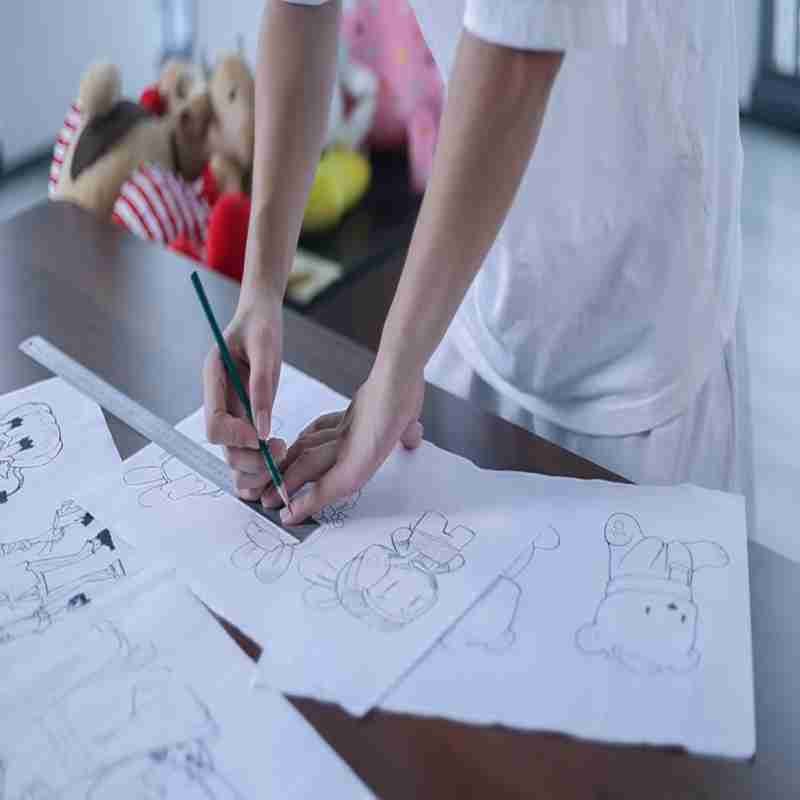
A sports plush project usually moves faster and with fewer revisions when the team provides the right starting materials. The best input is not always a polished brand book. A mascot illustration, uniform reference, color standards, and a few notes on where the item will be sold or distributed are often enough to begin proper development.
From there, the plush should be translated in stages. First, define the silhouette: what makes the mascot recognizable from a distance? Next, decide which details must stay and which need simplification for fabric, stuffing, and stitching. Then choose the right execution for jersey numbers, patches, eye style, and facial lines. A plush made for the club shop may justify more decoration. A plush prepared for giveaway volume may need cleaner construction and fewer fragile extras.
Here is a simple development path:
| Step | What to lock first |
|---|---|
| 1 | mascot shape and body proportion |
| 2 | jersey layout and team colors |
| 3 | face style and recognition details |
| 4 | trim, labels, and event-specific elements |


Which Sports Plush Format Fits Your Program Best?
Sports plush does not need to mean one standard mascot doll. Different team programs work better with different product forms, depending on budget, audience, and where the item will appear. A full plush doll may suit club stores and licensed collections. A plush keychain can work better for impulse purchase and youth programs. A mini mascot may fit stadium giveaways. A plush pillow or seat-side support item can suit premium fan bundles or sponsor campaigns.
Choosing the right format early prevents many cost and approval problems later. Some teams start with a large mascot plush when what they really need is a smaller, easier-to-price collectible. Others choose a tiny giveaway item but expect the visual richness of a display product. The right match depends on use, not just appearance.
| Format | Best use |
|---|---|
| Full mascot plush | club shop, collectible, season item |
| Mini plush | event gift, kids’ program, ticket bundle |
| Plush keychain | add-on sale, impulse item, membership gift |
| Plush pillow | fan pack, premium merchandise, lounge retail |
Not Every Team Needs a Big Plush Doll
A large plush mascot can look impressive, but it is not always the right first move for a sports program. Teams often assume a bigger plush will create stronger fan response. In reality, the better choice depends on where the product will be used, how it will be priced, and who is expected to carry it home.
For retail at a club shop, a larger plush can work well when the mascot already has strong recognition and the item is meant to feel collectible. For match-day promotions, ticket bundles, youth events, or sponsor activations, a smaller format may perform better because it is easier to distribute, easier to price, and more likely to be added to impulse purchases. Oversized plush can also create avoidable pressure on storage, shipping, carton planning, and display space.
A useful rule is this: do not start with size; start with purpose.
| Product direction | Better fit |
|---|---|
| Large plush | collectible item, premium shop display, season launch |
| Medium plush | standard fan merchandise, balanced price or value |
| Mini plush | giveaway, youth day, event pack, add-on item |


The Details Fans Notice First: Face, Jersey, Color, Identity
In sports plush, recognition often depends on a small group of details rather than overall complexity. Fans usually notice face attitude, team colors, jersey shape, and clear mascot identity before they notice construction difficulty. That means the project should protect the few details that carry the strongest emotional signal.
For many team characters, the face does most of the work. A serious, playful, fierce, or friendly look changes how the plush is perceived on the shelf. After that, jersey treatment matters: Is the collar shape right? Are the stripes placed correctly? Is the team number readable at plush scale? Even a simplified plush can still feel highly specific when these elements are handled with discipline.
This is also where execution choices matter. Embroidery often works better for stable facial lines and clean numbers. Printed areas may help with complex pattern placement. Appliqué can help separate colors without overcomplicating construction.
| Detail area | Why it matters |
|---|---|
| Face | drives recognition and emotional response |
| Jersey | carries team association fast |
| Color blocking | supports identity at distance |
| Signature features | makes the mascot feel official |
Built for Stadiums, Bundles, Giveaways
Sports plush programs work better when the product is planned around the actual channel, not treated as one generic item for every use. A plush designed for a stadium store should feel display-ready and giftable. One designed for a fan bundle should balance perceived value with easy packing. One created for an event giveaway should move smoothly through volume distribution and still carry enough team identity to feel worth keeping.
This channel-based thinking helps prevent common mistakes. A retail item can fail if it looks too basic. A giveaway item can fail if it is too expensive or too fragile for fast distribution. A bundle item can fail if it packs badly with scarves, caps, tickets, or sponsor materials.
| Use channel | Better plush approach |
|---|---|
| Stadium shop | stronger shelf presence, cleaner finishing, collectible feel |
| Fan bundle | moderate size, easy pack-in, balanced cost |
| Event giveaway | simplified construction, strong visibility, fast handling |
Sports plush becomes more effective when it is designed as part of a program, not as an isolated toy. That is also how one mascot can support retail, promotion, and repeat seasonal use without becoming repetitive.


Low MOQ Tests, Stable Repeat Runs
Sports plush programs do not always begin with a large commitment. Many teams first want to test one mascot item for a new season launch, club store reaction, fan-day event, or member gift campaign before expanding into a wider collection. That is where a lower opening quantity can help. It allows the team to check real response, pricing comfort, and visual acceptance before locking a larger run.
But low opening quantity only works well when the project is built with repeatability in mind. The first run should not be treated as a temporary sample batch. It should already define the approved body shape, jersey treatment, embroidery style, hangtag format, and packing method so that a second run can stay close instead of feeling like a redesign.
For sports programs, this matters even more because seasonal projects often move fast. A plush that performs well may need a quick follow-up order before playoffs, school tournaments, finals week, or holiday promotions.
| Stage | Better focus |
|---|---|
| Trial run | reaction, price fit, mascot recognition |
| Follow-up run | consistency, speed, repeatability |
| Expanded line | add sizes, keychains, pillows, bundles |
Control Plush Quality Across Team Programs
Sports plush quality is not only about whether one sample looks good. The real test is whether a full program stays aligned across repeat orders, multiple sizes, different accessory forms, and seasonal extensions. Once a mascot appears as a plush doll, keychain, pillow, or fan bundle item, the challenge becomes consistency, not just production.
That is why quality control should begin with a shared standard, not after the bulk run starts. The team should first lock the parts that most affect identity: head proportion, face placement, jersey color blocking, number visibility, and any signature accessory. After that, workmanship checkpoints should stay stable across each batch.
A simple control method works well:
| Control area | What should stay stable |
|---|---|
| Shape | head/body ratio, sitting or standing posture |
| Face | eye spacing, mouth line, expression feel |
| Clothing | number placement, stripe direction, badge position |
| Finish | stitching neatness, trimming, stuffing balance |
This is where a strong internal team, sampling room, and QC structure matter. When development, sample approval, and bulk inspection follow the same reference, the mascot feels like one program instead of a series of unrelated runs.


Sports Plush for Every Use Case
The strongest sports plush programs are usually built around use case, not around one single product idea. A plush sold through a club store should feel collectible and display-worthy. A plush prepared for a sponsor campaign may need better visual clarity at lower complexity. A membership gift should feel warm, easy to keep, and suitable for packing with cards or welcome materials. An event item should move well in high-volume distribution and still carry enough identity to be remembered.
This use-case view also helps teams decide how to extend one mascot into a fuller line without making random SKU choices.
| Use case | Plush direction that often works best |
|---|---|
| Retail | stronger detail, cleaner finish, higher shelf appeal |
| Sponsorship | simpler structure, clear branding area, efficient cost |
| Membership | compact size, gift-friendly feel, easy mailing or set packing |
| Events | visible from distance, fast handout, easier bulk handling |
Because plush can also be developed into keychains, pillows, charm sets, bundle items, and giveaway pieces, one character can support far more than one shelf item when the project is planned with intent. That product flexibility is already part of Heyzizi’s plush capability structure.
Durable Plush for High Handling
Sports plush often gets handled more roughly than ordinary gift plush. It may be squeezed in a stadium seat, clipped onto a bag, passed through a crowd line, packed into event kits, or carried by children during a full match day. That is why visual design alone is not enough. The product also needs the right stitching stability, attachment security, and surface durability for its real use path.
This matters most when the plush includes extra pieces such as scarves, hats, jersey trims, hanging loops, or charm hardware. These details may look small on a drawing, but they create the highest risk if they are not matched to the item’s intended handling level. A club shop collectible can allow richer decoration. A mass handout or youth-event item usually needs fewer weak points and cleaner construction.
A simple durability check should cover these areas:
| Check area | What to review |
|---|---|
| Stitching | seam neatness, closure firmness, stress points |
| Accessories | attachment strength, pull resistance, safe placement |
| Surface | fabric wear, print clarity, trimming cleanliness |
| Stuffing | shape balance, resilience, long-use appearance |


Packaging That Feels Ready for the Club Shop
For sports plush, packaging should do more than protect the item in transit. It should also match the way the product will be sold, gifted, or displayed. A plush prepared for a club shop usually benefits from cleaner presentation, easier shelf recognition, and packaging that feels coordinated with the team image. A plush prepared for an event handout may need faster packing and easier carton flow instead.
The right packaging choice depends on the role of the item. Some projects only need a neat polybag and carton label. Others work better with a hangtag, header card, gift bag, or color box to create a more official retail feel. For fan bundles, the plush may also need to fit well with scarves, tickets, sponsor inserts, or club welcome materials.
| Packaging direction | Better fit |
|---|---|
| Polybag only | simple event use, efficient bulk handling |
| Hangtag / header card | easier retail display, clearer team identity |
| Gift bag / color box | higher perceived value, club shop presentation |
| Insert tray / set box | bundles, multi-item fan kits, collector packs |
From Mascot to Plush Collection
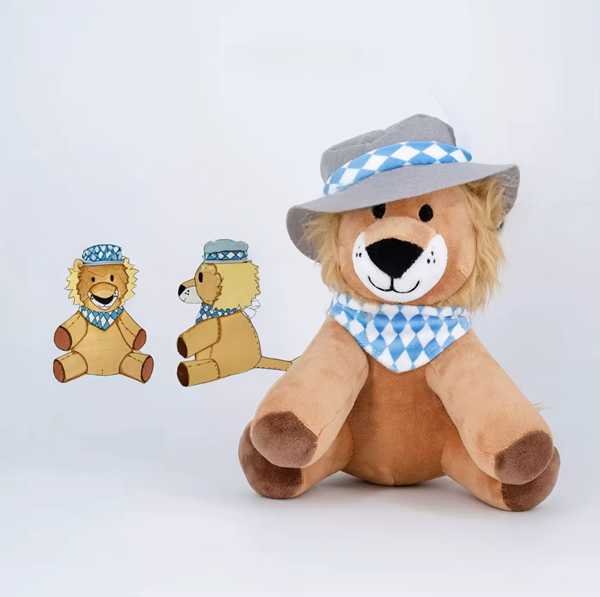
A strong sports plush program rarely stays as one single doll. Once a mascot style is approved, the smarter move is often to extend it into a small but useful collection. That could mean keeping one main plush as the hero item, then adding a mini version, jersey-style charm, plush pillow, or event-edition variation around the same identity.
This approach works well because the team does not need to build every item from zero. The recognition system is already there. The same face style, team colors, and mascot attitude can carry across different forms while serving different price levels and fan habits. A club shop may want the main plush and a pillow. An event may use the mini version. A sponsor activation may prefer the charm format.
| Extension style | Why it works |
|---|---|
| Main plush and mini plush | broader price access |
| Main plush and charm | easier add-on sale |
| Main plush and pillow | stronger gift value |
| Event edition version | seasonal freshness without changing identity |




What to Prepare Before Requesting a Sample
A sports plush sample moves faster when the team sends practical references instead of only a general idea. The goal is not to prepare a perfect technical package on day one. The goal is to give enough direction so the plush can be developed with fewer guesses and fewer revision loops.
For most team projects, the most useful starting materials are a mascot visual, team color references, jersey concept, target size, and a short note explaining where the item will be used. If the plush needs a hangtag, retail code, or event-specific insert, it helps to mention that early as well. When these inputs are clear, the sample can be built around the real task instead of just the character drawing.
A simple sample brief often works best:
| What to prepare | Why it helps |
|---|---|
| Mascot artwork or reference photo | defines shape and recognition features |
| Team colors | keeps identity consistent |
| Jersey / logo placement notes | clarifies what must stay visible |
| Target size or size range | guides proportion and cost |
| Usage plan | affects detail level and packaging |
| Tag / label / barcode needs | avoids late-stage changes |
Timeline for Team Launches
Sports plush projects usually run more smoothly when the team works backward from the real deadline instead of waiting until the event date feels close. A plush planned for season launch, opening game, fan day, membership kit, or holiday fixture needs time not only for production, but also for design alignment, sample approval, packaging setup, and shipment arrangement.
The exact schedule depends on complexity, quantity, and delivery method, but the planning logic is usually the same: first lock the design direction, then approve the sample, then confirm packaging and execution details, then move into bulk with enough room for inspection and shipping.
A simple timeline map looks like this:
| Stage | What happens |
|---|---|
| Brief stage | artwork, size, use case, packaging direction |
| Sample stage | prototype, revisions, approval pack |
| Pre-bulk stage | version lock, BOM, packaging setup, PPS |
| Bulk and shipment | production, inspection, packing, dispatch |
For projects tied to a public game date or club launch, it is usually smarter to start early than to compress the sample stage too aggressively. When a team wants a more accurate planning suggestion, it can share the target date with info@heyzizi.com for a timeline review.


Our Plush Toys Range
A selection of plush toy categories we commonly manufacture for OEM and brand clients.
Our factory manufactures a wide range of custom plush toys for OEM and brand clients across different industries.
Rather than fixed products, these categories represent the types of plush projects we commonly develop and produce, from character-based designs to large-scale promotional and retail plush.
Each category reflects our experience in custom development, process control, and stable mass production, allowing buyers to quickly identify whether their project fits our manufacturing capabilities.
Plush Toys for Sports Teams
Custom sports plush toys designed for team mascots, fan merchandise, stadium stores, youth clubs, event giveaways, and private label sports collections.
Custom Baby Cloth Book

Custom baby cloth books designed for early learning, sensory play, and original development for OEM and private label production.
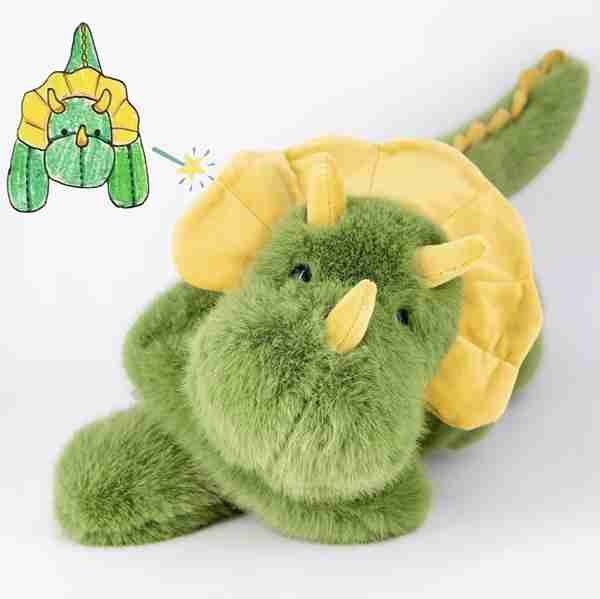
Custom Character Plush
Custom-made plush toys based on IP characters, mascots, and original artwork, developed for OEM and licensed production.
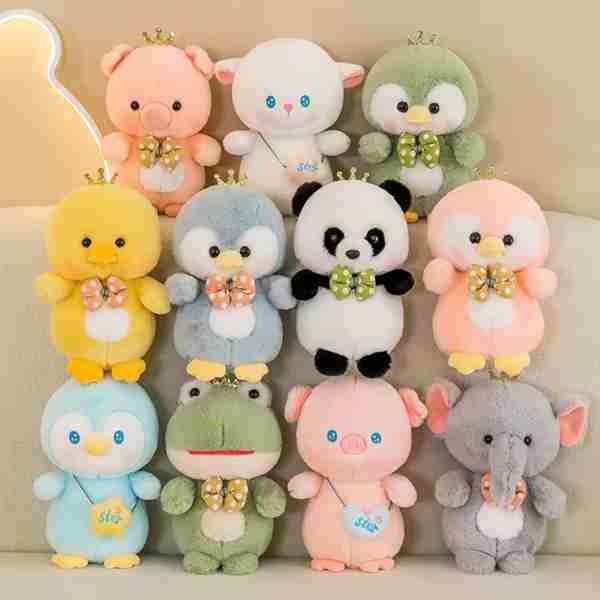
Yours Animal Plush Toys
Classic animal plush toys produced for retail and wholesale distribution, with custom materials and design variations.
custom Giant Plush Toys
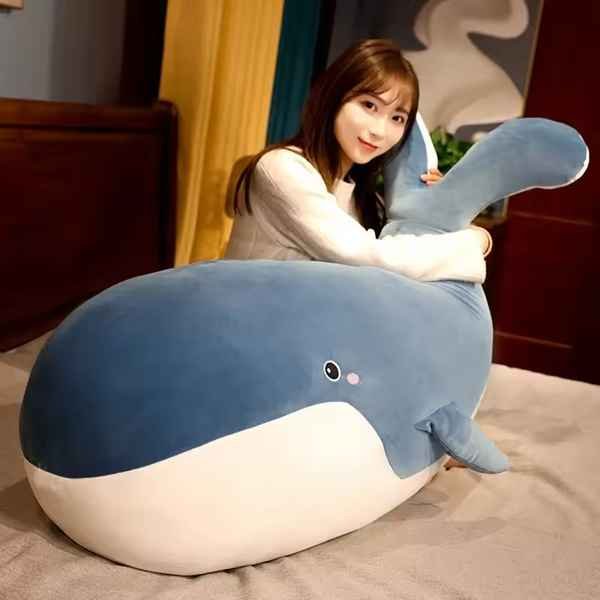
Large-scale plush toys requiring reinforced structure, controlled stuffing, and durability, commonly produced for events and display.
Promotional Plush Toys
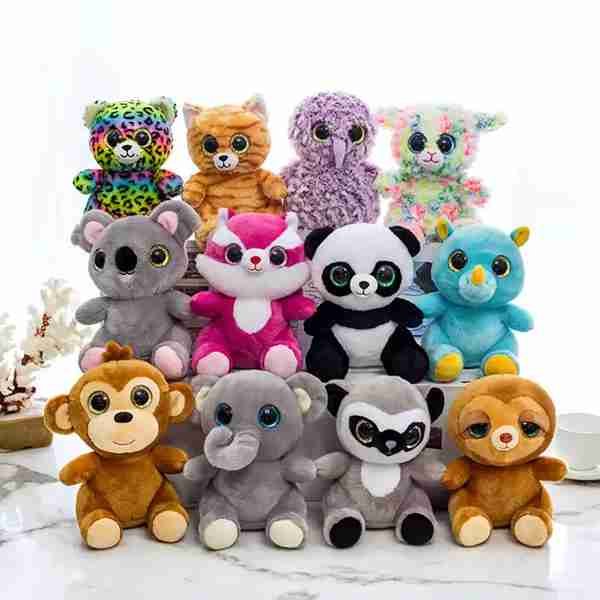
Plush toys designed for marketing campaigns, giveaways, and brand promotions, optimized for bulk orders and event use.
Custom Plush Mascots
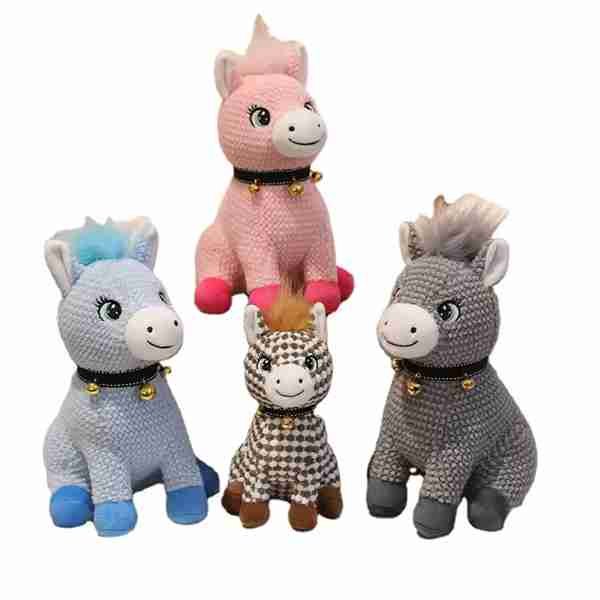
Wearable or display plush mascots developed for brand identity, exhibitions, and promotional use, with custom sizing and structure.
Seasonal & Holiday Plush
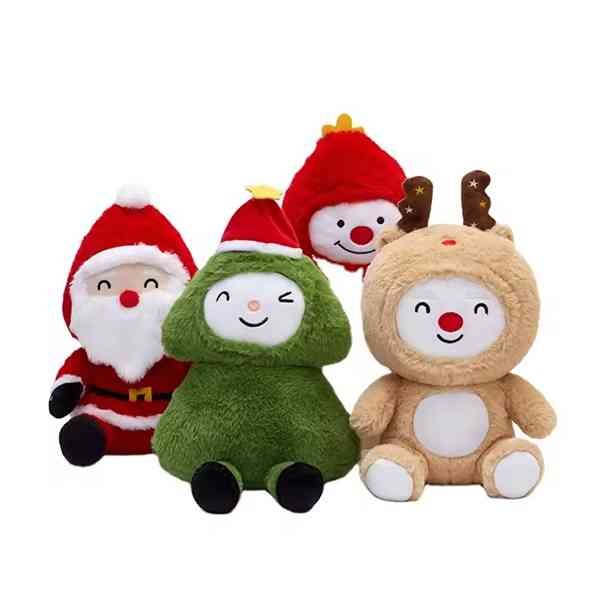
Plush toys developed for seasonal campaigns and holiday collections, such as Christmas, Halloween, and special events.
Plush Keychains & Mini Plush
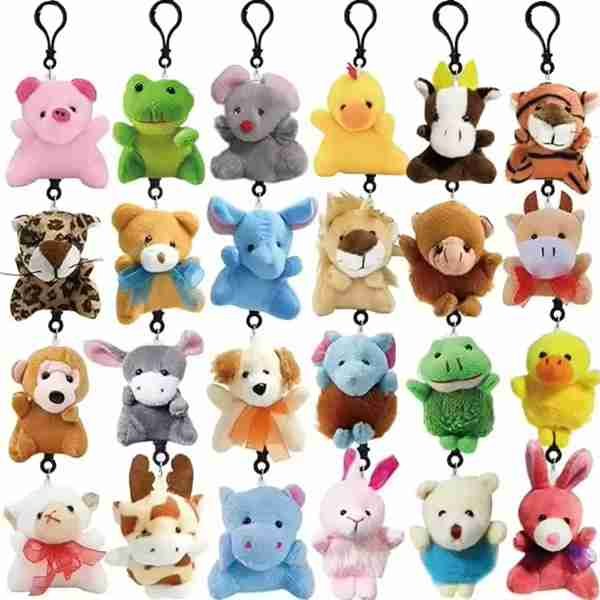
Small-size plush products designed for promotional bundles, accessories, and gift sets, suitable for large-volume production.
OEM Exclusive Plush Projects
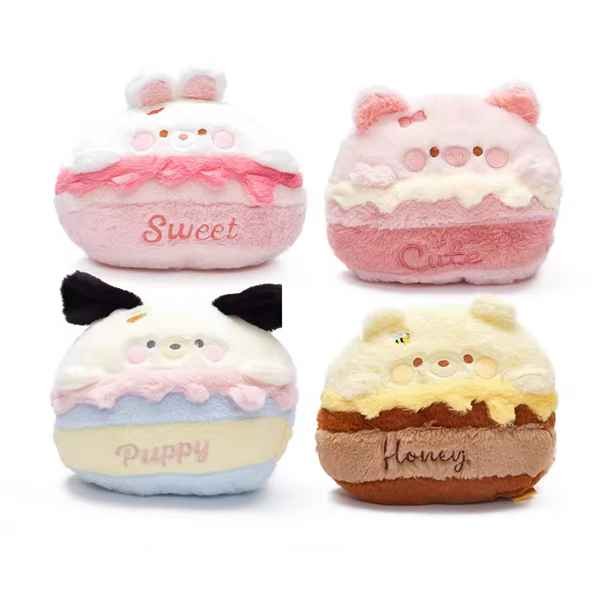
Fully customized plush projects developed under OEM or private-label agreements, from sample development to mass production.
Custom Soft Doll Plush
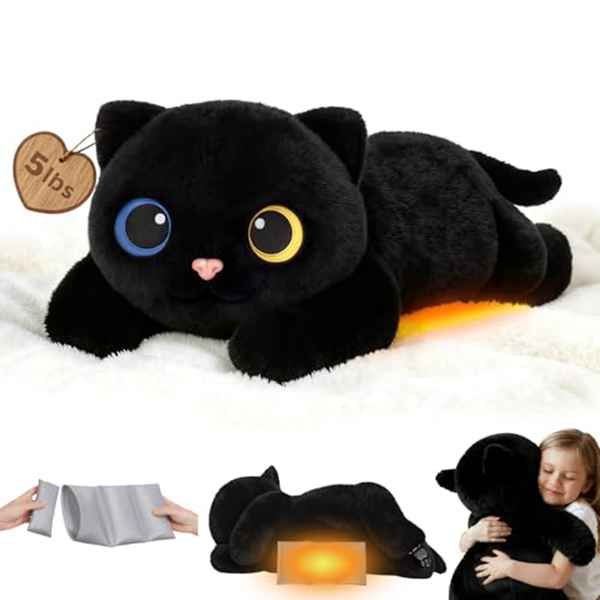
Human-style plush dolls developed for retail and branded collections, focusing on facial details and sewing accuracy.
Custom Plush Sets & Series
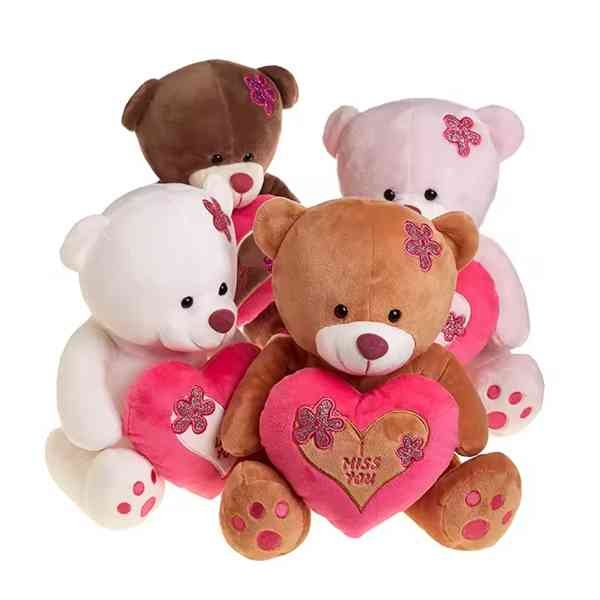
Multiple-design plush sets produced as series collections, requiring color control and batch consistency.
Inside Our Plush Toy Factory
Our Production Capabilities
We believe transparency builds trust. By showing real production environments, buyers can better understand how plush toys are manufactured in our factory, rather than relying on descriptions alone.
Our factory videos and photos present actual sewing lines, stuffing operations, in-line quality inspections, needle detection, and packing processes. These visuals reflect our daily manufacturing workflow, helping buyers evaluate our production capability, process control, and working standards with confidence.
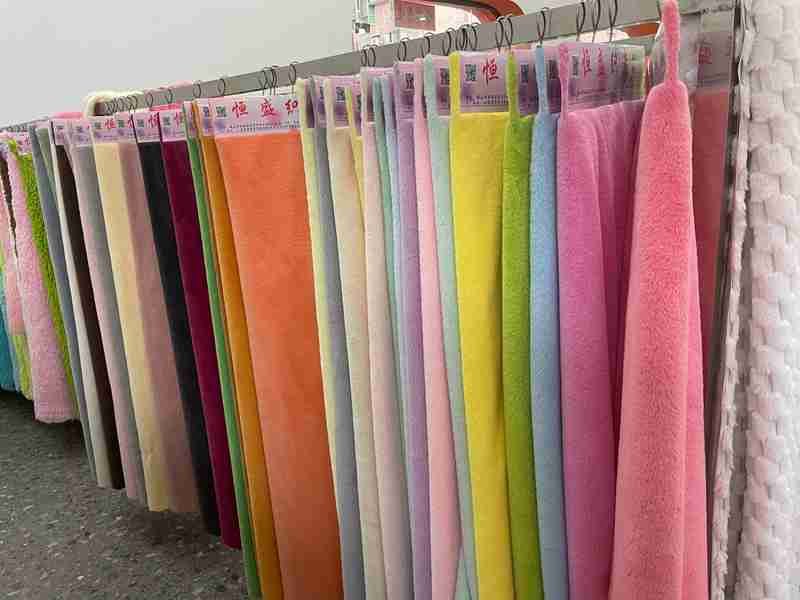
Selecting raw materials
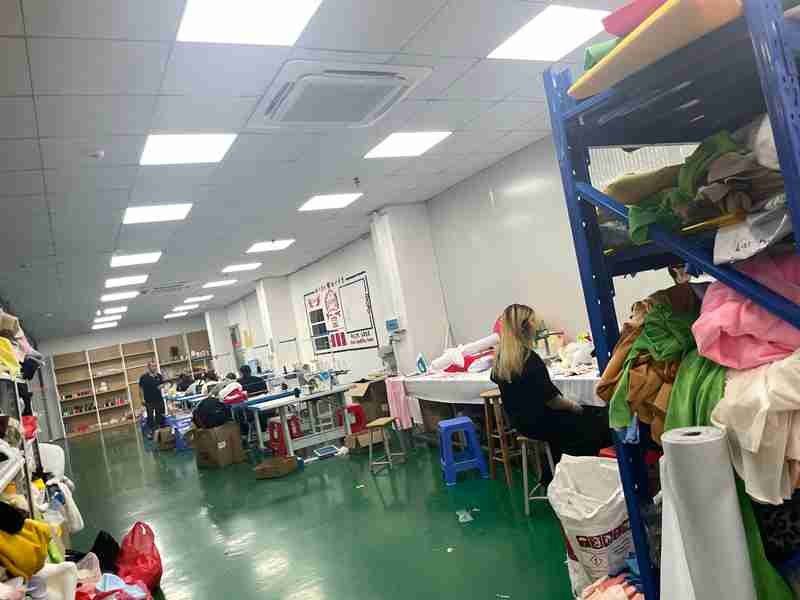
Customer sample production room
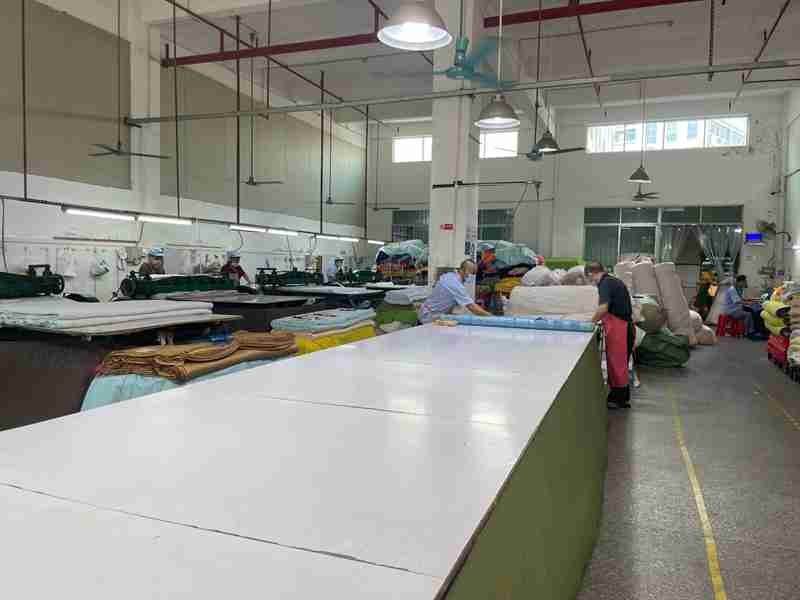
Selecting raw materials
Mechanical laser cutting
Batch computer embroidery
Sewing lines in operation
In-line quality inspection
Stuffing process control
Hand stitching & closure finishing
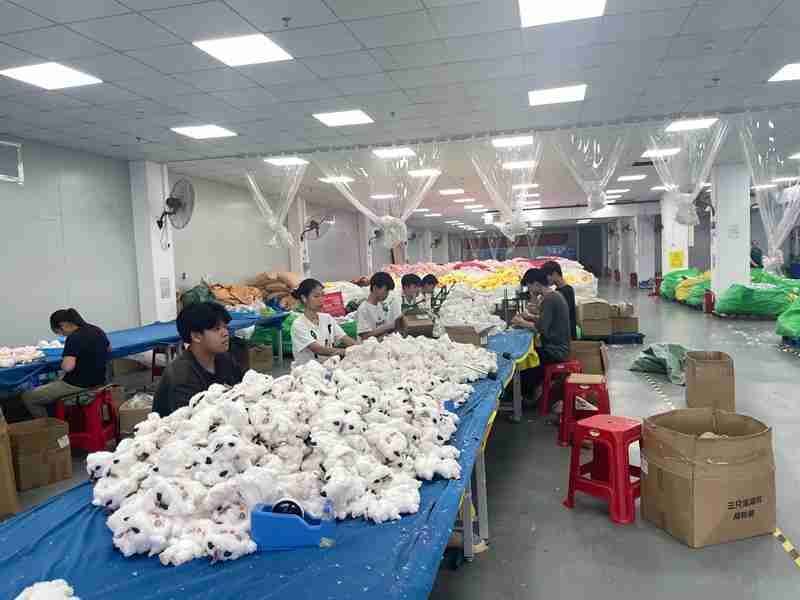
Shape adjustment & surface finishing
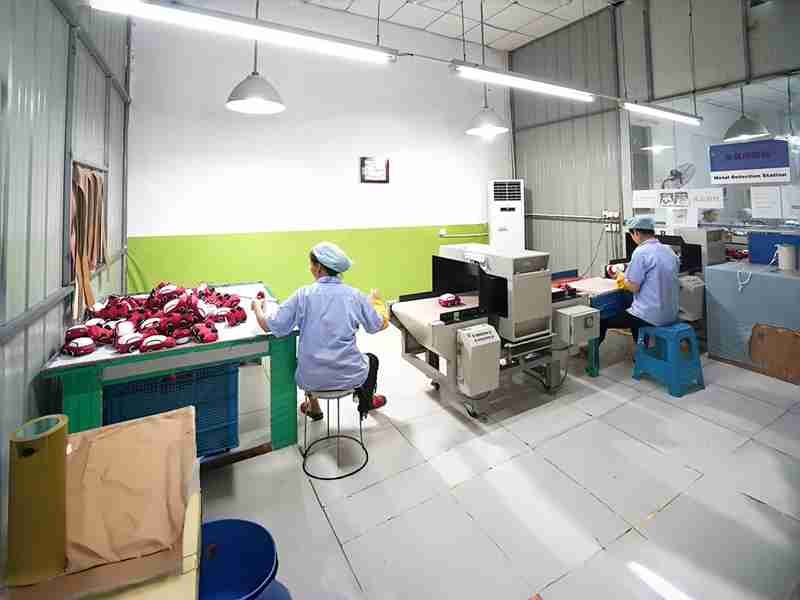
Needle detection & metal safety inspection
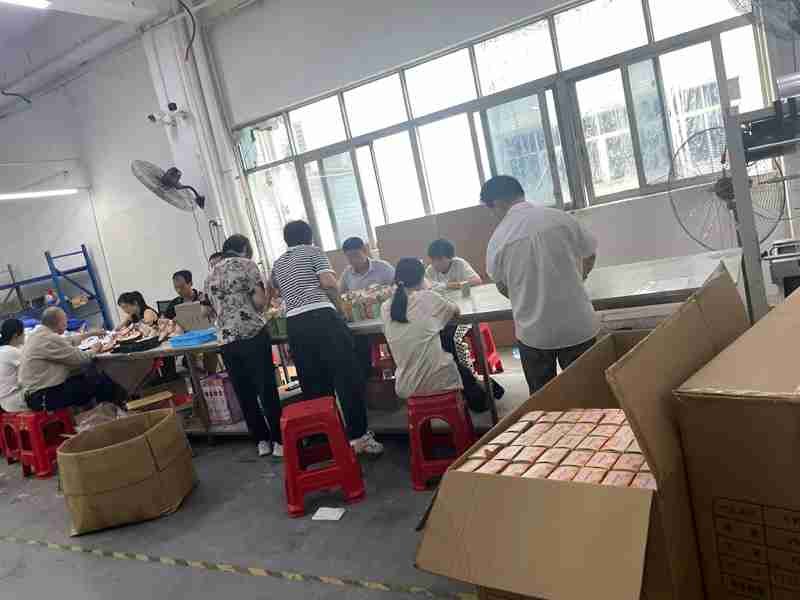
Packing & carton preparation
Client Testimonials
800+ brand Clients Trust heyzizi
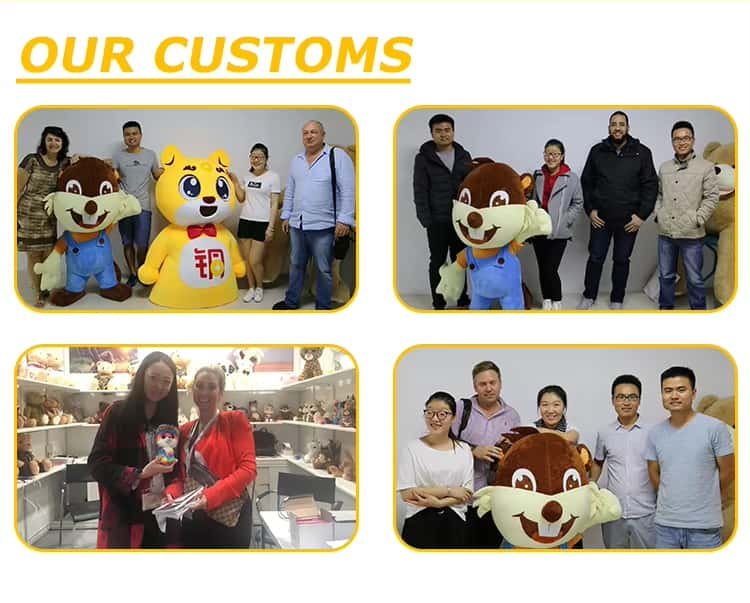
Cooperating Brands Trusted
We cooperate with brands across gift, retail, publishing, and promotional industries. Many of our partnerships are long-term and built on consistent quality, clear processes, and reliable delivery.
Rather than focusing on volume, we focus on stable cooperation and repeatable manufacturing results.







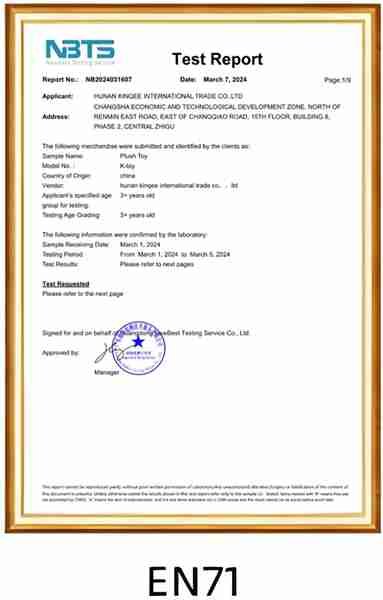
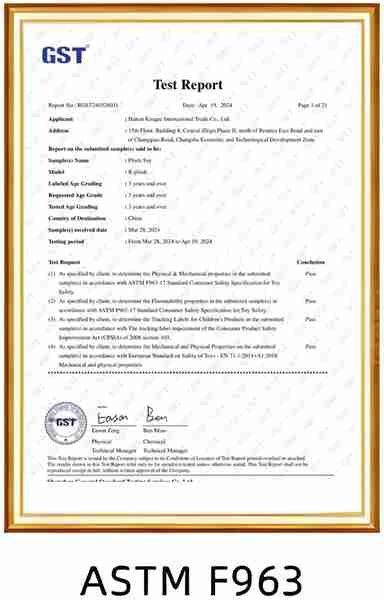
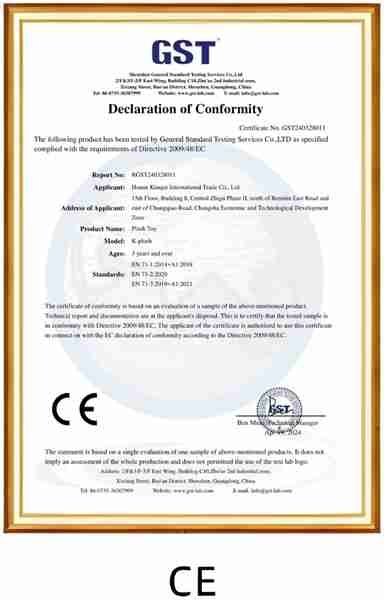
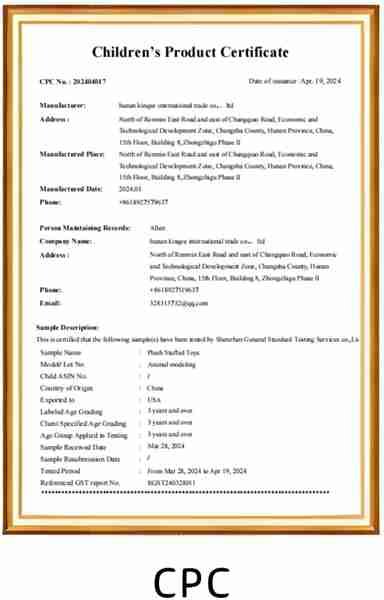
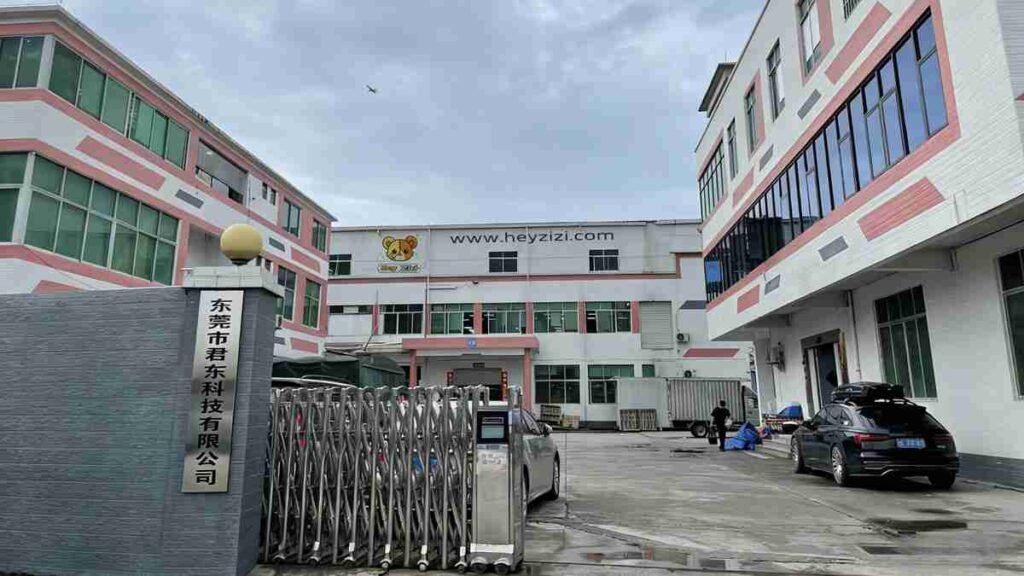
Our Story-From 2000 To Today
2000 – Jundong established in Guangdong
2005 – Began international export operations
2010 – Expanded to EU, US, and Middle East markets
2015 – Launched in-house design and sampling center
2020 – Upgraded automation and ERP system
2025 – Servicing 800+ global B2B clients












Make a Sample Before Mass Production
Before moving into mass production, sample development allows verification of structure, materials, workmanship, and quality standards.
If you are planning a custom plush project or evaluating a reliable plush toy factory, we welcome you to discuss your requirements with our team.
- info@heyzizi.com
- (+86)13717153084
Questions About Plush Toys for Sports Teams
What is the typical MOQ for a sports team mascot plush?
The minimum order quantity (MOQ) is a key factor for sports teams, clubs, schools, and event organizers planning custom plush merchandise. At Heyzizi, our standard MOQ is usually 500 pcs per design, which is more suitable for team mascot plush, stadium store merchandise, fan shop collections, seasonal campaigns, sponsor gifts, and tournament giveaways.
For some simple plush styles, production can also be arranged at 200–300 pcs per design. This can work well for new season tests, small club programs, youth team merchandise, or limited fan items. Since smaller quantities usually mean higher raw material purchasing costs, and the full production steps still remain the same, the unit price will be higher than a standard bulk order.
In most projects, the larger the order quantity, the lower the unit cost. Once the order reaches 500 pcs or more, pricing becomes much more competitive, especially for repeat runs, multi-size plush collections, plush keychains, mascot dolls, and bundled sports merchandise.
| Order Type | MOQ Suggestion | Best Fit |
|---|---|---|
| Simple style test | 200–300 pcs | Small club programs, youth teams, limited fan items |
| Standard team launch | 500 pcs per design | Stadium stores, fan shops, mascot plush, seasonal merch |
| Large event or tournament | 500+ pcs | Giveaways, sponsor packs, bulk fan merchandise |
| Repeat production | 500+ pcs | Stable reorder pricing and better batch consistency |
This MOQ structure helps teams balance testing risk, price control, stock planning, and bulk production stability. With a controlled sample-to-bulk process, Heyzizi helps keep the plush size, fabric color, embroidery, jersey details, stitching, stuffing feel, labels, hangtags, and packaging consistent across production runs.
How long does the sample process take for a mascot plush?
A standard mascot plush sample involves design review, 3D sketch approval, pattern development, first model creation, and fabric or embroidery tests. For typical sports team mascots:
| Stage | Duration (approx.) | Key output |
|---|---|---|
| Initial sketch & 3D approval | 1–3 days | Confirm mascot shape, pose, facial features |
| Pattern & first model | 2–5 days | Validate structure and proportion |
| Fabric & embroidery sample | 2–5 days | Check jersey, colors, logo placement |
| Final sample | 1–2 days | Confirm accessories, packaging readiness |
Overall, most simple samples can be ready within 5–7 days, while complex mascot designs may take up to 14 days. The process ensures proportion, team colors, jersey, and key facial features are verified before bulk production. Fast iteration and clear documentation reduce the risk of sample-to-bulk deviations, especially when creating multi-size or multi-item series.
Can you produce different sizes and types of the same mascot?
A single mascot can serve multiple purposes: hero plush for retail, mini for giveaways, plush pillow, keychain, or bundle version. This approach maintains brand consistency while addressing different fan needs and price points.
| Variant type | Typical use |
|---|---|
| Full-size plush | Club shop, premium collectible |
| Mini plush | Event giveaways, youth packs |
| Plush keychain | Add-on, membership gifts |
| Plush pillow | Fan gift sets, lounge retail |
Heyzizi supports pattern scaling, embroidery adaptation, accessory consistency, and batch QA, ensuring that every variant preserves the mascot’s recognition, team colors, jersey details, and facial identity across the series. This multi-form strategy helps clubs maximize fan engagement without extra design overhead.
What materials are typically used for mascot plush?
Mascot plush usually uses short-pile polyester or plush fabric, chosen for softness, durability, and color retention. Embroidery thread, heat transfer, or screen print may be used for logos, numbers, or patches. Safety and washability are important, particularly for youth-targeted giveaways.
| Component | Common choice | Notes |
|---|---|---|
| Outer fabric | Short-pile polyester, velvet plush | Soft touch, colorfast |
| Filling | PP cotton / hypoallergenic stuffing | Maintains shape, safe for all ages |
| Eyes / accessories | Embroidery / plastic sewn in | Avoid small detachable parts for kids |
| Labels & tags | Printed or stitched | Align with club branding, barcode integration |
Heyzizi’s QC ensures material quality, stitching security, and accessory safety across all batches, supporting multiple sizes and product forms while maintaining the mascot’s visual identity.
How long does it take from sample approval to bulk delivery?
Once the mascot plush sample is approved, bulk production planning depends on order quantity, plush structure, fabric availability, embroidery details, jersey elements, accessories, labels, hangtags, and packaging requirements. For most sports team projects, Heyzizi’s standard MOQ is usually 500 pcs per design, which works well for stadium stores, fan shop launches, club merchandise, tournament gifts, sponsor packs, and seasonal team collections.
For simple plush styles, production can also be arranged at 200–300 pcs per design. This is useful for new season tests, small club programs, youth teams, school teams, or limited fan items. Since smaller quantities have higher raw material purchasing costs, and the full production process still stays the same, the unit price will be higher. In general, larger orders bring lower unit costs. Once the order reaches 500 pcs or more, pricing becomes much more competitive and easier to plan for repeat runs.
| Quantity | Approx. Lead Time | Best Fit | Notes |
|---|---|---|---|
| 200–300 pcs | 20–25 days | Simple style test, youth team merch, limited fan items | Higher unit price due to smaller material purchase |
| 500 pcs per design | 25–30 days | Standard team mascot plush, club shop launch, fan merchandise | Better price balance and stable bulk planning |
| 500+ pcs | 30+ days | Large events, tournament giveaways, sponsor bundles, multi-item collections | More time may be needed for packaging, accessories, or mixed styles |
Heyzizi keeps production flexible based on your project, but timeline planning should start early if the plush needs to arrive before a season launch, game-day promotion, stadium store opening, fan event, championship match, or sponsor campaign. Through pre-bulk inspection, milestone control, and QC checkpoints, we help keep the size, fabric color, embroidery, stitching, stuffing feel, jersey details, accessories, labels, hangtags, carton marks, and retail packaging consistent from approved sample to bulk shipment.
Can you handle custom embroidery and logo placement on mascot plush?
Mascot plush often requires team logos, jersey numbers, sponsor patches, and facial accents. Heyzizi provides precision embroidery, heat transfer, and appliqué options, ensuring each element maintains correct scale, alignment, and clarity across sizes and product types.
| Method | Best use | Notes |
|---|---|---|
| Embroidery | Team logos, facial details | Durable, tactile, safe for kids |
| Heat transfer | Complex color graphics | Smooth, precise placement |
| Appliqué | Multi-color patches | Adds dimensionality without complicating stitching |
With proper guidance on logo files, color standards, and position diagrams, teams can ensure their mascot remains visually consistent whether it appears as a full plush, mini plush, keychain, or pillow. This reduces sample-to-bulk deviations and strengthens brand recognition across events and retail.
Are your mascot plush products safe for children?
Heyzizi ensures that all mascot plush intended for fan giveaways, youth events, or membership gifts meet safety standards. Materials are non-toxic, low-allergen polyester, and small accessories such as badges, buttons, or hooks are either embroidered or securely stitched.
| Safety area | Implementation |
|---|---|
| Filling | PP cotton, low allergen |
| Small parts | Sewn in, no detachable risk |
| Fabrics | Colorfast, flame retardant where required |
| Accessories | Hooks, badges, attachments checked for pull resistance |
This makes plush safe for children attending events, interacting in stadiums, or receiving giveaways, while still maintaining high quality and team-accurate design.
How do you handle bulk orders with multiple SKUs or sizes?
Sports programs often require different sizes, variations, and accessories across multiple SKUs. Heyzizi manages this through batch-specific QC checklists, version-controlled samples, and detailed production schedules.
| SKU type | Management focus |
|---|---|
| Full plush | Shape, embroidery, proportion |
| Mini / keychain | Color, stitching, attachment |
| Pillow / accessory | Filling, packaging, presentation |
Teams can consolidate production while ensuring visual and structural consistency across all items, reducing errors in shipping or display. This is particularly valuable for seasonal collections, gift bundles, or event giveaways.
Can you support special packaging for giveaways or retail sets?
Heyzizi designs packaging to match intended distribution channels. Options include polybags, hangtags, color boxes, gift bags, and insert trays. For giveaways, packaging prioritizes speed and handling efficiency. For retail or club store items, packaging emphasizes shelf appeal, branding, and perceived value.
| Packaging type | Typical scenario |
|---|---|
| Polybag | Event giveaway, fast distribution |
| Hangtag / header card | Retail shelf display, clarity |
| Color box / gift bag | Fan shop retail, premium bundles |
| Insert tray | Multi-item set, collectible packaging |
This ensures that fan experience, storage, and shipping efficiency are considered from the start.
How do you ensure on-time delivery for seasonal events?
Seasonal sports plush projects have fixed event deadlines. Heyzizi manages this by locking design and sample approvals early, establishing a production schedule, and performing pre-shipment inspections. Teams receive milestone updates, so adjustments can be made proactively.
| Stage | Key control |
|---|---|
| Design approval | Confirm mascot shape, colors, and accessories |
| Sample approval | Lock first model to guide bulk |
| Pre-bulk checks | QC checkpoints for stitching, embroidery, filling |
| Bulk production | Milestone updates, packaging readiness, shipment scheduling |
This structured approach reduces last-minute delays and ensures that club stores, membership kits, or event giveaways arrive on time.
