 Skip to content
Custom Plush Winter Accessories
Need a reliable factory for custom plush winter accessories? We help brands, retailers, wholesalers, gift companies, and promotional programs develop seasonal plush products such as plush hats, plush scarves, plush earmuffs, plush gloves, plush slippers, hand warmers, and holiday plush gift sets. Our team supports OEM, ODM, private label, custom logo embroidery, color matching, fabric selection, size adjustment, packaging, and bulk production. Whether you are planning Christmas merchandise, winter retail collections, souvenir products, or branded promotional gifts, we can help turn your plush winter accessory idea into a soft, practical, and retail-ready product.
Bulk-Ready Plush Winter Accessories
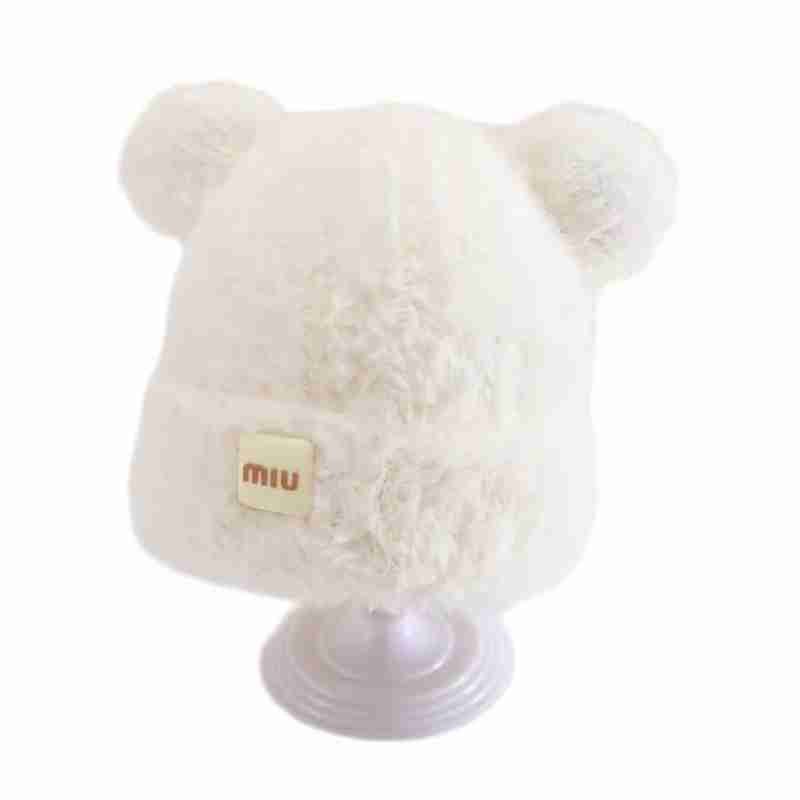
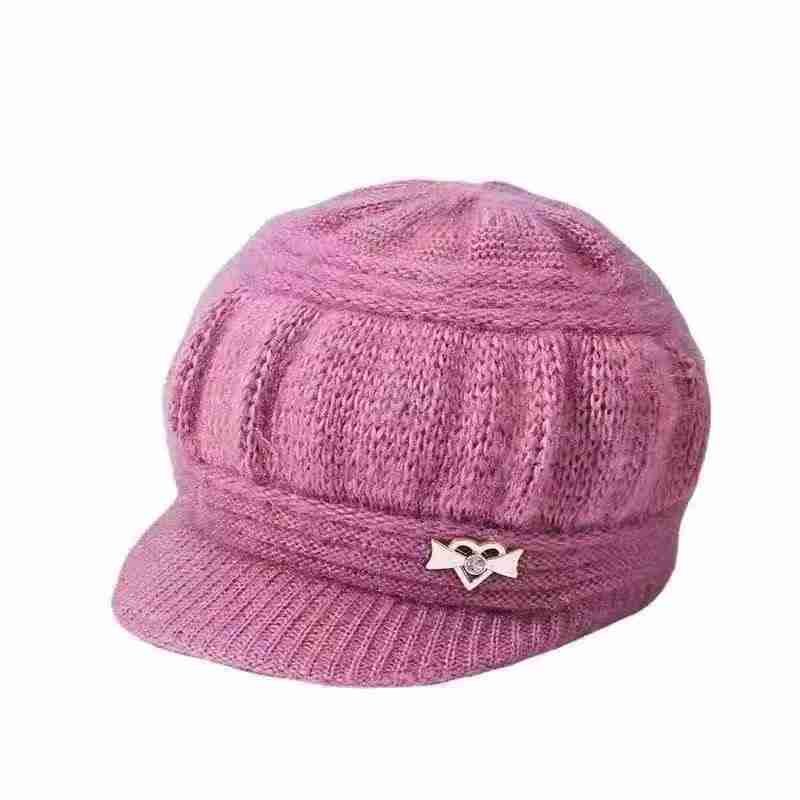
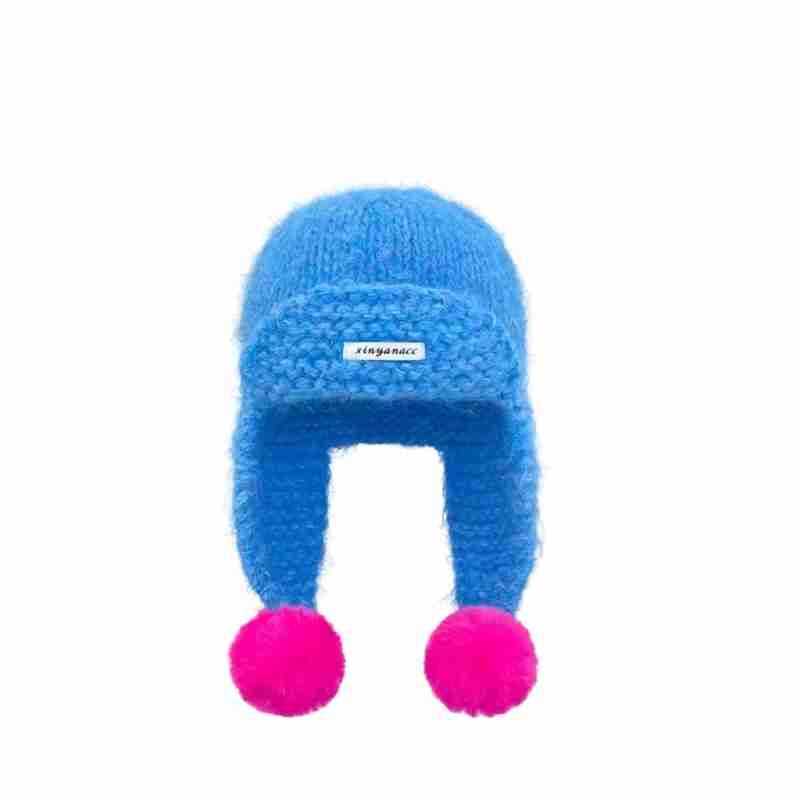
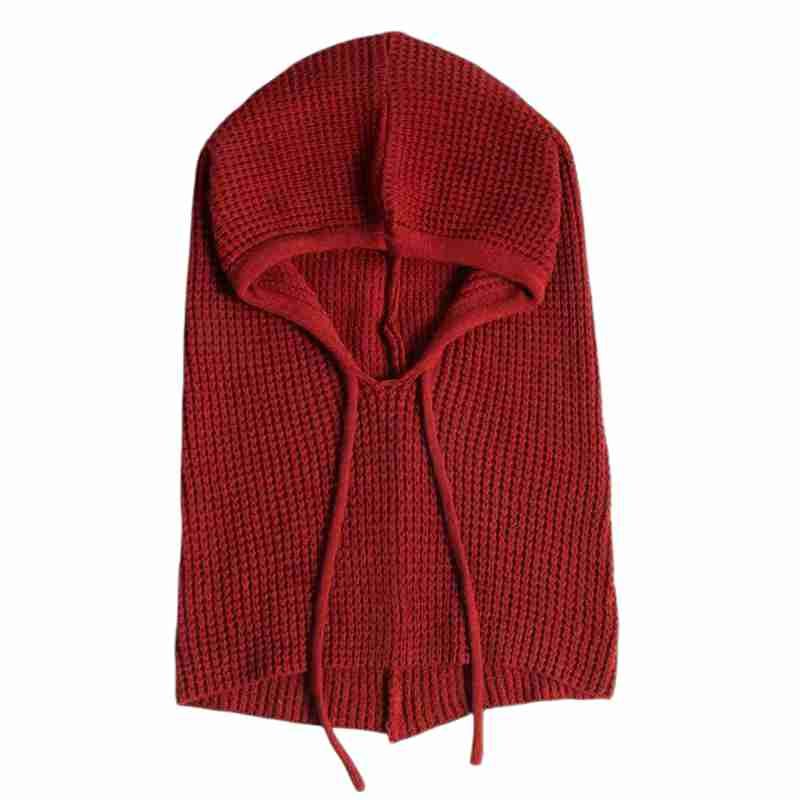
Custom plush winter accessories are more than seasonal add-ons. They are practical, gift-friendly plush products that combine soft touch, wearable comfort, visual appeal, and bulk order suitability. In this category, we typically support plush earmuffs, plush scarves, plush gloves, plush mittens, plush hats, plush flap hats, plush headbands, plush sleep masks, and plush hand warmer muffs. These products are often developed for holiday collections, Christmas gift programs, retail winter assortments, event merchandise, character plush collections, souvenir lines, and branded seasonal campaigns.
A strong winter accessory program depends on more than appearance. These plush wearable items need to feel comfortable during use, fit properly across the intended size group, and remain stable in fabric feel, stitching, filling, trims, and finishing across bulk quantity. This is especially important for winter plush products because items such as earmuffs, hats, gloves, and scarves are worn directly and judged quickly on comfort, softness, and overall look.
At Heyzizi, we support winter plush accessory development with an in-house setup in Guangdong, China, built for export-oriented plush programs and larger-volume seasonal orders. Our structure includes 600+ team members, around 18,000㎡ of integrated production space, and 80 QC staff covering raw material checks, in-line control, finished goods inspection, and packing review. This helps reduce production inconsistency and supports smoother execution for custom plush winter accessories with stronger bulk follow-up.
For brands, retail groups, and seasonal product programs, this type of setup matters because winter plush accessories often need to balance comfort, visual identity, gift appeal, and delivery stability at the same time.
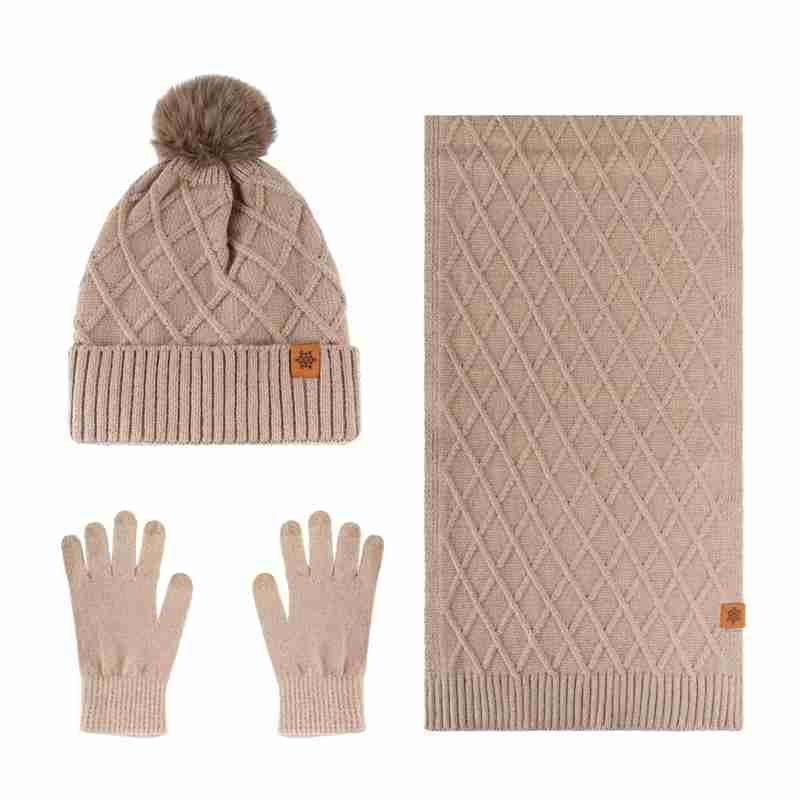

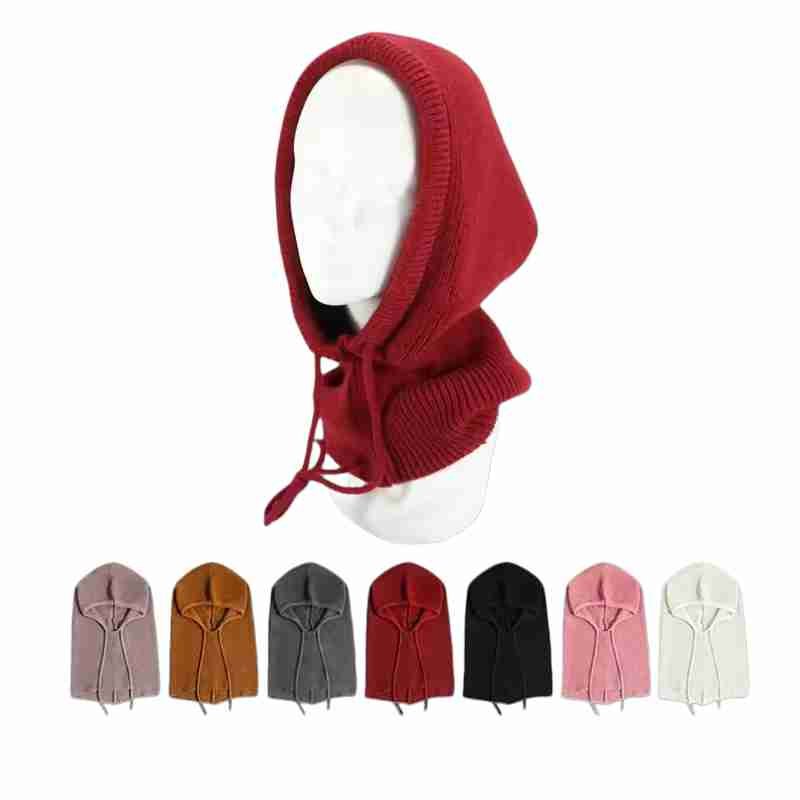
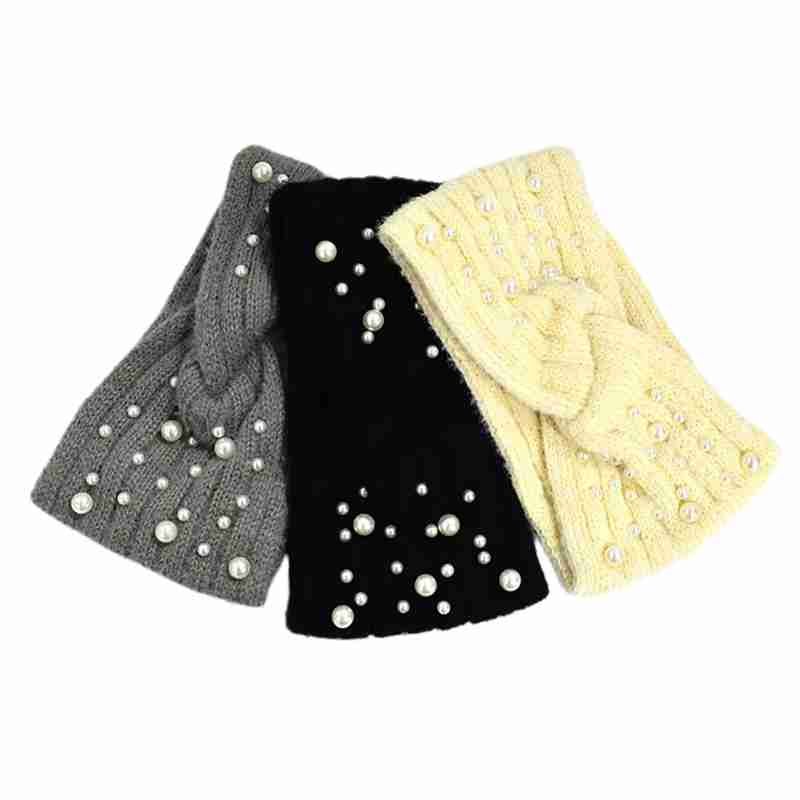


Match Winter Accessories to Audience
Choosing the right custom plush winter accessory is not only about appearance. It also depends on channel fit, target audience, comfort level, product positioning, packaging style, and bulk execution practicality. For brands planning holiday plush accessories, retail winter collections, seasonal gift programs, character merchandise, event giveaways, or souvenir products, a clearer product-selection process can reduce confusion early and make the full development path more efficient.
A useful starting point is to identify the main product purpose. If the goal is warmth and outdoor use, plush gloves, plush mittens, lined winter hats, and thicker plush scarves are often the better direction. If the goal is visual impact and themed presentation, plush earmuffs, plush animal hats, flap hats, and coordinated winter plush sets usually create stronger display value. If the product is meant for comfort-focused or lifestyle use, plush headbands, plush sleep masks, and softer lightweight accessories may be a better fit. For holiday gifting and promotional bundles, a winter accessory set often gives better perceived value than a single item.
Target audience also changes which style works best. Kids and family collections usually respond well to playful earmuffs, animal hats, and softer scarf styles. Beauty, lifestyle, and wellness collections often suit plush headbands, sleep masks, and compact hand warmer products. Outdoor and commuting programs usually need more practical warmth-focused items. Character IP, event merchandise, and branded seasonal collections often perform better with themed hats, logo earmuffs, and coordinated set development.
To keep the project easier to control, many programs choose between one key hero SKU or a coordinated winter set. That decision affects color matching, trim control, packaging complexity, and bulk consistency later.

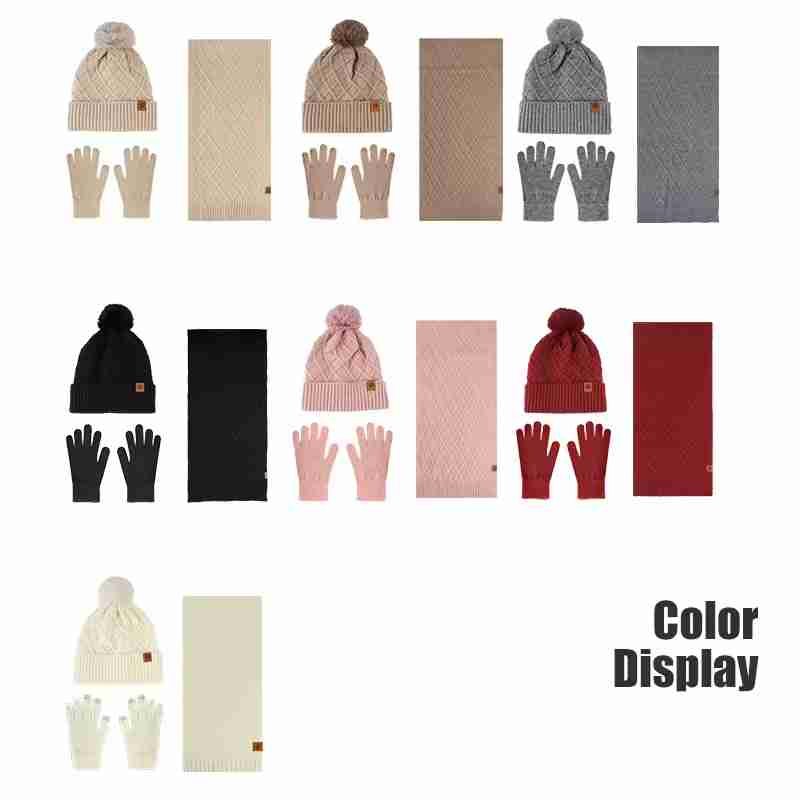

Plush Fabrics and Warmth System
For custom plush winter accessories, warmth does not come from plush fabric alone. It usually depends on how the product is built across several layers. A better plush accessory structure often includes outer plush, inner lining, optional insulation, shape support, and trim details. This combination affects not only warmth, but also comfort, fit, appearance, and bulk consistency.
(1) Core warmth structure
A typical plush winter accessory may include:
- outer plush for softness and visual appeal
- lining for skin comfort and cleaner inner feel
- insulation for added warmth when needed
- support layer for shape and wind protection
- trim details such as elastic, webbing, patches, or binding
Different product types need different balance across these layers.
(2) Material direction by product type
Plush earmuffs usually need dense plush, soft inner contact areas, and a stable band structure to control wearing pressure.
Plush scarves often focus more on soft hand feel, controlled shedding, and edge finishing that does not feel rough against skin.
Plush gloves and mittens usually need both softness and better seam stability, especially around thumb areas and movement points.
Plush hats and flap hats often need lining and light internal support so the overall shape stays more stable during wear and packing.
(3) Two common build directions
Many winter plush programs use two practical levels:
- cost-control build: plush + simple lining
- warmth-premium build: plush + lining + insulation + added support
This helps balance budget, comfort, and product positioning.
(4) Comfort and durability details
A stronger plush winter accessory program should also check:
- shedding control
- softer skin-contact zones
- stitch stability at stress areas
- lining comfort for longer wear
- color consistency across repeat orders
When these details are fixed early, plush winter accessories are usually easier to control in bulk and more comfortable in real use.


Pattern and Fit for Comfort
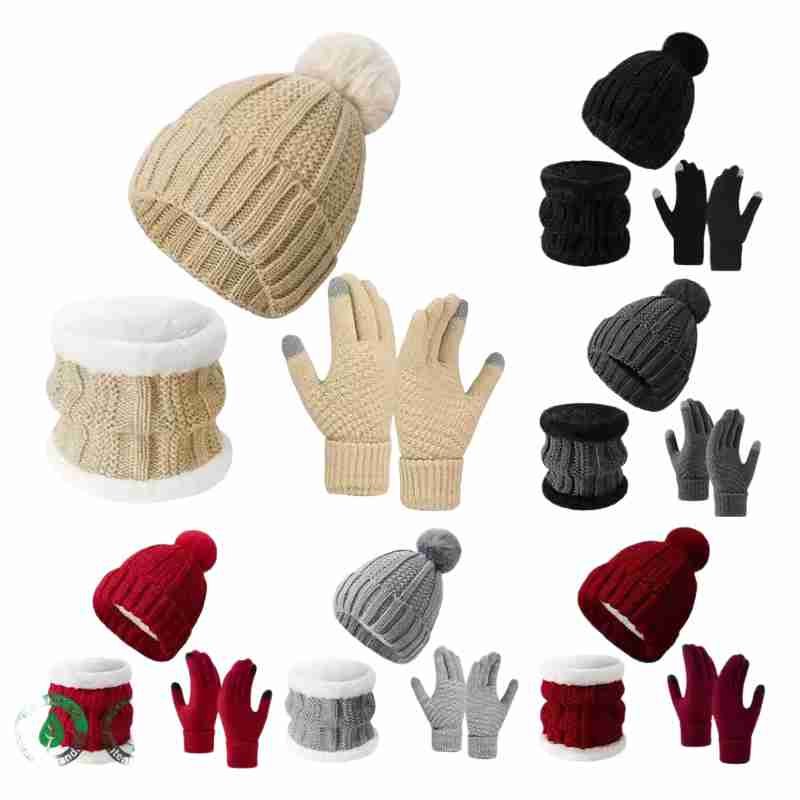
For custom plush winter accessories, fit affects more than appearance. It directly influences wear comfort, grip stability, size consistency, and return risk. A winter accessory that looks good but feels too tight, too loose, rough on skin, or unstable during wear can easily create complaints later. That is why fit control should be built into sampling and bulk execution from the start.
(1) Key fit controls by product type
Different plush winter accessories need different fit checks:
- plush earmuffs: wearing pressure, pad symmetry, band stability
- plush headbands: grip balance, elastic control, inner anti-slip comfort
- plush scarves: width and length consistency, edge comfort, drape feel
- plush gloves and mittens: size grading, thumb shape, seam strength at stress areas
- plush hats and flap hats: head coverage, flap balance, face panel symmetry
Each item has its own comfort risks, so measurements alone are not enough.
(2) Wear testing during sample stage
A practical sample should also go through simple wear checks, such as:
- 10–15 minute comfort check for earmuffs and headbands
- stretch and recovery check for elastic areas
- hand feel and seam rubbing check for gloves
- movement stability check for hats during walking or daily use
These small checks often reveal issues that are easy to miss in flat measurements.
(3) Key measurement checkpoints
Bulk repeatability usually depends on clear measurement control, including:
- hat circumference
- headband relaxed and stretched length
- earmuff pad diameter and left/right consistency
- glove length and palm width
- scarf length and width per style
(4) Keeping fit stable in bulk
A stronger plush accessory program should turn fit targets into clear measurement points, tolerance limits, and QC checks. This helps reduce drift in elastic tension, symmetry, seam strength, and overall wearing comfort across larger quantities.


Plush Branding and Logo Placement
For custom plush winter accessories, branding has to stay clear without reducing comfort. Plush surfaces behave differently from flat fabric because pile height, softness, and surface movement can affect logo sharpness. A logo that looks fine on paper may become blurred, uneven, or uncomfortable when applied to earmuffs, scarves, gloves, hats, or headbands. That is why branding method and placement should be matched to the product structure, not chosen only by visual preference.
(1) Match branding method to plush surface
Different logo methods suit different plush products:
- embroidery works well for bold logos and simple shapes
- woven labels help keep smaller text sharper
- woven patches suit badge-style branding and themed designs
- heat transfer or screen print can work better on shorter pile areas
- silicone or rubber patches are better on outer panels, not pressure-contact zones
For longer pile plush, thinner logo lines are usually harder to keep clear.
(2) Keep branding away from sensitive contact zones
Winter accessories are worn close to skin, so logo placement matters for comfort.
- earmuffs: outer shell or side tab is better than inner ear-contact area
- headbands: outer panel is better than the inside grip area
- scarves: logo near one end is often better than the neck-contact zone
- gloves or mittens: back of hand or cuff is usually safer than palm-contact areas
(3) Lock placement before bulk starts
Logo placement should be fixed with clear measuring references, such as:
- centerline from seam or panel middle
- distance from top edge, cuff edge, or end seam
- tolerance for logo shift or patch position
This helps reduce visual inconsistency across bulk quantity.
(4) Prepare clear branding files
A smoother plush branding process usually needs:
- artwork files
- color reference
- placement rules
- intended age group, since comfort expectations differ
When branding method, comfort, and placement are confirmed early, plush winter accessories are easier to keep clear, wearable, and consistent in bulk.

Safety Checks for Plush Accessories
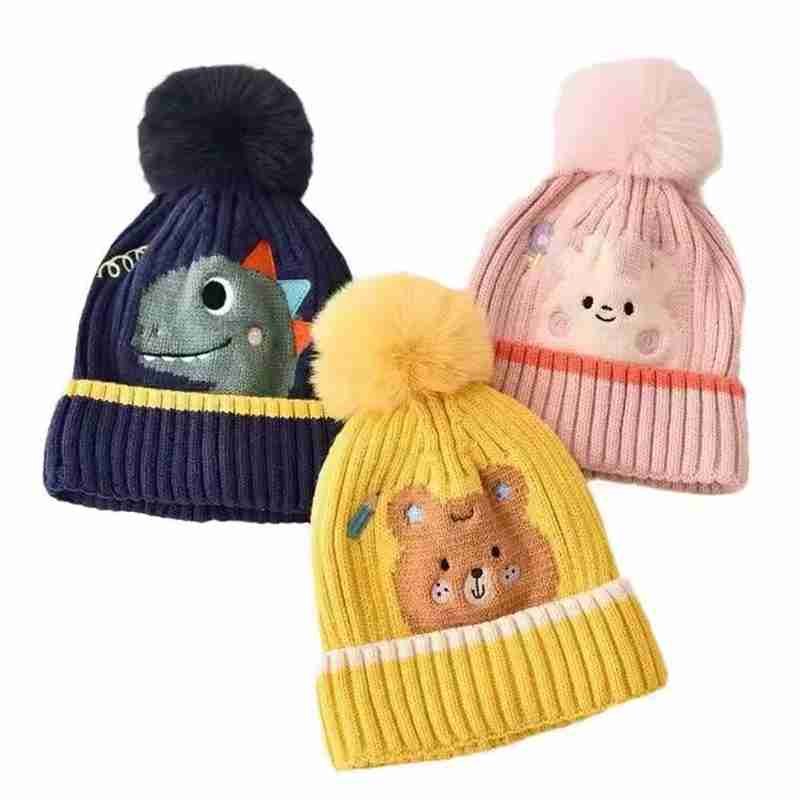
For custom plush winter accessories, safety should be considered from the product design stage, not only after sampling or bulk production starts. Items such as plush earmuffs, plush hats, plush scarves, plush gloves, plush mittens, plush headbands, and plush hand warmers are worn close to the skin, so comfort, attachment security, and trim choice all matter. A product that looks soft can still create problems if seams rub, trims detach, or hard parts sit too close to the face or ears.
(1) Start with safer product design
Early design choices can reduce later risk:
- avoid long loose cords on kids’ winter accessories
- use softer backing under patches or labels in skin-contact areas
- avoid sharp or hard trims near ears, face, or forehead
- review whether detachable parts are really necessary
(2) Protect skin-contact areas
Different plush winter accessories have different contact zones:
- earmuffs: inner ear pad area should feel soft and smooth
- headbands: forehead-contact area should reduce pressure discomfort
- scarves: neck-contact area should avoid rough edges and excess shedding
- gloves or mittens: inner finger and seam areas should reduce rubbing during wear
Soft lining, cleaner seam routing, and better edge finishing all help improve comfort.
(3) Check trims and attachment strength
Many quality problems come from attachments rather than the plush body itself. Stronger control should include:
- pull checks for decorative parts and patches
- stitch security at patch edges
- elastic recovery and tension stability
- inspection of metal or hard trims if used
(4) Confirm labeling and channel requirements early
For plush winter accessories sold across different regions, it is helpful to confirm fiber labeling, warning label needs, packaging inserts, and age-related product requirements early. This helps reduce rework later and supports a smoother path from sample approval to bulk delivery.


Sample Development to Bulk Readiness
A strong custom plush winter accessory development flow should move from RFQ to sample approval and then into bulk execution with fewer surprises. The goal is not just to make one sample look satisfactory It is to create a sample path that can support repeatable production for plush earmuffs, plush scarves, plush gloves, plush mittens, plush hats, plush headbands, plush sleep masks, and plush hand warmers.
(1) Clear team roles help reduce confusion
A smoother project usually depends on clear internal coordination across the following:
- sales follow-up and timeline handling
- development review for structure and material feasibility
- design support for appearance adjustment and production files
- sampling room control for pattern testing and sewing setup
This helps turn product ideas into a more stable sample base.
(2) Better RFQ input makes sampling faster
A more complete RFQ usually includes the following:
- target product type and sales channel
- size range and intended age group
- basic warmth level or premium warmth level
- logo method and placement direction
- packaging requirement
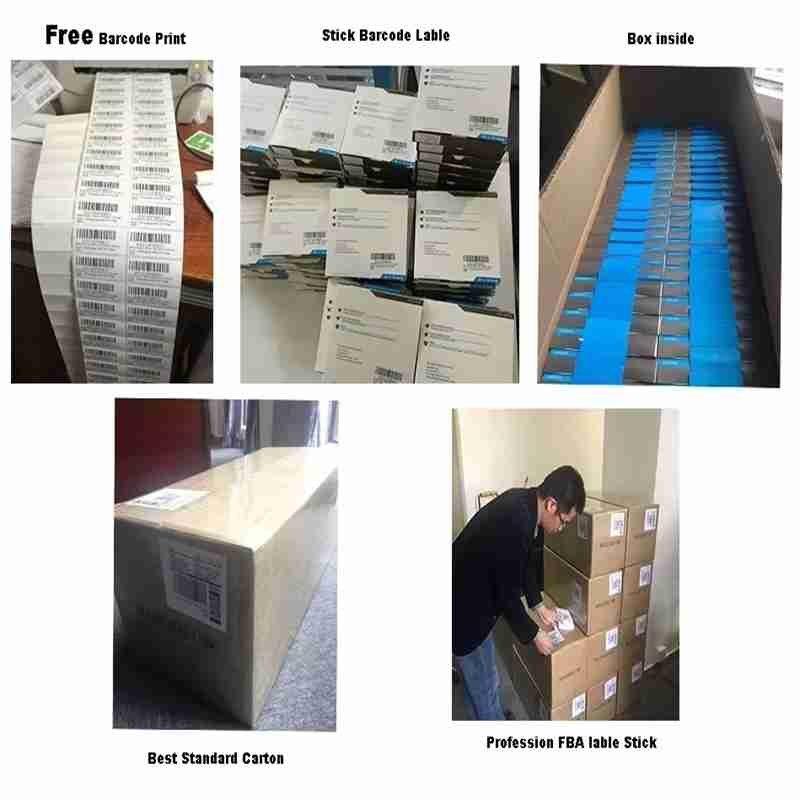
- Barcode, carton mark, or labeling needs
When we share these details earlier, sample development usually moves faster and with fewer misunderstandings.
(3) Milestones keep the project easier to control
A practical plush development flow often includes the following:
- feasibility confirmation
- first sample for size and shape check
- updated sample for branding and placement review
- final approved sample as bulk reference
- first production checking against the approved sample
- bulk production with packing rules already fixed
This makes the path from sample stage to shipment more stable.
(4) Two build directions can simplify product planning
Many winter plush programs work better when developed in two levels:
- cost-control option with simpler lining and trims
- warmth-premium option with stronger lining, insulation, and added support
This approach makes it easier to compare cost, comfort, and bulk practicality before you fix the final direction.


Gift-Ready Packaging and Shipping
For custom plush winter accessories, packing and shipping do more than move goods from factory to destination. They also protect product shape, reduce mix-up risk, support gift presentation, and help keep bulk delivery more consistent. This is especially important for plush earmuffs, plush scarves, plush gloves, plush mittens, plush hats, animal hats, and coordinated winter gift sets, where shape, pairing, and SKU accuracy all matter.
(1) Match pack-out method to product type
Different plush winter accessories need different packing control:
- plush earmuffs: need shape protection to reduce pad deformation
- plush scarves: need clean folding and edge protection
- plush gloves and mittens: need pairing control and size clarity
- animal hats: need face panel protection and anti-crush handling
- gift sets: need stricter kitting control to reduce color or item mix-up
A better pack-out plan helps protect both appearance and order accuracy.
(2) Avoid over-compression in cartons
Saving freight by overfilling cartons can damage plush products and create more problems later. Stronger carton control usually includes:
- carton capacity limits
- stacking direction rules for earmuffs and animal hats
- spot checks before final carton sealing
- shape review before shipment release
This process helps reduce deformation, crushing, and avoidable returns.
(3) Keep gift sets consistent
For winter plush gift kits such as earmuff + scarf + gloves or other coordinated sets, better control usually includes:
- fixed set BOM
- color-matching rules
- single-station kitting with checklist
- set-level barcode when required
- carton marks linked to set style and quantity
(4) Lock labeling and carton marks early
Clear carton information helps reduce shipping confusion. Typical carton marks may include:
- PO number
- SKU or set SKU
- colorway
- carton quantity
- destination when split shipment is needed
When you fix packing rules early, you can protect, sort, kit, and ship plush winter accessories with fewer mistakes.

QC Standards for Bulk Consistency
For custom plush winter accessories, clear QC standards help keep bulk output closer to the approved sample. This matters for plush earmuffs, plush scarves, plush gloves, plush mittens, plush hats, plush headbands, plush sleep masks, and plush hand warmer muffs, where small differences in size, symmetry, logo position, seam quality, or surface finish can quickly affect comfort and appearance.
(1) Use clear defect levels
A practical inspection system often works best with three levels:
- critical issues: safety-related problems, sharp trims, detachable small parts in kids’ styles, wrong required labels, strong odor or severe contamination
- major issues: size beyond tolerance, obvious logo shift, strong asymmetry, seam splits, closure failure, heavy shedding, bald spots
- minor issues: small non-display marks, slight nap variation, light stitch irregularity without functional impact
Keeping defect rules simple and photo-based usually makes follow-up easier.
(2) Lock measurable tolerance points
Bulk consistency becomes easier when the main checking points are fixed early, such as:
- overall size and width
- head circumference for hats
- earmuff pad diameter and left/right balance
- logo position
- patch-to-seam distance
- opening size for hand warmer muffs
These details help reduce sample-to-bulk drift.
(3) Add control gates before shipment
A stronger plush accessory workflow often includes:
- final approved sample as reference
- first bulk checking against the approved version
- in-line checks on known weak areas
- pre-shipment carton opening and shape review after unpacking
This helps catch variation earlier instead of finding it only at the end.
(4) Watch product-specific risk areas
Different winter plush accessories need different QC focus:
- earmuffs: pad shape, symmetry, unpack recovery
- scarves: edge finish, shedding control
- gloves and mittens: seam strength at thumb and movement zones
- animal hats: face symmetry, flap length
- headbands: elastic tension and wearing pressure
- sleep masks: strap comfort and seam hiding
When tolerance limits and inspection checkpoints are fixed early, plush winter accessories are easier to keep stable across larger quantities.

Cost Drivers and Smart Savings
For custom plush winter accessories, cost is affected by more than just fabric price. A clearer quote should reflect the main factors that influence comfort, appearance, durability, packing, and bulk consistency. For products such as plush earmuffs, plush scarves, plush gloves, plush mittens, plush hats, plush headbands, plush sleep masks, and hand warmer muffs, some cost choices are easier to simplify, while others should stay stable to reduce complaints later.
(1) Main cost factors
The biggest cost changes often come from:
- fabric system: plush surface, backing, and lining choice
- warmth build: added insulation or shape-support layers
- logo method: embroidery density, woven patch, label, or print
- fit components: elastic parts, inner cores, padding
- style complexity: extra panels, shaped details, decorative parts
- packing method: polybag, header card, box, or gift set assembly
- inspection load: more checks for multi-style or multi-color programs
(2) Two practical build directions
Many winter plush projects are easier to compare in two versions:
- cost-control build: stable plush base, simpler lining, simpler logo method, standard packing
- warmth-premium build: upgraded lining, insulation where needed, stronger shape support, better protective packing
This approach makes it easier to compare budget, comfort level, and bulk practicality side by side.
(3) Where not to cut too far
Some areas often create more complaints when reduced too aggressively:
- earmuff wearing comfort
- elastic tension stability
- scarf edge finishing
- reinforcement at glove stress zones
- anti-crush packing for 3D winter items
(4) Keep key specs stable for repeat orders
For repeat-friendly plush winter accessory programs, it helps to lock:
- main plush and lining materials
- elastic, padding, and support details
- logo placement rules
- packaging format and carton capacity limits
When cost decisions are balanced early, winter plush accessories are easier to quote clearly, control in bulk, and repeat more smoothly later.


RFQ Template for Smooth Sampling
For custom plush winter accessories, a clearer RFQ helps reduce delays, improve quote accuracy, and keep sample development more stable. For products such as plush earmuffs, plush scarves, plush gloves, plush mittens, plush hats, plush headbands, plush sleep masks, and hand warmer muffs, better input at the start usually means fewer misunderstandings later.
(1) What to include in your RFQ
A practical RFQ usually covers:
- project season or launch timing
- product type
- intended age group
- climate use level, such as mild or cold
- sales channel, such as retail, gifting, or promotional use
- target warmth level
- estimated quantity, including trial quantity and later volume
- SKU count and colorways
- logo method
- placement notes or reference images
- packaging direction
- barcode, carton mark, or label requirements
- target date for sample and shipment
When these details are shared early, sample planning and quotation usually become easier to organize.x
(2) What helps keep sample work aligned with bulk
A stronger spec pack often includes:
- size sheet or grading notes
- plush, lining, and insulation details
- logo artwork and color reference
- branding placement notes
- packing rules for shape protection
- size tolerance and defect expectations
These details help reduce drift between approved sample and later bulk output.
(3) How quotation becomes clearer
A stronger quote for plush winter accessories is usually based on:
- material combination
- structure complexity
- logo method
- packaging style
- inspection load for multi-style or multi-color programs
Many projects are easier to compare in two directions:
- cost-control build
- warmth-premium build
This makes it easier to review budget, comfort level, and bulk practicality side by side.



Request a Custom Sample First?
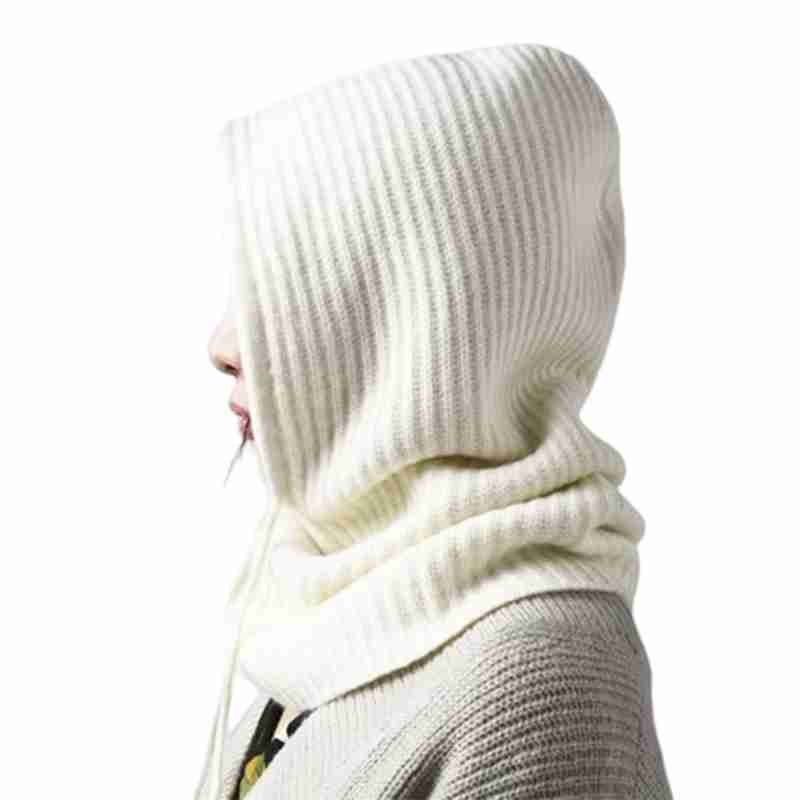
If you have artwork, logo files, or even just an idea, please share your project details—size, target fabric, color reference, and customization requirements. We’ll recommend suitable materials and provide a clear sampling plan to bring your custom plush toy design to life.
What Makes Our Custom Plush Production Reliable
Trust is built through predictable execution—clear approvals, documented specs, quality checkpoints, and packing confirmation. We focus on making your plush project easier to manage and safer to scale.
Reliable plush production is not about making one nice sample—it’s about delivering repeatable bulk quality, stable lead times, and clear project control from artwork review to shipment. What makes our custom plush program dependable is the way we manage the details that most often cause problems in mass production: face accuracy, proportion stability, embroidery/printing consistency, stuffing weight and firmness control, and secure attachment for keychains, clothing, and accessories.
We build reliability through a structured workflow: we confirm a practical spec checklist before sampling, document revision notes, and lock the final approval sample as a golden standard for production. During manufacturing, we apply multi-stage QC checkpoints (not just a final check) to prevent drift early, especially in character-critical zones like the face and silhouette. Before shipment, we also verify packaging and labeling—including hangtags, barcode/SKU labels, care/warning labels, and carton marks—so your receiving and retail handling are smoother and your products arrive with less risk of deformation.
Process Proof
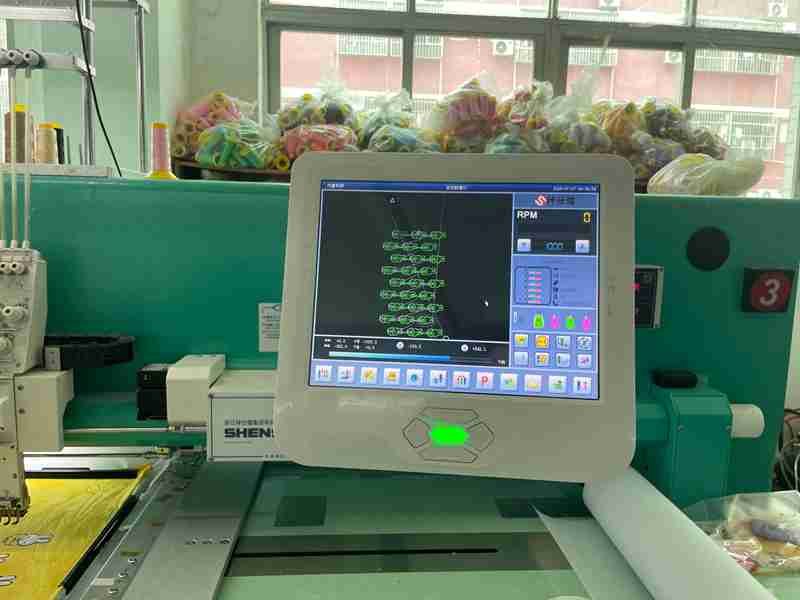
- Clear sampling-to-production approvals (prototype → revisions → final approval sample)
- Spec confirmation before bulk production (size, materials, logo placement, packaging)
- Revision notes that keep decisions traceable
- Golden standard concept for repeat orders
Quality Proof

- Multi-stage QC checkpoints across sewing, embroidery/printing, stuffing, finishing
- Needle control / needle detection option for finished plush (when required)
- Inspection focus on character-critical areas (face and silhouette) for IP plush
Delivery Proof
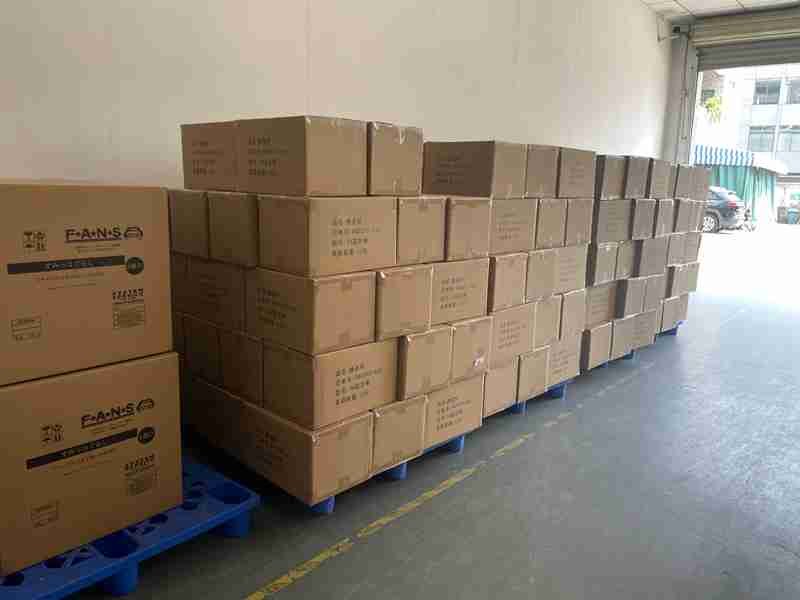
Packaging and labeling confirmation before shipment (photo proof + checklist)
Barcode and carton mark support (when required) (SKU/PO/qty/destination)
Packing suggestions to reduce deformation during transit (anti-crush, face protection)
Frequently Asked Questions
What drives MOQ and unit price for custom plush winter accessories?
Our standard MOQ is usually 500 pcs per design. For simple styles, 200–300 pcs can also be arranged for production. Since the quantity is smaller, raw material purchasing costs are higher, while the full production process still stays the same, so the unit price will be higher. In general, the larger the order quantity, the lower the unit cost. Once the order reaches 500 pcs or more, our pricing becomes much more competitive. We can stay flexible and work with different quantity needs based on your project.
MOQ and unit price for custom plush winter accessories are usually driven by overall program complexity, not by product name alone. A plush earmuff, scarf, glove, headband, sleep mask, or animal hat may look simple, but cost can change quickly once you add custom plush color, premium lining, insulation, shaped patches, gift packaging, or multiple SKUs. In other words, the number of variables that must be controlled at the same time is the real driver.
The biggest cost factors usually include custom-dyed plush fabric, lining upgrades, warmth layers, branding method, SKU count, and set packing. A single hero SKU in stock plush colors is usually easier to quote and run than a winter gift set with several colorways and custom labels. Logo choice also matters. Dense embroidery on plush takes more time and may not stay as clear as a woven patch or label.
A practical way to compare cost is to request two builds for the same style: one cost-control version with standard plush, simpler branding, and standard packing, and one warmth-premium version with upgraded lining, added insulation, and stronger packaging support. This makes price easier to review side by side and helps balance budget, comfort, and repeat-order stability.
How long is sampling and bulk lead time, and what causes delays?
For custom plush winter accessories, the full schedule is often shaped by decision speed more than sewing speed. Many delays do not begin on the sewing floor. They begin when branding changes late, packaging stays undecided, size grading is unclear, or SKU quantity keeps moving after sample work has already started. That is why a clear development sequence matters for plush earmuffs, scarves, gloves, hats, headbands, sleep masks, and winter gift sets.
A practical process usually moves through several steps: RFQ confirmation, first sample for fit and shape, updated sample for branding and placement, final approved sample, first production check, then bulk packing and shipment. If each stage locks one type of decision, the project usually moves more smoothly. If everything stays open at once, the timeline stretches and internal approval becomes slower.
The most common delay triggers are late packaging changes, switching embroidery to patch after samples are made, adding more colors too early, and missing channel details such as adult versus kids requirements. A strong way to reduce schedule risk is to lock three things early: warmth tier, branding method, and packaging format. Once those are fixed, plush winter accessory development usually becomes much easier to control.
How do we prevent approved sample vs bulk drift and write acceptance standards in the PO?
The safest way to prevent sample-to-bulk drift is to replace visual judgment with measurable rules. For custom plush winter accessories, the biggest problems often appear in elastic tension, logo placement, symmetry, seam strength, shedding, and packing deformation. If these points are not written clearly into the PO, the approved sample may look useful, but bulk execution can still drift.
A stronger approval pack usually includes four parts. First, keep one approved sample as the appearance and fit reference. Second, create a tolerance list for the main dimensions, such as hat circumference, earmuff pad diameter, scarf size, glove width, and logo position. Third, define a simple defect grading system with critical, major, and minor issues. Fourth, require a first-production check with photos and measurements before volume output continues.
This approach is practical because it reduces disputes later. Instead of arguing whether a bulk unit “looks close enough,” both sides can review size tolerance, placement tolerance, seam quality, and packing outcome against the written standard. For plush winter accessories, that kind of approval structure protects comfort, appearance, and repeat-order stability much better than relying on sample photos alone.
Which branding method keeps logos readable on plush?
For custom plush winter accessories, the best logo method usually depends on plush surface, artwork complexity, and comfort needs. Many teams assume embroidery is always the premium option, but on plush surfaces that is not always true. On medium or long pile plush, small text and thin lines can sink into the pile and lose sharpness. In those cases, woven labels or woven patches often keep branding clearer and more stable across bulk output.
Embroidery works better when the logo is bold, the strokes are thick, and the plush surface is shorter or more stable. Screen print or heat transfer may work on selected flatter areas, but they are not always ideal for long-pile winter plush accessories. Silicone or rubber patches can create a modern look, but they should stay away from forehead, ear-contact, neck-contact, or palm-contact areas.
Placement matters as much as the method. For earmuffs, the outer shell is safer than the inner pad. For scarves, an end corner is usually better than the middle neck zone. For gloves, the back of hand is safer than the palm. A readable plush logo comes from the right method, the right surface, and the right placement working together.
How do we control earmuff clamp feel and comfort in bulk? EN
For custom plush earmuffs, comfort is usually controlled by a system rather than one single part. The main factors are band core material, band curvature, pad thickness, pad softness, inner lining friction, and left-right symmetry. If clamp feel is judged only once during sample review and never written into the spec, bulk inconsistency becomes much more likely.
A practical way to manage this is to define a target comfort level during sample approval, such as soft or medium, then record a short wear test. A 10 to 15 minute wear check can reveal pressure points, slipping risk, heat buildup, or lining irritation. It also helps to compare the sample across more than one head size if possible.
For bulk control, the strongest checkpoints usually include band core specification, curvature comparison against the approved sample, pad thickness consistency, seam softness in skin-contact zones, and one short fit note during first production review. Packing matters too. If earmuffs are over-compressed in cartons, pad shape can change and the wearing feel may change as well. Clamp comfort becomes much easier to repeat when structure, fit, and packing are treated together.
How do we choose a warmth system for different climates and channels?
Warmth in custom plush winter accessories is not created by one thick plush fabric alone. It usually comes from a full material stack that includes outer plush, lining, optional insulation, support layers, seam finish, and the overall fit of the product. That is why the right warmth level should be chosen based on climate, sales channel, product positioning, and expected wear time.
For promotional gifting or milder winter use, a cost-control build with plush outer and simple lining may already be enough. For colder weather, eCommerce, or retail channels where comfort reviews matter more, a warmth-premium build may be safer. That often includes softer inner lining, additional warmth layers, and better shape support for earmuffs, hats, and hand warmers.
Product type matters too. Scarves need soft neck-contact handling. Gloves need warmth without losing hand movement. Earmuffs need ear-pad comfort without relying only on stronger clamp pressure. Hats need both warmth and stable shape. The most useful comparison method is often to sample two warmth tiers with the same outer appearance. That gives a clearer basis for judging comfort, warmth feel, weight, and packing impact before final approval.
How do we manage kids vs adult safety risks for plush winter accessories?
For plush winter accessories, kids’ safety and adult comfort should not be treated as the same standard. Children’s programs usually require stricter control over detachable parts, long cords, hard trims, label backing, and skin-contact finishing. Adult styles may allow more decorative freedom, but even then, comfort around face, ears, forehead, neck, and hands still needs attention.
A safer kids-focused approach usually includes embroidered details instead of hard plastic parts, stitched patches instead of glue-only decorations, shorter controlled straps instead of loose cords, and soft backing in skin-contact zones. For earmuffs, the inner ear pad should stay soft and seam-free where possible. For hats and headbands, trims should avoid hard pressure zones. For scarves and gloves, rough edges and seam rubbing are common comfort complaints.
The best way to reduce safety and comfort problems is to write them clearly into the project documents. That may include no detachable small parts, no sharp edges in contact zones, controlled strap length, soft backing requirements, and pull checks for trims. When kids and adult styles are separated early, development becomes much smoother and fewer redesigns are needed later.
What packaging rules avoid deformation and set mix-ups?
For custom plush winter accessories, packing is not just a shipping step. It directly affects product shape, pairing accuracy, unboxing condition, and return risk. This is especially important for 3D items such as plush earmuffs, animal hats, hand warmer muffs, and multi-piece winter sets that include scarves, gloves, or matching accessories.
The first rule is to avoid over-compressing cartons. A carton that saves freight but crushes shape often creates more complaints later. Earmuffs may lose pad volume, hats may lose face shape, and hand warmer openings may collapse. A no-crush carton rule, basic orientation control, and random carton-opening checks before sealing can reduce this risk significantly.
For gift sets, the main issue is usually mix-up, not deformation. A more stable process uses one kitting station, one checklist, one visual color reference, and a clear label map. Set-level barcodes also help for warehouse handling. Carton marks should show set SKU, colorway, quantity, and destination where needed. When packing rules are treated as part of product control rather than an afterthought, winter plush accessories usually arrive in a much better condition.
What files and info should we send for an RFQ?
A fast and accurate RFQ for custom plush winter accessories usually needs more than one reference image. To quote clearly and move sampling faster, the development side needs to understand product type, audience, warmth level, branding direction, packaging format, and the expected quantity structure. Without those details, even a good reference picture is not enough to build a stable quote.
A useful RFQ pack often includes these basics: product type, whether it is a set, adult or kids positioning, target climate, sales channel, target warmth tier, estimated quantity, size grading if needed, colorway count, logo method, packaging direction, required labels, target dates, and reference photos from more than one angle. If the project includes character details or a special expression style, close-up references are also very helpful.
It is equally useful to request structured feedback in return. A good reply should include the assumed material stack, two build directions when possible, sample route, risk notes, and any early comments about fit, branding, or packing challenges. The better the RFQ information is organized, the easier it becomes to compare costs, reduce misunderstanding, and push the project into sampling without repeated clarification rounds.
How do we plan reorders to keep repeatability season to season?
For plush winter accessories, stable repeat orders usually depend on locking the parts that most affect comfort, appearance, and post-shipping condition. Many teams assume reorders only require the same style name, but repeatability is actually more sensitive than that. If the plush base changes, the lining changes, the elastic tension changes, or the logo placement shifts, the product may feel different even when it looks similar.
The most useful approach is to lock a small group of critical items: base plush fabric, key lining, elastic or band-core spec, logo method and placement, and packing rules. These are often the parts that control clamp feel, skin-contact comfort, logo readability, and shape recovery after shipment. Seasonal updates can still happen, but safer changes usually involve color refresh, new hangtags, or packaging graphics rather than structural changes.
A stronger reorder process also includes checking the first output of each new run against the approved reference sample. Photos, measurements, and key fit notes help catch drift before volume grows. For mixed-SKU winter programs, it also helps to keep label rules and carton marks stable. Reorders become much easier when the core material and fit system stay locked from season to season.
Start Your Custom Plush Project Today
If You Can imagine it,We Will Create it!
Whether you are a brand, creator, retailer, or agency, our Guangdong plush factory is ready to support your OEM/ODM development. Send us your design, concept, or reference image — our team will reply with a free development proposal and quotation.
1. Tell Us What You Need
Tell us your requirements and share your artwork or reference images.
2.Get a Solution & Quote
We’ll suggest the best solution based on your requirements, and provide a detailed quote within 12 hours.
3.Approve for Mass Production
We will start mass production after getting your approval.