 Skip to content
Custom Character Plush Toys
From character artwork to retail-ready plush toys for brand, IP, licensing, game, and promotional programs.
Turn original characters, mascots, game roles, book figures, and brand icons into plush toys with clear development control.
Our Guangdong plush division supports artwork review, structure planning, paper pattern making, sample development, revision, bulk production, quality checks, labels, packaging, and shipment preparation.
With 20+ years of OEM/ODM plush project experience, 35+ pattern makers, 80 QC inspectors, 30+ production lines, and around 18,000㎡ of factory space, your character project moves from creative idea to repeatable production standard.

Built For Character Programs With Real Product Goals
Character plush projects often involve more than one cute sample. Brand teams need artwork accuracy, safe materials, SKU control, labels, retail packaging, and repeatable production records. Heyzizi supports different project teams with development steps matched to their launch plans and channel needs.
IP Owners
For licensed characters, small details often affect approval, including eye distance, eyebrow angle, mouth curve, fabric direction, and clothing proportion.
Our team can help organize artwork comments, sample revisions, material records, and approved sample standards, so every later order has a clear reference instead of relying on memory.
Retail Brands
We can support plush size planning, retail packing review, SKU labels, care labels, woven labels, hangtags, inner packing, and outer carton marks. For multi-character retail lines, we help keep the same sitting height, stuffing feel, fabric grade, and packaging rule across each design, so the collection looks planned when displayed together.
Game Studios
We help translate game art into plush-friendly construction while keeping the most recognizable elements. When one design has too many hard-to-sew details, our team can suggest safer fabric layers, embroidery mapping, printed panels, or simplified accessories that still protect the character identity.
Animation Brands
We review the front view, side view, back view, and key expression before sample planning. For plush dolls, character toys, and collectible soft toys, we can help decide whether embroidery, applique, printing, short plush, crystal velvet, or faux fur gives a closer visual result. The goal is a soft toy that still feels like the original screen character.
Book Publishers
We can help turn book illustrations into plush toys with a suitable size, rounded shape, embroidered facial details, soft filling, care labels, story hangtags, and gift packaging. For book-and-plush sets, size matters because the toy must fit box dimensions, shelf display, storage needs, and shipping cartons. We can also discuss age-related design choices, small-part risks, and testing direction during early development.
Promotional Programs
A campaign plush may use a brand mascot, event role, seasonal icon, sports symbol, or limited-edition character. We help review logo placement, event quantity, packing method, carton marks, delivery destination, and launch date before production planning. For 500 pcs and above, early confirmation of artwork, size, fabric, embroidery, label, and packing method can reduce many late-stage changes.
Character Plush Projects Can Fail Before Production Starts
Most quality problems begin before the fabric is cut. If artwork, structure, facial details, stuffing feel, packaging, and approval standards are unclear, a beautiful idea may become an unstable product. Early review keeps the project easier to approve, produce, inspect, pack, and repeat.

Weak Character Match
Unclear Face Details
Wrong Plush Structure
Sample Revision Drift
Bulk Inconsistency
Late Packing Decisions
From Artwork Into Production-Ready Plush
Most quality problems begin before the fabric is cut. If artwork, structure, facial details, stuffing feel, packaging, and approval standards are unclear, a beautiful idea may become an unstable product. Early review keeps the project easier to approve, produce, inspect, pack, and repeat.
Artwork Review Before Pattern Work
Character artwork can arrive as vector files, illustrated turnarounds, mascot drawings, game renders, book illustrations, hand sketches, or reference photos. Before any pattern work, our team reviews the design from a soft product perspective. A flat drawing may look clear on screen, but plush production needs seam positions, fabric direction, filling volume, embroidery space, and accessory attachment methods.
Artwork review normally checks the following:
- Front, side, and back views when available
- Face expression, eye position, mouth curve, and eyebrow shape
- Main body proportion, sitting or standing posture, and balance
- Fabric color references, Pantone notes, and contrast areas
- Clothing, accessories, labels, logo placement, and packing direction


Structure Planning For Soft Form
A character plush toy needs a soft structure, not a direct copy of the drawing. Pattern planning decides whether the character should be round, flat, seated, standing, chubby, long-limbed, short-limbed, pillow-like, or keychain-sized. The same artwork may need different structures for retail plush, mini plush, plush bag charms, plush pillows, or collectible plush toys. Our 35+ pattern makers review how each shape will hold after cutting, sewing, filling, and finishing.
Structure planning usually covers:
- Head volume, body curve, arm and leg length
- Seam line location and fabric stretch direction
- Stuffing space, softness level, and shape stability
- Small part risk, accessory weight, and attachment method
- Size planning for 10 cm, 15 cm, 20 cm, 30 cm, or larger plush
Sample Revision With Clear Records
For custom character plush toys, sample development usually checks face, proportion, fabric, embroidery, filling, pose, clothing details, and packing fit. A first sample normally takes 7–14 days after key details are clear. Revision time is often 5–10 days, depending on how much needs to change. A simple face thread update is different from changing head shape, body pattern, fabric type, or accessory construction. Clear revision records help every change become measurable.
Revision work may include:
- Face adjustment: eye distance, mouth curve, brow angle, cheek shape
- Pattern update: head size, body curve, ear shape, tail position
- Material change: fabric texture, color, pile length, clothing fabric
- Filling change: firmness, softness, sitting balance, handfeel
- Packing check: polybag fit, hangtag position, box size, carton plan
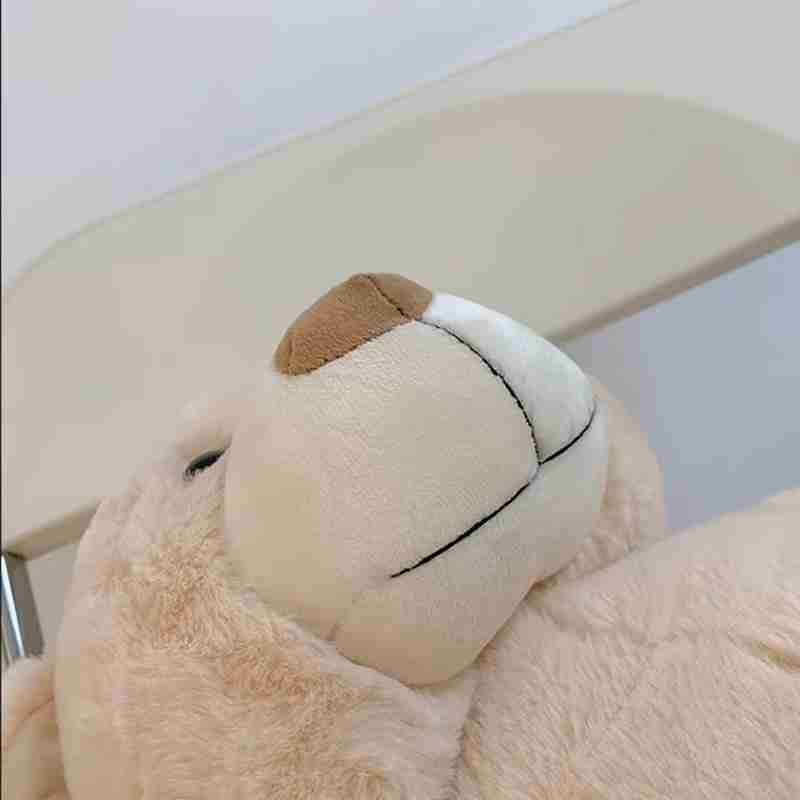
Character Plush Formats For Brand Programs
Character plush toys can become retail dolls, mascot gifts, collectible soft toys, plush keychains, bag charms, pillows, or event items. Choosing the right format early helps control size, detail level, packaging, cost, and delivery planning.
Mascot Plush Toys

Mascot plush toys are suited for brand campaigns, sports teams, schools, entertainment venues, hotels, museums, and corporate character programs. A mascot usually has strong visual symbols: a logo, color, signature face, uniform, hat, badge, or special body shape.
Development should protect those symbols while keeping the plush soft, balanced, and easy to pack. For 500 pcs and above, size, sitting posture, fabric type, and label position should be confirmed before sample work begins.
Anime Character Plush

Anime character plush toys need accurate facial embroidery, hair shape, clothing layers, and body proportion. The challenge is not only softness but also character identity. Many anime-style projects need small eyes, sharp expressions, special hairstyles, jackets, skirts, capes, shoes, or tiny accessories.
Before sampling, we review which details can be sewn, embroidered, printed, or simplified. For series programs, keeping the same head scale and fabric feeling across characters helps the collection look planned.
Retail Character Plush

Retail character plush toys need shelf presence, barcode use, hangtag position, consistent size, neat stitching, and repeat order records. A retail plush line may include several characters with one shared packaging rule.
The size, fabric, stuffing feel, label position, and carton mark should remain organized from the first order. For larger programs, SKU lists, barcode files, care labels, hangtag artwork, and packing methods should be reviewed before bulk production to avoid warehouse confusion.
Game Character Plush

Game character plush toys often carry unique equipment, fantasy shapes, pixel-style features, badges, weapons, tails, wings, helmets, or creature details. Plush conversion should keep the strongest recognition elements while avoiding unsafe or unstable structures.
A sword may need soft fabric and light filling. A helmet may need panel shaping. A wing may need reinforcement. A badge may work better as embroidery. Early structure review helps the finished plush feel true to the game role without creating bulk production trouble.
Mini Character Plush

Mini character plush toys are suitable for gift sets, blind box ideas, tourism shops, event packs, retail add-ons, and collectible programs. Smaller sizes make detail control more difficult. Eyes, mouths, ears, tails, and clothing need to be simplified without losing identity.
A 10 cm plush cannot carry the same detail load as a 25 cm plush. We review which features must stay visible and which can become embroidery, printed fabric, or cleaner color blocking.
Book Character Plush

Book character plush toys are often developed for storybook sets, school reading programs, museum shops, gift boxes, and children’s education products. The design should feel warm, friendly, and safe to handle.
Embroidered eyes, rounded edges, soft filling, clear care labels, and story hangtags are often preferred. Size planning matters because the plush may need to fit inside a book gift box or display with printed materials. Early packing review prevents size conflicts later.
Character Plush Keychains

Character plush keychains turn a plush design into a portable brand item. They are useful for retail counters, gift shops, events, fan merchandise, tourism stores, and licensed character collections. Small size means metal accessories, loop strength, seam allowance, and stuffing control require attention.
Logo tags, hangcards, barcode stickers, and individual packing are often needed. Before production, we review whether the character shape can remain readable after shrinking into keychain size.
Plush Bag Charms

Plush bag charms are often used by fashion brands, lifestyle brands, character IP programs, and gift projects. Compared with keychains, bag charms may need a more decorative feeling, stronger color styling, ribbon details, metal hooks, woven labels, or premium hangtags.
The plush must be light enough for bags but firm enough to hold its shape. When used as a brand accessory, fabric texture, logo detail, and packaging style should match the wider product line.
Character Plush Pillows

Character plush pillows work well for retail gifts, home décor, fan merchandise, children’s rooms, event gifts, and brand comfort products. The structure is usually flatter than a standard plush doll, but the face and color blocks still need strong recognition.
Pillow size affects filling volume, carton size, shipping cost, and display style. If the character has a round face or iconic expression, the plush pillow format may create a strong visual result with fewer tiny parts.
How Character Accuracy Is Controlled
Character plush quality depends on recognition, not only softness. Face mapping, shape balance, and detail approval help a plush toy stay close to the original character while still being safe, soft, sewable, packable, and repeatable.
Face Mapping
The face is usually the fastest way people recognize a character. Eye distance, pupil shape, eyebrow angle, mouth width, cheek curve, nose height, and embroidery thickness can change the whole personality. During face mapping, we compare artwork with the planned plush size, then decide which parts should be embroidered, printed, appliqued, or sewn with fabric panels.
Key checks include:
- Eye placement compared with head width
- Thread color against fabric color
- Mouth curve and smile direction
- Embroidery density for small faces
- Plastic part risk when children may handle the plush
Shape Balance
A plush character must look close to the artwork and still hold a stable, soft shape. Head size, body height, arm length, leg angle, tail position, ear volume, and bottom width all affect balance. A character with a large head may look cute, but may lean forward if the body pattern is too narrow. A long tail may pull the shape backward. A standing plush toy may need hidden support from wider feet or firmer filling.
Key checks include:
- Sitting or standing posture
- Center of gravity after filling
- Seam lines around curved panels
- Filling density in head, body, and limbs
- Accessory weight on small plush sizes
Detail Approval
Character details should be approved in layers, not all at once at the end. Fabric, color, embroidery, clothing, labels, accessories, hangtags, and packing all need clear approval before bulk work starts. A small badge or sleeve stripe may seem simple, yet it can create repeated checking work when many pieces are produced.
Key checks include:
- Approved sample photos from several angles
- Fabric swatches and thread references
- Clothing panels, patch size, and logo position
- Label rule, hangtag direction, and barcode location
- Packing method, carton mark, and SKU grouping
Materials Shape Character, Feel, and Approval
Material choice changes how a character looks, feels, photographs, packs, and repeats in later orders. Fabric, pile length, filling density, thread color, and accessory fabric should be reviewed together before sample work moves too far.


| Material / Filling | Best For | Character Effect | Development Notes |
|---|---|---|---|
| Short Plush | Mascot plush, event plush, simple retail characters, mini plush toys | Clean surface, clear shape, cost-friendly for larger orders | Short pile helps embroidery look sharper and keeps small facial details easier to read. It suits characters with strong color blocks, simple body shape, and clear logo placement. For complex characters, tiny accessories may still need fabric panels, applique, or embroidery simplification before sampling. |
| Super Soft Plush | Retail plush, children’s gift plush, book character plush, comfort-style characters | Soft handfeel, warm touch, friendly appearance | Super soft plush works well when a character should feel gentle and huggable. It can make round faces and simple body shapes more appealing. Pile direction, color match, and embroidery placement should be checked carefully because soft fabric can shift slightly during cutting and sewing. |
| Crystal Velvet | Premium character plush, gift sets, collectible plush, polished brand programs | Smooth surface, refined look, stronger color brightness | Crystal velvet can give a cleaner, more premium finish, especially for characters with smooth color areas or fashion-style bodies. It photographs well for product displays. For small curved parts, seam control and stuffing balance matter because the smooth surface makes uneven shaping easier to notice. |
| Faux Fur | Animal characters, fantasy creatures, mascot animals, textured roles | Rich fur texture, lively animal feeling, stronger volume | Faux fur suits lions, bears, rabbits, monsters, fantasy pets, and fluffy mascots. Fur direction must be planned before cutting. Long pile may hide embroidery edges, seam lines, or small printed details. For character faces, shorter pile or mixed fabric areas may help keep expression visible. |
| Sherpa Fabric | Cozy characters, winter collections, healing plush, lifestyle gift plush | Rounded, warm, soft, comfort-driven appearance | Sherpa gives a soft and relaxed feeling. It works well for simple shapes, emotional-support style plush, seasonal plush, and home gift lines. Small facial features need enough contrast, because textured fabric can reduce detail sharpness. Embroidery density and thread color should be checked on real fabric swatches. |
| Minky / Velboa | Baby-safe style plush, cute animal plush, simple character toys | Smooth touch, stable surface, gentle look | Minky and velboa are often used when a character needs a neat surface and soft touch. They work well with embroidered eyes, rounded limbs, and clean color panels. For larger plush, filling control becomes important because smooth fabric can reveal uneven stuffing or weak body curves. |
| Cotton / Jersey Fabric | Cloth characters, soft dolls, apparel-style parts, removable outfits | Natural look, clothing-like texture, flexible finish | Cotton and jersey fabrics are useful for character clothing, doll bodies, scarves, caps, or layered outfits. Stretch level, shrinkage, seam allowance, and colorfastness should be reviewed. For plush bodies, fabric may need backing or structure support if the design needs a stable shape. |
| PP Cotton Filling | Standard character plush, mascot plush, retail plush, pillows | Soft, light, flexible, common plush filling | PP cotton is widely used for soft toys because it supports a gentle handfeel and flexible shaping. Filling amount affects firmness, body curve, sitting balance, and carton volume. Approved sample filling level should be recorded, so later production can follow the same softness direction. |
| High-Resilience Fiber | Premium plush, larger plush, huggable character toys | Better rebound, fuller shape, more stable volume | High-resilience fiber helps plush toys keep a fuller shape after compression. It is useful for larger heads, rounded bodies, and plush pillows. It may increase material cost, yet it can improve display quality and touch feeling when the product must look full on shelves or in gift packaging. |
| Weighted Beads | Weighted character plush, calming plush, comfort gift plush | Heavier feel, grounded touch, special comfort value | Weighted filling requires careful review of target weight, inner pouch, seam strength, leakage control, label text, and safety direction. It should not be added casually to every character. Age group, sales region, testing needs, and packing weight should be discussed before sample development. |
Branding Details Make Plush Ready For Launch
Custom character plush toys often need more than a nice body shape. Logo placement, care labels, hangtags, barcode files, SKU labels, and outer carton marks should be planned early, especially for retail, gift, licensing, and event programs.
Logo Embroidery

Woven Labels

Care Labels

Hangtags

Barcode Labels

Retail Packaging

Sample Development Sets: The Bulk Standard
A character plush sample is not only a preview. It becomes the reference for fabric, pattern, embroidery, filling, labels, packaging, QC checks, and repeat orders. Clear sampling work reduces late changes before bulk production.
Feasibility Review

Sampling starts with a feasibility review. A brand team may send character artwork, mascot files, game renders, hand sketches, front view, side view, back view, reference photos, logo files, Pantone notes, target size, quantity per design, and packaging ideas. A complete file set helps the sample move faster, yet one artwork or reference photo can begin an early review.
During feasibility review, Heyzizi checks whether the character can become a soft product without losing its identity. The review looks at body shape, face detail, fabric choice, embroidery space, accessory structure, size, packaging, target sales region, and timeline.
Pattern And Material Setup

After the feasibility review, the pattern and material setup begin. Pattern makers convert the character into cuttable fabric panels. They decide seam line placement, head volume, body curve, ear shape, arm and leg length, tail angle, clothing layers, and accessory parts.
Material setup happens at the same time. Fabric swatches, embroidery thread colors, applique fabrics, printed panels, inner filling, woven labels, care labels, hangtags, and packaging samples may all need preparation. Approved material direction should match the intended use.
First Sample And Revision

The first sample usually takes 7–14 days after key requirements are clear. A complex character may require one or more rounds of revision before approval. Revision usually takes 5–10 days, depending on whether changes involve embroidery only, paper pattern update, material replacement, or full structure adjustment.
After approval, the sample becomes the working standard. Bulk teams use it for material purchasing, cutting, embroidery, sewing, stuffing, shaping, QC, label attachment, and packing.
Plan Quantity, Cost, and Schedule Before Bulk Work
Character plush projects move faster when size, quantity, fabric, embroidery, labels, packing, and launch timing are reviewed together. Clear early details help avoid late changes, rushed sampling, wrong material choices, and packaging delays.
| Planning Item | Standard Direction | What It Changes | Details To Prepare |
|---|---|---|---|
| MOQ | Standard MOQ starts from 500 pcs per design | Quantity affects unit cost, material purchase, cutting plan, packing plan, and production schedule | Prepare quantity per character, number of styles, expected repeat plan, and whether all characters share the same size and packing rule |
| Sample Fee | Custom plush samples usually require a sample fee | Sample fee covers pattern work, material setup, embroidery trial, sewing, filling, revision handling, and sample room time | Prepare artwork, size, fabric preference, logo details, packing idea, and target use before sample quotation |
| Sample Fee Refund | Sample fee can be refunded or deducted when the single-style bulk order reaches 2,000 pcs | Larger confirmed orders make sample investment easier to balance with bulk production | Confirm whether the order is one character or a multi-character series, and how many pieces each design will need |
| First Sample Time | Usually 7–14 days after key details are clear | Complex embroidery, clothing, special fabric, accessories, and packaging checks may extend sample work | Prepare front view, side view, back view, Pantone notes, embroidery files, and size target where possible |
| Revision Time | Usually 5–10 days depending on change level | Face adjustment is faster than pattern remake, fabric replacement, or full structure change | Mark comments clearly on photos and separate must-change details from preference-based changes |
| Bulk Production Time | Usually 30–45 days after approved sample and order details are confirmed | Timing depends on size, quantity, fabric, embroidery, accessories, labels, packing, testing, and production schedule | Confirm approved sample, final quantity, label files, packing files, carton marks, and shipment destination |
| Price Factors | Size, fabric, filling, embroidery, accessories, clothing, label, packaging, testing, and order quantity | More detail often means more sewing steps, longer inspection time, higher material use, or larger cartons | Prepare a clear priority list: must-keep details, adjustable details, and cost-sensitive areas |
| Packing Factors | Polybag, hangtag, care label, barcode, gift box, blind box, display box, and carton mark | Packing affects artwork setup, box size, carton quantity, warehouse handling, and shipment volume | Prepare retail channel needs, barcode files, SKU list, gift box artwork, and carton mark rules |
| Testing Direction | EN71, ASTM, CPSIA, CE-related support, REACH, or other target-region needs may apply | Testing can affect material choice, small part design, label wording, and schedule | Share target sales region, age direction, product use, and any required test plan before bulk production |
| Quote Details | Complete files help quotation become clearer within 24 hours | Missing size, quantity, fabric, or packing details can only lead to rough cost direction | Send artwork, target size, quantity per design, packing needs, label needs, and delivery date for a more accurate review |
Cost control should not mean removing every detail from a character. The better way is to decide which details create recognition and which only add complexity. For example, embroidered eyes, clear color blocking, and a signature accessory may be more important than tiny clothing lines hidden under the arm. A 20 cm character plush may carry more facial and clothing detail than a 10 cm keychain. When cost pressure appears, Heyzizi can review size, fabric grade, embroidery area, accessory structure, label type, packing method, and carton plan.
Bulk Quality Starts From The Approved Sample
Bulk production should follow a clear sample standard, not verbal memory. Approved sample, fabric record, embroidery file, filling level, label rule, packing method, and inspection steps keep character plush toys closer to the signed-off version.
From Approved Sample To Cutting
Once a character plush sample is approved, the work standard needs to be locked before bulk production begins. Approved sample photos, pattern version, fabric record, embroidery file, label file, packing instruction, and carton plan should stay connected. When several characters share one program, each design needs its own style record, even if the fabric or packing looks similar.
Heyzizi’s plush division has 300+ pieces of equipment and 30+ production lines, yet scale alone does not protect character accuracy. Clear pre-production standards matter more. Before cutting, the team reviews material readiness, pattern version, fabric color, embroidery needs, and packing schedule. This step helps keep sampling decisions connected to bulk work.


Sewing, Filling, and Shape Control
Character plush sewing requires more than joining fabric panels. Seam curve, turning opening, stitch distance, accessory placement, clothing layer, ear angle, tail position, and face alignment all affect final appearance. A plush face may look different if one seam shifts by a few millimeters. A mascot’s body may lose its round look if the stuffing space is uneven. Clothing details may twist if the sewing order is not controlled.
With 600+ staff and 80 QC inspectors, Heyzizi can arrange inspections across production steps rather than waiting until final packing. In-process checking helps spot embroidery shifts, weak seams, wrong accessory position, uneven filling, loose thread, fabric stains, or shape drift earlier. Early correction is more reliable than repairing packed goods.
Final Checks Before Packing
Final checking should compare bulk goods with the approved sample. For character plush toys, appearance inspection needs to cover face expression, head-body proportion, fabric color, embroidery clarity, seam shape, stuffing feel, accessory placement, label position, hangtag use, barcode label, and packing method. Each style should be checked against its own reference, especially for multi-character series.
Packing review connects product quality with delivery quality. A perfect plush can still create trouble if carton marks, style codes, quantities, or barcode labels are wrong. Before shipment preparation, the packing team checks polybag direction, hangtag position, SKU grouping, carton quantity, carton mark, and packing photos.

Keep Every Character In One Clear System
Multi-character plush programs need more than separate samples. Character list, size rule, fabric record, embroidery files, labels, packing method, and repeat order data should be managed as one system from the first approved sample.
Character List
A character series needs a clear style list before sampling becomes too deep. The list should include character name, style code, target size, quantity, pose, main fabric, color notes, accessory details, label rule, and packaging type. Without a complete list, one character may receive more detail than another, or one style may use a different size without planning.
For IP series, game roles, animation lines, retail collections, and blind box plush ideas, character list control helps the whole program stay organized. If the first order includes 4 characters at 1,000 pcs each, and the next order adds 2 more styles, the same list can guide size, fabric, tag, barcode, carton mark, and repeat order review.
Size Standard
Size control matters when several characters appear together. A 20 cm cat, a 20 cm robot, and a 20 cm human-style plush may not look equal if head shape, ear height, hair, hat, or tail changes the visual height. Before production, size rules should clarify whether measurement means full height, sitting height, body height, or packed height.
For retail shelves, series of plush toys should look balanced. For blind boxes or gift boxes, size needs to fit packaging dimensions. For event kits, carton volume and shipping weight may matter more. Heyzizi can help compare artwork proportion, sample size, and packing space before approving each style.
Fabric Record
A fabric record protects future consistency. A character series may use short plush for the body, crystal velvet for clothing, faux fur for ears, cotton for the scarf, and different thread colors for face embroidery. If material records are not kept, repeat orders may show color differences, texture changes, or inconsistent handfeel.
Fabric records should include fabric name, color reference, pile length, direction, approved swatch, usage area, and any replacement option. When a material becomes unavailable, having the original record makes replacement review easier. A close substitute can be checked against the approved sample rather than selected by guesswork.
Embroidery Files
Embroidery files should stay connected to each character and each size. A face embroidery file for a 25 cm plush may not work well on a 10 cm keychain. Thread thickness, stitch density, eye spacing, and mouth curve may need adjustment by size. For character series, embroidery files should be named and stored clearly.
Good file control helps protect face consistency. If one character has several expressions, each expression needs its own file record. If a logo appears on clothing or foot pads, the logo embroidery file should also be linked to the correct style. Clear file naming reduces mistakes during repeat orders or added-style development.
Packaging Rule
A series plush program should not treat packaging as an afterthought. Hangtags, care labels, barcode stickers, gift boxes, blind boxes, display cartons, and outer carton marks must follow a clear rule. A collection may use one box structure but different character names, color icons, artwork panels, or barcode labels.
Packaging rule control helps retail and distribution teams avoid confusion. If several characters share similar size and color, barcode placement and carton marks become especially important. For export shipments, packing photos, carton quantity, gross weight, net weight, and carton size should match the shipping plan.
Repeat Order Records
Repeat orders become easier when the first project is recorded correctly. Approved sample photos, pattern version, material record, embroidery file, label artwork, packing instruction, carton mark, and inspection notes should be kept together. This helps later orders follow the original standard faster.
For long-term character programs, records also support new style development. If a series began with 3 characters and later expands to 8, the old records help new designs match the same softness, size direction, fabric feeling, tag style, and packing system. A controlled record system protects brand consistency as the character world grows.
Packaging Should Support The Product Plan
Character plush packaging affects retail display, gift presentation, barcode use, warehouse handling, carton volume, freight cost, and final launch timing. Packing details should be planned during sampling, not after bulk goods are finished.


| Packing / Delivery Item | Best For | What To Confirm | Why It Matters |
|---|---|---|---|
| Individual Polybag | Event plush, standard retail plush, warehouse-ready goods, gift pack inserts | Bag size, warning text, suffocation notice, barcode sticker, SKU label, and packing direction | A fitted polybag protects fabric from dust and keeps each plush easier to count, sort, scan, and pack into cartons. Poor bag size may flatten ears, bend accessories, or make the product look careless when opened. |
| Hangtag | Retail character plush, licensed plush, mascot plush, book character toys, gift shop plush | Character name, brand story, artwork approval, barcode, QR code, tag size, string type, and attachment position | Hangtags carry the first printed identity attached to the plush. A good tag explains character value, supports shelf display, and helps retail teams handle product information without extra inserts. |
| Woven Label / Care Label | Private label plush, children’s plush, export plush, long-term character programs | Logo, material wording, care instruction, origin text, age direction, warning notes, and label position | Labels protect identity and compliance communication. Late label changes may affect sewing order, packing schedule, and region-specific delivery requirements. |
| Gift Box | Premium plush, book-and-plush sets, brand gifts, holiday sets, collector products | Box structure, window size, insert support, artwork files, product fit, and carton quantity | Gift boxes improve presentation but also change carton size, freight volume, and packing time. Box dimensions should be checked with the approved sample before bulk box printing. |
| Blind Box | Collectible character series, hidden-style plush, fan merchandise, seasonal drops | Style ratio, box artwork, character codes, inner bag, barcode rule, and carton grouping | Blind box projects need stronger SKU and packing control. A packing mistake can affect style mix, retail display, and end-user experience even when plush quality is correct. |
| Display Box | Store shelves, museum shops, visitor shops, counter displays, licensed collections | Display angle, front opening, product visibility, barcode position, and box strength | Display packaging helps plush toys sell visually. Box structure must protect the character face, ears, accessories, and hangtag while still showing enough product shape. |
| Master Carton | Export shipment, warehouse receiving, retail distribution, event delivery | Carton size, quantity per carton, gross weight, net weight, carton mark, SKU grouping, and mixed carton rule | Correct carton data helps receiving teams identify goods quickly. Wrong carton marks or mixed-SKU information can delay warehouse intake even when the plush toys are ready. |
| Shipping Method | Sample shipment, urgent event order, standard bulk order, large replenishment | Destination, delivery date, carton volume, chargeable weight, incoterms, and forwarder details | Plush toys are light but bulky. Packing volume often affects freight cost more than product weight. Early delivery planning helps choose express, air, sea, or combined transport more calmly. |
Packaging should be reviewed with the sample, not after production ends. A plush toy may pass appearance approval yet fail packing fit because the ears bend, the tail pushes against the box wall, the hangtag covers the face, or the barcode sticker sits in the wrong place. Early packing checks can prevent those small but costly issues.
For retail and licensed character programs, packaging also affects approval. Artwork panels, character names, logo placement, safety text, barcodes, QR codes, and product photos may need internal review before printing. For gift boxes or blank boxes, box printing should not begin until sample size and shape are stable. For cartons, outer marks should match the SKU list, quantity, destination, and warehouse rule.
A clean packing review usually checks product fit, label direction, barcode readability, carton quantity, weight, carton mark, and packing photos. The goal is simple: goods should arrive looking organized, easy to identify, and ready for the planned channel.
Protect Character Files Before Public Release
Character plush projects often involve unreleased artwork, licensed roles, brand mascots, game designs, book characters, or limited-edition product plans. File control, sample handling, version records, and confidential communication help protect creative assets during development.
Confidential Artwork Handling
Character artwork is often more valuable than the plush sample itself. A new mascot, game role, animation figure, book character, or licensed design may be planned for a launch window, retail season, event campaign, or fan release. Early file handling should therefore be clear before sampling begins.
Heyzizi can work with artwork files, sketches, reference images, front-side-back views, logo files, Pantone notes, packaging artwork, and label files through controlled communication. When a protected project is involved, files should be shared only with team members connected to artwork review, paper pattern making, embroidery setup, sample sewing, material sourcing, QC, and packing preparation.
Sample Privacy Control
A character plush sample may pass through several stages before approval. It may include pattern testing, embroidery trials, fabric comparison, filling adjustment, clothing changes, label placement, or packaging checks. Each stage may create photos, videos, marked comments, or physical samples.
During sample development, privacy control helps avoid confusion and accidental exposure. A rough sample may not represent the final approved character. A first sample may have unfinished embroidery, the wrong color, a missing label, or temporary fabric. If such images appear outside the approval process, they may create misunderstanding around the character design or brand quality.
Version Records For Long-Term Use
Character plush programs often grow over time. A first order may include one mascot plush at 500 pcs. A later season may add a 15 cm mini plush, a 10 cm plush keychain, a holiday outfit version, or several new characters. Without file records, later development may drift away from the original approved look.
Version records help protect continuity. Pattern version, embroidery file, fabric swatch, thread color, label artwork, hangtag artwork, packing rule, carton mark, and approved sample photos should stay connected. When a character returns for a repeat order or a new size, the development team can compare new work with older records instead of starting again.



















Request a Custom Sample First?
If you have artwork, logo files, or even just an idea, please share your project details—size, target fabric, color reference, and customization requirements. We’ll recommend suitable materials and provide a clear sampling plan to bring your custom plush toy design to life.
FAQ For Custom Character Plush Toys
Before starting a custom character plush toy project, most brand teams want clear answers about artwork, MOQ, samples, character accuracy, materials, labels, safety, packaging, bulk quality, and delivery. The answers below are written for serious plush programs where the final product must look close to the character design, pass internal review, and move into stable production.

Can you make custom character plush toys from our artwork?
Absolutely. Heyzizi can develop custom character plush toys from original artwork, mascot files, game roles, animation designs, book characters, hand sketches, or reference images. The process starts with artwork review, then moves into structure planning, paper pattern making, fabric selection, embroidery mapping, sample development, revision, and approved sample control. For stronger accuracy, front, side, and back views are helpful, but one clear artwork can still begin an early feasibility review. A plush toy is not a flat print; face shape, seam lines, fabric thickness, filling space, and balance all affect the final look. Early review helps keep the character recognizable before sample work becomes too far advanced.
What files should we send before sampling?
For a smoother start, please send the character artwork, target size, quantity per design, expected use, fabric preference, logo needs, label requirements, packaging plan, target sales region, and delivery date. If available, front, side, and back views are especially useful for character plush toys because they help the pattern team understand head volume, body curve, tail position, clothing layers, and accessory structure. For multi-character programs, please include a style list with character names, size direction, quantity per style, and packing rules. Complete files help the team review cost, sample difficulty, safety direction, packing fit, and production timing more clearly.
What is your MOQ for custom character plush toys?
Yes, the standard MOQ starts from 500 pcs per design. This quantity helps support real custom work, including material preparation, embroidery setup, paper pattern making, cutting, sewing, stuffing, QC checking, labels, and packing. Character plush toys often involve more development work than standard stuffed animals because each design has its own face, body shape, colors, accessories, and approval details. For multi-character programs, each style should be reviewed separately because size, fabric, embroidery, and packing may differ. If the project includes several characters, please share the quantity per style first, so the quotation and schedule can be reviewed in a more useful way.
Do you offer free samples for custom character plush toys?
Not exactly. Custom plush samples usually require a sample fee because each character needs real development work, not simple stock selection. The fee helps cover paper pattern making, material preparation, embroidery trial, sewing, stuffing, shaping, sample room time, and possible revision work. For serious programs, the sample is an investment in accuracy and production control. A sample fee can be refunded or deducted when the single-style bulk order reaches 2,000 pcs. This rule keeps the development process fair and focused, especially for character plush toys where face, proportion, fabric, and packing details need proper review before bulk work begins.
How long does sample development take?
Usually, the first custom character plush sample takes 7–14 days after key details are clear. Revision often takes 5–10 days, depending on the change level. A face embroidery adjustment may be faster than changing head shape, fabric type, body structure, or clothing construction. Complex characters with layered outfits, long fur, wings, tails, accessories, or retail packaging may need more review before approval. The approved sample becomes the bulk standard, so it is better to take enough time to confirm face expression, body balance, fabric feel, embroidery quality, filling level, labels, and packing fit before moving into production.
How do you control character accuracy?
Certainly. Character accuracy is controlled through artwork review, paper pattern planning, face embroidery mapping, fabric selection, sample revision, and approved sample records. The team checks eye distance, mouth curve, eyebrow angle, head-body ratio, ear shape, tail position, accessory size, clothing layers, and fabric texture. A character plush toy must stay recognizable while still being soft, safe, sewable, packable, and repeatable. Photos, marked comments, fabric swatches, thread references, and version notes help each change stay visible. Once the sample is approved, it becomes the reference for material purchase, cutting, embroidery, sewing, filling, QC, and packing.
Can you manage several character plush toys in one series?
Definitely. Multi-character plush programs should be managed with a clear style list, size rule, fabric record, embroidery file, label rule, packing method, and carton mark plan. Each character may need separate review, even when the collection shares the same fabric or box style. A 20 cm animal character, a 20 cm robot, and a 20 cm human-style doll may not look equal because ears, hair, hats, tails, or body shape change visual height. Good records protect series consistency, especially when the first order grows into repeat orders, new sizes, seasonal outfits, limited editions, or additional characters.
Can you support labels, hangtags, barcode stickers, and retail packaging?
Of course. Character plush toys can be prepared with woven labels, care labels, warning labels, hangtags, barcode stickers, SKU labels, FNSKU labels, gift boxes, blind boxes, display boxes, polybags, and master carton marks. These details should be planned during sampling because they affect sewing position, packing size, carton quantity, warehouse handling, and launch timing. For retail programs, hangtags may carry character names, collection stories, barcodes, and QR codes. For e-commerce or warehouse delivery, barcode placement and carton labels need extra care. Good packing rules help the plush arrive organized, scan-ready, and easier to distribute.
Can you help with the safety testing direction for character plush toys?
Sure. Heyzizi can support testing direction for custom plush projects based on target sales region, age direction, material choice, small part risk, labels, and product use. Common review areas include EN71, ASTM, CPSIA, CE-related requirements, REACH, Prop 65 direction, and flammability-related concerns when applicable. Testing needs should be discussed before bulk work, not after goods are finished. Material choice, plastic parts, weighted filling, magnets, sound modules, labels, and packaging text may all affect testing. Early review helps reduce avoidable changes and keeps the development path clearer for Europe, the UK, North America, Australia, and other sales regions.
How do we start a custom character plush toy project with Heyzizi?
The best start is simple: send your character artwork, target size, quantity per design, number of styles, fabric preference, packaging needs, target sales region, and delivery date. If some details are not ready, send the core artwork first, and the team can help clarify the next information needed for sample review and quotation. Heyzizi normally replies within 12 hours, and complete project details help prepare a clearer quotation direction within 24 hours. For confidential character files or unreleased programs, you can mention privacy needs at the beginning. You may send files or project notes to info@heyzizi.com for review.
Start Your Custom Plush Project Today
If You Can imagine it,We Will Create it!
Whether you are a brand, creator, retailer, or agency, our Guangdong plush factory is ready to support your OEM/ODM development. Send us your design, concept, or reference image — our team will reply with a free development proposal and quotation.
1. Tell Us What You Need
Tell us your requirements and share your artwork or reference images.
2.Get a Solution & Quote
We’ll suggest the best solution based on your requirements, and provide a detailed quote within 12 hours.
3.Approve for Mass Production
We will start mass production after getting your approval.