 Skip to content
Custom Stuffed Animals
Animal plush development for brand mascots, retail lines, pet programs, museum gifts, tourism souvenirs, and education projects. Turn animal artwork, pet references, wildlife ideas, or branded mascots into plush products built for sampling, review, and repeat production.
- Animal shape review before sampling
- Short plush, faux fur, velboa, minky, sherpa, and super soft fabric options
- Face, eyes, nose, ears, tail, paws, posture, and stuffing balance control
- Private label packaging, hangtags, barcodes, gift boxes, display boxes, and carton marks
- Guangdong plush factory with 20+ years of OEM/ODM plush project experience, 600+ staff, 35+ pattern makers, 80 QC inspectors, and 30+ production lines

Who Needs Custom Stuffed Animals
Animal plush programs work best when product use, sales channel, packaging, age group, and repeat order needs are reviewed before sampling. Heyzizi supports teams that need animal designs made into clear, soft, safe, and sale-ready plush products.
Retail Plush Lines
Pet Brand Programs
Museums And Zoos
Tourism Souvenirs
Education Projects
E-Commerce Plush Programs
Animal Plush Risks To Solve Early
Stuffed animal projects often go wrong before bulk production starts. Shape, fur direction, facial details, stuffing, packaging files, and approval rules should be reviewed before sampling so the final plush feels close to the original animal idea.

Wrong Animal Shape
An animal plush can fail when the body outline feels unclear. A fox may look like a dog, a cat may look like a bear, or a rabbit may lose its soft posture. The issue usually comes from weak reference review, wrong head-body ratio, flat paper patterns, or poor posture planning.
Heyzizi reviews front, side, and back references before sample work, then checks head size, belly shape, leg length, ear angle, and tail curve to make the animal easier to recognize.
Fur Colour Mismatch
Animal plush depends heavily on fur color, pile height, fabric direction, and cutting method. A small color difference may be acceptable on a cartoon bear, but it can damage the look of a tiger, panda, dog, cat, fox, or wildlife plush.
Long-pile fabric also needs direction control because uneven fur can make the face look messy. Heyzizi checks fabric options, color references, fur direction, and cutting needs before sample approval, especially for animal patterns and realistic fur styles.
Face Details Fail
The face decides whether the animal feels premium or cheap. Eye distance, nose size, mouth position, cheek shape, ear height, and embroidery line color can change the whole character.
Plastic safety eyes may work for some animal styles, while embroidered eyes may be safer or cleaner for children’s products. Heyzizi reviews eye, nose, mouth, ear, and paw details during sample development so the plush does not lose its intended animal expression.
The bulk differs from the sample
A good sample is only useful when the same standard can be repeated in bulk. Differences often appear in fabric batch, embroidery position, seam shape, stuffing amount, ear angle, tail firmness, label placement, and final trimming.
Heyzizi uses the approved sample as the production reference and checks key details during material preparation, cutting, sewing, filling, finishing, and packing. This helps animal plush orders stay closer to the approved look.
Packaging Starts Too Late
Packaging affects cost, shelf look, carton size, warehouse handling, and delivery planning. If hangtags, barcode labels, care labels, warning text, gift boxes, display boxes, or carton marks are confirmed after production begins, delays and rework can happen.
Heyzizi encourages packaging review during the sample stage, especially for retail animal plush, zoo gifts, museum plush, tourism souvenirs, and e-commerce plush programs with SKU or barcode needs.
Fast Approval Risks
Fast approval can save time, but rushed approval can create costly mistakes. Animal references, size, posture, fabric, eyes, nose, paws, stuffing, labels, packaging, age group, and target sales channel should be clear before bulk starts.
Heyzizi prefers to confirm the details that affect the final plush instead of simply saying yes. A clearer brief helps the sample move faster and reduces avoidable changes after production planning begins.
Custom Stuffed Animal Types
Different animal plush programs need different shapes, fabrics, faces, packaging, and production controls. Heyzizi reviews animal identity, sales channel, size, safety needs, and repeat order plans before sample work begins.
Custom Animal Plush

Custom animal plush is suitable for brands that need a clear animal identity rather than a generic toy shape. A bear, rabbit, dog, cat, fox, lion, tiger, penguin, dolphin, or elephant should keep the key features people recognize first: body outline, face distance, ear angle, tail shape, belly curve, color blocks, and hand feel.
Heyzizi reviews animal references, size plans, fabric direction, embroidery needs, filling balance, and packaging before sample work so the plush can move from the first sample to bulk order with fewer unclear details.
Tourism Animal Plush

Tourism animal plush often represents a place, memory, or local symbol. It may be a mountain animal, island creature, forest animal, marine species, desert wildlife, city mascot, or cultural character. For travel retail, the plush should be easy to carry, easy to display, and strong enough for repeated handling.
Heyzizi can support mini stuffed animals, regular plush, plush keychains, bag charms, gift boxes, and individual packing. For destination shops, hangtag story, local color, and carton sorting can help the collection feel more organized.
Custom Pet Plush

Custom pet plush works well for pet brands, loyalty gifts, veterinary campaigns, rescue groups, and pet-related retail lines. The key is not to copy every tiny hair detail but to keep the pet feeling recognizable through color, ear shape, face ratio, eye expression, muzzle shape, tail curve, and body posture.
Heyzizi can review dog, cat, rabbit, hamster, horse, or breed-inspired references and then suggest short plush, faux fur, sherpa, velboa, embroidery, scarf, collar, or tag details based on product use and order quantity.
Zoo Animal Plush

Zoo animal plush should feel friendly, safe, and easy to understand for families and shop visitors. Common styles include giraffe, lion, elephant, monkey, koala, sloth, crocodile, zebra, rhino, and meerkat. The product should keep signature features while avoiding over-complicated structures that increase cost or create safety concerns.
Heyzizi can help review small parts, embroidered detail options, seam strength, hangtag story, and retail display packing. For zoo shop orders, mixed animal sets also need SKU, label, and carton mark control.
Branded Animal Mascots
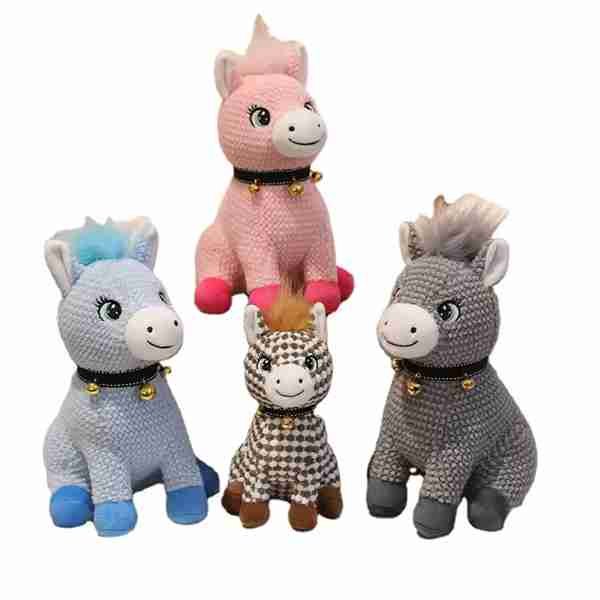
Branded animal mascots need stronger character control than ordinary stuffed animals. The animal may represent a sports team, food brand, children’s brand, hotel, bank, school, event, or media project. The plush should keep the mascot’s face, color, logo placement, outfit, accessory, and overall energy.
Heyzizi reviews artwork, front and side views, embroidery, clothing pieces, patches, woven labels, hangtags, and packaging before sample work. For repeat programs, approved sample records help keep later orders aligned with the original mascot style.
Wildlife Plush Toys

Wildlife plush toys are often developed for zoos, conservation groups, nature parks, education programs, and gift shops. A wildlife plush needs stronger feature control because species recognition depends on markings, body shape, fur direction, face structure, and color contrast.
A tiger needs stripe planning, a panda needs clean black-and-white block control, a penguin needs belly and wing balance, and a dolphin needs a smooth body line. Heyzizi reviews animal references before pattern work so important wildlife features are not lost during soft plush conversion.
Educational Animal Plush

Educational animal plush supports early learning, storytelling, classroom activities, book characters, language learning, science topics, and emotional learning. The design should look friendly, soft, and safe for repeated use.
Heyzizi can review embroidered eyes, soft noses, simplified paws, rounded body shape, label position, age grade direction, and learning card packaging. For school or publisher projects, animal expression should stay gentle and clear, while colors, size, and packaging should fit teaching use and storage needs.
Museum Plush Gifts

Museum plush gifts need a more refined balance between education, softness, and shelf value. Some projects may be based on prehistoric animals, local wildlife, marine life, cultural animals, or exhibition mascots. The plush should carry a clear learning value without looking too serious for children.
Heyzizi can support animal shape review, color planning, story card packaging, embroidered eyes, care labels, and gift box structure. For museum stores, the packaging often needs a cleaner look, stronger storytelling, and better shelf presentation.
Retail Stuffed Animals

Retail stuffed animals need stable shape, neat sewing, strong shelf appeal, and clear packing rules. A retail plush line may include several animals in one size system, such as 15cm, 20cm, or 30cm styles, with the same hangtag, care label, barcode, and carton mark structure.
Heyzizi supports sample approval, material records, size specifications, label files, packing rules, and repeat order records. For chain stores, gift shops, and online stores, consistency from one batch to the next is as important as the first sample.
Animal Shape Development
A strong stuffed animal begins with shape control. Before cutting fabric, Heyzizi reviews animal references, posture, body ratio, facial structure, tail shape, ear angle, paw detail, and stuffing balance, so the sample can carry the intended animal identity.
Animal plush development is different from making a flat drawing soft. A sketch may look clear on screen, but once it becomes fabric, seam lines, pile height, stuffing, size, and posture can change the animal feeling. A fox may lose its sharp face if the muzzle is too round. A cat may look less graceful if the body is too bulky. A bear may look flat if the belly and arms are not shaped correctly. A dolphin may lose its smooth movement if the body curve is not planned before pattern work.
Heyzizi starts with an animal reference review. For a more stable first sample, the team checks front view, side view, back view, key color blocks, important facial features, and posture needs. For real animal projects, reference photos help define body shape and fur direction. For cartoon animal projects, artwork helps define expression, simplicity, and brand style. For mascot projects, the main task is keeping the animal recognizable while making the structure soft, safe, and suitable for production.


For medium and large animal plushes, such as 20 cm, 30 cm, or 40 cm stuffed animals, more structure can be kept. For mini animal plush, plush keychains, and small gift styles, details need more selection. A tiny embroidered paw may work well on short plush but may disappear on long-pile faux fur. A small plastic nose may look clean on a 20 cm dog plush yet feel too large on a 10 cm mini animal. Such details are reviewed before sampling to reduce avoidable revisions.
Heyzizi’s pattern team can turn animal artwork, mascot art, pet references, or wildlife photos into paper patterns for sample work. The first sample is then reviewed by shape, face, side profile, hand feel, posture, filling, and packaging fit. When needed, revisions can be made to the head shape, ear angle, body proportion, tail thickness, embroidery placement, fabric choice, or stuffing density. The goal is not blind copying. The goal is to build a plush version that keeps the animal identity while staying soft, stable, and suitable for repeat orders.
Fabric And Fur Texture Choices
Fabric decides the first touch, animal outline, color depth, cutting method, face clarity, and packing recovery. Heyzizi reviews fabric style with animal type, size, posture, age group, packing plan, and bulk order needs before sample work.
| Fabric Option | Best For | Texture Direction | Shape Impact | Development Notes |
|---|---|---|---|---|
| Short Plush | Cartoon animals, retail plush, education gifts, mini stuffed animals | Smooth, clean, easy to shape | Keeps face lines and body outline clear | Good for embroidery, applique, printed spots, small ears, paws, and compact animal forms |
| Faux Fur | Realistic dogs, cats, foxes, wolves, bears, wildlife plush | Longer pile, natural fur feeling | Adds depth but can hide small details | Needs careful fur direction, cutting control, trimming, brushing, and face detail review |
| Velboa | Zoo animals, mascot animals, stable retail styles | Short, dense, smooth surface | Helps maintain stable panels and colour blocks | Works well for panda blocks, penguin belly panels, dolphin bodies, and clean animal shapes |
| Minky | Baby-friendly plush, soft education animals, premium gift animals | Very soft, smooth, gentle hand feel | Creates a rounded, friendly look | Suitable for embroidered eyes, simple noses, soft paws, and child-friendly animal expressions |
| Sherpa | Lambs, bears, winter animals, cosy gift plush | Textured, warm, wool-like feeling | Makes shape look fuller and softer | Needs careful use on faces because heavy texture may reduce expression clarity |
| Crystal Soft Fabric | Premium animal plush, gift lines, soft-touch retail styles | Smooth, bright, extra soft surface | Gives a refined soft feel | Useful for gift plush, mascot animals, brand programs, and styles needing a higher touch value |
| Mixed Fabrics | Animals with special ears, belly, paws, spots, clothes, or accessories | Combines texture, colour, and surface contrast | Builds stronger animal identity | Works well for inner ears, paw pads, belly panels, tails, scarves, collars, and outfit parts |


Fabric planning for animal plush should start from the animal shape, not from fabric name alone. The same dog plush can look cute, realistic, premium, or promotional depending on pile length, color depth, fur direction, and stitching method. A 15 cm rabbit often needs short plush to keep the face clean and clear, while a 30 cm fox may need faux fur to support tail volume and a more natural texture. A penguin may work better with velboa because clean color panels are important, while a lamb may need sherpa to create a warmer and more textured body. Before sampling, Heyzizi reviews the animal type, target size, posture, main body fabric, contrast fabric, inner ear, belly, paw, tail, accessory fabric, color reference, and detail process together.
Fabric choice also affects bulk stability and final shelf appearance. Long-pile fabric can create a natural animal look, but it may cover small eyes, nose embroidery, paw lines, or printed marks. Short plush can show embroidery and color blocks more clearly, but it may feel less realistic for wildlife styles. Minky and crystal-soft fabric can improve hand feel, yet seam control, stuffing balance, and packing recovery still decide whether the plush sits well and looks neat after delivery. For animal series such as bears, dogs, cats, rabbits, and foxes, one fabric system can help keep touch and appearance consistent. For realistic plush, fur direction should be marked before cutting, and repeat order fabric records should be kept for future production.
Face, Eyes, Nose, and Details
Small animal details decide likeness, safety feeling, and shelf value. Heyzizi reviews eyes, nose, mouth, ears, tail, paws, markings, and accessories during sample work so the plush keeps a clear animal identity after bulk production.
Eye Options
Eyes set the emotional tone of a stuffed animal. Plastic safety eyes can create a bright and lively look for dogs, cats, bears, foxes, and many classic animal plush styles. Embroidered eyes can create a softer, cleaner, child-friendly look, especially for educational animals, baby gift plush, and products needing fewer hard parts. Fabric eyes may work for soft character styles when a flatter face is preferred.
Nose Shape
A nose may look small, but it controls animal recognition. Plastic noses can create a clean three-dimensional look. Embroidered noses can reduce hard parts and work well for soft learning animals or baby-friendly plush. Fabric noses can add a handmade or gentle character.
Heyzizi checks nose choice based on size, softness, fabric, animal type, and final use.
Ear Position
An ear angle can change the animal instantly. A fox needs sharper ears. A rabbit needs long, balanced ears. A dog may need folded, standing, or floppy ears based on breed and direction. Ear structure affects not only appearance but also sewing strength and packing performance.
Heyzizi reviews ear height, inner ear color, seam allowance, filling, top stitching, and fixing method before sample approval.
Tail Structure
A tail can carry the strongest animal signal. Fox tails, squirrel tails, cat tails, dog tails, rabbit tails, dinosaur tails, monkey tails, and whale tails all need different patterns and filling methods. A thin tail may feel weak if not sewn firmly. A thick tail may affect sitting stability. A long tail may change carton space or packing shape.
Heyzizi reviews tail length, thickness, seam position, filling level, fabric direction, and fixing strength before sample approval.
Paw Details
Paws help make an animal feel more complete. Paw pads, claws, stitched toes, printed pads, appliqué pads, and color-blocked feet can all add value when used correctly. Yet too much detail on a small plush may increase difficulty or become unclear after sewing. A 20 cm dog may allow embroidered toes, while a 10 cm animal keychain may need simplified paws.
Heyzizi reviews paw details with size, fabric pile, age group, stitch strength, and cost direction.
Expression Control
Expression is the combined result of eyes, nose, mouth, cheeks, ears, muzzle, fabric, and stuffing. A small change in eye distance can make a bear look sleepy, happy, serious, or strange. A mouth line placed too low can change a cat into a different animal, feeling. Overfilled cheeks may make a fox look less sharp.
Heyzizi checks the expression from the front view, side view, and hand-held view. The sample may be revised by adjusting embroidery line color, eye position, muzzle size, cheek filling, mouth curve, or head stuffing.
Sample Development Workflow
A stuffed animal sample builds the standard for shape, fabric, face, stuffing, labels, packing, and later bulk production. Heyzizi reviews the animal idea step by step before the approved sample becomes the production reference.
A strong sample begins with clear source files. Animal plushies can start from a hand sketch, pet photo, wildlife reference, mascot artwork, style sheet, 3-view drawing, retail plan, or animal character concept. The first review does not only check whether the plush can be made. It checks which features should be kept, which features need simplification, and which parts may affect cost, structure, safety, or production consistency.
Heyzizi reviews animal references from several angles. The front view helps confirm face expression, eye distance, nose shape, mouth line, cheek volume, and color blocks. The side view helps confirm muzzle length, belly curve, back line, sitting posture, tail position, and leg structure. The back view helps confirm seam direction, tail fixing, color panels, and overall body proportion.
If only one image is available, the team can still begin a feasibility review, but extra notes may be needed for the missing sides. During early review, the team also checks size direction.
Artwork And Reference Review

Pattern, Fabric, and First Sample
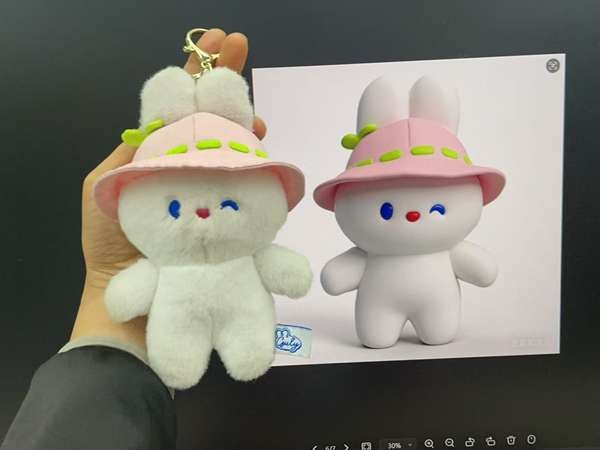
After the review, the next step is paper pattern planning. Pattern work turns the animal idea into fabric panels with seam lines, filling space, posture control, and face placement. For stuffed animals, the pattern affects whether a bear can sit firmly, whether a rabbit’s ear falls naturally, whether a dolphin’s body looks smooth, and whether a cat’s face keeps the right softness. Fabric is reviewed together with the pattern.
The first sample usually includes core product details: body shape, face, eyes, nose, mouth, ears, paws, tail, stuffing, fabric, seams, and any simple label or packing check. Many custom animal samples are planned around 7–14 days after confirmed details and sample payment, while complex structures, special materials, detailed embroidery, or packaging trials may need extra review time. A sample is not a finished retail batch. It is a development piece used to correct the product before bulk production.
Sample revision should focus on details that change the final product value. For animal plush, common revision areas include face expression, head shape, ear angle, tail thickness, paw detail, body proportion, filling firmness, fur direction, color match, embroidery position, and packaging fit. A small change in eye distance or muzzle shape can make an animal feel much closer to the original idea.
Revision often takes about 5–10 days depending on the change scope, material status, embroidery adjustment, pattern update, or accessory replacement. For simple changes, such as embroidery line color or stuffing level, the work may be faster. For deeper changes, such as rebuilding the head shape, changing fabric type, adjusting posture, or remaking packaging, more time should be planned.
Once the sample is approved, the approved sample becomes the main reference for bulk production. For repeat animal programs, Heyzizi can keep pattern versions, material records, embroidery files, label files, packing notes, and carton mark details, helping later orders stay closer to the approved standard.
Revision And Approved Sample

MOQ, Sample Fee, and Quote
Clear commercial details help animal plush projects move faster. MOQ, sample fee, quote accuracy, and lead time should be reviewed with design complexity, materials, craft details, packaging, quantity, and sales channel.
| Item | Heyzizi Standard | What To Prepare | Why It Matters |
|---|---|---|---|
| MOQ | Starts from 500pcs per design | Animal type, style count, size, quantity plan | Each design needs its own pattern, fabric, craft setup, labels, packing rule, and checking standard |
| Sample Fee | Custom plush samples usually require a fee | Artwork, size, fabric, face details, packing idea | Sampling involves pattern work, fabric, embroidery or printing, cutting, sewing, filling, shaping, and revision work |
| Sample Fee Refund | Can be refunded or deducted when one design reaches 2,000pcs in bulk order | Single-style order plan and expected launch quantity | Clear quantity planning makes sample cost easier to manage for serious bulk projects |
| Quote Details | Needs product type, artwork, size, quantity, fabric, craft, accessories, packaging, target country, and deadline | Full project brief or reference file set | A quote based only on one picture may change after real structure and packing details are confirmed |
| Price Factors | Size, fabric, filling, structure, embroidery, printing, accessories, packaging, testing, quantity, and schedule | Preferred material, finish level, packing plan, testing needs | Animal plush cost is shaped by detail control, not only by height and quantity |
| Sampling Time | Often planned around 7–14 days after confirmed details and payment | Clear comments, fabric choice, eye and nose details | Complex animal structure, special fabric, or packaging trials may need longer review |
| Revision Time | Often about 5–10 days depending on change scope | Clear revision notes with marked photos | Changing face shape, fur direction, or pattern structure takes more work than changing thread colour |
| Bulk Lead Time | Reviewed after approved sample, material readiness, packing files, testing needs, and quantity | Approved sample, PO, packing files, label files | Bulk time should be planned with production schedule, material sourcing, and carton preparation |
| Urgent Review | Possible only after checking structure, material, quantity, packing, testing, and schedule | Event date, delivery address, shipping method | Rushed projects need early risk review before committing production time |
For custom stuffed animals, MOQ is counted per design because each animal style has its own pattern, fabric direction, face layout, embroidery or accessory setup, label placement, packing rule, and inspection standard. A 20 cm dog plush and a 20 cm fox plush may look similar in size, yet pattern, tail, face, ear structure, and fur direction can be completely different.
Sample fees are normal for custom plush development. A sample is not picked from stock. It requires pattern work, material preparation, embroidery or printing tests, cutting, sewing, filling, shaping, checking, and possible revision. When one approved design reaches 2,000 pcs. in bulk order, the sample fee can be refunded or deducted. The rule keeps early development fair while still supporting serious plush programs.
A clearer quote needs more than a picture. Size, quantity, fabric, filling, eyes, nose, ears, paws, tail, embroidery, printing, accessories, packaging, target country, and delivery deadline all affect cost and lead time. For retail stuffed animals, barcode labels, hangtags, care labels, warning text, boxes, and carton marks should be reviewed early. For museum, zoo, pet, education, or tourism plush, story cards and display packaging may also affect cost.
For organized review, send the project brief to info@heyzizi.comwith files and expected quantity. The team can then review product structure, sample direction, packing needs, and production feasibility with fewer back-and-forth messages.
Private Label Packaging
Polybag packing is often used for classic stuffed animals, event plush, e-commerce plush, and projects where clean product protection matters more than heavy display packaging. For an animal plush, the bag size should protect the ears, tail, paws, and fur without pressing on the face too much. Long-pile faux fur may also need more space for recovery after opening.

Polybag Packing
Polybag packing is often used for classic stuffed animals, event plush, e-commerce plush, and projects where clean product protection matters more than heavy display packaging. For an animal plush, the bag size should protect the ears, tail, paws, and fur without pressing on the face too much. Long-pile faux fur may also need more space for recovery after opening.
Hangtag System
Hangtags can carry brand identity, animal stories, product names, age information, care notes, barcodes, and retail codes. For zoo, museum, tourism, pet, and education plush, a hangtag can also explain the animal’s background. The position should be secure but not damage the plush shape or make the product hard to display.


Retail Box
Retail boxes help stuffed animals stand out in stores, gift shops, museum stores, and brand displays. A box can improve shelf order, protect the plush shape, and make animal collections easier to sort. For plush with ears, tails, long fur, or accessories, inner space should be checked to avoid pressure marks.
Gift Box
Gift boxes are suitable for pet brand gifts, premium animal plush, holiday animal sets, charity gifts, hotel programs, and special edition plush. A gift box should feel refined without creating unnecessary packing volume. For soft animals, the box should hold the plush neatly while keeping the face, ears, tail, and accessories visible or well protected.


Display Box
Display boxes work well for retail animal series, zoo shop collections, tourism gifts, and seasonal plush programs. A display box can hold several pieces and help store staff arrange products faster. For mixed animal collections, the display layout should match style count, color grouping, barcode rules, and replenishment needs.
Carton Mark
Carton marks may look like a back-end detail, but they affect warehouse sorting, retail receiving, event delivery, and repeat order control. Animal plush projects with mixed styles need clear carton information, especially when several animal types, sizes, colors, or packaging formats are shipped together. Poor carton marks can create confusion after arrival.

Bulk Production Control
A good stuffed animal sample only has real value when it can be repeated in bulk. Heyzizi controls material, cutting, embroidery, sewing, filling, shaping, packing, and shipment preparation against the approved sample.
Approved Sample As The Production Standard
Bulk production should not rely on memory or loose descriptions. After sample approval, the approved stuffed animal becomes the main standard for body shape, fabric, face layout, eye position, nose height, ear angle, tail thickness, paw details, stuffing level, label position, and packing style. For animal plush programs, small deviations can change the final look. A slight eye shift may change a cat’s expression. A softer tail may make a fox less recognizable. A lower stuffing level may make a sitting bear lean forward.
Heyzizi reviews the approved sample before the order moves into material preparation. The team checks size, fabric, embroidery file, printing file, accessory placement, sewing method, filling density, finishing notes, and packaging instructions. For repeat animal styles, pattern versions, material records, embroidery files, label files, and packing notes can be kept for later orders.


Cutting, Sewing, and Stuffing Control
Animal plush production depends on controlled fabric handling. Short plush, velboa, and minky may look neat when panels are cut correctly. Faux fur and sherpa need more attention because pile direction, cutting marks, trimming, and brushing can change the animal’s face and body line. For wildlife plush, fur direction and color panel placement can affect species recognition. For pet plush, face softness and muzzle shape can affect emotional value.
Heyzizi checks the cutting direction before production moves forward. Pattern pieces should match the approved sample, and fabric pile direction should be marked when needed. During sewing, important parts such as ears, tails, paws, belly panels, clothing pieces, inner ear panels, and accessories need stable positioning. Uneven seam allowance can change the animal outline, especially on smaller plush styles. Stuffing is then controlled by size, animal posture, and hand feel. A plush planned for gift box packing may need a different shaping review than one packed in a polybag or display tray.
Production Updates And Shipment Preparation
For larger stuffed animal orders, production visibility helps reduce stress and last-minute surprises. Once materials, production files, packaging files, and the schedule are confirmed, the team can provide updates during key stages. These updates may include material preparation, embroidery or printing status, sewing progress, filling and shaping, packing review, and shipment preparation.
Heyzizi can support shipment preparation for plush orders by checking packing method, carton quantity, carton marks, label placement, and pre-shipment photos. For the mixed animal series, carton sorting should be clear. A tourism plush order may include mini plush, classic plush, and keychains. A retail line may require a style code, barcode, hangtag, care label, and gift box control. Clear packing records help the receiving team identify products faster after arrival. The shipping mode should be reviewed with the delivery date, carton volume, destination, and order urgency.

Quality Control And Safety
Animal plush quality is built through many small checks, not one final look. Heyzizi reviews fabric, face symmetry, sewing strength, filling balance, needle detection, labels, packaging, and carton details before shipment.
Fabric Check
Fabric check begins before cutting. An animal plush depends on color, texture, pile direction, surface cleanliness, and fabric consistency. Short plush should look clean and even. Faux fur should follow the required direction. Sherpa should keep a consistent texture.
Velboa and Minky should avoid visible marks or uneven shading. For animal styles with color blocks, such as panda, penguin, tiger, fox, or cat plushies, fabric color and panel placement need careful checking.

Face Symmetry
Face symmetry is one of the most visible quality factors for stuffed animals. Eye distance, nose height, mouth curve, cheek volume, ear angle, and embroidery position all need stable control.
A small shift can make the plush look sleepy, angry, uneven, or unlike the original animal. For retail animal plush, uneven faces may affect shelf look. For mascot animals, expression accuracy is even more important.

Sewing Strength
Animal stuffed products usually have many stress areas: ears, tails, paws, arms, legs, belly seams, clothing parts, collars, scarves, keychain loops, and hangtag areas.
Weak sewing may not show at first glance, but it can create risk during handling, display, delivery, or use. Long ears, thin tails, and small paws often need stronger attention. Heyzizi checks sewing with the approved sample and product use in mind.

Stuffing Balance
Stuffing affects touch, shape, posture, display, and packing recovery. A stuffed animal can look correct from the front but still feel weak if the head is underfilled, the belly is flat, or the limbs are uneven.
Sitting plush needs stable bottom support. Long-neck animals need enough support. Soft gift plush needs a comfortable hand feel without losing shape. Heyzizi checks stuffing according to animal type and approved sample.

Needle Detection
Needle detection is an important safety step for plush production. Needles and metal risks are not visible through a simple appearance check. A controlled process should reduce risk during sewing, filling, finishing, and packing.
Heyzizi includes needle and metal safety checks within the quality process. Needle detection supports safer shipment preparation and helps reduce avoidable risk before products leave the factory.

Packing Inspection
Packing inspection protects the work already done on the plush. A well-made animal plush can still create problems if the wrong label, wrong barcode, wrong carton mark, crushed ears, pressed face, or mixed style packing appears before shipment.
Heyzizi checks packaging against approved files and order instructions. The review may include polybag size, hangtag placement, barcode sticker, gift box fit, display box arrangement, carton quantity, mixed-style sorting, carton mark, and pre-shipment photos.

Testing And Channel Requirements
Stuffed animal projects should be reviewed by the target country, age group, sales channel, product structure, and packaging. Heyzizi can support early review and third-party testing coordination when required by the order.
| Project Direction | Main Review Area | Plush Planning Need | Packaging And File Need |
|---|---|---|---|
| Children’s Animal Plush | Small parts, seam strength, age label, needle safety | Embroidered eyes, soft details, stable seams, clean filling | Warning label, care label, age information, packing records |
| Retail Stuffed Animals | Shelf display, barcode use, product consistency | Approved sample control, stable shape, clean face, neat sewing | Hangtag, barcode, SKU sticker, retail box, carton mark |
| Museum And Zoo Plush | Species details, story value, handling durability | Animal feature control, fabric choice, child-friendly details | Story card, hangtag, product code, display packing |
| Pet Brand Plush | Pet-like feeling, soft hand touch, gift use | Fur colour, ear shape, muzzle, collar, scarf, paw detail | Gift box, brand tag, product card, carton sorting |
| E-Commerce Plush | Photo consistency, packing recovery, warehouse handling | Shape stability, stuffing recovery, clean seams, compact packing | Polybag, barcode, FNSKU if needed, carton information |
| Event And Campaign Plush | Delivery date, quantity, easy distribution | Clear logo or mascot detail, stable bulk look, simple packing | Individual packing, carton marks, event sorting notes |
| Tourism Souvenir Plush | Carry size, local identity, mixed style planning | Mini plush, keychain plush, local animal detail, durable sewing | Hangtag story, gift card, mixed-style carton marks |
| Collectible Animal Series | Series consistency, style coding, display value | Same size system, matching fabric hand feel, controlled expression | Style code, numbered label if needed, display box, gift box |
Different sales channels create different product needs. A plush animal for a children’s learning set may need embroidered eyes, soft details, strong seams, clear labels, and safer structure choices. A zoo shop plush toy may need more animal accuracy, story cards, and display packaging. A pet brand gift may focus on emotional likeness, fur color, collar details, and gift box feel. An online plush line may need better photo consistency, compact packing, and carton information for warehouse handling.
Heyzizi reviews product use before bulk planning so the stuffed animal can be developed with fewer late changes. The team checks artwork, size, posture, fabric, details, accessory choice, label files, packaging files, target country, age group, delivery schedule, and testing needs. If third-party testing is required, the project should allow time for sample preparation, lab submission, result review, and possible adjustment. Testing requirements should never be treated as the last step. Hard plastic eyes, small accessories, keychain hardware, loose parts, long-pile materials, labels, and packaging text may all affect reviews.
Multi-SKU Animal Series
Animal plush programs often grow from one style into a full collection. Heyzizi helps organize animal types, sizes, fabrics, labels, packaging, style codes, carton sorting, and repeat order records from the first approved sample.
A single stuffed animal may start a project, but many brand programs do not stop there. A retail plush plan may begin with a bear, rabbit, dog, and cat. A zoo shop may need lion, elephant, giraffe, penguin, panda, and tiger styles. A tourism program may add a mini plush, regular plush, plush keychain, gift set, and seasonal animal design. A pet brand may launch dog and cat plush first, then add breed-inspired animals, charity editions, or gift-box versions later.
When animal plush becomes a collection, the challenge is no longer only “make one cute animal.” The real challenge becomes keeping every style clear, consistent, and easy to manage. Each animal may have its own body shape, fabric direction, embroidery file, eye type, nose shape, tail structure, hangtag, barcode, packing rule, and carton mark. If these details are not organized early, mixed orders can become confusing during sample approval, bulk production, packing, warehouse receiving, and repeat order planning. Heyzizi can help organize the animal plush series through a clear-style record system.


A multi-animal plush collection can fail even when every single animal looks acceptable. The shelf may look uneven if one style uses a brighter fabric, one style is overfilled, one box sits higher, or one barcode is placed differently. Online listings may look inconsistent if product photos show different proportions, packing shapes, or hand feel. Museum and zoo shops may face sorting issues if species names, carton marks, and inner packing are unclear. Event programs may lose time when different animal styles arrive mixed without clear carton notes.
Good series control reduces these problems. It lets the plush collection feel intentional, not random. It also makes later additions easier. Once the first collection has approved size rules, face style, fabric direction, label position, packaging structure, and carton mark format, new animals can be developed with a clearer reference. This is especially useful for retail chains, pet brands, museums, tourism shops, education product teams, and IP programs that may reorder or expand the line over several seasons.
Heyzizi can keep project records after sample approval, including pattern versions, material notes, embroidery files, label files, packing files, carton mark details, and shipment photo records when required. These records help later replenishment orders stay closer to the original approved standard.
IP Protection And NDA Support
Original animal characters, pet concepts, mascot files, and unreleased plush programs need careful handling. Heyzizi supports confidential communication, project file control, sample protection, and repeat order records for licensed or brand-owned plush projects.
- Artwork Protection
Animal artwork, mascot files, pet-inspired designs, wildlife concepts, museum characters, education characters, and retail plush plans should be treated as private project files. Many animal plush programs are linked to brand campaigns, licensed characters, product launches, fundraising events, or seasonal retail plans. Early exposure can affect launch value, internal approval, and brand control.
Heyzizi reviews artwork for development use, not public display. Project files can be handled around sample review, pattern work, material choice, embroidery planning, and packaging planning. If the plush is based on an original animal IP, licensed character, or unreleased brand mascot, the team can avoid using the design in public images unless written permission is provided. For organized review, files should clearly show ownership direction, allowed use, and any display restrictions before sample work begins.
- NDA And Confidential Review
Some animal plush projects need NDA support before detailed files are shared. This is common for IP programs, licensing deals, museum launches, retail collections, seasonal campaigns, book characters, animation animals, sports mascots, and pet brand collaborations. The purpose is not only legal formality, but it also sets clear rules for file access, sample photos, communication, and project use.
Heyzizi can support confidential review when the project requires privacy before launch. During sampling, comments, sample photos, revision notes, fabric records, embroidery files, packaging files, and approved sample details should stay within the agreed project workflow. For larger teams, it is useful to decide who can approve artwork, who can confirm sample changes, who can approve packaging files, and who can release final production approval. Clear approval roles reduce confusion and protect the project schedule.
- Project Records
IP and brand animal plush programs often need future continuity. A character may return as a new size, a mini keychain, a holiday edition, a gift-box set, or a second animal in the same collection. Without records, later orders may drift away from the original style. Fabric may change, embroidery line color may shift, the face may look different, or the packaging may lose consistency.
Heyzizi can keep useful records after approval, including paper pattern versions, fabric notes, embroidery files, print files, label files, packaging details, carton mark rules, approved sample photos, and key comments. These records make repeat orders and series extensions easier to review. For animal IP programs, the first approved plush should become a style anchor. Later versions can then follow the same face language, fabric direction, label system, and packaging tone while still allowing new sizes or limited editions.
Project Examples By Use Scene
Custom stuffed animals are used in retail, pet, zoo, museum, tourism, education, and event programs. These examples show how animal type, size, order quantity, detail level, and packaging can be planned for real product needs.
Pet Brand Gift Program

A pet brand plans a dog-and-cat plush gift program for loyalty members. The first order includes 500 pcs of a 20cm dog plush and 500 pcs of a 20cm cat plush. The dog uses short plush with a soft muzzle, an embroidered mouth, plastic safety eyes, a small collar, and paw pad embroidery.
The cat uses a smoother fabric, softer ears, a curved tail, and a gentle facial expression. Both styles use branded hangtags and individual polybags, with gift box options reviewed for the next order.
Zoo Retail Plush Series

A zoo shop develops a 6-animal plush collection: lion, elephant, giraffe, penguin, panda, and tiger. Each style is planned at 20cm, with 500 pcs per design for the first release.
The project focuses on species recognition, strong shelf appearance, child-friendly details, and clear carton sorting. The collection uses a shared hangtag size and barcode system, while each animal keeps its own markings, ear shape, tail detail, and color blocks.
Museum Education Gift

A natural history museum develops a 15 cm prehistoric animal plush as an educational gift. The first order is 1,000 pcs with a printed story card, care label, and retail box.
The project focuses on simplified body shape, soft touch, embroidered eyes, safe seam planning, and a clean display look. Since museum stores often value both learning and gift presentation, the story card and box structure are reviewed during the sample stage, not after production starts.
Tourism Souvenir Plush

A coastal attraction develops a marine animal souvenir line with 500 pcs each of dolphin, turtle, and whale plushes. The standard size is 18–20cm, with a smaller plush keychain version planned for the next season.
The project focuses on local identity, soft texture, clean color panels, travel-friendly size, hangtag story, and mixed-style carton sorting. For destination shops, the plush should be easy to carry and clear enough for visitors to understand in a few seconds.
Retail Animal Collection

A retail brand prepares a 4-style animal plush line: bear, fox, rabbit, and dog. The launch quantity is 800 pcs per design. Each plush is planned at 25cm with the same care label position, hangtag format, barcode sticker, and retail box structure.
The project focuses on shelf consistency, soft hand feel, face symmetry, fabric records, and repeat order readiness. The approved samples become the main standard for later color extensions and seasonal editions.
Event Animal Giveaway

A brand event team develops a 15cm animal mascot plush for a seasonal campaign. The first order is 2,000 pcs with individual polybag packing, hangtag, and carton marks sorted by delivery location.
The product uses short plush, embroidered face details, a small scarf, and a simple body structure to keep the look clear and production stable. Because event dates are fixed, artwork, sample approval, packaging files, and shipment plans are reviewed early.

















Request a Custom Sample First?
If you have artwork, logo files, or even just an idea, please share your project details—size, target fabric, color reference, and customization requirements. We’ll recommend suitable materials and provide a clear sampling plan to bring your custom plush toy design to life.
Frequently Asked Questions About Custom Stuffed Animals
Custom stuffed animals involve more decisions than size and shape. Before sampling, most brand teams want to understand animal likeness, fabric choice, MOQ, sample fee, safety, packaging, bulk control, and repeat order stability. The FAQ below focuses on real project decisions, so your team can prepare clearer files, reduce unnecessary revisions, and move from artwork to approved plush with stronger control.

Can you make stuffed animals from animal photos, sketches, or brand mascot artwork?
Certainly. Heyzizi can review animal photos, hand sketches, mascot artwork, pet references, wildlife images, or 3-view drawings and turn them into sample-ready plush development files. The first step is not only “making it cute.” We review animal identity, body shape, head-body ratio, face expression, ears, tail, paws, fabric direction, and possible production risks. A fox, dog, cat, bear, rabbit, penguin, dolphin, or tiger all need different structural logic. If your file is simple, send it first. We can help identify what extra details may be needed before pattern work, such as side view, back view, target size, preferred posture, eye style, nose style, and packaging direction.
What is the MOQ for custom stuffed animals?
Yes, the standard MOQ starts from 500 pcs per design. For animal plush, MOQ is counted by design because each style needs its own paper pattern, fabric plan, face layout, embroidery or accessory setup, label position, packing rule, and checking standard. A 20cm dog plush and a 20cm fox plush may use the same height, but the tail, ears, muzzle, fur direction, and body panels can be completely different. For multi-animal collections, it is better to plan the first release by style and quantity from the beginning. This helps control sample cost, fabric purchasing, packing files, carton marks, and later repeat orders.
How much does a custom stuffed animal sample cost?
Usually, custom plush samples require a sample fee because every new animal design needs development work before bulk production. The fee covers paper pattern making, fabric preparation, embroidery or printing tests, cutting, sewing, filling, shaping, checking, and possible sample adjustment. Heyzizi’s sample fee can be refunded or deducted when the single-style bulk order reaches 2,000 pcs. For a serious retail, pet, zoo, museum, tourism, education, or mascot plush program, the sample is not just a cost. It becomes the production reference for shape, fabric, face, stuffing, labels, and packaging. Clear artwork, size, fabric preference, and packaging notes help the sample stage move faster.
Which fabrics work best for realistic animal plush?
For realistic animal plush, faux fur is often useful because it gives dogs, cats, foxes, wolves, bears, and wildlife plush a more natural texture. However, faux fur must be controlled carefully. Furthermore, pile length, trimming, cutting direction, and face visibility can strongly affect the final look. Short plush or velboa may work better when the design needs cleaner color blocks, clearer embroidery, and a stable shape, such as pandas, penguins, dolphins, cartoon animals, or educational plush. Sherpa can work for lambs, bears, and cozy gift animals. The best fabric is not chosen by name alone. It should match animal type, size, face details, packing method, and target use.
Can you match animal markings, fur color, and special body details?
Absolutely. Animal markings can be reviewed through fabric color blocks, embroidery, appliqué, printing, contrast fabrics, or mixed material construction. For pandas, tigers, cats, foxes, cows, giraffes, penguins, and many wildlife styles, markings are part of the animal identity, not decoration. Before sampling, Heyzizi checks where the color blocks should sit; whether the marking should be sewn, printed, embroidered, or pieced; and whether the selected fabric will keep the detail visible after filling. Long-pile fabric can hide fine lines, so larger panels or stronger contrast may be needed. Sending clear reference photos with marked areas helps reduce guesswork during development.
Can we choose embroidered eyes instead of plastic safety eyes?
Of course. Embroidered eyes are often a strong choice for education plush, baby-friendly animal plush, soft gift animals, and projects that prefer fewer hard parts. They can make the face look clean, gentle, and easier to control during packing. Plastic safety eyes may still be suitable for classic bears, dogs, cats, foxes, and lively retail plush when a brighter three-dimensional look is desired. The choice should be reviewed with target age group, animal style, face size, fabric pile height, and testing direction. For long fur, eye size and placement need extra review because pile can cover the eye edge and weaken expression.
How do you control bulk quality after the sample is approved?
Definitely. After sample approval, the approved plush becomes the main production reference. Heyzizi checks fabric, color, pattern version, embroidery or printing file, eye and nose placement, ear angle, tail structure, paw detail, stuffing firmness, label position, and packaging method against the approved sample. Quality control is not left to the final carton stage. It includes material check, cutting direction review, sewing inspection, filling balance, face symmetry review, finishing, needle detection, packing inspection, and pre-shipment photo records when needed. For animal plush, small details matter. A slight eye shift, weak tail, uneven ears, or wrong barcode can affect the full order.
Can you support retail packaging, barcodes, gift boxes, and carton marks?
Sure. Heyzizi can support packaging planning for retail animal plush, pet brand gifts, zoo shop plush, museum gifts, tourism souvenirs, online plush lines, and event giveaways. Common options include individual polybags, hangtags, care labels, barcode stickers, SKU labels, gift boxes, retail boxes, display boxes, story cards, and outer carton marks. Packaging should be reviewed during sampling, not after production starts. A box that is too tight can press ears, tails, fur, or face shapes. A late barcode file can delay packing. An unclear carton mark can create receiving issues. Early packaging review helps protect the plush and improve delivery control.
Can you help with safety testing for the US, UK, EU, or other target countries?
Yes, Heyzizi can support early safety review and third-party testing coordination when required by the order. Testing direction depends on the target country, age group, product structure, fabric, eyes, nose, accessories, small parts, labels, and packaging. Children’s stuffed animals need more careful review than adult promotional gifts. A plush with embroidered eyes may follow a different risk path from one with plastic eyes or hardware. Testing should not be treated as the final step. It is better to review age direction, small parts, seam strength, needle safety, warning labels, and packing files before bulk production planning, so avoidable changes do not appear too late.
What files should we send to get a useful quote?
The best quote starts with clear project files. Send animal artwork, pet photos, mascot files, wildlife references, or 3-view drawings if available. Add target size, posture, quantity, fabric preference, eye and nose style, paw or tail details, logo or label needs, packaging idea, target country, age group, and delivery plan. For a multi-animal series, list each animal separately with size and quantity. For retail or online sales, include barcode, SKU, hangtag, gift box, or carton mark needs. If some details are not ready, send the current files first. Heyzizi can review what is missing and help turn the idea into a clearer sample plan.
Start Your Custom Plush Project Today
If You Can imagine it,We Will Create it!
Whether you are a brand, creator, retailer, or agency, our Guangdong plush factory is ready to support your OEM/ODM development. Send us your design, concept, or reference image — our team will reply with a free development proposal and quotation.
1. Tell Us What You Need
Tell us your requirements and share your artwork or reference images.
2.Get a Solution & Quote
We’ll suggest the best solution based on your requirements, and provide a detailed quote within 12 hours.
3.Approve for Mass Production
We will start mass production after getting your approval.