 Skip to content
Custom Weighted Plush Toys
Weighted plush developed for retail lines, IP characters, comfort gifts, sensory-friendly products, and branded soft companions.
Develop weighted plush toys with controlled softness, planned weight placement, secure inner pouch structure, and a clear path from sample to bulk production.
Heyzizi supports artwork review, plush pattern work, fabric choice, weighted filling review, pouch placement, seam control, label planning, packaging, and export preparation. For branded plush programs, early decisions on size, target weight, age direction, use scenario, warning labels, and packing method help each product feel comfortable, stable, and ready for planned release.

Weighted Plush Programs Need More Than Soft Fabric
Weighted plush products carry design, comfort, structure, safety, label, and packing decisions together. Different programs need different sizes, weights, filling, pouch structure, fabric touch, and retail preparation before sampling begins.
Retail Plush Brands
Retail plush brands often use weighted plush to build product lines with a stronger comfort story than ordinary stuffed toys. A weighted teddy bear, weighted animal, weighted dinosaur, or weighted pillow plush can create a richer handfeel and stronger shelf difference.
For retail programs, planning should cover size, target weight, fabric, inner pouch position, care label, warning label, barcode, SKU label, individual packing, and carton rule. Heyzizi reviews these details together so the sample can become a real production standard rather than only a cute prototype.
Sensory Product Brands
Sensory-friendly plush products usually need a gentle weighted feel, soft surface, stable body shape, and clear safety direction. The goal is a comfortable and calm user experience, not medical claims. A plush product may sit on a lap, rest beside a child, stay on a desk, or act as a soft companion during daily routines.
Weight should be planned around size, target age direction, fabric texture, pouch area, filling movement, and cleaning method. Heyzizi helps review each part before sampling, so comfort does not create hidden production risk.
IP And Character Teams
IP and character teams often want weighted plush to keep the emotional value of a mascot, game role, animation character, or story figure while adding a richer holding feel. Character accuracy still matters, but weighted structure adds new decisions. A large head may need lighter filling.
A sitting body may need weight placed low. A long tail, wings, hat, or small accessory may affect balance. Heyzizi reviews character shape, embroidery, fabric, pouch position, seam strength, label placement, and packaging fit together before the sample moves forward.
Gift Companies
Gift companies may use weighted plush for holiday gifts, care packages, membership gifts, employee gifts, school gifts, retail gift sets, or brand collaboration items. A gift plush should feel pleasant when held, look neat after unpacking, and carry clear brand or event information.
For weighted items, gift planning should include target weight, soft touch, hangtag message, care label, warning text, packing protection, and carton handling. Heyzizi can help balance presentation value with safe structure, especially when several designs, colors, or packaging versions are involved.
E-Commerce Brands
E-commerce plush programs need strong product photos, stable size, repeatable weight feel, clean packaging, readable labels, and lower return risk. Weighted plush can create a strong product story, but unclear weight, poor packing recovery, weak seams, or confusing care instructions may lead to complaints.
Product teams should confirm size, target weight, surface material, inner pouch structure, warning text, barcode or FNSKU label, polybag or box, and carton quantity. Heyzizi supports sample review with packaging in mind, so online display and warehouse handling stay aligned.
Education And Wellness Channels
Education and wellness channels usually review safety, age direction, label text, material information, seam strength, filling security, and cleaning instructions more carefully. Weighted plush used in schools, therapy-adjacent retail, care programs, or calming product assortments should avoid overpromising medical results.
A safer product plan uses clear use language, strong pouch construction, secure seams, suitable fabric, readable warning labels, and third-party testing direction where needed. Heyzizi can help prepare samples, material notes, labels, and packing details for more organized review before production.
Weighted Plush Problems Should Be Solved Before Sampling
Weighted plush toys need early review because comfort, shape, safety, label, and bulk consistency are connected. A cute drawing can become risky if weight placement, inner pouch structure, filling movement, and sewing strength are not planned clearly.

Weight Feels Uneven
A weighted plush should not feel heavy in one strange corner and empty in another. Uneven weight can make the product feel cheap, unstable, or uncomfortable when held. For animals, teddy bears, dinosaurs, pillows, and character plush, the weight needs to match the body shape and use position.
A sitting bear may need more weight near the lower body. A lap plush may need a flatter, wider distribution. Heyzizi reviews target weight, body volume, filling area, and holding feel before the sample moves forward.
Filling Leakage Risk
Weighted filling must be controlled carefully. Beads or pellets should not move freely through the whole plush body without structure. A secure inner pouch, clean seam, suitable fabric, and correct closing method help reduce leakage risk.
If the weighted area is placed near a thin seam, sharp curve, zipper, or small accessory, extra checking is needed. Leakage is not only a quality issue; it can affect safety review, brand trust, and retail approval. The pouch plan should be discussed before materials are prepared.
Shape Gets Deformed
Weight can improve stability, but poor placement can damage the shape. A heavy bottom may help a plush sit, yet too much weight can pull the belly down. A large head may collapse if the neck and body support are not balanced.
A long animal may bend strangely if the weighted pouch slides inside the body. Heyzizi reviews paper pattern, seam direction, filling level, pouch position, and resting posture together. The goal is soft volume with stable structure, not a plush that only looks right in one photo.
Too Heavy For Use
More weight does not always mean a better product. Weight should match size, scene use, age direction, holding style, storage method, and delivery plan. A small plush with too much weight can feel harsh. A large plush with weak internal support can feel loose.
A product meant for lap use may need a different distribution from a decorative shelf plush. Heyzizi reviews target weight during sample development instead of treating weight as a simple number. Comfort, safety, packaging, and freight should be considered together.
Labels Are Unclear
Weighted plush products often need clearer labels than ordinary plush toys. Care instructions, filling information, age direction, warning text, barcode labels, and carton marks should be prepared before bulk work. If label wording is vague, the product may create confusion for retail teams, warehouse teams, gift programs, or end users.
For comfort plush, sensory-friendly plush, and weighted stuffed animals, wording should stay calm and accurate. Avoid medical-style claims unless the brand has proper review. A clear label plan supports safer presentation and smoother delivery.
Bulk Weight Varies
A good sample is only useful when bulk goods can follow the same direction. Weighted plush needs extra control because each piece should feel close to the approved sample. If one toy is noticeably lighter and another feels too heavy, the product line becomes inconsistent.
Bulk review should check pouch size, filling amount, seam closure, body balance, resting shape, and package fit. For 500 pcs and above, production records should define the weight direction and inspection method before packing begins.
Weighted Plush Adds Comfort, Stability, and Product Depth
A weighted plush should not be heavy for the sake of being heavy. The weight must support the product’s purpose, whether the goal is a calmer holding feel, a better sitting posture, or a stronger retail story.
Comforting Weight Feel
A well-planned weighted plush feels soft first and weighted second. The surface should remain gentle, while the inner filling gives a calm, grounded holding experience. For comfortable plush, lap plush, weighted animals, and companion plush, weight should be distributed in a way that feels natural when held, not lumpy or sliding.
The plush body still needs PP cotton or similar soft filling to keep shape and cushioning. Weighted beads or pellets should work as a controlled inner layer, not loose material moving everywhere inside the body.
Better Sitting Stability
Weighted structure can help certain plush styles sit better, especially teddy bears, animals, dinosaurs, character plush, desk companions, and display items. Weight placed near the lower body can improve balance, reduce tipping, and make the product feel more stable on a shelf, bed, desk, or lap. Weight still needs careful planning.
Too much weight in the wrong area can pull the body out of shape, make the head collapse, or create a strange sitting angle. Pattern shape, filling level, and pouch location should be tested together during sampling.
Stronger Retail Difference
Weighted plush gives brands a clearer product story than a standard plush with the same shape. The product can be positioned as a weighted teddy bear, calming plush animal, lap plush, weighted character plush, soft companion, or gift-ready plush. A clear product difference helps retail teams explain value beyond appearance. Still, structure must support the story.
A plush cannot simply feel heavy in one corner. Stronger product value comes from balanced handfeel, good sitting posture, secure pouch construction, clean fabric, readable labels, and packing that protects shape during delivery.
Weighted Plush Formats For Different Product Plans
Weighted plush can be developed as animals, bears, dinosaurs, characters, pillows, lap plush, sitting plush, sensory-friendly companions, or gift plush. Each format needs different weight placement, fabric choice, structure, and packaging.
Weighted Dinosaur Plush
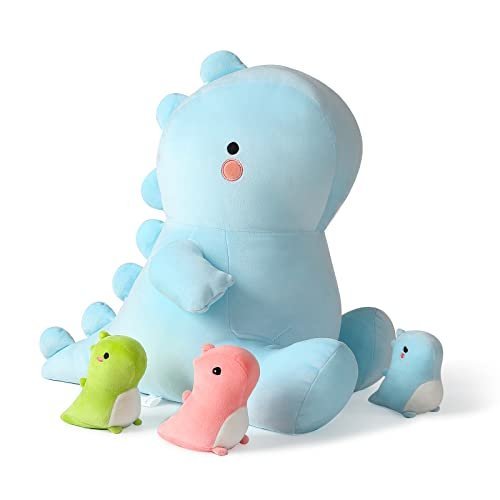
Weighted dinosaur plush has strong retail appeal because dinosaur shapes already carry clear character value. T-rex, triceratops, stegosaurus, brontosaurus, and fantasy dinosaur designs can all become weighted plush products. Weight planning should consider tail length, leg position, head size, and sitting or lying posture.
A long tail can help balance, but it can also pull the product backward if the pouch placement is wrong. Felt spikes, embroidered eyes, printed body panels, and soft claws should be reviewed with age and safety direction in mind.
Weighted Teddy Bears

Weighted teddy bears are a familiar choice for retail lines, gift programs, comfort collections, and soft companion products. The bear shape usually has a large head, a round body, arms, legs, and a sitting posture, so weight needs careful placement. Too much weight in the head may weaken neck support.
Too much weight in the belly may pull the body down. A stable teddy bear often needs soft filling for volume and controlled weight near the lower body. Face embroidery, paw labels, care tags, and gift packaging can add stronger product identity.
Weighted Animal Plush

Weighted animal plush can include dogs, cats, elephants, pandas, rabbits, cows, sloths, foxes, sea animals, forest animals, and zoo characters. Animal shape affects weight planning. A long dog needs different support from a round panda. An elephant with large ears may need a lighter head.
A turtle, seal, or dinosaur may need a flatter distribution for a grounded feel. Fabric choice also matters. Faux fur gives animal texture, while short plush or minky keeps the face cleaner and easier to inspect.
Weighted Lap Plush

Weighted lap plush is planned for a stable, gentle feel when placed on the lap, desk, bed, or sofa. The design often works better with a wider body, flatter base, and smoother distribution. The product should feel steady without becoming stiff.
A lap plush may be shaped as an animal, cushion, long plush, or character companion. Weight should be held securely inside the body, and the outer fabric should stay soft enough for extended contact. Care labels and usage language should stay clear and responsible.
Weighted Plush Pillows
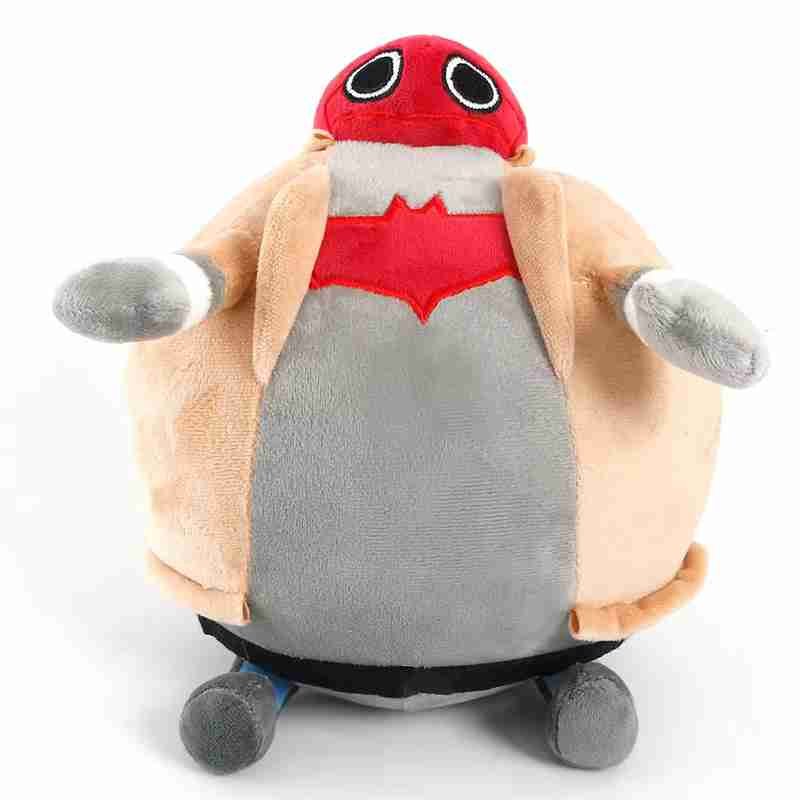
Weighted plush pillows work well for comfort gifts, bedroom accessories, travel companions, and retail plush collections. They can be shaped as animals, stars, hearts, clouds, characters, food shapes, or branded icons. A pillow shape allows a wider filling area, but weight must still be contained.
If filling shifts too much, the product may feel uneven or look saggy after use. Soft surface material, smooth seams, inner pouch design, and packaging recovery are important. A boxed pillow may need extra space to prevent fabric pressure marks.
Weighted Character Plush

Weighted character plush combines identity and comfort. It may come from a mascot, game role, animation figure, book character, brand icon, or original IP. The challenge is keeping the character recognizable while adding weight without damaging shape. Clothing, hair, wings, tails, hats, and accessories can affect balance.
A character with a large head may need lighter top filling and more stable lower-body support. Heyzizi reviews embroidery, fabric blocking, pouch position, seam strength, and packaging together so the weighted structure does not weaken character accuracy.
Weighted Gift Plush

Weighted gift plush should feel pleasant from the first touch and look presentable when opened. It can be used for holiday gifts, corporate care gifts, membership packs, brand collaborations, wellness-adjacent gifts, or premium plush sets. Gift projects often need hangtags, gift boxes, insert cards, woven labels, warning labels, and carton marks.
The weight should add value without making packing bulky or shipping difficult. The sample review should include the final box or bag because weighted plush can change how packaging holds shape during transport.
Weighted Sensory Plush
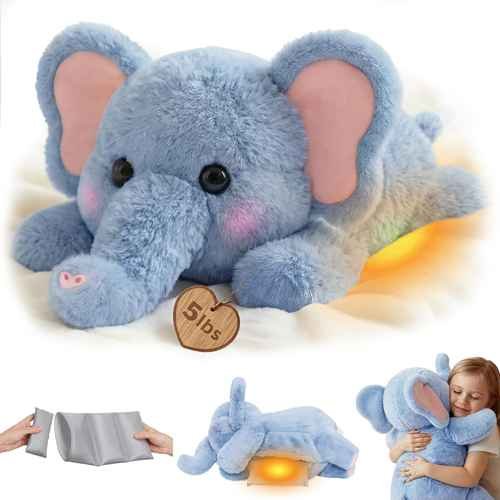
Weighted sensory plush should focus on soft texture, gentle pressure, stable filling, and clear use guidance. The product may be used in calm routines, reading corners, travel comfort packs, school support programs, or home relaxation settings. It should avoid sharp parts, hard accessories, confusing labels, or loose filling movement.
The wording should stay careful and avoid medical claims unless reviewed by the brand. Heyzizi can support fabric choice, inner pouch planning, seam control, label direction, and packing protection for sensory-friendly product plans.
Weighted Sitting Plush

A weighted sitting plush is designed to sit firmly on a shelf, desk, bed edge, retail display, or photo scene. The product may be a bear, animal, mascot, dinosaur, or character. A stable sitting plush often needs a lower-body pouch, a balanced leg shape, a proper back angle, and enough soft filling around the pouch.
If the weight sits too far forward, the plush may lean down. If it sits too far back, the toy may fall backward. Sitting testing should happen during sample approval, not after bulk goods are finished.
The right weight depends on size, shape, and use
Weighted plush planning should begin before the first sample. Size, body volume, use position, age direction, fabric, inner pouch area, filling support, packaging, and freight all affect how the final plush should feel.
Size And Weight Direction
A weighted plush should have a clear size and weight direction before pattern work begins. A 20 cm weighted animal, a 30 cm teddy bear, and a 45 cm lap plush cannot use the same internal structure. Smaller plush designs have less room for inner pouches and soft filling, so aggressive weight can make them feel hard or distorted. Larger plush designs can carry more weight, but body support, shipping volume, and carton strength must be reviewed.
Weight Placement Options
Weight placement controls how a plush sits, rests, hangs, or feels in the arms. A bottom-weighted plush can sit better on shelves, desks, beds, or retail displays. A belly-weighted plush may feel more grounded when held. A more widely distributed pouch may work better for lap plush or plush pillows. A divided pouch structure may help reduce shifting in long bodies or animal shapes. The placement should follow the product purpose instead of using one standard position for every design.
Use Scenario Review
A weighted plush should be planned around how people will use it. A retail-weighted bear may need a clean sitting posture and gift-ready packaging. A sensory-friendly plush may need gentle pressure, soft fabric, secure seams, and responsible label language. A lap pillow may need wider weight distribution and a flatter base. A weighted plush pillow may need shape recovery after compression. A character plush may need weight hidden without damaging face or costume accuracy.
Materials Shape Comfort, Weight Feel, and Safety
Weighted plush needs more material planning than standard stuffed toys. Outer fabric, soft filling, weighted filling, inner pouch fabric, seam support, labels, and packaging all affect touch, structure, inspection, and repeat production.


| Material / Filling | Best For | Product Effect | Review Focus |
|---|---|---|---|
| Minky / Velboa | Weighted animals, comfort plush, character plush, lap plush | Smooth touch, clean surface, soft handfeel, good photo result | Minky and velboa are strong choices when the product needs a soft, friendly surface and clear embroidery. They work well for weighted teddy bears, animals, and character plush with gentle touch. Since the surface is smooth, uneven filling, pouch edges, or seam pressure may become more visible. Sample review should check face clarity, body curve, pouch feel, and packing recovery. |
| Short Plush | Retail weighted plush, sitting plush, event gifts, animal series | Clearer surface, easier embroidery reading, cleaner outline | Short plush helps keep face embroidery, color areas, and shape lines easier to read. It is useful when the design has eyes, nose, mouth, small logo, or detailed body panels. For weighted plush, short plush also makes inspection easier because fabric pile does not hide seams as much. Pouch position and seam cleanliness should still be checked carefully. |
| Crystal Super Soft | Premium gift plush, IP plush, polished retail lines | Bright color, refined surface, smooth gift-ready feeling | Crystal super soft fabric can make a weighted plush feel more polished and suitable for gift or retail presentation. It works well for clean characters, soft animals, and branded plush with bright color needs. Smooth fabric may show pressure marks after packing, so box fit, bag space, pouch edge, and stuffing recovery should be reviewed with the approved sample. |
| Sherpa | Cozy animals, winter gift plush, comfort-style products | Warm texture, soft visual volume, relaxed handfeel | Sherpa gives a warm and cozy look, suitable for plush gifts, soft animals, and comfort-oriented collections. It can make the product feel fuller, but thick texture may hide small embroidery or detailed seam lines. For weighted plush, sherpa should be paired with clear face panels, strong inner structure, and careful packing so the plush does not look compressed after shipment. |
| Faux Fur | Animal plush, monster plush, fantasy creatures, premium texture designs | Strong fur effect, lively animal feeling, richer surface | Faux fur gives animal characters more personality, but long pile can cover eyes, mouth, seams, or label placement. It should be reviewed carefully for weighted plush because extra body weight may press the pile and change the final shape. Fur direction, face panel choice, pouch position, and cleaning method should be confirmed before bulk work. |
| Fleece | Simple comfort plush, pillow plush, soft gift items | Warm touch, flexible body, casual soft style | Fleece can work for soft pillows, simple animals, and cozy plush products. It has a gentle touch and can support wider body forms. For weighted plush pillows or lap plush, fleece should be checked for stretch, seam strength, surface pilling, and how the weighted pouch feels under hand pressure. Stronger inner support may be needed for larger items. |
| PP Cotton | Main body filling for most weighted plush toys | Soft volume, shape support, cushioning around the pouch | PP cotton keeps the plush soft and rounded while the weighted pouch adds controlled heaviness. The balance between soft filling and weighted filling is important. Too little PP cotton may let the pouch feel hard. Too much may hide the weight effect or distort the body. Sample review should check softness, body recovery, and pouch coverage. |
| Weighted Beads / Pellets | Weighted bears, lap plush, weighted animals, comfort gifts | Grounded feel, sitting stability, stronger hand presence | Weighted beads or pellets create the core weight feel. They should be placed inside a planned pouch area instead of moving freely through the plush body. Material type, particle size, sound, weight amount, and containment method should be reviewed. The filling should support comfort and stability without creating leakage risk or hard pressure spots. |
| Inner Pouch Fabric | Weighted filling containment, divided weight zones, leakage control | Holds weighted filling in a controlled area | The inner pouch is one of the most important parts of weighted plush structure. Fabric strength, stitch method, pouch size, closing method, and placement affect safety and comfort. The pouch should hold filling securely while staying soft enough not to create a hard lump. Larger products may need divided pouch zones. |
| Reinforcement Material | High-stress seams, lower body support, large plush, sitting plush | Better structure control and seam support | Reinforcement may be useful around pouch areas, sitting bases, narrow seams, or connection zones. It helps reduce stress where weight pulls against fabric. The material should not make the plush feel stiff. During sampling, reinforcement should be checked by touch, resting shape, seam stress, and packaging recovery. |
Inner Pouch Design Controls Weighted Plush Stability
The inner pouch is the real structure behind a weighted plush toy. It controls where the weight stays, how the product feels in hand, how the body sits, and how well the filling stays contained.
A fixed inner pouch keeps weighted beads or pellets in a planned area instead of letting them move freely through the plush body. Free-moving filling can create uneven handfeel, strange noise, weak balance, and higher leakage risk. A fixed pouch helps the product keep a more stable resting shape, especially for sitting bears, lap plush, weighted animals, and weighted pillows.
Pouch position should follow the body shape. A teddy bear may need a pouch near the lower body. A long animal may need a longer or divided pouch. A pillow plush may need a wider pouch to avoid one heavy corner. A character plush may need weight hidden inside the body without changing face, costume, or posture. The pouch should be reviewed together with pattern shape, stuffing volume, seam direction, and packaging.
Fixed Inner Pouch

Sealed Filling Area

Weighted filling containment depends on pouch fabric, stitch density, closing method, seam allowance, filling amount, and product shape. A sealed filling area should hold the beads or pellets securely, even when the plush is squeezed, carried, packed, or placed under pressure. The pouch seam should not sit in a weak curve, narrow limb, or high-stress edge unless the design is specially reinforced.
For weighted plush, a sealed pouch is not only about keeping material inside. It also controls how the body feels. If the pouch is too thin or poorly covered by soft filling, people may feel a hard bag inside the plush. If the pouch is too loose, the weighted filling can collect in one area. If the pouch is overfilled, the seam may carry too much stress. A balanced pouch should contain the filling while allowing soft cushioning around it.
Some weighted plush products are designed with non-removable inner pouches. This approach keeps the structure simpler and reduces extra openings, zippers, snaps, or loose parts. It can be suitable for retail-weighted animals, teddy bears, sitting plush, and many character plush products. The tradeoff is cleaning. Care labels must clearly explain surface cleaning or suitable care direction based on fabric and filling structure.
A removable weighted pouch may help with cleaning or flexible use, but it also adds more review needs. Zippers, hook-and-loop closures, pockets, snaps, or buttons may create small-part, seam, or durability concerns. A removable pouch must fit securely without shifting, and the opening must stay safe, clean, and easy to use. For children-related channels, removable structures require extra caution and should be reviewed with the target age and testing direction.
Removable Or Non-Removable Design

Shape and comfort decide the weighted plush experience
A weighted plush should feel soft, stable, balanced, and natural in real use. Shape design, filling support, body proportion, pouch position, fabric touch, and resting posture must work together before approval.
Hugging Feel
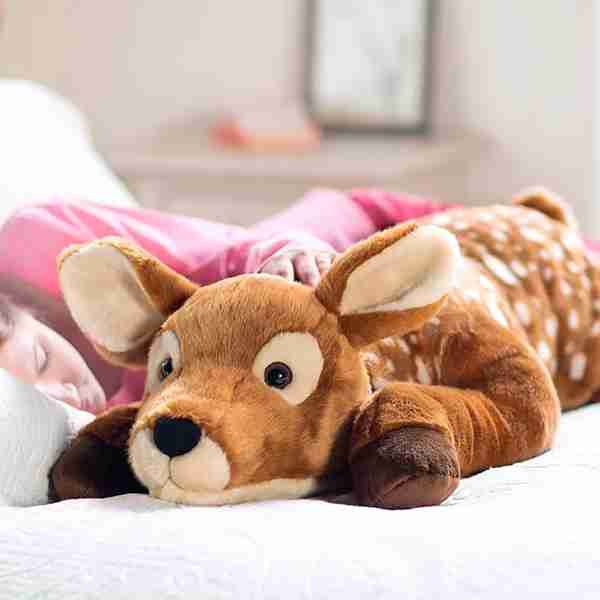
A weighted plush should not feel like a hard pouch wrapped in fabric. The outer body needs soft filling around the weighted area, so the plush stays pleasant when held against the arms, lap, chest, or sofa. Hugging feel depends on fabric surface, PP cotton level, inner pouch size, bead movement, seam position, and body thickness.
A round bear needs a different handfeel from a flat lap plush or long animal. During sampling, Heyzizi checks whether the weight feels grounded without becoming stiff, sharp, or uneven.
Sitting Balance

Weighted plush is often expected to sit better than ordinary plush, but sitting balance comes from structure, not only weight. The lower body, leg position, back angle, belly volume, tail shape, and pouch placement should be tested together. A sitting teddy bear may need more support near the bottom. A dinosaur with a long tail may need balance between tail and body.
A character plush with a large head may need stable lower-body filling. Heyzizi checks resting posture on a table, shelf, bed edge, and packaging setup before approval.
Soft Surface

Weighted plush often stays in contact with hands, arms, laps, or bedding longer than a standard decorative plush. Surface material should feel gentle and not create scratchy seams, hard edges, or rough label placement. Minky, velboa, crystal super soft, sherpa, fleece, short plush, and faux fur each create a different touch. Fabric choice should match product purpose.
A comfort animal may need a smoother handfeel, while a retail dinosaur may need stronger texture and shape clarity. Surface testing should happen together with inner pouch review.
Stuffing Recovery

Weighted plush may be compressed during packing, shipping, warehouse handling, and retail display. After unpacking, the body should recover without looking flat, twisted, or saggy. Recovery depends on fabric, soft filling level, pouch position, carton pressure, box space, and final packing method.
A product with a heavy inner pouch needs enough cushioning around it. If the packing is too tight, the face, ears, belly, or body curve may show pressure marks. A sample review should include packing and unpacking checks, not only hand approval.
Body Proportion
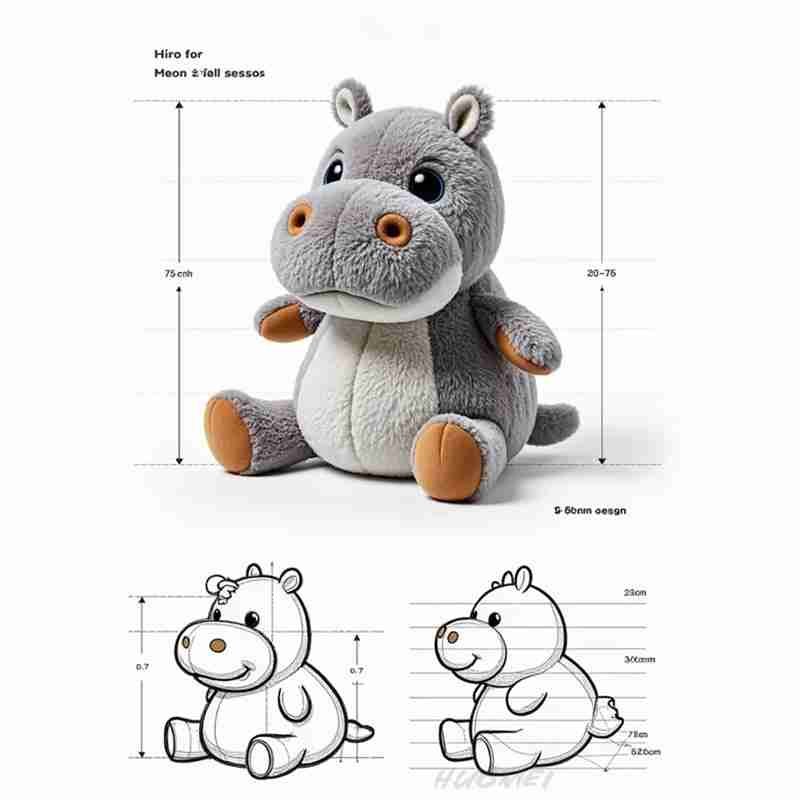
Adding weight can change how a plush body behaves. A large head may need lighter upper filling. A small body may not have enough space for a heavy pouch. Long limbs, wings, ears, horns, tails, clothing, or accessories may create balance problems if body proportion is not adjusted.
A strong weighted plush keeps its character shape while hiding structure inside. Heyzizi reviews head size, body width, limb length, base shape, pouch area, and seam direction before the design moves into bulk preparation.
Use Position

A weighted plush may be held, hugged, placed on the lap, set on a desk, sold on a shelf, packed in a gift box, or used as a soft bedside companion. Each use position needs a slightly different structure. A lap plush needs wider distribution. A shelf plush needs sitting stability. A plush pillow needs smooth pressure and recovery.
A character plush needs hidden weight without damaging the visual identity. Heyzizi reviews use position early, so comfort, structure, labels, and packaging support the same product goal.
Weighted Plush Needs Responsible Product Language
Weighted plush often appears in comfort, sensory-friendly, gift, and retail programs. Safety review should cover target age, sales region, filling containment, seam strength, warning labels, care labels, and testing direction before bulk production.
Age Direction
Age direction should be reviewed before sampling because it affects structure, filling, accessories, label language, and testing direction. A weighted plush for adult comfort gifts is not the same as a plush for children’s channels. A product for school support programs may need different labeling from a decorative retail item. If the design includes small accessories, a removable pouch, a zipper, a magnet, a sound unit, a scent insert, or hard parts, the review becomes more detailed.
For weighted plush, age direction is also connected with target weight. A product that feels pleasant for an older user may not be suitable for a younger age group. The safest planning route is to confirm who the product is for, where it will be sold, how it will be described, and whether third-party testing will be needed. Heyzizi can help prepare samples, structure details, material notes, labels, and packing information for review.
Testing Direction
Testing direction depends on the sales region, product structure, age direction, materials, filling, accessories, labels, and retail channel. A weighted plush sold in the United States may need a different review path from one sold in the European Union, the United Kingdom, Canada, or Australia. Product details such as weighted beads, inner pouch structure, seam strength, small parts, removable closures, fabric safety, and label wording should be discussed early.
Heyzizi can support preparation for third-party testing by providing product samples, material information, craft details, label drafts, and packing information where needed. A responsible process does not promise that every design automatically meets every rule. It reviews the real product structure and target sales region first, then prepares the right materials for testing and approval work. Early review helps avoid expensive changes after materials, packaging, or bulk production have already started.
Warning Labels
Weighted plush usually needs clearer warning and care information than standard plush. Labels may include material content, care direction, age guidance, warning text, barcode, SKU, FNSKU, batch information, or carton marks depending on the product plan. Label language should be direct and easy to read. It should explain the product responsibly without turning a comfort plush into a medical product unless the brand has proper reviews.
Warning labels are especially important when a weighted plush includes pellets, beads, removable inserts, zippers, small accessories, long cords, scented inserts, sound modules, or special packaging. The label plan should be reviewed with packaging because the right information must appear in the right place: sewn-in label, hangtag, retail box, insert card, polybag sticker, or master carton. A clear label system helps retail receiving, warehouse handling, end-user understanding, and repeat orders stay organized.
Sampling Confirms Weight, Structure, and Comfort
A weighted plush sample should prove more than appearance. It should confirm target size, weight feel, inner pouch structure, fabric touch, seam strength, label direction, packing fit, and the standard for later bulk work.
Artwork And Structure Review
Sample development starts with design review. The team studies artwork, size, character shape, target weight, use scenario, age direction, sales region, fabric preference, packing method, and label needs before pattern work begins. A weighted plush bear, animal, dinosaur, pillow, or character cannot rely on the same internal structure. A 20 cm plush may have limited pouch room. A 30 cm sitting bear may need lower-body support. A 45 cm lap plush may need wider distribution.
Useful details to prepare include:
- Front, side, and back artwork if available
- Target size and expected weight direction
- Product type, such as animal, bear, dinosaur, pillow, or character plush
- Intended use, such as retail line, gift program, comfort plush, or lap plush
- Sales region and age direction
- Fabric, filling, label, packaging, and delivery needs


Weighted Sample Setup
After the structure direction is clear, the sample moves into material and weighted setup. Pattern work, fabric cutting, embroidery, soft filling, inner pouch, weighted beads or pellets, seam support, label direction, and packaging test are prepared as one system. The weighted area should not be treated as a late-stage insert. It affects how the plush sits, how the body feels, how the seams carry stress, and how the product packs.
A weighted sample usually reviews:
- Outer fabric touch and color
- Face embroidery and body detail
- PP cotton level and shape support
- Inner pouch size, position, and seam closure
- Weighted filling amount and movement
- Sitting, holding, lap, or pillow feel
- Care label, warning label, hangtag, barcode, and packaging fit
Sample Approval Standard
A weighted plush sample should be reviewed from several angles before approval. It should be held, placed, pressed gently, packed, unpacked, and checked against the original artwork. For a sitting plush, the resting angle matters. For lap plush, pressure and spread matter. For character plush, face accuracy and hidden weight matter. For a gift plush, opening, presentation, and box fit matter. A sample approved only from a front photo is not enough for a weighted item.
Revision usually takes 5–10 days depending on the change level. Adjusting thread color or label position may be simpler. Changing the pouch size, weight amount, fabric, pattern, or box structure requires more review. Clear comments help the revision stay efficient: marked photos, exact size notes, target weight feedback, pouch feel comments, and packing remarks are easier to follow than general messages.

Bulk Weighted Plush Must Stay Close To The Approved Sample
A weighted plush sample is valuable only when later production can follow the same weight feel, pouch position, fabric touch, body shape, seam strength, label direction, and packaging rule.
Weight Consistency Check

Weighted plush needs a clearer inspection method than ordinary stuffed toys because handfeel can change when the filling amount, pouch size, or pouch position shifts. For 500 pcs and above, the production file should define the target weight direction, acceptable review method, pouch area, filling material, and final checking rule before packing begins.
Heyzizi checks weight together with body feel. A soft teddy bear, a lap plush, a sitting dinosaur, and a weighted pillow need different review logic. The team compares bulk pieces with the approved sample by weighing, holding, sitting, pressing, and checking resting shape. When several styles are produced in one program, each style should have its own approved sample and weight notes, rather than one shared standard for every design.
Inner Pouch And Seam Check

The inner pouch carries the weighted filling, so pouch inspection is one of the most important steps before final packing. The check should cover pouch fabric, stitch density, seam closure, filling amount, pouch position, pouch movement, and outer filling coverage. A pouch should hold beads or pellets securely without creating a hard block inside the plush. If the pouch sits near a weak seam, narrow limb, zipper opening, or curved body area, extra inspection is needed.
Seam strength matters because weighted filling creates pressure during handling, carton packing, shipping, and use. A normal seam may look fine on a light plush but become stressed after weight is added. The team should check whether the pouch pulls the outer fabric, whether the seam has enough allowance, whether the body shape stays smooth, and whether the plush can be lightly pressed without feeling risky or uneven.
Final Needle Inspection

Final inspection should compare bulk goods with the approved sample from several angles. For weighted plush toys, checks should cover fabric cleanliness, embroidery position, body shape, weight feel, pouch stability, seam strength, stuffing recovery, sitting balance, label placement, warning text, barcode sticker, packing fit, and carton marks. A product with good appearance can still fail if the weight feel, pouch area, or label system is not controlled.
Needle and metal control is also important. Weighted plush may include sewing, embroidery, stuffing, hand closing, pouch insertion, label placement, and final packing. Each step needs tool and needle management. If the design includes metal accessories, removable parts, zippers, or sound modules, inspection should also review sharp edges, loose parts, and placement security. For children-related sales channels, these details deserve earlier review before bulk work begins.
Clear Details Make Weighted Plush Planning Easier
Cost and timing for weighted plush depend on size, target weight, fabric, pouch structure, filling, embroidery, labels, packaging, testing direction, quantity, and delivery plan. Early information keeps the review more accurate.

| Planning Item | Standard Direction | What Changes Cost Or Time | Details To Prepare |
|---|---|---|---|
| MOQ | Standard MOQ starts from 500 pcs per design | Each design needs pattern work, fabric preparation, pouch planning, weighted filling setup, embroidery, labels, packaging checks, and QC standard setup | Prepare quantity per design, number of styles, size, target weight, and whether all styles share the same fabric, pouch structure, and packaging |
| Sample Fee | Custom weighted plush samples usually require a sample fee | The sample needs pattern work, fabric, embroidery, soft filling, weighted filling, pouch construction, sewing, shaping, label review, and packing checks | Prepare artwork, target size, weight direction, fabric preference, use scenario, age direction, and packaging idea |
| Sample Fee Refund | Sample fee can be refunded or deducted when the single-style bulk order reaches 2,000 pcs | Larger confirmed orders help balance development cost with later production | Confirm whether the order is one design, multiple colors, or a multi-style weighted plush series |
| First Sample Time | Usually 7–14 days after core details are clear | Complex shape, special fabric, detailed embroidery, removable pouch, unusual weight placement, printed box, or testing preparation may add time | Send artwork, size, target weight, fabric direction, pouch need, label needs, and packing plan early |
| Revision Time | Usually 5–10 days depending on change level | Thread color updates may be faster than pattern remake, pouch change, weight adjustment, fabric replacement, or box revision | Mark comments on photos and separate must-change details from optional preferences |
| Bulk Production Time | Usually 30–45 days after approved sample and confirmed order details | Quantity, fabric availability, pouch structure, weighted filling, embroidery, labels, packaging, testing, and production schedule affect timing | Confirm approved sample, order quantity, SKU list, final labels, carton marks, destination, and delivery deadline |
| Size | Common custom directions include small companion plush, 20–30 cm animals, 30 cm bears, and larger lap plush or pillow plush | Larger size uses more fabric, filling, weighted material, carton space, and freight volume; smaller size needs tighter structure control | Provide target height, width, body thickness, and reference product size if available |
| Target Weight | Weight should match size, use scene, age direction, and packaging | Higher target weight may need stronger pouch fabric, better seam support, heavier carton, and more detailed safety review | Provide expected weight feel: light, medium, stronger, or a reference product weight |
| Fabric | Minky, velboa, short plush, crystal super soft, sherpa, fleece, faux fur, or mixed fabrics | Fabric cost, stretch, pile length, color accuracy, embroidery clarity, and packing recovery affect cost and timing | Provide preferred fabric, color reference, handfeel direction, and product photos if available |
| Weighted Filling | Weighted beads, pellets, or approved filling direction based on project review | Filling material, particle size, sound, containment method, total amount, and testing direction affect development | Provide use plan and any material restrictions from the brand or sales region |
| Inner Pouch | Fixed pouch, divided pouch, removable pouch, or non-removable pouch | Pouch fabric, stitch method, closure type, size, placement, and reinforcement affect sewing time and safety review | Confirm cleaning expectation, removable need, pouch placement preference, and age direction |
| Labels And Packaging | Care label, warning label, hangtag, barcode, retail box, gift box, display box, polybag, or master carton | Printed packaging, barcode setup, SKU grouping, box structure, warning text, and carton marks affect cost and schedule | Prepare label text, logo files, barcode files, packaging artwork, carton mark rule, and delivery plan |
| Testing Direction | Review depends on sales region, age direction, structure, filling, accessories, labels, and sales channel | Testing preparation may require extra samples, material notes, label drafts, and product structure details | Share target sales region, age direction, retail channel, and required test direction where available |
| Quotation Details | Clear files help prepare a useful quotation direction within 24 hours | A price based only on one image may change after weight, size, pouch, fabric, packaging, and testing details are confirmed | Send product type, artwork, size, target weight, quantity, fabric, craft, pouch need, labels, packaging, sales region, and deadline |
Common Weighted Plush Project Scenarios
Weighted plush programs may look similar from the outside, but planning changes by use. Retail animal series, comfort plush programs, and weighted character plush all need different weight, pouch, label, and packing decisions.
- Retail Weighted Animal Series
A retail plush brand may develop 4 weighted animal styles at 1,000 pcs per style, around 30 cm each, using minky or velboa fabric, PP cotton, a fixed lower-body pouch, weighted beads, an embroidered face, a woven label, a hangtag, a barcode sticker, and an individual polybag. The main goal is to keep all animals consistent in size, weight, feel, softness, and shelf presentation while giving each style its own character.
For a project like this, the first step is to confirm the animal list, size, target weight direction, fabric color, face embroidery, pouch position, label artwork, barcode files, and carton grouping. A panda, dog, elephant, and dinosaur may all be 30 cm, yet their bodies do not carry weight the same way. The elephant may need lighter head support because of large ears. The dinosaur may need balance between body and tail. The panda may need clean color blocking and soft sitting volume.
- Sensory-Friendly Plush Program
A sensory-friendly plush program may include 2 weighted companion styles at 1,500 pcs per style, around 35–40 cm each, using soft fabric, wider pouch distribution, gentle weight direction, a clear care label, a warning label, a retail box, and carton marks for warehouse delivery. The product goal is a calm, soft, grounded feel without overcomplicated accessories or medical-style wording.
For this type of program, material choice and label language matter as much as appearance. The plush should feel gentle against the skin, without sharp edges, hard accessories, or uneven inner pressure. The pouch should be secure and covered by enough soft filling. If the plush is described as calming, comforting, sensory-friendly, or companion-style, the wording should stay accurate and responsible. Sales region and age direction should be reviewed before label artwork is finalized.
- Weighted Character Plush For IP
An IP program may develop 3 weighted character plush styles at 800 pcs per style, around 28–32 cm each, with character embroidery, fabric color blocking, costume details, a fixed body pouch, a woven label, a hangtag, a barcode sticker, and a retail-ready polybag or box. The main challenge is to keep character accuracy while hiding the weight structure inside the body.
For character plush, weight should not damage the visual identity. A large head may need stronger neck support and lighter upper filling. A costume panel may need embroidery or applique without blocking pouch placement. A tail, wings, hat, or accessory may create balance changes. Each character should be reviewed separately, even if the size looks similar. The approved sample should include notes on pouch area, weight direction, embroidery files, fabric colors, label placement, and packaging.
Packaging Must Protect Shape, Labels, and Weight
Weighted plush packaging should protect the body shape, hold the product safely, keep labels readable, control carton weight, and support warehouse, retail, gift, or event delivery needs.


| Packaging | Best For | What To Confirm | Why It Matters |
|---|---|---|---|
| Individual Polybag | Standard storage, warehouse receiving, retail preparation, gift-set inserts | Bag size, warning sticker, suffocation notice, barcode or SKU label, and packing direction | A fitted polybag protects fabric from dust and keeps each weighted plush easy to count. The bag should not press the face, ears, limbs, or pouch area too tightly. Since weighted plush is heavier, bag strength and sealing method should be checked before bulk packing. |
| Care Label | Retail plush, comfort plush, children-related products, e-commerce products | Material content, cleaning direction, filling information, age direction, and brand label format | Weighted plush may not follow the same cleaning method as standard plush. Non-removable pouch designs need clear surface-cleaning or care language. Removable pouch designs need clear instruction for separating the pouch and plush body where applicable. |
| Warning Label | Weighted animals, sensory-friendly plush, lap plush, children-related channels, gift products | Warning text, age direction, filling note, removable part note, sales region needs, and label position | Weighted plush often needs clearer warning information because of added filling, inner pouch structure, target use, and possible removable parts. Wording should stay clear and responsible, without turning the product into a medical claim. |
| Hangtag | IP plush, retail animals, gift plush, tourism or character products | Brand story, character name, weight note, care direction, barcode, QR code, and tag size | A hangtag helps explain product identity and use direction. For weighted plush, the tag should not be too small if it carries important care or warning text. Tag placement should not pull the plush out of shape. |
| Retail Box | Premium retail lines, gift-ready weighted plush, e-commerce packs, IP products | Box size, insert support, warning panel, barcode, artwork file, and compression space | A retail box improves presentation, but it must leave enough room for the weighted plush to recover after packing. A tight box may create pressure marks on fabric, flatten ears, or stress the inner pouch area. |
| Gift Box | Holiday gifts, membership packs, company care gifts, brand collaboration products | Box structure, inner support, insert card, label position, plush direction, and carton quantity | A gift box should create a clean opening experience. Weighted plush may need stronger inner support than standard plush. If the product shifts inside the box, the face, tag, or pouch area may sit in the wrong direction when opened. |
| Display Box | Multi-style retail sets, animal series, plush collections, store counters | Number of pieces, style grouping, product angle, box opening, barcode rule, and refill method | Display boxes help stores present weighted plush in a clear way. Because weighted plush is heavier, the display base and carton grouping should be checked to avoid leaning, collapsing, or messy shelf presentation. |
| Master Carton | Export delivery, warehouse intake, retail receiving, repeat orders | Carton size, quantity per carton, gross weight, net weight, carton mark, SKU grouping, and stacking direction | Weighted plush can make cartons heavy quickly. Carton quantity should balance freight efficiency with safe handling. Carton marks should match style code, quantity, destination, and packing list to reduce warehouse confusion. |
| Barcode / SKU Label | Retail receiving, e-commerce warehouse, gift programs, multi-style series | Barcode file, SKU, FNSKU if needed, label size, sticker position, and scan clarity | Weighted plush projects often include several sizes, styles, or packaging versions. Clear labels help receiving teams, online warehouses, and retail staff identify products correctly. Poor label placement may create scanning or storage problems. |
| Shipping Plan | Sea freight, air freight, courier, warehouse delivery, event delivery | Destination, carton volume, gross weight, delivery deadline, shipping method, and receiving rule | Weighted plush affects freight cost more than ordinary light plush. The project should review carton size, gross weight, transport method, and receiving deadline before final packing. Event and retail delivery need especially clear carton marks. |
























Request a Custom Sample First?
If you have artwork, logo files, or even just an idea, please share your project details—size, target fabric, color reference, and customization requirements. We’ll recommend suitable materials and provide a clear sampling plan to bring your custom plush toy design to life.
FAQ For Custom Weighted Plush Toys
Weighted plush projects need careful review before sampling because weight affects comfort, safety, shape, seams, labels, packaging, and freight.
These FAQ items cover the details that brand, retail, IP, gift, sensory-friendly, and e-commerce teams usually check before developing custom weighted plush toys, weighted stuffed animals, weighted teddy bears, lap plush, weighted plush pillows, or character plush with controlled weight structure.

Can you make custom weighted plush toys from our design?
Absolutely. Heyzizi can develop custom weighted plush toys from character artwork, animal designs, teddy bear concepts, dinosaur sketches, comfort plush ideas, lap plush shapes, branded icons, or IP files. The review starts with size, target weight, body shape, fabric, inner pouch position, seam strength, label direction, and packing method. A weighted plush should not be made by simply adding beads into a normal plush body. The body pattern, soft filling, weighted pouch, and resting posture need to work together from the first sample stage.
What weight works best for weighted plush toys?
A good weighted plush should feel balanced, not just heavy. Target weight depends on size, body shape, use position, age direction, packaging, and sales channel. A 20 cm animal plush, a 30 cm teddy bear, and a 45 cm lap plush need different weight planning. Smaller plush designs usually need lighter weight and tighter structure control, while larger lap plush or pillow plush can carry wider distribution. Heyzizi recommends confirming weight through sample review by holding, sitting, pressing, packing, and unpacking the plush, not only by reading a number on a scale.
What filling is used inside custom weighted plush toys?
Certainly. Weighted plush usually combines soft body filling with a controlled weighted filling area. PP cotton or similar soft filling keeps the plush round, cushioned, and comfortable. Weighted beads or pellets create the grounded feel, but they should stay inside a planned inner pouch instead of moving freely through the whole plush body. The exact filling choice depends on product purpose, target weight, sales region, age direction, testing needs, and brand material rules. During sample development, Heyzizi reviews filling touch, pouch coverage, particle movement, seam stress, and outer softness together.
How do you prevent weighted filling from leaking?
Definitely. Leakage control starts with the inner pouch, not final inspection only. The weighted filling should be held inside a sealed pouch with suitable fabric, stitch density, seam allowance, closing method, and placement. The pouch should not sit near weak seams, narrow limbs, sharp curves, or high-stress openings unless extra support is added. During sample and bulk stages, Heyzizi checks pouch size, seam closure, filling amount, outer PP cotton coverage, hand pressure, resting shape, and packing fit. A safe weighted plush should feel soft outside while keeping the weighted area controlled inside.
Is weighted plush suitable for children?
It depends on the product design, target age, sales region, weight, structure, filling, accessories, labels, and testing direction. Weighted plush for children-related channels needs more careful review than adult comfort gifts or decorative retail plush. Removable pouches, zippers, small accessories, hard parts, scented inserts, sound modules, long cords, or loose decorative parts may add extra review needs. Heyzizi can help prepare samples, material notes, label drafts, and structure details for third-party testing where needed. Responsible product planning should avoid unclear age claims and avoid medical-style promises unless the brand has proper review.
Can you make weighted animals, teddy bears, dinosaurs, pillows, or lap plush?
Of course. Heyzizi can develop weighted teddy bears, weighted animal plush, weighted dinosaur plush, weighted lap plush, weighted plush pillows, weighted character plush, and soft companion plush. Each format needs a different structure. A sitting teddy bear may need lower-body weight. A dinosaur may need body and tail balance. A lap plush may need wider weight distribution. A plush pillow needs smooth pressure and recovery after packing. A character plush needs hidden weight without damaging face accuracy or costume details. The best result comes from reviewing shape and weight together before pattern work becomes fixed.
What is the MOQ for custom weighted plush toys?
Yes, the standard MOQ starts from 500 pcs per design. Weighted plush needs more setup than a standard plush toy because the project includes pattern work, fabric preparation, embroidery, soft filling, weighted filling, pouch construction, seam support, label review, packaging checks, and QC setup. For a multi-style order, each design should be reviewed separately because body size, pouch area, target weight, fabric, and packing may differ. If a project includes 4 animal styles at 1,000 pcs each, separate style files help cost, timing, material planning, and carton grouping become much clearer.
Do you charge a sample fee for weighted plush toys?
Certainly. Custom weighted plush samples usually require a sample fee because the work includes pattern development, fabric cutting, embroidery trial, pouch setup, weighted filling review, sewing, filling, shaping, label direction, and packing checks. A weighted sample is more than an appearance sample; it confirms comfort, weight distribution, pouch security, sitting balance, seam strength, and packaging fit. The sample fee can be refunded or deducted when the single-style bulk order reaches 2,000 pcs. For serious plush programs, paid sampling helps protect development time and keeps later bulk production tied to an approved standard.
How long does sampling and bulk production take?
Usually, the first custom weighted plush sample takes 7–14 days after core details are clear, and revision often takes 5–10 days depending on the change level. Changing thread color or label position may be faster. Changing pouch size, weight amount, fabric, pattern, removable structure, or box design needs more review. Bulk production normally takes 30–45 days after approved sample and confirmed order details. Timing may change with quantity, material availability, pouch complexity, embroidery, packaging, testing preparation, and production schedule. Clear files early make planning more reliable.
Can you support labels, warning text, barcodes, and retail packaging?
Absolutely. Heyzizi can support care labels, warning labels, material labels, woven labels, hangtags, barcode stickers, SKU labels, FNSKU labels, retail boxes, gift boxes, display boxes, polybags, and master carton marks. Weighted plush often needs clearer label planning because weight, filling, pouch structure, age direction, and cleaning method may affect how the product should be presented. Brand information should appear in the right place: sewn-in label, hangtag, box panel, insert card, polybag sticker, or carton mark. Clear packaging helps retail receiving, warehouse handling, online fulfillment, and repeat orders stay organized.
Start Your Custom Plush Project Today
If You Can imagine it,We Will Create it!
Whether you are a brand, creator, retailer, or agency, our Guangdong plush factory is ready to support your OEM/ODM development. Send us your design, concept, or reference image — our team will reply with a free development proposal and quotation.
1. Tell Us What You Need
Tell us your requirements and share your artwork or reference images.
2.Get a Solution & Quote
We’ll suggest the best solution based on your requirements, and provide a detailed quote within 12 hours.
3.Approve for Mass Production
We will start mass production after getting your approval.