 Skip to content
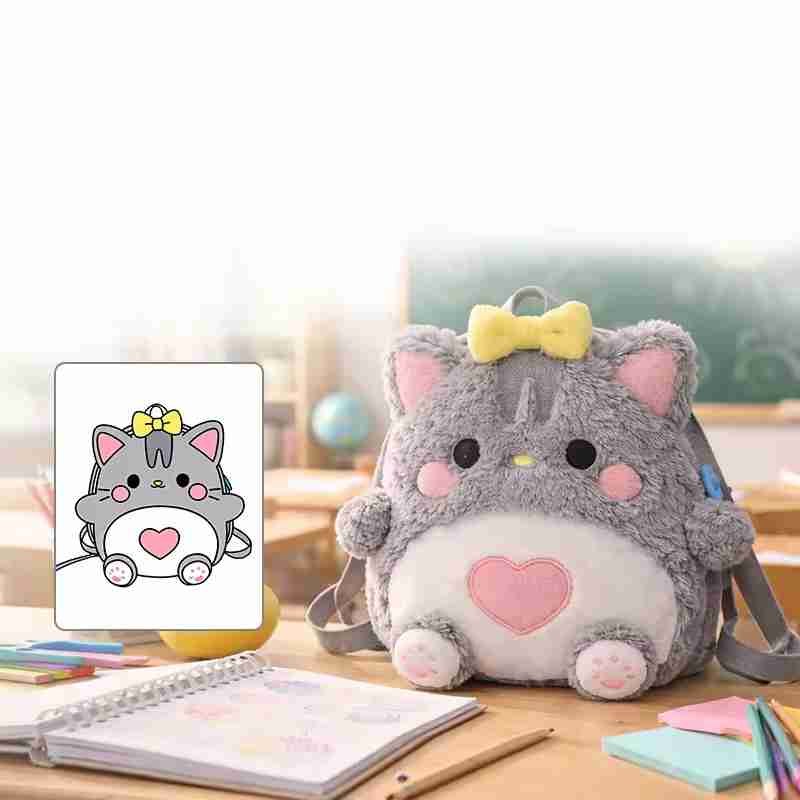
Custom Plush Backpacks
Hybrid plush-vinyl doll development for IP brands, designer toy teams, blind box programs, and collectible character projects.
Soft character backpack development for kids, mascot projects, IP lines, retail collections, events, and private label gift programs.
Turn animals, mascots, licensed characters, cartoon concepts, festival themes, or brand icons into plush backpacks with a clear face, soft body, real storage space, comfortable straps, smooth zipper, clean lining, and retail-ready presentation.
- Custom plush backpacks, animal plush backpacks, stuffed animal backpacks, mascot backpacks, character backpacks, toddler plush backpacks, and kids plush bags
- Size planning for 18–22cm, 23–28cm, 29–35cm, 36–40cm, or custom animal and mascot shapes
- Plush fabric, PP cotton filling, embroidery, applique, fabric printing, 3D ears, tail, paws, wings, horns, and soft body control
- Backpack structure review for shoulder straps, zipper opening, lining, inner pocket, handle, back panel, capacity, and packing recovery
- MOQ starts from 500 pcs per design
- Guangdong plush products factory with 20+ years of OEM/ODM project experience, 600+ staff, 35+ pattern makers, 80 QC inspectors, and 30+ production lines
Plush Backpacks Are Not Ordinary Backpacks
A plush backpack needs to feel like a toy, work like a bag, and still look good after daily use. The softness, shape, stuffing, zipper position, strap strength, lining, and safety details all affect the final experience. For brand projects, a cute appearance is only the beginning—the real value comes from making the backpack comfortable, durable, washable, and ready for retail presentation.

A Character Product With Carrying Function
A nylon backpack is usually judged by capacity, compartments, water resistance, and daily load. A plush toy is judged by face, fabric, filling, touch, and character expression. A plush backpack sits between both worlds. It needs a lovable animal or mascot shape, but it also needs straps, zipper, lining, inner space, and stable sewing.
The first risk is building a cute product that cannot be used well. A big head may reduce storage space. A short zipper may make the bag hard to open. Heavy filling may make the body bulky. A poorly placed strap may pull the animal face backward when worn. A tail or wing may look good from the front but become crushed in packing. Heyzizi reviews the backpack as a complete soft product, not as a plush toy with straps added later.
For kids, retail, IP, mascot, and gift programs, the backpack should feel light, soft, clear in character, and easy to open. It should also hold the intended items without losing shape. Most plush backpacks are not built for heavy books or laptops. They are better planned for light daily items, snacks, small toys, wipes, accessories, gift contents, or display value.
Why Structure Changes The Look
Plush backpack structure can change character expression. The zipper may cut across the back panel, side body, or top opening. The lining may pull the outer shape if not matched with body depth. The shoulder strap anchor area may distort the back if sewing is weak. The filling amount affects both face fullness and inside capacity. Ears, horns, wings, tails, paws, and 3D body parts may change after packing pressure.
The best plush backpacks are planned from several views: front, side, back, open zipper, worn angle, and packed condition. A flat artwork may look perfect, but a real product needs side thickness, seam allowance, strap placement, zipper route, lining depth, and filling space. Heyzizi reviews these details before sample work so the design can keep its character while becoming a usable plush bag.
Development Review Areas
Character Face
Eyes, nose, mouth, cheeks, ears, and expression should stay recognisable after sewing and filling.
Body Proportion
Head, belly, limbs, tail, and backpack space should feel balanced from front and side views.
Shoulder Straps
Strap length, width, webbing, padding, and anchor points should match the intended age and use.
Zipper Opening
Zipper position should allow easy opening without damaging the animal or mascot shape.
Inner Lining
Lining should feel clean, fit the body depth, and support the intended storage.
Packing Recovery
Ears, face, nose, tail, straps, and body shape should be protected during packing and transport.
Who Needs Custom Plush Backpacks
Custom plush backpacks suit teams planning character-driven soft bags with real carrying value, retail appeal, child-use comfort, and repeatable bulk standards. Each project type needs different decisions before sample work begins.
Toy Brands
Toy brands need plush backpacks that feel playful, soft, safe, and usable. A stuffed animal backpack may look like a toy from the front, but it still needs shoulder straps, zipper, lining, inner space, sewing strength, and clean packing. The main concerns usually include character expression, plush fabric, filling control, child-use comfort, strap attachment, zipper smoothness, and bulk consistency. Heyzizi can review animal shape, 3D parts, face embroidery, body thickness, strap position, lining, opening size, labels, and packing protection before the approved sample moves forward.
IP Owners
IP teams need plush backpacks that protect character identity. Face proportion, colour system, expression, ear shape, costume details, symbols, and packaging style should stay close to approved artwork. A character backpack should not lose identity after adding zipper, straps, and storage space. Heyzizi can review front, side, and back structure with artwork files, then plan embroidery, applique, fabric printing, 3D parts, label positions, and packaging records. For unreleased programs, confidential artwork review and NDA discussion can also be arranged when needed.
Mascot Programs
Mascot programs often turn a company character, school mascot, sports team figure, event icon, hotel character, or theme park animal into a product people can wear and keep. The backpack should still look like the mascot while staying comfortable enough for light use. Heyzizi can review mascot head shape, body proportion, colour blocks, logo placement, strap style, zipper route, inner lining, care label, hangtag, and carton packing. Mascot backpacks work well for events, school programs, family activities, retail shops, and fan gift programs.
Retail Brands
Retail brands need plush backpacks that look good on shelves, online photos, and repeat orders. The product should have a clear front face, neat side shape, clean back view, visible hangtag, barcode area, stable carton packing, and SKU consistency. A strong retail plush backpack cannot rely only on cuteness; it also needs packaging that protects ears, nose, straps, zipper, and tail. Heyzizi can review style codes, label placement, polybag size, display packing, carton marks, approved sample photos, and bulk QC points for retail-ready programs.
Gift Companies
Gift companies often need plush backpacks for kids’ events, family programs, holiday gifts, kindergarten gifts, welcome packs, and brand campaigns. These projects need friendly appearance, controlled cost, clear packing, and reliable delivery planning. A 23–28cm plush backpack with light storage may work well for snacks, small toys, wipes, or event materials. Heyzizi can review size, fabric, logo detail, hangtag, gift box, polybag, carton quantity, delivery timing, and packing method so the backpack feels presentable and easy to distribute.
E-Commerce Brands
E-commerce brands need plush backpacks that photograph well, pack safely, and arrive with stable shape. Online sales are sensitive to product photos, colour, capacity, zipper opening, loose threads, compressed shape, label accuracy, and return risk. A plush backpack may look cute in a studio photo but arrive flat if packaging is poorly planned. Heyzizi can review photo-friendly shape, fabric pile direction, stuffing recovery, strap layout, zipper access, inner lining, SKU label, barcode, carton packing, and pre-shipment photos for online product launches.
Plush Backpack Risks To Fix Early
Plush backpacks can fail when the toy shape and bag function are planned separately. Character face, body thickness, straps, zipper, lining, capacity, labels, packing, and bulk consistency should be reviewed before sample approval.

Cute But Not Usable
A plush backpack may look adorable in the first photo, yet still disappoint in real use. If the zipper opening is too short, children may struggle to put items inside. If the inner space is blocked by filling, capacity becomes weaker than expected. If the body is too round, the bag may look like a toy but carry very little. Heyzizi reviews character shape together with opening size, lining depth, storage space, and intended use, so the backpack can stay cute while still serving as a light-use soft bag.
Shape Loses Balance
Animal and mascot backpacks need balanced front, side, and back views. A large head, long ears, heavy tail, high filling amount, or uneven body shape may make the backpack lean, twist, or lose character when worn. A product that looks perfect on a table may look different on a child’s back. Heyzizi reviews paper pattern, stuffing level, 3D parts, back panel, strap position, and side thickness together before sample approval, helping the plush backpack keep its shape in display, wearing, and packing.
Straps Feel Weak
Shoulder straps are not decoration. They carry the weight of the bag, the contents, and repeated use. Weak strap anchors, narrow webbing, rough stitching, or poor back panel support can make the backpack feel unreliable. For children’s plush backpacks, strap length, width, softness, fixing area, and sewing strength should match the intended age and product size. Heyzizi reviews shoulder straps, handle, anchor points, seam reinforcement, and back panel structure before bulk planning, especially for animal backpacks, toddler backpacks, and event gift backpacks.
Zipper Hurts The Look
The zipper must work smoothly without damaging the character. A zipper placed across the wrong area may cut through an animal face, flatten a mascot body, or make the bag look less premium. A small zipper puller may be hard for children to use. A rough zipper may catch the lining or plush pile. Heyzizi reviews zipper route, opening length, puller style, lining connection, seam allowance, and character shape together. The goal is a zipper that opens easily and stays visually quiet.
Packing Flattens Plush
Plush backpacks have ears, noses, tails, horns, wings, paws, straps, and soft-filled bodies. Tight packing can flatten the face, bend ears, crush the nose, twist the straps, or wrinkle the lining. Packing also affects online photos and retail shelf appearance after arrival. Heyzizi reviews product thickness, stuffing recovery, polybag size, carton quantity, gift box support, and pressure-sensitive parts before final packing. A good packing plan protects the character shape without wasting unnecessary space.
Bulk Drifts From Sample
A plush backpack contains many repeating details: face embroidery, applique placement, fabric pile direction, filling amount, zipper length, lining depth, strap position, care label, hangtag, and carton mark. If records are unclear, bulk goods may drift from the approved sample. Heyzizi uses approved sample photos, pattern notes, fabric references, embroidery files, strap specifications, zipper records, label files, packing rules, and QC checks to keep bulk production close to the approved direction.
Size, Capacity And Age Use
Plush backpack size should match age direction, carrying purpose, character shape, strap length, zipper opening, and packing method. Bigger is not always better. The best size is the one that keeps the character attractive while making the bag comfortable and usable.
| Size Direction | Best Use | Capacity Review | Development Focus |
|---|---|---|---|
| 18–22cm | Mini plush backpack, toddler gift, compact event item | Very light storage, small toy, gift insert, display value | Simple shape, short straps, light filling, soft edges |
| 23–28cm | Toddler backpack, kindergarten gift, event gift | Snacks, wipes, small toys, light activity items | Comfort, zipper access, strap strength, back panel feel |
| 29–35cm | Kids plush backpack, retail series, animal backpack | Light daily items, small clothing, accessories, toy storage | Lining, zipper opening, shoulder strap, inner space |
| 36–40cm | Statement plush bag, IP gift, retail display item | More visual value than heavy carrying | Shape balance, stuffing control, packing protection |
| Custom Shape | Animal, mascot, monster, doll, character body | Depends on body structure and zipper route | Pattern, face detail, capacity, side thickness, strap position |
Choose Size By Use, Not Only By Look
A plush backpack should not be enlarged only because a character looks cute at a bigger scale. Larger size can increase visual impact, but it can also increase body thickness, carton volume, packing pressure, and wearing discomfort. A small toddler backpack may feel friendlier for young children, while a 30cm animal backpack may work better for retail display and light daily use.
The correct size starts with use. Is the backpack for a children’s gift? A toy shop shelf? A theme park mascot product? A toddler welcome pack? A character merchandise launch? A plush bag series? Each use needs a different balance between shape and capacity. Heyzizi reviews target age, wearing scene, intended contents, character body shape, shoulder strap type, and packaging direction before sample work.
Capacity Is Not The Same As Outer Size
Plush backpacks often look larger than their usable inner space. Ears, heads, tails, wings, horns, paws, and filling can take up volume. A round animal body may look full outside but leave less room inside. A wide zipper opening may be needed for children to use the space easily. A deep lining can increase storage, but it may also pull the outer shape if the body is not planned well.
Capacity should be described by expected contents rather than vague size words. Examples include snacks, wipes, small toys, hair accessories, light clothing, event materials, gift inserts, or plush mini items. Heavy books, laptops, and large water bottles are usually not suitable for most plush backpacks unless the structure is specially reviewed.
Age Direction Affects Structure
Age direction influences strap length, strap width, zipper puller, product weight, back panel softness, surface fabric, accessory choice, labels, and testing support. A toddler plush backpack needs shorter straps, lighter body, softer edges, and easier zipper access. A kids’ retail backpack can support a larger size, more detailed character shape, inner pocket, and stronger visual design.
For animal and mascot backpacks, the shape should also be reviewed after wearing. Some designs look balanced on a table but lean backward when the straps are used. Heyzizi reviews front view, side thickness, back panel, strap anchor, zipper route, and packing recovery together so the final product can look good and feel comfortable.
Packing Should Match Final Thickness
Final thickness affects polybag size, gift box depth, carton loading, freight volume, and product recovery after arrival. A 35cm plush backpack with long ears may need a different packing rule from a 28cm round bear backpack. A backpack with horns, wings, nose, or large tail may need soft support or looser carton packing. Packaging should protect the face and 3D parts without making the carton inefficient.
Heyzizi reviews product size with packing method before bulk planning. Approved samples should be checked in both open and packed conditions. The product should arrive with a clean face, smooth fabric, usable zipper, untwisted straps, and recoverable plush shape.
Custom Plush Backpack Types
Custom plush backpacks can be developed for animal themes, mascot programs, character merchandise, toddler use, children’s gifts, retail shelves, events, and full plush bag collections. Each type needs a different balance of shape, storage, comfort, craft, and packing.
Animal Backpacks

Animal plush backpacks are strong for kids’ gifts, toy shops, baby stores, theme parks, zoo shops, museum stores, and online retail. Common designs include bear, rabbit, cat, dog, panda, unicorn, dinosaur, penguin, monkey, fox, frog, lion, and sea animals. The main challenge is keeping the animal face clear while still leaving enough inner space. Heyzizi reviews head shape, ears, tail, paws, body thickness, zipper route, shoulder straps, fabric pile direction, embroidery, and packing protection for animal backpack programs.
Character Backpacks

Character plush backpacks are useful for animation, games, comics, storybooks, creator brands, fan gifts, and licensed merchandise. A character backpack should not lose identity after zipper, lining, and shoulder straps are added. Face proportion, hair shape, ears, costume details, symbols, colour system, and body silhouette should stay close to the approved artwork. Heyzizi reviews front artwork, side profile, back view, embroidery, applique, fabric printing, stuffing, zipper opening, and label positions before sample development.
Mascot Backpacks

Mascot backpacks turn a brand character, school icon, sports figure, hotel mascot, event animal, theme park character, or campaign symbol into a soft wearable product. The mascot must stay recognisable from the front, side, and worn angle. Logo placement, colour blocks, facial features, outfit details, and packaging style need early review. Heyzizi can support mascot shape planning, embroidery details, applique panels, strap placement, back panel structure, hangtag, care label, and carton packing for mascot gift, retail, and event programs.
Toddler Backpacks

Toddler plush backpacks should stay light, soft, simple, and easy to wear. They are often planned for small snacks, wipes, soft toys, light clothing, activity gifts, or nursery use rather than heavy books. Size, strap length, back panel feel, zipper opening, and product weight should match younger use. Heyzizi reviews soft fabric, short shoulder straps, smooth edges, gentle back padding, easy zipper access, clean lining, care label, and warning label direction for toddler backpack projects.
Doll Backpacks

Doll backpacks feel closer to soft character merchandise and photo-friendly accessories. They may be used by fan communities, lifestyle brands, pop-up shops, collectible programs, and online product drops. These designs often care about face, outfit, hair, plush texture, small accessories, and styling value. Storage space may be smaller than a regular kids’ backpack, but the product must still open cleanly and hold its shape. Heyzizi reviews doll face detail, outfit applique, mini pocket, zipper placement, strap style, and packing protection.
Kids Plush Bags

Kids plush bags cover many child-friendly soft bag styles, including small backpacks, character bags, animal bags, plush purses, lightweight travel bags, and daily little storage products. The key is to keep the product fun without making it difficult to use. A child should be able to open the bag, carry small items, and enjoy the character. Heyzizi reviews size, capacity, zipper, strap strength, handle, lining, surface cleaning, embroidery, 3D parts, and packing recovery for kids’ plush bag programs.
Event Gift Backpacks

Event gift plush backpacks are suitable for kindergarten gifts, Children’s Day gifts, family events, sports activities, hotel welcome packs, tourism programs, and seasonal campaigns. These projects often need friendly appearance, controlled size, stable quantity, clean packing, and clear distribution. A 23–28cm animal or mascot backpack can work well for light gifts and activity materials. Heyzizi reviews logo detail, hangtag, polybag, carton quantity, delivery schedule, strap strength, and packing method for event use.
Retail Plush Series

A plush backpack can become part of a wider retail soft bag series. One animal or character may extend into backpack, crossbody bag, pouch, coin purse, bag charm, plush keyring, or gift set. Series planning helps keep colour, face style, hardware, labels, and packaging consistent across several products. Heyzizi can review shared character language, size system, craft records, label files, hangtags, barcodes, carton marks, and repeat order notes for retail plush bag programs.
Backpack Structure And Functional Parts
A plush backpack needs real structure behind the soft character. Straps, zipper, lining, back panel, handle, and pocket details should support light use without damaging the plush shape.
Shoulder Straps
Shoulder straps decide how the plush backpack feels when worn. Strap width, length, softness, webbing, padding, stitch position, and anchor strength should match the intended age and product size. A toddler plush backpack may need shorter and softer straps, while a kids’ retail backpack may need stronger webbing and wider anchor areas. The strap should not pull the animal body backward or distort the face when used. Heyzizi reviews strap material, sewing reinforcement, back panel support, wearing angle, and packing position before sample approval.
Zipper Opening
The zipper controls access to the inner space and can also change the character look. A zipper that is too short makes the backpack difficult to use. A zipper placed in the wrong area may cut into the animal body, mascot colour block, or character silhouette. The puller should be easy to hold and suitable for the product style. Heyzizi reviews zipper length, route, teeth smoothness, puller style, colour, lining connection, and seam allowance, so the opening feels useful without becoming visually noisy.
Inner Lining
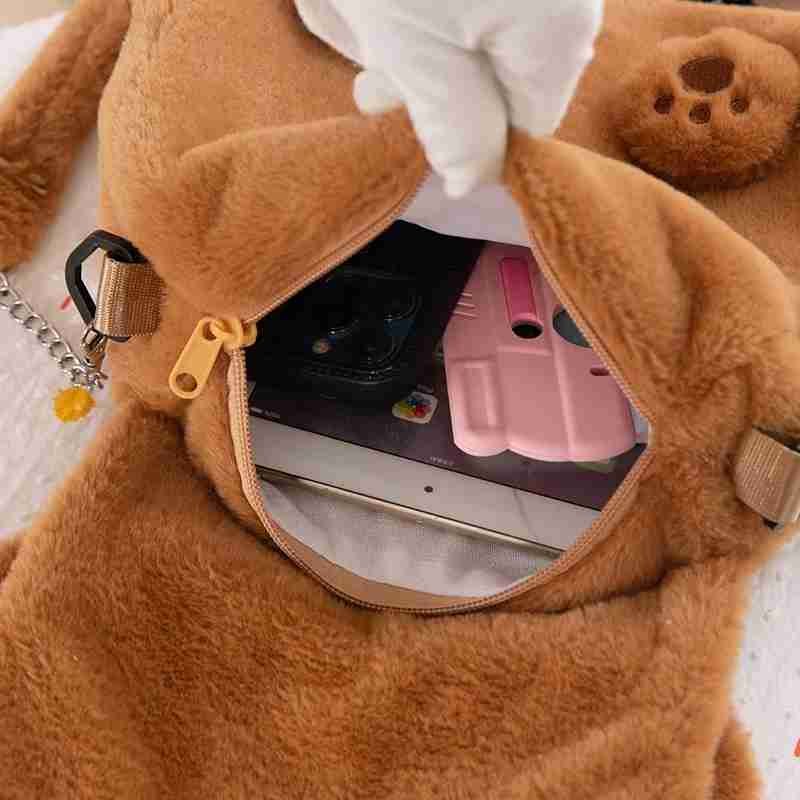
The lining turns a plush shape into a real soft bag. It helps create cleaner storage, protects inner seams, and improves the product feel after opening the zipper. Lining depth should match the body thickness and intended contents. If the lining is too shallow, the bag feels decorative only. If it is too deep for the outer shape, it may pull and deform the plush body. Heyzizi reviews lining material, seam finish, depth, colour, cleanliness, label position, and connection with zipper and outer shell.
Back Panel
The back panel affects comfort, shape, and strap strength. A plush backpack may have a soft front face, but the back should be stable enough to connect shoulder straps and sit neatly against the body. Too much filling can make the back panel round and uncomfortable. Too little structure can make the product collapse. Heyzizi reviews back panel fabric, padding, flatness, strap anchor areas, seam reinforcement, and side profile. A well-planned back panel helps the backpack look good from the front and feel better from behind.
Carry Handle
A carry handle is useful for retail display, gift distribution, travel, parents holding the bag, and children lifting the backpack quickly. The handle should be easy to grip and strong enough for light carrying. It should not pull the head shape, tear the seam, or twist the body. Heyzizi reviews handle width, webbing, plush cover option, sewing area, position, and packing direction. For mascot or animal backpacks, the handle can also help product presentation without hiding the face.
Inside Pocket
An inside pocket can add value when the backpack needs light organisation. It may hold small cards, hair accessories, stickers, tiny toys, care note, or small event items. The pocket should be simple, neat, and matched to product size. A large pocket inside a small plush backpack can reduce usable space or create sewing bulk. Heyzizi reviews pocket size, lining material, stitching, edge finish, placement, and whether the pocket supports the intended use. For retail and gift programs, a clean pocket can make the product feel more complete.
Character Shape And 3D Proportion Control
Character recognition depends on more than accurate colors and facial details. Head-to-body ratio, limb length, body volume, ear position, sitting posture, and side-view depth must work together to reproduce the original design in three dimensions. Careful pattern adjustment, stuffing control, and front, side, and back comparison help each plush character maintain a balanced silhouette and consistent appearance before bulk production.
From Artwork To Wearable Plush Shape

A plush backpack is not a flat character printed on a bag. It is a soft 3D product with a face, body, back panel, zipper route, shoulder straps, lining, and inner space. A cute animal drawing may need changes before becoming a backpack. The head may need better balance. The ears may need shorter height. The tail may need a safer position. The belly may need less filling to leave more storage room. The zipper may need to move away from the face or body feature.
Heyzizi reviews character artwork with front, side, and back logic. The front view protects expression. The side view controls thickness and balance. The back view confirms straps, zipper, handle, and wearing structure. For mascot backpacks, the logo, colour blocks, and character identity should stay clear. For animal backpacks, the eyes, nose, mouth, ears, paws, belly, tail, and fur direction should look natural after sewing and filling.
A strong plush backpack should still look good when placed on a shelf, held by the handle, worn on the back, opened with the zipper, and packed for delivery. A product that only looks good from the front may create trouble later. Heyzizi plans 3D proportion before sampling so the backpack can remain cute, useful, and repeatable.
Proportion Details To Review
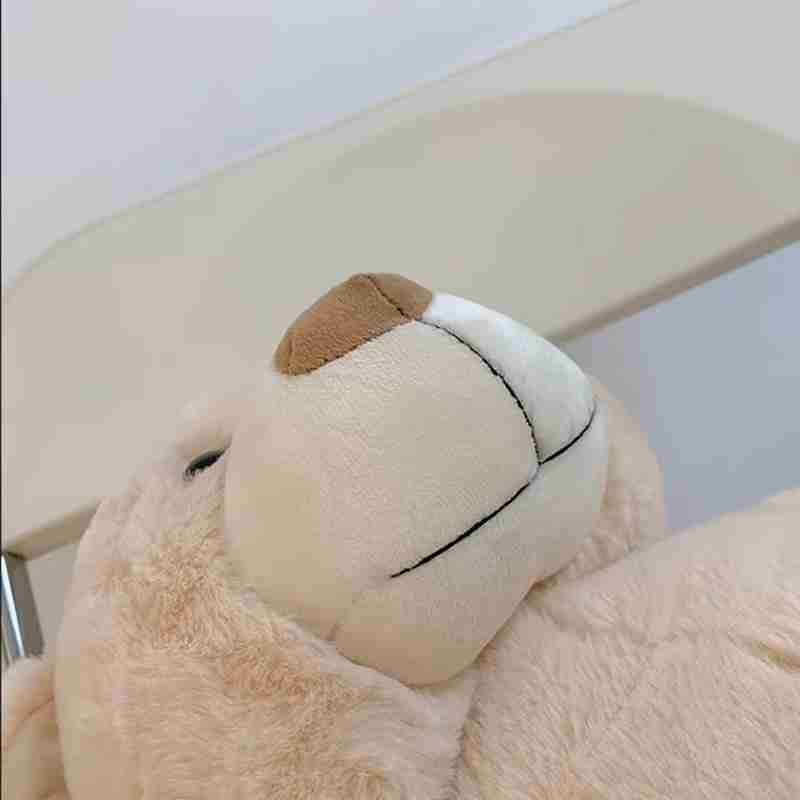
Face Position
Eyes, nose, mouth, cheeks, and forehead shape should stay balanced after stuffing and sewing.
Ear And Horn Angle
Ears, horns, antlers, or antennae should stand or bend naturally without becoming too high for packing.
Tail And Wing Placement
Tails, wings, fins, and plush extensions should not block straps, zipper, or carton packing.
Body Thickness
Enough thickness is needed for plush shape, but too much filling can reduce inner space.
Side Profile
Side view should show a clear animal or mascot body without looking collapsed or oversized.
Back Panel Shape
The back should stay smooth enough for shoulder straps and comfortable light carrying.
Strap Anchor Area
Strap attachment should not pull the character body out of shape.
Packing Recovery
Soft parts should recover after polybag, gift box, or carton packing.
How 3D Control Protects Retail Value

Plush backpacks are often judged in photos before they are touched. A face that looks slightly tilted, an ear that folds badly, a tail that sits too low, or a body that leans backward can reduce retail appeal. In physical shops, children often reach for the item with the clearest face and most huggable body. Online, side-view photos, open-zipper photos, and worn photos can reveal weak structure quickly.
3D control also protects repeat orders. If the first order approves a panda backpack with a round face, short ears, soft belly, and clean zipper route, the next order should not become flatter, heavier, or visually different. Heyzizi keeps useful references such as pattern notes, embroidery files, fabric records, filling direction, strap placement, zipper position, and approved sample photos, helping later production stay closer to the original shape.
Logo, Craft And Detail Options
A custom plush backpack needs craft choices that protect both character appeal and bag function. Embroidery, applique, fabric printing, 3D plush parts, woven labels, and zipper pullers should match the design, age direction, and bulk standard.
Embroidery
Embroidery is one of the strongest choices for eyes, eyebrows, nose, mouth, cheeks, small marks, mascot expressions, and front logo details. It gives a cleaner and safer finish than loose plastic parts for many children’s plush backpack projects. The key is placement accuracy. A small shift in the eyes or mouth can change the whole character feeling. Heyzizi reviews embroidery file, thread colour, stitch density, fabric pile, face curve, seam allowance, and filling direction before sample approval. For animal backpacks and mascot backpacks, embroidery should support the character, not make the face stiff or heavy.
Applique
Applique works well for belly panels, costume shapes, animal spots, wings, paws, ears, pockets, colour blocks, and larger brand elements. It can create clear contrast without relying only on printing. Good applique needs clean edges, stable placement, suitable fabric thickness, and neat stitching. If applique pieces are too small, bulky, or close to a zipper area, sewing may become uneven. Heyzizi reviews applique size, fabric choice, edge finish, stitch line, pattern position, and body thickness. For character plush backpacks, applique can help create outfit details and stronger shelf appeal.
Fabric Printing
Fabric printing can support inner lining graphics, clothing patterns, character symbols, full-body details, event themes, and brand artwork. It works best when the fabric surface, artwork scale, and colour direction are reviewed early. Tiny artwork may not stay sharp on plush surfaces, especially when the pile is long. Printed fabric should also be placed with seam allowance and body curve in mind. Heyzizi reviews print size, colour reference, fabric surface, panel position, sewing direction, and wash direction. For retail plush backpack series, printed lining can add brand value without changing outer shape too much.
3D Plush Parts
3D plush parts create the strongest character feeling. Ears, horns, tails, wings, paws, fins, hair, cheeks, nose, and belly details make a plush backpack feel more alive. These parts also bring risk if they are too long, too heavy, or poorly positioned. A tail can block packing. Horns may bend. Long ears may fold during transport. Heyzizi reviews part size, filling amount, seam strength, placement, wearing angle, packing pressure, and recovery. The goal is a lively character shape that still works as a soft backpack.
Woven Label
Woven labels support private label projects, retail lines, and brand programs. They can be placed on the side seam, back panel, inner lining, care label area, or hangtag set. A label should be visible enough for brand recognition but not uncomfortable for children. Heyzizi reviews label size, material, fold style, sewing position, colour, brand logo clarity, and consistency across styles. For multi-SKU plush backpack lines, a stable label system makes later reorders easier and keeps brand presentation clean.
Custom Puller
A custom zipper puller can add detail and improve use. It may be a soft fabric puller, rubber puller, woven tab, mini plush charm, printed puller, or simple colour-matched pull. The puller should be easy to hold and should not feel sharp, heavy, or distracting. For children’s plush backpacks, size and material need careful review. Heyzizi checks puller length, attachment, weight, colour, child-use comfort, zipper movement, and packing effect. A good puller makes the bag easier to open and adds a small but memorable design touch.
Materials, Filling And Lining Options
Material choice affects character clarity, soft touch, shape recovery, storage space, child-use comfort, and retail value. Fabric, filling, lining, zipper, and strap material should be selected together, not separately.


| Material Or Part | Best Use | Review Focus | Development Notes |
|---|---|---|---|
| Short Plush | Clean animal faces, mascot details, character panels | Embroidery clarity, surface control, colour blocks | Good for clear eyes, nose, mouth, logo areas, and neat character expression |
| Minky | Soft premium feel, toddler backpacks, gentle touch areas | Pile direction, hand feel, surface cleanliness | Useful for soft cover and high-touch zones, but tiny printed details may lose sharpness |
| Faux Fur | Fluffy animals, fashion styles, playful retail designs | Shedding, trimming, seam bulk, shape control | Works well for lions, bears, monsters, pets, and cosy seasonal styles |
| Sherpa | Winter themes, cosy gifts, lamb or bear styles | Thickness, lint, edge bulk, packing recovery | Adds warmth and gift feel, but structure must avoid excessive bulk |
| PP Cotton | Stuffed head, ears, paws, tail, soft 3D parts | Filling amount, recovery, body balance | Too much filling reduces capacity; too little filling weakens the character shape |
| Polyester Lining | Inner storage, clean bag structure | Cleanliness, durability, colour, seam finish | Helps the backpack feel complete after zipper opening |
| Zipper | Opening and closure | Smoothness, length, puller, colour, seam position | Should open easily without damaging animal or mascot shape |
| Webbing | Shoulder straps, handle, anchor areas | Strength, width, softness, colour, sewing area | Should match target age, product size, and wearing comfort |
Fabric Should Match Character Detail
Short plush is useful when the backpack needs a clean face, clear embroidery, and stable colour blocks. It can support animal eyes, nose, mouth, mascot features, and logo details better than longer pile fabrics. Minky gives a softer premium feel and works well for toddler backpacks or high-touch surfaces. Faux fur and sherpa can create a fluffy, warm, or fashion-led style, but they need more review around shedding, trimming, seam bulk, and packing recovery.
The right fabric depends on the role of each area. A panda face may need short plush for clarity, while the body can use softer pile fabric. A monster backpack may use faux fur for character, but the zipper area may need shorter fabric for smoother opening. A mascot backpack may need stable colours and clean applique edges rather than heavy texture.
Filling Controls Shape And Capacity
PP cotton filling gives the plush backpack its soft body, round face, ears, paws, tail, and 3D parts. Filling also affects internal capacity. A stuffed head can make the character more lovable, but heavy filling around the body can reduce storage space. The backpack should be full enough to look soft, yet not so packed that the zipper area becomes tight or the inner space becomes shallow.
Heyzizi reviews filling by area. Face, ears, tail, paws, and decorative parts may need different filling levels from the back panel or storage body. Side thickness, wearing angle, and packing recovery should also be checked. For plush backpacks, filling is not only about softness. It is part of structure control.
Lining, Zipper And Webbing Complete The Bag
The inside of a plush backpack should feel clean and usable. Polyester lining is often used to create a neater storage space. It can help protect inner seams and make the backpack feel more finished when opened. Zipper selection should match the plush fabric, opening direction, and intended age. Webbing or soft strap material should match size, comfort, and strength needs.
If the lining is too loose, it may bunch up inside. If the zipper is too stiff, children may struggle to use it. If the strap material feels rough, the product may lose comfort value. Heyzizi reviews these parts together with plush shape, not as separate accessories. The result should feel like one soft character backpack, not a toy body with unrelated bag parts.
Material Records For Bulk Consistency
After the approved sample, material records help protect repeat quality. The same plush pile, lining colour, zipper length, webbing width, embroidery thread, appliqué fabric, filling level, and label position should be recorded clearly. For a multi-style plush backpack series, similar records help each style feel related while keeping its own character identity. These specifications also make later replenishment, colour matching, material replacement, and defect investigation easier, reducing visual differences between production batches and providing a dependable reference for future collection updates.
Child Use, Comfort, and Safety Review
A plush backpack designed for children should feel comfortable, easy to carry, and secure during everyday use. Strap width, adjustability, bag weight, zipper access, back-panel softness, seam strength, and the attachment of ears, tails, appliqués, and other decorative parts all need careful review. Age suitability and required safety standards should also be confirmed before bulk production, helping the finished backpack balance playful character design with dependable function and safer daily use.
Comfort Begins With Wearing
A kids’ plush backpack is not only held in the hand. It may be worn during a kindergarten activity, carried in a theme park, packed for a children’s event, placed in a gift box, photographed for online retail, or used during light daily outings. Comfort starts with the way the backpack sits on the body. The shoulder straps should not feel rough. The back panel should not be overly round. The body should not be too heavy. The zipper should be easy enough to open. The plush surface should feel pleasant when touched often.
Heyzizi reviews comfort through several details: product size, strap length, strap width, back panel padding, body thickness, filling amount, zipper access, fabric touch, edge finish, and wearing angle. A 23cm toddler backpack and a 35cm retail plush backpack need different decisions. A small animal backpack may use shorter straps and lighter filling. A larger character backpack may need stronger shoulder straps, cleaner back panel structure, and better packing recovery.
Safety Review Starts Before Sample Approval
Safety should not be left until the end. A plush backpack may include embroidery, applique, zipper, puller, woven label, handle, inner pocket, plastic or rubber parts, 3D ears, horns, tail, and hangtag. Each detail should match the intended age, sales area, and product use. For younger children, loose small parts, sharp components, long cords, rough edges, weak seams, metal pieces, and unstable attachments need careful review.
Heyzizi checks material direction, fabric surface, loose fibre control, seam reinforcement, strap anchor areas, zipper puller style, label placement, and packing pressure during development. Needle and metal safety is also important for plush products. Heyzizi uses needle detection control across key production stages, including after sewing, after filling, and before packing, helping reduce metal contamination risk before shipment.
For projects entering the US, EU, UK, or other regulated channels, safety direction should be discussed before bulk planning. Heyzizi can support product information preparation and third-party testing coordination when needed, including directions related to ASTM F963, CPSIA, EN71, CE, and other target-country requirements. Final testing scope should follow the product structure, age direction, sales channel, and lab requirements.
Review Areas For Children’s Plush Backpacks
Age Direction
Intended age affects size, strap length, zipper puller, accessory choice, labels, and testing direction.
Product Weight
Plush backpacks should stay light enough for the intended use scene and child age.
Shoulder Comfort
Straps should feel soft, stable, and properly positioned for light carrying.
Back Panel Feel
The back should avoid hard pressure, excessive roundness, or rough seams.
Zipper Access
The zipper should open smoothly and not catch lining or plush pile.
Small Part Review
Eyes, noses, pullers, charms, labels, and decorative parts need correct fixing and age review.
Seam Reinforcement
Strap anchors, handle areas, zipper ends, tail, ears, and 3D parts should be secured.
Care Label And Warning Label
Labels should be readable, consistent, and placed where they do not irritate touch.
Surface Cleanliness
Thread ends, lint, fabric dust, and loose fibres should be removed before packing.
Packing Protection
Packing should protect the face, ears, straps, zipper, tail, and body recovery.
Sample Development Workflow
Design File And Use Scene Review
The sample process starts with design review. Useful files include front view, side view, back view, character artwork, mascot guide, logo file, target size, quantity per design, intended age, product use, capacity expectation, fabric direction, packaging idea, and target country. If only a front artwork is available, Heyzizi can still begin early review, but side and back details will need confirmation before accurate sampling.
Use scene matters. A plush backpack for a theme park shop may need stronger retail display and barcode planning. A mascot event backpack may need clear carton sorting and fast distribution packing. A toddler plush backpack may need lighter body, softer straps, and simpler parts. A character series may need repeatable face style, label system, and packaging records.

Shape, Size And Capacity Planning
After the first file review, the backpack is planned by size and structure. The team checks whether the character can hold enough inner space, where the zipper should open, how much filling is needed, and how the shoulder straps should connect to the back panel. For animal backpacks, ears, tail, paws, horns, wings, and body thickness need early review. For mascot backpacks, logo position, colour blocks, outfit details, and expression should stay clear.
Capacity should be described by expected contents: snacks, wipes, small toys, hair accessories, light clothing, event inserts, or small gifts. Plush backpacks are usually designed for light use rather than heavy books. Planning the capacity early helps avoid a sample that looks good but feels difficult to use.
Material, Craft And Pattern Work
Next, fabric, filling, lining, zipper, strap material, embroidery, applique, printing, woven label, and puller options are reviewed. Short plush may be used for clear face embroidery. Minky may support a softer premium touch. Faux fur or sherpa may create a fluffy style but needs more review around shedding and packing recovery. Lining, zipper, and strap material should match the body shape and age direction.
Pattern work connects the character and the bag. Paper pattern, seam allowance, body curve, back panel, strap anchor, zipper route, and inner lining should fit together. A small change in ear angle, zipper length, or filling amount can affect the whole backpack. Heyzizi reviews these details before the first sample is assembled.


First Sample Review
The first sample should be checked from several angles, not only from the front. Review front face, side thickness, back panel, strap position, handle, zipper opening, inner lining, pocket, filling amount, embroidery, applique, label position, and packed condition. The backpack should also be opened and closed several times to check whether the zipper catches lining or plush pile.
Wearing angle matters. Some plush backpacks look balanced on a table but lean backward when straps are used. A clear sample review should include display view, hand-carry view, open-zipper view, and packed view. Heyzizi can provide sample photos or videos when needed, helping teams review details before revision.
Revision And Approved Sample
Revision should focus on the details that affect character identity, comfort, safety direction, and bulk consistency. Common revisions include face position, ear angle, tail placement, filling amount, zipper length, strap width, back panel softness, lining depth, embroidery colour, applique edge, label position, and packaging size.
Custom plush samples are often planned around 7–14 days after confirmed details and sample payment. Revision is often around 5–10 days depending on change scope, material status, artwork update, structure adjustment, or packaging change. Once approved, the sample becomes the reference for bulk production. Heyzizi then keeps key records such as approved sample photos, fabric notes, pattern files, embroidery files, zipper and strap specifications, label files, and packing rules.
Prepared design files can be sent to info@heyzizi.com for early review when project details are ready.
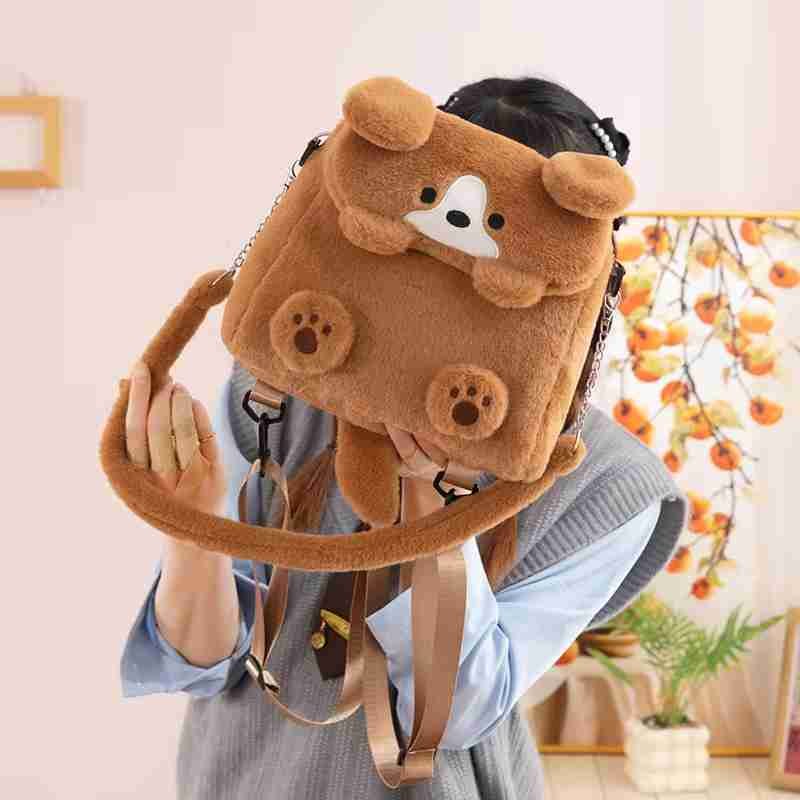
MOQ, Sample Fee, Quote And Timeline
A custom plush backpack quote should be based on the full product, not only the front artwork. Size, shape, fabric, filling, lining, zipper, straps, craft, packaging, testing direction, quantity, and schedule all affect cost and timing.
| Item | Heyzizi Planning Reference | What To Prepare | Why It Matters |
|---|---|---|---|
| MOQ | Starts from 500 pcs per design | Quantity per backpack style | Each design needs its own pattern, face file, material plan, zipper route, strap rule, label file, packing rule, and QC reference |
| Common Sizes | 18–22cm, 23–28cm, 29–35cm, 36–40cm, or custom shape | Target size or intended use | Size affects capacity, wearing comfort, carton volume, and plush shape recovery |
| Sample Fee | Custom plush backpack samples usually require a sample fee | Artwork, size, use scene, material direction, packaging idea | Sample work includes pattern, embroidery, craft setup, sewing, filling, zipper, straps, lining, and review |
| Sample Fee Credit | Refundable or deductible when one approved design reaches 2,000 pcs in bulk order | Single-style launch quantity | Helps planned retail, gift, mascot, IP, and character backpack programs reduce repeated development cost |
| Sample Time | Often planned around 7–14 days after confirmed details and sample payment | Complete files and clear comments | Complex shape, special fabric, many 3D parts, or packaging mockups may need more review |
| Revision Time | Often around 5–10 days depending on change scope | Marked revision notes | Structure changes usually take longer than colour, label, or embroidery updates |
| Bulk Lead Time | Often reviewed around 30–45 days after approved sample for standard custom plush orders | Approved sample, order details, label files, packing files | Time depends on quantity, materials, craft, packaging, testing direction, and production schedule |
| Cost Drivers | Size, fabric, filling, lining, zipper, straps, embroidery, applique, printing, 3D parts, labels, packaging, testing, quantity | Full backpack brief | A price based only on a front image may change after structure and function are confirmed |
| Files Needed | Front, side, back view if available; quantity, size, age direction, packaging, target country | One file set per style when possible | Clear files reduce repeated cost updates, sample changes, and timing risk |
Sample Development Workflow
A strong plush backpack starts with a clear sample process. From artwork review and structure planning to fabric matching, stuffing control, zipper placement, strap testing, and final approval, each step helps turn a cute concept into a practical, comfortable, and retail-ready backpack. The goal is simple: make the sample look right, feel right, and work right before bulk production be
Design File And Use Scene Review
The sample process starts with design review. Useful files include front view, side view, back view, character artwork, mascot guide, logo file, target size, quantity per design, intended age, product use, capacity expectation, fabric direction, packaging idea, and target country. If only a front artwork is available, Heyzizi can still begin early review, but side and back details will need confirmation before accurate sampling.
Use scene matters. A plush backpack for a theme park shop may need stronger retail display and barcode planning. A mascot event backpack may need clear carton sorting and fast distribution packing. A toddler plush backpack may need lighter body, softer straps, and simpler parts. A character series may need repeatable face style, label system, and packaging records.
Shape, Size And Capacity Planning
After the first file review, the backpack is planned by size and structure. The team checks whether the character can hold enough inner space, where the zipper should open, how much filling is needed, and how the shoulder straps should connect to the back panel. For animal backpacks, ears, tail, paws, horns, wings, and body thickness need early review. For mascot backpacks, logo position, colour blocks, outfit details, and expression should stay clear.
Capacity should be described by expected contents: snacks, wipes, small toys, hair accessories, light clothing, event inserts, or small gifts. Plush backpacks are usually designed for light use rather than heavy books. Planning the capacity early helps avoid a sample that looks good but feels difficult to use.
Material, Craft And Pattern Work
Next, fabric, filling, lining, zipper, strap material, embroidery, applique, printing, woven label, and puller options are reviewed. Short plush may be used for clear face embroidery. Minky may support a softer premium touch. Faux fur or sherpa may create a fluffy style but needs more review around shedding and packing recovery. Lining, zipper, and strap material should match the body shape and age direction.
Pattern work connects the character and the bag. Paper pattern, seam allowance, body curve, back panel, strap anchor, zipper route, and inner lining should fit together. A small change in ear angle, zipper length, or filling amount can affect the whole backpack. Heyzizi reviews these details before the first sample is assembled.
First Sample Review
The first sample should be checked from several angles, not only from the front. Review front face, side thickness, back panel, strap position, handle, zipper opening, inner lining, pocket, filling amount, embroidery, applique, label position, and packed condition. The backpack should also be opened and closed several times to check whether the zipper catches lining or plush pile.
Wearing angle matters. Some plush backpacks look balanced on a table but lean backward when straps are used. A clear sample review should include display view, hand-carry view, open-zipper view, and packed view. Heyzizi can provide sample photos or videos when needed, helping teams review details before revision.

Revision And Approved Sample
Revision should focus on the details that affect character identity, comfort, safety, direction, and bulk consistency. Common revisions include face position, ear angle, tail placement, filling amount, zipper length, strap width, back panel softness, lining depth, embroidery colour, applique edge, label position, and packaging size.
Custom plush samples are often planned 7–14 days after confirmed details and payment for the sample. Revisions are often around 5–10 days, depending on the scope of changes, material status, artwork updates, structural adjustments, or packaging changes. Once approved, the sample becomes the reference for bulk production. .
Heyzizi then keeps key records such as approved sample photos, fabric notes, pattern files, embroidery files, zipper and strap specifications, label files, and packing rules. Prepared design files can be sent to info@heyzizi.com for early review when project details are ready.
Bulk Production And QC Control
Approved Sample
After sample approval, the plush backpack should be checked against the approved sample and project files. The approved reference should confirm face expression, fabric type, colour, pile direction, embroidery, applique, 3D parts, filling amount, zipper position, lining depth, strap width, handle position, label placement, packaging, and carton mark.
A plush backpack has more QC points than a standard plush toy because it has both soft character parts and bag function. A toy body may mainly need face, filling, sewing, and finishing checks. A plush backpack also needs zipper movement, strap anchoring, back panel structure, lining cleanliness, inner space, handle strength, and packing recovery. Small drift in one area can affect the product’s look, comfort, or retail presentation.
Heyzizi uses approved sample photos, pattern files, embroidery files, fabric notes, filling direction, zipper records, strap specifications, label files, and packing rules to guide production checking. For multi-style programs, each design should have its own file set, even when size and packaging look similar.
Key QC Areas
During assembly, inspectors should control stuffing amount, zipper movement, strap sewing, handle strength, lining cleanliness, back-panel shape, and seam reinforcement. The backpack must keep its intended character shape without reducing usable capacity. Strap anchors, zipper ends, ears, tails, horns, wings, and other 3D parts need secure stitching and balanced positioning.
Final inspection focuses on surface finishing, needle detection, packaging pressure, and carton sorting. Loose threads, lint, dust, and marks should be removed before packing. Needle and metal checks should be completed after sewing, after filling, and before shipment. Packing must protect the face, ears, nose, tail, straps, and zipper, while carton labels, barcodes, hangtags, SKU details, and mixed-carton rules remain accurate. Clear records also make future repeat orders easier to match and help teams trace defects back to a specific process or batch.
Stage-Based Production Review
QC should happen throughout production, not only before shipment. Incoming materials should be checked before cutting. Embroidery and applique should be checked before assembly. Sewing review should focus on body shape, zipper route, strap anchors, handle areas, and 3D part placement. Finishing review should check trimming, filling balance, surface cleanliness, and label placement. Packing review should check product shape, polybag, retail box, carton quantity, and carton mark.
For a 1,000 pcs panda plush backpack order, QC may focus on black-and-white fabric contrast, face embroidery, ear shape, tail placement, strap strength, and carton pressure. For a 3-style character series at 500 pcs per style, style separation, label accuracy, barcode, embroidery file control, and packing records become especially important. For an event gift backpack order, delivery timing, packing efficiency, carton grouping, and product recovery after transport may need extra attention.
Pre-shipment photos or videos can be arranged when needed. Useful views include front face, side thickness, back straps, zipper opening, inner lining, handle, labels, hangtag, polybag, gift box, carton mark, and packed carton. These records help project teams review goods more efficiently and support later repeat orders.
Retail Packaging And Label Planning
Plush backpack packaging should protect soft 3D shape, show the character clearly, keep straps and zipper neat, carry required labels, and support retail, gift, event, e-commerce, and private label programs.

Polybag Packing
Polybag packing works for basic protection, carton packing, online dispatch, and event distribution. For plush backpacks, the polybag should not press the face too tightly, bend the ears, twist the straps, crush the nose, or catch the zipper puller. Bag size should match final thickness, not only height and width. Heyzizi reviews polybag size, warning label direction, product fold method, strap position, SKU sticker, barcode sticker, and carton quantity before bulk packing. A clean polybag plan helps products arrive in a neater shape.
Hangtag
Hangtags support retail display, brand story, age direction, barcode, SKU, care information, and product identity. A hangtag should be visible without covering the character face. For animal and mascot backpacks, tag position should not hide the ears, eyes, nose, or logo area. Heyzizi reviews tag size, attachment method, string or plastic loop direction, barcode area, brand artwork, warning text space, and packing effect. Hangtags work well for toy shops, theme parks, baby stores, museum shops, event programs, and online product sets.
Gift Box
Gift boxes are suitable for premium kids’ gifts, mascot gifts, membership programs, hotel welcome packs, seasonal campaigns, and licensed product sets. A box can improve presentation, but it must protect the plush shape. The inner depth should allow the face, ears, tail, straps, and zipper puller to sit naturally. If the box is too tight, the backpack may arrive flat. Heyzizi reviews box structure, inner support, tissue paper, insert card, product position, barcode area, carton loading, and recovery after packing.
Display Packing
Display packing helps plush backpacks stand out on shelves, hooks, counter displays, and themed retail spaces. The product should show its character face, side thickness, hangtag, and key shape details without being over-compressed. Display packing may include header card, open box, display tray, hanging loop, or retail-ready carton. Heyzizi reviews display angle, product fixing method, face protection, strap arrangement, tail and ear space, barcode location, and carton loading. Good display packing helps the product feel ready for shops rather than only ready for storage.
Care Label
Care labels help families understand material and cleaning direction. They may also carry brand details, batch reference, product code, or country-specific information when needed. The label should be easy to find but should not scratch the skin, block zipper use, or distract from the character. Heyzizi reviews label material, size, folding method, sewing location, print clarity, and consistency across styles. For plush backpacks, care label placement should also avoid strap anchor areas and heavy friction zones.
Carton Rules
Carton packing protects shape during transport. Plush backpacks can be affected by pressure because of soft faces, ears, noses, horns, wings, tails, shoulder straps, and zipper pullers. Carton quantity should match product size and recovery needs. For multi-style orders, carton marks and style separation should be clear. Heyzizi reviews carton size, packing direction, face protection, strap arrangement, mixed-carton rule, barcode label, shipping mark, and pre-shipment photo needs. A good carton rule reduces crushed shape, twisted straps, and sorting mistakes.
IP, Private Label And Repeat Order Records
Plush backpacks often become long-term character products. Artwork protection, private label control, and repeat order records help future production stay close to the approved design, even when new styles are added later.
Artwork Protection
Character backpacks may include unreleased artwork, licensed characters, mascot guides, storybook animals, game figures, creator IP, logo files, colour systems, packaging artwork, and retail launch plans. These files should be used carefully during sample development. Heyzizi can review artwork for product structure, craft direction, pattern planning, fabric matching, embroidery setup, label placement, and packaging work without public display unless permission is given.
For sensitive projects, file flow should be clear. Front view, side view, back view, colour reference, logo file, label file, and packaging concept should be named by style. If NDA support is needed before sharing full artwork, it can be discussed before development begins.
Private Label Files
Private label plush backpacks often need a connected brand system: woven label, care label, warning label, hangtag, barcode, SKU label, retail box, gift box, polybag sticker, carton mark, and product code. These details should not be handled at the last minute. Label size, placement, material, colour, and wording can affect comfort, compliance direction, retail display, and packing flow.
Heyzizi can keep useful private label records after approval, including label artwork, label placement photos, hangtag files, barcode direction, packaging dieline, carton mark rule, and approved sample photos. For a multi-style plush backpack line, these records help every new animal or character enter the same brand system.
Repeat Order Records
Repeat orders need more than memory. A plush backpack has many details that can drift: face embroidery, ear shape, tail position, strap width, zipper length, lining depth, filling amount, fabric pile, label placement, gift box depth, and carton quantity. Clear records help protect consistency when an order returns after several months or when a new style joins the series.
Heyzizi can keep approved sample photos, paper patterns, embroidery files, applique notes, fabric records, filling direction, zipper specifications, strap material, inner lining notes, packing method, carton rule, and pre-shipment photos. These records support restocks, colour updates, new character launches, and seasonal series extensions.
Project Examples By Use Scene
Custom plush backpack projects often differ by use scene, size, structure, packing, and launch plan. These examples show how animal backpacks, mascot backpacks, character backpacks, toddler bags, gift programs, and plush bag series can be planned with clearer decisions.
Animal Backpack For Retail

A retail animal plush backpack project may start with a 30cm panda, bear, rabbit, or dinosaur design at 1,000 pcs. The product can use short plush for the face, PP cotton filling for ears and soft body shape, embroidery for eyes and nose, polyester lining, zipper opening, adjustable straps, hangtag, barcode label, and polybag packing.
For this type of project, the main review should focus on face clarity, side thickness, inner space, strap position, zipper route, tail placement, and packing recovery. A retail plush backpack should look good in photos, hang neatly on display, and arrive without crushed ears or twisted straps.
Mascot Backpack For Events

A mascot plush backpack project may use a 28cm brand character or school mascot at 800 pcs for a children’s event, sports activity, family day, hotel welcome pack, or theme campaign. The backpack can include a clear mascot face, colour block body, logo applique, woven side label, zipper opening, handle, and event-friendly carton grouping.
The key is to keep the mascot recognisable while making the backpack easy to distribute. Heyzizi would review face proportion, logo position, shoulder strap strength, packing method, carton quantity, and delivery schedule. For event programs, carton sorting and product recovery after transport matter as much as the product photo.
IP Character Backpack Series

An IP character backpack series may include 3 styles at 500 pcs per design. Each style can share the same size, zipper, lining, label system, and packaging direction, while keeping different character faces, ears, costumes, colours, or symbols. This plan works well for animation, games, storybooks, creator brands, fan stores, and retail drops.
The main review should focus on character consistency across the series. Face size, embroidery style, colour accuracy, body thickness, strap layout, label position, and packaging language should feel connected. Heyzizi can keep approved sample photos, pattern records, embroidery files, fabric notes, zipper specifications, label files, and packing rules for later restocks.
Toddler Plush Backpack

A toddler plush backpack project may use a 23cm soft animal design at 1,200 pcs for nursery gifts, baby stores, toddler travel items, family programs, or light daily use. The product should stay soft, light, rounded, and easy to open. A simple animal face, short shoulder straps, smooth zipper, clean lining, soft back panel, and care label are usually more valuable than complicated decoration.
The main review should focus on product weight, strap length, edge softness, zipper access, fabric touch, and label placement. The backpack should be comfortable for light use and should not feel bulky on a small body.
Gift Box Plush Backpack

A gift box plush backpack project may use a 25cm animal or character design at 500 pcs for seasonal gifts, membership gifts, kids’ welcome packs, baby shower programs, retail gift sets, or hotel family packs. The product may include soft plush fabric, embroidery face, custom woven label, care label, hangtag, and a gift box with inner support.
The backpack and box should be developed together. If the box is too tight, the ears, face, straps, or zipper puller may arrive flattened. If the inner support is too loose, the product may move during transport. Heyzizi reviews box depth, product position, strap placement, face protection, barcode area, and carton loading before packing approval.
Plush Bag Series Extension

A plush backpack can become part of a wider soft bag collection. One animal or character may extend into a backpack, crossbody bag, pouch, coin purse, bag charm, plush keyring, or gift set. A first program may start with 500 pcs per style across 4–6 product types, using shared colours, face style, labels, and packing direction.
The main review should focus on series language. A backpack needs straps and inner space. A pouch needs zipper shape. A bag charm needs compact character detail. The same character should feel connected across all products without forcing the same structure. Heyzizi can review shared fabric, embroidery files, label system, SKU plan, carton marks, and repeat order records.























Request a Custom Sample First?
If you have artwork, logo files, or even just an idea, please share your project details—size, target fabric, color reference, and customization requirements. We’ll recommend suitable materials and provide a clear sampling plan to bring your custom plush toy design to life.
Frequently Asked Questions About Custom Plush Backpacks
Custom plush backpacks need more decisions than a normal plush toy or a regular bag. Before sample work, it helps to review character artwork, size, inner space, shoulder straps, zipper, lining, fabric, filling, safety direction, packaging, MOQ, sample fee, and bulk timeline. The FAQ below covers the most common decisions brand teams usually check before sending a plush backpack project for review.
Custom plush backpacks need more decisions than a normal plush toy or a regular bag. Before sample work, it helps to review character artwork, size, inner space, shoulder straps, zipper, lining, fabric, filling, safety direction, packaging, MOQ, sample fee, and bulk timeline. The FAQ below covers the most common decisions brand teams usually check before sending a plush backpack project for review.

Can you make plush backpacks from our character artwork?
Certainly. Heyzizi can review animal artwork, mascot files, licensed character drawings, storybook animals, game characters, cartoon designs, and private label concepts for custom plush backpack development. The first review checks whether the design can keep its face, body shape, and identity after straps, zipper, lining, filling, and inner space are added.
For the clearest review, send front view, side view, back view, target size, intended use, quantity per design, fabric direction, packaging idea, and target age. If only front artwork is ready, Heyzizi can still review the concept, but side thickness, back panel, strap position, and zipper route will need confirmation before accurate sampling.
What size works best for custom plush backpacks?
Sure. The best size depends on age direction, carrying purpose, character shape, capacity, and packaging. 18–22cm works for mini plush backpacks, toddler gifts, and compact event items. 23–28cm suits toddler backpacks, kindergarten gifts, and light activity programs. 29–35cm is common for kids’ plush backpacks, animal backpacks, and retail series. 36–40cm is better for statement character pieces or display-led IP gifts.
A bigger plush backpack is not always more useful. More size can mean more carton volume, more packing pressure, and more body weight. Heyzizi reviews size with side thickness, strap length, zipper opening, inner space, and final packing method before sample work.
Can plush backpacks hold real items?
Of course. Plush backpacks can hold light items when the body, lining, zipper, and filling are planned correctly. Common use includes snacks, wipes, small toys, hair accessories, light clothing, event inserts, gift contents, and small daily items. Most plush backpacks are not designed for heavy books, laptops, or large water bottles unless the structure is specially reviewed.
The usable inner space is often smaller than the outside size because ears, head, tail, wings, paws, and filling take up volume. Heyzizi reviews capacity by expected contents, not vague size words. This helps avoid a sample that looks large outside but feels shallow inside.
How do you control shoulder strap strength?
Definitely. Shoulder straps are reviewed as functional parts, not decoration. Heyzizi checks strap width, length, webbing or soft strap material, stitch position, anchor area, back panel support, handle connection, and reinforcement method. For toddler plush backpacks, the strap should feel soft and short enough for light use. For larger kids’ plush backpacks, the strap may need stronger webbing and wider anchor areas.
The strap should not pull the animal body backward, tear the seam, twist the back panel, or distort the face when worn. During sample review, strap position should be checked from the back view, side view, hand-carry view, and worn angle.
Can you add zipper, lining, inner pocket, or handle?
Absolutely. Heyzizi can add zipper opening, polyester lining, inner pocket, carry handle, woven label, custom zipper puller, hangtag, and retail packing details. These parts should be planned together with the plush body because they affect capacity, comfort, sewing structure, and final appearance.
A zipper should open smoothly without catching lining or plush pile. Lining should fit the body depth and feel clean after opening. An inside pocket should not reduce too much inner space. A handle should help carrying or display without pulling the head shape. These details make the plush backpack more useful, but only when they match the product size and character structure.
What fabrics work best for plush backpacks?
A good fabric depends on the character and use scene. Short plush works well for clean animal faces, mascot details, embroidery, and colour blocks. Minky gives a soft premium feel for toddler backpacks and high-touch surfaces. Faux fur works for fluffy animals, pets, monsters, and fashion-led styles, but shedding and trimming need review. Sherpa gives a cosy gift feeling, but thickness and packing recovery should be checked.
Fabric should not be selected only by softness. Face clarity, embroidery accuracy, zipper movement, sewing bulk, surface cleanliness, and packing recovery also matter. Heyzizi reviews fabric together with filling, lining, straps, zipper, and 3D parts.
How do you keep character faces consistent in bulk?
Certainly. Bulk consistency starts from approved files and approved sample records. Heyzizi keeps key references such as face embroidery files, thread colours, fabric records, pattern notes, applique position, filling direction, ear angle, tail placement, zipper route, strap specifications, label position, and approved sample photos.
Character faces can change if embroidery shifts, fabric pile direction changes, filling amount drifts, or seam allowance is not controlled. For animal backpacks, even a small eye position change can alter the expression. For mascot backpacks, colour block and logo position also matter. Production review should check face embroidery before assembly and again during final inspection.
Can you support child-use safety and third-party testing?
Yes. Heyzizi can support product information preparation and third-party testing coordination when a plush backpack project needs ASTM F963, CPSIA, EN71, CE, or other target-country review. The actual testing plan should follow product structure, intended age, sales channel, target country, and lab requirements.
Safety review should begin before sample approval. A plush backpack may include zipper, puller, straps, handle, labels, 3D ears, horns, tail, applique, rubber parts, or other accessories. Heyzizi reviews material direction, seam reinforcement, strap anchors, small part fixing, label placement, surface cleanliness, needle detection control, and packing pressure during development.
What is the MOQ, sample fee, and timeline?
Sure. MOQ starts from 500 pcs per design. Custom plush backpack samples usually require a sample fee because the sample is developed from artwork, pattern work, material selection, embroidery, sewing, filling, zipper, straps, lining, labels, and packing review. When one approved design reaches 2,000 pcs in bulk order, the sample fee can be refunded or deducted.
Sample development is often planned around 7–14 days after confirmed details and sample payment. Revision is often around 5–10 days depending on change scope. Standard custom plush bulk lead time is often reviewed around 30–45 days after approved sample, depending on quantity, material, craft, packaging, testing direction, and production schedule.
What files should we send for a clear quote?
The clearest quote starts with full project information, not only a front picture. Please send front, side, and back views if available, target size, quantity per design, intended age, use scene, capacity expectation, fabric preference, craft needs, zipper and lining direction, shoulder strap details, label needs, packaging type, target country, testing direction, and expected delivery date.
For mascot and IP projects, include colour reference, logo file, character guide, and packaging artwork if ready. For retail programs, include barcode, SKU label, hangtag, and carton mark direction when available. If some details are missing, send the current concept first. Heyzizi can review what should be confirmed before accurate sampling.
Final Project Review Form
If You Can imagine it,We Will Create it!
Before starting a custom plush backpack sample, a clear project brief helps the team review shape, cost, safety direction, timing, packaging, and bulk feasibility with fewer repeated changes. Early files do not need to be perfect, but they should show the product direction clearly.
Please prepare:
- Character artwork, animal design, mascot file, or concept sketch
- Front view, side view, and back view if available
- Target size: 18–22cm, 23–28cm, 29–35cm, 36–40cm, or custom shape
- Quantity per design
- Number of styles
- Intended age direction
- Use scene: retail, kids’ gift, IP merchandise, mascot event, e-commerce, theme park, school program, or gift box program
- Capacity expectation: snacks, wipes, small toys, light clothing, event inserts, or display value
- Fabric preference: short plush, minky, faux fur, sherpa, or other material
- Filling direction and 3D parts: ears, tail, horns, wings, paws, nose, hair, or belly
- Functional needs: shoulder straps, zipper, lining, handle, inner pocket, custom puller
- Craft direction: embroidery, applique, fabric printing, woven label, logo detail
- Label needs: care label, warning label, age label, barcode, SKU label, hangtag
- Packaging type: polybag, hangtag, gift box, display packing, retail box, or carton-only packing
- Target country and testing direction
- Expected delivery schedule
- Contact details
Prepared project files can be sent to info@heyzizi.com for review.