 Skip to content
Custom Baby Plush Toys for Brands
Baby-Safe Builds, Compliance Planning, and Stable Reorders
Custom baby plush succeeds when a design is converted into a repeatable, safety-led manufacturing spec—materials, face method, seam reinforcement, and QC checkpoints stay consistent from sample to bulk and reorders. This guide explains how we produce baby-ready plush with controlled embroidery or appliqué options, age-grade planning, documented tolerance maps, and anti-deformation pack-out rules.
Use the checklists and tables to assess feasibility, MOQ, lead time, labeling and carton marks, wash requirements, and long-term bulk stability for retail, e-commerce, or gift programs.
Guangdong Custom Baby Plush: Safety-First OEM/ODM
When a product is made for babies, “cute” is never the real requirement. The real requirement is risk control—small parts, seam failure, loose fibers, and inconsistent labeling can turn a successful design into returns, chargebacks, or compliance headaches. A baby plush program also gets judged by details that many suppliers ignore: embroidery durability, cord/loop length safety, washability, odor control, and batch traceability for reorders.
Heyzizi is based in Guangdong and supports overseas partners with a structured development-to-delivery system—design translation, sampling, bulk consistency, and shipment-ready packaging. The goal is simple: build baby plush that is safe to sell, stable to reorder, and easy to receive in real supply chains.

Heyzizi operates with a clear workflow: overseas-friendly RFQ communication → structure feasibility and cost breakdown → sample build using a repeatable pattern and workmanship standard → golden sample lock → bulk production with staged inspection points (incoming, in-process, final, outgoing). This is how we reduce the most common baby plush failure: “approved sample vs bulk drift.”
If you sell in multiple markets, we also plan compliance readiness at the development stage—what materials and builds reduce risk, what labeling and warning needs exist, and which tests to schedule based on age grade and channel. For faster quoting, you can share your artwork and target requirements; if large files are easier by email, use info@heyzizi.com.
Baby Plush Safety: Age Grade, Recall Prevention
For custom baby plush, we recommend a safety-first design checklist that procurement teams can actually use. Start with age grade: if the product is intended for very young users, default to embroidered facial features and avoid detachable small parts. Next, control cords and loops: keep cord or loop length within safe guidelines and eliminate unnecessary straps. Then, map stress zones: ear roots, limb joints, and accessory anchors must have reinforcement (backing and stitch pattern).
Materials and hygiene matter too. Choose plush and fills that meet your market expectations for baby products, and plan washability requirements early (surface clean vs machine wash). Finally, align packaging and labeling: barcode placement, warning content (if applicable), and carton marks for traceability.
| Risk Area | Safer Choice (Typical) | What We Verify in Bulk |
|---|---|---|
| Face | Embroidery | alignment and stitch density |
| Small parts | avoid or strictly controlled | pull-risk checks |
| Loops/Cords | short or removed | length safety checks |
| Seams | reinforced stress zones | seam strength and consistency |
| Fill | stable, non-lumpy | weight range and feel |


Baby-Safe Fabrics: Soft, Low-Shed, Washable
Material selection for custom baby plush should be made with three procurement questions:
(1) What is the target hand-feel and pile length?
(2) What is the shedding and durability expectation?
(3) What do your channel and market require for the cleaning method?
Heyzizi applies a practical material evaluation: confirm fabric GSM and pile length, then run basic shedding control (brush or pull checks) and durability expectations (pilling or abrasion logic when applicable). If your design uses a printed face, the surface must stay clean and stable; if your design uses embroidery, the base fabric must support consistent stitch definition without distortion.
Washability planning prevents surprises. If “surface clean only” is acceptable, we can optimize the structure to retain appearance. If machine wash is required, we design for better seam integrity and consider post-wash appearance retention as a development checkpoint.
For baby programs, many brands also prefer calmer palettes and consistent dye behavior across lots—so we recommend locking fabric family early, then controlling color via physical swatches and lot tracking.


Baby Plush Face: Safe Embroidery and Trims
A baby plush face should be designed for repeatability. We recommend choosing one primary method—embroidery, appliqué, or a controlled hybrid—then locking rules that prevent drift. For embroidery, procurement should define: thread color codes, stitch density expectations, and placement tolerance (eye spacing, mouth centerline). The goal is a face that looks the same across operators and batches.
If your design needs appliqué (felt shapes, layered fabric cheeks), we engineer edge stitching and backing to reduce fray and lifting. For baby projects, avoid hard accessories unless age grade and market rules clearly allow it; when components are necessary, we treat them as stress points with reinforcement and verification checkpoints.
We also recommend simplifying micro-details that won’t read at normal distance. This reduces stitch count cost and improves bulk stability. Finally, keep a face “reference grid” photo in the spec pack—front view, side view, and close-up—so QC can check alignment consistently.
Baby Plush Sampling: RFQ to Golden Sample
For custom baby plush, we recommend a 4-step sampling pipeline that avoids endless revisions.
Step 1 is the RFQ pack: size (cm), pose, target hand-feel, face method (embroidery or appliqué), and packaging channel (e-commerce, retail, gift).
Step 2 is feasibility and spec clarification: we confirm structure risks (small parts, loops), propose baby-safe alternatives, and outline a preliminary BOM.
Step 3 is the pre-production sample: focus on shape, face readability, seam construction, and stuffing feel.
Step 4 is golden sample lock: we freeze the critical items—face placement map, fabric family, stuffing zones and weight range, and accessory anchor specs.
A strong golden sample is approved together with documents: a version-controlled BOM, key measurement points, face placement tolerances, and packaging SOP. This reduces “approved sample vs bulk drift,” which is one of the most common baby plush complaints in real supply chains.
Procurement teams can speed the process by using a “priority list” (must-match vs can-adjust) and by bundling changes—weekly change windows instead of constant micro-edits. If large files are easier, you can share them via info@heyzizi.com when necessary.

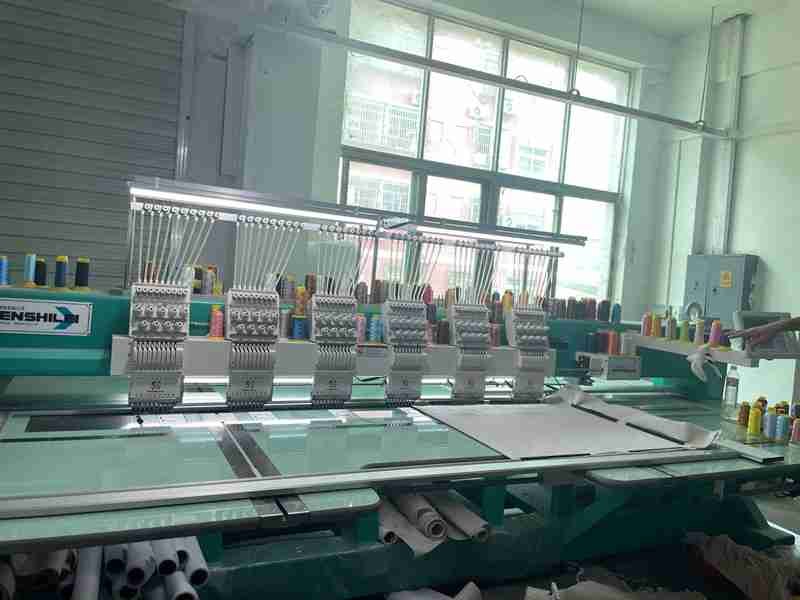
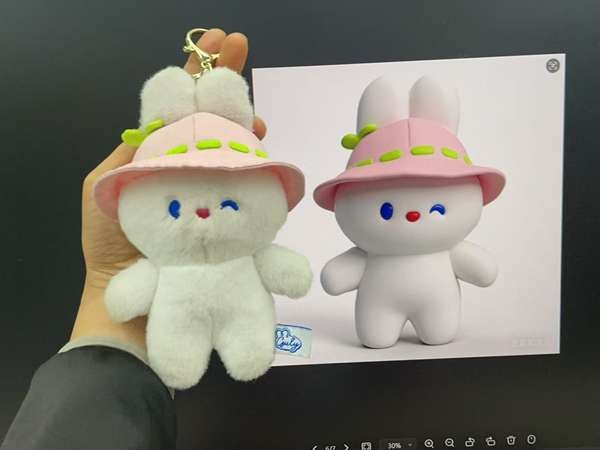
Baby Plush Compliance: Multi-Market Testing Plan
For custom baby plush, compliance readiness starts with clear scope: target market(s), intended age grade, and sales channel (retail or e-commerce). From there, build and documentation should align: avoid or strictly control detachable small parts, confirm safe face methods, lock the label layout (care and content, barcode, required warnings), and ensure packaging supports traceability (carton marks, batch IDs).
We recommend using a test planning sheet: list what must be tested, confirm which product version will be submitted (it must match bulk), and reserve a realistic buffer in the timeline. A common mistake is testing an early prototype and then changing materials or accessories later, which creates compliance risk and delays.
Heyzizi supports structured execution with a version-controlled BOM, photo references, and fixed labeling positions so bulk output matches the tested version. This also makes third-party labs and channel audits easier to manage.
Baby Plush QC: Checkpoints and Needle Control
For custom baby plush, we recommend staging QC into four checkpoints: incoming material inspection, in-process inspection, final inspection, and outgoing packing verification. Incoming checks confirm fabric consistency (pile, shade, hand-feel) and accessory compliance. In-process checks focus on high-risk zones: face placement and stitch quality, seam strength at limb joints, and cleanliness control. Final inspection verifies overall appearance, stuffing symmetry and weight range, and label placement accuracy. Outgoing verification checks carton marks, SKU labeling, and anti-deformation pack-out rules.
Needle control matters because broken needles or metal fragments are unacceptable risks. A disciplined workshop tracks needles, uses defined procedures for replacement, and includes scanning or risk controls where required.
Procurement can request evidence-based QC: photo records, measurement logs for key points, and a defect categorization approach (critical, major, minor). This turns QC into a repeatable system and makes reorders more stable.


Baby Plush Packaging: Clean, Labeled, No-Deform
A practical baby plush packaging strategy starts with channel requirements: e-commerce needs protective unit packs and scannable labels; retail needs hangtags and shelf-ready presentation; gifting may require premium boxes and inserts. Across all channels, baby plush benefits from clean unit packing (polybag or protective wrap), consistent barcode placement, and carton marks that support traceability (SKU, qty or ctn, carton number, destination).
Anti-deformation is managed by carton fill ratio and stacking rules. Plush should not be over-compressed; if vacuum packing is considered, it must be tested for recovery on the approved sample and documented in the SOP. For multi-warehouse distribution, add destination codes on cartons to reduce inbound confusion.
Procurement should request a “pack-out spec”: units per carton, carton dimensions, maximum stacking layers, and label placement drawings. This reduces shipping damage, speeds receiving, and lowers returns.
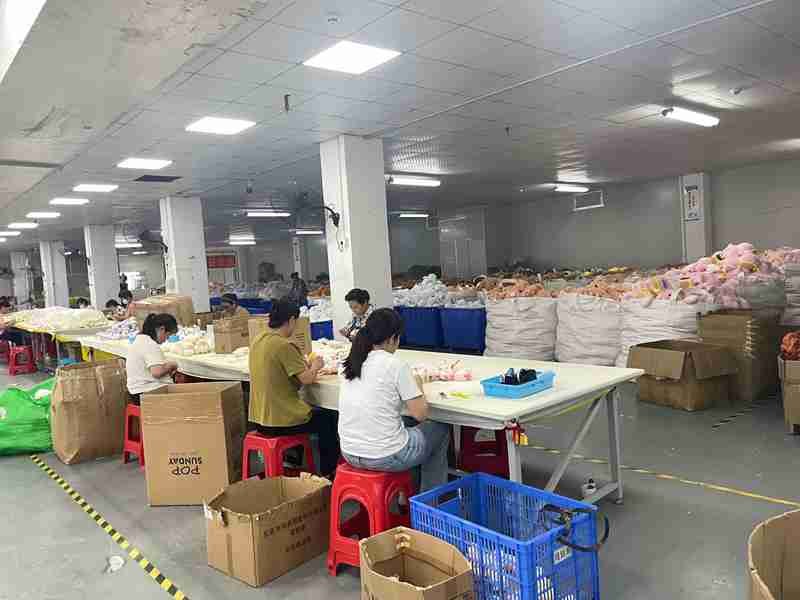
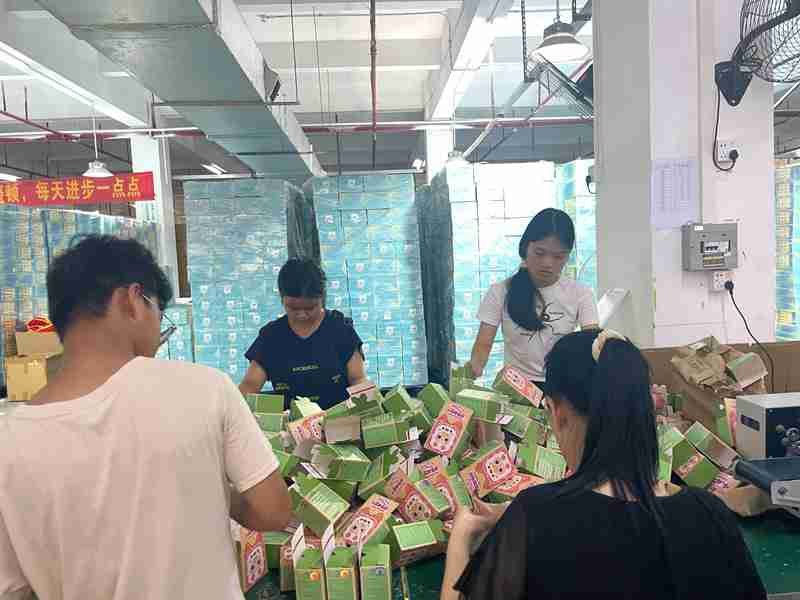
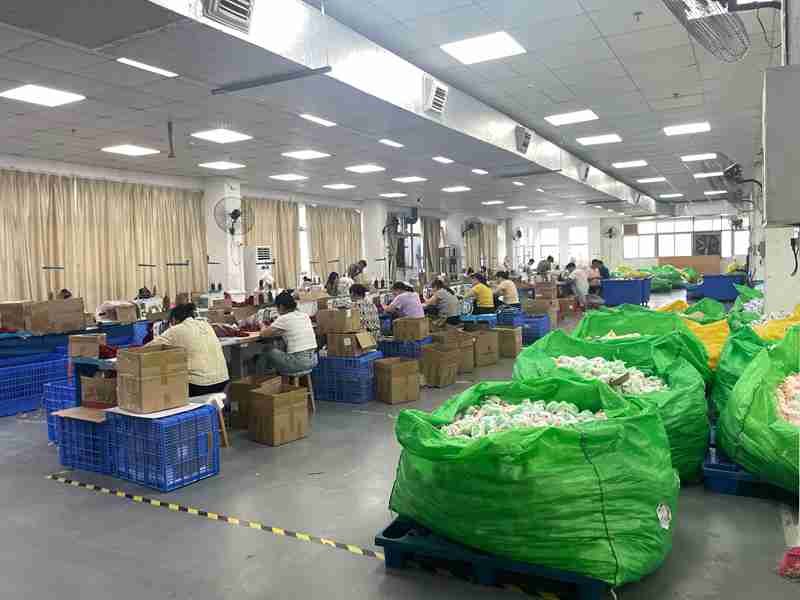
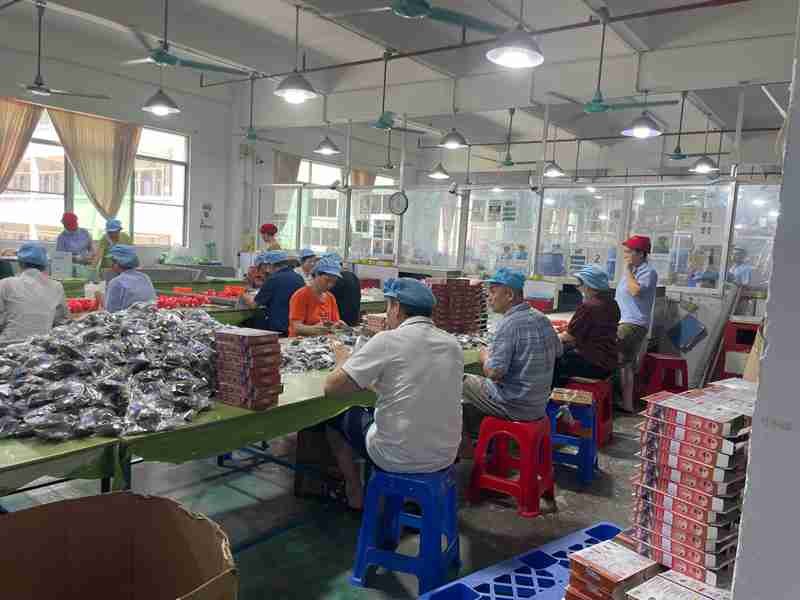
Baby Plush MOQ: Lower Risk, Protect Margin
MOQ discussions often become emotional: “Can you do lower MOQ?” “Why is the sample expensive?” For baby plush, a better question is: what is the MOQ for this exact BOM system—fabric family, face method, accessories, and packaging? MOQ is not a fixed number; it’s a reflection of material availability and setup cost.
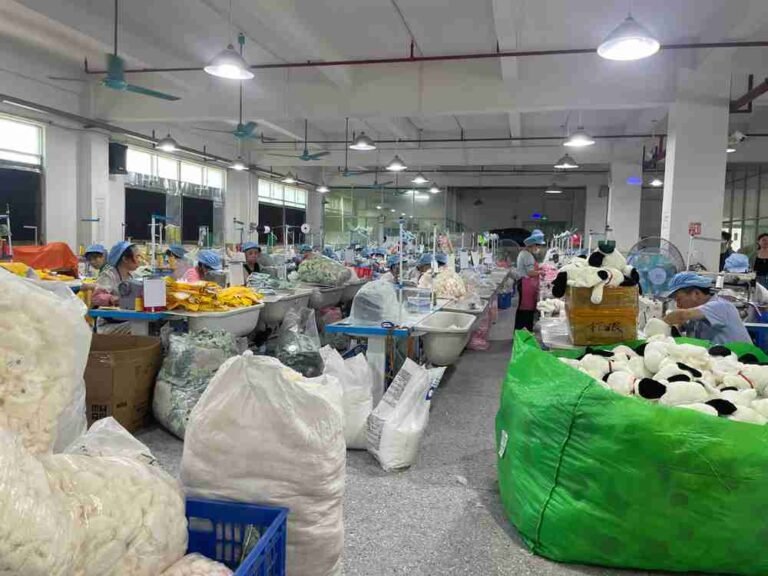
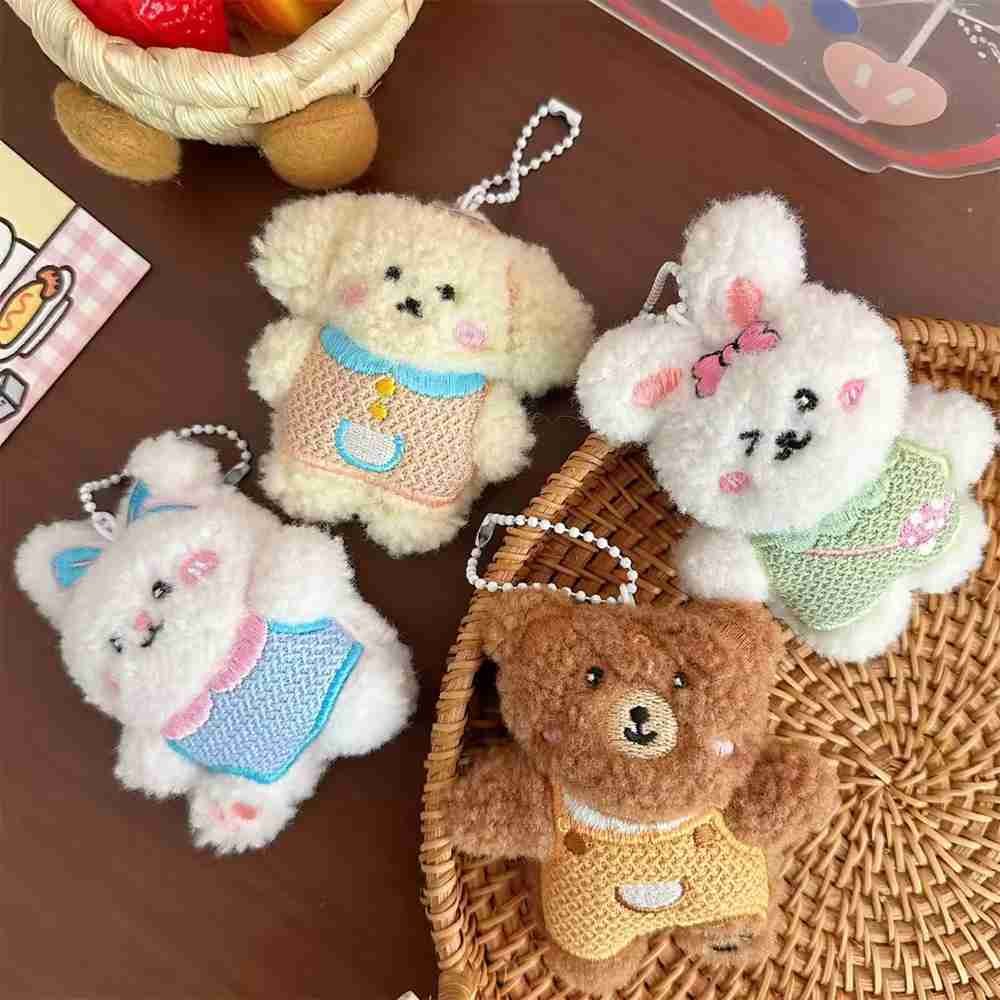
For custom baby plush, unit cost is driven by fabric yield, embroidery stitch count, accessory BOM, and packaging complexity. MOQ is driven by how many components are unique: custom-dyed fabrics, special trims, custom packaging, and too many SKUs at once. If your goal is a lower MOQ, the most effective approach is to standardize the material system: choose a stock fabric family, limit embroidery colors, share labels/hangtags across SKUs, and launch with one reference SKU before expanding variants.
Our standard MOQ is usually 500 pcs per design. For simple styles, 200–300 pcs can also be arranged for production. Since the quantity is smaller, raw material purchasing costs are higher, while the full production process still stays the same, so the unit price will be higher. In general, the larger the order quantity, the lower the unit cost. Once the order reaches 500 pcs or more, our pricing becomes much more competitive. We can stay flexible and work with different quantity needs based on your project.
We recommend a two-tier procurement strategy: (1) risk-reduction pilot to validate structure, compliance readiness, and pack-out performance; (2) bulk scale tier after the golden sample is locked. This reduces the biggest hidden cost—sample-to-bulk drift and channel complaints.
If you need a transparent cost discussion, request a cost breakdown table so you can decide where to simplify without harming baby safety or brand perception.
Why Brands Choose Heyzizi Baby Plush
Baby plush pantners rarely need big promises. They need a supplier who can keep outcomes stable across sampling, bulk production, and reorders—because baby products face stricter scrutiny from parents, platforms, and retail teams. Reliability shows up in the small things: face alignment staying consistent across operators, seams not splitting at joints, clean handling standards, and packaging that survives real logistics without deformation.
Heyzizi operates from Guangdong and supports overseas programs with a practical, repeatable development system. This module is not a “logo wall.” It explains what partners can verify, what documents we lock, and what production controls reduce “approved sample vs bulk drift.”
Brands typically choose a baby plush partner based on three procurement outcomes: risk reduction, repeatability, and execution clarity.
Risk reduction: baby plush requires stricter build rules—embroidered faces, safe trims, loop control, cleanliness control, and traceability. We integrate these requirements at the development stage rather than trying to “fix” them at final inspection.
Repeatability: we treat the golden sample as a system—BOM version, face tolerance map, stuffing zones and weight range, accessory anchor specs, and pack-out SOP. That is how bulk and reorders remain visually consistent.
Execution clarity: Overseas partners move faster when the supplier provides evidence-based communication: photos at checkpoints, clear change logs, and a “must-match vs adjustable” priority list approach.
If your program includes multiple SKUs, we recommend starting with one reference SKU and expanding after the platform is stable. This approach usually reduces defect rate and speeds up scale.
Baby Plush Spec Pack: You Provide, We Deliver
Sampling and bulk go faster when both sides use the same “language.” For baby plush, that language is a spec pack: a compact set of inputs and outputs that prevents misunderstandings, reduces revision loops, and keeps bulk consistent. Many delays come from missing information—no clear size tolerance, no face placement rule, unclear wash requirements, or packaging details decided too late.
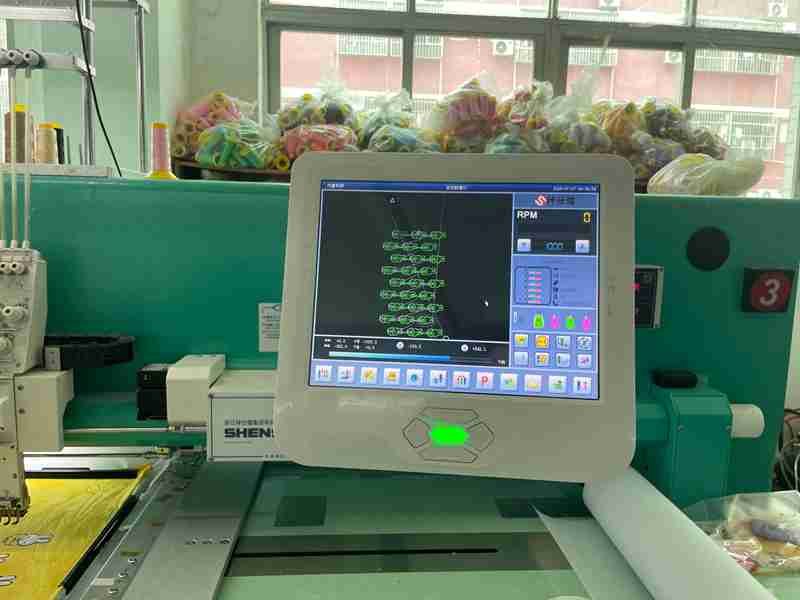
A good baby plush spec pack should include enough detail to be manufacturable, without becoming an engineering thesis. should provide: target size and pose, face artwork or reference, target hand-feel, market or channel, age-grade expectation, and packaging direction. If you already have brand assets (hangtag layout, barcode format, warning copy), include them early.
Our output focuses on repeatability: a version-controlled BOM, key measurement points, face placement tolerance map (eye spacing, mouth centerline), stuffing zones and weight range, seam reinforcement map for stress zones, label placement drawings, and pack-out SOP (units per carton, carton marks, stacking limits).
Baby Plush Reorders: BOM Versions, Lot Tracking
Baby plush programs rarely end at one order. Reorders are where brands win—or where quality drifts and channel complaints explode. The fastest reorders happen when the first order produces a “reorder file” that locks the product system: materials, face method, stuffing feel, and packaging SOP. Without this, teams re-decide everything, and each new production run becomes a gamble.
A reorder-ready baby plush program requires disciplined documentation. We recommend locking a base platform: same pattern base, same fabric family, same stuffing zoning rules, and the same face placement tolerance map. Variants (color/expression/size) are then controlled using version IDs, thread code tables, and packaging templates that prevent mixing.
Lot tracking matters for baby plush because visual consistency is heavily scrutinized. Tracking fabric lots and thread codes helps reduce shade drift across reorders. If seasonal colors are needed, you change the controlled color elements while keeping the platform stable.
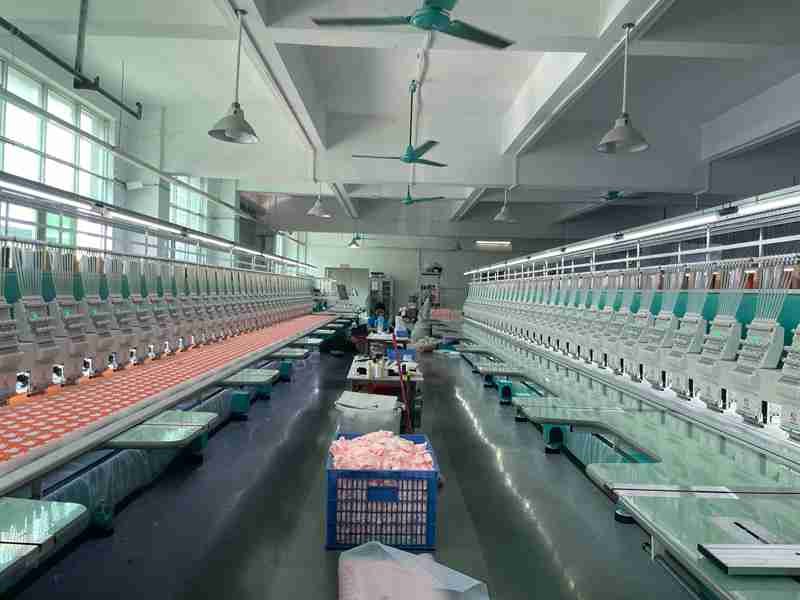


Inquiry Guide and Next Steps CTA
To receive an accurate quote and a practical sampling route for custom baby plush, send the following:
-
Product type and size range (cm) and target quantity
-
Face method preference (embroidery and appliqué) and any must-avoid parts
-
Target market(s) and age-grade expectation
-
Hand-feel direction (short pile vs medium pile) and color references
-
Packaging channel (e-commerce, retail, gift) and barcode/SKU needs
-
Any wash requirement (surface clean vs machine wash)
-
Timeline target and whether a pilot order is acceptable
With these inputs, we can respond with feasibility notes, a structured sample plan, and a pack-out recommendation that reduces deformation and receiving errors. If attachments are large or you prefer email workflows, use info@heyzizi.com when needed
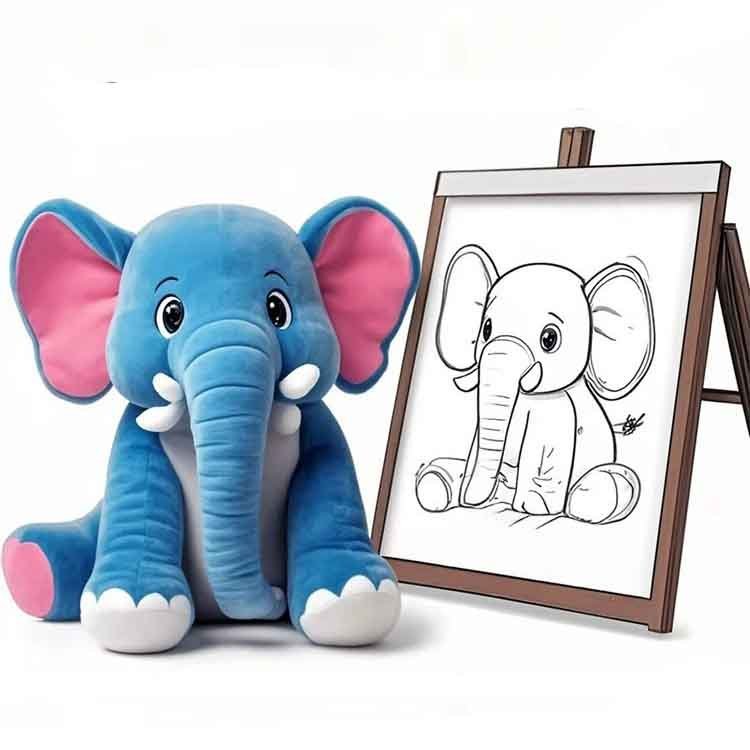
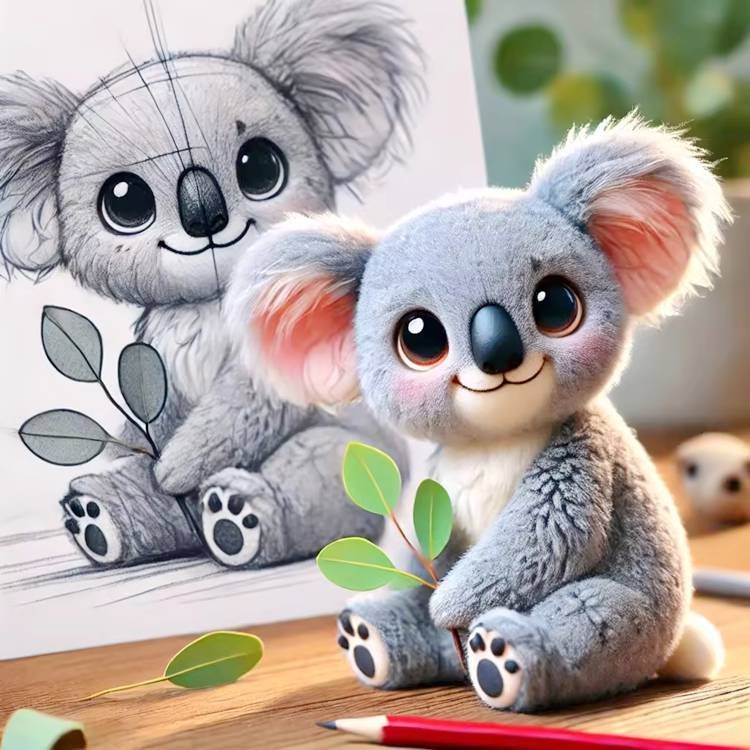
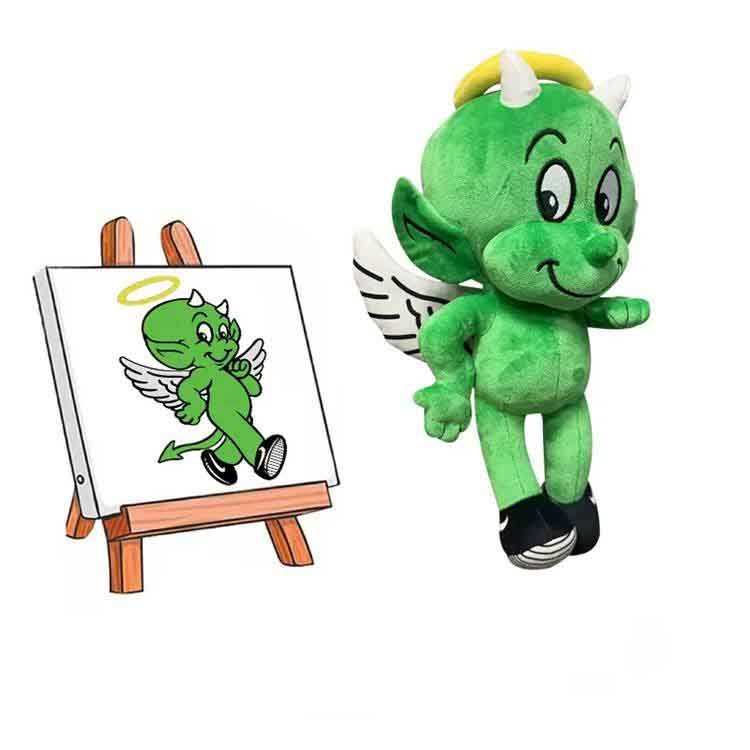
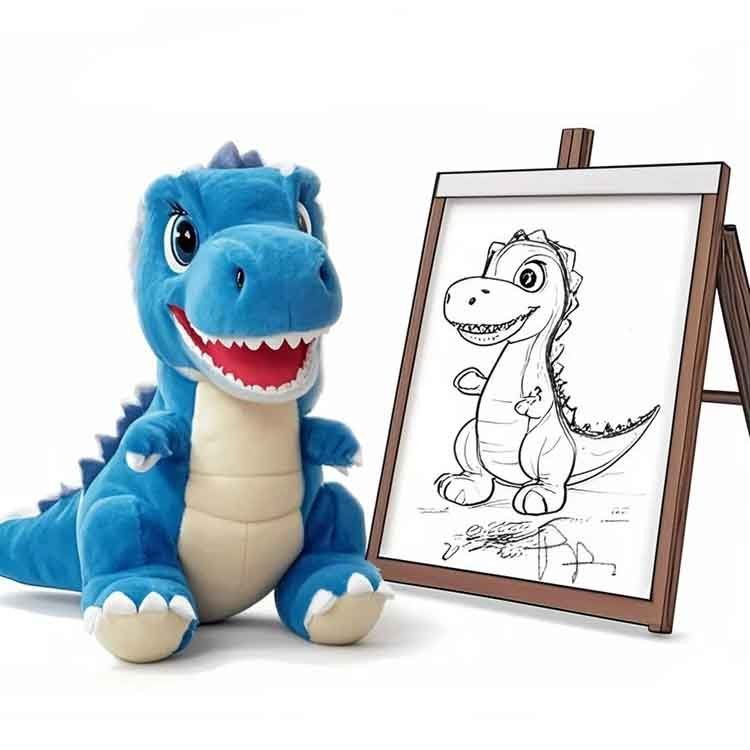
Request a Custom Sample First?
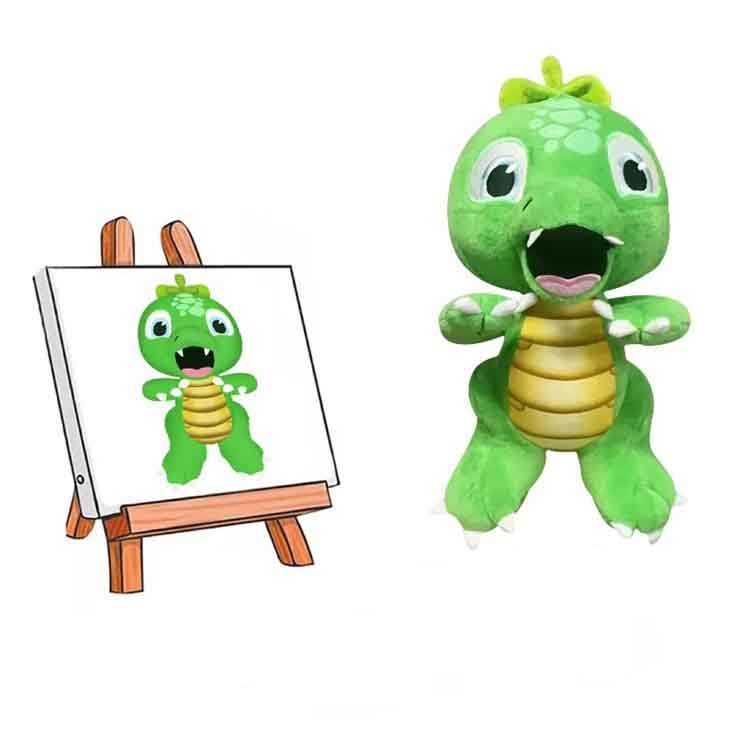
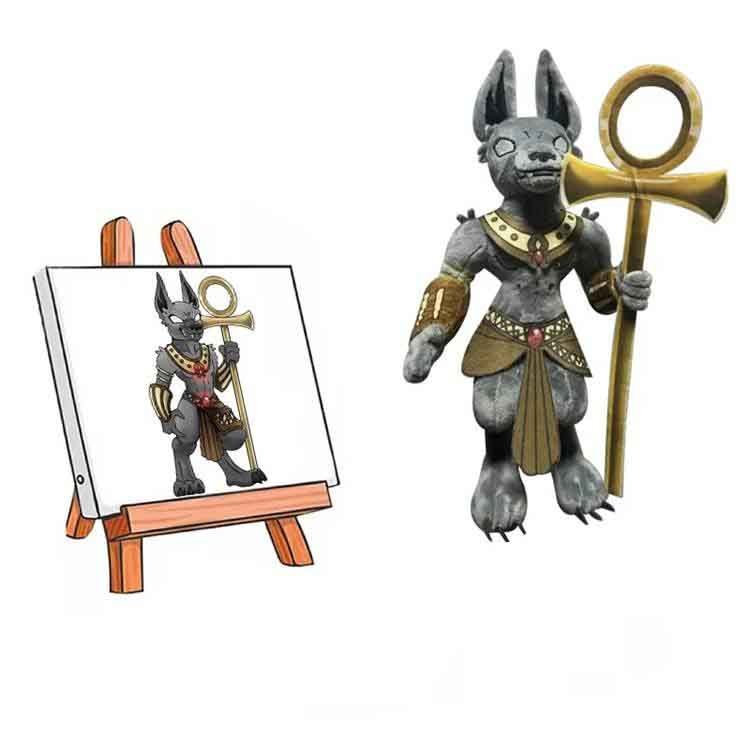
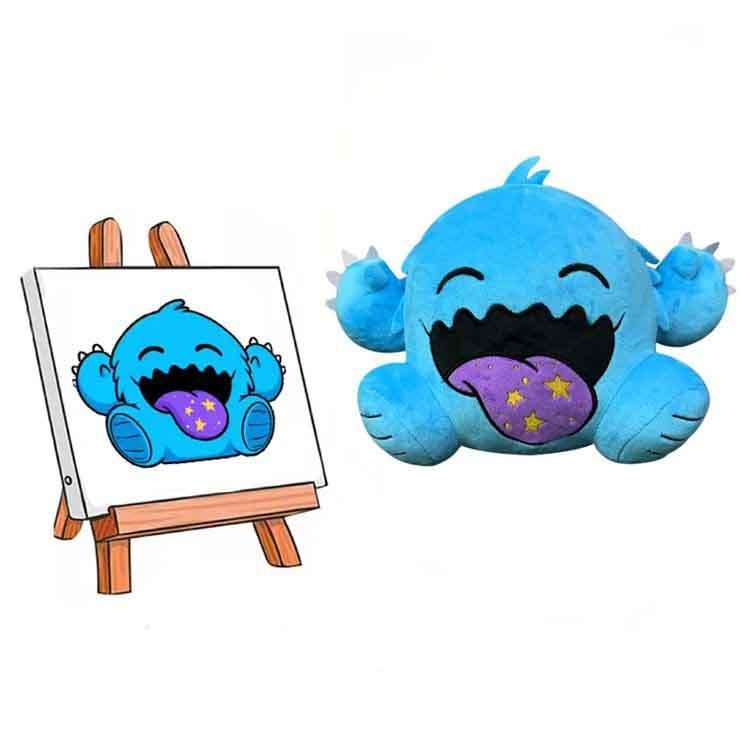
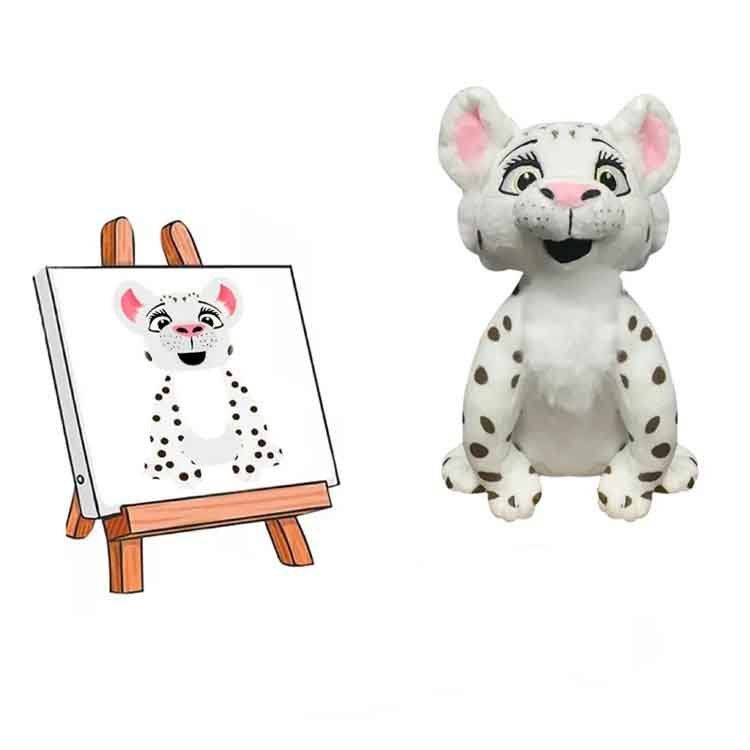
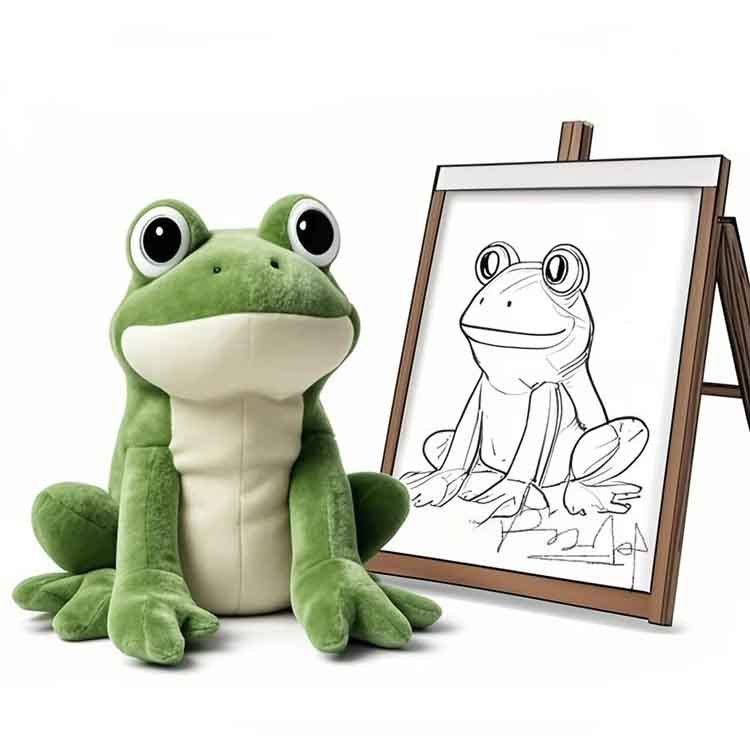
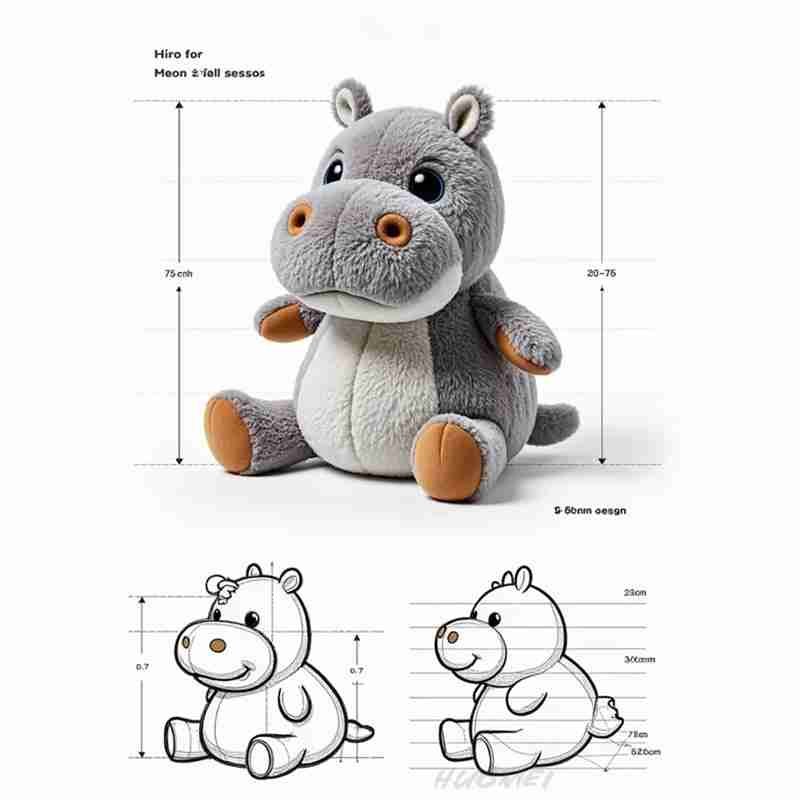
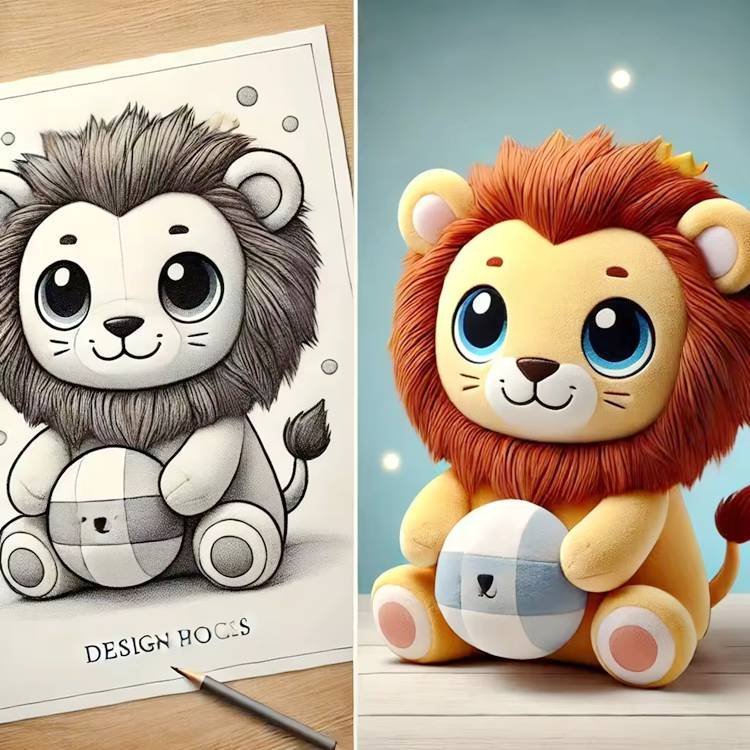
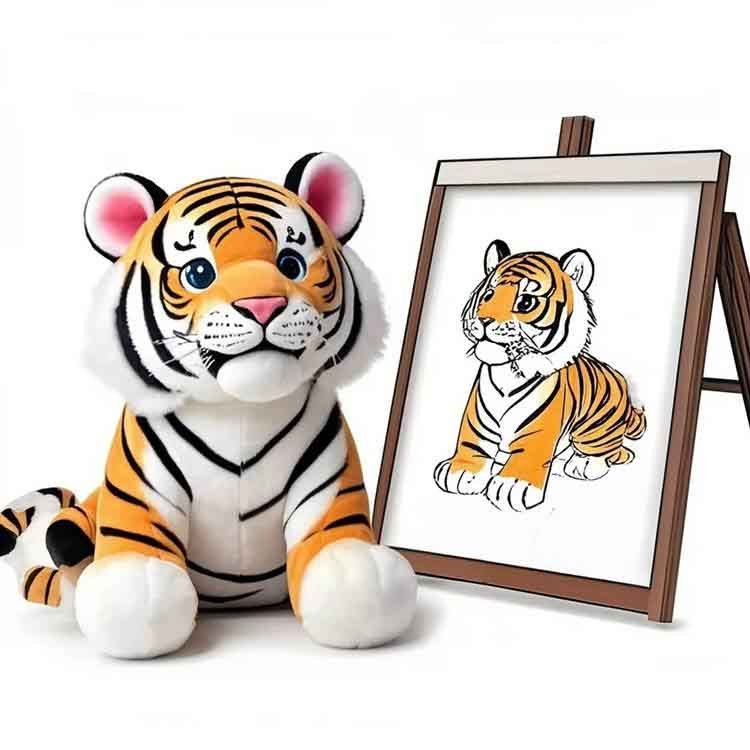
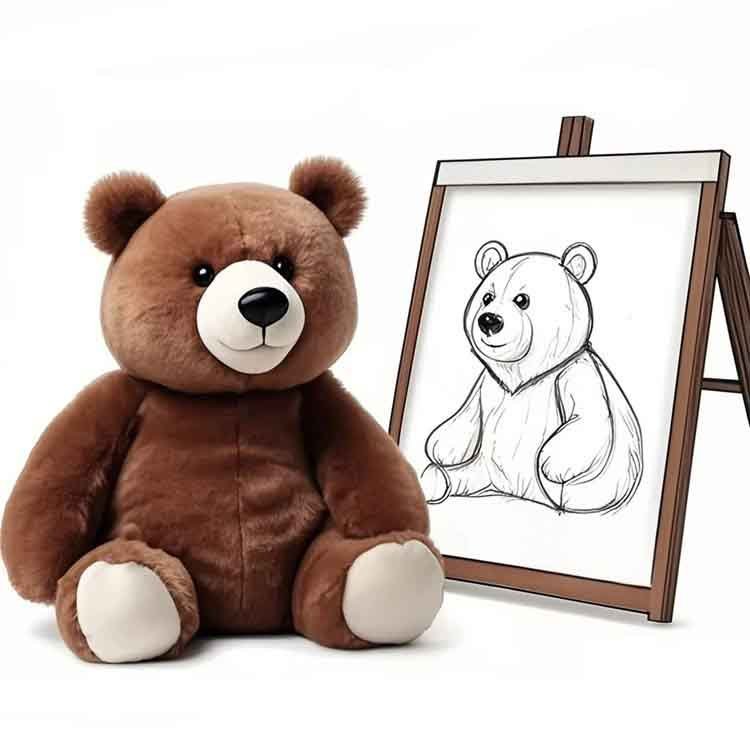
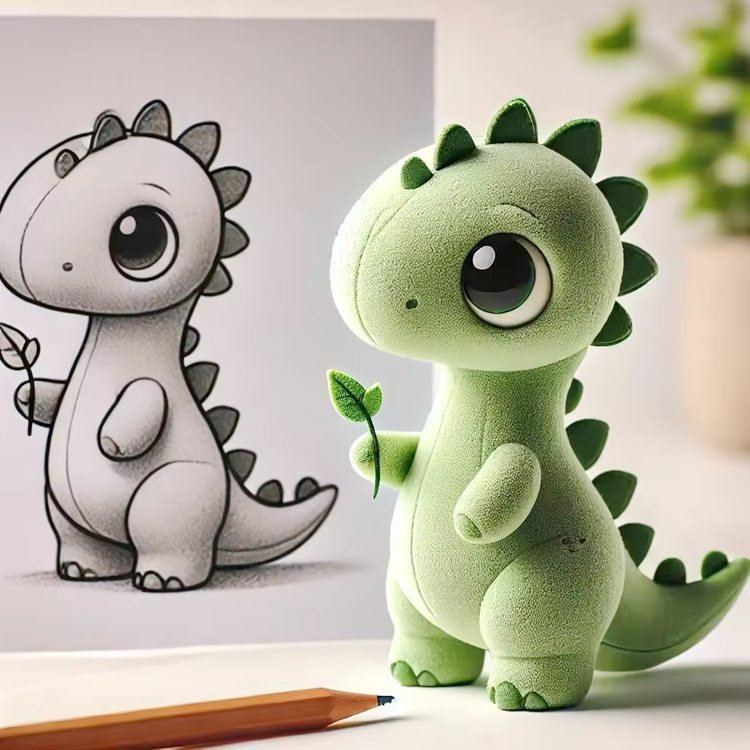
If you have artwork, logo files, or even just an idea, please share your project details—size, target fabric, color reference, and customization requirements. We’ll recommend suitable materials and provide a clear sampling plan to bring your custom plush toy design to life.
What Makes Our Custom Plush Production Reliable
Trust is built through predictable execution—clear approvals, documented specs, quality checkpoints, and packing confirmation. We focus on making your plush project easier to manage and safer to scale.
“reliable” plush production is not about making one nice sample—it’s about delivering repeatable bulk quality, stable lead times, and clear project control from artwork review to shipment. What makes our custom plush program dependable is the way we manage the details that most often cause problems in mass production: face accuracy, proportion stability, embroidery/printing consistency, stuffing weight and firmness control, and secure attachment for keychains, clothing, and accessories.
We build reliability through a structured workflow: we confirm a practical spec checklist before sampling, document revision notes, and lock the final approval sample as a golden standard for production. During manufacturing, we apply multi-stage QC checkpoints (not just a final check) to prevent drift early, especially in character-critical zones like the face and silhouette. Before shipment, we also verify packaging and labeling—including hangtags, barcode/SKU labels, care/warning labels, and carton marks—so your receiving and retail handling are smoother and your products arrive with less risk of deformation.
Process Proof
- Clear sampling-to-production approvals (prototype → revisions → final approval sample)
- Spec confirmation before bulk production (size, materials, logo placement, packaging)
- Revision notes that keep decisions traceable
- Golden standard concept for repeat orders
Quality Proof
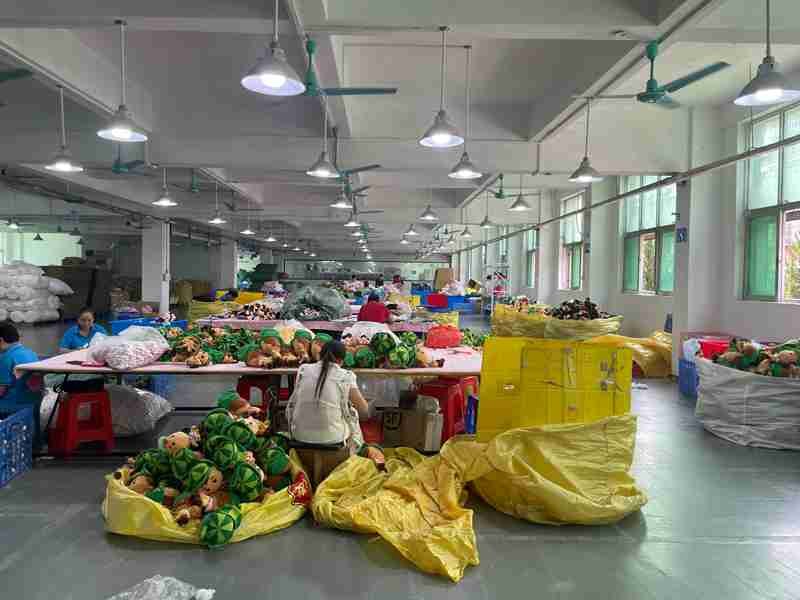
- Multi-stage QC checkpoints across sewing, embroidery/printing, stuffing, finishing
- Needle control / needle detection option for finished plush (when required)
- Inspection focus on character-critical areas (face and silhouette) for IP plush
Delivery Proof
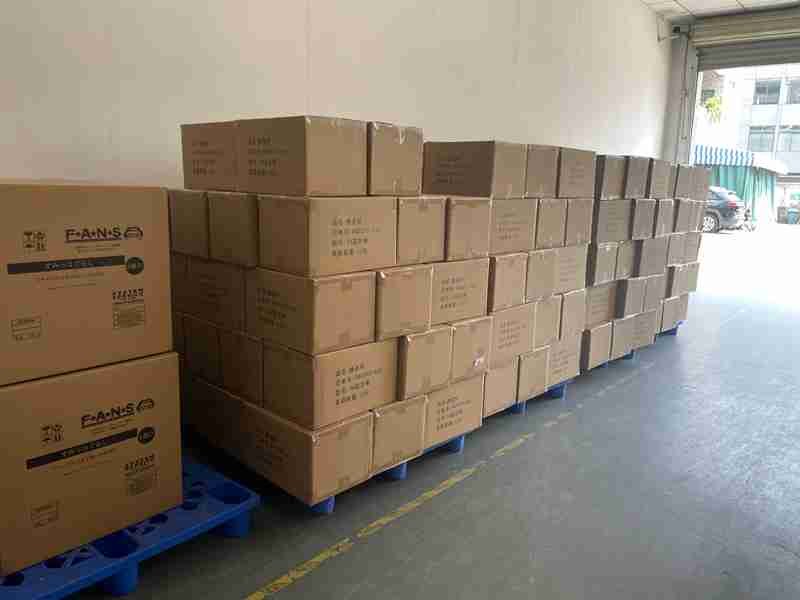
Packaging and labeling confirmation before shipment (photo proof + checklist)
Barcode and carton mark support (when required) (SKU/PO/qty/destination)
Packing suggestions to reduce deformation during transit (anti-crush, face protection)
Frequently Asked Questions
What age grade is your baby plush designed for, and how do we define it in the RFQ?
Define age grade by your sales market and channel first, then we lock build rules (face method, trims, loop policy) so the sample and bulk stay compliant.
Age grade is not a decoration—it determines the entire product system. In your RFQ, provide (1) target market(s), (2) channel (retail/e-commerce/gift), and (3) intended user age range. From there, we align build rules: for younger age grades, we usually recommend embroidered facial features, reduced external attachments, and strict control of any loops/cords.
A common sourcing risk is “testing a prototype, then changing materials.” To avoid that, we define which version is the test-equivalent build and keep the BOM stable in bulk. If you’re unsure, send your target listing/channel requirements, and we’ll propose a safer construction route and documentation plan.
| RFQ Item: | What to Provide. | Why It Matters |
|---|---|---|
| Market | US / EU / etc. | compliance planning |
| Channel | retail / e-com | labeling & pack rules |
| User age | baby/toddler | build restrictions |
| Face method | embroidery | reduces small-part risk |
What is your MOQ for custom baby plush, and how can we reduce MOQ without losing safety?
MOQ depends on how many unique components you introduce; you reduce MOQ best by standardizing the fabric family, limiting SKUs, and launching a reference SKU first.
MOQ is not a single fixed number. It changes based on custom-dyed fabrics, special trims, custom packaging, and the number of variants you want at launch. If you want a lower MOQ while keeping baby-safe rules, the most effective levers are: use a stock/standard fabric family, keep the face method consistent (often embroidery), and reduce accessory complexity.
We also recommend a two-step approach: (1) a risk-reduction pilot order to validate structure, pack-out, and bulk repeatability; (2) scale after the golden sample is locked. This prevents hidden costs like rework, relabeling, or returns.
For accurate MOQ advice, share your target size, face method, and packaging channel—then we can propose a realistic development route.
What is a realistic sample timeline for baby plush, and what causes delays?
Timeline is fastest when the RFQ pack is complete and changes are batched; delays usually come from late changes to face method, wash requirement, or packaging.
A realistic baby plush timeline includes: RFQ clarification → feasibility and spec confirmation → sample build → revision window → golden sample lock. The biggest delay drivers are missing inputs (no confirmed size/pose), repeated micro-changes (daily edits), and major late changes such as switching from embroidery to appliqué, adding accessories, or changing “surface clean” to “machine wash.”
To keep sampling efficient, we recommend a “must-match vs adjustable” priority list and a weekly change window. This keeps decisions organized and prevents endless loops.
If you’re working toward a launch date, start with one reference SKU and freeze the core system early—fabric family, face method, stuffing zoning, and packaging direction.
Delay Triggers Table
| Delay Trigger | Why It Delays | How to Prevent |
|---|---|---|
| Face method change | new files/setup | decide early |
| Wash rule change | structure revision | confirm upfront |
| Packaging change | new labels/cartons | lock channel early |
Can baby plush be machine washable? What design choices make washing safer?
Yes—machine wash is possible when we design for seam integrity, stable stuffing zoning, and clear care labeling; some styles are better as surface cleaning to protect appearance.
Machine wash is not just a label—it requires construction planning. Key design choices include reinforced seams at joints, controlled stuffing zoning to reduce lumping, and avoiding trims that trap water or deform. Fabric family selection also matters: certain piles maintain appearance better after washing, while others fuzz or matte.
We recommend deciding on wash requirements at the RFQ stage because it affects pattern and material choices. If machine wash is essential, we treat “post-wash appearance retention” as a checkpoint during sampling. If surface clean is acceptable, we can optimize for a softer hand-feel and a more polished look.
Procurement tip: align care instructions with your channel rules and keep the tested build unchanged in bulk.
Washability Decision Table
| Requirement | Better Approach | Why |
|---|---|---|
| Machine wash | reinforced seams and stable pile | reduces damage |
| Surface clean | softer pile options | keeps appearance |
| Quick dry | fewer layers/trims | less odor risk |
How do you prevent small-part and choking risks in baby plush designs?
We reduce choking risk by defaulting to embroidered faces, minimizing detachable components, and engineering any required attachments with reinforcement and verification checkpoints.
The safest baby plush approach is “no detachable small parts.” That means embroidered eyes/nose and simplified trims. If your brand requires attachments (e.g., a tiny bow), we treat it as a controlled risk: reinforcement at anchor points, secure stitching patterns, and documented placement rules so bulk does not drift.
We also review loops, cords, and long straps because entanglement concerns can appear even when the plush looks harmless. The procurement-friendly way is to run a risk list early, approve safer alternatives, and lock the rules inside the production file.
This is why we recommend starting with a reference SKU—once the safe platform is stable, you can expand to variants with fewer surprises.
What QC checkpoints matter most for baby plush, and what defects should we track?
The most important checkpoints are incoming, in-process, final, and outgoing pack verification, tracking defects like seam weakness, face drift, loose threads, marks, and stuffing inconsistency.
Baby plush QC should focus on “complaint triggers,” not generic inspection. Incoming inspection checks fabric shade/hand-feel, accessory compliance, and cleanliness. In-process inspection must check face alignment and seam construction at joints—this is where most failures are created. Final inspection verifies stuffing symmetry, weight range, and label accuracy. Outgoing verification checks carton marks, SKU labeling, and anti-deformation packing rules.
We recommend a defect classification method: critical/major/minor, with photo evidence and measurement logs for key points. This allows procurement to monitor improvement over time and helps prevent recurring issues during reorders.
How do you package baby plush to stay clean and avoid deformation during shipping?
We use clean unit packing, controlled carton fill ratios, and a documented pack-out SOP with carton marks for traceability and smooth receiving.
Baby plush packaging should protect two things: cleanliness and shape. We typically recommend sealed unit packing (bag or protective wrap) to prevent dust marks, plus consistent barcode placement for warehouse scanning. To prevent deformation, cartons must not be over-packed; we define units per carton, carton dimensions, and stacking limits.
If vacuum compression is considered, it must be tested for recovery on the approved sample and written into the SOP—otherwise it creates permanent flattening and returns. For multi-warehouse routing, we recommend carton marks that include SKU, qty/ctn, carton number, and destination code to reduce inbound confusion.
Procurement tip: approve the pack-out plan before bulk begins, not after production.
What information should we send to get an accurate baby plush quote and fastest next steps?
Send a short RFQ pack: size/pose, target quantity, face method, market/age grade, wash requirement, and packaging channel—this enables a quote plus a realistic sample plan.
The fastest quotes come from structured inputs. We recommend sending: size (cm) and pose, target quantity range, face method preference (embroidery/appliqué), target market(s) and age grade, wash requirement (surface clean vs machine wash), color references, and packaging channel (e-commerce/retail/gift) plus barcode/SKU needs.
With this, we can respond with feasibility notes, a sample timeline, and a pack-out recommendation that prevents deformation and receiving errors. If your artwork files are large, email can be used when necessary: info@heyzizi.com.
Procurement tip: start with one reference SKU and expand variants after golden sample lock—this usually improves speed and bulk stability.
What fabrics are best for baby plush to reduce shedding and keep softness?
Choose a stable plush fabric family with controlled pile and proven shedding behavior; match it to embroidery/appliqué needs and your cleaning method.
Softness alone is not enough. A baby plush fabric should be evaluated for pile stability, shedding risk, and how it behaves after handling and cleaning. Short-to-medium pile fabrics often deliver a better balance of softness and appearance retention.
If your design uses embroidery, the base fabric must hold stitch edges cleanly. If you use appliqué, the fabric should accept edge stitching without fraying. For low shedding risk, we recommend early checks (brush/pull logic) and locking the fabric family for reorders to reduce lot-to-lot drift.
Procurement tip: define what “acceptable shedding” means and align it with your market/channel expectations.
Can you match our Pantone colors for baby plush, and how do you control color drift?
We can match by physical swatches and controlled dye lots; the most stable method is locking a fabric family and tracking lot IDs for reorders.
Pantone matching for plush is not purely digital. The most reliable control is physical: confirmed swatches, agreed tolerance, and lot tracking. Plush pile can change how color looks under different lighting, so we recommend approving color under consistent conditions.
For reorders, lot tracking reduces drift. If seasonal colors are needed, keep the base platform stable and change controlled elements (thread colors, appliqué pieces) rather than changing the entire fabric system.
Procurement tip: avoid introducing too many custom colors at launch; it raises MOQ and increases drift risk.
How do you protect baby plush cleanliness (marks, dust) during production and packing?
Cleanliness is protected by handling routines, controlled storage, and sealed unit packing—plus final checks before cartons are sealed.
Baby plush often gets rejected for small marks that would be ignored in other categories. We reduce this by keeping clean handling routines, separating finished goods from high-dust areas, and using sealed unit packing to prevent dust marks during transit.
Procurement teams can request photo evidence at packing and a clear definition of “acceptable marks.” Align that definition early to avoid disputes.
Packaging also matters: loose carton space can cause rubbing marks, while over-compression can flatten pile. We control carton fill ratio and internal arrangement to protect both cleanliness and shape.
What documents should we request to support internal approvals and reorders?
Request a golden sample file set: BOM version, face tolerance map, key measurements, stuffing zoning, label placement, and pack-out SOP—this is the fastest path to stable reorders.
Internal approvals move faster when documentation is clear and compact. For baby plush, the most useful documents are those that prevent drift: version-controlled BOM, thread codes, face placement tolerances, key measurement points, stuffing zoning and weight range, label layout/position drawings, and pack-out specs (units per carton, carton marks, stacking limits).
This file set also supports reorders: it becomes the “single source of truth,” so new orders don’t require re-qualifying the product from scratch.
Procurement tip: insist that the tested sample version matches the bulk version and that documents are updated only with controlled version IDs.
Start Your Custom Plush Project Today
If You Can imagine it,We Will Create it!
Whether you are a brand, creator, retailer, or agency, our Guangdong plush factory is ready to support your OEM/ODM development. Send us your design, concept, or reference image — our team will reply with a free development proposal and quotation.
1. Tell Us What You Need
Tell us your requirements and share your artwork or reference images.
2.Get a Solution & Quote
We’ll suggest the best solution based on your requirements, and provide a detailed quote within 12 hours.
3.Approve for Mass Production
We will start mass production after getting your approval.
For all inquiries, please feel free to reach out at
- info@heyzizi.com
- (+86)13717153084
Ready to Grow Your Plush Product Line?
Brands and businesses from over 80 countries have chosen Jundong as their trusted plush manufacturing partner. Now it’s your turn. Work with us for reliable custom plush production, clear sampling support, and stable delivery for long-term programs.