 Skip to content
Custom Plush Zipper Pouches
Custom Plush Zipper Pouches combine the softness of plush toys with the practicality of a zippered storage pouch. These products are popular for retail merchandise, promotional giveaways, IP character products, gift collections, and school supplies. Brands often use plush zipper pouches to create cute pencil cases, cosmetic pouches, travel organizers, or collectible plush accessories that attract attention on shelves and online stores.
With custom options for plush fabric, embroidery logos, character faces, zipper styles, and packaging, businesses can turn a simple pouch into a branded plush product with strong visual appeal and everyday usability. A well-designed plush zipper pouch balances soft texture, durable zipper construction, and clean shape retention, making it suitable for both bulk promotional orders and retail-ready plush merchandise programs.
Custom Plush Pouch Partner — Bulk & Safe
What counts as a “plush zipper pouch”
A plush zipper pouch is a soft-touch storage product made with plush or plush-like fabrics, combined with functional components like zippers, linings, webbings, labels, and packaging accessories. It’s often used as:
- Retail merchandise: character or IP pouches, seasonal drops, capsule collections
- Corporate gifting: branded travel pouches, employee kits, event giveaways
- Beauty & lifestyle: cosmetic pouches, pencil cases, coin purses
- Kids & family: snack pouches, small storage (with safety-minded builds)
- Collector items: premium finishes, embroidery branding, special pulls
The business value is clear: a zipper pouch is “usable merch.” It stays in daily life, so your logo is seen repeatedly. But that only works if the pouch is reliable and consistent in bulk.
Bulk problems partners want to avoid
Most returns and complaints for plush pouches fall into a few categories:
- Zipper failure: jamming, misalignment, end-stop blowout, puller break
- Deformation: pouch collapses, corners dent, face/shape loses definition
- Material drift: plush feels different by batch; color looks inconsistent under light
- Lining issues: wrinkles, tearing at seams, weak pocket stitching
- Brand execution errors: logo placement drift, wrong label version, mixed SKUs
- Packing mistakes: crushed cartons, scuffed plush, missing inserts

If you want fewer issues, the pouch must be treated like a soft goods product (pattern, load path, reinforcement map), not only “a plush shell with a zipper.”
Our manufacturing position
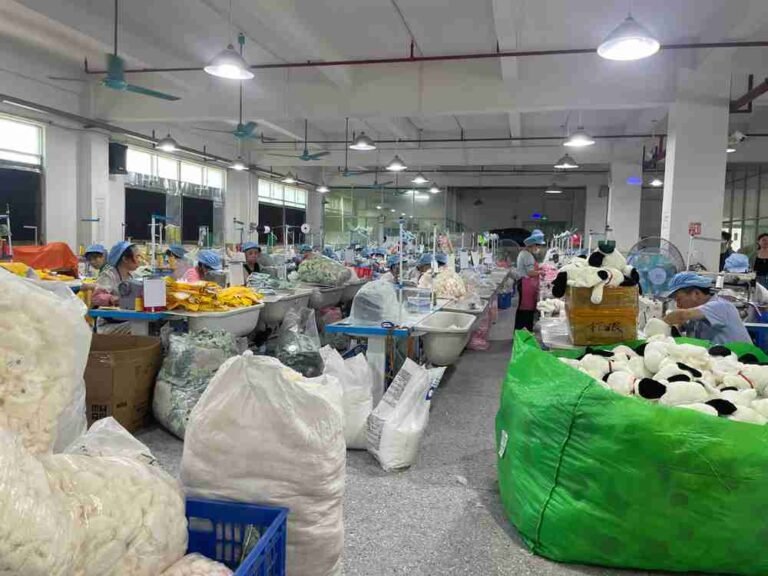
We operate with in-house teams and a scalable setup in Guangdong, China, focused on turning concepts into bulk-ready products. We are not an order-forwarding middleman; the workflow is built around making your pouch repeatable from sample to shipment.
Capacity and control matter when you run multi-SKU programs: we have 600+ employees, an approximately 18,000㎡ factory scale, and 80 QC inspectors covering incoming materials, in-process control, finished goods, and packing or shipping stages.
We also routinely combine plush with accessories like zippers, webbings, buckles, linings, hangtags, and labels—exactly what plush zipper pouch programs need.
Pouch Structures: Flat, Gusset & 3D
Start with the partner’s real use case
A plush pouch is bought for a purpose:
- Retail shelf: it must hold shape, show branding clearly, and look full in photos
- Gift program: it must feel soft, open smoothly, and pack neatly without deformation
- eCommerce: it must survive compression and friction in cartons
- Kids or family: it must reduce sharp edges and manage cords or loops safely
- IP collectible: it must match expression or character silhouette consistently
Structure options
(1) Flat pouch
Best for low cost, simple packing, fast lead times
Risk: looks “thin” unless you add structure support or thicker padding
(2) Gusset pouch
- Best for daily usability and better photo presence
Risk: gusset seams concentrate stress; needs clean seam allowance control
(3) 3D box pouch
- Best for cosmetics, desk storage, premium merchandising
- Risk: base corners deform easily without internal support strategy
(4) Round or character-shaped pouch
- Best for IP and cute silhouettes
- Risk: pattern complexity increases drift risk; needs tighter tolerances
(5) Long pencil case or tube pouch
Best for stationery, school programs
Risk: zipper path must stay straight; lining must not twist
What to lock early (bulk-ready controls)
To keep structure stable, lock these items early:
- Pattern set: panel shapes, seam allowances, gusset geometry
- Zipper path: top opening vs side opening, end-stop reinforcement rules
- Lining layout: full lining vs partial; pocket placement map
- Internal support: foam, interlining, padding strategy to prevent collapse
- Branding map: logo placement tolerances (± mm) so it stays centered


Smooth Zip, Soft Feel, Low-Lint Material
Think in systems: outer plush and lining and support and zipper
A reliable plush pouch is a system. If one part is weak, the whole product feels cheap or fails early.
(1) Outer plush (hand-feel and appearance control)
Outer plush grade affects:
shedding or pilling tendency
how clean embroidery or print edges look
how fibers behave near the zipper tape (snag risk)
For bulk consistency, we recommend locking a plush spec range (pile length, density feel level) and confirming a grooming direction so the color and texture photograph consistently.
(2) Lining (function and durability)
Lining prevents plush fiber shedding into the pouch and improves usability. Common lining choices:
standard lining for cosmetics and lifestyle
smoother lining for easy cleaning
added inner pocket for organization
Key control: lining seam strength and preventing twist along the zipper path.
(3) Internal support (prevents collapse)
To keep shape, you may need:
foam or interlining layers
structured panels at base corners
reinforcement tape at stress seams
This is especially useful for gusset and 3D box pouches.
(4) Zipper selection (smoothness and jam prevention)
Zipper performance is a procurement decision. Consider:
nylon coil: smooth, flexible, common for pouches
molded plastic: stable teeth, good for thicker builds
metal: premium look, but heavier and requires careful sewing alignment
We also treat zipper-end reinforcement as a standard rule for bulk reliability.


Engineered Zipper: Smooth, Durable, Jam-Resistant
(1) Choose the zipper by “system thickness,” not by appearance
A plush pouch has thickness from plush and lining and support layers. If the zipper gauge is too light, you get:
- zipper wave (tape buckling)
- misalignment and jamming
- end-stop failure under pulling force
Partner rule: Match zipper type and size to your pouch build thickness and expected daily use.
(2) Zipper type selection
- Nylon coil zipper: flexible, smooth, forgiving; best for most plush pouches
- Molded plastic zipper: stable teeth; good for thicker builds and structured pouches
- Metal zipper: premium look; higher risk of misalignment if sewing control is weak; heavier and less forgiving
(3) Plush-specific risk: fiber snagging near the teeth
Plush fibers can enter the teeth path and cause snagging. Prevention is not “trim more”—it’s design and sewing control:
- keep a clean edge zone near zipper tape (pile management)
- choose linin or support that prevents edge collapse into the zipper path
- control seam allowance and top-stitch distance consistently
(4) Zipper end reinforcement — the most overlooked bulk protector
Many failures happen at the zipper ends: pulling force concentrates at the end stop. We recommend locking a standard rule set:
- reinforce zipper ends with bar-tack or reinforced stitching
- add internal reinforcement tape at the end area when needed
- avoid sharp turns at ends; maintain clean alignment
End reinforcement table:
| Failure | Root Cause | Bulk Fix |
|---|---|---|
| end-stop blowout | concentrated pull force | bar-tack and tape |
| jamming | misalignment | stitch route and alignment check |
| teeth separation | wrong zipper gauge | lock zipper spec |
| snagging | plush fiber intrusion | edge control and topstitch |
(5) Puller choice (branding and user experience)
Pullers can be functional and brandable:
- standard metal puller (stable)
- custom puller (brand identity; longer lead time)
- plush charm pull (cute, but must be secured and tested)
tip: If you want a custom puller, lock it early. Puller changes late often cause delays or substitutions.
(6) QC checks that actually prevent zipper returns
Ask for these checks:
- FAI zipper run test: open or close cycles on the first bulk output
- alignment visual check (teeth centered, tape flat)
- end reinforcement check (bar-tack present, no skipped stitches)
- snag test: run zipper quickly to detect fiber catch
- packaging compression check: ensure cartons don’t distort zipper path


Branding: Crisp Logos, Fade-Resistant, Photo-Ready
(1) Choose branding by channel and camera
Brand logos must be readable in real usage:
- Retail shelf: distance readability, clean edges
- eCommerce photos: consistent placement and contrast
- Gift programs: premium feel, no discomfort
(2) Method selection (what works best on plush)
Embroidery
- Best for durability and premium look
- Risk: stitches can sink into plush pile, reducing readability
- Bulk fix: define stitch density, underlay, and keep embroidery area controlled
Print or heat transfer (DTF or HT)
- Best for gradients and complex art
- Risk: fuzzy edge on plush, cracking if surface prep is poor
- Bulk fix: define “print-safe zone,” surface flattening, and test wash or handling
Woven label
- Best for stable repeatability and clean branding
- Risk: discomfort if placed incorrectly
- Bulk fix: define placement map and seam finishing
Patch or appliqué
- Best for badge visibility and IP merch
- Risk: edge curl or peeling if finishing is weak
- Bulk fix: lock edge finish type and stitch route
Branding comparison table:
| Method | Best For | Bulk Risk | Control |
|---|---|---|---|
| Embroidery | premium and durable | sunk stitches | stitch spec and underlay |
| complex art | fuzzy edge | print-safe zone | |
| Woven label | stable bulk | discomfort | placement map |
| Patch | badge look | curl/peel | edge finish lock |
(3) Placement control: the “logo map” they should request
A logo is not “place here.” It needs a map:
- centerline reference points
- distance from zipper edge
- placement tolerance (± mm)
- orientation rules (pile direction matters for appearance)
(4) Brandability upgrades they often miss
- custom zipper puller shape (brand icon)
- embroidered “micro detail” inside lining (surprise branding)
- inner woven label and outer minimal embroidery (premium balance)
- QR code hangtag for brand story (for retail or gifting)
(5) What to lock early to avoid delays
- branding method and placement map
- artwork version and color references
- label or hangtag versions (avoid last-minute changes)


Sample-to-Bulk Consistency: Patterns & Tolerances
(1) Why drift happens in plush zipper pouches
Common causes:
- pattern not locked (operators “adjust” to make it fit)
- seam allowance varies across lines
- zipper tape stretched or fed unevenly
- lining twist changes pouch geometry
- internal support omitted or substituted
- late branding or accessory changes
(2) The “file pack” that makes bulk repeatable
A bulk-ready pouch should have:
- pattern set (panels, gusset geometry)
- seam allowance spec
- stitch route map (especially around zipper curves)
- zipper spec and end reinforcement rules
- lining layout and pocket placement map
- internal support plan
- logo placement map and tolerance
- packaging pack-out rules
(3) Tolerance standards (so QC is objective)
Define tolerances early to avoid disputes:
- overall size (H, W, D) ±X mm
- zipper placement ±X mm
- logo placement ±X mm
- key symmetry points (if character shape) ±X mm
Tolerance table (example):
| Item | Measurement | Tolerance |
|---|---|---|
| size | H/W/D | ±X mm |
| zipper | offset from top edge | ±X mm |
| logo | from centerline | ±X mm |
| position | ±X mm |
(4) Bulk gate workflow (how you stop mass mistakes)
- Golden sample: visual and tactile reference
- FAI: first bulk-line output must match golden sample
- in-process checks: focus on drift hotspots (zipper alignment, corners, logo)
- pre-ship inspection: AQL or P sampling plan and packing audit


Reinforced Seams, Wrinkle-Free Lining, Neat Pockets
(1) Why lining matters for plush zipper pouches
A lining does four jobs:
- Function: improves usability and makes cleaning easier
- Quality perception: prevents plush fibers from shedding into the pouch
- Structure: stabilizes the zipper path and reduces edge collapse
- Durability: protects seams from friction caused by keys, cosmetics, pens
Many pouches fail not because the outer plush is weak, but because the lining is poorly controlled: wrong grain direction, inconsistent seam allowance, or missing reinforcement at stress points.
(2) Full lining vs partial lining — choose by channel
- Full lining: clean premium feel, better fiber containment, best for retail and gifting
- Partial lining: lower cost, lighter weight, often enough for simple giveaways
- Water-resistant lining (optional): good for cosmetics or travel use; must be tested for sewing stability and wrinkling
Decision table:
| Channel | Recommended Lining | Why |
|---|---|---|
| giveaways | partial or simple | cost control |
| retail | full lining | premium and clean |
| cosmetics or travel | full and optional water-resistant | easy cleaning |
| kids use | full lining | cleaner and safer feel |
(3) Pocket layout that doesn’t twist the pouch
Pockets are useful, but they add stitching and can distort shape if placed wrong. Procurement-friendly rules:
- keep pocket placement symmetrical
- limit to 1 pocket for cost-sensitive orders
- avoid pockets too close to zipper ends (stress zones)
- lock pocket stitching route (prevents drift)
Pocket types:
- flat inner pocket (simplest)
- divided pocket (two compartments)
- elastic top pocket (adds comfort but needs stable elastic spec)
(4) Reinforcement points inside (small changes, big return reduction)
Add reinforcement at:
- zipper ends inside lining
- pocket top corners
- gusset corner seams (for gusset or 3D builds)
- any loop or strap attachment area
Inside reinforcement table:
| Area | Common Failure | Bulk Fix |
|---|---|---|
| zipper end | seam blowout | reinforcement tape + bar-tack |
| pocket corner | tearing | extra stitch + backstitch |
| gusset corner | shape collapse | support panel + tape |
| loop anchor | pull-out | larger stitch area |
(5) QC checks they should request
- lining twist check: pouch must lay flat when opened
- pocket stitch strength check
- seam allowance consistency spot check
- functional open or close test after lining insertion


Anti-Collapse Packaging, Better Unboxing, Fewer Returns
(1) The real goal: arrive “ready to sell”
A plush pouch must arrive:
- clean (no scuffing or dust)
- shaped (corners not dented)
- zipper functional (path not distorted)
- labeled correctly (SKU, barcode, carton marks)
(2) Packing options (choose by channel)
- Simple polybag: cost-effective for giveaways and bulk eCom
- Header card and bag: retail-friendly; supports hanging display
- Gift box: premium gifting; must control inner supports
- Inner insert support: keeps shape (especially for gusset/3D)
(3) Anti-deformation rules (what to lock)
- define carton capacity by “no crush” rule (don’t exceed compression limit)
- add internal supports or paper forms for 3D structures
- protect zipper path: avoid folding pressure across zipper
- separate hardware or puller contact to prevent scuffing
Pack-out decision table:
| Pouch Type | Shipping Risk | Recommended Protection |
|---|---|---|
| flat | low | simple polybag |
| gusset | medium | light support and careful stacking |
| 3D box | high | insert support and no-crush carton rule |
| character shape | medium-high | shape support and protective wrapping |
(4) Carton marks and packing list rules
Lock carton marks format:
- PO, SKU, qty, color, destination
- gross or net weight
- carton dimensions
- “This side up” if needed
(5) Packing audit checklist
- random carton open inspection
- count and SKU match
- barcode placement match
- shape check and scuff check
- zipper run test on packed goods sample


Multi-SKU Labels: Error-Free, Warehouse-Ready
Multi-SKU programs fail when labeling is treated as an afterthought. A plush zipper pouch program often includes multiple colors, characters, sizes, and seasonal versions—meaning barcodes, hangtags, and carton marks must be executed with zero confusion. Warehouse rejection, retail non-compliance, or wrong barcode placement can cost more than the pouch itself. This guide provides an execution system: label map, version control, scanning checks, and packing audit steps. It is designed so partners can reduce back-and-forth and keep fulfillment clean.

(1) The most common causes of mix-ups
- unclear SKU naming (internal vs retail name mismatch)
- multiple hangtag versions in circulation
- barcode placement not defined by photo template
- mixed cartons without a clear rule
- last-minute artwork changes
(2) The “Label Map” system (the single source of truth)
A label map is a folder or sheet that includes:
- SKU code and product photo
- barcode file and placement photo
- hangtag or label version number
- carton mark format
- packing rules (mixed carton allowed or not)
Label map table (example structure):
| SKU | Photo | Barcode Placement | Hangtag Version | Carton Mark |
|---|---|---|---|---|
| A001 | front view | bottom seam | V2 | PO+SKU+QTY |
| A002 | front view | inside lining | V2 | PO+SKU+QTY |
(3) Version control (simple but powerful)
- V1: initial hangtag
- V2: updated copy
- No mixing versions without written approval
(4) Barcode or label checks to require
- scan verification on random samples
- placement check vs photo template
- carton marks vs packing list match
- SKU count verification per carton
Custom Pouch Pricing: Key Cost Drivers
When requesting a quote for custom plush zipper pouches, partners should confirm the main cost variables early. The most influential factors usually include finished pouch size, plush fabric type, embroidery or logo method, zipper construction, internal structure, packaging style, and quantity per design. Clarifying these details helps partners give a more accurate price and prevents repeated revisions during product development.
Size affects more than fabric usage. A pouch that grows from 10 cm to 14 cm increases pattern area, lining consumption, zipper length, and packing volume. Larger pouches may look more valuable for retail merchandise or gift shops, while smaller sizes often improve freight efficiency and landed cost for promotional programs.
Material choice also influences both price and appearance. Popular fabrics for plush zipper pouches include short-pile velboa, crystal super soft plush, and long-pile plush fabric. Short pile materials usually offer cleaner embroidery visibility and stable sewing, while long pile plush creates a softer novelty look but may reduce detail clarity.
Many brands combine plush body fabric with canvas patches, woven labels, or PU logo tags to keep branding readable.
Decoration methods such as embroidery, woven patches, printed patches, rubber badges, or custom zipper pullers can significantly affect production cost. Large embroidery areas increase machine time, while patch-based logos often improve consistency for multi-SKU retail collections.
Zipper quality is another key factor. A reliable zipper improves usability for coin pouches, cosmetic mini bags, pencil cases, and travel organizers. Smooth zipper operation matters more for retail, museum shop, and character merchandise programs than saving a few cents.
Finally, MOQ structure, packaging method, and carton packing efficiency influence the total landed cost. Options such as polybag packing, hangtags, backer cards, display boxes, or e-commerce protective packing should be evaluated early to balance retail presentation, shipping protection, and logistics efficiency.


RFQ Templates for Custom Plush Pouches
A factory does not need a perfect tech pack to prepare a quote for custom plush zipper pouches, but it does need enough information to avoid guesswork. A clear RFQ (Request for Quotation) helps partners estimate cost, production feasibility, and lead time more accurately.
1. Key Information for a Useful Quote
They should provide the following basic details when requesting pricing for plush zipper pouches, plush coin purses, mini cosmetic pouches, earbud pouches, or keychain pouches:
Product type and intended function (coins, earbuds, cosmetics, small accessories)
Approximate finished size
Estimated order quantity
Number of designs or SKUs
Target market or sales channel
Logo artwork or character design files
Reference images or similar product examples
Preferred packaging method (polybag, retail box, hangtag, etc.)
Expected delivery timeline
2. Why Sales Channel Matters
The target sales channel strongly affects how a plush zipper pouch should be produced.
Retail gift shops: focus on shelf appearance, barcode labeling, and packaging quality
Promotional giveaways: prioritize budget control and simple construction
Licensed or anime merchandise: require stronger color accuracy and artwork detail
E-commerce bundles: need protective packing and stable shipping condition
Subscription boxes: require compact size and good compression recovery
3. Helpful Files to Include
Even without a full tech drawing, they can speed up quotation by providing:
Logo files (PDF, EPS, SVG)
Character or mascot artwork
Product mood images or references
Size reference photos
Notes about zipper opening direction
Desired shape (flat pouch, rounded plush pouch, stuffed pouch)
Color references and packaging examples
Safety & Compliance: Custom Plush Pouches
Compliance Planning for Custom Plush Zipper Pouches
When developing custom plush zipper pouches, compliance and labeling should be discussed early. Waiting until sampling is finished often causes delays, especially for products intended for children’s retail, licensed merchandise, museum gift shops, chain retailers, e-commerce platforms, or international distribution. Early planning allows them to recommend safer materials, better trim choices, and clearer packaging and labeling strategies.
Product Positioning Affects Compliance
A key early question is how the product will be positioned: toy-like plush item, accessory pouch, collectible merchandise, or children’s product. This positioning influences testing expectations, age labeling, packaging language, retailer approval, and marketplace listing reviews. For example, a plush pouch sold in a children’s museum store may face stricter scrutiny than a general lifestyle coin purse.
Small Parts and Accessories
Small detachable components are a common compliance concern. Items such as metal keyrings, lobster clasps, zipper charms, decorative buttons, beads, or hard plastic parts may raise safety questions. Many brands choose safer alternatives like embroidered facial details, stitched logos, and reinforced attachment points to reduce risk.
Materials and BOM Traceability
Compliance involves the entire bill of materials (BOM), not only the visible plush fabric. They should review outer plush fabric, lining, foam inserts, zipper tape, zipper teeth, labels, inks, patches, and coatings. Tracking these components helps ensure consistent retail and marketplace approval.
Labeling and Packaging
Retail-ready packaging often includes barcodes, country-of-origin labels, care instructions, importer information, and polybag warnings. Proper packaging planning also supports smoother warehouse receiving, retailer scanning, and e-commerce fulfillment.
Market Differences
Requirements can vary across the United States, European Union, United Kingdom, Japan, Australia, and Southeast Asia. They should tell the factory where the product will be sold and which channel it targets so the partner can recommend suitable materials and labeling.
Clear early communication helps reduce compliance risk, sampling delays, and retail approval issues for OEM or private-label plush pouch programs.


Custom Pouch Production: Timelines & Planning
Lead Time Planning for Custom Plush Zipper Pouches
The production schedule for custom plush zipper pouches depends on several practical factors, not just sewing time. Common timeline drivers include artwork readiness, sample revisions, plush fabric availability, zipper confirmation, custom puller development, packaging approval, SKU quantity split, production queue, and shipping method. For most partners, the better question is not “How many days does production take?” but “Which step will control the project timeline?”
Typical Production Stages
A plush zipper pouch manufacturing project usually follows five steps:
RFQ and specification review – factory checks size, artwork, material options, SKU count, and packaging plan.
Sampling stage – prototype verifies pouch shape, zipper function, logo embroidery or patch clarity, and construction quality.
Revision and pre-production approval – adjustments are confirmed before bulk production.
Bulk manufacturing – material preparation, embroidery or patch making, cutting, sewing, finishing, and packing.
Shipment preparation – barcode check, carton marks, quantity verification, and export documentation.
Clear communication during each stage reduces delays and helps keep the OEM plush pouch production schedule stable.
Common Causes of Delay
Most timing issues come from late decisions rather than sewing time. Typical delays include unclear size specifications, late logo method selection, zipper adjustments, repeated artwork revisions, custom puller development, packaging confirmation, or SKU quantity changes.
Projects That Need Extra Buffer
They should plan additional time for projects with multiple SKUs, licensed character approvals, retail packaging requirements, custom metal charms or pullers, or cross-border labeling rules.
Planning Tips for partners
Freeze size, artwork, materials, zipper type, packaging, and barcode format before bulk production.
Provide specific sample feedback to shorten revision cycles.
Keep the first order simpler if testing a new product line.
Clear planning helps reduce manufacturing risk, sampling delays, and shipment pressure for private-label plush pouch programs and retail merchandise launches.


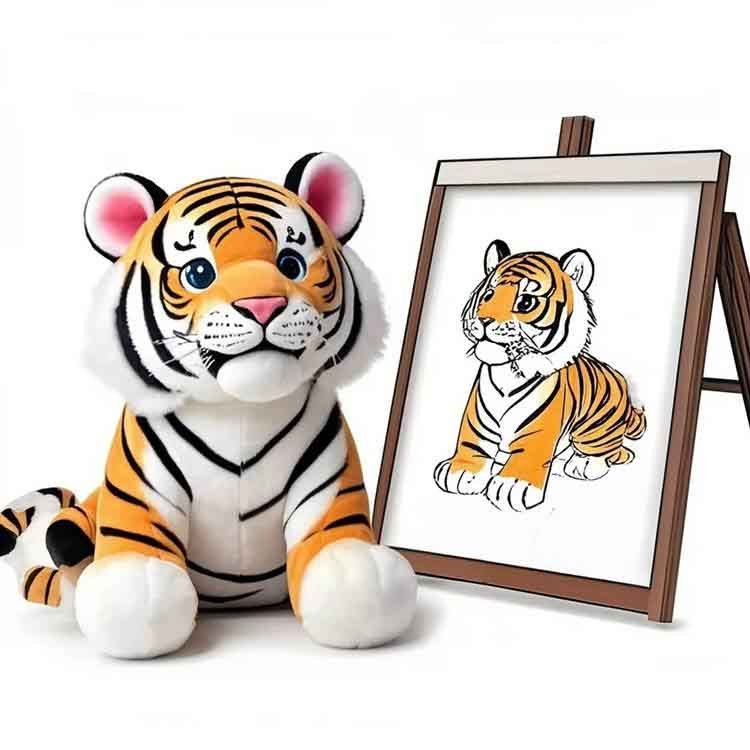
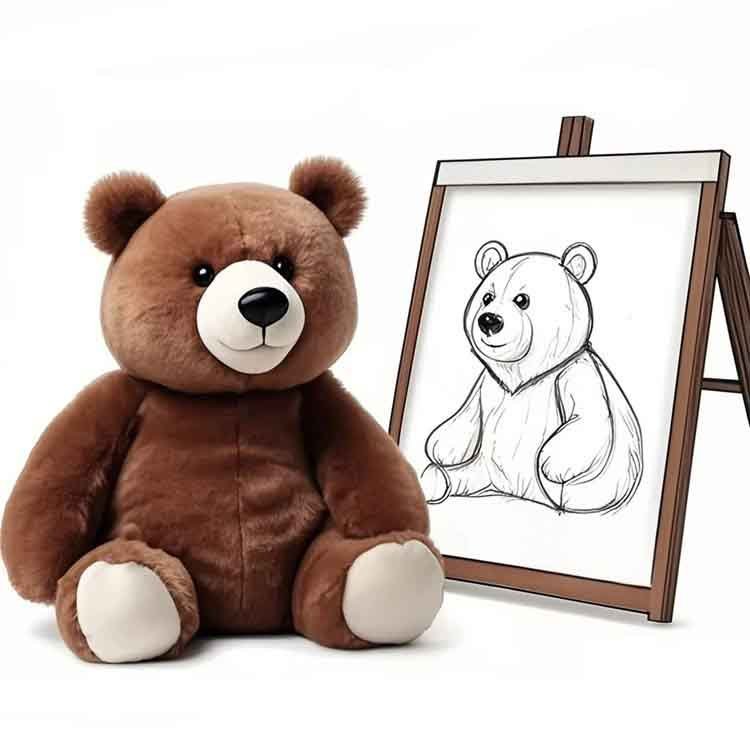
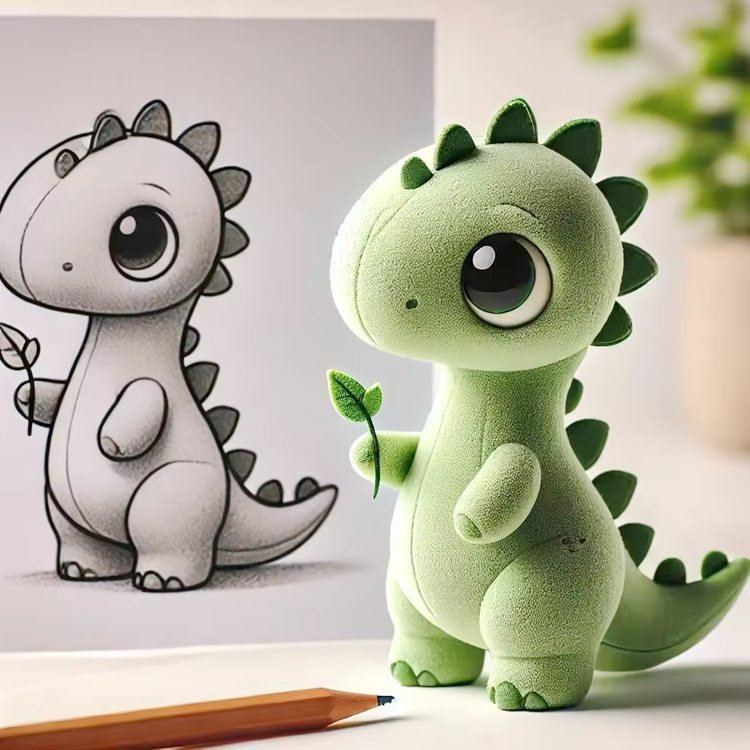
Request a Custom Sample First?
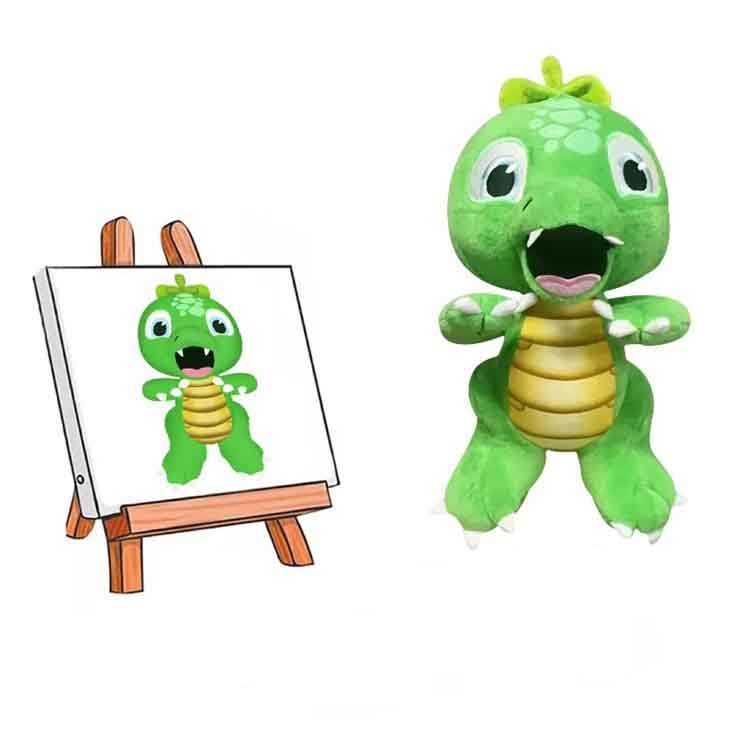
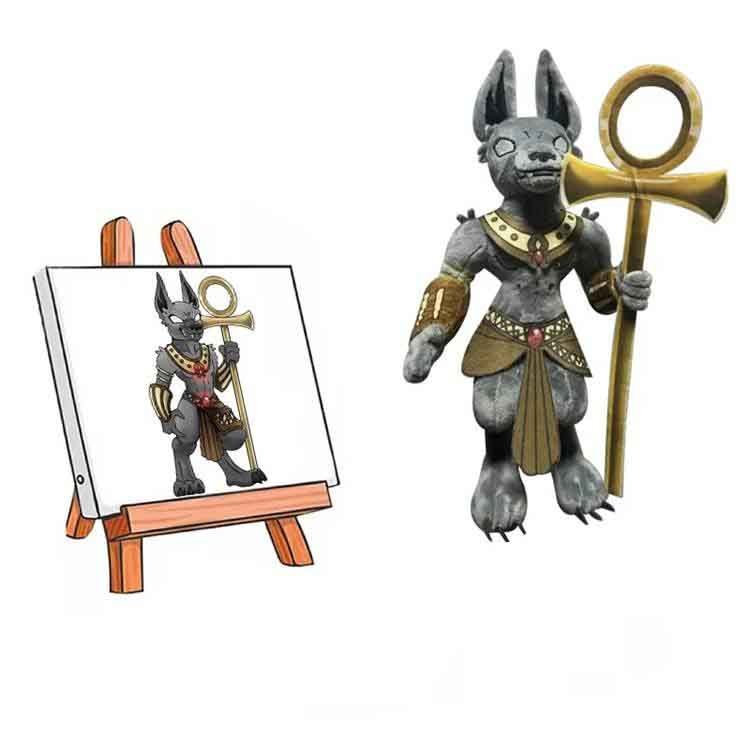
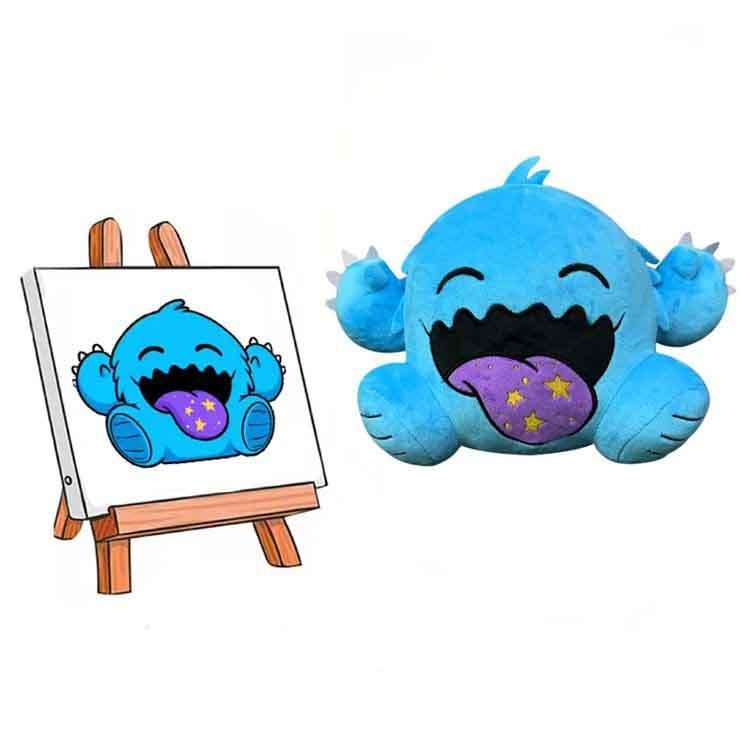
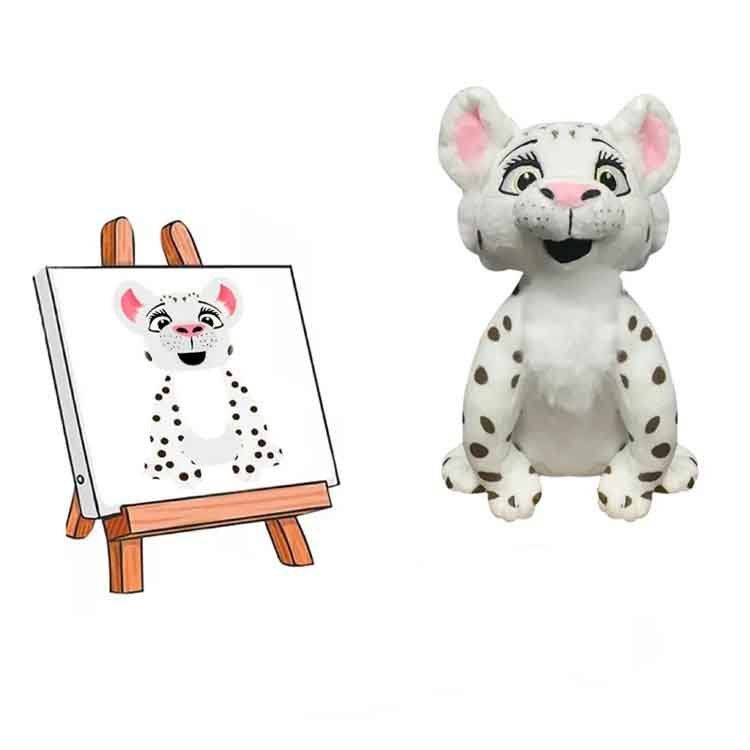
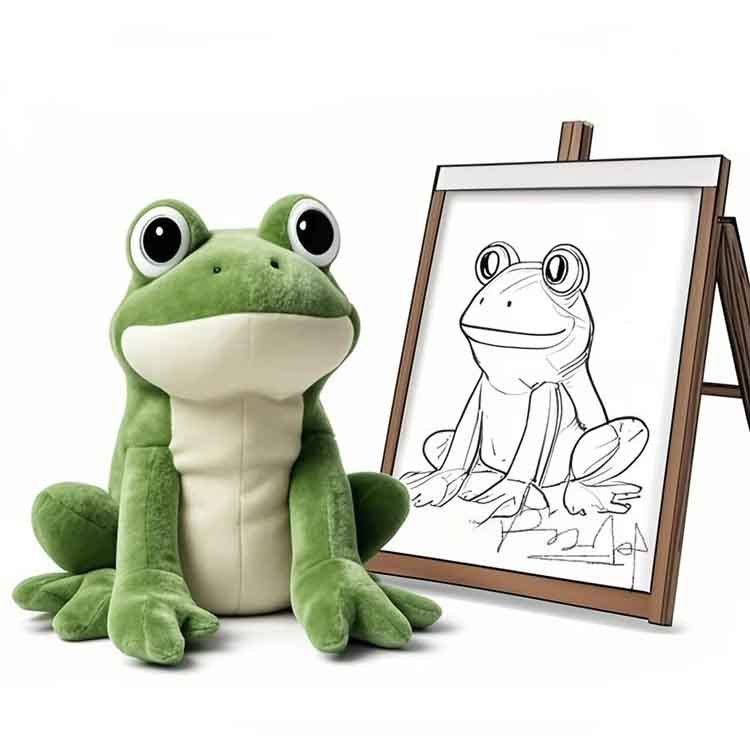
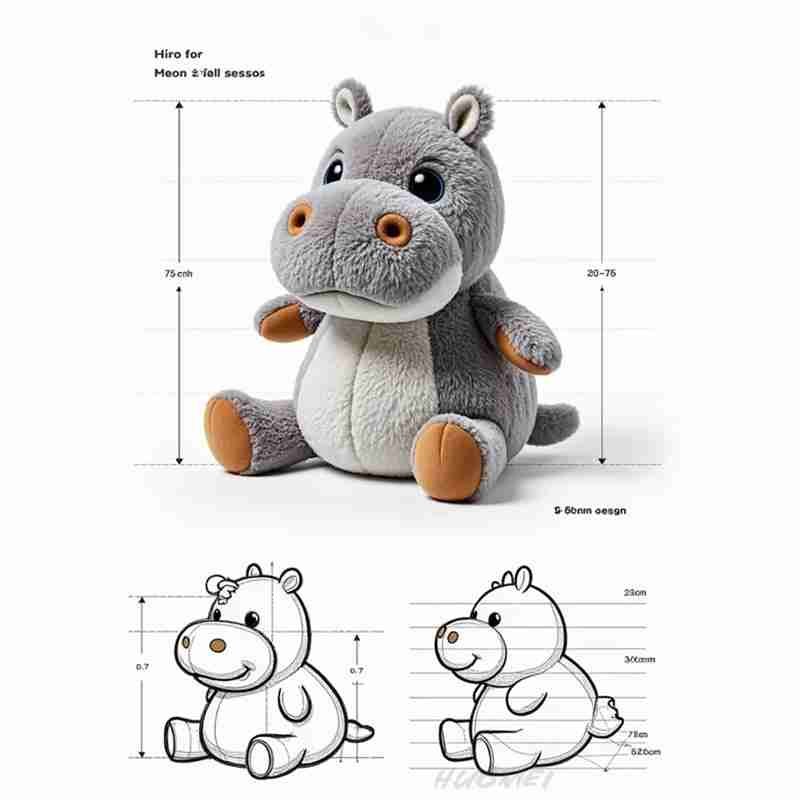
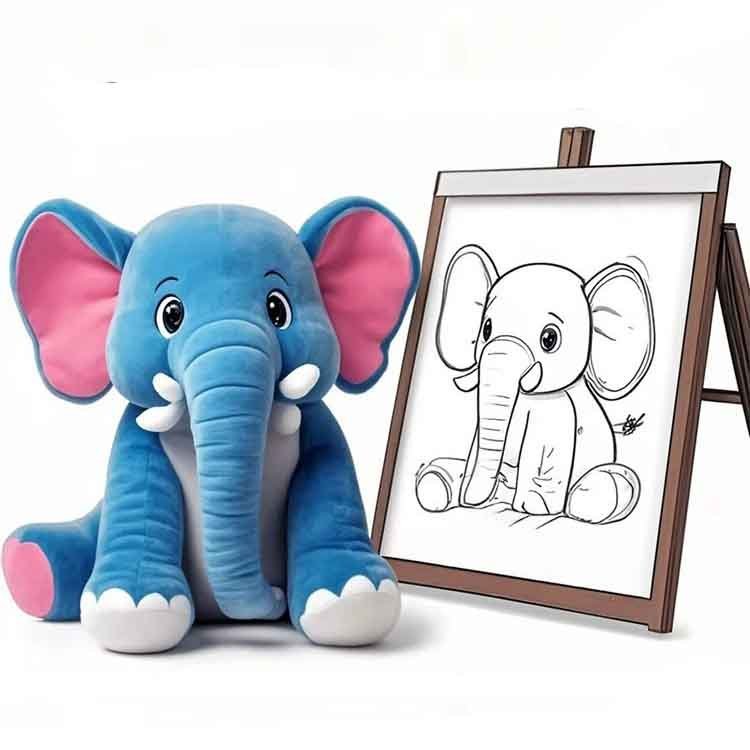
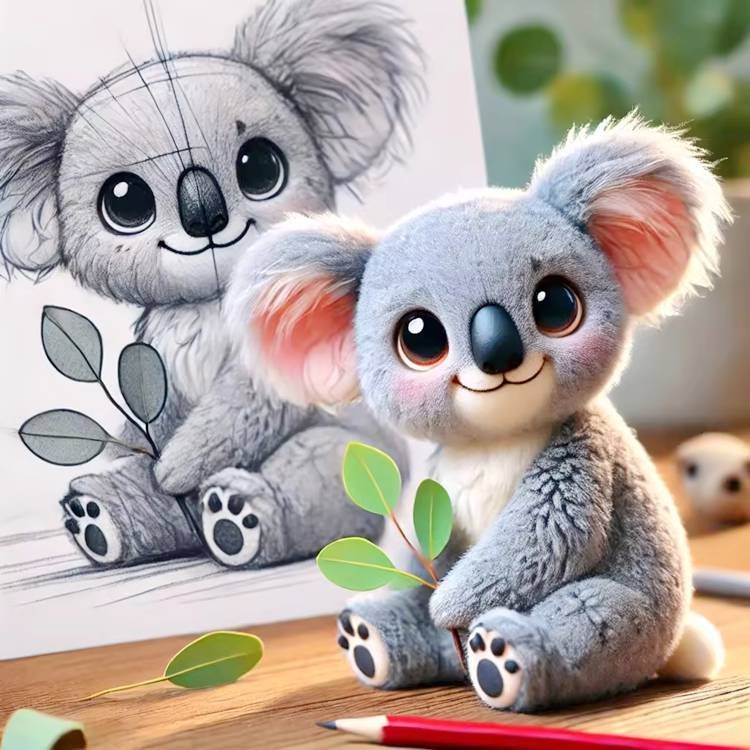
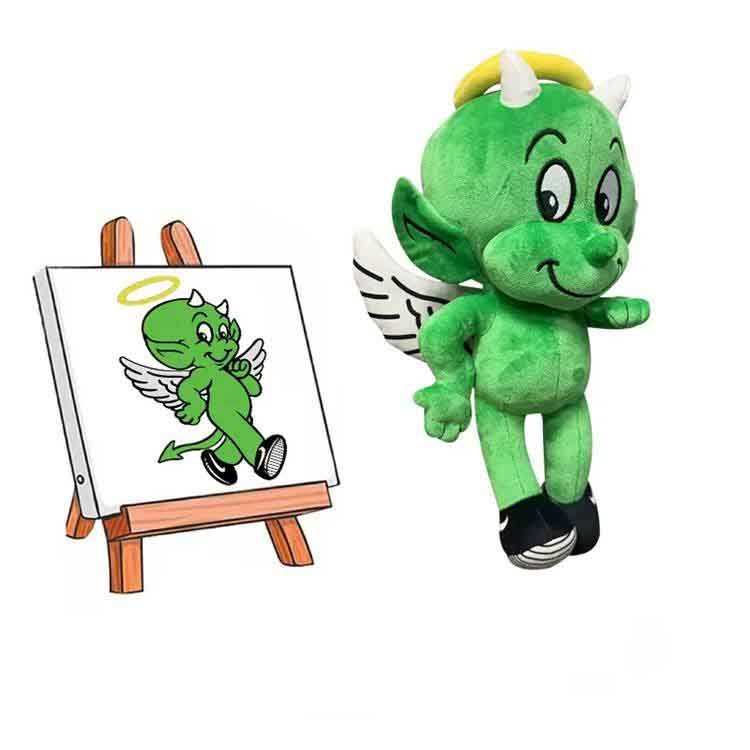
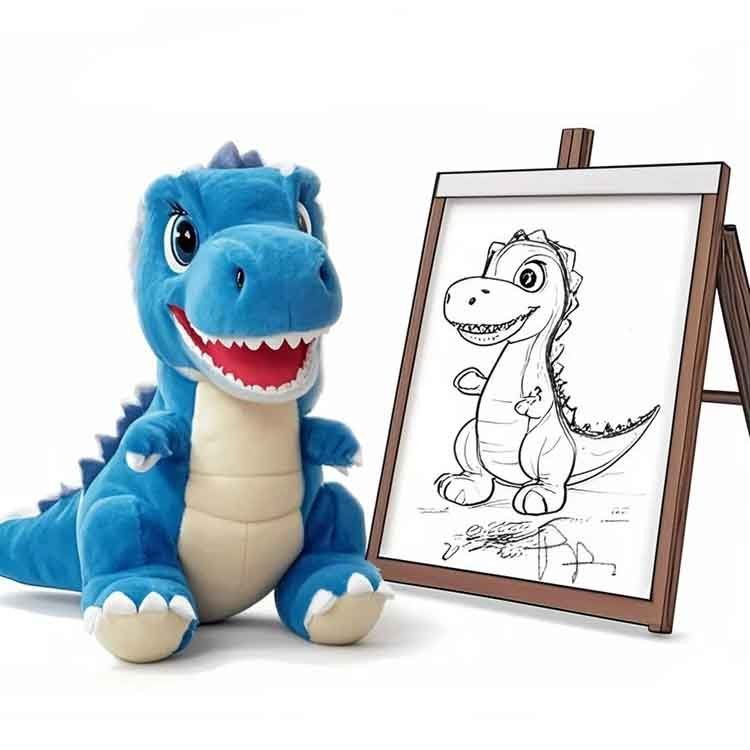
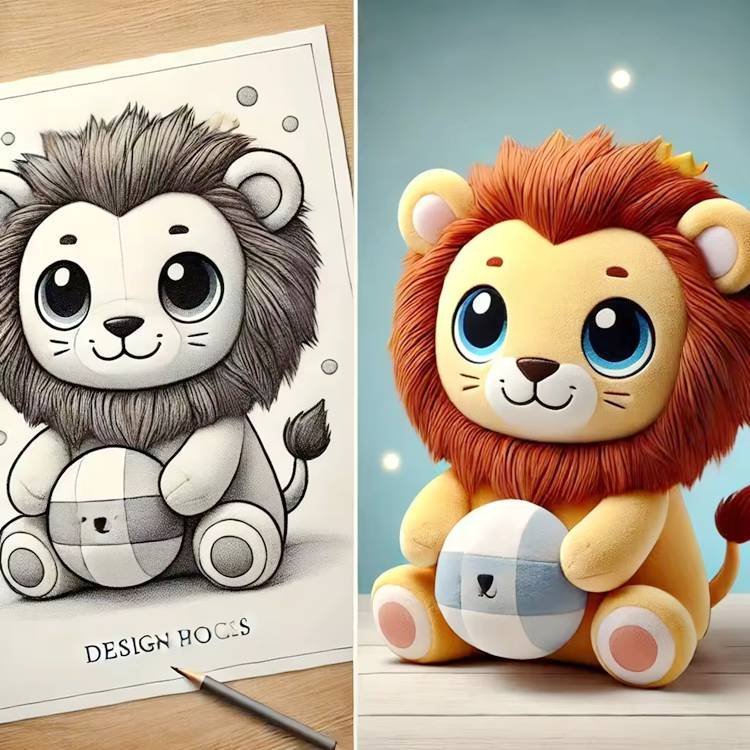
If you have artwork, logo files, or even just an idea, please share your project details—size, target fabric, color reference, and customization requirements. We’ll recommend suitable materials and provide a clear sampling plan to bring your custom plush toy design to life.
What Makes Our Custom Plush Production Reliable for Partners
Trust is built through predictable execution—clear approvals, documented specs, quality checkpoints, and packing confirmation. We focus on making your plush project easier to manage and safer to scale.
“Reliable” plush production is not about making one nice sample—it’s about delivering repeatable bulk quality, stable lead times, and clear project control from artwork review to shipment. What makes our custom plush program dependable is the way we manage the details that most often cause problems in mass production: face accuracy, proportion stability, embroidery/printing consistency, stuffing weight and firmness control, and secure attachment for keychains, clothing, and accessories.
We build reliability through a structured workflow: we confirm a practical spec checklist before sampling, document revision notes, and lock the final approval sample as a golden standard for production. During manufacturing, we apply multi-stage QC checkpoints (not just a final check) to prevent drift early, especially in character-critical zones like the face and silhouette. Before shipment, we also verify packaging and labeling—including hangtags, barcode/SKU labels, care/warning labels, and carton marks—so your receiving and retail handling are smoother and your products arrive with less risk of deformation.
Process Proof
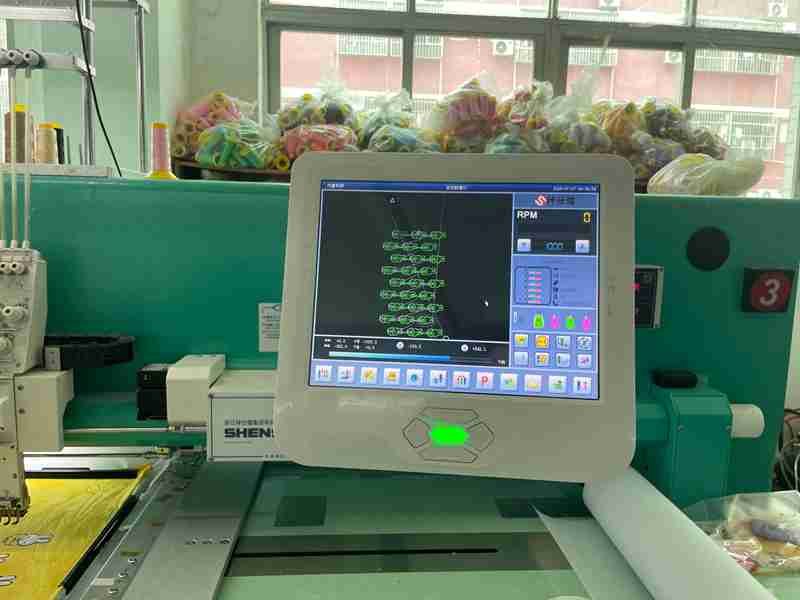
- Clear sampling-to-production approvals (prototype → revisions → final approval sample)
- Spec confirmation before bulk production (size, materials, logo placement, packaging)
- Revision notes that keep decisions traceable
- Golden standard concept for repeat orders
Quality Proof

- Multi-stage QC checkpoints across sewing, embroidery/printing, stuffing, finishing
- Needle control / needle detection option for finished plush (when required)
- Inspection focus on character-critical areas (face and silhouette) for IP plush
Delivery Proof
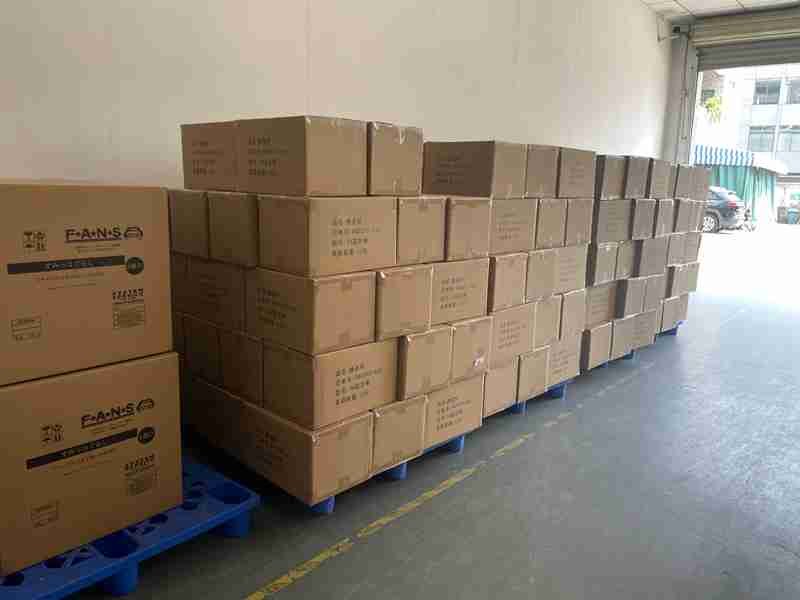
Packaging and labeling confirmation before shipment (photo proof + checklist)
Barcode and carton mark support (when required) (SKU/PO/qty/destination)
Packing suggestions to reduce deformation during transit (anti-crush, face protection)
Frequently Asked Questions
What materials are used for your custom plush zipper pouches, and are they safe and durable?
What is the minimum order quantity (MOQ), and do you support flexible MOQ for different business stages?
Can I fully customize the size, shape, color, and structure of the plush zipper pouches?
What logo and pattern customization crafts do you offer, and how do you ensure durability?
How does the sample process work, lead time, and do you charge for samples?
How long is bulk production lead time, and how do you ensure on-time delivery?
Do your products meet international safety standards, and can they be sold globally?
Can you provide customized packaging solutions, and what options are available?
What artwork file formats do you accept, and do you offer design adjustments?
How is the price calculated, and do you offer price optimization suggestions?
Start Your Custom Plush Project Today
If You Can imagine it,We Will Create it!
Whether you are a brand, creator, retailer, or agency, our Guangdong plush factory is ready to support your OEM/ODM development. Send us your design, concept, or reference image — our team will reply with a free development proposal and quotation.
1. Tell Us What You Need
Tell us your requirements and share your artwork or reference images.
2.Get a Solution & Quote
We’ll suggest the best solution based on your requirements, and provide a detailed quote within 12 hours.
3.Approve for Mass Production
We will start mass production after getting your approval.