 Skip to content
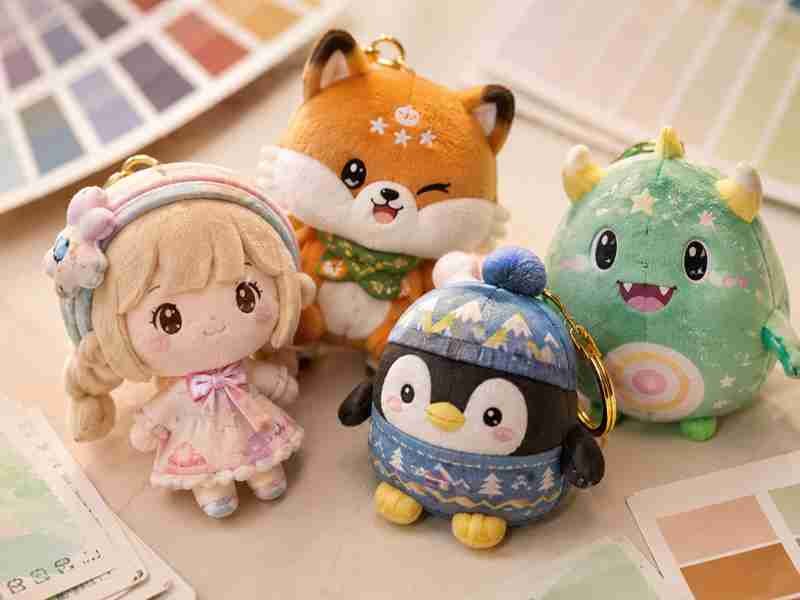
A plush sample can win a meeting, but bulk production decides whether a project earns trust. Many brand teams do not worry only about whether a factory can make one cute prototype. They worry about whether 500, 2,000, or 20,000 pieces can still carry the same face, hand feel, shape, color direction, label plan, and packing result that was approved before production. That gap between one approved sample and many finished pieces is where many plush projects succeed or fail.
Sample to bulk consistency in plush manufacturing means controlling how closely bulk plush toys follow the approved sample in shape, size, fabric, color, embroidery, filling, accessories, labels, and packing. It depends on clear sample approval, pattern records, material standards, production instructions, in-line inspection, final QC, needle detection, and packing review before shipment.
For brand mascot plush, IP character plush, retail plush toys, plush keychains, plush dolls, or private label plush collections, consistency is not a small production detail. It protects brand image, launch dates, shelf presentation, online reviews, and repeat orders. A good factory does not treat the sample as a pretty display piece. It turns that sample into a production standard that sewing teams, QC staff, packing teams, and project managers can follow.
Heyzizi is a Guangdong-based custom plush products factory supporting global brands, IP programs, retailers, e-commerce brands, promotional projects, educational product teams, private label , and long-term custom plush product programs. With 600+ staff, around 18,000㎡ factory space, 35+ pattern makers, 80 QC inspectors, 30+ production lines, and 20+ years of OEM / ODM plush project experience, Heyzizi focuses on helping plush ideas become sample-ready, bulk-ready, shipment-ready, and repeat-order-ready products.
What Does Sample To Bulk Consistency Mean?
Sample to bulk consistency means the final production should follow the approved plush sample as closely as possible across visible, structural, and packing details. It does not mean every piece is mathematically identical. Plush fabric, filling, hand finishing, and material batches naturally create small differences. The real goal is to set a clear standard before production and control the differences that matter to brand presentation, safety, and retail use.
In plush production, the approved sample is not the end of development. It is the start of production control. Once a sample is approved, the factory must translate it into repeatable instructions: pattern size, fabric name, color reference, embroidery file, stitch position, filling level, accessory position, label placement, and packing method.
That is why consistency is never controlled by one person saying, “Make it like this.” It is controlled by records. A good project file should help production teams understand what the plush should look like, how it should feel, how firm it should be, and which parts cannot drift during bulk work.
For simple plush shapes, consistency may focus on size, fabric, filling, stitching, and packing. For mascot plush, plush dolls, IP character plush, and plush keychains, the face becomes more sensitive. A 2 mm shift in the eye position may make a character look sleepy, angry, older, or simply “not right.” For brand projects, that difference matters.
Why Is The Approved Sample More Than A Prototype?
The approved sample is the physical reference for bulk production. It shows the agreed product shape, fabric direction, face method, color look, filling balance, trims, labels, and packing approach. It should be kept carefully and compared during production review, especially before cutting fabric, during sewing, before final packing, and before shipment.
A first sample is used for development. A revised sample is used for correction. An approved sample, often called the golden sample, is used for control. This difference is important.
When a brand team approves a plush sample, they are not just saying, “This looks good.” They are confirming the standard that bulk pieces should follow. That includes the front view, side view, back view, expression, body proportion, hand feel, and visible details.
For custom plush toys, the approved sample should usually be supported by photos, comments, measurements, fabric references, and craft files. Without these records, bulk teams may rely too much on visual memory. That is risky, especially when the project includes multiple characters, multiple sizes, or repeated orders.
Which Plush Details Should Match In Bulk Production?
The most important details are the ones can see, touch, scan, wear, display, or complain about. These usually include size, body shape, face expression, fabric color, pile direction, embroidery placement, printing clarity, filling level, seam strength, accessory position, care label, hangtag, barcode label, retail box, and carton mark.
Not every detail carries the same risk. A small difference inside the seam allowance may not affect the project. A shifted smile, uneven stuffing, loose keyring, wrong label, or crushed retail pack can create a real problem.
Here is a useful way to separate the details:
| Detail Area | Why It Matters In Bulk Plush |
|---|---|
| Shape | Affects character recognition, shelf appeal, and photo result |
| Size | Affects packing, retail display, carton plan, and cost control |
| Fabric | Affects hand feel, color look, texture, and perceived quality |
| Face | Affects expression, IP accuracy, and brand acceptance |
| Filling | Affects softness, standing result, recovery, and shape stability |
| Accessories | Affects safety, function, strength, and final use |
| Labels | Affects retail, warehouse, compliance, and SKU control |
| Packing | Affects protection, storage, shipping, and presentation |
How To Ensure Bulk Plush Matches The Sample?
Bulk plush can better match the sample when the factory locks the golden sample, records the pattern, confirms fabric and color references, saves embroidery or printing files, reviews pre-production details, checks production in stages, and compares finished pieces against the approved standard before packing.
This is not a single inspection at the end. It is a chain.
Before production, the team should confirm the approved sample, production file, fabric, filling, accessories, labels, and packing plan. During production, QC should review cutting accuracy, embroidery placement, sewing strength, filling balance, shape, and accessories. Before shipment, finished plush pieces should be checked again with packing, carton marks, labels, and requirements.
If your project includes a launch date, retail shelf plan, event deadline, or multi-SKU order, it is better to send your artwork, target size, quantity, packing needs, target country, and delivery deadline early to info@heyzizi.com for a project review.
Why Do Plush Samples And Bulk Products Differ?
Bulk plush may look different from samples because plush is a soft product affected by fabric batches, pile direction, filling pressure, sewing tension, hand shaping, embroidery position, packing compression, and production scale. A handmade sample is usually made slowly, while bulk pieces must follow repeatable standards. Good control reduces differences, but responsible factories should still explain natural tolerances clearly.
A plush toy is not a plastic part coming out of a fixed mold. It is built from fabric, stitching, filling, accessories, trimming, and shaping. That means every project has a soft-material nature. The challenge is not to pretend variation does not exist. The challenge is to know which variation is normal and which variation must be corrected.
A sample may be made by a senior sample maker with extra time, closer hand shaping, and more adjustment. Bulk production involves more people, more pieces, more cutting layers, more sewing steps, and more packing pressure. If the approved sample is not translated into a clear bulk standard, small differences can spread.
That is why a serious plush factory pays attention to the parts that can drift: face placement, ear symmetry, head shape, body fullness, seam tension, fabric direction, color lot, accessory strength, and packing recovery.
Why Does Bulk Plush Look Different From Samples?
Bulk plush often looks different when the production standard is not detailed enough. The sample may have a slightly different fabric lot, firmer filling, hand-adjusted shape, or more careful facial positioning. If bulk workers do not have clear measurements, reference photos, and process checks, the final result may slowly move away from the approved sample.
This problem is especially common in character plush. The face drives the whole feeling. If the eyes are too high, the plush may look surprised. If the mouth drops too low, it may look sad. If the head is underfilled, the character may lose its original personality.
For small plush keychains and plush bag charms, tiny details are even harder to control. A small face has less room for embroidery, printing, applique, and seam adjustment. That is why stitch density, fabric pile, and facial spacing should be reviewed before bulk production, not after finished goods are packed.
Fabric Batch And Pile Direction
Fabric is one of the biggest reasons plush samples and bulk pieces can look different. Even when the same fabric name is used, different batches may show slight color or hand-feel changes. Plush pile direction can also make the same color look lighter or darker under different light.
For example, short plush, minky, velboa, fleece, crystal super soft fabric, and long pile plush all react differently to cutting direction. If one panel is cut with pile running downward and another is cut in a different direction, the finished toy may show uneven shading.
A professional review should include fabric reference, pile direction, cutting direction, and color expectation. For brand colors, should not rely only on screen images. Fabric swatches, Pantone direction, physical samples, and batch review are more useful.
Embroidery Position And Face Expression
Embroidery can create a clean and durable plush face, but it also needs accurate placement. A cute expression depends on distance, angle, thread color, stitch density, and fabric behavior. Even a small movement can change the character.
For plush dolls, mascot plush, and IP character plush, facial embroidery should be checked on the actual fabric, not only in a digital file. Plush pile can cover small lines. Dense stitches can tighten the fabric. Thin lines may disappear on fluffy materials.
This is why Heyzizi usually reviews face method, embroidery size, stitch density, fabric pile direction, and face placement during sample development. The goal is not only to make one sample look good. The goal is to make the expression more stable when production starts.
Sewing Tension And Hand Finishing
Sewing tension affects shape. If seams are too tight, a plush part may shrink, twist, or pull. If seams are too loose, the shape may look weak or uneven. Hand finishing also matters, especially around ears, limbs, tails, small accessories, and closed seams.
Bulk plush shape depends on many small actions. Workers must follow pattern notches, seam allowance, turning method, stuffing level, and final shaping. When these steps are not controlled, one piece may look round while another looks flat.
For high-visibility brand products, shape review should not wait until the last carton. In-line checks help catch problems earlier, while correction is still possible.
How Does A Plush Factory Control Bulk Standards?

A plush factory controls bulk standards by turning the approved sample into clear production records. These may include pattern files, fabric references, color notes, embroidery or printing files, filling guidance, accessory details, label files, packing instructions, QC checkpoints, and approved sample photos. The stronger the records, the easier it is to keep bulk production close to the confirmed sample.
Consistency is not created by luck. It is created by preparation. Before bulk production, every important detail should be clear enough for production, QC, packing, and project follow-up teams to use.
This is where many weak projects fail. They approve a nice sample but do not lock the details behind it. Later, when bulk production starts, teams may ask: Which fabric batch? Which thread color? Which filling weight? Which eye position? Which label version? Which box layout? Which carton mark? If they are missing, consistency becomes fragile.
A project with good records is easier to manage, easier to inspect, easier to repeat, and easier to troubleshoot.
Pattern Records Before Production
The pattern controls the plush structure. It affects the head shape, body proportion, limb position, seam curve, standing result, and stuffing space. If the pattern changes after approval without clear review, the bulk product may no longer match the sample.
For custom plush toys, the pattern should be saved after sample approval. For multi-SKU projects, each style should have its own pattern record. For repeat orders, the previous pattern should be reviewed together with material availability and feedback.
Heyzizi has 35+ pattern makers, which is important for custom plush development because many plush problems start before sewing. A flat drawing must become a soft 3D object. Good pattern work helps reduce repeated sample changes and supports better bulk stability.
Material And Color Reference Control
Material control should cover fabric type, color direction, pile height, hand feel, filling, accessories, labels, and packaging materials. For plush products, color is not only a dye issue. It is also affected by pile direction, light, texture, and fabric batch.
A strong material record may include fabric name, swatch, color reference, filling type, accessory details, thread color, label material, and packing material. This helps the team check whether bulk materials match the approved direction before production goes too far.
If the plush will be sold in retail, used as IP merchandise, or sent to different locations, material changes should be reviewed carefully. A slightly different fabric may change how the toy looks in photos, how it feels in the hand, or how it recovers after packing.
How To Prevent Fabric Color Variance In Bulk
Fabric color variance can be reduced by confirming physical fabric references, keeping pile direction consistent, checking material batches before cutting, reviewing bulk fabric under suitable light, and comparing production pieces with the approved sample. For sensitive brand colors, early fabric review is much safer than judging color after goods are finished.
Color control should start before cutting. Once fabric is cut, sewn, filled, and packed, color problems become expensive to fix.
For plush fabric, should understand that a digital color on a screen is only a direction. Real plush has pile, shadow, texture, and movement. The same fabric can look different when brushed upward or downward. Long-pile plush can create a stronger visual difference than short plush.
A practical approach is to approve the fabric direction first, then keep cutting direction and batch review consistent. For repeat orders, previous material records can help, but the factory should still review new batches because fabric availability and dye lots may change over time.
Pre-Production Review Before Bulk Cutting
A pre-production review helps catch risks before fabric is fully cut. It should confirm the approved sample, pattern, material, embroidery or printing file, accessories, labels, packing plan, carton rules, and special comments from the latest sample revision.
This step is valuable because bulk cutting is no easy return. If the wrong fabric direction, size, or embroidery file enters production, the mistake may spread quickly.
For brand plush projects, Heyzizi can review artwork, product size, material direction, face method, quantity, packaging, target country, and production feasibility before moving deeper into sampling or bulk planning.
What Is A Golden Sample In Plush Manufacturing?
A golden sample is the final approved plush sample used as the physical standard for bulk production. It should represent the confirmed shape, fabric, color direction, face expression, filling, accessories, labels, and packing method. Production teams and QC teams use it as a reference when checking whether bulk pieces follow the approved product direction.
The golden sample is important because words are not enough in plush production. “Make it cute,” “make it rounder,” or “make it like the artwork” can mean different things to different people. A golden sample makes the standard visible.
However, a golden sample must be treated carefully. If a team approves a sample but later changes the fabric, filling, face method, or packing, the original sample may no longer represent the true standard. In that case, a revised confirmation should be made.
For large programs, the golden sample should be supported by photos and written comments. For multi-SKU programs, each style or character may need its own approved reference.
Golden Sample Vs First Sample
A first sample is used to test the first physical direction. It may have problems in size, fabric, expression, filling, balance, or details. A golden sample is the version approved after review and revision. The first sample starts the discussion. The golden sample controls production.
Many projects need more than one sample round. That is normal, especially for mascots, dolls, licensed characters, complex outfits, plush backpacks, weighted plush, or small plush accessories with tiny face details.
The key is to record each revision clearly. If the first sample had a wrong eye position and the second sample fixed it, that comment should not disappear. It should become part of the production standard.
Golden Sample Vs Production Sample
A golden sample is usually the approved development standard. A production sample, or pre-production sample, may be made to confirm that bulk materials, machines, workers, and process settings can follow that standard before full production starts.
For simple projects, one approved sample may be enough. For high-value retail projects, complex IP plush, special packaging, or strict launch timelines, a pre-production review may be useful.
The production sample helps confirm whether the development standard works in real production conditions. It can catch fabric batch differences, embroidery behavior, filling level, or packing issues before larger quantities are finished.
Have You Already Signed Off On A Golden Sample?
This is one of the most important checks before bulk production. If the golden sample has not been clearly approved, it is difficult to judge whether the bulk goods are correct. Teams may argue about opinions instead of comparing against a confirmed standard.
Before signing off, the brand team should review:
| Review Item | What To Check |
|---|---|
| Shape | Front, side, back, sitting or standing result |
| Size | Height, width, thickness, key dimensions |
| Face | Eye, mouth, nose, expression, thread colors |
| Fabric | Color, texture, hand feel, pile direction |
| Filling | Softness, firmness, balance, recovery |
| Accessories | Strength, placement, safety, function |
| Labels | Care label, warning label, SKU, barcode |
| Packing | Polybag, hangtag, box, display, carton mark |
If your team is preparing to approve a plush sample, send the confirmed artwork, comments, target quantity, packing needs, and target country to info@heyzizi.com. Heyzizi can help review whether the sample is ready to become a bulk standard.
Which QC Checks Protect Sample To Bulk Consistency?

QC protects sample to bulk consistency by checking materials, cutting, embroidery, sewing, filling, finishing, accessories, labels, needle detection, packing, and carton marks at different stages. The best control does not wait until the final carton is closed. It checks the product while problems can still be corrected, especially for face accuracy, shape, size, color direction, and packing.
For plush products, final inspection is important, but it should not be the only control. If a face is embroidered in the wrong position on thousands of cut panels, final inspection may find the problem too late. If filling is too light across a full batch, shape recovery may be weak after packing. If labels are mixed between SKUs, warehouse problems may appear after shipment.
That is why consistency control should happen in layers. Each stage protects a different part of the approved sample standard.
Heyzizi’s QC work covers materials, production processes, finished products, needle detection, packing review, and shipment preparation. With 80 QC inspectors, the goal is not only to find defects, but also to help projects stay close to the confirmed standard before goods leave the factory.
Incoming Material Inspection
Incoming material inspection checks whether the bulk fabric, filling, trims, labels, accessories, and packing materials match the approved direction before production begins. This step is especially important for plush fabric because color, pile height, hand feel, backing, and pile direction can all affect the final look.
For example, if a mascot plush sample was approved with a dense short plush fabric, but bulk fabric feels thinner or reflects light differently, the character may look cheaper even if the sewing is correct. If a keyring, zipper pull, plastic eye, or ribbon arrives in a different finish, the product may no longer match the approved look.
A good incoming check should review:
| Material Area | What Should Be Checked |
|---|---|
| Plush fabric | Color, pile height, texture, backing, pile direction |
| Filling | Type, softness, rebound, cleanliness |
| Thread | Color, strength, embroidery suitability |
| Accessories | Shape, size, finish, attachment strength direction |
| Labels | Care label, warning label, barcode, SKU, FNSKU if needed |
| Packing | Polybag, hangtag, retail box, display box, carton material |
This is where many bulk problems can be prevented early.
In-Line Production Inspection
In-line inspection checks production while goods are being made. It helps catch shape, sewing, embroidery, filling, and assembly issues before the same mistake repeats across the full order.
For plush toys, in-line checks often focus on:
- Cutting accuracy
- Embroidery position
- Applique placement
- Sewing strength
- Seam allowance
- Head and body proportion
- Filling balance
- Accessory attachment
- Overall shape after turning and stuffing
This stage is especially useful for plush dolls, mascot plush, weighted plush, plush backpacks, plush keychains, and multi-part character toys. These products can change a lot during sewing and filling. A flat fabric panel may look correct, but the finished shape may still drift after stuffing.
In-line inspection also protects production speed. When a problem is caught early, the factory can adjust training, sewing tension, filling method, or trimming before too many pieces are affected.
Final Product Inspection
Final inspection checks whether finished plush pieces are close to the approved sample before packing or shipment. It should not only look for dirty marks or broken seams. It should compare the finished goods against the expected shape, expression, size, material direction, accessories, labels, and packing requirement.
For brand plush projects, the final check should include both appearance and function. A plush keychain should not only look cute; the ring and chain should be attached securely. A plush backpack should not only match the character; the zipper, straps, seams, lining, and load areas need review. A retail plush item should not only pass visual checks; hangtags, barcodes, and carton marks must also match the SKU plan.
A useful final inspection mindset is simple: would this piece still represent the approved brand product when it reaches the shelf, event table, online , or warehouse?
Needle Detection And Packing Review
Needle detection is a key safety step in plush production, especially for products connected with children, retail, schools, education, and public events. It helps reduce the risk of broken metal fragments remaining in finished goods after sewing.
Packing review is just as important for consistency. Even a well-made plush toy can look wrong if it is compressed too tightly, packed in the wrong position, mixed with the wrong SKU, or placed in a weak carton. Soft products need room to recover.
Packing review should check:
| Packing Item | Why It Matters |
|---|---|
| Individual bag | Protects surface and keeps pieces clean |
| Hangtag | Supports retail display and branding |
| Barcode / SKU label | Supports warehouse and sales channel control |
| Retail box | Protects shape and improves shelf presentation |
| Carton mark | Helps sorting, shipment, and receiving |
| Mixed carton plan | Prevents SKU confusion |
| Compression level | Affects shape recovery after delivery |
For projects with retail packing, gift boxes, blind boxes, display boxes, FNSKU labels, or multi-destination shipment, packing should be reviewed before the full order is sealed.
How Can Reduce Bulk Production Risk?

can reduce bulk production risk by sending clear artwork, target size, quantity, fabric direction, face method, packing needs, target country, safety requirements, and delivery deadline before sampling. They should also approve a golden sample, record all revision comments, confirm material and label details, and review production standards before bulk work begins.
The factory controls production, but the project owner controls many early decisions. Unclear artwork, changing size, late packing files, missing barcode labels, or uncertain launch dates can all create risk. The earlier these details are clear, the easier it is to quote, sample, revise, and produce with fewer surprises.
Good plush development is a shared process. The brand team knows the character, sales channel, launch goal, and expectation. The factory knows the material behavior, pattern limits, sewing method, filling result, packing pressure, and production risks. When both sides share the right information, consistency becomes much easier to manage.
What Files Should Send Before Sampling?
Before sampling, should send character artwork, reference photos, front / side / back views if available, target size, quantity per design, fabric preference, face method, accessory needs, packing plan, target country, and delivery deadline.
If the project is a mascot plush, the artwork should show the face, body shape, brand colors, logo position, outfit details, and any fixed character features. If the project is a pet plush, photos from different angles are helpful. If it is a plush keychain, the keyring type, chain type, product size, and hangtag plan should be included early.
A strong project review usually starts with these details:
| Project Detail | Why It Helps |
|---|---|
| Product type | Helps review structure and process |
| Artwork or reference | Helps understand shape and character |
| Size | Affects pattern, cost, packing, and shipping |
| Quantity | Affects production planning and price review |
| Fabric direction | Affects hand feel and visual result |
| Face method | Affects expression, safety, and consistency |
| Accessories | Affects strength, safety, and assembly |
| Packing | Affects display, protection, labels, and cartons |
| Target country | Affects testing and label review |
| Deadline | Affects sampling, approval, production, and shipping path |
What Should Confirm Before Mass Production?
Before bulk production, should confirm the approved sample, sample comments, size, fabric, embroidery or printing file, accessories, filling level, labels, packing, carton marks, delivery address, testing direction, and shipment schedule.
This may feel like a lot, but it is better than discovering missing details after production starts.
For example, a brand may approve the plush itself but forget to confirm the care label. A retailer may approve the shape but send barcode files too late. An event company may approve the sample but change the delivery deadline after fabric is cut. These issues may not seem related to sample consistency, but they affect the final project.
Bulk plush production is smoother when the final standard is complete before cutting begins.
What Specific Defect Are You Seeing: Shape, Color, Or Size?
When a bulk plush problem appears, the first step is to name the defect clearly. Is the issue shape, color, size, face placement, filling, sewing, fabric direction, accessory strength, label mix-up, or packing distortion? Clear defect language helps the factory trace the cause and decide whether the problem is material, process, handling, or packing related.
For example:
| Defect Seen | Possible Cause |
|---|---|
| Head looks flat | Filling level, pattern tension, packing compression |
| Face looks different | Embroidery placement, fabric pile, stitch density |
| Color looks darker | Fabric batch, pile direction, lighting |
| Toy looks smaller | Sewing tension, filling, measurement method |
| Body twists | Pattern alignment, seam tension, stuffing method |
| Shape recovers poorly | Packing compression, fabric type, filling rebound |
| Wrong barcode | SKU file, packing instruction, carton sorting |
This kind of problem tracing is far more useful than simply saying “bulk goods do not look right.”
How Should Comments Be Recorded After Sample Revision?
Sample comments should be recorded clearly after each revision. Comments should state what changed, which version was approved, which details must not change, and whether the change affects pattern, fabric, embroidery, filling, accessories, labels, or packing.
A simple comment such as “make the face better” is not enough. Better comments sound like:
- Move both eyes 2 mm lower.
- Make the mouth embroidery line thicker.
- Increase head filling slightly.
- Change the bow fabric to softer plush.
- Keep the body size the same.
- Use approved hangtag version V3.
- Confirm barcode label on individual polybag.
Good revision records protect both sides. They help the brand team remember what was approved. They help the factory control bulk production. They also help repeat orders months later.
Sample Vs Bulk: What Differences Are Acceptable?
Some sample and bulk differences are normal in plush production because soft fabric, pile direction, filling, sewing, and hand finishing naturally create small variation. Acceptable differences should not change the character identity, safety, function, retail presentation, or approved product direction. Unacceptable differences include major shape change, wrong color, shifted face, weak seams, unsafe parts, wrong labels, or poor packing.
A responsible factory should not promise that every bulk plush piece will be 100% identical in every tiny detail. That sounds attractive, but it is not how soft goods work. Plush products are flexible, stuffed, sewn, brushed, shaped, and packed. There will always be small natural differences.
The important issue is whether those differences are controlled and reasonable.
A plush toy can have a small measurement difference and still be acceptable. But if the face expression changes, the body collapses, or the fabric color looks like a different character, that is a real concern. For brand projects, the most important standard is not mathematical sameness. It is whether the bulk product still reflects the approved design and intended use.
What Are Acceptable Size Tolerances For Bulk Plush?
Acceptable size tolerance depends on product size, structure, fabric, filling, sewing method, and requirements. Small plush keychains may need tighter visual control because tiny differences look larger. Larger plush toys may allow slightly more natural variation. Tolerance should be discussed before production, especially for retail packs, box sizes, shipping cartons, or shelf displays.
There is no single number that fits every plush project. A 10 cm plush keychain, a 25 cm mascot plush, a 40 cm stuffed animal, and a plush backpack do not behave the same way.
The best practice is to define measurement early. For example:
| Plush Type | Size Areas To Confirm |
|---|---|
| Plush keychain | Total height, body width, chain length |
| Mascot plush | Head height, body height, arm position |
| Plush doll | Full height, head width, outfit fit |
| Stuffed animal | Body length, leg position, tail length |
| Plush backpack | Bag height, strap length, opening size |
| Weighted plush | Weight, seam strength, filling distribution |
When product size affects packing, shipping, display, or safety, measurement review becomes more important.
Normal Plush Production Tolerances
Normal differences may include slight variation in softness, hand shaping, pile direction, seam curve, stuffing feel, or measurement result. These should remain small enough that the product still looks like the approved sample.
The measurement method also matters. Plush is soft. If one person measures it loosely and another presses it flat, the result can differ. For better control, teams should define how measurements are taken, in which product position, and without excessive compression.
For soft plush, visual comparison and functional review often matter as much as numbers. A plush may technically measure close to the sample but still look wrong if the face is off. Another plush may be slightly different in height but still look fully acceptable if the shape and expression remain stable.
Differences That Should Be Reviewed Immediately
Some differences should be reviewed as soon as they appear:
- Face expression does not match the approved sample
- Fabric color looks clearly different
- Filling is too loose or too hard
- Body shape collapses or twists
- Accessories are weak or misplaced
- Embroidery is shifted, puckered, or unclear
- Seams are open, uneven, or weak
- Labels, barcodes, or carton marks are wrong
- Packing causes serious shape distortion
- Safety-related parts are not secure
These issues are not only cosmetic. They may affect brand image, retail feedback, warehouse handling, or product safety.
Why 100% Absolute Matching Is Not A Safe Promise
Promising 100% absolute matching in plush production is not safe because plush products are affected by soft fabric, pile direction, hand filling, sewing tension, material batches, and packing recovery. A professional standard is better: follow the approved sample as closely as possible, define key control details, review tolerances, and inspect production against the confirmed standard.
This kind of honest explanation builds more trust than exaggerated promises.
Strong brands do not need unrealistic claims. They need clear standards, stable records, careful review, and fast communication when a detail needs adjustment.
How Can Shape Distortion Be Fixed In Bulk Plush?
Shape distortion in bulk plush can be fixed or reduced by reviewing pattern balance, seam tension, filling amount, stuffing method, fabric stretch, accessory weight, packing pressure, and recovery time. The right correction depends on the cause. A flat head, twisted body, uneven limb, or compressed face should be traced before changing the production method.
Shape is one of the first things people notice. A plush toy can use the right fabric and still fail if the head looks flat, the body leans, the ears are uneven, or the face loses its charm after packing.
Bulk shape distortion usually comes from one or more causes: pattern issue, sewing tension, filling imbalance, fabric stretch, heavy accessories, poor shaping, or tight packing. Fixing it requires looking at the whole product, not just adding more stuffing.
Why Filling Balance Affects Plush Shape
Filling balance affects how the plush holds its face, head, body, limbs, and sitting or standing position. Too little filling can make a toy collapse. Too much filling can make it hard, swollen, or distorted. Uneven filling can make the product twist or look different from the approved sample.
The correct filling level depends on the product purpose. A soft cuddle plush may need a gentle hand feel. A mascot plush for retail display may need stronger shape support. A weighted plush must control both softness and weight distribution. A plush keychain needs enough filling to hold shape but not so much that tiny seams become stressed.
How To Fix Plush Toy Shape Distortion In Bulk
The first step is to identify the cause. If the head is flat, check filling amount, pattern volume, fabric stretch, and packing compression. If the body twists, check sewing alignment, seam tension, and stuffing direction. If ears or limbs are uneven, check pattern matching, turning method, and hand finishing.
Possible fixes may include:
| Shape Issue | Possible Review Direction |
|---|---|
| Flat head | Increase filling, adjust pattern volume, reduce packing pressure |
| Twisted body | Review seam alignment and stuffing direction |
| Uneven limbs | Check cutting pairs, sewing marks, and hand shaping |
| Weak standing result | Review weight balance and bottom structure |
| Face distortion | Check embroidery tension, filling behind face, packing method |
| Collapsed plush | Review filling rebound and carton compression |
For large orders, correction should happen early. Once thousands of pieces are packed, shape issues become harder to solve.
How Packing And Compression Affect Shape Recovery
Packing can change how plush looks when it arrives. Tight compression saves carton space, but it may flatten the face, bend ears, crush bows, or weaken shelf presentation. Some plush fabrics recover quickly. Others need more time, brushing, or looser packing.
For retail plush, display boxes, gift boxes, and character products, packing should be planned with shape protection in mind. For e-commerce plush, carton strength and recovery after transit are important. For event giveaways, carton marks and quick sorting may matter more.
A good packing plan protects both cost and appearance. It should not be treated as an afterthought.
How Long Does Sample To Bulk Production Take?
Sample to bulk timing depends on design complexity, material preparation, sample revisions, approval speed, packaging, testing needs, quantity, and production schedule. Plush sampling may take several rounds for complex characters. Bulk production time should be reviewed after the approved sample, material plan, packing files, and delivery needs are clear.
Timing is often where plush projects become stressful. A brand team may have a launch date. An IP team may have a campaign window. A retailer may have a shelf deadline. An event team may have no second chance if products arrive late.
The safest timing plan starts before sampling. If the project needs custom fabric, special accessories, complex embroidery, retail boxes, third-party testing, or multi-destination shipment, those steps should be discussed early.
Heyzizi generally reviews lead time based on product complexity, material sourcing, packaging, testing, quantity, and production schedule. Custom plush samples usually require a sample fee, and the sample fee can be refunded or deducted when the single-style bulk order reaches 2,000pcs.
Sample Development Timeline
Sample timing depends on artwork clarity, product structure, size, material, face method, and accessory difficulty. A simple plush shape may move faster. A mascot, doll, licensed character, plush backpack, weighted plush, or multi-material item may need more review.
The first sample is rarely the final standard for complex projects. It is better to plan time for comments, revision, and approval instead of expecting perfect results in one round.
Revision And Approval Timeline
Revision time depends on how clear the comments are. Specific comments save time. Vague comments create extra rounds.
For example, “make it cuter” may lead to different interpretations. “Lower the eyes slightly, increase cheek roundness, reduce mouth curve, and make head filling fuller” gives the sample team a clear direction.
Approval should also include packing and labels. A plush sample may be approved visually, but if the hangtag, barcode, warning label, or retail box is late, the project may still be delayed.
Bulk Production And QC Timeline
Bulk timing depends on quantity, number of styles, material availability, production line schedule, QC requirements, packing method, and shipment plan. Multi-SKU programs take more control because each style needs correct labels, packing, carton marks, and quantity checking.
For projects with strict dates, it is safer to share the launch date, warehouse deadline, event date, and shipping method as early as possible. This helps the factory review whether express, air, sea, forwarder, or other logistics planning should be considered.
Factory Vs Trading Seller: Who Controls Consistency Better?
A factory with in-house pattern, sampling, production follow-up, QC, needle detection, packing review, and project records usually has stronger control over sample to bulk consistency than a seller who only coordinates orders externally. Consistency needs real production access, not only communication. For brand, IP, retail, and private label plush projects, process control matters as much as price.
There is nothing wrong with a trading seller when the project is simple and low risk. But when a plush product carries brand identity, character accuracy, safety needs, retail packing, or repeat order plans, the ability to control details becomes more important.
A project can look easy from the outside. But inside production, many details must be watched: pattern, fabric, face, filling, labels, packaging, carton marks, and QC records. The team that can see and adjust these details directly has a stronger chance of keeping the project stable.
Why In-House Pattern And QC Matter
In-house pattern support helps solve shape problems before they become production problems. In-house QC helps catch material, sewing, filling, label, and packing issues before shipment.
Heyzizi’s 35+ pattern makers and 80 QC inspectors support custom plush development and bulk review across many project types, including plush toys, character plush, mascot plush, plush keychains, plush bag charms, plush backpacks, baby cloth books, weighted plush, blind box plush, collectible plush, and private label plush programs.
This matters because custom plush is not only about cutting fabric and sewing parts. It is about turning a design into a soft product that can be repeated.
Why Project Records Support Repeat Orders
Repeat orders become much easier when the factory keeps pattern records, material notes, embroidery files, packing files, label rules, carton details, and previous feedback. Without records, a second order may feel like starting over.
Still, repeat orders should be reviewed carefully. Fabric batches may change. Accessories may need rechecking. Packaging files may be updated. Safety or label requirements may also change depending on sales channel or destination.
Good records reduce confusion, but they do not replace review. That is the difference between real project management and simple order taking.
Best Fit For Brand, IP, Retail, And Private Label
Sample to bulk consistency is most important for projects where the plush product represents a brand, character, collection, event, store, or long-term product line. These projects need more than a low unit price. They need stable appearance, correct labels, reliable packing, and clear communication.
This makes the topic especially relevant for:
- Brand mascot plush
- IP character plush
- Retail stuffed animals
- Plush keychains and bag charms
- Educational plush products
- Promotional plush gifts
- Private label plush collections
- Multi-SKU plush programs
- Repeat order plush lines
How Heyzizi Supports Sample To Bulk Consistency
Heyzizi supports sample to bulk consistency by reviewing artwork, size, structure, fabric, face method, accessories, packing, target country, and production feasibility before and during the project. The team connects sample development, pattern work, material review, bulk production, QC, needle detection, packing review, and repeat order records for custom plush programs.
A strong plush project does not begin with a price alone. It begins with understanding what the product must achieve. Is it a retail plush? A mascot gift? A plush keychain? An educational item? A private label collection? A multi-SKU launch? Each use case changes the way the product should be reviewed.
Heyzizi focuses on custom plush product development and bulk production, not one-piece personal gift customization or ready-stock retail selling. Standard MOQ starts from 500pcs per design. Custom plush samples usually require a sample fee, and sample fee refund or deduction can be reviewed when the single-style bulk order reaches 2,000pcs.
Project Review From Artwork To Production Standard
Heyzizi reviews product type, artwork, views, target size, quantity, fabric, filling, craft, accessories, packing, labels, target country, delivery deadline, and repeat order plan. This helps the team judge product feasibility before the project moves too far.
For character plush, front, side, and back views are helpful. For mascot plush, brand colors and logo placement matter. For plush keychains, size and hardware are important. For weighted plush, filling safety and seam strength need review. For retail plush, labels, barcodes, packaging, and carton marks should be discussed early.
QC Support Across Materials, Sewing, Filling, And Packing
Heyzizi’s QC support covers incoming materials, production process checks, finished product review, needle detection, packing review, and shipment preparation. The aim is to keep bulk production aligned with the approved standard and reduce avoidable mistakes.
QC does not make a weak standard strong. It protects a good standard. That is why the approved sample, project comments, material records, and packing rules should be clear before production starts.
Repeat Order Records For Long-Term Plush Programs
For long-term programs, repeat order records are valuable. They help review previous patterns, fabric notes, embroidery files, labels, packing plans, carton marks, and feedback from earlier shipments.
This is especially useful for seasonal plush, IP series, retail collections, school programs, museum gifts, theme park merchandise, and private label plush lines. A repeat order should not depend on memory. It should depend on records and fresh batch review.
What Should You Send For A Project Review?
For a project review, send your plush product type, artwork or reference photos, front / side / back views, target size, quantity per design, fabric preference, face method, accessories, packing needs, labels, target country, delivery deadline, shipping plan, and repeat order expectations. These details help the factory review structure, cost, sampling difficulty, bulk control, safety direction, and timing.
A good inquiry does not need to be perfect. Many teams start with rough artwork, a mascot file, a product idea, or a reference photo. What matters is giving enough information for a real review.
If only a picture is sent without size, quantity, use scene, packing, or target country, the factory can only guess. If the project details are clear, the factory can give better comments on feasibility, sampling path, production risk, packing, testing direction, and lead time.
Artwork, Size, Quantity, And Use Scene
Send the artwork or reference photo first, then add the target size, quantity per design, and use scene. These four details help define most of the project direction.
A 12 cm plush keychain, a 25 cm mascot plush, and a 45 cm retail stuffed animal may use different fabric, filling, face method, packing, and production control. Quantity also affects material planning, cost review, and schedule.
Fabric, Face Method, Accessories, And Packing
If you already know the preferred fabric, face method, accessories, or packing style, include them in the first message. If not, the factory can suggest options after reviewing the design.
Useful details include:
- Short plush, long plush, minky, fleece, velboa, or other fabric direction
- Embroidery, printing, applique, woven label, or patch
- Keyring, hook, zipper, magnet, sound module, LED, or removable parts
- Polybag, hangtag, retail box, gift box, blind box, display box
- Care label, warning label, barcode label, SKU label, FNSKU label
- Carton mark and packing list requirements
Target, Testing Needs, And Delivery Deadline
Target country, age group, sales channel, and delivery deadline should be shared early. These details affect safety review, label planning, testing support, packing, and shipping preparation.
Testing and certificates should be confirmed by project based on target country, product structure, material, accessories, age group, and sales channel. For children’s products, small parts, pull strength, seam strength, needle detection, warning labels, and third-party testing direction may need earlier review.
To start a custom plush project, send your artwork, target size, quantity, packaging needs, target country, and delivery deadline to info@heyzizi.com. Heyzizi will review the product type, material direction, sampling path, production feasibility, packing, and bulk consistency risks before the next step.
Closing Note
A plush sample is not only a cute approval piece. It is the bridge between creative idea and bulk reality. When that bridge is weak, the project may suffer from color drift, face changes, shape distortion, label errors, packing problems, or repeat order confusion. When that bridge is strong, the approved sample becomes a practical standard that production and QC teams can follow.
For brand plush projects, consistency is not about chasing impossible perfection. It is about knowing which details matter, locking the right standard, checking the right stages, and keeping useful records for current and future orders. That is how a plush project moves from one approved sample to many reliable finished pieces.