 Skip to content
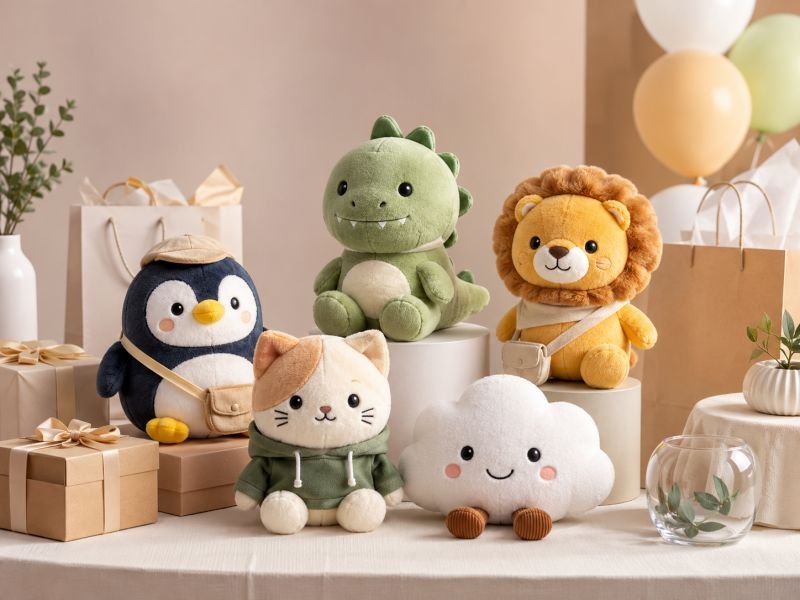
A brand activation should not end when the booth closes, the pop-up store is packed away, or the launch event photos stop appearing online. The best activation products travel home with people. They sit on desks, hang from bags, appear in photos, enter fan collections, and keep the brand visible long after the event team leaves the venue. That is why custom plush toys are different from many ordinary giveaways. They are soft, emotional, easy to hold, easy to photograph, and naturally connected to characters, mascots, memories, and fandom.
Custom plush toys for brand activations help brands turn mascots, logos, campaign themes, or IP characters into physical products that people can hold, photograph, share, collect, and remember. They are useful for pop-ups, trade shows, product launches, fan events, retail promotions, membership gifts, and seasonal campaigns when size, design, packing, quantity, safety, and delivery timing are planned early.
For brand teams, event agencies, IP programs, retailers, museums, theme parks, sports teams, and private label projects, plush is not just a cute product. It can become a portable brand asset. But a successful activation plush needs more than a nice idea. It needs artwork review, pattern work, sample development, revision control, bulk production, QC, needle detection, packing, carton planning, and delivery coordination.
Heyzizi is a Guangdong-based custom plush products factory serving global brands, IP programs, retailers, e-commerce brands, promotional projects, educational product teams, private label, and long-term custom plush product programs. With 600+ staff, around 18,000㎡ factory space, 35+ pattern makers, 80 QC inspectors, 30+ production lines, and 20+ years of OEM / ODM plush project experience, Heyzizi helps turn plush ideas into sample-ready, bulk-ready, shipment-ready, and repeat-order-ready products.
What Are Custom Plush Toys For Brand Activations?
Custom plush toys for brand activations are plush products created for events, campaigns, fan engagement, retail promotions, or launch programs. They can be based on mascots, IP characters, logos, animals, product shapes, campaign themes, or seasonal ideas. The goal is not only distribution. A strong activation plush should create recognition, emotional recall, photo value, and continued brand presence after the event.
Brand activation products live in a different world from ordinary giveaway items. A pen may be useful. A sticker may be fun. A tote may carry things. But a well-made plush mascot can become a little character that people want to keep.
That matters because most events are short. A pop-up may last one week. A trade show may last three days. A product launch may last one evening. The plush should help carry that moment forward. When someone takes it home, clips it to a bag, posts it online, gives it to a child, or places it on a shelf, the event keeps working.
The strongest plush activation products usually connect three things: a clear brand idea, a product form people want to keep, and a production plan that can meet the event date.
Why Plush Works Better Than Ordinary Giveaways
Plush works well for brand activations because it carries emotion. People touch it, hold it, pose with it, and remember it. It feels less disposable than many common event gifts.
For brands with mascots or characters, plush also turns a visual identity into a physical object. Instead of only seeing a character on a screen or banner, people can take that character with them. That small shift can make the brand feel warmer and more personal.
Plush is especially strong for fan groups, family events, youth audiences, lifestyle brands, sports teams, museums, theme parks, game launches, food and beverage campaigns, and seasonal retail programs.
Which Brand Assets Can Become Plush?
Many brand assets can become plush, including mascots, animals, cartoon characters, product icons, food shapes, event themes, logo characters, sports mascots, museum animals, holiday characters, and IP figures.
The best plush ideas are not always the most complicated. A simple mascot with a strong silhouette may work better than a design overloaded with tiny details. A plush keychain may carry the brand further than a large doll if the goal is daily visibility. A gift box plush may work better for VIP launches when the goal is premium presentation.
Useful plush starting assets include:
| Brand Asset | Plush Direction |
|---|---|
| Mascot | Character plush or mini mascot |
| Logo symbol | Plush icon, charm, or pillow |
| IP character | Collectible plush or retail item |
| Event theme | Limited edition giveaway |
| Product shape | Soft product-shaped plush |
| Animal identity | Souvenir plush or brand animal |
| Holiday campaign | Seasonal plush set |
What Makes A Plush Product Activation-Ready?
An activation-ready plush is designed for real use, not only for sample photos. It should match the brand idea, fit the event format, stay within the timeline, work with the packing plan, and be easy to distribute or display.
For example, a small plush keychain may be perfect for trade show giveaways because it is easy to carry. A premium boxed mascot plush may be better for a launch event. A blind box plush series may work for fan engagement. A plush bag charm may fit fashion, beauty, sports, and lifestyle campaigns.
Activation-ready also means production-ready. The approved sample, packaging, labels, carton marks, and delivery schedule should be clear before bulk work begins.
Why Do Brands Use Plush Toys For Events?

Brands use plush toys for events because plush products create emotional recall, photo value, shareability, and long-term visibility. Unlike many giveaways that are used once and forgotten, plush items can become keepsakes, desk companions, bag charms, collectibles, or retail extensions. They help transform short event exposure into a longer brand memory.
A good event product should do more than fill a gift bag. It should support the reason the event exists. If the goal is awareness, the product should be visible. If the goal is fan connection, it should feel collectible. If the goal is a product launch, it should connect to the launch story. If the goal is retail traffic, it should help people remember the store or campaign.
Plush has a special advantage because it can feel personal. People name plush toys. They photograph them. They give them personalities. That kind of behavior is hard to create with ordinary promotional objects.
How Plush Creates Emotional Recall
Plush creates emotional recall because it is tied to comfort, character, touch, and memory. When a plush carries a brand mascot or campaign identity, the brand becomes more than a logo. It becomes something people can physically connect with.
This is why mascot plush often works well for brands that want a warmer voice. It softens corporate identity. It makes a brand easier to approach. It can also help explain a product or service through a character instead of a slogan.
For kids, families, fans, and collectors, plush can become part of the brand story.
Why Plush Is Easy To Photograph And Share
Plush is naturally photogenic. It can sit on a counter, appear in a hand, be held by staff, travel in a tote, hang on a backpack, or appear beside a product display. This makes it useful for photo walls, booth displays, launch kits, social posts, and fan-generated content.
Small plush products can also move through public spaces. A plush bag charm or keychain may appear in daily life after the event. That gives the brand more chances to be seen without forcing another ad impression.
How Plush Extends The Campaign After The Event
A plush activation product can continue working after the event because it stays with the participant. It may sit on a desk, decorate a room, attach to a bag, or become part of a fan collection.
This is where plush becomes more than a giveaway. It becomes a small brand asset. For strong campaigns, the same plush direction can later extend into retail, member gifts, seasonal editions, loyalty rewards, or repeat event programs.
Which Types Of Plush Work Best For Brand Activations?
The best plush type depends on the event goal, audience, quantity, budget, delivery date, packing method, and brand asset. Mascot plush supports recognition. Plush keychains support high-volume distribution. Plush bag charms support lifestyle visibility. Collectible plush supports fan culture. Gift box plush supports premium launches. The right choice should match how people will receive, carry, display, or share it.
Not every event needs a full-size plush doll. Not every campaign should use the smallest item either. The right plush format depends on the moment you want to create.
A trade show may need quick handout items. A luxury launch may need fewer pieces with stronger packaging. A fan event may need a collectible character. A retail campaign may need an item that can sit near the checkout counter. A theme park or museum may need souvenir value.
Choosing the right plush type is one of the easiest ways to control cost, improve user experience, and avoid production stress.
Mascot Plush For Brand Recognition
Mascot plush is ideal when the brand already has a character, animal, symbol, or spokesperson. A mascot plush helps people recognize the brand quickly and gives the character a physical presence at the event.
The most important details are silhouette, expression, color, and proportion. A mascot does not have to copy every tiny graphic detail from the artwork. It needs to feel like the character in a soft, producible form.
Plush Keychains For Easy Giveaway Programs
Plush keychains are strong for high-volume events because they are small, easy to carry, and easy to distribute. They are useful for trade shows, pop-ups, school programs, fan events, product launches, retail promotions, and tourism gifts.
A good plush keychain needs enough detail to show the brand, but not so much detail that production becomes unstable. Embroidery size, hardware strength, hangtag, and individual packing should be reviewed early.
Plush Bag Charms For Social And Retail Appeal
Plush bag charms work well for fashion, beauty, lifestyle, sports, character, and youth-driven campaigns. They are visible after the event because people attach them to bags, backpacks, purses, or luggage.
Compared with a basic keychain, a bag charm can feel more like a lifestyle accessory. It may support better social sharing and retail crossover when designed with the right size, fabric, color, and attachment method.
Collectible Plush For Fan And IP Campaigns
Collectible plush works well when the brand has fans, characters, story worlds, mascots, games, animation, sports identity, or limited-edition culture. It can support fan events, launch drops, blind box series, retail shelves, and member programs.
For collectible plush, details matter. Expression, color, proportion, outfit, tags, packaging, and series consistency all need careful review. Fans notice small differences.
Gift Box Plush For Premium Launches
Gift box plush is suitable for premium launches, VIP events, press kits, holiday campaigns, and corporate gifts. The box helps frame the plush as a special item rather than a loose giveaway.
The product and package should be designed together. A beautiful plush can lose impact if the box is weak. A strong box can also protect shape during shipment and support a better unboxing moment.
How Do You Turn A Mascot Or Logo Into A Plush Toy?
To turn a mascot or logo into a plush toy, start with clear artwork, front and side references, target size, quantity, use scene, brand colors, logo placement, and packaging needs. The factory then reviews structure, pattern, fabric, face method, accessories, sample path, and bulk production risks before creating a prototype sample for approval.
A mascot may look simple on a screen, but plush is a soft 3D product. A round head, thin arms, tiny logo, large eyes, floating hair, or flat graphic shape may need adjustment to become stable in fabric.
The goal is not to force every graphic detail into the plush. The goal is to preserve the character identity while making the product sample-ready and bulk-ready. That requires a balance between brand accuracy, softness, production feasibility, safety, and cost.
Heyzizi’s 35+ pattern makers support custom plush development by reviewing how flat artwork can become a soft product with structure, proportion, and repeatability.
What Artwork Should A Brand Prepare?
Brands should prepare mascot artwork, logo files, character files, color references, and any available front, side, back, or detail views. If only one view exists, a factory can still review the direction, but more views help reduce guessing.
Useful artwork includes:
- Front view
- Side view
- Back view
- Close-up face details
- Logo file
- Brand color reference
- Outfit or accessory details
- Packaging or campaign theme direction
Clear artwork saves time because the sample team can understand what must be protected.
How Do I Start The Prototype Process?
Start the prototype process by sending artwork, target size, quantity, preferred plush type, packing needs, event date, target audience, and destination country. The factory reviews product feasibility, material direction, pattern needs, face method, accessory risks, sample cost, and production timeline before making the first sample.
A prototype is not only for checking whether the plush looks cute. It helps confirm shape, fabric, expression, logo placement, filling, accessories, and future bulk standard.
If your event date is fixed, share it at the first review. Timing changes the sample path.
How Pattern Review Protects Character Shape
Pattern review protects character shape by turning flat artwork into fabric parts that can be cut, sewn, stuffed, and shaped. A weak pattern may cause a mascot to look flat, stretched, twisted, or unlike the original design.
For plush mascots, the head shape often matters most. For animal plush, body proportion matters. For plush keychains, small details need simplification. For plush backpacks or functional plush, straps, lining, and load areas also need review.
Pattern work is where a good plush begins.
Why Face Expression And Brand Color Need Early Review
Face expression and brand color should be reviewed early because they affect how people recognize the character. Eye position, mouth curve, eyebrow angle, blush, nose shape, and fabric color can change the feeling of the plush quickly.
Brand color also behaves differently on plush fabric than on a screen. Pile direction, texture, and lighting can affect the look. Physical fabric review is better than relying only on digital files.
Where Should Logo Details Be Placed?
Logo details should be placed where they look natural and can remain stable in bulk production. Common locations include hangtags, woven labels, embroidery on clothing, foot labels, belly patches, back labels, accessory tags, or packaging.
A logo does not always need to be on the plush face or body. Sometimes a clean hangtag or package card looks more premium and avoids crowding the character design.
How Long Does A Brand Activation Plush Project Take?
A brand activation plush project timeline depends on artwork readiness, product complexity, material preparation, sample development, revision rounds, approval speed, quantity, packaging, safety review, and shipment plan. Because event dates are fixed, brands should share launch dates, warehouse deadlines, and distribution plans early. This helps the factory judge whether the project path is realistic.
Plush projects need time because they involve both development and production. The first step is not bulk sewing. It is understanding what the product should become.
A simple plush keychain may move faster than a complex mascot plush with multiple fabrics and retail packaging. A collectible series with several characters needs more review than one basic giveaway item. A product that needs safety testing, custom boxes, or multi-location packing also needs more planning.
Fast is useful only when it is realistic. A rushed plush that misses the event date is bad. A rushed plush that arrives on time but looks wrong can be worse.
Sample Development Timeline
Sample development time depends on the character, size, material, craft method, accessories, and packaging. The first sample helps show whether the artwork direction works in soft form.
For complex mascots, IP characters, plush dolls, and special structures, plan time for sample making and review. The first sample often reveals adjustments in face, head shape, filling, color, or logo placement.
Revision And Approval Timeline
Revision time depends on how clear the comments are. “Make it cuter” is hard to follow. “Move the eyes lower, make the smile wider, reduce head height, and adjust the bow color” is much more useful.
A brand activation plush should not enter bulk production until the approved sample is clear. That approved sample becomes the reference for bulk production, QC, and packing review.
Bulk Production And Packing Timeline
Bulk production includes material preparation, cutting, embroidery or printing, sewing, filling, finishing, QC, needle detection, packing, carton marks, and shipment preparation. Packaging can add time, especially for retail boxes, gift boxes, blind boxes, hangtags, barcode labels, or multi-SKU programs.
If the activation involves several locations, cartons may need to be sorted by destination or event schedule.
How Long Does Plush Production Take?
Plush production time depends on design complexity, quantity, material sourcing, sample approval, packaging, testing needs, and factory schedule. A simple event plush program may be faster than a multi-SKU character series with custom boxes and safety review.
The safest way to plan timing is to work backward from the event date. Include sample development, revision, bulk production, packing, inspection, shipping, customs, and warehouse receiving.
Why Event Dates Should Be Shared Early
Event dates should be shared early because they affect the full production path. If the deadline is close, the factory may need to suggest a simpler plush type, smaller size, easier packaging, or more practical shipping plan.
A fixed activation date cannot move just because a sample needs revision. Early timing review helps protect both the product and the event.
How Much Do Custom Plush Toys For Events Cost?
Custom plush toys for events cost differently based on size, quantity, design complexity, fabric, filling, craft, accessories, sample development, packaging, safety needs, and shipping plan. A small plush keychain may be cost-efficient for mass distribution, while a premium boxed mascot plush may cost more but create stronger presentation value. Accurate pricing needs a project review, not a rough guess.
For activation projects, price should be judged by purpose. If the goal is quick handout volume, the plush should be simple, portable, and easy to pack. If the goal is premium brand storytelling, the plush may need better materials, stronger packaging, and closer sample control.
Cost is not only unit price. A larger plush may have higher shipping volume. A boxed plush may require better carton planning. A multi-SKU series may need more sorting and label control. A plush with small accessories may need stronger QC and safety review.
A good activation budget considers product cost, sample fee, packing, labels, QC needs, shipment plan, and event timing.
How Much Do Custom Plush Toys Cost?
Custom plush toy cost depends on the design, size, fabric, craft, quantity, packaging, and delivery needs. A simple mini plush may be less costly than a detailed character plush with several fabrics, embroidery, accessories, custom hangtag, and retail box.
There is no useful one-price-fits-all number without the project details. A brand should send artwork, target size, quantity, packing needs, and event date for review.
Which Factors Affect Activation Plush Pricing?
Activation plush pricing is affected by:
| Cost Factor | Why It Matters |
|---|---|
| Size | Fabric, filling, packing, shipping |
| Design complexity | Pattern, sampling, sewing time |
| Face method | Embroidery, printing, applique |
| Quantity | Setup cost sharing |
| Packaging | Bags, hangtags, boxes, labels |
| Safety needs | Review, testing, labels |
| Shipping plan | Carton volume, timing, destination |
A low-cost design can still look strong if the main brand details are protected.
What Is The Minimum Order Quantity?
Heyzizi’s standard MOQ starts from 500pcs per design. This is a practical starting level for custom plush projects because pattern work, sampling, material preparation, production setup, QC, and packing planning all require a workable production quantity.
For activation programs, MOQ should be reviewed by design. If you have three characters, each character is usually a separate style. Total order quantity and quantity per design should both be considered.
How Quantity Changes Unit Cost
Quantity changes unit cost because fixed development and setup work can be shared across more pieces. A larger quantity may help reduce per-piece impact when the design, material, and packaging are stable.
However, higher quantity also requires better material planning, QC, packing, and shipping coordination. For event projects, the best quantity is not always the largest number. It is the number that matches the audience, budget, distribution plan, and event goal.
When Should Brands Choose Small Plush Instead Of Large Plush?
Brands should choose small plush when the goal is easy distribution, lower shipping volume, daily visibility, or wider reach. Plush keychains, bag charms, and mini mascots work well for trade shows, pop-ups, fan events, retail gifts, and travel-friendly campaigns.
Large plush works better for VIP gifts, retail display, mascot storytelling, office gifts, premium launches, or photo installations. The right size depends on how the product will be received and used.
Why Packing And Shipping Affect The Real Budget
Packing and shipping affect the real budget because plush products are soft but bulky. A gift box may improve presentation but increase carton volume. Tight packing may save space but affect shape recovery. Multi-location delivery may require carton sorting and clear marks.
For brand activations, the real budget should include product cost, packing, labels, carton plan, shipping method, destination, and event deadline.
What Packaging Works Best For Event Plush Toys?

The best packaging for event plush toys depends on how the product will be handed out, displayed, shipped, stored, or sold after the activation. Polybags and hangtags work well for fast distribution. Retail boxes and gift boxes support premium campaigns. Barcode labels, SKU labels, FNSKU labels, carton marks, and destination sorting help larger programs stay organized.
Packaging is part of the event experience. It is not just a protective layer. At a trade show, packing needs to be fast and practical. At a launch event, the unboxing moment may matter more. For a fan campaign, collectible packaging can increase perceived value. For retail programs, labels and barcodes may be just as important as the plush itself.
Plush is also soft and bulky. If packed too tightly, the product may arrive flattened. If packed too loosely, shipping cost may rise. The best packing plan balances presentation, protection, carton space, and event handling.
Polybag And Hangtag For Fast Distribution
Polybag and hangtag packing works well for events where speed matters. Staff can hand out products quickly, cartons can be opened easily, and each plush stays clean during transport.
This format is useful for:
- Trade shows
- Pop-up stores
- Brand roadshows
- School or club programs
- Museum and tourism gifts
- Sports fan events
- Large-volume giveaway programs
The hangtag can carry the logo, campaign message, QR code, social handle, care information, or short story behind the mascot. For a small plush keychain or bag charm, a clean hangtag often gives enough brand presence without adding heavy packaging cost.
Retail Box And Gift Box For Premium Campaigns
Retail boxes and gift boxes are better when the plush should feel special. They are useful for product launches, VIP gifts, influencer kits, holiday campaigns, membership gifts, and limited editions.
A box does more than improve appearance. It can protect ears, bows, hair, accessories, and face shape during shipping. It also creates a stronger first impression when the product is opened.
However, boxes increase material cost, carton volume, and packing labor. The plush and box should be designed together so the product sits correctly and does not look squeezed or lost inside the package.
Barcode, SKU, FNSKU, And Carton Marks
Barcode, SKU, FNSKU, and carton marks are important when plush products enter retail, e-commerce, warehouse receiving, or multi-location distribution. These details may look small, but they protect the delivery process.
A wrong barcode can delay receiving. A wrong SKU label can confuse inventory. A missing carton mark can slow event sorting. If one campaign has several designs, sizes, or destinations, label control becomes even more important.
For large activation programs, the packing plan should include:
| Packing Detail | Why It Matters |
|---|---|
| Individual label | Identifies each item |
| SKU or barcode | Supports warehouse or retail control |
| FNSKU | Supports platform fulfillment if needed |
| Carton mark | Helps sorting and receiving |
| Packing list | Confirms carton quantity and contents |
| Destination sorting | Supports multi-location events |
How Packing Supports Multi-Location Events
Multi-location events need packing that is easy to sort, count, and ship. If one campaign runs in several stores, cities, campuses, museums, or event venues, the carton plan should be built around destination needs.
This may include separate carton marks, destination labels, packing lists, mixed carton rules, and quantity plans by location. Without clear packing, the plush itself may be perfect, but the event team may still struggle to distribute it correctly.
What Quality Checks Matter Before Event Delivery?

Before event delivery, quality checks should confirm the approved sample, fabric, embroidery, printing, sewing, filling, shape, accessories, labels, needle detection, safety direction, packing, carton marks, and shipment preparation. Brand activation plush must not only look good in one sample. Bulk pieces should stay close to the approved standard and arrive ready for event use.
Event products have one harsh rule: the date is fixed. If a normal retail replenishment is late, there may still be a solution. If an event giveaway arrives after the event, the product loses its purpose.
That is why quality checks for activation plush should happen before the last minute. The sample should be approved clearly. Bulk production should be compared against that standard. Packing should be checked before cartons are sealed. Labels should be confirmed before shipment.
For brand products, the most sensitive details are often the face, logo, color, shape, and packing. These details control whether the plush feels like part of the campaign or just another giveaway.
Approved Sample And Bulk Standard
The approved sample is the physical reference for bulk production. It should show the agreed shape, size, fabric, face expression, logo position, filling, accessories, labels, and packing direction.
For a brand activation, the approved sample is especially important because the plush represents the event. If the mascot face changes in bulk, the brand memory weakens. If the color drifts too far, the campaign looks less polished. If the packing changes, the event team may face distribution problems.
The approved sample should be treated as a production standard, not only a nice prototype photo.
Fabric, Embroidery, Sewing, And Filling Checks
Fabric checks confirm color, hand feel, pile direction, and material direction. Embroidery checks confirm face expression, logo clarity, stitch quality, and placement. Sewing checks review strength, seam alignment, shape, and loose threads. Filling checks review fullness, balance, softness, and shape recovery.
These checks matter because plush is a soft product. Small differences can change the character. A slightly shifted eye can change emotion. A weak seam can expose filling. Underfilled plush may look cheap. Overfilled plush may look stiff.
Strong checks help keep the campaign product consistent across the full order.
Are Custom Plush Toys Safety Certified?
Custom plush toys can be tested and supported with safety documents based on the target country, age group, product structure, materials, accessories, and sales channel. They should not be described as automatically certified for every project. The correct safety path depends on where the plush will be used or sold and who the intended audience is.
For example, a plush keychain for adult event attendees may follow a different review path from a children’s plush sold in retail stores. A baby plush, educational plush, sound plush, or weighted plush may need earlier safety planning.
Heyzizi can support third-party testing based on project requirements, but testing and certificates should be confirmed by product details, destination, and lab requirements.
Needle Detection And Safety Review
Needle detection helps reduce the risk of broken metal fragments remaining inside finished plush after sewing. This is especially important for children’s plush, education programs, retail plush, and large public events.
Safety review may also include small parts, pull strength, seam strength, filling leakage, material review, warning labels, and packing requirements. For activity plush with plastic eyes, ribbons, keyrings, hooks, zippers, or removable parts, safety should be discussed before production.
Heyzizi includes needle detection and QC review as part of plush production control. For safety-sensitive projects, share target age, destination country, and product use early.
Packing Review Before Shipment
Packing review checks whether the plush is clean, correctly labeled, properly packed, and sorted according to the shipment plan. It also checks whether cartons match the packing list and carton marks.
For event projects, packing review should focus on:
- Correct product style
- Correct quantity
- Correct labels
- Correct destination
- Product shape after packing
- Carton marks
- Event schedule
- Shipping method
A great plush product still needs a clean delivery plan. The event team should not have to fix packing problems on-site.
Factory Vs Promotional Platform: Which Is Better For Brand Plush?
A promotional platform may be enough for simple logo gifts or existing products, but a custom plush factory is usually better for brand mascot plush, IP characters, retail programs, and long-term activation projects. Custom plush needs product review, pattern work, sampling, revisions, bulk production control, QC, safety review, packaging, and delivery planning, not only logo placement.
There is a place for simple promotional platforms. If the goal is to put a logo on a ready-made item quickly, a catalog option may work. But brand activation plush often starts from an original idea: a mascot, character, campaign theme, or product shape. That needs development, not just decoration.
A good plush project asks different: Can the character become a soft 3D product? Will the face stay recognizable? Is the fabric right? Can the logo be placed naturally? Will the product survive event handling? Can bulk pieces match the sample? Can packing support the event schedule?
These are easier to manage with a factory that understands custom plush development and production.
When A Promotional Platform May Be Enough
A promotional platform may be enough when the product is simple, the design is existing, the customization is limited, the schedule is short, and the brand does not need strong character accuracy.
For example, a ready-made teddy bear with a logo T-shirt may work for a basic giveaway. It may be practical, quick, and budget-friendly. But it may not be enough for a mascot campaign, IP launch, retail plush, collectible series, or premium brand activation.
Why Custom Plush Needs Pattern, Sampling, And QC
Custom plush needs pattern, sampling, and QC because the product is created from a new design. A flat drawing must become a soft 3D object. The sample must be reviewed. The bulk order must follow the approved standard. The packaging must support the event plan.
Heyzizi has 35+ pattern makers and 80 QC inspectors to support artwork review, pattern development, sample revision, bulk checks, needle detection, packing review, and shipment preparation.
This matters when the plush carries brand identity. The product cannot simply be “close enough.”
Best Fit For Brand, IP, Retail, And Long-Term Programs
A custom plush factory is a better fit when the project involves brand mascot plush, IP character plush, plush keychains, plush bag charms, retail stuffed animals, collectible plush, educational plush, private label plush, or repeat campaigns.
These projects often need more than one-time production. They may require sample records, material notes, packaging files, label rules, carton marks, and future repeat order support.
How Can Plush Activation Products Become Long-Term Brand Assets?
Plush activation products can become long-term brand assets when they are planned beyond one event. A mascot plush can become a repeat gift. A keychain can become a retail add-on. A character can become a multi-SKU series. Seasonal editions, member gifts, fan drops, and store exclusives can turn one activation idea into an ongoing product line.
The strongest activation products do not disappear after one campaign. They can become part of the brand’s product language. The first plush may test interest. The next one may introduce a new costume, color, size, or expression. Over time, the plush line can support events, retail shelves, loyalty programs, fan drops, and seasonal promotions.
This is especially useful for brands with mascots, IP characters, museums, tourism shops, sports teams, food brands, education programs, and fan communities. Once people recognize the plush character, every new edition becomes easier to explain.
From One Event Gift To Repeat Campaign Product
An event gift can become a repeat campaign product when the first order is planned with future use in mind. Save the approved sample, pattern, material notes, embroidery files, packing files, carton plan, and feedback.
If the first campaign performs well, the next order can build on the previous standard. This helps reduce confusion and supports better consistency.
Multi-SKU Plush Series For IP And Retail
Multi-SKU plush series work well for IP programs, retail campaigns, fan events, blind box concepts, tourism shops, and seasonal collections. A series may include different characters, sizes, outfits, colors, or packaging styles.
Multi-SKU projects need careful control. Each style should have its own artwork, sample, quantity, label, barcode, packing rule, and carton plan. Without that, confusion can grow quickly.
Limited Editions, Seasonal Drops, And Member Gifts
Limited editions, seasonal drops, and member gifts add excitement because they create timing and scarcity. A holiday plush, anniversary mascot, event-only colorway, or VIP boxed plush can make participants feel they received something special.
For these projects, packaging and timeline matter. A limited edition loses impact if it arrives late or looks generic.
Why Project Records Help Future Orders
Project records help future orders because they keep the details from disappearing. Pattern files, material notes, approved sample photos, embroidery files, packing rules, label files, carton marks, and feedback all support repeat orders.
Repeat orders still need fresh review because materials and batches can change. But records make the process smoother and help protect consistency across campaigns.
What Should You Send For A Brand Plush Project Review?
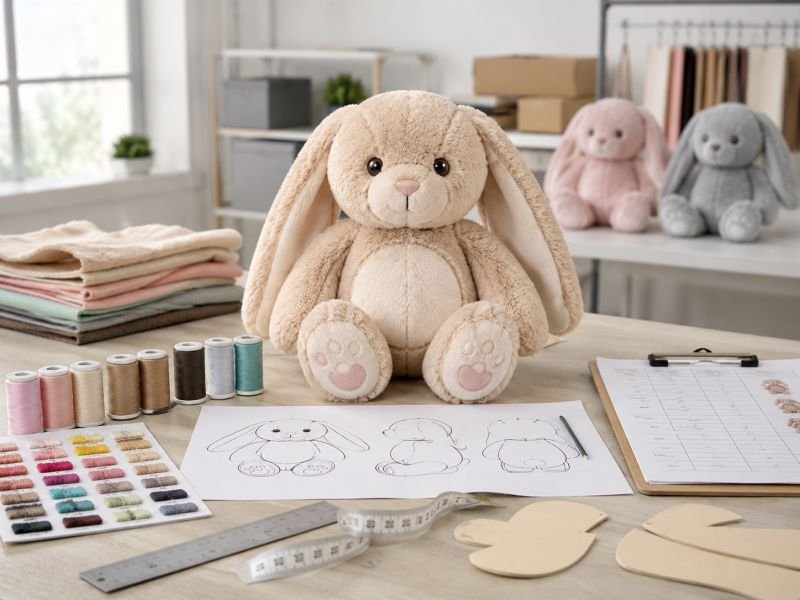
For a brand plush project review, send mascot artwork, logo files, target size, quantity per design, event date, use scene, target audience, packing needs, destination country, safety needs, and repeat plan. These details help the factory review structure, sample path, material direction, cost factors, timeline, packing, QC, safety, and delivery feasibility.
A strong project review does not require perfect files at the beginning. Many projects start with a mascot image, a rough sketch, a campaign theme, a product photo, or a logo. But the more context you share, the better the factory can suggest the right plush format.
The goal is to avoid guessing. A plush made for a trade show handout is different from a VIP boxed gift. A mascot plush for children is different from an adult collector plush. A product for one city is different from a multi-location event.
Mascot Artwork, Logo, Size, And Quantity
Start with the core product details: mascot artwork, logo files, target size, quantity per design, and preferred product type. If you are not sure whether to choose a plush toy, keychain, bag charm, pillow, or boxed gift, share the event goal and the factory can review options.
Front, side, and back views are helpful. If only one image is available, the sample team can still start with structure suggestions.
Event Date, Use Scene, Packing, And Destination
Event date, use scene, packing needs, and destination country affect project planning. The factory needs to know whether the product will be handed out on-site, sold in retail, shipped to several locations, packed in gift boxes, or prepared for warehouse receiving.
This information affects sample timing, production schedule, packing plan, carton marks, and shipping preparation.
Target Audience, Safety Needs, And Repeat Plan
Target audience affects size, material, accessories, labels, and safety review. A plush for young children should be planned differently from an adult fan collectible. Safety testing and certificates should be confirmed by project based on target country, age group, product structure, material, accessories, and sales channel.
A repeat plan also matters. If the plush may become a seasonal series, retail item, or member gift, the project records should be prepared from the first order.
How To Prepare Your First Prototype Brief
A good first prototype brief should include:
| Detail | What To Send |
|---|---|
| Product idea | Mascot, logo, character, theme, or reference |
| Artwork | Front, side, back, detail views if available |
| Size | Target height, width, or reference size |
| Quantity | Quantity per design and total order |
| Use scene | Pop-up, launch, trade show, fan event, retail |
| Packing | Polybag, hangtag, box, gift set, display |
| Deadline | Event date, warehouse date, shipment date |
| Destination | Country, city, or multiple event locations |
| Safety needs | Age group, sales channel, test direction |
| Repeat plan | One-time event or long-term program |
To start a custom plush project review, send your mascot artwork, target size, quantity, event date, packing needs, and destination country to info@heyzizi.com. Heyzizi will review product type, material direction, sampling path, production feasibility, packing, and delivery risks before the next step.
Closing Note
Custom plush toys can make brand activations feel more personal, more shareable, and more memorable. The right plush product does not only decorate an event. It gives people something to hold, carry, photograph, collect, and remember.
But strong activation plush does not happen by chance. It needs the right product type, clear artwork, realistic timing, sample approval, bulk quality control, safety review, packing planning, and delivery coordination. When these details are handled early, a plush idea can become more than a one-time giveaway. It can become a lasting brand asset.
FAQs About Custom Plush Toys For Brand Activations
1. What type of plush toy works best for a brand activation?
Certainly, the best plush type depends on the activation goal, audience, budget, and delivery plan. If your goal is wide event distribution, plush keychains, mini mascot plush, and plush bag charms are usually easier to hand out, carry, and ship. If your goal is premium gifting, a boxed mascot plush or collectible character plush may create a stronger presentation.
A quick guide:
| Activation Goal | Better Plush Option |
|---|---|
| Fast giveaway | Plush keychain, mini plush |
| Social sharing | Plush bag charm |
| VIP launch | Gift box plush |
| Fan campaign | Collectible plush |
| Mascot awareness | Brand mascot plush |
The smartest choice is not always the biggest plush. It is the style people will actually keep, carry, photograph, and remember.
2. How much do custom plush toys for events usually cost?
Of course, event plush cost depends on size, quantity, fabric, filling, face details, logo method, accessories, packaging, safety needs, and shipping plan. A simple mini plush keychain is usually more cost-efficient for large events, while a premium boxed mascot plush needs more budget for materials, sample work, packing, and carton space.
The most common cost drivers are:
- Size and fabric usage
- Embroidery, printing, or applique
- Quantity per design
- Hangtags, labels, boxes, or gift packaging
- Safety review and needle detection
- Delivery date and shipping method
A useful quote needs artwork, target size, quantity, packing needs, and event date. Without those details, any price is only a guess.
3. What is the minimum order quantity for brand activation plush?
Sure, Heyzizi’s standard MOQ starts from 500pcs per design. This quantity is more practical for custom plush work because every new design needs artwork review, pattern development, sample making, material preparation, production setup, QC, packing, and shipment planning.
For example, if your campaign has 3 mascot styles, each mascot is normally treated as a separate design. That means quantity should be planned by style, not only by total order.
A 500pcs starting helps balance development effort and event practicality. It is enough for many pop-ups, launch events, retail tests, school programs, fan activities, and first-run brand campaigns without forcing a huge starting volume.
4. How long does a custom plush project take for a brand event?
Definitely, timeline depends on design complexity, sample revisions, quantity, packaging, safety needs, and shipping plan. A simple plush keychain may move faster than a full mascot plush with detailed embroidery, outfit pieces, custom hangtag, gift box, and multi-location shipment.
A practical timeline should include:
| Stage | What Happens |
|---|---|
| Project review | Artwork, size, quantity, packing |
| Sample work | Pattern, material, first prototype |
| Revision | Face, color, shape, logo details |
| Approval | Final sample standard |
| Bulk work | Cutting, sewing, filling, QC |
| Packing | Labels, cartons, destination sorting |
| Delivery | Shipping and event receiving |
For fixed event dates, share your deadline early. It helps the factory judge whether the design, packing, and delivery plan are realistic.
5. How do I start the plush prototype process?
Absolutely, the prototype process starts with a clear brief, not a perfect file. Send your mascot artwork, logo, target size, quantity, event date, preferred plush type, packing idea, target audience, and destination country. If you have front, side, and back views, even better.
Heyzizi then reviews product structure, fabric direction, face method, logo placement, accessories, sample difficulty, safety concerns, and production timeline before making the first prototype.
A prototype is not only a cute sample. It confirms whether the mascot, logo, or campaign idea can become a stable plush product. It also helps avoid costly changes before bulk production begins.
6. Can a brand mascot or logo really become a plush toy?
Certainly, most mascots, logo characters, animals, icons, food shapes, and campaign themes can be developed into plush, but the design may need smart adjustment. A flat mascot does not always translate directly into fabric. Thin lines, tiny logos, sharp angles, floating shapes, or complex outfits may need pattern and craft review.
The goal is to keep the character recognizable while making it soft, stable, and repeatable in bulk. Important elements usually include:
- Face expression
- Body silhouette
- Brand color direction
- Logo placement
- Outfit or accessory details
- Product size and use scene
A strong plush mascot should feel like the brand, not just copy every graphic detail from the artwork.
7. Are custom plush toys safety certified for events?
Yes, custom plush toys can be supported with safety review and third-party testing based on the destination country, target age group, product structure, materials, accessories, and sales channel. They should not be described as automatically certified for every project, because safety needs vary.
A plush keychain for adult event attendees may follow a different path from a children’s plush sold in retail stores. A baby plush, educational plush, sound plush, or weighted plush usually needs earlier safety planning.
Heyzizi can support safety review, needle detection, QC checks, and third-party testing coordination when required by the project. For best planning, share the target age group and destination country before sampling.
8. What packaging is best for event plush toys?
Of course, the best packaging depends on how the plush will be handed out, displayed, shipped, or sold. For fast event distribution, individual polybags and hangtags are practical. For premium launches, retail boxes or gift boxes create stronger presentation. For e-commerce or retail programs, barcode labels, SKU labels, FNSKU labels, and carton marks may be needed.
Packaging should support the event, not slow it down. If one campaign ships to several cities or stores, carton marks and destination sorting become very important.
A beautiful plush can still create stress if the packaging is confusing. Plan packing early so the product arrives clean, organized, and ready for the event team.
9. How can brands control cost without making the plush look cheap?
Absolutely, cost can be controlled by choosing the right plush size, simplifying low-value tiny details, selecting suitable fabric, using efficient packing, and planning quantity wisely. The key is to protect the details that carry the brand, such as face expression, main color, mascot shape, logo placement, and hand feel.
Good ways to optimize cost include:
- Use a mini plush or keychain for wide distribution
- Move complex logo details to a hangtag
- Use embroidery only where expression matters
- Avoid fragile tiny accessories
- Choose packing based on event use
- Plan quantity per design early
Cutting the wrong detail can weaken the campaign. Optimizing the right detail makes the plush easier to produce and still memorable.
10. What should I send to get a quote for brand activation plush?
Sure, send mascot artwork, logo files, target size, quantity per design, event date, use scene, packing needs, destination country, target audience, and any safety or retail requirements. These details help Heyzizi review product structure, material direction, sample path, cost factors, production timing, packing, and delivery feasibility.
A strong first brief can include:
- Mascot or logo artwork
- Front, side, back views if available
- Plush type: toy, keychain, bag charm, boxed gift
- Target size
- Quantity per design
- Event date and destination
- Packaging idea
- Target audience
- Safety or label needs
- Repeat order plan
Send the available details to info@heyzizi.com. Heyzizi can review the project and suggest a practical next step.