Plush toys blog Banner 7

Our Blog — Plush Toy Knowledge Hub

  • Expect actionable guides on custom plush toy manufacturing, spec confirmation, bulk consistency, defect prevention, labeling & barcode handling, and EN71/ASTM planning.

  • We write with real procurement use in mind: checklists, tables, approval points, and “what can go wrong” notes.

  • If you’re preparing an RFQ, our templates help you send complete specs and get faster, more accurate quotes.

Latest Articles

This feed highlights our newest guides and how-to posts. We write titles around real buyer searches, and we design each article to deliver something usable—checklists, tables, approval points, and risk notes—so your team can move faster.

  • New posts cover sampling revisions, embroidery vs printing, fabric selection, AQL-style QC thinking, defect prevention, barcode & carton marks, anti-deformation packing, and MOQ/pricing logic.
  • If you’re building a new program, start with our Process, MOQ & Pricing, QC, and Packaging categories to reduce surprises and rework.
  • Each guide is written for repeatability—how to keep bulk production consistent with the approved sample.

What Makes Custom Collectible Plush Toys Worth Collecting

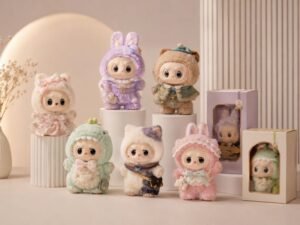
Custom collectible plush toys are worth collecting when they combine strong character identity, emotional value, limited release planning, quality fabric, accurate embroidery, complete tags, protective packaging, and a clear series path. Rarity can raise interest, but lasting appeal comes from recognisable design, good condition, thoughtful materials, stable production records, and future releases that make people want to keep following the plush line.
Read more

Custom Blind Box Plush Toys Cost Control for Multi-SKU Orders

Custom blind box plush toys cost less to manage when the collection is planned as one system, not separate characters. Shared body patterns, grouped fabrics, controlled embroidery areas, simple accessories, one box size, clear SKU labels, and stable carton rules help reduce waste, sample revisions, packing mistakes, and freight pressure while keeping each style collectible, consistent, easier to repeat, and ready for a smoother retail or online launch.

Read more

How Many Designs Should a Blind Box Plush Series Include

A blind box plush series usually works best with 3–5 designs for a first test, 6–8 designs for a stronger retail launch, and 9–12 designs for a mature collectible line. The right number depends on theme strength, quantity per design, sample control, hidden style planning, packaging, labels, quality checks, and whether the series will be restocked later.

Read more

Custom Blind Box Plush Toys Packaging Mistakes to Avoid

Custom blind box plush packaging should protect the plush, hide the exact style, support barcode and label needs, control common and hidden style ratios, and fit bulk carton planning. The most common mistakes come from wrong box size, thin inner bags, exposed style codes, poor barcode placement, unclear carton marks, and untested sample boxes before bulk production.

Read more

Custom Plush Toys for Brand Activations

This article explains how custom plush toys can support brand activations, pop-ups, product launches, trade shows, fan events, retail promotions, and membership gifts. It shows how brands can turn mascots, logos, campaign themes, or IP characters into memorable plush products that people can hold, photograph, share, collect, and keep after the event. It also covers plush type selection, prototype development, MOQ, pricing, packaging, QC, safety review, delivery planning, and repeat campaign potential.

Read more

How to Plan a Custom Blind Box Plush Toys Series

A custom blind box plush toys series should be planned as a complete product system, not just several cute plush designs. The plan should cover theme, style count, secret editions, plush size, fabric, craft, box structure, labels, MOQ, sample approval, cost factors, QC, packing ratio, and restock records. Clear early planning helps reduce sampling changes, packaging errors, SKU confusion, and bulk production risk before launch.

Read more

Plush Toy Safety Testing Basics for Partners

This article explains the basic safety testing considerations partners should understand before developing custom plush toys for brand, retail, education, promotional, or private label programs. It covers target requirements, age grading, material review, small parts, seam strength, filling safety, needle detection, warning labels, third-party testing, and the information partners should confirm before sampling and bulk production.

Read more

How to Compare Plush Toy Manufacturers

This article explains how brand teams, IP owners, retailers, and private label can compare plush toy manufacturers before starting a custom project. It highlights the key factors to review, including product development experience, pattern-making ability, sample quality, MOQ, pricing transparency, material options, safety testing support, QC process, packaging control, lead time, communication, and repeat order management.

Read more

Can I Order One Custom Plush Toy?

This article explains whether you can order one custom plush toy and why most professional plush factories focus on bulk custom production instead of single-piece orders. It helps brand teams, creators, IP owners, and private label understand the difference between a personal one-off plush, a prototype sample, and a bulk-ready custom plush project, including MOQ, sample fees, development work, and production planning.

Read more

What Affects Custom Plush Pricing

This article explains what affects custom plush pricing, including size, design complexity, fabric, filling, embroidery, printing, accessories, MOQ, sample development, packaging, safety needs, lead time, and shipping. It helps brand teams understand why custom plush quotes vary and how to control project costs without weakening product quality, brand presentation, or bulk production stability.

Read more

Start Your Plush Project — Send a Complete RFQ Once

Many projects slow down because key details are missing—size, fabric, packaging, target market, or branding method. That leads to slower quotes, repeated sample revisions, and uncertain timelines. Our RFQ checklist helps you send complete specs in one go, so we can respond with a practical plan.

What you’ll receive 

  • Feasibility review: what’s stable in bulk and what needs adjustment early
  • Material & handfeel suggestions: fabric options aligned with your use case and channel
  • Branding method plan: embroidery vs printing recommendations for face/logo clarity
  • Sampling plan: expected revision rounds and approval checkpoints
  • Packaging & labeling notes: barcodes, carton marks, and anti-deformation packing

If you prefer email communication, you can send your RFQ and artwork to info@heyzizi.com

Direct Contact Information

Your mascot is knocking on our door asking to be made!

Let’s Create Something Adorable Together!

Start Your Custom Plush Project – It Only Takes 59 seconds!

If you prefer direct communication, you may also reach us through the following channels, Email: info@heyzizi.com

Get a Quick Quote

Your Mascot Is Knocking On Our Door Asking To Be Made!

Let’s Create Something Adorable Together!

Start Your Custom Plush Project – It Only Takes 59 Seconds!