Plush toys blog Banner 7

Our Blog — Plush Toy Knowledge Hub

  • Expect actionable guides on custom plush toy manufacturing, spec confirmation, bulk consistency, defect prevention, labeling & barcode handling, and EN71/ASTM planning.

  • We write with real procurement use in mind: checklists, tables, approval points, and “what can go wrong” notes.

  • If you’re preparing an RFQ, our templates help you send complete specs and get faster, more accurate quotes.

Latest Articles

This feed highlights our newest guides and how-to posts. We write titles around real buyer searches, and we design each article to deliver something usable—checklists, tables, approval points, and risk notes—so your team can move faster.

  • New posts cover sampling revisions, embroidery vs printing, fabric selection, AQL-style QC thinking, defect prevention, barcode & carton marks, anti-deformation packing, and MOQ/pricing logic.
  • If you’re building a new program, start with our Process, MOQ & Pricing, QC, and Packaging categories to reduce surprises and rework.
  • Each guide is written for repeatability—how to keep bulk production consistent with the approved sample.

What compliance certifications (ASTM, EN71, CPSIA) do your plush products hold?

Custom plush products do not rely on one universal certificate. Their compliance depends on the finished design, intended age, materials, functions, destination, and production version. Applicable evidence may include ASTM F963 and CPSIA testing, EN 71 reports, CPC or GCC documentation, REACH records, CE conformity files, factory audits, material certificates, and batch traceability. Each document must match the exact SKU, production site, and shipment being reviewed.

Read more

How do customs duties and import tariffs affect bulk plush toy orders

Customs duties can turn a workable plush toy quotation into an unprofitable landed cost when classification, origin, customs value, and delivery terms are reviewed too late. Bulk orders should be assessed by finished product type, destination-specific HS code, applicable tariffs, import tax, brokerage, and freight responsibility. Confirming these items before production helps protect pricing, cash flow, delivery timing, and the margin available for wholesale, retail, promotions, and future reorders.

Read more

Which raw material choices reduce landed costs for bulk private label toys?

The lowest landed cost rarely comes from choosing the cheapest fabric. Stock colors, stable short-pile textiles, controlled polyester fiberfill, shared trims, and compact protective packing usually create stronger savings. The right material plan also considers cutting yield, minimum purchase quantities, labor, testing, shipment weight, carton volume, defect risk, and repeat-order consistency. These checks show whether a lower quotation creates real savings or merely shifts expense into freight, rework, and replacement stock.

Read more

What safety certifications (ASTM, EN71, CPSIA) do your custom plushies meet for US and EU markets?

Custom plush toys do not share one universal safety certificate. US projects may require applicable ASTM F963 testing, CPSIA limits, third-party laboratory evidence and a Children’s Product Certificate. EU projects rely on relevant EN 71 standards within the CE conformity process. The correct route depends on intended age, materials, attachments, functions, destination country and whether the tested sample matches the final production version and material specification.

Read more

How Can Importers Evaluate Bulk Plush Quality?

Importers should evaluate bulk plush quality by comparing randomly selected production units with the approved Golden Sample, locked specifications, and traceable production records. The review should cover fabric, color, dimensions, weight, seams, filling, embroidery, attachments, functions, labels, packaging, safety evidence, and defect limits. Shipment approval should only follow representative inspection, documented corrective action, and proof that the packed lot matches the tested and approved product across all SKUs and cartons.

Read more

How Do Brands Price Private Label Weighted Plush?

Brands price private label weighted plush by calculating the complete landed cost, not simply marking up a factory quote. Finished weight, filling density, inner-pouch construction, order volume, testing, packaging, freight, and sales-channel deductions all affect the final figure. A workable price must protect product quality, remain credible for the intended position, support planned promotions, and leave enough contribution for fulfillment, returns, repeat orders, and future collection development without hidden losses.

Read more

Start Your Plush Project — Send a Complete RFQ Once

Many projects slow down because key details are missing—size, fabric, packaging, target market, or branding method. That leads to slower quotes, repeated sample revisions, and uncertain timelines. Our RFQ checklist helps you send complete specs in one go, so we can respond with a practical plan.

What you’ll receive 

  • Feasibility review: what’s stable in bulk and what needs adjustment early
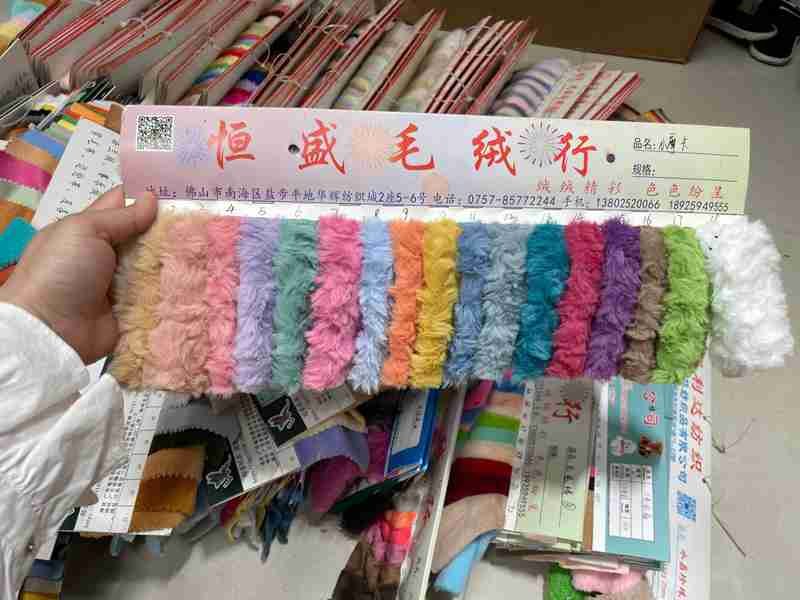
  • Material & handfeel suggestions: fabric options aligned with your use case and channel
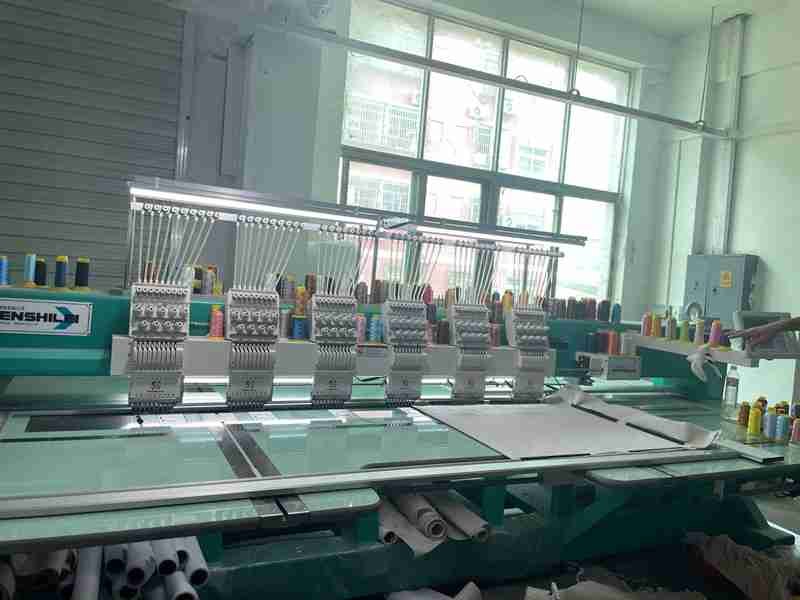
  • Branding method plan: embroidery vs printing recommendations for face/logo clarity
  • Sampling plan: expected revision rounds and approval checkpoints
  • Packaging & labeling notes: barcodes, carton marks, and anti-deformation packing

If you prefer email communication, you can send your RFQ and artwork to info@heyzizi.com

Direct Contact Information

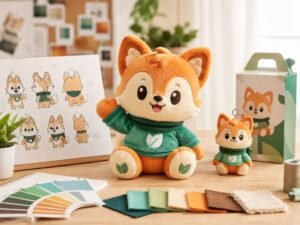
Your mascot is knocking on our door asking to be made!

Let’s Create Something Adorable Together!

Start Your Custom Plush Project – It Only Takes 59 seconds!

If you prefer direct communication, you may also reach us through the following channels, Email: info@heyzizi.com

Get a Quick Quote

Your Mascot Is Knocking On Our Door Asking To Be Made!

Let’s Create Something Adorable Together!

Start Your Custom Plush Project – It Only Takes 59 Seconds!