 Skip to content
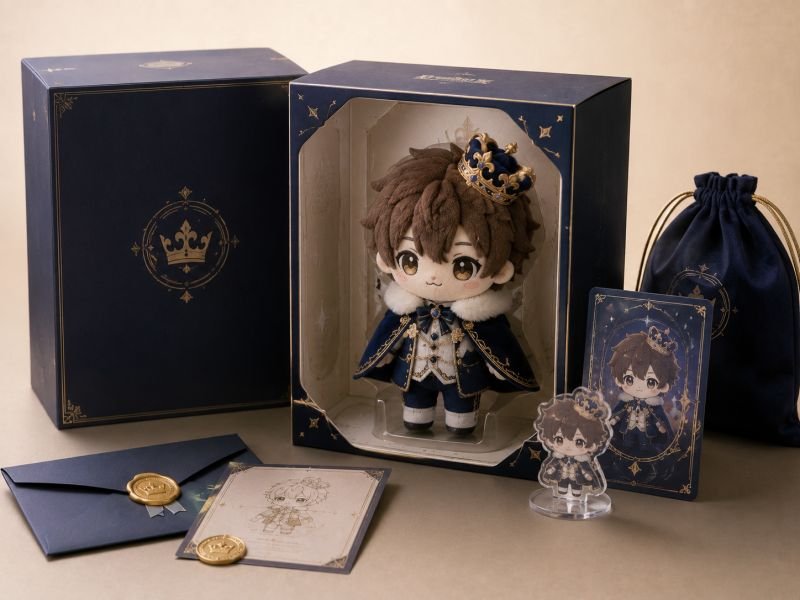
A collectible plush toy carries memory. Someone may place the first drop beside the second drop and compare the face, fur shade, ear angle, embroidery curve, body fullness, tag style, and box finish within seconds. That is why reorder consistency matters far beyond basic softness or stitching. For IP plush, mascot plush, fandom gifts, blind box series, museum souvenirs, and retail plush collections, a small change can feel like a different character. A plush line may start with one successful launch, but long-term value comes from whether every follow-up run still feels connected to the original release.
To keep collectible plush toys consistent across reorders, the approved sample, pattern files, fabric details, embroidery files, filling weight, accessory list, label files, packaging rules, carton marks, and inspection focus areas should be kept as controlled references. Each reorder should be reviewed against these records before bulk work starts, especially when materials, packaging, sales channels, or launch regions change.
Think about a limited character plush that sells out in three weeks. The next run is ordered quickly because fans are waiting. The design team assumes everything is already clear. The production side sees “same as last time.” Then the new batch arrives: the head is slightly flatter, the cheeks look less lively, and the hangtag sits lower than before. No one planned a redesign, but the product now feels different. That is exactly the kind of reorder drift this guide helps prevent.
Why Do Plush Reorders Drift?
Plush reorders drift because soft products are shaped by many flexible details: fabric lots, pile direction, cutting accuracy, sewing tension, embroidery placement, filling amount, hand shaping, label position, packing pressure, and file control. Even when the character design stays unchanged, one unclear material note, one old embroidery file, or one changed carton plan can make the next run look less like the approved plush.
A collectible plush is not judged only by whether it is soft or well sewn. Fans compare it with memory. They may place the first release beside the new release and notice the face, color, body fullness, tag style, box fit, and overall feeling within seconds. For IP plush, mascot plush, blind box plush, retail plush gifts, and fan collections, those small differences can affect trust.
The most common reorder problem is not one big mistake. It is a chain of small changes that were not reviewed early enough. A fabric shade becomes slightly warmer. The head filling becomes lighter. The mouth embroidery moves a few millimeters. The ears are packed under pressure. The hangtag position changes. None of these may look serious alone, but together they can make the plush feel like a different release.
A stable reorder depends on controlled references. The approved sample, final artwork, fabric notes, pattern version, embroidery file, filling guide, accessory list, label files, packing method, carton marks, and feedback from the earlier run should all be reviewed before new bulk work starts. Without these records, “same as last time” becomes a memory-based instruction, not a production standard.
| Drift Source | What May Change | What It Can Affect |
|---|---|---|
| Fabric Lot | Shade, pile height, softness, shine, stretch | Character color, handfeel, photo effect |
| Pile Direction | Light reflection, fur flow, surface texture | Face shade, body consistency, shelf look |
| Cutting | Part shape, left-right balance, pile direction | Symmetry, face alignment, body shape |
| Embroidery | Eye spacing, mouth curve, logo clarity | Character expression and recognition |
| Sewing | Seam curve, limb angle, head shape | Silhouette and posture |
| Filling | Firmness, recovery, weight feel, fullness | Handfeel, sitting balance, face shape |
| Accessories | Clothes, bow, keyring, patch, small parts | SKU identity and collection accuracy |
| Labels | Care label, warning label, barcode, SKU label | Retail, region use, warehouse handling |
| Packaging | Polybag, blind box, retail box, carton pressure | Arrival shape and unboxing impression |
| File Control | Old files, missing notes, unclear approval status | Wrong version repeated |
What Changes Between Plush Batches?
The most common changes between plush batches are color shade, fur texture, stuffing firmness, embroidery placement, seam shape, accessory positioning, label details, and packing condition. These changes often happen because soft materials are sensitive to lot differences, handling methods, and production setup.
Fabric is usually the first area to check. A plush material may have the same name as the earlier run, but the new lot can be slightly different in shade, pile length, density, backing, stretch, or shine. A cream fabric may become more yellow. A gray fabric may look cooler. A pink fabric may appear brighter under studio lighting. On long-pile plush, pile direction can make the same fabric look lighter or darker depending on how the fur lies.
Filling is another major source of drift. A plush head that is 5–10% less full can look flatter, even if the height is close. A small keychain plush can feel too stiff if overfilled. A sitting plush can lean forward if the lower body is not balanced. For collectible items, filling is not just about softness; it controls face shape, body posture, recovery, and perceived value.
Embroidery and sewing create the character’s personality. If the eyes move slightly upward, the plush may look surprised. If the mouth curve becomes flatter, the character may lose warmth. If the ears are sewn under different tension, the head outline changes. These details are especially sensitive on small plush, where even a 2–3 mm change can be visible.
Packaging can also change the final impression. A plush packed too tightly may arrive with flattened ears, compressed hair, bent tails, or wrinkled clothing. If the first run used a loose carton and the reorder uses a tighter carton to save space, the finished plush may look different after delivery even if sewing and filling were acceptable.
Which Details Do Collectors Notice First?
Collectors usually notice the face first, followed by color, silhouette, handfeel, accessories, and packaging. A general viewer may only see a cute plush, but a fan often sees whether the character still feels “right.”
The face carries the emotional value of a collectible plush. Eye spacing, eye height, mouth curve, nose size, cheek position, eyebrow angle, blush position, and embroidery density all affect expression. A tiny change can turn a gentle character into a sleepy one, or a cheerful mascot into a less lively version. This is why face close-ups should always be part of reorder records.
Color is the next strong signal. Fans often remember the exact feeling of the first release. When a reorder looks slightly darker, cooler, brighter, or flatter, they may notice immediately, especially when the old and new plush are displayed together. Color review should not stop at flat swatches. The finished stuffed form should be checked because curved surfaces, pile direction, and stuffing pressure can change how the shade appears.
Silhouette matters because many characters are recognized by outline. A head that becomes narrower, ears that sit lower, arms that angle outward, or a belly that becomes flatter can make the plush feel less faithful to the original. A written height measurement may still be correct, but the product can visually feel different.
Packaging also becomes part of the collectible experience. Hangtag shape, box fit, label placement, printed color, inner support, and carton condition all influence how the item feels when opened. A plush may be well made, but if the box looks different or the toy arrives compressed, the new release may feel less controlled.
Why Is “Same As Last Order” Not Enough?
“Same as last order” is too vague for collectible plush reorders because it does not define which sample, which fabric, which pattern file, which embroidery file, which filling level, which label version, or which packing method should be followed. It sounds clear in conversation but leaves too much room for interpretation during production.
A plush product may go through several stages before approval. There may be an early sample, a revised sample, a pre-production sample, and the final approved version. If the reorder instruction does not clearly identify the approved standard, an older file can easily return. This is common when early photos, revised photos, and final photos are stored together without labels.
A safer reorder instruction should include the full final reference set:
- Final artwork or character file
- Approved sample photos from front, side, back, and detail angles
- Pattern version or size record
- Fabric name, color reference, pile direction, and handfeel notes
- Embroidery, printing, applique, or patch files
- Filling notes for head, body, limbs, ears, tail, or special areas
- Accessory list and placement rules
- Care label, warning label, barcode, SKU label, or FNSKU files
- Polybag, hangtag, retail box, blind box, gift box, or display box files
- Carton size, quantity per carton, carton marks, and packing method
- Feedback from the earlier delivery or launch
The value of this record set is speed and accuracy. A clear file package helps the team check whether the original material is still available, whether any label needs updating, whether the carton method is still safe, and whether earlier feedback should be corrected before the next run begins.
A reorder should not start from memory. It should start from evidence: sample, file, material, measurement, packing rule, and inspection focus.
How Do Fabric Lots Affect Color And Handfeel?
Fabric lots affect color and handfeel because plush fabric is three-dimensional. Pile height, pile direction, density, fiber type, dye lot, backing, stretch, and surface shine all influence how the finished toy looks and feels. Two swatches can look close on a table but behave differently once cut, sewn, stuffed, brushed, and packed.
For collectible plush, fabric should be checked in practical stages:
| Review Stage | What To Check | Why It Matters |
|---|---|---|
| Flat Swatch | Color, pile height, softness, stretch, backing | Removes obvious mismatch early |
| Direction Check | Fur flow, light reflection, brushing effect | Prevents mixed shade on face or body |
| Cutting Trial | Edge behavior, part shape, waste | Shows whether fabric fits the pattern |
| Embroidery Trial | Thread coverage, face clarity, puckering | Protects expression and logo details |
| Stuffed Form | Finished color, shape support, handfeel | Shows the real plush effect |
| Packing Test | Compression, recovery, surface marks | Helps protect arrival condition |
Long-pile fabric can hide seams beautifully, but it can also blur small facial details. Short-pile fabric can make embroidery cleaner, but it may feel less fluffy. Dense plush can feel rich, but it may increase sewing thickness. Stretchy material can create a rounder shape, but it may distort small parts if not controlled.
When the original material is discontinued or temporarily unavailable, replacement should never be judged by color alone. The new fabric should also match pile length, density, softness, stretch, and finished appearance. For character plush, the face area should be reviewed first because any material change on the head can affect expression.
If a plush line is expected to run for several seasons, early fabric planning is valuable. Core colors, special textures, and long-pile materials should be recorded carefully, and backup options should be reviewed before an urgent reorder appears.
How To Organize A Plush Collection For Better Batch Review?
A plush collection should be organized by character, SKU, size, season, packaging version, target region, and approval status. This helps teams compare batches quickly and prevents old files from being used by mistake.
A single plush can be managed with a simple folder. A collectible line needs stronger control. One character may have a small keychain version, a sitting plush version, a retail gift version, and a limited outfit version. A blind box set may include several regular styles and one hidden style. A mascot program may include event packaging, retail packaging, and e-commerce packaging. If files are mixed together, reorder mistakes become much easier.
A clean collection record can follow this structure:
| Record Folder | What To Keep |
|---|---|
| Character Standard | Final artwork, front view, side view, back view, expression notes |
| Sample History | First sample, revised sample, approved sample, pre-production sample |
| Material Notes | Fabric, pile direction, filling type, accessory details |
| Craft Files | Embroidery, printing, applique, patch, woven label |
| Size And Shape | Height, width, thickness, sitting height, key detail measurements |
| Label Files | Care label, warning label, barcode, SKU, FNSKU |
| Packaging Files | Hangtag, polybag, blind box, retail box, gift box, carton marks |
| Inspection Notes | Face, size, filling, stitching, cleaning, packing focus |
| Reorder Feedback | Fan comments, warehouse notes, damage reports, improvement notes |
The most important habit is to separate approved files from rejected or early versions. Early samples may be useful for discussion, but they should not be mixed with final production references. A folder named “final” is not enough if several “final” versions exist. Each approved version should have a date, style name, SKU, and clear usage note.
Physical sample storage also matters. Approved plush samples should be kept clean, dry, shaded, and free from pressure. Sunlight can affect color. Moisture can create odor or material issues. Heavy cartons can flatten ears, tails, hair, and body shape. If a sample is used for long-term reorder comparison, it should be protected like a product standard, not treated as a desk decoration.
Good collection organization reduces avoidable confusion. It also helps each new reorder begin with a clear view of what must stay the same, what can be improved, and what needs fresh confirmation before production starts.
What Should A Golden Sample Lock?
A golden sample should lock the plush details that cannot drift during repeat orders: character face, body proportion, fabric, color impression, pile direction, filling feel, embroidery, accessories, label placement, packaging, carton method, and inspection focus. For collectible plush, it is not only a nice-looking sample. It is the physical standard that protects the product’s identity across every future run.
The danger starts when a golden sample is treated like a photo approval instead of a production reference. A plush may look correct in one front-view image, but reorder accuracy depends on details that are not visible in one photo: side thickness, sitting balance, ear angle, filling pressure, fabric direction, label location, carton compression, and handfeel after unpacking.
For collectible plush, the golden sample should help different teams reach the same judgment. A designer checks whether the character still feels right. A retail team checks whether the plush fits the box and shelf plan. A quality team checks whether face, seams, filling, and labels are controlled. A packing team checks whether the toy can arrive without flattened ears, bent tails, crushed hair, or wrinkled clothes.
A useful golden sample is not only one plush sitting on a shelf. It should come with a record set. That record set should make the final standard clear even six months later, when materials may change, staff may change, or a new SKU is added to the collection.
| Golden Sample Area | What It Should Lock | Why It Matters For Reorders |
|---|---|---|
| Character Face | Eye spacing, mouth curve, nose, cheeks, brow angle | Keeps the same emotion and recognition |
| Head Shape | Width, height, roundness, side thickness | Prevents a flatter or narrower look |
| Body Proportion | Sitting height, belly fullness, limb length, tail angle | Keeps the same silhouette |
| Fabric | Material type, shade, pile height, pile direction, softness | Controls color and touch |
| Filling | Firmness, weight feel, part fullness, recovery | Protects shape and perceived value |
| Craft Details | Embroidery, printing, applique, patch, woven label | Keeps small features stable |
| Accessories | Clothes, bow, keyring, hook, magnet, zipper, small parts | Prevents SKU mismatch |
| Labels | Care label, warning label, barcode, SKU label, FNSKU if needed | Supports retail and warehouse flow |
| Packaging | Polybag, hangtag, blind box, retail box, gift box | Protects display and unboxing |
| Carton Method | Carton quantity, carton marks, compression limit | Reduces arrival deformation |
| Inspection Focus | Face, size, filling, stitching, cleanliness, needle check, packing | Makes bulk review more practical |
The stronger the collectible value, the more detailed the golden sample record should be. A simple event plush may need fewer locked details. A licensed character plush, blind box plush, fan drop, museum souvenir, or private label series needs much tighter reference control because the product may be compared beside earlier releases.
What Is A Golden Sample In Custom Plush Production?
A golden sample is the final approved plush used as the reference for bulk production and future repeat orders. It is usually confirmed after artwork review, pattern making, first sample development, sample revision, material confirmation, craft adjustment, and final approval.
The word “golden” does not mean every bulk piece will be identical in a plastic-molded way. Plush products are soft, cut, sewn, stuffed, brushed, shaped, and packed. Small natural variation can exist. The true role of a golden sample is to define the accepted look and feel, so the production team knows what must be protected and what should be rejected.
For example, a character plush may go through several sample rounds:
| Stage | Common Purpose | Risk If Mixed With Final Version |
|---|---|---|
| First Sample | Checks rough shape, size, fabric direction, basic face | May have wrong expression or body proportion |
| Revised Sample | Adjusts face, filling, fabric, sewing, accessory placement | May still include unfinished details |
| Approved Sample | Confirms final look, feel, craft, labels, packaging direction | Should become the active reference |
| Pre-Production Sample | Checks current material and setup before full run | Helps catch reorder drift early |
The approved version should be clearly marked with style name, SKU, size, approval date, and version number. If the plush has multiple sizes or styles, each one needs its own approved standard. A 6-inch plush keychain cannot be controlled by the same reference as a 12-inch sitting plush, even if both share the same character artwork.
A golden sample record should usually include:
- Physical approved plush, if available
- Front, side, back, top, bottom, and close-up photos
- Key measurements, especially face and body proportion
- Fabric name, color reference, pile direction, and handfeel notes
- Embroidery, printing, applique, or patch files
- Pattern version and style code
- Filling notes for head, body, arms, legs, ears, tail, or special parts
- Accessory list and placement photos
- Label files and placement photos
- Packaging files and packing photos
- Approval date and related revision notes
- Feedback from earlier shipment or retail release
Without this record, a golden sample becomes only a visual memory. With this record, it becomes a usable production standard.
Which Face Details Need Clear Standards?
The face needs the clearest standard because it carries the character’s personality. Eye spacing, eye height, mouth curve, nose size, cheek position, eyebrow angle, blush area, embroidery thickness, and head shape should be reviewed with close-up photos and measurement notes.
A plush face can change even when the same artwork is used. Fabric stretch can pull the embroidery. Filling pressure can push the nose forward. Sewing tension can narrow the head. Pile direction can make one side of the face appear darker. A small embroidery shift may turn a calm character into a surprised one, or a friendly mascot into a tired-looking version.
For collectible plush, face control should not rely only on one front photo. A three-dimensional plush head changes from every angle. The side view shows muzzle depth, forehead curve, ear angle, hair tuft, and nose projection. The top view shows symmetry and head roundness. The close-up view shows thread coverage, stitch density, and expression.
| Face Detail | What To Confirm | Common Reorder Drift |
|---|---|---|
| Eye Spacing | Distance between eyes and center line | Eyes too close, too far, or uneven |
| Eye Height | Position from top of head or nose line | Expression becomes surprised or sleepy |
| Mouth Curve | Smile shape, width, height, thread thickness | Character feels less lively |
| Nose | Size, center position, projection, angle | Face looks off-center |
| Cheeks / Blush | Height, width, left-right balance | Expression feels uneven |
| Brows | Angle, length, thread density | Mood changes too much |
| Ears | Height, opening, angle, left-right balance | Silhouette changes |
| Head Roundness | Front width, side thickness, stuffing support | Face becomes flat or narrow |
For small plush, 2–3 mm may already be visible on the face. For larger plush, the allowed difference can be slightly more forgiving, but expression should still stay close to the approved plush. The practical rule is simple: if the face feels like a different character, the difference is too large.
A good face standard should combine photos and numbers. Numbers help control placement. Photos help control emotion. Neither one is enough alone.
How Should Size And Shape Tolerances Be Set?
Size and shape tolerances should focus on the areas that affect visual identity, shelf display, box fit, and handfeel. Plush products can have small natural variation, but the character’s main shape, face position, sitting height, body fullness, and accessory placement should stay within agreed limits.
The mistake many teams make is checking only total height. A plush may meet the total height but still look wrong because the head is too narrow, the body is too flat, or the ears sit lower than before. For collectible plush, total height is only one measurement. Shape balance is just as important.
A practical tolerance plan should separate main size, face placement, body form, and packing fit.
| Area | Suggested Check | Why It Matters |
|---|---|---|
| Total Height | Top to bottom after natural shaping | Product listing, shelf plan, packing estimate |
| Sitting Height | Bottom to top while sitting naturally | Retail display and photo consistency |
| Head Width | Left-right width across face | Cuteness and character recognition |
| Head Thickness | Front-back fullness | Prevents flat face or weak profile |
| Eye Position | Distance from center line and nose/mouth reference | Protects expression |
| Body Width | Left-right belly or torso width | Keeps silhouette stable |
| Body Thickness | Front-back fullness | Controls handfeel and value impression |
| Limb Length | Arms, legs, ears, tail, wings | Keeps balance |
| Accessory Placement | Bow, clothes, keyring, patch, logo | Prevents SKU detail drift |
| Box Fit | Plush inside retail box or blind box | Prevents compression and display issues |
Tolerance should reflect product size. A tiny plush keychain needs stricter visual control because small shifts look larger. A bigger plush can allow slightly more soft-goods variation, but face and body proportion still need close review.
For many plush projects, a useful method is to set “must-control” areas and “normal soft variation” areas. Must-control areas usually include the face, head shape, label position, accessory placement, and packaging fit. Normal soft variation may include minor fur direction after brushing or very small seam differences that do not affect appearance.
Shape should also be checked after packing. A plush may look correct before packing but become compressed in a tight carton. If the product will be boxed, the golden sample should help confirm the correct box size and inner space. If the product will be packed in polybags, carton pressure should be reviewed so the toy can recover well after arrival.
Sample vs Bulk: What Differences Are Acceptable?
Acceptable differences between sample and bulk should be small, controlled, and harmless to character identity, handfeel, safety, labels, and packaging. Natural plush variation can happen, but the product should still match the approved look, touch, and presentation.
A sample is often made in smaller quantity with closer hand adjustment. Bulk production follows a larger process with cutting, embroidery, sewing, filling, finishing, inspection, and packing steps. Because of this, the goal is not unrealistic perfection. The goal is to define which differences are normal and which ones should be corrected before the run continues.
Usually acceptable:
- Very small seam variation that does not change the silhouette
- Minor fur direction variation that can be brushed and shaped
- Slight measurement difference within agreed tolerance
- Tiny handfeel difference caused by normal filling behavior
- Small surface fiber variation if cleanliness and appearance remain good
Usually not acceptable:
- Face expression looks different from the approved plush
- Eyes, mouth, nose, or blush placement is clearly shifted
- Fabric shade is visibly different from the approved look
- Head or body appears flat, twisted, or underfilled
- Filling feels much softer, harder, or uneven
- Ears, limbs, wings, or tail are misshaped
- Clothing or accessories sit in the wrong position
- Barcode, SKU, care label, or warning label is wrong
- Retail box, blind box, or hangtag does not match final file
- Packing causes visible deformation
| Difference Type | Minor Difference | Serious Difference |
|---|---|---|
| Face | Tiny thread variation | Expression changes |
| Fabric | Slight pile brushing difference | Different shade or handfeel |
| Filling | Minor soft variation | Flat, lumpy, stiff, or uneven |
| Size | Within agreed tolerance | Box fit or shelf display affected |
| Sewing | Small hidden seam difference | Visible asymmetry or twisted shape |
| Label | Slight position variation if allowed | Wrong file, wrong language, wrong barcode |
| Packaging | Small handling mark | Crushed box or compressed plush |
A useful review habit is to judge the plush from three distances:
- Close-up: face, embroidery, fabric, threads, label
- Handheld: softness, filling, shape, accessories
- Shelf view: silhouette, color impression, packaging, overall identity
If the plush passes only close-up inspection but fails shelf view, it may not work for collectible release. If it looks good on shelf but feels flat in hand, fans may still be disappointed. The golden sample should guide both visual and touch review.
What Is The Best Way To Store Collectible Toy Samples?
Collectible toy samples should be stored in a clean, dry, shaded area, away from sunlight, moisture, dust, heavy pressure, and heat. Each approved sample should be clearly labeled with style name, SKU, size, version, approval date, and related file location.
A physical sample can lose value as a reference if it is stored poorly. Sunlight may change color. Moisture may create odor or fabric issues. Dust may affect surface appearance. Heavy cartons may flatten ears, tails, hair, wings, or body shape. Heat may affect glue, printed parts, plastic accessories, packaging, or labels.
For long-term plush collections, approved samples should not be mixed with rejected samples, early prototypes, packaging trials, or competitor references. Every sample should have a clear status. A sample that is “almost approved” can cause serious confusion during a reorder if it looks similar to the final version.
| Storage Detail | Recommended Practice | Risk Reduced |
|---|---|---|
| Sample Label | Style name, SKU, version, approval date | Wrong reference used |
| Storage Area | Dry, clean, shaded, ventilated | Color change, odor, dust |
| Pressure Control | Avoid heavy stacking or tight boxes | Flattened shape |
| Photo Record | Front, side, back, close-up, label, packaging | Backup if sample ages |
| Version Separation | Keep final, rejected, and trial samples apart | Old version repeated |
| Packing Record | Keep box and carton method photos | Reorder packing confusion |
| Review Schedule | Check long-stored samples before reuse | Aged reference avoided |
Digital records should support the physical sample. Photos should include front view, side view, back view, top view if needed, face close-up, accessory close-up, label close-up, packaging view, and carton packing view. Measurement photos are helpful when the product has tight box fit or small facial details.
For valuable IP plush or limited collectible drops, two approved samples can be useful: one kept by the brand team and one kept by the factory. This allows both sides to compare the same standard during reorder discussion. If a physical sample changes slightly after long storage, the digital record helps confirm the original appearance.
Sample storage may sound simple, but it directly affects repeat consistency. A well-protected sample can guide many future runs. A poorly stored sample can mislead the next reorder and create changes that no one intended.
What Should You Prepare Before A Reorder?
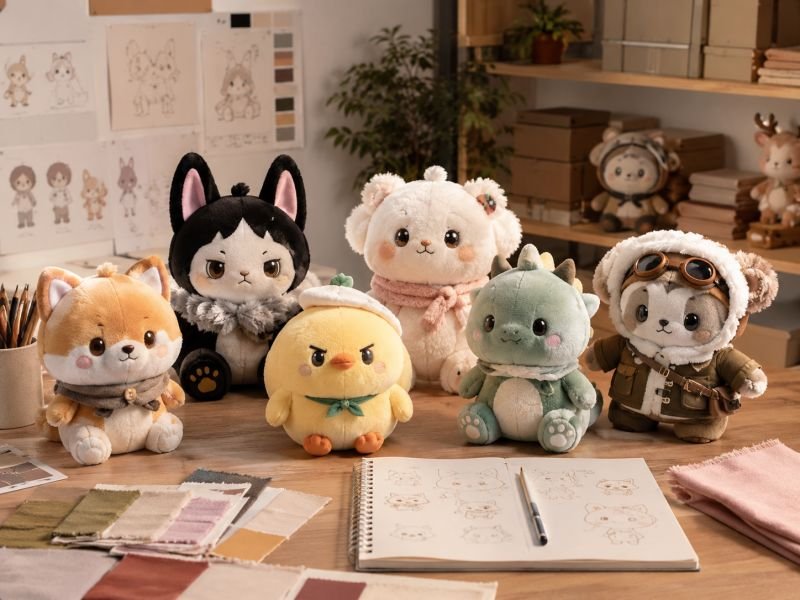
A plush reorder should start with a complete reference package, not just a quantity update. The most useful preparation includes approved sample photos, final artwork, SKU list, size notes, fabric references, filling details, craft files, accessories, label files, packaging files, carton marks, delivery timing, and feedback from the last run. These details help the next run follow the approved plush instead of relying on memory.
A repeat order often looks simple because the design has already been developed. In practice, it can carry hidden changes: a new fabric lot, a different barcode, updated warning text, a tighter retail box, a new sales country, a changed warehouse rule, or a shorter launch calendar. Any one of these can affect cost, timing, inspection, packing, or finished appearance.
For collectible plush, preparation has a direct effect on fan trust. A new run should still feel like the same character, the same softness level, the same shelf presentation, and the same release quality. That requires more than saying “same as before.” It requires clear references that connect the earlier approved plush with the next production plan.
Before the reorder starts, separate what must remain unchanged from what needs review. This avoids two common problems: repeating an old issue that should have been corrected, or changing a detail that should have stayed fixed. For example, if the first run had strong fan feedback on the face but weak feedback on packing compression, the reorder should keep the face standard while improving the carton method.
A practical reorder file can be organized like this:
| Preparation Area | What To Provide | Why It Matters |
|---|---|---|
| Approved Plush | Physical sample if available, plus front, side, back, and detail photos | Protects character look |
| Final Artwork | Final character file, not early sketches | Avoids old version errors |
| SKU List | Style name, item code, quantity per style, packing version | Prevents style mix-ups |
| Size Notes | Height, width, thickness, sitting height if needed | Keeps display and box fit stable |
| Fabric Notes | Material name, shade, pile direction, softness, special texture | Reduces color and handfeel drift |
| Filling Notes | Head, body, limb, ear, tail, or weighted-area detail | Keeps fullness and shape stable |
| Craft Files | Embroidery, printing, applique, patch, woven label | Protects face and detail accuracy |
| Accessories | Clothes, bow, keyring, hook, magnet, zipper, sound part | Keeps SKU identity clear |
| Labels | Care label, warning label, barcode, SKU label, FNSKU if needed | Supports retail and warehouse use |
| Packaging | Polybag, hangtag, blind box, retail box, gift box, display box | Keeps the release presentation consistent |
| Carton Rules | Carton size, carton mark, quantity per carton, compression limit | Protects arrival condition |
| Last Run Feedback | Shape, packing, damage, fan comments, warehouse notes | Helps improve the next run |
Preparation should happen before price and timing are finalized. Once fabric is purchased, labels are printed, or cartons are planned, changes become harder and slower. Early review saves time because the project team can see what is unchanged, what needs confirmation, and what may affect delivery.
Which Files Should Be Sent Again?
The safest reorder file set includes final artwork, approved sample photos, SKU list, fabric notes, embroidery or printing files, accessory details, label files, packaging files, carton marks, and comments from the last delivery. Sending these again reduces the risk of using an old file or incomplete instruction.
Many reorder problems begin with version confusion. A plush may pass through several sample rounds before approval. The first sample may have a wide head. The second may fix the head but use the wrong fabric. The third may correct the face but still need filling adjustment. The final approved plush may be the fourth version. If all these files sit in one folder without status labels, an old version can come back during the next run.
A useful file naming habit is simple but powerful. Use clear names with product name, SKU, version, date, and status. For example, “BearMascot_10inch_SKU-BM10_Approved_2026-05-18” is safer than “bear final final.” This matters even more when the line includes several characters, sizes, outfits, hidden styles, or packaging formats.
Reorder files should be separated into active and archived groups:
| File Group | Keep Active? | Notes |
|---|---|---|
| Final Character Artwork | Yes | Only the approved visual standard |
| Approved Plush Photos | Yes | Front, side, back, face, label, packing |
| Pattern Version | Yes | Especially when size or posture matters |
| Embroidery / Print Files | Yes | Eyes, mouth, logo, blush, patch details |
| Fabric Notes | Yes | Shade, pile, handfeel, direction |
| Accessory Sheet | Yes | Placement and attachment method |
| Label Files | Yes | Care label, warning label, barcode, SKU, FNSKU |
| Box / Hangtag Files | Yes | Dieline, print, finish, code placement |
| Carton Mark Files | Yes | Style, SKU, quantity, destination, PO if needed |
| Early Sample Photos | Archive Only | Mark as rejected or outdated |
| Old Packaging Trial | Archive Only | Keep for history, not production use |
| Launch Feedback | Yes | Shape, packing, retail, warehouse, fan notes |
A complete file package helps the plush team check the real situation faster. Is the original fabric still available? Is the barcode still correct? Did the warning label change? Does the box still fit after the last shape adjustment? Does the reorder need the same carton quantity? These checks are easier when the file set is complete from the start.
For collectible plush, do not rely on one product photo from a sales sheet. That photo may show the right feeling, but it may not show side thickness, bottom shape, care label placement, hangtag hole position, carton method, or fabric direction. Reorder accuracy needs more than a pretty photo.
Do Price And MOQ Change For Reorders?
Price and MOQ can change when quantity, fabric, filling, craft, accessories, packaging, labels, test needs, delivery timing, or shipment plan changes. A repeat order may reduce some early development work, but the unit cost still depends on the real production details used for the new run.
For Heyzizi custom plush projects, the standard MOQ starts from 500pcs per design. Custom plush samples usually require a sample fee because sample development can involve pattern work, material preparation, embroidery or printing, cutting, sewing, stuffing, shaping, accessories, and revision work. For projects with a clear bulk plan, the sample fee can be refunded or deducted when the single-style bulk order reaches 2,000pcs.
A reorder can be easier to review when the design, material, labels, packaging, quantity, and timing stay the same. But if one area changes, the quote may need a fresh review. This is not only about cost. It is also about protecting the character, timeline, packing condition, and retail readiness.
Common reasons reorder pricing changes:
| Change Area | Possible Cost Effect |
|---|---|
| Lower Quantity Per Style | Higher cost per piece due to smaller material and setup spread |
| New Fabric Lot | Material cost, color review, sampling time |
| Fabric Replacement | Swatch review, trial sample, possible pattern adjustment |
| More Embroidery | More machine time, thread use, backing, inspection |
| New Accessories | Molded parts, keyrings, clothing, magnets, sound modules |
| Packaging Upgrade | Retail box, blind box, gift box, insert, hangtag changes |
| Label Update | New barcode, SKU label, warning label, FNSKU |
| New Sales Country | Possible label or third-party test review |
| Rush Timing | Special scheduling, material urgency, overtime risk |
| Carton Change | New carton size, packing method, volume weight impact |
MOQ may also need review when the reorder includes multiple SKUs. A total of 3,000 pieces sounds strong, but if it is split across 12 styles, the quantity per style becomes 250. That can affect material use, sewing setup, embroidery setup, packing separation, and inspection time.
The healthiest way to review cost is not to chase the lowest number without context. A small saving on fabric, filling, or packing can damage the collection if the new run feels thinner, flatter, or less faithful. For collectible plush, the better target is controlled value: the product still looks right, feels right, packs right, and reaches fans in a condition that supports the release.
How To Handle Discontinued Materials?
When a previous material is discontinued, the replacement should be checked by shade, pile height, pile direction, density, softness, stretch, backing, sewing behavior, embroidery effect, filling support, and finished appearance. The closest flat swatch is not always the closest finished plush.
Material replacement is one of the most sensitive reorder issues. A new fabric may match the color but feel thinner. It may feel soft but stretch too much. It may have the right pile height but make embroidery less clear. It may look correct on the belly but change the face under lighting. These differences are easy to miss if the review stops at a small fabric piece.
A safer replacement review can follow this sequence:
| Review Step | What To Check | Result Needed |
|---|---|---|
| Approved Plush Comparison | Color impression, handfeel, pile, body shape | Defines the old standard |
| Swatch Review | Shade, softness, density, stretch, backing | Removes poor options |
| Pile Direction Check | Light reflection and fur flow | Prevents uneven surface look |
| Cutting Trial | Edge behavior and pattern fit | Confirms production usability |
| Embroidery Trial | Eye detail, thread coverage, puckering | Protects facial expression |
| Stuffed Test | Shape, fullness, recovery, softness | Shows true plush effect |
| Packing Test | Compression and recovery if needed | Reduces arrival deformation |
| Written Approval | Photos, notes, version name, approval date | Protects future repeat runs |
For character plush, the head and face should be checked first. If the face changes, the entire plush feels different. For animal plush with long fur, the review should include fur flow, trimming, seam coverage, and shedding behavior. For small plush keychains, fabric thickness matters because small parts can become bulky and hard to sew cleanly.
If the original fabric may return later, record the substitute clearly. The next reorder should not accidentally mix the old and new material without review. If a collection has core characters expected to run for several seasons, early backup material planning is wise. Testing two or three possible alternatives before an urgent reorder can protect launch timing later.
A discontinued material does not always mean the product must lose consistency. It means the replacement needs a finished-sample review, not only a swatch comparison.
Are Packaging, Labels, And Cartons Still The Same?
Packaging, labels, and cartons should be reviewed again before each reorder because retail needs, warehouse rules, sales countries, barcode files, warning labels, SKU codes, and carton marks may change between runs. Even when the plush stays the same, packing details can affect delivery, display, and receiving.
For collectible plush, packaging is part of the product experience. A hangtag can signal authenticity. A blind box can create surprise. A gift box can support premium positioning. A retail box can protect shelf display. A polybag can protect the plush during storage or fulfillment. If packaging changes without control, the release may feel less connected to the earlier run.
Labels need the same attention. A wrong barcode, wrong SKU, missing warning label, or outdated care label may create receiving delays or relabeling work. If the product is sent to a new country, label language, age guidance, warning text, and sales channel rules may need review. If the product is for e-commerce storage, FNSKU or warehouse-specific labeling may be required.
Carton planning also affects the product’s final look. Plush products can be compressed. A carton packed too tightly may flatten heads, ears, tails, clothing, or hair. A carton packed too loosely may allow retail boxes to move and crease. The right carton plan depends on plush size, packing style, transport method, and arrival requirements.
A reorder packing review should cover:
| Packing Area | What To Recheck |
|---|---|
| Hangtag | Shape, print, paper, hole position, string, attachment place |
| Care Label | Material, symbols, language, sewing position |
| Warning Label | Age guidance, small-part notice, region needs |
| Barcode | Correct code for each SKU |
| SKU Label | Style name, color, size, version, quantity |
| FNSKU | Required for certain warehouse flows |
| Polybag | Size, warning print, seal method, ventilation if needed |
| Retail Box | Dieline, window, insert, print color, fit |
| Blind Box | Style coding, hidden style control, random mix rules |
| Gift Box | Insert, ribbon, lid fit, surface finish |
| Carton Mark | Item, SKU, quantity, destination, PO if needed |
| Carton Fill | Compression, movement, recovery after unpacking |
Packing should be checked with the actual plush form, not only the design file. A box that fits the sample loosely may become tight if filling increases. A polybag that works for short-pile plush may press long fur in an unattractive way. A carton quantity that saves space may damage the plush shape after weeks of transport.
A strong reorder protects both the toy and the way it is received. Fans do not separate plush quality from unboxing condition. Retail teams do not separate product value from packaging accuracy. Warehouse teams do not separate good goods from correct labels. All three must work together.
How To Declutter Plush Toys From An Old Product Line?
Decluttering an old plush line means sorting styles by sales strength, character value, material stability, production difficulty, packing risk, fan feedback, and future use. The goal is not simply to remove slow styles. It is to make repeat planning cleaner, reduce file confusion, and protect the strongest characters.
Collectible plush lines often grow quickly. A mascot becomes a keychain, sitting plush, pillow, backpack charm, and seasonal gift. A blind box starts with six styles and later adds hidden editions. A museum souvenir line adds animal plush, mini plush, and holiday versions. Growth creates opportunity, but it also creates file risk, material risk, and packing complexity.
A simple cleanup table can help:
| Style Group | Signs | Action |
|---|---|---|
| Core Carryover | Strong repeat demand, stable material, low complaint rate | Keep active records clean and reorder early |
| Seasonal Return | Performs well during holidays, events, or campaigns | Archive separately and plan by calendar |
| Needs Revision | Good character but weak filling, face, fabric, or packing | Improve before the next run |
| Bundle Candidate | Moderate demand but useful in sets or gift packs | Keep files and review packing with other items |
| Archive / Pause | Low demand, material unstable, high defect risk, weak feedback | Store files clearly, avoid accidental repeat |
| Retired Style | No near-term plan but possible anniversary use | Keep approved records but mark inactive |
Decluttering should not be based only on sales volume. A side character may sell less than the hero character but still complete the collection. A limited edition may not repeat often but may matter for brand storytelling. A high-volume style may need revision if it creates too many packing issues or fan complaints.
Before pausing or retiring a style, keep the approved record. Old plush files can become valuable later for anniversary editions, bundles, loyalty gifts, museum refreshes, licensed collaborations, or regional releases. The key is to label them clearly so they do not get mixed into active reorders.
A cleaner plush line also helps with cost and timing. Fewer confusing files mean faster review. Stable SKUs allow better fabric planning. Clear packaging versions reduce label mistakes. Stronger carryover styles can be reordered with more confidence. Decluttering, when done properly, protects creative work instead of limiting it.
For long-term plush collections, the best reorder preparation is a combination of clean records, honest feedback, stable materials, and clear SKU decisions. The more organized the preparation, the less likely the next run will drift away from the character fans already love.
How To Choose A Manufacturer For Repeat Plush Orders?

Choosing the right plush partner for repeat orders is not only about who can make the first sample look good. The real test is whether the same character can be produced again months later with stable face expression, fabric feel, body fullness, label accuracy, packaging fit, and carton condition. For collectible plush, long-term control depends on sample records, pattern versions, material notes, filling standards, QC habits, packing discipline, and privacy awareness.
A plush reorder carries more hidden risk than a first order. During the first development stage, everyone looks closely at artwork, sampling, revisions, and approval. During a reorder, people often assume the product is already clear. That is where drift begins. A small change in fabric lot, a new embroidery setup, a slightly different filling amount, an old label file, or tighter carton packing can make the next release feel different from the original.
The right production partner should be able to explain how it keeps records, not only how it makes plush toys. For a collectible line, the important is not “Can you make this?” It is “Can you keep this same character stable across future runs, new SKUs, packaging updates, and seasonal launches?”
A reliable repeat-order partner should be able to support these areas:
| Area To Check | What A Strong Partner Should Show | Why It Matters |
|---|---|---|
| Approved Sample | Clear sample status, photos, measurements, approval date | Prevents wrong version reuse |
| Pattern Control | Version naming, size record, part list | Keeps body shape and posture stable |
| Fabric Notes | Material name, pile direction, shade, handfeel | Reduces color and touch drift |
| Embroidery Files | Final eye, mouth, blush, logo, patch files | Protects character expression |
| Filling Control | Head, body, limb, ear, tail fullness notes | Keeps shape and squeeze feel stable |
| Label Accuracy | Care label, warning label, barcode, SKU, FNSKU if needed | Supports retail and warehouse flow |
| Packaging Review | Polybag, hangtag, blind box, retail box, carton method | Protects unboxing and arrival condition |
| QC Stages | Material, in-line, final, needle check, packing review | Finds issues before shipment |
| Privacy Handling | Artwork, samples, files, launch timing handled carefully | Protects unreleased IP and campaign plans |
| Reorder Notes | Photos, feedback, carton records, issue history | Makes the next run easier |
A partner may have skilled sewing teams, but without records, the next run still depends too much on memory. For collectible plush, memory is fragile. Records are what keep a character alive across repeat runs.
What Type Of Manufacturer Fits Collectible Plush?
A suitable manufacturer for collectible plush should understand character expression, soft material behavior, small detail control, filling balance, multi-SKU separation, label accuracy, retail packaging, and repeat-order records. Collectible plush is different from a simple giveaway because the end user often knows the character, compares details, and expects continuity.
A plush made for a short event may only need to be soft, safe, and presentable. A collectible plush needs more. It may be photographed, unboxed, reviewed, displayed, resold, compared, and kept for years. A fan may notice whether the new version has a flatter head, a duller fur color, a less lively smile, or a different tag. That means the production partner must care about details that are easy to miss in a basic inspection.
Strong collectible plush projects often involve:
- Original IP characters
- Brand mascots
- Blind box plush sets
- Fan merchandise
- Museum and cultural souvenirs
- Private label plush lines
- Holiday or anniversary editions
- Plush keychains and bag charms
- Retail boxed plush
- Multi-size character collections
A suitable partner should be comfortable working from front, side, back, and detail views. If only one front artwork is used, the side thickness, ear angle, tail direction, sitting balance, and clothing shape can become unclear. For repeat orders, those missing details become risk.
The partner should also understand that each plush size needs its own control. A 5-inch keychain version, a 10-inch sitting version, and a 16-inch gift version may share the same character, but they cannot use one standard for everything. The face may need simplification on small sizes. The filling may need more support on larger bodies. Packaging may change by channel or region.
A practical plush partner should ask about:
- Target size and use scene
- Quantity per design and per SKU
- Fabric preference and handfeel target
- Face craft, embroidery, printing, or applique
- Filling softness and shape support
- Accessories, clothing, keyring, zipper, magnet, or sound unit
- Label, barcode, warning label, and SKU needs
- Retail box, blind box, polybag, gift box, or display pack
- Target region and test needs
- Repeat plan and launch timing
These are not delays. They are signs that the team understands how collectible plush actually works.
Which Factory Checks Reveal Real Control?

The strongest factory checks are record-based and process-based. A serious plush partner should be able to show how approved samples are marked, how pattern versions are stored, how materials are checked, how embroidery files are controlled, how filling is reviewed, how labels are verified, how packing is tested, and how feedback is saved after delivery.
Vague phrases such as “good quality” or “same as sample” are not enough for repeat plush orders. Good control has visible habits. It appears in file names, sample labels, material notes, inspection photos, carton records, and early-stage checks before full production continues.
Useful checks include:
| Review Area | What To Ask | Strong Sign |
|---|---|---|
| Sample Status | Which sample is the approved version? | Labeled sample with approval date and photos |
| File Version | How are old and final files separated? | Clear naming by SKU, size, version, date |
| Pattern Record | Can the same pattern be used again? | Pattern version saved and linked to style |
| Fabric Record | What fabric was used before? | Material notes include shade, pile, handfeel |
| Face Control | How are eyes and mouth compared? | Close-up photos and marked review areas |
| Filling Check | How is fullness kept stable? | Part-by-part filling notes and handling checks |
| SKU Separation | How are styles separated during production? | Style cards, labels, carton marks, line control |
| Label Review | How are barcodes and warning labels checked? | File confirmation before printing and packing |
| Packing Test | How is compression risk checked? | Packed sample or carton review before shipment |
| Final Records | What is saved after delivery? | Photos, packing notes, feedback, issue history |
The way a factory responds can tell a lot. A weak response may focus mainly on price or speed. A stronger response explains how the product moves from approved sample to cutting, embroidery, sewing, filling, finishing, needle detection, final inspection, packing, and shipment preparation.
For plush collections with many SKUs, ask how the factory avoids mixing pieces. A blind box series, for example, may have six regular characters and one hidden style. If internal labels, barcode sheets, or cartons are not controlled carefully, mistakes can happen at packing. For retail plush, SKU and barcode accuracy can be as important as stitching quality.
For high-value IP programs, ask how artwork and sample photos are handled. Unreleased characters, hidden editions, and launch materials should not be shown publicly without permission. Privacy control is part of project control.
A real control system does not need to sound complicated. It needs to catch the right problems early.
Direct Factory vs Trading Company: Which Is Safer?
For repeat collectible plush orders, a direct plush factory is often safer when the project depends on pattern control, material tracking, sample revisions, filling consistency, QC review, label accuracy, packaging control, and long-term records. A trading company may help with sourcing, but every added communication layer can increase the chance that fine details are simplified or lost.
This does not mean every trading company performs poorly. Some manage projects carefully. The issue is control distance. Collectible plush often relies on small details: a 2–3 mm eye shift, a slight mouth curve change, a softer head, a different pile direction, a moved hangtag, or a tighter carton. These details are easier to manage when the project team can work directly with sample, pattern, production, QC, and packing teams.
A direct factory can usually handle these areas more closely:
| Detail | Why Direct Control Helps |
|---|---|
| Pattern Revisions | Shape changes can be checked with pattern makers faster |
| Sample Updates | Face, fabric, filling, and accessories can be revised directly |
| Material Review | Fabric lots and substitutes can be checked before cutting |
| Embroidery Setup | Eye, mouth, logo, and patch files can be confirmed early |
| Filling Control | Head, body, limb, and tail fullness can be adjusted on site |
| In-Line QC | Early problems can be stopped before full completion |
| Packing Review | Carton compression and label placement can be checked directly |
| Reorder Records | Future runs can refer to stored files, samples, and notes |
The risk with extra layers is wording loss. “Keep the eye 2 mm lower than the second sample” may become “adjust the eye.” “Do not compress the ears in cartons” may become “pack carefully.” “Use the approved blush file from the third revision” may become “same as last time.” These small wording changes can create real product differences.
For plush lines that will repeat over several seasons, direct communication also helps when something changes. If a fabric is discontinued, the team can compare alternatives more quickly. If the first run had packing feedback, carton planning can be reviewed before the next shipment. If a new size is added, pattern and filling adjustments can be discussed with the people who will actually make the product.
The safer choice is the partner that gives the project fewer places to lose detail.
How Does NDA Support Protect Unlaunched IP Drops?
NDA support helps protect unreleased plush projects by setting clear expectations for artwork, character files, sample photos, packaging files, SKU plans, production images, launch timing, and communication materials. For collectible plush, privacy matters because the product may be linked to a licensed character, fan event, retail drop, anniversary release, or hidden blind box edition.
Unreleased plush projects often include sensitive files:
- New character artwork
- Licensed IP files
- Hidden blind box styles
- Co-branded packaging
- Mascot redesigns
- Anniversary editions
- Launch calendars
- Retail box artwork
- SKU lists
- Product photos before release
A privacy-focused process should avoid public use of client artwork, samples, packaging, or production photos without permission. Sample photos should be used for project review, not for casual promotion. Character files should be shared only with the team members involved in the project. Old artwork should not be reused for unrelated designs. If the project involves licensed IP, the rights and usage scope should be clear before development starts.
NDA support is useful, but it is not the only protection. Daily handling matters too. Strong privacy habits include:
| Privacy Area | Practical Habit |
|---|---|
| Artwork Files | Store under project name, not public folders |
| Sample Photos | Share privately only for review |
| Production Photos | Avoid showing unreleased styles publicly |
| Packaging Files | Keep box artwork and barcode files controlled |
| Hidden Styles | Limit internal visibility when needed |
| Launch Timing | Avoid mention of dates unless approved |
| Licensed IP | Confirm authorization and usage scope |
| Archived Files | Keep inactive files separated from new projects |
For collectible plush, privacy protects more than files. It protects surprise, fan excitement, campaign timing, and commercial value. A hidden plush style leaked too early loses part of its release power. A mascot redesign shown too soon may disrupt a planned launch. A retail box revealed before announcement can affect promotion timing.
A good plush partner should treat unreleased designs with care by default. Public display should require permission, not assumption.
What Is The Best Reorder Process For Plush Collections?
The best reorder process for plush collections starts with approved records, checks material availability, confirms any design or packing updates, reviews a pre-production piece when needed, controls early production, verifies labels and packaging, completes QC checks, records packing details, and saves feedback for the next run.
A repeat order should not feel like starting over, but it should also not be treated as automatic. The product already has history. That history should be used.
A practical reorder process can follow this flow:
| Step | What Happens | Main Purpose |
|---|---|---|
| 1 | Confirm SKU list, quantity per style, and delivery date | Prevents style and schedule confusion |
| 2 | Pull approved sample files, photos, and past notes | Protects the final standard |
| 3 | Check fabric, filling, accessories, and craft files | Finds material or process changes early |
| 4 | Review labels, barcodes, warning text, and packaging | Prevents retail or warehouse trouble |
| 5 | Check carton quantity, compression, and carton marks | Protects arrival condition |
| 6 | Confirm current cost and timing based on real details | Avoids late surprises |
| 7 | Make a pre-production piece if anything changed | Catches drift before full volume |
| 8 | Start bulk work with early checks | Prevents repeated errors |
| 9 | Review face, shape, filling, stitching, cleanliness | Protects product identity |
| 10 | Complete needle detection and packing review as needed | Supports safe shipment preparation |
| 11 | Save shipment photos, packing notes, and feedback | Makes the next run easier |
A strong plush collection gets easier to repeat over time because each run leaves better records. The first run creates the product. The second run tests whether the records are clear. The third run shows whether the line can grow without losing its look and feel.
For a blind box series, the reorder process should include SKU separation, hidden style control, box coding, random mix rules if needed, and carton marking. For a retail plush line, it should include barcode accuracy, shelf-ready packaging, label placement, and box protection. For mascot plush, it should focus on face, brand color, logo, size, and event timing. For plush keychains or bag charms, it should include keyring strength, small-part attachment, embroidery clarity, and compact packing.
A repeat plush program becomes stronger when records are not treated as admin work. Records protect the character. They protect the release. They protect fan trust. They also make future planning faster because the next run starts with clear standards instead of scattered memories.
What Makes Heyzizi Suitable For Repeat Plush Programs?
Heyzizi is a Guangdong-based custom plush products factory focused on custom plush development, bulk production, private label plush, IP character plush, mascot plush, plush keychains, bag charms, blind box plush, and long-term plush programs. The factory has 600+ staff, around 18,000㎡ factory space, 35+ pattern makers, 300+ pieces of equipment, 80 QC inspectors, and 30+ production lines. Monthly capacity can reach 500,000+ pcs depending on product size, structure, material, packaging, order mix, and schedule.
For repeat plush programs, the practical value is not only scale. It is the ability to connect design review, pattern work, sampling, approved sample control, bulk production, QC, needle detection, labels, packaging, shipment preparation, and repeat-order records in one workflow.
Heyzizi’s standard MOQ starts from 500pcs per design. Custom plush samples usually require a sample fee because samples involve pattern making, material preparation, embroidery or printing, cutting, sewing, stuffing, shaping, accessories, and revision work. For a single-style bulk order reaching 2,000pcs, the sample fee can be refunded or deducted.
For repeat orders, useful project details include:
- Approved sample photos
- Final artwork
- Target size
- Quantity per design and per SKU
- Fabric and handfeel notes
- Embroidery, printing, applique, or patch details
- Filling needs
- Accessories and placement
- Packaging files
- Label, barcode, SKU, or FNSKU needs
- Target region
- Delivery timing
- Feedback from the earlier run
When these details are clear, the reorder can be reviewed with better speed and fewer assumptions. For IP plush, private label plush, retail plush, fan merchandise, and collectible series, that kind of control is what keeps a plush line recognizable release after release.