 Skip to content

How to Plan a Budget for Custom Plush Toy Programs?
A custom plush toy budget can look simple at the first meeting. A character drawing is ready. The launch date is marked. The team asks for a unit price, compares a few numbers, and hopes the project will move smoothly. In real production, the first number is only the surface. A plush toy carries hidden decisions: fabric pile height, stuffing level, embroidery density, small-part safety, care label, carton volume, test needs, and shipping method.
A reliable custom plush toy budget should cover sample development, MOQ, unit price, materials, craft details, accessories, packaging, labels, testing, inspection, freight, and repeat-order records. The most useful plan is built before sampling starts, while the design can still be adjusted without wasting time or money.
The strongest plush programs are rarely the cheapest at the beginning. They are the ones where every important cost has a place. A mascot that arrives late loses event value. A collectible that feels cheap hurts the brand. A children’s plush without proper safety planning can delay the launch. The real is not only “How much is one plush toy?” It is “Can this budget carry the product from artwork to approved sample, from bulk production to delivery, and from first launch to the next order?”
What Affects Custom Plush Toy Price?
Custom plush toy price is shaped by the full product setup: size, body structure, fabric, filling, embroidery, printing, clothing, accessories, packaging, labels, testing, quantity, and deadline. A simple plush body with common fabric and clean embroidery has a very different cost structure from a dressed mascot, blind box character, plush keychain, weighted plush, or retail gift set.
The first price discussion should not start with “How much is one piece?” It should start with “What kind of product are we really building?” A plush toy is soft, but its cost is built from many hard details. Every small design choice can create extra pattern work, material sourcing, cutting, stitching, stuffing, shaping, checking, packing, and freight space.
A 20cm plush with a round body, short-pile fabric, embroidered eyes, and polybag packing is usually easier to control. A 20cm character with long hair, shoes, jacket, tail, tiny logo, removable accessory, custom hangtag, barcode label, gift box, and safety review will need more development time and a wider budget. Same height, very different project.
A practical price review should look at four layers:
| Cost Layer | What It Includes | Why It Changes Price |
|---|---|---|
| Plush Body | Height, width, thickness, pose, panel count, filling level | More fabric, more stuffing, more sewing, more shaping |
| Surface Details | Eyes, mouth, logo, color blocks, embroidery, printing, applique | More craft setup, color matching, placement checking |
| Added Parts | Clothes, shoes, keyring, hook, zipper, magnet, sound module, small accessories | More pattern work, assembly time, safety review |
| Delivery Setup | Polybag, hangtag, care label, warning label, barcode, box, carton, testing, freight | More packing steps, carton volume, documentation, delivery cost |
The safest budget is the one that separates essential details from decorative details. Essential details make the plush recognizable: face, color, body shape, logo, mascot expression, or signature outfit. Decorative details may improve appearance, but some of them can quietly increase cost without adding much value.
A serious price plan should also include the product’s selling or use scene. A giveaway plush needs cost discipline and a stable timeline. A retail plush needs stronger shelf presentation, barcode control, and better hand feel. An IP character needs likeness and clear approval. A children’s plush needs early safety planning. A weighted plush needs filling distribution and seam strength. A blind box series needs SKU control and balanced style planning.
How Much Does It Cost To Make A Plush Toy?
The cost to make a plush toy depends on the full specification, not only the size. Size gives the first clue, but structure, fabric, filling, craft, accessories, packaging, testing, quantity, and deadline decide the real number.
A simple plush usually has fewer pattern pieces, fewer sewing steps, lighter craft work, and easier inspection. A complex plush may need a shaped head, separate belly panel, long limbs, clothing, shoes, hair, tail, embroidery on several positions, and accessories. These details add time before and during production.
The cost should be read in three parts:
| Cost Part | What It Covers | Why It Matters |
|---|---|---|
| Development Cost | Artwork review, pattern work, sample making, revision | Turns a flat idea into a physical sample |
| Unit Cost | Fabric, filling, cutting, embroidery, sewing, stuffing, shaping | Main cost for each finished piece |
| Ready-To-Ship Cost | Labels, packaging, carton marks, checking, freight review | Helps the product leave the workshop correctly |
This is why a price based on one image can change later. A rough review may help early discussion, but a more reliable price needs target size, quantity per design, material preference, craft details, accessories, packaging, destination country, and delivery deadline.
A helpful early checklist includes:
- Product type: plush toy, mascot plush, character plush, plush keychain, bag charm, weighted plush, baby cloth book, blind box plush
- Size: height, width, thickness, sitting or standing pose
- Quantity: pieces per design, not only total pieces
- Material: fabric texture, pile length, color reference, hand feel
- Filling: PP cotton, high-resilience filling, weighted beads, or special filling
- Craft: embroidery, printing, applique, woven label, patch, heat transfer
- Accessories: eyes, nose, keyring, hook, zipper, magnet, sound module, removable parts
- Packaging: polybag, hangtag, retail box, gift box, blind box, display box
- Labels: care label, warning label, barcode label, SKU label, FNSKU label
- Destination: country, sales channel, warehouse needs, required arrival date
When these details are missing, the first number is only a loose estimate. When they are clear, the budget becomes much easier to trust.
How Much Do Custom Made Plushies Cost?
Custom made plushies cost more than ready-stock plush because each new design needs development before bulk work starts. The cost includes more than fabric and stuffing. It often includes pattern development, sample work, embroidery setup, material matching, revisions, approved sample control, packaging review, label preparation, inspection, and shipment setup.
The biggest misunderstanding is treating a custom plush like a normal product pulled from a shelf. A new mascot, pet likeness, IP character, school plush, sports plush, or retail collectible must be translated from artwork into a soft 3D object. That means the face, pose, shape, size, fabric, filling, and craft all need to be tested in real material.
For early budget planning, custom plush costs usually move according to these factors:
| Factor | Lower Cost Direction | Higher Cost Direction |
|---|---|---|
| Body Shape | Round, sitting, fewer panels | Standing, long limbs, complex head shape |
| Face Detail | Simple embroidery, fewer colors | Dense embroidery, multiple small features |
| Fabric | Common short plush or minky | Long-pile fur, specialty texture, custom color |
| Clothing | No clothing or simple sewn detail | Full outfit, shoes, hat, removable pieces |
| Accessories | None or simple fabric part | Keyring, hook, zipper, sound, magnet, LED |
| Packaging | Polybag and basic label | Gift box, blind box, display box, multiple labels |
| Testing | Simple review needs | Children’s product, retailer review, multiple countries |
| Timeline | Normal schedule | Urgent delivery, peak-season pressure |
A complete cost view should also include the sample stage. Custom plush samples usually require a sample fee because the work includes pattern making, materials, craft work, sewing, stuffing, shaping, and revisions. For a clear single-style bulk plan, the sample fee can be deducted or refunded when the order reaches 2,000pcs.
That sample cost should not be seen as wasted money. It protects the larger order. The sample checks whether the plush looks right, feels right, holds shape, shows the face clearly, fits the package, and can be repeated in bulk.
Which Size And Shape Cost More?
Size affects cost through fabric usage, filling weight, labor time, carton volume, and freight. A larger plush needs more material and more stuffing, but the hidden cost is often space. Plush products are light, yet bulky. A carton may reach volume limits before it reaches weight limits, especially with bigger plush or rigid packaging.
Shape can create an even bigger cost difference than height. A simple round sitting animal is easier to pattern, cut, sew, stuff, and inspect. A character with a large head, narrow neck, thin arms, long tail, upright legs, layered hair, shoes, or wings needs more pattern pieces and more hand shaping.
Small body parts can also raise cost. Tiny ears, thin fingers, sharp hair spikes, little shoes, mini pockets, and small decorative parts may look charming on artwork, but they can be difficult to sew and keep consistent. If the detail is too small, it may twist, flatten, or lose shape during stuffing and packing.
A strong cost decision asks:
- Does this shape help people recognize the character?
- Will the plush stand, sit, hang, or be hugged?
- Does the body need to fit a box, shelf, gift bag, or display?
- Can the design survive compression during shipping?
- Are small parts large enough to sew cleanly?
- Can the face stay clear after stuffing?
For cost control, sitting poses, rounded shapes, fewer tiny panels, and stable proportions usually work better. For high-value collectibles, more complex shaping can be worth the investment if it strengthens character likeness.
| Design Choice | Cost Effect | Practical Note |
|---|---|---|
| 10–15cm plush keychain | Lower material use, but small detail control is harder | Face and logo must stay readable |
| 20–30cm character plush | Balanced size for retail, gifts, mascots | Good space for face, clothing, and tags |
| 35cm+ plush | Strong visual impact, higher material and freight cost | Carton volume must be checked early |
| Sitting pose | Easier stability and packing | Often better for cost control |
| Standing pose | More structure and shape control | May need extra development time |
| Long limbs or tail | More sewing and filling control | Can deform if too thin |
Which Fabric And Filling Fit The Budget?
Fabric affects the look, touch, cost, sewing behavior, color control, and repeat-order stability. The right fabric should match the product’s purpose. A premium collectible may need a softer hand feel. A campaign gift may need a stable material with good cost control. A children’s plush may need early review for safety, labels, and testing.
Common plush fabric choices behave differently:
| Fabric Type | Good For | Cost And Production Notes |
|---|---|---|
| Short plush | Clean face details, basic plush toys, mascots | Easier embroidery placement and shape control |
| Minky | Soft touch, baby-style plush, premium feel | Smooth surface, good for clean color blocks |
| Velboa | Cost-conscious projects, printed details | Short pile, less fluffy than premium textures |
| Sherpa | Cozy look, lifestyle plush, seasonal items | Texture can hide fine details |
| Faux fur | Animals, high-touch plush, pet-like designs | Long pile may increase cutting and trimming work |
| Stretch fabric | Special shapes, soft squeeze feel | Needs careful sewing and shape control |
| Textured fabric | Sensory products, unique appearance | Sourcing and consistency should be checked |
Filling also changes both cost and feel. PP cotton is common for many plush products. Higher-resilience filling can help with shape recovery. Weighted beads create a different hand feel, but they need more planning around placement, seam strength, leakage control, and safety review.
The filling amount should match the product. Too little filling makes the plush look weak and flat. Too much filling can make it hard, round, and less huggable. A mascot plush may need a fuller shape to hold the face. A pillow plush may need a softer, flatter feel. A weighted plush needs balance, not only weight.
Material planning should also consider repeat orders. Fabric colors and texture may vary between batches, especially with plush pile direction and lighting. If the product may be reordered, keeping fabric records, color references, and approved sample photos helps protect future consistency.
How Do Embroidery And Printing Affect Price?
Embroidery and printing affect price through setup work, size, color count, placement accuracy, surface behavior, and inspection time. These crafts are often small on the product, but they can strongly influence the final look.
Embroidery is often used for eyes, mouth, eyebrows, logo, badges, patches, and character details. It looks clean and durable, but dense embroidery can raise cost. Large stitch areas, multiple colors, tiny shapes, or precise facial placement need more care. On small plush, embroidery must be readable without making the face stiff.
Printing can be useful for gradients, patterns, blush, stripes, clothing effects, or artwork that is too detailed for stitching. Printing may work well on short-pile fabric, but long-pile fabric can blur the result. The method should match the fabric and the final use.
A smart budget does not treat every detail equally. Face details and logo placement often deserve more investment because they affect recognition. Tiny decorations hidden on the side or back may be simplified if they add cost without improving the product.
| Craft Detail | Cost Driver | When To Use |
|---|---|---|
| Small embroidery | Thread colors, placement, density | Eyes, mouth, small logo, clean facial details |
| Large embroidery | Stitch area, time, surface stiffness | Chest logo, badges, bold graphic features |
| Printing | Print method, fabric type, color accuracy | Gradients, patterns, blush, clothing effects |
| Applique | Extra fabric piece, cutting, sewing | Belly patches, badges, color blocks |
| Woven label | Label file, placement, sewing | Brand detail, care or identity label |
| Patch | Patch material, attachment, thickness | Premium look, mascot or retail styles |
Before sample making, it helps to decide which details must be embroidered, which can be printed, and which can become fabric pieces. This avoids repeated craft changes after the first sample.
Why Do Clothing And Accessories Raise Cost?
Clothing and accessories raise cost because they add separate development work. A hoodie, jacket, scarf, cape, skirt, hat, shoe, collar, bag, or removable outfit may need its own pattern, fabric, cutting, sewing, fitting, and inspection. The plush body is one product layer; the outfit becomes another.
Even a small piece of clothing can create hidden work. The sleeve must fit the arm. The hood must sit correctly on the head. The shoe must match the foot shape. The cape must not pull the neck backward. A logo on clothing may need embroidery, printing, woven label, or patch placement.
Accessories need practical review as well. Keyrings, hooks, zippers, magnets, plastic eyes, sound modules, LED parts, buttons, and removable parts can affect cost, safety, assembly, packing, and testing. A plush keychain, for example, may use less fabric than a large plush, but the metal accessory, small-size embroidery, attachment strength, and retail packing can still make the project detailed.
A clean way to control cost is to divide details into three groups:
| Detail Type | Keep, Adjust, Or Remove | Reason |
|---|---|---|
| Character identity | Usually keep | Face, signature outfit, body shape, main color |
| Product value | Review carefully | Logo, tag, special texture, premium accessory |
| Low-impact decoration | Simplify if needed | Tiny trims, hidden details, hard-to-see parts |
For example, if a mascot is known for a red scarf, the scarf should stay. If the artwork includes five tiny buttons on a shirt that people can barely see, embroidery or simplified stitching may be better than separate parts. If a removable accessory creates safety concerns, a sewn-on version may be more practical.
The goal is not to strip the plush down until it looks plain. The goal is to spend money where people will notice it.
When Do Safety And Testing Add Cost?
Safety and testing add cost when the plush will be sold or distributed in channels that require product review, especially for children’s use, retail chains, educational products, licensed programs, or regulated destinations. The need depends on destination country, age grade, material, small parts, accessories, packaging, labels, and sales channel.
Testing-related cost can appear in several areas:
| Review Area | What May Need Attention |
|---|---|
| Fabric | Composition, colorfastness, flammability review where required |
| Filling | Material safety, cleanliness, leakage control |
| Small parts | Eyes, nose, buttons, hooks, magnets, removable pieces |
| Seams | Strength, stuffing leakage, durability |
| Labels | Care label, warning label, age grade wording |
| Packaging | Claims, barcode, SKU, language, choking warning if needed |
| Special features | Sound, LED, battery, weighted beads, magnets |
Safety planning should happen before the sample is approved. If a risky small part is discovered late, the design may need revision. If a label is missing, packing can slow down. If a material must be replaced, the sample look may change. Late changes can affect cost, timing, and approval.
A plush for adults as a collectible may not need the same review as a plush for toddlers. A soft mascot for an event may have different needs from a retail children’s plush. A weighted plush needs careful filling distribution and seam review. A plush keychain needs secure hardware attachment. A baby cloth book needs stronger attention to material, seam, and label planning.
For budget control, safety work should be treated as part of the product plan rather than an emergency at the end. Early review helps protect the launch date and prevents avoidable rework.
How Does MOQ Change The Budget?
MOQ changes the budget because custom plush production carries fixed work before bulk pieces are packed. Pattern work, material preparation, cutting, embroidery or printing, sewing, stuffing, shaping, inspection, packaging, and shipment preparation all need organized time and resources. When the quantity per design is too low, each piece carries a heavier share of these fixed steps.
MOQ is often viewed as a simple number, but in plush production it is closer to a cost divider. The same character still needs a paper pattern, material sourcing, embroidery file, first sample, revision, approved sample, cutting plan, sewing setup, filling standard, packing rule, and carton plan. These tasks do not disappear when the order quantity is smaller. They simply become harder to spread across the finished pieces.
For custom plush programs, the number that matters most is quantity per design. A 3,000pcs order of one mascot is not the same as 3,000pcs divided into six different characters. One design can share one pattern, one sample approval, one main material plan, one embroidery setup, and one packing rule. Six designs may require six sets of development records, six sample reviews, six embroidery files, more label control, and more SKU separation.
Standard MOQ starts from 500pcs per design. This starting level is practical for many plush programs because it gives enough room for a complete production workflow while still keeping the first launch manageable. It supports pattern work, material preparation, cutting, sewing, stuffing, inspection, packing, and shipment setup with better efficiency than very small batches.
A budget becomes stronger when MOQ is planned with product type, quantity per style, packaging needs, sales channel, and repeat potential. A plush keychain, a 25cm mascot, a blind box series, a weighted plush, and a retail collectible do not share the same cost pressure. Each has a different balance between development work, labor time, packaging, and delivery volume.
| Quantity Structure | What It Means In Production | Budget Behavior |
|---|---|---|
| 500pcs × 1 design | One design, one sample path, one packing rule | Practical start for a simple or medium-complexity plush |
| 1,000pcs × 1 design | More pieces share the same development work | Unit cost often becomes easier to manage |
| 2,000pcs × 1 design | Larger single-style plan | Sample fee may be deducted or refunded under the confirmed rule |
| 500pcs × 4 designs | Four designs, four sample paths, separate style control | More development and coordination work |
| 2,000pcs total across 8 designs | Many low-volume styles | Higher complexity despite a good total quantity |
| Uneven style split | Some designs carry enough quantity, some do not | Low-volume styles may push up the blended cost |
The safest planning method is to treat each design as its own cost center first, then review the full collection. This avoids a common mistake: using a large total quantity to estimate a collection while ignoring the smaller quantity behind each style.
Why Does MOQ Matter?
MOQ matters because every custom plush project begins with preparation. A plush toy is not made by cutting a single shape and filling it. A real piece may include body panels, face embroidery, color-block fabric, ears, limbs, clothing, accessories, labels, hangtags, stuffing level, and final shaping. Each step needs setup before the first carton is sealed.
When quantity is too low, fixed tasks become heavy on each piece. Pattern making, material matching, embroidery setup, sample revision, line preparation, packing review, and carton marking still happen. If only a small number of pieces are produced, the cost per piece must absorb too much of this work.
MOQ also protects production stability. A suitable quantity makes it easier to prepare material batches, keep embroidery colors consistent, manage filling level, arrange QC, and organize packing. Very small runs can look flexible, but they often create a less stable cost structure.
A practical MOQ review should consider:
- How many designs are included?
- Is each design simple or complex?
- Does each style need its own fabric color?
- Are there different sizes or only one size?
- Will each style need a separate hangtag or barcode?
- Does the product need a retail box, blind box, or polybag?
- Is the timeline normal or urgent?
- Is this a one-time launch or a repeat program?
MOQ should not be treated only as a barrier. It is also the level where development work, production effort, and unit cost begin to make better sense.
Is 500pcs Per Design A Practical Start?
500pcs per design is a practical start for many custom plush programs because it gives enough quantity to support a complete production workflow without forcing an extremely large first run. This level can work for mascot launches, event gifts, retail tests, school plush, sports plush, IP character trials, tourism gifts, and e-commerce launches.
The key phrase is “per design.” If the project includes one mascot, 500pcs can be reviewed as one production style. If the project includes four characters, each character should be reviewed separately. A total of 2,000pcs across four designs may behave like 500pcs per design, not like one 2,000pcs single-style order.
At 500pcs per design, the team can review a real plush product in bulk form. The approved sample becomes the standard. Materials can be prepared with clearer quantity. Cutting, embroidery, sewing, stuffing, inspection, and packing can be arranged with better control. The final pieces can be checked against the approved sample before shipment.
500pcs per design is especially useful when the project needs to test demand before a larger run. It gives enough pieces for real use, retail allocation, event distribution, online launch, or fan feedback. It also gives the product team enough production experience to improve the next order.
| Project Goal | Why 500pcs Per Design Can Work |
|---|---|
| First mascot launch | Enough pieces for events, gifts, or internal rollout |
| IP character test | Allows one character to be tested before expanding the series |
| Retail trial | Supports limited shelf or online release |
| School or sports plush | Fits team, club, event, or alumni campaigns |
| Tourism or museum gift | Allows a controlled first souvenir run |
| Plush keychain program | Helps test small accessory appeal before a wider collection |
Special project review may depend on product structure, material availability, craft complexity, packaging needs, quantity plan, and production schedule. Simple structures with common materials are usually easier to review than complex characters with special fabrics, detailed clothing, multiple accessories, or heavy packaging.
How Does Quantity Lower Unit Cost?
Quantity lowers unit cost because it spreads fixed work over more pieces. Pattern development, sample approval, embroidery file setup, material preparation, production planning, label preparation, packing setup, and shipment documentation all require time. Once those tasks are set, producing more pieces from the same approved design can improve efficiency.
The cost difference is not only about fabric purchasing. Larger quantity can support smoother cutting plans, fewer setup interruptions, steadier sewing flow, more efficient filling, and clearer packing routines. It may also help with material batch planning, which is important for plush color and texture consistency.
A simplified cost behavior can be viewed this way:
| Cost Area | At Lower Quantity | At Higher Quantity |
|---|---|---|
| Pattern work | Heavy share per piece | Spread across more pieces |
| Embroidery setup | Higher impact on unit cost | Lower impact per piece |
| Material preparation | Less efficient | Easier to plan by batch |
| Sewing arrangement | More setup pressure | Smoother workflow |
| Packaging setup | Higher cost pressure per piece | Better packing efficiency |
| QC and packing records | Still needed | Better supported by volume |
Quantity does not magically fix an overcomplicated design. A plush with many small parts, heavy embroidery, special fabric, removable clothing, and custom box packaging will still require careful work. A higher quantity helps spread fixed tasks, but the design itself still controls the labor load.
The best cost result usually comes from combining reasonable quantity with smart product decisions:
- Keep the body shape stable
- Avoid unnecessary tiny parts
- Use craft methods that match the fabric
- Share materials across styles when possible
- Confirm packaging before bulk packing
- Prepare labels before production reaches the packing stage
- Keep the approved sample clear and well recorded
For single-style programs, moving from 500pcs to a higher quantity may improve cost structure. For multi-style programs, the same improvement only appears when each style carries enough quantity. Total quantity alone is not enough.
How Should Multi-SKU Programs Be Planned?
Multi-SKU plush programs need planning by style, not only by total order size. Each character, size, colorway, outfit, or packaging version may need separate artwork review, sample approval, pattern file, fabric record, embroidery file, label, barcode, packing rule, and carton mark.
A collection may look unified to shoppers, fans, or event visitors, but production sees each style as a separate item. A six-character plush series may require six approved samples. A blind box series may require balanced ratios, hidden packaging control, and careful carton sorting. A retail collection may need separate barcode labels and SKU records. An e-commerce collection may need FNSKU labels, polybag rules, and warehouse carton requirements.
The most common budget issue in multi-SKU planning is spreading the order too thin. A collection with many designs can look exciting, but each low-volume design carries its own setup cost. If the launch budget is limited, fewer stronger styles may be safer than too many small-volume styles.
A practical multi-SKU review can use this structure:
| Planning Item | What To Confirm | Why It Matters |
|---|---|---|
| Style count | Number of characters, sizes, or colors | More styles create more setup work |
| Quantity per style | Pieces assigned to each design | Controls unit cost and production efficiency |
| Shared materials | Same fabric, filling, label format, carton style | Reduces complexity |
| Unique details | Face, outfit, accessory, special logo | Protects character identity |
| Packaging rule | Polybag, hangtag, box, blind box, display pack | Affects labor, carton size, and freight |
| Barcode or SKU | Code file and label placement | Prevents packing and warehouse errors |
| Approval sample | One approved sample per style | Supports clear bulk checking |
| Reorder record | File storage for each style | Helps future replenishment |
For IP character plush, hero designs may deserve more detail and higher quantity. Supporting characters may use simpler structures or shared materials. For blind box plush, size consistency is important because each box usually needs similar outer dimensions. For retail collections, hangtag design may be unified while barcode files remain separate.
Balanced planning can reduce cost without making the collection feel cheaper. A series can share the same fabric base, filling level, care label format, hangtag size, and carton rule while keeping different faces, colors, and outfits. This creates visual unity and cost control at the same time.
When Do Repeat Orders Improve Cost Control?
Repeat orders improve cost control when the first order creates clear production records. The approved sample, pattern file, fabric notes, embroidery file, packaging artwork, label file, carton mark, QC notes, and project feedback all help the next order move with less uncertainty.
A repeat order does not always mean everything becomes cheaper, but it can make the process steadier. The design has already been sampled. The body shape has already been reviewed. The face embroidery has already been tested. The packing method has already been checked. The team knows which details need extra attention.
For plush products, repeat stability is valuable because soft materials can vary. Fabric batches may shift slightly. Pile direction may change appearance under light. Filling level may affect shape. Packaging may need updated labels. A saved record helps compare new production with the approved standard.
Repeat orders are especially useful for:
- Retail plush collections
- IP character programs
- School mascot plush
- Sports team plush
- Museum and tourism souvenirs
- Seasonal gift programs
- Pet likeness plush
- Plush keychains and bag charms
- Educational plush products
- Long-term private label plush lines
A strong repeat record should include:
| Record Type | What It Protects |
|---|---|
| Approved sample | Shape, size, hand feel, expression |
| Pattern file | Body structure and sewing shape |
| Fabric record | Texture, pile, color reference |
| Filling note | Firmness, weight balance, shape recovery |
| Embroidery file | Face, logo, and detail accuracy |
| Packaging file | Hangtag, box, label, carton layout |
| Barcode or SKU file | Correct style separation |
| QC notes | Known risk areas and inspection focus |
| Feedback record | Improvements for the next run |
Repeat orders can also help with smarter inventory planning. If the first 500pcs performs well, the next order can adjust quantity with more confidence. If one style sells faster than others, the next run can rebalance production. If packaging created freight pressure, carton size can be reviewed before reorder. If a face detail was loved by fans, it should be protected in the next approved sample.
The strongest budget is not only about the first order. It is about creating a product that can be repeated, improved, and scaled without restarting from zero each time.
How Much Does A Plush Sample Cost?
A plush sample cost is not only the price of one soft toy. It covers the work needed to turn artwork into a real, touchable, measurable product. A proper sample may include pattern development, fabric matching, embroidery or printing tests, cutting, sewing, stuffing, shaping, accessory setup, packaging review, and revisions. The sample stage protects the larger budget because it finds problems before bulk production begins.
A drawing can look perfect on screen, but plush fabric has thickness, pile direction, stretch, seam allowance, stuffing pressure, and shape memory. A round head may become too flat after sewing. A cute smile may shift after stuffing. A jacket may look neat in artwork but feel bulky on a 20cm plush body. A small logo may lose clarity on long-pile fabric. These are not minor details; they decide whether the final piece looks professional or unfinished.
For brand programs, the sample should be treated as a product decision tool. It shows whether the size feels right in hand, whether the face carries the character, whether the filling level matches the intended price tier, whether the clothing fits properly, whether accessories stay secure, and whether packaging can hold the plush without crushing its shape.
Custom plush samples usually require a sample fee because each new design needs real development work. For a clear single-style bulk plan, the sample fee can be deducted or refunded when the order reaches 2,000pcs. This makes the sample stage part of the larger product budget, not a random extra charge.
A practical sample budget should include both the visible and hidden parts:
| Sample Cost Area | What It Covers | Why It Matters |
|---|---|---|
| Pattern work | Body panels, head shape, limbs, clothing, ears, tail, pose | Decides whether artwork can become a stable 3D plush |
| Material preparation | Fabric, filling, color reference, accessory materials | Affects touch, appearance, and later bulk consistency |
| Craft test | Embroidery, printing, applique, logo, woven label, patch | Protects face expression, logo clarity, and surface quality |
| Hand sewing and shaping | Cutting, stitching, stuffing, trimming, form adjustment | Gives the plush its real body, softness, and proportion |
| Accessory setup | Keyring, hook, zipper, magnet, sound module, removable part | Affects safety, function, durability, and packing method |
| Packaging review | Polybag, hangtag, box, blind box, care label, barcode | Helps avoid late packing and carton-size changes |
| Revision work | Expression, proportion, fabric, stuffing, clothing, details | Reduces risk before bulk production starts |
The lowest sample cost is not always the safest choice. A rushed sample can miss weak seams, unclear embroidery, poor stuffing balance, awkward clothing fit, or packaging problems. Those issues become much more expensive once hundreds or thousands of pieces are already in progress. A well-reviewed sample gives the team a real standard to approve, photograph, measure, and repeat.
What Does A Sample Fee Cover?
A sample fee covers the real work behind a new plush product. It is not simply fabric, cotton, and a few stitches. For a custom plush, the development team needs to study the artwork, break the character into fabric panels, choose materials, prepare embroidery or printing files, test details, cut pieces, sew the body, fill it, shape it, attach accessories, and adjust the final look.
The sample room usually works differently from bulk production. A single sample may be handled by more experienced hands because many decisions are still being tested. The team may cut fabric more than once, adjust the head shape, move the eyes, change the stuffing level, test a different fabric direction, or correct the clothing fit before the sample is ready for review.
This is why sample cost can feel high compared with a future unit price. Bulk production repeats an approved standard. A sample creates that standard from scratch.
The work behind a sample often includes:
- Reading artwork, reference photos, mascot files, or character views
- Checking size, proportion, pose, and structure
- Making a paper pattern for the plush body
- Preparing fabric, filling, accessories, and trim
- Testing embroidery, printing, applique, or logo details
- Cutting fabric panels by sample pattern
- Sewing the body, limbs, clothing, and small details
- Stuffing and shaping the plush by hand
- Reviewing face expression, body balance, and softness
- Adjusting details after feedback
- Checking packaging fit when needed
A sample fee also helps keep the project serious and organized. It gives the design a proper development path instead of turning the sample into a quick guess. For a plush intended for retail, events, IP merchandise, education, gifts, or long-term collections, that early control matters.
How Does Pattern Work Affect Cost?
Pattern work affects sample cost because plush toys are not flat products. A character drawing must be converted into shaped fabric pieces that can be sewn, filled, and repeated. The more complex the shape, the more time is needed to create and adjust the pattern.
A simple round animal may need fewer panels and fewer trial changes. A mascot with a large head, small body, jacket, shoes, tail, standing pose, and shaped ears may need many separate pattern pieces. Each piece must fit the others after seam allowance, stuffing pressure, and fabric thickness are considered.
Pattern work becomes especially important when the plush needs strong character likeness. A face that looks correct from the front may become too wide from the side. A head that looks cute before stuffing may lose its expression after filling. A hoodie that fits the flat pattern may become tight once placed on the body. Good pattern work fixes these issues before bulk production.
Cost rises when the pattern includes:
| Pattern Feature | Why It Adds Work |
|---|---|
| Large shaped head | Needs balance between front, side, and back views |
| Long limbs | Requires filling control and seam strength |
| Standing pose | Needs more structure and shape stability |
| Layered clothing | Requires separate outfit pattern and fitting |
| Small ears or horns | Needs precise sewing and turning |
| Tail or wings | Adds attachment and shape checks |
| Shoes or feet details | Needs extra panels and symmetry control |
| Removable parts | Requires fit, function, and safety review |
A smart sample review does not always mean making the pattern more complex. Sometimes the best result comes from simplifying the shape without losing the character. A tiny pocket can become embroidery. A difficult standing pose can become a stable sitting pose. A separate shoe shape can become a color-block foot. These choices can protect the budget while keeping the plush recognizable.
How Many Revisions Are Practical?
Revisions are practical when they refine the plush instead of rebuilding it from zero. Good revisions usually focus on expression, body proportion, color, fabric, stuffing, embroidery placement, clothing fit, accessory position, or packaging fit. These changes help the sample become a reliable approval piece.
The most useful feedback is specific. “Make it cuter” can lead to repeated sample rounds because everyone may imagine something different. Clear notes are stronger: “move the eyes 5mm lower,” “make the cheeks rounder,” “reduce stuffing in the ears,” “make the mouth curve softer,” “change the scarf color,” or “move the logo to the left chest.”
Revisions become expensive when the main direction changes late. Changing from 20cm to 30cm may require new patterns, new filling review, new carton estimates, and new packaging checks. Changing fabric after the face embroidery is approved can affect the look again. Adding an accessory late can change safety review, packing method, and labor time.
A practical revision plan can be grouped like this:
| Revision Type | Examples | Cost Effect |
|---|---|---|
| Minor refinement | Eye position, mouth curve, cheek shape, stuffing level | Usually easier to manage |
| Material change | Fabric texture, color, filling type, trim material | May affect embroidery and shape |
| Structure change | Body size, pose, limb shape, clothing fit | May need pattern changes |
| Added detail | New accessory, extra logo, removable item, new label | May affect safety, labor, and packing |
| Full direction change | New character style, new size, new outfit, new product type | Can restart much of the sample process |
The best way to control sample cost is to lock the core direction before sampling starts. Artwork, size, use scene, key features, packaging idea, and quantity plan should be clear enough for the sample team to work toward a stable target.
Why Is The Golden Sample Important?
The golden sample is the approved physical standard for bulk production. It shows the final agreed look, size, fabric, color direction, embroidery, filling level, accessory placement, label position, and packaging method. Once approved, it becomes the reference used for production checking and repeat orders.
Soft products need a physical approval piece because photos and artwork cannot show everything. Fabric pile can change how color appears. Filling can change body shape. Embroidery can pull the surface. A clothing piece can look different after the body is stuffed. The golden sample captures these decisions in one real object.
Without a golden sample, bulk review becomes unclear. One person may expect a firmer body. Another may care more about the face. Another may remember the color differently. The approved sample helps everyone check the same standard.
A strong golden sample record should include:
- Front, side, back, and detail photos
- Final height, width, thickness, and key measurements
- Fabric name, color reference, and pile direction notes
- Filling type and firmness level
- Embroidery or printing file confirmation
- Clothing and accessory placement photos
- Care label, warning label, barcode, or SKU placement
- Packaging method and carton plan
- Approval date and sample version
The golden sample also protects future reorder stability. If the product sells well and needs another run, the saved sample and records help reduce confusion. The next production can be compared with the original approved piece instead of relying on memory or old emails.
When Can Sample Fee Be Deducted?
The sample fee can be deducted or refunded when the single-style bulk order reaches 2,000pcs. This rule works best when the project has a clear bulk plan, one approved design, stable requirements, and a confirmed production path.
The key detail is “single-style.” A 2,000pcs order of one plush design is different from 2,000pcs divided among several characters. If four characters each require separate patterns, samples, embroidery files, material records, and approvals, each style carries its own development work.
Before starting the sample, it is useful to confirm:
| Item To Confirm | Why It Matters |
|---|---|
| Design name or style code | Keeps the sampled plush tied to the correct bulk plan |
| Target size | Affects pattern, filling, carton size, and packaging |
| Expected quantity | Helps review whether fee deduction may apply |
| Material direction | Affects sample look and later bulk consistency |
| Craft details | Embroidery, printing, applique, patch, logo, label |
| Accessories | Keyring, hook, zipper, magnet, sound, removable part |
| Packaging plan | Polybag, hangtag, box, blind box, display box |
| Revision expectation | Helps manage sample timing and cost |
| Approval method | Photo review, video review, or physical sample shipment |
When these details are clear, the sample fee feels less like a surprise and more like part of a controlled product plan.
What Makes A Plush Sample More Expensive?
A plush sample becomes more expensive when the design has more parts, harder materials, more craft steps, tighter likeness requirements, or packaging review. Cost is not only about size. A small plush keychain can still be difficult if the face has tiny embroidery, the body has many color blocks, and the metal attachment must be secure.
Several details can raise the sample workload:
| Detail | Why It Raises Sample Cost |
|---|---|
| Complex face | Requires precise embroidery placement and expression control |
| Multiple fabric colors | Adds sourcing, cutting, and alignment work |
| Special fabric | May need testing for sewing, shaping, and detail clarity |
| Full outfit | Needs separate pattern, fitting, and sewing |
| Removable accessories | Adds function, fit, and safety review |
| Small hardware | Requires attachment strength and packing checks |
| Weighted filling | Needs distribution, seam strength, and leakage review |
| Retail box | Requires plush fit, folding method, and carton impact |
| Multi-angle likeness | Needs more shaping and sample refinement |
A cost-sensitive project should protect details that people notice first: face, body shape, hand feel, and signature feature. Details that are hidden, tiny, or hard to see may be simplified. This does not make the plush cheap; it makes the budget smarter.
For example, a mascot with a signature hat should keep the hat. But a tiny buckle on the back of the hat may be better as embroidery or removed. A pet plush should protect fur color, ears, face, and body posture. A hidden paw detail may not deserve a large sample-cost increase.
How Should A Sample Be Reviewed?
A plush sample should be reviewed like a real product, not just a cute prototype. The review should check appearance, touch, shape, safety, packaging, and whether the piece can be repeated in bulk. A sample that looks fine in one front photo may still have issues from the side, back, bottom, or packaging fit.
A useful review process includes:
| Review Area | What To Check |
|---|---|
| Face | Eye position, mouth shape, expression, symmetry |
| Body | Proportion, pose, balance, stuffing level |
| Fabric | Color, pile direction, softness, surface look |
| Craft | Embroidery clarity, print quality, logo position |
| Clothing | Fit, seam neatness, movement, thickness |
| Accessories | Placement, security, function, safety concern |
| Size | Height, width, thickness, tolerance |
| Labels | Care label, warning label, barcode, SKU placement |
| Packaging | Fit, folding, protection, carton volume |
| Recovery | Shape after compression or transport simulation |
Good review photos should include front, side, back, close-up face, detail areas, label placement, packaging view, and a hand-scale or ruler reference when possible. If the plush will be sold online, the sample should also be checked under camera lighting. A fabric that looks soft in person may reflect differently in photos.
The review should also separate required changes from personal preferences. Required changes affect product quality, character likeness, safety, packing, or sales presentation. Personal preferences can be discussed, but too many subjective changes can slow approval and increase cost.
How Can Sampling Protect The Bulk Budget?
Sampling protects the bulk budget by catching expensive problems before they multiply. If one sample has a weak expression, poor filling balance, wrong fabric, loose accessory, unclear logo, or packaging mismatch, it can be corrected before hundreds or thousands of pieces are produced.
The sample stage also defines the inspection standard. Bulk pieces can be checked against the approved sample for size, shape, face, fabric, embroidery, filling, accessory position, label placement, and packaging. Without this reference, inspection becomes less precise.
Sampling can prevent these common bulk issues:
| Issue Found During Sampling | What It Prevents Later |
|---|---|
| Face embroidery too high or low | Bulk pieces losing character likeness |
| Fabric pile too long | Details becoming unclear |
| Stuffing too firm | Plush feeling hard or distorted |
| Stuffing too soft | Body collapsing or looking flat |
| Clothing too tight | Slow sewing and poor appearance |
| Accessory attachment weak | Safety and durability concerns |
| Package too small | Plush deformation during shipment |
| Carton too bulky | Higher freight pressure |
| Label missing or misplaced | Packing delays and receiving issues |
A strong sample is like a rehearsal before the full launch. It lets the team see the product in real form, adjust weak details, approve the right version, and then move into bulk production with fewer unknowns.
For a custom plush program, the sample is not a small side step. It is the place where cost, quality, timeline, and product value meet. A clear sample plan helps the plush feel right, look right, pack right, and repeat better in future orders.
Which Cost Items Are Often Missed?
The most commonly missed cost items in custom plush toy programs are sample revisions, custom packaging, hangtags, care labels, warning labels, barcode or SKU labels, carton marks, test support, inspection time, freight, duties, warehousing rules, and repeat-order records. These items may look small beside the plush unit cost, but they can change the final landed cost, delivery timing, shelf readiness, and long-term reorder stability.
Many plush budgets start with the body: size, fabric, filling, face, and quantity. That is understandable because the plush itself is the most visible part. Yet the product does not stop at the sewing table. It still needs to be labeled, packed, checked, boxed, documented, shipped, received, stored, displayed, scanned, gifted, sold, or reordered. Every one of those steps may bring a cost that is easy to miss in the first budget.
A 25cm mascot with a good unit price may still become more expensive than expected if the final plan adds a custom hangtag, barcode label, care label, warning label, retail box, carton mark, warehouse label, third-party test, and urgent air shipment. A plush keychain may look small, but the metal ring, attachment strength, individual bag, barcode sticker, and compact embroidery can make the project more detailed than expected. A blind box plush may look simple from the outside, but hidden-ratio control, sealed packaging, outer box design, and SKU records can add work.
The best way to avoid missed costs is to plan from the finished delivery scene backward. Where will the plush go after production? A retail shelf, online warehouse, school event, licensed store, museum shop, sports team store, corporate campaign, or seasonal gift set may each need different labels, packaging, carton rules, and documents.
A complete plush budget should include the following hidden items early:
| Often Missed Item | Where It Appears | Why It Can Change Budget |
|---|---|---|
| Sample revisions | Before approval | Extra pattern, fabric, embroidery, or structure changes |
| Hangtags | Retail, gifts, IP products | Printing, string, attachment, barcode space |
| Care labels | Most plush products | Material content, care symbols, language, placement |
| Warning labels | Children’s products or regulated channels | Age grade, safety text, country-specific wording |
| Barcode / SKU labels | Retail and warehouse intake | Code files, label printing, scanning, placement |
| Custom boxes | Retail, blind box, premium gift sets | Artwork, material, insert, carton volume |
| Carton marks | Bulk delivery and storage | SKU, quantity, weight, destination, receiving rules |
| Test support | Children’s plush, retail review, special features | Material, small parts, labels, accessories, documents |
| Freight | All shipped plush products | Plush is bulky; volume can matter more than weight |
| Duties and local fees | International delivery | Affects real landed cost after arrival |
| Reorder records | Long-term collections | Pattern, fabric, embroidery, label, carton files |
A careful early review does not mean every project needs every item. A simple event plush may only need polybag packing and a basic label. A retail plush may need a much deeper packaging and barcode setup. The important thing is to decide early, not discover late.
What Are Common Plushie Mistakes?
Common plushie mistakes include planning only around unit price, adding packaging too late, underestimating freight volume, using artwork that is too complex for fabric, missing label requirements, ignoring quantity per design, and approving a sample without enough records. These mistakes often do not look serious at the start, but they can quietly affect the final cost.
One frequent mistake is designing for a screen instead of fabric. A tiny printed eye highlight may look sharp in a digital drawing but disappear on long-pile plush. A thin arm may look cute in a sketch but become difficult to stuff evenly. Small shoes, little fingers, layered hair, tiny pockets, and narrow tails can add cutting, sewing, and shaping work while creating little visible value.
Another mistake is comparing prices before the specification is complete. One quote may include polybag packing only. Another may include hangtag, care label, barcode label, retail box, and carton mark. One may assume simple embroidery. Another may include dense facial stitching and clothing. Without matching the details, the lowest number can be misleading.
A third mistake is ignoring the sample record. A sample should not only be approved by a front photo. It should be checked from the front, side, back, detail areas, label position, packing method, and size reference. If the approved sample has no clear record, bulk checking becomes harder.
Common mistakes and practical fixes:
| Mistake | What Can Happen Later | Better Practice |
|---|---|---|
| Only checking unit price | Packaging, labels, freight, tests appear later | Review full landed cost early |
| Too many tiny parts | High labor time, weak shape, safety review | Keep character-defining details first |
| Late packaging decision | Carton size and freight may change | Check packaging with sample size |
| Missing labels | Packing delay, receiving issue | Prepare care, warning, barcode files early |
| Total quantity only | Low per-style quantity raises cost | Plan quantity per design |
| Vague sample approval | Bulk standard becomes unclear | Save photos, measurements, material notes |
| Wrong shipping assumption | Urgent freight becomes expensive | Compare sea, air, express timing early |
A plush product does not need every detail to succeed. It needs the right details protected and the unnecessary ones removed before they create hidden cost.
Why Is Custom Packaging Often Underestimated?
Custom packaging is often underestimated because it is seen as decoration. In reality, packaging affects retail value, packing labor, carton size, freight, barcode scanning, warehouse receiving, and product protection. A beautiful box can improve shelf appeal, but it can also increase volume, material cost, packing time, and shipping cost.
A simple plush in a polybag is usually easier to pack and ship. A retail plush with a hangtag, branded card, display box, or gift box needs more preparation. A blind box plush needs sealed packaging, artwork control, ratio planning, and carton separation. A premium gift set may need an insert, tissue paper, ribbon, sleeve, or outer display carton. Each layer adds both material and handling time.
Packaging can also change the product shape after transport. Soft plush can sometimes be lightly compressed. A rigid box cannot. A plush with ears, horns, wings, or accessories may need more space inside the box to avoid deformation. A box that is too tight can crush the face or bend accessories. A box that is too loose may waste freight space.
Packaging decisions should be made before the approved sample is locked because the plush size and box size affect each other. If the plush is too wide for the box, either the product or package must change. If the package is too large, freight may rise.
Common packaging types:
| Packaging Type | Best Fit | Budget Notes |
|---|---|---|
| Polybag | Event gifts, bulk distribution, simple plush | Lower packing cost, easier carton use |
| Hangtag | Retail plush, IP items, mascot gifts | Adds brand presentation and barcode space |
| Care label only | Basic plush products | Practical and low profile |
| Gift box | Premium gifts, corporate sets, holiday programs | Higher material cost and carton volume |
| Retail window box | Shelf display, collectible plush | Better display, more space and artwork work |
| Blind box | Mystery series, collectibles | Needs ratio control, sealing, outer box planning |
| Display carton | Store counter, small plush, keychains | Useful for retail presentation, adds packing structure |
A good packaging plan should balance appearance with freight. A premium-looking package that doubles carton volume may weaken margin. A plain package that makes the product feel cheap may also be the wrong choice. The right package supports the product’s role without wasting space.
Which Hangtags And Labels Add Cost?
Hangtags and labels add cost through artwork preparation, printing, material, attachment, placement, checking, and sometimes language or barcode management. The per-piece cost may seem small, but label work becomes important when the plush has multiple styles, several countries, retail intake rules, or e-commerce storage needs.
A basic plush may need only a care label and polybag. A retail plush may need a hangtag, barcode label, warning label, SKU sticker, and carton mark. A licensed character may need legal text, logo placement, approval wording, and artwork consistency. A children’s plush may need warning statements or age-grade information based on the target region and product structure.
Hangtags affect more than appearance. They may carry product name, story, barcode, brand mark, warning text, QR code, price area, or collection information. The hole position, string type, paper thickness, finish, and attachment all need to be reviewed. A hangtag attached in the wrong place can cover the face, damage the fabric, or make retail display awkward.
Care labels also need planning. They may include material information, care symbols, language, country of origin, and safety text. Placement matters because the label should be visible enough for compliance needs but not damage the plush look.
Label cost grows with complexity:
| Label Type | What It May Include | Cost And Control Notes |
|---|---|---|
| Care label | Material, care symbols, origin, language | Needs sewing position and content review |
| Warning label | Age grade, choking warning, safety text | Depends on product and destination |
| Hangtag | Logo, story, barcode, QR code, collection name | Adds print and attachment work |
| Barcode label | UPC, EAN, SKU code | Needs scanable print and correct placement |
| SKU label | Style code, color, size, version | Important for multi-style programs |
| FNSKU label | Platform fulfillment code | Needs exact file and placement control |
| Carton label | SKU, quantity, weight, destination | Helps receiving and storage |
The safest approach is to prepare label files before bulk packing starts. A wrong barcode, missing warning label, or late hangtag artwork can delay packing even when the plush pieces are already finished.
How Do Barcode And SKU Rules Affect Budget?
Barcode and SKU rules affect the budget because they add file control, label printing, placement checking, scanning review, carton separation, and packing accuracy. These tasks are easy to overlook because they are not part of the plush body. Yet they can decide whether the product is ready for retail, warehouse intake, or e-commerce fulfillment.
A single plush design with one barcode is usually straightforward. A collection with eight characters, two sizes, and three packaging versions is much more complex. Each version may need a separate SKU, barcode, label file, carton mark, packing list line, and inspection reference. If the wrong label is attached to the wrong character, the mistake can delay receiving or create inventory confusion.
Barcode and SKU planning is especially important for:
- Character collections
- Blind box plush
- Retail shelf programs
- Online fulfillment
- Museum and tourism gift shops
- Sports team merchandise
- Seasonal gift sets
- Private label plush lines
- Multi-color plush keychains
- Multi-size mascot plush
A clean SKU plan should be built before packing. It should show each design name, style number, size, color, barcode file, label position, packaging method, pieces per carton, carton mark, and destination.
Example structure:
| SKU Element | Example Detail | Why It Matters |
|---|---|---|
| Style name | Panda Mascot 25cm | Prevents design confusion |
| Style code | PD-25-BK | Connects sample, label, and carton |
| Barcode | UPC or EAN file | Supports retail scanning |
| Label position | Hangtag back, polybag front, care label | Keeps packing consistent |
| Pieces per carton | 48pcs per carton | Helps freight and receiving |
| Carton mark | Style code, quantity, gross weight, destination | Supports warehouse intake |
| Mixed carton rule | Single SKU or mixed SKU | Affects packing speed and checking |
Barcode and SKU rules may not add much cost per item, but they add control work. For a large program, this control prevents costly mix-ups.
How Do Carton Packing And Shipping Change Cost?
Carton packing and shipping can change the total cost because plush toys are bulky. They are usually light, but they take space. Freight may be calculated by volume as well as actual weight, so a plush order can become expensive if carton dimensions are not reviewed early.
A carton must protect the plush without wasting space. If the carton is too tight, the plush may arrive with flattened faces, bent ears, crushed accessories, or damaged boxes. If the carton is too loose, freight space is wasted. If the product has a rigid retail box, compression is limited. If the plush is shipped in polybags, light compression may be possible, but recovery should be checked.
Shipping method also changes budget:
| Shipping Method | Best For | Budget Notes |
|---|---|---|
| Express | Samples, urgent small shipments | Fast, but costly for bulky plush |
| Air freight | Time-sensitive larger orders | Faster than sea, still volume-sensitive |
| Sea freight | Larger planned orders | More cost-efficient, needs longer lead time |
| Customer forwarder | Existing logistics setup | Requires clear carton and document data |
| DDP review | Some destinations and order types | Needs country, product, size, and logistics review |
Carton planning should begin once the sample size and packaging method are close to final. Key details include finished plush size, pieces per polybag, pieces per carton, carton dimensions, gross weight, volume, destination, delivery deadline, and whether the plush can be lightly compressed.
A shipping cost review should include:
- Finished product size
- Packaging size
- Carton size
- Carton quantity
- Gross weight
- Volume weight
- Destination country
- Shipping method
- Arrival deadline
- Forwarder requirements
- Carton mark format
- Packing list and commercial invoice details
Freight should never be treated as an afterthought. A plush program can have a good unit cost and still face budget pressure if carton volume or urgent delivery is not planned early.
When Do Duties And Landed Cost Matter?
Duties and landed cost matter when the real cost must be understood after goods arrive at the destination. Unit cost only shows one part of the budget. The full landed cost may include product cost, packaging, labels, testing, inspection, freight, duty, tax, customs handling, local delivery, warehouse fees, and sales-channel preparation.
Landed cost becomes especially important when plush products are large, packaging is rigid, order volume is high, destination is far, or the selling margin is tight. A plush may look profitable at the unit-price stage but become less attractive after freight and import costs are added.
The best time to review landed cost is before final order confirmation. At that stage, there is still room to adjust product size, carton count, packaging type, shipping method, launch quantity, or delivery schedule. Once products are packed, many choices are already locked.
A practical landed-cost table may include:
| Landed Cost Area | What To Include |
|---|---|
| Product | Approved unit cost by design |
| Sample | Sample fee and revision costs |
| Packaging | Polybag, hangtag, label, box, carton |
| Testing | Third-party test support if needed |
| Inspection | Internal QC and third-party inspection if arranged |
| Freight | Express, air, sea, or forwarder quote |
| Import | Duty, tax, customs handling |
| Local delivery | Port to warehouse or fulfillment center |
| Warehouse | Receiving labels, storage, handling |
| Sales preparation | Repacking, display setup, platform labels |
Landed cost is also useful for deciding retail price. If the plush will be sold, the price should cover not only production but also freight, import, warehousing, platform fees, marketing, damage allowance, and profit margin. A product that looks affordable at the production stage may need a higher retail price to remain healthy.
Why Do Testing And Compliance Costs Surprise Many Teams?
Testing and compliance costs often surprise teams because they are not visible in the plush itself. The toy may look simple, soft, and harmless, but requirements can change depending on age grade, sales channel, country, fabric, filling, small parts, magnets, batteries, sound modules, weighted beads, and packaging claims.
Testing needs should be reviewed early for products intended for children, education, retail chains, licensed programs, or regulated destinations. If the plush has plastic eyes, buttons, removable parts, metal accessories, magnets, or special filling, the review may be more detailed.
Common testing-related cost areas include:
| Area | What May Need Review |
|---|---|
| Fabric | Composition, flammability, colorfastness |
| Filling | Cleanliness, safety, leakage risk |
| Small parts | Pull strength, choking risk, attachment security |
| Seams | Strength, stuffing leakage, durability |
| Labels | Warning text, care information, age grade |
| Packaging | Claims, language, barcode, warning placement |
| Special features | Sound, battery, LED, magnet, weighted beads |
A late testing issue can cause more cost than the test itself. A material may need to change. A small part may need to be enlarged, removed, or sewn differently. A warning label may need new text. A package may need updated artwork. These changes are easier before sample approval and harder after bulk production has started.
How Can Repeat-Order Records Save Cost Later?
Repeat-order records save cost by reducing confusion when the same plush is produced again. A successful plush may need replenishment, seasonal repeat, new packaging, new colorway, or a larger second run. Without records, the next order may spend time rediscovering old decisions.
Useful records include the approved sample, pattern file, fabric notes, filling level, embroidery file, printing file, label artwork, barcode file, carton mark, packaging file, photos, and QC notes. These records help the next run stay close to the first approved standard.
Repeat-order records also help control small differences. Plush fabric may vary between batches. Pile direction can change color appearance. Filling pressure can affect shape. A label file may be updated. A saved reference makes it easier to review differences before bulk work begins.
Repeat records are valuable for:
- Retail plush lines
- Character collections
- Mascot plush
- School and sports plush
- Tourism souvenirs
- Museum gifts
- Plush keychains
- Blind box series
- Baby cloth books
- Weighted plush
- Seasonal gift programs
A good first order should not end with shipment. It should leave behind a product record that makes the next order easier, faster, and more controlled. That is one of the simplest ways to reduce long-term cost without lowering product quality.
How To Build A Real Plush Budget?
A real plush budget should start with the finished product in mind: artwork, size, quantity per design, fabric, filling, craft details, accessories, packaging, labels, destination region, delivery date, and shipping method. The budget should include sample work, revisions, unit cost, test support, QC, carton packing, freight, and reorder records, not only the plush unit price.
A plush program becomes easier to control when the team plans in the same order that the product will move. First comes the idea: character, mascot, pet likeness, school icon, retail collectible, event gift, or plush keychain. Then comes the physical translation: size, shape, fabric, filling, embroidery, printing, clothing, and accessories. After that comes the selling or delivery setup: care label, warning label, barcode, hangtag, box, carton mark, test support, and shipping method.
If the budget starts only with “unit price,” important costs stay invisible until later. This is where many plush projects become stressful. The sample is approved, then the team adds a retail box. The box increases carton size. Freight changes. A barcode label is needed. Packing slows down. A target country asks for label wording or third-party test support. The first number looked neat, but the final cost has moved.
A stronger budget has three layers:
| Budget Layer | What To Include | Why It Matters |
|---|---|---|
| Product Layer | Size, shape, fabric, filling, embroidery, printing, clothing, accessories | Controls the plush look, touch, labor time, and unit cost |
| Launch Layer | Hangtag, care label, warning label, barcode, SKU file, retail box, blind box, gift box | Controls shelf readiness, channel intake, and packing work |
| Delivery Layer | QC, needle detection when required, carton marks, packing list, freight, duties, local delivery | Controls arrival cost, timing, and warehouse handling |
A useful budget also separates fixed development cost from repeatable unit cost. Pattern work, sample work, revision, embroidery setup, packaging file setup, and label preparation happen before bulk pieces are packed. Fabric, filling, sewing, stuffing, shaping, inspection, packing, and cartons repeat across the bulk order. When these two cost types are mixed together, it becomes harder to see why the price changes by quantity.
A simple plush with a common fabric and polybag may move with fewer budget layers. A plush for retail, young users, licensed characters, blind box series, weighted plush, or e-commerce fulfillment needs more planning. The more the product has to do after leaving the workshop, the more complete the budget should be.
How Should Artwork Be Reviewed?
Artwork should be reviewed as a future soft product, not only as a flat visual. A plush toy has seams, thickness, fabric pile, stuffing pressure, body balance, and shape limits. A drawing may show a perfect face from the front, but the real plush also needs side shape, back shape, limb position, and stable proportions.
A good artwork review checks what must stay, what can be adjusted, and what should be simplified. The face, main body shape, core color blocks, logo, and signature outfit usually carry the product identity. Tiny hidden details, very thin lines, small pockets, narrow fingers, sharp hair shapes, or hard-to-see trims may increase cost without adding much visible value.
Before sampling, the artwork should be translated into practical notes:
| Artwork Detail | What To Check | Budget Effect |
|---|---|---|
| Face | Eye size, mouth curve, eyebrow shape, expression | Directly affects character likeness |
| Body Proportion | Head-to-body ratio, limb length, belly size | Affects pattern work and stuffing balance |
| Pose | Sitting, standing, hanging, hugging, lying | Affects stability, carton space, and sewing difficulty |
| Color Blocks | Number of fabric colors and panel divisions | More colors may add cutting and stitching work |
| Clothing | Outfit shape, layers, fit, logo position | Adds separate pattern and labor time |
| Accessories | Keyring, zipper, magnet, sound module, hook, removable part | Adds function review, safety review, and assembly time |
| Back View | Tail, label placement, clothing closure, seam position | Prevents surprises after the first sample |
| Scale | Target height, width, thickness, hand feel | Affects fabric use, filling, carton size, and freight |
If the artwork has only one front view, a clear side and back interpretation should be discussed before sample work. This matters for mascots, pet likeness plush, IP characters, dolls, plush backpacks, and any design with clothing or functional parts. A lack of side view can lead to repeated revisions because the head depth, nose shape, tail position, or body thickness may not match expectations.
A strong artwork review also protects the budget from late redesign. It is cheaper to simplify a tiny detail before the pattern starts than after the first sample is already sewn. It is also easier to decide whether a logo should be embroidery, print, woven label, patch, or applique before craft files are prepared.
The most useful review mindset is practical: keep what people notice first, adjust what makes production unstable, remove what cannot be seen or felt in normal use.
Which Size And Quantity Plan Works Best?
The best size and quantity plan depends on the product role, storage plan, packaging style, sales channel, delivery date, and repeat potential. A 10cm plush keychain, a 20cm mascot, a 30cm retail character, and a 45cm gift plush do not share the same cost logic. Size changes fabric use, filling weight, sewing time, carton volume, and freight.
For most plush projects, quantity must be planned per design. A total of 5,000pcs sounds strong, but if it is split across ten designs, each design carries only 500pcs. Each design may need its own sample, pattern, fabric record, embroidery file, label, barcode, and packing rule. This is why quantity per style is often more important than the total number.
Standard MOQ starts from 500pcs per design. This level gives many plush programs a practical starting base because custom plush work includes pattern making, material preparation, cutting, craft setup, sewing, stuffing, inspection, packing, and shipment preparation.
A useful size and quantity planning table can look like this:
| Product Type | Practical Size Direction | Quantity Planning Note |
|---|---|---|
| Plush Keychain | 8–12cm | Small size needs clear facial details and secure hardware |
| Bag Charm | 10–15cm | Good for retail add-ons, fan items, and gift sets |
| Mascot Plush | 20–30cm | Balanced for events, shelves, photos, and hand feel |
| Character Plush | 15–35cm | Size should match likeness, outfit detail, and packaging |
| Weighted Plush | 25–40cm | Needs filling distribution and seam strength review |
| Baby Cloth Book | Size depends on age use and story structure | Requires strong material, stitching, and label planning |
| Blind Box Plush | Often compact and consistent across styles | Box size and style ratio should be controlled early |
| Gift Plush | 20–40cm | Packaging and freight should be reviewed before approval |
A larger plush gives stronger visual impact, but it can raise cost quickly through fabric, filling, packing, and freight. A smaller plush saves material, but small details become harder to keep clean. A 10cm character may lose face clarity if the artwork has dense embroidery, layered clothing, and many tiny parts. A 25cm version may express the design better, but the price and carton volume will be higher.
A balanced launch often starts with fewer strong styles rather than too many low-volume designs. If six characters are planned but the budget is tight, it may be safer to start with two or three high-demand styles and expand after real feedback. This avoids thin quantity per design and keeps sample control cleaner.
How Should Materials Be Selected?
Materials should be selected by product role, hand feel, visual style, cost level, testing needs, and future repeat orders. The fabric and filling do more than create softness. They affect color, embroidery clarity, shape stability, sewing difficulty, photo appearance, compression recovery, and long-term consistency.
A premium retail plush may deserve a softer fabric and more refined filling. A campaign plush may need stable material supply and cost control. A plush for young users may need early review of fabric, filling, seams, labels, and third-party test needs. A pet likeness plush may need fur texture and color matching. A mascot plush may need fabric that holds shape and keeps facial embroidery clear.
Common material choices can be reviewed like this:
| Material Choice | Strength | Budget Note |
|---|---|---|
| Short Plush | Clean surface, good for embroidery and facial details | Often practical for mascots and character faces |
| Minky | Soft, smooth, premium hand feel | Good for baby-style and soft-touch products |
| Velboa | Short pile, smooth surface, cost-conscious use | Less fluffy, but stable for many designs |
| Sherpa | Cozy texture, seasonal or lifestyle feel | Fine details may be less visible |
| Faux Fur | Animal-like look, strong touch value | Cutting and trimming require more care |
| Fleece | Warm, casual look | Suitable for simple soft items or clothing parts |
| PP Cotton | Common filling for many plush toys | Filling level must be controlled for shape |
| High-Resilience Fiber | Better recovery and body support | Useful for products needing fuller shape |
| Weighted Beads | Heavier hand feel, calming effect | Needs distribution, seam strength, and leakage review |
Fabric choice should also be tested against the craft plan. Long-pile fabric can look rich, but it may hide embroidery or make printed details unclear. Short-pile fabric can show face details better, but may feel less fluffy. Stretch fabric can create a soft squeeze effect, but it needs careful sewing to avoid distortion.
Filling should be selected by shape. A round mascot may need enough body support to keep its expression. A pillow plush may need a softer, flatter feel. A weighted plush needs careful internal placement so the weight feels balanced and safe. More stuffing does not always mean better value. The right fill level is the one that supports the approved shape and intended hand feel.
For repeat orders, material records are important. Fabric texture, pile direction, color reference, and filling level should be saved with the approved sample. Plush fabrics may look slightly different under lighting or between batches, so records help the next run stay closer to the approved piece.
Is Selling Plushies Profitable?
Selling plushies can be profitable when the product has a strong reason to exist, a clear audience, controlled landed cost, suitable retail price, and repeat potential. Profit does not come from a low unit price alone. It comes from emotional value, good design choices, reliable quality, and a full cost review before the product is launched.
A plush with a strong character, school identity, sports identity, tourism memory, brand mascot, pet likeness, or collectible story can carry a higher perceived value than a generic soft toy. People do not choose plush only by size. They respond to expression, story, touch, packaging, and the feeling of connection.
A real profit review should include all cost layers:
| Cost Item | Why It Should Be Counted |
|---|---|
| Sample Cost | Needed to confirm shape, material, craft, and packaging |
| Bulk Unit Cost | Main product cost by design and quantity |
| Packaging | Affects shelf value, gift value, and carton space |
| Labels | Needed for care, warning, barcode, SKU, or warehouse use |
| Test Support | May be needed for young users, retail review, or destination rules |
| Freight | Plush is bulky; carton volume can affect cost heavily |
| Import And Local Fees | May affect final landed cost |
| Warehousing | Receiving, storage, relabeling, or handling fees |
| Sales Channel Fees | Store, platform, distributor, or fulfillment cost |
| Damage Allowance | Helps cover returns, replacements, or transport issues |
| Markdown Room | Needed if stock moves slower than planned |
A simple margin calculation can be misleading if it only uses unit cost. For example, a plush may cost well at the production stage, but a large gift box may raise freight. A barcode or retail label may be required. A test report may be needed. A platform may charge fulfillment fees. If these costs are missed, the final margin becomes weaker.
A healthier product plan protects the details that increase perceived value: face, softness, size, packaging, character story, and collectible appeal. It removes details that cost money but do not affect the user’s love for the product. A hidden back decoration, a tiny button, or an overly complex accessory may be less important than a charming face and better hand feel.
Profit also improves when reorder potential is real. A one-time gift item must recover its cost in one launch. A character plush that can be reordered, expanded into sizes, or turned into a keychain series can support better long-term value.
How Should A Factory Quotation Be Checked?
A factory quotation should be checked by what it includes, not only by the final number. Two quotations may look similar while covering different product standards. One may include only the plush body and polybag. Another may include embroidery upgrades, hangtag, care label, barcode label, retail box, carton mark, and test support review.
Before comparing prices, the team should make sure every quotation is based on the same product specification. The quote should match the artwork, size, quantity per design, fabric, filling, craft details, accessories, packaging, labels, destination region, delivery deadline, and shipping term.
A useful quotation review table can include:
| Quotation Item | What To Check |
|---|---|
| Product Type | Plush toy, mascot plush, character plush, keychain, bag charm, weighted plush |
| Size | Height, width, thickness, tolerance, sitting or standing pose |
| Quantity | Pieces per design, per SKU, and total order |
| Fabric | Fabric type, color reference, pile length, hand feel |
| Filling | PP cotton, higher-resilience filling, weighted filling, firmness level |
| Craft | Embroidery, printing, applique, woven label, patch, heat transfer |
| Accessories | Keyring, hook, zipper, magnet, sound module, LED, removable parts |
| Packaging | Polybag, hangtag, gift box, retail box, blind box, display box |
| Labels | Care label, warning label, barcode label, SKU label, FNSKU label |
| Test Support | Whether third-party review may be needed |
| Timeline | Sample time, revision time, bulk time, packing time |
| Shipping | Express, air, sea, forwarder, FOB, CIF, DDP review if applicable |
A low price with many missing details is not a reliable number. It may change once packaging, labels, testing, carton marks, or urgent shipping are added. A higher but complete quote may be easier to manage because fewer surprises appear later.
A strong quote should also show what is not included. If testing, freight, duties, retail packaging, or warehouse labels are excluded, they should be listed separately in the full budget. This avoids confusing the plush cost with the landed cost.
If only one picture is available, the first review should be treated as directional. A more reliable quote needs size, quantity, material preference, craft details, accessories, packaging plan, target region, and deadline.
How Does Bulk Production Process Affect Budget?
Bulk production affects budget through material purchasing, cutting efficiency, embroidery setup, sewing time, filling control, shaping, QC, needle detection when required, packing labor, carton planning, and shipment preparation. Once the approved sample is confirmed, the goal is to keep bulk pieces close to that standard while controlling time and rework.
A smooth bulk plan starts before the deposit stage. The approved sample should be clear. Pattern files should be ready. Fabric and filling should be confirmed. Embroidery or printing files should be approved. Packaging and labels should not be left until the last week. Carton rules and shipping method should be reviewed before packing starts.
Key stages and their budget effects:
| Stage | Budget Risk | Better Control |
|---|---|---|
| Material Preparation | Wrong color, delayed fabric, unstable texture | Confirm swatches and approved sample records |
| Cutting | Fabric waste, wrong panel direction | Use clear pattern and pile-direction control |
| Embroidery / Printing | Misplaced face, unclear logo, color mismatch | Approve craft files and test samples early |
| Sewing | Uneven shape, weak seams, slow labor | Use clear sewing standard and in-line checks |
| Stuffing | Too soft, too hard, uneven body | Define filling level from approved sample |
| Shaping | Poor expression or body balance | Compare with golden sample during checks |
| QC | Late defect discovery | Check during production, not only at the end |
| Needle Detection | Metal risk if not planned where required | Add inspection step before packing when needed |
| Packing | Wrong labels, mixed SKU, damaged plush | Prepare label and carton rules early |
| Shipment Prep | Missing documents or carton data | Prepare packing list, invoice, and carton marks |
Bulk cost increases when problems are found too late. If face embroidery is wrong after many pieces are sewn, rework is expensive. If labels arrive late, finished goods may wait in packing. If cartons are too large, freight changes. If packaging artwork is still being revised after plush pieces are ready, the schedule gets tight.
A good bulk budget should leave time for inspection and packing. Plush products need checking for size, appearance, stitching, filling, embroidery position, cleanliness, accessories, labels, packaging, and carton marks. If the product is for young users or strict channels, extra safety and needle detection planning may be needed.
Bulk production should also create records for the next run. Approved sample photos, material notes, embroidery files, packaging artwork, label files, carton marks, and feedback help protect repeat-order consistency. Without records, every reorder starts with more uncertainty.
A real plush budget is not simply a cost sheet. It is a product control plan. It shows which details carry value, which details create cost, which files must be ready, which checks protect quality, and which delivery choices affect the final landed cost. When built this way, the plush program has a better chance of staying on schedule, keeping the intended look, and supporting future orders.
Which Plush Manufacturer Fits Your Budget?
The right plush manufacturer fits the budget by protecting the product from avoidable waste: unclear samples, weak pattern work, wrong fabric choices, loose QC, late label files, oversized cartons, and poor repeat records. A low unit price alone does not mean the program is safer. The better choice is a factory that can turn artwork into a stable plush product with clear sampling, bulk control, packing accuracy, and delivery planning.
A plush toy may look simple, but it passes through many decisions before shipment. Pattern shape, fabric pile, embroidery placement, stuffing level, clothing fit, accessory strength, warning label, barcode sticker, carton size, and inspection notes all affect the final cost. A factory that only quotes quickly may miss details that appear later as extra cost or delay. A factory that reviews structure, materials, sample path, labels, packing, and shipment early can help the budget stay closer to the planned number.
This is why the best fit is not always the lowest quote. A cheap quote can become expensive if the sample needs too many changes, the face is not close enough to the artwork, the fabric feels wrong, the label file is missing, or the cartons are too large for the selected shipping method. The right factory helps reduce those risks before they become real expenses.
For custom plush programs, factory fit should be checked through practical production ability, not only words on a quote. Important areas include pattern development, sampling skill, material guidance, craft control, bulk capacity, QC, needle detection, packaging support, testing coordination, and repeat-order records.
| What To Check | Why It Affects Budget | What A Strong Factory Should Provide |
|---|---|---|
| Pattern ability | Poor patterns cause repeated samples and unstable bulk shape | 3D plush interpretation from artwork, front, side, and back views |
| Sample skill | Weak samples create late changes and approval delays | First sample, revised sample, approved sample control |
| Fabric knowledge | Wrong material can affect hand feel, embroidery, and color | Fabric suggestions based on touch, cost, craft, and use |
| Craft control | Unclear embroidery or printing hurts the final look | Embroidery, printing, applique, patch, label, and logo review |
| QC process | Late defects create rework and delivery pressure | Material, in-line, final, packing, and shipment checks |
| Needle detection | Important for safety-sensitive plush programs | Needle control based on product and production needs |
| Packaging support | Boxes, tags, labels, and cartons affect landed cost | Polybag, hangtag, care label, barcode, box, carton mark planning |
| Testing support | Needed for certain countries, age grades, and channels | Third-party testing coordination based on project needs |
| Repeat records | Reduces confusion on future runs | Approved sample, pattern, fabric, craft, packing, and feedback records |
A reliable plush factory helps the budget in two ways. First, it prevents unnecessary changes before the approved sample is locked. Second, it keeps production records clear enough for bulk control and future reorders. Both are valuable because plush products depend on consistency. A face that looks slightly wrong, a body that feels too flat, or a package that crushes the toy can reduce the value of the whole program.
What Factory Capability Should Be Checked?
Factory capability should be checked through the real steps needed to complete a plush project: artwork review, pattern development, material selection, sample making, craft testing, bulk production, QC, packaging, labeling, and shipment preparation. A strong factory should not only say it can make plush toys. It should be able to explain how a flat design becomes a soft, repeatable product.
The first capability to check is pattern work. Plush patterns decide whether the product can hold its shape after sewing and stuffing. A mascot with a round face, small arms, shoes, clothing, and a logo patch may need many fabric panels. If the pattern is weak, the sample may look unbalanced, and bulk pieces may drift even further from the approved look.
The second capability is material judgment. Fabric should be selected by softness, pile length, color, craft compatibility, cost level, and repeat availability. A long-pile fabric may feel premium but can hide small embroidery. Short-pile fabric may show facial details better. A weighted plush needs filling and seam review. A plush keychain needs small-size detail control and secure hardware attachment.
The third capability is process control. A plush product touches many hands. Cutting, embroidery, sewing, stuffing, shaping, trimming, checking, labeling, and packing each need attention. A factory with clear process control can reduce errors before they reach the final stage.
A practical capability review may include:
| Capability Area | Key Review Details |
|---|---|
| Design reading | Can the team understand mascot files, pet photos, IP artwork, or reference images? |
| Pattern team | Can front, side, and back views be turned into a stable plush shape? |
| Sample room | Can the first sample be refined through clear revisions? |
| Material support | Can fabric, filling, and accessory options be compared? |
| Craft support | Can embroidery, printing, applique, woven labels, and patches be reviewed? |
| Bulk setup | Can the approved sample be turned into a clear production standard? |
| QC team | Can size, shape, stitching, stuffing, labels, and packing be checked? |
| Packing support | Can hangtags, care labels, barcodes, boxes, and carton marks be managed? |
| Shipment prep | Can packing list, commercial invoice, carton data, and forwarder needs be prepared? |
For a serious plush program, size also matters. A factory with 35+ pattern makers, 300+ equipment, 80 QC inspectors, and 30+ production lines has stronger support for complex sampling, multi-style development, inspection, and repeat programs. Scale alone is not enough, but scale with process control can help the budget stay more predictable.
Which Project Experience Matters?
The most useful experience depends on the product type. A mascot plush needs strong shape interpretation and color control. An IP character plush needs likeness, confidentiality, sample refinement, and approval discipline. A plush keychain needs small-size facial clarity and secure hardware. A weighted plush needs filling distribution, seam strength, and leakage review. A baby cloth book needs material, stitching, and label planning. A blind box plush needs style consistency, hidden packaging control, and SKU separation.
Experience also matters because every plush program has its own weak spots. A school mascot may need delivery before an event. A museum gift may need retail-ready tags and barcode labels. A pet likeness plush may need fur color matching and expression control. A sports team plush may need logo placement and brand color accuracy. A retail collection may need multiple styles, carton rules, and future replenishment records.
A factory that has handled similar product types can often spot cost pressure before sampling begins. For example, a detailed character with six colors and layered clothing may look exciting, but the team may suggest sharing fabric types, simplifying hidden trims, or turning tiny parts into embroidery. A blind box series may need similar body sizes to keep box dimensions controlled. A weighted plush may need fewer removable parts to reduce safety complexity.
The strongest experience is not general. It should match the product’s real use.
| Product Type | Experience That Matters Most | Budget Risk If Missing |
|---|---|---|
| Mascot plush | Shape, expression, brand color, event timing | Sample does not match mascot identity |
| IP character plush | Likeness, privacy, multi-round approval | Too many revisions and delayed launch |
| Plush keychain | Small embroidery, hardware strength, packing | Face unclear or accessory weak |
| Bag charm | Hanging balance, compact size, neat details | Product twists or looks bulky |
| Weighted plush | Weight distribution, seam strength, filling safety | Uneven feel or leakage risk |
| Baby cloth book | Sewing durability, soft materials, label planning | Safety or durability concerns |
| Blind box plush | Multi-style control, hidden packing, SKU records | Mixed styles, uneven size, packing errors |
| Retail plush | Hangtag, barcode, shelf look, repeat files | Product not ready for store intake |
Project experience should also include deadline awareness. A plush for a holiday launch, fan event, school season, retail release, or campaign date loses value if it arrives late. The right factory should review sample timing, revision time, material sourcing, packing artwork, test needs, bulk schedule, and shipping method together.
How Do QC And Needle Detection Protect Budget?
QC and needle detection protect the budget by reducing rework, shipment delay, safety risk, mixed labels, packing errors, and after-sales trouble. Plush products are soft and handmade in many steps, so defects can appear in shape, stitching, stuffing, embroidery, accessories, cleanliness, labels, or cartons. If these issues are found too late, the cost of fixing them is higher.
QC should not happen only at the end. It should begin with material review. Fabric color, pile direction, texture, and visible defects should be checked before cutting. During production, in-line checks can catch embroidery placement, stitching issues, filling imbalance, clothing fit, and shape problems. Final checking should review appearance, size, cleanliness, loose threads, accessory security, labels, packaging, and carton marks.
Needle detection is especially important for plush because sewing uses needles across many production steps. For children’s plush, retail-sensitive programs, educational plush, or strict internal requirements, needle control may be needed before final packing and shipment. This step helps reduce metal risk and supports safer delivery preparation.
A practical QC flow:
| QC Stage | What Gets Checked | Budget Value |
|---|---|---|
| Incoming material check | Fabric color, texture, pile direction, defects | Prevents cutting wrong or poor materials |
| Cutting review | Pattern accuracy, fabric direction, color pieces | Reduces sewing mismatch |
| Embroidery / printing check | Face placement, logo clarity, color, alignment | Avoids expression or branding errors |
| Sewing check | Seam strength, limb position, clothing fit | Prevents weak shape and rework |
| Filling check | Softness, firmness, balance, recovery | Keeps bulk pieces close to approved sample |
| Final inspection | Size, appearance, cleanliness, accessories | Catches defects before packing |
| Needle detection | Metal risk control where required | Supports safer shipment preparation |
| Packing review | Labels, barcode, SKU, carton mark, quantity | Prevents warehouse and delivery issues |
QC protects more than product quality. It protects time. If a label error is found after cartons are sealed, the team may need to open cartons and relabel goods. If face embroidery is wrong after sewing, parts may need to be remade. If cartons are mislabeled, receiving may be delayed. Early checks are usually cheaper than late corrections.
A strong QC setup also helps future reorders. When risk areas are recorded, the next order can pay special attention to the same details: eye placement, stuffing level, fabric direction, accessory position, label placement, or carton marks.
Why Does Testing Support Matter?
Testing support matters because plush products may need different review based on destination country, age grade, product structure, materials, accessories, packaging, and sales channel. A plush made as an adult collectible may follow a different review path from a plush intended for children, education, retail chains, or licensed programs.
Testing can involve fabric, filling, seam strength, small parts, flammability, warning labels, care labels, and packaging information. If the plush includes plastic eyes, buttons, metal hooks, magnets, sound modules, batteries, LED parts, zippers, or weighted beads, early review becomes more important.
The cost problem usually appears when testing is discussed too late. If a risky accessory is already sampled and approved, changing it later can affect the pattern, appearance, packing, and schedule. If a label needs different wording after bulk packing starts, cartons may need to be opened. If a material is not suitable for the required review, the sample may need to be remade.
A safer plan checks testing needs before final sample approval.
| Testing-Related Area | What To Review Early |
|---|---|
| Target country | Different destinations may require different documentation |
| Age grade | Infant, child, teen, adult collectible, or promotional use |
| Fabric | Composition, color, pile, flammability consideration |
| Filling | PP cotton, special fiber, weighted beads, leakage control |
| Small parts | Eyes, nose, buttons, hooks, magnets, removable pieces |
| Electronics | Sound, battery, LED, or other functions |
| Labels | Care label, warning label, language, placement |
| Packaging | Claims, barcode, safety text, retail requirements |
Testing support should be treated as part of product readiness, not a late extra. Early review helps decide whether an accessory should be sewn on, enlarged, simplified, replaced, or removed. It also helps prepare labels and packaging in the right direction.
A factory with testing coordination experience can help organize required project information, prepare samples for third-party review, and adjust product details when needed. The factory should not promise that every product automatically passes every test. Requirements depend on the real product and destination rules. The valuable support is careful preparation and honest review before risk becomes expensive.
How Does Long-Term Program Fit Reduce Risk?
Long-term program fit reduces risk because custom plush projects often do not end with the first shipment. A successful mascot, character plush, retail series, school plush, sports plush, pet likeness plush, tourism souvenir, or plush keychain may need reorders, new sizes, new outfits, new packaging, or new styles. The first order should create records that make the next order easier.
A factory that keeps project records can support repeat stability. Approved sample photos, pattern files, fabric notes, filling level, embroidery files, printing files, packaging artwork, label files, barcode files, carton marks, and QC notes all matter. Without them, the next run may spend time rediscovering decisions already made.
Repeat orders can still need review because material batches, fabric color, pile direction, label rules, or packaging requirements may change. Good records do not remove review work, but they make it faster and clearer. They help compare the new run with the approved standard.
A long-term plush program should keep:
| Record Type | What It Protects |
|---|---|
| Approved sample | Shape, size, face, hand feel, filling level |
| Pattern file | Body structure and sewing reference |
| Fabric notes | Texture, color, pile direction, material source |
| Embroidery file | Eye, mouth, logo, and detail accuracy |
| Printing file | Pattern, gradient, color, logo placement |
| Label file | Care label, warning label, barcode, SKU, FNSKU |
| Packaging file | Hangtag, box, blind box, display carton |
| Carton mark | Style code, quantity, destination, receiving information |
| QC notes | Known risk areas and inspection focus |
| Feedback record | Improvements from sales, events, or user response |
Long-term fit also improves product decisions. If the plush is likely to be reordered for several seasons, better pattern work and cleaner embroidery may be worth the investment. If the item is only for one short campaign, the design may stay simpler to keep the launch cost controlled. A good factory helps make these trade-offs clear.
How Should Price And Capability Be Compared?
Price and capability should be compared together because a low number without production support can lead to hidden cost. The real comparison should ask what the price includes, how the sample will be handled, what materials are assumed, how QC works, whether labels and packaging are included, and how shipment preparation will be managed.
A quote should be checked against the same specification. If one price includes hangtag, care label, barcode, carton marks, and packing review, while another only includes the plush in a polybag, the two numbers are not equal. If one quote assumes simple printed eyes and another includes dense embroidery, the price difference may come from craft detail, not factory margin.
A practical comparison table:
| Review Item | Low Quote Risk | Better Review Method |
|---|---|---|
| Size | May use rough size only | Confirm height, width, thickness, tolerance |
| Fabric | May assume basic fabric | Confirm fabric type, pile, color, hand feel |
| Filling | May not define firmness | Confirm filling type and softness level |
| Craft | May exclude embroidery complexity | Confirm area, color count, placement |
| Accessories | May exclude hardware or small parts | Confirm type, strength, attachment method |
| Packaging | May include only polybag | Confirm hangtag, box, labels, carton rules |
| Testing | May be excluded | Confirm whether review or third-party support is needed |
| QC | May not define process | Confirm material, in-line, final, packing checks |
| Shipping | May not include freight | Confirm shipping term and carton estimate |
| Reorder files | May not keep clear records | Confirm sample, pattern, fabric, label, and carton records |
The best budget fit is the one that protects the product’s real goal. A plush mascot must look like the mascot. A retail plush must feel and present well. A children’s plush must be planned with safety review. A keychain must have clear small details and secure attachment. A blind box series must stay consistent across styles. Price only makes sense when it supports the product’s purpose.
A strong factory fit helps the program avoid three painful costs: repeated sampling, bulk inconsistency, and late packing problems. These are often more expensive than the small difference between two early quotes.
What Should Be Sent For A More Accurate Review?
A more accurate review needs clear product information. The more complete the details are, the less guesswork is needed. A single front image may be enough for a rough discussion, but it is not enough for a reliable budget.
A useful file package can include:
| Information Needed | Helpful Detail |
|---|---|
| Product type | Plush toy, mascot, character plush, keychain, bag charm, weighted plush, cloth book |
| Artwork | Front view, side view, back view, detail drawings, logo file |
| Size | Target height, width, thickness, or reference sample size |
| Quantity | Quantity per design, per SKU, and total plan |
| Fabric direction | Soft feel, short plush, minky, faux fur, sherpa, special texture |
| Filling | Standard soft filling, fuller body, weighted filling, special touch |
| Craft | Embroidery, printing, applique, patch, woven label, heat transfer |
| Accessories | Keyring, hook, zipper, magnet, sound module, removable part |
| Packaging | Polybag, hangtag, retail box, gift box, blind box, display box |
| Labels | Care label, warning label, barcode, SKU label, FNSKU |
| Destination | Country or region, retail, event, e-commerce, education, gift use |
| Delivery date | Launch date, event date, warehouse arrival date |
| Shipping method | Express, air, sea, or chosen forwarder |
Clear files help the factory review cost, sample path, material choices, packaging, test needs, and delivery timing in one direction. This saves time and helps the budget become more realistic from the start.
For custom plush programs, the best fit is a factory that can discuss both creative details and production limits with equal care. The plush should look good, feel right, pack correctly, pass the needed checks, arrive on time, and remain repeatable. That is the kind of fit that protects the budget beyond the first quote.
Let's work together
With over 20 years of OEM/ODM plush toys industry experience, I would be happy to share with you the valuable knowledge related to plush products from the perspective of a leading supplier in China.

Factory catalogue
Table of Contents
Latest blogs
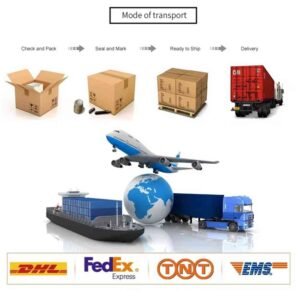
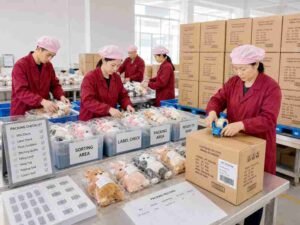

Make A Sample First?
If you have your own artwork, logo design files, or just an idea, please provide details about your project requirements, including preferred fabric, color, and customization options, we’re excited to assist you in bringing your custom plush designs to life through our sample production process.