 Skip to content

What Affects Custom Plush Toy Production Cost?
A custom plush toy may look like a soft and simple product, but its cost is shaped by many linked choices. A 20cm mascot with embroidered eyes, separate clothing, a hangtag, care label, retail box, and safety testing will not cost the same as a small plush keychain packed in a simple polybag. The difference is not only material. It comes from pattern work, fabric matching, filling level, embroidery time, sewing difficulty, accessory handling, inspection steps, packing volume, freight, and import charges.
Custom plush toy production cost is mainly affected by product size, fabric type, filling, pattern difficulty, embroidery or printing, accessories, sample development, MOQ, order quantity, QC, testing, packaging, shipping, tariffs, and delivery schedule. A clear design file, target size, quantity, material preference, packing plan, and sales region help the factory calculate a more accurate and stable quote.
The smartest plush projects do not start by asking for the lowest number. They start by deciding what the product must protect: character expression, soft touch, durability, retail appearance, child safety, gift value, or repeat consistency. Once those priorities are clear, cost becomes easier to control. A plush line can often reduce budget pressure without looking cheap, but only when the right details are simplified and the wrong ones are protected.
Why Do Custom Plush Toy Costs Vary?
Custom plush toy costs vary because every design uses a different mix of size, fabric, filling, pattern work, craft details, accessories, sample development, quantity, QC, packaging, testing, freight, and import cost. Two plush toys may look similar in one product photo, but if their structure, material level, packing method, and safety needs are different, the real cost will also be different.
A plush quote is not built from height alone. A 20cm round animal with two embroidered eyes can be much easier to produce than a 16cm fantasy character with horns, wings, shoes, clothing, tail, mixed fabrics, and a custom hangtag. The smaller plush may still cost more because it requires more panels, more sewing turns, more embroidery positions, more handling, and more inspection.
Cost also changes because plush products are soft 3D items. A small adjustment can affect many steps at once. Increasing the head volume adds fabric, filling, sewing, shaping, and carton space. Changing printed eyes to embroidery adds file setup, thread, machine time, and position control. Adding a retail box affects printing, packing labor, carton size, and freight. A plush product is rarely priced from one single factor; it is priced from the full production path.
A practical cost view should separate the product into visible and hidden work:
| Cost Area | Visible On Product | Hidden Work Behind It |
|---|---|---|
| Size | Height, width, thickness | Fabric use, filling amount, sewing time, carton volume |
| Face | Eyes, mouth, nose, cheeks | Embroidery file, thread colors, placement, QC comparison |
| Shape | Head, body, limbs, ears, tail | Pattern pieces, seam curves, turning, stuffing, shaping |
| Fabric | Softness, texture, color | Sourcing, pile direction, batch review, cutting control |
| Filling | Fullness and hand feel | Filling weight, distribution, resilience, recovery after packing |
| Craft | Embroidery, print, applique, patch | File setup, machine time, backing, positioning, trimming |
| Accessories | Keyring, zipper, magnet, sound part | Part sourcing, attachment, reinforcement, safety review |
| Labels | Care label, warning label, SKU | File setup, printing, sewing or sticking, packing control |
| Packing | Polybag, box, blind box, carton | Material, labor, volume, protection, warehouse flow |
| Testing | Safety documents | Sample preparation, lab cost, schedule impact |
| Freight | Delivery method | Carton size, volumetric weight, route, destination charges |
Many price misunderstandings happen because two quotes are not covering the same scope. One quote may include only the plush body with basic polybag packing. Another may include sample review, hangtag, care label, barcode label, carton mark, QC photos, packing review, and testing support. The second number may look higher at first, but it may reduce later changes, repacking work, or shipment delays.
The most reliable way to understand plush cost is to compare the same specification. Before comparing numbers, confirm product size, fabric, filling, craft method, accessories, packing, labels, quantity, testing needs, and shipping scope. Without those details, the quote is only a rough estimate.
For serious custom plush projects, a useful first brief should include:
| Detail To Provide | Why It Matters For Cost |
|---|---|
| Product type | Plush toy, mascot plush, keychain, bag charm, backpack, cloth book, weighted plush |
| Artwork | Shows shape, colors, face, posture, clothing, and details |
| Front / side / back views | Reduces pattern guessing and sample revision risk |
| Target size | Affects fabric, filling, sewing time, packing, freight |
| Quantity per design | Affects unit cost and setup cost sharing |
| Fabric preference | Changes hand feel, visual level, material sourcing |
| Filling preference | Changes softness, fullness, weight, and recovery |
| Craft method | Embroidery, printing, applique, patch, woven label |
| Accessories | Eyes, nose, hook, keyring, zipper, magnet, sound module |
| Packing method | Polybag, hangtag, retail box, gift box, blind box |
| Labels | Care label, warning label, barcode, SKU, FNSKU |
| Sales region | Affects testing, label planning, and document needs |
| Deadline | Affects schedule planning and possible freight choice |
Plush cost variation is not a bad thing. It gives room to build different versions for different goals. The same mascot can become a cost-efficient event gift, a mid-level retail plush, or a premium boxed collectible. The key is to decide which version fits the product purpose before sampling begins.
What Makes Plush Pricing Different?
Plush pricing is different because a plush toy is a soft sewn 3D product. Its cost is shaped by pattern balance, fabric behavior, stuffing pressure, seam curves, embroidery placement, hand finishing, and packing recovery. A flat printed item can often be priced from material size and print method. A plush product needs deeper review because the final look depends on how fabric, filling, and stitching behave together.
A round animal plush may need fewer panels and simple stuffing. A character plush with hair, horns, shoes, wings, clothing, and tail may need many small pieces. Small pieces can be harder than large pieces because they take more time to cut, sew, turn, and stuff neatly. If the design is too small, embroidery may also become harder to read, and labels may need special placement.
Some of the biggest hidden cost factors are not obvious in drawings:
- Tiny ears, horns, arms, or tails require careful sewing and stuffing.
- Long-pile fabric may need trimming around the eyes and mouth.
- Multi-color embroidery increases thread changes and machine time.
- Separate clothing needs its own pattern, fabric, cutting, sewing, and fitting.
- Metal keyrings and hooks need secure attachment and inspection.
- Retail packaging changes carton volume and freight.
- Multi-style plush lines need SKU separation and stronger packing control.
A plush price becomes clearer when the design is reviewed as a physical object, not just a nice image. Good cost planning asks how the plush will be sewn, filled, handled, labeled, packed, and shipped.
How Much Does It Cost To Manufacture A Plush Toy?
The cost to produce a plush toy depends on design complexity, size, fabric, filling, craft, accessories, quantity, packing, testing, freight, and import charges. A small simple plush in bulk usually costs less per piece than a large mascot, weighted plush, plush backpack, or detailed character plush. A stable quote needs more than one image; it needs project details.
For practical planning, plush cost can be divided into several layers:
| Cost Layer | What It Includes | Why It Matters |
|---|---|---|
| Development cost | Pattern, sample, craft setup, revisions | Needed before bulk production |
| Unit cost | Fabric, filling, cutting, sewing, craft, QC | Main cost per finished plush |
| Label cost | Care label, warning label, barcode, SKU, FNSKU | Supports retail and warehouse use |
| Packing cost | Polybag, hangtag, box, carton | Affects presentation and freight volume |
| Testing cost | Third-party testing when required | Depends on sales region, age group, structure |
| Freight cost | Express, air, sea, or other route | Depends on carton size, weight, destination |
| Import cost | Duties, tariffs, customs-related fees | Affects final landed cost |
A plush quote may look low if it only includes the unit cost. But the real project budget may change when labels, packing, testing, freight, and duties are added. For retail and online programs, landed cost is often more useful than factory unit price because it reflects what it takes to get the product ready for sale or distribution.
For example, a plush with a slightly higher unit price may still be smarter if it packs more efficiently, needs fewer corrections, protects shelf appearance, and reduces return risk. A lower unit price may become less attractive if the product needs a large box, extra repacking, or late label changes.
How Much Do Custom Made Plushies Cost?
Custom made plushies can cost very differently depending on whether they are personal handmade pieces, development samples, or bulk custom products. A handmade one-off item is priced by individual labor. A factory sample is priced by development work. A bulk order is priced by repeat production once the approved standard is confirmed.
A sample usually costs more than one bulk unit because it includes many first-time steps: artwork review, pattern development, material preparation, embroidery or printing setup, cutting, sewing, stuffing, shaping, accessory placement, and revisions. These steps are performed for one or a few pieces, so the cost is not spread across many units.
A bulk order becomes more efficient because the same pattern, fabric, embroidery file, label rule, and packing method can be repeated. Quantity helps spread fixed work across more pieces. This is why very small custom runs often have higher unit costs.
A simple cost comparison:
| Item Type | Cost Logic | What To Expect |
|---|---|---|
| One-off handmade plush | Individual labor and craft time | Usually not comparable with bulk production |
| Custom sample | Development, pattern, materials, revisions | Higher than one bulk unit |
| 500pcs bulk order | Standard starting quantity for many custom plush projects | More practical cost sharing |
| 1,000–2,000pcs order | Better setup cost sharing | More stable unit cost |
| 5,000pcs+ program | More efficient planning if details are stable | Stronger material and packing organization |
For Heyzizi projects, standard MOQ starts from 500pcs per design. Custom plush samples usually require a sample fee. When a single-style bulk order reaches 2,000pcs, the sample fee can be refunded or deducted. This connects sample work with real production and helps make the total cost structure more efficient for larger orders.
Why Can One Design Have Many Prices?
One plush design can have many prices because it can be made in different versions. A mascot plush can be cost-efficient, mid-level, or premium depending on fabric, filling, embroidery, clothing, labels, packing, QC level, and testing needs.
The same design can be adjusted in several ways:
| Design Area | Cost-Efficient Direction | Higher-Level Direction |
|---|---|---|
| Fabric | Standard short plush | Softer dense plush or special texture |
| Face | Simple embroidery | Dense multi-color embroidery |
| Clothing | Printed clothing effect | Separate sewn clothing |
| Logo | Small woven label or simple print | Embroidery, patch, custom hangtag |
| Filling | Standard softness | Fuller shaping or higher resilience |
| Accessories | Fewer decorative parts | Hooks, zippers, magnets, sound modules |
| Packing | Polybag | Retail box, gift box, blind box |
| Labels | Basic care label | Care label, warning label, barcode, SKU, FNSKU |
| QC | Standard checking | More detailed inspection and photo records |
The lower-cost version is not always poor. It may be the right choice for event gifts, school activities, wide distribution, or first launch testing. The higher-level version may be better for retail display, fan merchandise, licensed character programs, premium gifting, or collectible releases.
The key is to decide what must stay strong. If character recognition matters, protect the face and head shape. If the plush will hang from a bag, protect the loop and metal part. If the product will be sold online, protect packing recovery and photo consistency. If the plush is for children, protect safety-related decisions and labels.
Who Needs A Plush Cost Guide?
A plush cost guide is useful for teams planning mascot plush, IP character plush, retail plush, plush keychains, bag charms, blind box plush, education plush, event gifts, online plush items, weighted plush, plush backpacks, and private label plush lines. Cost planning helps decide where to spend, where to simplify, and which details should not be cut.
Different projects have different cost priorities:
| Project Type | Main Cost Focus |
|---|---|
| Mascot plush | Face shape, logo placement, color, embroidery |
| Character plush | Expression, clothing, accessories, approval changes |
| Plush keychain | Small-size sewing, hook strength, clean finish |
| Bag charm | Daily handling, attachment security, surface quality |
| Blind box plush | Multi-style control, box cost, SKU separation |
| Education plush | Safety review, durable stitching, care label |
| Event gift plush | Quantity, deadline, cost-efficient structure |
| Retail plush | Hangtag, barcode, care label, carton rule |
| Online plush | Packing recovery, freight volume, FNSKU |
| Weighted plush | Filling cost, seam strength, weight balance |
| Plush backpack | Zippers, straps, lining, load areas |
Cost planning is most helpful before sampling. If a design is too complex for the target budget, it can be adjusted early. After sampling, changes may require new materials, revised patterns, updated embroidery files, or extra sample work.
Is Low Price Always Better?
Low price is not always better. A lower quote is helpful when it comes from smart simplification, but risky when it weakens the parts that protect product value. Reducing unnecessary decoration is sensible. Reducing seam strength, face quality, label accuracy, or packing protection can create bigger costs later.
Good cost reduction may include:
- Slightly reducing size while keeping the same visual feeling.
- Using embroidery for the face but printing larger clothing areas.
- Choosing standard soft fabric instead of rare specialty fabric.
- Removing hidden decorations that do not affect recognition.
- Using polybag packing for event gifts instead of retail boxes.
- Reducing the number of fabric colors when similar colors are acceptable.
- Planning carton size early to control freight volume.
Risky cost reduction may include:
- Lowering filling until the plush looks flat.
- Using rough fabric for a premium gift item.
- Reducing embroidery quality on eyes or mouth.
- Weakening keyring, zipper, strap, or magnet areas.
- Skipping care label or warning label review.
- Using thin packing for online delivery.
- Delaying testing discussion for child-related products.
The best cost reduction protects what people notice most: face, hand feel, shape, durability, safety, and presentation. A lower quote should be checked by specification, not accepted only because the number is attractive.
Is 30 Dollars Expensive For A Plushie?
Whether 30 dollars is expensive for a plushie depends on what the price represents. A 30-dollar retail plush may be reasonable if it includes good fabric, detailed embroidery, safe structure, attractive packing, shipping, duties, warehouse handling, retail margin, promotion, and return allowance. A 30-dollar factory unit cost usually suggests a more complex product, small quantity, premium structure, special components, or detailed packaging.
Retail price, landed cost, sample cost, and factory unit cost are different. They should not be compared directly.
| Price Type | What It May Include |
|---|---|
| Sample cost | Pattern, material, sewing, craft setup, revisions |
| Factory unit cost | Plush production and agreed packing scope |
| Landed cost | Unit cost, packing, freight, duties, destination fees |
| Retail price | Landed cost, margin, operation, promotion, returns, profit |
| Handmade price | One-off labor, custom craft time, no bulk efficiency |
A 30-dollar plush can be expensive or fair depending on the product. A simple small plush in basic packing may not justify that number as a retail item unless the brand value is strong. A licensed-style collectible with premium fabric, dense embroidery, and a gift box may easily justify a higher retail price.
The better cost check is: what is included, what purpose does the plush serve, and does the final product match the expected value?
What Cost Details Should You Check First?
The first cost details to check are product type, size, design complexity, fabric, filling, craft method, accessories, quantity, sample needs, labels, packing, testing, shipping route, and deadline. These items shape the quote more than general product descriptions.
A strong first cost check can follow this table:
| Cost Detail | What To Confirm | Cost Effect |
|---|---|---|
| Product type | Toy, mascot, keychain, bag charm, backpack, cloth book | Process and structure differ |
| Size | Height, width, thickness | Fabric, filling, labor, carton volume |
| Shape | Simple body or complex character | Pattern and sewing difficulty |
| Fabric | Short plush, long plush, minky, faux fur | Material cost and detail clarity |
| Filling | Soft, full, firm, weighted, high-resilience | Touch, shape, weight, recovery |
| Craft | Embroidery, printing, applique, patch | File setup, machine time, labor |
| Accessories | Hook, keyring, zipper, magnet, sound module | Part cost and attachment work |
| Quantity | Per design and total order | Unit cost and setup sharing |
| Packing | Polybag, hangtag, box, blind box | Material, labor, freight volume |
| Labels | Care, warning, barcode, SKU, FNSKU | Retail and warehouse use |
| Testing | Needed by region, age group, structure | Lab cost and schedule |
| Freight | Express, air, sea, forwarder | Landed cost |
| Deadline | Normal or urgent | Scheduling and freight choice |
A quote without these details is only a starting estimate. A more stable quote begins with a complete brief, becomes clearer after sample review, and is usually most accurate after the approved sample and packing plan are confirmed.
Which Product Details Change The Price?
Product details that change custom plush toy price include size, fabric type, filling, pattern difficulty, face craft, printing, embroidery, accessories, clothing, labels, packaging, safety needs, and the number of styles. The more a plush design needs special material, precise shaping, dense decoration, functional parts, extra inspection, or custom packing, the more time and cost it adds.
A plush toy is not priced like a flat printed product. A small drawing change may affect several production steps at the same time. Making the head larger changes fabric use, filling volume, sewing balance, carton size, and freight. Adding a tail or horn may seem minor, but it creates extra pattern pieces, sewing curves, stuffing work, and symmetry checks. Replacing a printed face with embroidery improves durability and texture, but it also adds file setup, thread colors, machine time, backing material, and position control.
Cost should be reviewed from the full product structure, not from one photo. A 25cm simple animal with short plush and embroidered eyes can be easier to control than a 16cm character with clothing, hair, shoes, wings, zipper, hangtag, and box packing. Height alone does not explain cost. The real cost comes from how many steps are needed to make the plush look correct, feel soft, stay safe, and arrive in good condition.
A practical way to review detail-driven cost is shown below:
| Product Detail | Cost Pressure | Why It Changes Price |
|---|---|---|
| Larger size | High | More fabric, filling, sewing, carton volume, and freight |
| Thicker body | High | More filling and stronger shape control |
| Premium soft fabric | Medium to high | Higher material cost and stricter cutting control |
| Long-pile fabric | Medium | More trimming and harder face detail control |
| Dense embroidery | Medium to high | More thread, machine time, file work, and checking |
| Multi-color face | Medium to high | More thread changes and position control |
| Printing | Low to medium | Depends on color, method, area, and fabric surface |
| Applique | Medium | Extra cutting, layering, and sewing |
| Small limbs | Medium to high | Harder sewing, turning, stuffing, and inspection |
| Separate clothing | High | Extra patterns, fabrics, fitting, and QC |
| Keyring or hook | Medium | Hardware cost, attachment strength, pull review |
| Sound module | High | Component cost, inner structure, function check |
| Retail box | Medium to high | Printing, packing labor, carton volume, freight |
| Blind box | Medium to high | Box setup, style control, secrecy, SKU separation |
| Many styles | High | More samples, more files, more packing control |
The goal is not to remove every detail. A plush toy loses value if the face, softness, posture, or attachment strength is weakened. The better approach is to decide which details create visible value and which details only create hidden work. Spend on the parts people notice first: expression, touch, shape, strength, labels, and presentation.
How Does Plush Size Affect Cost?
Plush size affects cost because it changes fabric consumption, filling amount, sewing time, trimming work, packing method, carton volume, and freight. A larger plush does not only become taller. It also becomes wider, thicker, fuller, and harder to compress. This is why size changes can affect both unit cost and delivered cost.
A 30cm plush may use far more material than a 20cm plush because body volume grows in three directions: height, width, and thickness. The head may need extra filling support, the body may need stronger shape balance, and the carton may hold fewer pieces. For retail boxes, the effect is even larger because every centimeter of product size may also increase box size and carton volume.
Size also affects craft. Very small plush toys can be cheaper in fabric use but harder in detail control. Embroidery becomes harder to read. Small hands, ears, tails, and labels become more difficult to sew. A mini plush keychain may need less material than a 25cm stuffed animal, but its sewing precision and accessory attachment still need careful work.
| Size Choice | Cost Effect | Main Risk |
|---|---|---|
| 8–12cm mini plush | Lower material use, higher detail difficulty | Face details, labels, tiny limbs |
| 10–15cm keychain plush | Small size plus hardware work | Hook strength, neat stuffing, tiny seams |
| 18–25cm retail plush | Balanced size for display and cost | Fabric feel, face accuracy, packing recovery |
| 25–35cm mascot plush | Stronger visual effect, higher material use | Head shape, filling balance, carton volume |
| 40cm+ large plush | High material and freight pressure | Compression, shipping, shelf/storage space |
A small size reduction can sometimes control cost without hurting the product. Reducing a plush from 30cm to 27cm may reduce fabric, filling, carton volume, and freight pressure while keeping a strong visual look. But reducing too far can damage perceived value or make details hard to produce. The right size should match the use: keychain, blind box, mascot gift, retail plush, collectible, or cuddle product.
Which Fabric Type Costs More?
Fabric type affects price through material grade, pile length, density, hand feel, color control, cutting difficulty, and repeat availability. Plush fabric is not only about softness. It also affects face clarity, seam appearance, embroidery result, trimming work, color consistency, and how the product looks after packing.
Short plush is often more cost-friendly and easier for clean facial details because the surface is flatter. Long-pile plush feels fuller and softer but may hide embroidery, cover small seams, and need trimming around the eyes and mouth. Minky-style fabric can feel smooth and premium, but cost depends on density, color, and availability. Faux fur gives strong texture but needs careful direction control, because pile direction can make the same color look different from different angles.
| Fabric Direction | Cost Level | Good Use | Watch Carefully |
|---|---|---|---|
| Short plush | Low to medium | Small plush, mascot face, keychains | May look less premium if too thin |
| Soft short plush | Medium | Retail plush, character plush | Color and density consistency |
| Long plush | Medium to high | Animal plush, cuddle plush | Trimming, face clarity, shedding control |
| Minky-style fabric | Medium to high | Premium soft touch, baby-style plush | Stretch, color, cutting control |
| Faux fur | High | Animal texture, fashion plush | Pile direction and seam bulk |
| Velvet-like fabric | Medium | Clean character shapes | Surface marks and color variation |
| Multi-fabric mix | Medium to high | Clothing, contrast areas | More cutting and sewing separation |
Fabric choice should follow product purpose. If the plush depends on a clean face, shorter fabric around the face may work better. If the plush is meant to feel premium in hand, body fabric softness matters more. If the plush will be photographed for online sales, color and texture must be stable under lighting. If the plush is for a repeat program, fabric availability matters because future orders need consistent appearance.
A smart fabric plan may mix materials. Use a softer fabric on the body, a shorter fabric on the face, and a simpler fabric on clothing or inner areas. This can protect touch and expression while keeping cost more controlled.
What Filling Options Affect Price?
Filling affects price through material type, filling amount, softness, resilience, weight, recovery, and distribution work. Filling is one of the most noticeable cost areas because people feel it immediately. A plush with poor filling looks flat, lumpy, or cheap, even when the outer fabric is good.
Standard PP cotton is widely used for plush toys. The cost changes when a project needs fuller stuffing, softer hand feel, higher resilience, weight, firmer posture, or mixed filling. Weighted beads, pellets, or special filling materials add cost because they need containment, balance, and stronger seam review. For weighted plush, filling is not only about comfort; it also affects safety, leakage risk, and body shape.
| Filling Choice | Cost Effect | Product Result |
|---|---|---|
| Standard PP cotton | Standard | Soft, common, suitable for many plush toys |
| Fuller PP cotton | Medium | Better shape, stronger display effect |
| Softer fiber | Medium | Better cuddle feeling |
| High-resilience filling | Medium to high | Better recovery after compression |
| Firm filling areas | Medium | Better sitting posture or head support |
| Weighted beads | High | Weight effect, needs containment and seam strength |
| Mixed filling | Medium to high | Better balance, more process control |
Filling level must match product type. A mascot plush needs a stable head shape so the face does not collapse. A cuddle plush needs softness. A sitting plush needs bottom balance. A plush keychain needs compact fullness so it does not look wrinkled. A boxed plush needs recovery after packing.
Too much filling can also create problems. Overstuffed plush may feel hard, distort seams, or make the face look tense. Too little filling can make the product look tired before it reaches the shelf. The right filling decision balances touch, shape, weight, packing recovery, and cost.
How Do Embroidery And Printing Compare?
Embroidery and printing change price in different ways. Embroidery often costs more when the design is large, dense, multi-color, or highly detailed, but it gives a durable and textured result. Printing can be more efficient for flat graphics, gradients, large clothing areas, or soft color effects, but it depends on fabric surface, color accuracy, and durability needs.
Embroidery is often used for eyes, mouth, nose lines, logos, badges, and small facial details. It gives the plush a finished look and usually handles repeated touch better than many printed surfaces. The cost increases when there are more thread colors, larger stitch areas, higher density, or difficult positioning. Eye embroidery is especially important because even a 1–2mm position shift can change the expression.
Printing can reduce sewing complexity when clothing or pattern details are broad and flat. It may be useful for shirt graphics, cheek color, gradients, patches of color, or decorative patterns. But printing on plush fabric requires surface review. Long pile, uneven texture, or stretchy fabric can affect print clarity.
| Craft Method | Cost Behavior | Best Use | Risk To Check |
|---|---|---|---|
| Embroidery | Medium to high | Eyes, mouth, logo, durable details | Density, position, thread color |
| Printing | Low to medium | Clothing effect, flat graphics, gradients | Fabric surface, rubbing, color accuracy |
| Applique | Medium | Layered shapes, ears, cheeks, patches | Cutting and stitching alignment |
| Fabric patch | Medium | Brand badge, decoration | Edge sewing and placement |
| Woven label | Low to medium | Small brand mark | Label size and seam position |
For plush faces, embroidery is often worth protecting because expression drives emotional value. For large clothing areas, printing may save cost and reduce sewing time. For premium plush, combining embroidery, applique, and well-selected fabric can create richer detail without overcomplicating the whole design.
Which Accessories Add Extra Cost?
Accessories add cost through part sourcing, attachment work, reinforcement, function checking, packing protection, and safety review. Common plush accessories include plastic eyes, noses, keyrings, clips, hooks, zippers, magnets, sound modules, LED parts, bows, ribbons, removable clothing, patches, hangtags, and woven labels.
Accessories may look small in the design, but they often affect multiple production steps. A keyring needs a secure loop. A zipper needs straight sewing and smooth function. A magnet needs safe inner placement. A sound module needs space inside the body and may affect washing instructions. A removable scarf or jacket needs its own pattern, sewing, fitting, and inspection.
| Accessory | Added Cost Comes From | Main Review Area |
|---|---|---|
| Keyring / hook | Metal part, loop, reinforcement | Pull strength and position |
| Plastic eyes / nose | Part sourcing and fixing | Attachment and age-related safety |
| Zipper | Part cost and sewing accuracy | Smooth function and seam strength |
| Magnet | Inner placement and containment | Safety and secure sealing |
| Sound module | Component, inner pocket, function check | Battery area and label needs |
| LED part | Component and function check | Safety and wiring protection |
| Bow / ribbon | Material and sewing | Loose part risk |
| Removable clothing | Pattern, sewing, fitting | Size fit and small parts |
| Hangtag | Printing and attachment | Retail presentation |
| Woven label | Custom label and sewing | Position and comfort |
Accessories should have a clear reason. They should support product use, character identity, display value, or brand presentation. Extra parts that add little value can raise cost and risk. Functional parts should not be weakened to save a small amount. A broken keyring, loose zipper, or poorly attached magnet can damage the whole product experience.
Are Complex Shapes More Expensive?
Complex shapes are usually more expensive because they need more pattern pieces, more seam curves, more cutting, more turning, more filling control, more trimming, and more sample revisions. Shape complexity affects both development cost and bulk production speed.
A simple round plush has fewer risks. It can be cut, sewn, stuffed, and checked more smoothly. A character plush with a large head, tiny hands, thin tail, horns, wings, shoes, clothing, and layered hair is different. Each extra shape needs its own pattern piece and sewing process. Small or thin parts may require slower handling because they are hard to turn and fill evenly.
| Shape Detail | Why It Raises Cost |
|---|---|
| Large head with small body | Balance and posture control |
| Tiny arms or legs | Hard turning, stuffing, seam quality |
| Thin tail | Hard filling and symmetry |
| Horns or ears | Extra panels and position matching |
| Wings | More fabric layers and seam lines |
| Shoes or hands | Small detail sewing |
| Layered hair | Cutting, sewing, trimming |
| Sitting posture | Bottom shaping and filling balance |
| Separate clothing | Extra pattern and fit review |
| Asymmetrical design | More checking and positioning work |
Complexity should be kept when it defines the character. If horns, wings, hairstyle, or outfit are essential to recognition, they may be worth the extra cost. But if a detail is barely visible after stuffing, hidden behind clothing, or too small to produce cleanly, it may be better to simplify it.
A good sample review should ask: does this detail improve recognition, touch, function, or display? If not, it may only be adding cost.
What Type Of Plush Design Costs More?
Plush designs that cost more usually combine several high-effort features: larger size, multiple fabric types, detailed embroidery, complex body shape, separate clothing, functional accessories, special filling, custom labels, retail packaging, multiple styles, and safety testing needs. The cost rises because more material, more files, more sewing steps, more checking, and more packing control are needed.
Higher-cost plush directions often include:
| Plush Type | Why It Costs More |
|---|---|
| Mascot plush with logo and clothing | Shape accuracy, embroidery, outfit fitting |
| Character plush with detailed face | Expression control and stitch precision |
| Blind box plush series | Multiple styles, box packing, SKU separation |
| Plush keychain with tiny details | Small sewing plus hardware attachment |
| Bag charm plush | Surface quality and daily-use strength |
| Weighted plush | Filling cost, seam strength, weight balance |
| Plush backpack | Lining, zipper, straps, load areas |
| Baby cloth book | Many stitched panels and safety review |
| Retail boxed plush | Hangtag, care label, barcode, printed box, carton rule |
| Sound plush | Electronic part, inner structure, function checking |
A higher-cost design can still be a smart choice if it creates stronger value. A licensed-style character plush may need detailed embroidery because the face must be recognizable. A retail collectible may need a box because presentation drives perceived value. A plush backpack needs better stitching because it carries weight. A weighted plush needs stronger seams because filling containment is critical.
The wrong cost decision is not choosing a premium detail. The wrong decision is paying for details that do not improve the product while cutting details that protect quality. A strong plush design spends cost where it matters most: face, touch, structure, safety, function, and presentation.
How Do Sample, MOQ And Quantity Affect Cost?
Sample work, MOQ, and quantity affect custom plush cost because a plush project includes fixed development work before bulk production can run smoothly. Pattern making, sample sewing, embroidery file setup, material preparation, accessory review, label planning, packing discussion, and revision work all take time. When the order quantity is small, these fixed costs are shared by fewer pieces, so the unit cost becomes higher.
A plush sample is not priced like one regular bulk unit. It is the first real test of the design. The sample must prove whether the artwork can become a soft 3D product with the right shape, face, fabric, filling, size, craft, accessories, and packing direction. A good sample helps prevent much larger cost problems later.
MOQ also affects cost because custom plush production needs enough quantity to support material purchasing, cutting, sewing flow, QC planning, packing work, and shipment preparation. At very small quantities, the cost of setup, communication, files, and development becomes heavy. At higher quantities, the same preparation work can be spread across more units.
For Heyzizi custom plush projects, standard MOQ starts from 500pcs per design. Custom samples usually require a sample fee, and the sample fee can be refunded or deducted when the single-style bulk order reaches 2,000pcs. This structure is more suitable for real custom plush programs than one-piece personal requests.
A simple cost-sharing view:
| Quantity Level | Cost Behavior | What It Means |
|---|---|---|
| 1 sample | Highest cost per piece | Development work is concentrated into one item |
| 500pcs per design | Standard starting level | Pattern, craft, and setup cost begin to spread |
| 1,000pcs per design | Better cost sharing | Material and production planning become smoother |
| 2,000pcs per design | Stronger cost efficiency | Sample fee may be refunded or deducted |
| 5,000pcs+ per design | More stable program planning | Fabric, packing, QC, and production flow become easier to organize |
Quantity should always be reviewed by design, not only by total order number. A 3,000pcs order of one design is different from a 3,000pcs order across six characters. Six characters may need six samples, six pattern files, several embroidery files, separate packing checks, SKU control, and more inspection attention. The total quantity may look large, but each style still carries its own development cost.
Why Does A Custom Plush Sample Cost More?
A custom plush sample costs more because it includes development work, not only material and sewing. The first sample must turn flat artwork into a soft 3D product. This requires pattern work, fabric preparation, filling testing, embroidery or printing setup, accessory placement, hand sewing, stuffing, shaping, and review.
A sample may pass through these steps before it is ready to review:
| Sample Step | What Happens | Cost Reason |
|---|---|---|
| Artwork review | Shape, size, color, face, and structure are checked | Reduces wrong development direction |
| Pattern work | 2D panels are planned for a 3D plush shape | Controls body shape and repeatability |
| Material preparation | Fabric, filling, thread, and accessories are arranged | Small sample use is less efficient |
| Craft setup | Embroidery, printing, applique, or patch files are prepared | Setup takes time even for one piece |
| Sample sewing | Panels are cut, sewn, turned, filled, and shaped | More careful handwork than bulk flow |
| Review | Face, body, size, filling, and details are checked | Finds needed corrections before bulk |
| Revision | Pattern, fabric, embroidery, or accessories may be adjusted | Moves the plush closer to approval |
A sample also helps reveal cost risks. It may show that the ears are too small to sew cleanly, the face embroidery is too dense, the fabric hides the expression, the clothing is too complex, or the packing box is too large. Finding these issues during sampling is far less expensive than finding them after bulk production has started.
Sample Vs Bulk: What Changes In Cost?
Sample cost and bulk cost are different because they serve different purposes. A sample is built to develop and confirm the plush standard. Bulk production is organized to repeat that approved standard in quantity. The sample carries more one-time development work, while bulk cost focuses on repeated material use, labor flow, QC, labels, packing, and shipment preparation.
A practical comparison:
| Cost Area | Sample Stage | Bulk Stage |
|---|---|---|
| Pattern | Created, tested, and adjusted | Followed and controlled |
| Fabric | Prepared in small quantity | Ordered and arranged for production |
| Embroidery file | Set up and tested | Repeated across bulk units |
| Sewing | More individual handling | Organized by production steps |
| Filling | Tested for shape and hand feel | Controlled against approved sample |
| Accessories | Position and strength reviewed | Attached by confirmed method |
| QC | Development review | Material, in-line, final, and packing checks |
| Packing | Discussed or tested | Applied across all units |
| Cost logic | Development-focused | Repeat production-focused |
Bulk cost can still change after the first estimate if the approved sample changes. Adding more embroidery, switching fabric, increasing filling, adding accessories, changing labels, adding retail boxes, or requiring testing may all affect the final quote. This is why the approved sample should be linked to the final cost confirmation.
For custom plush products, the sample is not only a visual reference. It becomes the control standard for pattern, shape, softness, face placement, logo size, fabric, filling, and workmanship.
How Does MOQ Affect Unit Price?
MOQ affects unit price because custom plush projects include fixed setup work. Pattern development, sample preparation, material sourcing, embroidery file setup, label preparation, packing planning, production arrangement, QC setup, and shipment documents are needed even before large-scale sewing begins. When the quantity is small, each plush carries a larger share of these fixed tasks.
MOQ should be reviewed per design. A single-style 2,000pcs plush order has stronger cost sharing than a 2,000pcs order split into eight designs. Each design may need its own pattern, fabric notes, embroidery file, sample approval, packing review, and QC reference.
A simple comparison:
| Order Structure | Cost Situation |
|---|---|
| 500pcs x 1 design | Standard custom start, workable cost sharing |
| 500pcs x 4 designs | Four separate development paths, higher style-control work |
| 2,000pcs x 1 design | Better sharing of setup, sample fee may be deducted or refunded |
| 2,000pcs across 8 designs | More samples, more files, more SKU control |
| 5,000pcs x 1 design | Stronger efficiency if fabric, packing, and craft are stable |
Higher quantity often helps reduce unit pressure, but it does not remove complexity. A detailed plush with clothing, dense embroidery, special packing, or accessories may still require higher cost than a simple design at the same quantity. Quantity helps, but design structure still matters.
Is 500pcs Enough For Cost Control?
500pcs per design is often a practical starting level for custom plush cost control. It gives enough quantity to support pattern work, material preparation, production setup, QC planning, and packing flow. It is more realistic than very small custom runs, where development cost becomes too heavy per piece.
At 500pcs, a brand can test a new plush idea without jumping directly into a very large run. This works well for mascot plush, event plush, retail trial programs, plush keychains, plush bag charms, and private label plush launches. It gives enough room to check product response, packaging effect, and reorder potential.
However, 500pcs is usually not the lowest unit-cost level. If the product is expected to sell repeatedly or roll out across more channels, higher quantities can create better cost sharing.
| Quantity | Suitable Use | Cost Note |
|---|---|---|
| 500pcs | First run, launch test, controlled custom order | Good start, not lowest unit cost |
| 1,000pcs | Retail trial, event program, online launch | Better cost sharing |
| 2,000pcs | Stronger single-style order | Sample fee may be refunded or deducted |
| 5,000pcs+ | Larger program or repeat order | More efficient when details are stable |
500pcs can be enough to begin. For better cost control, the design should avoid unnecessary complexity, packing should be planned early, and repeat-order records should be saved from the first run.
How Long Does Sampling Affect Budget?
Sampling affects budget because every sample round uses time, material, craft setup, sewing work, review time, and sometimes express shipping. A simple plush may move faster, while a detailed mascot, character plush, weighted plush, plush backpack, or blind box series may need more review.
For many custom plush projects, first sample development may take around 7–14 days depending on structure, material, craft, and workload. Sample revision may take around 5–10 days depending on what needs to change. The real timing should be confirmed by product difficulty, material availability, number of styles, packing needs, and approval speed.
Sampling can increase cost or delay budget planning when key information is missing:
| Sampling Issue | Cost Effect |
|---|---|
| Only front-view artwork | Shape may need correction after first sample |
| No target size | Pattern and filling plan may be inaccurate |
| Fabric not confirmed | Sample may need remaking with new material |
| Face detail too dense | Embroidery file may need revision |
| Accessories added late | Structure and cost may change |
| Packing added after sample | Carton size and landed cost may shift |
| Too many approval rounds | More time before bulk production |
| Multiple styles | Each style needs separate control |
A sample round should be used to make decisions, not only to collect photos. Check size, face, body shape, fabric, filling, stitching, accessory strength, logo placement, label position, and packing fit. Clear feedback after each sample round keeps the project moving and prevents repeated changes.
When Does A Sample Fee Get Refunded?
For Heyzizi custom plush projects, the sample fee can be refunded or deducted when the single-style bulk order reaches 2,000pcs. This means the sample fee is connected to a real production plan. The sample fee covers early work such as pattern development, material preparation, craft setup, sewing, stuffing, shaping, and revision review.
The rule should be understood by single style. If a project includes several designs, the quantity per design matters. A total order of 2,000pcs split into four styles is not the same as 2,000pcs of one style. Each style may require its own sample and development work.
A practical view:
| Situation | Sample Fee Result |
|---|---|
| Sample only, no bulk order | Sample fee covers development work |
| Bulk order below 2,000pcs for one style | Sample fee usually remains separate |
| Single-style bulk order reaches 2,000pcs | Sample fee can be refunded or deducted |
| Multi-style order | Reviewed by quantity per design and sample work |
| Major change after sample approval | New sample or extra revision may affect cost |
This policy helps serious plush projects reduce total cost when they move into enough quantity. It also keeps sample development focused on real production instead of one-off requests.
Why Do Small Orders Have Higher Unit Prices?
Small orders have higher unit prices because the same preparation work is shared by fewer units. A custom plush project still needs artwork review, pattern work, sample sewing, material sourcing, embroidery file setup, label planning, packing preparation, QC arrangement, and shipment preparation, even when the quantity is low.
A small order may save on total material quantity, but it does not remove fixed work. The factory still needs to prepare patterns, source fabric, check accessories, arrange craft files, train the production flow, and inspect finished goods. These tasks become expensive when divided across too few pieces.
Small-order pressure often comes from:
| Cost Pressure | Why It Happens |
|---|---|
| Pattern setup | Needed for each custom design |
| Sample work | Needed before bulk approval |
| Material sourcing | Small purchases are less efficient |
| Embroidery setup | File work is needed even for low quantity |
| Accessory sourcing | Custom parts may have their own MOQ |
| Packing setup | Labels and cartons still need planning |
| QC arrangement | Inspection steps do not disappear |
| Style separation | Multi-style small orders need more handling |
Small orders can still be useful when testing a new plush idea, preparing a pilot launch, or checking product response. But they should be planned with realistic unit-cost expectations. If the goal is better cost control, increase quantity per design, reduce unnecessary styles, simplify low-value details, and keep the first order easy to repeat.
What Process Costs Should Be Planned?
Process costs should be planned before sample approval because custom plush cost is not only fabric, filling, and sewing. Pattern making, sampling, QC, needle detection, testing, labels, packaging, carton rules, shipping, duties, and import fees can all change the final budget. When these items are discussed early, the project has more room to adjust size, structure, materials, packing, and delivery method before expensive changes happen.
Many plush cost problems appear late because the early quote only covers the basic plush body. After the sample is approved, the project may still need care labels, warning labels, barcode labels, FNSKU, hangtags, retail boxes, blind box packing, safety testing, third-party inspection, carton marks, packing list, commercial invoice, and shipment preparation. These items may look small one by one, but together they can change the total cost and schedule.
A useful cost plan should follow the real production path:
| Process Stage | What To Plan | Why It Affects Cost |
|---|---|---|
| Design review | Product type, size, structure, use scene | Finds high-cost details before sampling |
| Pattern making | 2D panels for a 3D plush shape | Controls shape, sewing difficulty, and repeatability |
| Sample work | First sample, revised sample, approved sample | Confirms product standard before bulk production |
| Material sourcing | Fabric, filling, thread, accessories | Affects touch, color, cost, and lead time |
| Craft setup | Embroidery, printing, applique, patch | Adds file work, machine time, and checking |
| QC | Material, in-line, final, packing review | Reduces defect, rework, and shipment risk |
| Needle detection | Metal contamination control when needed | Supports safety review and shipment release |
| Testing | Third-party testing when required | Depends on age group, sales region, and structure |
| Labels | Care label, warning label, barcode, SKU, FNSKU | Supports retail, warehouse, and compliance flow |
| Packaging | Polybag, hangtag, box, carton | Affects presentation, labor, freight volume |
| Shipping | Carton size, weight, route, deadline | Affects landed cost |
| Duties and import fees | Classification, destination, declared value | Affects final arrival cost |
The best time to control these costs is before the plush is locked. If a retail box is planned early, the product size and box size can be balanced. If testing is discussed early, risky accessories can be adjusted before the final sample. If shipping volume is checked early, the carton layout can be improved. If labels are planned early, seam position and hangtag method can be confirmed before bulk work.
How Does Pattern Making Affect Cost?
Pattern making affects cost because it turns flat artwork into a soft 3D plush shape. A good pattern controls head size, body posture, limb angle, seam position, stuffing space, balance, and repeatability. A weak pattern can cause poor shape, slow sewing, high defect rates, more revisions, and unstable bulk production.
Simple plush shapes may need fewer panels. Complex characters may need many pieces to create hair, horns, ears, shoes, wings, clothing, tail, or sitting posture. More panels mean more cutting, sewing, turning, filling, trimming, and checking. Small parts can be especially expensive because they take time to sew and fill cleanly.
| Pattern Feature | Cost Effect | Common Risk |
|---|---|---|
| Round body | Lower | Shape is easier to repeat |
| Large head | Medium to high | Needs balance and filling support |
| Tiny limbs | High | Hard to sew, turn, and stuff |
| Thin tail | Medium to high | Easy to look uneven |
| Horns or wings | Medium to high | Needs symmetry and attachment control |
| Separate clothing | High | Needs extra patterns and fitting |
| Sitting posture | Medium to high | Requires bottom balance |
| Plush backpack shape | High | Needs function, lining, zipper, and strap planning |
| Weighted plush structure | High | Needs filling containment and seam strength |
Pattern making is also where cost can be saved intelligently. If a detail is too small to sew cleanly, it may be enlarged, embroidered, simplified, or removed. If long-pile fabric hides the face, the face panel may use shorter fabric. If a character has too many separate clothing pieces, some areas may be printed or appliqued instead.
A strong pattern may cost more during development, but it can reduce problems later. It helps the approved sample become a more stable reference for bulk production.
What QC Steps Add Value?
QC steps add value because they reduce the risk of defects, rework, shipment delay, retail rejection, and product complaints. For plush products, QC should not happen only at the final carton stage. It should cover material arrival, cutting, embroidery or printing, sewing, stuffing, shaping, needle detection when required, finished product review, packing review, and shipment preparation.
Plush defects are often easier to correct early. A wrong fabric color can be caught before cutting. A crooked embroidery position can be found before sewing. Weak seams can be improved before stuffing. Mixed SKU labels can be corrected before cartons are sealed. Final inspection is important, but relying only on final inspection is risky because many defects become expensive after production is complete.
| QC Stage | What Gets Checked | Cost Value |
|---|---|---|
| Incoming material check | Fabric, color, filling, thread, accessories | Prevents wrong material from entering production |
| Cutting check | Panel shape, fabric direction, size | Reduces shape and alignment issues |
| Embroidery / printing review | Position, color, clarity, density | Protects face and logo accuracy |
| Sewing inspection | Seam strength, stitch quality, symmetry | Reduces breakage and poor shape |
| Filling check | Fullness, softness, balance | Protects hand feel and appearance |
| Accessory check | Keyring, hook, zipper, magnet, sound part | Reduces function and safety risk |
| Finished product review | Size, face, shape, cleanliness | Confirms finished goods match approved sample |
| Needle detection | Metal contamination control when needed | Supports safety review |
| Packing review | Label, SKU, box, carton mark | Reduces warehouse and shipment issues |
QC adds handling time, but poor QC can cost more than careful checking. A plush that arrives with dirty fabric, weak seams, wrong labels, mixed styles, flat filling, or crushed packing may need replacement, discount, repacking, or delayed launch handling. For licensed character plush, mascot plush, education plush, retail plush, and multi-SKU programs, QC is part of protecting the whole project.
Do Safety Tests Increase Price?
Safety tests can increase the project cost when third-party testing is required by age group, destination region, sales channel, product structure, materials, or accessories. Testing may also affect timing because samples, documents, labels, and lab review need to be prepared before shipment or product release.
Not every plush needs the same testing path. A simple adult collectible may have different needs from a children’s stuffed animal. A plush with plastic eyes, magnets, metal hooks, weighted beads, sound modules, or printed coatings may need more review than a fully embroidered plush with simple fabric and filling. A product for the USA, EU, UK, Canada, Australia, or other regions may need different document preparation.
Testing cost can be affected by:
| Factor | Why It Matters |
|---|---|
| Age group | Children’s products often need stricter review |
| Sales region | Different regions may require different standards |
| Plastic parts | Eyes, nose, hooks, or decorations may need review |
| Metal parts | Keyrings, clips, and hooks may need checking |
| Printed surfaces | Coatings and colors may affect chemical review |
| Weighted filling | Needs containment and seam review |
| Sound module | May need function and battery-related review |
| Number of styles | More styles may need more sample submission |
| Label files | Warning and tracking details may need confirmation |
| Timeline | Late testing can delay shipment |
Safety review should happen before the approved sample is locked. If a product includes risky accessories, it is better to adjust the design early than to fail testing after bulk production. For example, plastic eyes may be changed to embroidery, a small removable part may be removed, or a magnet position may be redesigned. Early review gives more choices and lower correction cost.
Testing should be treated as part of cost planning, not a last-minute document request.
Which Labels Affect Total Cost?
Labels affect total cost through design, printing, sewing, attachment, placement, file handling, packing accuracy, and warehouse use. For plush products, labels are not only decoration. They help with care instructions, safety information, retail scanning, SKU separation, online warehouse receiving, carton identification, and repeat order control.
Common plush label and file types include:
| Label / File | Cost Area | Why It Matters |
|---|---|---|
| Care label | Printing and sewing | Shows cleaning and handling instructions |
| Warning label | Content, layout, placement | Supports age and safety information when needed |
| Tracking label | Production traceability | Helps identify production details |
| Barcode label | Printing and placement | Supports retail scanning |
| SKU label | Style and color separation | Prevents mixed inventory |
| FNSKU label | Online warehouse preparation | Supports platform receiving when required |
| Hangtag | Design, printing, attachment | Improves retail presentation |
| Woven label | Custom weaving and sewing | Adds brand identity |
| Carton mark | Carton printing or sticker | Helps warehouse and logistics handling |
| Packing list | Shipment file | Confirms carton quantity and contents |
| Commercial invoice | Export and import file | Supports customs and shipment handling |
Small plush products need careful label planning. A 10cm plush keychain may not have enough seam space for a large care label, warning label, and brand label. A blind box plush may need inner SKU control without revealing the hidden style to the end user. A retail plush may need hangtag, barcode, care label, and carton mark to work together.
Label cost problems often come from late decisions. If barcode files or FNSKU requirements arrive after packing has started, cartons may need reopening. If warning label content changes after hangtags are printed, labels may need reprinting. If carton marks do not match the packing list, warehouse receiving may be delayed.
Labels should be confirmed before bulk packing begins.
How Does Packaging Change Budget?
Packaging changes budget through material cost, printing, labor, product protection, carton volume, shipping cost, and presentation. A simple polybag is usually more cost-efficient than a printed retail box, but it may not provide enough shelf value or gift feeling. A blind box can support collectible sales, but it adds box printing, inner packing, style control, SKU management, and carton separation.
Packaging should match the product goal. Event gifts often need clean and efficient packing. Retail plush may need hangtags, barcode labels, and display-friendly boxes. Online plush may need packing that protects shape during delivery. Blind box plush needs secrecy, style separation, and consistent outer box quality. Premium gift plush may need a box that adds value without creating excessive freight volume.
| Packaging Type | Cost Level | Best Use | Cost Risk |
|---|---|---|---|
| Individual polybag | Lower | Simple bulk packing, event gifts | Less retail presentation |
| Polybag + hangtag | Low to medium | Basic retail or brand presentation | Hangtag design and attachment |
| Retail box | Medium to high | Shelf display, gift programs | Box printing and freight volume |
| Gift box | High | Premium launch or keepsake item | Higher material and carton space |
| Blind box | Medium to high | Collectible series | Style control and SKU separation |
| Display box | High | Counter or shelf display | Larger carton and handling cost |
| E-commerce packing | Medium | Online shipping | Protection and recovery after compression |
Packaging also affects the plush itself. Tight packing may save freight but can crush the face, ears, tail, or clothing. Loose packing may protect shape but increase carton volume. The best packing balances recovery, presentation, and shipping efficiency.
Before bulk packing, test whether the plush recovers after being packed. Check face, ears, bow, clothing, tail, and box fit. This is especially important for online sales, retail boxes, large plush, long-pile fabrics, and gift programs.
What Shipping Costs Are Easy To Miss?
Shipping costs are easy to miss because plush toys are often light but bulky. Freight may be affected more by carton volume than actual weight. A large plush, retail box, gift box, or loose packing method can increase shipping cost even when the product itself is not heavy.
Common overlooked shipping costs include:
| Shipping Item | Why It Is Missed |
|---|---|
| Volumetric weight | Carton size can matter more than actual weight |
| Carton quantity | Larger packing means more cartons |
| Retail box volume | Box size increases freight and storage pressure |
| Local delivery | Destination-side delivery may be separate |
| Warehouse appointment | Some receiving locations require scheduled delivery |
| Repacking | Needed if labels, cartons, or packing are wrong |
| Storage | Can appear when customs or delivery is delayed |
| Document correction | Wrong invoice or packing list may cause extra handling |
| Forwarder handling | Service fees may be separate from freight |
| Urgent freight | Express or air cost can rise quickly near launch dates |
Shipping method should match timeline and quantity. Samples often move by express. Urgent small orders may use air. Larger plush programs often need sea freight or another planned route, depending on deadline and destination. Large boxed plush items need special attention because the carton volume can increase landed cost quickly.
A practical freight check should include:
- Finished product size
- Packing method
- Inner box size
- Carton size
- Carton quantity
- Gross weight
- Volumetric weight
- Shipping route
- Destination address type
- Warehouse receiving rules
- Delivery deadline
A low unit price can become less attractive if packaging creates high freight volume. Cost planning should always include carton and shipping review, not only the plush itself.
Are Plushies Affected By Tariffs?
Plushies can be affected by tariffs, duties, taxes, customs fees, and destination handling costs depending on product classification, country of origin, destination country, declared value, shipping terms, and current import rules. These costs are part of landed cost, not only factory cost.
A plush toy, plush keychain, plush backpack, plush accessory, or weighted plush may not always be treated the same way by customs. Product material, function, and classification may affect the duty path. Import rules can also change, so the final duty rate should be checked with a forwarder, customs broker, or local import specialist before shipment.
Tariff planning should review:
| Item | Why It Matters |
|---|---|
| Destination country | Duties and taxes differ by country |
| Product classification | Customs code affects duty calculation |
| Country of origin | May affect tariff treatment |
| Declared value | Used for duty and tax calculation |
| Product type | Toy, accessory, bag, or other function may differ |
| Materials | Some materials may need clearer description |
| Shipping term | Defines which side handles duties and fees |
| Commercial invoice | Must match product, value, and shipment details |
| Packing list | Supports customs and receiving review |
Factory unit price usually does not include destination duties unless the shipping term clearly includes them. When planning a plush program, separate product cost, packing cost, freight cost, and import-side cost. This gives a more realistic view of the total budget.
How Do Duties And Import Fees Affect Cost?
Duties and import fees affect the final landed cost after the goods arrive at the destination. A plush product may look affordable at the factory-price level, but the total cost changes after freight, duty, tax, customs clearance, local delivery, warehouse receiving, storage, and handling fees are added.
A simple landed cost structure:
| Cost Layer | Example Items |
|---|---|
| Product cost | Plush unit price, labels, packing |
| Export-side preparation | Cartons, packing list, commercial invoice |
| Freight | Express, air, sea, rail, or forwarder route |
| Import-side cost | Duty, tariff, tax, customs clearance |
| Destination handling | Local delivery, warehouse appointment, receiving fee |
| Extra cost risk | Storage, repacking, delay, document correction |
Landed cost matters because it shows the real cost of getting the plush ready for distribution. A product with a slightly higher factory unit price may still be better if it uses compact packing, fewer cartons, clearer labels, and smoother warehouse receiving. A low unit price may become less attractive if the carton volume is too high or documents are incomplete.
To reduce import-side cost surprises:
- Confirm shipping terms before order confirmation.
- Review carton size and gross weight before shipment.
- Prepare accurate packing list and commercial invoice.
- Confirm product description and classification with the forwarder.
- Check duties and import fees before selecting the final shipping method.
- Keep label, carton mark, and SKU information consistent.
- Avoid last-minute packing changes that affect carton details.
For plush projects, process cost planning is not extra paperwork. It is how the product moves safely from approved sample to finished goods, from packing to shipment, and from arrival to final sale or distribution.
How Can Brands Control Plush Cost?
Brands can control plush cost by deciding product priorities before sampling, simplifying details that add little value, protecting the features people notice most, choosing practical materials, planning quantity carefully, confirming packing early, and comparing quotes by specification instead of number alone. The best cost control does not make the plush look cheap. It removes waste while keeping expression, touch, durability, safety, and presentation stable.
Cost control works best when it starts before the first sample. Once a sample is made with premium fabric, dense embroidery, separate clothing, custom accessories, and a retail box, reducing cost later may require redesign, new sample work, revised labels, changed carton plans, and delayed production. Early planning keeps more choices open.
A smart plush project usually separates details into three groups:
| Detail Type | Examples | Cost Decision |
|---|---|---|
| Must protect | Face expression, main fabric feel, seam strength, key attachment, safety labels | Do not cut casually |
| Can optimize | Size, embroidery coverage, fabric mix, accessory count, packing style | Adjust carefully |
| Can remove | Hidden details, unnecessary parts, oversized boxes, duplicate labels, low-value decorations | Simplify or delete |
The most useful is not “How can the cost be lower?” A better is “Which cost creates real product value?” A mascot plush should protect its face. A keychain plush should protect its hanging loop. A retail plush should protect shelf look, labels, and packing. A weighted plush should protect seam strength and filling containment. A plush backpack should protect straps, zippers, lining, and load areas.
For a product team, cost control should also look at total cost, not only unit cost. A plush with a slightly lower unit price may become more expensive if the carton volume is too large, the box is overbuilt, the label plan is wrong, or shipment needs rework. A slightly higher unit price may be better if it reduces complaints, protects display quality, and makes repeat orders easier.
A practical cost control map:
| Cost Area | Safer Optimization | Risky Cut |
|---|---|---|
| Size | Reduce 2–5cm if visual impact remains strong | Make it too small for embroidery or labels |
| Fabric | Use premium fabric only on visible areas | Use rough fabric for a product meant to feel soft |
| Embroidery | Keep face detail, simplify hidden decoration | Reduce eye or mouth quality |
| Filling | Match fullness to product role | Make the plush flat to save material |
| Accessories | Keep functional parts, remove low-value trim | Weaken keyring, zipper, strap, or magnet control |
| Packing | Choose fit-for-purpose packing | Use weak packing for online or retail delivery |
| Labels | Plan only needed labels clearly | Skip care, warning, barcode, or SKU review |
| Quantity | Use MOQ and repeat plan wisely | Split too many styles into tiny quantities |
| Testing | Review needs early | Delay safety review until bulk is finished |
| Shipping | Plan carton size early | Ignore volumetric weight |
For Heyzizi projects, cost planning should begin with artwork, target size, quantity, material preference, craft details, packing needs, sales region, and delivery deadline. With these details, the project can be reviewed more accurately before sample development and bulk work.
What Is The Best Cost Control Method?
The best cost control method is to lock the product goal first, then design around that goal. A plush made for a premium retail shelf should not be cost-controlled the same way as an event giveaway. A mascot plush should not be simplified in the same way as a plush keychain. A blind box plush series should not be planned like one single stuffed animal.
A practical cost-control process can follow these steps:
| Step | What To Decide | Cost Benefit |
|---|---|---|
| 1 | Product role | Prevents overbuilding or underbuilding |
| 2 | Target size | Controls material, filling, carton volume |
| 3 | Main visual details | Protects face, logo, and recognition |
| 4 | Material level | Matches touch and price target |
| 5 | Craft method | Balances embroidery, printing, applique |
| 6 | Accessory plan | Avoids unnecessary parts |
| 7 | Packing level | Controls presentation and freight |
| 8 | Quantity plan | Spreads setup cost more efficiently |
| 9 | Test and label needs | Prevents late extra cost |
| 10 | Repeat plan | Keeps future orders more stable |
Good cost control usually keeps the face strong and simplifies less visible details. For example, keep embroidery for eyes and mouth, but use print for large clothing areas. Keep a soft main body fabric, but use a simpler fabric for inner or less visible parts. Keep a secure keyring attachment, but simplify decorative trim that does not affect use.
The cost target should be discussed before sampling. If the target budget is tight, the factory can suggest size, fabric, craft, or packing changes early. If the target product is premium, the sample should be built to show the right material and detail level from the start.
How Can Design Simplify Production?
Design simplification reduces cost by lowering pattern pieces, sewing steps, fabric changes, embroidery density, accessory handling, and packing complexity. A simplified plush does not need to look plain. It should keep the design elements that create recognition while removing details that are hard to produce or barely noticed.
Useful simplification methods include:
- Reduce very tiny limbs, horns, ears, or tails that are hard to turn and fill.
- Use embroidery for key facial details, but avoid large unnecessary embroidered areas.
- Replace separate clothing with printed or applique clothing when the outfit is not the main value.
- Limit the number of fabric colors if similar colors do not improve recognition.
- Avoid hidden accessories that increase sewing but add little visible effect.
- Keep the plush shape balanced so stuffing and posture are easier to control.
- Use standard label positions when possible.
- Choose packing that fits the product instead of oversized presentation boxes.
A simplified design can still feel strong when it protects the right features. For character plush, the face matters most. For animal plush, fabric feel and body shape may matter more. For plush keychains, small shape clarity and attachment strength matter. For retail plush, hangtag, barcode, and carton accuracy may matter as much as the plush itself.
Design simplification should happen with sample review. If a first sample shows that a tiny part is hard to sew cleanly, it may be better to enlarge it, embroider it, or remove it. If long-pile fabric hides facial details, a shorter fabric panel around the face may solve both appearance and cost issues. Good simplification keeps the final product attractive while making production cleaner.
Which Details Should Not Be Cut?
Some plush details should not be cut casually because they protect product identity, safety, durability, or sales presentation. Saving a small amount on these areas can create much larger problems after delivery.
Details that deserve protection include:
| Detail | Why It Should Stay Protected |
|---|---|
| Face expression | Controls character recognition and emotional appeal |
| Main fabric hand feel | Affects first touch and perceived value |
| Seam strength | Protects durability and safety |
| Filling balance | Controls shape, softness, and display effect |
| Keyring or hook attachment | Prevents breakage during daily use |
| Zipper and strap areas | Critical for plush bags and backpacks |
| Weighted filling containment | Prevents leakage and uneven weight |
| Care label | Supports correct cleaning and handling |
| Warning label | Supports age and safety information when needed |
| Barcode / SKU label | Protects retail and warehouse accuracy |
| Packing protection | Helps the plush arrive clean and shaped |
| QC and needle detection | Helps reduce avoidable safety and defect risk |
For example, reducing fabric quality on a premium mascot plush can make the product feel cheap even if the shape is good. Reducing embroidery quality on a face can change the whole expression. Reducing filling can make a display plush collapse. Using a weak hanging loop on a plush keychain can lead to quick breakage.
Cost cuts should focus on low-value complexity, not core quality. It is safer to simplify packaging level, reduce hidden decorations, adjust size slightly, or combine similar colors than to weaken the features people touch, see, or rely on.
How To Compare Factory Quotes Fairly?
Factory quotes should be compared by specification, not only by the final number. A low quote may exclude labels, packing, testing, carton marks, QC photos, or shipping. A higher quote may include a fuller scope. Without checking what is included, the comparison can be misleading.
A fair quote comparison should include:
| Quote Item | What To Compare |
|---|---|
| Size | Height, width, thickness, final stuffed volume |
| Fabric | Type, pile length, density, hand feel, color reference |
| Filling | Material, fullness, softness, recovery |
| Pattern | Simple body or complex shaped character |
| Face craft | Embroidery, printing, applique, thread colors |
| Accessories | Eyes, nose, hook, keyring, zipper, magnet, sound part |
| Clothing | Printed effect or separate sewn clothing |
| Labels | Care label, warning label, barcode, SKU, FNSKU |
| Packing | Polybag, hangtag, retail box, blind box, carton rule |
| QC | Incoming, in-line, final, packing review |
| Needle detection | Included when required or quoted separately |
| Testing | Whether third-party testing is included or separate |
| Shipping | Factory price only or delivered cost |
| Timeline | Sampling, bulk production, packing, shipment preparation |
| Sample fee | Amount, revision rule, refund or deduction condition |
A strong comparison should ask, “Are these quotes describing the same product?” If one quote uses standard short plush and the other uses premium fabric, they cannot be compared directly. If one includes a retail box and the other includes only polybag packing, the numbers will not mean the same thing.
A quote should also be checked for missing items. Common missing items include hangtags, care labels, warning labels, barcode labels, FNSKU labels, printed boxes, carton marks, testing, third-party inspection, and freight. These may appear later if not confirmed early.
What Project Details Help Pricing?
Accurate pricing depends on complete project details. A single reference image is useful, but it cannot confirm the final cost. The factory needs to understand the product’s size, materials, structure, craft, accessories, packing, quantity, destination, and deadline.
Helpful details include:
| Project Detail | Why It Helps Pricing |
|---|---|
| Product type | Plush toy, mascot, keychain, bag charm, backpack, cloth book, weighted plush |
| Artwork | Shows character, proportion, color, and visual detail |
| Views | Front, side, back, and details reduce pattern guessing |
| Size | Controls fabric, filling, sewing, carton size |
| Quantity per design | Affects unit cost and setup sharing |
| Fabric preference | Changes material level and hand feel |
| Filling requirement | Changes softness, fullness, weight, recovery |
| Craft details | Embroidery, printing, applique, woven label, patch |
| Accessories | Eyes, nose, hook, keyring, zipper, magnet, sound module |
| Packing method | Polybag, hangtag, retail box, gift box, blind box |
| Labels | Care label, warning label, barcode, SKU, FNSKU |
| Sales region | Affects testing and label planning |
| Use scene | Retail, event, education, e-commerce, gift, collectible |
| Deadline | Affects production schedule and shipping route |
| Repeat plan | Helps plan records and material consistency |
The more complete the brief, the more stable the quote. If the design changes after sampling, the cost may also change. For example, adding clothing, increasing embroidery size, changing fabric, adding a retail box, or requiring safety testing can all affect price.
For a first review, the most important details are artwork, target size, quantity, fabric preference, craft method, packing needs, sales region, and delivery date. With these details, the factory can provide a clearer cost direction and out possible risks before sample work starts.
When Is A Factory Ready To Quote?
A factory is ready to quote more accurately when the project details are clear enough to estimate material, labor, sample work, packing, testing, and delivery needs. A rough cost direction may be possible from early artwork, but a stable quote needs more information.
A quote becomes more reliable when these details are confirmed:
| Detail Status | Quote Reliability |
|---|---|
| Only one image | Very rough estimate |
| Image + target size + quantity | Basic cost direction |
| Artwork + size + quantity + fabric | Better material estimate |
| Artwork + fabric + craft + accessories | Stronger production estimate |
| Packing + labels + destination | Better total cost planning |
| Approved sample | Most stable production reference |
| Final packing and testing route | Stronger landed cost planning |
A factory should not promise a final price too early. Plush cost changes when the real product changes. If the first quote was based on a simple body but the final sample includes clothing, dense embroidery, custom hangtag, retail box, and testing, the cost will change.
A more reliable quote usually comes in stages:
- Early estimate based on artwork and basic details.
- Sample estimate after product direction is reviewed.
- Bulk quote after size, fabric, craft, quantity, and packing are clearer.
- Final confirmation after approved sample, labels, testing, and shipping scope are settled.
This staged approach protects both the product and the budget. It keeps the quote connected to the actual plush, not to assumptions.
How Can Cost Stay Stable For Repeat Orders?
Cost stays more stable for repeat orders when product records are well kept and material availability is reviewed before each new production run. Plush products are sensitive to fabric batches, thread colors, embroidery files, filling level, patterns, labels, and packing rules. If these records are missing, a repeat order may drift in both cost and appearance.
Useful repeat-order records include:
- Approved sample photos
- Pattern notes
- Size measurements
- Fabric references
- Filling notes
- Embroidery or printing files
- Accessory specifications
- Label files
- Packing instructions
- Carton marks
- QC notes
- Shipment photos
- Feedback from the last order
Repeat cost can still change because material prices, fabric availability, labor, freight, exchange rates, tariffs, and packaging costs may move over time. But good records reduce unnecessary redevelopment and confusion.
For long-term plush programs, cost stability depends on planning from the first order. Use approved samples, save material notes, confirm label files, and keep carton rules. A plush line that starts with clear records is easier to expand into new sizes, new styles, seasonal versions, or repeat production.
If you are preparing a custom plush project, send artwork, target size, quantity, fabric preference, craft details, packing needs, destination region, and delivery deadline to Heyzizi for review. The team can help review cost drivers, sample direction, packing options, QC focus, and production feasibility before the order moves forward.
Let's work together
With over 20 years of OEM/ODM plush toys industry experience, I would be happy to share with you the valuable knowledge related to plush products from the perspective of a leading supplier in China.

Factory catalogue
Table of Contents
Latest blogs
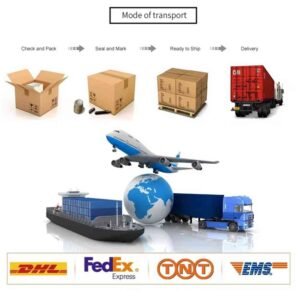
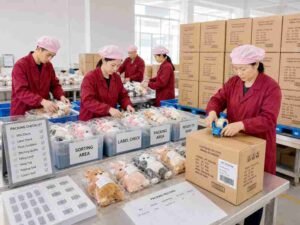

Make A Sample First?
If you have your own artwork, logo design files, or just an idea, please provide details about your project requirements, including preferred fabric, color, and customization options, we’re excited to assist you in bringing your custom plush designs to life through our sample production process.