How to Turn 2D Character Artwork Into an Accurate 3D Plush
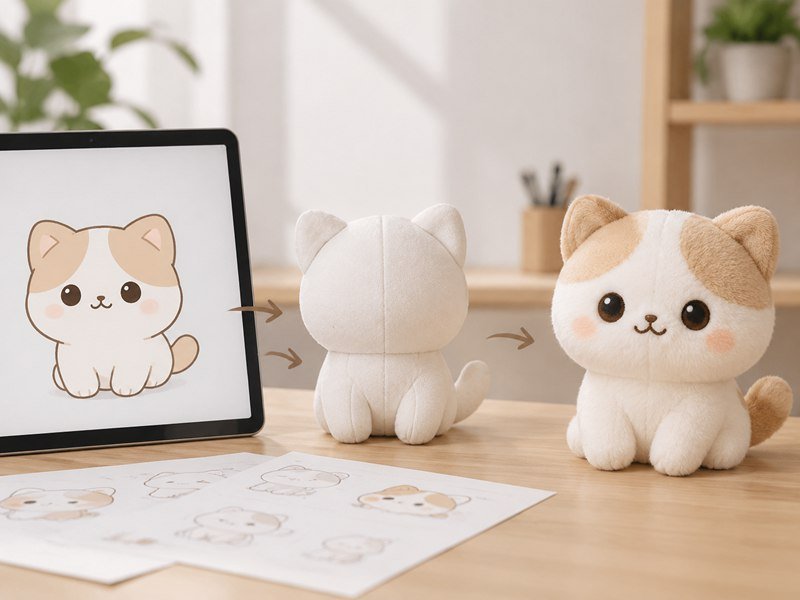
Turning 2D character artwork into an accurate 3D plush requires more than copying shapes. The design must be translated into physical volume, sewing patterns, fabric surfaces, embroidery, filling, and stable proportions. Accurate development protects the character’s silhouette, facial relationships, colors, and signature details while resolving information that flat artwork cannot fully show, including head depth, body thickness, attachment angles, and hidden surfaces.
What Hidden Costs Affect Custom Plush Projects?
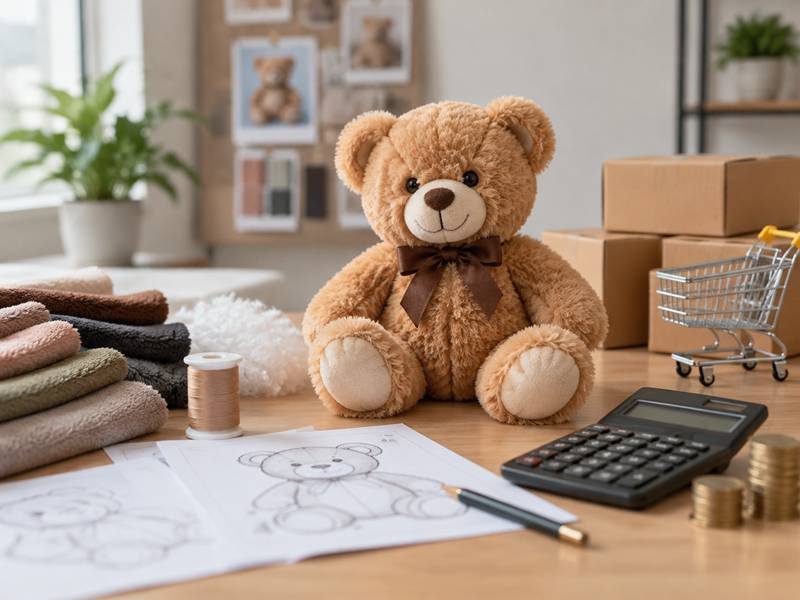
A custom plush quote may look complete while important costs remain undecided. Sample revisions, special fabrics, Pantone matching, embroidery, accessories, safety testing, retail packaging, inspection, carton volume, freight, and import charges can all change the final spend. Understanding when these costs appear helps brands compare quotations accurately, control design decisions earlier, and calculate a more realistic delivered cost before bulk production begins.
What Information Helps a Plush Factory Quote Faster?
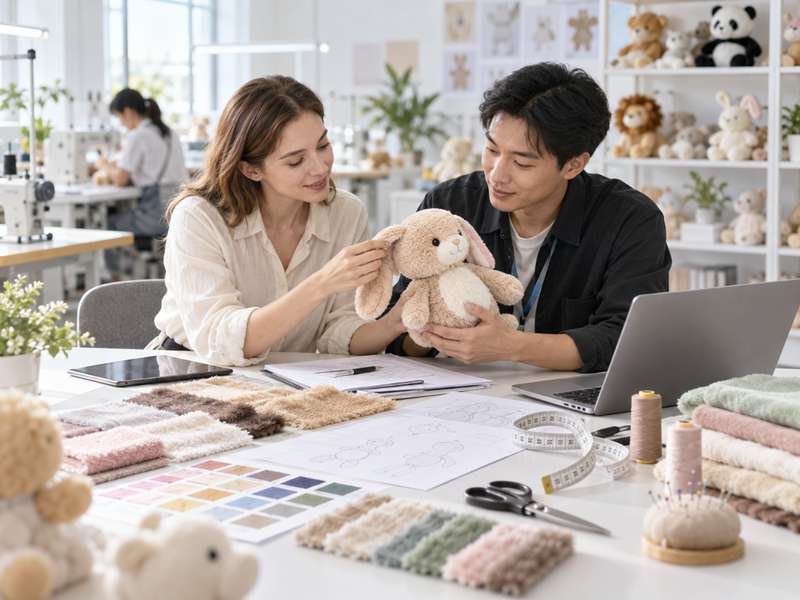
A faster plush quotation starts with clear product information. Provide artwork, finished dimensions, quantity per design, SKU structure, fabric direction, decoration, accessories, packing, destination and required timing. Mark undecided details as flexible instead of leaving them open to assumption. This gives the factory a clearer basis for material use, construction, testing, capacity planning and commercial comparison, while reducing clarification rounds, sample confusion and avoidable price revisions during development.
How to Compare Custom Plush Quotes from Factories
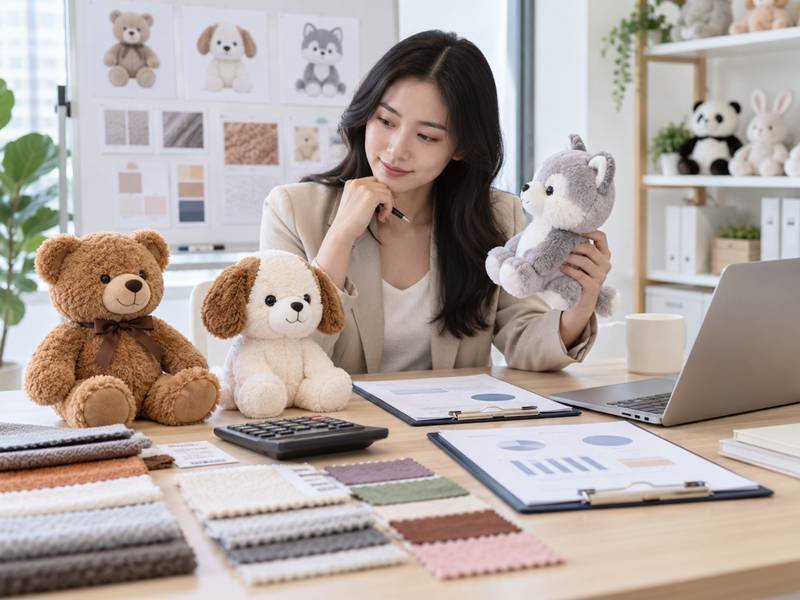
Comparing custom plush quotes requires more than checking unit price. The most reliable comparison aligns size, fabric, filling, decoration, MOQ, sample scope, packaging, testing, lead time, payment terms, and delivery conditions first. Once every factory is pricing the same product, differences become easier to explain. The strongest quote is usually the one with a clear technical basis, predictable total cost, controlled bulk quality, and fewer unresolved risks.
What Information Helps a Plush Factory Quote Faster?
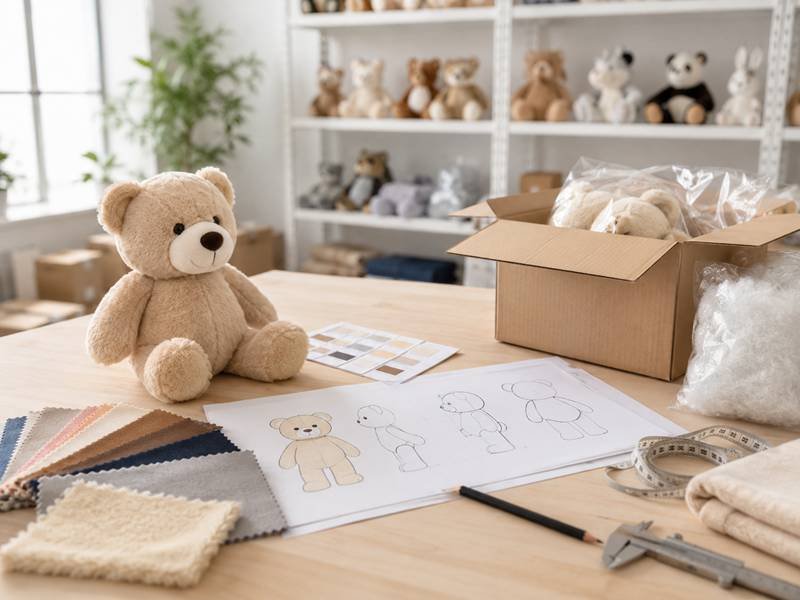
A quotation can look simple from the outside: send an image, state a quantity, and wait for a unit price. Inside a plush factory, however, that request immediately becomes a series of production questions. Someone must judge the finished dimensions, fabric consumption, number of pattern pieces, embroidery or printing, stuffing, accessories, packaging, material sourcing, testing […]
Who Should Manage Your Custom Plush Project at the Factory?
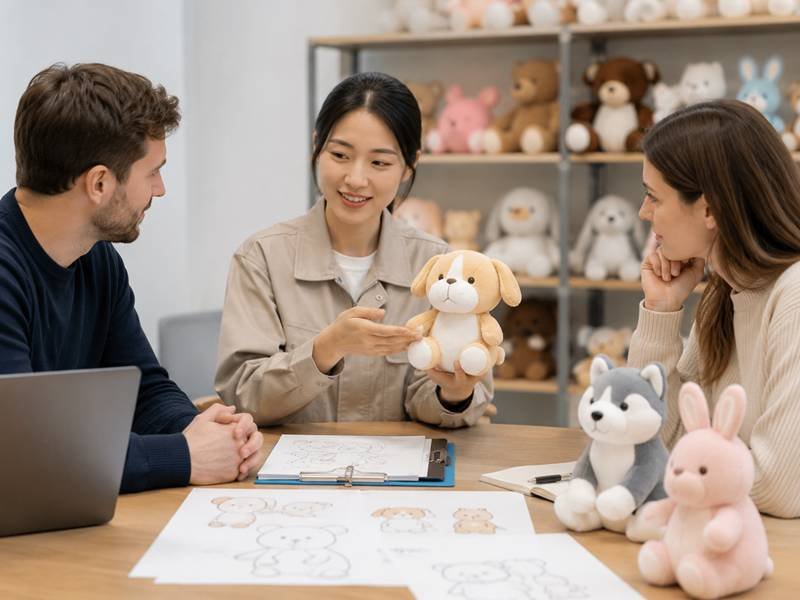
Custom plush projects rarely fail because nobody in the factory knows how to sew. More often, trouble develops between departments. A sample revision reaches the designer but not the pattern engineer. The correct fabric is approved, yet an older specification remains in purchasing. Packaging changes after production has begun. A delivery risk becomes obvious inside […]
What Should Brands Audit Before Choosing a Plush Factory?
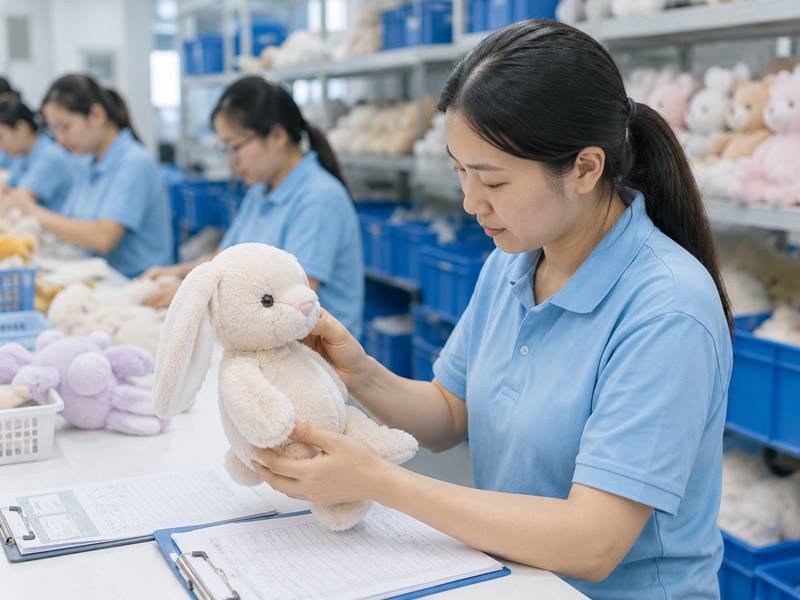
A custom plush project can look surprisingly safe during the sampling stage. The prototype may have the right expression, the fabric feels good, the embroidery is clean, and the quotation appears commercially workable. That is exactly when sourcing teams need to become more careful. A successful sample proves that a supplier can make one acceptable […]
How to Choose a Custom Plush Toys Manufacturer? A Practical Supplier Evaluation Guide
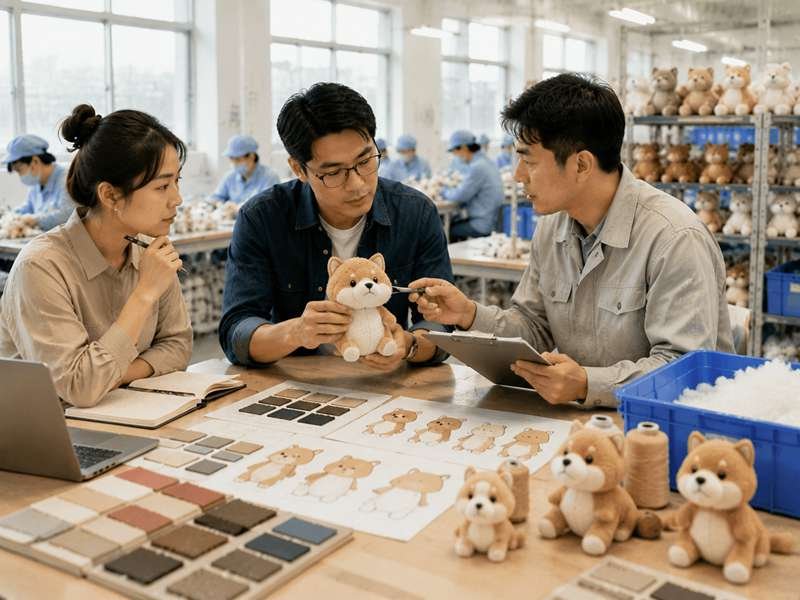
Choosing a custom plush toys manufacturer looks straightforward until a project moves beyond the first sample. Almost every supplier can show attractive product photos, quote a unit price, and promise that production will match the approved prototype. The real test comes later, when the same face must remain recognizable across thousands of units, several fabrics […]
How Do Plush Manufacturers Transfer Brand Priorities to the Factory Floor?
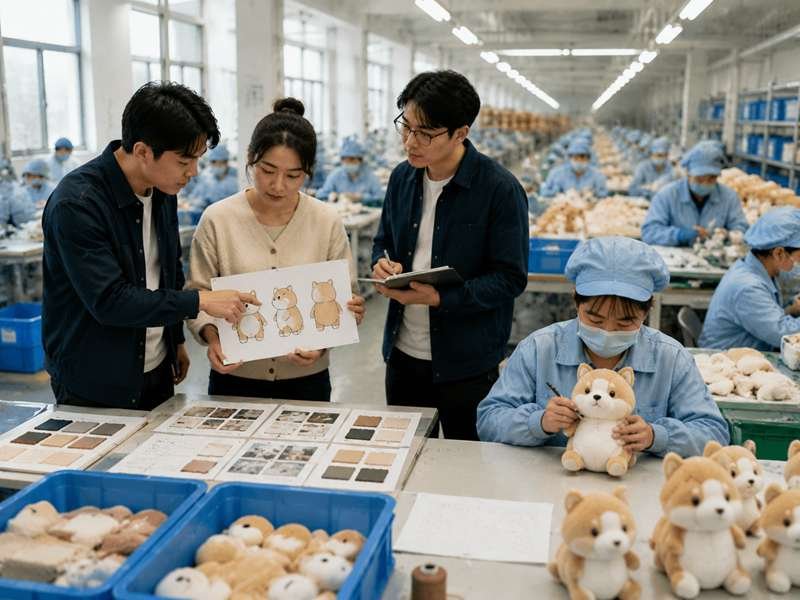
A custom plush project can appear perfectly organized while it is still inside a brand team’s inbox. The character artwork has been approved, colors are defined, packaging files look finished, materials have been discussed, and everyone agrees that the face must retain a very specific expression. None of those decisions, however, manufacture a product. Before […]
How Do Manufacturers Qualify Plush Material Suppliers?
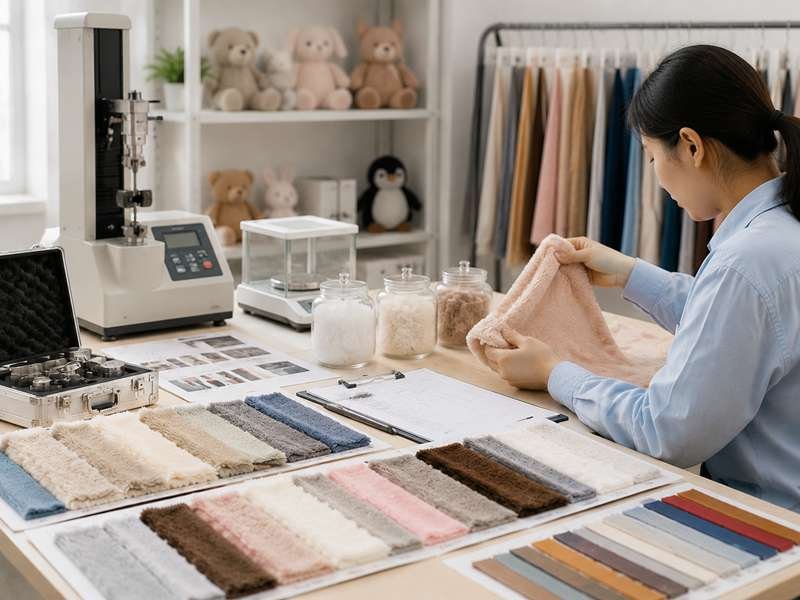
A plush toy can look wonderfully simple when it reaches a retail shelf, yet the supply chain behind that finished product is anything but simple. One character may require several plush fabrics, polyester filling, embroidery thread, printed fabric, woven labels, metal accessories, molded plastic parts, and retail packaging. If one supplier changes a yarn source, […]